
As winter loses its grip and we have the occasional sunny day some unfortunate people already face the dreaded prospect of seasonal allergies. That’s right, we’re at the onset of hay fever season and that’s enough to ruin anyone’s day.
Seasonal allergy sufferers have a choice between using conventional treatment or being housebound. Either way they lose. They’re either unable to get out and enjoy the beautiful Spring sun or they can take medications with side effects that really knock them about.
But there are many effective natural remedies for hay fever relief.
Hay fever occurs when pollen released from grasses and other plants is carried through the air on spring winds. These pollens affect the immune system and cause inflammatory reactions on the mucous membranes.
Sneezing, itching, runny nose, coughing and congestion, hay fever (or seasonal allergic rhinitis) is enough to ruin anyone’s day. It can affect any of the mucous membranes of the eyes, nose, sinuses, throat and palate, or all of them at once.
But it doesn’t need to be like this!
Natural Remedies For Hay Fever
There are many natural alternatives that can effectively knock hay fever symptoms on the head by providing natural antihistamines. These include herbs, vitamins, kitchen cures and my favourite, homeopathy,
In addition to actual remedies to relieve the symptoms some precautionary practices can help minimise the effect of the allergen on your system. Gifting your liver a Spring clean can reduce the allergic effect. These tips will help you gently detox your liver without doing a ‘full detox’.
- Vitamin C and the bioflavonoid quercetin have an antihistamine effect to reduce the release of histamine.
- Vitamin A helps maintain healthy mucous membranes which can improve your response to allergens.
- Studies have shown a link between low zinc intake and higher allergy risk. Therefore a zinc supplement may help anyone who falls into this category.
- With any aggravation of the mucous membranes it’s essential to reduce the amount of dairy food you eat. Dairy foods increase the production of mucous on these surfaces and exacerbate congestion. So eat less milk, cheese, ice-cream, cream, yoghurt and butter during hay fever season. And watch for “milk solids” often added to processed foods.
- Refined starches can also stimulate mucous production. Limit bread and other baked goods to reduce the severity of your symptoms.
- Increase your intake of omega 3 fatty acids over the season. These can help decrease your hay fever because they help lower the amount of inflammatory chemicals produced when you’re exposed to an allergen.
- Many herbs including chamomile, stinging nettle, ginger, and butterbur have great use blocking histamine and relieving symptoms. But their effect is often limited to just some of your symptoms, not all. Plus they can take time to have an effect so its better to start taking then before allergy season.
Reduce Hay Fever
Many alternative treatments, including nutrition and supplements, can alleviate hay fever by strengthening the immune system. However they don’t always give immediate relief in the moment when symptoms strike. Some can reduce symptoms when taken in mega dosage but they often need to be taken in combination with others.
Air filters can make a real difference in keeping the air inside your home allergen free. They help keep irritating pollens out of your home especially when placed over windows and doors.
Steaming is an age old practice for breaking up congestion. Add a few drops of eucalyptus essential oil to a bowl of steaming water. Place a towel over your head and breathe in the enclosed eucalyptus-rich vapour to loosen mucous and clear air passages. Tea tree is another suitable essential oil.
And make certain to maintain your water intake to keep your system flushed.
Herbs can provide welcome relief to hay fever sufferers. Butterburr, gingko biloba and garlic all act as antihistamines. However, to be effective they need to be taken for a few months before the symptoms begin to all ow your body to build up a defence.
However, herbs can be a poor choice for someone who is already highly oversensitive to plant material. They may even exacerbate the symptoms. Sometimes a herb commonly used for its antihistamine and anti-inflammatory properties may have the opposite effect. It may even cause the very symptom it’s supposed to cure. The crude nature of herbs may actually be too harsh for some of these highly sensitive individuals. A viable and often effective alternative is Homeopathy.
Homeopathy for Hay Fever
Homeopathy has a great track record for treating hay fever. Symptoms are often switched off almost immediately when the correctly matched remedy is used. I can personally vouch for this.
In France the most commonly prescribed treatment for hay fever by medical doctors is a homeopathic remedy, simply because it can be so effective and fast-acting.
I’d like to introduce you to some of the more commonly used homeopathic remedies. Homeopathic preparations are excellent to quickly relieve symptoms of acute bouts of hay fever. But there is not a ‘generic homeopathic hay-fever remedy’.
Each person with allergies experiences them slightly differently, with an individual response to the trigger. Homeopathic remedies must be selected to closely match the individual symptom picture experienced by each person. The remedy picture must match your symptoms for it to work.
Combination Remedies
‘Combination Homeopathic Remedies’ are available over the counter (OTC) or online. These remedies include a selection of the more commonly used remedies and so can be used by those with different symptoms. They are useful if you do not know which remedy matches your symptoms.
It is always best to get the advice of a professional homeopath for the best remedy match, but you can also treat yourself with OTC remedies. If the remedy does not provide relief, consult a professional.
When treating yourself select remedies in 6x or 30c potencies, taking one dose four hourly for up to 3 doses. When the right remedy is selected symptoms should improve after the first or second dose. If symptoms don’t improve after the third dose you probably have the wrong remedy. Go back and again compare and match the remedy picture to your symptoms for a closer match. If symptoms reappear later take one more dose. Pay particular attention to what makes your hay fever symptoms better or worse. These are important pointers to the correct remedy.
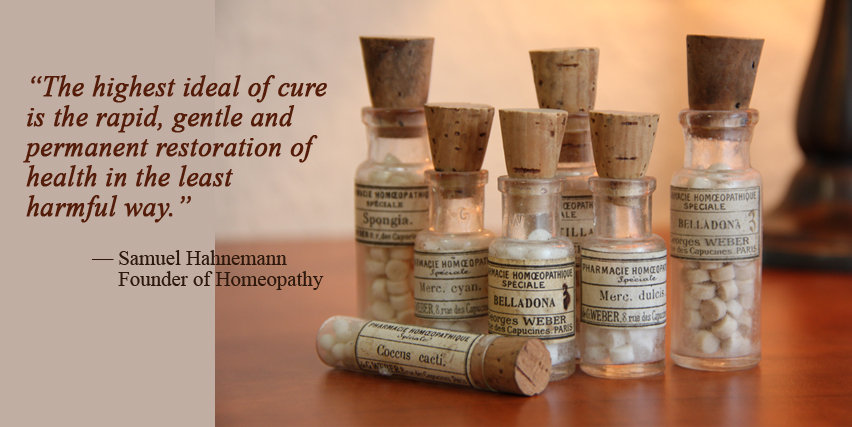
These are a few commonly used remedies for symptomatic relief of hay fever. However, if none of these remedies match your symptom picture visit a homeopath who can select the right remedy for you from the hundreds of possibilities.
1. Allium cepa
Allium-cepa (red onion) is perhaps the most commonly used remedy for hay fever. Use this when sneezing is prominent along with watery eyes that burn and smart. The tears here are non-irritating and don’t affect the skin around your eyes. Instead the copious watery discharge from the nose is acrid and irritates the skin between the nose and upper lip which becomes red and sore. The nose feels blocked and the sense of smell is gone. The voice may become hoarse. When Allium cepa is called for, the symptoms improve outside in the fresh air or in cool air.
2. Arsenicum album
This remedy is very commonly used for hay fever when there’s burning and itching in the throat, nose or eyes. The discharges burn and redden the skin. This person feels quite cold and although they want to be rugged up, their head clears in cool fresh air. They are sensitive to light.
3. Euphrasia
Eyes that feel swollen and gritty call for the remedy Euphhrasia. The copious watery tears are acrid, unlike Allium cepa, and they irritate and burn the skin around the eyes and even the cheeks. There is a watery discharge from the nose which is bland and non-irritating. There may be much sneezing. Symptoms are worse outside in the open air, and also worse from heat or wind. (Notice how the symptoms of Allium cepa and Euphrasia are opposite to help you distinguish which is a closer match)
4. Natrum muriaticum
Violent sneezing is a symptom that may call for Nat mur, particularly when it is accompanied by itching and tingling inside the nose. There may be a watery or egg white like nasal discharge, although not usually at the onset of hay fever. These symptoms get worse after being out in the sun. Taste and smell are lost. Cold sores may occur at the same time. The person needing Nat mur may feel sad or sorry for themselves and want to be alone, and they feel better outside.
5. Nux vomica
Sore, smarting eyes that are light sensitive call for Nux vomica. The nose feels stuffed up making breathing difficult. There may be a streaming discharge through the day even though the nose feels stuffy. At night the nose dries up. This person feels irritable, even nasty, and chilly. Other people can really annoy them. They may have a headache with the stuffy nose which is made worse from stooping. Their symptoms are worse in dry air and better when the air is damp. These people have a tendency to over work, and may crave coffee to keep them going
6. Sabadilla
Eyes that water with red burning margins of the eyelids, and lots of watery nasal discharge indicate the need for Sabadilla. There is much sneezing which occurs in spasms, one sneeze after another, caused by a tickle in the nose. The sneezing causes the eyes to water. This person is very sensitive to the smell of flowers which may exacerbate the sneezing. Warm drinks may relieve the tickle in the throat. This person feels very chilly, and the symptoms are worse in the open air and better in a warm room.
These are just a few of the hundreds of homeopathic remedies used for treating hayfever. If you cannot match one to your symptoms consult a professional for a closely matched remedy.
Hay Fever Prevention
Homeopathic treatment can be excellent for preventing, as well as treating, hay fever attacks. But for prevention it must begin well before the hay fever season. While you can use homeopathic remedies during an acute attack to quickly relieve symptoms, improving your ability to withstand the impact of pollen needs forward planning. Visit a professional homeopath about six months before hay fever season. They will treat you to improve your resistance to allergens in order to prevent, or reduce, further attacks in the future.
I experienced terrible hay fever when I was younger. But I haven’t had any for years and years after taking preventative homeopathy over one winter years ago.
How do you deal with your hay fever?
Please share you favourite natural cure with us in the comments below.

Disclaimer
All information and opinions presented here are for information purposes only and are not intended as a substitute for professional advice offered during a consultation with your health care provider. Do not use this article to diagnose a health condition. Speak to your doctor if you think your condition may be serious or before discontinuing any prescribed medication. Please consult with your health care provider before following any of the treatment suggested on this site, particularly if you have an ongoing health issue.
© Catherine Bullard and Happy Holistic Health, 2017. Unauthorised use and/or duplication of this material without express and written permission from this blog’s author and/or owner is strictly prohibited. Excerpts and links may be used, provided that full and clear credit is given to Catherine Bullard and Happy Holistic Health with appropriate and specific direction to the original content
 Happy Holistic Health