Category Archives: Natural Remedies & Homeopathy

Natural Remedies For Winter Wellness

When your mood matches the sky it’s tempting to dive under the doona and tune out from the world.  Winter is naturally a time to close down and go within, so we need to be mindful of honouring our needs during this time. 

Winter is a time when we need to sleep more, eat nourishing foods and tone down the active life we enjoyed over summer, for our inner health and wellness.  It’s also crucial to support our immune system because it can take a beating during the winter months.  So, it’s important to know how to keep your immune system strong and balanced if you want to avoid winter infections and stay healthy.  These natural remedies for winter health provide a simple foundation for wellness.

The chill of Winter brings with it a swag of seasonal diseases which range from chilblains and cold sores through many respiratory illnesses.  The common cold is the most prevalent contagious disease in Australia and the most common reason for people to stay home from work or school.  Coughs, colds and flu are a common part of most household’s winter experience.  Colds are very easily spread from person to person affecting over half of the population in winter

Natural Immune Support

Your immune system protects your body and is your greatest health asset.  But with greater demands and stress placed on it over winter it can suffer. In order to get through winter without any sickness it pays to build your immunity naturally.  Vitamin C, vitamin D, and zinc are three of the best nutrients for this. When you add probiotics you have a powerful combination.

Zinc and vitamin C are essential for the healthy function of white blood cells which fight infection.  Vitamin D contributes to a multitude of body functions including fighting infection.  Probiotics support the immune function of the gut.
Vitamin D

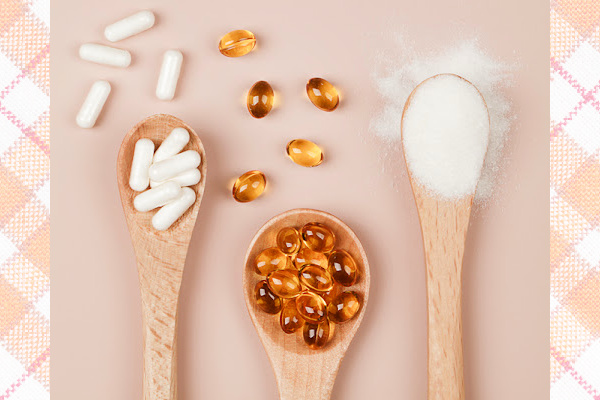
As we huddle indoors over Winter and spend less time in the sun, our vitamin D levels can easily fall below our needs. Vitamin D is essential for immune health. When these levels don’t meet the increased demands of our immune system we’re left open to coughs, colds and flu.

Low vitamin D can also lead to Seasonal Affective Disorder or ‘SAD’ which causes seasonal depression and low mood.

Vitamin D is difficult to source from food. While you’ll find some in sardines, salmon, mackerel, cod, and eggs most is produced by your body after exposure to sunlight.

Zinc

Is your diet lacking in zinc?  Zinc is essential for a number of life-sustaining functions, including strong immunity to help prevent coughs, colds and flu.  This important mineral triggers approximately 160 different reactions within the body including immunity.  Unfortunately, many Australians are deficient in zinc.

You need zinc every day in just the right amount.  Too much or too little causes problems.  But your body has no way to store zinc, so it depends on a daily supply through diet.  Although you only need small amounts to build a healthy immune system, almost every Aussie is deficient!

Some natural sources are oysters, crab and lobster; eggs; cashews, almonds; peas, chickpeas, pumpkin seeds; oats; spinach. But even if you eat lots of these foods you may still need to supplement. This is because Australian soils are low in many healthy minerals, including zinc. So food grown in this soil is also low in important nutrients.  Your natural health practitioner can quickly test your levels of zinc.

Vitamin C

Most people know of the value of vitamin C for winter illness. But many don’t get enough through their diet for real protection. Eating lots of fresh foods rich in vitamin C is a good start. Fruits and vegetables high in this valuable vitamin include:

  • red and green capsicum
  • broccoli, cauliflower, cabbage and Brussels sprouts
  • spinach and other leafy greens
  • potatoes – both white and sweet
  • kiwi fruit, black currants, orange, strawberries

While eating vitamin C rich foods supports your immune system generally, if you do feel a cold starting, you’ll also need a supplement to help fight it off effectively. Take as much vitamin C as you need to stay just below the point where it affects your bowels. For some people, such as smokers, this can be a lot.  Powdered vitamin C dissolved in juice or water soothes the inflamed mucous membranes of your throat as it passes over them.

Probiotics

About 80% of your immune system is located in your gut. Probiotics are the friendly bacteria that help build a strong healthy gut.  They help you digest the nutrients that support your immune system.  It makes no difference how healthy your diet is if you can’t absorb the nutrients properly.  Probiotics help you absorb them and reap the immune benefit they provide.

Probiotics are found in whole and fermented foods. Some are:

  • sauerkraut
  • kombucha
  • kimchi
  • kefir
  • miso
  • microalgae like spirulina
  • yoghurt

If you can’t meet your needs with these foods take a probiotic supplement.  Select supplements that contain a range of different bacteria. Many need to be refrigerated although some shelf-stable probiotics are now available. These are great if you’re traveling.

Seasonal Affected Disorder (SAD)

Depression is usually worse during the winter months. SAD is a form of depression that occurs in both the northern and southern hemispheres. However it’s more common in areas further away from the equator where there is less sun.  It’s extremely rare in those living within 30 degrees of the equator where daylight hours are long, constant and extremely bright.

It’s possible to be suffering from SAD without realising it.

Some people are strongly affected by long dark evenings and the relative lack of sunshine.  Symptoms can include lethargy, insomnia, overeating (especially carbohydrates and sweet foods) with consequent weight gain, anxiety and loss of libido. Others experience a drop in mood during the darker months of the year.

If you feel ‘blue’ over winter consult your natural health practitioner.  It’s difficult to see yourself objectively when you’re feeling low, so self-prescribing, even with natural remedies like homeopathy or herbs isn’t recommended.  SAD responds well to homoeopathic treatment.  Don’t be shy about seeking help for this common problem

Low vitamin D levels may contribute to the development of SAD, so if you suspect this problem have your vitamin D levels tested with a simple blood test.  While the best source of this essential nutrient is the UV rays of the sun it’s worth taking a supplement through winter and spring if your levels are low.

10 Top Tips for Winter Wellness

  • Onions, garlic and leeks all help eliminate mucus from the lungs
  • To boost immunity stop consuming refined sugar
  • Avoid mucus-forming dairy foods, heavy starches and saturated fats from animal meats to reduce congestion
  • Eat lots of fresh fruits and vegetables (especially yellow and orange ones). These contain lots of vitamin A to strengthen lung tissue
  • Vitamin C promotes healing and improves resistance to infections
  • Zinc raises your immunity. Most Australians are zinc deficient
  • Drink more water.  The moisture helps make mucous membranes more resistant to bacteria
  • Avoid sugar and extra alcohol because they lower immunity
  • Eat more garlic, especially if it’s raw, it’s natures antibiotic. Use organic if possible as it stresses your immune system less
  • Get plenty of sleep and don’t let yourself get run down. Sleep deprivation decreases immunity
  • Listen to your body. If you get early warning signs that you’re coming down with something begin your immune-boosting strategies straight away, including rest.

Natural Flu-Brew Relief
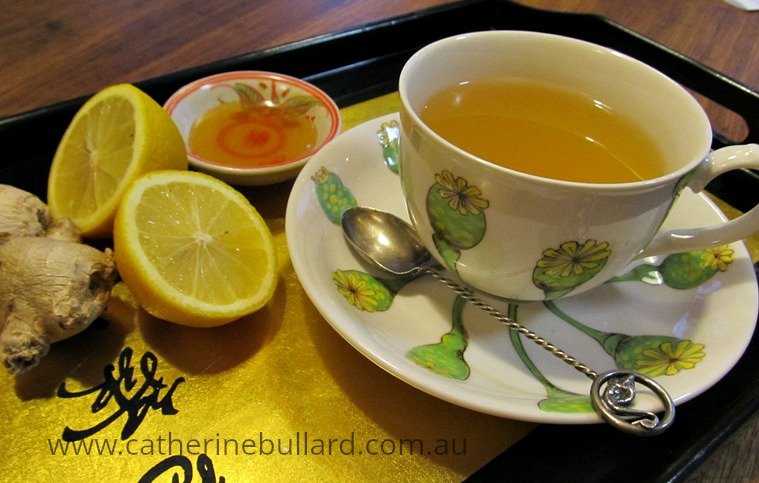
If you do succumb and are laid low in spite of your precautions, this Flu-Brew should help your immune system quickly recover and soothe those cold and flu symptoms.

To one cup of hot water add:
1 teaspoon manuka honey*
1 teaspoon fresh grated ginger
1/2 – 1 clove crushed garlic
pinch cayenne pepper
1 tablespoon fresh lemon juice
Allow it to steep for a few minutes.

* Whilst all honey has traditionally been used for healing purposes, Manuka honey also stimulates immune cells, according to 2007 research published in the Journal of Leukocyte Biology.  Manuka honey is usually graded with a Unique Manuka Factor (UMF) rating on the package which means it has been tested for antibacterial activity.  The higher the UMF the greater the antibacterial effects.

There are many wonderful homeopathic and herbal remedies to support your immune system and help prevent coughs, cold and flu and to weather Winter. Plus, many of these remedies reduce the symptoms of these common winter ailments.

When we’re gripped by mid-winter cold it can be difficult to remember that the days are getting a little longer each day and we are in fact, heading towards Spring.  If you care for yourself and support your immune system you should weather winter in good health.

Disclaimer

All information and opinions presented here are for information purposes only and are not intended as a substitute for professional advice offered during a consultation with your health care provider. Do not use this article to diagnose a health condition. Speak to your doctor if you think your condition may be serious or before discontinuing any prescribed medication. Please consult with your health care provider before following any of the treatment suggested on this site, particularly if you have an ongoing health issue.

© Catherine Bullard and Happy Holistic Health, 2012. Unauthorised use and/or duplication of this material without express and written permission from this blog’s author and/or owner is strictly prohibited. Excerpts and links may be used, provided that full and clear credit is given to Catherine Bullard and Happy Holistic Health with appropriate and specific direction to the original content

Natural Remedies For Hay Fever Relief

As winter loses its grip and we have the occasional sunny day some unfortunate people already face the dreaded prospect of seasonal allergies. That’s right, we’re at the onset of hay fever season and that’s enough to ruin anyone’s day. 

Seasonal allergy sufferers have a choice between using conventional treatment or being housebound. Either way they lose. They’re either unable to get out and enjoy the beautiful Spring sun or they can take medications with side effects that really knock them about.

But there are many effective natural remedies for hay fever relief.

 Hay fever occurs when pollen released from grasses and other plants is carried through the air on spring winds. These pollens affect the immune system and cause inflammatory reactions on the mucous membranes. 

Sneezing, itching, runny nose, coughing and congestion, hay fever (or seasonal allergic rhinitis) is enough to ruin anyone’s day. It can affect any of the mucous membranes of the eyes, nose, sinuses, throat and palate, or all of them at once.

But it doesn’t need to be like this!


Natural Remedies For Hay Fever


There are many natural alternatives that can effectively knock hay fever symptoms on the head by providing natural antihistamines. These include herbs, vitamins, kitchen cures and my favourite, homeopathy,

In addition to actual remedies to relieve the symptoms some precautionary practices can help minimise the effect of the allergen on your system. Gifting your liver a Spring clean can reduce the allergic effect. These tips will help you gently detox your liver without doing a ‘full detox’.

  • Vitamin C and the bioflavonoid quercetin have an antihistamine effect to reduce the release of histamine.
  • Vitamin A helps maintain healthy mucous membranes which can improve your response to allergens.
  • Studies have shown a link between low zinc intake and higher allergy risk. Therefore a zinc supplement may help anyone who falls into this category.
  • With any aggravation of the mucous membranes it’s essential to reduce the amount of dairy food you eat. Dairy foods increase the production of mucous on these surfaces and exacerbate congestion. So eat less milk, cheese, ice-cream, cream, yoghurt and butter during hay fever season. And watch for “milk solids” often added to processed foods.
  • Refined starches can also stimulate mucous production. Limit bread and other baked goods to reduce the severity of your symptoms.
  • Increase your intake of omega 3 fatty acids over the season. These can help decrease your hay fever because they help lower the amount of inflammatory chemicals produced when you’re exposed to an allergen.
  • Many herbs including chamomile, stinging nettle, ginger, and butterbur have great use blocking histamine and relieving symptoms. But their effect is often limited to just some of your symptoms, not all. Plus they can take time to have an effect so its better to start taking then before allergy season.


Reduce Hay Fever


Many alternative treatments, including nutrition and supplements, can alleviate hay fever by strengthening the immune system. However they don’t always give immediate relief in the moment when symptoms strike. Some can reduce symptoms when taken in mega dosage but they often need to be taken in combination with others.

Air filters can make a real difference in keeping the air inside your home allergen free. They help keep irritating pollens out of your home especially when placed over windows and doors.

Steaming is an age old practice for breaking up congestion. Add a few drops of eucalyptus essential oil to a bowl of steaming water. Place a towel over your head and breathe in the enclosed eucalyptus-rich vapour to loosen mucous and clear air passages. Tea tree is another suitable essential oil.

And make certain to maintain your water intake to keep your system flushed.

Herbs can provide welcome relief to hay fever sufferers. Butterburr, gingko biloba and garlic all act as antihistamines. However, to be effective they need to be taken for a few months before the symptoms begin to all ow your body to build up a defence.

However, herbs can be a poor choice for someone who is already highly oversensitive to plant material. They may even exacerbate the symptoms. Sometimes a herb commonly used for its antihistamine and anti-inflammatory properties may have the opposite effect. It may even cause the very symptom it’s supposed to cure. The crude nature of herbs may actually be too harsh for some of these highly sensitive individuals. A viable and often effective alternative is Homeopathy.

Homeopathy for Hay Fever

Homeopathy has a great track record for treating hay fever. Symptoms are often switched off almost immediately when the correctly matched remedy is used. I can personally vouch for this. 

In France the most commonly prescribed treatment for hay fever by medical doctors is a homeopathic remedy, simply because it can be so effective and fast-acting.

I’d like to introduce you to some of the more commonly used homeopathic remedies. Homeopathic preparations are excellent to quickly relieve symptoms of acute bouts of hay fever. But there is not a ‘generic homeopathic hay-fever remedy’.

Each person with allergies experiences them slightly differently, with an individual response to the trigger. Homeopathic remedies must be selected to closely match the individual symptom picture experienced by each person. The remedy picture must match your symptoms for it to work.

Combination Remedies

‘Combination Homeopathic Remedies’ are available over the counter (OTC) or online. These remedies include a selection of the more commonly used remedies and so can be used by those with different symptoms. They are useful if you do not know which remedy matches your symptoms.

It is always best to get the advice of a professional homeopath for the best remedy match, but you can also treat yourself with OTC remedies. If the remedy does not provide relief, consult a professional.

When treating yourself select remedies in 6x or 30c potencies, taking one dose four hourly for up to 3 doses. When the right remedy is selected symptoms should improve after the first or second dose. If symptoms don’t improve after the third dose you probably have the wrong remedy. Go back and again compare and match the remedy picture to your symptoms for a closer match. If symptoms reappear later take one more dose. Pay particular attention to what makes your hay fever symptoms better or worse. These are important pointers to the correct remedy.

These are a few commonly used remedies for symptomatic relief of hay fever. However, if none of these remedies match your symptom picture visit a homeopath who can select the right remedy for you from the hundreds of possibilities.

1. Allium cepa

 Allium-cepa (red onion) is perhaps the most commonly used remedy for hay fever. Use this when sneezing is prominent along with watery eyes that burn and smart. The tears here are non-irritating and don’t affect the skin around your eyes. Instead the copious watery discharge from the nose is acrid and irritates the skin between the nose and upper lip which becomes red and sore. The nose feels blocked and the sense of smell is gone. The voice may become hoarse. When Allium cepa is called for, the symptoms improve outside in the fresh air or in cool air.

2. Arsenicum album

This remedy is very commonly used for hay fever when there’s burning and itching in the throat, nose or eyes. The discharges burn and redden the skin. This person feels quite cold and although they want to be rugged up, their head clears in cool fresh air. They are sensitive to light.

3. Euphrasia

Eyes that feel swollen and gritty call for the remedy Euphhrasia. The copious watery tears are acrid, unlike Allium cepa, and they irritate and burn the skin around the eyes and even the cheeks. There is a watery discharge from the nose which is bland and non-irritating. There may be much sneezing. Symptoms are worse outside in the open air, and also worse from heat or wind. (Notice how the symptoms of Allium cepa and Euphrasia are opposite to help you distinguish which is a closer match)

4. Natrum muriaticum

Violent sneezing is a symptom that may call for Nat mur, particularly when it is accompanied by itching and tingling inside the nose. There may be a watery or egg white like nasal discharge, although not usually at the onset of hay fever. These symptoms get worse after being out in the sun. Taste and smell are lost. Cold sores may occur at the same time. The person needing Nat mur may feel sad or sorry for themselves and want to be alone, and they feel better outside.

5. Nux vomica

Sore, smarting eyes that are light sensitive call for Nux vomica. The nose feels stuffed up making breathing difficult. There may be a streaming discharge through the day even though the nose feels stuffy. At night the nose dries up. This person feels irritable, even nasty, and chilly. Other people can really annoy them. They may have a headache with the stuffy nose which is made worse from stooping. Their symptoms are worse in dry air and better when the air is damp. These people have a tendency to over work, and may crave coffee to keep them going

6. Sabadilla

Eyes that water with red burning margins of the eyelids, and lots of watery nasal discharge indicate the need for Sabadilla. There is much sneezing which occurs in spasms, one sneeze after another, caused by a tickle in the nose. The sneezing causes the eyes to water. This person is very sensitive to the smell of flowers which may exacerbate the sneezing. Warm drinks may relieve the tickle in the throat. This person feels very chilly, and the symptoms are worse in the open air and better in a warm room.

These are just a few of the hundreds of homeopathic remedies used for treating hayfever. If you cannot match one to your symptoms consult a professional for a closely matched remedy.

Hay Fever Prevention

Homeopathic treatment can be excellent for preventing, as well as treating, hay fever attacks. But for prevention it must begin well before the hay fever season. While you can use homeopathic remedies during an acute attack to quickly relieve symptoms, improving your ability to withstand the impact of pollen needs forward planning. Visit a professional homeopath about six months before hay fever season. They will treat you to improve your resistance to allergens in order to prevent, or reduce, further attacks in the future.

I experienced terrible hay fever when I was younger. But I haven’t had any for years and years after taking preventative homeopathy over one winter years ago.

How do you deal with your hay fever?

Please share you favourite natural cure with us in the comments below.

Disclaimer

All information and opinions presented here are for information purposes only and are not intended as a substitute for professional advice offered during a consultation with your health care provider. Do not use this article to diagnose a health condition. Speak to your doctor if you think your condition may be serious or before discontinuing any prescribed medication. Please consult with your health care provider before following any of the treatment suggested on this site, particularly if you have an ongoing health issue.

 © Catherine Bullard and Happy Holistic Health, 2017. Unauthorised use and/or duplication of this material without express and written permission from this blog’s author and/or owner is strictly prohibited. Excerpts and links may be used, provided that full and clear credit is given to Catherine Bullard and Happy Holistic Health with appropriate and specific direction to the original content
How To Reduce Chronic Inflammation

chronic inflammation

Many people think of inflammation as being skin redness, joint swelling after exercise, or even a pimple. And it is. But there’s a different kind of inflammation that is more insidious. This is chronic inflammation, or systemic inflammation. It’s a slow, silent attack on your body and health that never switches off. And worse, it’s the underlying cause of many serious chronic diseases in our lives. Luckily there are simple changes you can easily make to reduce the chronic inflammation in your cells.

You actually need some degree of inflammation in your body to stay healthy. However it’s more and more common for the inflammatory response to get out of hand.

Inflammation serves an important purpose but when it continues indefinitely it can become dangerous. You know your immune system is stuck in “high alert” when inflammation doesn’t recede. And this is where chronic disease develops.

Effects of Chronic Inflammation

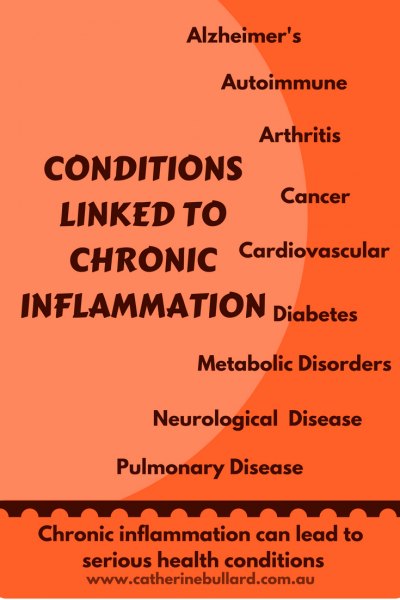
Many common chronic illnesses today are thought to develop when the body is in a state of chronic (or systemic) inflammation. Osteoarthritis, autoimmune diseases, allergies, asthma, IBS, heart disease and even cancer are just some indicators of chronic inflammation.

Many things in life both contribute to and maintain chronic inflammation. Excess weight, lack of exercise, poor diet, excess alcohol, poor oral health and ongoing stress are just some factors that lead to it. Others such as pollution and toxins in our environment can also contribute.

Stress And Chronic Inflammation

For many people stress can be the major problem. Cortisol is an important part of your body’s stress response to perceived threats. So levels of the hormone cortisol rise in response to any stressful situation.  However, when stress of any type is ongoing the cortisol release mechanism doesn’t turn off. This results in persistent low grade inflammation. In some cases it can go on forever.

The first step to turn off the chronic inflammation response is to change your lifestyle. Simply switching to an anti-inflammatory diet is a great starting place for a significant impact.

Conditions Linked to Chronic Inflammation

  • Heart disease – stroke, hypertension
  • Diabetes
  • Lung issues – asthma, hay fever, COPD, chronic bronchitis, emphysema, breathing difficulties
  • Bone and joint disease – all forms of arthritis, osteoporosis
  • Depression – including feeling down, sleep problems, appetite loss
  • Cancer
  • Anger disorders, aggressive behaviour
  • Autoimmune – Crohn’s, Lupus, Type 1 Diabetes, colitis, IBD,
  • Neurological disorders –  Parkinson’s, Alzheimer’s, depression, Multiple Schlerosis,

Common Causes of Inflammation

Excess Weight

Stacking on the kilos causes fat cells to grow. This leads to immune system distress and results in an inflammatory response within the fat cells.  Over time these cells become insulin-resistant which can lead to diabetes.

Chronic stress

Whether it’s a terrible job, unhappy marriage, sick parents, overfull diary or worry about your kids makes you anxious, they’re all chronic stressors. Chronic stress causes unchecked chronic inflammation.

Poor Air Quality

Chronic inflammation is one result of smog or any other form of pollution. Tobacco smoke is probably the worst form of air pollution.

Gut Health

The gut is integral to your immune system. Seventy percent of it is seated within the gut. Therefore bacteria balance is crucial to the regulation of inflammation. Beneficial bacteria suppress inflammation and harmful bacteria activate it. Boost the beneficial bacteria and reduce inflammation.

Certain foods contain inulin, a prebiotic which feeds beneficial gut bacteria and keeps your gut healthy. These include onions, raw asparagus, raw dandelion greens, raw banana, yoghurt, sour cream, and raw leeks.

Gut inflammation can initiate diseases like Crohn’s or rheumatoid arthritis.

Alcohol

That relaxing evening drink might reduce your stress initially. But it also releases inflammatory toxic by-products as it breaks down.

Contraceptives and Hormone Treatment

Oral contraceptives cause low-grade inflammation. Research shows women taking the pill show high levels of inflammation markers.

Poor Diet

High-sugar, high-carb and high-fat diets are your enemy.  They all contribute to inflammation, but excess sugar is particularly dangerous. High GI foods cause a sudden dump of sugar into your bloodstream which triggers the inflammatory response.

Inflammation Fighters

Reduce Stress

Lowering stress is the key to reducing inflammation, whatever the cause. When stress is caused by anxiety or depression simple practices such as deep breathing can help reduce it.

Homeopathic remedies, flower essences and some herbs are natural alternatives to pharmaceutical medications to manage the effects of stress. Speak to your natural health practitioner about the best remedy for you.

Anti-Inflammatory Foods

Mediterranean style diets are anti-inflammatory. They include more fish, fresh vegetables and fruit, healthy fats, and moderate amounts of nuts. These types of diets include very small quantities of red meat and dairy foods. Plus, they also reduce alcohol apart from moderate amounts of red wine. However, purple coloured foods like grapes are the perfect replacement for red wine as they don’t include the inflammatory alcohol.

Omega 3

A vital component of these diets is omega-3 fatty acids. Omega-3 inhibits the enzyme that produces inflammation triggering prostaglandins. Plus, they’re awesome for your heart and entire cardiovascular system as well as your nervous system.

Some of the best sources of omega-3 are cold water fish such as sardines, salmon, tuna, herring and mackerel. Eat about 300-350 grams two to three times a week.

Fresh Produce

  • Fruits and vegetables are chock-full of antioxidants to reduce free radicals and fight inflammation. Each different colour of produce contains different antioxidants. So eat a full rainbow of fruit and vegetables to get the full range.
  • Avocados are a marvellous anti-inflammatory food. They’re loaded with many awesome compounds. Omega-3 fatty acids and carotenoid antioxidants help reduce inflammation.
  • Cruciferous vegetables contain sulforaphane which reduces chronic inflammation linked to joint deterioration. They include broccoli, kale, cauliflower, Brussels sprouts, cabbage plus others.
  • Watermelon contains lycopene to neutralize free radicals and inhibit the inflammatory process.
  • Nuts, especially walnuts, are an excellent source of omega-3 to reduce inflammation. Extra-virgin olive oil is another.
  • Onions contain quercetin which inhibits histamines that cause inflammation
  • Coconut oil is anti-inflammatory and has many other health benefits
  • Berries are rich in antioxidants particularly anthcyanins which produce their dark red colour
  • Wholegrains like brown rice and quinoa contain high levels of fibre to feed beneficial gut bacteriato reduce inflammation.
  • Chia seeds contain lots of omega-3 as well as fibre and protein.

There are many more anti-inflammatory foods including pineapple, spinach, raw oats, garlic, extra-virgin olive oil, beetroot, green tea and dark chocolate. Include as many as you can in your eating plan.

Turmeric

Turmeric contains curcumin which provides its glorious golden colour. An extremely potent natural anti-inflammatory, it’s very effective at shutting down the activation of inflammatory pathways. As well as easing inflammation and associated pain in back, joints and arthritis it also helps prevent cognitive decline.

Reduce chronic inflammation in your body today
to help keep serious chronic disease at bay.

Disclaimer

All information and opinions presented here are for information purposes only. They are not intended as a substitute for professional advice offered during a consultation with your health care provider. Do not use this article to diagnose a health condition. Speak to your doctor if you think your condition may be serious or before discontinuing any prescribed medication. Please consult with your health care provider before following any of the treatment suggested on this site, particularly if you have an ongoing health issue.

© Catherine Bullard and Happy Holistic Health, 2017. Unauthorised use and/or duplication of this material without express and written permission from this blog’s author and/or owner is strictly prohibited. Excerpts and links may be used, provided that full and clear credit is given to Catherine Bullard and Happy Holistic Health with appropriate and specific direction to the original content
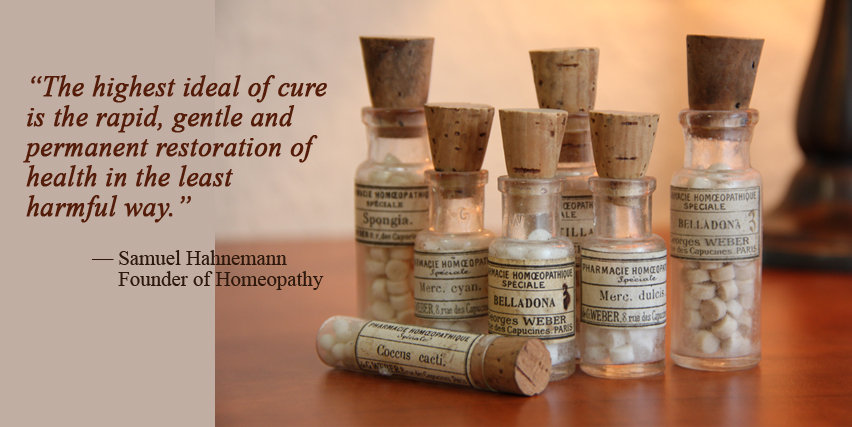
Natural Cures For Winter Coughs, Colds And Flu

Winter’s here and with that comes coughs, colds, and flu. As the air crisps and the autumn leaves finish you need to consider whether you’re well enough to get right through winter without falling victim to winter illnesses. And if you’ve already had a few sniffles, you can be certain the answer is “no”.

If you haven’t already prepared yourself to weather winter natural remedies can support you in best health and wellness. But you need to act now before winter takes hold. These natural remedies for coughs colds and flu will help you through without getting too sick.

PREVENT WINTER ILLNESS

Along with morning mists and cold air come winter illnesses, and many have already fallen victim to them. When you feel terrible it’s natural to think you’ve caught the flu. Although only about 20% of viruses that look and feel like flu actually are, it doesn’t stop the others from being downright unpleasant and highly contagious.

Preparing for winter should begin with a careful plan to strengthen your immune system. Ideally, you’d start it at the end of summer when the weather first cools. But if you’re unprepared and have already had a taste of the winter illnesses that lie ahead you can use these tactics to help you get through with minimum impact.

Over-the-counter cold and flu medications make you feel better because they suppress symptoms for a while. But they don’t actually make you well any faster. For that you need to look at other options.


NATURAL COLD AND FLU PREVENTION

There are many awesome natural remedies for coughs colds and flu that effectively treat winter illness. But they’re even more effective if you first fix bad lifestyle habits first.

Sleep

Good sleep is the most important lifestyle factor for glowing health. Adults need seven to eight hours uninterrupted sleep every night. It’s vital to develop regular sleep habits because a healthy immune system is the direct result of sufficient quality sleep.

Your sleep environment is crucial. Most people know they shouldn’t use their electronic devices before bed, but few actually stop. Using devices an hour or less before sleep is like having someone stand beside your bed shouting “stay awake”. They prevent good sleep.

Creating bedtime rituals contributes to better slumber. Declutter your bedroom. Introduce relaxation practices before bed. Don’t go to bed with a full stomach or hungry.

Hygeine

You know to wash your hands often during flu season. When someone with a cold or flu touches their keyboard, phone, or a glass the virus spreads onto the surface. Hours later the virus can still linger and be transferred to you when you touch the same surface.

Exercise

Keep up exercise through winter changing it to suit the season. Slow gentle exercise and stretching helps move lymph fluid through your body to remove waste from the cells. Aerobic exercise increases your body’s natural virus-killing cells. But don’t exercise when you get sick.

Foods

Sugar and grain weaken the immune system. Your immune system is compromised by 50% for up to four hours after eating sugar.

Supplements

Some supplements benefit the immune system and can help prevent colds and flu.

Vitamin D

Vitamin D produces antimicrobial peptides in your body to kill viruses and bacteria. Many people are deficient in this crucial vitamin particularly in winter. Vitamin D is sourced from sunlight so it’s common for your levels to drop dramatically when sunlight is scarce or weak over winter.

Zinc

Strong immunity depends on good levels of the trace element zinc, but many people are deficient. Zinc increases production of white blood cells to fight infection. Low zinc levels leave you much more susceptible to infection.Save

Vitamin C

Vitamin C is an antioxidant that provides your immune system with extra power to fight off viral illness. Lemons, limes, oranges, red pepper and broccoli are all good sources or take a daily supplement.

Garlic

Garlic contains allicin, a broad-spectrum antimicrobial often referred to as natures antibiotic. It needs to have a strong garlic odour for it to work properly.

Probiotics

Studies show that taking lactic acid bacteria long-term can protect against flu infection. Begin well before winter.

Homeopathy

There are many homeopathic remedies for fast relief of coughs, colds and flu symptoms. While you can buy combination remedies from health food stores, the most effective homeopathic remedies are individually matched to your specific unique symptoms. See below for more.

Herbs

The herb Echinacea helps fight infection, and is most effective during the first twenty-four hours of your illness. Goldenseal inhibits the formation of mucous. Olive Leaf extract strengthens the immune system. It contains the antioxidant oleuropein which is anti-bacterial, antiviral and anti-inflammatory.

If You Still Get Sick…

If you are unfortunate and still get sick in spite of taking precautions your body is telling you to slow down. Falling ill is a sign your immune system is compromised and needs support. Your body needs time and rest to recover. Before continuing to soldier on at work decide whether going to work means spreading germs through your whole workplace.

Prevent Winter Ailments & Recover Fast

  • Don’t keep going. Allow your body to rest.
  • Drink water, and then drink some more.
  • Powdered Vitamin C in juice or water is easier to swallow than tablets. It soothes sore throats as it passes over the inflamed mucous membranes.
  • Add freshly cut ginger, lemon and honey to hot water for a healing drink. Ginger helps break down and expel mucous, lemon is high in vitamin C and honey is an antibacterial and antiviral which soothes sore throats.
  • Only take warming foods and drinks. Cold food and drink weakens your immune system and can lead to a worse cough.
  • Hot baths followed by wrapping well can help sweat the virus out of your system. Don’t wet your hair. If you’re suffering from aching muscles add 1 – 2 cups of Epsom salts to ease muscular pain.
  • Avoid dairy, wheat, eggs and bananas which are all mucous forming.
  • Avoid sugar which compromises your immune system

    Homeopathy For Coughs, Colds & Flu

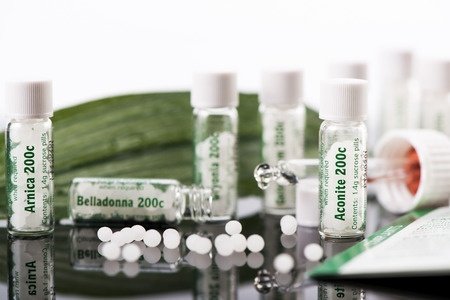
    Many excellent homeopathic remedies relieve coughs, colds and flu. They are virtually free of side effects, are non-addictive and safe when used within homeopathic prescribing guidelines, Homeopathic remedies work at the level of the immune system and can affect your overall health. Here are just a few.

    Homeopathic Remedies for Colds

    Aconite

    Aconite is for early stages of colds and flu. Take in the first 24 hours after the onset of the illness as after this it’s unlikely to be useful. Symptoms appear suddenly after exposure to cold, dry winds or after getting chilled. A high fever alternates with chills. The face is warm and flushed, with constricted pupils. A person needing Aconite is fearful, anxious and very restless.

    Allium cepa

    Allium cepa is a great remedy for a common cold with eyes and nose that stream. The eyes are red and smart with lots of bland tears. The nasal discharge is watery and profuse and burns the skin below the nose. There can be much sneezing especially when coming into a warm room. This person always feels better in the fresh air.

    Pulsatilla

    When Pulsatilla is needed the nose blocks in the evening or in a warm room. Nasal catarrh can be thick or watery, and yellow or yellow-green colour. There may be inflamed eyelids with a thick discharge from the eyes. Taste and smell may be lost. This person is markedly better in the fresh air and for cold applications. They are much worse getting hot, when they lie down, or in a warm room which can cause sneezing. Their mood may be tearful, affectionate – even clingy, and they have a strong desire for company.

    Natrum muriaticum

    There will be profuse watery nasal discharge like raw egg white and violent sneezing when Nat mur is needed. The eyes are sore and sensitive to light. Patients feel worse in the sun and in warm stuffy rooms and better in the open air.

    Homeopathic Remedies for Coughs

    Spongia

    A great remedy for dry, irritating, spasmodic coughs with great dryness of air passages. The throat is dry and constricted and breathing rasping and wheezy. There’s very little expectoration which tastes salty. This person is worse in a warm room and from talking. They’re better for swallowing, warm drinks, and for sitting up and bending forward.

    Rumex crispus

    Rumex has an incessant hoarse, barking cough that comes in paroxysms. They feel like there’s a crumb stuck in their throat which tickles. The cough can prevent sleep and is so affected by cold air they must put their head under the bedclothes to stop.

    Antimonium tart

    The Antimonium cough is one of cold, damp weather. It’s wet and rattling in the chest or larynx, but unproductive. Respiration is difficult and is relieved by expectoration. There’s marked respiratory distress requiring use of the accessory respiration muscles. They are worse in the evening and when they lie down but are better if they sit erect.

    Arsenicum album

    This dry, wheezy cough comes on after midnight. Patients find it difficult to lie down and are fearful they will suffocate. There’s burning pain in the chest or even a darting pain in the upper lung. Respiration is wheezing. They may feel burning heat all over and at the same time be very chilly. They need to be wrapped warmly, but prefer their head open to fresh air. Someone needing this remedy feels exhausted and very restless, often fiddling with the bedclothes. They’re worse from cold in any form and better from heat and warm drinks.

    Hepar sulph

    A dry, hoarse cough comes on after exposure to cold, dry winds. The voice is hoarse or even lost. They will cough whenever any part of their body gets cold or is uncovered, especially from a draft of cold air under the duvet. A useful remedy for croupy barking coughs. They’re much worse in cold, dry air and better in warm, moist air.

    Homeopathic Remedies for Flu

    Oscillococcinum

    This is the number one homeopathic remedy for flu. If taken at the onset of flu it reduces the duration and intensity significantly. It’s indicated for symptoms of flu including fever, chills, aches and pains. Take it as soon as you show any sign of getting the flu. Once flu has become established you may need a different remedy.

    Gelsemium

    This type of flu develops slowly and creates a feeling of fatigue and great heaviness. Everything feels heavy, even the eyelids. Limbs tremble and there’s a feeling of great unsteadiness. Shivering and chills are felt up and down the spine, without perspiration. There may be a headache like a tight band right around the head. The person feels dull and very sleepy with concentration difficult. They are dry but not thirsty. They generally feel worse mid-morning and when the weather changes from dry to cold and wet. Strangely they feel better after urinating, from stimulants like alcohol, or in the open air.

    Eupatorium perfoliatum

    This remedy is needed when severe aches and pains spread to the bones as well as the muscles. Even the eyes ache. There’s a chill followed by sweating. The head may throb and feel like tight pressure on the whole skull. The face is red and congested and the person is very thirsty. They feel worse if they move, outside in the open air, or from 7-9am. They’re better from rest or warmth, and everything except the headache is better after perspiring.

    Baptisia

    Baptisia is a good remedy for gastric flu with vomiting and diarrhoea. It comes on suddenly with high fever and profuse perspiration. They have an intense thirst. The muscles are very sore. This person is quite delirious with confused ideas. They feel as if their limbs are in pieces and scattered all over. They look dazed and sluggish, even falling asleep while talking. Their face is dull and red. They are worse in humid heat and indoors.

    These are just a few of the more common homeopathic remedies for these ailments. If these don’t fit your symptoms consult a Homeopath for a fast relief remedy expertly matched to your symptoms.

    Nurture Yourself

    Remember once you start to feel better you are more vulnerable than normal and so you need to take things easier for a while. Cut back your schedule and keep your stress levels down to prevent any relapse. Be kind and allow yourself some self-care.

    Disclaimer

    All information and opinions presented here are for educational information only and are not intended as a substitute for professional advice offered during a consultation with your health care provider. Do not use this article to diagnose a health condition. Speak to your doctor if you think your condition may be serious or before discontinuing any prescribed medication. Please consult with your health care provider before following any of the treatment suggested on this site, particularly if you have an ongoing health issue.

    © Catherine Bullard and Happy Holistic Health, 2016. Unauthorised use and/or duplication of this material without express and written permission from this blog’s author and/or owner is strictly prohibited. Excerpts and links may be used, provided that full and clear credit is given to Catherine Bullard and Happy Holistic Health with appropriate and specific direction to the original content

    Source Articles

    http://www.health.harvard.edu/staying-healthy/blue-light-has-a-dark-side

    www.sandiegohomeopathy.com/downloads/CoughsColdsFlu.pdf

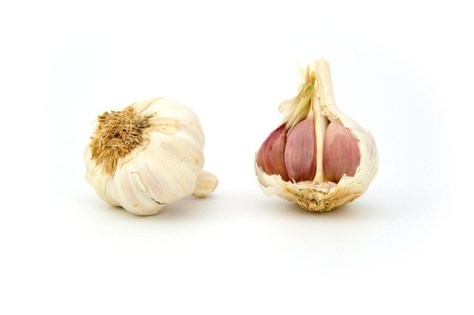
    Garlic Healing – Nature’s Antibiotic

    As the chill wet of winter settles in and the incidence of coughs and colds grows. So it’s now time to get serious about natural alternatives to prescription antibiotics. One powerful natural remedy that has been around for thousands of years to fight winter viruses is the garlic.

    The humble garlic has enjoyed a long and illustrious reputation as a heal-all, and rightly so. Garlic has been used for healing since the time of the ancient Egyptians. Now science has confirmed that this humble bulb deserves its status and is indeed the medicinal giant it was always held to be.

    Garlic was used by both the ancient Greeks and Egyptians to treat a range of health problems. From Egypt it spread through Pakistan and India into China. In many different cultures garlic was used to treat very similar ailments, including respiratory, digestive, fevers and rheumatism. In ancient Greece Hippocrates, the father of medicine, used garlic in the treatment of many diseases.

    As a culinary herb garlic is relatively new and throughout history was more likely to be used for its medicinal properties. For a plant that offers so much to invigorate your palate, it seems almost too generous for it to have powerful healing properties as well.

    It is the active ingredient in garlic, allicin, a sulfur compound, that holds all the healing power. Allicin is the same ingredient that gives garlic its strong odour and taste. This compound is produced when the clove surface is exposed to the air by crushing or cutting the clove.

    Garlic acts as a broad spectrum antibiotic and is able to kill a wide variety of bacteria. Unlike chemical antibiotics that kill off millions of friendly bacteria that your body needs, garlic only targets the invading bacteria and even promotes and increases your healthy bacteria. Garlic is also a powerful anti-fungal, anti-viral, anti-protazoal and antiparasitic, efficient at destroying antigens, pathogens and any harmful micro-organism.

    To gain the benefit of garlic it needs to have a strong garlic-y smell released by the active allicin. Without this aroma it won’t give you much benefit. The cut surface of the garlic needs to be exposed to the air while it is raw. If you are going to cook with it make sure it is crushed and left to sit for a while first.

    HOW GARLIC HEALS

    Some of the healing effects of garlic are:

    Cardiovascular

    Cardiovascular disease is the biggest killer in the world and hypertension is an important indicator. Garlic acts powerfully on the circulatory system, helping to lower hypertension and regulate cholesterol.

    A 2013 study published in the Pakistan Journal of Pharmaceutical Studies found garlic was an effective treatment for blood pressure. It found taking a daily dose between 600-1500mg of aged garlic extract was as effective as the hypertensive drug Atenolol in reducing blood pressure over a 24-week period. It does this by widening the blood vessels.

    By lowering LDL (bad) cholesterol garlic reduces the risk of heart disease. However it doesn’t seem to affect triglycerides or HDL levels.


    Skin

    Although you won’t find garlic in your skin cream it is a strong acting topical treatment for acne. It possesses excellent anti-microbial properties to kill bacteria and works effectively to kill free radicals swiftly.


    Chronic Fatigue Syndrome

    Many ancient cultures used garlic to improve the capacity of labourers to work longer and harder by reducing fatigue. Today it can be used to relieve the symptoms of chronic fatigue syndrome as well as to improve physical endurance. However no studies have been done into this use.


    Respiratory

    Garlic has a strong action on the respiratory system and is useful in treating asthma and bronchitis. As well as being effective in reducing the duration of common colds garlic can also be used to ward off colds and other viruses.


    Immunity

    Garlic is known to boost immune function to reduce the incidence of colds as well as dramatically reduce the duration of colds by up to 70%. This wonderful bulb is a true superfood, containing many trace nutrients to strengthen immune function.

    Garlic is high in manganese, Vitamin B6, Vitamin C, Selenium and fibre. It also contains decent amounts of potassium, calcium, phosphorous, iron, copper and vitamin B1 as well as small amounts of other nutrients.


    Detox

    In high doses it has been shown that garlic can protect against heavy metal toxicity as well as reducing many signs of heavy metal toxicity.


    Food Poisoning

    It has been suggested that fresh but not aged garlic may be capable of killing certain harmful bacteria including E. coli.


    Hair Loss

    The sulfur in garlic contains keratin which both stimulates hair growth and strengthens the hair.


    Other Uses

    • Allergies
    • Candida
    • Vaginitis
    • Hypoglyceamia
    • Liver problems
    • Haemorroids
    • Tumours
    • UTI
    • Plus many, many more ailments ranging from the prevention of tick bite to diabetes.

    HOW TO REAP GARLIC’S BENEFITS

    Raw Garlic

    When a cold first begins one of the easiest ways to fight it off is to chew or swallow a raw clove of garlic in which a strong garlic aroma has developed. The effect of garlic can be quite dramatic even eradicating the cold. Cut the clove open first and leave it to sit in the air for a few minutes before you eat it. The healing power strengthens when the cut clove is exposed to the air.


    Eat Garlic

    Some people have no problem with eating cloves of raw garlic but for others it’s not so easy.

    When I need a dose of garlic I crush it and use it on top of my meal. That way I can eat it with the first mouthful – the garlic is still raw but easier to take with a mouthful of food.

    Don’t shy away from raw garlic. Garlic only affects your breath if you chew it. Instead, cut the clove up and swallow each piece without chewing. Plus, there are plenty of delicious foods such as fresh hommus or guacamole that contain lots of garlic in its raw state.

    As a bonus garlic is not only very nutritious it is also low in calories.


    Absorb Garlic

    Another way to take your garlic is through your skin. Your skin absorbs what is put on it and this goes for garlic as well as expensive skin products.

    Crush a few cloves of garlic and cover them with some carrier oil that is suitable for applying to the skin, such as olive oil, jojoba, almond or other food grade oil. Allow the mix to steep for at least half an hour. Don’t be tempted to heat the garlic as even short-term heating reduces the anti-inflammatory effects. The carrier oil holds the allicin from the garlic clove.

    Once the oil has finished steeping apply it to the soles of your feet. Put on some socks to protect the oil and relax while the oil is absorbed through the pores of your skin. Once absorbed into your body it is carried throughout the body.

    If you prefer you can rub the cut garlic clove directly onto the soles of your feet. It will still be absorbed through your skin.

    But be warned. You will probably develop a garlic taste in your mouth, or your breath may start to smell of garlic about twenty to thirty minutes after applying the garlic to your soles. This indicates that the garlic has been absorbed and carried right through your body.

    It would be wise not to do this immediately before going out socialising.


    Garlic Supplements

    If you simply cannot face raw garlic, you can always take your garlic as a supplement, in the form of a powder, an extract or oil. However there is a great difference between garlic supplements. The amount of allicin they contain is dependent on the way in which they are prepared. Unfortunately, allicin is not stable and can change quickly, reducing the effectiveness of the preparation. If the supplement is odourless its effectiveness is compromised.

    To reach therapeutic levels you need at least two to three cloves each day. Don’t be afraid to use this smelly treasure and therefore hold back, as the body can tolerate up to four grams or about four cloves each day.

    But, there are some people who are allergic to garlic. And you need to be careful with garlic if you suffer from a bleeding disorder or are taking blood thinning medications.

    Garlic healing power

     Disclaimer

    All information and opinions presented here are for information purposes only and are not intended as a substitute for professional advice offered during a consultation. Please consult with your health care provider before following any of the treatment suggested on this site, particularly if you have an ongoing health issue.

    © Catherine Bullard and Happy Holistic Health, 2015. Unauthorised use and/or duplication of this material without express and written permission from this blog’s author and/or owner is strictly prohibited. Excerpts and links may be used, provided that full and clear credit is given to Catherine Bullard and Happy Holistic Health with appropriate and specific direction to the original content


    Source Articles
    http://www.medicaldaily.com/garlic-good-you-7-surprising-benefits-garlic-optimal-health-324114
    http://authoritynutrition.com/11-proven-health-benefits-of-garlic/
    http://www.susunweed.com/Article_Garlic.htm
    http://www.webmd.com/vitamins-supplements/ingredientmono-300-garlic.aspx?activeingredientid=300&activeingredientname=garlic

    6 Basic Supplements Everyone Needs

    The question is always whether you should supplement your diet for good health or not? Generally it’s better if nutrients come from food. But most people don’t eat an optimum diet and so can’t get the nutrients they require from their food. Supplements can be useful as they can fill nutrient holes in your diet. On their own they will never be enough to reverse lousy eating habits. But well selected, high quality supplements certainly have benefits. Most people don’t need to take handfuls but there are some basic supplements that everyone in our society would benefit by taking.

    natural supplements

    MULTIVITAMIN & MINERAL

    Even when they eat well, most Aussies don’t get the optimum 6-8 serves of vegetables each day, or even the 5-6 recommended serves. Nor do they always get the recommended 2 serves of fruit.

    Unfortunately Australian produce is affected by the low levels of minerals in our soils with the result that much of the produce we grow is also lacking in minerals and vitamins. This problem is worsened by modern commercial farming practices which further deplete the already starved soil (and produce) of nutrients.

    If you only eat organic produce you may be getting enough vitamins and minerals from your foods. You will certainly get than from commercially grown produce, as it has been shown that organic produce contains much higher levels of vitamins and minerals. But the reality is that most people don’t eat only organic foods.

    When you combine the vitamin and mineral deficiency in produce with poor dietary practices it becomes obvious that many Australians are significantly deficient in basic vitamins and minerals.

    To make certain you are getting enough a quality multivitamin and mineral daily is almost a necessity.

    Be wary! There are many around that are just junk. The vitamins and minerals in them are in a form that is not bio-available, which means your body is not able to absorb them properly and they pass through and out of your gut without being taken up. Money down the toilet, so to speak.

    Minerals come in many different forms and some forms are better for you than others. Many multivitamins include inferior forms of minerals that your body can’t really use.

    You need a certain amount of vitamins and minerals for them to be effective. If there is not enough they simply don’t do what your body needs. It is important to have sufficient amounts of each nutrient in the multivitamin you take.

    Don’t get sucked in by brands flaunting ‘A-Z Vitamins and Minerals’. Chances are you don’t need all of these, and the bigger the range of nutrients the less there will be of each one in the tablet – after all the tablet can only be so big!

    Before you throw your money away do some research or talk to your natural health practitioner. Look for someone who is professionally trained in nutrition (taught in natural health courses) including vitamin and mineral therapy. Most mainstream Medicine courses do not include much nutrition.

    There are some excellent multivitamins around with the optimum balance of quality nutrients but often these are the ones you can only get from your Health Practitioner.
    Cheaper products on supermarket shelves are not worth your time and money.

    OMEGA 3

    Omega-3 essential fatty acids are wonderful anti-inflammatories and excellent for reducing the symptoms of chronic disease. They are essential for brain function and strongly support heart health.

    As the name suggests, these oils are essential for good health. Your body cannot make them so you need to obtain them from food or supplements.

    Omega-3 is found in a range of foods, and is particularly high in fish oils, including krill oil.

    Vegans and vegetarians are particularly at risk for omega-3 deficiency. While there are a number of vegetarian sources for omega-3 flaxseed oil is usually used for plant-based supplements.

    Research into the effects of fish oils has shown that in addition to its wide range of cardiovascular and cognitive benefits it is particularly helpful in the treatment of autoimmune disease. It has been shown to significantly reduce symptoms in Lupus, reduce joint pain and stiffness in Rheumatoid Arthritis, and assist in inflammatory bowel disease.

    Omega-3 also plays a role in the prevention of many diseases and reduces the symptoms caused by inflammation in others.

    Fish is an excellent source of omega-3 but many people don’t like it. Plus there are concerns about the presence of mercury and other heavy metals in fish. With a high quality omega-3 supplement you avoid these problems.

    1 gram – 1000mg, of combined EPA/ DHA each day is recommended for maintenance. But to gain real benefits and boost your health, especially if your health is compromised, you need more, up to 5 grams a day.

    Be wary about cheaper omega-3 supplements. In some the processing causes the oil to go rancid. This is actually harmful to you, creating free radicals and inflammation in your body. Omega-3 supplements are very much a case of you get what you pay for!

    drugs capsules

    VITAMIN D

    Most of us are deficient in Vitamin D, even in ‘sunny Australia’. We live and work inside far more than we ever did in the past and when we head outside it is under a thick cover of sunscreen, which prevents the vitamin D in the sun’s rays from being absorbed by the cells in our skin.

    Vitamin D is essential for a huge range of body processes. One of the most important is to work with calcium to build and maintain strong bones and teeth. It is also crucial for an effective immune system. Deficiency can increase your risk for asthma and cancer, cause daytime fatigue and affect thinking processes

    The current recommendation for adults is 1000IU a day. But this is the bare minimum maintenance dose, great if your levels are at an optimum level but nowhere near enough if, like most, your levels of Vitamin D are lower.

    Don’t DIY Vitamin D – it is possible to have too much. Most doctors will happily order a blood test to find out your levels. Good levels are up around 75 ng/ml.

    Once you know what your level is, it’s important not to get complacent as your levels of Vitamin D vary greatly through the course of a year, being at their highest in late summer and their lowest in early to mid spring.

    Discover how to optimize your time in the sun (without sunscreen) to get the most Vitamin D from the least exposure at Good Morning Sunshine: Just How Much Vitamin D Are You Really Getting?

    To raise the levels in your body, rather than just maintain them, you need between 1000 and 5000 IU a day, depending on how low your levels are. Make sure you get the D3 form.

    Again, there is quite a big difference between the quality of different brands and how well your body is able to utilize them. Be guided by your Natural Health Practitioner.

    ALGAE

    The two most commonly used forms of algae are spirulina and chlorella. These are some of the most nutrient dense foods on the planet. Spirulina is one of my favourite supplements and I recommend it to clients regularly as well as taking it myself.

    Chlorella is an amazing detoxifier which cleanses heavy metals from your body.

    Spirulina is a great detoxifier but is higher in protein, so excellent to boost your energy when you feel flat, or simply every day. It is an excellent punchy source of nutrients and can help you feel healthier very quickly. Read more about it at Spirulina, The Supergreen Solution

    Dosage requirements vary and you need to adjust for your requirements. Because algae are food you can’t overdose on them, and you can increase how much you take in times of greater need. But you may need to go gently especially if your health is poor because too much algae may provide too much stimulation for the body to deal with.

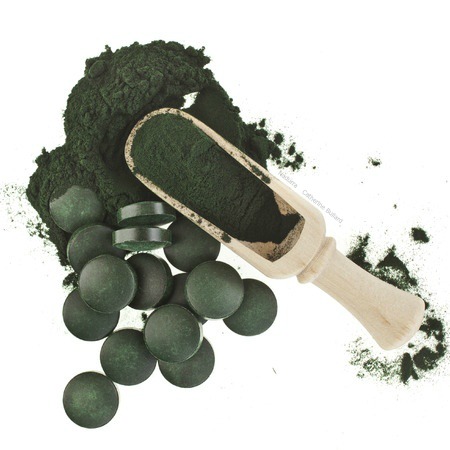
    It is VITAL that your algae is well sourced. It MUST be organic or it will be loaded with heavy metals like mercury. Look for tablets or powder with an even dark green colour. Lighter specks indicate the presence of fillers.

    Spirulina Bought Watermark29414713_s

    PROBIOTIC

    Probiotics occur naturally in your gut. They play an important role in your wellness, not only by improving your digestion, but also by boosting your immune system and keeping bad bacteria in check. They control yeast overgrowth and diarrhoea and inhibit lactose intolerance.

    Our digestive system functions best with the aid of a quality probiotic. The trillions of good bacteria in your gut are essential for good health but can easily be destroyed or over-run by bad bacteria.

    Numbers of these bacteria decrease as we age. Antibiotics are notorious for killing them. Poor diet or pollution can also destroy them. When numbers decline your system goes right out of balance and you can suffer many symptoms.

    Probiotics come from two sources – fermented foods or a probiotic supplement.

    Fermented foods include sauerkraut, kimchi, kombucha tea, yoghurt and need to be raw or the probiotics will be dead.

    If you don’t eat fermented foods every day taking a good quality, broad spectrum probiotic daily will repopulate your gut with good bacteria to fortify your health and return your digestion to normal.

    Lactobacillus and Bifidobacteria are the two most common and effective forms of probiotic. You need between 10 and 30 billion ‘live units’ each day.

    COENZYME Q10 (CoQ10)

    CoQ10 is a power packed antioxidant which delivers various substances including fat into your cells for a boost of energy. It is of great benefit in helping cells function properly and preventing cell damage.

    CoQ10 provides great benefit for heart health, and offers anti-oxidant protection for a number of related cardiovascular conditions. It keeps your heart functioning efficiently.

    As an anti-oxidant it protects cells against the stress of free radical damage and helps prevent chronic disease.

    Once you reach the age of 25 the levels of CoQ10 in your body start to drop and you are likely to be deficient. When this happens DNA is damaged more quickly and you age prematurely. CoQ10 slows the process and may improve signs of aging like fine wrinkles.

    CoQ10 seems to offer benefits for a wide range of diseases including chronic fatigue syndrome and fibromyalgia

    When CoQ10 is used for specific diseases dosage varies wildly. But for general health and anti-oxidant protection between 60-150mg daily is sufficient.


    I hope this short list helps you select supplements you need to include in your everyday health plan.

    joy-401178_640

    Disclaimer

    All information and opinions presented here are for information purposes only and are not intended as a substitute for professional advice offered during a consultation. Please consult with your health care provider before following any of the treatment suggested on this site, particularly if you have an ongoing health issue.

    Source articles

    http://www.drfranklipman.com/the-4-key-supplements-to-take-every-day
    http://madelinelemon.com/the-6-supplements-you-need-to-take-everyday
    http://www.mindbodygreen.com/0-7234/4-supplements-everyone-should-be-taking.html
    http://www.mayoclinic.org/drugs-supplements/coenzyme-q10/evidence/hrb-20059019

    MSM The Miracle Mineral

    For some time now there has been a lot of buzz with good cause, surrounding the nutrient MSM (methyl-sulfonyl-methane). MSM is known to be especially useful for treating chronic pain, especially arthritis, and other inflammatory disorders in a natural way. But in fact it is very useful for treating many more health issues.

    When you see the list of all the health problems it can help, MSM may look like an awesome cure-all. It is no wonder MSM is known as ‘the forgotten nutrient’.

    WHAT IS MSM?

    Sulfur is very important in the human body. It is an important part of human nutrition and is needed for a number of different processes within the body. Low sulfur levels in the body lead to many degenerative diseases.

    MSM is a natural form of organic sulfur compound and is found in all living organisms. It forms a natural part of the earth’s food chain and is the main source of bio-available sulfur that the human body is able to actually utilise.

    MSM is needed for healthy connective tissues, good joint function, proper enzyme activity, hormone balance and a well-functioning immune system. It provides one of the tools your body needs to heal itself and maintain its vitality.

    MSM is really no more than a simple food supplement that is present naturally in diets that are not loaded up with processed foods.

    However the MSM that occurs in our food is destroyed during processing. Given that most food in the food industry is processed in some way – by heating, irradiation or freezing – most of the food consumed in the western world no longer contains MSM. As a result most people are deficient in this essential compound, and this deficiency is likely to become even greater as you age.

    MSM DEFICIENCY SYMPTOMS


    MSM deficiencies show up in many ways including pain, fatigue, depression, sensitivity to stress (both physical and psychological), and many degenerative diseases.

    Chronic Pain

    MSM supplements are often successfully used to help treat chronic pain and a range of inflammatory disorders, including rheumatoid arthritis, osteoporosis, bursitis, tenosynovitis, tendinitis and eye inflammation.

    Aging

    As they age most people become less flexible. Their tissues become less elastic, joints stiffen up, lungs and blood vessels lose elasticity, and their skin develops wrinkles. MSM levels in the body also decrease with age. When MSM is replenished these symptoms of aging are reduced.

    Cell Health

    MSM aids detoxification within the body by increasing the permeability of cell walls. As you age old cell walls harden and new cells are stiff and inflexible, affecting the movement of nutrients into the cell, and toxic waste products that lead to degenerative disease out of the cell. MSM helps the body replace old stiff cells with new, healthy, elastic cells which allows a more efficient passage of nutrients into the cell and elimination of toxins and waste products out of the cell.

    Heavy Metal Exposure

    Most of us are unknowingly exposed to a wide range of heavy metals, through the air, our food, even in tattoo ink. MSM can be really useful for anyone who has had exposure to heavy metals because it plays such a powerful role in eliminating them from the body, by inactivating them and hastening their removal.

    Antioxidant

    MSM is a wonderful antioxidant to help scavenge free radicals within your body. It also assists your body to make its own antioxidant, glutathione for detoxification. Free radicals are now considered to be behind all degenerative disease. They also play a part in the aging process speeding up all the signs of aging. You can read all about why free radicals are harmful in “Free Radicals Are Bad, Right…But Why?


    Hands by Alex


    MSM For Muscles And Joints

    MSM is best known for its wonderful benefit for connective tissue, particularly in skin, hair, bone and joint care. Some of the benefits you might expect from taking MSM are:

    • Improved joint flexibility
    • Reduced pain and swelling in joints
    • Reduced stiffness
    • Improved circulation
    • Improved cell vitality
    • Break up unhealthy calcium deposits
    • Improved collagen formation
    • Generated keratin production
    • Enhanced strength and thickness of nails and hair which happens quickly
    • Creation of new cells and repair of damaged tissues

    MSM For Chronic Pain

    MSM has been found to be a wonderful pain killer, very effective for relieving chronic pain. It acts as an anti-inflammatory as well as having an analgesic effect to naturally block pain.

    Here are just some of the painful problems MSM has relieved:
    Burns and scars
    Injury from accidents
    Osteoarthritis and Rheumatoid Arthritis
    Fibromyalgia
    Migraines and headaches
    Bursitis
    Carpal Tunnel Syndrome
    RSI
    Sclerosis

    MSM for Skin Problems

    MSM is a genuine miracle beauty mineral that can radically improve skin, hair and nail health. It improves the production of collagen needed to keep skin supple, as well as keratin, both critical for producing healthy hair and nails. Hair and nails can become stronger, and hair thicker after just a few weeks of regular use.

    Acne, rosacea, psoriasis, eczema, dermatitis, dandruff, some fungal infections, and scars can all benefit from taking MSM. Aloe Vera is frequently used to heal damaged skin but in fact it is the MSM that is contained in the aloe leaves that really works the wonders, repairing the scrapes, burns or other damage. Instead of using aloe vera MSM can be applied topically as well as taken internally.


    MSM

    WHEN YOU NEED MSM 


    • Neurological diseases
    • Alleviate allergies – food, contact, and inhalation. MSM inhibits histamine just as well as antihistamines, without the side effects.
    • Fights the inflammation associated with auto-immune disease. Experiments for arthritis and Autoimmune Lymphoproliferative Disease (ALD), showed great improvement. In Lupus it had benefit before and after the disease.
    • Can protect against the onset of cancer
    • Has a strong action against, even killing, parasites including Giardia, Trichomonas, as well as various intestinal worms
    • Improves cellular glucose uptake in diabetes, as well as assisting pancreas repair
    • Eases sore and stiff muscles and cramps, it inhibits muscle spasms and relaxes muscles, and is excellent for exercise recovery
    • Constipation
    • Relieves stomach acidity
    • Improves oxygen uptake by the lungs. In emphysema it is often the deficiency in MSM combining with the smoke aggravation that leads to the disease
    • Stress
    • Prevents candida and yeast surviving anywhere in the body outside the intestines
    • Improves circulation by dilating blood vessels


    ILLNESSES MSM MAY HELP


    Arthritis – Osteoarthritis & RA                               Allergies
    Gastrointestinal problems                                        PMS
    Acne                                                                             Lung dysfunction (asthma, emphysema)
    Muscle pain                                                                 Parasites
    Heartburn                                                                   Lupus
    Snoring                                                                        Breast and colon cancer
    Parasites                                                                     Diabetes
    Stress                                                                           Mental disorders
    Eye health                                                                   Constipation
    Acidity (maintaining pH in the body)                      Cramps
    Headaches                                                                   Hay fever
    Carpal tunnel syndrome

    MSM spoonful


    MSM FOR PAIN RELIEF


    In pain relief MSM acts as an anti-inflammatory as well as having an analgesic effect to naturally block pain. It also improves the action of the hormone cortisol, which your body releases in response to inflammation.

    MSM is an excellent energy booster. Because it increases the permeability of cells, allowing nutrients to pass more easily in and toxins out, your cells use less energy. Because it is easier for your body to absorb nutrients far less energy needs to be spent on digestion. So there is more energy left over.


    MSM: FOODS OR SUPPLEMENT?


    MSM occurs naturally in protein rich foods such as meat bones, poultry, eggs, fish and legumes. Good vegetable sources include raw leafy green vegetables, garlic, asparagus, Brussels sprouts, kale and wheat germ. It is also found in beer and coffee.

    Raw milk has the highest naturally occurring amount of MSM, however, it is destroyed in the pasteurization process. MSM is also lost when food is cooked as it vapourises in the steam, or when food is stored for any lengthy time.

    Unless your diet is excellent and you eat lots of MSM rich foods every day, you are better off getting your adequate amounts of MSM from a supplement.

    MSM comes as a powder or capsule and is considered very safe and non-allergenic.

    You can take a supplement knowing you can’t overdose with MSM. It has been shown to be extremely safe in toxicity studies. Even with a diet rich in MSM the amount you would ingest from your food would still be only a small fraction of the recommended therapeutic dose. So even if you are getting MSM through your diet you can safely take a supplement. Your body will take what it needs and eliminate the excess.

    Dosage varies depending on your complaint. For most adults an effective therapeutic dose would be between 1.5 grams up to 10 grams a day, taken in three doses with a glass of water, 30 minutes before eating.

    If you get nausea or headaches, diarrhea, a mild rash or swelling of the ankles (all detox symptoms) you may need to decrease the dose you are taking before slowly working your way back up. But be aware that your body is ridding itself of toxins and so you need to continue the MSM in order to finish the process.

    While it is always better to get your mineral needs from the food you eat, sulphur and MSM may just be an exception. It is unlikely, even if you are eating a perfect diet, that in our society you are getting enough MSM to satisfy what your body needs.

    MSM2

    Disclaimer

    All information and opinions presented here are for information purposes only and are not intended as a substitute for professional advice offered during a consultation. Please consult with your health care provider before following any of the treatment suggested on this site, particularly if you have an ongoing health issue.

    Source Articles

    https://articles.mercola.com/sites/articles/archive/2013/03/03/msm-benefits.aspx

    http://www.bewellbuzz.com/wellness-buzz/5-msm-benefits/

    Reduce Exam Stress To Stay Sane

    reduce exam stress with natural remedies

    With the run up to, and on through, the end-of-year exams it’s a very stressful time for VCE and Uni students and their families. For many students it’s the biggest challenge they’ve ever faced and many succumb to exam stress. But natural medicine offers much help to overcome study and exam stress and give you the edge in exam performance.

    Everyone reacts differently to challenges. While it’s normal to feel stressed at this time, for many the effects can spiral out of control. Read on for advice for managing study stress the easy way with the help of alternative medicine.

    With so many high expectations, and so much riding on results it’s quite normal for students under pressure to suffer for many months causing a stress response in their body. The hormones released as a result of being under stress have far-reaching effects on every system in your body both at the time and later on down the track.

    While some stress can aid performance, if stress continues over weeks and months it can take over and have detrimental effects. The immediate effects are often evident at the time but the long-term effects can continue after the exams are long over.

    In addition, anxious and grumpy students have a big impact on anyone around them particularly on their family. Homes become a bed of tension, concern and even reach friction and confrontation if stress spins out of control.


    EFFECTS OF STRESS

    During worrying times the stress hormones produced effect the neural connections of the prefrontal cortex. This is where your working memory is located, as well as functions vital for reasoning, planning and problem solving, and for regulating attention and emotions all essential for academic success.

    A sudent under great stress is therefore unable to function at their best in exams, no matter how much they study.

    In addition stormy emotions weaken the prefrontal cortex and this hampers thinking and learning ability.

    Students suffering study stress don’t learn effectively or remember well what they’ve learnt.

    In order to perform to their best and to present their ability and knowledge well in their exams, it’s essential for students NOT to be in a state of stress. By actively reducing stress you increase learning capacity, memory, reasoning powers, and academic performance. By reducing stress you’ll feel calm, clear-headed, motivated and in control.

    By stepping in early to reduce the effects of stress you support your health and it lays the groundwork for better performance. Reducing your stress can also reduce the tension in the home to restore peace.


    REDUCE EXAM STRESS

    While there are a number of exercises and lifestyle practices you can do to reduce stress the greatest impact is gained from using alternative medicine. Of these I see the best and fastest results with homeopathic medicines and flower and herb essences.


    13683204_s

    HOMEOPATHY

    Homeopathic treatment offers great benefit for all the problems associated with study and exam stress.

    Remedies that individually selected to each persons needs for anxiety, difficulty focusing or remembering what was learned, problems sleeping, fear of failing, trouble settling down to study, irritability, feeling like giving up, even mixing up information or getting it backwards.

    When the remedies are prescribed according to Homeopathic principles they are very fast acting and effective.

    There are some great Homeopathic remedies to calm exam nerves and reduce the anticipatory anxiety and shakiness students experience before the actual exam.

    Here are a few of my suggestions:
    Gelsemium is a great remedy to take for performance anxiety. It’s perfect before an exam where there is a shaky or jittery feeling and a frequent need to use the bathroom.

    Lycopodium is an excellent remedy during study break for someone who worries about being evaluated, who feels they know nothing and will look stupid in front of everyone, but who, once they get started performs wonderfully.

    Nux Vomica is useful for an irritable person using too much coffee and other stimulants in an effort to push on through.

    There are many other remedies for all those other consequences of study pressure and stress including:

    • feeling overwhelmed and out of control
    • self-criticism and negative thinking
    • irrational beliefs such as “nobody will respect me if I don’t score above 95”
    • feelings of catastrophe like “I’ll fail whatever so what’s the point”
    • inability to relax into sleep or waking up through the night and worrying
    • holding all the emotions inside until they explode
    • feelings of isolation and losing touch with friends
    • crankiness and irritability
    • problems getting motivated

    Speaking to a professional Homeopath can clarify all the issues you are facing. They will put together remedies individually suited to YOUR needs.


    FLOWER ESSENCES

    Flower essences are easy to take – just a few drops on the tongue a few times a day. A few drops can even be added to a water bottle to carry around with you to sip in the moment they are needed the most.

    Bach Rescue Remedy is a tried and true treatment for anxiety.

    I find the Australian Bushflower EssenceCalm & Clear’ excellent for building and sustaining a state of calm in anyone, including students.

    Australian Bush Flower Essence Cognis‘ is great for the student who can’t settle down and focus on their study. It balances daydreaming, confusion and a sense of overwhelm and gives clarity and focus to help with the assimilation of ideas. This is a great treatment for the next few weeks when you are trying to consolidate your study.

    Individual flower essences are also great for study – Bach’s Clematis helps focus, Gentian for self-belief, Larch for confidence and White Chestnut for clarity.

    I like to use and prescribe Herbal Essences as they can be combined in a mixture that specifically addresses the way each person individually experiences exam stress. This means it’s not a “one-size-fits-all” treatment but one that’s tailored to each person. Herbal essences are great as they combine the thousand year old knowledge of the healing power of herbs with the positive effects on the mind and emotions of flower essences

    ESSENTIAL OILS

    There are a number of studies that show burning essential oils can induce brain power. All the oils can be used in an oil burner but will be more beneficial in a diffuser which disperses the droplets as water vapour. Here are a few to try.

      • Basil is one of the best for clarity and encourages concentration. Mix it with rosemary to stimulate memory recall.
      • Peppermint stimulates the brain and promotes clear thinking.

    Lavender is soothing and relaxing and is useful if stress prevents sleep.


    FOODS

    While foods alone won’t turn your exam stress around (unless you’re bingeing) they do play an integral part in how you cope with exam stress.

    It’s essential to eliminate all those that hold you back such as sugar, caffeine, alcohol, simple carbohydrates, junk foods and nicotine. But it’s just as important to add those that boost brain power to enhance your study and performance. Right now is when you need lots of fresh fruit and vegetables, fish, meats and complex carbs.

    • Omega-3 enhances learning ability and boosts memory power. Itss found in many foods as well as fish oil or krill supplements, or sea buckthorn if you’re vegetarian. Some good sources are oily fish, walnuts, pumpkin seeds, chia seeds and flax seeds.
    • Avocadoes increase blood flow to the brain.
    • Chocolate increases endorphin production to improve focus and concentration, and dark chocolate helps cognitive skills by boosting blood supply to the brain. But don’t overdo the chocolate and opt for dark chocolate over the sweet, milky varieties for a much greater impact.
    • Nuts and seeds help memory and cognitive skills and are easy to munch while you study


    SUPPLEMEMTS

    Taking a multivitamin can help keep up vitamin levels reduced by stress. Vitamin B and magnesium are both depleted during stressful times. Take B vitamins in a complex rather than as single vitamins as they work synergistically.


    RELAX

    Deep breathing is a wonderful way to calm and relax your emotions very quickly in times of extreme stress. Focusing on the breath helps to exclude outside thoughts and stop panic before it escalates. For the correct technique click here. 

    Yoga is an excellent way to achieve relaxation quickly, and is perfect to introduce into your study routine. Alternatives are qi gong, tai chi or walking.

    While it’s important to take time to relax, to take breaks, to eat well and get plenty of sleep, all the time allocated to study revision is no use at all if you’re not clear-headed, can’t retain the crucial information or are so strung-out you can’t even settle down to study. This is where alternative medicine steps in.


    Here are a few things to take away with you.

    • Worrying about the study workload or exam outcome only increases stress hormones like cortisol, which impairs your concentration and ability to learn.
    • Food can be your friend. Reduce caffeine, sugar, junk foods and alcohol. Add foods that support study.
    • Steer clear of performance enhancers like Ritalin.
    • Don’t beat yourself up with guilt if you haven’t got everything exactly right.
    • Take time off as studying 24/7 doesn’t work. Exercise is a great way to get back focus.

    And crucially, now you know how, use Natural Medicine to gain the edge in your exam preparation and performance.


    manage study

    Disclaimer

    All information and opinions presented here are for information purposes only and are not intended as a substitute for professional advice offered during a consultation. Please consult with your health care provider before following any of the treatment suggested on this site, particularly if you have an ongoing health issue.
    Source articles

    http://www.evokelearning.ca/the-impact-of-stress-on-academic-success/
    http://www.schoolatoz.nsw.edu.au/homework-and-study/homework-tips/managing-exam-stress
    http://psychcentral.com/lib/the-impact-of-stress/000104

    6 Natural Remedies For Depression

    natural remedies for depression

    Along with the outpouring of sorrow that occurred this week with the news of the death of Robin Williams there has also been much discussion about depression – the nature of the illness, reminders to offer our support to those suffering with it, of ways to deal with it.

    Clinical depression is a serious illness that needs treatment from a professional western or alternative health practitioner. However many of the symptoms of mild depression can be helped significantly by a variety of natural treatments that you can do for yourself or which a Natural Health practitioner can take you through.

    There are many symptoms associated with mild or subthreshold depression including ongoing fatigue, poor sleep, appetite irregularities such as lack of appetite or comfort eating, a lack of interest in relationships events or celebrations, low self-esteem, anxiety, an inability to find motivation, or a feeling of being cut-off from life.


    1. MINDSET

    There have been studies done that confirm that a persons perception of life becomes a self-fulfilling prophecy. While depression is not all in the mind your frame of mind is really important for recovery. I am not suggesting you can just ‘snap out of it’. But, while acknowledging that there is something wrong, losing the depression label is a first stepto recovery.

    When you buy into defining yourself with a label placed on you by someone else, whether it is a doctor, family or a friend, you relinquish your personal power and undermine your ability to get well. If you allow your thoughts to focus on the label, you accept for yourself the role of someone who is mentally unwell. It may seem simplistic but changing your mindset and making the decision to overcome your illness is the first step that allows you to move forward.

    One way to do this is to carefully examine how you are affected by the people you mix with. Tuning into how you feel after spending time with a particular person allows you to sort out any that may be contributing to your low feelings. If you regularly feel disheartened after time spent with anyone it is better for your frame of mind and wellbeing to minimize time with that person.

    What your feelings tell you about your relationships with others can come as a real surprise. But acting in congruence with your feelings can turn around your mindset, lift your mood and support you in getting well.

    It is also worth asking yourself if your low feelings are linked to your life. Are you expected to sell out your integrity in your work? Are there problems in a relationship that you may need to end? Do you have creative outlets? Feel spiritually disconnected? Is your body restricting you?

    Being honest with yourself may help you find the source of your depression. Sometimes having a counselor, psychologist or life coach to help you work through these and define a pathway to change makes things easier to achieve.


    Learn how to choose the best Homeopathic remedies for acute illnesses


     2. HOMEOPATHY

    Many natural therapies have a good record with alleviating the symptoms of depression. Acupuncture, herbal therapy and EFT are just a few.

    Homeopathy also offers many options for depression. The Homeopathic remedy used depends on the particular symptoms you experience, as everyone’s experience of depression varies slightly, in both the expression and the emotions and thoughts and experiences behind it.

    Homeopathy taken in accordance with homeopathic prescribing principles is particularly good at changing your mindset. It allows you to lift your head out of the depressive thoughts and start to move forward.

    There are many Homeopathic remedies for depression. One of the first to consider for depression with obvious anxiety is Arsenicum album. These people are often quite particular about describing every little detail of their symptoms. They are often very worried that an illness has been missed and have often undertaken lots of investigative tests.

    Another commonly used remedy, Ignatia, is a good remedy when depression follows bereavement or shock. These people are very emotional with lots of sudden mood swings and sudden tears or they may frequently sigh deeply. They don’t want sympathy and often take well meant help as criticism.

    A person needing Natrum muriaticum responds differently to grief as does one needing Ignatia. This person builds a barrier and won’t release any emotion through crying. They hate sympathy from others although they are empathetic themselves and will readily care for others. They can be very sensitive and easily move into a lower mood from stimuli such as music.

    As you can see Homeopathic prescribing is quite particular and individually selected. Two people may react to a similar experience in very different ways and so require very different remedies. There is also the potential to make symptoms worse if the wrong remedy or potency of remedy is taken. Consulting a Homeopath who can match the correct remedy to your particular symptoms can result in significant improvement.


    3. FOOD

    Food most definitely affects our mood. What we eat and when we eat can have a huge effect. Staying away from caffeine, sugar, fatty foods and alcohol is a great place to begin as these foods actually make depression worse. Don’t keep them in your pantry and you will be less tempted by them. You will feel a lot better if you simply don’t eat them.

    Replacing the poor junk foods with nutritious foods moves you towards recovery faster. The top foods to fight depression are:

    • Omega-3 is often lacking in depressed people so eating oily fish and other foods high in omega-3 can make a significant difference. One study showed taking just 1 gm of fish oil a day made a 50% difference in symptoms of depression. Take between 1-3 gm a day. Other omega-3 rich foods include walnuts, chia seeds and flaxseeds.
    • Brown rice is rich in B vitamins as well as trace minerals. Brown rice is great for reducing mood swings due to sugar-highs and lows. Don’t use ‘quick-cook’ varieties as they don’t have the same benefits.
    • Leafy greens are a great source of folic acid, one of the B vitamins helpful for symptoms of depression, as well as magnesium.
    • Bananas are high in tryptophan which is used in the body to make serotonin, the happy hormone. Other foods to enhance serotonin are healthy fats like coconut oil, protein rich foods especially free range turkey and wild caught fish high in omega-3.
    • Don’t skip meals and help keep your blood sugars stable.

    depression2

    4. SUPPLEMENTS

    • Many people actually suffer from a disorder known as Seasonal Affected Disorder (SAD) which is the result of insufficient exposure to sunlight and as a result, they have low Vitamin D levels. This disorder becomes worse as winter progresses and can persist through Spring until levels of Vitamin D build up in their body again. Taking Vitamin D as a supplement through the winter months can dramatically help SAD sufferers. Consult an Alternative Health Practitioner who will work out how much Vitamin D you actually need, it varies from one person to the next.
    • The B Vitamins are linked to a whole range of emotional disorders and if your levels are low taking a supplement can be a great way to keep your spirits up. Take 50 mg of a Vitamin B complex each day rather than individual B Vitamins as each one works better when the others are all present.
    • Magnesium deficiency can be another factor behind depression and mood disorders and there are many who have a deficiency of this crucial mineral.
    • SAMe can be very effective for treating depression. Take 200 gm on an empty stomach.
    • The herb St John’s Wort has long been used for depression. Check with your doctor before using as it can interfere with some pharmaceuticals. Don’t take this if you are taking anti-depressants


    5. LIFESTYLE

    Getting enough exercise is essential to beat depression, no matter how little you feel like it. Pushing yourself to get out for a walk will help improve your spirits. Even exercising along with a DVD in your living room is good.

    The effect of meditation on depression has been well-documented and it is known to greatly improve the symptoms. There are many different ways to meditate from simple breathing techniques LINK that you can do in just a few minutes, through guided visualizations, walking meditations, mindfulness LINK and binaural beats. It is all a matter of working out which is the right one for you.


    6. HORMONES

    It may be there is a physical cause for your depression. If your hormones are out of balance your mood will be hugely affected. Finding out your levels of thyroid, adrenal and sex hormones are wrong can offer some clues. Armed with the results, visit your natural health practitioner who can then work toward rebalancing your hormones naturally without resorting to pharmaceutical medicines.

    Moving yourself out of mild depression requires a combination of strategies. Making lifestyle changes, dietary changes, examining your relationships and your behaviours all play a part. Seeking out professional help to put these strategies together to achieve the balance you need to move forward can set you on the path to recovery faster.

    active-84646_640

    Disclaimer

    All information and opinions presented here are for information only and are not intended as a substitute for professional advice offered during a consultation. Please consult with your health care provider before trying any of the treatment suggested on this site.


    Source articles
    http://www.psychologytoday.com/blog/owning-pink/201103/11-natural-treatments-depression-md-s-tips-skipping-the-prozac
    http://www.britishhomeopathic.org/bha-charity/how-we-can-help/conditions-a-z/beating-the-blues/
    http://www.bodyandsoul.com.au/health/health+advice/treating+depression,7821


    Natural Alternatives To Paracetamol

    Paracetamol

    Do you regularly rely on paracetamol for quick-fix pain relief to get you through the day? When in pain most people quickly reach for a conventional painkiller so they can get back to their busy life. However, common painkillers can have nasty undesirable side effects.

    While paracetamol is widely regarded as generally safe when used at its recommended doses, in larger doses it can be fatal.

    Paracetamol was discovered and used as a pain reliever long before it was known how it works. According to Panadol Uk  it is believed to work in the brain where it inhibits the production of the pain and inflammation causing chemicals, prostaglandins. It has no effect on inflammation.

    Pain is the body’s indication that something is wrong and it seems our primary concern needs to be to find a way to lessen the problem by treating its cause. Paracetamol alleviates the effects of the problem, the pain, but does not address the cause behind the pain.

    In addition there is the big concern about the side effects of any prolonged use of medications that do nothing more than simply block pain symptoms.

    Paracetamol can cause liver damage and even liver failure. There is a serious risk for liver injury with overdose.

    But paracetamol can also cause other side effects. Skin rashes, blood disorders, nausea and vomiting, and inflammation of the pancreas can all occur when paracetamol is taken for a long time.

    In 2012  in the UK it was suggested that people who regularly take medicines, such as aspirin and paracetamol could be causing themselves more pain than relief. The dosage recommendations for paracetamol were subsequently lowered in the UK and USA. But in Australia recommendations were maintained at the higher levels. Many people in the community have the impression that paracetamol is a harmless drug.

    However, there are natural alternatives that do stop pain and help the body heal as well.


    LIFESTYLE

    In addition to the use of homeopathic remedies or herbs it is wise to address any factors in your lifestyle or diet that are contributing to your pain.

    Toxins in any form in your body can cause pain.

    Pain and inflammation can often be caused by a food. Sometimes a seemingly benign food or food group can be the culprit, acting as a toxin within your body. No matter what you take, if you continue to eat the problem food you will continue to have the pain. Testing can help you identify problem foods quickly. But be aware that you may have a food intolerance rather than an allergy causing the inflammation.

    When you are able to identify the problem food, or foods, you can remove it from your diet at least for a while, to give your body time to recover.

    Deficiencies of certain nutrients can also cause you pain, as can metabolic processes. Pain is often linked to excess acidity in the body. Acidity may be caused by a number of things, and one is a diet containing too much acidic food.

    All foods can be classifies as either alkaline or acidic according to how they break down in the body (not how acidic they are before eaten). Weighting your diet towards more alkaline foods can help reduce pain. Essentially eating more fruit and vegetables and less meat, sugar, dairy, grains and additives makes your diet more alkaline.

    Many headaches are the result of dehydration and simply increasing your water intake can reduce the problem.


    10654441_xxl

    HOMEOPATHIC TREATMENT

    As a professional homeopath my personal inclination is to make homeopathic remedies my go-to for pain relief. The advantage of homeopathic remedies which are carefully selected by a trained practitioner is that at the same time you get pain relief the homeopathic remedy will also immediately begin to address the underlying cause.

    There are many homeopathic pain remedies and I have employed their use successfully for many years. In fact we have not even had any paracetamol or other pharmaceutical painkillers in my home for decades. Homeopathy can be particularly useful for treating pain associated with problems that cannot be diagnosed, as it is selected according to presenting symptoms rather than disease diagnosis.

    Perhaps the most well-known homeopathic remedy for pain is Arnica montana. Used in both homeopathic and herbal formulations this mountain meadow flower offers great benefit for muscular pain as well as pain in general.

    Homeopathic Hypericum (St John’s Wort) provides great relief for nerve pain, especially in the fingers, toes and nails. When professionally selected in its homeopathic form it can be used along with anti-depressants, unlike the herbal version.

    Magnesium phos and Chamomilla are perhaps the most widely used homeopathic remedies for spasms and cramps.

    Nux-vomica is just one of the many remedies that offer great relief for headaches.

    Homeopathic Arnica is very widely used by many first-class sports persons. They employ its marvellous healing benefits for traumatic injuries such as bruising, muscle strain, ligament sprain, fractures and so forth.


    HERBAL REMEDIES

    There are a number of herbs that have been used for thousands of years to relieve pain. When prescribed by a qualified herbalist they assist the body to heal itself. However, like paracetamol, some herbs simply suppress the symptoms without actually healing the problem. But, these generally do not have the side-effects of the drug and so may be a better choice than paracetamol or NSAIDS for pain-relief.

    Capsaicin is the active ingredient found in chili peppers, and gives topical relief from nerve, joint and muscle pain by interfering with substance P, a chemical that transmits pain signals to the brain.

    There has been a great deal of research into curcumin, the active substance found in turmeric, which is proven excellent for reducing the inflammation that causes pain. Like capsaicin it blocks substance P. It offers great relief for the pain of arthritis and rheumatism.

    Bromelain is another herb that works as an effective anti-inflammatory.

    Chamomile is well known for its calming properties and provides relief for muscle pain and spasm.

    Scutellaria (skullcap) can be effective in relieving headache and muscle pain and has been used for the pain of fibromyalgia, joint pain and tension headaches.


    peppermint oilESSENTIAL OILS

    A German study showed that a drop of peppermint essential oil applied to the forehead and temples could reduce headache pain as effectively as paracetamol.


    Paracetamol certainly has a place in certain situations such as post-surgery. But while paracetamol is useful if used occasionally with care, it poses concerns especially for chronic conditions when used frequently. If you find yourself in that position it’s time to start investigating alternatives. Discuss what natural alternatives may help your problem with a professional alternative health practitioner.

    In the end it is far more effective to treat the cause of the pain rather than simply suppressing the symptoms. Carefully selected natural or traditional remedies can provide fast pain relief and start the body’s own healing processes at the same time.

    You may need to try a few options to find the one that suits you best as we are all different and so we all respond to different treatments differently.

    Anxious

    Disclaimer

    All information and opinions presented here are for information purposes only and are not intended as a substitute for professional advice offered during a consultation. Please consult with your health care provider before following any of the treatment suggested on this site, particularly if you have an ongoing health issue.


    Source articles

    http://www.tga.gov.au/consumers/information-paracetamol-doses.htm#.U8TFBUBqMyk
    https://www.vimchi.info/alternative-options-for-paracetamol-home-remedies-for-pain/

    Alternative Remedy Reduces Headaches in 15 Minutes