When we’re surrounded by the healing energy of certain outdoor locations we heal from the inside.
The Lessons of Nature
Oceans
Waves remind us that the Earth and the Universe is filled with reliable patterns. This includes the pattern of our breath. Also, the negative ions in the air around fast-moving water actually positively change brain waves.
Forests
Forests remind us of our relationships. We are surrounded by tree families. Their canopies protect and shelter us as do those in our life. Our connections with others support us through the challenges of life. And remember, keep hugging trees to connect with the energies that flow through the Earth.
Rocks
The solidity, stability and endurance of rocks remind us that growth and change can be microscopic and yet result in something solid. Rocks encourage us to cultivate patience.
Waterfalls
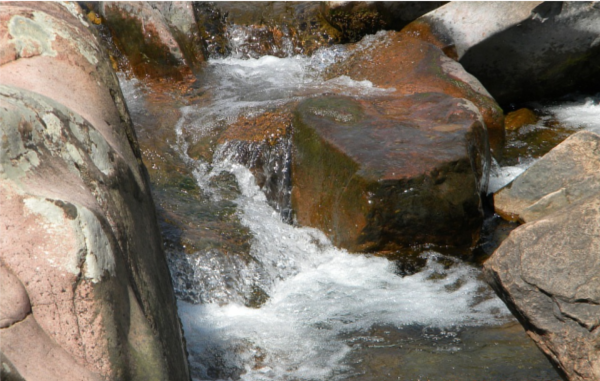
Falling water speaks of constancy and power. We are reminded that our power and integrity is carried within. Reclaim any power you have relinquished to others. Also, the negative ions in the air around waterfalls reduce inflammation in our cells and feed wellness.
Gardens
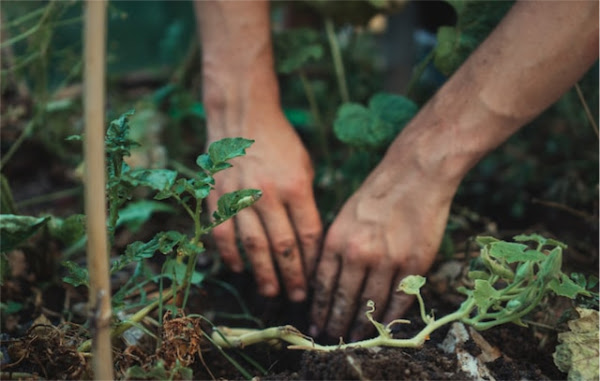
The garden surrounds us with abundance and beauty as we cultivate. In the garden our hands touch growing things, the vigourous shoots, the tiny buds, the perfumed flowers, and our hearts fill. It reminds us of the need to nurture, nourish and remove the ‘weeds’ around what we value in our life if we are to flourish.
Top of Hills
Hilltops remind us of the importance of an objective overview. Overlooking the world, we see tiny cars and towns, animals and people going about their life, and we gain perspective as we watch with an eagle’s eye the magnificent choreography of life. Deeply breathe in the fresh air.
Rivers
Watching the water of the river glide past we are reminded to stay flexible and open to change and to be prepared to adapt as our surroundings and circumstances change.
Vast Open Plains
Surrounded by sparse vegetation and vast open space, we gaze upwards in awe at the expansiveness and abundance of the universe above. As we merge with the vastness of the heavens we are reminded that we are an integral part of the ALL and a spark of Source Energy.
Mountains
The massive mountain towers above us, reaching for the heavens and giving testament to the strength that comes from endurance. We are reminded that time is merely a construct and that while we can be beaten and worn by the winds of change, we can always draw on our inner strength to withstand any onslaught. Remain solid and true within your core, your heart.
Limestone Caves
Nestled and protected deep within the dark Earth these secret areas of immense beauty remind us that our true beauty lies within. However, it is our responsibility to open ourselves and allow our beauty and light to shine out for the benefit of all.
Natural Springs
The bubbling exuberance of a fresh natural spring teaches us that new beginnings and opportunities are always available to us. But the gifts of the Universe don’t just arrive unasked. We must make the conscious choice and ask in order to manifest anything in our outer world.
Change of Seasons
As we notice the energy starting to shift from the dormancy of Winter, through Spring’s exuberant new growth, Summer’s lush fruitfulness, the abundant harvest and retraction of growth of Autumn, and then the return to the quiet stillness of Winter, we connect with the greater Universal Cycles and Rhythms.
Our life and health flow when we are aligned with the natural cycles.
Disclaimer
All information and opinions presented here are for information only and are not intended as a substitute for professional advice offered during a consultation. Please consult with your health care provider before trying treatment suggested on this site.
Mindfulness is about fully and openly embracing the present moment. Sounds so simple, right? But in truth we spend our time doing everything but that. And that goes doubly when we encounter a challenging emotion that makes us uncomfortable or even fearful.
When we face a situation that triggers a challenging emotion, we quickly fall into our default position for challenges. We move into the story we have built up around this situation or emotion over time. This story is embedded in our subconscious and carries a specific limiting mindset.
We get pulled us straight back into the past and all the times we have experienced that emotion before. We remember the situations in detail, the wrongs that were done to us or how we failed or were judged by others. We end up getting lost in the emotional drama of our ‘story’ and our connection to the present is quickly and completely lost.
But the past is gone. Those thoughts and beliefs that arise are nothing more than stories, they’re not real.
In many cases these thoughts and beliefs are not even of our own making. They have been passed to us from someone else and usually don’t even reflect our own true values. They can even come from the earliest time in our life before we were cognisant of what they even meant.
Unfortunately, the stories we re-run over and over, and the emotional ‘rabbit-hole’ they lead us down, hold such a power over us that it can be really difficult to break free of them.
Luckily the key to breaking them apart and changing that mindset is a simple technique using awareness. Mindful awareness is an active investigation into the nature of your mind and how it functions.
Perceiving True Mind
Trying to discover the true nature of our mind is impossible using the mind itself. We can never clearly understand this by using our thoughts. This is because most of the stories in there are hidden in the subconscious or distorted in faulty memory.
But fortunately, we don’t have to rely only on our mind because our thoughts, experiences, memories and emotions are also held within every cell of our body. And our body cells are a far more reliable and accessible library of all these than is our mind.
We can use a simple awareness exercise to keenly observe and witness the messages held by our body with clarity. This helps us to unlock them without getting drawn into the story or the drama that has always surrounded them.
This simple exercise will guide you to unlocking the secrets of your cells. Doing this exercise allows you to stay in the present moment even when your emotions begin to overwhelm you. It becomes an excellent tool to draw on whenever life threatens to overwhelm you.
When you first do this exercise, you may find yourself slipping back into the emotion. Whenever you notice this happening gently guide your awareness back to the exercise, without any judgment. Don’t beat yourself up, it’s completely normal for our thoughts to stray and for emotions to take over. Just notice them, focus and then bring them back.
Each time you do the exercise you’ll find your ability to maintain your detached focus, to identify what you observe and to accept the associated emotion become easier and easier. Each time it will cause you less stress.
Mindfulness Exercise: Connect Your Mind, Body and Emotions
Observe: When you feel an emotion that’s unpleasant the first step is to take a few slow, deep breaths and quickly scan your body from head to toe. Look for the strongest sensation – the one that bothers you the most. Focus your attention on that sensation. Use your awareness. Observe it carefully, curiously. Notice where it starts and where it ends. Discover as much about it as you can.
Distance: Don’t judge what you find. Don’t try to work out what it’s about. All you need to do is observe.
Breathe: Take a few deep breaths. Breathe into and around the sensation.
Expand: Make room for the feeling. Loosen up around it and create space.
Allow: Allow the emotion to be there. You don’t have to like it or want it. Simply let it be and make peace with it. The goal is not to get rid of it but to give up the struggle with it.
This mindfulness technique can be applied to as many different sensations as you want. As you do the exercise one of two things will happen: either your feelings will change – or they won’t. It doesn’t matter either way. This exercise is not about changing your feelings. It’s about observing them and accepting them whilst staying in the moment.
This exercise helps you stay out of the drama, whether it’s around you or within. When you step outside the emotion like this and simply observe it with awareness, you strengthen your engagement with your Highest Self, with Source. This keeps you grounded and in the present moment.
Mindfulness is the art of being present and accepting the moment, as it is.
Mindfulness is the energy of being both aware and awake to the present moment. It is the ongoing practice of engaging fully in every moment of daily life and accepting it without judgement. It is about simply Being instead of constantly Doing.
Recently I was reading about mindfulness while I was eating a slice of toast. As I continued to read, I suddenly became very conscious of the irony of my situation. Engrossed in the internet, with thoughts of what I needed to do during the day running around in the background, I was eating in a way totally lacking in mindfulness.
So I stopped reading and focused on the delicious food. I immersed myself in experiencing the bread toasted so that just the outside was crunchy and the centre still moist; the tang of the sourdough culture; the seeds coating the crust; the sweetness of warm butter which had soaked through into the heart.
I noticed the autumn sun pouring in through the window and the small birds hopping along the branches outside.
At one point I began thinking about writing this post about mindfulness, but being mindful, I put the thought aside and focused on eating the toast again. Truly, I tasted and enjoyed that piece of toast far more deeply than many I have eaten. It was all the more delicious because I was focused in the moment.
“When we are mindful, deeply in touch with the present moment, our understanding of what is going on deepens, and we begin to be filled with acceptance, joy, peace and love.”
Thich Nhat Hanh
My distraction while I was eating is completely normal. Human consciousness focuses on a lively dance between revisiting past events and anticipating the future. But developing mindfulness in our daily routine can have a very positive impact on our lives as well as our health.
Conscious Awareness
Mindfulness is a hot topic right now, but it’s nothing new. It involves the art of consciously living in the present moment without getting drawn into the drama.
At its simplest mindfulness can be likened to awareness with intent. It’s about using awareness to observe and notice in an open and curious way.
Mindfulness and intentional awareness are both about paying attention with purpose. They are like being in the eye-of-the-storm and still being able to consciously hold the place of stillness, while all around is chaos. They allow you to live in the here and now, noticing with clarity the reality behind what’s appears to be going on, while remaining emotionally detached.
Mindfulness Changes Your Brain
This mindfulness practice of touching life deeply in every moment of daily life brings heightened awareness and inner calm.
When we practice mindfulness, we become more open to noticing what is happening in our lives, with greater clarity. Everyday problems do not disappear. But because we are fully present in our lives through the practice, we become able to respond to life’s pressures in a much calmer way.
Developing and strengthening your awareness with mindfulness can transform your brain by changing or creating new circuits particularly those involved in stress, attention and focus, memory and mood. Mindfulness changes the way neurons in your brain communicate with each other. This opens the opportunity for you to interact and respond to your experiences and the world around you in a whole new way.
Mindfulness also helps us avoid self-judgement and self-criticism as we become more accepting of both our strengths and our challenges. This brings significant health benefits to our body, our mind and our soul.
Embracing the energy of mindfulness and allowing it to flow into our lives to penetrate everything we do provides us with the opportunity to foster the development of grace within.
It deepens our capacity to live more meaningful, balanced and peaceful lives.
Origins of Mindfulness
The ancient practice of mindfulness has come to us through many eastern philosophies including Buddhism, Yoga, Tai Chi and Taoism. It’s now embraced by the West and widely taught in a non-sectarian way because it is a proven effective tool to treat many psychological clinical disorders.
Thich Nhat Hanh, a Vietnamese Buddhist monk, teacher, author, poet and peace activist, taught the art of mindfulness throughout his lifetime. Initially he taught it through the practice of mindful breathing and later through Walking Meditation. Walking Meditation is more than just strolling around. It’s about being peacefully rooted in the present and always aware of both your mind and body as you move.
Walking meditation provides additional benefits to those gained through mindfulness, such as improved blood sugar levels1and blood flow and better balance and ankle coordination.
Benefits of Mindfulness
Mindfulness has been proven to effectively counteract stress by intentionally focusing the attention on the present moment and at the same time, accepting it without judgement. Focusing on the present moment prevents you becoming caught up in worry about the future or regret or shame about the past.
Helps develop a stable mind to stay grounded, rather than one that is dull or agitated
Reduces anxietyby cultivating a flexible mind able to reduce the impact of stressful thoughts and feelings
Increases self-awareness of your mind and its thought patterns
Helps you become less reactive in difficult and challenging situations
Replaces self-defeating behaviours with more beneficial ones
Mindful Practice
We are so familiar with projecting our attention and thoughts into either the future or the past, that it can take time to become proficient in maintaining your awareness in the present moment. But it can be developed through repetition until it becomes natural and automatic.
Whenever you think of it, practice by focusing on your breath, your surroundings or on each of your five senses – sound, sight, smell, touch and taste in turn. Tune into your thoughts or your body and just observe what you notice without any judgement or self-recrimination. Hold this state as long as you find comfortable and notice how much calmer it leaves you feeling.
Mindfulness leads to a keener awareness of all aspects of your life and the world around you
Every time you can bring your mind into the NOW, even just momentarily, you help cultivate a mindfulness practice that will eventually become a permanent and automatic part of how you function.
Commit to cultivating mindfulness in your life today, to gain profound and sustained benefits.
All information and opinions presented here are for information only and are not intended as a substitute for professional advice offered during a consultation. Please consult with your health care provider before trying any of the treatment suggested on this site.
Grounding is a term used to describe reconnecting with the present moment. It embraces many simple techniques that reduce stress to leave you feeling stable and calm. These include deep breathing, focusing on your senses, counting, better sleep practices, being in nature and even eating nuts and certain types of chocolate. These and other techniques all help reduce anxiety and the effects of stress and overwhelm. Find more about that type of grounding here.
But today I’m talking about the specific form of grounding that is also known as earthing. This is a practice where you connect physically with the Earth to anchor and balance your physical, mental and spiritual energy. It’s sometimes simply called barefoot walking.
Many of us practice grounding without even thinking about it. You can probably recall a time when you were immersed in nature, feeling relaxed and refreshed. Remember how that feeling of rejuvenation persisted even when you were back in your busy life. This is due to the physiological effects of grounding.
These beautiful warm, still days of Autumn are perfect to get your shoes off and do some grounding. When you connect with the Earth through the bare skin on the soles of your feet you also connect with the free electrons that flow through the earth’s surface. This is excellent when it comes to improving your wellness because these electrons help rebalance you physically, mentally and even spiritually. Not only do they leave you feeling calmer, but they also have an impact on health issues.
By improving physiological processes grounding helps reduce or reverse many health issues that lead to chronic disease. These results include lower blood pressure, lower stress levels, repaired muscles, reduced pain, improved sleep, reduced anxiety and depression, enhanced mood, clear mind and even help with varicose veins.
What Is Grounding
Grounding is an ancient therapeutic technique that’s essential for our wellness. In our modern world our bodies are constantly surrounded and impacted by a vast range of toxins. These include pesticide residue on fresh produce, hormones in meat and dairy foods, chemicals in furnishings and cleaning products, toxins in personal care products including shampoo, cosmetics and toothpaste, heavy metal residues, air pollution and one we often don’t consider, electronic pollution.
This cocktail of toxins which we’re exposed to every single day, impacts our body and our health and wellness, causing inflammation and free radicals which leads to chronic illness and disease.
How to Connect With the Earth and Ground Yourself
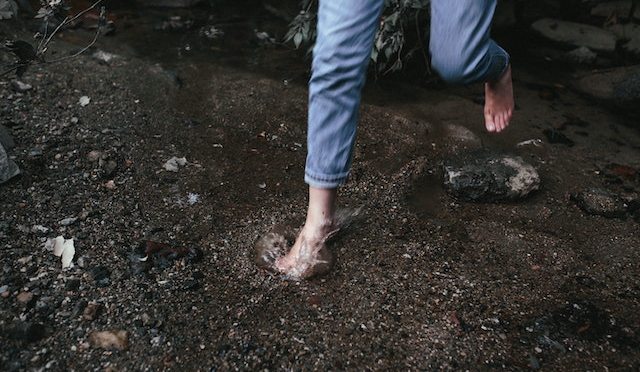
Essentially, all it takes is to go barefoot outdoors.
Most of us spend time outdoors. But usually that’s while we’re doing something, such as a sporting activity or walking. While this is healthy in many ways it doesn’t give us the full benefits of grounding. For that we need to actually connect our skin to the Earth by taking off our shoes or sitting on the grass or the beach. This connection between our skin and the ground allows the harmful, pent-up electrical charge coming from the environment and stored in our body, to discharge directly into the earth.
Some Grounders prefer to stroll on a beach or in a park. But most recommend simply standing outdoors with bare feet. Personally I like to take my shoes off, sit on the ground and lean against a tree trunk. The benefits of grounding begin immediately and after several minutes, you should start to feel refreshed
You’ll reap all the benefits when you stand on dirt, grass, sand, rock, concrete, or even in water which enhances the effect. But keep off the asphalt or Astroturf as they act as a block to the electron exchange with the Earth.
If you don’t like being bare foot, footwear with leather soles also works because the electron exchange still occurs. But watch for any synthetic components like insoles which block the exchange.
Signs You Are Ungrounded
There are clear signs that your physical or emotional state is not balanced. This is a red flag that indicates that you are ungrounded and need some grounding.
Some telltale signs are:
Feeling fearful or angry
Being unfocused, scattered and easily distracted
Jumping from one thing to the next but unable to complete anything
Difficulty concentrating
Getting stuck on certain thoughts and over-thinking
Feeling restless and discontented
Forgetfulness
Constant worrying and feeling anxious
Feeling tired, irritated and impatient
Lightheadedness or feeling ‘spaced out’
Your mind races but you can’t focus on anything
You feel both tired and wired at the same time
Problems sleeping
Clumsiness
Slow healing wounds
Health Benefits of Grounding
Regularly grounding yourself by connecting directly with the earth though bare feet affects you instantaneously. You get immediate benefits from grounding and the improvements continue over the following minutes, hours and even days.
And it’s simple!
Ditch your shoes and walk to the mailbox, touch one leaf, step outside to see the moon, drink your coffee outside, sit on the grass to eat your lunch. Those few minutes can make all the difference!
How Regular Grounding Benefits You
As well as leaving you feeling more stable physically and emotionally, regular grounding connects you with the natural world.
Here are some of the ways grounding changes you over time:
Immediatley:
Muscle tension releases
Brain waves slow down
Pain levels reduce
After a Few Minutes
Organ function is affected
Vascular (blood viscosity) and circulatory system improves
Blood glucose stabilises
Hours Later
Osteoporosis markers are affected
Improved mineral levels in cells
Thyroid function is boosted
Cortisol levels are reduced
After Days
You’ll feel more resilient and adaptable to life’s stress and demands
Less pain
Able to recover from stress better
Life becomes easier to navigate
Inflammation in the cells decreases
Cortisol levels are even lower
There’s no time spent grounding that’s too short, and no time that’s too long.
Isn’t it time to connect with the Earth to become balanced and centred?Make time to ground yourself and upgrade your health.
Disclaimer
The Information contained on this site is for your general health information. It is not intended to be used as medical advice and should not be used to diagnose, treat, cure or prevent any medical condition, nor should it be used for therapeutic purposes. The information is not a substitute for independent professional advice and should not be used as an alternative to professional healthcare. If you have a particular medical problem, please consult a healthcare professional.
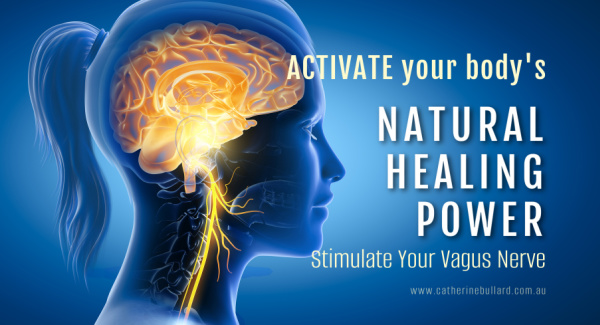
Have you heard of the vagus nerve? It’s one of the most important nerves in your body. When it’s healthy and stimulated it can help reduce stress, improve your mood and boost your immune system. Even if you’ve never heard of it, you need to know about the vagus nerve if you want to improve your health and wellness.
What is the Vagus Nerve?
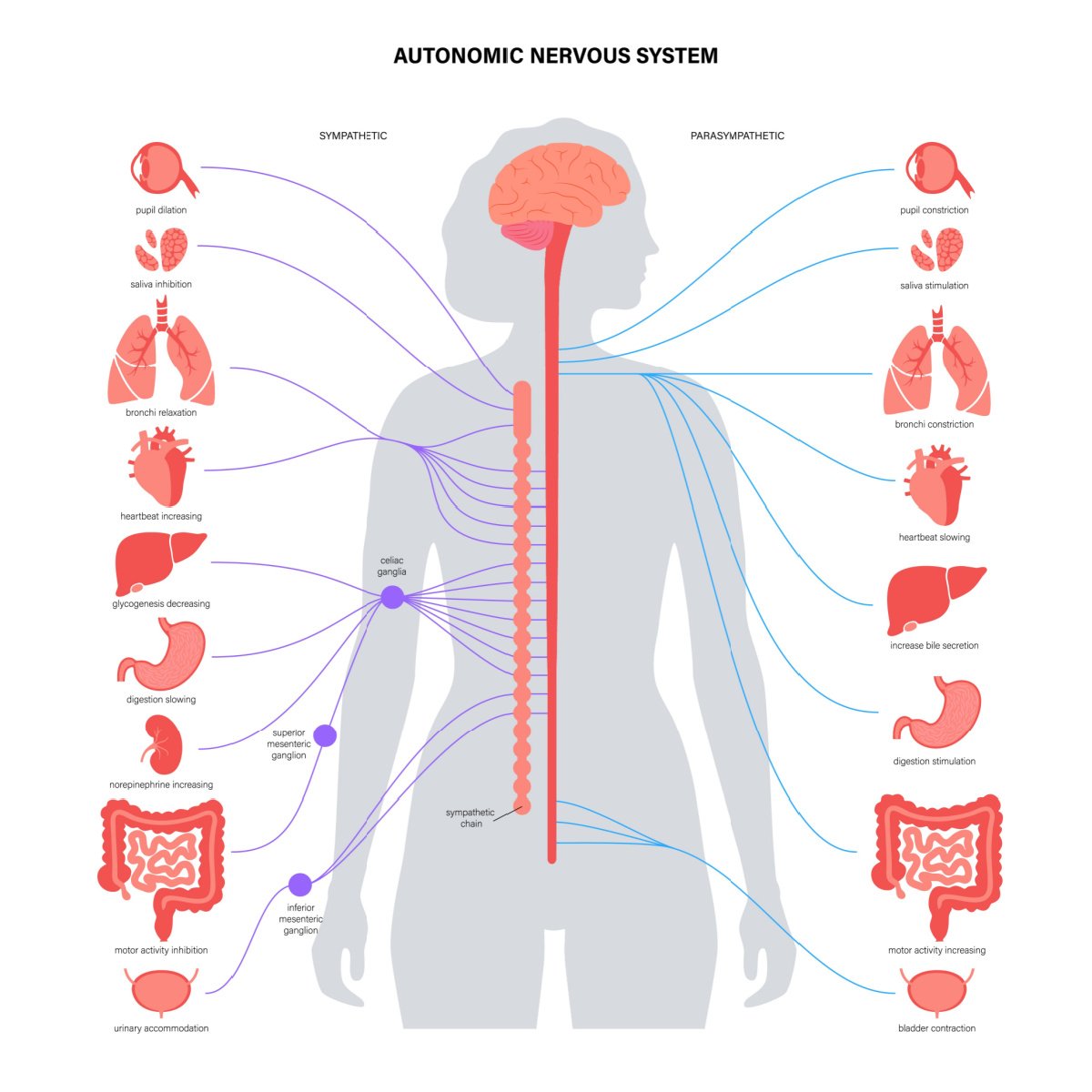
The vagus nerve is the longest and most complex cranial nerve in your body. It carries signals to and from your brain to many vital organs, including your heart, blood vessels, lungs, stomach, intestines, vocal chords and more. It is part of the autonomic nervous system (ANS), which plays a role in controlling and regulating involuntary functions like breathing, heartbeat, mood, digestion, and blood pressure.
Autonomic nervous system
The ANS has two main branches: the sympathetic nervous system (SNS) and the parasympathetic nervous system (PNS).
The sympathetic branch (SNS) is responsible for activating the “fight or flight” response when you face a threat or a challenge. It stimulates your adrenal glands to release adrenaline and cortisol, which increases your heart rate, blood pressure, blood sugar, and alertness. This helps you immediately cope with the challenging situation, but it also puts a lot of stress on your body.
The other parasympathetic branch (PNS) is responsible for activating the “rest and digest” response which kicks in to calm your body down and restore balance once the threat or challenge is over. By stimulating the vagus nerve, we get greater calming effects from the PNS.
The vagus nerve is the main component of the PNS, and it acts as a bridge between your brain and your body. It sends signals from your brain to your organs to regulate their functions. It also sends feedback from your organs to your brain with information about your physical and emotional state. The vagus nerve is like a two-way communication channel that helps you maintain homeostasis, a state of equilibrium and harmony in your body.
Maintaining balance between the PNS and SNS is crucial for your physical and mental health and wellness.
How the Vagus Nerve Affects Wellness
The vagus nerve influences many aspects of your physiology and psychology and has a profound impact on your health and well-being.
Here are some of the benefits of a healthy and active vagus nerve:
Reduce Stress and Anxiety
The vagus nerve plays an important role in regulating the stress response. It lowers your heart rate, blood pressure, breathing rate, and cortisol levels. Cortisol is a hormone released by your adrenal glands in response to stress. When it’s chronically elevated it can have negative effects on your health. The vagus nerve can also help you cope with emotional stress by enhancing your social skills, empathy, compassion, and trust.
The vagus nerve protects your body by helping it switch back and forth from the fight-flight response and the rest-digest mode.
Improve Mood and Mental Health
The vagus nerve stimulates production of neurotransmitters serotonin and oxytocin which are associated with happiness and well-being. Serotonin is a chemical that regulates your mood, appetite, sleep, memory, and learning. Oxytocin is a hormone that promotes bonding, love, and social connection.
The vagus nerve increases your resilience and optimism to help prevent or treat depression.
Boost Immune System and Reduce Inflammation
Inflammation is a natural response to injury or infection, but it can also cause damage to your tissues and organs when it’s chronic or excessive. The vagus nerve can activate the cholinergic anti-inflammatory pathway (CAP), which is a mechanism that suppresses inflammation in your body.
It helps you fight off infections and diseases by enhancing your immune system’s function and reducing inflammation.
Enhance Your Cognitive Abilities and Memory
Brain power improves when a healthy vagus nerve delivers increased blood flow and oxygen to your brain cells to sharpen focus, attention, creativity, problem-solving skills and memory. It can also stimulate neurogenesis, the creation of new neurons, in the hippocampus, which is a part of your brain that is involved in learning and memory.
A healthy vagus nerve improves brain power
Support Digestive Health and Metabolism
The signals sent via the vagus nerve from your brain to your stomach and intestines regulate appetite and digestion. They can also control the secretion of gastric acid, enzymes, hormones, and bile that are essential for breaking down food and absorbing nutrients. This helps prevent and treat digestive disorders like irritable bowel syndrome (IBS), acid reflux, ulcers, constipation, and diarrhea.
Improve Heart Health and Cardiovascular Function
Heart rate variability (HRV) is a measure of how much your heart rate changes from beat to beat. A high HRV indicates that you have a flexible and adaptable heart that can respond to changing demands. A low HRV indicates that you have a rigid and stressed heart that is more prone to arrhythmias and cardiovascular diseases. The vagus nerve can help lower your risk of heart attack, stroke, and hypertension by increasing your HRV and improving your cardiovascular function.
How to Activate Your Vagus Nerve
As you can see, the vagus nerve is a powerful ally for your health and wellness. But how do you activate it and reap its benefits? The good news is that there are many simple and natural ways to stimulate your vagus nerve and enhance its function.
Here are some of the most effective methods:
Deep Breathing
Breathing deeply and slowly in through your nose and out through your mouth is an excellent way to stimulate your vagus nerve. It activates your PNS and increases your HRV. It can lower your heart rate and blood pressure and calm your nervous system.
Practice deep breathing by inhaling through your nose for four seconds, holding your breath for four seconds, exhaling through your mouth for four seconds, and pausing for four seconds. Repeat this cycle for a few minutes and notice how you feel.
Mindfulness and Meditation
Meditating is a great way to calm your mind and body by reducing stress, anxiety and negative emotions. It helps you focus on the present moment to reduce the negative thoughts and challenging emotions that trigger stress. Combine meditation with deep breathing for greater benefits. Through meditation we increase our awareness of the present moment which can help you regulate both your physiological and psychological responses.
Practice mindfulness by fine-tuning your awareness to notice whatever is going on around or within you, without judgement.
Practice meditation by sitting comfortably, closing your eyes, and focusing on your breath, a mantra, a sound, or a sensation. Whenever your mind wanders, gently bring it back to your focus point.
If you find sitting still to meditate difficult, try an active meditation instead such as a Walking Meditation.
Humming or Singing Loudly
Humming or singing can stimulate your vagus nerve by activating your vocal cords and diaphragm. It can also increase your production of nitric oxide, which is a molecule that dilates your blood vessels and improves blood flow to your brain and organs. Hum or sing any tune that you like or try chanting “om” or “ahh”, which are sounds that resonate with your vagus nerve.
Laughing
Laughing can trigger your vagus nerve by engaging your facial muscles and diaphragm. It can also release endorphins, which are natural painkillers and mood boosters. Laugh by watching a funny show, reading a humorous book, or sharing jokes with friends.
Cold Shower
Exposing yourself to cold water or cold air stimulates your thermoreceptors, the nerve endings that detect changes in temperature. It also increases your metabolism, immune system and antioxidant levels. Take a cold shower by gradually lowering the temperature of the water until it’s comfortable but challenging. You could also try splashing cold water on your face or dipping your feet in ice water.
Positive Social Relationships
Positive social relationships stimulate your vagus nerve by enhancing your emotional and social intelligence. They also increase your oxytocin and serotonin levels, which promote bonding, trust and happiness. Cultivate positive social relationships by spending time with people who support you, care for you and make you feel good. Expressing gratitude, appreciation and affection to the people in your life also activates the vagus nerve.
Tai Chi and Yoga
Tai chi is a form of martial arts involving slow, graceful movements that coordinate with breathing and mental focus. It stimulates your vagus nerve by improving balance, coordination, flexibility, and circulation. It can also reduce your stress, anxiety and depression. Practice tai chi or yoga by joining a class, watching a video, or following an app.
Probiotics
The vagus nerve is the main channel for conveying messages between the gut to the brain, including threatening feelings or ‘gut instincts’. When your gut is functioning poorly bad gut microbes overgrow and cause inflammation. Probiotics are beneficial bacteria and yeasts that live in your gut and help you digest food and produce vitamins and neurotransmitters. They communicate with your brain via the vagus nerve and influence your mood, thinking, and behavior. Taking probiotic supplements increases the number of good bacteria in your gut.
Consume probiotics by eating fermented foods like yogurt, kefir, sauerkraut, kimchi, miso, tempeh, or kombucha. Or take probiotic supplements that contain strains of Lactobacillus and Bifidobacterium.
Intermittent Fasting
Fasting is the practice of abstaining from food for a certain period of time. It activates your vagus nerve by reducing inflammation, oxidative stress, and insulin resistance. It can also help you recycle damaged cells, and stimulate ketosis which is the state of burning fat instead of glucose for energy. Practice intermittent fasting by skipping breakfast and eating only within an eight-hour window. Alternatively do a 24-hour fast once a week.
Zinc
Zinc is a mineral essential for many functions in your body, including immune system, wound healing, DNA synthesis and enzyme activity. It also modulates your vagus nerve by regulating neurotransmitter and hormone levels.
You can get zinc from certain foods including oysters, beef, pumpkin seeds, lentils, and dark chocolate. You can also take zinc supplements containing 15 to 30 mg of zinc per day. Many Australians are zinc deficient and so need to supplement. Australian soils are particularly low in zinc, which then affects the amount of zinc available from food grown within that soil.
Massage
Reflexology is massage of the feet and research shows it increases vagus nerve tone and improves blood pressure. Have a professional reflexology treatment and rub your feet, stretch your toes and rotate your ankles at other times.
Signs Your Vagus Nerve is Suffering
Those are just some ways you can activate your vagus nerve and enjoy its benefits for your health and well-being. However, you should also be aware of the signs that indicate that your vagus nerve may be malfunctioning or damaged.
Some of these signs are:
Abdominal pain and bloating
Acid reflux or heartburn
Elevated heart rate and blood pressure
Dizziness or fainting
Loss of gag reflex or difficulty swallowing
Hoarseness or loss of voice
Loss of appetite or nausea and vomiting
Tight or sore muscles
Racing thoughts or anxiety
If you experience any of these symptoms, you should consult your doctor and get a proper diagnosis and treatment.
I hope you learned something new and useful from this blog post. Remember, your vagus nerve is a powerful connection between your brain and your body which can influence your health and well-being in many ways. By stimulating your vagus nerve, you can change your body chemistry and improve your mindset.
So, try some of the methods I’ve mentioned and see how they work for you. And don’t forget to share your feedback and questions in the comments section below. Thanks for reading and have a great day!
DISCLAIMER
All information and opinions presented here are for information purposes only and are not intended as a substitute for professional advice. Do not use this article to diagnose a health condition. Speak to your doctor if you think your condition may be serious or before discontinuing any prescribed medication. Please consult with your health care provider before following any of the treatment suggested anywhere on this site, particularly if you have an ongoing health issue.
It’s often during their fifties or sixties that many first receive shocking news about their health. It may be they have pre-diabetes or high blood pressure. They may be diagnosed with thyroid disease, Diabetes or another autoimmune condition. Menopause may be tiresome and seem endless. Or they may even have serious life-threatening disease like stroke, heart disease or cancer. This is the age when it’s crucial to take control and create your own Wellness Plan to keep you healthy in your fifties and beyond.
Your Wellness Plan
But creating a Wellness Plan that fits with YOUR life can be difficult. Where to begin? What do you do when the advice on “Dr Google” seems to be contradictory?
You can’t change everything at once so how do you know which changes are the most important? And what about natural remedies? There are sure to be some that will help your situation, but which?
And then there’s the issue of different advice coming from different people. What happens when your doctors and therapists are all focused on a different part of you so they all tell you to do something different? For example, you may be told you need to walk every day for your health. But what if your arthritis or foot problems make this really difficult. What if you’re recommended a diet based on foods you know don’t sit well with you?
It can all just seem too much to navigate.
The situation can become confusing and may result in you making only minimal changes at best. For many it’s just too overwhelming and they give up before they even begin.
And of course there’s the whole challenge of how you begin when you need to make dramatic changes. W hat is the very first step?
Information Overload
I have seen this situation occur for many of my clients who are left confused, frustrated and scared. They want to make changes to their lifestyle to become healthier and reduce the likelihood of further problems.
But too often they end up drowning in an overload of information. They lose sight of the big picture and sink below the details. They need the key to managing the situation. Only then they can go ahead and continue to enjoy their life.
That key is to create the Big Plan which I call the WELLNESS BLUEPRINT.
When dramatic change feels overwhelmingly huge breaking down the changes needed into small steps it can help to manage it. If you have been told to cut out coffee or alcohol for example, cutting back gradually can make it easier. It helps break the habit so you achieve your goal gradually over a few weeks or longer if needed.
Of course you often need to do much more than just give up coffee. And especially in the case of certain serious illnesses, you usually need to make the changes immediately. But by making small changes across your whole life you begin the process. By addressing many different aspects of your lifestyle in small ways change happens in small increments in various ways at the same time. And each small change supports the others. Later changes are much easier to make because you’re already part of the way towards successfully achieving them.
There’s no doubt that in order to stay healthy, feel young and continue to enjoy life we must change our lifestyle behaviours and ditch bad habits. But the way you go about it will dictate whether it is easy or difficult. More importantly, it also impacts how successful you are at making long-term sustainable change.
After all, if you just slip back into your old habits nothing is gained. Whether it happens immediately or not for a year or so, you’ll again find yourself back in a health crisis.
The message in a health wake-up call is to make changes that are sustainable.
Disclaimer
All information and opinions presented here are for information purposes only and are not intended as a substitute for professional advice offered during a consultation with your health care provider. Do not use this article to diagnose a health condition. Speak to your doctor if you think your condition may be serious or before discontinuing any prescribed medication. Please consult with your health care provider before following any of the treatment suggested on this site, particularly if you have an ongoing health issue.
Another school term has started and with that comes the re-appearance of the head lice plague. The blight of every school mum, head lice provide a never-ending battle for parents. What do you do when you get that call from school “Your child has lice?” If you’re a health conscious parent, you’ll look for a natural alternative to the noxious poisons found in insecticide-based head lice shampoos and lotions.
Dangers Of Head Lice Shampoo
Here’s a toxic alert! Skin can readily absorb any product that’s applied to it. Once absorbed it travels to your bloodstream and throughout your body causing toxic effects.
There’s agreement amongst experts that absorption of toxins through the skin is more dangerous than through the mouth. When toxic substances are ingested, they are broken down and usually detoxified by the liver and kidneys. When they’re absorbed through the skin they travel straight into the blood stream without being broken down first, carrying the full toxic load with them.
One study found that some toxins were absorbed more easily through hairy skin than hairless skin. This makes one wonder whether higher levels of pesticides are being absorbed through the scalp from head lice shampoos and lotions than is expected. Are the toxin levels being absorbed becoming critical?
Apart from the dangers of absorbing the toxins into your body, the chemicals in the shampoo can also irritate the skin especially if the skin is sensitive, as in a child, or if it has any breaks in it.
The chemicals in head lice shampoo can also irritate the eyes.
All insecticidal shampoos and lotions sold in Australia must be registered with the Therapeutic Goods Act (TGA) to ensure they comply with safety standards and are effective.
But although deemed safe many of these lotions and shampoos containing pesticide can be harmful to children. Because children’s bodies are much smaller than adults the amounts of toxin in the products can have more impact on their small bodies.
Insecticide Shampoos Don’t Always Work
Lice often become resistant to insecticides and many parents find that insecticide shampoos and lotions don’t kill the lice. Repeated unsuccessful attempts to get rid of the pests leaves your child exposed to higher doses of poison without solving the problem.
If you’re in any doubt you need to ask yourself whether the pesticide based shampoos are worse than the problem?
Natural Alternatives To Head Lice Shampoo
While head lice don’t carry and spread disease like some other pests, they are none-the-less a real problem.
So how do you beat the problem without poisoning your child?
There are a few alternatives to toxic insecticide treatments. Simply by diligently combing conditioner through dry hair with a metal lice comb you can rid the hair of lice and nits. But it can take a number of attempts. Conditioner stuns the lice for about 20 minutes so they can’t crawl around and if you are quick you can comb them out.
But even more effective is to use conditioner in conjunction with an essential oil mixture.
Some essential oils are very effective at getting rid of lice and nits. Plus the mix can be added to a spray bottle of water and used daily to prevent further infestation.
An essential oil mix first stuns the lice just as conditioner does, but unlike conditioner it also kills them. Lice attach the nits, or eggs, to the hair shaft where they stick like glue and are normally very difficult to dislodge. The great thing about the essential oil mixture is it loosens the nits making them easy to comb out and dispose of before they hatch into nymphs.
Essential Oil Head Lice Treatment
A number of essential oils are suitable in the battle against head lice but some, like tea-tree oil which is very effective, can be too strong for children’s sensitive skin.
These ones are more gentle but powerful enough to do the job.
Head Lice Treatment Recipe
Ingredients
To 75ml base oil (coconut is great, or sweet almond) add:
Lavender essential oil – 25 drops
Geranium essential oil – 13 drops
Rosemary essential oil – 25 drops
Eucalyptus essential oil – 12 drops
This quantity makes 2-3 treatments. Store any that’s left in a glass bottle, amber is best. Be sure to use high quality essential oils. Do not use fragranced oils.
Method
Massage the oil mix through dry hair and leave for two hours. Add the shampoo BEFORE wetting your hair. Wet hair and wash. Put conditioner on hair and comb through with a metal lice comb. This makes it easier to remove all the creatures. To make certain you get all the lice and nits divide the hair into segments and thoroughly comb through each section. Repeat a few days later to remove stray lice from any missed eggs. This formula can also be added to distilled water and sprayed over your hair each morning as a lice deterrent. For really bad infestations the treatment can be repeated every 3 days over a few weeks if needed. Be generous with the amount of oil used. The bottle will do 3-5 treatments depending on the amount of hair you have.
The extra bonus is your child’s hair will smell beautiful.
Take Precautions
Remember to take all the usual precautions: tell your child’s school; tie back hair; don’t share brushes and combs; run bed linen and hats through a hot washer dryer to kill any stray lice and nits.
Head lice infestations are a fact of school life. Check your child’s head regularly. If your child starts scratching don’t panic. Get to work fast to eradicate the pests with the least toxic impact for your child.
Disclaimer
All information and opinions presented here are for information purposes only and are not intended as a substitute for professional advice offered during a consultation. Please consult with your health care provider before following any of the treatment suggested on this site, particularly if you have an ongoing health issue.
Is your life happy? Do you remember to enjoy the little things in life? Do you express your gratitude every day?
In order to live a healthy happy life, you need to address all aspects of your life and surroundings. You need to go much further than just getting fit or changing what you eat. Fitness and diet obviously support and develop the physical body. But they also develop the mental and emotional bodies to a degree. They do this by releasing endorphins during exercise, and by creating a better chemical balance in the brain through good food choices.
The mind-body connection is well recognised and it’s known your emotional state affects how healthy your body is.
Holistic growth involves changing and improving on all levels – spiritually as well as physically and mentally. It requires you to be constantly aware and willing to make changes in attitudes, to practice mindfulness, to cultivate gratitude and to open your heart with generosity.
To develop your spirituality you don’t need to follow a religion although you can if you prefer. But you do need to develop a close and meaningful relationship with your essential inner self. You could go and undertake something quite life-changing such as a silent Vipassana Retreat to achieve this. But often it’s by simply looking at the things in your life differently that you create the biggest impact, and you can do this in small ways every day.
Becoming connected to the world directly around you in a positive and meaningful way creates a snowballing effect that leads to big changes within. By developing and practicing this you also show love and care for yourself.
You can do this by:
showing love and care for the Earth in your own neighbourhood
appreciating the small gestures of those you cross paths with
acknowledging when things fall into place smoothly
actually noticing what is going on around you
The Key
The key to achieving these grass root changes is in the cultivation of gratitude. This results in you becoming more generous, which then leads to personal awareness and growth. What a great chain of events!
Gratitude is a funny thing. We are all taught to say please and thank you. But we’re not often taught how to feel and express gratitude for our life.
I remember teaching this basic social grace to my son when he was 3 years old. As he and his little friend were exchanging Christmas gifts the boys were told to “shake hands” to show gratitude and thanks. They looked at each other bewildered for a moment and then both started shaking their hands wildly in the air around themselves.
But gratitude is not just about saying thank you for a gift (whether you like it or not). It’s about finding joy in the detail of your life and bringing the focus of your life back to the minutiae around you.
It’s about bringing an awareness of the continual flow of life and a development of your connection to all, within.
It’s about recognising all the blessings that are a part of each day, the blessings that often get lost in the daily humdrum.
Gratitude’s about finding joy in the detail of your life.
Gratitude’s about finding joy in the detail of life
Living In The Moment
When exactly is it we first become focused on “keeping your eye on the prize”? I see this as the single most important attitude that undermines the practice of gratitude. We spend our life focused on achieving the promotion, the dream house, cool car, we follow fashion which changes so fast we constantly need more new garments, we work towards the next holiday, beautiful jewelry and on and on and on.
We’re driven by never-ending striving for what we need to achieve and own, our eyes constantly focused on what’s up ahead, the big prize.
When we live with this focus we miss the life around us, the little details of our everyday life…we fail to ever live in the moment.
Living in the moment is what we’ve been told to do in order to know, understand and improve ourselves, but we’re never in the space to achieve it.
By cultivating gratitude and forcing yourself to bring your focus back from what you desire or want to achieve you start to notice the small things around you, and to find ways to give back to the earth as well as to the people in your life.
By cultivating gratitude you also cultivate generosity.
Gratitude Journal
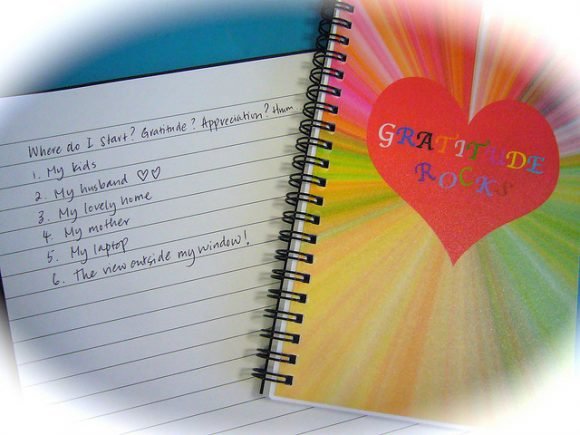
One way to begin cultivating gratitude is to start a gratitude journal. You can buy these, but it’s nicer to find a small blank journal with a cover that sings to you, so it’s more personal. Every day you record three things you are grateful for. It helps to focus on what’s good in your life every single day. It’s also a way to keep depression away. When you start to recognise that your life does have joys, even if they’re small, that in some ways you are fortunate, it becomes more difficult to be consumed by the bleakness of an unfulfilled life.
I’ve kept gratitude journals in the past but don’t right now. Instead it’s enough before I go to sleep every night to simply acknowledge what I’m grateful for from the day. Recently I got to 28 small incidents from my day before I decided to stop and go to sleep. I hadn’t even got to including the mundane things like the bright sun on a winter day, and that my car started in spite of the frosty morning. I generally go to sleep smiling!
Give some thought to how you approach your life. Do you notice how friendly the storekeeper is? How your washing was all dry when you got home even though it’s cold? Or even that you had time to hang it out before going out? Do you appreciate that someone hugged you out of the blue? Or that you got a string of green traffic lights so you arrived home earlier? How about that someone admired your scarf? Do you feel gratitude for the clean smell of rain after a long, hot dry spell or a sweltering humid morning?
Do you remember how wonderful these things are, or have they become simply a part of your life that you no longer notice and so no longer appreciate?
Benefits of a Grateful Outlook
Practicing gratitude reminds you to thank other people. Often we forget to thank the people who are around us day-in, day-out. We forget to remind them how important they are to us. Giving a quick word of thanks, a hug, or even sending a message improves their day and yours too.
Practicing gratitude reminds you about all the good things in your life. It’s easy to get drowned in daily problems and challenges. Try looking for the good in every thing that happens, even the difficult ones. Did the challenge offer you the opportunity to learn something? Does it allow to enjoy things you like in your life, like holidays or family time?
Practicing gratitude forces you to recognize and concentrate on what’s really important in your life. Instead of living with tunnel vision when you’re stressed, gratitude forces you to shift your perspective a little.
How to Practice Gratitude
So, are you a grateful person? Is practising gratitude the pathway to finding happiness? Has the time come for things to change for you?
Now is the time to teach yourself to live in the moment as you did when you were a small child. To learn to live in the moment while still functioning in a job, a family and a modern life.
Go out and get yourself a beautiful small gratitude journal and tonight write down three things you’re grateful for. If you don’t have a journal start one on your phone! It’s all about developing a habit…the habit of finding positives all around you and then paying them forward. And when you do this watch how your joy in life grows as you also grow.
World Gratitude Day happens on September 21st. What better time could there be to start your Gratitude Journal?
And me? Today I’m grateful for you, dear reader. Thank you for visiting.
Please share what you’re grateful for in the comments below.
Disclaimer
All information and opinions presented here are for information purposes only and are not intended as a substitute for professional advice offered during a consultation. Please consult with your health care provider before following any of the treatment suggested on this site, particularly if you have an ongoing health issue.
It seems like one of life’s ironies is that just as you are getting your act together in your thirties you start to notice the first small visible signs that you are getting older.
You have a great relationship, your career is on track, you are starting to really make it in the world, and you notice the little crinkles that were cute in your twenties are starting to get deeper and turn into proper crow’s feet. Telltale signs of long hot summers are starting to show as brown spots.
Hormone changes are at the bottom of these changes. Our bodies are designed to carry babies through our teens and twenties and after that our reproductive hormones start to decrease. Most hormone changes start about thirty and continue right on through menopause.
After the age of twenty-five we don’t produce as much human growth hormone (HGH) either and this means that we stop replacing cells as fast, collagen production slows and our skin becomes loose and dull. By the time we are thirty our levels of growth hormone might be only about twenty percent what they were when we were eighteen.
As oil production drops, older skin is not able to retain moisture as well as younger skin causing loss of elasticity and producing wrinkles. The decreased collagen in your skin results in thinner less flexible skin which is more likely to damage and is slower to repair.
If you nurtured your skin right through your teens and twenties, stayed out of the sun and off tanning beds, avoided any high living, ate perfectly and didn’t smoke you’ll probably look amazing at thirty. But chances are you spent lots of your twenties out in the sun, a glass of vino in one hand, a cigarette or burger in the other. By the time you reach your thirties your earlier vices become evident, you can see it in your skin. The normal effects of the hormonal changes in your body will be worse.
But don’t despair. There is still time to repair the damage and to turn those fine lines, saggy skin, blotches and dryness around.
HELP! HOW TO SLOW DOWN AGING
We’ve all heard anti-aging advice from our mothers since we were small. Brush your hair one hundred times, drink lots of water, eat lots of fruit and veges, get eight hours sleep and lots of exercise. While these are all important there is more to it.
There are two parts to supporting the regenerative processes of your skin and slowing the processes that cause it to age.
When we are identifying the causes of aging skin and hair we need to consider both internal and environmental factors. Of course, beauty does come from within and if we are not putting the right things into our body it will show up straight away on our skin.
Free radicals are produced by your body and are a natural part of metabolism. Your body can deal with a certain amount. But when you make poor food choices, are exposed to chemicals in your environment or the products you use on your skin and hair, you produce many more free radicals, far too many for your body to deal with, and this results in inflammation.
Free radicals are known to not only be the cause behind many chronic and serious diseases, but they also affect your skin by causing inflammation, destroying cells, and causing pigment changes.
EXTERNAL CAUSES OF AGEING
In your everyday life your skin is exposed to many harmful toxins, from those found in air pollution (both indoors and outdoors) to those in your moisturiser. There are the obvious toxins like petrol fumes or those used in nail salons, but there is also a myriad of others that are not at all apparent. And many environmental toxins can affect our skin through pathways that include our gut, liver, kidneys and lungs. No matter which way the toxin affects us, it creates free radicals in our body that lead to inflammation and the resulting signs of aging showing on our skin.
SUNLIGHT
Too much sun exposure can dramatically age the skin. It produces broken capillaries, wrinkles, age spots, dry, thickened, pigmented skin. Known as photo-aging, skin aging is accelerated by exposure to UV radiation. Wearing sunscreen may not be the best answer to the problem of UV exposure, as the chemicals in the sunscreen can sometimes react when they come in contact with the suns rays to speed up skin damage and promote aging.
Vitamins A and C are helpful in reversing the damage caused to your skin by the sun’s rays. Whether you take a supplement, eat lots of foods rich in these vitamins or find them in the products you apply to your skin, they will benefit. But don’t use products full of harmful chemicals simply because they have vitamins added. There will not be enough vitamins in the product to counteract the damage caused by the chemicals.
DIET
Antioxidant rich diets are the answer to slowing down the aging caused by free radicals, by both reducing them and producing beneficial anti-aging results for your skin.
Foods that are denatured, pesticide-ridden, genetically modified or processed are essentially ‘dead’ foods and toxic to your body.
Eat a Rainbow
SKIN CARE PRODUCTS
Read your makeup and skin care ingredient labels carefully.
Some chemicals in most makeup products are endocrine disruptors and mimic hormones. Makeup, skin care and hair care products should only contain natural products. A good rule is if you can’t eat it don’t apply it.
Be careful of synthetic cleaning products as they contain dioxin which also disrupts the endocrine system and interferes with the immune system.
ANTI-AGING SKIN CARE REGIME
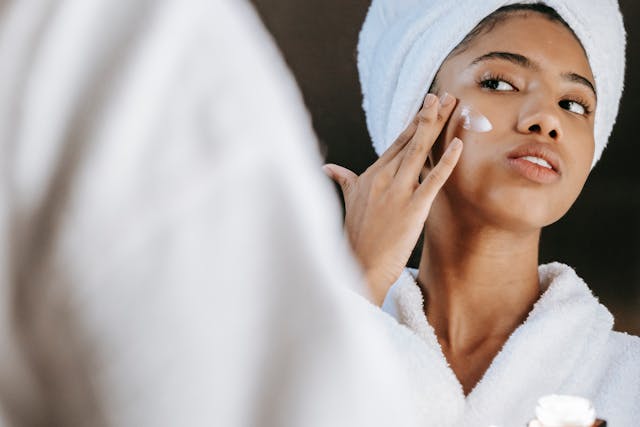
Avoid soap or foaming or gel cleansers. They strip the natural oils from your skin and cause aging. Try a quality, chemical free, milk cleanser, or make one yourself. Avoid any cleanser that leaves your skin feeling tight as it could lead to dry, flaky, irritated skin.
Select a moisturiser that will keep your skin hydrated and protect it from the dehydrating effects of air conditioning and heating. BE CAREFUL, many chemicals are added to leave your skin feeling moist and soft but are actually dehydrating. If the humidity is less than 65% these humectants will draw moisture to the skin from the cells below the surface instead of from the air. This leaves your skin feeling soft but actually causes the skin to dry out.
NOURISHING OILS
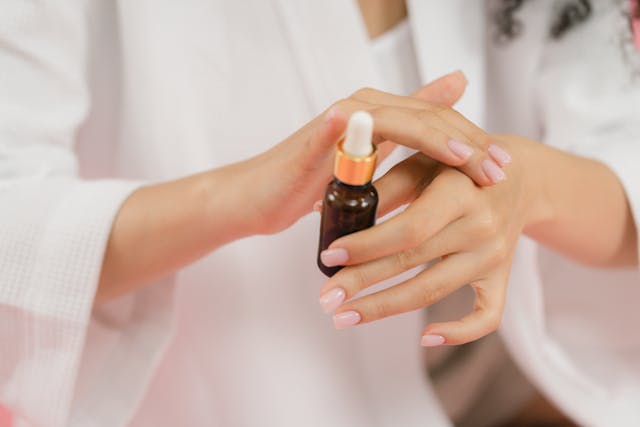
As an alternative a light application of a vegetable oil such as jojoba, coconut, almond, apricot kernel, camellia, avocado or olive will nourish your skin and can be used as an alternative to face creams.
Even those with oily skin can use oils as a skin moisturiser. Vegetable oils, particularly jojoba, nourish your skin without causing pimples, acne or blackheads, which are caused by a combination of factors.
Jojoba oil is a liquid wax which was used to treat skin conditions like acne and eczema in folk medicine. It is said to be closer to human sebum than any other oil which makes it an ideal choice for skin care. Strange as it sounds to put oil on oily skin, it works because chemically oils break down other oils.
Gently massage a few drops of jojoba oil into your face. Place a warm washcloth over and allow it to cool before wiping off the oil. Rinse the cloth and apply a few more times until the oil is gone.
Don’t use these oils around your eyes, instead choose rosehip oil for the eye area which is rich in omega 3.
EXFOLIATION
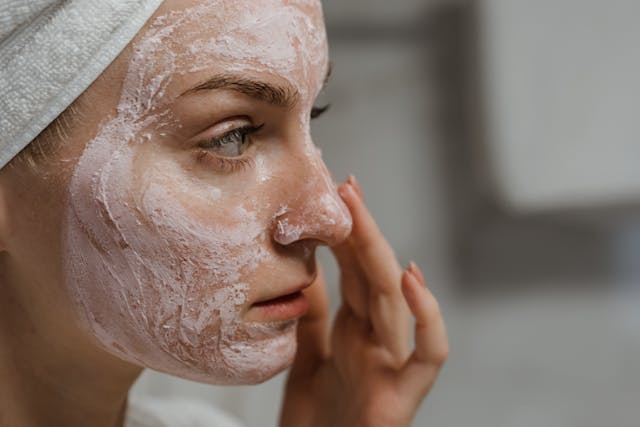
Exfoliating helps to remove dead skin cells but needs to be done gently or it will accelerate aging and cause inflammation. Natural options include oatmeal ground in a blender with almond or rice milk added. Form it into a light paste and gently massage into your skin before washing.
TREATING WRINKLES
While it is important to take steps to minimise wrinkles forming the challenge becomes how to get rid of those you already have without resorting to toxic skin care. Here are a few home remedies you can try out to reduce wrinkles.
Coconut Oil is one of the best home remedies to minimise wrinkles and it is easy. Simply gently rub organic coconut oil over your face and neck before going to bed. It is rich in antioxidants and vitamins and has anti-bacterial and anti-fungal properties. Coconut oil contains an essential emollient to reduce wrinkles and make skin firmer and softer.
Aloe vera contains malic acid to improve the elasticity of your skin to reduce wrinkles. Simply cut the leaf off and extract the gel. Apply to your skin and leave on for twenty minutes then wash off with warm water.
Ginger is high in antioxidants and helps inhibit the breakdown of elastin. Drink ginger tea twice a day or eat a piece of finely chopped ginger mixed with a tablespoon of honey every morning.
Cucumber cut into thin slices and placed on the skin can soften the skin and help remove wrinkles.
Vitamin E massaged into the skin daily can help remove wrinkles (simply break open vitamin E capsules)
Rosehip oil patted gently into your face reduces wrinkles.
Apple is very high in malic acid. Mash a boiled or stewed apple. Add one tablespoon of honey and some milk powder (if you have it). Apply to your face and leave on for at least fifteen minutes before washing off. Apple improves your skin’s elasticity.
For healthy glowing skin avoid products which include parabens, paraffin, mineral oil, propylene glycol, sodium lauryl sulphate, or acrylamide.
These preventions and treatments are not just for those in their thirties. Everyone will benefit from a natural skin care regime and no matter what your age you can always slow down the aging process.
While you can’t stop the ageing process entirely, taking a few simple steps can certainly slow it down and give you glowing skin along the way.
Disclaimer
All information and opinions presented here are for information purposes only and are not intended as a substitute for professional advice offered during a consultation. Please consult with your health care provider before following any of the treatment suggested on this site, particularly if you have an ongoing health issue.