Have you ever joined with a circle of women where you take the time and space to connect with your inner knowing, in order to receive insights and clear pointers about the direction your life needs to follow right now?
The Red Tent Soul Sister Sanctuary helps to restore balance in your life and nurture your personal spiritual growth, as well as providing you with a deep sense of nourishment to fuel your soul and fill your heart.
If you are in Melbourne this coming weekend this is your opportunity to experience for yourself.
To discover more about the event read on…
This month we journey under the joyful and regal Leo New Moon.
Leo is a FIRE sign and provides the perfect opportunity to connect with your inner passion and whatever fires you up.
This New Moon is particularly auspicious as the Moon joins up with Lucky Jupiter to enhance the magnanimous Leo energy. This is the time to be generous, to let go of grudges and to find that happy, childlike, warmth and playfulness within.
Leo is also the time to step into your Inner Queen, to connect with her proud generosity and confidence. This is a powerful time to make plans and to reap the rewards from new creative beginnings, big or small. It is time to let out your Lion’s Roar.
And, it’s quite ok to wear your tiara to this one.
Women instinctively know that gathering with other like minded women offers enormous psychological and energetic benefits.
The Red Tent Soul Sisters Sanctuary is an opportunity to take time-out from your busy life to reconnect with your inner self, to let your inner child out to play, to share and to be supported in a sisterhood of exchanged knowledge, insights, gifts, wisdom, guided meditation, laughter & art, all within a safe and sacred space, while consciously journeying with the cycles of the moon and universe.
Traditionally the Red Tent was a place where women would gather to tune in to their feminine wisdom and receive insights for themselves, their families and for the greater good of their community. It would take place during the dark moon when the Moon is shadowed from the Sun by the Earth, and when feminine intuition is at its most heightened.
The Leo moon is ruled by the element of fire and is represented by the archetype of the Lion, who wears her regal air with confidence and grace. This new moon takes us to a place to embrace our creativity and generosity.
So come and journey with us, join with a variety of beautiful women of all ages, cultures, and walks of life. This is a time and place where every woman is honoured for her own feminine wisdom and experiences, all of which allow us all the opportunity to learn and grow from each other.
Each Red Tent gathering includes a sharing circle, insights for the coming month, guided meditation, setting intentions and a shared supper (or lunch).
You leave feeling deeply soul-nourished and filled with purpose.
WHEN: Saturday 26th July TIME: 1.00pm for 1.30 start – 4.00pm COST: $20 WHERE: Indigo Centre for Health & Wellbeing, 563 Whitehorse Rd,. Mitcham Vic 3132
Please bring a small plate of food to share afterwards
PLEASE SHARE THIS INVITATION
For more info please private message Catherine Bullard on Facebook or call +61 429 140 181
BOOKINGS & PAYPAL PAYMENTS ACCEPTED
Booking online is recommended to secure your cushion.
To book via PAYPAL please ckick the yellow CHECK OUT WITH PAYPAL button below
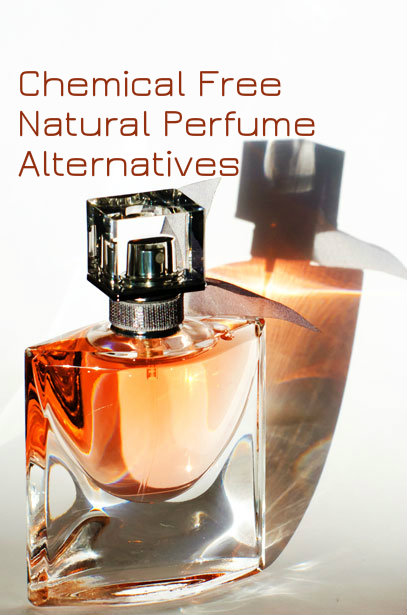
Very few women head out to a special occasion without a dab of their favourite perfume. One of the great pleasures in life is surrounding yourself with gentle wafts of an exotic aroma that immediately transports you to somewhere special. Most likely you chose your perfume for its gorgeous smell, not for what it is made from. But, there is pretty well nothing natural, apart from water, in commercial perfumes.
The big problem with conventional perfumes is that they are so toxic! A serious hazard for anyone wanting to reduce their toxic overload is that a loophole in the legislation means that perfume manufacturers only need to list a tiny handful of the vast array of chemicals that their product contains. This is on the basis that their recipe is ‘a secret’ and disclosing all the ingredients would allow anyone to copy their product.
Make no mistake, this is at your expense. A vast number of the chemicals used in perfume manufacture have big question marks over their safety.
Convential perfumes may smell wonderful and exotic to some (although even the smell may be toxic to many others) but in reality they are just a blend of chemicals, fixatives and solvents straight out of the laboratory. These synthetic ingredients can cause hay fever, headaches, mood swings, reproductive and neurological damage, or skin irritations.
When you wear perfume you inhale a chemical cocktail as well as absorbing the same ‘chemical test tube’ straight into your blood stream through your skin.
Seriously…Not so sexy!
What Other Options Are There?
There are a whole lot of Natural Perfumes out there for you to choose from. Some you dab, some are roll-on, some are balms, but they are all made very simply from very few ingredients and contain none of the toxins found in normal perfumes.
Basically ‘natural perfumes’ are evry simple. They contain just two components – organic or natural essential oils or absolutes, and a vegetable carrier oil or a mixture of distilled water and natural grain alcohol. Some also contain botanical or herbal extracts. Balms are made from beeswax or shea butter.
The best thing is that the Essential oils used in these products are therapeutic and have healing elements that work on your body, mind and spirit to offer much more than just a beautiful smell.
Pure essential oils create wellbeing and can help you to feel relaxed, energized, or improve your concentration. Basing your selection on what health benefits, whether they are emotional or physical, as well as on your personal enjoyment of the aroma can be a simple but effective way to heal yourself.
Some Perfume Oils On The Market
The availability of natural essential oil based perfumes is growing. There are now many on the market to fit every preference and price bracket.
The Little Alchemist is an Australian artisan company that hand blends perfumes in small batches. The perfumes contain a host of plant extracts rich in antioxidants and vitamins. One of these is wheatgrass, and if you have Coeliac disease or sensitivity it would be wise not to apply these perfumes to open skin wounds. It is generally held that it is gluten that is ingested that is the problem but better to take care. The Turkish Rose and Cardamom and the Passionfruit and Lime perfume oils are yum!
The Goddess Line has a selection of roll-on perfumes that contain only carrier oil and essential oil. Saraswati is my favourite, a blend of jasmine, neroli and patchouli in grapeseed and coconut oil. They are a US company but are available online.
If you like a solid prefume balm the Dewi Perfume Balm by Indah is beautiful. It is 95% organic and combines coconut oil, beeswax and cocoa butter with essential oils.
If you want to take things to another level altogether an alternative option are the Aura-Soma Pegasus Parfum range – which combine the healing energy of colour, or chromotherapy, with the purest essential oils and herbal extracts. They are completely natural and free from chemicals. You select your one based on the colour you are drawn to, rather than the smell…as you do for Aura-Soma therapy. The carrier alcohol is certified organic.
There are many natural perfumes available online as well as in health food stores now. Just be careful to check the ingredients before you buy. Not all that claim to be ‘natural’ are non-toxic, remember petroleum and mercury are both natural ingredients!
The use of the word ‘organic’ on a product is no guarantee of non-toxicity either. When a product displays the word ‘organic’ it can mean that just one ingredient in it is organic and the others may be far from organic or even natural. Check the other ingredients are safe too.
For your knowledge I am not affiliated with any of these products or companies, and offer this information for your interest only.
For Do-It-Yourselfers
You can make your own Natural Perfume…it’s easy.
Simply add a couple of drops of one or more of your favourite high quality essential oil to a carrier oil such as sweet almond, jojoba or even coconut oil. (about 5 drops to 10 mls of oil is a good ratio) Put it into a small preferably dark, glass bottle and then dab onto your skin as needed. The aroma is released as the oils warm on your skin. You may need to apply it more often than with chemical perfumes.
Make it up in small quantities and make more as you need it. I do one with an amazing therapeutic grade essential oil blend I love – it combines about ten different oils. But sometimes I want something simpler so I also love jasmine and vanilla, or ylang ylang, patchouli and sweet orange, or simply sandalwood alone. You can make up a signature blend which you always wear, but it is actually worth making a few different ones as then you can make specific use of the therapeutic healing qualities to suit whatever your mood at the time.
Safety With Essential Oils
Pure essentail oils have therapeutic qualities. Care needs to be taken as they may be contraindicated for certain people or conditions, such as pregnancy, high blood pressure or for children. Here are some guidelines to using essential oils including their safety.
What You Need To Do Right Now
Take a critical look at any perfumes and perfumed products that you use. If there actually is a list of ingredients ask yourself how many of them are natural…are any at all? If there are no ingredients be suspicious. Healthy perfumes have nothing to hide and will list their simple basic ingredients – a carrier oil and essential oil.
Make the decision to ditch the chemicals that are added to your personal products. Remember they enter your body and are carried through to every cell in your bloodstream.
Get out there and test some of the beautiful natural, healthy perfumes about, to find the essential oil that you love. If you feel inspired, make one up for yourself instead…I do, it’s a breeze!
What is your favourite Essential Oil?
Do you have a gorgeous naturalchemical free perfume that you particularly love?
Make sure you let us know the name in the ‘Leave A Reply’ section below so we can go out and try it also.
DISCLAIMER: Essential Oils are not intended for use in the treatment for specific medical conditions. For treatment of health ailments, please consult with a licensed practitioner. Some Essential Oils are contraindicated during pregnancy. Please seek advice from your natural health care provider.
Have you ever joined with a circle of women where you take the time and space to connect with your inner knowing? Would you love insights and clear pointers about the direction your life needs to follow right now?
The Red Tent Soul Sister Sanctuary helps to restore balance in your life and nurture your personal spiritual growth, as well as providing you with a deep sense of nourishment to fuel your soul and fill your heart.
If you are in Melbourne this coming weekend this is your opportunity to experience for yourself.
To discover more about the event read on…
With the Winter Solstice just behind us, we journey this month under the Cancer Dark Moon.
The energy of both the Winter Solstice and Cancer is very feminine and enables us to connect strongly and deeply with our innermost feminine intuition. This is our time to seek supportive nurturing, not only for those we cherish and hold, but for ourselves as well.
As we prepare to emerge from the darkness of winter, it is an excellent time to connect with our highest knowing and focus on what we need to nurture and support ourselves, so we then may nurture and support those in our life.
Women instinctively know that gathering with other like-minded women offers enormous psychological and energetic benefits.
The Red Tent Soul Sisters Sanctuary is an opportunity to take time-out from your busy life to reconnect with your inner self, to let your inner child out to play, to share and to be supported in a sisterhood of exchanged knowledge, insights, gifts, wisdom, guided meditation, laughter & art, all within a safe and sacred space, while consciously journeying with the cycles of the moon and universe.
Traditionally the Red Tent was a place where women would gather to tune in to their feminine wisdom and receive insights for themselves, their families and for the greater good of their community. It would take place during the dark moon when the Moon is shadowed from the Sun by the Earth, and when feminine intuition is at its most heightened.
The Cancer Moon
The Cancer moon is ruled by the element of water and is represented by the archetype of the Crab, who shows her hard exterior to the world in order to hide and protect her vulnerability within. This new moon takes us through a concentrated cascade of emotions where trusting and respecting our feelings brings awareness of personal needs.
So come and journey with us, join with a variety of beautiful women of all ages, cultures, and walks of life. This is a time and place where every woman is honoured for her own feminine wisdom and experiences, all of which allow us all the opportunity to learn and grow from each other.
Each RedTent gathering includes a sharing circle, insights for the coming month, guided meditation, setting intentions and a shared supper (or lunch).
You leave feeling deeply soul-nourished and filled with purpose.
WHEN: Saturday 28th June TIME: 11.00am for 11.30 start – 2.00pm COST: $20 WHERE: Indigo Centre for Health & Wellbeing, 563 Whitehorse Rd,. Mitcham Vic 3132
Please bring a small plate of food to share for lunch afterwards
PLEASE SHARE THIS INVITATION
BOOKINGS & PAYPAL PAYMENTS ACCEPTED
Booking online is recommended to secure your cushion.
To book via PAYPAL please ckick the yellow CHECK OUT WITH PAYPAL button below
Everyone knows they need to eat a diet rich in dietary fibre for good gastrointestinal health. Most people also know good sources of dietary fibre are fruit and vegetables and wholemeal grains, and that eating enough fibre ‘keeps you regular’.
A diet high in fibre offers many health benefits:
Lowers your cholesterol,
Keeps you full for longer
Reduces your risk of heart disease, constipation, haemorrhoids, diverticulitis, colon cancer, obesity.
Reduces your risk of high blood sugar and diabetes
Offers immune support
Regulates blood sugar
Helps with liver detoxification.
Most people have no idea of how much fibre they actually need.
Very few people eat anywhere near the amount of fibre they need each day. The recommended daily intake is 20-30g fibre per day. But research has shown that actually consuming 75-100g might be more helpful. However, you are highly unlikely to be eating anywhere near 75g as most people don’t even manage the 30g recommended.
Benefits Of Fibre-Rich Diet
Fibre has a laxative effect so helps reduce the incidence or severity of constipation.
It binds with cholesterol so the cholesterol cannot be absorbed.
It feeds gut flora (the good ones) to nourish the colon cells.
Fibre stops blood sugar spikes because fibre rich foods are Low GI.
Fibre helps with weight control.
Fibre Rich Foods
Fruits and Vegetables
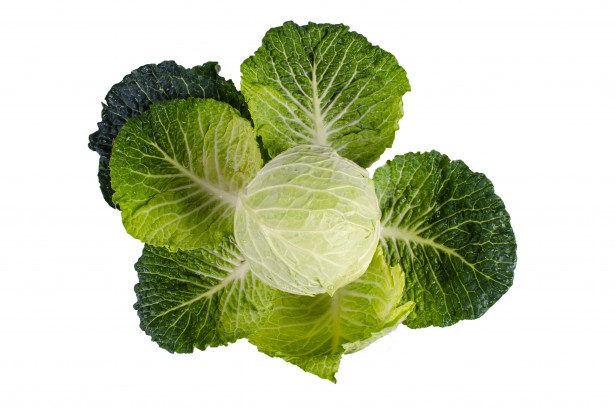
Fruits and vegetables are good sources of fibre and should make up the greater part of your diet. Avocados, vegetables from the cabbage family including broccoli, kale, cabbage, cauliflower, and Brussels sprouts, root vegetables and green peas are all good vegetable choices, high in fibre . Fruits with edible seeds, apples, pears (not too ripe) and raspberries are good fruit choices.
Pulses/ Legumes
The simple way to increase the amount of fibre in your diet is to replace some meat and processed carbohydrates such as white rice, with nutritious, high fibre alternatives. The foods that work the best are pulses/ legumes and quinoa. These foods are high in protein and act as suitable meat substitutes.
Most people are familiar with cooking dried pulses, but they often forget they’re a simple meat substitute. Pulses and legumes provide you with a nutritious, high-fibre vegetarian meal as they’re nutrition packed as well as high in fibre. Legumes have more fibre than any other food, and blackbeans are the highest. In addition, unlike meat, beans are low in fat and cholesterol-free.
Legumes Are Low GI
Although legumes are a starchy food the starch is not digested easily, therefore avoiding the sugar spike you get from many other carbs. Because they’re high-fibre it means they stop you getting hungry, a great addition for weight control.
They are a wonderful alternative to processed carbohydrates and can be used very simply to replace meat in a dish
Legumes Are Great Meat Substitutes
A few years ago I replaced the beef in burgers made for my family with mashed chickpeas and added a few finely chopped vegetables. The result was delicious and my boys loved them. They made the perfect high-fibre vegetarian burger with bread, lettuce, tomato etc.
But with the chickpea patties they got double the vegetables as I added as much as the basic legume mix could hold without falling apart. Chickpeas are low GI carbs, and full of protein, perfect for growing boys. Kidney beans would also work really well here.
Legumes make wonderful additions to most stews and casseroles, pies and many salads. In a meat-based dish you can cut the meat by half and substitute with beans. You get dietary fibre, less cholesterol and less fat than with meat.
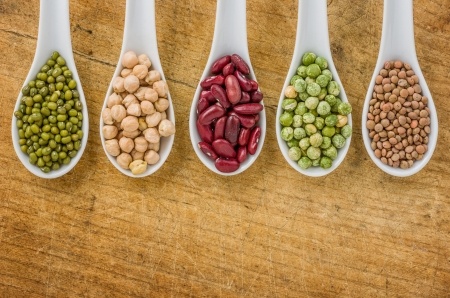
Here are some great pulses:
Peas- green or yellow, split, chickpeas, black-eyed,
Lentils – peeled, unpeeled, red, brown, yellow, green
Quinoa
Quinoa is a fairly new addition to western diets. Did you know that it contains nearly twice as much fibre as any other grain (although it is actually a seed not a grain)? It is incredibly nutritious! 100g of quinoa provides a whopping 7g of fibre – 2.5 times the accepted RDA, and enough to meet the new recommended levels!
Quinoa is so versatile you can substitute it for rice in any dish, add it to soups, casseroles, or even use it for a sweet breakfast porridge. You can even sprout it!
Quinoa is a gluten-free staple so makes a perfect substitute for gluten-grains such as burghul in dishes like tabbouli.
Quinoa provides all the required amino acids for the human body in excellent proportions, including lysine. It is high in iron and calcium, a good source of magnesium, manganese and copper and phosphorous. It is a good source of B vitamins, vitamin E and omega3 and omega6.100g of quinoa contains 46% of the daily requirement of folate. And it provides similar energy to other major cereals.
Quinoa Preparation
Quinoa must be prepared properly. Before you cook it wash it in cold water repeatedly until all the foam disappears. Cook quinoa the same way you cook other staples like buckwheat, rice, etc. Roughly, one cup of dry grains cooks up to three cups and becomes fluffy and chewy with a pleasant taste.
Here are some suggestions to use quinoa in your cooking:
Quinoa flour can be mixed with other flours to enrich the overall quality of the meal.
Use quinoa to make porridge, soup, polenta
Use quinoa in a pilaf, pudding, or simply serve alongside a casserole or stir-fry
Use it as the base for a salad
How Much Is 30g Of Fibre?
The amount of fibre in 1 cup of:
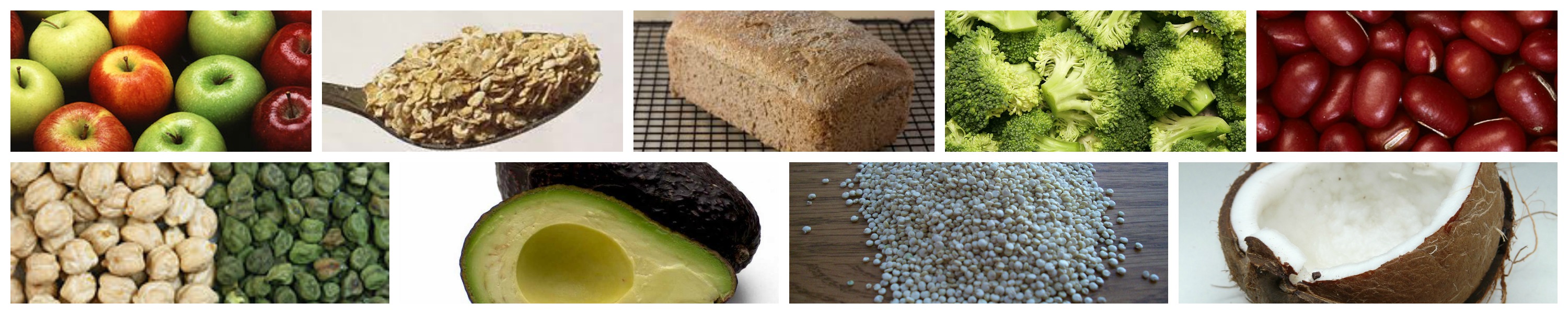
Apples, raw with skin – 3 gm
10 apples = 30 gm fibre
Quinoa, uncooked – 12 gm
2.5 cups of quinoa = 30 gms fibre
Avocado, fresh, cubed – 10 gm
3 cups of avocado = 30 gm fibre
Rolled oats, oatmeal – 8 gm
3.75 cups of oats = 30 gm fibre
Wholemeal/wholewheat bread (in 1 slice) – 2 gm
15 slices = 30 gm fibre
Kidney beans, canned – 14 gm
2 big cups kidney beans = 30 gm fibre
Chickpeas (garbanzos), canned – 11 gm
2.75 cups chickpeas = 30 gm fibre
Coconut, raw, shredded – 7 gm
4.25 cups coconut = 30 gm fibre
Broccoli, raw, chopped – 2 gm
15 cups of broccoli = 30 gm fibre
You’re likely already eating a number of foods that contain fibre every day. So you don’t actually need to eat 10 apples, 15 cups of broccoli or 15 slices of wholemeal bread to get your recommended 30 grams of fibre. But these figures do give you some idea of just how easy it is to get insufficient amounts and why you need to be conscious of including fibre rich foods every day.
Make the change and try out more dishes based on legumes and quinoa in your meals.
All information and opinions presented here are for information purposes only and are not intended as a substitute for professional advice offered during a consultation. Please consult with your health care provider before following any of the treatment suggested on this site, particularly if you have an ongoing health issue.
There are many new and exotic Superfoods arriving in our shops every day. Foods with excellent health track records in their country of origin are finding their way into all manner of products. New recipes calling for these exotics appear every single day. But this week a client who is very diet conscious, always seeking out the foods that give her the most benefits for each mouthful, brought up the subject of ‘Everyday Superfoods’ – good traditional foods that are easy to find wherever you happen to be eating.
This particular client wanted to know just what some of the best plain and simple Superfoods are. Although she regularly eats a wide array of exotic Superfoods, including acai berry, spirulina, maca, edamame, and others, she wanted to know about Superfoods that she can access every day, whether she is at home, work or eating out with friends.
Superfoods is a recently coined term used to describe a group of foods that are light in kilojoules and very dense in nutrients, particularly antioxidants and other essential nutrients that we are unable to make for ourselves. Another requirement of Superfoods is that they are foods found in nature. They are thought to have many extra health benefits and are considered highly beneficial because they provide a solid dose of nutrients for each mouthful.
Superfoods fall into different food categories. Many are vegetables, particularly the green leafy types, or fruits. Many nuts are considered Superfoods because they are rich in antioxidants to clean up free radicals that cause inflammation in your body.
Free radicals are a normal part of metabolism and your body has mechanisms in place to deal with those ones. But free radicals are also produced in your body in response to environmental factors like pollution, tobacco smoke, charred food, trans fats, electrical appliances, mobile phones and can quickly cause much damage that can lead to serious chronic disease.
10 BASIC EVERYDAY SUPERFOODS
These are such common foods, now nobody has any excuse not to include as many foods from this list as they can every single day.
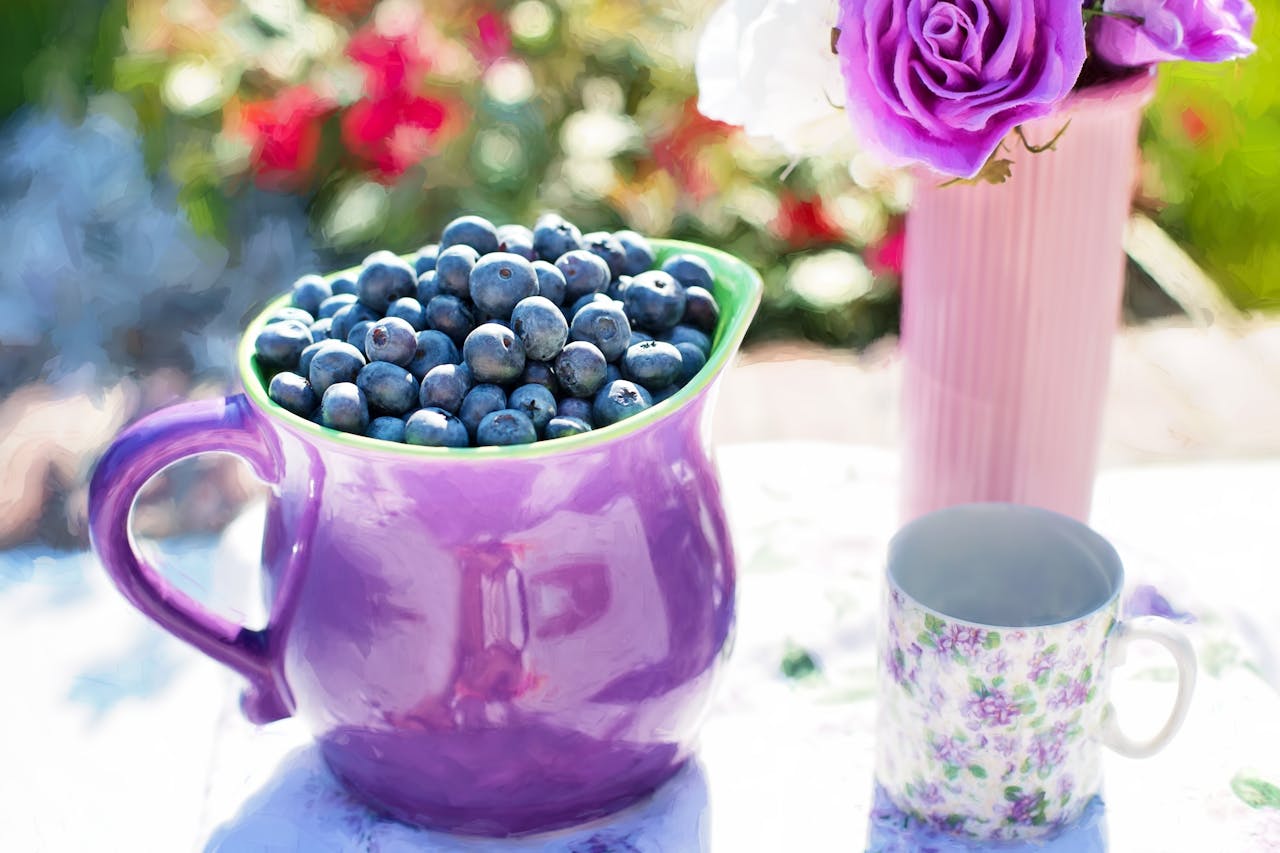
1 BLUEBERRIES
The deep blue colour of blueberries is the giveaway that they are rich with antioxidants, ranking highly on ORAC, which measures the antioxidant value of foods. An anti aging superstar, they are one of the best sources of flavonoids around to help preserve memory function and slow down loss of motor coordination. High levels of the cancer fighting antioxidant, ellegic acid and studies have shown them to have greater cancer fighting capabilities than other fruits. Many recent studies have shown they slow the growth of certain tumours. Anti-inflammatory
2 SPINACH
Long before we became aware of the benefits of antioxidants Popeye was onto their awesomeness. Spinach is loaded up with antioxidants and truly a simple Superfood. It contains vitamin C, betacarotene, as well as lutein and zeaxanthin to protect your eyes, with lots of vitamin K for cardiovascular and bone health, as well as iron for strong hair and nails.
3. BROCCOLI
Well known as a nutrient packed vegetable with cancer fighting properties, broccoli is loaded with vitamin C, folic acid and carotenoids (vitamin A) to protect from free radical damage, improve immune function and reproductive health. Broccoli contains high levels of vitamin K to build strong bones and help blood clotting. It also contains significant amounts of fibre, vitamin B2 and potassium.
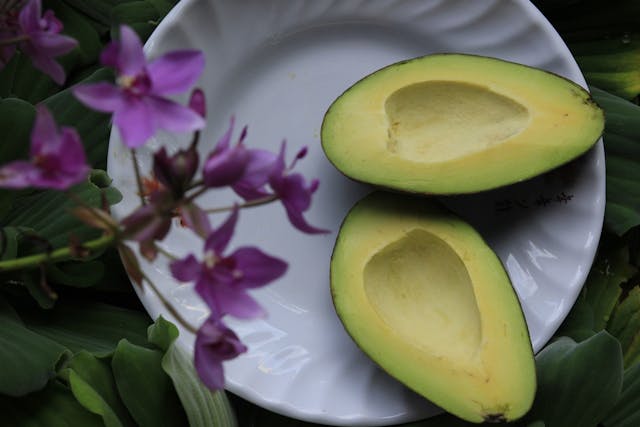
4. AVOCADO
Delicious avocados are an excellent source of healthy raw monosaturated fat. They contain nearly twenty nutrients including fibre (10 to 17 grams in each fruit), high levels of potassium, vitamin E, B vitamins, folic acid and lutein for healthy eyes and skin. They protect from heart disease, cancer, diabetes, eye and brain disease. They help stabilize blood sugars, are great for heart disorders and assist with tissue regeneration. In addition, avocados help you properly absorb other fat-soluble nutrients.
5. ALMONDS
Raw almonds are loaded with good (monosaturated) fats and fibre to lower cholesterol and reduce your risk of heart disease and diabetes. Rich in phytochemicals to promote heart and vascular health and a great source of minerals including magnesium, potassium, calcium and vitamins E and B6, they make a great afternoon snack. Munch on them in place of other less healthy options.
6. LENTILS & BEANS
All beans and legumes are beneficial. They are low in fat with lots of iron and B vitamins (including folate). A great complex carbohydrate, they are filling but low kilojoule. They contain magnesium and potassium for heart and circulatory health. They are an excellent source of protein, and with a low GI they help control rises in blood sugar. Combined with complex grains like oats or barley they provide all the essential amino acids needed for a complete protein. Perhaps the most nutritious legume is lentils. Also, they are inexpensive! Add them to your diet every week.
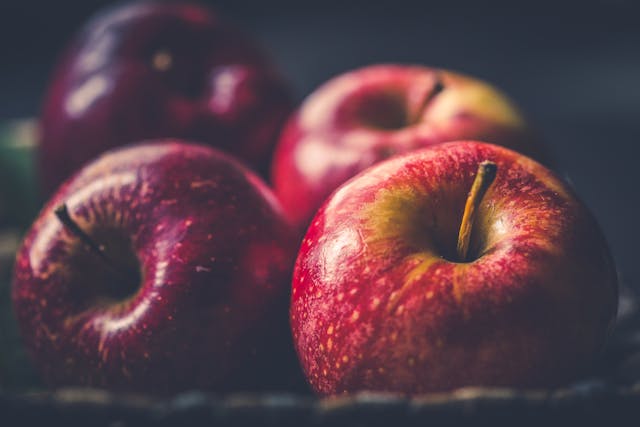
7. APPLES
The humble apple is often overlooked in the plethora of new Superfoods around. Apples are loaded with quercetin and catechin, both powerful antioxidants, to protect cells from free radical damage. Apple peel is where most of the nutrients lie so don’t peel them. They are also a great source of fibre. You may like to consider eating organic apples as they are one of the foods that regularly appear on the Environmental Working Committee’s DIRTY DOZEN list of the foods that are most highly sprayed with pesticides.
8. SARDINES & SALMON
Wild caught salmon is packed with omega-3 essential fatty acids to lower cholesterol and your risk of heart disease. It also contains vitamin D and selenium for healthy hair, skin, and nails. Farmed salmon on the other hand, (the only salmon available in Australia) is low in omega-3 and contains contaminants, so to get the benefit of eating salmon you need to make sure it is wild caught. Unfortunately as all salmon in Australia is farmed, the only wild caught one I have ever found is one brand of tinned salmon from Alaska. Wild caught salmon comes from Scotland, Alaska and Canada. With just as much omega-3 as salmon, sardines are a much better choice in many ways. They are always wild caught so do not contain all the contaminants that you find in farmed salmon. Also being so small you can eat them up bones and all, and they are extra good as then you also get a hefty dose of calcium.
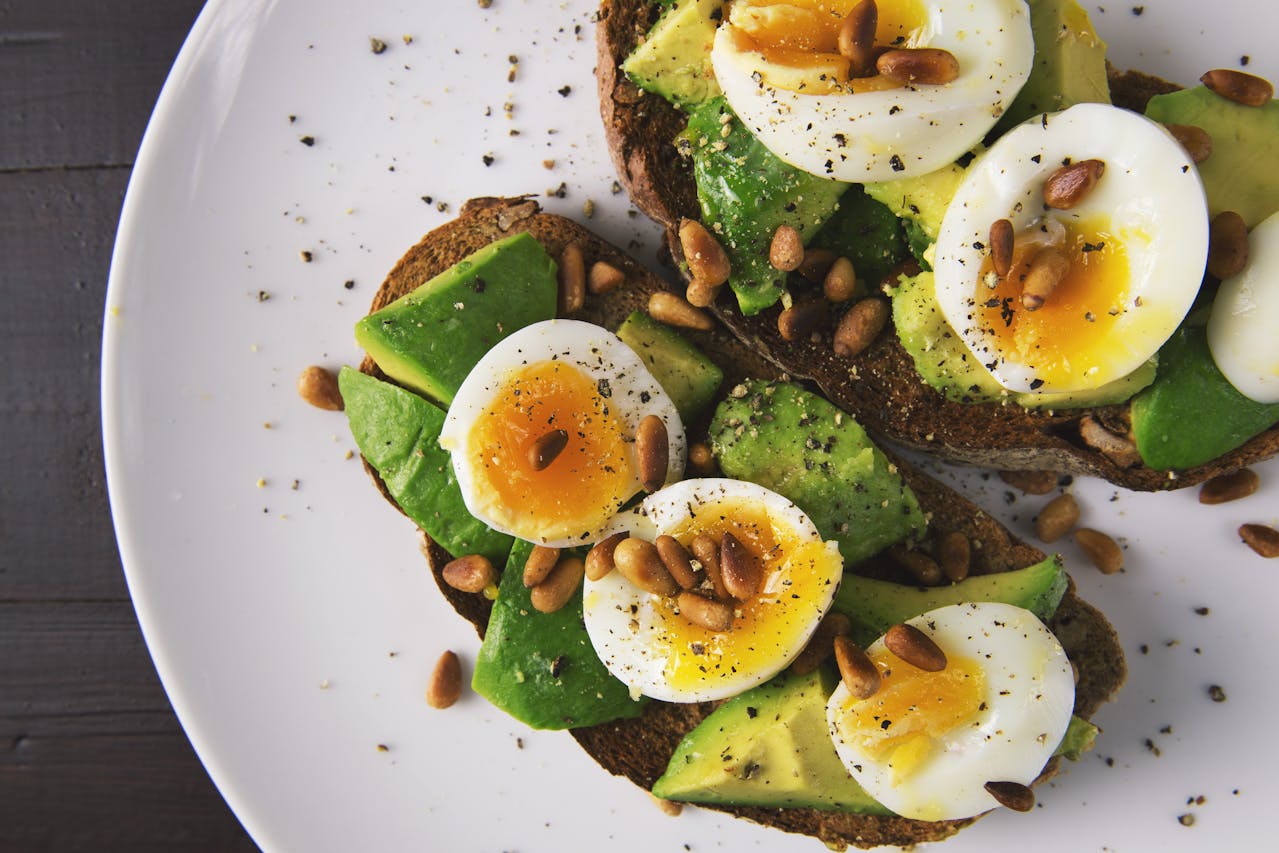
9. EGGS
Eggs are a powerhouse of valuable nutrients, especially if they are organic. They contain the highest quality nutritional protein of all foods containing about 6 grams, and loaded with nine amino acids, eleven vitamins and minerals. These include vitamin A and folate, naturally occurring vitamin B12 for healthy red blood cells, choline for memory and brain development and lutein and zeanthine for protection against eye disease. Eating eggs for breakfast gives you a great start to the day and studies show that it may lead to you eating fewer kilojoules through the day because they rank highly on the satiety list. But forget about eating the whites only, it’s the yolk that holds all the nutrients. By the way, the link between eating eggs and blood cholesterol is an old myth and studies have shown there is no connection.
10. OATS
Whole grain oats are one of the best sources of both soluble and insoluble fibre to metabolise fats and promote healthy digestive system. They are low glycaemic to help control blood sugar levels. As well as helping improve your skin, they are brilliant for those suffering from stress and tiredness. No wonder we’re always been told to eat porridge for breakfast, oats are rich in niacin (vitamin B3), vitamin E and antioxidants. Packed with protein, they are a great way to kick-start your day.
Check back here for Part 2 next week when I’ll give you 10 more basic Superfoods, incuding some that are newer and not quite so common, to eat everyday.
What are your favourite Superfoods? Share which you make certain you have every day in the ‘Leave a Comment’ below.
Disclaimer
All information and opinions presented here are for information purposes only and are not intended as a substitute for professional advice offered during a consultation. Please consult with your health care provider before following any of the treatment suggested on this site, particularly if you have an ongoing health issue.
“Pomegranate is a fruit of paradise. There is one seed from Paradise in every pomegranate growing on the earth.”
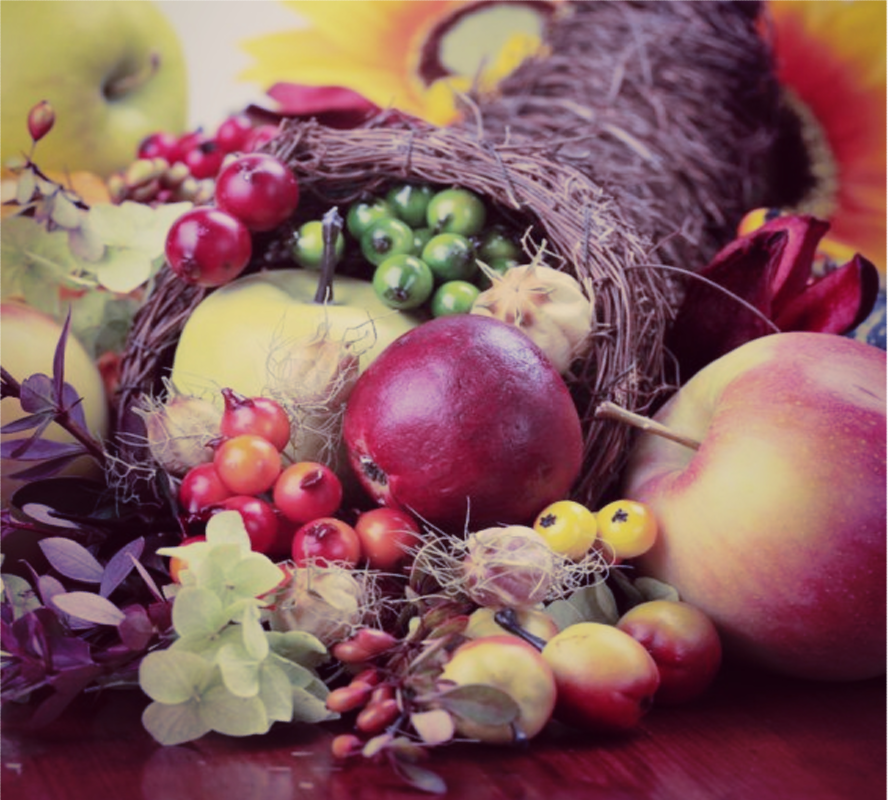
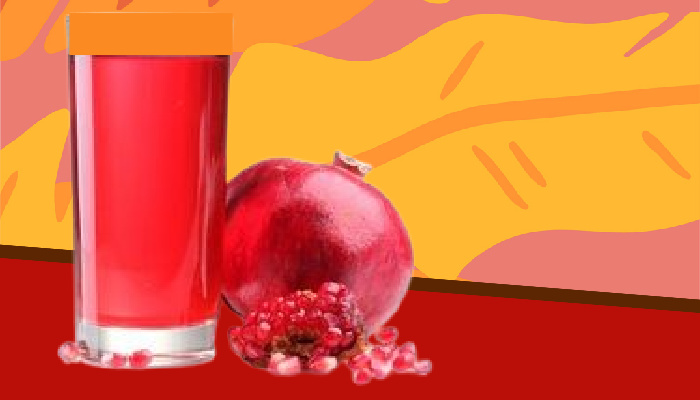
Autumn has firmly established itself in Melbourne. Along with the welcome rain and cool weather comes an abundance of Autumnal produce. Mushrooms, mandarins, apples and pears in all their autumnal glory and alongside them, the luscious pomegranate. This week I was delighted to see the first beautiful, generous pomegranates in my greengrocers shop.
Originally hailing from Persia where it has been used medicinally for thousands of years, growth of the pomegranate spread through the Middle East, Asia, the Mediteranean and today is now widely grown across the globe including here in Australia.
Throughout history the pomegranate has been regarded as a symbol of most of the fundamental beliefs and desires of humanity, with almost every part of the fruit having significance. According to Greek mythology the pomagranate even played a role in the change of season, which was said to occur because Persephone ate a pomegranate seed, dooming her to return to the underworld (or winter) for one third of the year. In Ancient Egypt the pomegranate was regarded as a symbol of prosperity and ambition and in China and many other places, of fertility.
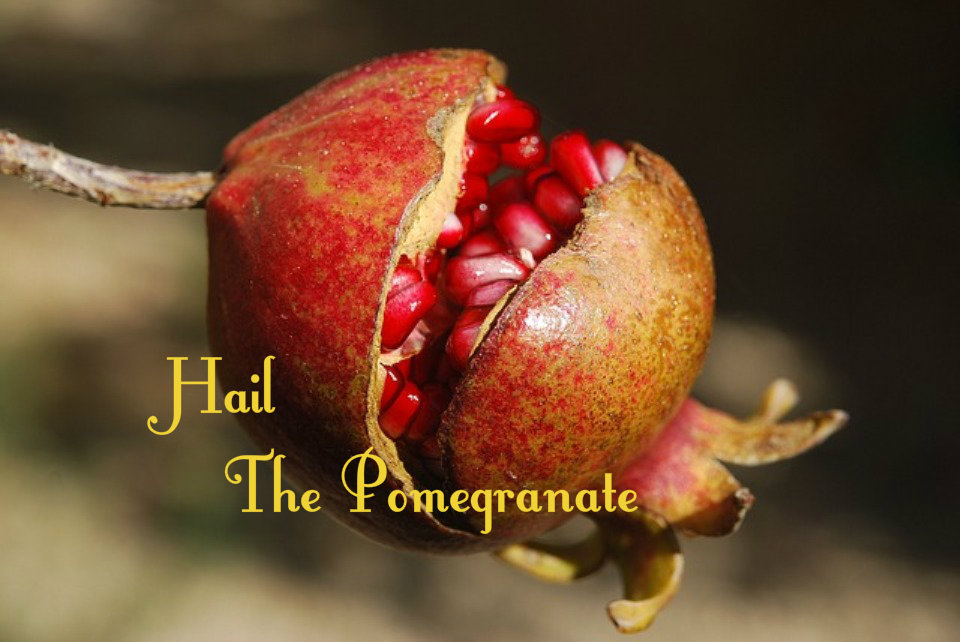
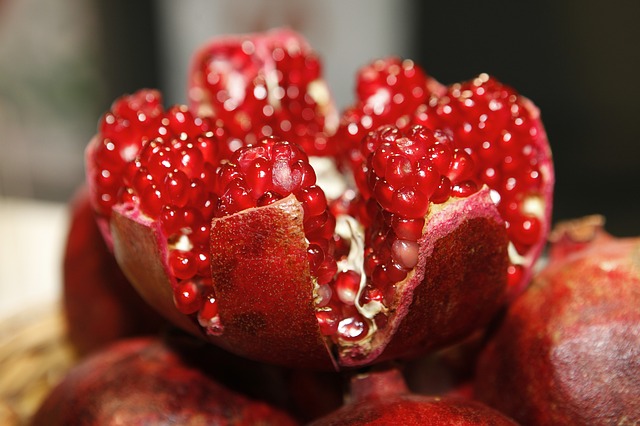
It is very easy to understand the magic of the pomegranate given the glossy, glowing skin and the rich generous colour of the distinctive ruby red seeds when the fruit breaks open.
HEALTH BENFITS OF POMEGRANATE
Fruits and vegetables that are brightly coloured tend to be high in antioxidants. These help your body by clearing up excess oxidants, or free radicals, which if left to run wild in your body cause inflammation and lead to disease. The ORAC score of pomegranates highlights them as one of the ‘richest sources of free-radical scavenging antioxidants’. This makes them a powerful tool to prevent those diseases with a strong inflammatory basis like arthritis, heart disease and cancer.
Pomegranates are rich sources of antioxidant phytonutrients, including flavonoids and polyphenols, which protect against free radicals. They also contain a wide range of other nutrients including most of the B Vitamins (including folate), zinc, magnesium, and iron, amongst others. But they are particularly high in Vitamin C, potassium, and pantothenic acid (Vitamin B5).
Pomegranate seeds are used effectively against heart disease, high blood pressure, inflammation and some cancers, including prostate cancer.
Studies have shown that pomegranate juice may protect against some cancers as well as modify heart disease risk factors. This study showed drinking pomegranate juicefor two weeks lowers reduced systolic blood pressure. And this 2006 study found that drinking a 225ml glass of pomegranate juice every day significantly slowed the progress of prostate cancer in men with recurring prostate cancer.
Ayurvedic medicine employs the healing power of the bark and rind of the pomegranate fruit to treat a wide range of disorders including diarrhoea, dysentery and intestinal parasites. The seeds are used as a heart or throat tonic. The astringent qualities of the fruit are considered useful for stopping nosebleeds or bleeding gums.
HOW TO USE POMEGRANATE
With pomegranates now in the shops it is time to reap their benefits. Using them fresh has some health benefits over using the stored juice.
Juice
The benefits of pomegranates are so high that you don’t need much to do you good. Even a 30-50ml shot of juice is sufficient to have significant benefits. Rather than using the juice as a beverage it might be wiser to consider it as a herbal treatment and take a smaller amount. Just 50ml a day will sustain healthy heart benefits.
You can’t really overdose on the juice but many people drink more juice than they need. The problem with drinking lots of fruit juice is the high sugar content. Even if it contains no added sugar it is still high in the natural sugar fructose. Fructose causes digestive problems for many, as well as big rises in their insulin levels. Because the fruit is high in fibre the sugars are released more slowly, but nonetheless may cause problems.
While the fruits are in season eat the fresh seeds rather than drinking pomegranate juice. Otherwise drink smaller quantities of the juice, even if it is unsweetened.
Seeds
If you can obtain fresh pomegranates this Autumn the seeds make a tasty tart addition to many dishes. Salads, smoothies, desserts, marinades, martinis are just some dishes that benefit from added pomegranate.
Pomegranate seed oil is made by cold pressing the seeds and is extremely nutritious and rich. Pomegranate oil is often added to skin care products for its wonderfully regenerative qualities.
Clears dandruff and flaky skin debris from the scalp
Anti-pruritic, therefore soothes and fights bacteria, inflammation and itchiness
Contains vitamin C which is necessary for good health and growth of hair
Balances the pH of the scalp
With so much goodness how could you resist the glorious pomegranate? Why not get some today and enjoy all the pomegranate benefits?
“I peel a pomegranate and say to myself, Weren’t it good if one could see the seeds of people hearts. Tears come when the juice splashes in my eyes.” ~ Sohrab Sepehri
Disclaimer
All information and opinions presented here are for information purposes only and are not intended as a substitute for professional advice offered during a consultation. Please consult with your health care provider before following any of the treatment suggested on this site, particularly if you have an ongoing health issue.
There are so many people about the shops and on the roads over the next few days who are feeling the stress and tension of the season. Remember to keep your cool today and tomorrow. Don’t take on the stress of other people when you are out and about. Hold your own space and you will be fine.
To all the readers of this blog may you find all the peace and blessings of the Season.
I value and appreciate your presence here. Thank you for your loyalty, for visiting back here over the last year.
I will be back later in the week with some suggestions for Holiday Season Recovery. Remember to check back for your tips.
It is being recognised more and more that every modern disease is caused by inflammation in your body. One cause of widespread inflammation throughout your body is eating too many acid forming foods. Balancing your diet between foods with an alkalizing effect on your body and those with an acidifying effect on your body is relatively new. But it’s a change that’s being made far more often in the ongoing quest to make healthier eating choices.
If your immune system is strong enough to overcome the inflammation then all is good. But if it’s not, then illness and premature aging are what lies right ahead of you.
Our difficulty is the modern western diet is heavily loaded with acidifying foods. As a result of eating lots of these foods the acid/alkaline balance of most people is way out of balance. Most people’s immune system cannot keep up with the levels of inflammation that result from the diet they eat.
Find Balance Between Acidic and Alkaline Foods
The important thing to know however is that you need both alkaline and acidic foods. But the balance needs to be right, with your diet weighted more heavily towards alkaline foods. About 30% acidic and 70% alkaline is good to aim for.
You can discover the pH of your body, which indicates whether it is more acidic or more alkaline, by testing your saliva or urine with pH strips, which are available online, in your health food store or from your Natural Health practitioner.
What Foods Are Acidic?
Acidic Foods
The list of acidifying foods includes most foods that fall into the following food groups:
Most fruits, including lemons which even though they’re acidic to taste actually metabolise to one of the most alkaline foods around
Some nuts
Stevia
Herbs
Spices
Miscellaneous items
Think of how many vegetables are on a plate, in a sandwich, or in a pasta sauce compared to the quantity of meat or bread or pasta itself in the dish.
When you consider that most of the diet needs to be made up of fruit and vegetables and a few other foods in order to meet the 70% alkaline level it becomes quite apparent just why our diets are so unbalanced and why we have so much chronic illness.
Our meals contain far too much acidifying foods.
It’s uncommon to see a meal that’s over two thirds vegetables and with only a very small amount of meat, cheese or other acidifying foods. You might even say it’s very rare to see that. Which means it’s rare to see a meal where the acid-alkaline balance is right.
It’s easy to see from these brief lists why most people suffer from inflammation. Their diet is weighted very heavily in favour of acidifying foods.
Alkaline And Acidic Food List
Here is a comprehensive list of alkaline and acidic foods. This list ranks the foods from the most alkalising to the most acid forming. But you’ll notice that even within the category some foods are ranked as more or less acidic or alkaline.
For example, within the legume group lentils are highly alkaline while soybeans are highly acidic. Or, some vegetables that are normally alkaline when fresh are acidic when frozen.
It’s also worth remembering that chemicals fall into the acidic group so foods that have been grown commercially and have pesticide residue on them may not be as alkaline as you would expect.
Concentrate your food choices to those in the high alkaline and low acidic columns to get the balance closer to optimum.
I’m sure you noticed the acidic list contains lots of very healthy foods, like pomegranates, acai berry, most of the nuts, or raspberries which we know are extremely high in antioxidants. This is NOT a problem. You need to eat SOME acid forming foods.
But given that the acid-forming foods need to make up a smaller quantity of the total, it is much smarter to select acidic foods like raspberries or pomegranate or nuts that are also going to give you loads of beneficial nutrients to form the acidifying portion of your diet instead of meat, dairy, grains or junk foods.
The healthy foods on the list of acidifying foods, like fruits, vegetables and foods rich in omega-3, are the ones you should choose when you’re selecting the acid forming foods you will eat, rather than the unhealthy ones like fried foods or sugar.
Western Diets Are Very Acidic
Take a look at this interesting collection of pictures from Hungry Planet by Peter Menzel showing what makes up a week’s groceries in 20 different countries. One thing that stands out about the diets of the families living in western countries is the preponderance of grains and meats and the very small amounts of fruits and vegetables. In addition there is a large amount of junk food in their diet.
To consistently achieve an optimum balance between acidifying foods and alkalizing foods can be difficult while continuing to eat the standard western diet. To make change you really need to seriously increase your fruit and vegetables, cut back on the grains, coffee, sugars, and junk foods. Basically, to adopt healthy eating habits.
Finding The Sweet Spot
You really don’t need to be exact about quantities, just aim to get as close as you can. And you don’t need to cut out all the acidifying foods.
Try replacing the creamy sauce on your pasta with a vegetable sauce, and cut back the quantity of pasta while increasing the vegetables. Then eat it with a huge fresh salad. Make the pasta a smaller part of the meal instead of the bulk of it.
Getting the balance closer to the optimum for any given meal may be as simple as adding some fruit at the end of the meal or a big salad at the start.
Don’t forget about all the hidden acidic contributors such as coffee. Switching even just one or two cups of coffee a day to an alkalizing drink such as herbal tea, can help reduce the inflammation in your body.
Be on the lookout for ways to replace an acidifying food with an alkalizing alternative. Opt for an open sandwich for your lunch or ditch the bread altogether and just have the salad. Use carrot sticks for your dip rather than crackers. You get the idea.
The science behind the alkaline diet is still contentious with lots of debate about whether the reasoning makes sense or not. However, the fact remains that the diet is sound, because it relies heavily on fruit and vegetables whilst reducing foods that are known to be harmful.
Unless you are eating only fruit and vegetables there will never be a problem getting enough acidifying foods, it will always be the alkalizing foods you need to consciously include. Your body will love you for doing so.
Disclaimer
All information and opinions presented here are for information purposes only and are not intended as a substitute for professional advice offered during a consultation. Please consult with your health care provider before following any of the treatment suggested on this site, particularly if you have an ongoing health issue.
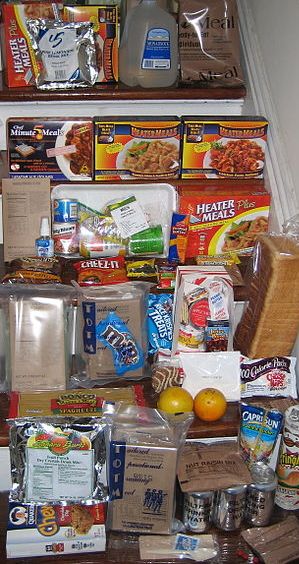
Junk food! Everyone knows the term, almost everyone has their favourite, and everyone when asked to name a few would be able to name many more than a few with no hesitation at all. There are certain foods that are immediately recognized as junk foods – many ‘take-away foods’, as well lots of others, packaged and sold in supermarkets or convenience stores – potato chips, biscuits, lollies, soft drinks – are all obvious inclusions. But, what about other junk foods that are masquerading as ‘healthier’ options?
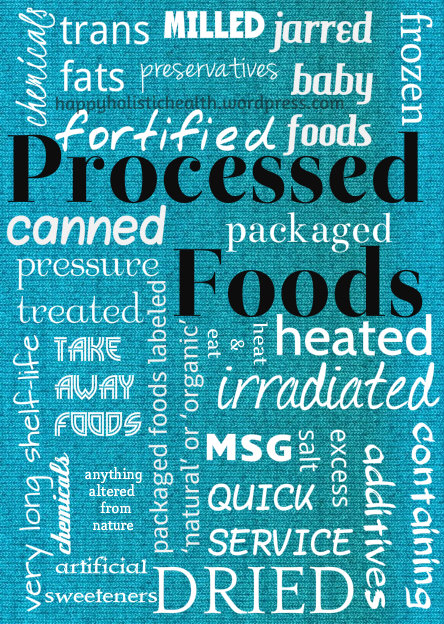
Processed foods are those that have had the ingredients altered so they are no longer in their natural state. Humans have processed their food for millennia. Any food that’s prepared by drying, grinding, chopping or cooking is processed. Traditionally this was done to make the food more digestible or to preserve it for later, when food may not be available. Grain foods were processed, and cheese, sausage and wine are just a few others.
Modern processed foods may on the surface seem far less insidious than the widely accepted ‘junk foods’. But often they are just as bad for you. No longer are processed foods the artisan foods of the past. Now foods are industrially processed in factories. In fact most of the foods in the Aussie diet are processed.
Processing may be as simple as freezing or it may be putting together a complete meal ready to heat and eat. During the process many of the nutrients that are in the original food are destroyed leaving the finished product a far cry from the original, and certainly not in line with the traditional purpose of processing. Grains are treated with very high temperatures and pressure which destroys the nutrients, denatures the fatty acids, and the process even destroys the synthetic vitamins that are added. But not only does the extrusion process used for grains destroy the nutrients, in particular the amino acid lysine, it turns the grains into neurotoxins according to biochemist Paul Stitt in his book Fighting the Food Giants.
Processed foods often appear to be healthy. These days they may feature low-fat, low-carb, fortified with vitamins, fibre, iron, or minerals, no trans-fats, containing omega-3, high-calcium, plus many more. They may make claims to promote health such as ‘may reduce the risk of heart disease’. But they all have the flavour enhanced with excess salt, sugar or oil. Many processed foods like white bread, are essentially empty calories offering very little nutritional value, certainly far less than the wholefood alternative.
During processing part of the plant is often removed or purposefully changed. One example where you can see this is with wheat grains used for bread. The wholewheat grain forms with three layers, the bran, the germ, and the endosperm. (diagram) The bran is the layer where the fibre exists. Most nutrients and fatty acids are found in the germ. The endosperm is the starchy layer. The high nutrient density of grains only exists (and provides us with nutrients) when these layers are intact. During processing of the wholewheat grain into a loaf of white bread, most of the germ and bran is stripped away leaving just the starchy endosperm.
Take a look at the package or label on your white bread and notice all the ingredients that are listed. In the past bread was made by mixing whole milled wheat, often other grains or seeds, water, salt and a fermented dough starter, to create an easily digested, fermented bread, or sourdough loaf. Later yeast was used instead of the fermented starter. Traditonally, the bread mixture was kneaded and left to prove twice, unlike commercial breads which are only left to prove once. The extra steps in the process allowed the components of the grain, such as the phytic acid, to break down properly so they can be properly absorbed, or, as is the case with phytic acid which inhibits absorption of other minerals if it is not broken down, to prevent them interfering with efficient metabolism.
White bread packaging showing an enormously long list of ingredients, far removed from those few ingredients required to make traditional breads
In commercial processed breads, the process is rushed through, with steps eliminated, and lots of other ingredients beside the basic ingredients that are needed to make home-made bread added. Preservatives, sweeteners, gluten, salt, soy flour plus many chemicals are all added to the mix.
Bread is a perfect example of the big problem with processed foods and also the pointer as to how to get around the problem. Traditional methods of food preparation allowed for the use of pure, wholefood ingredients. Home made foods did not need to have lots of chemicals straight out of the laboratory, many of which come with health cautions, added to stabilize the product and make it more appealing.
Home made food may include less than desirable ingredients, such as sugar, but at least the sugar is real sugar, and not a chemical version, and the butter is butter and not a questionable vegetable oil, or you can make the choice to replace the butter with a healthier fat option such as coconut oil. With processed foods there is no choice. You cannot opt to avoid trans fats or white sugar.
Many of the chemicals, including vitamins and minerals, that occur in a plant work together to help the plant grow and survive more efficiently, and they also work together in a synergistic balance once they enter your body and are metabolized. But when foods are processed the natural balance between the different chemicals in the original food is upset so their effect on your body and the way in which they work, is altered. Many extra chemicals also need to be added to processed food to stabilize the product, or to make it look, taste, or feel more appealing, and these are rarely good for you
HOW TO AVOID PROCESSED FOODS
Sometimes it is difficult to know whether or not a food is processed, and the first step is to get a few guidelines to help you recognize them when they are traveling incognito. It all comes down to reading the ingredient list, because even a glance at the list will often set the alarm bells ringing. If the product has a long list of ingredients then you can be pretty sure it is processed. The case with the bread is a good example, where the food should have only a few ingredients when made according to traditional methods, often there may be eight, ten or even fifteen on the label.
If the food has a long list of ingredients where there should only be a few it is likely processed.
If you don’t recognize many of the ingredients, or can’t pronounce them, then it is probably highly processed.
If it has a very long shelf life – the ‘use by’ date is way off in the future it is processed.
If it contains trans fats, MSG, or lots of numbers it is definitely processed. In fact about ninety-five percent of processed foods contain MSG.
Take-away foods are a real trap. Aside form the obvious problem with deep frying foods like fish and chips, even foods that seem ok are loaded with highly processed ingredients. Pizza for instance, is covered in oils, processed meats and cheese. The kids menu is particularly bad, generally comprising only highly processed foods such as nuggets, chips and pasta (which is white and therefore highly processed). Salad, vegetables or a baked potato are all less processed options. Beware though of some of the ‘take-away salad chains’ as many of their salads are loaded with processed ingredients in the dressings, again take a quick look at the ingredient list.
If you set out to eat more fruit and vegetables then you will find you have naturally replaced many processed foods with more natural ones without even being aware of it. Get to know when they are in season and try to eat seasonally, as that is the way you will get the best level of nutrients available.
Look for suitable alternatives – porridge made from wholegrain oats (not quick oats) or quinoa makes a great alternative to boxed cereals. Other breakfast options might be eggs with spinach, asparagus or avocado, quinoa with fruit and nuts, fruit salad and yoghurt, high-fibre-superfood fruit smoothies, omelettes with different vegetables, homemade baked beans, bircher muesli with fruit, green juice. When I have some time I enjoy stir-fried vegetables.
We are all time stressed these days, but the very best way to avoid processed foods is to make foods yourself. Instead of just watching Masterchef, get out in the kitchen yourself and cook up your own junk foods. When you make cakes, muffins or biscuits yourself you can use real eggs, butter or good oils and avoid artificial colours, preservatives and trans fats. Make your own oven-baked potato wedges and avoid the additives. You can flavour them with spices like sumac for an extra kick. Invest in a bread maker, making bread at home is so easy these days, you can even start your own sourdough bread starter.
This is the way to start back to good health through our eating, by reclaiming a few of the best practices of the past, by becoming aware enough to check out what we are consuming before wolfing it down, and by selecting foods that look like they may have come from the garden.
Simple really!
What are your favourite ‘junk food’ alternatives?
photo: John Burke
Disclaimer.
All information and opinions presented here are for information purposes only and are not intended as a substitute for professional advice offered during a consultation. Please consult with your health care provider before following any of the treatment suggested on this site, particularly if you have an ongoing health issue.
We’re told all the time that it is essential to be careful what you put into your body. Most people know they need to avoid chemical additives and toxins in their food. But it is just as important to be careful about what you put onto your skin.
Your skin is capable of absorbing 1-2kg of whatever is put on it! Skin care, hair products, sunscreen, cosmetics, hand cleaners – the chemicals in all of these are absorbed through the skin and into your bloodstream. From there they can travel anywhere in your body.
Skin Care Labeling
If you stop and think about what this means it gets quite scary. Why? Because the regulations that control labeling on these products are very sketchy. Also, enforcement of accuracy and truthfulness describing ingredients or effectiveness of the product, in both the labeling and marketing, is minimal.
Many countries don’t even require manufacturers to list all the chemicals that have been added. Terminology is misleading. Claims of fantastic results don’t have to be proven until the manufacturer is taken to court. That rarely happens because few have the money to sue the giant skin care companies.
Basically, there is no way of knowing the details or the truth about what the products actually do, if anything, and what is in them.
This means that a product that is labeled as “natural” or “organic” could easily have quite toxic ingredients in it without you even knowing it.
Here in Australia cosmetics don’t have to have the ingredients listed on the product or the packaging. Ingredients only need to be displayed at the point of sale, and that can just be on a slip of paper or the shelf label. Few people can read the label in the shop and remember what all the long, unpronounceable chemical names are, and which ones are harmful.
Skin Care Ingredients
This lack of transparency is pretty serious given that many women wear make-up every day.
Most people are applying more than safe quantities of these toxic or questionable chemicals on their skin and into their bloodstream every day.
Let me explain using the fictional chemical ‘x’ as an example.
The safe amount of a chemical in a product is calculated with the assumption that the product is used alone. This means no other products containing that chemical will be used at the same time. In our example, the particular amount of chemical ‘x’ in this single product is considered to be within the safe guidelines to be absorbed into the body. However, in real life chemical ‘x’ will actually be used in product after product.
Given that most women use an average of twelve personal and cosmetic products each day, and most men use an average of six, you can see that the amount of chemical ‘x’ they put onto their body is way in excess of the amount considered safe.
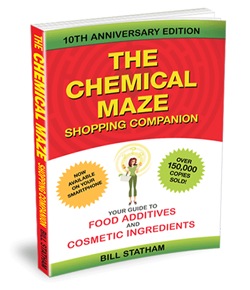
The Chemical Maze
THE CHEMICAL MAZE by Bill Statham
This little book turned this whole dilemma right on its head for me.
It was small enough to sit in the bottom of my shopping bag and lists all the additives you are likely to find in foods, skin care and cosmetics. Beside each additive it lists what products it is normally added to, why it is added to the product, whether it is benign, harmful or very harmful, and what effects it normally has on the body. Pretty comprehensive!
For years I carried this little gem when shopping and didn’t have to remember the confusing names of dangerous chemicals. Luckily for you the app is now available through Google Play or the App Store so it’s much easier to take shopping.
It is a real eye opener to read that a chemical added to make a skin care product feel moister as it’s applied actually dries out the skin afterwards. It amazed me how many chemicals added to skin care and cosmetics cause dermatitis, flaky scalp or other skin problems!
You can read about some of the worst additives in skin and body products here, but chances are you will forget their names when you’re are at the cosmetic counter. Which is why The Chemical Maze app is essential.
Let’s hope that as more and more of us start to demand accurate information these deceptions will stop. But in the meantime, let’s get informed and bring about change with our shopping dollar.
In case you wandered, I don’t have any affiliate interest in this product. I just want to share this amazing app with you to help with your shopping choices.
“I was blessed to come across The Chemical Maze as a teenager and have always bought the updated editions of the book. Bill’s knowledge is incredible and I respect him, his work and his commitment to making a difference to others.”