
Everyone knows they need to eat a diet rich in dietary fibre for good gastrointestinal health. Most people also know good sources of dietary fibre are fruit and vegetables and wholemeal grains, and that eating enough fibre ‘keeps you regular’.
A diet high in fibre offers many health benefits:
- Lowers your cholesterol,
- Keeps you full for longer
- Reduces your risk of heart disease, constipation, haemorrhoids, diverticulitis, colon cancer, obesity.
- Reduces your risk of high blood sugar and diabetes
- Offers immune support
- Regulates blood sugar
- Helps with liver detoxification.
Most people have no idea of how much fibre they actually need.
Very few people eat anywhere near the amount of fibre they need each day. The recommended daily intake is 20-30g fibre per day. But research has shown that actually consuming 75-100g might be more helpful. However, you are highly unlikely to be eating anywhere near 75g as most people don’t even manage the 30g recommended.
Benefits Of Fibre-Rich Diet
- Fibre has a laxative effect so helps reduce the incidence or severity of constipation.
- It binds with cholesterol so the cholesterol cannot be absorbed.
- It feeds gut flora (the good ones) to nourish the colon cells.
- Fibre stops blood sugar spikes because fibre rich foods are Low GI.
- Fibre helps with weight control.
Fibre Rich Foods
Fruits and Vegetables
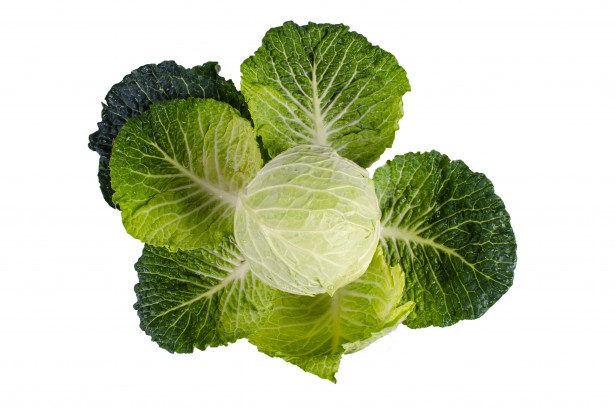
Fruits and vegetables are good sources of fibre and should make up the greater part of your diet. Avocados, vegetables from the cabbage family including broccoli, kale, cabbage, cauliflower, and Brussels sprouts, root vegetables and green peas are all good vegetable choices, high in fibre . Fruits with edible seeds, apples, pears (not too ripe) and raspberries are good fruit choices.
Pulses/ Legumes
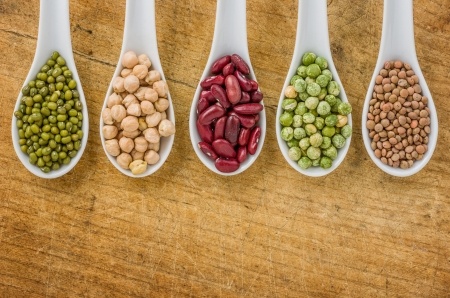
The simple way to increase the amount of fibre in your diet is to replace some meat and processed carbohydrates such as white rice, with nutritious, high fibre alternatives. The foods that work the best are pulses/ legumes and quinoa. These foods are high in protein and act as suitable meat substitutes.
Most people are familiar with cooking dried pulses, but they often forget they’re a simple meat substitute. Pulses and legumes provide you with a nutritious, high-fibre vegetarian meal as they’re nutrition packed as well as high in fibre. Legumes have more fibre than any other food, and blackbeans are the highest. In addition, unlike meat, beans are low in fat and cholesterol-free.
Legumes Are Low GI
Although legumes are a starchy food the starch is not digested easily, therefore avoiding the sugar spike you get from many other carbs. Because they’re high-fibre it means they stop you getting hungry, a great addition for weight control.
They are a wonderful alternative to processed carbohydrates and can be used very simply to replace meat in a dish
Legumes Are Great Meat Substitutes
A few years ago I replaced the beef in burgers made for my family with mashed chickpeas and added a few finely chopped vegetables. The result was delicious and my boys loved them. They made the perfect high-fibre vegetarian burger with bread, lettuce, tomato etc.
But with the chickpea patties they got double the vegetables as I added as much as the basic legume mix could hold without falling apart. Chickpeas are low GI carbs, and full of protein, perfect for growing boys. Kidney beans would also work really well here.
Legumes make wonderful additions to most stews and casseroles, pies and many salads. In a meat-based dish you can cut the meat by half and substitute with beans. You get dietary fibre, less cholesterol and less fat than with meat.
Here are some great pulses:
- Peas- green or yellow, split, chickpeas, black-eyed,
- Beans – brown, white, black, lima, kidney, mung, butterbeans, baked beans, pinto, navy, soy
- Lentils – peeled, unpeeled, red, brown, yellow, green
Quinoa
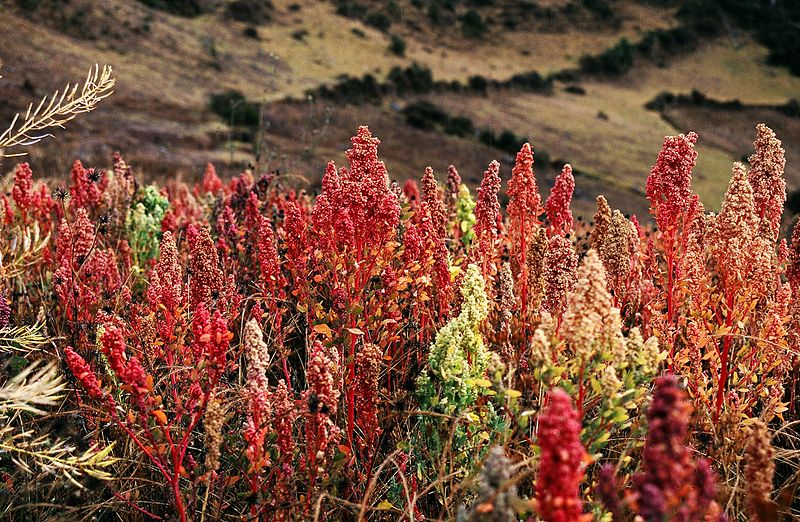
Quinoa is a fairly new addition to western diets. Did you know that it contains nearly twice as much fibre as any other grain (although it is actually a seed not a grain)? It is incredibly nutritious! 100g of quinoa provides a whopping 7g of fibre – 2.5 times the accepted RDA, and enough to meet the new recommended levels!
Quinoa is so versatile you can substitute it for rice in any dish, add it to soups, casseroles, or even use it for a sweet breakfast porridge. You can even sprout it!
Quinoa is a gluten-free staple so makes a perfect substitute for gluten-grains such as burghul in dishes like tabbouli.
Quinoa provides all the required amino acids for the human body in excellent proportions, including lysine. It is high in iron and calcium, a good source of magnesium, manganese and copper and phosphorous. It is a good source of B vitamins, vitamin E and omega3 and omega6.100g of quinoa contains 46% of the daily requirement of folate. And it provides similar energy to other major cereals.
Quinoa Preparation
Quinoa must be prepared properly. Before you cook it wash it in cold water repeatedly until all the foam disappears. Cook quinoa the same way you cook other staples like buckwheat, rice, etc. Roughly, one cup of dry grains cooks up to three cups and becomes fluffy and chewy with a pleasant taste.
Here are some suggestions to use quinoa in your cooking:
- Quinoa flour can be mixed with other flours to enrich the overall quality of the meal.
- Use quinoa to make porridge, soup, polenta
- Use quinoa in a pilaf, pudding, or simply serve alongside a casserole or stir-fry
- Use it as the base for a salad
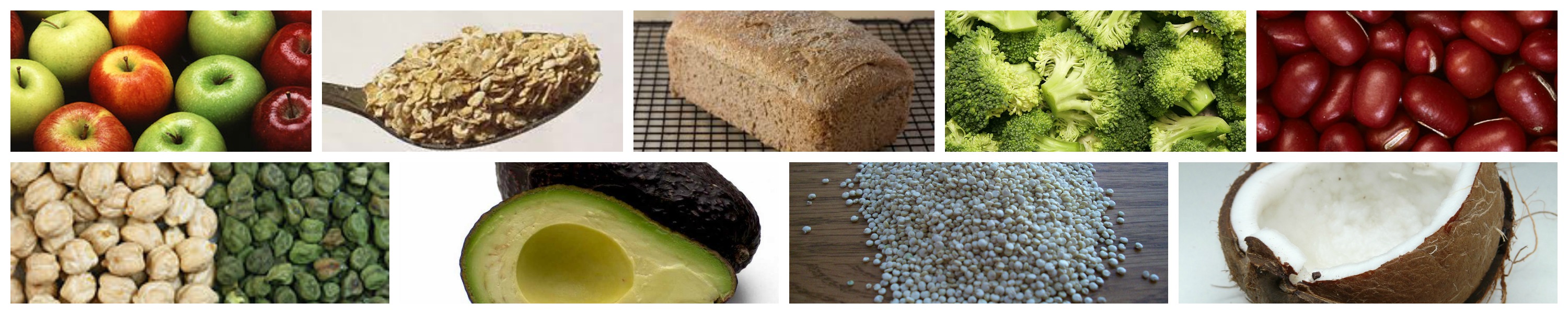
How Much Is 30g Of Fibre?
The amount of fibre in 1 cup of:
| Apples, raw with skin – 3 gm | 10 apples = 30 gm fibre |
| Quinoa, uncooked – 12 gm | 2.5 cups of quinoa = 30 gms fibre |
| Avocado, fresh, cubed – 10 gm | 3 cups of avocado = 30 gm fibre |
| Rolled oats, oatmeal – 8 gm | 3.75 cups of oats = 30 gm fibre |
| Wholemeal/wholewheat bread (in 1 slice) – 2 gm | 15 slices = 30 gm fibre |
| Kidney beans, canned – 14 gm | 2 big cups kidney beans = 30 gm fibre |
| Chickpeas (garbanzos), canned – 11 gm | 2.75 cups chickpeas = 30 gm fibre |
| Coconut, raw, shredded – 7 gm | 4.25 cups coconut = 30 gm fibre |
| Broccoli, raw, chopped – 2 gm | 15 cups of broccoli = 30 gm fibre |
You’re likely already eating a number of foods that contain fibre every day. So you don’t actually need to eat 10 apples, 15 cups of broccoli or 15 slices of wholemeal bread to get your recommended 30 grams of fibre. But these figures do give you some idea of just how easy it is to get insufficient amounts and why you need to be conscious of including fibre rich foods every day.
Make the change and try out more dishes based on legumes and quinoa in your meals.
Do something your body will thank you for.
Updated 2nd February 2018
Disclaimer
All information and opinions presented here are for information purposes only and are not intended as a substitute for professional advice offered during a consultation. Please consult with your health care provider before following any of the treatment suggested on this site, particularly if you have an ongoing health issue.

