Category Archives: Holistic Health & Natural Remedies

Seasonal Renewal for Spring Wellness

Flowers are blooming, birds are nesting, the sun is shining and the days warming as the Earth breathes a deep sigh and Spring bursts forth.

As we finally bid Winter farewell Spring is blossoming, an exuberant reminder of abundance, growth and the promise of new beginnings. We’re ready to shrug off winter, stretch and expand our energy up and outwards.

Spring is a time of transformation and growth; a time to renew your energy and change your life. As the days warm and lengthen through Spring, you’ll start to feel lighter, both emotionally and physically.

Adopting these practices will leave you feeling your best and at the peak of Spring Wellness. Make them a part of your daily ritual to launch your momentum and rise to your fullest summer potential.

AWAKEN

Get outside. Let your inner child out to play, socialise and have fun. The sun is up earlier and staying around later. Join him and get outside to watch the dawn. Even if you wake grumpy give yourself the opportunity to get out, feel the earth under your feet and soak in all the benefits of grounding.

MOVE

Don’t let restlessness irritate you during Spring. Instead use it to kick-start your exercise program.

Spring is a great time to overhaul, or begin, your exercise routine. Walk, join a dance class, take up yoga or tai chi, join a hiking group or cricket team. Honour your body by not overdoing it and remember to keep hydrated or you’ll become fatigued very quickly.

RELEASE

If you want to bring the new into your life you must make space for it. Whether it’s a new spring wardrobe, new habits or new thought patterns, if you want to create a new you, you need to de-clutter first. The first step is to release everything that no longer serves you.

With the arrival of Spring our thoughts turn to Spring cleaning, and that also goes for our mindset. Spring offers a great opportunity to clear the mind and get rid of thoughts that undermine our self-esteem or are toxic to relationships. Once you clear out old toxic thought patterns you can start planting positivity seeds to create a life you love.

EAT

As we move out of winter’s chill we need to change our diet. The heavy, salty foods of winter put a strain on your liver, which is sensitive and can quickly become imbalanced during spring. Your liver is the main detoxifier in your body, so it needs some TLC during spring. Cut back on alcohol, fats, oil and particularly junk food.

Sour foods like vinegar, lemons, limes and grapefruit stimulate the liver. An excellent practice for Spring wellness is drinking lemon or lime water in the morning.

Bitter foods cleanse the liver and are essential for Spring health. Bitter foods include dandelion greens, radicchio, rapini, endive, kale, rocket (aragula), rye, chamomile, unsweetened cocoa, daikon, and even nettles. A salad of mixed leaves can easily include many bitter herbs.

Replace heavy winter foods with light, quickly-cooked ingredients.

FRIENDSHIP

With the warming weather and longer days, Spring is a great time to reconnect with your support network.

Friends who really listen to you and have your back when the going gets rough are essential for wellness. Having someone you really trust who will hold the space for you to download, discuss, or even rant if you need, helps you stay on top of stress and overwhelm as life gets busier.

SLEEP

Most people don’t get enough sleep without even realising. Some are ‘tired-but-wired’ which makes sleep difficult. For others the messages from the brain that they need sleep are lost because after chronic sleep-shortage their internal sensing system no longer recognises the signal.

Adults need between seven and eight hours sleep every night. Binge sleeping on the weekend doesn’t compensate for lost sleep during the week, or the other way around.

Research has shown sleep quality is directly connected to what you eat through the day. Increasing high fibre foods in the diet was linked to more restorative sleep.

If worry is keeping you awake introduce some strategies to reduce the stress. Crucially, don’t sleep with your cell phone right beside you, and stop using it at least thirty minutes before bedtime.

If your bedroom does not support good sleep use this guide to make changes.

STRESS

Spring is the perfect time to set the intention to manage your stress more effectively.

As we move through Spring towards the end of the year life gets busier and busier. It’s easy to roll along juggling all the balls until you drown in overwhelm without ever realising it’s happening. Don’t end up burnt out by year end.

While planning is important, de-stress techniques are just as important to get on top of your stress and stay there. Use these excellent strategies to reduce and manage the effect of stress on your mind and body in the busy days up to the end of the year.

MINDSET SPRING-CLEAN

When you want to bring the new into your life you have to make space for it. Whether it’s a new Spring wardrobe, new habits or new thought patterns, if you want to create a new you, you need to de-clutter first. For it to become a new habit the first step is to release everything that no longer serves you.

Spring offers a great opportunity to clear our mindset and get rid of thoughts that undermine our self-esteem or are toxic to relationships. Once you clear out toxic thought patterns you can start planting positivity seeds to create a life you love.

Challenge yourself. When old attitudes and thought patterns arise again, try seeing things from a different perspective. Start by watching and noticing whenever you run those same old stories about yourself.

Notice whenever you criticise yourself, when you tell yourself you’re stupid, or ugly, or fat, or any other negative put-downs. Then call it out for what it is. Remember it is not the ‘true you’ thinking this. Remind yourself of your true value, that you’re smart, lovable, beautiful, or whatever applies.

Imagine the ‘negative voice’ in your head as an actual person or character. (I used to think of it as the ‘Control Committee’.) Then replace that negative character with a loving, supportive, friendly character or committee who always has your back. Whenever the negative, judgemental character spits out criticism say to yourself “I see you. You are not the true me.” Then turn to the second loving character for positive, encouraging reinforcement.

Once you call out the limiting beliefs you’ll find they start to run less frequently and hold less potency to undermine you. Reclaim your power with awareness, simply by watching, witnessing and naming.

UPLIFT SPIRIT

While everyone needs time to zone-out, use the energy of Spring to change HOW you recharge.

Instead of crashing in front of reality TV, get smarter. Use the building momentum of this time of new beginnings to read uplifting books, listen to music that benefits your soul, or take an aromatherapy bath. Zone-out for good health and Spring Wellness.

With all the fresh new routines and rituals you’re welcoming into your life be sure to maintain balance. Put a spring in your step, not a drive to the fast lane. Be mindful. Listen to your body. Open to new opportunities. Eat slowly. Live in awareness.

Disclaimer

All information and opinions presented here are for information only and are not intended as a substitute for professional advice offered during a consultation. Please consult with your health care provider before trying treatment suggested on this site.

© Catherine Bullard and Happy Holistic Health, 2012. Unauthorised use and/or duplication of this material without express and written permission from this blog’s author and/or owner is strictly prohibited. Excerpts and links may be used, provided that full and clear credit is given to Catherine Bullard and Happy Holistic Health with appropriate and specific direction to the original content


21 Ways to Manage Stress

When Stress Becomes Overwhelm

Everyone has a ‘stress threshold’, which is the point where stress becomes overwhelming.  This point is different for each one of us.  But whether you have a low stress threshold or a high one where it takes a major life event to upset your equilibrium, we all experience stress at some time.  And when that happens our bodies react in a similar way.

Stress is all fine if your body turns off the response as the stress subsides.  But when the stress in our lives never stops, or if it’s coming from many directions at once, our brains can no longer balance the stress and relax responses.  And that creates many serious health consequences.  One of these consequences is that our brain stops functioning well, especially when it comes to memory, both laying down new memories and retrieving old memories.

What Stress Looks Like

It can be easy to miss the signs that ongoing stress is becoming a problem because being stressed is not just about worry and anxiety.

Stress shows up in our body and behaviour in many different ways. In your physical body it can show up somatically with symptoms such as headaches, heart palpitations or chest pain, digestive issues, insomnia or back pain. Trying to reverse these symptoms becomes difficult because they are often attributed to other causes rather than stress.

Stress can affect your thinking and manifest in changed behaviours and habits. It can make you feel anxious, depressed, irritated or hopeless. But it can also cause emotional or excessive eating, substance abuse or avoiding going out or seeing friends.

When stress causes anxiety, it doesn’t always look like worry so again, it can be easy to overlook. This is what Anxiety May Look Like.

Managing Stress

Being in a chronic state of stress can be difficult to recognise because it can appear like ‘life as normal’. However, it’s important to take steps to reduce the effects of stress because they can be serious and even dangerous.

If stress has affected your ability to cope and you’re shifting towards overwhelm this video will help with 21 effective ways to manage stress.

Find more about the effects of chronic stress and how to manage it in the Conscious Mindset. Stress category.

Disclaimer

All information and opinions presented here are for information only and are not intended as a substitute for professional advice offered during a consultation. Please consult with your health care provider before trying treatment suggested on this site.

© Catherine Bullard and Happy Holistic Health, 2012. Unauthorised use and/or duplication of this material without express and written permission from this blog’s author and/or owner is strictly prohibited. Excerpts and links may be used, provided that full and clear credit is given to Catherine Bullard and Happy Holistic Health with appropriate and specific direction to the original content

Magical Magnesium

My sister loves soaking in her big, deep bath because it relieves her tired and aching muscles and helps her sleep better. She knows adding Epsom salts to the bathwater makes it even more effective. But what she doesn’t know is that Epsom salts are rich in the mineral magnesium.

Epsom salts are rich in magnesium, a mineral that can be poorly absorbed when taken internally.

Magnesium Deficiency

Many people suffer from a magnesium deficiency, and this is often because magnesium is poorly absorbed. Magnesium is frequently deficient in our diets. However, soaking in a bath containing Epsom salts is an excellent and relaxing way to replenish your magnesium levels.

Most of the population does not get enough magnesium. In 2000 the National Health and Nutrition Examination Survey (in USA) found that the deficiency figure was as high as 80% of adults, a figure most likely mirrored here in Australia. This figure is significant because the mineral magnesium plays a part in thousands of functions in your body. Also, magnesium is easily depleted. Problematically, magnesium deficiency is often overlooked because it manifests differently in each individual.

Magnesium Synergy

The mineral magnesium, plays a vital role in building and maintaining good health, working in conjunction with many other nutrients, particularly calcium and Vitamin D.

head-30160_640

Most people know that they need calcium and vitamin D. But the third side of this triangle is perhaps not so widely known. Magnesium also plays a part in this picture, and while magnesium deficiency is quite widespread due to deficient intake, it is frequently not addressed with diet or supplementation in the way that calcium is.

The Magic Triangle: Magnesium, Calcium, Vitamin D

Magnesium, calcium and vitamin D work in unison in the body. All three require the others to do their job, and it doesn’t matter if you are getting adequate amounts of one of them, without the others it will not be able to do its job. Which means taking calcium supplements without sufficient magnesium is not much use. Your body needs about twice as much calcium as magnesium, but many people actually have much, much more calcium and many times less magnesium.

Magnesium is the fourth most abundant element in your body. It helps to regulate over three hundred enzymes. It also plays a vital role in muscle control and sending electrical impulses along the nerves. Magnesium contributes to energy production and also assists in the elimination of toxins.

Many common diseases of our modern life can be rooted in a magnesium deficiency. It can lead to heart disease, stroke, osteoporosis, arthritis and joint pain, digestive disorders, chronic fatigue, or illnesses resulting from stress. Long term chronic magnesium deficiency damage can even be fatal.

When we talk of muscles everyone usually thinks of those in the legs or back, and most people have experienced muscle cramps at some time, often in the legs or feet. But how many think of their heart as also being a muscle? Low magnesium levels can affect the efficient working of your heart, in the same way that they can lead to cramping of your leg muscles.

Magnesium Deficiency Symptoms

Early symptoms of magnesium deficiency:
  • Restlessness
  • Muscle cramps, tremors & twitches
  • Restless or fidgety legs
  • Pain in the feet
Other indicators of a possible magnesium deficiency:
  • Migraines, cluster headaches 
  • Anxiety, stress & panic attacks
  • Fatigue, sluggishness. People with Chronic Fatigue Syndrome often also eat a magnesium deficient diet.
  • Poor sleep & waking up tired – difficulty falling asleep or waking with muscle stiffness
  • Low energy levels
  • High blood pressure & cholesterol levels
  • Period pain & PMS: Deficiency can also lead to infertility and pregnancy problems
  • Nervousness: Heightened sensitivity to external stimuli like lights and noise, with exaggerated emotions
  • Irritability of the nervous system: Depression, restlessness, psychiatric conditions including bipolar and epilepsy.
  • Kidney stones
  • Poor memory & confusion
  • Calcium or potassium deficiency
  • Autism spectrum, ADD/ADHD, other neurological conditions

Magnesium Rich Foods

Good food sources of magnesium are whole grains and green leafy vegetables, as well as legumes and nuts. Although grains and seeds are normally rich sources of magnesium, processing destroys or removes it. Therefore, there are very low levels, or often no magnesium at all in processed foods like white flour, white rice and foods made from them. Processing strips away the parts of the plant containing magnesium and heating destroys it. Magnesium rich foods only deliver the benefits if they are not processed.

Because modern farming practices lead to magnesium deficient soils crops grown in those soils also contain very low levels of magnesium. Foods that should be rich in magnesium no longer are.

Magnesium Drainers

On top of the problem with magnesium deficient foods, our food choices, habits and lifestyle can impact magnesium levels within our bodies.

Hardly surprisingly our western diet, which is high in processed breads, pasta, cereal, biscuits, sugar and more contributes to deficiency. This is not just because these foods are themselves often low in magnesium, many also affect the way we metabolise magnesium. Sweet foods for instance, require more magnesium to break them down. Other foods increase the loss of magnesium in urine. while others bind the magnesium so it can’t be absorbed.

Lifestyle habits such as intense exercise or stress deplete magnesium levels. Certain health conditions including coeliac disease and Type II Diabetes also impact magnesium absorption and excretion.

With so many things to deplete magnesium in the body it’s no surprise that so many have low levels.

  • Sugars, fats, salt and proteins in our diet all deplete magnesium.
  • Diuretics, such as caffeine, with even just one coffee a day, can cause it.
  • Alcohol is another form of diuretic, and weekend binge drinking could result in your body dumping a load of magnesium.
  • Medications for blood pressure, diuretics, metformin, some antibiotics, long term PPIs and laxatives all deplete magnesium.
  • Chronic low-grade stress causes magnesium deficiency

If you recognise yourself in any of these scenarios have your magnesium levels checked with a view to adding a supplement.

Even if your diet is really well balanced, you may still need a magnesium supplement. Choose magnesium supplements in the form of magnesium citrate because it’s better absorbed.

Magnesium Supplements

There are a few ways to increase your magnesium levels. You can start with increasing the amount of magnesium rich foods you eat. Nuts especially almonds and cashews, pumpkin seeds, legumes, quinoa, dark leafy vegetables such as spinach, avocados, green peas and potatoes, fibre-rich whole grains and 30gm of dark chocolate are all magnesium top picks.

But if testing shows your magnesium levels are low you’ll need more. Tablet or capsule supplements are the sure way to deliver a measured dose to restore optimum levels in the body.

One way to maintain healthy levels is to apply magnesium oil (magnesium chloride) or gel to your skin.

Epsom Salt Bath

While ingesting Epsom salts causes side effects an Epsom salt bath is a relaxing way to get the health benefits of magnesium and reduce stress at the same time. Studies are limited but show that after regular bathing in the magnesium-rich Epsom salts levels increased in the body. Bathing in Epsom salts bypasses problems with poor absorption of supplements in the gut.

Photo credit: Monica Arellano-Ongpin

Add about 1-2 cups of Epsom Salts to the tub. Dissolve them in hot water first and then fill the tub about half full with water as warm as you can tolerate. The warmer the water and the bigger the tub, the more salt will dissolve.

If you suffer from chronic deficiency start with just a tablespoon of salt and work your way up to the full amount to avoid any negative reactions. Soak for about twenty minutes. You can leave the salt to dry on your skin or rinse it off. But don’t drink the water!

If you don’t have a big tub, use a foot bath instead. Mix 1 part salt to 2 or more parts water and soak for 20-30 minutes.

‘Lectric Soda

Just a quick warning note about Epsom Salt. ‘Lectric Soda’, found on supermarket shelves is not Epsom salts. It is made from limestone (calcium carbonate) processed with sodium chloride. Epsom Salts are magnesium sulphate.  Look for the real deal.

Epsom Salts in the Garden

If you’re a gardener, you may already know that Epsom salt is magic in your garden. It helps seeds germinate, makes plants grow bushier, produces more flowers, increases chlorophyll production and deters pests, such as slugs. It also provides vital nutrients to supplement your regular fertilizer (or compost!).

The health benefits of magnesium are extensive for both people and plants. It’s essential to consider your magnesium status and make any changes needed for your wellness.

Disclaimer.

All information and opinions presented here are for information only and are not intended as a substitute for professional advice offered during a consultation. Please consult with your health care provider before trying treatment suggested on this site.

© Catherine Bullard and Happy Holistic Health, 2012. Unauthorised use and/or duplication of this material without express and written permission from this blog’s author and/or owner is strictly prohibited. Excerpts and links may be used, provided that full and clear credit is given to Catherine Bullard and Happy Holistic Health with appropriate and specific direction to the original content

Source articles

http://www.ancient-minerals.com/magnesium-sources/dietary/

The Magnesium Factor, Seelig, Mildred. 2003

12 Tips For Winter Wellness

Support your immune system and stay well this winter.

Winter has arrived with a vengeance, bringing with it winter colds and coughs.

These simple tips will strengthen your immune system to help you weather winter naturally.

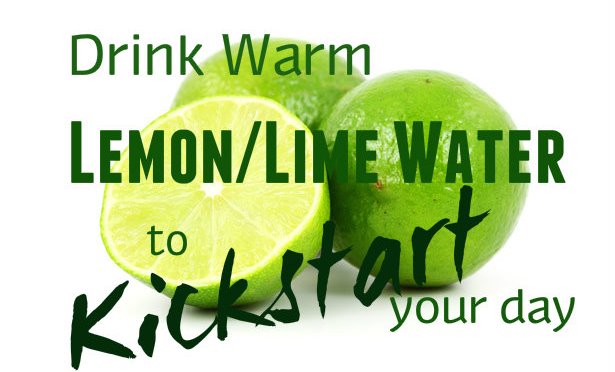
Warm Lemon or Lime Water Kickstarts Your Day


Most people know that it’s really important to keep themselves hydrated. But most don’t realise they can take that further for better health and wellness simply by drinking lemon water or lime water first thing in the morning.

Tomorrow, March 22, is World Water Day and while it is about water co-operation practices, what better day is there to begin to improve our own personal hydration practices?


HOW POOR HYDRATION AFFECTS YOUR BODY

The way you begin each day is really important as it sets you up to either increase or reduce your resistance to disease. Starting out each day being properly hydrated has many other health benefits in addition to avoiding dehydration. These include kick-starting daily digestion and toxin elimination and helping prevent burnout, sometimes called adrenal fatigue. Cortisol imbalance is common in times of high stress.

Adequate water intake is essential for the proper elimination of toxins from your body. When you’re dehydrated it becomes really difficult for your body to eliminate waste products which leads to a toxic buildup. You start to feel stressed, get constipated, develop arthritis, get outbreaks on your skin and many more problems.

In addition your body stores more fat when you’re dehydrated due to added stress on the kidneys and liver so they do not perform at their best.


A SIMPLE WAY TO BOOST YOUR HEALTH

One very simple and surprisingly helpful practice to boost your intake of water comes from Yogic or Ayurvedic practice. It was used to stimulate the digestion and eliminate the toxic slime, called ama, that builds up in the gastro-intestinal tract.

It is the simple practice of drinking a mug of warm water with lemon or lime juice squeezed into it first thing in the morning. This helps to activate your body’s detoxifying process and also its natural cleansing processes.


7 REASONS TO DRINK LEMON WATER

1. Helps your liver eliminate toxins

Your liver loves warm lemon water and lime water because it purifies and stimulates your digestion and toxin elimination by liquefying bile and inhibiting excess bile flow. The liver is able to produce more enzymes from lemon/lime water than from any other food to promote better digestion.

Your liver works very hard and is crucial to the function of many other body processes – a little lemon or lime support and nurture leads to a healthy and happy liver.

2. Helps digestion

Warm lemon water or lime water increases the acidity of your digestive system as it’s very similar to saliva and the digestive juices in the stomach which break down food. It improves your body’s ability to absorb nutrients. An extra benefit of this process is to help with reducing hunger, great for weight loss.

3. Helps elimination of toxic wastes

Warm lemon or lime water helps your bowels to eliminate naturally and easily, reducing constipation. It also helps dilute accumulated uric acid which causes arthritis or gout when it builds up in the body.

By supporting the liver in its detoxifying role it helps prevent acne.

It gently flushes your kidneys and cleanses your lymphatic system, another channel for the elimination of toxic waste products.

4. Balances pH

Lemon water or lime water has an alkylizing effect in the body. Yes, even though they taste acidic they have an incredibly alkaline effect inside your body once they are metabolized! Drinking lemon water just before any meal helps your body maintain a higher pH than if you didn’t drink it.

When your body has a higher internal pH, that is, it’s more alkaline, it’s far more resistant to most major (and minor) diseases which thrive in an acidic environment. Cancer cells for example breed better in an acidic environment.

5. Protects your cardiovascular and nervous systems

Lemons and limes are high in potassium which is a mineral that works alongside sodium and is vital for keeping the nervous system and brain working smoothly. Low potassium levels can lead to depression, anxiety, forgetfulness and brain fog as well as muscle cramps and heart arrhythmias. Potassium is crucial for heart health and can help prevent stroke.

6. Boosts your immune system

Lemons and limes contain plentiful quantities of calcium and magnesium in good ratios. These minerals work together to prevent many health problems. One lemon has 30.7mg of the antioxidant Vitamin C which is great for fighting off colds and chest infections. Lemons and limes have very high levels of the antioxidant hesperidin which is anti-inflammatory and believed to have anti-cancer activity.

7. Help weight loss

Lemons are high in pectin fibre which helps fight hunger cravings. By cleaning out toxins and internal waste they may help speed up weight loss, and in addition promote quick bursts of energy. Because the effect works proportionally, the more you drink the more your weight loss should speed up. If you replace your other drinks with lemon water, you also have the advantage of a zero-kilojoule drink.


HOW TO TAKE LEMON WATER

Take lemon water first thing in the morning on an empty stomach, before eating or drinking anything else. Squeeze half a lemon or lime into half a glass of warm water, stir it and drink. The water will turn cloudy when you add the lemon or lime. It’s good to then wait between half to one hour before you eat to get the best results.

  • Don’t use bottled lemon or lime juice – use fresh fruit.
  • Make sure the water you use is pure – filtered or spring water.
  • Make sure the water is warm – don’t use cold water as it is very hard on the digestion, slowing it down. Don’t use hot water either as it will kill the enzymes in freshly squeezed juice.
  • Don’t add sugar or other sweeteners.

If you want even more from your lemon/lime water, you can really spice up your metabolism by simply adding a pinch of ground cinnamon and a pinch of ground ginger. The cinnamon is a great addition if you have any issues with blood sugars.


This is such an easy habit to adopt, it’s cheap, easy and certain to build your health. Try it out for a month and see how it can radically change how you start your day.

Which of the benefits that warm lemon/lime water offers would be the one to get you started on drinking it daily? Tell me in the comments below. Or is you already know and love lemon water what benefits have you noticed?

Disclaimer.

All information and opinions presented here are for information only and are not intended as a substitute for professional advice offered during a consultation. Please consult with your health care provider before trying any of the treatment suggested on this site. 

 © Catherine Bullard and Happy Holistic Health, 2012. Unauthorized use and/or duplication of this material without express and written permission from this blog’s author and/or owner is strictly prohibited. Excerpts and links may be used, provided that full and clear credit is given to Catherine Bullard and Happy Holistic Health with appropriate and specific direction to the original content

Source articles:

http://www.mindbodygreen.com/0-4769/Why-You-Should-Drink-Warm-Water-Lemon.html

http://nutritionistheprescription.wordpress.com/2012/03/24/start-your-day-with-lemon-or-lime-water/

http://www.naturalnews.com/033383_lemon_juice_digestion.html#ixzz2IZ0L8XRo


Wellness and Self Love

You might wonder what wellness and self-love have in common?

Right from the time of our ancestors we’ve been told that while healthy food and exercise are essential to good health they’re not enough on their own. If we’re to achieve wholeself wellness we must also cultivate a good mindset, some form of spiritual (not necessarily religious) practice and balanced emotions.

There is no greater tool for transformation than deciding it’s time to start loving yourself.

Hating on yourself sabotages wellness and is a direct fast-route to creating imbalance. However, self-love and self-care gently support your emotional health, makings them an essential part of your holistic wellness practice.

Amidst the hustle and bustle of life it can be so easy to let self-care take a back seat as you rush about trying to get everything done.

To create a life you don’t feel desperate to escape, it’s vital you pay enough attention to your needs, your true needs. These are the choices you make that relax your body, calm your mind and make your soul feel wealthy. They’re little things in your daily life that rejuvenate and uplift you, like putting your phone aside to read a book. Or perhaps, a peaceful walk in nature, even the local park. Maybe it means an early night, or a calming bath before bed. Or even just ten uninterrupted minutes of quiet.

Your true needs are your own, they’re individual and different for everyone. Identify what creates that feeling of soul-wealth for YOU. And then commit to making them habits in your daily life.

5 Keys to Wellness

Of course there are many ways to create and maintain wellness, but these will get you started.

1. Make time every day to quiet your mind. Spending time in awareness in a place of stillness is one of the most powerful tools to restore balance. Daily meditation in all its forms from mindfulness to walking or dance meditation, helps this become a habit. Even five minutes is enough if it’s regular.

2. Support yourself to wellness by eating a healthy diet, loaded with antioxidant rich foods and superfoods. Try including the six flavours of salty, sweet, bitter, sour, pungent and astringent. Select and prepare your food with care and eat it with awareness.

3. Move!  Daily exercise is a must to keep your body flexible, mobile and young. It also keeps your mind sharp and improves your emotional wellbeing. Exercise takes many forms, find the one that’s right for both your preference and your age.

4. Create time for enough restful sleep. One of the most important factors for creating balance, and one that’s frequently overlooked, is good sleep. Sometimes being able to manage on little sleep is even viewed as a strength. But know this is not true! Adults need between seven and eight hours restful sleep every night to keep the immune system strong, the mind clear and the body in balance.

5. Release negative emotions like anger, shame, guilt or hurt. Hanging on to this residue from the past creates a toxic internal environment. Replace these with appreciation and love for all of yourself, your strengths and your challenges.

Holistic wellness is about harmonising and balancing on all levels, mind, body, emotions and spirit and we only achieve this balance when we address all these aspects of ourselves.

It’s crucial to your mental, emotional, spiritual and physical health to make time in your hectic schedule to look after and appreciate yourself.

The important message is, it’s never too late to improve your health.

Decide how you can best show yourself some love today. Start small and simple and watch your wellness bloom.

Disclaimer

All information and opinions presented here are for information only and are not intended as a substitute for professional advice offered during a consultation. Please consult with your health care provider before trying any of the treatment suggested on this site. 

© Catherine Bullard and Happy Holistic Health, 2012. Unauthorised use and/or duplication of this material without express and written permission from this blog’s author and/or owner is strictly prohibited. Excerpts and links may be used, provided that full and clear credit is given to Catherine Bullard and Happy Holistic Health with appropriate and specific direction to the original content

Grounding: Easy Biohack to Upgrade Wellness

Grounding is a term used to describe reconnecting with the present moment. It embraces many simple techniques that reduce stress to leave you feeling stable and calm. These include deep breathing, focusing on your senses, counting, better sleep practices, being in nature and even eating nuts and certain types of chocolate. These and other techniques all help reduce anxiety and the effects of stress and overwhelm. Find more about that type of grounding here.  

But today I’m talking about the specific form of grounding that is also known as earthing. This is a practice where you connect physically with the Earth to anchor and balance your physical, mental and spiritual energy. It’s sometimes simply called barefoot walking.

Many of us practice grounding without even thinking about it. You can probably recall a time when you were immersed in nature, feeling relaxed and refreshed. Remember how that feeling of rejuvenation persisted even when you were back in your busy life. This is due to the physiological effects of grounding.

These beautiful warm, still days of Autumn are perfect to get your shoes off and do some grounding. When you connect with the Earth through the bare skin on the soles of your feet you also connect with the free electrons that flow through the earth’s surface. This is excellent when it comes to improving your wellness because these electrons help rebalance you physically, mentally and even spiritually. Not only do they leave you feeling calmer, but they also have an impact on health issues.

By improving physiological processes grounding helps reduce or reverse many health issues that lead to chronic disease. These results include lower blood pressure, lower stress levels, repaired muscles, reduced pain, improved sleep, reduced anxiety and depression, enhanced mood, clear mind and even help with varicose veins.

What Is Grounding

Grounding is an ancient therapeutic technique that’s essential for our wellness. In our modern world our bodies are constantly surrounded and impacted by a vast range of toxins. These include pesticide residue on fresh produce, hormones in meat and dairy foods, chemicals in furnishings and cleaning products, toxins in personal care products including shampoo, cosmetics and toothpaste, heavy metal residues, air pollution and one we often don’t consider, electronic pollution. 

This cocktail of toxins which we’re exposed to every single day, impacts our body and our health and wellness, causing inflammation and free radicals which leads to chronic illness and disease.

How to Connect With the Earth and Ground Yourself

Essentially, all it takes is to go barefoot outdoors.

Most of us spend time outdoors. But usually that’s while we’re doing something, such as a sporting activity or walking. While this is healthy in many ways it doesn’t give us the full benefits of grounding. For that we need to actually connect our skin to the Earth by taking off our shoes or sitting on the grass or the beach. This connection between our skin and the ground allows the harmful, pent-up electrical charge coming from the environment and stored in our body, to discharge directly into the earth.

Some Grounders prefer to stroll on a beach or in a park. But most recommend simply standing outdoors with bare feet. Personally I like to take my shoes off, sit on the ground and lean against a tree trunk. The benefits of grounding begin immediately and after several minutes, you should start to feel refreshed

You’ll reap all the benefits when you stand on dirt, grass, sand, rock, concrete, or even in water which enhances the effect. But keep off the asphalt or Astroturf as they act as a block to the electron exchange with the Earth.

If you don’t like being bare foot, footwear with leather soles also works because the electron exchange still occurs. But watch for any synthetic components like insoles which block the exchange.

Signs You Are Ungrounded

There are clear signs that your physical or emotional state is not balanced. This is a red flag that indicates that you are ungrounded and need some grounding.

Some telltale signs are:

  • Feeling fearful or angry
  • Being unfocused, scattered and easily distracted
  • Jumping from one thing to the next but unable to complete anything
  • Difficulty concentrating
  • Getting stuck on certain thoughts and over-thinking
  • Feeling restless and discontented
  • Forgetfulness
  • Constant worrying and feeling anxious
  • Feeling tired, irritated and impatient
  • Lightheadedness or feeling ‘spaced out’
  • Your mind races but you can’t focus on anything
  • You feel both tired and wired at the same time
  • Problems sleeping
  • Clumsiness
  • Slow healing wounds

Health Benefits of Grounding

Regularly grounding yourself by connecting directly with the earth though bare feet affects you instantaneously. You get immediate benefits from grounding and the improvements continue over the following minutes, hours and even days. 

And it’s simple!

Ditch your shoes and walk to the mailbox, touch one leaf, step outside to see the moon, drink your coffee outside, sit on the grass to eat your lunch.  Those few minutes can make all the difference!

How Regular Grounding Benefits You

As well as leaving you feeling more stable physically and emotionally, regular grounding connects you with the natural world.

Here are some of the ways grounding changes you over time:

Immediatley:
  • Muscle tension releases
  • Brain waves slow down
  • Pain levels reduce
After a Few Minutes
  • Organ function is affected
  • Vascular (blood viscosity) and circulatory system improves
  • Blood glucose stabilises
Hours Later
  • Osteoporosis markers are affected
  • Improved mineral levels in cells
  • Thyroid function is boosted
  • Cortisol levels are reduced
After Days
  • You’ll feel more resilient and adaptable to life’s stress and demands
  • Less pain
  • Able to recover from stress better
  • Life becomes easier to navigate
  • Inflammation in the cells decreases
  • Cortisol levels are even lower

There’s no time spent grounding that’s too short, and no time that’s too long.

Isn’t it time to connect with the Earth to become balanced and centred? Make time to ground yourself and upgrade your health.

Disclaimer

The Information contained on this site is for your general health information. It is not intended to be used as medical advice and should not be used to diagnose, treat, cure or prevent any medical condition, nor should it be used for therapeutic purposes. The information is not a substitute for independent professional advice and should not be used as an alternative to professional healthcare. If you have a particular medical problem, please consult a healthcare professional.

© Catherine Bullard and Happy Holistic Health, 2024. Unauthorised use and/or duplication of this material without express and written permission from this blog’s author and/or owner is strictly prohibited. Excerpts and links may be used, provided that full and clear credit is given to Catherine Bullard and Happy Holistic Health with appropriate and specific direction to the original content

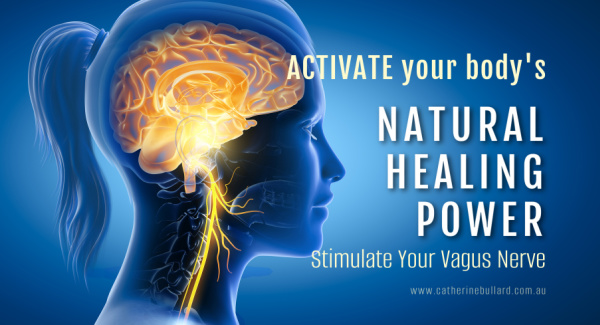
The Vagus Nerve: Activate Your Body’s Natural Healing Power

Have you heard of the vagus nerve? It’s one of the most important nerves in your body. When it’s healthy and stimulated it can help reduce stress, improve your mood and boost your immune system. Even if you’ve never heard of it, you need to know about the vagus nerve if you want to improve your health and wellness.

What is the Vagus Nerve?


The vagus nerve is the longest and most complex cranial nerve in your body. It carries signals to and from your brain to many vital organs, including your heart, blood vessels, lungs, stomach, intestines, vocal chords and more. It is part of the autonomic nervous system (ANS), which plays a role in controlling and regulating involuntary functions like breathing, heartbeat, mood, digestion, and blood pressure.

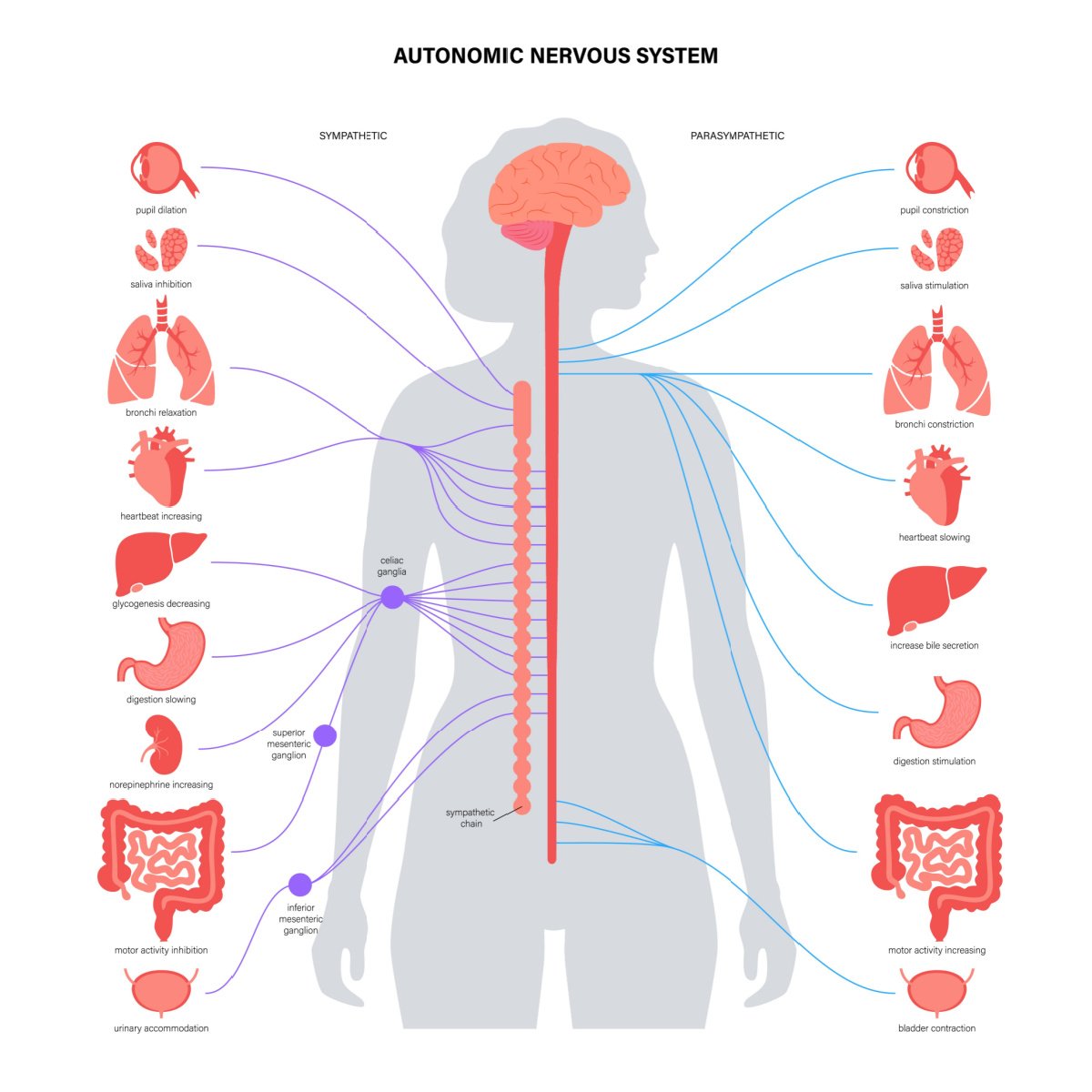
Autonomic nervous system

The ANS has two main branches: the sympathetic nervous system (SNS) and the parasympathetic nervous system (PNS).

The sympathetic branch (SNS) is responsible for activating the “fight or flight” response when you face a threat or a challenge. It stimulates your adrenal glands to release adrenaline and cortisol, which increases your heart rate, blood pressure, blood sugar, and alertness. This helps you immediately cope with the challenging situation, but it also puts a lot of stress on your body.

The other parasympathetic branch (PNS) is responsible for activating the “rest and digest” response which kicks in to calm your body down and restore balance once the threat or challenge is over. By stimulating the vagus nerve, we get greater calming effects from the PNS.

The vagus nerve is the main component of the PNS, and it acts as a bridge between your brain and your body. It sends signals from your brain to your organs to regulate their functions. It also sends feedback from your organs to your brain with information about your physical and emotional state. The vagus nerve is like a two-way communication channel that helps you maintain homeostasis, a state of equilibrium and harmony in your body.

Maintaining balance between the PNS and SNS is crucial for your physical and mental health and wellness.

How the Vagus Nerve Affects Wellness

The vagus nerve influences many aspects of your physiology and psychology and has a profound impact on your health and well-being.

Here are some of the benefits of a healthy and active vagus nerve:

Reduce Stress and Anxiety

The vagus nerve plays an important role in regulating the stress response. It lowers your heart rate, blood pressure, breathing rate, and cortisol levels. Cortisol is a hormone released by your adrenal glands in response to stress. When it’s chronically elevated it can have negative effects on your health. The vagus nerve can also help you cope with emotional stress by enhancing your social skills, empathy, compassion, and trust.

The vagus nerve protects your body by helping it switch back and forth from the fight-flight response and the rest-digest mode.

Improve Mood and Mental Health

The vagus nerve stimulates production of neurotransmitters serotonin and oxytocin which are associated with happiness and well-being. Serotonin is a chemical that regulates your mood, appetite, sleep, memory, and learning. Oxytocin is a hormone that promotes bonding, love, and social connection.

The vagus nerve increases your resilience and optimism to help prevent or treat depression.

Boost Immune System and Reduce Inflammation

Inflammation is a natural response to injury or infection, but it can also cause damage to your tissues and organs when it’s chronic or excessive. The vagus nerve can activate the cholinergic anti-inflammatory pathway (CAP), which is a mechanism that suppresses inflammation in your body.

It helps you fight off infections and diseases by enhancing your immune system’s function and reducing inflammation.

Enhance Your Cognitive Abilities and Memory

Brain power improves when a healthy vagus nerve delivers increased blood flow and oxygen to your brain cells to sharpen focus, attention, creativity, problem-solving skills and memory. It can also stimulate neurogenesis, the creation of new neurons, in the hippocampus, which is a part of your brain that is involved in learning and memory.

A healthy vagus nerve improves brain power

Support Digestive Health and Metabolism

The signals sent via the vagus nerve from your brain to your stomach and intestines regulate appetite and digestion. They can also control the secretion of gastric acid, enzymes, hormones, and bile that are essential for breaking down food and absorbing nutrients. This helps prevent and treat digestive disorders like irritable bowel syndrome (IBS), acid reflux, ulcers, constipation, and diarrhea.

Improve Heart Health and Cardiovascular Function

Heart rate variability (HRV) is a measure of how much your heart rate changes from beat to beat. A high HRV indicates that you have a flexible and adaptable heart that can respond to changing demands. A low HRV indicates that you have a rigid and stressed heart that is more prone to arrhythmias and cardiovascular diseases. The vagus nerve can help lower your risk of heart attack, stroke, and hypertension by increasing your HRV and improving your cardiovascular function.

How to Activate Your Vagus Nerve

As you can see, the vagus nerve is a powerful ally for your health and wellness. But how do you activate it and reap its benefits? The good news is that there are many simple and natural ways to stimulate your vagus nerve and enhance its function.

Here are some of the most effective methods:

Deep Breathing

Breathing deeply and slowly in through your nose and out through your mouth is an excellent way to stimulate your vagus nerve. It activates your PNS and increases your HRV. It can lower your heart rate and blood pressure and calm your nervous system.

Practice deep breathing by inhaling through your nose for four seconds, holding your breath for four seconds, exhaling through your mouth for four seconds, and pausing for four seconds. Repeat this cycle for a few minutes and notice how you feel.

Mindfulness and Meditation

Meditating is a great way to calm your mind and body by reducing stress, anxiety and negative emotions. It helps you focus on the present moment to reduce the negative thoughts and challenging emotions that trigger stress. Combine meditation with deep breathing for greater benefits. Through meditation we increase our awareness of the present moment which can help you regulate both your physiological and psychological responses.

Practice mindfulness by fine-tuning your awareness to notice whatever is going on around or within you, without judgement.

Practice meditation by sitting comfortably, closing your eyes, and focusing on your breath, a mantra, a sound, or a sensation. Whenever your mind wanders, gently bring it back to your focus point.

If you find sitting still to meditate difficult, try an active meditation instead such as a Walking Meditation.

Humming or Singing Loudly

Humming or singing can stimulate your vagus nerve by activating your vocal cords and diaphragm. It can also increase your production of nitric oxide, which is a molecule that dilates your blood vessels and improves blood flow to your brain and organs. Hum or sing any tune that you like or try chanting “om” or “ahh”, which are sounds that resonate with your vagus nerve.

Laughing

Laughing can trigger your vagus nerve by engaging your facial muscles and diaphragm. It can also release endorphins, which are natural painkillers and mood boosters. Laugh by watching a funny show, reading a humorous book, or sharing jokes with friends.

Cold Shower

Exposing yourself to cold water or cold air stimulates your thermoreceptors, the nerve endings that detect changes in temperature. It also increases your metabolism, immune system and antioxidant levels. Take a cold shower by gradually lowering the temperature of the water until it’s comfortable but challenging. You could also try splashing cold water on your face or dipping your feet in ice water.

Positive Social Relationships

Positive social relationships stimulate your vagus nerve by enhancing your emotional and social intelligence. They also increase your oxytocin and serotonin levels, which promote bonding, trust and happiness. Cultivate positive social relationships by spending time with people who support you, care for you and make you feel good. Expressing gratitude, appreciation and affection to the people in your life also activates the vagus nerve.

Tai Chi and Yoga

Tai chi is a form of martial arts involving slow, graceful movements that coordinate with breathing and mental focus. It stimulates your vagus nerve by improving balance, coordination, flexibility, and circulation. It can also reduce your stress, anxiety and depression. Practice tai chi or yoga by joining a class, watching a video, or following an app.

Probiotics

The vagus nerve is the main channel for conveying messages between the gut to the brain, including threatening feelings or ‘gut instincts’.  When your gut is functioning poorly bad gut microbes overgrow and cause inflammation. Probiotics are beneficial bacteria and yeasts that live in your gut and help you digest food and produce vitamins and neurotransmitters. They communicate with your brain via the vagus nerve and influence your mood, thinking, and behavior. Taking probiotic supplements increases the number of good bacteria in your gut.

Consume probiotics by eating fermented foods like yogurt, kefir, sauerkraut, kimchi, miso, tempeh, or kombucha. Or take probiotic supplements that contain strains of Lactobacillus and Bifidobacterium.

Intermittent Fasting

Fasting is the practice of abstaining from food for a certain period of time. It activates your vagus nerve by reducing inflammation, oxidative stress, and insulin resistance. It can also help you recycle damaged cells, and stimulate ketosis which is the state of burning fat instead of glucose for energy. Practice intermittent fasting by skipping breakfast and eating only within an eight-hour window. Alternatively do a 24-hour fast once a week.

Zinc

Zinc is a mineral essential for many functions in your body, including immune system, wound healing, DNA synthesis and enzyme activity. It also modulates your vagus nerve by regulating neurotransmitter and hormone levels.

You can get zinc from certain foods including oysters, beef, pumpkin seeds, lentils, and dark chocolate. You can also take zinc supplements containing 15 to 30 mg of zinc per day. Many Australians are zinc deficient and so need to supplement. Australian soils are particularly low in zinc, which then affects the amount of zinc available from food grown within that soil.

Massage

Reflexology is massage of the feet and research shows it increases vagus nerve tone and improves blood pressure. Have a professional reflexology treatment and rub your feet, stretch your toes and rotate your ankles at other times.

Signs Your Vagus Nerve is Suffering


Those are just some ways you can activate your vagus nerve and enjoy its benefits for your health and well-being. However, you should also be aware of the signs that indicate that your vagus nerve may be malfunctioning or damaged.

Some of these signs are:

  • Abdominal pain and bloating
  • Acid reflux or heartburn
  • Elevated heart rate and blood pressure
  • Dizziness or fainting
  • Loss of gag reflex or difficulty swallowing
  • Hoarseness or loss of voice
  • Loss of appetite or nausea and vomiting
  • Tight or sore muscles
  • Racing thoughts or anxiety


If you experience any of these symptoms, you should consult your doctor and get a proper diagnosis and treatment.


I hope you learned something new and useful from this blog post. Remember, your vagus nerve is a powerful connection between your brain and your body which can influence your health and well-being in many ways. By stimulating your vagus nerve, you can change your body chemistry and improve your mindset.

So, try some of the methods I’ve mentioned and see how they work for you. And don’t forget to share your feedback and questions in the comments section below. Thanks for reading and have a great day!

DISCLAIMER

All information and opinions presented here are for information purposes only and are not intended as a substitute for professional advice. Do not use this article to diagnose a health condition. Speak to your doctor if you think your condition may be serious or before discontinuing any prescribed medication. Please consult with your health care provider before following any of the treatment suggested anywhere on this site, particularly if you have an ongoing health issue.

© Catherine Bullard and Happy Holistic Health, 2024. Unauthorised use and/or duplication of this material without express and written permission from this blog’s author and/or owner is strictly prohibited. Excerpts and links may be used, provided that full and clear credit is given to Catherine Bullard and Happy Holistic Health with appropriate and specific direction to the original content.

Natural Remedies For Winter Wellness

When your mood matches the sky it’s tempting to dive under the doona and tune out from the world.  Winter is naturally a time to close down and go within, so we need to be mindful of honouring our needs during this time. 

Winter is a time when we need to sleep more, eat nourishing foods and tone down the active life we enjoyed over summer, for our inner health and wellness.  It’s also crucial to support our immune system because it can take a beating during the winter months.  So, it’s important to know how to keep your immune system strong and balanced if you want to avoid winter infections and stay healthy.  These natural remedies for winter health provide a simple foundation for wellness.

The chill of Winter brings with it a swag of seasonal diseases which range from chilblains and cold sores through many respiratory illnesses.  The common cold is the most prevalent contagious disease in Australia and the most common reason for people to stay home from work or school.  Coughs, colds and flu are a common part of most household’s winter experience.  Colds are very easily spread from person to person affecting over half of the population in winter

Natural Immune Support

Your immune system protects your body and is your greatest health asset.  But with greater demands and stress placed on it over winter it can suffer. In order to get through winter without any sickness it pays to build your immunity naturally.  Vitamin C, vitamin D, and zinc are three of the best nutrients for this. When you add probiotics you have a powerful combination.

Zinc and vitamin C are essential for the healthy function of white blood cells which fight infection.  Vitamin D contributes to a multitude of body functions including fighting infection.  Probiotics support the immune function of the gut.

Vitamin D

As we huddle indoors over Winter and spend less time in the sun, our vitamin D levels can easily fall below our needs. Vitamin D is essential for immune health. When these levels don’t meet the increased demands of our immune system we’re left open to coughs, colds and flu.

Low vitamin D can also lead to Seasonal Affective Disorder or ‘SAD’ which causes seasonal depression and low mood.

Vitamin D is difficult to source from food. While you’ll find some in sardines, salmon, mackerel, cod, and eggs most is produced by your body after exposure to sunlight.

Zinc

Is your diet lacking in zinc?  Zinc is essential for a number of life-sustaining functions, including strong immunity to help prevent coughs, colds and flu.  This important mineral triggers approximately 160 different reactions within the body including immunity.  Unfortunately, many Australians are deficient in zinc.

You need zinc every day in just the right amount.  Too much or too little causes problems.  But your body has no way to store zinc, so it depends on a daily supply through diet.  Although you only need small amounts to build a healthy immune system, almost every Aussie is deficient!

Some natural sources are oysters, crab and lobster; eggs; cashews, almonds; peas, chickpeas, pumpkin seeds; oats; spinach. But even if you eat lots of these foods you may still need to supplement. This is because Australian soils are low in many healthy minerals, including zinc. So food grown in this soil is also low in important nutrients.  Your natural health practitioner can quickly test your levels of zinc.

Vitamin C

Most people know of the value of vitamin C for winter illness. But many don’t get enough through their diet for real protection. Eating lots of fresh foods rich in vitamin C is a good start. Fruits and vegetables high in this valuable vitamin include:

  • red and green capsicum
  • broccoli, cauliflower, cabbage and Brussels sprouts
  • spinach and other leafy greens
  • potatoes – both white and sweet
  • kiwi fruit, black currants, orange, strawberries

While eating vitamin C rich foods supports your immune system generally, if you do feel a cold starting, you’ll also need a supplement to help fight it off effectively. Take as much vitamin C as you need to stay just below the point where it affects your bowels. For some people, such as smokers, this can be a lot.  Powdered vitamin C dissolved in juice or water soothes the inflamed mucous membranes of your throat as it passes over them.

Probiotics

About 80% of your immune system is located in your gut. Probiotics are the friendly bacteria that help build a strong healthy gut.  They help you digest the nutrients that support your immune system.  It makes no difference how healthy your diet is if you can’t absorb the nutrients properly.  Probiotics help you absorb them and reap the immune benefit they provide.

Probiotics are found in whole and fermented foods. Some are:

  • sauerkraut
  • kombucha
  • kimchi
  • kefir
  • miso
  • microalgae like spirulina
  • yoghurt

If you can’t meet your needs with these foods take a probiotic supplement.  Select supplements that contain a range of different bacteria. Many need to be refrigerated although some shelf-stable probiotics are now available. These are great if you’re traveling.

Seasonal Affected Disorder (SAD)

Depression is usually worse during the winter months. SAD is a form of depression that occurs in both the northern and southern hemispheres. However it’s more common in areas further away from the equator where there is less sun.  It’s extremely rare in those living within 30 degrees of the equator where daylight hours are long, constant and extremely bright.

It’s possible to be suffering from SAD without realising it.

Some people are strongly affected by long dark evenings and the relative lack of sunshine.  Symptoms can include lethargy, insomnia, overeating (especially carbohydrates and sweet foods) with consequent weight gain, anxiety and loss of libido. Others experience a drop in mood during the darker months of the year.

If you feel ‘blue’ over winter consult your natural health practitioner.  It’s difficult to see yourself objectively when you’re feeling low, so self-prescribing, even with natural remedies like homeopathy or herbs isn’t recommended.  SAD responds well to homoeopathic treatment.  Don’t be shy about seeking help for this common problem

Low vitamin D levels may contribute to the development of SAD, so if you suspect this problem have your vitamin D levels tested with a simple blood test.  While the best source of this essential nutrient is the UV rays of the sun it’s worth taking a supplement through winter and spring if your levels are low.

10 Top Tips for Winter Wellness

  • Onions, garlic and leeks all help eliminate mucus from the lungs
  • To boost immunity stop consuming refined sugar
  • Avoid mucus-forming dairy foods, heavy starches and saturated fats from animal meats to reduce congestion
  • Eat lots of fresh fruits and vegetables (especially yellow and orange ones). These contain lots of vitamin A to strengthen lung tissue
  • Vitamin C promotes healing and improves resistance to infections
  • Zinc raises your immunity. Most Australians are zinc deficient
  • Drink more water.  The moisture helps make mucous membranes more resistant to bacteria
  • Avoid sugar and extra alcohol because they lower immunity
  • Eat more garlic, especially if it’s raw, it’s natures antibiotic. Use organic if possible as it stresses your immune system less
  • Get plenty of sleep and don’t let yourself get run down. Sleep deprivation decreases immunity
  • Listen to your body. If you get early warning signs that you’re coming down with something begin your immune-boosting strategies straight away, including rest.

Natural Flu-Brew Relief

If you do succumb and are laid low in spite of your precautions, this Flu-Brew should help your immune system quickly recover and soothe those cold and flu symptoms.

To one cup of hot water add:
1 teaspoon manuka honey*
1 teaspoon fresh grated ginger
1/2 – 1 clove crushed garlic
pinch cayenne pepper
1 tablespoon fresh lemon juice
Allow it to steep for a few minutes.

* Whilst all honey has traditionally been used for healing purposes, Manuka honey also stimulates immune cells, according to 2007 research published in the Journal of Leukocyte Biology.  Manuka honey is usually graded with a Unique Manuka Factor (UMF) rating on the package which means it has been tested for antibacterial activity.  The higher the UMF the greater the antibacterial effects.

There are many wonderful homeopathic and herbal remedies to support your immune system and help prevent coughs, cold and flu and to weather Winter. Plus, many of these remedies reduce the symptoms of these common winter ailments.

When we’re gripped by mid-winter cold it can be difficult to remember that the days are getting a little longer each day and we are in fact, heading towards Spring.  If you care for yourself and support your immune system you should weather winter in good health.

Disclaimer

All information and opinions presented here are for information purposes only and are not intended as a substitute for professional advice offered during a consultation with your health care provider. Do not use this article to diagnose a health condition. Speak to your doctor if you think your condition may be serious or before discontinuing any prescribed medication. Please consult with your health care provider before following any of the treatment suggested on this site, particularly if you have an ongoing health issue.

© Catherine Bullard and Happy Holistic Health, 2012. Unauthorised use and/or duplication of this material without express and written permission from this blog’s author and/or owner is strictly prohibited. Excerpts and links may be used, provided that full and clear credit is given to Catherine Bullard and Happy Holistic Health with appropriate and specific direction to the original content

Create Your Wellness Blueprint For Great Health

It’s often during their fifties or sixties that many first receive shocking news about their health. It may be they have pre-diabetes or high blood pressure. They may be diagnosed with thyroid disease, Diabetes or another autoimmune condition.  Menopause may be tiresome and seem endless. Or they may even have serious life-threatening disease like stroke, heart disease or cancer. This is the age when it’s crucial to take control and create your own Wellness Plan to keep you healthy in your fifties and beyond.


Your Wellness Plan


But creating a Wellness Plan that fits with YOUR life can be difficult. Where to begin?  What do you do when the advice on “Dr Google” seems to be contradictory? 

You can’t change everything at once so how do you know which changes are the most important?  And what about natural remedies?  There are sure to be some that will help your situation, but which?

And then there’s the issue of different advice coming from different people. What happens when your doctors and therapists are all focused on a different part of you so they all tell you to do something different?  For example, you may be told you need to walk every day for your health. But what if your arthritis or foot problems make this really difficult. What if you’re recommended a diet based on foods you know don’t sit well with you?



It can all just seem too much to navigate.

The situation can become confusing and may result in you making only minimal changes at best. For many it’s just too overwhelming and they give up before they even begin.

And of course there’s the whole challenge of how you begin when you need to make dramatic changes.  W hat is the very first step?


Information Overload 


I have seen this situation occur for many of my clients who are left confused, frustrated and scared.  They want to make changes to their lifestyle to become healthier and reduce the likelihood of further problems.

But too often they end up drowning in an overload of information. They lose sight of the big picture and sink below the details. They need the key to managing the situation. Only then they can go ahead and continue to enjoy their life.

That key is to create the Big Plan which I call the WELLNESS BLUEPRINT.

When dramatic change feels overwhelmingly huge breaking down the changes needed into small steps it can help to manage it. If you have been told to cut out coffee or alcohol for example, cutting back gradually can make it easier. It helps break the habit so you achieve your goal gradually over a few weeks or longer if needed.

Of course you often need to do much more than just give up coffee. And especially in the case of certain serious illnesses, you usually need to make the changes immediately.  But by making small changes across your whole life you begin the process. By addressing many different aspects of your lifestyle in small ways change happens in small increments in various ways at the same time. And each small change supports the others. Later changes are much easier to make because you’re already part of the way towards successfully achieving them.

There’s no doubt that in order to stay healthy, feel young and continue to enjoy life we must change our lifestyle behaviours and ditch bad habits. But the way you go about it will dictate whether it is easy or difficult. More importantly, it also impacts how successful you are at making long-term sustainable change.

After all, if you just slip back into your old habits nothing is gained. Whether it happens immediately or not for a year or so, you’ll again find yourself back in a health crisis.

The message in a health wake-up call is to make changes that are sustainable.


Disclaimer


All information and opinions presented here are for information purposes only and are not intended as a substitute for professional advice offered during a consultation with your health care provider. Do not use this article to diagnose a health condition. Speak to your doctor if you think your condition may be serious or before discontinuing any prescribed medication. Please consult with your health care provider before following any of the treatment suggested on this site, particularly if you have an ongoing health issue.

 © Catherine Bullard and Happy Holistic Health, 2017. Unauthorised use and/or duplication of this material without express and written permission from this blog’s author and/or owner is strictly prohibited. Excerpts and links may be used, provided that full and clear credit is given to Catherine Bullard and Happy Holistic Health with appropriate and specific direction to the original content