Category Archives: Holistic Health & Natural Remedies

Coffee: Good or Bad for You?

For most people the question of whether coffee is good or bad for you is entirely irrelevant. Whatever the answer, it makes no difference to their coffee habit.

Lots of us rely on our morning java to get us going and for some that first cup is followed by refills through the day. But caffeine is highly addictive and can lead to adrenal fatigue.  

So, in the balance, is coffee good or bad for you?

Coffee is often touted as having health benefits, but the simple truth is that coffee is not a health food. Like other drugs there are side effects to any benefit that it offers. There are better, less risky ways to achieve any of the professed benefits of coffee consumption.

Coffee serves different purposes for each individual. From simply being a taste indulgence to a pick-me-up, it can wake you up or get you through depression or anxiety.

But the caffeine that provides the adrenaline rush, the temporary jolt, also has a dark side. It puts stress on your adrenal glands, increases your stress hormones and leads to a vicious cycle of stress and anxiety. When you drink lots of coffee the adrenaline rush initially makes you alert. But as it wears off cortisol builds up. When this cycle is repeated frequently it has the same effect on your body as chronic stress.

It’s interesting that the heaviest coffee consumption occurs in regions that are overcast, drizzly or lack sunshine for long periods and are generally dreary. Caffeine seems to help with depression initially by contributing to dopamine production, which in turn helps lift our mood. But increased coffee consumption can then create the vicious circle that actually leads to depression.

While caffeine is also present in some other foods like chocolate, cola and tea, most caffeine in our diet comes from coffee. However, caffeine only makes up 1 – 2% of the coffee bean and it is the other constituents of the bean that are now being researched for their positive effect on our health.

Benefits Of Coffee

For some years coffee has been recognised as having benefits for you. As a result, the belief that you need to avoid coffee in order to be healthy has eased.

Caffeine can certainly benefit those suffering from Alzheimer’s or Parkinsons disease. Research from twenty to thirty years ago found there was a likely relationship between coffee and diabetes. Drinking more coffee lowered the risk of developing Type 2 Diabetes.

However, more recently it’s been found that the caffeine in coffee could be causing insulin spikes and contributing to hypoglycemia. Considering insulin imbalance plays a big role in the rapidly growing problem of ‘diabesity’ the alarm bells are now ringing.

Coffee Is Acidic

Coffee is a very acidifying food. Foods that cause an acidic reaction in the body contribute to a wide range of health problems, quite apart from digestive upsets. These include arthritis and gout.

Some symptoms of acidification in your body are:

  • General: Constant fatigue and low energy; heaviness in the limbs; feeling cold, low body temperature
  • Mind: Depression; nervousness; easy agitation; easily stressed
  • Headaches
  • Eyes: Easily tear, conjunctivitis, inflamed eyelids and corneas
  • Mouth: inflamed gums, ulcers, loose teeth, cracks in the mouth corners, frequent throat infections, teeth chip easily, teeth are sensitive to heat and cold, nerve pain in the teeth
  • Gut: Excess stomach acid; acid reflux; gastritis; ulcers
  • Hair and Skin: Nails split easily; dry skin; hives; hair is dull, split ends and falls out
  • Legs: Cramps

Health Problems from Coffee

Caffeine is a diuretic, causing the body to release more fluid. When you excrete more fluid than normal you also excrete higher levels of minerals, including calcium, magnesium and potassium. This becomes particularly significant in Australia where the soil is already very mineral deficient. Foods grown in this type of soil is also low in minerals. Therefore, your levels of these vital minerals are likely to be low to begin with, even before drinking coffee. High coffee consumption causes them to slump even lower.

So many people are now stressed, depressed, overworked, sick, nutritionally deficient, hormonally imbalanced and generally living with inflamed or toxic bodies. With chronic illness also constantly increasing it seems that the time has arrived for many to kick their coffee habit.

Health effects of caffeine on the body include:
  • Contributes to fertility problems including increased miscarriage and infertility
  • Triggers the secretion of stomach acids and causes heartburn
  • Contributes to hypoglycemia, an imbalance of blood sugars
  • Increases weight gain over the long term linked to the production of stress hormones
  • Hastens osteoporosis because it interferes with mineral absorption in the bones
  • Affects the normal detoxifying process in the liver
  • Causes dehydration which then can lead to many other problems including wrinkles and stretch marks.
  • It can even contribute to gluten intolerance or Coeliac disease.

How to Quit Coffee

Caffeine is very addictive and when it’s combined with stress the coffee habit can get out of control. But some people don’t actually want to consider that they may have an addiction, let alone want to kick it.

Quitting coffee can be very difficult. Apart from leaving you feeling weak and tired it can cause all sorts of side effects. Headache, fatigue, depression and difficulty concentrating are a few, as anyone who’s had to forgo their normal fix knows very well.

The answer is not to turn to de-caf coffee but to turn to healthier alternatives. Decaf coffee is often subjected to nasty toxins in the decaffeinating process such as solvents. It also still contains trace amounts of caffeine. Choose NO-CAF over DE-CAF.

Caffeine withdrawal doesn’t have to be overwhelming and there are natural remedies that can ease it. Homeopathic remedies can be extremely helpful to stop cravings for all manner of substances, including coffee. Hypnotherapy and EFT are other strategies that can successfully break addictive habits. Supplementing with the amino acids L-Tyrosine or Phenylalanine can also help. Some people do better on one and some on the other.

Healthy Alternatives to Coffee

When my clients need to cut back on their coffee, I encourage them to do it in small manageable steps. They start by drinking just one cup less each day. Gradually over time, they work down to one ‘high quality’ coffee treat on the weekend, or even better, no coffee. The easiest way to do this is to replace some of the coffees with healthier alternatives.

Begin to wean yourself off coffee by replacing one or some of your daily coffees with any drinks from this list. Then gradually decrease the coffees and increase the alternatives.

1. Dandelion Coffee

Dandelion coffee has a strong, slightly bitter flavour, very similar to coffee but it contains no caffeine. It has an astonishing range of health benefits. It is nutrient rich, supports the liver and kidneys to remove impurities, aids digestion and decreases inflammation, plus much more. The root is roasted and sometimes mixed with chicory root. You can drink it black, with milk, as a latte or take it any other way you prefer your coffee. It is frequently used to make a chai.

Chicory has many health benefits but is known for it’s ability to reduce the effects of stress and for liver support.  Try the pure dandelion root and the chicory/dandelion mix to discover which you prefer. You could also have an occasional dandelion / coffee mix.

Dandelion coffee is simple to make, and you’ll find instructions online. If harvesting your own plants, make certain you’re using true dandelion and not the very similar Catsear.

2. Teechino

Teechino gives the energy feel of caffeine without the crash. It tastes like coffee but is made of carob, barley, chicory, dates, figs and almonds. However, this drink contains gluten so don’t use Teechino if you avoid eating gluten.

3. Yerba Mate

Yerba mate (pronounced yerba martay) is a herbal tea from South America. It doesn’t taste exactly like coffee but has a pleasant flavour of its own. It is rich in antioxidants and minerals. Like coffee it boosts energy and fights fatigue. It does contain caffeine, but the levels are lower than in coffee. You can also find Yerba Mate in some herbal tea blends.

4. Green Tea

Green tea has small amounts of caffeine, about 20 grams a serve, but these are substantially less than in coffee. It has high levels of antioxidants that fight free radical damage, improve cardiovascular health, reduce the risk of cancer and help with weight loss. By the way, your green tea needs to be green, if it is brown it has been oxidised.

5. White Tea

Even better than green tea is white tea which is less processed and retains a higher number of antioxidants than green. It also has less caffeine than green with only 15 grams a serve and is light and delicious.
6. Rooibos Tea

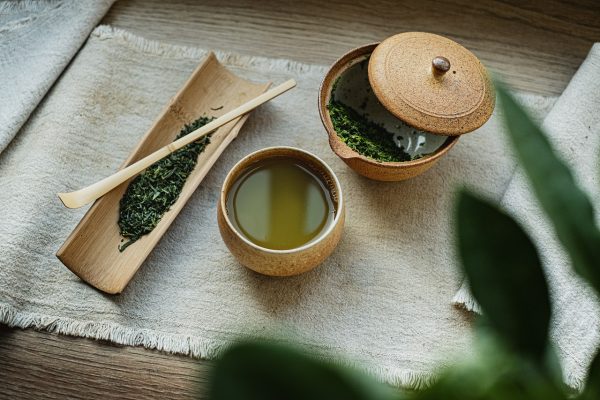
Rooibos is a pleasant full flavoured, slightly sweet and nutty tea from South Africa. Like coffee it can be mixed with milk. It contains no caffeine and very little tannin. It’s also rich in antioxidants and minerals. It reduces stress, irritability and headaches, the opposite of coffee. Plus, rooibos has many other health benefits as well as relieving many illnesses.

7. Reishi Mushroom Tea

Reishi Mushroom tea is the one to take when you’re determined to wipe the slate clean, although it is certainly an acquired taste. This tea has many qualities to recommend it. It’s loaded with antioxidants, a wonderful immune stimulant, lowers blood pressure and is purported to have cancer fighting qualities. It requires long brewing, and you may need to add ginger for flavour, or to sweeten it.

8. Turmeric Latte

Turmeric latte is also known as Golden Milk and brings all the wonderful health benefits of turmeric without any caffeine. It combine turmeric with other spices such as black pepper, ginger, cardamom and cinnamon and milk. It’s rich in antioxidants and anti-inflammatory and offers many health benefits.

Healthier Coffee

If in spite of everything, you wish to continue drinking coffee then consider the coffee you drink and choose the best options around.

  • Firstly, opt for Organic fair-Trade varieties. Coffee is notorious for its dangerous growing practices.
  • If your coffee is milky you might want to think again. Lattes offered by Starbucks for example are high in kilojoules, sometimes as high as fattening desserts like ice-cream or chocolate cake. What’s more, those joules are all in the form of unhealthy fats.
  • The way coffee is prepared affects the caffeine levels. Espresso coffee contains less caffeine than drip coffee and also has the most antioxidants. But it is also the one linked to higher levels of Triglycerides and LDLs.
  • The amount of caffeine in light and dark roasts varies only slightly so choose whichever you like best as it makes little difference.

After all this bad news are you still reading?

If you’re still with me let me know in the comments below what your favourite coffee alternative is.


Disclaimer.

All information and opinions presented here are for information only and are not intended as a substitute for professional advice offered during a consultation. Please consult your health care provider before trying any of the treatment suggested on this site. 

© Catherine Bullard and Happy Holistic Health, 2017. Unauthorised use and/or duplication of this material without express and written permission from this blog’s author and/or owner is strictly prohibited. Excerpts and links may be used, provided that full and clear credit is given to Catherine Bullard and Happy Holistic Health with appropriate and specific direction to the original content.

Natural Remedies For Hay Fever Relief

As winter loses its grip and we have the occasional sunny day some unfortunate people already face the dreaded prospect of seasonal allergies. That’s right, we’re at the onset of hay fever season and that’s enough to ruin anyone’s day. 

Seasonal allergy sufferers have a choice between using conventional treatment or being housebound. Either way they lose. They’re either unable to get out and enjoy the beautiful Spring sun or they can take medications with side effects that really knock them about.

But there are many effective natural remedies for hay fever relief.

 Hay fever occurs when pollen released from grasses and other plants is carried through the air on spring winds. These pollens affect the immune system and cause inflammatory reactions on the mucous membranes. 

Sneezing, itching, runny nose, coughing and congestion, hay fever (or seasonal allergic rhinitis) is enough to ruin anyone’s day. It can affect any of the mucous membranes of the eyes, nose, sinuses, throat and palate, or all of them at once.

But it doesn’t need to be like this!


Natural Remedies For Hay Fever


There are many natural alternatives that can effectively knock hay fever symptoms on the head by providing natural antihistamines. These include herbs, vitamins, kitchen cures and my favourite, homeopathy,

In addition to actual remedies to relieve the symptoms some precautionary practices can help minimise the effect of the allergen on your system. Gifting your liver a Spring clean can reduce the allergic effect. These tips will help you gently detox your liver without doing a ‘full detox’.

  • Vitamin C and the bioflavonoid quercetin have an antihistamine effect to reduce the release of histamine.
  • Vitamin A helps maintain healthy mucous membranes which can improve your response to allergens.
  • Studies have shown a link between low zinc intake and higher allergy risk. Therefore a zinc supplement may help anyone who falls into this category.
  • With any aggravation of the mucous membranes it’s essential to reduce the amount of dairy food you eat. Dairy foods increase the production of mucous on these surfaces and exacerbate congestion. So eat less milk, cheese, ice-cream, cream, yoghurt and butter during hay fever season. And watch for “milk solids” often added to processed foods.
  • Refined starches can also stimulate mucous production. Limit bread and other baked goods to reduce the severity of your symptoms.
  • Increase your intake of omega 3 fatty acids over the season. These can help decrease your hay fever because they help lower the amount of inflammatory chemicals produced when you’re exposed to an allergen.
  • Many herbs including chamomile, stinging nettle, ginger, and butterbur have great use blocking histamine and relieving symptoms. But their effect is often limited to just some of your symptoms, not all. Plus they can take time to have an effect so its better to start taking then before allergy season.


Reduce Hay Fever


Many alternative treatments, including nutrition and supplements, can alleviate hay fever by strengthening the immune system. However they don’t always give immediate relief in the moment when symptoms strike. Some can reduce symptoms when taken in mega dosage but they often need to be taken in combination with others.

Air filters can make a real difference in keeping the air inside your home allergen free. They help keep irritating pollens out of your home especially when placed over windows and doors.

Steaming is an age old practice for breaking up congestion. Add a few drops of eucalyptus essential oil to a bowl of steaming water. Place a towel over your head and breathe in the enclosed eucalyptus-rich vapour to loosen mucous and clear air passages. Tea tree is another suitable essential oil.

And make certain to maintain your water intake to keep your system flushed.

Herbs can provide welcome relief to hay fever sufferers. Butterburr, gingko biloba and garlic all act as antihistamines. However, to be effective they need to be taken for a few months before the symptoms begin to all ow your body to build up a defence.

However, herbs can be a poor choice for someone who is already highly oversensitive to plant material. They may even exacerbate the symptoms. Sometimes a herb commonly used for its antihistamine and anti-inflammatory properties may have the opposite effect. It may even cause the very symptom it’s supposed to cure. The crude nature of herbs may actually be too harsh for some of these highly sensitive individuals. A viable and often effective alternative is Homeopathy.

Homeopathy for Hay Fever

Homeopathy has a great track record for treating hay fever. Symptoms are often switched off almost immediately when the correctly matched remedy is used. I can personally vouch for this. 

In France the most commonly prescribed treatment for hay fever by medical doctors is a homeopathic remedy, simply because it can be so effective and fast-acting.

I’d like to introduce you to some of the more commonly used homeopathic remedies. Homeopathic preparations are excellent to quickly relieve symptoms of acute bouts of hay fever. But there is not a ‘generic homeopathic hay-fever remedy’.

Each person with allergies experiences them slightly differently, with an individual response to the trigger. Homeopathic remedies must be selected to closely match the individual symptom picture experienced by each person. The remedy picture must match your symptoms for it to work.

Combination Remedies

‘Combination Homeopathic Remedies’ are available over the counter (OTC) or online. These remedies include a selection of the more commonly used remedies and so can be used by those with different symptoms. They are useful if you do not know which remedy matches your symptoms.

It is always best to get the advice of a professional homeopath for the best remedy match, but you can also treat yourself with OTC remedies. If the remedy does not provide relief, consult a professional.

When treating yourself select remedies in 6x or 30c potencies, taking one dose four hourly for up to 3 doses. When the right remedy is selected symptoms should improve after the first or second dose. If symptoms don’t improve after the third dose you probably have the wrong remedy. Go back and again compare and match the remedy picture to your symptoms for a closer match. If symptoms reappear later take one more dose. Pay particular attention to what makes your hay fever symptoms better or worse. These are important pointers to the correct remedy.

These are a few commonly used remedies for symptomatic relief of hay fever. However, if none of these remedies match your symptom picture visit a homeopath who can select the right remedy for you from the hundreds of possibilities.

1. Allium cepa

 Allium-cepa (red onion) is perhaps the most commonly used remedy for hay fever. Use this when sneezing is prominent along with watery eyes that burn and smart. The tears here are non-irritating and don’t affect the skin around your eyes. Instead the copious watery discharge from the nose is acrid and irritates the skin between the nose and upper lip which becomes red and sore. The nose feels blocked and the sense of smell is gone. The voice may become hoarse. When Allium cepa is called for, the symptoms improve outside in the fresh air or in cool air.

2. Arsenicum album

This remedy is very commonly used for hay fever when there’s burning and itching in the throat, nose or eyes. The discharges burn and redden the skin. This person feels quite cold and although they want to be rugged up, their head clears in cool fresh air. They are sensitive to light.

3. Euphrasia

Eyes that feel swollen and gritty call for the remedy Euphhrasia. The copious watery tears are acrid, unlike Allium cepa, and they irritate and burn the skin around the eyes and even the cheeks. There is a watery discharge from the nose which is bland and non-irritating. There may be much sneezing. Symptoms are worse outside in the open air, and also worse from heat or wind. (Notice how the symptoms of Allium cepa and Euphrasia are opposite to help you distinguish which is a closer match)

4. Natrum muriaticum

Violent sneezing is a symptom that may call for Nat mur, particularly when it is accompanied by itching and tingling inside the nose. There may be a watery or egg white like nasal discharge, although not usually at the onset of hay fever. These symptoms get worse after being out in the sun. Taste and smell are lost. Cold sores may occur at the same time. The person needing Nat mur may feel sad or sorry for themselves and want to be alone, and they feel better outside.

5. Nux vomica

Sore, smarting eyes that are light sensitive call for Nux vomica. The nose feels stuffed up making breathing difficult. There may be a streaming discharge through the day even though the nose feels stuffy. At night the nose dries up. This person feels irritable, even nasty, and chilly. Other people can really annoy them. They may have a headache with the stuffy nose which is made worse from stooping. Their symptoms are worse in dry air and better when the air is damp. These people have a tendency to over work, and may crave coffee to keep them going

6. Sabadilla

Eyes that water with red burning margins of the eyelids, and lots of watery nasal discharge indicate the need for Sabadilla. There is much sneezing which occurs in spasms, one sneeze after another, caused by a tickle in the nose. The sneezing causes the eyes to water. This person is very sensitive to the smell of flowers which may exacerbate the sneezing. Warm drinks may relieve the tickle in the throat. This person feels very chilly, and the symptoms are worse in the open air and better in a warm room.

These are just a few of the hundreds of homeopathic remedies used for treating hayfever. If you cannot match one to your symptoms consult a professional for a closely matched remedy.

Hay Fever Prevention

Homeopathic treatment can be excellent for preventing, as well as treating, hay fever attacks. But for prevention it must begin well before the hay fever season. While you can use homeopathic remedies during an acute attack to quickly relieve symptoms, improving your ability to withstand the impact of pollen needs forward planning. Visit a professional homeopath about six months before hay fever season. They will treat you to improve your resistance to allergens in order to prevent, or reduce, further attacks in the future.

I experienced terrible hay fever when I was younger. But I haven’t had any for years and years after taking preventative homeopathy over one winter years ago.

How do you deal with your hay fever?

Please share you favourite natural cure with us in the comments below.

Disclaimer

All information and opinions presented here are for information purposes only and are not intended as a substitute for professional advice offered during a consultation with your health care provider. Do not use this article to diagnose a health condition. Speak to your doctor if you think your condition may be serious or before discontinuing any prescribed medication. Please consult with your health care provider before following any of the treatment suggested on this site, particularly if you have an ongoing health issue.

 © Catherine Bullard and Happy Holistic Health, 2017. Unauthorised use and/or duplication of this material without express and written permission from this blog’s author and/or owner is strictly prohibited. Excerpts and links may be used, provided that full and clear credit is given to Catherine Bullard and Happy Holistic Health with appropriate and specific direction to the original content

Reduce Chronic Inflammation

chronic inflammation

Many people think of inflammation as being skin redness, joint swelling after exercise, or even a pimple. And it is. But there’s a different kind of inflammation that is more insidious. This is chronic inflammation, or systemic inflammation. It’s a slow, silent attack on your body and health that never switches off. And worse, it’s the underlying cause of many serious chronic diseases in our lives. Luckily there are simple changes you can easily make to reduce the chronic inflammation in your cells.

You actually need some degree of inflammation in your body to stay healthy. However it’s more and more common for the inflammatory response to get out of hand.

Inflammation serves an important purpose but when it continues indefinitely it can become dangerous. You know your immune system is stuck in “high alert” when inflammation doesn’t recede. And this is where chronic disease develops.

Effects of Chronic Inflammation

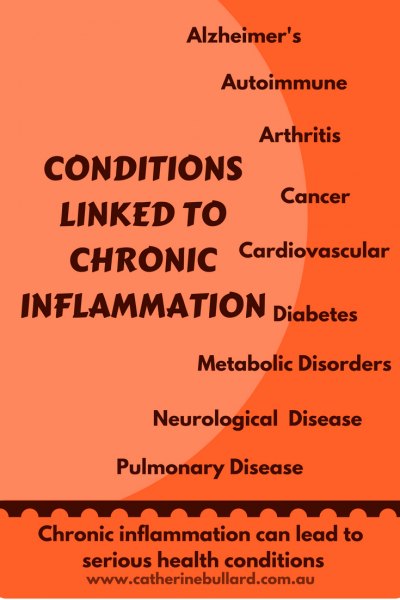
Many common chronic illnesses today are thought to develop when the body is in a state of chronic (or systemic) inflammation. Osteoarthritis, autoimmune diseases, allergies, asthma, IBS, heart disease and even cancer are just some indicators of chronic inflammation.

Many things in life both contribute to and maintain chronic inflammation. Excess weight, lack of exercise, poor diet, excess alcohol, poor oral health and ongoing stress are just some factors that lead to it. Others such as pollution and toxins in our environment can also contribute.

Stress And Chronic Inflammation

For many people stress can be the major problem. Cortisol is an important part of your body’s stress response to perceived threats. So levels of the hormone cortisol rise in response to any stressful situation.  However, when stress of any type is ongoing the cortisol release mechanism doesn’t turn off. This results in persistent low grade inflammation. In some cases it can go on forever.

The first step to turn off the chronic inflammation response is to change your lifestyle. Simply switching to an anti-inflammatory diet is a great starting place for a significant impact.

Conditions Linked to Chronic Inflammation

  • Heart disease – stroke, hypertension
  • Diabetes
  • Lung issues – asthma, hay fever, COPD, chronic bronchitis, emphysema, breathing difficulties
  • Bone and joint disease – all forms of arthritis, osteoporosis
  • Depression – including feeling down, sleep problems, appetite loss
  • Cancer
  • Anger disorders, aggressive behaviour
  • Autoimmune – Crohn’s, Lupus, Type 1 Diabetes, colitis, IBD,
  • Neurological disorders –  Parkinson’s, Alzheimer’s, depression, Multiple Schlerosis,

Common Causes of Inflammation

Excess Weight

Stacking on the kilos causes fat cells to grow. This leads to immune system distress and results in an inflammatory response within the fat cells.  Over time these cells become insulin-resistant which can lead to diabetes.

Chronic stress

Whether it’s a terrible job, unhappy marriage, sick parents, overfull diary or worry about your kids makes you anxious, they’re all chronic stressors. Chronic stress causes unchecked chronic inflammation.

Poor Air Quality

Chronic inflammation is one result of smog or any other form of pollution. Tobacco smoke is probably the worst form of air pollution.

Gut Health

The gut is integral to your immune system. Seventy percent of it is seated within the gut. Therefore bacteria balance is crucial to the regulation of inflammation. Beneficial bacteria suppress inflammation and harmful bacteria activate it. Boost the beneficial bacteria and reduce inflammation.

Certain foods contain inulin, a prebiotic which feeds beneficial gut bacteria and keeps your gut healthy. These include onions, raw asparagus, raw dandelion greens, raw banana, yoghurt, sour cream, and raw leeks.

Gut inflammation can initiate diseases like Crohn’s or rheumatoid arthritis.

Alcohol

That relaxing evening drink might reduce your stress initially. But it also releases inflammatory toxic by-products as it breaks down.

Contraceptives and Hormone Treatment

Oral contraceptives cause low-grade inflammation. Research shows women taking the pill show high levels of inflammation markers.

Poor Diet

High-sugar, high-carb and high-fat diets are your enemy.  They all contribute to inflammation, but excess sugar is particularly dangerous. High GI foods cause a sudden dump of sugar into your bloodstream which triggers the inflammatory response.

Inflammation Fighters

Reduce Stress

Lowering stress is the key to reducing inflammation, whatever the cause. When stress is caused by anxiety or depression simple practices such as deep breathing can help reduce it.

Homeopathic remedies, flower essences and some herbs are natural alternatives to pharmaceutical medications to manage the effects of stress. Speak to your natural health practitioner about the best remedy for you.

Anti-Inflammatory Foods

Mediterranean style diets are anti-inflammatory. They include more fish, fresh vegetables and fruit, healthy fats, and moderate amounts of nuts. These types of diets include very small quantities of red meat and dairy foods. Plus, they also reduce alcohol apart from moderate amounts of red wine. However, purple coloured foods like grapes are the perfect replacement for red wine as they don’t include the inflammatory alcohol.

Omega 3

A vital component of these diets is omega-3 fatty acids. Omega-3 inhibits the enzyme that produces inflammation triggering prostaglandins. Plus, they’re awesome for your heart and entire cardiovascular system as well as your nervous system.

Some of the best sources of omega-3 are cold water fish such as sardines, salmon, tuna, herring and mackerel. Eat about 300-350 grams two to three times a week.

Fresh Produce

  • Fruits and vegetables are chock-full of antioxidants to reduce free radicals and fight inflammation. Each different colour of produce contains different antioxidants. So eat a full rainbow of fruit and vegetables to get the full range.
  • Avocados are a marvellous anti-inflammatory food. They’re loaded with many awesome compounds. Omega-3 fatty acids and carotenoid antioxidants help reduce inflammation.
  • Cruciferous vegetables contain sulforaphane which reduces chronic inflammation linked to joint deterioration. They include broccoli, kale, cauliflower, Brussels sprouts, cabbage plus others.
  • Watermelon contains lycopene to neutralize free radicals and inhibit the inflammatory process.
  • Nuts, especially walnuts, are an excellent source of omega-3 to reduce inflammation. Extra-virgin olive oil is another.
  • Onions contain quercetin which inhibits histamines that cause inflammation
  • Coconut oil is anti-inflammatory and has many other health benefits
  • Berries are rich in antioxidants particularly anthcyanins which produce their dark red colour
  • Wholegrains like brown rice and quinoa contain high levels of fibre to feed beneficial gut bacteriato reduce inflammation.
  • Chia seeds contain lots of omega-3 as well as fibre and protein.

There are many more anti-inflammatory foods including pineapple, spinach, raw oats, garlic, extra-virgin olive oil, beetroot, green tea and dark chocolate. Include as many as you can in your eating plan.

Turmeric

Turmeric contains curcumin which provides its glorious golden colour. An extremely potent natural anti-inflammatory, it’s very effective at shutting down the activation of inflammatory pathways. As well as easing inflammation and associated pain in back, joints and arthritis it also helps prevent cognitive decline.

Reduce chronic inflammation in your body today
to help keep serious chronic disease at bay.

Disclaimer

All information and opinions presented here are for information purposes only. They are not intended as a substitute for professional advice offered during a consultation with your health care provider. Do not use this article to diagnose a health condition. Speak to your doctor if you think your condition may be serious or before discontinuing any prescribed medication. Please consult with your health care provider before following any of the treatment suggested on this site, particularly if you have an ongoing health issue.

© Catherine Bullard and Happy Holistic Health, 2017. Unauthorised use and/or duplication of this material without express and written permission from this blog’s author and/or owner is strictly prohibited. Excerpts and links may be used, provided that full and clear credit is given to Catherine Bullard and Happy Holistic Health with appropriate and specific direction to the original content

Health Benefits Of Lemons

With so much hype surrounding new and exotic superfoods it’s very easy to forget the simple traditional superfoods that have stood the test of time. These are the superfoods we’ve been using every day for generations without even thinking of the incredible health benefits they bestow.

Traditional superfoods are readily available and much less costly. One of the most valuable of the traditional superfoods is the humble lemon, peel and all, which certainly packs a powerful punch when it comes to turbo-charging your health.

Lemons really are a wonder food loaded with nutrients and health benefits. Well-known as an excellent source of vitamin C, they also contain a wide range of other nutrients. These include flavonoids, vitamin B-complex, calcium, magnesium, potassium, iron, copper and phosphorous, citric acid and fibre.

LEMONS – ACIDIC OR ALKALINE?

Many people get confused about whether lemons are acidic or alkaline. They wonder how lemons can be an “alkaline food” when they’re so acidic to taste. In fact they’re both.

Outside the body lemon juice is acidic. But once the lemon juice has been fully metabolised within the body and its minerals have been dissociated into the bloodstream its effect is alkalizing..

This means it raises the pH of body tissues making them alkaline. In acidic environments the structure and function of the cell are damaged. Lemons help to return the body to a healthier alkaline state to fight off the wide range of dangerous and unpleasant illnesses including cancer associated with acidic body fluids.

Lemons are one of the most alkalizing foods around.


WARM LEMON WATER, YOUR #1 HEALTH PRACTICE

My Number 1 Wellness Recommendation

If you can only do ONE thing to improve your health, then it should be to drink the juice of half a lemon in a glass of warm water every morning. The trick is to do it when you first rise in the morning, half an hour before you eat or drink anything else.

The combination of lemon and warm water encourages the production of bile by the liver. This supports the liver, prevents liver disease and helps eliminate toxins. It stimulates gastric juices and acts well to cleanse the bowel.

Even just adding a few drops of lemon juice to water or food can aid in digestion and cleanse the system.

How Lemon Water can Boost Health

✧ Help weight loss

✧ Improve digestion

✧Assist your liver to eliminate toxins

✧ Help elimination of toxic wastes

✧ Balance pH within your body

✧ Protect your cardiovascular and nervous systems

✧ Boost your immune system

That’s 7 brilliant reasons for you to drink warm lemon water in the morning

Here’s instructions about how to make and take Warm Lemon Water so you can start right away.

But warm lemon water is only the beginning of discovering the beauty and power of the lemon. Read on for other reasons to eat more lemons.

13 REASONS TO EAT LEMONS EVERY DAY

1. Blood Sugar Regulation

The incidence of Insulin Resistance is increasing. It occurs when the body fails to respond to its own blood sugar regulator, insulin. When blood sugar levels increase, it can lead to diabetes. Eating a low GI (glycemic index) diet combined with weight management are essential in managing this condition.

But selecting foods with low to medium GI ranking is just the start. You can do more to lower the glycemic index of your meal by up to 20 -40% just by adding a few teaspoons of lemon juice. Lemon juice lowers the insulin response to carbohydrates. It also slows down the time it takes a meal to leave your stomach – a key to dropping your weight

2. Fight Cancer

Lemons contain 22 anti-cancer compounds including limonene. Limonene is a natural oil that helps to slow or halt the growth of cancer. Lemons also contain flavanol glycosides which can halt cell division in cancers. This study showed the limonoids present in lemons and other citrus fruit, impede both ER+ and ER- breast cancer cell growth. It supports past studies which showed lemon consumption may lower breast cancer risk. This study shows limonene protects against digestive and upper respiratory tract cancers.

3. Eye Protection

The rutin in lemons can help maintain eye health and protect against disorders like retinopathy.

4. Cardiovascular Benefits

The bioflavonoids in lemons help strengthen blood vessels and keep them soft and pliable. They prevent internal haemorrhage and are useful for reducing high blood pressure.

5. Calm Digestion

Adding just a few drops of lemon juice to your meal helps with both indigestion and constipation, as it acts as a blood purifier and cleansing agent.
6. As an Antiseptic

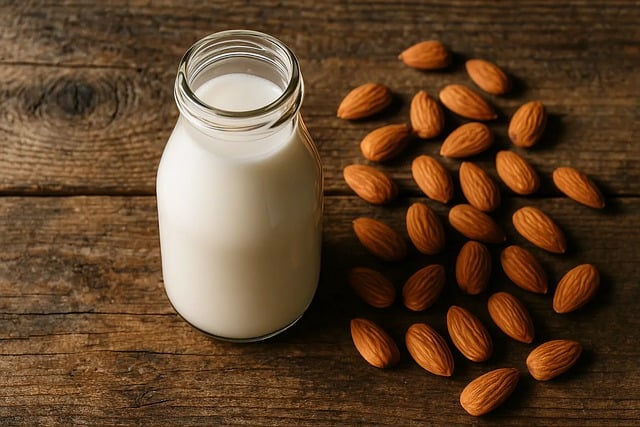
Lemons are useful for treating acne because they have powerful antiseptic properties. As an antibacterial they destroy intestinal worms which thrive in an acidic digestive system. Changing the gut environment to alkaline destroys them.

7. Reverse Low Oxygen

Lemon juice is very useful in places with insufficient oxygen. Perhaps you should carry some if you are heading to high mountainous places. Sir Edmund Hilary attributed his success on Mt Everest to lemons. It’s useful in any situation where oxygen levels are low, relieving breathing and respiratory symptoms.

8. Brain and Nerve Health

Lemon peel has been proven to be effective for brain disorders such as Parkinson’s disease. Rich in potassium, lemon juice stimulates brain and nerve function to improve concentration, memory and calm.

9. Dissolving Kidney Stones and Gallstones

Lemons are well known for their benefit in treating kidney stones. Citric acid in the juice of the lemon helps to dissolve gallstones, kidney stones and calcium deposits. It also helps prevent the formation of crystals.

10. Neutralise Free Radicals

Lemons are rich in flavonoids with antioxidant properties which neutralize free radicals and prevent ageing.

11. Skin Care

When lemons are mixed with honey and applied to the skin they bring a healthy glow and act as an anti-aging remedy. They can help remove wrinkles and blackheads.

12. Immune Support

Lemons are rich in immune boosting vitamin C and flavonoids. These strengthen the immune system to fight off colds and flu. Combined with honey and warm water, lemon is one of the most effective treatments for colds and coughs.

14. Anti-Inflammatory

The antioxidants in lemons are an excellent anti-inflammatory. They help reduce joint inflammation and pain by dissolving uric acid. Lemons can relieve painful joints, sciatica and lumbago.

Finally, lemons cleansing abilities can provide a wonderful way to detox.

Lemons are a brilliant blood purifier to help remove toxins from the body. This includes radiation and lemon juice drinks offer support to those undergoing chemotherapy.

The juice, roughage and skin of lemons all have benefits to your health. Make sure to include this traditional superfood in your diet for the many amazing health benefits of lemons.

Disclaimer

The Information contained on this site is for your general health information. It is not intended to be used as medical advice and should not be used to diagnose, treat, cure or prevent any medical condition, nor should it be used for therapeutic purposes. The information is not a substitute for independent professional advice and should not be used as an alternative to professional healthcare. If you have a particular medical problem, please consult a healthcare professional.

© Catherine Bullard and Happy Holistic Health, 2016. Unauthorised use and/or duplication of this material without express and written permission from this blog’s author and/or owner is strictly prohibited. Excerpts and links may be used, provided that full and clear credit is given to Catherine Bullard and Happy Holistic Health with appropriate and specific direction to the original content

Natural Cures For Winter Coughs, Colds And Flu

Winter’s here and with that comes coughs, colds, and flu. As the air crisps and the autumn leaves finish you need to consider whether you’re well enough to get right through winter without falling victim to winter illnesses. And if you’ve already had a few sniffles, you can be certain the answer is “no”.

If you haven’t already prepared yourself to weather winter natural remedies can support you in best health and wellness. But you need to act now before winter takes hold. These natural remedies for coughs colds and flu will help you through without getting too sick.

PREVENT WINTER ILLNESS

Along with morning mists and cold air come winter illnesses, and many have already fallen victim to them. When you feel terrible it’s natural to think you’ve caught the flu. Although only about 20% of viruses that look and feel like flu actually are, it doesn’t stop the others from being downright unpleasant and highly contagious.

Preparing for winter should begin with a careful plan to strengthen your immune system. Ideally, you’d start it at the end of summer when the weather first cools. But if you’re unprepared and have already had a taste of the winter illnesses that lie ahead you can use these tactics to help you get through with minimum impact.

Over-the-counter cold and flu medications make you feel better because they suppress symptoms for a while. But they don’t actually make you well any faster. For that you need to look at other options.


NATURAL COLD AND FLU PREVENTION

There are many awesome natural remedies for coughs colds and flu that effectively treat winter illness. But they’re even more effective if you first fix bad lifestyle habits first.

Sleep

Good sleep is the most important lifestyle factor for glowing health. Adults need seven to eight hours uninterrupted sleep every night. It’s vital to develop regular sleep habits because a healthy immune system is the direct result of sufficient quality sleep.

Your sleep environment is crucial. Most people know they shouldn’t use their electronic devices before bed, but few actually stop. Using devices an hour or less before sleep is like having someone stand beside your bed shouting “stay awake”. They prevent good sleep.

Creating bedtime rituals contributes to better slumber. Declutter your bedroom. Introduce relaxation practices before bed. Don’t go to bed with a full stomach or hungry.

Hygeine

You know to wash your hands often during flu season. When someone with a cold or flu touches their keyboard, phone, or a glass the virus spreads onto the surface. Hours later the virus can still linger and be transferred to you when you touch the same surface.

Exercise

Keep up exercise through winter changing it to suit the season. Slow gentle exercise and stretching helps move lymph fluid through your body to remove waste from the cells. Aerobic exercise increases your body’s natural virus-killing cells. But don’t exercise when you get sick.

Foods

Sugar and grain weaken the immune system. Your immune system is compromised by 50% for up to four hours after eating sugar.

Supplements

Some supplements benefit the immune system and can help prevent colds and flu.

Vitamin D

Vitamin D produces antimicrobial peptides in your body to kill viruses and bacteria. Many people are deficient in this crucial vitamin particularly in winter. Vitamin D is sourced from sunlight so it’s common for your levels to drop dramatically when sunlight is scarce or weak over winter.

Zinc

Strong immunity depends on good levels of the trace element zinc, but many people are deficient. Zinc increases production of white blood cells to fight infection. Low zinc levels leave you much more susceptible to infection.Save

Vitamin C

Vitamin C is an antioxidant that provides your immune system with extra power to fight off viral illness. Lemons, limes, oranges, red pepper and broccoli are all good sources or take a daily supplement.
Garlic

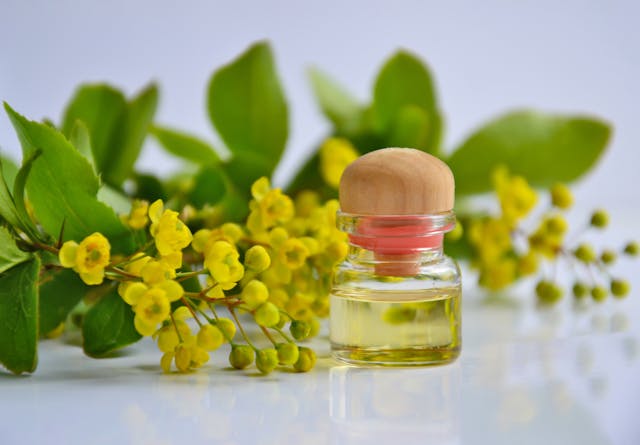
Garlic contains allicin, a broad-spectrum antimicrobial often referred to as natures antibiotic. It needs to have a strong garlic odour for it to work properly.

Probiotics

Studies show that taking lactic acid bacteria long-term can protect against flu infection. Begin well before winter.

Homeopathy

There are many homeopathic remedies for fast relief of coughs, colds and flu symptoms. While you can buy combination remedies from health food stores, the most effective homeopathic remedies are individually matched to your specific unique symptoms. See below for more.

Herbs

The herb Echinacea helps fight infection, and is most effective during the first twenty-four hours of your illness. Goldenseal inhibits the formation of mucous. Olive Leaf extract strengthens the immune system. It contains the antioxidant oleuropein which is anti-bacterial, antiviral and anti-inflammatory.

If You Still Get Sick…

If you are unfortunate and still get sick in spite of taking precautions your body is telling you to slow down. Falling ill is a sign your immune system is compromised and needs support. Your body needs time and rest to recover. Before continuing to soldier on at work decide whether going to work means spreading germs through your whole workplace.

Prevent Winter Ailments & Recover Fast

  • Don’t keep going. Allow your body to rest.
  • Drink water, and then drink some more.
  • Powdered Vitamin C in juice or water is easier to swallow than tablets. It soothes sore throats as it passes over the inflamed mucous membranes.
  • Add freshly cut ginger, lemon and honey to hot water for a healing drink. Ginger helps break down and expel mucous, lemon is high in vitamin C and honey is an antibacterial and antiviral which soothes sore throats.
  • Only take warming foods and drinks. Cold food and drink weakens your immune system and can lead to a worse cough.
  • Hot baths followed by wrapping well can help sweat the virus out of your system. Don’t wet your hair. If you’re suffering from aching muscles add 1 – 2 cups of Epsom salts to ease muscular pain.
  • Avoid dairy, wheat, eggs and bananas which are all mucous forming.
  • Avoid sugar which compromises your immune system

    Homeopathy For Coughs, Colds & Flu

    Many excellent homeopathic remedies relieve coughs, colds and flu. They are virtually free of side effects, are non-addictive and safe when used within homeopathic prescribing guidelines, Homeopathic remedies work at the level of the immune system and can affect your overall health. Here are just a few.

    Homeopathic Remedies for Colds

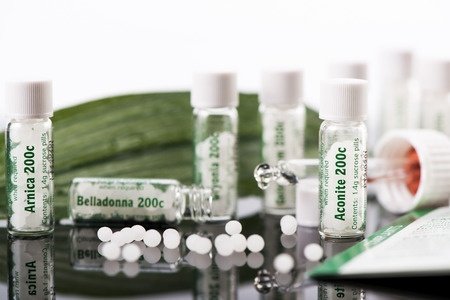
    Aconite

    Aconite is for early stages of colds and flu. Take in the first 24 hours after the onset of the illness as after this it’s unlikely to be useful. Symptoms appear suddenly after exposure to cold, dry winds or after getting chilled. A high fever alternates with chills. The face is warm and flushed, with constricted pupils. A person needing Aconite is fearful, anxious and very restless.

    Allium cepa

    Allium cepa is a great remedy for a common cold with eyes and nose that stream. The eyes are red and smart with lots of bland tears. The nasal discharge is watery and profuse and burns the skin below the nose. There can be much sneezing especially when coming into a warm room. This person always feels better in the fresh air.

    Pulsatilla

    When Pulsatilla is needed the nose blocks in the evening or in a warm room. Nasal catarrh can be thick or watery, and yellow or yellow-green colour. There may be inflamed eyelids with a thick discharge from the eyes. Taste and smell may be lost. This person is markedly better in the fresh air and for cold applications. They are much worse getting hot, when they lie down, or in a warm room which can cause sneezing. Their mood may be tearful, affectionate – even clingy, and they have a strong desire for company.

    Natrum muriaticum

    There will be profuse watery nasal discharge like raw egg white and violent sneezing when Nat mur is needed. The eyes are sore and sensitive to light. Patients feel worse in the sun and in warm stuffy rooms and better in the open air.

    Homeopathic Remedies for Coughs

    Spongia

    A great remedy for dry, irritating, spasmodic coughs with great dryness of air passages. The throat is dry and constricted and breathing rasping and wheezy. There’s very little expectoration which tastes salty. This person is worse in a warm room and from talking. They’re better for swallowing, warm drinks, and for sitting up and bending forward.

    Rumex crispus

    Rumex has an incessant hoarse, barking cough that comes in paroxysms. They feel like there’s a crumb stuck in their throat which tickles. The cough can prevent sleep and is so affected by cold air they must put their head under the bedclothes to stop.

    Antimonium tart

    The Antimonium cough is one of cold, damp weather. It’s wet and rattling in the chest or larynx, but unproductive. Respiration is difficult and is relieved by expectoration. There’s marked respiratory distress requiring use of the accessory respiration muscles. They are worse in the evening and when they lie down but are better if they sit erect.

    Arsenicum album

    This dry, wheezy cough comes on after midnight. Patients find it difficult to lie down and are fearful they will suffocate. There’s burning pain in the chest or even a darting pain in the upper lung. Respiration is wheezing. They may feel burning heat all over and at the same time be very chilly. They need to be wrapped warmly, but prefer their head open to fresh air. Someone needing this remedy feels exhausted and very restless, often fiddling with the bedclothes. They’re worse from cold in any form and better from heat and warm drinks.

    Hepar sulph

    A dry, hoarse cough comes on after exposure to cold, dry winds. The voice is hoarse or even lost. They will cough whenever any part of their body gets cold or is uncovered, especially from a draft of cold air under the duvet. A useful remedy for croupy barking coughs. They’re much worse in cold, dry air and better in warm, moist air.

    Homeopathic Remedies for Flu

    Oscillococcinum

    This is the number one homeopathic remedy for flu. If taken at the onset of flu it reduces the duration and intensity significantly. It’s indicated for symptoms of flu including fever, chills, aches and pains. Take it as soon as you show any sign of getting the flu. Once flu has become established you may need a different remedy.

    Gelsemium

    This type of flu develops slowly and creates a feeling of fatigue and great heaviness. Everything feels heavy, even the eyelids. Limbs tremble and there’s a feeling of great unsteadiness. Shivering and chills are felt up and down the spine, without perspiration. There may be a headache like a tight band right around the head. The person feels dull and very sleepy with concentration difficult. They are dry but not thirsty. They generally feel worse mid-morning and when the weather changes from dry to cold and wet. Strangely they feel better after urinating, from stimulants like alcohol, or in the open air.

    Eupatorium perfoliatum

    This remedy is needed when severe aches and pains spread to the bones as well as the muscles. Even the eyes ache. There’s a chill followed by sweating. The head may throb and feel like tight pressure on the whole skull. The face is red and congested and the person is very thirsty. They feel worse if they move, outside in the open air, or from 7-9am. They’re better from rest or warmth, and everything except the headache is better after perspiring.

    Baptisia

    Baptisia is a good remedy for gastric flu with vomiting and diarrhoea. It comes on suddenly with high fever and profuse perspiration. They have an intense thirst. The muscles are very sore. This person is quite delirious with confused ideas. They feel as if their limbs are in pieces and scattered all over. They look dazed and sluggish, even falling asleep while talking. Their face is dull and red. They are worse in humid heat and indoors.

    These are just a few of the more common homeopathic remedies for these ailments. If these don’t fit your symptoms consult a Homeopath for a fast relief remedy expertly matched to your symptoms.

    Nurture Yourself

    Remember once you start to feel better you are more vulnerable than normal and so you need to take things easier for a while. Cut back your schedule and keep your stress levels down to prevent any relapse. Be kind and allow yourself some self-care.

    Disclaimer

    All information and opinions presented here are for educational information only and are not intended as a substitute for professional advice offered during a consultation with your health care provider. Do not use this article to diagnose a health condition. Speak to your doctor if you think your condition may be serious or before discontinuing any prescribed medication. Please consult with your health care provider before following any of the treatment suggested on this site, particularly if you have an ongoing health issue.

    © Catherine Bullard and Happy Holistic Health, 2016. Unauthorised use and/or duplication of this material without express and written permission from this blog’s author and/or owner is strictly prohibited. Excerpts and links may be used, provided that full and clear credit is given to Catherine Bullard and Happy Holistic Health with appropriate and specific direction to the original content

    Source Articles

    http://www.health.harvard.edu/staying-healthy/blue-light-has-a-dark-side

    www.sandiegohomeopathy.com/downloads/CoughsColdsFlu.pdf

    Ground Yourself and Connect to Earth Frequencies

    Grounding is one of the most simple and fundamental ways to rebalance your energies. Walking barefoot on the earth immediately makes you feel whole again, but it isn’t the only way to ground yourself and bring you back to centre.  Here are eight ways to ground yourself with thanks to Adam Lanka of healthy holistic living

    The term grounding means connected to the Earth, and it is one that spans numerous different cultures, traditions, and spiritual practices. While it is associated with feelings of balance, connection, centeredness, sinking, being anchored and in the flow, I would like to explore the greater implications of what is happening every time you go outside and relax into nature.

    All species upon our planet are shaped by the forces and presence of the Earth and the cosmos, and as such this connection is deeply inherent to a sustainable state of well-being. The Earth, as an organic and inorganic system, is constantly bathing all life on the planet with its highly ordered and coherent electromagnetic field. The natural tendency of an organism is to couple with the Earth’s energy field, and come into a state of mutual cooperation and harmony with its external environment, finding its niche and its place within a system.

    What we need to understand is that all systems strive to achieve, return to, or maintain a state of pure coherence. In every single moment, whether one is aware of it or not, we are taking part in a constant process within our universe, coupling with other energy fields and finding some sort of balance within this space. This happens everywhere, with life within an ecosystem, when you sit down in your favorite chair and watch television, when you play with animals, or when you say hello to your neighbor. We are constantly interacting with the energy fields all around us in varying degrees and to varying results.

    The more organized or coherent these fields are, the more effectively and efficiently energy can be transferred to both stimulate and enhance the lesser organized of the two. Of utmost important to all life on our planet, the Earth’s field has a normal lower range of ~7.8 Hz, also known as the Schumann Resonance.

    This natural rhythm is found in multiple places within the human organism, and it is inherent to functioning at our most efficient, sustainable, and coherent state. The human body cavity resonates at 7.8 Hz. Our Alpha and Theta brain waves both border the frequency of 7.8 Hz. These brain waves are associated with insight, intuition, inspiration, meditation, relaxation, and calmness.

    Thus, the Earth resonates with our biological system, bringing us into a state of greater coherence. This enhances our mental, emotional, and physical wellbeing. When grounded, organisms operate more efficiently and harmoniously and can more freely access the Earth’s stabilizing electromagnetic energy to increase vitality, health, wellness and enjoy a prolonged lifespan.

    This is ancient knowledge that is expressed in widely different cultures, traditions, and spiritual practices, and it all draws from our connection to the Earth. It is then important to become aware that the dominant Western paradigm in the world at the moment is largely set up to alienate people and hinder this connection to the Earth.

    The economic system is set up to keep people inside generating information, in large buildings of stone and metal that disconnect us from the Earth. We surround ourselves with machines and technology that constantly bombard us with electromagnetic radiation, i.e. telephones, computers, televisions, etc. We are sold pieces of insulating plastic or rubber to put onto our feet when we are out in nature, hindering the flow of energy from the Earth up into our physical vessel. Pollution and invasive procedures within the Earth distort the electromagnetic field.

    Thankfully, we can cultivate our connection to the Earth and facilitate a more coherent, healthy state of being through the practice of grounding. Below are detailed many different methods that one can utilize to bring the human organism back into harmony with the Earth’s energetic field:


    Simple Ways Of Grounding Yourself

    1. Go Outside

    Be out in nature; go to a field, a mountain, a swamp, a river, a stream, a beach, the ocean. Get out of the office, off of the couch. Be in the presence of nature, be in the presence of life.

    2. Walk in Nature Barefoot

    Enjoy some quality barefoot time. The human species has thrived for thousands of years barefoot, let’s take the time to return to this practice in our daily life.

    3. Hug a Tree

    It’s science; go couple and touch another organism to balance your energy field.

    4. Use Grounding Technology

    Many people and companies have developed technology to ground you and replenish your body with negative ions. The Earth is the largest electron donor and receiver, and the ideal PH of the human body is alkaline to neutral. Germs, bacteria, parasites, viruses have a positive charge and thrive in an acidic environment.

    Using grounding electrodes helps increase the electro-negativity of the human organism, making the internal environment more alkaline, which is widely recognized as critical to a healthy immune system.

    Innovative products for grounding the body in unnatural environments like the Earthing mat, or the Earthing sheet from Earthing.com are practical ways to maintain harmonizing electro-magnetic contact with the earth.

    5. Utilize Visualization

    As conscious beings, we can alter and regulate our energy field through our changing emotions, and how we choose to feel. Visualization is an ancient practice that is incredibly effective and can be done in any moment, no matter where you are. Below are a few techniques that are quite effective.

    spiritual grounding

    6. Grounding Chord

    Visualize, see, feel, or simply be aware of the center of the Earth and the free energy that it emits. With your mind and heart, reach down into the core, and pull up a pulsing, twisting chord of energy from the depths of the Earth. Hook this chord onto your root chakra, or sacral chakra as well for women, and feel the immediate connection between you and the Earth as the energy flows through you. You may become aware of a sinking feeling, a tightening and flexing of the perineum and muscles in your groin and butt area. Conversely, you can also flex these muscles and concentrate on sending the chord down into the Earth, as well.

    Practice and repeat this process as often as you need. Experiment with different chords of different colors and thicknesses, and experience the incredibly wide variety of sensations that it will instil in you.

    7. Tree Meditation

    Visualize, see, feel or simply be aware of your body, and become a tree. Feel your feet grow roots that sink down into the Earth and anchor you to it. Feel your legs and thighs become wood as well, as the roots that grow up from the ground encircle and entwine themselves around your legs, and continue to spread up your body. Feel the straightening in your spine as you become a trunk, feel the energy rising from the Earth up into your stomach, into your heart, into your head. Feel your arms become branches that grow, stretch, and reach for the sky, drinking in the light of the sun and changing it into energy. Feel your crown open as it fills with light, which then flows down into your roots and into the Earth.

    8. Mountain Meditation

    Visualize, see, feel, or simply be aware of your body becoming a mountain, turning into stone. We see only the tips of mountains, their roots run deep into the Earth. Feel your legs and lower body anchoring into the bedrock and stone of the Earth, and the feelings of peace and calmness that come with it. Become the base of the mountain as it grows upwards and reaches into the sky. Feel your crown as the top of the mountain, where the Earth and sky meet and mingle; the connection of these two opposite spectrums that are in perpetual balance.

    techniques for grounding yourself

    We have the ability to regulate and change our state of being. While indeed we are a product of our environments, constantly in the presence of other external forces and influences, we always have a choice as to how we choose to feel and how we respond. We have the choice to change our external and internal environment to come into a state of greater harmony and coherence. I invite you to utilize the information and techniques above to increase your coherence, elevate your vibration, and take your power back to be the change in the universe you wish to see.

    Disclaimer

    All information and opinions presented here are for information purposes only and are not intended as a substitute for professional advice offered during a consultation. Please consult with your health care provider before following any of the treatment suggested on this site, particularly if you have an ongoing health issue

    Adam Lanka

    Adam Lanka, originally from North Carolina, is a traveling philosopher, energetic arts healer, and physicist. His passion and interest are in bridging the gaps in the dominant paradigm, uniting science and spirituality into one journey of consciousness, and elevating the vibration of humanity. To learn more about Adam, please visit his personal blog, The Wanderlust. Find him on Facebook at Gateway Explorations.


    28 Awesome Ways To Recharge

    Do you feel burned out, run down, and exhausted? That’s no way to enter a New Year! It’s been a tough year for many and now it’s important to regroup and recharge as we roll on towards the year-end. Because I want to help you stay ahead of your game, I’ve put together this list of ways to rebalance and revitalise body, mind and soul so you can be your renewed best, ready for any challenges the New Year throws at you.

    Revitalising yourself has much to do with releasing what no longer serves you and many of these practices involve letting go of the old. With the year drawing to a close it’s the perfect way to say goodbye to the old and make space for all the future holds for you.

    REVITALISE YOUR MIND

    revitalise your mind

    1. Know Your Limits And Set Boundaries

    Whether you’re someone who’s driven by a burning passion or like me, fired by curiosity and always jumping to the next intrigue, you need to set boundaries. Establishing boundaries isn’t about limitation. It’s not only to ensure your adrenal glands don’t give up from over-stress, and it’s not about conserving physical energy. Rather, boundaries give you the space and energy to spend more time pursuing those parts of your life that give you joy. When you have strong boundaries, you can keep right out of others dramas.

    2. Forgive, Forgive, Forgive

    This is so important. Perhaps the most important step you need to take to revitalize your mind as well as your soul is to let go. If you’ve been hurt by someone in the past and are still carrying that heavy, painful, angry burden it’s now time to release it. Even if they’re not aware they hurt you it’s time to forgive. It’s not about negating what happened, but about you releasing the weight and the toxic, destructive impact anger and resentment have on your body and your soul.

    3. Meditate

    There’s absolutely no question about the benefits of meditating – studies just keep underscoring the many ways it benefits your health and wellbeing. Whether you snatch five minutes in the morning, adopt mindfulness through the day or join a meditation class, it’s simply a matter of finding the form that’s right for you and then sticking to it.

    4. Build Better Relationships

    It’s vital to get out of toxic relationships as they cloud your life with negativity. If you feel it’s too drastic to release them completely start small and schedule a day or a weekend free from all the negative people who drain you – even if you love them. Include anyone who’s quick to criticize or totally self-absorbed.

    5. Get Creative

    When you’re completely absorbed expressing yourself creatively just for fun, whether it’s singing, painting, sewing, gardening or whatever you love doing, it’s really difficult NOT to relax and stop stressing.

    6. Expand Your Experience

    get out of your comfort zone

    Challenge yourself by setting a date with just yourself to do something outside your comfort zone. Spend time alone discovering your capabilities. Find something that challenges you like hot air ballooning, scuba diving, attending a gallery, or even public speaking. When you challenge yourself you discover how capable you are. You may even find a new interest.

    7. De-clutter Your Space to De-clutter Your Mind

    Clean out the old and make way for the new. And that applies to everything, whether it’s material possessions, outdated attitudes or even people. The amazing thing is that when you start to de-clutter on any one level it flows through into all levels of you, the physical, mental, emotional and spiritual. After you clear out the living-room you’ll find your thoughts shifting and you may even look at the people in your life with new clearer vision.


    REVITALISE YOUR EMOTIONS

    revitalise your emotions

    8. Give Back

    Volunteer – your time, your knowledge or your support. Volunteer at a food truck, a shelter, or anywhere you are reminded of all the blessings you have in your life.

    9. Be Present

    Set aside some time each day for a thought diet. Limit your thoughts to the here and now, focusing only on the present. Forget the past and let the future unfold in its own time.

    10. Count Your Successes

    We can be quick to criticize our failings but often completely overlook our successes. Give yourself permission to feel proud of ALL your achievements, no matter how small.

    11. Cry And Release

    If you just need to let it all out release it through intentional crying. Run a warm deep bath, add some Epsom salts and essential oils and soak. Cry out all the burdens of the last twelve months. Let it all flow until you feel relaxed, lighter and more positive. Emotional crying releases toxins that are byproducts of stress so your body will be cleaner and lighter too.

    12. Create a Worry Time Window

    If you’re someone who worries chances are it keeps you awake at night and stops you enjoying life to the full. Setting aside ten to thirty minutes each morning or night for just “worrying” frees you up for the rest of the day. When you find yourself starting to worry outside this time put the thought aside to revisit at the designated “worry window” time.

    13. Be Honest

    Lying to others doesn’t honour them or you. Allow yourself the gift of honest thoughts and communication with others. Having to keep up a lie is a heavy burden to carry.

    14. Special “Me-Time” Alone

    Time spent with just you is pure gold. Learning to say “no” to others and making space for yourself in your busy life provides an opportunity to heal and revitalise. It not only helps you connect with your inner wisdom more deeply, it also recharges you. Make time for yourself.


    REVITALISE YOUR BODY

    revitalise your body

    15. Get Outside and Ground Yourself

    Go outside, take off your shoes and sit or stand on the earth, the grass or in the water to ground yourself. Just being in nature lifts your spirits. Our modern environment has a toxic effect on your body and directly connecting your body to the earth through your skin creates a chemical reaction within your cells that helps rebalance you. Focus on being present and breathe deeply to oxygenate your blood and fire up your brain cells.

    16. Simple New Year Detox

    Instead of vaguely vowing on January 1st to “lose weight”, “eat healthy” or “exercise more”, do a mini detox to help you quickly recover from too many festivities. Set aside a day, weekend, even a week to take a break from alcohol, processed foods and sugar. Plan ahead. Get in fresh fruit and veges, wholefoods or minimally processed foods, or even go totally organic. Drink lots of pure water to flush out any toxins. Add warm lemon water in the morning. Do whatever you can manage. You’ll feel clearer with more energy.

    17. Reset Your Sleep Clock

    Adults need 7 to 8 hours sleep every night. Having a sleep-in on the weekend doesn’t balance your sleep bank. When you’re chronically sleep deprived, your brain stops getting the messages that you’re tired so you’re not even aware any longer that you need sleep. If you’re not getting at least 7 hours sleep a night your brain needs retraining.

    18. Get Physical

    Research shows we need physical exercise every day, which could be weights, running or a gym workout. Or instead, you could do gardening, walking, swimming, tai chi, dancing, rope skipping or any other activity you enjoy. I have a really, really long hallway and I love reading. So, when the weather’s foul I walk briskly up and down the hall for 30 minutes, reading all the way. Just get active!

    19. Love The Sun

    Make a daily date with the sun. Not only does it brighten your outlook it also provides you with vitamin D. It’s the only natural source of this essential building block which is required for hundreds of functions in your body.

    20. Drink Up

    Carry a bottle of water with you and sip through the day. You’ll be surprised at how much you manage to drink. Surprisingly when you’re chronically dehydrated your brain mixes up the messages it gets from your cells and tells you “you’re hungry, go eat” instead of “go drink”. Also too many people substitute coffee, tea or soft drinks for water, which act as diuretics and deplete your body of moisture.

    21. Eat A Rainbow

    eat a rainbow

    Who doesn’t love a rainbow? The colour of fruit and vegetables tells you which antioxidant it contains. It’s not enough to have just one or two colours, you need the full range. So aim for five or more different colours on your plate to get a broader range of antioxidants.


    REVITALISE YOUR SOUL

    revitalise your soul

    22. Practice Gratitude

    Remind yourself of just how fortunate you are and of all the bounty in your life. Keep a Gratitude Journal to record three things you are thankful for each day, no matter how small.

    23. Evict Your Inner Critic

    silence your inner critic

    We’ve all got one, that voice inside our head that’s so quick to point out all the holes in our plans, to warn us we don’t have what it takes to succeed and to remind us of our past mistakes and failures. I used to call mine “The Committee” because sometimes it felt like a whole group was ganging up together to completely overpower me. But you can evict them.

    If you’re a gentle person bribe that inner critic outside your head, or explain nicely that you’re the boss and have the final word. If you’re a bit blunter you could do as I did. Whenever that “Committee” started criticising I’d jump in with “sit down and shut up” before they could get going. It’s amazing how quickly you can silence the critic simply by deciding that YOU’RE the one in the driver seat who makes all the final decisions.


    24. Release Guilt

    Guilt is simply homework from your Inner Critic. When you reclaim control from the critic you don’t have to carry the guilt either. Write down what you feel guilty about, the whole story if you want, and finish it with “I forgive you” (that part is really important). Next read it out loud. Lastly burn the paper. The three steps of this small ritual each plays an important role. By writing you crystallize the issue, including your forgiveness of yourself. Speaking the words out loud empowers them. Burning the paper symbolically releases your guilt.

    25. Listen With Your Whole Self

    Open yourself to someone trying to tell you something, and listen without any judgement and without giving advice. Don’t relate what they say to your own experiences. In fact just listen, nothing more – unless they ask for your thoughts. Listening without engaging your inner critic or your life story is one of the greatest gifts you can give others and it nourishes your own soul.

    26. Give, And Wish For Nothing In Return

    Cultivate generosity. Giving enriches somebody else’s life. Giving without expecting anything in return also equals deposits in your happiness bank. Passing it forward is one simple way to give. Check The Wake Up Project for mindful living tips, uplifting kindness stories and free kindness cards.

    27. Gain Clarity By Connecting With Inner Wisdom

    connect to your inner wisdom to get clarity

    Taking time to meditate, pray or do any practice that connects with your inner wisdom and develops your spirituality is an investment in defining your purpose and passion. Your inner wisdom is like the GPS for your life and provides you with guidance and clarity about who you are and your life path.

    28. Ditch “Rule” Words

    Words like should, must, don’t or can’t are all ‘rule words’ that indicate somebody else’s expectation of you. Ditch rules set by others that contain any of these or similar words. When you set new standards that honour your needs and rights you reinforce your personal boundaries.

    Please share your favourite ways to recharge and revitalise yourself in the comments below


    Disclaimer

    All information and opinions presented here are for information purposes only and are not intended as a substitute for professional advice offered during a consultation. Please consult with your health care provider before following any of the treatment suggested on this site, particularly if you have an ongoing health issue.

    © Catherine Bullard and Happy Holistic Health, 2015. Unauthorised use and/or duplication of this material without express and written permission from this blog’s author and/or owner is strictly prohibited. Excerpts and links may be used, provided that full and clear credit is given to Catherine Bullard and Happy Holistic Health with appropriate and specific direction to the original content

    Go Nuts for Almond Milk

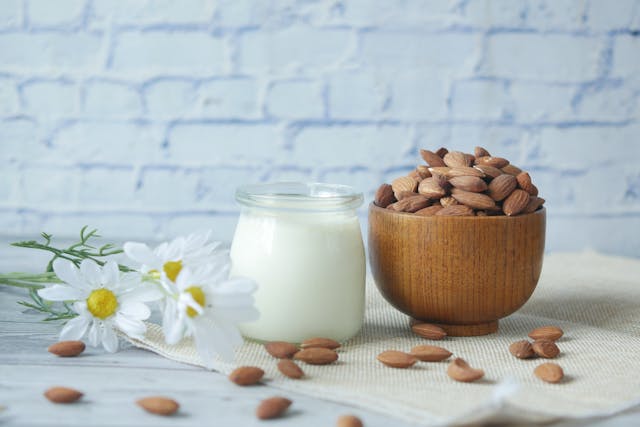
    There are many reasons why someone may switch to almond milk. Increasingly it’s been as a tasty substitute for cow’s milk for those with dairy intolerance or allergy. But even without having dairy intolerance many people now wish to lighten the digestive load from eating animal foods including dairy products. So they turn to cow’s milk alternatives. But many others drink almond milk simply for its delicious taste, at the same time reaping the health benefits offered by this vibrant nut.

    Nuts are little powerhouses of healthy goodness. Quick, easy and delicious they are power packed with many wonderful health benefits. While each type of nut differs in its composition and thus its particular health benefits, all have much goodness to offer and almonds are no exception.


    Health Benefits Of Almonds

    All nuts contain protein, and fibre but are low in carbohydrates. They also contain healthy fats. Many studies have found that in spite of the high fat content nut consumption is linked to a lower risk for heart disease.

    Almonds are high in monounsaturated fats, which is also the fat found in olive oil. However, almonds come in with a better ratio of protein to fat than other nuts. Many hold almonds in very high esteem and regard them as ‘nut royalty’.


    Almonds For Heart Health

    Monounsaturated fats are great for your heart health, helping to reduce cholesterol levels by reducing LDL, the ‘bad’ cholesterol. Some studies have shown that high levels of LDL cholesterol in patients were reduced with a diet containing almonds and other nuts.

    The Nurses Health Study showed that a 30% reduction in heart disease risk could be gained by replacing carbohydrates with an equivalent amount of nuts. A 45% decrease in risk could be gained by substituting the monounsaturated fat in nuts for saturated fats in meat and dairy products.


    Antioxidant Rich Almonds

    Almonds are loaded with antioxidants which prevent oxidative stress caused by free radicals. Oxidative stress damages cells and contributes to many serious illnesses including cancer.

    Most of the antioxidants in almonds are found in their brown skin and eating nuts with the skin on delivers double the antioxidants and double the protection for your cells.

    One of these cell-protecting antioxidants is vitamin E. In fact almonds are the best source of Vitamin E of any food. This antioxidant is particularly good for skin protection helping to improve its conditon and appearance and protect against the effects of aging.


    Almonds Contain Magnesium

    Many people are deficient in the fundamental mineral magnesium and this causes widespread health problems as magnesium is required for many, many body processes. Almonds are a great source of this vital mineral and just 60 grams of almonds, one small handful, provides almost half the recommended daily magnesium intake.

    Studies show that improving magnesium deficiency can reduce hypertension and LDL cholesterol levels. Including almonds in your diet supports the health of your cardiovascular system.

    It’s common for diabetics to have magnesium deficiency. High magnesium foods like almonds may be helpful in preventing blood sugar disorders such as insulin resistance, type 2 diabetes and metabolic syndrome.


    Omega 6 In Almonds

    Many people consume far too much omega-6 every day and not enough omega-3. The western diet provides a really unbalanced omega-6 to omega-3 ratio. It should be about 4:1 but in many cases it’s more like 10:1 or even 30:1 skewed to omega-6.

    Unlike walnuts which contain good amounts of omega-3 almonds are high in omega-6.

    Eating lots of almonds could become a huge problem if you’re not regulating how much omega-6 you get from other foods, notably vegetable oils containing polyunsaturated fats.

    But almonds contain monosaturated fats which are a far healthier option than the polyunsaturated fats of vegetable oils. Sourcing the omega-6 essential fatty acids you require from almonds rather than less healthy foods is a smarter decision. Almonds are a great health food as they also contain a range of other wonderful nutrients.

    Embrace almonds as part of a healthy eating plan. Consider your diet as a whole and replace unhealthier components with nutrient-rich almonds.

    DIY ALMOND MILK

    Home-made almond milk is an excellent substitute for dairy milk. It’s nutritious, being high in protein and of course healthy fats. It also contains fibre, Vitamin E, the minerals phosphorous, magnesium, copper, selenium and calcium, the amino acid tryptophan, as well as flavonoids.

    In addition it has no cholesterol.

    It has a slightly nutty taste and a creamy texture and the flavour is lighter than soy or rice milk.

    Of course almonds are a tree nut so almond milk isn’t for anyone with nut allergies.

    Almond milk is widely available through supermarkets as well as health food shops but can be pricey and unfortunately some brands are sweetened.

    A number of brands have a very low percentage of almonds in them, which greatly reduces their nutrient value. By making your own nut milk you can increase the nut content and therefore also the nutrients, dramatically.

    Almond milk is good cold, in tea or coffee, smoothies and can also be used for cooking cakes or soups. I use it, but in small quantities and so often end up throwing quite a lot out from the bought boxes. Making my own almond milk is a great option and makes total sense from both a nutrient and price viewpoint.


    Easy Almond Milk Recipe

    Almond milk is really easy to make and the best thing is you can make it in just the quantity that you need, so no problem with it spoiling.

    It’s simple to adjust the recipe to suit your own personal preferences. For instance, you can flavour the milk with spices to suit your taste, a great option if you’re creating a dish where you want a specific flavour.

    Plus, you’ll have the leftover pulp to use in cooking, so you get the health benefit of every part of the almond.

    Here’s how you make it:

    Ingredients

    • 1 cup raw almonds
    • filtered water to soak plus 2 cups extra
    • Flavourings such as vanilla extract, cinnamon, honey, cardamom, saffron, pinch sea salt

    Method

    • Soak 1 cup of fresh, raw almonds in filtered water overnight. Make sure there’s extra water to allow room for swelling.
    • Remove the almonds from the water.
    • For a less gritty texture, remove the skins. Blanch in boiling water for 30 seconds and then plunge into iced water and leave to cool.
    • If you want a richer flavour toast the skins lightly.
    • Place the cup of almonds in a blender with 2 cups of filtered water and blend on high speed until creamy.
    • Add flavouring like cinnamon, honey, cardamom, saffron, vanilla or a pinch of sea salt and then blend again, if you like.
    • Strain the mixture through cheesecloth or a fine strainer to separate the pulp.

    You can drink the milk immediately or for a creamier version, leave it covered in the fridge overnight. It keeps in the fridge for up to a week. The remaining pulp can then be roasted dry and stored in a jar to use as almond flour. Or you could place the almond skins and the pulp in cheesecloth to use as an invigorating body scrub.

    Disclaimer.

    All information and opinions presented here are for information only and are not intended as a substitute for professional advice offered during a consultation. Please consult with your health care provider before trying any of the treatment suggested on this site. 

     © Catherine Bullard and Happy Holistic Health, 2012. Unauthorised use and/or duplication of this material without express and written permission from this blog’s author and/or owner is strictly prohibited. Excerpts and links may be used, provided that full and clear credit is given to Catherine Bullard and Happy Holistic Health with appropriate and specific direction to the original content

    Natural Remedies For Head Lice

    natural remedies for head lice

    Another school term has started and with that comes the re-appearance of the head lice plague. The blight of every school mum, head lice provide a never-ending battle for parents. What do you do when you get that call from school “Your child has lice?” If you’re a health conscious parent, you’ll look for a natural alternative to the noxious poisons found in insecticide-based head lice shampoos and lotions.

    Dangers Of Head Lice Shampoo

    Here’s a toxic alert! Skin can readily absorb any product that’s applied to it. Once absorbed it travels to your bloodstream and throughout your body causing toxic effects.

    There’s agreement amongst experts that absorption of toxins through the skin is more dangerous than through the mouth. When toxic substances are ingested, they are broken down and usually detoxified by the liver and kidneys. When they’re absorbed through the skin they travel straight into the blood stream without being broken down first, carrying the full toxic load with them.

    One study found that some toxins were absorbed more easily through hairy skin than hairless skin. This makes one wonder whether higher levels of pesticides are being absorbed through the scalp from head lice shampoos and lotions than is expected. Are the toxin levels being absorbed becoming critical?

    Apart from the dangers of absorbing the toxins into your body, the chemicals in the shampoo can also irritate the skin especially if the skin is sensitive, as in a child, or if it has any breaks in it.

    The chemicals in head lice shampoo can also irritate the eyes.

    All insecticidal shampoos and lotions sold in Australia must be registered with the Therapeutic Goods Act (TGA) to ensure they comply with safety standards and are effective.

    But although deemed safe many of these lotions and shampoos containing pesticide can be harmful to children. Because children’s bodies are much smaller than adults the amounts of toxin in the products can have more impact on their small bodies.


    Insecticide Shampoos Don’t Always Work

    Lice often become resistant to insecticides and many parents find that insecticide shampoos and lotions don’t kill the lice. Repeated unsuccessful attempts to get rid of the pests leaves your child exposed to higher doses of poison without solving the problem.

    If you’re in any doubt you need to ask yourself whether the pesticide based shampoos are worse than the problem?


    Natural Alternatives To Head Lice Shampoo

    While head lice don’t carry and spread disease like some other pests, they are none-the-less a real problem.

    So how do you beat the problem without poisoning your child?

    There are a few alternatives to toxic insecticide treatments. Simply by diligently combing conditioner through dry hair with a metal lice comb you can rid the hair of lice and nits. But it can take a number of attempts. Conditioner stuns the lice for about 20 minutes so they can’t crawl around and if you are quick you can comb them out.

    But even more effective is to use conditioner in conjunction with an essential oil mixture.

    Some essential oils are very effective at getting rid of lice and nits. Plus the mix can be added to a spray bottle of water and used daily to prevent further infestation.

    An essential oil mix first stuns the lice just as conditioner does, but unlike conditioner it also kills them. Lice attach the nits, or eggs, to the hair shaft where they stick like glue and are normally very difficult to dislodge. The great thing about the essential oil mixture is it loosens the nits making them easy to comb out and dispose of before they hatch into nymphs.


    Essential Oil Head Lice Treatment

    A number of essential oils are suitable in the battle against head lice but some, like tea-tree oil which is very effective, can be too strong for children’s sensitive skin.

    These ones are more gentle but powerful enough to do the job.

    Head Lice Treatment Recipe

    Ingredients

    To 75ml base oil (coconut is great, or sweet almond) add:
    Lavender essential oil – 25 drops
    Geranium essential oil – 13 drops
    Rosemary essential oil – 25 drops
    Eucalyptus essential oil – 12 drops

    This quantity makes 2-3 treatments. Store any that’s left in a glass bottle, amber is best.
    Be sure to use high quality essential oils. Do not use fragranced oils.

    Method

    Massage the oil mix through dry hair and leave for two hours.
    Add the shampoo BEFORE wetting your hair.
    Wet hair and wash.
    Put conditioner on hair and comb through with a metal lice comb. This makes it easier to remove all the creatures. To make certain you get all the lice and nits divide the hair into segments and thoroughly comb through each section.
    Repeat a few days later to remove stray lice from any missed eggs.
    This formula can also be added to distilled water and sprayed over your hair each morning as a lice deterrent.
    For really bad infestations the treatment can be repeated every 3 days over a few weeks if needed.
    Be generous with the amount of oil used. The bottle will do 3-5 treatments depending on the amount of hair you have.

    The extra bonus is your child’s hair will smell beautiful.

    Take Precautions

    Remember to take all the usual precautions: tell your child’s school; tie back hair; don’t share brushes and combs; run bed linen and hats through a hot washer dryer to kill any stray lice and nits.

    Head lice infestations are a fact of school life. Check your child’s head regularly. If your child starts scratching don’t panic. Get to work fast to eradicate the pests with the least toxic impact for your child.

    natural treatment for head lice

    Disclaimer

    All information and opinions presented here are for information purposes only and are not intended as a substitute for professional advice offered during a consultation. Please consult with your health care provider before following any of the treatment suggested on this site, particularly if you have an ongoing health issue.


    Garlic Healing – Nature’s Antibiotic

    As the chill wet of winter settles in and the incidence of coughs and colds grows. So it’s now time to get serious about natural alternatives to prescription antibiotics. One powerful natural remedy that has been around for thousands of years to fight winter viruses is the garlic.

    The humble garlic has enjoyed a long and illustrious reputation as a heal-all, and rightly so. Garlic has been used for healing since the time of the ancient Egyptians. Now science has confirmed that this humble bulb deserves its status and is indeed the medicinal giant it was always held to be.

    Garlic was used by both the ancient Greeks and Egyptians to treat a range of health problems. From Egypt it spread through Pakistan and India into China. In many different cultures garlic was used to treat very similar ailments, including respiratory, digestive, fevers and rheumatism. In ancient Greece Hippocrates, the father of medicine, used garlic in the treatment of many diseases.

    As a culinary herb garlic is relatively new and throughout history was more likely to be used for its medicinal properties. For a plant that offers so much to invigorate your palate, it seems almost too generous for it to have powerful healing properties as well.

    It is the active ingredient in garlic, allicin, a sulfur compound, that holds all the healing power. Allicin is the same ingredient that gives garlic its strong odour and taste. This compound is produced when the clove surface is exposed to the air by crushing or cutting the clove.

    Garlic acts as a broad spectrum antibiotic and is able to kill a wide variety of bacteria. Unlike chemical antibiotics that kill off millions of friendly bacteria that your body needs, garlic only targets the invading bacteria and even promotes and increases your healthy bacteria. Garlic is also a powerful anti-fungal, anti-viral, anti-protazoal and antiparasitic, efficient at destroying antigens, pathogens and any harmful micro-organism.

    To gain the benefit of garlic it needs to have a strong garlic-y smell released by the active allicin. Without this aroma it won’t give you much benefit. The cut surface of the garlic needs to be exposed to the air while it is raw. If you are going to cook with it make sure it is crushed and left to sit for a while first.

    HOW GARLIC HEALS

    Some of the healing effects of garlic are:

    Cardiovascular

    Cardiovascular disease is the biggest killer in the world and hypertension is an important indicator. Garlic acts powerfully on the circulatory system, helping to lower hypertension and regulate cholesterol.

    A 2013 study published in the Pakistan Journal of Pharmaceutical Studies found garlic was an effective treatment for blood pressure. It found taking a daily dose between 600-1500mg of aged garlic extract was as effective as the hypertensive drug Atenolol in reducing blood pressure over a 24-week period. It does this by widening the blood vessels.

    By lowering LDL (bad) cholesterol garlic reduces the risk of heart disease. However it doesn’t seem to affect triglycerides or HDL levels.


    Skin

    Although you won’t find garlic in your skin cream it is a strong acting topical treatment for acne. It possesses excellent anti-microbial properties to kill bacteria and works effectively to kill free radicals swiftly.


    Chronic Fatigue Syndrome

    Many ancient cultures used garlic to improve the capacity of labourers to work longer and harder by reducing fatigue. Today it can be used to relieve the symptoms of chronic fatigue syndrome as well as to improve physical endurance. However no studies have been done into this use.


    Respiratory

    Garlic has a strong action on the respiratory system and is useful in treating asthma and bronchitis. As well as being effective in reducing the duration of common colds garlic can also be used to ward off colds and other viruses.


    Immunity

    Garlic is known to boost immune function to reduce the incidence of colds as well as dramatically reduce the duration of colds by up to 70%. This wonderful bulb is a true superfood, containing many trace nutrients to strengthen immune function.

    Garlic is high in manganese, Vitamin B6, Vitamin C, Selenium and fibre. It also contains decent amounts of potassium, calcium, phosphorous, iron, copper and vitamin B1 as well as small amounts of other nutrients.


    Detox

    In high doses it has been shown that garlic can protect against heavy metal toxicity as well as reducing many signs of heavy metal toxicity.


    Food Poisoning

    It has been suggested that fresh but not aged garlic may be capable of killing certain harmful bacteria including E. coli.


    Hair Loss

    The sulfur in garlic contains keratin which both stimulates hair growth and strengthens the hair.


    Other Uses

    • Allergies
    • Candida
    • Vaginitis
    • Hypoglyceamia
    • Liver problems
    • Haemorroids
    • Tumours
    • UTI
    • Plus many, many more ailments ranging from the prevention of tick bite to diabetes.

    HOW TO REAP GARLIC’S BENEFITS

    Raw Garlic

    When a cold first begins one of the easiest ways to fight it off is to chew or swallow a raw clove of garlic in which a strong garlic aroma has developed. The effect of garlic can be quite dramatic even eradicating the cold. Cut the clove open first and leave it to sit in the air for a few minutes before you eat it. The healing power strengthens when the cut clove is exposed to the air.


    Eat Garlic

    Some people have no problem with eating cloves of raw garlic but for others it’s not so easy.

    When I need a dose of garlic I crush it and use it on top of my meal. That way I can eat it with the first mouthful – the garlic is still raw but easier to take with a mouthful of food.

    Don’t shy away from raw garlic. Garlic only affects your breath if you chew it. Instead, cut the clove up and swallow each piece without chewing. Plus, there are plenty of delicious foods such as fresh hommus or guacamole that contain lots of garlic in its raw state.

    As a bonus garlic is not only very nutritious it is also low in calories.


    Absorb Garlic

    Another way to take your garlic is through your skin. Your skin absorbs what is put on it and this goes for garlic as well as expensive skin products.

    Crush a few cloves of garlic and cover them with some carrier oil that is suitable for applying to the skin, such as olive oil, jojoba, almond or other food grade oil. Allow the mix to steep for at least half an hour. Don’t be tempted to heat the garlic as even short-term heating reduces the anti-inflammatory effects. The carrier oil holds the allicin from the garlic clove.

    Once the oil has finished steeping apply it to the soles of your feet. Put on some socks to protect the oil and relax while the oil is absorbed through the pores of your skin. Once absorbed into your body it is carried throughout the body.

    If you prefer you can rub the cut garlic clove directly onto the soles of your feet. It will still be absorbed through your skin.

    But be warned. You will probably develop a garlic taste in your mouth, or your breath may start to smell of garlic about twenty to thirty minutes after applying the garlic to your soles. This indicates that the garlic has been absorbed and carried right through your body.

    It would be wise not to do this immediately before going out socialising.


    Garlic Supplements

    If you simply cannot face raw garlic, you can always take your garlic as a supplement, in the form of a powder, an extract or oil. However there is a great difference between garlic supplements. The amount of allicin they contain is dependent on the way in which they are prepared. Unfortunately, allicin is not stable and can change quickly, reducing the effectiveness of the preparation. If the supplement is odourless its effectiveness is compromised.

    To reach therapeutic levels you need at least two to three cloves each day. Don’t be afraid to use this smelly treasure and therefore hold back, as the body can tolerate up to four grams or about four cloves each day.

    But, there are some people who are allergic to garlic. And you need to be careful with garlic if you suffer from a bleeding disorder or are taking blood thinning medications.

    Garlic healing power

     Disclaimer

    All information and opinions presented here are for information purposes only and are not intended as a substitute for professional advice offered during a consultation. Please consult with your health care provider before following any of the treatment suggested on this site, particularly if you have an ongoing health issue.

    © Catherine Bullard and Happy Holistic Health, 2015. Unauthorised use and/or duplication of this material without express and written permission from this blog’s author and/or owner is strictly prohibited. Excerpts and links may be used, provided that full and clear credit is given to Catherine Bullard and Happy Holistic Health with appropriate and specific direction to the original content


    Source Articles
    http://www.medicaldaily.com/garlic-good-you-7-surprising-benefits-garlic-optimal-health-324114
    http://authoritynutrition.com/11-proven-health-benefits-of-garlic/
    http://www.susunweed.com/Article_Garlic.htm
    http://www.webmd.com/vitamins-supplements/ingredientmono-300-garlic.aspx?activeingredientid=300&activeingredientname=garlic