Category Archives: Holistic Health & Natural Remedies

Adrenal Fatigue, Cortisol, and That Overwhelmed Feeling.

While everyone knows about adrenaline and the ‘fight or flight’ response, not so many know much about the hormone cortisol, the other stress hormone, and how it contributes to Adrenal Fatigue. Both adrenaline and cortisol are produced in the adrenal glands but each performs a very different role.

Adrenalin is the hormone released when the body is in danger, It promotes quick reaction, throwing you into the best response to get you out of the dangerous situation. It is meant to be released and used quickly after which it switches off.

Cortisol also plays a part in the stress response. It is essential for maintaining homeostasis in your body and actually regulates many of the changes in your body that are related to stress. It is released in high levels during periods of stress alongside adrenaline. As with adrenaline it is vital that the cortisol response then shuts off so levels can return to normal.

It is only when stress is ongoing and cortisol continues to be released into the body for prolonged periods that it becomes problematic. Under constant stress cortisol release never gets turned off and this has a negative effect on many body functions.


STRESS ADDICTION

Unfortunately, our modern lifestyle which is relentlessly stressful produces the perfect platform for the Stress Scenario.

Stress itself can be very addictive. It’s not uncommon for people to even be proud of the fact that they can juggle a high-power job, family and relationship on caffeine, nicotine and very little sleep. Often we actually applaud people who are able to do it all, and pull off the seemingly impossible.

But stress burns you out and it comes at a cost. And that cost is chronic illness, diabetes, cancer, a whole gamut of autoimmune diseases, Fibromyalgia, Chronic Fatigue Syndrome or a host of others

Many people live in a constant state of prolonged stress where stress hormones are continually released into the bloodstream, never getting switched off. As it goes on further symptoms continue to develop until eventually the Adrenal glands themselves are affected.

Your adrenal glands simply can’t keep up with the amount of stress. They become overworked and can no longer match hormone production with demand. The production of cortisol plummets and that’s when Adrenal Fatigue kicks in. The Adrenal glands are no longer able to produce sufficient cortisol to release that extra boost of cortisol when an emergency situation arises.

stressed6 overwhelm18876841_s


WHAT IS ADRENAL FATIGUE?

Adrenal Fatigue is the umbrella term for the group of symptoms caused by this deficiency.

The primary symptom is fatigue that is not improved by sleep. Those who suffer with this syndrome wake feeling exhausted, drag their feet with tiredness all day, only to find they get a second wind and wake up right at the time they should be going to sleep at night.

You can read more about Adrenal Fatigue at “Are You Suffering From 21st Century Syndrome?”


YOU DON’T NEED TO BE ANXIOUS TO BE STRESSED

It’s really important to understand that stress does not just refer to a state of anxiety. Living with a feeling of overwhelm, insufficient or poor quality sleep, eating a poor diet, worrying (about anything), unhappiness, or living with pain, are all situations that create a state of stress within the cells of your body, without you ever feeling anxious at all.

Stressful experiences like the death of a loved one or a divorce, undergoing surgery, financial hardship or job stress, bullying, even negative thinking can create adrenal fatigue just as easily as poor diet, lack of exercise or pollution and environmental toxins.

Many, many people spend their entire life in this state, and so live with raised levels of cortisol in their body all the time.


THE EFFECTS OF CORTISOL IMBALANCE

The effects of a cortisol imbalance fall into two groups.

The first group of symptoms occurs when circulating cortisol levels are too high and happens during prolonged stress. The second group of symptoms occurs later, once the Adrenal glands are no longer able to produce enough cortisol and circulating levels have dropped significantly.

The negative effects of higher levels of circulating cortisol:

Suppressed or weakened immune system
Raised blood pressure
Increased blood sugar levels
Impaired cognitive performance
Disrupted sleep
Hardening of the arteries
Increased fat storage, especially around the abdomen which is associated with an increased risk of heart attacks, strokes, higher LDL and lower HDL cholesterol levels,
Lower growth hormone and testerone production
Hyperglycaemia (high blood sugars) and other blood sugar imbalances
Lowered thyroid function
Decreased bone density and osteoporosis
Muscle loss
Inhibited protein synthesis
Loss of collagen in the skin and inhibition of the formation of more
Depression

Long periods of raised cortisol levels can also damage the brain and memory, reducing the ability to learn.

The negative effects of lower levels of circulating cortisol:

Low energy
Brain fog, fuzzy-headedness
Mild depression
Blood sugar imbalances, hypoglycaemia (low blood sugars)
Fatigue, especially in the morning
Disrupted sleep
Low blood pressure
Lowered immune function
Inflammation
Cravings for salty or sweet foods
Difficulty recovering from illness or stress
A feeling of being run down or unable to cope
Feeling awake and alert in the evening in spite of being tired all day
Body aches
Moodiness
Decreased libido
Increased allergies
Hair loss

Overworked Life Plan


SUPPLEMENTS FOR ADRENAL FATIGUE

Natural Health remedies can help speed up your journey back from Adrenal Fatigue, which can otherwise be slow. But if you are also deficient in simple vitamins and minerals you lack the basic building blocks your body requires to build your health. Consulting a Natural Health practitioner will provide you with the advice and treatment you need. Replacing some of the deficiencies will also help.

These are just some of the vitamins and minerals that Adrenal Fatigue sufferers tend to lack, although not every person will need all these. Your Natural Health Practitioner can guide you best.

B Vitamins

B5 contributes to cellular respiration and the breakdown of nutrients. Start with 100mg a day.
B6 helps create adrenal hormones. Take 50 mg a day to begin.
B12 helps with energy production, cell repair and red blood cell maintenance. Start with 100mcg a day.

Vitamin C

Vitamin C is a powerful antioxidant directly involved with the production of cortisol, and in addition offers many other benefits to your immune system and more. Start with 100mg of buffered Vitamin C a day and increase this gradually.

Probiotics

When Adrenal Fatigue affects the digestion, which it frequently does, probiotics play an important role as they contribute towards a better uptake of nutrients to assist the body on its healing journey.

Magnesium

As most of the population is thought to be deficient in magnesium supplementing is a great benefit. As well as causing depression and sleep problems deficiency can also lead to muscle cramps and stiffness. Start with 400mg a day.

There are a number of other supplements that I often like to include in the treatment of Adrenal Fatigue such as CoQ10, Acetyl-L-Carnitine, Spirulina (although it is not strictly a supplement) and the herb Tulsi (Holy Basil).


NATURAL THERAPY


In my clinic Homeopathic remedies and Herbal Essences help with recovery from Adrenal Fatigue. Both these forms of Natural Medicine are effective on their own without the use of additional supplements. Best sustained results occur when Homeopathic medicines are individually prescribed according to Homeopathic prescribing guidelines, by a qualified practitioner.


LIFESTYLE CHANGE

Lifestyle changes that help reduce the impact of Adrenal Fatigue are helpful.  After strenuous exercise you often get an initial burst of energy but then crash with adrenal fatigue.  Walking, yoga, meditation, tai chai, and qi gong are all gentle forms of exercise that won’t result in you crashing.

Controlled breathing exercises and techniques are excellent and can be done through the day wherever you happen to be.

Modifying your sleep preparation rituals can help reduce insomnia and the impact caused by adrenal fatigue, to improve your sleep.


EATING FOR ADRENAL FATIGUE


Help support your recovery by reducing sugars, caffeine, and alcohol at the very least.

If you must drink coffee or cola do it in the morning and then steer clear of it through the day as it interferes with sleep and adrenal recovery.

Watch for hidden sugars and replace sugar with stevia where you can

Avoid alcohol as it contains sugar and creates a boost and crash scenario, interfering with the sleep cycle and causing insomnia later in the night.

Hydrogenated oils lead to adrenal inflammation, Use good fats like coconut oil instead.

Processed foods contain many difficult to digest preservatives and fillers.


Have you experienced Adrenal Fatigue? Leave a reply below.

For more information and advice about how best to treat your symptoms contact your Natural Medicine Practitioner.


stressed3

Disclaimer

All information and opinions presented here are for information purposes only and are not intended as a substitute for professional advice offered during a consultation. Please consult with your health care provider before following any of the treatment suggested on this site, particularly if you have an ongoing health issue.


Source Articles

http://www.psychologicalharassment.com/stress-and-stress-management.htm
http://www.adrenalfatigue.org/cortisol-adrenal-function

 

Lactose Intolerance –What Milk Should I Drink?

When you discover you have difficulty digesting milk and other dairy foods because you’re lactose intolerant, you’re suddenly confronted with deciding what replace it with. There are so many different kinds of non-dairy milk available now and the choice can be overwhelming.

Should you look for an alternative form of animal milk or one of the nut milks or perhaps a grain milk? Or should you simply just use ‘lactose-free’ cow’s milk? And what exactly is A2 milk?

Lactose intolerance is not the same as a milk allergy.

People who are lactose intolerant lack the enzyme needed to break down the sugar in milk, lactose, so it can be absorbed. Normally your body breaks down lactose with an enzyme called lactase. When this is lacking or deficient your body cannot break down the lactose, which then passes through your gut in an undigested state. When it meets the bacteria in the lower intestinal tract gas is produced and you experience all the painful symptoms.


LACTOSE FREE MILK

For many people who are lactose intolerant, and not allergic to dairy foods, the simplest option is to switch to lactose-free cows milk, in which the lactose, or milk sugar, has been changed to a state their gut is able to process.

In lactose free milk the enzyme your body lacks, lactase, is added to the milk to break down the lactose into smaller molecules that you are able to absorb. You don’t experience the symptoms associated with digesting normal milk.

One difference to normal milk is that lactose-free milk tastes much sweeter because the sugar is already broken down.


SOY MILK

Soy milk is made from soy beans and water. It is low in saturated fat but rich in a range of essential nutrients including protein and potassium. It is also high in antioxidants which are a great benefit to your health.

Because so many soy crops are genetically modified it is vital that you only drink ones labeled as GMO free.

Select ONLY those brands that are made from whole soybeans, and they will be labeled as such, even if just in the ingredient list. This is really important with soy milk. If the milk is made from soy isolates, as more than half the soy milk in Australia is, AVOID IT. Also, check that your soy milk is unsweetened as many brands add sugar.

Soy milk has quite a creamy consistency. There is a great difference in the quality and taste of various soy milks so you may need to test a few to find one you like.

There is evidence that soy can improve your blood profile and help prevent strokes and heart disease. The phytoestrogens in soy can help balance the hormone levels in postmenopausal women and reduce the risk of prostate cancer in men.


ALMOND MILK

Almond milk is made from ground almonds and water. Some brands on the market contain very little almonds sometimes down to just 3%. However, the one I use has 10% almond content and it is just a case of seeking out a quality brand.

Although almonds are a good source of protein, almond milk is low in protein. It does however, provide all the antioxidant benefit provided by almonds. It is cholesterol free and has been used to lower blood-sugar levels. Some brands are fortified with calcium and vitamin D and B12. Many brands are sweetened.

Almond milk has a nutty flavour and light, creamy texture. It can be used in everything, from cooking to smoothies or drinking. Almond milk however is not suitable for anyone with a fructose intolerance or nut allergy.

Almond milk is quite easy to make for yourself. It contains far more almonds than packaged varieties and can be made using organic almonds and pure water. Plus, you know it won’t be loaded up with agave or other sweeteners.

HOW TO MAKE ALMOND MILK

  • Simply soak 1 cup of almonds I water for at least 6 hours or overnight to remove phytates and enzyme inhibitors.
  • Remove, and for a less gritty flavour and lighter colour milk remove the skins.
  • Rinse and drain, then blend the almonds with 4 cups of filtered water. For a thicker milk you can reduce the quantity of water.
  • Strain through cheesecloth or a nut milk bag, which you can buy or make simply yourself.
  • You can blend in cinnamon, honey or other flavourings.
  • It keeps in the fridge for up to a week.

You could also try this recipe with macadamia or hazelnuts. Milk made from any nut is always simple to make for yourself. If you drink milk rarely or only use it for cooking just make small quanitities as you need it. This great recipe for CHIA MACADEMIA NUT MILK contains lots of extra wholesome ingredients and is a great example of how creative you can be with your home-made milks.

homemade almond milk

COCONUT MILK

Coconut milk is a great alternative to cows milk for thickening or creating a creaminess in soups, stews, curries or for baking. It can even be whipped up and makes a great replacement in desserts for normal cream.

Coconut milk contains a special sort of fat called medium chain triglycerides, that are metabolized differently to other fats in your body. They boost metabolism and give a burst of energy, rather than being stored in the body as fat.

Coconut milk is made from coconut flesh and is rich and thick. Don’t confuse it with coconut water which is the liquid from the centre of the nut.

Unlike most liquids coconut milk contains lots of fibre because it is made by grating the flesh. One cup contains over 5 grams of fibre, one sixth of your daily requirement.

If you want to make coconut milk yourself just add young coconut meat to the blender, cover with filtered water and blend. Add more water until you reach the consistency you desire.

Any leftover coconut milk from cans can be frozen in ice-cube trays.

If you choose to eat wholefoods in your diet you may prefer nut milk to other lactose-free options because it undergoes less processing.


RICE MILK

One of the grain milks, rice milk typically contains about 14% rice. It is very low in fat but is much lower in protein than soy milk. In fact it falls low all round on the nutrition scale, although there are calcium enriched versions available.

Rice milk is thinner and milder in flavour than either soy or almond milk and is suitable for anyone with soy or nut allergies or gluten intolerance as well as lactose intolerance.


OAT MILK

Oat milk is another grain milk. It is not as rich as the nut milks and has a mild, slightly sweet taste.

It is very low in fat but high in vitamins and minerals. In fact it contains more calcium than cow’s milk, one cup containing over a third of the RDA. It also contains lots of Vitamin A. It is very low in fat, about a third of that in cow’s milk, and is cholesterol free. It is a good option for vegans as it contains 10 percent of the RDA of iron.

Oat milk can provide a great tonic for the nervous system, calming it down.

It is not suitable if you have a gluten intolerance.


A2 MILK

It is the protein component in A2 milk that makes it different to most cow’s milk. In this respect it resembles the milk from other animals like goat, sheep, or buffalo.

While A2 may be better for those with an allergy to milk it does not help someone with a lactose intolerance, as the milk sugar is not changed. If A2 milk does improve symptoms then perhaps those symptoms were due to a milk allergy rather than lactose intolerance.


OTHER MILKS

More and more options are making their way into the market. I noticed there is now an ‘Ancient Grains Quinoa With Chia Milk’ available, bringing the health benefits of both these awesome Superfoods into a new lactose-free milk suitable for those with nut allergies.


LACTOSE IN FOODS

Milk is not the only food you need to avoid when you are lactose intolerant. Any food containing lactose also needs to be avoided. This includes cream, cheese, butter, ice-cream, crème frais, condensed milk, custard, plus the huge number of processed foods that have any form of milk in them. Packaged foods containing milk solids, skimmed milk, milk proteins, biscuits, cakes, bread, luncheon meat, soups, sauces, plus many more should all be avoided.

Goat and sheep milk and cheese do contain lactose but in far lesser quantities than cow’s milk. You may find you can eat small quantities of goat cheese occasionally and tolerate some butter. But many may find even this brings on their symptoms.

Quality yogurt is often tolerated with lactose intolerance because the live bacteria in the yogurt partially break down the lactose, making it easier to digest.

As more and more nuts, grains and seeds are used to make milk the choices will just become wider and more difficult. Why not try out a few different milks and find which you prefer. And remember to mix up the different types of milk you choose, sometimes soy, nut, oat or rice, for greater variety in your diet. I use soy milk for cooking some things and various nut milks for making others as some milks suit one type of food preparation better than others. For drinking it comes down to your own preference.

lactose free Soy_milk_FREE (2)
Disclaimer

All information and opinions presented here are for information purposes only and are not intended as a substitute for professional advice offered during a consultation. Please consult with your health care provider before following any of the treatment suggested on this site, particularly if you have an ongoing health issue.

Source articles
http://www.livestrong.com/article/337301-how-is-lactose-free-milk-made/
http://www.naturalnews.com/023752_milk_cows_lactose_intolerance.html
http://www.livestrong.com/article/267017-what-are-the-benefits-of-oat-milk/
http://fedup.com.au/factsheets/additive-and-natural-chemical-factsheets/a2-milk

6 Basic Supplements Everyone Needs

natural supplements

The question is always whether you should supplement your diet for good health or not? Generally it’s better if nutrients come from food. But most people don’t eat an optimum diet and so can’t get the nutrients they require from their food. Supplements can be useful as they can fill nutrient holes in your diet. On their own they will never be enough to reverse lousy eating habits. But well selected, high-quality supplements certainly have benefits.

Most people don’t need to take handfuls but there are some basic supplements that everyone in our society would benefit by taking.

MULTIVITAMIN & MINERAL

Even when they eat well, most Aussies don’t get the optimum 6-8 serves of vegetables each day, or even the 5-6 recommended serves. Nor do they always get the recommended 2 serves of fruit.

Unfortunately, Australian produce is affected by the low levels of minerals in our soils with the result that much of the produce we grow is also lacking in minerals and vitamins. This problem is worsened by modern commercial farming practices which further deplete the already starved soil and produce of nutrients.

If you only eat organic produce you may be getting enough vitamins and minerals from your foods. You will certainly get more than from commercially grown produce, as organic produce contains much higher levels of vitamins and minerals. But the reality is that most people don’t eat only organic foods.

When you combine the vitamin and mineral deficiency in produce with poor dietary practices it becomes obvious that many Australians are significantly deficient in basic vitamins and minerals.

To make certain you are getting enough a quality multivitamin and mineral daily is almost a necessity.

Be wary! There are many around that are poor quality. The vitamins and minerals in them are in a form that is not bio-available. This means your body isn’t able to absorb them properly and they pass through and out of your gut without being absorbed. Money down the toilet, so to speak.

Minerals come in many different forms and some forms are better for you than others. Many multivitamins include inferior forms of minerals that your body can’t really use.

You need a certain amount of vitamins and minerals for them to be effective. If there is not enough they simply don’t do what your body needs. It is important to have sufficient amounts of each nutrient in the multivitamin you take.

Don’t get sucked in by brands flaunting ‘A-Z Vitamins and Minerals’. Chances are you don’t need all of these, and the bigger the range of nutrients the less there will be of each one in the tablet, after all the tablets can only be so big!

Before you throw your money away do some research or talk to your natural health practitioner. Look for someone who is professionally trained in nutrition taught in natural health courses, including vitamin and mineral therapy. Most mainstream Medicine courses do not include much nutrition.

There are some excellent multivitamins around with the optimum balance of quality nutrients but often these are the ones you can only get from your Health Practitioner.
Cheaper products on supermarket shelves are frequently not worth your time and money.

OMEGA 3

Omega-3 essential fatty acids are wonderful anti-inflammatories and excellent for reducing the symptoms of chronic disease. They are essential for brain function and strongly support heart health.

As the name suggests, these oils are essential for good health. Your body cannot make them so you need to obtain them from food or supplements.

Omega-3 is found in a range of foods, and is particularly high in fish oils, including krill oil.

Vegans and vegetarians are particularly at risk for omega-3 deficiency. While there are a number of vegetarian sources for omega-3, flaxseed oil is usually used for plant-based supplements.

Research into the effects of fish oils has shown that in addition to its wide range of cardiovascular and cognitive benefits it is particularly helpful in the treatment of autoimmune disease. It has been shown to significantly reduce symptoms in Lupus, reduce joint pain and stiffness in Rheumatoid Arthritis, and assist in inflammatory bowel disease.

Omega-3 also plays a role in the prevention of many diseases and reduces the symptoms caused by inflammation in others.

Fish is an excellent source of omega-3 but many people don’t like it. Plus there are concerns about the presence of mercury and other heavy metals in fish. With a high quality omega-3 supplement you avoid these problems.

1 gram – 1000mg, of combined EPA/ DHA each day is recommended for maintenance. But to gain real benefits and boost your health, especially if your health is compromised, you need more, up to 5 grams a day.

Be wary about cheaper omega-3 supplements. In some the processing causes the oil to go rancid. This is actually harmful to you, creating free radicals and inflammation in your body. Omega-3 supplements are very much a case of you get what you pay for!

drugs capsules

VITAMIN D

Most of us are deficient in Vitamin D, even in ‘sunny Australia’. We live and work inside far more than we ever did in the past and when we head outside it is under a thick cover of sunscreen, which prevents the vitamin D in the sun’s rays from being absorbed by the cells in our skin.

Vitamin D is essential for a huge range of body processes. One of the most important is to work with calcium to build and maintain strong bones and teeth. It is also crucial for an effective immune system. Deficiency can increase your risk for asthma and cancer, cause daytime fatigue and affect thinking processes

The current recommendation for adults is 1000IU a day. But this is the bare minimum maintenance dose, great if your levels are at an optimum level but nowhere near enough if, like most, your levels of Vitamin D are lower.

Don’t DIY Vitamin D because it is possible to have too much. Most doctors will happily order a blood test to find out your levels. Good levels are up around 75 ng/ml.

Once you know what your level is, it’s important not to get complacent as your levels of Vitamin D vary greatly through the course of a year, being at their highest in late summer and their lowest in early to mid-spring.

Discover how to optimise your time in the sun without sunscreen to get the most Vitamin D from the least exposure at Good Morning Sunshine: How Much Vitamin D Are You Really Getting?

To raise the levels in your body, rather than just maintain them, you need between 1000 and 5000 IU a day, depending on how low your levels are. Make sure you get the D3 form.

Again, there is quite a big difference between the quality of different brands and how well your body is able to utilize them. Be guided by your Natural Health Practitioner.

ALGAE

The two most commonly used forms of algae are spirulina and chlorella. These are some of the most nutrient dense foods on the planet. Spirulina is one of my favourite supplements and I recommend it to clients regularly as well as taking it myself.

Chlorella is an amazing detoxifier which cleanses heavy metals from your body.

Spirulina is a great detoxifier but is higher in protein, so excellent to boost your energy when you feel flat, or simply every day. It is an excellent punchy source of nutrients and can help you feel healthier very quickly. Read more about it at Spirulina, The Supergreen Solution

Dosage requirements vary and you need to adjust for your requirements. Because algae are food you can’t overdose on them, and you can increase how much you take in times of greater need. But you may need to go gently especially if your health is poor because too much algae may provide too much stimulation for the body to deal with.

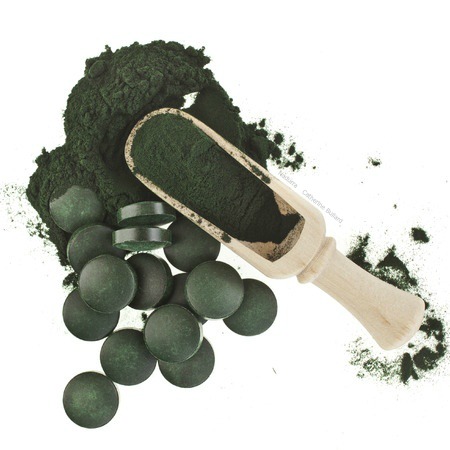
It is VITAL that your algae is well sourced. It MUST be organic or it will be loaded with heavy metals like mercury. Look for tablets or powder with an even dark green colour. Lighter specks indicate the presence of fillers.

Spirulina Bought Watermark29414713_s

PROBIOTIC

Probiotics occur naturally in your gut. They play an important role in your wellness, not only by improving your digestion, but also by boosting your immune system and keeping bad bacteria in check. They control yeast overgrowth and diarrhoea and inhibit lactose intolerance.

Our digestive system functions best with the aid of a quality probiotic. The trillions of good bacteria in your gut are essential for good health but can easily be destroyed or over-run by bad bacteria.

Numbers of these bacteria decrease as we age. Antibiotics are notorious for killing them. Poor diet or pollution can also destroy them. When numbers decline your system goes right out of balance and you can suffer many symptoms.

Probiotics come from two sources, fermented foods or a probiotic supplement.

Fermented foods include sauerkraut, kimchi, kombucha tea, yoghurt and need to be raw or the probiotics will be dead.

If you don’t eat fermented foods every day taking a good quality, broad spectrum probiotic daily will repopulate your gut with good bacteria to fortify your health and return your digestion to normal.

Lactobacillus and Bifidobacteria are the two most common and effective forms of probiotic. You need between 10 and 30 billion ‘live units’ each day.

COENZYME Q10 (CoQ10)

CoQ10 is a power packed antioxidant which delivers various substances including fat into your cells for a boost of energy. It is of great benefit in helping cells function properly and preventing cell damage.

CoQ10 provides great benefit for heart health, and offers anti-oxidant protection for a number of related cardiovascular conditions. It keeps your heart functioning efficiently.

As an anti-oxidant it protects cells against the stress of free radical damage and helps prevent chronic disease.

Once you reach the age of 25 the levels of CoQ10 in your body start to drop and you are likely to be deficient. When this happens DNA is damaged more quickly and you age prematurely. CoQ10 slows the process and may improve signs of aging like fine wrinkles.

CoQ10 seems to offer benefits for a wide range of diseases including chronic fatigue syndrome and fibromyalgia

When CoQ10 is used for specific diseases, dosage varies wildly. But for general health and antioxidant protection between 60-150mg daily is sufficient.

I hope this short list helps you select the supplements you need to include in your everyday health plan.

joy-401178_640

Disclaimer

All information and opinions presented here are for information purposes only and are not intended as a substitute for professional advice offered during a consultation. Please consult with your health care provider before following any of the treatment suggested on this site, particularly if you have an ongoing health issue.

Source articles

http://www.mayoclinic.org/drugs-supplements/coenzyme-q10/evidence/hrb-20059019

10 Top Tips To Survive The Holiday Season and Start the New Year Powered-Up

December, the end of the year – a time of good will and the ‘Season of Stress’. At this time of the year, we are all buckling under the weight of stress – at work, at school, shopping for the Holidays, coping with crowds, financial worries. For almost everyone, stress levels in their everyday life are ramped up right now.

And then there are the parties! With so much going on it’s almost impossible to reach the New Year without crashing in a heap.

There is no point waiting until after the damage is done and the celebrations have finished to try to pick up the pieces. The key is to get on top of the extra stress right now.

Which brings us right back to one of the big stress triggers – you have no time right now to add anything extra into your busy life.

Simple Strategies to Regain Calm Control

While the stress hormones, adrenaline, noradrenaline and cortisol were essential to life in the wild, our bodies haven’t caught up, so our stress hormones and lifestyle are not in synch. Too much of the hormones designed to save our life in cave-man days surging through our body today can have dire consequences on our health. The constant level of stress we live with keeps these hormones permanently switched on, constantly increasing our cell’s stress levels.

burnout-90822_640

There are many quick and easy ways you can defuse stress in just two to five minutes. It’s simply a case of learning them and then remembering to use them.

Strategies to Reduce Stress Levels

These ten wellness hacks take less than five minutes and will get your stress levels down and have you on track to hit the New Year running. Try all of them out or just try one. But do yourself a favour this holiday season and practice a little self-care.

#1 Sweetly Scent-sual

Far more than just being pleasant aromas, the flower fragrance contains volatile plant compounds that can reduce stress as powerfully as certain drugs. Keeping fresh flowers or a plant close by in your workspace helps, but to get a powerful effect opt for aromatherapy essential oils. Carry the bottle or roller in your bag for quick application or sniff whenever you feel stress levels rising. Lavender is one of the best, with frankincense often the first choice to reduce stress. Rosemary is my favourite to also increase clarity and focus and peppermint is another good choice.

Simply take a long, deep breath from your bottle, or dab on your temples whenever you need it.

If you find your stress levels rising when you are out shopping duck into the closest florist and take some good deep calming breaths.

Flower Power can also be accessed through flower essences. Carry them with you and you simply drop a few drops on your tongue whenever your stress, anxiety or worry levels start to rise.

#2 Calm Racing Thoughts

Sometimes your thoughts can go a bit wild when you are under stress. Your mind is always busy as they run round and round your head, building up your anxiety and increasing your stress.

When you find this happening begin to focus on a single object, it can be any object, even just a pen. You need to really focus on it, concentrate so other thoughts don’t creep in.

Once you are focused start to breathe deeply and slowly, right down deep into your abdomen. If you are not sure about doing this, try it out a few times when you are calm to get the hang of the process. You can learn how to belly breathe on Mastering The Breath Of Life.

Keep the breathing going for three minutes while you maintain your focus. This is an excellent way to calm your mind and relax.

#3 Breathe…

You don’t necessarily need to focus and breathe when you feel stressed.

Deep diaphragmatic breathing alone soothes your nervous system and increases your alertness. Once you have mastered this technique it is easy to simply stop and do it. Even just breathing for two minutes can settle you down considerably.

Breathe down into your belly, through your nose, hold for a couple of seconds, then release slowly through your mouth.

#4 Tea Time

How often do we say “let’s have a nice cuppa tea” after some big drama is sorted out? Full of antioxidants, tea is the perfect way to calm down, especially if you stop rushing around and sit quietly to enjoy it.

Black, green and white tea, all have some calming effect. But if you want the big guns of relaxing teas you can’t go past some of the herbals.

Chamomile is the simplest and is usually available in most cafes so is a good one to fall back on. It is far more effective when it’s brewed up with lavender though and works well in many other blends.

Ashwagandha has been used in Ayervedic medicine for thousands of years to treat even severe stress. A great choice while you’re working as it calms your nervous system without sending you off to sleep. As a bonus it induces a sense of wellbeing and clears your mind.

Lemon balm, passionflower, skullcap, valerian, lime blossom and oats are just some of the others that calm and relax.

There are so many wonderful herbs already combined in excellent relaxing blends that all you need to do is select the combination that you like the most. Try out a few different blends until you discover your favourite.

#5 Talk With A Friend

Whether you vent, speed-talk, shed a few tears, or simply sigh, talking to a good friend who is ready to just listen, can make a huge difference to your stress levels. Research has shown that as well as getting stuff off your chest talking to a friend actually reduces your stress hormones as well as your blood pressure.

#6 Smile

Frowning or grimacing, clenching your jaw, or wrinkling your forehead all suppress your immune system and trigger the release of more stress hormones. Simple smiling boosts your levels of the neurotransmitters serotonin and endorphins. These are the ones the one that induce good moods and make you happy. As smiling increases your endorphins it also lowers your levels of cortisol.

The more you stimulate your brain to release these mood boosters by just smiling the more relaxed you feel. But here’s the amazing thing. You don’t have to feel happy. It’s the simple act of moving the muscles in your face that triggers the action. Putting on a happy face starts the process.

#7 Visualise – Free Your Imagination

Your mind is a powerful tool and the gateway to escaping your stress. Remember how good you feel when you think of your favourite vacation spot? Or perhaps when recalling time spent with close family or friends?

By closing your eyes and taking your thoughts inside your minds-eye to your favourite perfect, beautiful scene or happy experience you can return to those times when you felt secure, happy and relaxed.

Simply closing your eyes gives you the space to spend a few moments to ground yourself and reduce the stress hormones surging through your body.

#8 Yuuummm…

Now here’s one you will love. Small amounts of dark chocolate really do make you feel better and reduce your stress. Eating dark chocolate increases serotonin and endorphin levels in your brain. Remember, these are the mood enhancers. Plus, it lowers your levels of that difficult stress hormone, cortisol.

Just 40 grams of dark chocolate a day for a couple of weeks does the job. And the darker the chocolate, the better. It must be at least 70% cocoa derived. Sweet, milk chocolate doesn’t offer the health benefits and don’t even think of white chocolate. But be sure to practice moderation, it is possible to have too much of a good thing.

#9 Meditate

Not only does meditating calm you in the moment, establishing a regular meditation practice changes the way your brain responds to stress.

Many people think meditation means sitting still for hours with a completely empty mind. But there are many forms of meditation, some still, some active and some taking just a few minutes.

Have you ever found yourself gazing at something, perhaps a magnificent scene, completely caught up in what you are looking at, your mind a blank? You are in a state of meditation. Anything that totally pulls your focus and allows you to switch off other distractions is meditation. Sometimes it can happen simply by watching something absorbing, at other times it helps to repeat a simple word or phrase in time with your breath. Words such as relax, I am calm, peace or serenity are all suitable choices. Find one that has the most meaning for you.

Concentrating on your breath is one way to focus and meditate. Zen masters may do this for hours on end but even doing it for just a few minutes has a powerful effect on your whole body, your brain, your nervous system, your emotions and your muscles. You can even meditate by concentrating on your breathing as you take slow measured steps in time with each breath.

#10 Meridian Magic

This is a different take on how to relax and calm yourself.

The Triple Warmer is an energy pathway running through your body which is related to stress. This twenty second exercise is an ancient healing practice that rebalances this energy pathway to reduce the stress effect. Realigning this meridian supports your immune system and improves your ability to manage stress and release tension, anxiety and fear. It’s so simple, quick and effective, you can do it anywhere, and it only takes seconds. This year, set yourself up to hit the New Year running.

We can’t totally eliminate stress from our life in these times because it surrounds us day and night. But adopting simple strategies to prevent the effects of that stress building up in your body before it reaches a level where you crash, just makes plain good sense. Perhaps even more importantly it gives you back control of your life.

Disclaimer

All information and opinions presented here are for information purposes only and are not intended as a substitute for professional advice offered during a consultation. Please consult with your health care provider before following any of the treatment suggested on this site, particularly if you have an ongoing health issue.

14 Awesome Books That Will Change Your Life

Christmas and the summer holidays are the perfect time to dive into some great reads. And as most of us want the New Year to be a fresh start with new plans and goals, it makes sense to read at least one life-affirming, soul-sustaining book to support you on your life journey and life purpose.

This post marks a major milestone. As I hesitantly wrote my first article in July 2012 I never dreamed I would reach 100 posts. To honour this 100-post-milestone I have collected a few of the books that offered me inspiration and guidance, and influenced my journey along the pathway to health, happiness and a fulfilled life.

I am a total book addict. Curled up with a book, reading in my bedroom, is my go-to-happy-place. These are not my favourite books although some are certainly ones I do love. These are books with a purpose.

Because I always want to know the answer ‘right now’ these are books that present a goal or a purpose and then tell me how to get there. Most importantly, they all definitely played an important part in signposting the pathway for me.

This selection can also give you the tools to make enormous life changes for yourself. Take a look and maybe find an inspiring book to add to your summer reading list, one that will open the doorway to allow big changes into your life in 2015.

WARNING: Long but awesome post ahead! Feel free to skim

library watermark-425730_640

LIFE CHANGING SUMMER READS

In no particular order (apart from which one I pulled off the bookshelf first)


#1. Love The Life You Live: Ten Steps For Happier Living by Anne Hartley

This book guided me to the Life Coaching course I chose. I‘d wanted to do it for over two years before I found a course that really resonated. During that time I stumbled across this book in which Hartley outlines her “Heart Process”, the essence of the Hartlife Coaching Course I studied.
The Heart Process is basically a guideline to reclaiming your “happy.” Starting with her own story Hartley takes you through a series of heart-based steps to find your joy in life again. This is solid stuff that has been around for generations, but it is presented in such a way that you don’t just get excited about the message, you are also guided as to how to achieve it in your own life. The book is packed full of helpful hacks for mastering each of the ten steps.
Anne has been a Life Coach for over twenty years during which time she has refined everything she has used in her work, and here you have her most successful techniques.


#2. Walking Meditation by Nguyen Anh Huong & Thich Nhat Hanh

The practice of mindfulness has recently taken the world by storm, but my introduction came a while ago from the Master of Mindfulness himself through this book. This is more a kit than a book and is a wonderful tool if you want to introduce mindfulness into your life. It contains an instructional DVD, a CD of 5 guided meditations to get you started, and a small book to guide you through so you get the most out of your practice.
Someone once said to me that women gained most from active meditation and men gained the most from still meditation. I don’t know if it’s true or not but the concept of women engaging in the active, masculine Yang, and men in the passive, feminine Yin has a beautiful poetic balance to it.
An excellent and simple meditation for all women (and men) to master.


#3. Goddesses In Everywoman – Powerful Archetypes in Women’s Lives by Jean Shinoda Bolen

This is the book that launched me into the healing work I do with women today. Exploring the goddesses from ancient Greek mythology Bolen opens up our understanding of the age-old psychological patterns that modern women still follow. This is one of those books that bring incredible ‘aha’ moments as you suddenly recognize yourself in one or another goddess. It places the patterns, whether actual or potential, that you fall into in your life right there in front of you, where you can’t help but see them for what they are.
I love this book – it was such a solid foundation to understanding women’s archetypes and led to my ability to hold space for women’s healing groups, as well as to presenting their life patterns in a far more easily understood way to my Coaching clients. It’s easy to read, easy to understand and very insightful.


#4. The Inner Goddess Makeover: A Step-By-Step Makeover by Tanishka

This is the book that inspired me to go train as a Red Tent Facilitator and then later, a Women’s Rites Of Passage Facilitator. I came across “The Inner Goddess Makeover” after I read about women’s archetypes in ‘Goddesses In Everywoman’ and was left hungry to discover more about the feminine archetypes we all embody.
Tanishka uses each of seven goddess archetypes to embody seven universal psychological feminine aspects. Each one also governs a chakra. As you work through the exercises for each, consciously exploring the issues raised, you experience energy shifts and clear old blocks that were limiting you and stopping you from experiencing your personal empowerment and potential.
I worked through this awesome and exciting journey, one chakra/goddess per month. Some of the goddesses were easy but with others I was really challenged. It was so empowering that after I finished I contacted Tanishka and went and trained with her.
This book is challenging but FUN. Even more fun when you set up your own goddess circle to work through it with the support of your Besties. Tanishka pulls no punches! Totally down to earth, her vibrant personality shines through, and she speaks to the reader as if you were both hanging out and chatting over a coffee.


#5. The Botany Of Desire by Michael Pollan

This is an odd book to have here but it is the book that galvanized me into opting for organic produce whenever I could, especially potatoes, changing my eating habits forever. It is about the reciprocal relationship between people and four domesticated crops. Pollan links four desires – sweetness, beauty, intoxication and control – with four plants that we use to satisfy them. He uses the story of the potato to illustrate control.
In his examination of how potato growing has evolved he visits commercial potato farms, an organic farm and Monsanto, the developers of genetically modified potatoes. Reading about the intense chemical spraying program and the permanent toxic state of the commercial farms was more than enough to turn me away from commercially grown potatoes forever. It also set me to investigate which other commercially farmed crops are highly toxic and which are relatively safe.
My very first post on this blog, ‘Tater’ Tales was inspired by this book and is about organic vs commercially grown potatoes.
The other stories about the apple, tulip and hemp are also fascinating.


#6. Healthy Home, Healthy Family by Dr. Nicole Bijilsma

Nicole is a Building Biologist and Sick Building Syndrome expert who is passionate about environmental medicine. Electromagnetic radiation (EMR), allergens, drinking water, and toxic chemicals pervade our living and working spaces and here Nicole shows you how to reverse their damage on your body, your mind, your emotions and your health.
Australia’s foremost Building Biologist with a young family of her own, she has produced a book full of practical ways to determine and remedy the levels of toxins you are being exposed to everyday.
This book contains lots of questionnaires and checklists to assess your own home. There is also advice on selecting cleaning products, air cleaners, plastics, and more. It even includes a guide for anyone about to buy, rent or build a house, with what you need to investigate or ask before you start.
With resource lists, useful websites plus so much more this is a great book to have on hand.


#7. The Complete Homeopathy Handbook by Miranda Castro

I was a Mum who used homeopathy for my family long before I was a professional Homeopath. Back then I needed a book that was comprehensive enough for me to find the correct remedy for the symptoms that presented, but not too complicated for my purely amateur ability.
Miranda Castro has written a book that nails it. It includes the history of homeopathy, principles, myths, how to actually take a Homeopathic case and work out a remedy, then a comprehensive Materia Medica and Repertory to guide your remedy choice.
This book has it all for the ‘Home Homeopath’ and clearly and simply presents everyday homeopathic prescribing as the individualized effective treatment system it can be, when it is done correctly and well.


#8. Eating For The Seasons by Janella Purcell

I rarely recommend diet or cookbooks. But this is so much more than just a set of recipes. This book is all about eating in tune with the seasons and the rhythms of nature. By so doing your body gets just what it needs for the time of year.
This means more than simply eating light, raw food in summer and heavier, warming food during winter. Purcell’s eating recommendations are based on the principles of Traditional Asian Medicine.
Recipes (with alternative suggestions) are grouped by season. Each section also contains advice about health objectives of the season, preferred seasonal cooking methods, what to avoid, and which body organs need support.
A great book to remind you of seasonal eating patterns, even if you don’t use any of the recipes, it helps to keep you connected, by tuning in and aligning yourself with the rhythms of the Earth and life itself.

Now available in electronic format.


#9. The Life You Were Born To Live by Dan Millman

I love numerology and once studied it avidly, but it was so complicated I didn’t get far. Not anymore! Dan Millman changed all that. He has devised the “Life-Purpose System” from the ancient wisdom of Numbers, and it’s amazing, clear, and easy to follow. As Millman says “ the drive to understand our life purpose is as important to our psychological growth as eating is to our biological survival.” And he sets out all the information you need to help you in your quest.
It’s a big book but you only need to read the sections that apply directly to you and can ignore the rest. Millman shows you the simple way to calculate what is relevant to you. As you work through your picture he breaks it down into detail that applies to you, along with specific issues in your life and guidelines for action.
Millman’s book can help you sort out conflicts in your life and help you find your life purpose.


#10. Excuses Be Gone by Wayne Dyer

Wayne Dyer has been turning out awesome books for decades. But I love this one. After doing lots of work learning to recognise my inner critical judge, this book taught me about changing the lifelong self-defeating habitual thinking that the inner critic thrives on.
It teaches about stepping up and recognizing that although we can’t control everything that happens around us, what we make of our situation, and how we deal with it, is completely up to us and the way we choose to think. Powerful stuff!
It is easy to recognize the excuses we habitually use that Dyer places before us here. He takes us through the Seven Principles of Excuses Begone, with exercises at the end of each principle to help cement them in place. He then looks at seven questions surrounding the paradigm shift such as “What would my life look like if I couldn’t use these excuses?” and “What’s the payoff?”
But what I really love and often go back to just to remind myself, are the Four Cardinal Virtues and how they manifest – reverence for all life, natural sincerity, gentleness and supportiveness.


#11. 29 Gifts: How a Month Of Giving Can Change Your Life by Cami Walker

There are so many “Challenges” around now – 5 day, 7 day, 30 day. But this 29 day story of the role that gift giving and the practice of generosity and gratitude played in Walker’s battle with Multiple Sclerosis is heart-warming and life-affirming.
She shows that by placing our focus outside ourselves and the problems of our own life we move the energy of our life away from our problems and illnesses and give ourslf the room to heal.
As she embraced the practice of Gratitude and Gift-giving on her month long journey Cami’s health and happiness turned around. Initially filled with thoughts of ending up in a wheelchair and in extreme pain her experience was transformative.
From her own experience Cami began a movement that has spread across the globe – millions of people on a 29 Day Gifting Challenge.
This is beautiful story of her journey that you can take on and apply to your life.


#12. The Power Of Now by Eckhart Tolle

We all talk about living in the moment, but not that many of us actually manage it. This basic message that we hear so often is the essence of Tolle’s book. But what makes it different is how he explains so clearly how our thoughts and emotions get in the way of achieving this, so we actually understand what is going on.
Tolle likens the mind to a destructive disease, and as long as you allow your mind to stay bonded to the inherited collective mind-patterns it will continue in its diseased state and you will continue to suffer.
He leads us to an understanding that enlightenment is found through consciousness, that through surrender we can find happiness and ultimately peace. It is presented as a dialogue with many questions you would ask yourself.
This book really helped me get through some tough times in my life.


#13. The Chemical Maze by Bill Statham

This tiny little book revolutionized my shopping. It lists by their number all the additives found in foods, personal care and cosmetics. Beside each it grades the danger the additive poses for you, what the adverse effects are (such as asthma, dermatitis, cancer), why it is added, along with the types of products it is used in.
Luckily for you it is now available as an app for iPhone or Android.


#14. Creative Visualisation by Shakti Gawain

One of the first books I read that turned me onto the path of creating the life I really want, this book was written over 35 years ago and still holds today. An anniversary edition has just been released and it is a great book to start with if you are just beginning your manifestation pathway.


So this is just a starter. It doesn’t include the writings of so many brilliant teachers. I hope you are drawn to one of the books on this list. Happy reading!

Please add the name of any book that has guided you to make huge change in your life in the comments section under “LEAVE A REPLY” below. I’d love to know, and am always ready to open the cover of a new book and discover another new life lesson.

awesome books 1


Disclaimer

The Information contained on this site is for your general health information. It is not intended to be used as medical advice and should not be used to diagnose, treat, cure or prevent any medical condition, nor should it be used for therapeutic purposes. The information is not a substitute for independent professional advice and should not be used as an alternative to professional healthcare. If you have a particular medical problem, please consult a healthcare professional.

© Catherine Bullard and Happy Holistic Health, 2012. Unauthorised use and/or duplication of this material without express and written permission from this blog’s author and/or owner is strictly prohibited. Excerpts and links may be used, provided that full and clear credit is given to Catherine Bullard and Happy Holistic Health with appropriate and specific direction to the original content

MSM The Miracle Mineral

For some time now there has been a lot of buzz with good cause, surrounding the nutrient MSM (methyl-sulfonyl-methane). MSM is known to be especially useful for treating chronic pain, especially arthritis, and other inflammatory disorders in a natural way. But in fact it is very useful for treating many more health issues.

When you see the list of all the health problems it can help, MSM may look like an awesome cure-all. It is no wonder MSM is known as ‘the forgotten nutrient’.

WHAT IS MSM?

Sulfur is very important in the human body. It is an important part of human nutrition and is needed for a number of different processes within the body. Low sulfur levels in the body lead to many degenerative diseases.

MSM is a natural form of organic sulfur compound and is found in all living organisms. It forms a natural part of the earth’s food chain and is the main source of bio-available sulfur that the human body is able to actually utilise.

MSM is needed for healthy connective tissues, good joint function, proper enzyme activity, hormone balance and a well-functioning immune system. It provides one of the tools your body needs to heal itself and maintain its vitality.

MSM is really no more than a simple food supplement that is present naturally in diets that are not loaded up with processed foods.

However the MSM that occurs in our food is destroyed during processing. Given that most food in the food industry is processed in some way – by heating, irradiation or freezing – most of the food consumed in the western world no longer contains MSM. As a result most people are deficient in this essential compound, and this deficiency is likely to become even greater as you age.

MSM DEFICIENCY SYMPTOMS


MSM deficiencies show up in many ways including pain, fatigue, depression, sensitivity to stress (both physical and psychological), and many degenerative diseases.

Chronic Pain

MSM supplements are often successfully used to help treat chronic pain and a range of inflammatory disorders, including rheumatoid arthritis, osteoporosis, bursitis, tenosynovitis, tendinitis and eye inflammation.

Aging

As they age most people become less flexible. Their tissues become less elastic, joints stiffen up, lungs and blood vessels lose elasticity, and their skin develops wrinkles. MSM levels in the body also decrease with age. When MSM is replenished these symptoms of aging are reduced.

Cell Health

MSM aids detoxification within the body by increasing the permeability of cell walls. As you age old cell walls harden and new cells are stiff and inflexible, affecting the movement of nutrients into the cell, and toxic waste products that lead to degenerative disease out of the cell. MSM helps the body replace old stiff cells with new, healthy, elastic cells which allows a more efficient passage of nutrients into the cell and elimination of toxins and waste products out of the cell.

Heavy Metal Exposure

Most of us are unknowingly exposed to a wide range of heavy metals, through the air, our food, even in tattoo ink. MSM can be really useful for anyone who has had exposure to heavy metals because it plays such a powerful role in eliminating them from the body, by inactivating them and hastening their removal.

Antioxidant

MSM is a wonderful antioxidant to help scavenge free radicals within your body. It also assists your body to make its own antioxidant, glutathione for detoxification. Free radicals are now considered to be behind all degenerative disease. They also play a part in the aging process speeding up all the signs of aging. You can read all about why free radicals are harmful in “Free Radicals Are Bad, Right…But Why?


Hands by Alex


MSM For Muscles And Joints

MSM is best known for its wonderful benefit for connective tissue, particularly in skin, hair, bone and joint care. Some of the benefits you might expect from taking MSM are:

  • Improved joint flexibility
  • Reduced pain and swelling in joints
  • Reduced stiffness
  • Improved circulation
  • Improved cell vitality
  • Break up unhealthy calcium deposits
  • Improved collagen formation
  • Generated keratin production
  • Enhanced strength and thickness of nails and hair which happens quickly
  • Creation of new cells and repair of damaged tissues

MSM For Chronic Pain

MSM has been found to be a wonderful pain killer, very effective for relieving chronic pain. It acts as an anti-inflammatory as well as having an analgesic effect to naturally block pain.

Here are just some of the painful problems MSM has relieved:
Burns and scars
Injury from accidents
Osteoarthritis and Rheumatoid Arthritis
Fibromyalgia
Migraines and headaches
Bursitis
Carpal Tunnel Syndrome
RSI
Sclerosis

MSM for Skin Problems

MSM is a genuine miracle beauty mineral that can radically improve skin, hair and nail health. It improves the production of collagen needed to keep skin supple, as well as keratin, both critical for producing healthy hair and nails. Hair and nails can become stronger, and hair thicker after just a few weeks of regular use.

Acne, rosacea, psoriasis, eczema, dermatitis, dandruff, some fungal infections, and scars can all benefit from taking MSM. Aloe Vera is frequently used to heal damaged skin but in fact it is the MSM that is contained in the aloe leaves that really works the wonders, repairing the scrapes, burns or other damage. Instead of using aloe vera MSM can be applied topically as well as taken internally.


MSM

WHEN YOU NEED MSM 


  • Neurological diseases
  • Alleviate allergies – food, contact, and inhalation. MSM inhibits histamine just as well as antihistamines, without the side effects.
  • Fights the inflammation associated with auto-immune disease. Experiments for arthritis and Autoimmune Lymphoproliferative Disease (ALD), showed great improvement. In Lupus it had benefit before and after the disease.
  • Can protect against the onset of cancer
  • Has a strong action against, even killing, parasites including Giardia, Trichomonas, as well as various intestinal worms
  • Improves cellular glucose uptake in diabetes, as well as assisting pancreas repair
  • Eases sore and stiff muscles and cramps, it inhibits muscle spasms and relaxes muscles, and is excellent for exercise recovery
  • Constipation
  • Relieves stomach acidity
  • Improves oxygen uptake by the lungs. In emphysema it is often the deficiency in MSM combining with the smoke aggravation that leads to the disease
  • Stress
  • Prevents candida and yeast surviving anywhere in the body outside the intestines
  • Improves circulation by dilating blood vessels


ILLNESSES MSM MAY HELP


Arthritis – Osteoarthritis & RA                               Allergies
Gastrointestinal problems                                        PMS
Acne                                                                             Lung dysfunction (asthma, emphysema)
Muscle pain                                                                 Parasites
Heartburn                                                                   Lupus
Snoring                                                                        Breast and colon cancer
Parasites                                                                     Diabetes
Stress                                                                           Mental disorders
Eye health                                                                   Constipation
Acidity (maintaining pH in the body)                      Cramps
Headaches                                                                   Hay fever
Carpal tunnel syndrome

MSM spoonful


MSM FOR PAIN RELIEF


In pain relief MSM acts as an anti-inflammatory as well as having an analgesic effect to naturally block pain. It also improves the action of the hormone cortisol, which your body releases in response to inflammation.

MSM is an excellent energy booster. Because it increases the permeability of cells, allowing nutrients to pass more easily in and toxins out, your cells use less energy. Because it is easier for your body to absorb nutrients far less energy needs to be spent on digestion. So there is more energy left over.


MSM: FOODS OR SUPPLEMENT?


MSM occurs naturally in protein rich foods such as meat bones, poultry, eggs, fish and legumes. Good vegetable sources include raw leafy green vegetables, garlic, asparagus, Brussels sprouts, kale and wheat germ. It is also found in beer and coffee.

Raw milk has the highest naturally occurring amount of MSM, however, it is destroyed in the pasteurization process. MSM is also lost when food is cooked as it vapourises in the steam, or when food is stored for any lengthy time.

Unless your diet is excellent and you eat lots of MSM rich foods every day, you are better off getting your adequate amounts of MSM from a supplement.

MSM comes as a powder or capsule and is considered very safe and non-allergenic.

You can take a supplement knowing you can’t overdose with MSM. It has been shown to be extremely safe in toxicity studies. Even with a diet rich in MSM the amount you would ingest from your food would still be only a small fraction of the recommended therapeutic dose. So even if you are getting MSM through your diet you can safely take a supplement. Your body will take what it needs and eliminate the excess.

Dosage varies depending on your complaint. For most adults an effective therapeutic dose would be between 1.5 grams up to 10 grams a day, taken in three doses with a glass of water, 30 minutes before eating.
If you get nausea or headaches, diarrhea, a mild rash or swelling of the ankles (all detox symptoms) you may need to decrease the dose you are taking before slowly working your way back up. But be aware that your body is ridding itself of toxins and so you need to continue the MSM in order to finish the process.

While it is always better to get your mineral needs from the food you eat, sulphur and MSM may just be an exception. It is unlikely, even if you are eating a perfect diet, that in our society you are getting enough MSM to satisfy what your body needs.

MSM2

Disclaimer

All information and opinions presented here are for information purposes only and are not intended as a substitute for professional advice offered during a consultation. Please consult with your health care provider before following any of the treatment suggested on this site, particularly if you have an ongoing health issue.

Source Articles

https://articles.mercola.com/sites/articles/archive/2013/03/03/msm-benefits.aspx

http://www.bewellbuzz.com/wellness-buzz/5-msm-benefits/

Food Intolerance – The Lowdown. Are Food Intolerances Leaving You Washed-Up?

The number of people recognizing they have one or more food intolerances have been rising dramatically over the last decade, with more and more people becoming aware that they have problems with certain foods. Many more are not willing to even entertain the possibility that food intolerance may be causing their symptoms.

Food Intolerance
The reality is that as the body demonstrates an adverse response after they eat particular foods more and more people are becoming aware that they have problems with certain foods.

Many people live with the debilitating symptoms of food intolerance for years without anyone being able to diagnose their problems. In spite of extensive testing nobody seems able to help them. Often it is only after eliminating a particular food from their diet that they discover where their problems come from, and the extent of damage that food is causing to their body.


FOOD INTOLERANCE OR FOOD ALLERGY

For many the distinction between allergy, intolerance and sensitivity is not clear, but they are actually very different.

Food intolerances involve a completely different response by the body to food allergies. In food allergy the immune system identifies an ingredient as harmful and reacts by creating antibodies. Read more about allergies here.

Food intolerance is limited to the digestive system and occurs when food is not properly digested and ferments inside the gut. Where this gets confusing is that digestive dysfunction often causes dysfunction in other parts of the body and so symptoms from intolerance can appear throughout the body even though they arise from the gut. They can be quite diverse ranging from depression to weight gain, chronic fatigue, eczema, thrush and many more.

Food sensitivity is a delayed food allergy and can be particularly difficult to recognize. These are the least predictable reactions because you may be able to eat a food sometimes with no consequences but at other times develop symptoms like nausea, cramps or reflux. Fructose malabsorption is an example of a sensitivity.

While food allergies are more common amongst children, food intolerances are more prevalent in adults, partly due to stress, alcohol, the use of various medications which all compromise the digestive system, as well as to the decrease in digestive enzyme production as you age.

The onset of problems caused by food intolerance and sensitivity is generally not as rapid as that of allergy. Reaction can occur from about thirty minutes to even a few days after the food was eaten.

Where food allergies can produce fatal anaphylactic responses, food intolerances are not life-threatening, but they can lead to many chronic diseases such as thyroid disease, heart disease, diabetes, rheumatoid arthritis, and other autoimmune diseases.

Many of those with food intolerance are actually able to eat small amounts of an offending food without too much problem. Dairy foods are a good example of this. According to the Food Intolerance Institute of Australia, in December 2013 75% of the population were intolerant to dairy foods like milk, yoghurt, cheese and ice cream, and most of these people were completely unaware of it.

Often it is the very foods that are not tolerated well by the body that are the foods that you crave the most. Nobody really knows why we crave foods we do not tolerate although there are a number of theories. As a good rule of thumb any food that is regularly craved should be treated as suspicious.

It can take some time before a person is willing to accept that they may have food intolerance. For many it is not until their symptoms become unbearable that they will even consider the possibility. This may be more so if the food is also one they crave.


INTOLERANCES CAN SUDDENLY APPEAR AS AN ADULT

It is not uncommon for there to be no apparent problem with foods during childhood and for symptoms to appear as an adult. Typically, but not always, lactose intolerance symptoms appear in adulthood.

The most common food intolerances are dairy, gluten, wheat, additives, fructose, yeast, although many other foods including alcohol can be the culprit. Sometimes it will be a whole food group that is the problem, such as the dairy group or nightshade foods (potato, tomato, capsicum, eggplant, chilli), or just single foods from different food groups.

Generally avoiding a food that is not tolerated allows the digestive system a chance to heal from constant irritation and the person quickly recovers, feeling happier, more energetic and able to live their life fully.

food tree-157673_640


SOME CAUSES OF FOOD INTOLERANCE

Irritable Bowel Syndrome (IBS)

This is a chicken and egg situation…does the IBS cause food intolerance or does constant irritation and inflammation of the gut from food intolerance cause IBS? The symptoms are constipation, urgent diarhoea, and cramping.

Food Additives

Many additives including sulfites found in dried fruits, wines and the salads from salad bars, cause asthmatic reactions in many people. Additives are often a big contributor to ADHD and result in a wide range of symptoms including migraines.

Coeliac Disease

Coeliac disease is interesting as it is actually a gluten intolerance which resembles an allergy, because the immune system is involved as well as the gut. The symptoms are mostly digestive but can lead to many other symptoms through the body.

Specific Foods Or Food Groups

Certain foods, particularly dairy foods (milk, cheese, ice cream, yoghurt, cream) and grains containing gluten (wheat, spelt, barley, rye and oats) are often the most poorly tolerated. There are many other foods over a wide range of food groups that also cause symptoms of intolerance.

Enzyme Deficiency

Different enzymes are needed to digest particular foods. If production of any one enzyme is deficient, then the food it breaks down is not tolerated.

Processed Food

The processing of foods particularly grains, milk and soy products seems to play a part in food intolerance as the process makes the foods difficult to digest, leading to irritation of the digestive tract and a whole range of symptoms.


IDENTIFYING FOOD INTOLERANCE CAN BE VERY DIFFICULT

Often the symptoms of intolerance are very mild and so go unnoticed. Or, because of the time delay between when the food is eaten and when the symptoms occur, they are not connected with any particular food, or are attributed to a completely different cause.

When the problem is with a food that you eat every day, or even many times a day, it becomes virtually impossible to make the connection between the health problem and the food, unless the food is totally removed from the diet for a period of time, whereupon the symptoms improve or disappear.

If you have intolerance to more than one food it makes it extremely difficult to isolate all the foods or food groups that may be responsible for their unpleasant symptoms. Removing just one food only gives partial improvement at best.

Frequently it can take some time, even days, for the negative response to become evident. Given that you will have eaten a number of different foods in the intervening time it becomes virtually impossible to isolate the culprit.


SYMPTOMS OF FOOD INTOLERANCE

Symptoms caused by food intolerance can be mild or severe, specific or vague. If you suffer from persistent symptoms, or ones that recur more than twice a week, and they are not caused by another condition, you could suspect you are not tolerating one or more foods.

  • Bloating after meals or in the evening
  • Headaches, migraines
  • Eczema, skin problems
  • Asthma or cough
  • Nasal congestion, sinus pain, nasal discharge
  • Chronic diarrhea, IBS (Irritable Bowel Syndrome), constipation
  • Belching after meals, indigestion, abdominal pain
  • Muscular pain or weakness, generalized aching, back pain
  • Stiff, swollen or painful joints
  • Frequent mood swings
  • Poor concentration, memory loss
  • Depression
  • Repeated Urinary Tract Infections
  • Candida or thrush, vaginal irritations
  • ADHD
  • Food cravings
  • Low or no energy, tiredness and drowsiness
  • Poor balance, dizziness
  • Weight gain
  • Autoimmune disease, Type 2 Diabetes, Psoriasis

Bloated green man


GETTING ANSWERS

Keeping a food diary can help you identify problem foods. Over the course of two to three weeks record every single food or drink you eat as well as any symptom that occurs. By looking at the list of food intolerance symptoms it is obvious that it is very easy to miss symptoms, as well as difficult to make the link with the offending food.

If a certain symptom always occurs after eating a particular food you can recognize which food seems to be the culprit. Then it is necessary to totally avoid that food for about ten days and to see how you feel. If that food is a basic like gluten, wheat or dairy it is essential to read every label, as these foods all occur in many processed foods and are not always obvious because they may be listed under many different names.

It can be quite difficult to conduct an elimination diet on your own and is much easier under the care of a Natural Health Practitioner.

TESTING FOR FOOD INTOLERANCE

Testing, such as the Scratch Test, is normally conducted to detect allergies and it measures the response of IgE anti-bodies, that is, the response of the immune system. It detects a true immediate allergy.

Because food intolerance involves a different and delayed response a Scratch Test will not pick this up. Many people are left confused after a Scratch Test when they get negative results for foods they felt sure were problematic. Often they have an intolerance rather than an allergy.

While blood spot tests used to test for food intolerance check for specific anti-bodies to specific foods, they are not always definitive, as many people react with foods in which the antibodies do not show up on the test. When this occurs eliminating the suspected food and noting the response, can be a way to identify whether the food is a problem or not.

I conduct testing in my work (no, not a Vega machine) which indicates whether your various body systems respond negatively to a food. While it does not distinguish between allergy and intolerance it does identify problem foods. Usually the person is sensitive to a number of foods, not just a single food. I find that if the foods indicated as being a bigger problem are totally removed, the other foods are usually better tolerated, as long as you do not overindulge.

BEWARE HIDDEN DANGERS!

Wheat, soy, corn and dairy, are foods frequently found to cause reactions and are ones that are commonly added to many other products. In processed foods they are often not simply called milk or wheat, but go by a vast array of pseudonyms. Go Dairy Free provides a list of other names for milk proteins. Wheat-Free.org lists alternative names for wheat in foods. To actually stop eating the offending food, at least for long enough to allow your digestive system to repair, you need to be quite vigilant about avoiding it in ALL foods, including where it may be hidden.

The length of time you need to avoid the food depends on how bad your reaction was. It may take six months of total avoidance and then only very occasional exposure to keep you healthy.

But, most people don’t miss the problem food after it has been removed for about a month as they feel so much better, and as the chemical process that sets up cravings for problem foods is broken they no longer even want to eat the food.

food intolerance 20387733_s

Disclaimer

All information and opinions presented here are for information purposes only. They are not intended as a substitute for professional advice offered during a consultation with your health care provider. Do not use this article to diagnose a health condition. Speak to your doctor if you think your condition may be serious or before discontinuing any prescribed medication. Please consult with your health care provider before following any of the treatment suggested on this site, particularly if you have an ongoing health issue.

Source Articles
http://www.mayoclinic.org/diseases-conditions/food-allergy/expert-answers/food-allergy/faq-20058538
http://www.bodyandsoul.com.au/weight+loss/diets/do+i+have+a+food+intolerancer,18769
http://nourishholisticnutrition.com/could-hidden-food-intolerances-be-sabotaging-your-health/

Hidden Dairy: Foods, Medication, and Beyond


http://www.customfitnutrition.net/allergy.html
http://www.ift.org/knowledge-center/learn-about-food-science/food-facts/food-allergens.aspx

Reduce Exam Stress To Stay Sane

reduce exam stress with natural remedies

With the run up to, and on through, the end-of-year exams it’s a very stressful time for VCE and Uni students and their families. For many students it’s the biggest challenge they’ve ever faced, and many succumb to exam stress. But natural medicine offers much help to overcome study and exam stress and give you the edge in exam performance.

Everyone reacts differently to challenges. While it’s normal to feel stressed at this time, for many the effects can spiral out of control. Read on for advice for managing study stress the easy way with the help of alternative medicine.

With so many high expectations, and so much riding on results it’s quite normal for students under pressure to suffer for many months causing a stress response in their body. The hormones released as a result of being under stress have far-reaching effects on every system in your body both at the time and later on down the track.

While some stress can aid performance, if stress continues over weeks and months it can take over and have detrimental effects. The immediate effects are often evident at the time but the long-term effects can continue after the exams are long over.

In addition, anxious and grumpy students have a big impact on anyone around them particularly on their family. Homes become a bed of tension, concern and even reach friction and confrontation if stress spins out of control.

EFFECTS OF STRESS

During worrying times stress hormones effect the neural connections of the prefrontal cortex. This is where your working memory is located, as well as functions vital for reasoning, planning and problem solving, and for regulating attention and emotions, all essential for academic success.

A sudent under great stress is therefore unable to function at their best in exams, no matter how much they study.

In addition, stormy emotions weaken the prefrontal cortex and this hampers thinking and learning ability.

Students suffering study stress don’t learn effectively or remember well what they’ve learnt.

In order to perform to their best and to present their ability and knowledge well in their exams, it’s essential for students NOT to be in a state of stress.

By actively reducing stress you increase learning capacity, memory, reasoning powers, and academic performance. By reducing stress you’ll feel calm, clear-headed, motivated and in control.

When you step in early to reduce the effects of stress you support your health and it lays the groundwork for better performance. Reducing your stress can also reduce the tension in the home and restore peace.

REDUCE EXAM STRESS

While there are a number of exercises and lifestyle practices you can do to reduce stress, the greatest impact is gained from using alternative medicine. Of these I see the best and fastest results with homeopathic medicines and flower and herb essences.


13683204_s

HOMEOPATHY

Homeopathic treatment offers great benefit for all the problems associated with study and exam stress.

Remedies are individually selected according to each person’s individual needs. This could mean the remedy treats their anxiety or difficulty focusing or remembering what was learned. Or it could be a remedy for problems sleeping, fear of failing, trouble settling down to study, irritability, feeling like giving up, or even mixing up information or getting it backwards.

When the remedies are prescribed according to Homeopathic principles they are very fast acting and effective.

There are some great Homeopathic remedies to calm exam nerves and reduce the anticipatory anxiety and shakiness students experience before the actual exam.

Here are a few of my suggestions:

Gelsemium

Gelsemium is a great remedy to take for performance anxiety. It’s perfect before an exam where there is a shaky or jittery feeling and a frequent need to use the bathroom.

Lycopodium

Lycopodium is an excellent remedy during study for someone who worries about being evaluated, who feels they know nothing and will look stupid in front of everyone, but who, once they get started performs wonderfully.

Nux Vomica

Nux Vomica is useful for an irritable person using too much coffee and other stimulants in an effort to push on through.

There are many other remedies for all those other consequences of study pressure and stress including:

  • feeling overwhelmed and out of control
  • self-criticism and negative thinking
  • irrational beliefs such as “nobody will respect me if I don’t score above 95”
  • feelings of catastrophe like “I’ll fail whatever so what’s the point”
  • inability to relax into sleep or waking up through the night and worrying
  • holding all the emotions inside until they explode
  • feelings of isolation and losing touch with friends
  • crankiness and irritability
  • problems getting motivated

Speaking to a professional Homeopath can clarify all the issues you are facing. They will put together remedies individually suited to YOUR needs.

FLOWER ESSENCES

Flower essences are easy to take, just a few drops on the tongue a few times a day. A few drops can even be added to a water bottle to carry around with you to sip in the moment they are needed the most.

Bach Rescue Remedy is a tried and true treatment for anxiety.

I find the Australian Bushflower EssenceCalm & Clear’ excellent for building and sustaining a state of calm in anyone, including students.

Australian Bush Flower Essence Cognis‘ is great for the student who can’t settle down and focus on their study. It balances daydreaming, confusion and a sense of overwhelm and gives clarity and focus to help with the assimilation of ideas. This is a great treatment for the next few weeks when you are trying to consolidate your study.

Individual flower essences are also great for study – Bach’s Clematis helps focus, Gentian for self-belief, Larch for confidence and White Chestnut for clarity.

I like to use and prescribe Herbal Essences as they can be combined in a mixture that specifically addresses the way each person individually experiences exam stress. This means it’s not a “one-size-fits-all” treatment but one that’s tailored to each person. Herbal essences are great as they combine the thousand year old knowledge of the healing power of herbs with the positive effects on the mind and emotions of flower essences

ESSENTIAL OILS

There are a number of studies that show burning essential oils can induce brain power. All the oils can be used in an oil burner but will be more beneficial in a diffuser which disperses the droplets as water vapour. Here are a few to try.

  • Basil is one of the best for clarity and encourages concentration. Mix it with rosemary to stimulate memory recall.
  • Peppermint stimulates the brain and promotes clear thinking.
  • Lavender is soothing and relaxing and is useful if stress prevents sleep.

FOODS

While foods alone won’t turn your exam stress around (unless you’re bingeing) they do play an integral part in how you cope with exam stress.

It’s essential to eliminate all those that hold you back such as sugar, caffeine, alcohol, simple carbohydrates, junk foods and nicotine. But it’s just as important to add those that boost brain power to enhance your study and performance. Right now is when you need lots of fresh fruit and vegetables, fish, meats and complex carbs.

  • Omega-3 enhances learning ability and boosts memory power. It’s found in many foods as well as fish oil or krill supplements, or sea buckthorn if you’re vegetarian. Some good sources are oily fish, walnuts, pumpkin seeds, chia seeds and flax seeds.
  • Avocadoes increase blood flow to the brain.
  • Chocolate increases endorphin production to improve focus and concentration, and dark chocolate helps cognitive skills by boosting blood supply to the brain. But don’t overdo the chocolate and opt for dark chocolate over the sweet, milky varieties for a much greater impact.
  • Nuts and seeds help memory and cognitive skills and are easy to munch while you study

SUPPLEMEMTS

Taking a multivitamin can help keep up vitamin levels reduced by stress. Vitamin B and magnesium are both depleted during stressful times. Take B vitamins in a complex rather than as single vitamins as they work synergistically.

RELAX

Deep breathing is a wonderful way to calm and relax your emotions very quickly in times of extreme stress. Focusing on the breath helps to exclude outside thoughts and stop panic before it escalates. For the most effective breathing technique click here. 

Yoga is an excellent way to achieve relaxation quickly, and is perfect to introduce into your study routine. Alternatives are qi gong, tai chi or walking.

While it’s important to take time to relax, to take breaks, to eat well and get plenty of sleep, all the time allocated to study revision is no use at all if you’re not clear-headed, can’t retain the crucial information or are so strung-out you can’t even settle down to study. This is where alternative medicine steps in.

Here are a few final takeaways.

  • Worrying about the study workload or exam outcome only increases stress hormones like cortisol, which impairs your concentration and ability to learn.
  • Food can be your friend. Reduce caffeine, sugar, junk foods and alcohol. Add foods that support study.
  • Steer clear of performance enhancers like Ritalin.
  • Don’t beat yourself up with guilt if you haven’t got everything exactly right.
  • Take time off as studying 24/7 doesn’t work. Exercise is a great way to get back focus.

And crucially, now you know how, use Natural Medicine to gain the edge in your exam preparation and performance.


manage study

Disclaimer

All information and opinions presented here are for information purposes only and are not intended as a substitute for professional advice offered during a consultation. Please consult with your health care provider before following any of the treatment suggested on this site, particularly if you have an ongoing health issue.


Source articles

http://www.evokelearning.ca/the-impact-of-stress-on-academic-success/

6 Natural Remedies For Depression

natural remedies for depression

Along with the outpouring of sorrow that occurred this week with the news of the death of Robin Williams there has also been much discussion about depression, the nature of the illness, reminders to offer our support to those suffering with it and of how to deal with it.

Clinical depression is a serious illness that needs treatment from a professional western or alternative health practitioner. However, many of the symptoms of mild depression can be helped significantly by a variety of natural treatments that you can do for yourself or which a Natural Health practitioner can take you through.

There are many symptoms associated with mild or subthreshold depression including ongoing fatigue, poor sleep, appetite irregularities like lack of appetite or comfort eating, a lack of interest in relationships events or celebrations, low self-esteem, anxiety, an inability to find motivation, or a feeling of being cut-off from life.

1. MINDSET

Studies confirm that a person’s perception of life becomes a self-fulfilling prophecy. While depression is not all in the mind your frame of mind is really important for recovery. I am not suggesting you can just ‘snap out of it’, but while acknowledging that there is something wrong, losing the depression label is a first step to recovery.

When you buy into defining yourself with a label placed on you by someone else, whether that’s a doctor, family or a friend, you relinquish your personal power and undermine your ability to get well. If you allow your thoughts to focus on the label, you accept for yourself the role of someone who is mentally unwell. It may seem simplistic but changing your mindset and making the decision to overcome your illness is the first step that allows you to move forward.

It’s important to carefully examine how you are affected by the people you mix with. Tuning into how you feel after spending time with a particular person allows you to sort out any people that may be contributing to your low feelings. If you regularly feel disheartened after time spent with someone it is better for your frame of mind and wellbeing to minimise time with that person.

What your feelings tell you about your relationships with others can come as a real surprise. But acting in congruence with your feelings can turn around your mindset, lift your mood and support you in getting well.

It is also worth asking yourself if your low feelings are linked to your life. Are you expected to sell out your integrity in your work? Are there problems in a relationship that you may need to end? Do you have creative outlets? Feel spiritually disconnected? Is your body restricting you?

Being honest with yourself may help you find the source of your depression. Often having a counselor, psychologist or life coach to help you work through these and define a pathway to change makes things easier to achieve.


Learn how to choose the best Homeopathic remedies for acute illnesses

 2. HOMEOPATHY

Many natural therapies have a good record with alleviating the symptoms of depression. Acupuncture, herbal therapy and EFT are just a few.

Homeopathy also offers many helpful options for depression. The Homeopathic remedy used depends on the particular symptoms you experience, as everyone’s experience of depression varies slightly, in both the expression and the emotions, thoughts and experiences behind it.

Homeopathy taken in accordance with homeopathic prescribing principles is particularly good at changing your mindset. It allows you to lift your head out of the depressive thoughts and start to move forward.

There are many Homeopathic remedies for depression. One of the first to consider for depression with obvious anxiety is Arsenicum album. These people are often quite particular about describing every little detail of their symptoms. They are often very worried that an illness has been missed and have often undertaken lots of investigative tests.

Another commonly used remedy, Ignatia, is a good remedy when depression follows bereavement or shock. These people are very emotional with lots of sudden mood swings and sudden tears, or they may frequently sigh deeply. They don’t want sympathy and often take well-meant help as criticism.

A person needing Natrum muriaticum responds differently to grief to the one needing Ignatia. This person builds a barrier and won’t release any emotion through crying. They hate sympathy from others although they are empathetic themselves and will readily care for others. They can be very sensitive and easily move into a lower mood from stimuli such as music.

As you can see Homeopathic prescribing is quite specific and individually selected. Two people may react to a similar experience in very different ways and so require very different remedies. In prescribing there is also the potential to make symptoms worse if the wrong remedy or potency of remedy is taken. Consulting a Homeopath who can match the correct remedy to your particular symptoms can result in significant improvement.

3. FOOD

Food most definitely affects our mood. What we eat and when we eat can have a huge effect. Staying away from caffeine, sugar, fatty foods and alcohol is a great place to begin as these foods actually make depression worse. Don’t keep them in your pantry and you will be less tempted by them. You will feel a lot better if you simply don’t eat them.

Replacing the poor junk foods with nutritious foods moves you towards recovery faster. The top foods to fight depression are:

  • Omega-3 is often lacking in depressed people so eating oily fish and other foods high in omega-3 can make a significant difference. One study showed taking just 1 gm of fish oil a day made a 50% difference in symptoms of depression. Take between 1-3 gm a day. Other omega-3 rich foods include walnuts, chia seeds and flaxseeds.
  • Brown rice is rich in B vitamins as well as trace minerals. Brown rice is great for reducing mood swings due to sugar-highs and lows. Don’t use ‘quick-cook’ varieties as they don’t have the same benefits.
  • Leafy greens are a great source of folic acid, one of the B vitamins helpful for symptoms of depression, as well as magnesium.
  • Bananas are high in tryptophan which is used in the body to make serotonin, the happy hormone. Other foods to enhance serotonin are healthy fats like coconut oil, protein rich foods especially free range turkey and wild caught fish high in omega-3.
  • Don’t skip meals and help keep your blood sugars stable.

4. SUPPLEMENTS

  • Many people suffer from a disorder known as Seasonal Affected Disorder (SAD) which is the result of insufficient exposure to sunlight and as a result, they have low Vitamin D levels. This disorder becomes worse as winter progresses and can persist through Spring until levels of Vitamin D build up in their body again. Taking Vitamin D as a supplement through the winter months can dramatically help SAD sufferers. Consult an Alternative Health Practitioner who will work out how much Vitamin D you actually need, it varies from one person to the next.
  • The B Vitamins are linked to a whole range of emotional disorders and if your levels are low taking a supplement can be a great way to keep your spirits up. Take 50 mg of a Vitamin B complex each day rather than individual B Vitamins as each one works better when the others are also present.
  • Magnesium deficiency can be another factor behind depression and mood disorders and there are many who have a deficiency of this crucial mineral.
  • SAMe can be very effective for treating depression. Take 200 gm on an empty stomach.
  • The herb St John’s Wort has long been used for depression. Check with your doctor before using as it can interfere with some pharmaceuticals. Don’t take this if you are taking anti-depressants

5. LIFESTYLE

Getting enough exercise is essential to beat depression, no matter how little you feel like it. Pushing yourself to get out for a walk will help improve your spirits. Even exercising along to music in your living room is good.

The effect of meditation on depression has been well-documented and it is known to greatly improve the symptoms. There are many different ways to meditate from simple breathing techniques that you can do in just a few minutes, through guided visualizations, walking meditations, mindfulness and binaural beats. It is all a matter of working out which is the right one for you.

6. HORMONES

There may be a physical cause for your depression. If your hormones are out of balance your mood can be quite affected. Finding out that your levels of thyroid, adrenal and sex hormones are wrong can offer some clues. Armed with the results, visit your natural health practitioner who can then work toward rebalancing your hormones naturally without resorting to pharmaceutical medicines.

Moving yourself out of mild depression requires a combination of strategies. Making lifestyle changes, dietary changes, examining your relationships and your behaviours all play a part. Seeking out professional help to put these strategies together to achieve the balance you need to move forward can set you on the path to recovery faster.

active-84646_640

Disclaimer

All information and opinions presented here are for information only and are not intended as a substitute for professional advice offered during a consultation. Please consult with your health care provider before trying any of the treatment suggested on this site.


Source articles
http://www.psychologytoday.com/blog/owning-pink/201103/11-natural-treatments-depression-md-s-tips-skipping-the-prozac
http://www.britishhomeopathic.org/bha-charity/how-we-can-help/conditions-a-z/beating-the-blues/
http://www.bodyandsoul.com.au/health/health+advice/treating+depression,7821


Natural Alternatives To Paracetamol

Paracetamol

Do you regularly rely on paracetamol for quick-fix pain relief to get you through the day? When in pain most people quickly reach for a conventional painkiller so they can get back to their busy life. However, common painkillers can have nasty undesirable side effects.

While paracetamol is widely regarded as generally safe when used at its recommended doses, in larger doses it can be fatal.

Paracetamol was discovered and used as a pain reliever long before it was known how it works. According to Panadol Uk  it is believed to work in the brain where it inhibits the production of the pain and inflammation causing chemicals, prostaglandins. It has no effect on inflammation.

Pain is the body’s indication that something is wrong and it seems our primary concern needs to be to find a way to lessen the problem by treating its cause. Paracetamol alleviates the effects of the problem, the pain, but does not address the cause behind the pain.

In addition there is the big concern about the side effects of any prolonged use of medications that do nothing more than simply block pain symptoms.

Paracetamol can cause liver damage and even liver failure. There is a serious risk for liver injury with overdose.

But paracetamol can also cause other side effects. Skin rashes, blood disorders, nausea and vomiting, and inflammation of the pancreas can all occur when paracetamol is taken for a long time.

In 2012  in the UK it was suggested that people who regularly take medicines, such as aspirin and paracetamol could be causing themselves more pain than relief. The dosage recommendations for paracetamol were subsequently lowered in the UK and USA. But in Australia recommendations were maintained at the higher levels. Many people in the community have the impression that paracetamol is a harmless drug.

However, there are natural alternatives that do stop pain and help the body heal as well.


LIFESTYLE

In addition to the use of homeopathic remedies or herbs it is wise to address any factors in your lifestyle or diet that are contributing to your pain.

Toxins in any form in your body can cause pain.

Pain and inflammation can often be caused by a food. Sometimes a seemingly benign food or food group can be the culprit, acting as a toxin within your body. No matter what you take, if you continue to eat the problem food you will continue to have the pain. Testing can help you identify problem foods quickly. But be aware that you may have a food intolerance rather than an allergy causing the inflammation.

When you are able to identify the problem food, or foods, you can remove it from your diet at least for a while, to give your body time to recover.

Deficiencies of certain nutrients can also cause you pain, as can metabolic processes. Pain is often linked to excess acidity in the body. Acidity may be caused by a number of things, and one is a diet containing too much acidic food.

All foods can be classifies as either alkaline or acidic according to how they break down in the body (not how acidic they are before eaten). Weighting your diet towards more alkaline foods can help reduce pain. Essentially eating more fruit and vegetables and less meat, sugar, dairy, grains and additives makes your diet more alkaline.

Many headaches are the result of dehydration and simply increasing your water intake can reduce the problem.


10654441_xxl

HOMEOPATHIC TREATMENT

As a professional homeopath my personal inclination is to make homeopathic remedies my go-to for pain relief. The advantage of homeopathic remedies which are carefully selected by a trained practitioner is that at the same time you get pain relief the homeopathic remedy will also immediately begin to address the underlying cause.

There are many homeopathic pain remedies and I have employed their use successfully for many years. In fact we have not even had any paracetamol or other pharmaceutical painkillers in my home for decades. Homeopathy can be particularly useful for treating pain associated with problems that cannot be diagnosed, as it is selected according to presenting symptoms rather than disease diagnosis.

Perhaps the most well-known homeopathic remedy for pain is Arnica montana. Used in both homeopathic and herbal formulations this mountain meadow flower offers great benefit for muscular pain as well as pain in general.

Homeopathic Hypericum (St John’s Wort) provides great relief for nerve pain, especially in the fingers, toes and nails. When professionally selected in its homeopathic form it can be used along with anti-depressants, unlike the herbal version.

Magnesium phos and Chamomilla are perhaps the most widely used homeopathic remedies for spasms and cramps.

Nux-vomica is just one of the many remedies that offer great relief for headaches.

Homeopathic Arnica is very widely used by many first-class sports persons. They employ its marvellous healing benefits for traumatic injuries such as bruising, muscle strain, ligament sprain, fractures and so forth.


HERBAL REMEDIES

There are a number of herbs that have been used for thousands of years to relieve pain. When prescribed by a qualified herbalist they assist the body to heal itself. However, like paracetamol, some herbs simply suppress the symptoms without actually healing the problem. But, these generally do not have the side-effects of the drug and so may be a better choice than paracetamol or NSAIDS for pain-relief.

Capsaicin is the active ingredient found in chili peppers, and gives topical relief from nerve, joint and muscle pain by interfering with substance P, a chemical that transmits pain signals to the brain.

There has been a great deal of research into curcumin, the active substance found in turmeric, which is proven excellent for reducing the inflammation that causes pain. Like capsaicin it blocks substance P. It offers great relief for the pain of arthritis and rheumatism.

Bromelain is another herb that works as an effective anti-inflammatory.

Chamomile is well known for its calming properties and provides relief for muscle pain and spasm.

Scutellaria (skullcap) can be effective in relieving headache and muscle pain and has been used for the pain of fibromyalgia, joint pain and tension headaches.


peppermint oilESSENTIAL OILS

A German study showed that a drop of peppermint essential oil applied to the forehead and temples could reduce headache pain as effectively as paracetamol.


Paracetamol certainly has a place in certain situations such as post-surgery. But while paracetamol is useful if used occasionally with care, it poses concerns especially for chronic conditions when used frequently. If you find yourself in that position it’s time to start investigating alternatives. Discuss what natural alternatives may help your problem with a professional alternative health practitioner.

In the end it is far more effective to treat the cause of the pain rather than simply suppressing the symptoms. Carefully selected natural or traditional remedies can provide fast pain relief and start the body’s own healing processes at the same time.

You may need to try a few options to find the one that suits you best as we are all different and so we all respond to different treatments differently.

Anxious

Disclaimer

All information and opinions presented here are for information purposes only and are not intended as a substitute for professional advice offered during a consultation. Please consult with your health care provider before following any of the treatment suggested on this site, particularly if you have an ongoing health issue.


Source articles

http://www.tga.gov.au/consumers/information-paracetamol-doses.htm#.U8TFBUBqMyk
https://www.vimchi.info/alternative-options-for-paracetamol-home-remedies-for-pain/

Alternative Remedy Reduces Headaches in 15 Minutes