Category Archives: Uncategorized

Junk it!

Katrina Stairs Red Cross Pantry

Junk food! Everyone knows the term, almost everyone has their favourite, and everyone when asked to name a few would be able to name many more than a few with no hesitation at all. There are certain foods that are immediately recognized as junk foods – many ‘take-away foods’, as well lots of others, packaged and sold in supermarkets or convenience stores – potato chips, biscuits, lollies, soft drinks – are all obvious inclusions. But, what about other junk foods that are masquerading as ‘healthier’ options?

Processed foods are those that have had the ingredients altered so they are no longer in their natural state. Humans have processed their food for millennia. Any food that’s prepared by drying, grinding, chopping or cooking is processed. Traditionally this was done to make the food more digestible or to preserve it for later, when food may not be available. Grain foods were processed, and cheese, sausage and wine are just a few others.

Modern processed foods may on the surface seem far less insidious than the widely accepted ‘junk foods’. But often they are just as bad for you. No longer are processed foods the artisan foods of the past. Now foods are industrially processed in factories. In fact most of the foods in the Aussie diet are processed.

Processing may be as simple as freezing or it may be putting together a complete meal ready to heat and eat. During the process many of the nutrients that are in the original food are destroyed leaving the finished product a far cry from the original, and certainly not in line with the traditional purpose of processing. Grains are treated with very high temperatures and pressure which destroys the nutrients, denatures the fatty acids, and the process even destroys the synthetic vitamins that are added.  But not only does the extrusion process used for grains destroy the nutrients, in particular the amino acid lysine, it turns the grains into neurotoxins according to biochemist Paul Stitt in his book Fighting the Food Giants.

Processed foods often appear to be healthy. These days they may feature low-fat, low-carb, fortified with vitamins, fibre, iron, or minerals, no trans-fats, containing omega-3, high-calcium, plus many more. They may make claims to promote health such as ‘may reduce the risk of heart disease’. But they all have the flavour enhanced with excess salt, sugar or oil. Many processed foods like white bread, are essentially empty calories offering very little nutritional value, certainly far less than the wholefood alternative.

During processing part of the plant is often removed or purposefully changed. One example where you can see this is with wheat grains used for bread. The wholewheat grain forms with three layers, the bran, the germ, and the endosperm. (diagram) The bran is the layer where the fibre exists. Most nutrients and fatty acids are found in the germ. The endosperm is the starchy layer. The high nutrient density of grains only exists (and provides us with nutrients) when these layers are intact. During processing of the wholewheat grain into a loaf of white bread, most of the germ and bran is stripped away leaving just the starchy endosperm.

Take a look at the package or label on your white bread and notice all the ingredients that are listed. In the past bread was made by mixing whole milled wheat, often other grains or seeds, water, salt and a fermented dough starter, to create an easily digested, fermented bread, or sourdough loaf. Later yeast was used instead of the fermented starter. Traditonally, the bread mixture was kneaded and left to prove twice, unlike commercial breads which are only left to prove once. The extra steps in the process allowed the components of the grain, such as the phytic acid, to break down properly so they can be properly absorbed, or, as is the case with phytic acid which inhibits absorption of other minerals if it is not broken down, to prevent them interfering with efficient metabolism.

White bread packaging showing a list of ingredients which is far removed from those few ingredients found in traditional breads
White bread packaging showing an enormously long list of ingredients, far removed from those few ingredients required to make traditional breads

In commercial processed breads, the process is rushed through, with steps eliminated, and lots of other ingredients beside the basic ingredients that are needed to make home-made bread added. Preservatives, sweeteners, gluten, salt, soy flour plus many chemicals are all added to the mix.

Bread is a perfect example of the big problem with processed foods and also the pointer as to how to get around the problem. Traditional methods of food preparation allowed for the use of pure, wholefood ingredients. Home made foods did not need to have lots of chemicals straight out of the laboratory, many of which come with health cautions, added to stabilize the product and make it more appealing.

Home made food may include less than desirable ingredients, such as sugar, but at least the sugar is real sugar, and not a chemical version, and the butter is butter and not a questionable vegetable oil, or you can make the choice to replace the butter with a healthier fat option such as coconut oil. With processed foods there is no choice. You cannot opt to avoid trans fats or white sugar.

Many of the chemicals, including vitamins and minerals, that occur in a plant work together to help the plant grow and survive more efficiently, and they also work together in a synergistic balance once they enter your body and are metabolized.  But when foods are processed the natural balance between the different chemicals in the original food is upset so their effect on your body and the way in which they work, is altered. Many extra chemicals also need to be added to processed food to stabilize the product, or to make it look, taste, or feel more appealing, and these are rarely good for you

HOW TO AVOID PROCESSED FOODS

Sometimes it is difficult to know whether or not a food is processed, and the first step is to get a few guidelines to help you recognize them when they are traveling incognito. It all comes down to reading the ingredient list, because even a glance at the list will often set the alarm bells ringing. If the product has a long list of ingredients then you can be pretty sure it is processed. The case with the bread is a good example, where the food should have only a few ingredients when made according to traditional methods, often there may be eight, ten or even fifteen on the label.

If the food has a long list of ingredients where there should only be a few it is likely processed.

If you don’t recognize many of the ingredients, or can’t pronounce them, then it is probably highly processed.

If it has a very long shelf life – the ‘use by’ date is way off in the future it is processed.

If it contains trans fats, MSG, or lots of numbers it is definitely processed. In fact about ninety-five percent of processed foods contain MSG.

Take-away foods are a real trap. Aside form the obvious problem with deep frying foods like fish and chips, even foods that seem ok are loaded with highly processed ingredients. Pizza for instance, is covered in oils, processed meats and cheese. The kids menu is particularly bad, generally comprising only highly processed foods such as nuggets, chips and pasta (which is white and therefore highly processed). Salad, vegetables or a baked potato are all less processed options. Beware though of some of the ‘take-away salad chains’ as many of their salads are loaded with processed ingredients in the dressings, again take a quick look at the ingredient list.

processed foods NH

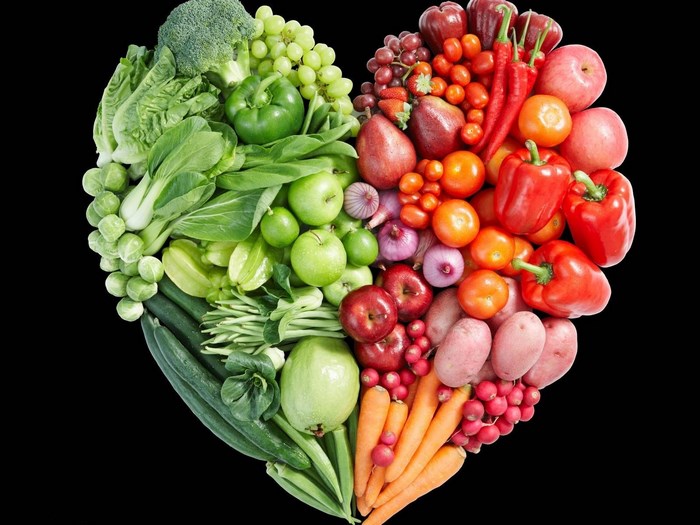
If you set out to eat more fruit and vegetables then you will find you have naturally replaced many processed foods with more natural ones without even being aware of it. Get to know when they are in season and try to eat seasonally, as that is the way you will get the best level of nutrients available.

Look for suitable alternatives – porridge made from wholegrain oats (not quick oats) or quinoa makes a great alternative to boxed cereals. Other breakfast options might be eggs with spinach, asparagus or avocado, quinoa with fruit and nuts, fruit salad and yoghurt, high-fibre-superfood fruit smoothies, omelettes with different vegetables, homemade baked beans, bircher muesli with fruit, green juice. When I have some time I enjoy stir-fried vegetables.

We are all time stressed these days, but the very best way to avoid processed foods is to make foods yourself. Instead of just watching Masterchef, get out in the kitchen yourself and cook up your own junk foods. When you make cakes, muffins or biscuits yourself you can use real eggs, butter or good oils and avoid artificial colours, preservatives and trans fats. Make your own oven-baked potato wedges and avoid the additives. You can flavour them with spices like sumac for an extra kick. Invest in a bread maker, making bread at home is so easy these days, you can even start your own sourdough bread starter.

This is the way to start back to good health through our eating, by reclaiming a few of the best practices of the past, by becoming aware enough to check out what we are consuming before wolfing it down, and by selecting foods that look like they may have come from the garden.

Simple really!

What are your favourite ‘junk food’ alternatives?

photo:  John Burke
photo: John Burke

Disclaimer.

All information and opinions presented here are for information purposes only and are not intended as a substitute for professional advice offered during a consultation. Please consult with your health care provider before following any of the treatment suggested on this site, particularly if you have an ongoing health issue. 

Source articles

http://www.foodinsight.org/LinkClick.aspx?fileticket=wtg018sd8qk%3D&tabid=1398

http://foodmatters.tv/articles-1/dirty-secrets-of-the-food-processing-industry

http://www.100daysofrealfood.com/10-reasons-to-cut-out-processed-food/

http://www.healthy-food-site.com/processed-food.html

http://www.westonaprice.org/modern-foods/wheaty-indiscretions

Related articles


The Benefits of Drinking Green Tea

I grew up a tea drinker because my mother was a great tea drinker. It almost seemed I was destined to follow and she couldn’t wait for me to be old enough to discover her love of tea. Most of my memories of her involve her holding a cuppa in one hand. She’d start her day with a mug of tea and end it the same way. She’d even take a mug of tea when she went outside to garden or hang the washing out. But she always drank black tea and never got to know the amazing health benefits of green tea.

Back then tea was always black tea varieties. Green tea was served at the local Chinese restaurant, but I never knew anyone who actually drank it. But the health benefits of green tea are now well known and widely touted.

health benefits green tea

The healing effects of green tea have been recognized by the Chinese for over 5,000 years. In the west we have been slow to recognize these, but widespread research has verified the amazing role that green tea plays in protecting the body against a host of diseases. You too can benefit simply by drinking green tea each day.

Tea is rich in antioxidants called polyphenols, which are considered the most effective and protective of all the antioxidants. Green tea is particulary rich in one of these called catechins, with between fifteen and thirty percent catechin content. EGCG is the main active component of the polyphenol activity and is highest in green tea.

The Difference Between Green And Black Tea

Green tea differs from black tea in that it is unfermented. It is made by steaming the leaves very quickly just before picking, rolling and drying. This prevents the breakdown, or oxidation, of the catechins.

Black tea undergoes more processing and the leaves are subjected to heat and light where they wither before they are fermented. This results in the EGCG being converted into less effective compounds. Black tea has less far less beneficial properties than green.

I started drinking three cups of green tea on my homeopath’s advice and initially I hated the taste. But I decided to experiment with how I made the tea and learnt some interesting things.

  • Strong green tea is very astringent.
  • Green tea gets bitter as it cools down.
  • Experts advise to not use boiling water in the preparation of green tea as it destroys the flavonoids which give the healing potential.
  • Green tea marries well with other herbal and floral flavours.

Once I realized that unlike black teas, the strength and temperature of the green tea brew was far more crucial to drinking pleasure, I quickly came to enjoy it. In fact I enjoyed it so much that I had to careful not to drink too much and this leads to digestive problems. Now I stick to three or four cups a day.

Green tea is often combined with other ingredients. Jasmine is one of the more common ones. Recently I found a wonderful mix of green tea and berries. Not only is it delicious, it is also loaded with antioxidants.

The Benefits

teapot cartoonWhich brings me to the benefits of drinking green tea, and the good news just keep getting better. It’s difficult for any black tea or coffee lover to see why they should make the change, whether it be a total change to green tea or just to include it alongside their coffee or black tea, but green tea has many reasons why it’s a vastly better choice.

Green tea’s high in antioxidants (EGCG) to protect the cells from damage and inflammation caused by free radicals which leads to many chronic diseases.

Scientific research into the effects of green tea

Continue reading…


Disclaimer.

All information and opinions presented here are for information purposes only and are not intended as a substitute for professional advice offered during a consultation. Please consult with your health care provider before following any of the treatment suggested on this site, particularly if you have an ongoing health issue. 

Source articles

http://www.naturalnews.com/034227_green_tea_caffeine.html

http://www.naturaltherapypages.com.au/article/Why_Is_Green_Tea_Good_For_You

http://www.betterhealth.vic.gov.au/bhcv2/bhcarticles.nsf/pages/Tea_leaves_and_health

http://www.findwholeness.com/blog/diet-and-nutrition/drinking-tea-causes-anemia-low-calcium/

http://www.care2.com/greenliving/13-reasons-to-drink-green-tea.html

http://articles.mercola.com/sites/articles/archive/2008/07/24/green-tea-protects-against-heart-disease.aspx

Related articles


Spirulina, The Supergreen Solution

super spirulina

Spirulina is one of my favourite superfoods because it is one of the most nutritious plant-like organisms known to humans. I regard it as the ultimate superfood powerhouse. Although there are other super-greens such as chlorella, spirulina is almost like the supergreen equivalent of a “multi-vitamin”, a great all-rounder. Its nutritional benefits are both vast and impressive, making it an invaluable food especially for vegetarians, vegans, anaemics, diabetics and anyone who is nutritionally compromised.

Spirulina is one of the oldest life-forms on the earth and it helped produce our oxygen-rich atmosphere billions of years ago. Actually a blue green algae, it is a 100% natural and highly nutritious micro water plant. It is found in both the ocean and large warm alkaline fresh water lakes.

Spirulina is so nutrient dense you could survive on it and water alone.

Health Benefits

Spirulina earns its superfood powerhouse status because it has the highest concentration of digestible vegetable protein (60-70%) with a perfectly balanced combination of essential amino acids. This is more protein than you will find in beef, chicken or soybeans.

One of the most common vitamin deficiencies found in a vegan or vegetarian diet is vitamin B12. When you consider that Spirulina also contains large amounts of Vitamin B12, which is very difficult to find in other plant foods, it is easy to understand why it makes such a great choice for vegetarians.

Spirulina is loaded with other nutrients in addition to B12. It is very rich in iron, which is a mineral that is very commonly deficient. Spirulina also contains calcium, magnesium, and Vitamins A, B, C, D, E and K. There are also small amounts of a number of other minerals. There is no use in ingesting lots of minerals if they are not absorbed, but Spirulina actually improves mineral absorption and so the abundance of minerals it contains can be utilized properly by the body.

Spirulina is a wonderful plant source of the essential fatty acids linolenic acid (omega-3) and GLA (omega-6), offering a great source for anyone who cannot get their essential fatty acids from fish oil.

There is always some concern about the effect on processing and shelf storage on nutrients. But Spirulina only grows in extremely warm conditions and it has the ability to withstand the high temperatures that are always involved in processing, able to retain its nutritional value unlike many other plant foods which deteriorate at these temperatures.

It only contains 3.9 calories per gram and still has all of these great benefits. It is a low calorie, nutrient dense

The immune boosting qualities of spirulina can never be over stated. With its unique ability to fight infection, enhance cellular functioning, and even keep cancer at bay, it has a wide range of uses.

Here are some ways that Spirulina is beneficial:

  • Boosts energy – it is a source of life force or vitality
  • Protection against viruses including flu, herpes, mumps and measles
  • Promotes healthy nerve tissue
  • Increases antioxidant protection to fight free radicals
  • Improves digestion and gut health Improves age spots, eczema, acne, rashes
  • Fights the ageing process,
  • Curbs the appetite to help weight loss
  • Aids glaucoma, cataracts, poor vision
  • Improves allergies & respiratory function
  • Helps to detoxify radiation out of the body
  • Plus it fights heart disease, reduces arthritis, osteoporosis, diabetes and depression, and lowers bad cholesterol

Because it is so easily digested it packs a powerful punch when it comes to all these benefits.

What to look for

Good Spirulina has no side effects, and this is one product that you need to be absolutely certain of the quality. Contaminated blue-green algae is incredibly toxic to the system and can cause a range of fresh health problems such as liver damage. Because Spirulina easily absorbs nutrients from water, if the water contains pollution or heavy metals, these will be highly concentrated in the Spirulina cell. If this happens, then this kind of Spirulina is no longer suitable for human consumption. There are a number of Spirulina products on the market that are of questionable quality so select carefully. Either research well or buy from a qualified practitioner.


Spirulina Tablets
Spirulina Tablets

Spirulina comes in powder or tablet form and it is easy to tell if it is good quality or not. Quality tablets are made without sugar, starch fillers, animal parts, preservatives, stabilizers, and colours. They are a uniform dark green colour without any light coloured specks. You can take up to about twelve a day, and some people take even more. But start out with three and increase to six over a couple of days. You can take them all at once or spread over two doses. The recommended dose for adults is 5-10 per day.

When I am going on a long-haul flight I take lots of Spirulina on the day of the flight as well as the day before and the one after. It is part of my ‘flight regime’ to help overcome the bad effects of air travel.

Powder is a better choice if you want to add spirulina to smoothies, juice or other foods. 100% pure powder is also a uniformly dark green colour.  You feel the effects very quickly because the powder is easily digested. Because Spirulina is a natural food and NOT a supplement you can’t take too much. If you take more than you need it is like overeating. You can take two or more tablespoons a day but a good way to start is with one teaspoon (5 grams) added to drinks or other foods. The drink or smoothie colour will change to dark green but it doesn’t really affect the flavour. You can gradually increase the amount over time to two teaspoons (10gms) per drink.

I use the brand Hawaiian Pacifica made by Microorganics in my clinic as I know it to be high quality and free from toxic heavy metals. Just for the record, I have no affiliation with this company or product, and only recommend it to you to help your health. (I also like this one personally as it is easy to swallow)

If you are very run down or have a debilitating illness keep the amount you take low. You will get enormous benefit from the smaller amount and the smaller quantity will not push your body too fast or too hard.

Avoid alcohol, soft drinks or coffee for about 30 minutes after taking the spirulina as these will destroy some of the nutrients and enzymes.

People with hyperparathyroidism or phenylketonuria should not take spirulina.

Spirulina powder
Spirulina powder

Disclaimer.

All information and opinions presented here are for information purposes only and are not intended as a substitute for professional advice offered during a consultation. Please consult with your health care provider before following any of the treatment suggested on this site, particularly if you have an ongoing health issue. 

Natural Ways To Deal With This Galling Problem

Dandelion, a classic bitter herb stimulates bile production as well as bile action.

Gallstones are a common condition and gallbladder removal is one of the most commonly performed surgeries in Australia, where about 18,000 are performed using keyhole surgery each year.

The gallbladder is a small pear shaped pouch-like organ in the upper abdomen just under the liver, that works alongside the liver to digest foods and eliminate toxins. It is responsible for breaking down fats, mostly cholesterol, so that they can be absorbed through the walls of the small intestine.

Bile is made in your liver from recycled red blood cells, cholesterol and bile salts (minerals). The bile then passes from your liver into the bile duct and gallbladder which acts as a storage house. Here the bile is concentrated ready to be released when it is required. After a fatty meal more bile is needed to digest the extra fat and can be released quickly from the gallbladder into the intestine to help with digestion.

When your gallbladder is not functioning well it can affect your energy level, your weight, exacerbate thyroid conditions, cause bloating, gas and stomach pain and other miscellaneous pains. But many people nowadays have poorly functioning digestive systems and often regard many of these symptoms as being normal.

Many people have gallstones and are not even aware of them as they have no obvious symptoms. But for some the presence of gallstones can cause excruciating pain and other symptoms.

Bile is usually liquid, but when the different components are out of balance the bile hardens and over time forms gallstones. They can be the result of insufficient amounts of bile or an excess of cholesterol (fat) in the bile. At first the fat clumps to form a sludge. With time this sludge thickens to become first ‘sand’, then ‘gravel’ until eventually the ‘gravel’ becomes one or more gallstones, which can be as big as a golf ball. They form in the liver and most of them are carried through into the common bile duct on their way to the small intestine.

English: Opened gall bladder containing numero...
Opened gall bladder containing numerous gallstones resembling pebbles (Photo credit: Wikipedia)

Problems arise as the gallstones pass from the liver through the common bileduct. When a stone begins to make its way down this tube the result can be what is known as biliary colic. Pain suddenly starts under the ribs on the right side, sometimes radiating up into the back, getting steadily worse for a few hours until the stone passes out of the bile duct and into the intestines. It can be accompanied by sweating, vomiting and great restlessness. The attack passes, but will recur again later.

The next stage of gallbladder disease, cholecystitis, is similar to biliary colic but involves inflammation and fever and vomiting. The pain is often stronger and lasts longer and  jaundice occurs if the stone becomes stuck along the way. If the stone gets impacted in the neck of the gallbladder it impedes the flow of bile and the gallbladder eventually becomes infected. This is when a major attack occurs, often requiring surgery.

After the gallbladder is removed the bile drips steadily into your intestines. Because there is no longer anywhere to store it, there are no reserves for the body to draw on if it has to digest a greater amount of fat so it becomes vital not to eat large amounts of fat that will overwhelm the system.

There are a number of factors that make you more susceptible to gallstones.

  • They are twice as common in women than men.
  • It seems that oestrogen plays a role and having more children puts you more at risk.
  • So does pregnancy, obesity, liver disease, diabetes, high fat diets, the contraceptive pill, a sedentary lifestyle, family history of gallstones and some forms of anaemia.
  • Their incidence also increases with age particularly for those over sixty years old.

Some Natural Ways To Prevent Gallstones

The gallbladder works with the liver to digest food and eliminate toxins. When either of them is clogged up from poor nutrition or a buildup of toxins the cholesterol in the bile crystallizes to form gallstones. Gallstones are far more difficult to break down than to prevent, so it is worth taking steps to keep your liver and gallbladder happy.

Gallstones won’t form if you are digesting fats properly. However, removing fats totally from your diet, while it might seem like an easy option, is not the answer. Your body needs fats in order to function efficiently and therefore it is a matter of choosing better forms of fat and digesting those fats well. In fact eating fats helps to prevent the bile in the gallbladder from stagnating as it promotes the flow of bile.

HEALTHY FATS

The best approach lies with choosing healthy fats. Olive oil, coconut oil and saturated fats from grass-fed animals for instance, actually help assimilate nutrients from foods that help to maintain a clean liver and gallbladder. Select foods rich in omega-3 fatty acids such as oily fish or chia seeds, to reduce the toxic burden. One way to help break down the fat in your meal is to have lemon juice before you eat. Add it to warm water as a tea and drink thirty minutes before eating. It will cut through the fat making it easier to digest.

Avoid unhealthy fats and oils such as canola oil, soybean oil or other vegetable-based hydrogenated processed oils as they cause inflammation and chronic inflammation leads to chronic disease. In addition chronic inflammation causes high cholesterol. Don’t include foods high in unhealthy fats like burgers, fried foods, ice-cream, or cheese.

Raw, unfiltered apple juice is a useful way to support the gallbladder.

FOODS

Liver and gallbladder health is strongly affected by what you eat. Foods are perhaps the simplest way to make changes to your health. Here are a few that will support your gallbladder or even dissolve gallstones.

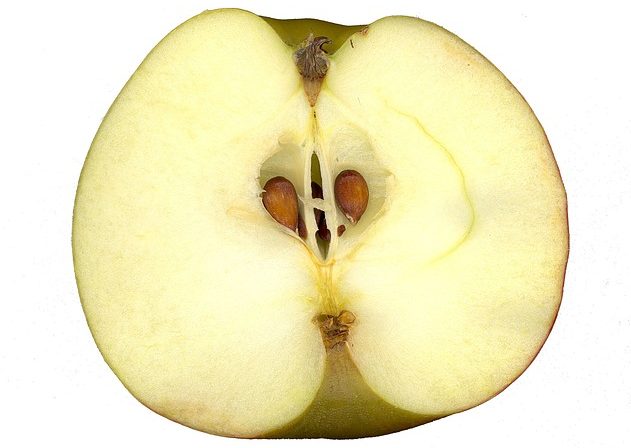
1.  Apples are a great friend for the gallbladder and eating apples is a particularly useful way to support the gallbladder. They contain pectin to soften and disintegrate existing gallstones and prevent new ones forming. Raw, unfiltered apple juice is very rich in pectin. Juicing reduces inflammation and enzymatically helps to detoxify your liver and gallbladder. Good selections to add to apples are lemons, celery, tomato and beets. Another wonderful apple juice variation is to add Apple Cider Vinegar mixed with malic acid to it, which makes a great gallbladder flush. The richest source of malic acid is apples.

2.  There are a number of foods that are perfect for offering support to the liver, and therefore the gallbladder. Green vegetables including artichokes, rhubarb, beets and cruciferous vegetables (cauliflower, broccoli etc) stimulate bile  production.  Other helpful foods include green leafy vegetables, fresh ginger, and foods rich in pectin. Add them to your meals wherever you can.

3.  Diets high in refined carbohydrates are a problem because they reduce the solubility of the bile, making it more likely to ‘sludge’

4.  Eat lots of soluble fibre (apples, celery, dark green leafy vegetables) which goes a long way to help prevent gallstones forming and can even reverse them once they have formed.

5.  Having sufficient bile is also essential and some foods that promote bile production and flow are artichokes, beets, dandelion root, and turmeric.

6.  Turmeric is certainly a powerful antioxidant and anti-inflammatory food. Adding it to your meals helps maintain a healthy gallbladder by improving the solubility of your bile, so that it is able to break down the minerals and cholesterol in it more efficiently. You can take also take curcumin (the active component of turmeric) as a supplement – 300mg of curcumin three times a day.

Support For Your Liver And Gallbladder

Because the liver and gallbladder work alongside each other, taking care of your liver also benefits your gallbladder. Reducing your toxic load greatly reduces the strain on your liver and how hard it has to work. You can do this by reducing your intake of caffeine, alcohol and unnecessary medications. In addition try to reduce any toxins you are exposed to, but don’t actually ingest. Hair care products, skin and body care products, toxic fumes, even the pesticide residue on  non-organic foods are some factors that put stress and strain on your liver. Don’t forget that you body may regard and respond to many seemingly harmless foods as toxins. Foods such as gluten and dairy foods are perfect examples.

There are a number of botanicals that you can treat your liver to. Milk thistle (Silybum marianum) protects liver cells. Dandelion root, a classic bitter herb can be taken as a tea or latte, and stimulates bile production as well as bile action. Rosemary is another herb that stimulates bile production. Both young milk thistle leaves and dandelion leaves (picked from your garden) can be steamed like spinach or added to salads.

There are many wonderful Homeopathic remedies such as Chelidonium, Dioscorea, Nux vomica and Lycopodium amongst many others, used to successfully relieve the symptoms of gallbladder attack as well as to redress a dysfunctioning liver and gallbladder and prevent more gallstones developing.

If you find you get mild pain after eating fatty foods you could take the digestive enzyme lipase to help digest the fat. But, if you provide extra enzymes as a supplement over a long period, and your body is no longer required to manufacture them at all, it may cease making them altogether. It is far better to improve the health of your body so that it is able to more easily make the enzymes it requires itself. In the long run it is the healthier outcome.

 Supplementing with lecithin is one easy way to dissolve gallstones. Make sure it comes from sunflower or non-GMO soy. The digestion of lecithin requires large amounts of bile, and in the process hardened gallstones are also dissolved. Taking even one gram of lecithin three times a day has been shown to increase the concentration of lecithin in the bile. Taking more (up to ten grams) produces even greater increases.

Lastly, increasing exercise and stretching can help prevent gallbladder disease.

Raw turmeric - a powerful antioxidant and anti-inflammatory
Raw turmeric – a powerful antioxidant and anti-inflammatory

Disclaimer.

All information and opinions presented here are for information only and are not intended as a substitute for professional advice offered during a consultation. Please consult with your health care provider before trying any of the treatment suggested on this site. 

Source articles:

http://www.livestrong.com/article/535096-foods-that-increase-bile-flow/

http://foodmatters.tv/articles-1/how-to-prevent-gallstones-with-everyday-foods

http://www.naturalnews.com/038571_gallstones_prevention_foods.html#xzz2HHGadpLN

http://www.betternutrition.com/gallbladder-function-nutrition/columns/askthenaturopath/1016

http://www.detoxyourgallbladder.com/gallbladder-function/

http://www.bodyandsoul.com.au/health/health+advice/what+does+a+gall+bladder+dor,18591

ht

Avoid Toxic Chemicals in Your Skin Care Products – Here’s How

We’re told all the time that it is essential to be careful what you put into your body. Most people know they need to avoid chemical additives and toxins in their food. But it is just as important to be careful about what you put onto your skin.

Your skin is capable of absorbing 1-2kg of whatever is put on it! Skin care, hair products, sunscreen, cosmetics, hand cleaners – the chemicals in all of these are absorbed through the skin and into your bloodstream. From there they can travel anywhere in your body.

Skin Care Labeling

If you stop and think about what this means it gets quite scary. Why? Because the regulations that control labeling on these products are very sketchy. Also, enforcement of accuracy and truthfulness describing ingredients or effectiveness of the product, in both the labeling and marketing, is minimal.

Many countries don’t even require manufacturers to list all the chemicals that have been added. Terminology is misleading. Claims of fantastic results don’t have to be proven until the manufacturer is taken to court. That rarely happens because few have the money to sue the giant skin care companies.

Basically, there is no way of knowing the details or the truth about what the products actually do, if anything, and what is in them.

This means that a product that is labeled as “natural” or “organic” could easily have quite toxic ingredients in it without you even knowing it.

Here in Australia cosmetics don’t have to have the ingredients listed on the product or the packaging. Ingredients only need to be displayed at the point of sale, and that can just be on a slip of paper or the shelf label. Few people can read the label in the shop and remember what all the long, unpronounceable chemical names are, and which ones are harmful.

Skin Care Ingredients

This lack of transparency is pretty serious given that many women wear make-up every day.

Most people are applying more than safe quantities of these toxic or questionable chemicals on their skin and into their bloodstream every day.

Let me explain using the fictional chemical ‘x’ as an example.

The safe amount of a chemical in a product is calculated with the assumption that the product is used alone. This means no other products containing that chemical will be used at the same time. In our example, the particular amount of chemical ‘x’ in this single product is considered to be within the safe guidelines to be absorbed into the body. However, in real life chemical ‘x’ will actually be used in product after product.

Given that most women use an average of twelve personal and cosmetic products each day, and most men use an average of six, you can see that the amount of chemical ‘x’ they put onto their body is way in excess of the amount considered safe.

The Chemical Maze

THE CHEMICAL MAZE by Bill Statham

This little book turned this whole dilemma right on its head for me.

It was small enough to sit in the bottom of my shopping bag and lists all the additives you are likely to find in foods, skin care and cosmetics. Beside each additive it lists what products it is normally added to, why it is added to the product, whether it is benign, harmful or very harmful, and what effects it normally has on the body. Pretty comprehensive!

For years I carried this little gem when shopping and didn’t have to remember the confusing names of dangerous chemicals. Luckily for you the app is now available through Google Play or the App Store so it’s much easier to take shopping.

It is a real eye opener to read that a chemical added to make a skin care product feel moister as it’s applied actually dries out the skin afterwards. It amazed me how many chemicals added to skin care and cosmetics cause dermatitis, flaky scalp or other skin problems!

You can read about some of the worst additives in skin and body products here, but chances are you will forget their names when you’re are at the cosmetic counter. Which is why The Chemical Maze app is essential.

Let’s hope that as more and more of us start to demand accurate information these deceptions will stop. But in the meantime, let’s get informed and bring about change with our shopping dollar.

In case you wandered, I don’t have any affiliate interest in this product. I just want to share this amazing app with you to help with your shopping choices.

“I was blessed to come across The Chemical Maze as a teenager and have always bought the updated editions of the book. Bill’s knowledge is incredible and I respect him, his work and his commitment to making a difference to others.”                    

Miranda Kerr xxx

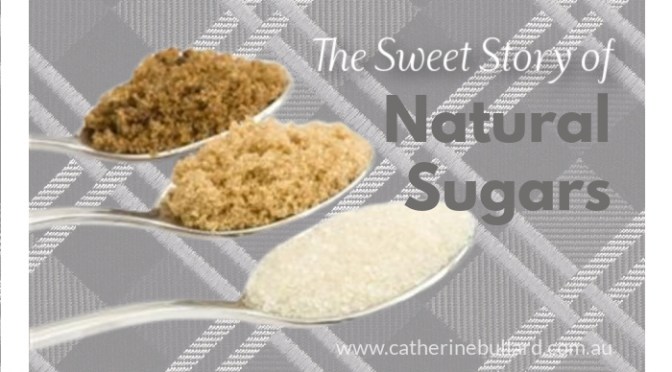
The Sweet Story Of Natural Sugars

Sugar has become our cherished bestie; the love we hold the dearest to our heart. We add it to coffee, it’s hidden in almost all processed foods and it has become something that it is virtually impossible to avoid unless we prepare all our food ourselves from basic, raw, fresh ingredients.

With increased obesity in the population and widespread concern about chronic disease connected with obesity, many people are now seeking alternatives to sugar as part of a general clean-up of their diet. In the campaign to deal with the obesity epidemic there have even been calls to have sugar consumption regulated by placing a tax on it. These days refined sugar is regarded as one of the worst foods for our health.

When it first appeared in Europe courtesy of the Arab traders, sugar, like many of the new exotic foods was a luxury enjoyed only by the wealthy. But ironically it is the wealthy who are now able to avoid sugar more easily, because they can avoid the cheap, processed foods made with large quantities of added white sugar.

Paradoxically, given the rise in obesity numbers in Australia, sugar consumption in Australia has fallen. In 2011 the average Australian still consumed 42kg of sugar per year, or 800gm each week. This figure can be compared favourably to the 57kg that was consumed back in 1951. This represents a significant drop over 60 years, but nonetheless, is still a large amount of sugar.

In both the USA and Australia, 22 teaspoons of sugar are consumed on average every day. But in the USA sugar consumption, as well as obesity rates, has risen. In the UK consumption is closer to 16 teaspoons of sugar a day, or 1.25lbs a week. Most people by now have seen the TED video by Jamie Oliver where he demonstrates just how much sugar from milk alone is consumed by a child in USA before they reach school. This is indeed cause for alarm.

The Bad: Artificial Sweeteners

One very simple way to change your diet for better health is to address both the quantity and the types of sugars that it contains. Artificial sweeteners are not the answer. While they are simple to use and have been used extensively by the processed food industry to create ‘low-fat’ and ‘light’ ranges of foods they pose a number of problems when you use them. Aspartame for instance, marketed under a number of brand names, has been linked with cancer and connected to all sorts of other problems.

One of the problems with artificial sweeteners is the lack of studies into the long-term effects on the human body. Most research focuses on immediate effects, which presents a problem with long-term health prospects. So many new chemicals have been introduced into our lives during the last seventy years, but it is only now that we are starting to see some of the long-term effects those chemicals have on our health. It is only now that repeated disease trends amongst the people who have used those chemicals over a long time are becoming apparent. In many ways the users of the chemicals in the community are unwittingly the chemical trial-ers

ASPARTAME is 180 times sweeter than sugar. It is made by bonding two amino acids, phenylalanine and aspartic acid, and a methyl esther bond. When these break down in your body wood alcohol, a poison, and formaldehyde (highly toxic) are formed. Although the amino acids are found in food, and are normally safe, in aspartame they occur in  huge quantities, far greater than they ever do in food. When they get in the body they act as a neurotoxin – they attack your cells, including the brain cells, overstimulating them, just like MSG does. They can lead to birth defects, cancer and weight gain (yes, that’s right, weight gain!)

SACCARIN is 300 times sweeter than sugar. But this artificial sweetener can cause allergic reactions if you have a problem with sulfa drugs.

CYCLAMATE is 30 times sweeter than sugar. It is allowed in Australian foods, although banned in USA because there are risks of chromosome damage and bladder cancer.

SUCRALOSE is a synthetic chemical. Because of the way it is made, your body is not able to break it down so it passes straight through. Or it should! But studies on animals showed that some sucralose was absorbed by the gut and resulted in anaemia, infertility, calcified kidneys, abortions, even death. There has only been one tiny study of the effects of sucralose on humans, and that study only lasted four days, not long enough to guage any long-term effects on the human body.

THE GOOD: OTHER ALTERNATIVES

More recently a new breed of sweeteners has hit the shelves which offer better options to the health conscious.

STEVIA is probably the most prominent. It comes from the herb Stevia rebaudiuna from Paraguay in South America. It is up to an amazing 300 times sweeter than sugar so you need to only use very little. There is actually some research that suggests that stevia may decrease blood glucose levels, without resulting in hypoglycemia. With zero calories and no glycaemic impact it can be used by diabetics. The natural herb seems to be a perfect substitute for sugar.

In Australia it is becoming more common to see stevia used as a sweetener in many foods. In the USA however, it has not been granted approval in its natural state as a sweetener. Ironically though Coca Cola and Pepsi were both granted approval for their own processed version of Stevia which they manufactured to add to their diet drinks. It seems absolutely crazy that a chemical version manufactured in a lab gains approval when the natural herbal cannot.

One of the disadvantages of Stevia is that it sometimes has a slight bitter aftertaste. The aftertaste is only a problem for some people and should not be enough to put you off using it. You may find the liquid form is better if this bothers you.

You can buy stevia in health food stores and grocery stores. Be careful when buying it and make sure to read the label. I found the ‘Natural Stevia’ on the supermarket shelf was mixed with aspartame making it an obviously undesirable product.  Sometimes you can also get the green leaf which is better for you.

Stevia (sugar substitute) cuttings doing well
Stevia (sugar substitute) cuttings (Photo credit: hardworkinghippy)

COCONUT PALM SUGAR is a sweetener that is, deservedly, gaining popularity right now. Coconut sugar is nutritious with a low glycaemic score, so unlike processed white sugar, it won’t give you a ‘high’ followed by a crash. It has a rich flavour, a bit like brown sugar, and can be substituted directly for sugar, spoon for spoon.

Although the trade in palm oil is having a detrimental effect on the orangutan population, it is worth knowing that palm sugar comes from a different species of palm to the one that is widely planted in the cleared forest areas inhabited by the orangutans, the one that is used for palm oil.

The sugar is extracted from the harvested flowers. The trees live for twenty years and provided that enough flowers are left on the tree for pollination to ensure future crops, it is regarded as a very sustainable crop, one that can be grown anywhere and one that provides small communities with a cash income. This species of palm tree is particularly useful in areas where the soil is degraded as they restore otherwise damaged, compromised soils and they require very little water or soil nutrients.

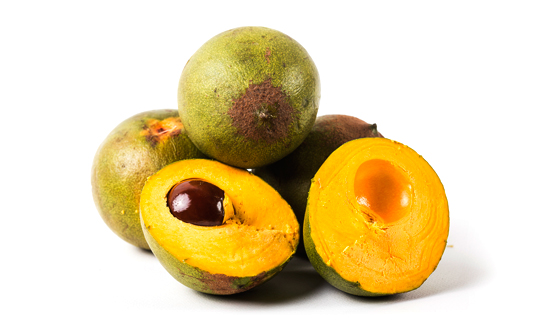
LUCUMA POWDER is an excellent source of nutrients. It originated in the highlands of South America. Lúcuma is a large sweet fruit which contains fibre as well as good levels of beta-carotene, iron and vitamin B. It has a low sugar content but is sweet, with a taste similar to maple syrup.

MANUKA HONEY or RAW HONEY has been used as a sweetener for generations. As well as being a delicious sweetener it has wonderful health benefits. Its properties as an antibiotic, antifungal and antimicrobial meant it was traditionally used to treat a wide range of ailments, particularly when there was infection present. Rich in phytonutrients, including antioxidants, minerals, vitamins, amino acids, enzymes and carbohydrates, raw honey is a Superfood.

BUT you must be careful with your honey…I am not talking about any old honey off the supermarket shelves which has been processed and contains few nutrients. This is MANUKA or RAW HONEY we are talking about here – search it out. And limit the quantity you use.

XYLITOL is one of the sugar alcohols, along with erythritol, isomalt, lactitol, maltitol, mannitol, sorbitol, which are derived from the sugar found in fruit. Sugar alcohols are absorbed by your body slowly and so can pass through the whole gut before they have been totally absorbed. Unlike stevia, xylitol does contain calories, but far less than what is found in sugar. Many love it because it can substituted directly for sugar, one spoon of xylitol for one spoon of sugar, it has no aftertaste, and only about a third of the kilojoules of sugar but tastes just as sweet as sugar.

I know many health practitioners who recommend xylitol. But because it is not well absorbed, it can cause dramatic abdominal cramping, bloating and diarrhea in certain people, and for the sensitive this may be severe and it may occur after just one single  teaspoon. Also, although it is made from plants – birch bark, corn or sugar cane fibre, in order to bring about the change from the fibrous plant state to the white grains it requires a deal of processing which involves using man-made chemicals including amongst others, sulfuric acid and phosphoric acid. It’s worth noting that xylitol is toxic to dogs, so make sure you don’t feed meal scraps that were made with xylitol to your pet.

Some other natural sweeteners include:

Maple Syrup is often used in place of honey. It contains reasonable amounts of the trace mineral manganese as well as some zinc. I love maple syrup, one of my favourite natural sweeteners. But make sure to buy the real deal – organic maple syrup. Some of the stuff around is just sweetened and coloured water.

Brown Rice Syrup contains some manganese, magnesium and zinc but is highly refined. One good thing though is that it is usually organic, and all natural. There were reports last year that brown rice syrup contains arsenic so you may want to avoid it.

Agave Syrup is made from the juice of the succulent agave plant which is heated, filtered and hydrolyzed to make the syrup. This syrup has an extremely high fructose content

But when it comes down to it even though these are natural sweeteners they are still basically sugars. If you really want to get healthy and reduce your risk for diseases like cancer, heart disease, obesity or diabetes then it really boils down to reducing your craving for, and consumption of sugar.

Most foods that are highly sweetened are not those that are the most healthy anyway, usually they are high in carbohydrates and fat. If you really want to get healthy you need to tame that sweet tooth. Cutting out sweeteners breaks the sugar craving cycle that sets up in your brain every time you eat sugar (or other sweet food). Once you stop eating sweet food even though you may suffer intensified cravings initially, you will very soon find that you don’t miss it because you have broken the cycle and stopped the craving for sugar. The other positive is that your taste buds become more sensitive and you will start to really taste the natural sweetness in foods like fruit a lot better.

What is your favourite natural sweetener?

Manuka honey is a wonderful natural sweetener, just don't have too much
Manuka honey is a wonderful natural sweetener, just don’t have too much

Disclaimer.

All information and opinions presented here are for information purposes only and are not intended as a substitute for professional advice offered during a consultation. Please consult with your health care
provider before following any of the treatment suggested on this site, particularly if you have an ongoing health issue. 

Source articles

Click to access Green%20Pool%20Report%20Media%20Release.pdf

http://scepticalnutritionist.com.au/?p=514

http://www.livestrong.com/article/500273-sugar-vs-sugar-alcohol/

http://articles.mercola.com/sites/articles/archive/2011/10/08/the-4-best-and-3-worst-sweeteners-to-have-in-your-kitchen.aspx

http://en.wikipedia.org/wiki/History_of_sugar

Xylitol: Should We Stop Calling It Natural?

The Good Oil

It has long been held that all fat is bad for you. But not only are there many fats that are not bad for you, many are very good for you. In fact, you will actually be less healthy if you are not getting enough of the right kind of fat.

Good fats promote a healthy and well-functioning cardiovascular system, a healthy nervous system and are useful for maintaining weight. They help to both protect and maintain good clear skin and healthy hair, support your immune system, help regulate blood sugars, your thyroid, and even protect against cancer.

Most people know that olive oil is regarded as a healthy oil but there’s a whole new breed of oils that may be better choices, particularly when it comes to using oil for cooking.

Cooking With Oil

During cooking there is a temperature reached with oil called the smoke point, which is the point at which the oil is compromised, both in taste and nutritionally. This is the temperature point where the oil starts to break down chemically, and it varies from one oil to the next. This point depends on whether the oil has been refined or not and the extent of refining, as well as the origin of the oil.

As the oil comes close to burning bluish smoke starts to rise and it starts to break down. As it breaks down it creates trans fats. Oil that has been damaged by overheating is bad for you because it is chock full of free radicals, which we already know are the basis of disease. Oils with a low smoke point should not be used for cooking at all because they break down quickly.

Types of Oils

Before we go on to which oils are best for which purpose it’s worth knowing that there are three different types of oils, monounsaturated, polyunsaturated and saturated. It is important to know which is which in order to make healthy choices. For a long time, the advice has been that saturated fats are bad for you and polyunsaturated fats are good for you. But it is not as straight forward as that.

Many oils today are refined. Refined versions of the oils have a higher smoke point than unrefined versions. However, chemicals and high heat are used in processing to extract the oil, which drastically damages the nutrients, rendering them harmful. Hydrogenated vegetable and seed oils are man-made and you need to be avoided. You may know these better by their other name – trans fats.

Extra-virgin oils traditionally came from the first pressing of the fruit, seed or nut, but now the term is more likely to mean the oil is ‘pure’. These days cold-pressed oils are unlikely to actually have been pressed, so cold-extracted is a more accurate description. The oil is extracted using centrifugal force and very low heat, about 28-30C, low enough not to damage the oil. The speed at which the oil is extracted helps to preserve the antioxidants.

The stability of the oil is the important factor when it comes to heating the oil during cooking, particularly to fry which requires higher heat. For this type of use saturated oils are the most stable, mono-unsaturated are pretty stable, and polyunsaturated are the least stable. Polyunsaturated oils are the worst to cook with, including safflower, sunflower and canola. These polyunsaturated oils contain lots of omega 6 fats which when damaged, form artery clogging trans fats. They also cause many other serious health problems.

Which Oils are Healthier

Which oil to select depends on what you are going to use the oil for. If it’s for dressing a salad then you would look for one with a nice taste, but if you want to cook with it you need to consider whether the oil will stand up to the heat. If you will be frying food, then the oil needs to have a high smoke point.

It is always better to select oils that are unrefined as they are going to have more nutrients and less additives so will be healthier for you. It’s not worth buying cheap oils because eventually they will cost you more by affecting your health. Generally, the pricier the oil the more likely there was care taken in the manufacture.

Here is the lowdown on some of the better edible oils you can use in your cooking.

Coconut Oil

Coconut oil is almost all saturated fat and so has been the most maligned and misunderstood oil for a long time. But coconut is actually one of the healthiest oils and a nutrient packed superfood. The love affair with coconut keeps growing every day and you can read lots more about this wonderful oil right here.

It has a high smoke point, 180ْC (350ْ F) and is very shelf stable. Coconut oil is the very best choice when you want an oil that is stable even when it is heated. In addition, coconut oil also promotes heart health, helps maintain stable cholesterol and even helps you to lose weight.

Coconut is almost entirely saturated fat, but unlike the saturated fats you find in animal products coconut oil is not absorbed the same way by your body and so does not pose the same problem for your health. Unlike other saturated fats it is rich in medium chain fatty acids (MCFAs). These are easier for your body to break down and digest and they put less stress on your digestive system and body organs. This is because they are immediately converted into energy in your liver rather than being stored as fat. They also stimulate your metabolism to help you lose weight.

Long chain fatty acids (LCFAs) found in some vegetable oils, animal fats and fatty fish do not have these benefits and are more difficult to digest. Coconut oil is converted to energy like a carb but without the insulin spike in your bloodstream that happens with carbs. It doesn’t get stored in the body because it is either used immediately or your body gets rid of it. One special feature of coconut oil is that 50% of the fat is lauric acid which has wonderful health promoting qualities and is able to destroy virus and bacteria.

Avocado Oil

Avocado oil has a high smoke point of 200 degrees C, so you can use it to cook at high temperatures without compromising the properties of the oil. It has been proven to fight heart disease and effectively lower bad cholesterol (LDL). It helps with diabetes, cancer, skin and hair problems. Avocado oil contains a healthy beneficial balance of omega-6, omega-3, and omega-9 fats as well as the antioxidant vitamin E. The vitamin E level is higher in cold-pressed versions as they have undergone less oxidation.

Avocado oil is also used frequently in skin creams as a moisturizer.

Macadamia Oil

I recently saw macadamia oil referred to as the ‘new olive oil’. But I actually think it is better. It is over 80% monosaturated (good) fat and is one of the healthiest oils available for cardiovascular health, even better than olive oil. It has a very high smoke point at 220ْ C (430ْF) which makes it a healthier oil to use for cooking. It has a two-year shelf life.

Here is why this All-Aussie nut oil is so good for you. It enhances heart health, helps to reduce the buildup of plaque and prevents atherosclerosis, reduces the risk of heart disease, helps with blood sugar regulation for diabetics, and helps your nervous system function well.

Unrefined avocado, macadamia or coconut oil are all healthy choices

Walnut Oil

The smoke point of unrefined walnut oil is 180ْ C (350F), slightly lower than either coconut or macadamia oil, and easily damaged at high temperatures, so one to avoid for frying.

It has a nutty flavour and is great in salads and smoothies. Unrefined walnut oil contains high levels of monounsaturated oils such as omega 9 which keeps your arteries supple and helps prevent atherosclerosis and heart disease. It is also high in omega-3 and omega-6 to reduce inflammation, and to lower the risk of blood clots and erratic heart rhythyms. Research from Penn State University showed that wanuts and walnut oil could maintain healthy blood pressure even during stressful times. It is an excellent source of vitamins B1, B2, B3 and vitamin E. It can help prevent eczema and alleviate other skin problems. It is one of the best sources of antioxidants of the tree nuts.

Olive Oil

Olive oil is indeed a healthy oil but not when it comes to cooking. It is a monounsaturated fat which makes it more stable than polyunsaturated fats. But on a cellular level it is not so stable and has been associated with increased risk of heart disease and breast cancer when it is heated. But it is a great oil to include in an unheated state.

The smoke point varies depending on how olive oil is made. Extra Virgin olive oil is 160ْ C (320F). Virgin is higher at 220ْ C (420F) and extra light 240ْ C (470ْ F). The rise in smoke point corresponds to how refined the oil is, the less refined having the lower smoke point. Extra virgin olive oil is a very perishable oil and can go rancid quickly, every time it is exposed to the air it oxidises.

Comparison of Oils for Cooking

Remembering that the smoke point for each variety of oil is variable, and that it is always better to avoid refined oils, here is a rough guide for a few oils.

Unrefined Oil Type

Smoke Point Centigrade

Smoke Point Farenheit


Unrefined Canola, sunflower, safflower,

160

225


Peanut oil unrefined


160

320

Extra virgin olive oil

160

320

Walnut oil, unrefined

160

320

Coconut oil, unrefined

180

350

Macadamia

200

390

Avocado

190-200

375-390

Refined Oil Type


Refined Canola, sunflower, safflower,

220

430

Virgin olive oil (refined)

220

430

Extra light olive oil (refined)

240

460


Walnut oil, semirefined


200

390

Coconut oil, refined

230

450

Rice bran oil

250

480


Peanut oil refined


225

440

Rice Bran Oil

Before I finish, just a quick word about Rice Bran Oil which has appeared in Australian shops over the last few years. Promoted as a ‘Natural Oil’, it is not quite as natural as you would think and is a good example of how advertising may be misleading. It has a very high smoke point, no additives listed, and the makeup of rice bran oil sold here in Oz is 47% monounsaturated, 33% polyunsaturated and 20% saturated, so it would seem a reasonably healthy choice.

However, rice bran oil is a refined oil that comes from Thailand. It is subjected to very high temperatures and chemicals during processing. It is not a cold pressed oil, like olive and some of the nut oils. On the bottle the oil it is labeled as extra-cold filtered, which is a manufacturing process that results in the removal of the saturated fats, and is not the same as cold-pressed or cold-extracted.

Select the Best Oil for the Job

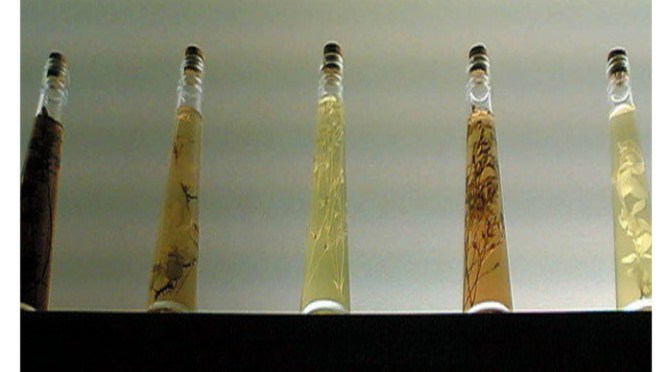
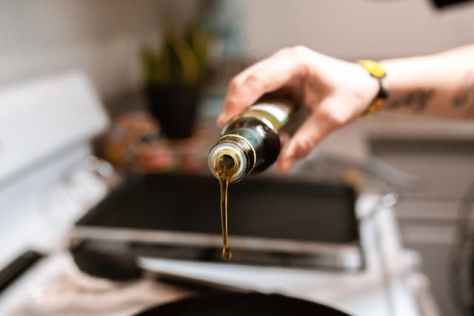
My choice for high heat cooking is avocado, macadamia or coconut oil. But as usual be careful of the quality. Most commercial oils are refined and contain chemicals from the processing so select cold pressed and extra virgin oils unless it’s for high heat cooking. Select oil in amber glass jars as this helps protect the oil from light damage.

So go ahead and enjoy your oil, just make sure you have selected The Good Oil.

good oils 2

Disclaimer.

All information and opinions presented here are for information purposes only and are not intended as a substitute for professional advice offered during a consultation. Please consult with your health care provider before following any of the treatment suggested on this site, particularly if you have an ongoing health issue. 

Source articles

http://articles.mercola.com/sites/articles/archive/2010/10/22/coconut-oil-and-saturated-fats-can-make-you-healthy.aspx

http://www.naturalnews.com/031801_avocado_oil_healthy_fats.html

http://www.naturalnews.com/004653.html macadamia oil

Himalayan Salt: The Salt Of The Earth

Every home has salt in the kitchen. But there’s a huge health difference between the different salts available. Being selective about which you use can make a significant difference to your health. Pink Himalayan salt is a healthy alternative to common table salt and contains 84 trace nutrients for your good health.

healthy alternatives to common salt

Salt has been in the spotlight for years and there are many, particularly those with hypertension, who are warned against salt and placed on a low-sodium diet.

However, concerns about salt apply to everyone, not just those with health issues. Most people still use common table salt or add cooking salt when they prepare food. But all salts aren’t the same and the different types present significant health differences.

Salt In The Diet

Most doctors regard high salt consumption as the cause of high blood pressure. However this thinking is the result of just one study and most other studies failed to show a convincing link between high-salt diets and hypertension.

In this article Gary Taubes even suggests it’s a case of public policy clashing with scientific data, resulting in misinformation for the public.

But from more recent studies it appears that fructose (a sugar) consumption may be a far greater cause of hypertension than salt. Far more fructose is consumed than salt and so may have a much greater impact on the incidence of this disease.

High salt intake is seen as contributing to strokes, osteoporosis, fluid retention, weight gain, gastric reflux and stomach cancer. But those in the natural health arena are more inclined to regard salt, or sodium, as an essential in our diet, with certain provisos.

SODIUM IS ESSENTIAL FOR GOOD BODY FUNCTION

Sodium is essential to efficient function in your body and it plays many important roles.

Salt is widely recognized as one of the minerals having a crucial role in maintaining the delicate balance that supports effective fluid control in your body, both within and outside the cells. The balance between salt and water in the body is critical and affects all the cells, the blood and the lymphatics.

According to the Mayo Clinic  “A low-sodium, high water diet can sometimes disturb the proper balance between sodium and fluids in your blood”

But salt plays a much greater role in you health than simply with fluid control.

Sodium, like fat, is a nutrient that’s needed by the body for health, but not all forms of salt are healthy or safe.

Sodium is an electrolyte found in many foods – fruits, vegetables, legumes and meats. When it occurs in its natural form it helps regulate body fluids, muscle contraction, blood regulation, glucose absorption and nerve function.

Healthy alternatives to table salt and cooking salt

When your sodium levels are too low you open the door wide to illness.

Just a few results of inadequate salt are:

  • increased bone fractures in the elderly
  • increased risk of heart attack
  • changes in both your mood and your appetite as salt is a natural antidepressant

Everybody needs to be concerned about salt not just those with health issues. Most people still add common table salt to their food, or cooking salt to prepared foods. Even some sea salts can also be a problem.

But there’s a huge difference between table and cooking salt and other healthy salts.

HEALTHY SALTS

There are a number of natural ‘full spectrum’ salts which are a great alternative to processed salts which offer so little in the way of micronutrients.

Refined salt fails to meet any of your body’s requirements because your body doesn’t recognise it as a nutrient rich mineral. It upsets your digestion and creates a toxic environment in your body.

Salt Colour

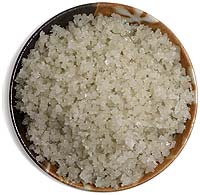
Perhaps you’ve noticed coloured salt around. When I first saw Celtic Sea Salt many years ago I was put off by the grey colour.

But the salt colour is the key to the benefits. Salt should contain a vast range of trace minerals and when it does it takes on the colour of the minerals. The colour is a great indicator that the salt is NOT PROCESSED.

You can tell if any salt is refined or not by the colour.

Minerals in Salt

Unlike unrefined salts table salt doesn’t contain the array of minerals. It’s almost just one mineral, sodium chloride, in fact about 98%, with the rest being made up of toxic additives which act to absorb moisture and stop the salt clumping.

Natural salts, on the other hand, are only about 85% sodium chloride, with the rest being made up of beneficial naturally occurring trace elements and minerals that the body requires, and NO toxic additives

Within the body there are feedback loops which regulate absorption of unrefined salt. Feedback loops don’t function properly with processed salts.

Unrefined salts don’t contribute to disease like hypertension, in the same way that processed salt does because of the feedback loops. This makes your choice of which type you use quite significant.

In olden times salt was used as currency with salt worth its weight in gold – African and European explorers would trade an ounce of salt for an ounce of gold.

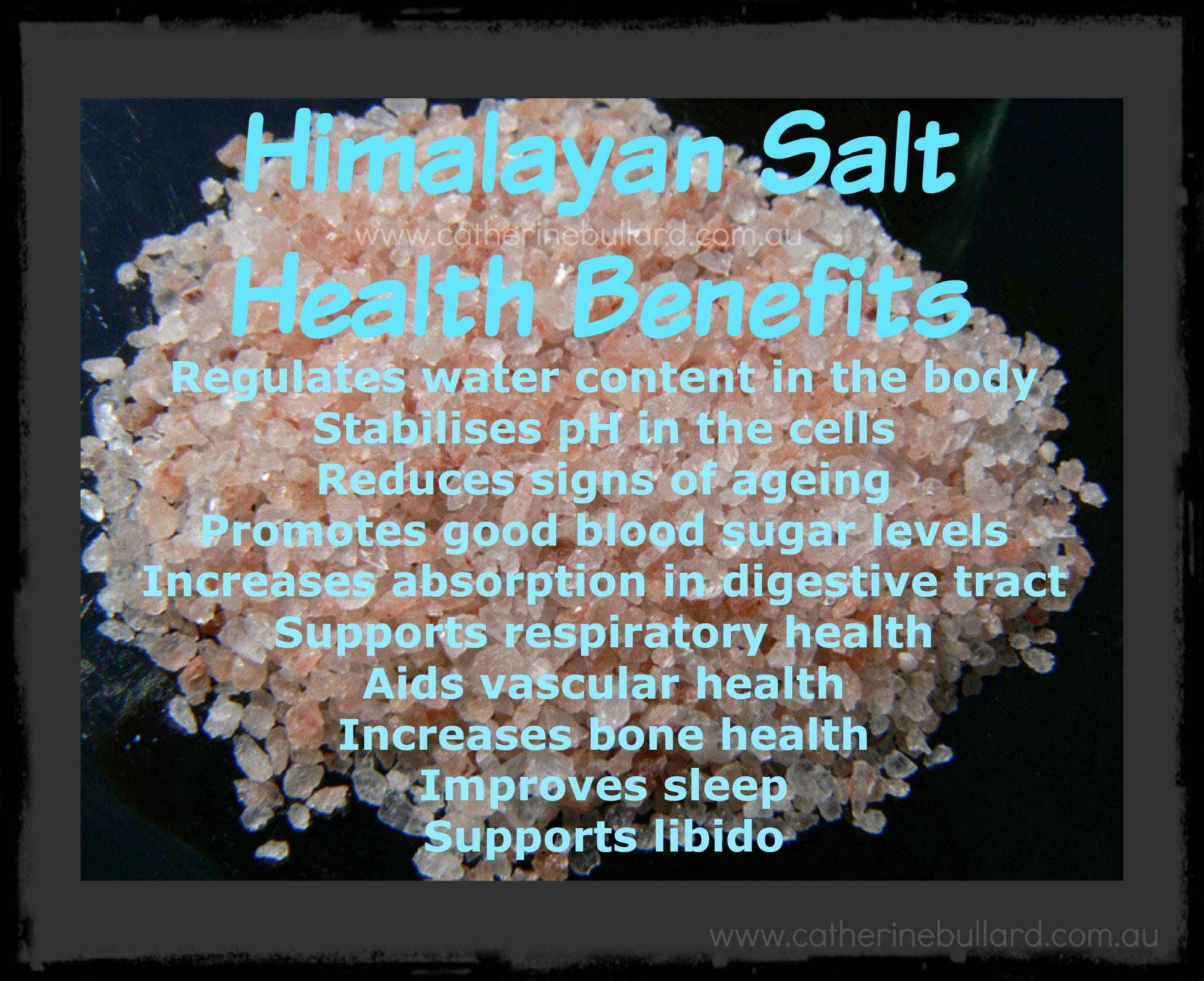
Himalayan salt health benefits

DIFFERENT TYPES OF SALT

Table Salt

Table Salt, Sodium chloride, is highly refined and processed. This process ‘cleans the salt’ by eliminating the minerals and also prolongs the shelf life. It’s dried at very high temperatures, bleached and cleaned.

Like all refined foods the beneficial minerals and macro-nutrients are all lost. As a result of the refining and bleaching process the salt becomes toxic. It can contain chemicals, preservatives and other additives like anti-caking agents.

Once in your body the additives act upon the cells in the same way they do to the salt. Instead of dissolving and mixing with water to be used through every cell as required, sodium builds up in deposits around your tissues and organs where it leads to disease.

Iodine Deficiency

Iodine deficiency is very obvious and easily recognized. Early in the 19th century it  was seen as a direct result of people changing from using natural salt to table salt. So iodine was added to table salt after processing. Like table salt iodized salt has had all the minerals taken out and only one, iodine, added back in.

Iodine deficiency is quite prevalent amongst the Australian population but the amount of iodine that’s available from salt doesn’t go anywhere near redressing that iodine deficiency.

Note that Kosher Salt is pure sodium chloride.

Sea salt

Sea salt has become more popular over the last decade. Virtually all salt originally came from the sea, even salt found in caves comes from caves that were once under water. So most salt can truthfully be called ‘sea-salt’, and the name is not a reflection of the purity or processed status of the product. It’s sea salt even if it has had the nutrients extracted through processing.

The problem with most sea salts is that much that’s sold has been refined.

The key is to use unprocessed sea salt. If the salt is PURE WHITE then approach it warily. It means the salt has undergone some processing, or washing which strips away the minerals. It’s still ‘sea-salt’, but if it has no colour then it doesn’t contain any of the minerals that provide the health benefits of salt.

If sea salt is pure white it’s probably been bleached. Full-spectrum sea salt is coloured, or at least non-white.

Celtic Sea Salt

Celtic sea salt is healthy if it's coloured

Celtic Salt is an example of unrefined sea salt. It’s light grey colour supplies 84 trace minerals needed by the human body in a bio-available form.

It’s naturally harvested in Brittany, in northwestern France and helps to balance the whole body.

The salt is harvested in a way that preserves its natural state. All unrefined sea salt is extracted from the ocean or saltwater lakes. Salty water is channelled into ponds where the sun and wind evaporate the water. Trace minerals and elements in the water remain in the salt.

Himalayan Salt

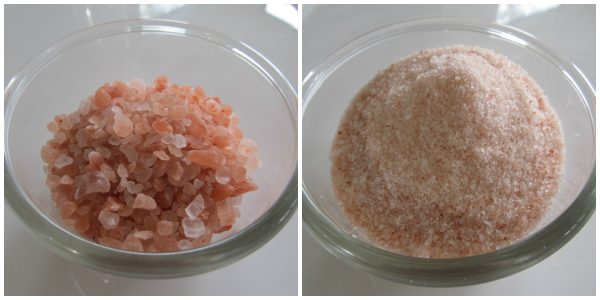
Himalayan salt is mined from the Himalayan foothills. Sometimes it’s called Himalayan Sea Salt as it’s the fossilized end result of salt from an ancient ocean. It’s entirely hand-mined and hand-washed.

It’s the most beautiful translucent pink colour, which reflects the full-spectrum of the 84 different minerals and trace elements it contains, including iron which gives it the lovely colour.

Himalayan salt is very pure and does not contain any heavy metals or toxins. It stores vibrational energy, like other crystals, and does not weigh your body down.

Nutrients occurring naturally together in the one plant or mineral work synergistically, enhancing the action of all the others. A salt containing 84 different trace elements offers far more benefits to your health. Some minerals found in unrefined salts include magnesium, potassium, zinc, calcium and iron.

My favourite salt is Himalayan salt and I use this organic wholefood in my cooking as well as the salt grinder. One thing I’ve noticed is that it seems more potent than table salt, and I need far less to get the same result.

Pink Himalayan Salt contains 84 minerals

Stronger impact, loads of trace elements and so many benefits to your body’s functions…seems a better option to me!

Other Salts

Murray River Salt

Murray River Salt is another pink salt containing a range of minerals, from ancient underground saline waters in the Murray Darling Basin region in Australia.

Alaea Salt

Alaea salt is an unrefined Hawaiian sea salt with a pinkish-brown colour that comes from Hawaiian clay, called ‘alaea’, which is also composed of over 80 separate minerals and rich in iron oxide.

Epsom Salts

These are another form of healthy salts and a rich source of magnesium, and you can read about them here.

HEALTH BENEFITS OF UNREFINED SALTS

Far from being harmful, natural, unrefined salts can help you in many ways including these:

  • Stabilize and regulate blood pressure and heart beat in conjunction with adequate water
  • Reduce the effects of stress
  • Maintain blood sugar levels
  • Is an alkaline-forming food so helps balance out acidity in your cells
  • Calming effect on the whole nervous system
  • Improves brain function, where it’s needed for the processing and transmission of information between brain and muscles
  • Regulates nerve impulses
  • Prevents muscle cramps
  • Needed for proper muscle function
  • It can prevent and eliminate mucous build-up and improve respiratory function
  • Help maintain optimum water levels in the body
  • Help with cell hydration, and carries nutrients in and out of cells
  • Supports and builds immune system
  • Slows down ageing process
  • Better absorption of nutrients
  • Needed to produce hydrochloric acid in the stomach
  • Strengthens bones – Himalayan salt contains calcium
  • Reduces the incidence of gout, arthritis and rheumatism
  • Aids adrenal function
  • Plus more…..

It’s vital to remember that any salt requires adequate quantities of water in order to function beneficially in your body, so keep hydrated.

Just like everything, consuming too much natural, unrefined salt, is harmful. Too much of the good thing can lead many of the health problems that small amounts of the same salt can assist or prevent. The key is to get the balance right between enough and too much.

So go ahead. Get some natural, unrefined, wholefood salt and relax, salt your food to taste.

Remember to consume sufficient water, especially during hot weather or when you add exercise to the mix.

And don’t forget that eating more processed food means a higher consumption of harmful salt, which your body does NOT want.

If you already enjoy the benefits of Himalayan or Celtic salt (or another unrefined salt) like and share this article so others come to know of the benefits also.

I’d love to hear your thoughts on salt in your diet in the comment space below.

Disclaimer.

All information and opinions presented here are for information purposes only and are not intended as a substitute for professional advice offered during a consultation. Please consult with your health care provider before trying any of the treatment suggested on this site. 

Source articles:

http://articles.mercola.com/sites/articles/archive/2010/08/25/why-has-this-lifesustaining-essential-nutrient-been-vilified-by-doctors.aspx

http://www.naturalnews.com/028724_Himalayan_salt_sea.html

http://www.waterbenefitshealth.com/celtic-sea-salt.html

http://articles.mercola.com/sites/articles/archive/2011/09/20/salt-myth.aspx

http://curezone.com/foods/salt/understanding_salt_and_sodium.htm

http://www.naturalnews.com/033716_sea_salt_health_benefits.html

The Superfood Treasure Chest

For such a long time we have been reminded that by clearing the Amazon rainforest we are destroying the World’s Pharmacy. But that’s only part of the story. As we are identifying more and more wonderful Superfoods we’re becoming aware that the entire South American continent is a veritable treasure chest of foods as medicine.

So many of these new healthy foods are becoming available in the West. As more and more appear on shop shelves we can now choose to replace less nutritious foods with these treasures. Or we can simply add them to our diet to send our health zinging. So many of these new superfoods come out of the countries of South America. Foods such as quinoa, maca, raw cacao and chia all have their origins in that part of the world.

Following on from last week’s post about free radicals, here are twelve wonderful Superfoods from the South and Central American treasure chest that would be fantastic additions to your menu.

The superfood heartland, where chia, quinoa and other superfoods are cultivated in terraces around Cusco, Peru  Photo credit: Liana John
The superfood heartland, where chia, quinoa and other superfoods are cultivated in terraces around Cusco, Peru Photo credit: Liana John

Quinoa

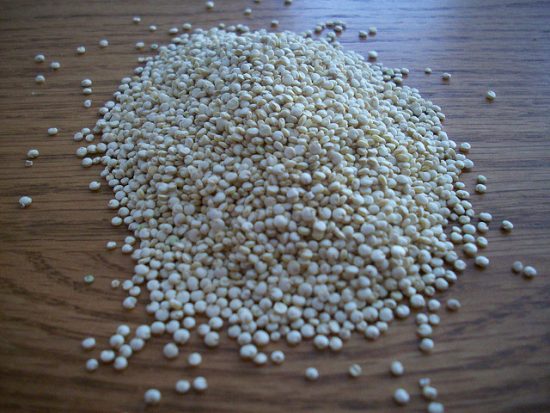
Quinoa (keen-wa) hasappeared in the West as a fantastic replacement for gluten grains.  Until recently it was quite difficult to find but it’s now available on every supermarket shelf. It has been grown for at least 6,000 years in the Andes of Peru. Quinoa was sacred to the Incas and famous for giving the Inca warriors super-human strength.

It is gluten free and a great source of magnesium, iron and phosphorous as well as rich in fibre and folate. Technically it is not a grain but a seed, but it can be in exactly the same way you would use a grain in your cooking. It’s really easy to prepare and quick to cook so makes a great addition to the menus of busy working families.

Chia Seeds

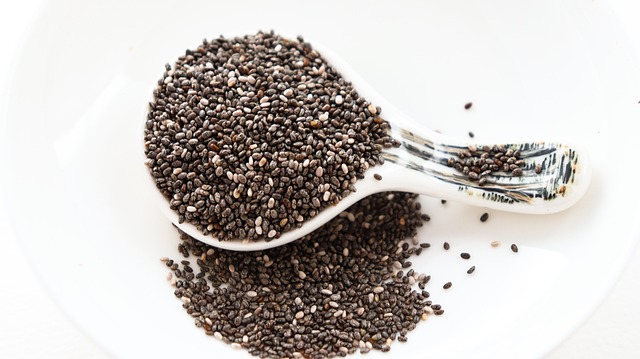
Chia seeds were originally grown by the ancient Aztecs, Incans and Mayans for health and strength. They are loaded with omega 3 and are actually one of the highest sources of this essential fatty acid. It also has calcium and lots of fibre with 4 teaspoons of chia seeds providing 30% of the daily fibre requirement. Compared to other seeds and grains chia seeds are the highest source of protein.

They are easily absorbed and this enables you to take in lots of the nutrients. They help with tissue growth and regeneration and are great during pregnancy and lactation, as well as for athletes.   

Amaranth

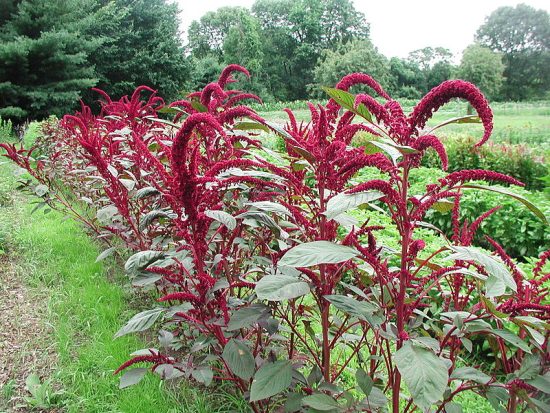
Amaranth (Kiwicha) has been around for a very long time and was a staple food for the Incas.  Like quinoa, amaranth is a pseudo grain, not really a grain. It has been used in its puffed form in health snack bars for some time and the flour, which has a rich flavour, is also available.

Nutritionally it is similar to quinoa. It is high in protein and all amino acids. Amaranth is also rich in iron with 29 percent of the RDI of iron in just one cup, making it a great addition to a vegetarian diet. It also contains the minerals manganese, magnesium, phosphorous and copper.

I remember a fellow Community Garden member experimenting with it about ten years ago. The next season every single plot in the garden had amaranth growing in it, so there shouldn’t be any difficulty of you would like to try growing some yourself here in Melbourne.

Lúcuma

Lúcuma is another fairly new food to appear in our markets. It is a large, sweet fruit with a creamy citrus flavour. It comes from the highlands of Peru, Bolivia and Ecuador, where it has been harvested from ancient times. It is considered one of the lost crops of the Incas but is still very widely eaten today. Its fruit tastes a little like maple syrup and sweet potato, and it makes a wonderful low-sugar sweetener. It is very nutritious, rich in beta-carotene and niacin (vitamin B3), iron and calcium. The fruit is dried and ground to a powder. It is delicious combined with raw chocolate!

Maca Powder

Maca powder is another superfood of the Incas and grows at 4,000m above sea level in the Andian highlands of Peru. It has been a medicinal food in that area for over 2,000 years. The harvested root is loaded with protein, calcium, magnesium, potassium, iron and other minerals, vitamins and all the amino acids.

Maca has some amazing health benefits as it is an adaptogen which supports and heals the adrenal glands. It is great for offsetting the effects of stress, gives an amazing energy boost, and can improve insomnia. But one of its most common uses is for balancing hormones when there is an overabundance of environmental estrogens involved. It is also a powerful aphrodisiac.

Please note that there are certain contraindications for Maca. If you are pregnant, breastfeeding or being treated for a hormonal issue consult your practitioner before using it.

Acai

Acai (ah-sigh-ee) grows only in the Brazilian rainforest and coastal Colombia. This small purple berry is related to the blueberry and cranberry, and like them, is very rich in antioxidants which reduce oxidative stress. They stimulate the immune system and boost your energy. They can be helpful in preventing heart disease and cancer and may help reduce cholesterol levels. They are associated with reduction of blood sugar and assist with cognitive and mental function. Acai is frequently used in a range of healthy foods as well as smoothies and juices. Lots of beauty products now contain acai oil due to the high antioxidant content.

Raw Cacao

Raw Cacao is another healthy food which was originally found in the Amazon Rainforest! It has been cultivated for over 3,000 years by the Incan, Mayan and Aztec peoples.

Raw cacao really can be considered a true superfood. It is very high in antioxidants as well as minerals which help with mental alertness, heart health and physical stamina. In addition, it increases serotonin uptake in the brain which creates a sense of euphoria and helps counteract stress. Unlike the highly processed, fat-full, dairy-full, high sugar versions made by Cadbury etc, raw cacao is good for you. It comes as a powder or cacao nibs and can be used through your cooking as well as eaten raw. Keep it away from milk as many studies show that milk neutralizes the healthy properties.

Camu Camu

Camu Camu is another amazing food from Peru and like the acai, it is a berry. It provides great support to the immune system and helps to ward off viral infections, especially when you are more stressed or anxious than normal. It contains bioflavonoids, amino acids, vitamin Bs (thiamin, niacin and riboflavin), plus it has sixty times more vitamin C than an orange. It will promote healthy gums, eyes, skin and supports the nervous system (brain) and the circulatory system (heart).

Macqui

Macqui (mock-ee), Chilean Wineberry, is yet another powerhouse berry and comes from the Patagonia region of Southern Chile. It is known for its detoxifying properties and the benefits bestowed by its  antioxidants. It was used by a tribe of warriors, the Mapuche Indians, who were attributed with great strength and  endurance. The deep purple berries are loaded with antioxidants, with more than three times those found in acai. Maqui berries are very powerful so you only need half as much maqui as you would other berries. They have the highest ORAC score of any berry in the world. The ORAC (Oxygen Radical Absorbance Capacity) unit, ORAC value, or “ORAC score” is a method of measuring the antioxidant capacity of different foods and supplements.

The Maqui berry protects your immune system, skin, cardiovascular system, bones and joints. It also detoxifies the digestive system and restores metabolism to maximum capacity. They renew cells and help improve many diseases as well as fighting the effects of ageing.

Purple Corn

Purple corn has been grown in Latin America for thousands of years. It is another food very rich in antioxidants, containing more than blueberries. Its gorgeous colour has been used as a naturalfood colouring, and it is often used in Peru to make chichi morada – purple corn drink.

Mesquite

Mesquite is actually from Central America, Mexico. The long pods are ground up into a low-glycemic, gluten free flour with a sweet nutty taste, which bakes up just like wheat flour. Use it instead of half the wheat flour in the recipe. It can be used in raw desserts as it doesn’t need to be cooked. You can even add a spoonful to smoothies for a sweeter flavour. It is rich in soluble fibres and a great source of calcium, iron, zinc, potassium, manganese and lysine. Because it is in fact a legume and not a grain it is higher in protein than grain flours. It sits low on the glycemic index and won’t cause blood sugar spikes.

Inca Berries

Inca berries, also called cape gooseberries or goldenberries, are golden berries related to the tomato. They are about cherry size, have a sweet-tart or tangy flavour and resemble a raisin when they are dried. They are high in phosphorous, vitamins A, C, B1, B6 and B12, and are very high in protein for a fruit (16%)

In order to get the most nutritional benefit from your South American Superfoods buy only ones that are organically certified. If the foods have been commercially produced, they will carry chemical residue and much of the benefits will be lost.

You now know about these magic foods. Try them out, there are lots of recipes and ideas out on the internet.

Superfoods are the way of the Health Future. However, taking superfood supplements on their own is never going to be enough to turn around ill health. Include a range of them as a regular part of your diet as they are definitely a powerful and effective addition to build your own great health.

Do you have a favourite South American Superfood? How do you use it? Post n the comments below.

South America is a treasure chest of wonderful superfoods
South America is a treasure chest of powerful superfoods

Disclaimer.

All information and opinions presented here are for information purposes only and are not intended as a substitute for professional advice offered during a consultation. Please consult with your health care provider before trying any of the treatment suggested on this site. 

Source articles

http://www.age-well.org/maqui-berry.html

http://www.onegreenplanet.org/vegan-food/mesquite-powder-health-benefits-tips-and-recipes

http://en.wikipedia.org/wiki/Mesquite

http://www.naturalnews.com/029562_mesquite_flour_superfood.html

http://www.vegparadise.com/otherbirds1002.html

Free Radicals Are Bad, Right…But Why?

I often mention free radicals and antioxidants in my posts because they are such a fundamental part of the disease process. But there was a time when I was not exactly sure what free radicals were or why they were a problem, although I was aware they were not good.

So that you have an understanding about just why I mention them so often, this week I would like to offer you a brief explanation of what free radicals actually are and what they do, and the role antioxidants play in all this.

Oxidation

First, it’s important to be aware that free radicals are a significant part of a process called oxidation, and that they are everywhere, not just in our bodies. They are responsible for the destruction of many objects in the world around us. They cause metals to rust, paint to fade, apples to brown, oils or meats to turn rancid, our skin to burn and coins to turn green, a process known as oxidation. Oxidation is a normal chemical process, and it happens right throughout nature. It is the interaction between oxygen molecules and the different things that they contact which damages cells and leads to the effects we can see.

How Free Radicals Form

To understand how free radicals come about we need to do a quick detour into the wonderful world of Chemistry 101.

All our cells are made up of lots of different molecules and molecules are made up of atoms. You might remember from school that atoms are made up of a nucleus, neutrons, protons and electrons.

It is the electrons in the molecule that are involved in chemical reactions and they are the ones that bond atoms together to form molecules. They circle around the atom and form layers, or shells (forming a new layer as each one fills up). It is the number of electrons in the outermost shell that becomes important. If the shell is full up the molecule stays as it is, it is stable. But if the outer shell is not full then the molecule has to try to balance out that shell by either gathering in or losing electrons to fill up or empty out the outer shell. It is better for the molecule to lose the shell if it isn’t full.

Another option is for the molecule to share the electrons in its outer shell with another molecule that also needs extra electrons, by joining up, or bonding, so they both have full outer shells. Sometimes the bonds are weak and split which can leave an odd, unpaired electron floating around. This is a free radical.

Free radicals are unstable atoms or molecules that contain unpaired electrons. The ideal is to have all electrons paired so the free radical doesn’t go on an aggressive rampage to replace the missing electron by stealing an electron from another molecule.

The free radical is such a problem because it is unstable and highly reactive, and it goes on a rampage to capture other electrons so that it can become stable again. It will steal the electron from the closest stable neighbouring molecule. That molecule then becomes a free radical itself, because it is no longer stable, and so a chain reaction occurs. When this process starts in a cell it creates a cascade that damages the living cell. It would be simple if the cell was just killed off because the body would simply produce another one, that’s an ongoing process. But the problem here is that free radicals damage the DNA and injure the cell instead, and this provides the start of disease. The cell very quickly mutates, grows abnormally and reproduces abnormally.

Free Radical Quick Summary

Just in case I lost you in that explanation here is a summary. Free radicals are toxic chemicals that damage body cells and lead to a cascade effect of damage in more and more cells, which then leads to disease. Unhealthy and damaged cells lead to an unhealthy and damaged body. Disease arises when there are damaged cells, damaged tissues and damaged organs.

“Scientists now believe that free radicals are causal factors in nearly every known disease, from heart disease to arthritis, to cancer and cataracts. In fact, free radicals are a major culprit in the aging process itself”

Lester Packer, Ph.D., The Antioxidant Miracle

An apple turning brown as it oxidises after being cut

Why Free Radicals Are a Problem

The real danger to you lies with the chain reaction that occurs, because it means that it is not just one cell that gets damaged but a whole horde of them. The free radical creates a snowball effect where each molecule steals from its neighbour to replace the electron stolen. And it all happens very quickly, so quickly that the body’s defense system cannot keep up. It gets overwhelmed and enters a state called oxidative stress.

When attacks from free radicals keep happening in your body the result is chronic disease. Free radicals adversely alter lipids, protein and DNA and trigger a number of human diseases.

Free radical damage is now thought to make a significant contribution to all inflammatory diseases like Alzheimer’s, Parkinson’s, cancer, heart disease, cataracts and arthritis.

Here are just a few more: Arthritis, vasculitis, lupus, stroke, acquired immunodeficiency syndrome, emphysema, gastric ulcers, hypertension and pre-eclampsia, muscular dystrophy, alcoholism, smoking-related diseases, and many, many others.  Research suggests that free radical damage to cells leads to all the changes associated with ageing, and the associated diseases

Your body is constantly under attack from free radicals

Free Radicals From the Environment

It is quite normal for free radicals to occur within your body. In fact the body creates and uses free radicals to neutralize bacteria or virus cells. They are produced during normal metabolism. They are also produced during excessive exercise, although wise exercising can help improve your capacity to deal with free radicals. They are also the result of inflammation, whether that is initiated to fight off infection or the result of long-term chronic problems.

But there are many things in our environment that can also produce free radicals when we are exposed to them – air pollution, radiation, pesticides, herbicides, X-rays, some drugs, industrial chemicals and particularly cigarette smoke. You can even trigger high free radical production by drinking excess alcohol.

Antioxidants to the Rescue

This is where antioxidants come into the picture. Normally the body is able to deal with free radicals, but when their numbers increase significantly so they outnumber the antioxidant defences, the body is unable to keep up and damage occurs.

Antioxidants are very stable molecules and so are capable of donating an electron to the free radical to stabilise it without becoming a free radical themselves. They are electron donors. They are needed to maintain the critical balance with free radicals and keep them down to levels that your body can deal with. They are how your body fights rampant free radicals.

Free radical damage increases with age.

Your body can make some antioxidants, but not all, and importantly, this ability declines with age. Supplementing the body’s own production with external sources of antioxidants can make a huge difference to how it copes with oxidative stress.

Sources of Antioxidants

There are many foods which are high in antioxidants to protect your body from free radical damage. Over the next few months, I will talk about individual antioxidants, but you can read about some of them here. Here is a list of the different types of antioxidants. The ORAC score is assigned to a food as a measure of just how effective it is at neutralising free radicals. The higher the score the more powerful an antioxidant it is.

Including lots of high quality, antioxidant rich foods in your diet is a way to make sure that you get a regular, steady supply. Fruit and vegetables are the key to this because they are high in antioxidant nutrients. Legumes, nuts, herbs, spices and whole grains are some other sources. Phytochemicals that act as antioxidants are more abundant in fresh foods, and raw foods.

‘Eating a rainbow’ is the way to bring a comprehensive range of antioxidants into your diet. That is, eating lots of a wide array of different brightly coloured produce.

Bearing in mind that pesticides and herbicides are a source of free radicals themselves, it makes sense to eat organic fruit and veges as often as is possible. If you can’t afford to buy organic produce then start growing your own. Good eating is intricately interwoven with good gardening. You can grow some produce on a balcony or in a courtyard, and even if you simply supplement the commercial component of your produce it is going to make some difference. In addition, you know the produce has not been sitting around in a store for some time, that it is fresh.

Antioxidants in Superfoods

There are also a number of Superfoods that have wonderful antioxidant properties including spirulina, acai, mangosteen, raw dark chocolate, many berries, beans, apples, plus many others.

Remember there are many different types of antioxidants and each has a different role, able to work at a different level of defense. Some such as vitamin C, stop the reaction before it starts, preventing the formation of free radicals. Others including the most potent one for this, Vitamin E, scavenge free radicals to break the chain. Others promote the decomposition of the damaged cell. You need a variety of antioxidants as your cells are protected by the combined efforts of lots of different antioxidants.

Amongst the vitamins, vitamin E, vitamin C and beta-carotene are antioxidants. They must be found in your diet as your body can’t manufacture them. Although Vitamin C, E and A all have antioxidant properties remember that many vitamin supplements are made from synthetic forms of the vitamin, and the value of using these man-made versions raises questions. Some have been found to be detrimental to your health, particularly vitamin E. Look for natural sources of antioxidants in preference.

So you can see if you want to keep away the many chronic diseases caused by free radical damage that plague us today you need a broad range of good-quality foods rich in antioxidants in your diet on a regular basis to do the job.

What are your have favourite sources of antioxidants?


Disclaimer.

All information and opinions presented here are for information only and are not intended as a substitute for professional advice offered during a consultation. Please consult with your health care provider before trying any of the treatment suggested on this site. 

Source articles:

http://www.ncbi.nlm.nih.gov/pmc/articles/PMC3249911

http://www.healthchecksystems.com/antioxid.htm

http://en.wikipedia.org/wiki/List_of_antioxidants_in_food

http://articles.mercola.com/sites/articles/archive/2011/05/16/all-about-antioxidants.aspx