
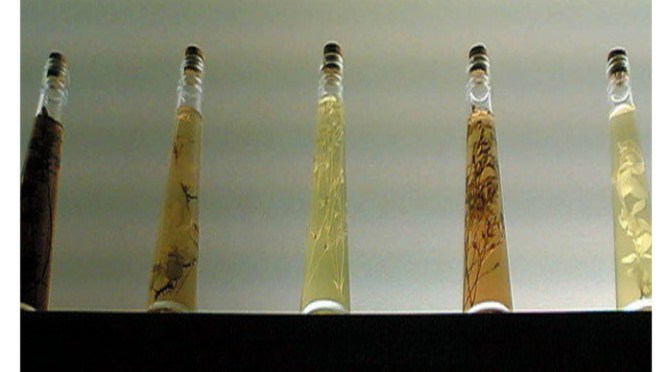
It has long been held that all fat is bad for you. But not only are there many fats that are not bad for you, many are very good for you. In fact, you will actually be less healthy if you are not getting enough of the right kind of fat.
Good fats promote a healthy and well-functioning cardiovascular system, a healthy nervous system and are useful for maintaining weight. They help to both protect and maintain good clear skin and healthy hair, support your immune system, help regulate blood sugars, your thyroid, and even protect against cancer.
Most people know that olive oil is regarded as a healthy oil but there’s a whole new breed of oils that may be better choices, particularly when it comes to using oil for cooking.
Cooking With Oil
During cooking there is a temperature reached with oil called the smoke point, which is the point at which the oil is compromised, both in taste and nutritionally. This is the temperature point where the oil starts to break down chemically, and it varies from one oil to the next. This point depends on whether the oil has been refined or not and the extent of refining, as well as the origin of the oil.
As the oil comes close to burning bluish smoke starts to rise and it starts to break down. As it breaks down it creates trans fats. Oil that has been damaged by overheating is bad for you because it is chock full of free radicals, which we already know are the basis of disease. Oils with a low smoke point should not be used for cooking at all because they break down quickly.
Types of Oils
Before we go on to which oils are best for which purpose it’s worth knowing that there are three different types of oils, monounsaturated, polyunsaturated and saturated. It is important to know which is which in order to make healthy choices. For a long time, the advice has been that saturated fats are bad for you and polyunsaturated fats are good for you. But it is not as straight forward as that.
Many oils today are refined. Refined versions of the oils have a higher smoke point than unrefined versions. However, chemicals and high heat are used in processing to extract the oil, which drastically damages the nutrients, rendering them harmful. Hydrogenated vegetable and seed oils are man-made and you need to be avoided. You may know these better by their other name – trans fats.
Extra-virgin oils traditionally came from the first pressing of the fruit, seed or nut, but now the term is more likely to mean the oil is ‘pure’. These days cold-pressed oils are unlikely to actually have been pressed, so cold-extracted is a more accurate description. The oil is extracted using centrifugal force and very low heat, about 28-30C, low enough not to damage the oil. The speed at which the oil is extracted helps to preserve the antioxidants.
The stability of the oil is the important factor when it comes to heating the oil during cooking, particularly to fry which requires higher heat. For this type of use saturated oils are the most stable, mono-unsaturated are pretty stable, and polyunsaturated are the least stable. Polyunsaturated oils are the worst to cook with, including safflower, sunflower and canola. These polyunsaturated oils contain lots of omega 6 fats which when damaged, form artery clogging trans fats. They also cause many other serious health problems.
Which Oils are Healthier
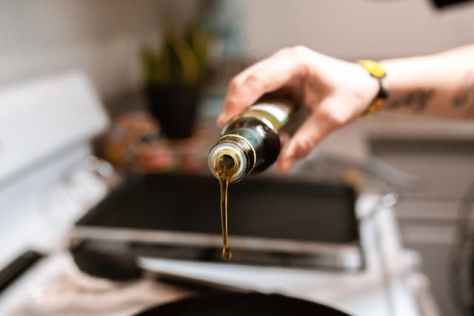
Which oil to select depends on what you are going to use the oil for. If it’s for dressing a salad then you would look for one with a nice taste, but if you want to cook with it you need to consider whether the oil will stand up to the heat. If you will be frying food, then the oil needs to have a high smoke point.
It is always better to select oils that are unrefined as they are going to have more nutrients and less additives so will be healthier for you. It’s not worth buying cheap oils because eventually they will cost you more by affecting your health. Generally, the pricier the oil the more likely there was care taken in the manufacture.
Here is the lowdown on some of the better edible oils you can use in your cooking.
Coconut Oil
Coconut oil is almost all saturated fat and so has been the most maligned and misunderstood oil for a long time. But coconut is actually one of the healthiest oils and a nutrient packed superfood. The love affair with coconut keeps growing every day and you can read lots more about this wonderful oil right here.
It has a high smoke point, 180ْC (350ْ F) and is very shelf stable. Coconut oil is the very best choice when you want an oil that is stable even when it is heated. In addition, coconut oil also promotes heart health, helps maintain stable cholesterol and even helps you to lose weight.
Coconut is almost entirely saturated fat, but unlike the saturated fats you find in animal products coconut oil is not absorbed the same way by your body and so does not pose the same problem for your health. Unlike other saturated fats it is rich in medium chain fatty acids (MCFAs). These are easier for your body to break down and digest and they put less stress on your digestive system and body organs. This is because they are immediately converted into energy in your liver rather than being stored as fat. They also stimulate your metabolism to help you lose weight.
Long chain fatty acids (LCFAs) found in some vegetable oils, animal fats and fatty fish do not have these benefits and are more difficult to digest. Coconut oil is converted to energy like a carb but without the insulin spike in your bloodstream that happens with carbs. It doesn’t get stored in the body because it is either used immediately or your body gets rid of it. One special feature of coconut oil is that 50% of the fat is lauric acid which has wonderful health promoting qualities and is able to destroy virus and bacteria.
Avocado Oil
Avocado oil has a high smoke point of 200 degrees C, so you can use it to cook at high temperatures without compromising the properties of the oil. It has been proven to fight heart disease and effectively lower bad cholesterol (LDL). It helps with diabetes, cancer, skin and hair problems. Avocado oil contains a healthy beneficial balance of omega-6, omega-3, and omega-9 fats as well as the antioxidant vitamin E. The vitamin E level is higher in cold-pressed versions as they have undergone less oxidation.
Avocado oil is also used frequently in skin creams as a moisturizer.
Macadamia Oil
I recently saw macadamia oil referred to as the ‘new olive oil’. But I actually think it is better. It is over 80% monosaturated (good) fat and is one of the healthiest oils available for cardiovascular health, even better than olive oil. It has a very high smoke point at 220ْ C (430ْF) which makes it a healthier oil to use for cooking. It has a two-year shelf life.
Here is why this All-Aussie nut oil is so good for you. It enhances heart health, helps to reduce the buildup of plaque and prevents atherosclerosis, reduces the risk of heart disease, helps with blood sugar regulation for diabetics, and helps your nervous system function well.

Walnut Oil
The smoke point of unrefined walnut oil is 180ْ C (350F), slightly lower than either coconut or macadamia oil, and easily damaged at high temperatures, so one to avoid for frying.
It has a nutty flavour and is great in salads and smoothies. Unrefined walnut oil contains high levels of monounsaturated oils such as omega 9 which keeps your arteries supple and helps prevent atherosclerosis and heart disease. It is also high in omega-3 and omega-6 to reduce inflammation, and to lower the risk of blood clots and erratic heart rhythyms. Research from Penn State University showed that wanuts and walnut oil could maintain healthy blood pressure even during stressful times. It is an excellent source of vitamins B1, B2, B3 and vitamin E. It can help prevent eczema and alleviate other skin problems. It is one of the best sources of antioxidants of the tree nuts.
Olive Oil
Olive oil is indeed a healthy oil but not when it comes to cooking. It is a monounsaturated fat which makes it more stable than polyunsaturated fats. But on a cellular level it is not so stable and has been associated with increased risk of heart disease and breast cancer when it is heated. But it is a great oil to include in an unheated state.
The smoke point varies depending on how olive oil is made. Extra Virgin olive oil is 160ْ C (320F). Virgin is higher at 220ْ C (420F) and extra light 240ْ C (470ْ F). The rise in smoke point corresponds to how refined the oil is, the less refined having the lower smoke point. Extra virgin olive oil is a very perishable oil and can go rancid quickly, every time it is exposed to the air it oxidises.
Comparison of Oils for Cooking
Remembering that the smoke point for each variety of oil is variable, and that it is always better to avoid refined oils, here is a rough guide for a few oils.
|
Unrefined Oil Type |
Smoke Point Centigrade |
Smoke Point Farenheit |
Unrefined Canola, sunflower, safflower, |
160 |
225 |
Peanut oil unrefined |
160 |
320 |
|
Extra virgin olive oil |
160 |
320 |
|
Walnut oil, unrefined |
160 |
320 |
|
Coconut oil, unrefined |
180 |
350 |
|
Macadamia |
200 |
390 |
|
Avocado |
190-200 |
375-390 |
|
Refined Oil Type | ||
Refined Canola, sunflower, safflower, |
220 |
430 |
|
Virgin olive oil (refined) |
220 |
430 |
|
Extra light olive oil (refined) |
240 |
460 |
Walnut oil, semirefined |
200 |
390 |
|
Coconut oil, refined |
230 |
450 |
|
Rice bran oil |
250 |
480 |
Peanut oil refined |
225 |
440 |
Rice Bran Oil
Before I finish, just a quick word about Rice Bran Oil which has appeared in Australian shops over the last few years. Promoted as a ‘Natural Oil’, it is not quite as natural as you would think and is a good example of how advertising may be misleading. It has a very high smoke point, no additives listed, and the makeup of rice bran oil sold here in Oz is 47% monounsaturated, 33% polyunsaturated and 20% saturated, so it would seem a reasonably healthy choice.
However, rice bran oil is a refined oil that comes from Thailand. It is subjected to very high temperatures and chemicals during processing. It is not a cold pressed oil, like olive and some of the nut oils. On the bottle the oil it is labeled as extra-cold filtered, which is a manufacturing process that results in the removal of the saturated fats, and is not the same as cold-pressed or cold-extracted.
Select the Best Oil for the Job
My choice for high heat cooking is avocado, macadamia or coconut oil. But as usual be careful of the quality. Most commercial oils are refined and contain chemicals from the processing so select cold pressed and extra virgin oils unless it’s for high heat cooking. Select oil in amber glass jars as this helps protect the oil from light damage.
So go ahead and enjoy your oil, just make sure you have selected The Good Oil.

Disclaimer.
All information and opinions presented here are for information purposes only and are not intended as a substitute for professional advice offered during a consultation. Please consult with your health care provider before following any of the treatment suggested on this site, particularly if you have an ongoing health issue.
Source articles
http://www.naturalnews.com/031801_avocado_oil_healthy_fats.html
http://www.naturalnews.com/004653.html macadamia oil

