For such a long time we have been reminded that by clearing the Amazon rainforest we are destroying the World’s Pharmacy. But that’s only part of the story. As we are identifying more and more wonderful Superfoods we’re becoming aware that the entire South American continent is a veritable treasure chest of foods as medicine.
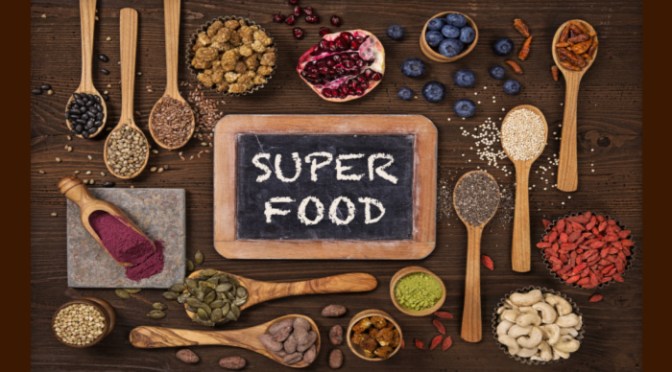
So many of these new healthy foods are becoming available in the West. As more and more appear on shop shelves we can now choose to replace less nutritious foods with these treasures. Or we can simply add them to our diet to send our health zinging. So many of these new superfoods come out of the countries of South America. Foods such as quinoa, maca, raw cacao and chia all have their origins in that part of the world.
Following on from last week’s post about free radicals, here are twelve wonderful Superfoods from the South and Central American treasure chest that would be fantastic additions to your menu.
Quinoa
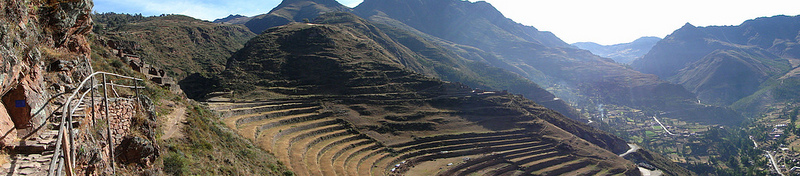
Quinoa (keen-wa) hasappeared in the West as a fantastic replacement for gluten grains. Until recently it was quite difficult to find but it’s now available on every supermarket shelf. It has been grown for at least 6,000 years in the Andes of Peru. Quinoa was sacred to the Incas and famous for giving the Inca warriors super-human strength.
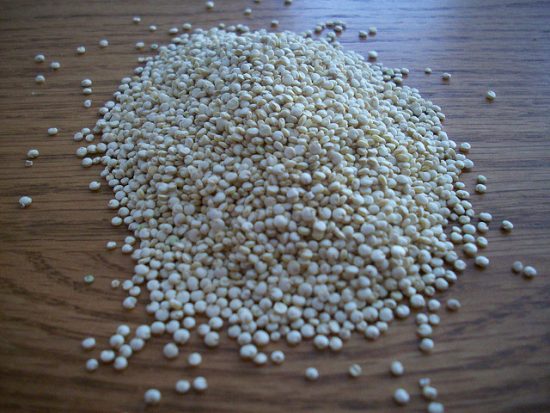
It is gluten free and a great source of magnesium, iron and phosphorous as well as rich in fibre and folate. Technically it is not a grain but a seed, but it can be in exactly the same way you would use a grain in your cooking. It’s really easy to prepare and quick to cook so makes a great addition to the menus of busy working families.
Chia Seeds
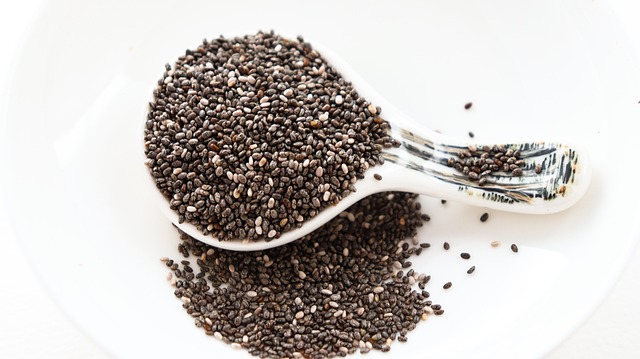
Chia seeds were originally grown by the ancient Aztecs, Incans and Mayans for health and strength. They are loaded with omega 3 and are actually one of the highest sources of this essential fatty acid. It also has calcium and lots of fibre with 4 teaspoons of chia seeds providing 30% of the daily fibre requirement. Compared to other seeds and grains chia seeds are the highest source of protein.
They are easily absorbed and this enables you to take in lots of the nutrients. They help with tissue growth and regeneration and are great during pregnancy and lactation, as well as for athletes.
Amaranth
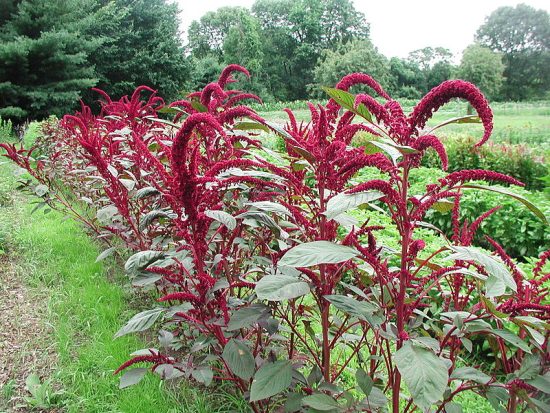
Amaranth (Kiwicha) has been around for a very long time and was a staple food for the Incas. Like quinoa, amaranth is a pseudo grain, not really a grain. It has been used in its puffed form in health snack bars for some time and the flour, which has a rich flavour, is also available.
Nutritionally it is similar to quinoa. It is high in protein and all amino acids. Amaranth is also rich in iron with 29 percent of the RDI of iron in just one cup, making it a great addition to a vegetarian diet. It also contains the minerals manganese, magnesium, phosphorous and copper.
I remember a fellow Community Garden member experimenting with it about ten years ago. The next season every single plot in the garden had amaranth growing in it, so there shouldn’t be any difficulty of you would like to try growing some yourself here in Melbourne.
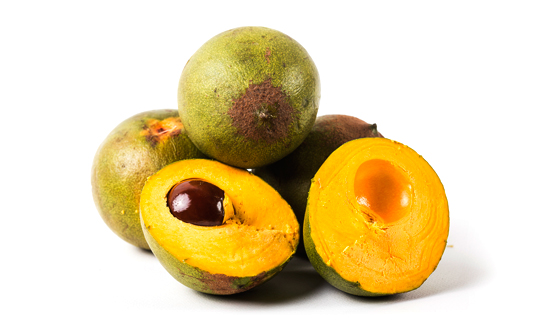
Lúcuma
Lúcuma is another fairly new food to appear in our markets. It is a large, sweet fruit with a creamy citrus flavour. It comes from the highlands of Peru, Bolivia and Ecuador, where it has been harvested from ancient times. It is considered one of the lost crops of the Incas but is still very widely eaten today. Its fruit tastes a little like maple syrup and sweet potato, and it makes a wonderful low-sugar sweetener. It is very nutritious, rich in beta-carotene and niacin (vitamin B3), iron and calcium. The fruit is dried and ground to a powder. It is delicious combined with raw chocolate!
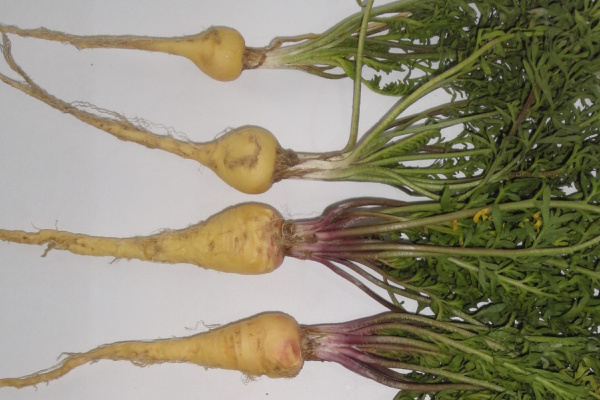
Maca Powder
Maca powder is another superfood of the Incas and grows at 4,000m above sea level in the Andian highlands of Peru. It has been a medicinal food in that area for over 2,000 years. The harvested root is loaded with protein, calcium, magnesium, potassium, iron and other minerals, vitamins and all the amino acids.
Maca has some amazing health benefits as it is an adaptogen which supports and heals the adrenal glands. It is great for offsetting the effects of stress, gives an amazing energy boost, and can improve insomnia. But one of its most common uses is for balancing hormones when there is an overabundance of environmental estrogens involved. It is also a powerful aphrodisiac.
Please note that there are certain contraindications for Maca. If you are pregnant, breastfeeding or being treated for a hormonal issue consult your practitioner before using it.
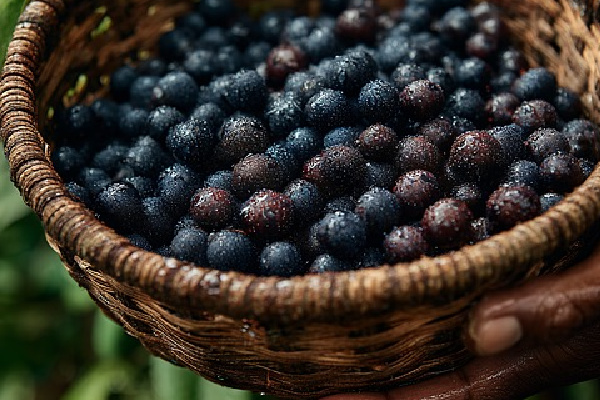
Acai
Acai (ah-sigh-ee) grows only in the Brazilian rainforest and coastal Colombia. This small purple berry is related to the blueberry and cranberry, and like them, is very rich in antioxidants which reduce oxidative stress. They stimulate the immune system and boost your energy. They can be helpful in preventing heart disease and cancer and may help reduce cholesterol levels. They are associated with reduction of blood sugar and assist with cognitive and mental function. Acai is frequently used in a range of healthy foods as well as smoothies and juices. Lots of beauty products now contain acai oil due to the high antioxidant content.
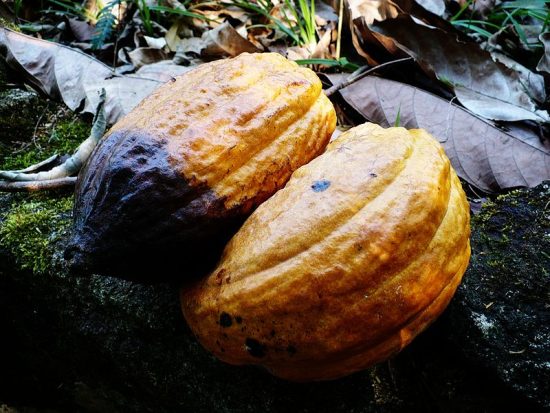
Raw Cacao
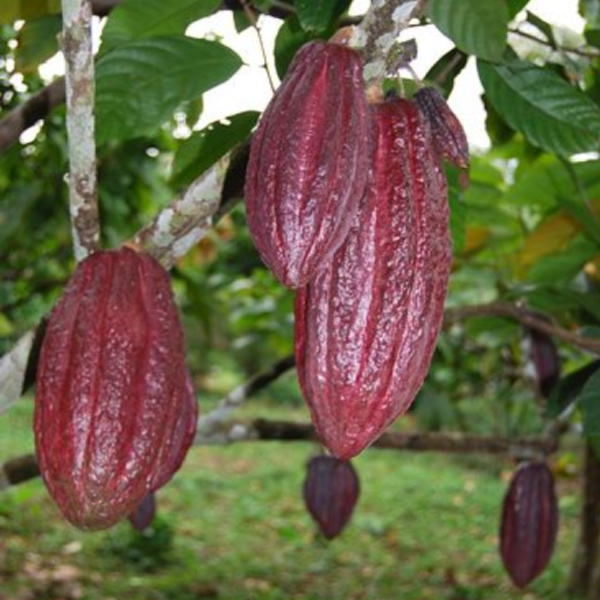
Raw Cacao is another healthy food which was originally found in the Amazon Rainforest! It has been cultivated for over 3,000 years by the Incan, Mayan and Aztec peoples.
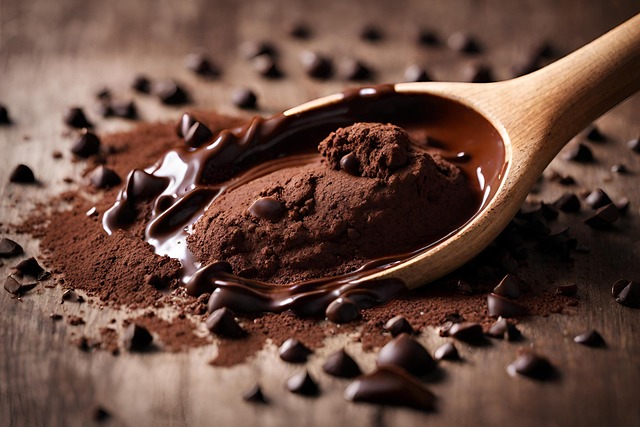
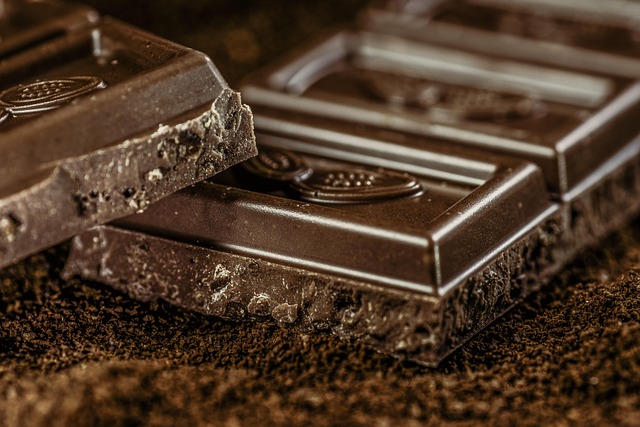
Raw cacao really can be considered a true superfood. It is very high in antioxidants as well as minerals which help with mental alertness, heart health and physical stamina. In addition, it increases serotonin uptake in the brain which creates a sense of euphoria and helps counteract stress. Unlike the highly processed, fat-full, dairy-full, high sugar versions made by Cadbury etc, raw cacao is good for you. It comes as a powder or cacao nibs and can be used through your cooking as well as eaten raw. Keep it away from milk as many studies show that milk neutralizes the healthy properties.
Camu Camu
Camu Camu is another amazing food from Peru and like the acai, it is a berry. It provides great support to the immune system and helps to ward off viral infections, especially when you are more stressed or anxious than normal. It contains bioflavonoids, amino acids, vitamin Bs (thiamin, niacin and riboflavin), plus it has sixty times more vitamin C than an orange. It will promote healthy gums, eyes, skin and supports the nervous system (brain) and the circulatory system (heart).
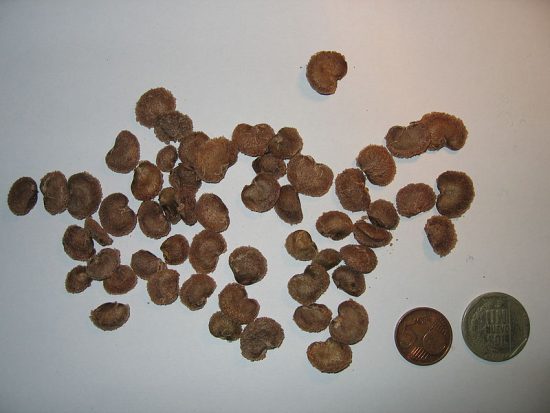
Macqui
Macqui (mock-ee), Chilean Wineberry, is yet another powerhouse berry and comes from the Patagonia region of Southern Chile. It is known for its detoxifying properties and the benefits bestowed by its antioxidants. It was used by a tribe of warriors, the Mapuche Indians, who were attributed with great strength and endurance. The deep purple berries are loaded with antioxidants, with more than three times those found in acai. Maqui berries are very powerful so you only need half as much maqui as you would other berries. They have the highest ORAC score of any berry in the world. The ORAC (Oxygen Radical Absorbance Capacity) unit, ORAC value, or “ORAC score” is a method of measuring the antioxidant capacity of different foods and supplements.
The Maqui berry protects your immune system, skin, cardiovascular system, bones and joints. It also detoxifies the digestive system and restores metabolism to maximum capacity. They renew cells and help improve many diseases as well as fighting the effects of ageing.
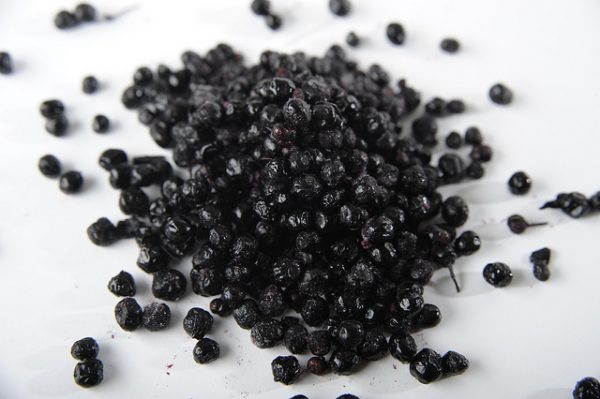
Purple Corn
Purple corn has been grown in Latin America for thousands of years. It is another food very rich in antioxidants, containing more than blueberries. Its gorgeous colour has been used as a naturalfood colouring, and it is often used in Peru to make chichi morada – purple corn drink.
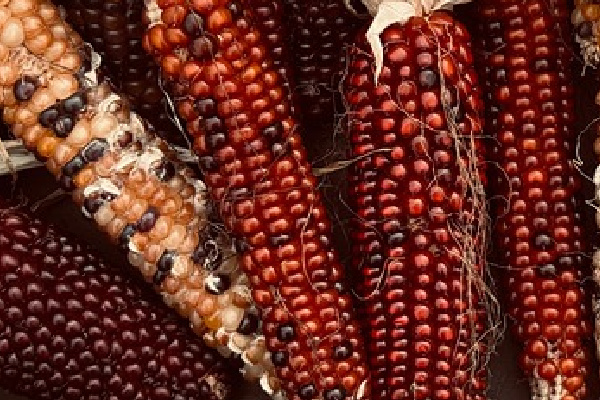
Mesquite
Mesquite is actually from Central America, Mexico. The long pods are ground up into a low-glycemic, gluten free flour with a sweet nutty taste, which bakes up just like wheat flour. Use it instead of half the wheat flour in the recipe. It can be used in raw desserts as it doesn’t need to be cooked. You can even add a spoonful to smoothies for a sweeter flavour. It is rich in soluble fibres and a great source of calcium, iron, zinc, potassium, manganese and lysine. Because it is in fact a legume and not a grain it is higher in protein than grain flours. It sits low on the glycemic index and won’t cause blood sugar spikes.
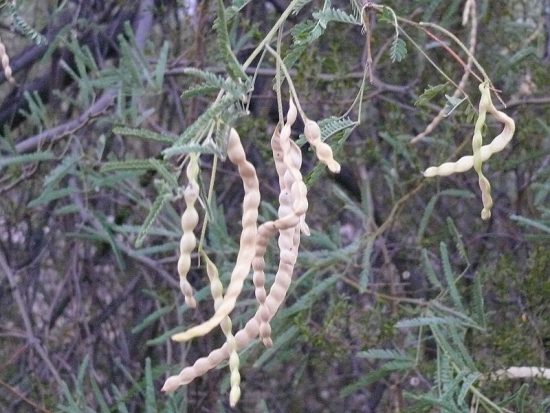
Inca Berries
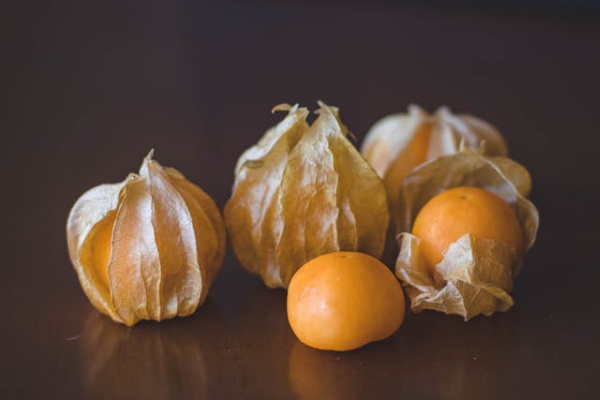
Inca berries, also called cape gooseberries or goldenberries, are golden berries related to the tomato. They are about cherry size, have a sweet-tart or tangy flavour and resemble a raisin when they are dried. They are high in phosphorous, vitamins A, C, B1, B6 and B12, and are very high in protein for a fruit (16%)
In order to get the most nutritional benefit from your South American Superfoods buy only ones that are organically certified. If the foods have been commercially produced, they will carry chemical residue and much of the benefits will be lost.
You now know about these magic foods. Try them out, there are lots of recipes and ideas out on the internet.
Superfoods are the way of the Health Future. However, taking superfood supplements on their own is never going to be enough to turn around ill health. Include a range of them as a regular part of your diet as they are definitely a powerful and effective addition to build your own great health.
Do you have a favourite South American Superfood? How do you use it? Post n the comments below.

Disclaimer.
All information and opinions presented here are for information purposes only and are not intended as a substitute for professional advice offered during a consultation. Please consult with your health care provider before trying any of the treatment suggested on this site.
Source articles
http://www.age-well.org/maqui-berry.html
http://www.onegreenplanet.org/vegan-food/mesquite-powder-health-benefits-tips-and-recipes
http://en.wikipedia.org/wiki/Mesquite
http://www.naturalnews.com/029562_mesquite_flour_superfood.html
http://www.vegparadise.com/otherbirds1002.html
Related articles
- Maca is a Superfood (davereeman.wordpress.com)
- Superfood protein smoothie (freedomtonourish.wordpress.com)