Category Archives: Uncategorized

Bigger From Dawn To Dusk: Natural Remedies For Bloating

Does this sound familiar? You wake in the morning feeling great with a nice flat belly, but by the evening your gut is swollen and aching, or at the very least uncomfortable and tight? Is bloating a problem for you? It is for many people. Chances are if you answered ‘yes’ then you’re probably a woman, with about one in three women experiencing abdominal bloating. But,while bloating is more common for women it’s also a problem for many men. For some unlucky people, bloating is a constant and serious problem. However, there are many natural remedies for bloating.

By the evening your gut is swollen and aching


CAUSES OF BLOATING

There are many causes of bloating. Sometimes it’s simply the result of overeating. But if it happens regularly it could be due to any of the following:

  • Food allergies
  • Food intolerance
  • Irritable Bowel Syndrome (IBS)
  • Constipation
  • Gas-producing foods
  • Swallowing air (aerophagia)
  • Intestinal parasites
  • Menstruation, period pain, Polycystic Ovarian Syndrome (PCOS)
  • Diverticulosis, Splenic-Flexure Syndrome, partial bowel obstruction
  • Visceral fat

After eating or drinking gases are produced in the colon. Normally they move through the gut where they’re mostly absorbed or they’re passed out of the body. But if the gas gets trapped along the way then discomfort and distension occurs. Sometimes bloating can be so severe that it makes you suddenly look pregnant.


STRESS AND BLOATING

A big problem and sometimes the cause of bloating is STRESS. When you’re stressed your gut doesn’t work properly. When your body goes into ‘fight or flight mode’ the digestive system closes down. If you’re living with ongoing stress your body stays in a prolonged state of ‘high alert’, as do all the digestive repercussions.

If you can’t remove the stress from your life then you need to introduce practices to break the stressful state apart. These practices could include yoga, meditation, walking the labyrinth, deep breathing, tai chi, exercise, relaxing music, walking. In fact whatever it is that relaxes and calms you will create the result you want.

Importantly you need to make the commitment to continue the activity on a regular basis.


HORMONES AND BLOATING

Bloating can be the result of gynaecological problems and often related to the hormonal cycle. Together with constipation it’s often worse right before periods when hormonal activity is high. HRT can also contribute to bloating in older women.

Isolating the offending cause of bloating can become further complicated when something as seemingly innocuous as calcium supplements may cause bloating in some people. The range of causes can be diverse and a complicated mix from a number of different sources.


FOODS AND BLOATING

Foods often cause bloating, with food intolerance probably being the biggest cause. Food intolerance is often very difficult to identify, especially if there;s more than one single food involved. Symptoms don’t always show up immediately after eating the food and may take days to become evident.

Problem Foods For Bloating

Problem foods often come from these groups:

  • Vegetables – Onions and garlic, and brassicas (broccoli, cabbage, cauliflower, Brussels sprouts, kale)
  • Dairy foods – milk, cheese, ice-cream, and foods containing milk solids
  • Grains – wheat, corn (including popcorn)
  • Fruits – such as apples, peaches and pears
  • Sweets – hard candy, chewing gum
  • Highly spiced foods
  • Alcohol
  • Carbonated drinks and champagne

Processed foods are high in bloating-promoting ingredients and can lead to bloating. Fructose, one such ingredient, is often added to processed foods.

Fructose intolerance is a problem affecting more and more people. The FODMAP diet can really help those with fructose intolerance. However it needs to be done under the supervision of a practitioner as it varies a little from one individual to another and can be very complicated to put together.

Salt can be a problem, particularly in highly processed foods as it can cause or worsen bloating and water retention. It’s far better to avoid processed foods and to use other seasonings in your cooking.


It looks tasty but broccoli, milk and wheat could all be causing your blaoting


PROBLEM FOODS FOR BLOATING

Gluten, lactose and fructose intolerance are the three most common  causes of bloating in my clients. If you believe one of these is behind your problem eliminate it completely for a week and watch the effect. But these ingredients are often hidden, for instance gluten is present in many medications.

Lactose, sorbitol and wheat as well as vegetables like cabbage, broccoli and onions can cause increased gas production. But the underlying problem is usually that your digestive tract isn’t contracting properly. When this occurs gas gets trapped in the digestive tract and leads to gurgling and bloating.

Avoiding problem foods helps lessen symptoms. But in the long term it’s better to fix the problem at a deeper level and that’s where natural remedies for bloating can help.


NATURAL REMEDIES FOR BLOATING

Homeopathy

There are a number of Homeopathic remedies that stimulate the gut so it starts contracting properly and then keeps on working efficiently. Using homeopathy for bloating is a bit like a ‘re-training’ for the gastrointestinal tract.

There are pre-mixed homeopathic remedies for general gut issues. However you’ll get best results under the care of a fully trained  Homeopath who’ll select a remedy to match your specific symptoms. Homeopathic remedies should be selected and taken according to homeopathic prescribing guidelines.

Herbs

Herbs are another natural option that can help bloating. Peppermint is well-known for its soothing effect on the digestive system. However it’s not great for everybody. While it works like a treat for many people about 40% actually experience a worsening of their symptoms and so are better avoiding peppermint altogether. Other mints are also helpful.

Ginger is another good digestive herb that might help you.

Fennel Seeds
Fennel Seeds

Fennel is probably the most effective herbal digestive aid and relieves gas magnificently as well as reducing bloating and cramps. Either chew fennel seeds or drink fennel tea.

Teas are one of the easiest and best ways to take herbs at home. You can make your own herbal teas or buy one ready blended containing fennel. Select a brand that specialises in therapeutic herbal teas.

It is easy to make your own Fennel Tea, simply crush one teaspoon of fennel seeds and add to a cup of water. Bring to the boil, cover and steep for ten to fifteen minutes. Cool and strain. Drink two to three cups each day.

Try the herbal tea out and if you don’t get a positive response try a different herb instead. My favourite digestive tea contains cinnamon, cardamom, ginger, clove, peppercorn and spearmint amongst other ingredients, which are all digestive aids.

Supplements

Taking probiotics, bifidus and acidopholus, can be helpful. They repopulate your gut with ‘good bacteria’. They help redress the imbalance between ‘good’ and ‘bad bacteria’ that often accompanies bloating. Look for a reputable brand from your health food shop, one that is for ‘practitioner dispensing only’ is the better choice.

There can be insufficient enzymes in the small intestine. In this case Digestive Enzymes can be a great help in breaking down the gas-forming foods. They are available over the counter.

Activated charcoal can help to relieve gas and bloating. Take it before and after meals. But don’t use it if you’re taking the contraceptive pill or other medications and don’t use it long term.

Essential Oils

Essential Oils are great for symptoms due to stress. Choose from peppermint, orange, rose, cinnamon and basil oils.  Alternatively buy a stress-relieving or balancing blend from your health food shop.


EXERCISE FOR BLOATING

Certain exercises can help when the pain of bloating is really bad.

  • Rolling a soft ball over your abdomen can help move the gas along the digestive tract.
  • Lie on your back and hug one leg to your chest while keeping the other flat on the floor. Hold for the count of 20. Then repeat with the other leg. Doing this at least five times may alleviate symptoms.
  • Five minutes of deep abdominal breathing is one of the best ways to get some relief.  This is a good practice to adopt every day whether you’re bloated or not.


YOUR HAPPY GUT CHECK LIST

  1. Maintain a healthy diet, keep regular eating patterns and don’t skip meals. Eat slowly and chew everything well.
  2. Avoid problematic foods from the list above.
  3. Increase your water intake and cut back alcohol which irritates the gut
  4. Replace white wheat bread with different grains such as rye or spelt, or even gluten-free. Broaden the range of grains you consume
  5. Avoid dairy products as many people are actually lactose intolerant
  6. Combat your symptoms with natural remedies
  7. Reduce your stress
  8. Limit sugar intake especially fructose found in fruits and juices


BLOATING WARNINGS

Persistent chronic bloating can be a symptom of intestinal blockage or more sinister diseases such as ovarian cancer or uterine fibroids. Get checked out by your doctor particularly if you also have unexplained weight loss or gain.

It’s becoming more widely recognised that many serious health problems stem from problems with the gut not functioning well. Keeping your digestive system working happily really is fundamental to maintaining good health.

Natural remedies for bloating are a simple and effective way to get relief


Would you love to stay vibrant & healthy beyond your 50’s? Join us to redesign your life and create your personal Wellness Blueprint with the tools you need to upscale your health & wellness in the long term at the Live Life: Love Life: Long Life Wellness Retreat

Bloated green man

Disclaimer.

All information and opinions presented here are for information only and are not intended as a substitute for professional advice offered during a consultation. Please consult with your health care provider before trying any of the treatment suggested on this site. 

Antioxidants: The Rainbow Connection

As I tossed my dinner in the wok tonight and marveled at the gorgeous array of colours, I was reminded of how bland the meals that I was served as a child always looked in comparison. They were always brown meat with some white (potato) and green (peas or beans) and maybe a touch of orange or red. The vegetables changed a little but always seemed to have the same look about them.

Today’s message in a nutshell is that when you always eat a ‘rainbow’ of fruit and vegetables with a naturally high color intensity you can be sure that you’re getting a wide range and good quantity of antioxidants.

Now, if all you want to know is the ‘what you need to do’ or you are too short of time today, then there you have it. Be conscious to always EAT A RAINBOW’ and you will be sure to get a broad range of nutrients, including antioxidants, to help you combat free radical damage in your body.

But, if you would like to know ‘the why’ and the nitty gritty details, then read on

THE BODY”S DEFENCES

Cells need oxygen to metabolise vitamins and minerals, but when oxygen isn’t metabolized thoroughly it results in extra oxygen molecules hanging round which form free radicals. When you get a sudden rush of free radicals they cause a chain reaction that causes damage to the cells and leads to disease.

The body has its own antioxidant defence system of free radical scavenging enzymes but when there is too much stress put on us from our toxic environment and lifestyle our body gets overwhelmed by free radicals and we get sick. These scavenging enzymes need support from many minerals and vitamins that are not made by the body and must be gained from our food. Unfortunately, because there are so many stresses on the body from our modern world we now need far more antioxidants than were ever needed in the past.

WHAT EXACTLY ARE ANTIOXIDANTS?

Antioxidants are substances that remove potentially damaging oxidizing agents in a living organism. They are capable of neutralizing the effects of free radicals before they are able to cause damage in the cells and tissues of your body. They’re found in the form of vitamins, minerals, carotenoids and so on. Antioxidants have protective effects and can lower the risk of diseases such as cancer or heart disease.

Eat a Rainbow

There are a range of different antioxidants that act in different ways, and you can often tell which they are and what they will do by the colour of the food in which they occur.

There are over 4000 compounds with antioxidant properties – here are some of them:

antioxidant

colours

foods

  vitamin C variousoranges, citrus fruits, capsicum, mangos, kiwifruit,  strawberries, blackcurrants
  vitamin E variousavocado, nuts, vegetable oils
  beta-carotene orange, yellow, greencarrots, sweet potato, mangos, apricot, pumpkin, cantaloupe
  anthocyanins red, blueblueberries, cranberries, raspberries, dark grapes, eggplants, red cabbage
  catechins tawny, redcocoa, red wine, green tea, chocolate
  cryptoxanthins orangemangoes, red capsicum, pumpkin
  lycopene redtomato, watermelon, guava, strawberry, pink grapefruit
  lutein yellow, greenspinach, corn, gold kiwifruit, leafy greens
  flavonoids varioustea, green tea, citrus fruits, apples, red wine
  selenium whitebrazil nuts, seafood, sunflower seeds, rice
  isoflavenoidssoy products, lentils, milk
  lignans whiteflax seeds, sesame seeds, broccoli, curly kale, cabbage, wholegrains
  manganese red, greennuts, berries, shellfish, legumes, leafy greens, sesame seeds, pumpkin seeds
  polyphenols green, redthyme, oregano, rosemary, ginger, red wine
  phenolic acid variousapple, citrus fruit, oats

These are just some of the foods associated with antioxidants. Some of the best overall sources are berries, walnuts, sunflower seeds, pomegranates and ginger.

WHAT ARE FREE RADICALS?

Free radicals are molecules produced in our body as a result of our everyday life. They cause oxidative stress in the body and basically feed off other cells to survive. In fact, your body produces free radicals as a by-product of metabolism.

Your body also produces a limited number of antioxidants to neutralize them, but when your body becomes overloaded with free radicals caused by outside stressors it is unable to cope and succumbs to a variety of illnesses. The cells of your immune system are the most likely to suffer damage initially. You may not even notice the effects but left unchecked the DNA held within the cell eventually becomes the target of the free radical damage. DNA acts as the ‘command centre’ of your cells so when it is damaged there can be significant and far-reaching effects.

Free radical damage accelerates the aging process and fosters many diseases. These include cancer, heart disease, arthritis, atherosclerosis, Parkinson’s disease, Alzheimer’s, Multiple Sclerosis, Hypertension, Diabetes, cataracts, macular degeneration, and almost all chronic degenerative diseases. Ultimately the effect of free radicals is to shorten your life.

There are many factors in our life in addition to ageing and basic metabolism that can increase free radicals production.

  • The Western Diet creates a free radical bonanza! It is full of fats, processed foods, pesticides and chemicals, and with an emphasis on meat, dairy foods, sugar, processed ‘white’ grains, coffee and alcohol, that are all excellent free radical promoters. In addition it is deficient in fruits and vegetables, the source of antioxidants
  • The chlorine in the water we drink results in free radical production
  • The air we breathe is loaded with a multitude of pollutants, including tobacco smoke whether you actually smoke or not. We are surrounded by substances such as lead and asbestos and all these produce free radicals
  • Fats in the diet, in the form of trans-fats, animal and other forms of fats. Many people consume excess quantities of fat, with it contributing around 30% of western food intake. Simply put, the more fat you eat the more free radicals are produced, and some fats are worse than others
  • Pesticides are big producers of free radicals. They are found in large quantities in animal fat and present a significant free radical source if you are eating a meat-rich diet. These pesticides are stored in your body in fatty tissue. Non-organic fruit and vegetables also carry pesticides
  • Free radical producing chemicals are found in solvents, cleaning products, glue, paint and thinners, as well as perfumes, and even prescription medications.
  • Ionizing radiation from sunlight, X-rays or electro magnetic fields is another source. Body cells are very sensitive to radiation and even very mild exposure will set off the chain reaction within the cell.
  • Even mental stress, including anger and anxiety can increase the presence of free radicals.

So, this is just another reason to get your daily dose of pesticide and chemical-free, antioxidant-rich, RAINBOW of fruit and vegetables! Be conscious of the foods you need and take the time to enjoy the beauty of a colourful diet.

Disclaimer.

All information and opinions presented here are for information only and are not intended as a substitute for professional advice offered during a consultation. Please consult with your health care provider before trying any of the treatment suggested on this site. 


Source articles:

http://www.healingdaily.com/conditions/free-radicals.htm

http://www.naturaltherapypages.com.au/article/the_power_of_antioxidants#ixzz2HoOfDp34

http://www.naturalnews.com/024710_antioxidants_fruits_antioxidant.html

http://www.naturalnews.com/036992_antioxidants_best_sources_foods.html

Improve Your Digestion With These Juicy Options

Juices can deliver a whopping great punch of valuable nutrients and enzymes into your body quickly and easily

I am really excited tonight and feel like all-my-Christmases-have-come-at-once, as this afternoon I picked up my new slow juicer. I have been waiting quite a while for the shipment to arrive as it has sat in a container on the docks for a while. But today it is here. And no, it is not a Christmas gift, it just happens that it has arrived right at this time. The juicer I have chosen is a cold-press masticating type.

There is plenty of evidence about the benefits of juicing, provided the juice is prepared in a way that does not destroy the nutrients and enzymes. Juicing plays an important role in detoxing the body, and in facts underpins many natural health plans for the treatment of a wide range of diseases including cancer. But it also makes sense to include it in any plan for healthy living.

One if the main reasons to add home-made juice to your diet is that it can deliver a whopping great punch of valuable nutrients and enzymes quickly and easily, although this depends on the type of juicer it is made in.

You’ve heard this before but micronutrients are quickly damaged or destroyed by heating and cooking. In an ideal world we would all totally avoid processed foods and eat only fresh organic fruit and vegetables. But this is not always possible for lots of reasons. Most of us also make the choice to indulge in foods and drinks that are not health-wise, especially at this time of the year when it can become very difficult to make consistently good food choices.

So why juice?

Dr Mercola sums it up nicely in three points:

Juicing helps you absorb all the nutrients from the vegetables

Juicing allows you to consume an optimal amount of vegetables in an efficient manner

You can add a wider variety of vegetables in your diet

And to this I would add that juicing encourages people to eat breakfast. One of the big battles I frequently encounter at work is to get people to reverse their practice of not eating before they leave for work or school – the body is an engine and needs fuel to function!

Most people have poor or impaired digestion, whether they recognize it or not, as a result of prolonged regular poor food choices. For some this is obvious in indigestion, bloating, gas, cramping, or IBS, but for many more the effects are not so apparent. But poor digestion always equates with poor health. Over time it leads to many chronic health problems that range from fatigue to lung and heart problems and include a diverse range of many more. If you are not absorbing nutrients – vitamins, minerals, proteins, fats and carbohydrates – your body will simply not function properly. You need each of these nutrients to some degree, and some part of your body will suffer if you are deficient in any one of them.

Poor and impaired digestion results in poor and impaired immune function.

If you do suffer from poor digestion it is well worth taking fresh home-made juice before eating a meal, about twenty to thirty minutes, because the enzymes in the juice will actually act as an aid to help with your digestion. When taken on an empty stomach the juice is assimilated immediately, the nutrients absorbed, and the enzymes able to work efficiently.

The quantity of raw vegetables that we should optimally eat is big. Even the relatively modest amounts recommended by Government bodies are more than most people who come to see me for health advice and treatment regularly eat. Many of these people are in tune with good health requirements (to varying degrees), and eat more vegetables and fruit than most of the rest of the population, but still are not eating enough. Juicing allows you to increase the amount of raw vegetables and fruit that you consume substantially.

If you take a moment to work out what vegetables and fruits you eat you will almost certainly find that you are eating the same ones every day, with a variation thrown in only occasionally. Very few people actually manage to sustain a good rotation of the vegetables they consume. This may lead to a preponderance of some nutrients and deficiency of others in your diet. But one result that is not often appreciated is that it can also be responsible for the development of food allergies and intolerances. When you juice you can create a far more diverse diet because you can add in those vegetables and fruits that you don’t particularly like and so would not normally consume.

I mentioned before that the quality of the juice depends very much on the type of juicer used. The cheaper versions all use a centrifugal action. They are cheap to buy and quick to use. The problem is that their action heats the juice and causes significant nutrient loss. Juice made in these machines oxidizes quickly (in the same way that cut apple turns brown as it oxidizes) leading to free radical damage in your body. If you leave these juices sitting they will turn brown fairly quickly. I guess that if all you want juice for is the taste with no awareness or consideration for the consequence of consuming poor and damaging food then that would not be an issue!

Masticating juicers on the other hand, deliver a cold-pressed product which has not been damaged by being heated.

Bearing in mind that a juicer is an investment – an investment in your health what do you need to look for when purchasing a juicer?

Well firstly you want one that will deliver a high quality juice which is loaded with nutrients and enzymes

Another important factor is how easy it will be to clean, as if this is difficult you simply won’t use it.

A good warranty will ensure that the juicer can handle seeds, skins and cores without burning out.

The factor that really sets the best juicers apart is how much juice they can extract, as in the long run a machine that produces more juice from the same quantity of produce will save you money

Lastly make sure the engine is going to be strong enough to deal with juicing for the family.

One bonus you get from juicers is that you can also use them to make smoothies which are often a great way to retrain your body to eat breakfast. I often get clients to start slowly at reintroducing the practice as once their body gets used to eating in the morning they find they want to eat sufficient and can’t do without. Many who say they can’t eat in the morning find they are ok with a smoothie to start off the ‘re-training’. Another bonus is that it so easy to add superfoods like Spiulina or Chlorella powder, or wheat or barleygrass to the smoothie to really powerhouse your breakfast and get your body fired for the day.

You can add Superfoods to a basic green smoothie to give a power start to your day
You can add Superfoods to a basic green smoothie to power start your day

When you choose your vegetables for juicing it is important to remember that any pesticide residues will be concentrated. Choose organic produce wherever you can, but if you need to restrict the amount of organic foods you buy then make sure you select only organic versions of any of the foods that appear on the “Dirty Dozen®” http://www.ewg.org/foodnews/summary   list which is a guide to pesticides in produce for shoppers. There is also a list of the fifteen ‘cleanest’ veges and fruits on that link.

If you, like many parents, are worried about the amount of fruits and vegetables that your kids are eating try them on home made juices from a wide variety of organic vegetables and fruits and know that they are probably getting the nutrients they require.

One drawback from lots of juice in your diet rather than whole fruit and vegetables, is that the fibre contained in the produce is discarded. Insufficient fibre is a common problem in western diets and leads to digestive health problems. Fibre also helps you to feel full and satisfied. In order to stop the development or exacerbation of the very health problems you are trying to fix you need to add the fibre back into your diet via the juice, or else by adding it to soups, stews or salads.

Juicers range in price from very cheap to thousands of dollars. My new masticating juicer cost a few hundred dollars. I know it won’t be as good as the ones I have dreamed of owning but it is quite sufficient to get my family started on this yummy health practice and to get them away from commercial juices.

There are lots of juicing recipes about but you don’t need them as it is good to experiment with your own creativity. Here are some simple ideas to get you started.

Here are some great tips for juicing, including juicing for a large family.

And here is one last hint – Chew your juice, never gulp it down! You will absorb it better when it is mixed with saliva.

Have fun trying out juicing for your household. I’m off to stock up on some fresh organic produce so I can get going.

Disclaimer.

All information and opinions presented here are for information only and are not intended as a substitute for professional advice offered during a consultation. Please consult with your health care provider before trying any of the treatment suggested on this site. 


Source articles:

http://greensmoothierevolution.com/

http://articles.mercola.com/sites/articles/archive/2011/11/13/benefits-of-juicing.aspx

http://www.livestrong.com/article/535545-the-disadvantages-of-juicing/

Skin Deep: Avoid Toxic Skin Care

I’m always amazed how so many high end/high price skin and hair care products claiming all manner of nourishing and rejuvenating benefits,  contain so many ingredients toxic for your skin and hair. Often the toxic chemicals they contain are actually the cause of dehydration, dermatitis or other skin problems.

Skin Deep: How to avoid toxic skin care products

Often products we use to prevent skin problems actually cause those same skin problems, so why do we continue with this crazy behaviour?

We’re all susceptible to great advertising campaigns and because most rarely know what those long chemical names actually are we’re all quick to accept the recommendation of the advertisers.

Of course even if you do know which chemicals are harmful it can be impossible to read ingredient lists printed in microscopic script, if indeed they’re included on the product at all. Legislation only requires the list of ingredients be displayed but not necessarily on the product – it can just be a card sitting at the point of sale, which you may not notice or stop to read!

We’re also easily seduced by nice smells, creamy texture, pretty packaging in our favourite colour, prestige brands, outrageous claims, or simply brand loyalty.


Organic Skin Care Claims

natural non-toxic skin care
Photo courtesy: Shawn Campbell

In Australia a product can be labeled ‘organic’ if it contains any carbon in it at all. Given that there’s carbon in all plant and animal matter it’s pretty well a ‘free-for-all’. Technically, the inclusion of any vegetable oil or herbal preparation renders the product ‘organic’.

The word ‘organic’ on its own means zilch.

If the product contains ingredients grown according to accepted organic farming practices it will be labeled ‘Certified Organic’ or ‘Australian Certified Organic’. If ‘Containing Organic Ingredients’ is emblazoned on the packet be careful! There may only be a few drops of one certified organic essential oil in the largish container, while all the other ingredients are not organic and may be quite nasty chemicals.

Companies are ‘put on trust’ and don’t even have to substantiate any of their claims about a product unless they’re challenged. Can you afford the legal fees to prove that you really will look younger when you use their product? It rarely happens.


Getting Round The Hurdles

You do need to learn to read the label, even if just to know the main things to steer clear of. If you want natural, beneficial products then you need to be able to search for them. It’s up to you whether you want to settle for products just a little “cleaner” or get one that is really top-quality.

It’s also important to remember that although there may be only small of amounts of each of the harmful ingredients in the product they are cumulative and are present in every product you are using. You use many of these products every day, as well as other products around the home that contain these toxic additives – which all adds up to quite a significant toxic, damaging load.

Small exposures add up and may result in disease later on in life.


Chemicals To Avoid

The first few ingredients on the label are the most important. All ingredients must be listed in the order of quantity, that is, the one that there’s the most of is listed first and the one there’s least of is last.

The Worst Ingredients

The most problematic ingredients, and thus the ones you DO need to avoid, found in almost all skin/hair care products are these:

1. PETROLEUM PRODUCTS: (Mineral oil, Paraffin, Petrolatum): They coat the skin like plastic which clogs the pores, and interferes with the elimination of toxins allowing their build up and leading to acne and dermatitis. They slow skin cell development which results in premature ageing. They are often used in lip products to protect chapping and sun damage but as mineral oils promote skin photosensitivity (sun damage) and interfere with the body’s own moisturisation, they actually lead to dry and chapped skin.

2. SYNTHETIC FRAGRANCES: They can cause skin irritation, rash, headache, dizziness, vomiting, coughing, and hyperpigmentation. They can also affect the central nervous system and cause depression, hyperactivity and irritability. Because they contain up to 4000 ingredients, many toxic or carcinogenic, there is no way to know exactly what they do contain. If you want products with a fragrance then look for ones that use essential oils instead.

3. PARABEN PRESERVATIVES (Methylparaben, Butylparaben, Ethylparaben): Widely used and known to be highly toxic, they are a preservative used to inhibit microbial growth and extend shelf life. They cause many allergic skin reactions and skin rashes, irritate eyes and respiratory tract, and are connected to cancer. They also disrupt homrmonal process in the endocrine system as they mimic oestrogen

4. PROPYLENE GLYCOL:  A synthetic petrochemical, it inhibits skin cell growth, weakens cell structure, causes allergic reactions, dermatitis, skin irritation, conjunctivitis, and kidney/liver abnormalities. It is used as a ‘moisturizer’ and also found in fragrance oils. It is toxic and dangerous and the EPA requires workers handling it to wear protective gloves, clothing and goggles and to dispose of it by burying it in the ground. In spite of this, there is no warning label requirement for products like stick deodorants even though the concentrations are higher than in most industrial applications.

5. SODIUM LAUREL/ LAURETH SULPHATE (SLS or SLES), AMMONIUM LAURYL SULPHATE (ALS): The synthetic substance that builds the ‘foaminess’ in shampoos, they dehydrate skin and inflame and separate the skin layers. They cause eye irritation, skin rashes, hair loss, scalp scurf like dandruff, allergic reactions, they break down the moisture barrier in the skin, and they turn into a carcinogen. They are found in over 90% of personal care products that foam including shampoos, skin care and even toothpastes as well as engine degreasers and garage floor cleaners. Don’t be deceived into thinking it is ok if it says ‘comes from coconut’.

6. TRIETHANOLAMINE (TEA) – (it will often have a number added): It is a synthetic emulsifier which is severely irritating to body tissues and can cause allergic reactions, eye problems, dry skin and hair, and can be toxic if absorbed into the body over a long period of time. Over 40% of cosmetics containing it have been found contaminated with nitrosamines (potent carcinogens). The Material Safety Data Sheet actually advises wearing a face shield if there is danger of eye contact.

7. POLYETHYLENE GLYCOL (PEG) – (sometimes with a number added): They reduce the skin’s natural moisture factor and leave it vulnerable to bacteria. They also contribute to the appearance of ageing. Very commonly used and connected with liver and kidney damage and a carcinogen, you will also find them in caustic spray-on oven cleaners.

8. STEARALKONIUM CHLORIDE: Highly toxic, it can cause allergic reactions. Originally developed as a fabric conditioner it is now used in creams and hair conditioners because it is cheaper than herbals or proteins. Over time it causes hair to become dry and brittle

9. DIAZOLIDINYL UREA: The American Academy of Dermatology established it as the primary cause of contact dermatitis. It is the most commonly used preservative after parabens. It contains formaldehyde which is toxic if inhaled. It causes skin nose, eyes and throat irritation coughing and difficult breathing. It is toxic.

10. SYNTHETIC COLOURS: They are used simply to make products pretty. Avoid anything with these added as animal studies show almost all are cancer-causing agents and serve no beneficial purpose in the product at all.

Here are a few more to avoid, although they’re just a few of the huge problem.

Toulene – (benzoic, benzyl) A well known poison affecting many organs and found in synthetic fragrances, it is fatal if swallowed and harmful if inhaled or absorbed through the skin.

Oxybenzone – (or benzophenone-3): It is found in any product offering sun protection – it inactivates the skins own antioxidant system (which leads to premature ageing),disrupts hormones, and causes cancer.  Ironically, it reacts under UV light (ie: in the sun) to potentially damage DNA and affect development.

Retinal Palmitate – decomposes under UVA rays into chemicals that cause cell mutations. Being photo-toxic it causes skin ageing but is often found in anti-ageing products!

Skin Deep: Avoid toxic skin care products

Children Are At Greater Risk

The EWC (Environmental Working Committee) offer this advice  on how to read a personal care product label. They recommend paying particular attention to products for children and babies which contain the same harmful ingredients but pose a greater risk. Children are so much smaller than adults so they’re relatively far more exposed to the dangers of the contaminants. Their organs are immature and far less capable at dealing with the assault.


Other Ways These Chemicals Affect You

The effect these toxins have on you isn’t just about how your skin or hair looks and feels. Many people also have a huge improvement in other health problems after they change their hair, skin or cleaning (personal and clothes) products. Switching from products containing the above ingredients to more natural products that don’t contain the nasty chemicals can have a huge impact on their health.

If you do seek out products made from more natural, healthy ingredients you may find that problems like allergies start to go away. Even simply changing to products that don’t contain artificial colours or synthetic fragrances makes a significance difference and is a great place to begin.

Natural chemical free products leave your skin younger and healthierNo doubt in the past you’ve found some products were good for your skin and others not so good. Natural skin and hair care products are no different. If you find one isn’t good for you then try another. The right one for your own individual skin and hair will be there and it’s simply a matter of finding which it is. I tried many different natural, healthy shampoos and conditioners before I found the one that suits my hair and leaves it beautifully soft.


Not  All ‘Natural’ And ‘Organic’ Products Are Ok

Here is a great article by the Wellness Warrior, Jess Ainscough, called ‘8 Beauty Brands You Would Think Are Natural’ where she challenges the ‘natural’ and ‘organic’ claims made by big companies. She examines one randomly chosen product from each range for just how many toxins it contains. She reinforces just why you do need to know your stuff and should really get you asking questions.


A List To Use When Shopping

To make it easier to navigate your way through the jungle of scientific names here’s a list of the ingredients above. Copy it and keep it in your bag. Then you can check the ingredients in products before you buy them.

PETROLEUM PRODUCTS: (Mineral oil, Paraffin, Petrolatum)

SYNTHETIC FRAGRANCES

PARABEN PRESERVATIVES (Methylparaben, Butylparaben, Ethylparaben)–

PROPYLENE GLYCOL

SODIUM LAUREL/ LAURETH SULPHATE (SLS or SLES), AMMONIUM LAURYL SULPHATE (ALS)

TRIETHANOLAMINE (TEA)

STEARALKONIUM CHLORIDE

DIAZOLIDINYL UREA

SYNTHETIC COLOURS

POLYETHYLENE GLYCOL (PEG)

skin deep 4

Personal care products are supposed to enhance our skin and hair. Make sure that the ones you use are in fact food for your skin and not toxins for your skin.


Toxic ingredients in skin and hair care products often cause dehydration
Many toxic ingredients in skin care products cause dehydration

Disclaimer.

All information and opinions presented here are for information only and are not intended as a substitute for professional advice offered during a consultation. Please consult with your health care provider before trying any of the treatment suggested on this site. 

Source articles:

The Campaign For Safe Cosmetics

Organic Consumer’s Association: Ten Synthetic Cosmetic Ingredients to Avoid

EWG’s Skin Deep Cosmetics Base

Miessence: Ingredients We Shun

Superfood Sprouts

Superfood sprouts are wonderful little powerhouses of goodness and contain the highest intensity of nutrients a plant ever has. The seeds are storehouses containing all the nutrients the plant needs to start growing. Once the plant gets growing it’s able to draw what it requires from the soil and air around it, but in that first burst of life it needs a giant boost to get it going. So all the treasures held in the seed are released in a burst to do just that.

In that first tiny stalk and root are the highest nutrient density of any stage of that plants life. Once the seed sprouts the nutrients in the seed increase dramatically, with some nutrients increasing up to 2000%, and this magnified benefit is passed on to you when you consume it.

Superfood sprouts, a nutrient powerhouse


Superfood Sprouts

Suprisingly sprouts are a great source of protein. Sprouts grown to the chlorophyll rich two-leaf stage have been shown to be effective in overcoming protein-deficiency anaemia.

Unless you’re a vegetarian you’re probably getting most of your protein from fish, meat, dairy and eggs. Legumes and seeds are another great source of protein often used by vegetarians. Seeds and legumes in sprout form are actually up to 35 percent protein. Plus they have the added bonus over all the animal proteins that they don’t contain high cholesterol, fat or kilojoules. Plus they’re high in fibre making them an awesome food for weight control as well as health control.

High levels of enzymes in sprouts makes them really easy to digest, so they are perfect if you suffer from bloating or any other digestive issues.

When you eat a handful of sprouts you are eating hundreds of tiny plants instead of just one or two larger ones. With the power-pack of nutrients they deliver it means you are eating the equivalent of many more vegetables.

Unlike veges bought at the greengrocer or supermarket which start to deteriorate after they’re harvested (and often left sitting on shelves or in storage for long periods), the nutrients in sprouts continue to increase after you pick them.

“There is strong evidence that just two or three tablespoons of broccoli sprouts a day can help prevent breast cancer, gastric cancer, and other diseases.” Dole Nutrition News Story

It has been known for a long time that sprouts are a great source of nutrients but more recently it was found that they actually have therapeutic benefits that help to protect us from certain diseases as well.

Research shows that some of the substances in broccoli sprouts become isothiocyanates which may help to fight cancer. Bean sprouts have also been identified as potent anti-tumour agents. The phytochemicals in alfalfa, radish, broccoli and clover have great curative ability to protect us from disease, including from cancer.
Alfalfa sprouts are a wonderful source of saponins to help lower bad cholesterol and fat but not HDL (the good) fats.

Saponins also stimulate the immune system. As the saponin content in sprouted alfala is over 450% more than that in the unsprouted seed it’s quite obvious why sprouts are so much better than unsprouted seeds!

The abundance of antioxidants in sprouts prevent DNA destruction and help to protect against the effects of aging. Could it be that sprouts are the legendary ‘fountain of youth’?

In addition sprouts contain an abundance of phytoestrogens which help in preventing osteoporosis, and of benefit in heart disease and with the symptoms of menopause.

Raw foodies say all sprouts should be eaten raw, but some legumes, even when sprouted, need to be cooked and so can be lightly steamed. Cooking destroys the live food enzymes but makes them far easier to digest. Sprouts like radish, clover, broccoli as well as sunflower and pumpkin seeds are fine raw, and in fact may be better for you when raw.

grow superfood sprouts from seeds in jars


Benefits Of Sprouts

• Extremely alkalising, they help to balance out the harm done to your body by the typical Australian acid-forming diet. Remember, a healthy body is an alkaline body.
• Rich in essential nutrients – Vitamins A, C, B1, B2, B5, B6 and K; many minerals plus omega-3, bioflavonoids, anti-oxidants, plus more!
• Deliver a concentrated serve of vegetables
• Great vegetarian source of protein
• Easily digested
• Great low-kilojoule food for weight loss as they make you feel fuller longer and are low in fat and cholesterol. Bean and alfalfa sprouts are among the best for weight loss.
• High in oxygen for healthy cells
• Have therapeutic properties to help fight disease
• They can be grown on your bench so they’re always perfectly fresh
• Very low cost


Grow Your Own Sprouts

Last week I bought a Sprouter and I can’t wait to use it. It’s simply three plastic stacked dishes with covered holes through which the water can slowly seep. The seeds go in the top two dishes where they sprout in the damp conditions while the used water collects in the bottom dish to be discarded.

Very simple! I could have used a jar with a similar result but this is more convenient and isn’t that what we’re all looking for these days. My favourite seeds are mung bean sprouts (the iconic 70’s Hippy!) and I can’t wait to get some seeds and get started.

sprouter with a variety of sprouting seeds

If you’d like to try sprouting for yourself here is a great little video with written instructions as well, showing you how to sprout seeds in a jar. Be sure to read the ‘Important Principles’ section. Or else you could go and find a sprouter (mine was only $8). The Biosnacky is a good one.


Seeds For Sprouting

A variety of suitable seeds are available from Health Food Shops. Try out alfalfa, mung beans, broccoli, radish, mustard, fenugreek, lentils, chickpeas, soybeans etc. You can also get ‘mixes’. Make sure the seeds are ‘For Sprouting’ – this is really important as those prepared for planting in the garden may have been treated with toxic fungicides.
If you’d like some ideas for using sprouts in your cooking apart from simply in a salad or sandwich here are some ideas.


Sprouts Galore!

It’s a week since I wrote this and I now have a beautiful crop of lentil and alfalfa sprouts and am starting those mung bean sprouts today. Looks like salads for dinner tonight.

So have fun and get sprouting. With the warmer days here what better time to add an abundance of healthy sprouts to your diet.


superfood sprouts salad

Disclaimer.

All information and opinions presented here are for information only and are not intended as a substitute for professional advice offered during a consultation. Please consult with your health care provider before trying any of the treatment suggested on this site. 

Source articles:

http://www.energiseforlife.com/sprouting_benefits.php

http://www.sprouts-as-medicine.com

http://www.3fatchicks.com/5-health-benefits-of-eating-sprouts

http://www.isga-sprouts.org/convention/HealthBenefitsofSproutsISGAFlyer.pdf


Ba-na-na-na! Time For Healthy Monkey Business

I came across a picture the other day that has me totally intrigued and here it is.

Whiten your teeth the safe way

It has me so hooked because it is such a simple and ‘healthful’ idea and I will never find out for myself whether it is true or not. This is because bananas are one of those foods that I simply can’t bear. I have seen them called ‘everyone’s favourite food’, but unfortunately not in my house! Only one person and the dog can abide bananas, and if that one person should ever peel one in the car then immediately three windows are thrown open and three heads lean out looking for fresh ‘banana-free’ air, while anyone else who might be in the car complains loudly.

This is pretty unfortunate because bananas offer so much inside that humble jacket. Firstly their convenience makes them very appealing as a snack-on-the-go. In addition they are nutrient-rich, containing Vitamin B6, Vitamin C, manganese and potassium as well as being high in fibre. On top of this they are low in kilojoules. Their texture and sweetness makes them the ideal ingredient in many foods. There is a wonderful ‘ice-cream’ that is often sold at weekend markets made entirely of fruit, delicious and healthy, but unfortunately for me, one of the ingredients is always banana, and I can taste that flavour overwhelming all the others. They are so simple to throw into a smoothie for a nutrient boost or into a cake if you love baking. Most kids love them and with the sweet taste and easy eating they are a pretty reliable way to have your children eat the fruit in their lunchbox.
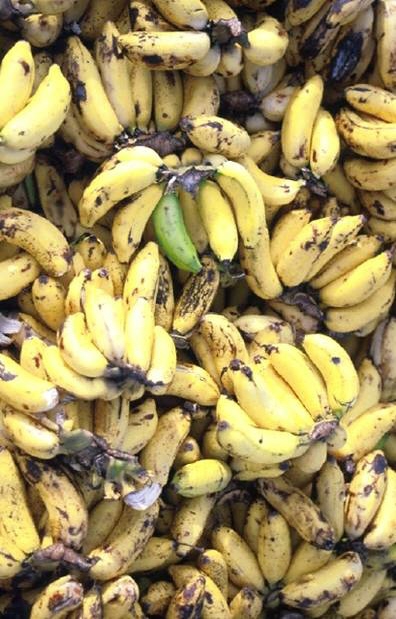
Spotty bananas are the healthiest

For my family this aversion offers a huge health loss as bananas have heaps of health benefits. They are high in fibre. They can help protect against heart disease, osteoporosis, blindness and diabetes, they combat depression, help digestion, they can reduce PMS, build your immune system, even polish your shoes! And this is just the start. Here are some of the benefits that make bananas such a great health package:

Potassium rich, they are well recognized as playing a role in preventing high blood pressure, atherosclerosis and reducing the risk of stroke

  • They are high in fibre which keeps you regular, helps to maintain low blood sugar and stop you overeating – great if you are trying to lose weight
  • They also help if you suffer from diarrhoea as they help with fluid balance and replace lost electrolytes also. In addition, the fibre in bananas helps keep you regular if you are constipated.
  • They build strong bones by reducing the amount of calcium that is lost to your bones because it is excreted in your urine due to the western diet
  • Help stop muscle cramps – eating one or two before you exercise as it will also boost your energy or before bed if you suffer night cramps
  • Aid digestion by stimulating production of the mucous that coats and protects the stomach lining and they are a natural antacid. They are the only fruit you can eat raw if you have stomach ulcers already.
  • Help to prevent stomach ulcers as they contain protease inhibitors to break down the stomach bacteria that cause ulcers
  • Contain Tryptophan which converts into serotonin and helps fight depression. Eating a banana might be just what you need to lift your mood if you suffer from SAD (Seasonal Affective Disorder)
  • Potassium also keeps you more alert, so eating bananas helps when you are studying
  • Your immune system loves bananas because they are high in antioxidants to fight free radicals
  • They contain iron to help prevent anaemia
  • They help combat PMS by regulating blood sugars and raising your mood
  • They help balance fluid in your body to reduce swelling from fluid retention
  • They are a prebiotic and help your digestive tract by increasing the numbers of friendly bacteria so that you can absorb nutrients better
  • Contain Vitamin B6 which helps fight off Type II Diabetes
  • Vitamin B6 also helps ensure white blood cell production to protect you against infection
  • Bananas seem to play a significant role in preventing kidney cancer when you eat them four to six times a week
  • It turns out that while carrots are great for good eyes in children, fruit is a better way to protect against Macular Degeneration in adults and bananas are an easy way to keep up your fruit intake

So, unless like me you also have a strong aversion to bananas, how can you possibly not be eating lots of bananas.

But it matters quite a lot just how ripe they are. The more dark, brown patches there are on the skin the higher the health benefit. Yellow bananas with brown spots are eight times more effective at enhancing your white blood cells than green skin varieties, and with higher TNF (Tumour Necrosing Factor) have a better anti-cancer quality.

Elkhorn Fern

For many years I have been putting banana skins (yes we do have bananas in the house) in the top of my Staghorn and Elkhorn Ferns as they absolutely love the potassium in the banana skin. But apparently the inside of banana skins is also an excellent way to relieve itchy insect bites or hives. And it seems the enzymes in the peel will dislodge splinters if you tape a small piece of peel over the splinter. The inside of the peel will also give your leather bags and shoes a great shine if you polish them with it and then buff with a soft cloth. You could try it on your leather furniture too.

Which brings me back to where I started, whitening your teeth by polishing them with a banana peel. There are dangers associated with Cosmetic Teeth Whitening procedures so this seems like a perfect alternative. Here are the instructions about how to do it. So please, go ahead and give it a try and then come back here and post your results in the comments space below. I am dying to hear how well it works.

And if you know of any more bizarre uses for the humble banana skin add those below too.

Disclaimer.

All information and opinions presented here are for information only and are not intended as a substitute for professional advice offered during a consultation. Please consult with your health care provider before trying any of the treatment suggested on this site. 
Super-Power Your Health With Super-Foods

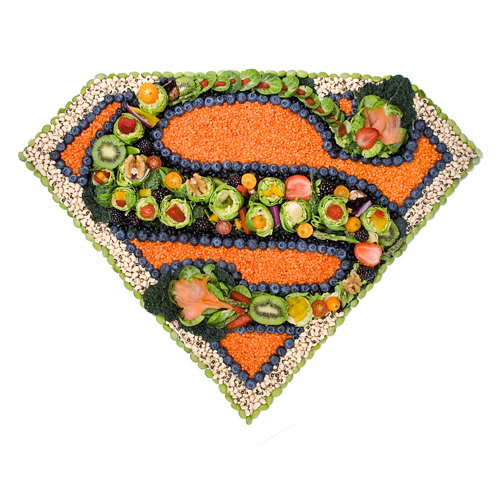
I often recommend that clients add ‘Superfoods’ to their diet because they are power-packed with health benefits. But many people are not really sure what they are.

Superfoods are defined generally as highly nutrient-rich and nutrient-complex foods which are thought to be especially beneficial for health and well-being. They are often foods with high phytonutrient (the component of plants that affects health) or zoonutrient (the health-affecting component in animal products) content, as well as being rich in vitamins, minerals and antioxidants. They are not processed and although not a specific requirement, you would expect them to be organic or biodynamic.

The compounds in superfoods are so powerful that they can have a huge and significant effect on your health. It is thought that more than half of the suffering of degenerative diseases could be eliminated simply by changing to a diet made up of superfoods.

Diet-related diseases such as diabetes, cancer, heart disease and hypertension can be significantly affected by choosing to eat a diet rich in these foods. If they can have such a significant effect on people suffering with these serious diseases, consider the impact they will have if they are included in the diets of people whose health is better, and more particularly, their impact on children.

Using lots of superfoods in children’s diets promotes vibrant good health, and an energy and enthusiasm for life.

On a value for dollar basis superfoods make perfect sense. They are rarely the foods that you find on sale but the benefits they provide for quantity makes them a very smart purchase. Here is a list of some of the best superfoods, although there are lots more!


10 Awesome Superfoods

1.  Apples

There are many superfoods around to choose from. With families and children in mind top of the list has to be apples. But, apples are one of the foods on the“Dirty Dozen®” list. This means they are one of the most highly pesticide sprayed foods and should only be eaten when they are organic or biodynamic. Apples are a super source of antioxidants and vitamin C. They also contain potassium and fibre, and are low in kilojoules. Their secret is in the skin, so it is very important not to peel the apple in order to get the benefits.

Apples are not just great for children, as eating apples also improves mental dexterity and slows both age-related memory loss and bone loss.  Find out some other specific health problems that apples help plus a nice recipe for baked apples right here  as well as here.

2. Avocado

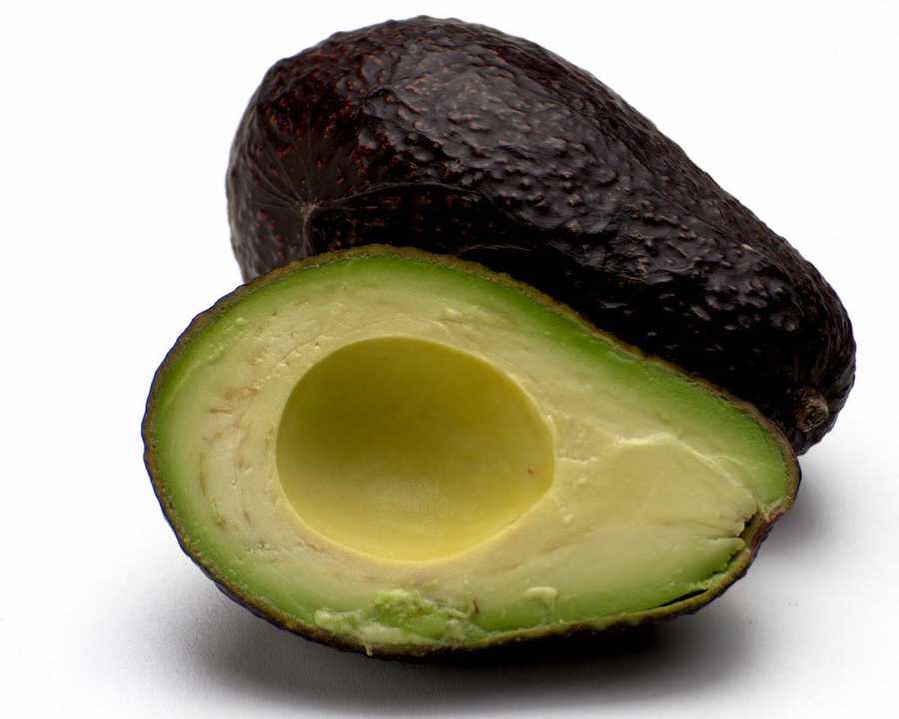
Avocado is another superfood that is easy to include in family diets. Hass avocados which are very easy to find, have the highest concentration and variety of nutrients, with a high percentage of healthy fatty acids, vitamin E and antioxidants. They are great for your digestive system and also have anti-aging benefits, helping to prevent wrinkles. The antioxidants are highest in the darker green flesh straight under the skin so try not to cut this off. If your children are not keen to eat this delicious fruit try using it as a spread on their sandwiches. Read more about the amazing avocado

3. Goji Berries

Another yummy superfood is berries. Do you know of Goji berries? They have an amazing

Goji Berries are also sometimes known as Wolf Berries

amount of unique nutrients and antioxidants. They have more iron than spinach and more vitamin C by weight than any other food on earth, as well as lots of other goodies. They are fantastic for your immune system and will help any imflammatory disorder. You can buy them as juice or dried. But if you are on a nightshade ( Solanaceae) free diet you will need to avoid Goji berries as they fall into that food family. Here  is some more about goji berries. If you would like to grow your own Goji berries this guy  in Qld sells plants over the internet to all Australian states.

Goji berries are not the only berry superfoods. In fact all berries are little power packed bundles. Raspberries, blackberries, strawberries and in particular blueberries all contain lots of vitamins, minerals and antioxidants. But, they are another food, like apples, that need to be organic because of the high use of pesticides.

4, 5, 6 &7. Brassicas

There are many other Superfoods such as the cruciferous vegetables. This is a big family that includes broccoli, cabbage, cauliflower, bok choy, Brussels sprouts, radish, kale, kohlrabi, Chinese cabbage, rocket (arugula) and watercress.

8. Spinach

Spinach is another superfood that needs to be organic, and it is a great source of iron to boost your energy. Adding any greens to your diet provides many wonderful nutrients and should be eaten every day, but including superfood greens will give an added boost to your health

9. Beans

Kidney, borlotti, butter, chick peas, etc and lentils have nutrients that offer significant protection against a number of tumours as well as the normal superfood benefits. They are also particularly helpful for people with insulin resistance.

10. Nuts and seeds

Nuts and seeds can have a massive effect on lowering your risk of heart attack if you eat them five times a week.


More Superfoods

A few other superfoods are:

  • raw cacao (not everyday chocolate which is full of sugar, and usually dairy products) 
  • quinoa which is a herb that you use as you would a grain
  • chiaseeds which are wonderful when added whole or ground to any food or used as an oil.
  • flaxseed oil
  • cold-pressed coconut oil

Superfood Supplements

The ‘Supergreens’ include Spirulina, Chlorella, Wheat Grass and Barley Grass. The nutrients in these are very concentrated and provide you with a shot of goodness. They’re called ‘wheat grass shots’ for more than one reason!

These superfoods come in tablet, capsule or powder form. The powder is easy to add to juice or smoothies. Although it makes it go dark green it doesn’t affect the flavour noticeably.

My own favourite is Spirulina which I think of as the supergreen equivalent of a “multi-vitamin”, a great all-rounder. Chlorella is particularly detoxifying and Barley Grass is very alkalinizing for your system.

The supergreens also come in combination with each other, or you can mix them yourself. I always use them in highish doses when I travel to help to counteract the toll that overseas travel takes on my body.

Superfoods are a wonderful alternative to fast food when you’re on the go. By adding them to your diet you are eating foods just as nature intended.

If you concentrate on increasing the amount of superfoods in your diet rather than trying to eliminate foods you will find it won’t take long before you’ve replaced  the ‘bad food’ with good. Your diet will have improved without the stress of having to consciously avoid foods. Superfood supplements can also be used for short term assistance.

During times when you are under greater stress, physically or mentally, or when you are not getting enough nutrients add the supergreen supplements for as long as you need them.

Here  is an interesting glossary of natural and organic foods if you are unsure about just what some of the ones mentioned are.

What are your favourite superfoods? Do you have any special ways that you incorporate them into your diet?

How do you super-power your own health?


Disclaimer.

All information and opinions presented here are for information only and are not intended as a substitute for professional advice offered during a consultation. Please consult with your health care provider before trying any of the treatment suggested on this site. 

Source articles:

http://thenaturalhealthguide.com.au/reviews/eight-superfoods-for-health-and-beauty-from-your-local-grocery-store/

http://www.naturalnews.com/001539_NOLINKS_superfoods.html

http://www.naturalnews.com/036003_goji_berries_superfood_nutrients.html

http://www.naturalnews.com/035763_avocado_superfood_anti-aging.html

http://www.naturalnews.com/030481_superfoods_nutrition.html

http://www.naturaltherapypages.com.au/article/goji_berries_and_goji_juice

Related articles

Fish Oil, Fatty Acids and Other Nutty Ideas

Many people take Fish Oil supplements to boost their Omega-3 intake these days when only a few years ago nobody gave these Essential Fatty Acids very much attention at all.

Scientists have been aware of the benefits to health of omega-3 fatty acids for about sixty years, particularly for their role in helping clear up skin diseases such as psoriasis and eczema. For about thirty years they have been thought to be effective aids to lowering cardiovascular risk and heart attack. But over the last few years there has been an explosion in public awareness of the many diseases that have a link to inadequate amounts omega-3 in the diet, and with this awareness has come the widespread use of supplements to address deficiency related health problems.

If you don’t know the difference between omega-3 and omega-6 you are not alone as most other people don’t either. Our diet now contains many foods high in omega-6 such as breads, biscuits and even meat fed on grains. While we need more omega-6 than omega-3, the ratio being 4:1, the ratio in our diets is actually closer to 10 – 20:1 and so we are getting far more omega-6 than we need at the expense of sufficient omega-3. The omega-6 is often from a poor, highly processed form of the food source. The effect of this unbalance is to cause many other health problems.

Omega-3 and omega-6 are both polyunsaturated fatty acids that we need to add to our diets because our bodies cannot synthesise them. Omega-6 is needed in greater quantities but is also more easily obtained as it occurs in many of the foods that are eaten in large quantities in the western diet. Whilst we need much less omega-3 the amount that most Australians consume falls very far short of their daily requirements.


What Are Essential Fatty Acids?

Simply put they are EPA, DHA, GLA, and OA.

  • EPA ( eicosapentaenoic acid) is great for a healthy heart and body
  • DHA (docosahexaenoic acid) for healthy mood, mind and memory
  • GLA (gamma-linolenic acid) for healthy skin, hair and hormones
  • OA (oleic acid) for healthy blood pressure and cholesterol levels.

EPA and DHA occur together in nature and so should always be taken together, along with OA (which is omega-9).

GLA is omega-6 and works well in combination with the other nutrients but as we receive more than adequate quantities in the western diet we do not need to supplement GLA.


Omega-3 Deficiency

Deficiency of DHA and EPA has been shown to be linked to many different health issues and the list seems to keep growing. Just a few conditions that indicate a need for more high omega-3 foods in your diet are:

  • depression
  • cardiovascular disease
  • Type 2 Diabetes
  • fatigue
  • dry and itchy skin
  • brittle hair and nails
  • difficult concentration
  • joint pain

But there are many more.


Omega 3 Food Sources

Before you consider taking an omega-3 supplement you really need to consider whether it is possible to meet your omega-3 requirements from food sources, as research has shown that omega-3 may be better absorbed from foods than it is from supplements, even cod liver oil.

The very best food sources for omega-3 are cold-water oily fish. A few of the best are herrings, sardines and anchovies or in the larger fish, trout, blue mackerel, gemfish, salmon and blue-eye trevalla. A word of warning about salmon – all salmon grown in Australia is farmed, which means it is grown in dense-packed pens near ocean shores, fed fish meal that can be polluted with toxic chemicals, awash in excrement that then gets flushed out to sea and infused with antibiotics to combat unsanitary conditions – really salmon can be viewed as the “battery hen” of the sea.

Good quality salmon will be wild caught and in Australia is unfortunately found only in tins from Canada or Alaska. Opt for imported wild-caught salmon if you can get it.


DHA & EPA

The two important components of omega-3 are DHA and EPA. There is overwhelming evidence that both are of great benefit.

Omega-3 is also available from  sources other than fish (vegetarian) such as walnuts, flax, chia and pumpkin seed oils, soy products and dark green leafy vegetables. But these sources contain Alpha- Linolenic Acid (ALA) rather than DHA or EPA. This needs to be converted in the body and in many, many people, especially the elderly, this conversion is very inefficient and so these are not a reliable source.

But omega-3 from vegetarian sources is a better option than no omega-3 at all.


Omega-3 Daily Requrements

For the recommended requirements of omega-3 for Australian adults look here although be aware that stress or disease will modify your needs.


Fish Oil Supplements

If you do choose fish oil supplements there are a number of important things to consider about the particular omega-3 supplement you are considering before you start taking it.

Here are a few  guidelines that may help:

  • When choosing fish oil supplements be very careful of the quality. You get what you pay for. Many fish oil supplements are poor quality and capsules can contain rancid oil. Not only will this not help your health, it can actually make it worse, because rancid oil forms free radicals which cause inflammation that leads to disease.
  • Many fish oil supplements are made from farmed fish (see the problems associated with this above)
  • Check the levels of DHA and EPA as these will vary with each product and get one which has 2-3 times more DHA than EPA. It is difficult for the body to convert EPA to DHA.
  • Taking just one or two capsules each day is unlikely to supply you with enough of the omega-3 you need and you will most likely need many more than this. Taking the supplement in a liquid form is a better way to get an adequate amount.
  • Cod Liver Oil is a good way to get the omega-3 EFA’s you need as well as Vitamin D and Vitamin A. These days these oils are often fruit flavoured without the fishy taste of days-gone-by.
  • Many fish oils contain high levels of contaminants such as mercury or PCB’s. Try and source impeccable supplies.
  • If you are using Krill Oil consider that Krill fishing has already been banned or strictly limited in some areas due to the ecological impact. Fish oil is more sustainable.


And Now To Totally Change The Subject…Nuts!

almonds

I hear you asking “so where do nuts come into all this”?

Nuts, especially walnuts, are another great food source of omega-3, omega-6 and omega-9. Because high heat, light, and oxygen destroy EFAs,  when you eat nuts for their EFA content, choose raw nuts rather than roasted nuts.

Last week I promised a blog follower a GREAT RECIPE for ALMOND MILK so here it is.

Of course it is not for anyone with nut allergies.

Home made almond milk is a wonderful substitute for dairy milk. It is quite nutritious, being high in protein and of course healthy fats. It also contains fibre, Vitamin E, the minerals phosphorous,  copper, selenium and calcium, the amino acid tryptophan, as well as flavonoids. In addition it has no cholesterol. It has a slightly nutty taste and a creamy texture and the flavour is lighter than soy or rice milk.

Almond milk is now widely available through supermarkets as well as health food shops, but is pricey and some brands are sweetened. A number of brands have a very low percentage of almonds in them, which greatly reduces their nutrient value. By making your own nut milk you can increase the nut content and so the nutrients, dramatically.

Almond milk is good cold, in tea or coffee, smoothies and can also be used for cooking items like cakes or soups. I use it, but in small quantities and so often end up throwing quite a lot out which means making my own is a great option.


Almond Milk Recipe

Almon milk is easy to make and you can make it in just the quantity that you need. Here is how:

  • Soak 1 cup of fresh, raw almonds in filtered water overnight. Make sure there’s extra water to allow room for swelling.
  • Remove the almonds from the water.
  • For a less gritty texture, remove the skins. If you want a richer flavour toast the skins lightly.
  • Place the cup of almonds in a blender with 2 cups of filtered water and blend on high speed until creamy.
  • Add flavouring like cinnamon, honey, cardamom, saffron or a pinch of sea salt and then blend again, if you like.
  • Strain the mixture through cheesecloth or a fine strainer to separate the pulp.
  • You can drink it immediately or for a creamier version, leave it covered in the fridge overnight. It keeps in the fridge for up to a week.
  • The remaining pulp can then be roasted dry and stored in a jar to use as almond flour.
  • Or you could place the almond skins and the pulp in cheesecloth to use as an invigorating body scrub.


Disclaimer.

All information and opinions presented here are for information only and are not intended as a substitute for professional advice offered during a consultation. Please consult with your health care provider before trying any of the treatment suggested on this site. 
Source articles:

http://www.naturalnews.com/035948_omega-3_inflammation_disease_prevention.html

http://www.webmd.com/diet/features/what-to-know-about-omega-3s-and-fish

http://goodfats.pamrotella.com/

http://www.adelaidenow.com.au/ipad/the-pros-and-cons-of-almond-milk/story-fn6jaj16-1225984312290

Thank You Kind Reader

To the followers of my blog who were kind enough to take the time last weekend to tell me how much they enjoyed reading the posts I offer my humble thanks. Any feedback is always very welcome and helpful, particularly on first starting out as a blogger. But positive feedback is absolutely wonderful!

If you would like to comment or leave feedback again there is a place right at the bottom of each post where you can post a comment. I would love to hear your thoughts on other posts, as well as your experiences as a result of what you have read here.

Why You Should Eat Organic Potatoes

For the last few days, I have had a very earthy food at the front of my mind- potatoes, ever since I traced a weird kitchen smell to an old onion in the back corner of the basket of root vegetables that sits in the bottom of the pantry. While I was searching for it I also found a decent number of potatoes that had put out nice healthy strong roots from their eyes, so past their best eating days. But, these weren’t any old potatoes, they were all organic, and of a few different varieties.

These days I try to incorporate as much organic food into our diet as I can, but like most of us, am constrained by things like the cost and availability. But I have been gradually making the switch from normal produce over to organic fruit and vegetables for a long time now and potatoes are one vegetable that I now will only buy organic.

Root vegetables were one of the types that I started to change fairly early on as I figured that they were sitting surrounded by soil that was full of chemicals for all their growing life so maybe that meant they absorbed more of the pesticides in the soil. However, I am now aware that potatoes, along with various other vegetables like carrots and celery, is one of the “Dirty Dozen™”. 

The Dirty Dozen™ is a list of produce that is deemed to have the highest levels of residual pesticides. It is produced each year by the Environmental Working Group (EWG), and while it is compiled in the USA and relates to USA produce I have no doubts that it is also a reflection of the impact of commercial farming practices here in Australia.

The potato has come a long way from its early existence on the slopes of the Andes of South America. In recent times it has been targeted for Genetic Modification (GMO) and Monsanto produces genetically modified strains that have been widely grown for many decades.

Pollan decided to plant some of Monsanto’s GM potatoes alongside ‘normal’ potatoes in his own garden and then to compare the differences bewteen the two types over the same season. His research took him into organizations such as Monsanto, the FDA, the EPA, and the Union of Concerned Scientists. It also allowed him to visit three Idaho farms that grow potatoes commercially. Idaho is an area of arid scrubby desert where farming is only possible with the aid of irrigation. Two of the farms he visited were growing a mix of Genetically Modified and normal commercially grown potatoes and one farm was organic. The comparisons were striking.

Like many others I have a real problem with eating any GMO foods and do not consume them knowingly. My preference would be organic first, then commercially grown and last GM. What absolutely horrified me as I was reading about the potato in Pollans’ book, was the extent of the fertilizer and pesticide regime that the farmer outlined as the normal program he uses on the commercially farmed crop. The spraying program is huge. It begins in early spring with a soil fumigant and followed throughout the growing season with pesticides, herbicides and fertilizers both sprayed and introduced through the irrigating water.

But two of the practices that the farmer mentioned he would not change were really concerning. The first was that from mid-summer the crop is sprayed every two weeks with an organophosphate called Monitor to prevent a virus that causes small brown spots appearing on the tuber. The spots are purely cosmetic. However, the Fast Food Companies who are far and away the largest buyers of all potatoes don’t want brown spots on their long, golden, perfect fries, so the crops need to be sprayed.

Monitor is deadly. In fact, it is so toxic that the farmer and his staff will not enter the field for any purpose for five days after the spraying. This is an arid, irrigated area and even if the irrigation system breaks down he will not go into the field. He would rather lose the whole crop than risk contact with this deadly chemical. Not all potato varieties are susceptible to the virus and so not all are sprayed with Monitor, but this is an example of the extreme danger associated with chemicals that are widely and routinely used both in potato and other food crop production.

The other telling practice that Pollan reports was that in the farmers domestic garden where he grew food for the family’s own consumption, many of the plants, including the potatoes, were grown organically. He admitted that when they purchased any commercially grown vegetables from the market, they ‘wash and wash and wash’ them before eating them because they are aware of the presence of chemicals.

Pollan makes the interesting observation that organic farming is much more than simply substituting good for bad. ‘The organic farmer’s focus is on the process rather than on the product’. This process is built on maintaining balance and harmony with the environment.

Having read the details of the strength of the chemicals used in farming potatoes as well as the huge extent of the program, I now have a firm resolve to avoid anything but organic potatoes. I have shifted from thinking ‘it’s a good thing to eat organic potatoes’ to resolving ‘I definitely will only eat organic potatoes’ both at home and when I am eating out thanks to this book. This is better for all my family.

The EWC has just released the 2012 Shopper’s Guide to Pesticides in Produce™ in the last few weeks and it is worth taking a look to see for yourself just which foods belong in the ‘Dirty Dozen Plus™’ this year. It also gives a list of produce that falls in the Clean 15™ List. If like me, you like as much organic foods as possible in the family diet but cannot manage to go totally organic, this list might help you decide where to make the best changes to build your family’s better health.

And as for the potatoes I planted, I needed to get them into the ground very quickly in between rain bursts, so I did not actually do any of the soil preparation that I normally would do before planting at all. In fact, I simply popped them into slots I dug in the middle of a weedy slope of heavy clay soil. New growth on potatoes can be quickly and easily decimated by winter frosts, but hopefully the new growth on these plants will be nicely protected from the frosts that roll down our hillside through July by all the weeds that I left in the ground above them. Hopefully, come spring the luxuriant growth of the potato plants will in turn smother those very same weeds. And as a bonus the potatoes should break up that heavy soil sufficiently for me to follow them later with another different but fussier crop. 

Disclaimer.

All information and opinions presented here are for information only and are not intended as a substitute for professional advice offered during a consultation. Please consult with your health care provider before trying any of the treatment suggested on this site. 

© Catherine Bullard and Happy Holistic Health, 2012. Unauthorized use and/or duplication of this material without express and written permission from this blog’s author and/or owner is strictly prohibited. Excerpts and links may be used, provided that full and clear credit is given to Catherine Bullard and Happy Holistic Health with appropriate and specific direction to the original content.