Our world has changed so much over recent years and we’ve changed along with it.
We’ve become so used to living with pressure, stress and anxiety that we now take it for granted. We believe that being on the edge of overwhelm is fine because it is completely normal, just as long as we don’t fall over the edge into burnout.
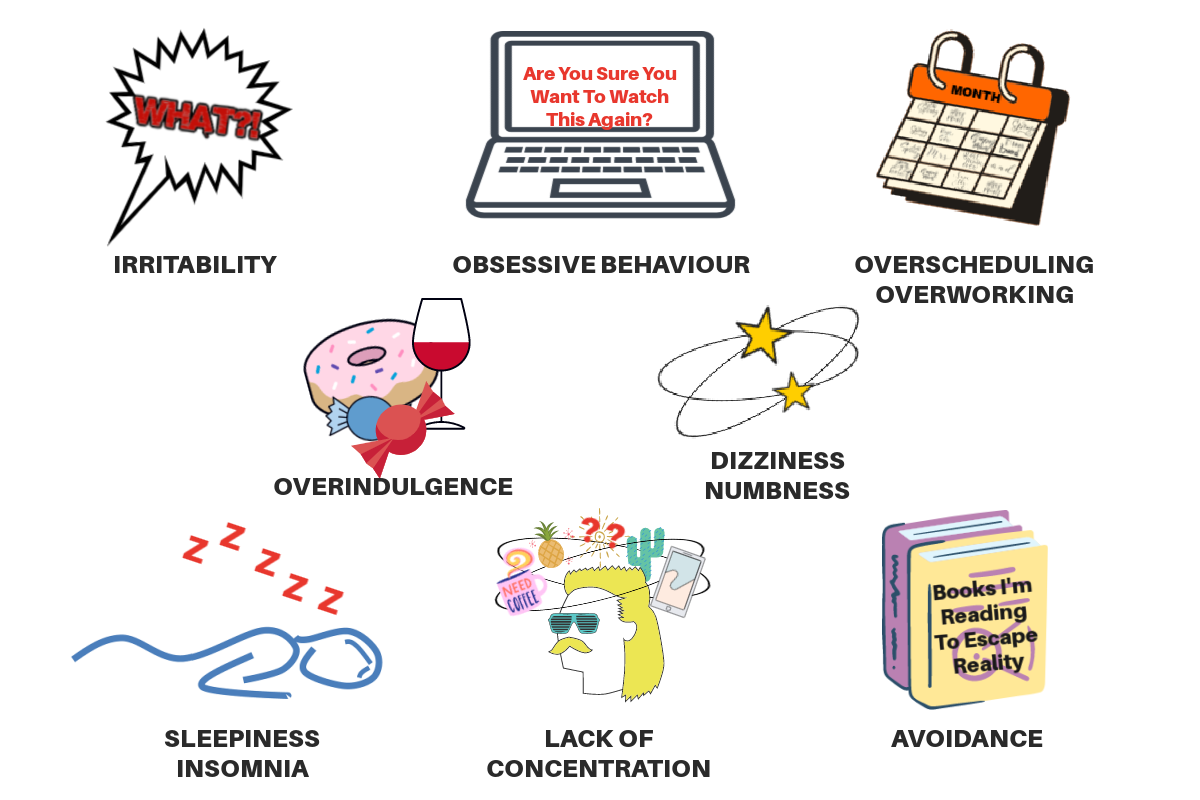
Sometimes, because it has become our normal, we don’t recognise that we’re living with constant anxiety because we forget that anxiety doesn’t always look like worry or fear.
Mindfulness is a simple, powerful and drug-free way to reduce anxiety
Being mindful relieves stress and anxiety because your awareness is in the present moment. You are not focused on what went wrong in the past or worrying about the possibilities of the future. Nor can you drift into the other avoidance behaviours of anxiety because your attention is focused. Your stress hormones are under control.
Discover techniques to reduce anxiety and more with mindfulness.
Disclaimer
All information and opinions presented here are for information purposes only and are not intended as a substitute for professional advice offered during a consultation. Please consult with your health care provider before following any of the treatment suggested on this site, particularly if you have an ongoing health issue.
Mindfulness is about fully and openly embracing the present moment. Sounds so simple, right? But in truth we spend our time doing everything but that. And that goes doubly when we encounter a challenging emotion that makes us uncomfortable or even fearful.
When we face a situation that triggers a challenging emotion, we quickly fall into our default position for challenges. We move into the story we have built up around this situation or emotion over time. This story is embedded in our subconscious and carries a specific limiting mindset.
We get pulled us straight back into the past and all the times we have experienced that emotion before. We remember the situations in detail, the wrongs that were done to us or how we failed or were judged by others. We end up getting lost in the emotional drama of our ‘story’ and our connection to the present is quickly and completely lost.
But the past is gone. Those thoughts and beliefs that arise are nothing more than stories, they’re not real.
In many cases these thoughts and beliefs are not even of our own making. They have been passed to us from someone else and usually don’t even reflect our own true values. They can even come from the earliest time in our life before we were cognisant of what they even meant.
Unfortunately, the stories we re-run over and over, and the emotional ‘rabbit-hole’ they lead us down, hold such a power over us that it can be really difficult to break free of them.
Luckily the key to breaking them apart and changing that mindset is a simple technique using awareness. Mindful awareness is an active investigation into the nature of your mind and how it functions.
Perceiving True Mind
Trying to discover the true nature of our mind is impossible using the mind itself. We can never clearly understand this by using our thoughts. This is because most of the stories in there are hidden in the subconscious or distorted in faulty memory.
But fortunately, we don’t have to rely only on our mind because our thoughts, experiences, memories and emotions are also held within every cell of our body. And our body cells are a far more reliable and accessible library of all these than is our mind.
We can use a simple awareness exercise to keenly observe and witness the messages held by our body with clarity. This helps us to unlock them without getting drawn into the story or the drama that has always surrounded them.
This simple exercise will guide you to unlocking the secrets of your cells. Doing this exercise allows you to stay in the present moment even when your emotions begin to overwhelm you. It becomes an excellent tool to draw on whenever life threatens to overwhelm you.
When you first do this exercise, you may find yourself slipping back into the emotion. Whenever you notice this happening gently guide your awareness back to the exercise, without any judgment. Don’t beat yourself up, it’s completely normal for our thoughts to stray and for emotions to take over. Just notice them, focus and then bring them back.
Each time you do the exercise you’ll find your ability to maintain your detached focus, to identify what you observe and to accept the associated emotion become easier and easier. Each time it will cause you less stress.
Mindfulness Exercise: Connect Your Mind, Body and Emotions
Observe: When you feel an emotion that’s unpleasant the first step is to take a few slow, deep breaths and quickly scan your body from head to toe. Look for the strongest sensation – the one that bothers you the most. Focus your attention on that sensation. Use your awareness. Observe it carefully, curiously. Notice where it starts and where it ends. Discover as much about it as you can.
Distance: Don’t judge what you find. Don’t try to work out what it’s about. All you need to do is observe.
Breathe: Take a few deep breaths. Breathe into and around the sensation.
Expand: Make room for the feeling. Loosen up around it and create space.
Allow: Allow the emotion to be there. You don’t have to like it or want it. Simply let it be and make peace with it. The goal is not to get rid of it but to give up the struggle with it.
This mindfulness technique can be applied to as many different sensations as you want. As you do the exercise one of two things will happen: either your feelings will change – or they won’t. It doesn’t matter either way. This exercise is not about changing your feelings. It’s about observing them and accepting them whilst staying in the moment.
This exercise helps you stay out of the drama, whether it’s around you or within. When you step outside the emotion like this and simply observe it with awareness, you strengthen your engagement with your Highest Self, with Source. This keeps you grounded and in the present moment.
Mindfulness is the art of being present and accepting the moment, as it is.
Mindfulness is the energy of being both aware and awake to the present moment. It is the ongoing practice of engaging fully in every moment of daily life and accepting it without judgement. It is about simply Being instead of constantly Doing.
Recently I was reading about mindfulness while I was eating a slice of toast. As I continued to read, I suddenly became very conscious of the irony of my situation. Engrossed in the internet, with thoughts of what I needed to do during the day running around in the background, I was eating in a way totally lacking in mindfulness.
So I stopped reading and focused on the delicious food. I immersed myself in experiencing the bread toasted so that just the outside was crunchy and the centre still moist; the tang of the sourdough culture; the seeds coating the crust; the sweetness of warm butter which had soaked through into the heart.
I noticed the autumn sun pouring in through the window and the small birds hopping along the branches outside.
At one point I began thinking about writing this post about mindfulness, but being mindful, I put the thought aside and focused on eating the toast again. Truly, I tasted and enjoyed that piece of toast far more deeply than many I have eaten. It was all the more delicious because I was focused in the moment.
“When we are mindful, deeply in touch with the present moment, our understanding of what is going on deepens, and we begin to be filled with acceptance, joy, peace and love.”
Thich Nhat Hanh
My distraction while I was eating is completely normal. Human consciousness focuses on a lively dance between revisiting past events and anticipating the future. But developing mindfulness in our daily routine can have a very positive impact on our lives as well as our health.
Conscious Awareness
Mindfulness is a hot topic right now, but it’s nothing new. It involves the art of consciously living in the present moment without getting drawn into the drama.
At its simplest mindfulness can be likened to awareness with intent. It’s about using awareness to observe and notice in an open and curious way.
Mindfulness and intentional awareness are both about paying attention with purpose. They are like being in the eye-of-the-storm and still being able to consciously hold the place of stillness, while all around is chaos. They allow you to live in the here and now, noticing with clarity the reality behind what’s appears to be going on, while remaining emotionally detached.
Mindfulness Changes Your Brain
This mindfulness practice of touching life deeply in every moment of daily life brings heightened awareness and inner calm.
When we practice mindfulness, we become more open to noticing what is happening in our lives, with greater clarity. Everyday problems do not disappear. But because we are fully present in our lives through the practice, we become able to respond to life’s pressures in a much calmer way.
Developing and strengthening your awareness with mindfulness can transform your brain by changing or creating new circuits particularly those involved in stress, attention and focus, memory and mood. Mindfulness changes the way neurons in your brain communicate with each other. This opens the opportunity for you to interact and respond to your experiences and the world around you in a whole new way.
Mindfulness also helps us avoid self-judgement and self-criticism as we become more accepting of both our strengths and our challenges. This brings significant health benefits to our body, our mind and our soul.
Embracing the energy of mindfulness and allowing it to flow into our lives to penetrate everything we do provides us with the opportunity to foster the development of grace within.
It deepens our capacity to live more meaningful, balanced and peaceful lives.
Origins of Mindfulness
The ancient practice of mindfulness has come to us through many eastern philosophies including Buddhism, Yoga, Tai Chi and Taoism. It’s now embraced by the West and widely taught in a non-sectarian way because it is a proven effective tool to treat many psychological clinical disorders.
Thich Nhat Hanh, a Vietnamese Buddhist monk, teacher, author, poet and peace activist, taught the art of mindfulness throughout his lifetime. Initially he taught it through the practice of mindful breathing and later through Walking Meditation. Walking Meditation is more than just strolling around. It’s about being peacefully rooted in the present and always aware of both your mind and body as you move.
Walking meditation provides additional benefits to those gained through mindfulness, such as improved blood sugar levels1and blood flow and better balance and ankle coordination.
Benefits of Mindfulness
Mindfulness has been proven to effectively counteract stress by intentionally focusing the attention on the present moment and at the same time, accepting it without judgement. Focusing on the present moment prevents you becoming caught up in worry about the future or regret or shame about the past.
Helps develop a stable mind to stay grounded, rather than one that is dull or agitated
Reduces anxietyby cultivating a flexible mind able to reduce the impact of stressful thoughts and feelings
Increases self-awareness of your mind and its thought patterns
Helps you become less reactive in difficult and challenging situations
Replaces self-defeating behaviours with more beneficial ones
Mindful Practice
We are so familiar with projecting our attention and thoughts into either the future or the past, that it can take time to become proficient in maintaining your awareness in the present moment. But it can be developed through repetition until it becomes natural and automatic.
Whenever you think of it, practice by focusing on your breath, your surroundings or on each of your five senses – sound, sight, smell, touch and taste in turn. Tune into your thoughts or your body and just observe what you notice without any judgement or self-recrimination. Hold this state as long as you find comfortable and notice how much calmer it leaves you feeling.
Mindfulness leads to a keener awareness of all aspects of your life and the world around you
Every time you can bring your mind into the NOW, even just momentarily, you help cultivate a mindfulness practice that will eventually become a permanent and automatic part of how you function.
Commit to cultivating mindfulness in your life today, to gain profound and sustained benefits.
All information and opinions presented here are for information only and are not intended as a substitute for professional advice offered during a consultation. Please consult with your health care provider before trying any of the treatment suggested on this site.
Does trying to maintain balance in your life make you feel like a tightrope walker? Well, know you’re not alone! Most of us have so many constant demands on our time and energy life can feel like a three-ring circus.
Balance has become just one more thing we long for in our lives but believe we can only deserve and have once we’ve earned it, through overwork or overwhelm.
Whether it’s in work-life, caregiving vs. self-care, daily routines, creative pursuits or a host of other areas, creating balance across our life can feel more and more out of reach and elusive with every passing day. Many people feel life just isn’t delivering all it promised. They can feel let down, unhappy and in some cases, even bitter.
But you can find balance right now.
Once you make the decision that you’re worth it, you can commit to making the changes you need to help you find balance in both your beliefs and practices. By changing, even in small ways you can once again find joy and balance.
True or False?
Do you have that balance right? How far away from the happy point are you?
Take this quiz to see how well you are meeting your responsibilities while at the same time recognising and fulfilling your personal needs and wants.
How well do these statements match you? Are they true for you or false?
1. The only way I can successfully manage my life is to take care of myself physically and emotionally.
2. Nurturing myself increases my capacity to help others.
3. I eat healthfully.
4. I exercise regularly.
5. I get check-ups, go to the dentist, and take preventative precautions to prevent illness.
6. I regularly set aside personal, quiet time for myself, whether I’m meditating or simply letting my thoughts drift.
7. I experience the gifts of each season: walking in the rain, cosy fires, bundled-up beach walks; gardening, hiking, more time outside, smelling the roses; camping, swimming, barbeques, walking barefoot on the earth; harvesting the bounty, gathering wood, spending more time inside, walking in the mist.
8. Creativity nurtures me. I do what I love, whether that’s cooking, drawing, knitting, writing, dancing, building, singing or any other creative pursuit.
9. Cleaning out the old makes way for the new. I recognise when things and attitudes no longer serve me and regularly declutter the old and outdated in my life for a lightness and clarity.
10. Reaching out to others enriches my life. I spend quality time with family and friends.
11. Contributing to the world provides connection and purpose, so I give my time, energy and experience where it is most useful.
12. I notice and heed the emotional signals that tell me I’m out of balance: irritability, overwhelm, resentment.
13. If I feel that I’m catching a cold, I realise I may have stressed my immune system with overdoing things, so I stop and take care of myself.
14. When I need or want to, I say “No” to requests for my time.
15. I acknowledge my successes, no matter how small. I give myself permission to feel proud of all my achievements.
16. I listen to and honour the requests my body makes for such things as a nap, a walk, green vegetables, hot soup, time out.
17. I practise gratitude to build inner strength and resilience to help me bounce back from stress. I remind myself every day of just how fortunate I am and of all the bounty and wonderful people in my life.
18. If I have something planned for myself, I don’t just toss that aside when someone makes a request of me.
19. I’m busy, but I find time to do the things I want to do.
20. I’m happy. I regularly experience well-being, contentment, even joy.
How Did You Score?
If you answered false to more than ten questions, that is more than you answered true, you need to make changes in your life to support you and prevent burn-out.
After all, burn-out often leads to serious health problems ranging from aches and pains, through adrenal fatigue to depression plus many, many more.
Even the smallest child knows the frustration of having no time for activities that make you feel alive, that fire your joy and passion and that nurture you, so you feel needed and special. Don’t wait until sickness strikes to change your life practices for the better.
Next Steps
Take a close look at all the questions to which you answered false. Is there a pattern?
Is it just one area of your life that’s having an impact on your wellbeing and sense of balance? Or is it spread right across all areas of your life?
Do you have strong boundaries?
What is the message you take away from this exercise?
Consider or meditate on how you can introduce changes into your life. What practices would help you incorporate the message into your life?
Don’t try and change everything at once. That’s a fast-track to overwhelm. Start small with one thing and once you’re getting comfortable with that add another change. Build on your achievements. And please, don’t hesitate to contact a professional if you feel you need to explore this issue further.
So go ahead…consider yourself!
Disclaimer
The Information contained on this site is for your general health information. It is not intended to be used as medical advice and should not be used to diagnose, treat, cure or prevent any medical condition, nor should it be used for therapeutic purposes. The information is not a substitute for independent professional advice and should not be used as an alternative to professional health care. If you have a particular medical problem, please consult a healthcare professional.
I’ve got something that might blow your mind. You know how we always feel like we’re running out of time? Like we have too much on our plate and not enough hours in the day? Like we’re constantly chasing deadlines, appointments, goals, and dreams, but never really enjoying the journey?
Well, what if I told you that time is not a fixed thing, but a flexible one? That you can actually change your relationship with time and make it work for you, not against you? That you can slow down, breathe, and savour every moment of your life, without feeling guilty or stressed?
Sounds too good to be true, right?
But it’s not. It’s possible.
And I’m going to show you how.
First of all, let me ask you this: If time were an animal, what kind would it be? A cheetah? A shark? A hummingbird? A snail?
Well, for most of us, it would probably be on the endangered species list. Or that’s how it seems with too much to do, too many places to be, too little time to do it. We feel like we’re imprisoned by our perception of time as a scarce and limited resource. We rush from one commitment to another, believe we don’t have a minute to spare, yearn for more time, and feel anxious and guilty when we’re idle.
Is this how life is supposed to be?
No! Nor does it have to be.
What Is Time?
The truth is, time is not something that happens to us. It’s something that we create. It’s a mental construct that we can shape and mould according to our needs and desires.
But until we change our relationship with time our lives will continue to speed away from us – at enormous cost to our health and our experience of ourselves and the world around us.
There’s no issue, no aspect of human life, that exceeds this in importance. As Jacob Needleman once said, “The destruction of time is literally the destruction of life”.
So how do we change our relationship with time? How do we make it our friend rather than our enemy? How do we reclaim our power over it and use it wisely and joyfully?
Well, there are many ways to do that, but here are some of the most effective ones I’ve found:
Pause
This is a simple but powerful technique that can help you break the cycle of hurry and stress. It’s inspired by the Buddhist monk Thich Nhat Hanh who suggested we “take a deep breath before answering the phone”.
The idea is to create conscious pauses throughout the day – a moment of silence before a meal, a few minutes of sitting in the car before entering the house after work – in order to “come home” to ourselves.
Conscious pauses help us reconnect with our body, our breath, our feelings, and our intentions. They remind us slow down and appreciate the present moment. They help us to remember what matters most.
“Nature requires us not only to be able to work well, but also to idle well”
~ Aristotle
Carve Out Idle Time Alone
This might sound counterintuitive, but sometimes the best way to get more done is to do less. Or better yet, to do nothing at all.
Aristotle said that “nature requires us not only to be able to work well, but also to idle well.” Just because we’re not doing anything doesn’t mean that nothing’s getting done!
On the contrary, it means that we’re giving ourselves the space and time to relax, recharge, reflect and create. We’re letting go of the external demands and expectations and listening to our inner voice. We give ourselves the space to explore our thoughts, feelings, dreams, and passions. This creates room for us to tap into our intuition and creativity. It opens the way to discover new possibilities and opportunities.
Live Fully in the Present Moment
One of the main reasons we feel like we don’t have enough time is because we’re not really here. We’re either dwelling on the past or worrying about the future. We’re missing out on the beauty and richness of the now, the only time that we actually have. The only time that matters. The only time that we can influence and enjoy.
So why not make the most of the present moment? Leave behind the thoughts of what was or what will be and focus on what is. Experience time more peacefully and joyfully by being fully present and aware of ourselves and our surroundings.
Toss Out Your Schedule Wherever You Can
Don’t get me wrong, having a schedule can be useful and helpful. It helps us organise our time and prioritise our tasks. It can also keep us focused to stay on track and achieve our goals.
But sometimes, having a schedule can also be limiting and stressful. It can make us feel like we’re trapped in a rigid routine that doesn’t allow for any spontaneity or flexibility. We can even end up feeling like we’re slaves to the clock rather than masters of our own time.
So why not try something different once in a while? Schedule some spontaneous time and surprise yourself. Follow your impulses and instincts rather than your plans and agendas. Take a risk and see what happens when you let go of control and embrace uncertainty.
Explore the Underlying Reasons for Your Busyness
Sometimes, we’re busy because we have to be. Often, we have responsibilities and obligations that we can’t ignore or avoid. Or we need to dedicate our time to goals and dreams that we are committed to achieving. But sometimes, we’re simply busy because we want to be, because we’re afraid of what would happen if we weren’t. We fill up our time because we’re avoiding emotions that we don’t want to face or questions that we don’t want to answer.
Consider what you are running from. Identify what are you hiding from. Perhaps there is something you are afraid of. What dreams and desires have you put to the side because there’s no room or time in your life? Become clear about what you really want, and what you need for your soul’s wellness. These are some of the questions that you need to consider if you want to understand and change your relationship with time.
Doing this emotional work might be challenging, but it’s essential if you want to stop running from your heart and start living from your soul.
Play
Remember when you were a kid and you used to play for hours without any worries or cares. Take your mind back and recall how the outside world disappeared as you were totally absorbed in the play. Can you recall how time seemed to stand still or fly by depending on how much fun you were having? Remember how you felt alive, free, and happy.
Well, guess what, you can still feel that way. You can still play, and you should. Because play is not just for children, it’s for everyone. Play is not only a natural and vital part of life, it’s also a way of expressing ourselves, exploring our potential, connecting with others, and enjoying ourselves.
Playing is a way of stepping outside time and entering a state of flow, where we’re fully immersed and engaged in what we’re doing.
So go ahead and play. Sing, dance, draw, write, cook, garden, paint, knit, build, invent, experiment, joke, laugh, smile, hug, kiss, cuddle, wrestle, tickle, shake your bootie – whatever makes you happy. Play helps us get outside time and inside ourselves.
Create Time Retreats
Sometimes, the best way to change our relationship with time is to change our environment and our routine. We all need to occasionally step out of our normal life and into a different one.
When we create a time retreat, we can shift into a different rhythm and experience time in a new way. This doesn’t have to be expensive or complicated. It can be as simple as taking a day off from work and doing something that you love or something that you’ve never done before. Or it can be as elaborate as going on a vacation or a pilgrimage to a place that inspires you or challenges you. The point is to create some space and time for yourself where you can just “be” without the need to do anything or be anyone else.
Spend Time in Nature
One of the easiest and most effective ways to change our relationship with time is to spend more time in nature. Nature has its own pace and a rhythm that is unhurried and harmonious. it doesn’t rush or worry or stress. Nature just is.
When we’re immersed in nature, we can also learn to be unhurried and harmonious, aligned with nature’s rhythms, as we shift into our own calm, unhurried pace. We begin to slow down and sync up with the natural cycles of day and night, sun and moon, seasons and tides. As we come into alignment with nature, we begin to appreciate the beauty and wonder of the world around us. As we watch a bird, or a flower, or a cloud or a star time stretches out in our minds and hearts.
Time is Your Ally
These are just some ways that we can change our relationship with time and make it more meaningful and fulfilling. There are many more that you can discover and try for yourself. The important thing is to start somewhere and see what works for you. Watch your time reservoir refill as you allow yourself time to “breathe” in your life.
Remember:
Time is not your enemy. It’s your ally; it’s your gift; it’s your life.
Don’t waste it; don’t rush it; don’t regret it.
Cherish it. Enjoy it. Celebrate it.
DISCLAIMER
All information and opinions presented on this site are for information purposes only and are not intended as a substitute for professional advice. Do not use this article to diagnose a health condition. Speak to your doctor if you think your condition may be serious or before discontinuing any prescribed medication. Please consult with your healthcare provider before following any of the treatment suggested anywhere on this site, particularly if you have an ongoing health issue.
Grounding is a term used to describe reconnecting with the present moment. It embraces many simple techniques that reduce stress to leave you feeling stable and calm. These include deep breathing, focusing on your senses, counting, better sleep practices, being in nature and even eating nuts and certain types of chocolate. These and other techniques all help reduce anxiety and the effects of stress and overwhelm. Find more about that type of grounding here.
But today I’m talking about the specific form of grounding that is also known as earthing. This is a practice where you connect physically with the Earth to anchor and balance your physical, mental and spiritual energy. It’s sometimes simply called barefoot walking.
Many of us practice grounding without even thinking about it. You can probably recall a time when you were immersed in nature, feeling relaxed and refreshed. Remember how that feeling of rejuvenation persisted even when you were back in your busy life. This is due to the physiological effects of grounding.
These beautiful warm, still days of Autumn are perfect to get your shoes off and do some grounding. When you connect with the Earth through the bare skin on the soles of your feet you also connect with the free electrons that flow through the earth’s surface. This is excellent when it comes to improving your wellness because these electrons help rebalance you physically, mentally and even spiritually. Not only do they leave you feeling calmer, but they also have an impact on health issues.
By improving physiological processes grounding helps reduce or reverse many health issues that lead to chronic disease. These results include lower blood pressure, lower stress levels, repaired muscles, reduced pain, improved sleep, reduced anxiety and depression, enhanced mood, clear mind and even help with varicose veins.
What Is Grounding
Grounding is an ancient therapeutic technique that’s essential for our wellness. In our modern world our bodies are constantly surrounded and impacted by a vast range of toxins. These include pesticide residue on fresh produce, hormones in meat and dairy foods, chemicals in furnishings and cleaning products, toxins in personal care products including shampoo, cosmetics and toothpaste, heavy metal residues, air pollution and one we often don’t consider, electronic pollution.
This cocktail of toxins which we’re exposed to every single day, impacts our body and our health and wellness, causing inflammation and free radicals which leads to chronic illness and disease.
How to Connect With the Earth and Ground Yourself
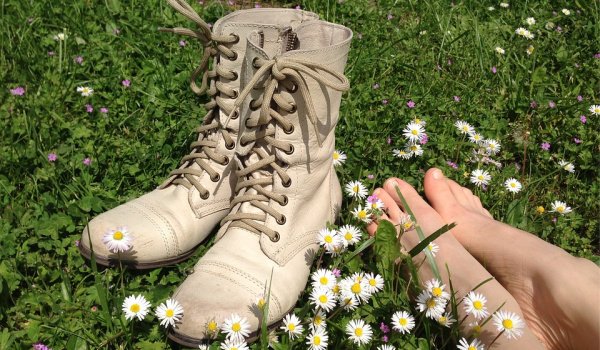
Essentially, all it takes is to go barefoot outdoors.
Most of us spend time outdoors. But usually that’s while we’re doing something, such as a sporting activity or walking. While this is healthy in many ways it doesn’t give us the full benefits of grounding. For that we need to actually connect our skin to the Earth by taking off our shoes or sitting on the grass or the beach. This connection between our skin and the ground allows the harmful, pent-up electrical charge coming from the environment and stored in our body, to discharge directly into the earth.
Some Grounders prefer to stroll on a beach or in a park. But most recommend simply standing outdoors with bare feet. Personally I like to take my shoes off, sit on the ground and lean against a tree trunk. The benefits of grounding begin immediately and after several minutes, you should start to feel refreshed
You’ll reap all the benefits when you stand on dirt, grass, sand, rock, concrete, or even in water which enhances the effect. But keep off the asphalt or Astroturf as they act as a block to the electron exchange with the Earth.
If you don’t like being bare foot, footwear with leather soles also works because the electron exchange still occurs. But watch for any synthetic components like insoles which block the exchange.
Signs You Are Ungrounded
There are clear signs that your physical or emotional state is not balanced. This is a red flag that indicates that you are ungrounded and need some grounding.
Some telltale signs are:
Feeling fearful or angry
Being unfocused, scattered and easily distracted
Jumping from one thing to the next but unable to complete anything
Difficulty concentrating
Getting stuck on certain thoughts and over-thinking
Feeling restless and discontented
Forgetfulness
Constant worrying and feeling anxious
Feeling tired, irritated and impatient
Lightheadedness or feeling ‘spaced out’
Your mind races but you can’t focus on anything
You feel both tired and wired at the same time
Problems sleeping
Clumsiness
Slow healing wounds
Health Benefits of Grounding
Regularly grounding yourself by connecting directly with the earth though bare feet affects you instantaneously. You get immediate benefits from grounding and the improvements continue over the following minutes, hours and even days.
And it’s simple!
Ditch your shoes and walk to the mailbox, touch one leaf, step outside to see the moon, drink your coffee outside, sit on the grass to eat your lunch. Those few minutes can make all the difference!
How Regular Grounding Benefits You
As well as leaving you feeling more stable physically and emotionally, regular grounding connects you with the natural world.
Here are some of the ways grounding changes you over time:
Immediatley:
Muscle tension releases
Brain waves slow down
Pain levels reduce
After a Few Minutes
Organ function is affected
Vascular (blood viscosity) and circulatory system improves
Blood glucose stabilises
Hours Later
Osteoporosis markers are affected
Improved mineral levels in cells
Thyroid function is boosted
Cortisol levels are reduced
After Days
You’ll feel more resilient and adaptable to life’s stress and demands
Less pain
Able to recover from stress better
Life becomes easier to navigate
Inflammation in the cells decreases
Cortisol levels are even lower
There’s no time spent grounding that’s too short, and no time that’s too long.
Isn’t it time to connect with the Earth to become balanced and centred?Make time to ground yourself and upgrade your health.
Disclaimer
The Information contained on this site is for your general health information. It is not intended to be used as medical advice and should not be used to diagnose, treat, cure or prevent any medical condition, nor should it be used for therapeutic purposes. The information is not a substitute for independent professional advice and should not be used as an alternative to professional healthcare. If you have a particular medical problem, please consult a healthcare professional.
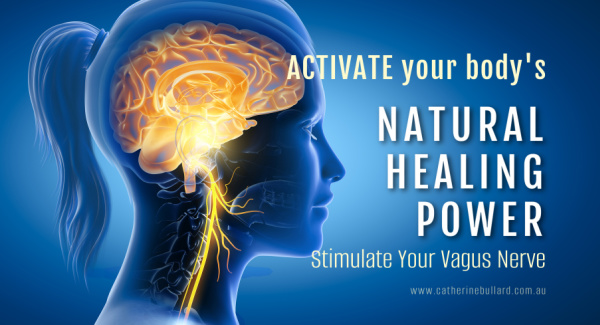
Have you heard of the vagus nerve? It’s one of the most important nerves in your body. When it’s healthy and stimulated it can help reduce stress, improve your mood and boost your immune system. Even if you’ve never heard of it, you need to know about the vagus nerve if you want to improve your health and wellness.
What is the Vagus Nerve?
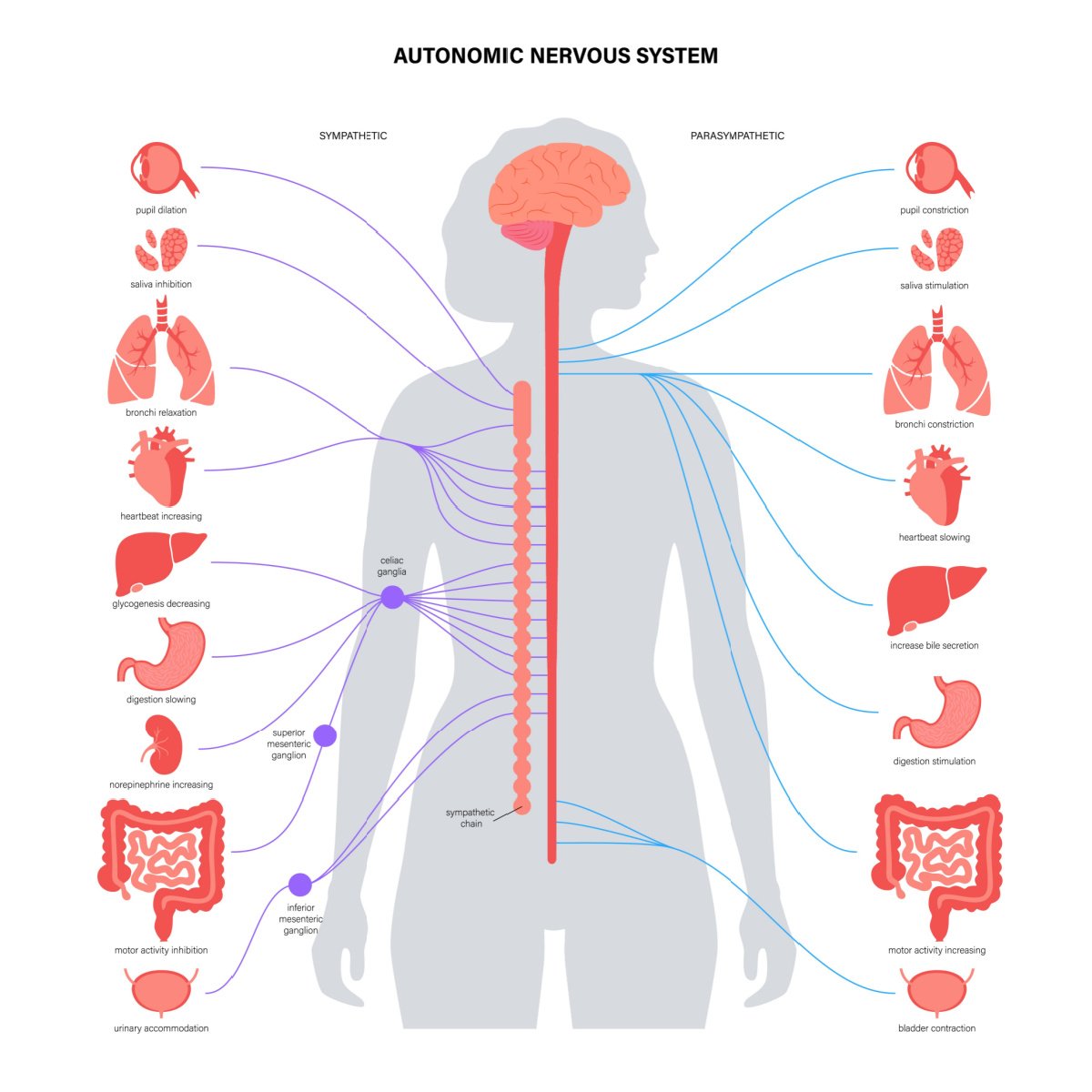
The vagus nerve is the longest and most complex cranial nerve in your body. It carries signals to and from your brain to many vital organs, including your heart, blood vessels, lungs, stomach, intestines, vocal chords and more. It is part of the autonomic nervous system (ANS), which plays a role in controlling and regulating involuntary functions like breathing, heartbeat, mood, digestion, and blood pressure.
Autonomic nervous system
The ANS has two main branches: the sympathetic nervous system (SNS) and the parasympathetic nervous system (PNS).
The sympathetic branch (SNS) is responsible for activating the “fight or flight” response when you face a threat or a challenge. It stimulates your adrenal glands to release adrenaline and cortisol, which increases your heart rate, blood pressure, blood sugar, and alertness. This helps you immediately cope with the challenging situation, but it also puts a lot of stress on your body.
The other parasympathetic branch (PNS) is responsible for activating the “rest and digest” response which kicks in to calm your body down and restore balance once the threat or challenge is over. By stimulating the vagus nerve, we get greater calming effects from the PNS.
The vagus nerve is the main component of the PNS, and it acts as a bridge between your brain and your body. It sends signals from your brain to your organs to regulate their functions. It also sends feedback from your organs to your brain with information about your physical and emotional state. The vagus nerve is like a two-way communication channel that helps you maintain homeostasis, a state of equilibrium and harmony in your body.
Maintaining balance between the PNS and SNS is crucial for your physical and mental health and wellness.
How the Vagus Nerve Affects Wellness
The vagus nerve influences many aspects of your physiology and psychology and has a profound impact on your health and well-being.
Here are some of the benefits of a healthy and active vagus nerve:
Reduce Stress and Anxiety
The vagus nerve plays an important role in regulating the stress response. It lowers your heart rate, blood pressure, breathing rate, and cortisol levels. Cortisol is a hormone released by your adrenal glands in response to stress. When it’s chronically elevated it can have negative effects on your health. The vagus nerve can also help you cope with emotional stress by enhancing your social skills, empathy, compassion, and trust.
The vagus nerve protects your body by helping it switch back and forth from the fight-flight response and the rest-digest mode.
Improve Mood and Mental Health
The vagus nerve stimulates production of neurotransmitters serotonin and oxytocin which are associated with happiness and well-being. Serotonin is a chemical that regulates your mood, appetite, sleep, memory, and learning. Oxytocin is a hormone that promotes bonding, love, and social connection.
The vagus nerve increases your resilience and optimism to help prevent or treat depression.
Boost Immune System and Reduce Inflammation
Inflammation is a natural response to injury or infection, but it can also cause damage to your tissues and organs when it’s chronic or excessive. The vagus nerve can activate the cholinergic anti-inflammatory pathway (CAP), which is a mechanism that suppresses inflammation in your body.
It helps you fight off infections and diseases by enhancing your immune system’s function and reducing inflammation.
Enhance Your Cognitive Abilities and Memory
Brain power improves when a healthy vagus nerve delivers increased blood flow and oxygen to your brain cells to sharpen focus, attention, creativity, problem-solving skills and memory. It can also stimulate neurogenesis, the creation of new neurons, in the hippocampus, which is a part of your brain that is involved in learning and memory.
A healthy vagus nerve improves brain power
Support Digestive Health and Metabolism
The signals sent via the vagus nerve from your brain to your stomach and intestines regulate appetite and digestion. They can also control the secretion of gastric acid, enzymes, hormones, and bile that are essential for breaking down food and absorbing nutrients. This helps prevent and treat digestive disorders like irritable bowel syndrome (IBS), acid reflux, ulcers, constipation, and diarrhea.
Improve Heart Health and Cardiovascular Function
Heart rate variability (HRV) is a measure of how much your heart rate changes from beat to beat. A high HRV indicates that you have a flexible and adaptable heart that can respond to changing demands. A low HRV indicates that you have a rigid and stressed heart that is more prone to arrhythmias and cardiovascular diseases. The vagus nerve can help lower your risk of heart attack, stroke, and hypertension by increasing your HRV and improving your cardiovascular function.
How to Activate Your Vagus Nerve
As you can see, the vagus nerve is a powerful ally for your health and wellness. But how do you activate it and reap its benefits? The good news is that there are many simple and natural ways to stimulate your vagus nerve and enhance its function.
Here are some of the most effective methods:
Deep Breathing
Breathing deeply and slowly in through your nose and out through your mouth is an excellent way to stimulate your vagus nerve. It activates your PNS and increases your HRV. It can lower your heart rate and blood pressure and calm your nervous system.
Practice deep breathing by inhaling through your nose for four seconds, holding your breath for four seconds, exhaling through your mouth for four seconds, and pausing for four seconds. Repeat this cycle for a few minutes and notice how you feel.
Mindfulness and Meditation
Meditating is a great way to calm your mind and body by reducing stress, anxiety and negative emotions. It helps you focus on the present moment to reduce the negative thoughts and challenging emotions that trigger stress. Combine meditation with deep breathing for greater benefits. Through meditation we increase our awareness of the present moment which can help you regulate both your physiological and psychological responses.
Practice mindfulness by fine-tuning your awareness to notice whatever is going on around or within you, without judgement.
Practice meditation by sitting comfortably, closing your eyes, and focusing on your breath, a mantra, a sound, or a sensation. Whenever your mind wanders, gently bring it back to your focus point.
If you find sitting still to meditate difficult, try an active meditation instead such as a Walking Meditation.
Humming or Singing Loudly
Humming or singing can stimulate your vagus nerve by activating your vocal cords and diaphragm. It can also increase your production of nitric oxide, which is a molecule that dilates your blood vessels and improves blood flow to your brain and organs. Hum or sing any tune that you like or try chanting “om” or “ahh”, which are sounds that resonate with your vagus nerve.
Laughing
Laughing can trigger your vagus nerve by engaging your facial muscles and diaphragm. It can also release endorphins, which are natural painkillers and mood boosters. Laugh by watching a funny show, reading a humorous book, or sharing jokes with friends.
Cold Shower
Exposing yourself to cold water or cold air stimulates your thermoreceptors, the nerve endings that detect changes in temperature. It also increases your metabolism, immune system and antioxidant levels. Take a cold shower by gradually lowering the temperature of the water until it’s comfortable but challenging. You could also try splashing cold water on your face or dipping your feet in ice water.
Positive Social Relationships
Positive social relationships stimulate your vagus nerve by enhancing your emotional and social intelligence. They also increase your oxytocin and serotonin levels, which promote bonding, trust and happiness. Cultivate positive social relationships by spending time with people who support you, care for you and make you feel good. Expressing gratitude, appreciation and affection to the people in your life also activates the vagus nerve.
Tai Chi and Yoga
Tai chi is a form of martial arts involving slow, graceful movements that coordinate with breathing and mental focus. It stimulates your vagus nerve by improving balance, coordination, flexibility, and circulation. It can also reduce your stress, anxiety and depression. Practice tai chi or yoga by joining a class, watching a video, or following an app.
Probiotics
The vagus nerve is the main channel for conveying messages between the gut to the brain, including threatening feelings or ‘gut instincts’. When your gut is functioning poorly bad gut microbes overgrow and cause inflammation. Probiotics are beneficial bacteria and yeasts that live in your gut and help you digest food and produce vitamins and neurotransmitters. They communicate with your brain via the vagus nerve and influence your mood, thinking, and behavior. Taking probiotic supplements increases the number of good bacteria in your gut.
Consume probiotics by eating fermented foods like yogurt, kefir, sauerkraut, kimchi, miso, tempeh, or kombucha. Or take probiotic supplements that contain strains of Lactobacillus and Bifidobacterium.
Intermittent Fasting
Fasting is the practice of abstaining from food for a certain period of time. It activates your vagus nerve by reducing inflammation, oxidative stress, and insulin resistance. It can also help you recycle damaged cells, and stimulate ketosis which is the state of burning fat instead of glucose for energy. Practice intermittent fasting by skipping breakfast and eating only within an eight-hour window. Alternatively do a 24-hour fast once a week.
Zinc
Zinc is a mineral essential for many functions in your body, including immune system, wound healing, DNA synthesis and enzyme activity. It also modulates your vagus nerve by regulating neurotransmitter and hormone levels.
You can get zinc from certain foods including oysters, beef, pumpkin seeds, lentils, and dark chocolate. You can also take zinc supplements containing 15 to 30 mg of zinc per day. Many Australians are zinc deficient and so need to supplement. Australian soils are particularly low in zinc, which then affects the amount of zinc available from food grown within that soil.
Massage
Reflexology is massage of the feet and research shows it increases vagus nerve tone and improves blood pressure. Have a professional reflexology treatment and rub your feet, stretch your toes and rotate your ankles at other times.
Signs Your Vagus Nerve is Suffering
Those are just some ways you can activate your vagus nerve and enjoy its benefits for your health and well-being. However, you should also be aware of the signs that indicate that your vagus nerve may be malfunctioning or damaged.
Some of these signs are:
Abdominal pain and bloating
Acid reflux or heartburn
Elevated heart rate and blood pressure
Dizziness or fainting
Loss of gag reflex or difficulty swallowing
Hoarseness or loss of voice
Loss of appetite or nausea and vomiting
Tight or sore muscles
Racing thoughts or anxiety
If you experience any of these symptoms, you should consult your doctor and get a proper diagnosis and treatment.
I hope you learned something new and useful from this blog post. Remember, your vagus nerve is a powerful connection between your brain and your body which can influence your health and well-being in many ways. By stimulating your vagus nerve, you can change your body chemistry and improve your mindset.
So, try some of the methods I’ve mentioned and see how they work for you. And don’t forget to share your feedback and questions in the comments section below. Thanks for reading and have a great day!
DISCLAIMER
All information and opinions presented here are for information purposes only and are not intended as a substitute for professional advice. Do not use this article to diagnose a health condition. Speak to your doctor if you think your condition may be serious or before discontinuing any prescribed medication. Please consult with your health care provider before following any of the treatment suggested anywhere on this site, particularly if you have an ongoing health issue.
Spring has blossomed in all her exuberance, bringing the reminder of youth, and the promise of new beginnings. Spring is the time of transformation and growth; the time to renew your energy and change your life. These top tips for Spring wellness will launch your momentum to rise to your fullest Summer potential.
As the days warm and lengthen in Spring you start to feel lighter, in body, emotions, mind and spirit.
These unexpected practices will help you feel your best and at the peak of Spring wellness.
Top Spring Wellness Tips…
To Awaken
Get outside. Play, socialise and have fun, just as a child would.
The sun is up earlier and staying around later. Join him and get outside to watch the dawn. Even if you wake grumpy give yourself the opportunity to get out, feel the earth under your feet and soak in all the rebalancing benefits of grounding as you connect with the Earth.
Spring Movement
Instead of letting restlessness irritate you in spring use it to kick-start your exercise program.
Spring is a great time to overhaul – or begin – your exercise routine. Walk, join a dance class, try yoga, qi gong or tai chi, even join a hiking group or cricket team.
Honour your body by not overdoing it, and remember to keep hydrated or you’ll become fatigued very quickly.
Spring Foods
As we move out of winter’s chill we need to change our diet. The heavy, salty foods of winter put a big strain on your liver, which is sensitive during spring. Your liver is the main detoxifier in your body so it needs some TLC during spring. Cut back on alcohol, fats, oil and particularly junk food.
Sour foods like vinegar, lemons, limes and grapefruit stimulate your liver. An excellent spring wellness practice is drinking lemon or lime water in the morning.
Bitter foods cleanse the liver and are essential to good health. Some bitter foods are dandelion greens, radicchio, rapini, endive, kale, rocket, rye, chamomile, unsweetened cocoa, daikon, and even nettles. A salad of mixed leaves can easily include many bitter herbs.
Replace heavy winter foods with light, quickly-cooked ingredients.
Friend’s Support
With warmer weather and longer days, Spring is a great time to reconnect with your support network.
Having friends who have your back when the going gets rough, and who really listen to you, is essential for wellness. Having someone you really trust who will hold the space for you to download, discuss, or even rant if you need, helps you stay on top of stress and overwhelm as life gets busier.
Better Sleep
Most people don’t get enough sleep. Many have passed the point where they can recognise that they need sleep.
You need between seven and eight hours sleep every night. Binge sleeping on the weekend doesn’t compensate for lost sleep during the week, or the other way around.
If worry is keeping you awake introduce some strategies to reduce the stress.
If your bedroom does not support good sleep use this guide to make changes
Most importantly, don’t sleep with your cell phone anywhere near you, and stop using it at least thirty minutes before bedtime.
Reduce Stress
Spring is the perfect time to set the resolve to manage your stress more effectively.
As we move through Spring towards the end of the year life gets busier and busier. It’s easy to roll on juggling more and more balls until you succumb to overwhelm without ever realising it’s happening before you . Don’t end up burntout by year end.
While planning plays an important role de-stress techniques are just as important to get on top of your stress and stay there.
Spring Clean Your Mind
When you want to bring the new into your life you have to make space for it. Whether it’s a new Spring wardrobe, new habits or new thought patterns, for it to become a new habit you need to release everything that no longer serves you.
Spring offers a great opportunity to clear the mind and get rid of thoughts that undermine our self-esteem, or are toxic to relationships. Once you’ve cleared out toxic thought patterns you can start planting positivity seeds to create a life you love.
Challenge yourself. When old attitudes and thought patterns rise again, try seeing things from a different perspective.
Start by watching and noticing whenever you run those same old stories about yourself.
Notice whenever you criticise yourself, when you tell yourself you’re stupid, or ugly, or fat, or any other negative put-downs. Then call it out for what it is. Say to yourself “I see you. You’re not really the true me.” Remind yourself of your true value, that you’re smart, lovable, beautiful, or whatever applies.
Imaging the ‘negative voice’ in your head as an actual person or character. I used to think of it as a ‘Control Committee’. Then replace that negative character with a loving, supportive, friendly character or committee who always has your back. Whenever the first negative character spits out criticism say your lines to yourself first, and then turn to the second loving character for positive, encouraging reinforcement.
Once you call out the stories you’ll find they start to run less frequently and hold less potency to undermine you. Reclaim your power with awareness, simply by watching, witnessing and naming.
Uplift Your Spirit
While everyone needs some zone-out time, use the energy of Spring to change HOW you recharge.
Instead of crashing in front of reality TV, get smarter. Use the momentum of this time of new beginnings to read uplifting books, listen to music that benefits your soul, or take an aromatherapy bath. Zone-out for good health and Spring wellness.
With all the new you’re welcoming into your life be sure to maintain balance. Put a spring in your step, not a drive to the fast lane. Be mindful. Listen to your body. Open to new opportunities. Eat slowly. Live in awareness.
Disclaimer
All information and opinions presented here are for information purposes only and are not intended as a substitute for professional advice offered during a consultation with your health care provider. Do not use this article to diagnose a health condition. Speak to your doctor if you think your condition may be serious or before discontinuing any prescribed medication. Please consult with your health care provider before following any of the treatment suggested on this site, particularly if you have an ongoing health issue.
You don’t need six ways to take back control, just one straightforward way! The only thing we have any true control over in life is our inner world. But when we are strong in our authentic power we can intentionally direct our outer world, because our outer world mirrors our inner world. Effectively we take back control of our life and how we interact with the world.
Everything we experience in the outer world is a reflection of what is happening on the inside. If our life experience is chaos it reflects a chaotic state within. If we notice exploitation all around, it is mirroring a sense of powerlessness within our self.
This is not about attracting things to us but rather, knowing that what we notice in our outer world reflects our inner experience.
In other words, we play an active role in how we experience our world, although we may not be doing it consciously. However, we can change that and make that choice conscious, by becoming aware of how we respond to what happens around, and to us.
Notice What You Notice
Take a moment to observe where your thoughts are right now. Don’t judge, don’t attach any emotions, simply observe with keen awareness. Notice what your notice.
If your thoughts or emotions right now are focused on feeling hurt, or overwhelmed, or not good enough, or any other such feeling, step outside the emotion. Put it to one side and simply witness it.
Observe and say to yourself “Well that’s interesting.” Ask yourself “Why is it I feel like that?” Look for what has brought on that feeling without getting pulled back into the emotion that surrounds it.
This is how you begin to break apart the powerful hold your personal story has over you. It’s how you can shatter the emotional overwhelm it creates.
Ultimately you hold all the control, all the power, even if sometimes it doesn’t feel that way. But too often we allow ourselves to be directed by the deep-seated beliefs and stories we inherited from others. Rarely do those beliefs even reflect our own values!
YOU alone have the power to choose whether you get caught up in emotional drama, what you’ll focus on, what actions you’ll take and what thoughts you’ll energise, believe in and, ultimately, make real.
Break Apart the Cycle of Limitation
Deeply held beliefs lead to habits. The way we behave, our habits, then reinforce the belief, which reinforces the habit. This cycle never ends until you consciously and systematically break it apart.
First, you must become aware of just what the beliefs are. Once you have identified them and explored them to gain greater clarity about them you can begin to question whether they hold truth.
If you find feelings of fear begin to rise up, or if you find yourself doing distracting things in order to put off delving into the belief, examine what’s really going on. Step back and observe the feeling. Notice the trigger. By simply shining the light of awareness onto it you’ll start to uncover the pattern, that is the habit, and then the underlying belief.
While you’re doing this process it’s necessary to separate yourself from the emotion or you will get dragged back into the stories you have created around the belief. Remain aware of the emotion and whenever you notice it creeping back in pause, regroup, and release it once more before continuing. It’s really important to stay outside the emotion in order to be able to clearly see what’s really happening.
When you reclaim your authentic power you can create your life with intention.
If you find you’re beating yourself up or getting lost in a pattern of drama, stress or overwhelm, it’s time to make different choices in order to break apart the cycle.
It’s time to AWAKEN so you can step out of the cycle. Redirect your thoughts and attention in a way that serves you, and those around you.
Take back your power. Own your life.
YOU alone create your experience of the world around you. This is a really BIG concept to get your head around and often difficult to truly take onboard and own. It takes conscious commitment. You may have to revisit the belief over and over before you are able to shift it, or even to get to the core of it. But each time you do the process you chip a little more away.
When you reclaim your authentic power you can create your life with intention.
Disclaimer
All information and opinions presented here are for information purposes only and are not intended as a substitute for professional advice offered during a consultation with your health care provider. Do not use this article to diagnose a health condition. Speak to your doctor if you think your condition may be serious or before discontinuing any prescribed medication. Please consult with your health care provider before following any of the treatment suggested on this site, particularly if you have an ongoing health issue.
For most people the question of whether coffee is good or bad for you is entirely irrelevant. Whatever the answer, it makes no difference to their coffee habit.
Lots of us rely on our morning java to get us going and for some that first cup is followed by refills through the day. But caffeine is highly addictive and can lead to adrenal fatigue.
So, in the balance, is coffee good or bad for you?
Coffee is often touted as having health benefits, but the simple truth is that coffee is not a health food. Like other drugs there are side effects to any benefit that it offers. There are better, less risky ways to achieve any of the professed benefits of coffee consumption.
Coffee serves different purposes for each individual. From simply being a taste indulgence to a pick-me-up, it can wake you up or get you through depression or anxiety.
But the caffeine that provides the adrenaline rush, the temporary jolt, also has a dark side. It puts stress on your adrenal glands, increases your stress hormones and leads to a vicious cycle of stress and anxiety. When you drink lots of coffee the adrenaline rush initially makes you alert. But as it wears off cortisol builds up. When this cycle is repeated frequently it has the same effect on your body as chronic stress.
It’s interesting that the heaviest coffee consumption occurs in regions that are overcast, drizzly or lack sunshine for long periods and are generally dreary. Caffeine seems to help with depression initially by contributing to dopamine production, which in turn helps lift our mood. But increased coffee consumption can then create the vicious circle that actually leads to depression.
While caffeine is also present in some other foods like chocolate, cola and tea, most caffeine in our diet comes from coffee. However, caffeine only makes up 1 – 2% of the coffee bean and it is the other constituents of the bean that are now being researched for their positive effect on our health.
Benefits Of Coffee
For some years coffee has been recognised as having benefits for you. As a result, the belief that you need to avoid coffee in order to be healthy has eased.
Caffeine can certainly benefit those suffering from Alzheimer’s or Parkinsons disease. Research from twenty to thirty years ago found there was a likely relationship between coffee and diabetes. Drinking more coffee lowered the risk of developing Type 2 Diabetes.
However, more recently it’s been found that the caffeine in coffee could be causing insulin spikes and contributing to hypoglycemia. Considering insulin imbalance plays a big role in the rapidly growing problem of ‘diabesity’ the alarm bells are now ringing.
Coffee Is Acidic
Coffee is a very acidifying food. Foods that cause an acidic reaction in the body contribute to a wide range of health problems, quite apart from digestive upsets. These include arthritis and gout.
Some symptoms of acidification in your body are:
General: Constant fatigue and low energy; heaviness in the limbs; feeling cold, low body temperature
Eyes: Easily tear, conjunctivitis, inflamed eyelids and corneas
Mouth: inflamed gums, ulcers, loose teeth, cracks in the mouth corners, frequent throat infections, teeth chip easily, teeth are sensitive to heat and cold, nerve pain in the teeth
Hair and Skin: Nails split easily; dry skin; hives; hair is dull, split ends and falls out
Legs: Cramps
Health Problems from Coffee
Caffeine is a diuretic, causing the body to release more fluid. When you excrete more fluid than normal you also excrete higher levels of minerals, including calcium, magnesium and potassium. This becomes particularly significant in Australia where the soil is already very mineral deficient. Foods grown in this type of soil is also low in minerals. Therefore, your levels of these vital minerals are likely to be low to begin with, even before drinking coffee. High coffee consumption causes them to slump even lower.
So many people are now stressed, depressed, overworked, sick, nutritionally deficient, hormonally imbalanced and generally living with inflamed or toxic bodies. With chronic illness also constantly increasing it seems that the time has arrived for many to kick their coffee habit.
Health effects of caffeine on the body include:
Contributes to fertility problems including increased miscarriage and infertility
Triggers the secretion of stomach acids and causes heartburn
Contributes to hypoglycemia, an imbalance of blood sugars
Increases weight gain over the long term linked to the production of stress hormones
Hastens osteoporosis because it interferes with mineral absorption in the bones
Affects the normal detoxifying process in the liver
Causes dehydration which then can lead to many other problems including wrinkles and stretch marks.
It can even contribute to gluten intolerance or Coeliac disease.
How to Quit Coffee
Caffeine is very addictive and when it’s combined with stress the coffee habit can get out of control. But some people don’t actually want to consider that they may have an addiction, let alone want to kick it.
Quitting coffee can be very difficult. Apart from leaving you feeling weak and tired it can cause all sorts of side effects. Headache, fatigue, depression and difficulty concentrating are a few, as anyone who’s had to forgo their normal fix knows very well.
The answer is not to turn to de-caf coffee but to turn to healthier alternatives. Decaf coffee is often subjected to nasty toxins in the decaffeinating process such as solvents. It also still contains trace amounts of caffeine. Choose NO-CAF over DE-CAF.
Caffeine withdrawal doesn’t have to be overwhelming and there are natural remedies that can ease it. Homeopathic remedies can be extremely helpful to stop cravings for all manner of substances, including coffee. Hypnotherapy and EFT are other strategies that can successfully break addictive habits. Supplementing with the amino acids L-Tyrosine or Phenylalanine can also help. Some people do better on one and some on the other.
Healthy Alternatives to Coffee
When my clients need to cut back on their coffee, I encourage them to do it in small manageable steps. They start by drinking just one cup less each day. Gradually over time, they work down to one ‘high quality’ coffee treat on the weekend, or even better, no coffee. The easiest way to do this is to replace some of the coffees with healthier alternatives.
Begin to wean yourself off coffee by replacing one or some of your daily coffees with any drinks from this list. Then gradually decrease the coffees and increase the alternatives.
1. Dandelion Coffee
Dandelion coffee has a strong, slightly bitter flavour, very similar to coffee but it contains no caffeine. It has an astonishing range of health benefits. It is nutrient rich, supports the liver and kidneys to remove impurities, aids digestion and decreases inflammation, plus much more. The root is roasted and sometimes mixed with chicory root. You can drink it black, with milk, as a latte or take it any other way you prefer your coffee. It is frequently used to make a chai.
Chicory has many health benefits but is known for it’s ability to reduce the effects of stress and for liver support. Try the pure dandelion root and the chicory/dandelion mix to discover which you prefer. You could also have an occasional dandelion / coffee mix.
Dandelion coffee is simple to make, and you’ll find instructions online. If harvesting your own plants, make certain you’re using true dandelion and not the very similar Catsear.
2. Teechino
Teechino gives the energy feel of caffeine without the crash. It tastes like coffee but is made of carob, barley, chicory, dates, figs and almonds. However, this drink contains gluten so don’t use Teechino if you avoid eating gluten.
3. Yerba Mate
Yerba mate (pronounced yerba martay) is a herbal tea from South America. It doesn’t taste exactly like coffee but has a pleasant flavour of its own. It is rich in antioxidants and minerals. Like coffee it boosts energy and fights fatigue. It does contain caffeine, but the levels are lower than in coffee. You can also find Yerba Mate in some herbal tea blends.
4. Green Tea
Green tea has small amounts of caffeine, about 20 grams a serve, but these are substantially less than in coffee. It has high levels of antioxidants that fight free radical damage, improve cardiovascular health, reduce the risk of cancer and help with weight loss. By the way, your green tea needs to be green, if it is brown it has been oxidised.
5. White Tea
Even better than green tea is white tea which is less processed and retains a higher number of antioxidants than green. It also has less caffeine than green with only 15 grams a serve and is light and delicious.
6. Rooibos Tea
Rooibos is a pleasant full flavoured, slightly sweet and nutty tea from South Africa. Like coffee it can be mixed with milk. It contains no caffeine and very little tannin. It’s also rich in antioxidants and minerals. It reduces stress, irritability and headaches, the opposite of coffee. Plus, rooibos has many other health benefits as well as relieving many illnesses.
7. Reishi Mushroom Tea
Reishi Mushroom tea is the one to take when you’re determined to wipe the slate clean, although it is certainly an acquired taste. This tea has many qualities to recommend it. It’s loaded with antioxidants, a wonderful immune stimulant, lowers blood pressure and is purported to have cancer fighting qualities. It requires long brewing, and you may need to add ginger for flavour, or to sweeten it.
8. Turmeric Latte
Turmeric latte is also known as Golden Milk and brings all the wonderful health benefits of turmeric without any caffeine. It combine turmeric with other spices such as black pepper, ginger, cardamom and cinnamon and milk. It’s rich in antioxidants and anti-inflammatory and offers many health benefits.
Healthier Coffee
If in spite of everything, you wish to continue drinking coffee then consider the coffee you drink and choose the best options around.
Firstly, opt for Organic fair-Trade varieties. Coffee is notorious for its dangerous growing practices.
If your coffee is milky you might want to think again. Lattes offered by Starbucks for example are high in kilojoules, sometimes as high as fattening desserts like ice-cream or chocolate cake. What’s more, those joules are all in the form of unhealthy fats.
The way coffee is prepared affects the caffeine levels. Espresso coffee contains less caffeine than drip coffee and also has the most antioxidants. But it is also the one linked to higher levels of Triglycerides and LDLs.
The amount of caffeine in light and dark roasts varies only slightly so choose whichever you like best as it makes little difference.
After all this bad news are you still reading?
If you’re still with me let me know in the comments below what your favourite coffee alternative is.
Disclaimer.
All information and opinions presented here are for information only and are not intended as a substitute for professional advice offered during a consultation. Please consult your health care provider before trying any of the treatment suggested on this site.