You don’t need six ways to take back control, just one straightforward way! The only thing we have any true control over in life is our inner world. But when we are strong in our authentic power we can intentionally direct our outer world, because our outer world mirrors our inner world. Effectively we take back control of our life and how we interact with the world.
Everything we experience in the outer world is a reflection of what is happening on the inside. If our life experience is chaos it reflects a chaotic state within. If we notice exploitation all around, it is mirroring a sense of powerlessness within our self.
This is not about attracting things to us but rather, knowing that what we notice in our outer world reflects our inner experience.
In other words, we play an active role in how we experience our world, although we may not be doing it consciously. However, we can change that and make that choice conscious, by becoming aware of how we respond to what happens around, and to us.
Notice What You Notice
Take a moment to observe where your thoughts are right now. Don’t judge, don’t attach any emotions, simply observe with keen awareness. Notice what your notice.
If your thoughts or emotions right now are focused on feeling hurt, or overwhelmed, or not good enough, or any other such feeling, step outside the emotion. Put it to one side and simply witness it.
Observe and say to yourself “Well that’s interesting.” Ask yourself “Why is it I feel like that?” Look for what has brought on that feeling without getting pulled back into the emotion that surrounds it.
This is how you begin to break apart the powerful hold your personal story has over you. It’s how you can shatter the emotional overwhelm it creates.
Ultimately you hold all the control, all the power, even if sometimes it doesn’t feel that way. But too often we allow ourselves to be directed by the deep-seated beliefs and stories we inherited from others. Rarely do those beliefs even reflect our own values!
YOU alone have the power to choose whether you get caught up in emotional drama, what you’ll focus on, what actions you’ll take and what thoughts you’ll energise, believe in and, ultimately, make real.
Break Apart the Cycle of Limitation
Deeply held beliefs lead to habits. The way we behave, our habits, then reinforce the belief, which reinforces the habit. This cycle never ends until you consciously and systematically break it apart.
First, you must become aware of just what the beliefs are. Once you have identified them and explored them to gain greater clarity about them you can begin to question whether they hold truth.
If you find feelings of fear begin to rise up, or if you find yourself doing distracting things in order to put off delving into the belief, examine what’s really going on. Step back and observe the feeling. Notice the trigger. By simply shining the light of awareness onto it you’ll start to uncover the pattern, that is the habit, and then the underlying belief.
While you’re doing this process it’s necessary to separate yourself from the emotion or you will get dragged back into the stories you have created around the belief. Remain aware of the emotion and whenever you notice it creeping back in pause, regroup, and release it once more before continuing. It’s really important to stay outside the emotion in order to be able to clearly see what’s really happening.
When you reclaim your authentic power you can create your life with intention.
If you find you’re beating yourself up or getting lost in a pattern of drama, stress or overwhelm, it’s time to make different choices in order to break apart the cycle.
It’s time to AWAKEN so you can step out of the cycle. Redirect your thoughts and attention in a way that serves you, and those around you.
Take back your power. Own your life.
YOU alone create your experience of the world around you. This is a really BIG concept to get your head around and often difficult to truly take onboard and own. It takes conscious commitment. You may have to revisit the belief over and over before you are able to shift it, or even to get to the core of it. But each time you do the process you chip a little more away.
When you reclaim your authentic power you can create your life with intention.
Disclaimer
All information and opinions presented here are for information purposes only and are not intended as a substitute for professional advice offered during a consultation with your health care provider. Do not use this article to diagnose a health condition. Speak to your doctor if you think your condition may be serious or before discontinuing any prescribed medication. Please consult with your health care provider before following any of the treatment suggested on this site, particularly if you have an ongoing health issue.
For most people the question of whether coffee is good or bad for you is entirely irrelevant. Whatever the answer, it makes no difference to their coffee habit.
Lots of us rely on our morning java to get us going and for some that first cup is followed by refills through the day. But caffeine is highly addictive and can lead to adrenal fatigue.
So, in the balance, is coffee good or bad for you?
Coffee is often touted as having health benefits, but the simple truth is that coffee is not a health food. Like other drugs there are side effects to any benefit that it offers. There are better, less risky ways to achieve any of the professed benefits of coffee consumption.
Coffee serves different purposes for each individual. From simply being a taste indulgence to a pick-me-up, it can wake you up or get you through depression or anxiety.
But the caffeine that provides the adrenaline rush, the temporary jolt, also has a dark side. It puts stress on your adrenal glands, increases your stress hormones and leads to a vicious cycle of stress and anxiety. When you drink lots of coffee the adrenaline rush initially makes you alert. But as it wears off cortisol builds up. When this cycle is repeated frequently it has the same effect on your body as chronic stress.
It’s interesting that the heaviest coffee consumption occurs in regions that are overcast, drizzly or lack sunshine for long periods and are generally dreary. Caffeine seems to help with depression initially by contributing to dopamine production, which in turn helps lift our mood. But increased coffee consumption can then create the vicious circle that actually leads to depression.
While caffeine is also present in some other foods like chocolate, cola and tea, most caffeine in our diet comes from coffee. However, caffeine only makes up 1 – 2% of the coffee bean and it is the other constituents of the bean that are now being researched for their positive effect on our health.
Benefits Of Coffee
For some years coffee has been recognised as having benefits for you. As a result, the belief that you need to avoid coffee in order to be healthy has eased.
Caffeine can certainly benefit those suffering from Alzheimer’s or Parkinsons disease. Research from twenty to thirty years ago found there was a likely relationship between coffee and diabetes. Drinking more coffee lowered the risk of developing Type 2 Diabetes.
However, more recently it’s been found that the caffeine in coffee could be causing insulin spikes and contributing to hypoglycemia. Considering insulin imbalance plays a big role in the rapidly growing problem of ‘diabesity’ the alarm bells are now ringing.
Coffee Is Acidic
Coffee is a very acidifying food. Foods that cause an acidic reaction in the body contribute to a wide range of health problems, quite apart from digestive upsets. These include arthritis and gout.
Some symptoms of acidification in your body are:
General: Constant fatigue and low energy; heaviness in the limbs; feeling cold, low body temperature
Eyes: Easily tear, conjunctivitis, inflamed eyelids and corneas
Mouth: inflamed gums, ulcers, loose teeth, cracks in the mouth corners, frequent throat infections, teeth chip easily, teeth are sensitive to heat and cold, nerve pain in the teeth
Hair and Skin: Nails split easily; dry skin; hives; hair is dull, split ends and falls out
Legs: Cramps
Health Problems from Coffee
Caffeine is a diuretic, causing the body to release more fluid. When you excrete more fluid than normal you also excrete higher levels of minerals, including calcium, magnesium and potassium. This becomes particularly significant in Australia where the soil is already very mineral deficient. Foods grown in this type of soil is also low in minerals. Therefore, your levels of these vital minerals are likely to be low to begin with, even before drinking coffee. High coffee consumption causes them to slump even lower.
So many people are now stressed, depressed, overworked, sick, nutritionally deficient, hormonally imbalanced and generally living with inflamed or toxic bodies. With chronic illness also constantly increasing it seems that the time has arrived for many to kick their coffee habit.
Health effects of caffeine on the body include:
Contributes to fertility problems including increased miscarriage and infertility
Triggers the secretion of stomach acids and causes heartburn
Contributes to hypoglycemia, an imbalance of blood sugars
Increases weight gain over the long term linked to the production of stress hormones
Hastens osteoporosis because it interferes with mineral absorption in the bones
Affects the normal detoxifying process in the liver
Causes dehydration which then can lead to many other problems including wrinkles and stretch marks.
It can even contribute to gluten intolerance or Coeliac disease.
How to Quit Coffee
Caffeine is very addictive and when it’s combined with stress the coffee habit can get out of control. But some people don’t actually want to consider that they may have an addiction, let alone want to kick it.
Quitting coffee can be very difficult. Apart from leaving you feeling weak and tired it can cause all sorts of side effects. Headache, fatigue, depression and difficulty concentrating are a few, as anyone who’s had to forgo their normal fix knows very well.
The answer is not to turn to de-caf coffee but to turn to healthier alternatives. Decaf coffee is often subjected to nasty toxins in the decaffeinating process such as solvents. It also still contains trace amounts of caffeine. Choose NO-CAF over DE-CAF.
Caffeine withdrawal doesn’t have to be overwhelming and there are natural remedies that can ease it. Homeopathic remedies can be extremely helpful to stop cravings for all manner of substances, including coffee. Hypnotherapy and EFT are other strategies that can successfully break addictive habits. Supplementing with the amino acids L-Tyrosine or Phenylalanine can also help. Some people do better on one and some on the other.
Healthy Alternatives to Coffee
When my clients need to cut back on their coffee, I encourage them to do it in small manageable steps. They start by drinking just one cup less each day. Gradually over time, they work down to one ‘high quality’ coffee treat on the weekend, or even better, no coffee. The easiest way to do this is to replace some of the coffees with healthier alternatives.
Begin to wean yourself off coffee by replacing one or some of your daily coffees with any drinks from this list. Then gradually decrease the coffees and increase the alternatives.
1. Dandelion Coffee
Dandelion coffee has a strong, slightly bitter flavour, very similar to coffee but it contains no caffeine. It has an astonishing range of health benefits. It is nutrient rich, supports the liver and kidneys to remove impurities, aids digestion and decreases inflammation, plus much more. The root is roasted and sometimes mixed with chicory root. You can drink it black, with milk, as a latte or take it any other way you prefer your coffee. It is frequently used to make a chai.
Chicory has many health benefits but is known for it’s ability to reduce the effects of stress and for liver support. Try the pure dandelion root and the chicory/dandelion mix to discover which you prefer. You could also have an occasional dandelion / coffee mix.
Dandelion coffee is simple to make, and you’ll find instructions online. If harvesting your own plants, make certain you’re using true dandelion and not the very similar Catsear.
2. Teechino
Teechino gives the energy feel of caffeine without the crash. It tastes like coffee but is made of carob, barley, chicory, dates, figs and almonds. However, this drink contains gluten so don’t use Teechino if you avoid eating gluten.
3. Yerba Mate
Yerba mate (pronounced yerba martay) is a herbal tea from South America. It doesn’t taste exactly like coffee but has a pleasant flavour of its own. It is rich in antioxidants and minerals. Like coffee it boosts energy and fights fatigue. It does contain caffeine, but the levels are lower than in coffee. You can also find Yerba Mate in some herbal tea blends.
4. Green Tea
Green tea has small amounts of caffeine, about 20 grams a serve, but these are substantially less than in coffee. It has high levels of antioxidants that fight free radical damage, improve cardiovascular health, reduce the risk of cancer and help with weight loss. By the way, your green tea needs to be green, if it is brown it has been oxidised.
5. White Tea
Even better than green tea is white tea which is less processed and retains a higher number of antioxidants than green. It also has less caffeine than green with only 15 grams a serve and is light and delicious.
6. Rooibos Tea
Rooibos is a pleasant full flavoured, slightly sweet and nutty tea from South Africa. Like coffee it can be mixed with milk. It contains no caffeine and very little tannin. It’s also rich in antioxidants and minerals. It reduces stress, irritability and headaches, the opposite of coffee. Plus, rooibos has many other health benefits as well as relieving many illnesses.
7. Reishi Mushroom Tea
Reishi Mushroom tea is the one to take when you’re determined to wipe the slate clean, although it is certainly an acquired taste. This tea has many qualities to recommend it. It’s loaded with antioxidants, a wonderful immune stimulant, lowers blood pressure and is purported to have cancer fighting qualities. It requires long brewing, and you may need to add ginger for flavour, or to sweeten it.
8. Turmeric Latte
Turmeric latte is also known as Golden Milk and brings all the wonderful health benefits of turmeric without any caffeine. It combine turmeric with other spices such as black pepper, ginger, cardamom and cinnamon and milk. It’s rich in antioxidants and anti-inflammatory and offers many health benefits.
Healthier Coffee
If in spite of everything, you wish to continue drinking coffee then consider the coffee you drink and choose the best options around.
Firstly, opt for Organic fair-Trade varieties. Coffee is notorious for its dangerous growing practices.
If your coffee is milky you might want to think again. Lattes offered by Starbucks for example are high in kilojoules, sometimes as high as fattening desserts like ice-cream or chocolate cake. What’s more, those joules are all in the form of unhealthy fats.
The way coffee is prepared affects the caffeine levels. Espresso coffee contains less caffeine than drip coffee and also has the most antioxidants. But it is also the one linked to higher levels of Triglycerides and LDLs.
The amount of caffeine in light and dark roasts varies only slightly so choose whichever you like best as it makes little difference.
After all this bad news are you still reading?
If you’re still with me let me know in the comments below what your favourite coffee alternative is.
Disclaimer.
All information and opinions presented here are for information only and are not intended as a substitute for professional advice offered during a consultation. Please consult your health care provider before trying any of the treatment suggested on this site.
Many people think of inflammation as being skin redness, joint swelling after exercise, or even a pimple. And it is. But there’s a different kind of inflammation that is more insidious. This is chronic inflammation, or systemic inflammation. It’s a slow, silent attack on your body and health that never switches off. And worse, it’s the underlying cause of many serious chronic diseases in our lives. Luckily there are simple changes you can easily make to reduce the chronic inflammation in your cells.
You actually need some degree of inflammation in your body to stay healthy. However it’s more and more common for the inflammatory response to get out of hand.
Inflammation serves an important purpose but when it continues indefinitely it can become dangerous. You know your immune system is stuck in “high alert” when inflammation doesn’t recede. And this is where chronic disease develops.
Effects of Chronic Inflammation
Many common chronic illnesses today are thought to develop when the body is in a state of chronic (or systemic) inflammation. Osteoarthritis, autoimmune diseases, allergies, asthma, IBS, heart disease and even cancer are just some indicators of chronic inflammation.
Many things in life both contribute to and maintain chronic inflammation. Excess weight, lack of exercise, poor diet, excess alcohol, poor oral health and ongoing stress are just some factors that lead to it. Others such as pollution and toxins in our environment can also contribute.
Stress And Chronic Inflammation
For many people stress can be the major problem. Cortisol is an important part of your body’s stress response to perceived threats. So levels of the hormone cortisol rise in response to any stressful situation. However, when stress of any type is ongoing the cortisol release mechanism doesn’t turn off. This results in persistent low grade inflammation. In some cases it can go on forever.
The first step to turn off the chronic inflammation response is to change your lifestyle. Simply switching to an anti-inflammatory diet is a great starting place for a significant impact.
Stacking on the kilos causes fat cells to grow. This leads to immune system distress and results in an inflammatory response within the fat cells. Over time these cells become insulin-resistant which can lead to diabetes.
Chronic stress
Whether it’s a terrible job, unhappy marriage, sick parents, overfull diary or worry about your kids makes you anxious, they’re all chronic stressors. Chronic stress causes unchecked chronic inflammation.
Poor Air Quality
Chronic inflammation is one result of smog or any other form of pollution. Tobacco smoke is probably the worst form of air pollution.
Gut Health
The gut is integral to your immune system. Seventy percent of it is seated within the gut. Therefore bacteria balance is crucial to the regulation of inflammation. Beneficial bacteria suppress inflammation and harmful bacteria activate it. Boost the beneficial bacteria and reduce inflammation.
Certain foods contain inulin, a prebiotic which feeds beneficial gut bacteria and keeps your gut healthy. These include onions, raw asparagus, raw dandelion greens, raw banana, yoghurt, sour cream, and raw leeks.
Gut inflammation can initiate diseases like Crohn’s or rheumatoid arthritis.
Alcohol
That relaxing evening drink might reduce your stress initially. But it also releases inflammatory toxic by-products as it breaks down.
Contraceptives and Hormone Treatment
Oral contraceptives cause low-grade inflammation. Research shows women taking the pill show high levels of inflammation markers.
Poor Diet
High-sugar, high-carb and high-fat diets are your enemy. They all contribute to inflammation, but excess sugar is particularly dangerous. High GI foods cause a sudden dump of sugar into your bloodstream which triggers the inflammatory response.
Inflammation Fighters
Reduce Stress
Lowering stress is the key to reducing inflammation, whatever the cause. When stress is caused by anxiety or depression simple practices such as deep breathing can help reduce it.
Homeopathic remedies, flower essences and some herbs are natural alternatives to pharmaceutical medications to manage the effects of stress. Speak to your natural health practitioner about the best remedy for you.
Anti-Inflammatory Foods
Mediterranean style diets are anti-inflammatory. They include more fish, fresh vegetables and fruit, healthy fats, and moderate amounts of nuts. These types of diets include very small quantities of red meat and dairy foods. Plus, they also reduce alcohol apart from moderate amounts of red wine. However, purple coloured foods like grapes are the perfect replacement for red wine as they don’t include the inflammatory alcohol.
Omega 3
A vital component of these diets is omega-3 fatty acids. Omega-3 inhibits the enzyme that produces inflammation triggering prostaglandins. Plus, they’re awesome for your heart and entire cardiovascular system as well as your nervous system.
Some of the best sources of omega-3 are cold water fish such as sardines, salmon, tuna, herring and mackerel. Eat about 300-350 grams two to three times a week.
Fresh Produce
Fruits and vegetables are chock-full of antioxidants to reduce free radicals and fight inflammation. Each different colour of produce contains different antioxidants. So eat a full rainbow of fruit and vegetables to get the full range.
Avocados are a marvellous anti-inflammatory food. They’re loaded with many awesome compounds. Omega-3 fatty acids and carotenoid antioxidants help reduce inflammation.
Cruciferous vegetables contain sulforaphane which reduces chronic inflammation linked to joint deterioration. They include broccoli, kale, cauliflower, Brussels sprouts, cabbage plus others.
Watermelon contains lycopene to neutralize free radicals and inhibit the inflammatory process.
Nuts, especially walnuts, are an excellent source of omega-3 to reduce inflammation. Extra-virgin olive oil is another.
Onions contain quercetin which inhibits histamines that cause inflammation
Coconut oil is anti-inflammatory and has many other health benefits
Berries are rich in antioxidants particularly anthcyanins which produce their dark red colour
Wholegrains like brown rice and quinoa contain high levels of fibre to feed beneficial gut bacteriato reduce inflammation.
Chia seeds contain lots of omega-3 as well as fibre and protein.
There are many more anti-inflammatory foods including pineapple, spinach, raw oats, garlic, extra-virgin olive oil, beetroot, green tea and dark chocolate. Include as many as you can in your eating plan.
Turmeric
Turmeric contains curcumin which provides its glorious golden colour. An extremely potent natural anti-inflammatory, it’s very effective at shutting down the activation of inflammatory pathways. As well as easing inflammation and associated pain in back, joints and arthritis it also helps prevent cognitive decline.
Reduce chronic inflammation in your body today
to help keep serious chronic disease at bay.
Disclaimer
All information and opinions presented here are for information purposes only. They are not intended as a substitute for professional advice offered during a consultation with your health care provider. Do not use this article to diagnose a health condition. Speak to your doctor if you think your condition may be serious or before discontinuing any prescribed medication. Please consult with your health care provider before following any of the treatment suggested on this site, particularly if you have an ongoing health issue.
Salt lamps are beautiful. They create a soft gentle ambience in any room; make marvelous night lights for children; plus, they lift our spirits. But salt lamps also play an important role in maintaining your health. Significantly, Himalayan salt lamp benefits include their ability to counteract the negative effects of indoor electromagnetic (EM) radiation.
Spending too long indoors can leave you feeling sleepy, head-achey, inattentive and generally unwell. But it’s not simply the lack of fresh air that leaves you feeling so low. Science shows it’s due to the excessive positive ions in the air in our homes, workplaces and schools. These harmful positive ions are largely created by the electronic devices and synthetic substances surrounding us.
Although you can’t see EM radiation it’s believed to have serious long-term health effects. With over two thousand studies supporting the toxic impact, it’s known that being constantly exposed to EM radiation increases stress, causes fatigue and compromises your immune system.
Positive vs Negative Ions
Positive and negative ions are charged particles in the air. Each is produced in particular circumstances and each affects us in opposite ways. Strangely, negative ions are not the “bad guys”, as that honour goes to the positive ions.
Beneficial Negative Ions
Beneficial negative ions form around water, especially if it’s moving – oceans, rivers, waterfalls, thunderstorms, lush gardens and even the shower. In these places they can exist in quantities up to 100,000 per cubic centimetre. But in some offices and homes the levels can sit at just a few hundred per cubic centimetre and sometimes, as low as zero. These are the environments that cause unhealthy symptoms and illness.
Negative ions affect the levels of serotonin we produce and leave us feeling happier. They also positively affect how our body functions, reduce pain and improve many illnesses.
Negative ions have a purifying effect on the air. They neutralise extra positive ions and help re-balance our environments to benefit our health.
Besides watery environments, the air around Himalayan salt lamps also contains higher numbers of negative ions.
Harmful Positive Ions
Positive ions are found where there are lots of electronic devices, synthetic materials or toxins like cigarette smoke. They have a detrimental effect on our health and feelings of wellbeing. In excess they affect body functions and leave us feeling tired, sick and depressed. They’re found in alarming levels in our indoor environments wherever there is a concentration of electronic equipment.
Negative Health Effect of Positive Ions
When you hang out in places of high positive ionic activity it’s not simply your mood and sense of wellbeing that’s affected. Excess positive ions impair many body functions including the brain and they suppress the immune system.
Symptoms include:
headaches
fatigue
irritability
poor concentration
depression
lack of energy
anxiety
nausea
vertigo
breathing difficulty and asthma
dry throat.
Chronic exposure can cause cancer, reduce immunity and contribute to many other chronic diseases including Alzheimer’s, heart disease and dementia.
Once in the body positive ions can become free radicals which destroy cells, lead to premature aging and cause illnesses like cancer.
How Negative and Positive Ions Affect the Body
Beneficial Negative Ions
Harmful Positive Ions
Blood vessels
Dilate blood vessels
Constrict blood vessels
Blood Pressure
Stabilize BP
Increase BP
Blood
Increase blood alkalinity
Increase blood acidity
Bones
Strengthen bones
Weaken bones
Urinary tract
Promote urination;
increase nitrogen in urine
Suppress urination;
decrease nitrogen in urine
Respiratory
Stabilize respiration and make breathing easier
Accelerate respiration and make breathing more difficult
Pulse rate
Decrease pulse rate
Increase pulse rate
Heart
Enhance heart function
Impair heart function
Fatigue
Speed physical recovery
Prolong physical recovery
Autonomic Nervous System
Calm and relax nerves
Tense and strain the nervous system
Growth
Promote healthy growth
Suppress and delay growth
Negative Ions & Health
Way back in 1910 a Japanese study found that arthritis sufferers endured increased pain when weather changes cause positive ions in the atmosphere to increase. (cold fronts and low-pressure systems, and positive ion winds).
There have been a number of studies that have found negative ions have measurable health benefits. One was conducted by Dr Kornblueh from the University of Pennsylvania found they can sedate and relieve pain, helping with illnesses such as depression and arthritis. It also found positively ionised air led to headaches, dizziness and mucous membrane irritation.
Himalayan Salt Lamp Benefits
1. Promote restful sleep
2. Improve asthma and allergy symptoms
3. Reduce electromagnetic radiation
4. Purify air
5. Improve mood
6. Reduce stress
7. Improve respiratory distress
8. Reduce anxiety
9. Help alleviate depression
10. Increase energy
11. Enhance immune function
12. Protect against chronic disease
Salt lamps provide their health-giving benefits when they’re warm so they must be lit up. Although there are no studies into Himalayan salt lamp benefits there are many others that show the benefits of salt therapy in general.
Create Healthier Environments with Salt Lamps
We’re swimming in a pool of electromagnetic radiation. With wi-fi, mobile phone, TV, computers, bluetooth, and a myriad of electrical gadgets we cannot escape its impact. This makes the benefits offered by salt lamps even more valuable.
Spending time in nature, especially around running water is an awesome way to increase your exposure to negative ions. But you can’t always do that, so Himalayan salt lamps help reduce harmful electro smog when you’re stuck indoors.
Anything we can do to reduce the negative effect on our health as we live surrounded by this electro smog helps protect our immune system and maintain our wellness.
Become aware of your surroundings.
Move children away from electronic hotspots particularly when they’re trying to study
Sit outside in the garden or take a walk beside fast flowing water whenever possible
Place plants around your home
Install a few Himalayan crystal salt lamps to counteract the harmful effects of wi-fi and other positive ion producers
Place all electronic devices away from your body while you sleep, preferably in another room.
We can’t completely avoid dangerous levels of positive ions while we live in a modern society. But we can take steps to reduce the impact on our health and wellness using simple practices and objects. Becoming proactive by simply introducing indoor plants, water fountains and Himalayan salt lamps benefits us and helps counteract the damage.
Disclaimer
All information and opinions presented here are for information purposes only and are not intended as a substitute for professional advice offered during a consultation with your health care provider. Do not use this article to diagnose a health condition. Speak to your doctor if you think your condition may be serious or before discontinuing any prescribed medication. Please consult with your health care provider before following any of the treatment suggested on this site, particularly if you have an ongoing health issue.
Your thoughts can have a huge impact on your health. The human mind is the most powerful supercomputer in the world. It controls all the functions of your body, your behaviour, and your emotions. But your mind doesn’t necessarily control you, and recent research shows that you have the power to control your mind. The secret lies in the way you think because thoughts affect health. It turns out the power of positive thought may be stronger than we thought, and it can be harnessed to create health and wellbeing. The way you think can either make you sick or it can make you healthy.
IMPACT OF THOUGHTS
How we think determines how we speak and what we talk about which then impacts how we feel. Every decision, choice and action we make is influenced by how we feel.
Studies have shown that our mindset can change us in ways we had not imagined possible. So, science is now considering that if mindset can change us, can we then deliberately choose our mindset to improve our abilities. And the answer appears to be yes.
The cells in your body react to your thinking. Your thoughts can literally change your health by altering the cells and how they function. Every thought you have causes neurochemical changes within your brain and these can either help or harm you.
THOUGHTS AFFECT HEALTH
Your thoughts can alter your performance. They can alter your engagement and enjoyment of life. They can even alter your energetic body.
This really is a case of mind over matter.
Studies have produced much evidence that the way we think both creates and changes real-life physical and mental outcomes.
Our expectations can change brain chemistry and circuitry. This can result in cognitive and physiological changes such as reduced anxiety, elevated hormone levels, or lower immune system reactions. Thoughts alone can improve our vision, weight loss, fitness, fatigue level, and can even stop allergic skin reactions.
Essentially your brain is shaped by your thoughts. And apparently your health and wellness is too.
THE PLACEBO EFFECT
Dr Lissa Rankin MD conducted extensive research which convinced her that a combination of positive belief and nurturing care activates the body’s natural self-repair mechanisms and helps the body heal itself. “The medical establishment has been proving that the mind can heal the body for over 50 years. We call it ‘the placebo effect‘”, she says.
Your thoughts have a long-term impact on your brain. The messages sent through your nervous system cause patterns of neural activity. When the same thoughts are repeated over and over they actually change neural pathways in your brain. The more frequently you have the same thoughts the busier these pathways get. And the busier these pathways, the stronger and more sensitive the neural connections become.
NEGATIVE THOUGHTS
Save
If you bombard your cells with negative thoughts you programme your cells to receive more negative thoughts. You also reduce the number of receptors for positive thoughts. You increase your pessimism and it then becomes more difficult to even have positive thoughts.
Similarly, if you focus on positive thoughts you increase your cell’s ability to receive positive thoughts and reduce negative thought receptivity.
When you’re focused on negative thoughts your body fills with the harmful stress hormones cortisol and adrenaline. But when you replace negative thinking with positive thoughts your nervous system relaxes. Your body can heal.
There are many examples of the power of positive thinking demonstrated by the placebo effect. The body heals itself if it believes it’s taking or doing something that heals, even if it’s only a sugar pill. Similarly, if you’re convinced you have mastered a new skill your body will then be able to perform it.
The opposite state to placebo is termed the “nocebo effect” and it demonstrates the physiological effects on your body of negative belief, fear, and anxiety. Negative thoughts and emotions trigger the amygdala, the part of the brain that triggers the “fight, flight or freeze” stress response.
The stress response is a throw-back to cave-man days, a response designed to switch on whenever you were facing danger. It would then switch off again as soon as the danger had passed and the nervous system would relax. In our modern world this response often engages when we experience chronic stress or negative thinking. However, because the stress is ongoing the response doesn’t disengage. We remain in the fight-flight-freeze stress response.
If your nervous system gets stuck in this response you become more predisposed to illness because the body’s self-repair mechanisms don’t function well.
CHANGE NEGATIVE THOUGHTS
Neural pathways formed by continued negative thoughts can be consciously changed and the good news is it only takes about thirty minutes a day to establish new pathways.
Adopting strategies that support new thinking are a great way to establish new habits. Ninety-eight percent of all behaviour is subconscious so changing a habit of negative thinking requires you to take conscious daily action until new thought patterns have become automatic.
POSITIVE THOUGHT FOCUS
Focus on these strategies to develop the habit of positive thoughts.
Affirmations
Visualisation
Vision boards
Giving thanks
Saturating your consciousness with positive audio and reading
Replacing negative self-talk
AFFIRMATIONS
Your subconscious cannot tell the difference between fact and fiction; it simply believes whatever you tell it. When we repeat positive affirmations, our brain takes the message in the affirmation as fact. In effect, we are telling our subconscious we already have something before it arrives. Or we are projecting a quality onto ourselves that we may not accept.
Repeating statements formed in the now such as “I love my work and am paid abundantly” sends a positive message to the subconscious, which believes whatever you tell it.
Affirmations need to repeated frequently through the day and continued until the new mindset has become established
VISUALISATION
Like affirmations, visualisation is again effective because of the inability of the subconscious to tell what is real and what is vividly imagined. Making simple visualization techniques a part of your daily life helps establish new habits and new thoughts.
VISION BOARDS
Vision boards are a collection of images of the ideal life you’d like to have. They are great for visual thinkers bringing their focus and their thoughts to happy positive possibilities. Whenever you look at them they will evoke happy thoughts. It only takes a few seconds for your brain to retain an image and looking at the same positive image frequently helps form positive thinking quickly. They can be kept on a computer, on cardboard, framed on a wall.
GIVING THANKS
Practicing gratitude is not just a case of convincing yourself that things are great, nor is it deluding yourself that negative things don’t exist. Whenever you practice gratitude you brain releases a flood or neurotransmitters like dopamine, the ‘happy hormone’, rewarding you with a sense of alertness and general happiness.
Your brain quickly learns to seek out more of these feel-good experiences, switching your thoughts from negative to positive.
REPLACING NEGATIVE SELF TALK
When we’re in the habit of negative thinking we tend to use dis-empowering words such as “I can’t”, “it’s no use”, “I should/must/won’t” and many others. Recognising when we use these words and consciously replacing them with empowering words can begin to change those neural pathways. Phrases such as “how can I”, “I trust”, “I am popular” are just a few that lift your feelings about yourself and pave the way for more positive thoughts.
CONTROL NEGATIVE SELF-TALK
Of course, positive thoughts and attitudes are not the only answer, and they can’t entirely control what happens to your health. Genetics still play a part and accidents still happen. But although you may not be able to prevent these, the way in which you think and respond particularly when it comes to fear, affects how well you recover and move on.
The power to influence and even direct your physical health, your emotions and your mental experience lies firmly with you. Every cell right down to your DNA notes your thoughts. Choosing to keep your thoughts positive, focusing on gratitude and other positive practices, and locking positive recognition into your physical body will keep you healthier and happier.
It’s up to you. You’re the only one who can govern the nature of your thoughts, and it’s your responsibility to consciously direct your thoughts.
The Information contained on this site is for your general health information. It is not intended to be used as medical advice and should not be used to diagnose, treat, cure or prevent any medical condition, nor should it be used for therapeutic purposes. The information is not a substitute for independent professional advice and should not be used as an alternative to professional healthcare. If you have a particular medical problem, please consult a healthcare professional.
The practice of gratitude as a tool for creating happiness has been mainstream for years. Long-term studies support the effectiveness and benefits of gratitude practice. They suggest a positive, appreciative attitude contributes to greater success in work, greater health, peak performance in sports and business, a higher sense of well-being, and a faster rate of recovery from surgery. The power of a gratitude practice is substantial.
But while we may acknowledge gratitude’s many benefits, its practice can be difficult to sustain. So many of us are trained to notice what is broken, undone or lacking in our lives. And for gratitude to meet its full healing potential it needs to become more than just an empty word that is tossed around occasionally. We have to learn a new way of looking at things, a new habit, a whole new outlook on our life. And that can take some time.
That’s why practicing gratitude makes so much sense. When we practice giving thanks for all we have, instead of complaining about what we lack, we give ourselves the chance to see all of life as an opportunity and a blessing.
Remember that gratitude isn’t a blindly optimistic approach in which the bad things in life are whitewashed or ignored. It’s more a matter of where we put our focus and attention. Pain and injustice exist in this world, but when we focus on the gifts of life, we gain a feeling of well-being. Gratitude balances us and gives us hope.
There are many things to be grateful for: early spring flowers, colourful autumn leaves, legs that walk, friends who listen and really hear, chocolate, fresh eggs, warm cosy jackets, ripe tomatoes, clean air, the ability to read, roses, our health, butterflies. What’s on your list?
Ways to Practice Gratitude
1. Keep a gratitude journal in which you list things for which you are thankful. You can make daily, weekly or monthly lists. Greater frequency may be better for creating a new habit but just keeping that journal where you can see it will remind you to think in a grateful way. It helps you to look past the problem in a situation to find the blessing in everything, even if that blessing is a difficult lesson.
2. Make a gratitude collage by drawing or pasting pictures of things for which you are grateful
3. Practice gratitude around the dinner table or make it part of your night time routine
4. Make a game of finding the hidden blessing in a challenging situation
5. When you feel like complaining, make a gratitude list instead. You may be amazed by how much better you feel
6. Notice how gratitude is impacting your life. Write about it, sing about it, express thanks for gratitude
7. Give at least one compliment daily. It can be directed to a person or you could invite someone to share your appreciation of something else – such as “I love how beautiful the autumn leaves are, don’t you?”
8. When you find yourself in a difficult situation instead of getting angry or fearful ask yourself “What can I learn here? How can I grow from this experience? What is there here that I might later look back on and be grateful for?”
9. When you’re in a situation that creates negative feelings within you, search for something positive you can focus on instead. For example, instead of “it’s cold and dreary this morning” think of “the fresh crisp morning air clears my head so I can focus better.”
What are you most grateful for in your life today?
Please share your thoughts with us in the comments below.Save
All information and opinions presented here are for information purposes only. They are not intended as a substitute for professional advice offered during a consultation with your health care provider. Do not use this article to diagnose a health condition. Speak to your doctor if you think your condition may be serious or before discontinuing any prescribed medication. Please consult your health care provider before following any treatment suggested on this site, particularly with an ongoing health issue.
Grounding is one of the most simple and fundamental ways to rebalance your energies. Walking barefoot on the earth immediately makes you feel whole again, but it isn’t the only way to ground yourself and bring you back to centre. Here are eight ways to ground yourself with thanks to Adam Lanka of healthy holistic living
The term grounding means connected to the Earth, and it is one that spans numerous different cultures, traditions, and spiritual practices. While it is associated with feelings of balance, connection, centeredness, sinking, being anchored and in the flow, I would like to explore the greater implications of what is happening every time you go outside and relax into nature.
All species upon our planet are shaped by the forces and presence of the Earth and the cosmos, and as such this connection is deeply inherent to a sustainable state of well-being. The Earth, as an organic and inorganic system, is constantly bathing all life on the planet with its highly ordered and coherent electromagnetic field. The natural tendency of an organism is to couple with the Earth’s energy field, and come into a state of mutual cooperation and harmony with its external environment, finding its niche and its place within a system.
What we need to understand is that all systems strive to achieve, return to, or maintain a state of pure coherence. In every single moment, whether one is aware of it or not, we are taking part in a constant process within our universe, coupling with other energy fields and finding some sort of balance within this space. This happens everywhere, with life within an ecosystem, when you sit down in your favorite chair and watch television, when you play with animals, or when you say hello to your neighbor. We are constantly interacting with the energy fields all around us in varying degrees and to varying results.
The more organized or coherent these fields are, the more effectively and efficiently energy can be transferred to both stimulate and enhance the lesser organized of the two. Of utmost important to all life on our planet, the Earth’s field has a normal lower range of ~7.8 Hz, also known as the Schumann Resonance.
This natural rhythm is found in multiple places within the human organism, and it is inherent to functioning at our most efficient, sustainable, and coherent state. The human body cavity resonates at 7.8 Hz. Our Alpha and Theta brain waves both border the frequency of 7.8 Hz. These brain waves are associated with insight, intuition, inspiration, meditation, relaxation, and calmness.
Thus, the Earth resonates with our biological system, bringing us into a state of greater coherence. This enhances our mental, emotional, and physical wellbeing. When grounded, organisms operate more efficiently and harmoniously and can more freely access the Earth’s stabilizing electromagnetic energy to increase vitality, health, wellness and enjoy a prolonged lifespan.
This is ancient knowledge that is expressed in widely different cultures, traditions, and spiritual practices, and it all draws from our connection to the Earth. It is then important to become aware that the dominant Western paradigm in the world at the moment is largely set up to alienate people and hinder this connection to the Earth.
The economic system is set up to keep people inside generating information, in large buildings of stone and metal that disconnect us from the Earth. We surround ourselves with machines and technology that constantly bombard us with electromagnetic radiation, i.e. telephones, computers, televisions, etc. We are sold pieces of insulating plastic or rubber to put onto our feet when we are out in nature, hindering the flow of energy from the Earth up into our physical vessel. Pollution and invasive procedures within the Earth distort the electromagnetic field.
Thankfully, we can cultivate our connection to the Earth and facilitate a more coherent, healthy state of being through the practice of grounding. Below are detailed many different methods that one can utilize to bring the human organism back into harmony with the Earth’s energetic field:
Simple Ways Of Grounding Yourself
1. Go Outside
Be out in nature; go to a field, a mountain, a swamp, a river, a stream, a beach, the ocean. Get out of the office, off of the couch. Be in the presence of nature, be in the presence of life.
2. Walk in Nature Barefoot
Enjoy some quality barefoot time. The human species has thrived for thousands of years barefoot, let’s take the time to return to this practice in our daily life.
3. Hug a Tree
It’s science; go couple and touch another organism to balance your energy field.
4. Use Grounding Technology
Many people and companies have developed technology to ground you and replenish your body with negative ions. The Earth is the largest electron donor and receiver, and the ideal PH of the human body is alkaline to neutral. Germs, bacteria, parasites, viruses have a positive charge and thrive in an acidic environment.
Using grounding electrodes helps increase the electro-negativity of the human organism, making the internal environment more alkaline, which is widely recognized as critical to a healthy immune system.
Innovative products for grounding the body in unnatural environments like the Earthing mat, or the Earthing sheet from Earthing.com are practical ways to maintain harmonizing electro-magnetic contact with the earth.
5. Utilize Visualization
As conscious beings, we can alter and regulate our energy field through our changing emotions, and how we choose to feel. Visualization is an ancient practice that is incredibly effective and can be done in any moment, no matter where you are. Below are a few techniques that are quite effective.
6. Grounding Chord
Visualize, see, feel, or simply be aware of the center of the Earth and the free energy that it emits. With your mind and heart, reach down into the core, and pull up a pulsing, twisting chord of energy from the depths of the Earth. Hook this chord onto your root chakra, or sacral chakra as well for women, and feel the immediate connection between you and the Earth as the energy flows through you. You may become aware of a sinking feeling, a tightening and flexing of the perineum and muscles in your groin and butt area. Conversely, you can also flex these muscles and concentrate on sending the chord down into the Earth, as well.
Practice and repeat this process as often as you need. Experiment with different chords of different colors and thicknesses, and experience the incredibly wide variety of sensations that it will instil in you.
7. Tree Meditation
Visualize, see, feel or simply be aware of your body, and become a tree. Feel your feet grow roots that sink down into the Earth and anchor you to it. Feel your legs and thighs become wood as well, as the roots that grow up from the ground encircle and entwine themselves around your legs, and continue to spread up your body. Feel the straightening in your spine as you become a trunk, feel the energy rising from the Earth up into your stomach, into your heart, into your head. Feel your arms become branches that grow, stretch, and reach for the sky, drinking in the light of the sun and changing it into energy. Feel your crown open as it fills with light, which then flows down into your roots and into the Earth.
8. Mountain Meditation
Visualize, see, feel, or simply be aware of your body becoming a mountain, turning into stone. We see only the tips of mountains, their roots run deep into the Earth. Feel your legs and lower body anchoring into the bedrock and stone of the Earth, and the feelings of peace and calmness that come with it. Become the base of the mountain as it grows upwards and reaches into the sky. Feel your crown as the top of the mountain, where the Earth and sky meet and mingle; the connection of these two opposite spectrums that are in perpetual balance.
We have the ability to regulate and change our state of being. While indeed we are a product of our environments, constantly in the presence of other external forces and influences, we always have a choice as to how we choose to feel and how we respond. We have the choice to change our external and internal environment to come into a state of greater harmony and coherence. I invite you to utilize the information and techniques above to increase your coherence, elevate your vibration, and take your power back to be the change in the universe you wish to see.
Disclaimer
All information and opinions presented here are for information purposes only and are not intended as a substitute for professional advice offered during a consultation. Please consult with your health care provider before following any of the treatment suggested on this site, particularly if you have an ongoing health issue.
Adam Lanka, originally from North Carolina, is a traveling philosopher, energetic arts healer, and physicist. His passion and interest are in bridging the gaps in the dominant paradigm, uniting science and spirituality into one journey of consciousness, and elevating the vibration of humanity. To learn more about Adam, please visit his personal blog, The Wanderlust. Find him on Facebook at Gateway Explorations.
Do you feel burned out, run down, and exhausted? That’s no way to enter a New Year! It’s been a tough year for many and now it’s important to regroup and recharge as we roll on towards the year-end. Because I want to help you stay ahead of your game, I’ve put together this list of ways to rebalance and revitalise body, mind and soul so you can be your renewed best, ready for any challenges the New Year throws at you.
Revitalising yourself has much to do with releasing what no longer serves you and many of these practices involve letting go of the old. With the year drawing to a close it’s the perfect way to say goodbye to the old and make space for all the future holds for you.
REVITALISE YOUR MIND
1. Know Your Limits And Set Boundaries
Whether you’re someone who’s driven by a burning passion or like me, fired by curiosity and always jumping to the next intrigue, you need to set boundaries. Establishing boundaries isn’t about limitation. It’s not only to ensure your adrenal glands don’t give up from over-stress, and it’s not about conserving physical energy. Rather, boundaries give you the space and energy to spend more time pursuing those parts of your life that give you joy. When you have strong boundaries, you can keep right out of others dramas.
2. Forgive, Forgive, Forgive
This is so important. Perhaps the most important step you need to take to revitalize your mind as well as your soul is to let go. If you’ve been hurt by someone in the past and are still carrying that heavy, painful, angry burden it’s now time to release it. Even if they’re not aware they hurt you it’s time to forgive. It’s not about negating what happened, but about you releasing the weight and the toxic, destructive impact anger and resentment have on your body and your soul.
3. Meditate
There’s absolutely no question about the benefits of meditating – studies just keep underscoring the many ways it benefits your health and wellbeing. Whether you snatch five minutes in the morning, adopt mindfulness through the day or join a meditation class, it’s simply a matter of finding the form that’s right for you and then sticking to it.
4. Build Better Relationships
It’s vital to get out of toxic relationships as they cloud your life with negativity. If you feel it’s too drastic to release them completely start small and schedule a day or a weekend free from all the negative people who drain you – even if you love them. Include anyone who’s quick to criticize or totally self-absorbed.
5. Get Creative
When you’re completely absorbed expressing yourself creatively just for fun, whether it’s singing, painting, sewing, gardening or whatever you love doing, it’s really difficult NOT to relax and stop stressing.
6. Expand Your Experience
Challenge yourself by setting a date with just yourself to do something outside your comfort zone. Spend time alone discovering your capabilities. Find something that challenges you like hot air ballooning, scuba diving, attending a gallery, or even public speaking. When you challenge yourself you discover how capable you are. You may even find a new interest.
7. De-clutter Your Space to De-clutter Your Mind
Clean out the old and make way for the new. And that applies to everything, whether it’s material possessions, outdated attitudes or even people. The amazing thing is that when you start to de-clutter on any one level it flows through into all levels of you, the physical, mental, emotional and spiritual. After you clear out the living-room you’ll find your thoughts shifting and you may even look at the people in your life with new clearer vision.
REVITALISE YOUR EMOTIONS
8. Give Back
Volunteer – your time, your knowledge or your support. Volunteer at a food truck, a shelter, or anywhere you are reminded of all the blessings you have in your life.
9. Be Present
Set aside some time each day for a thought diet. Limit your thoughts to the here and now, focusing only on the present. Forget the past and let the future unfold in its own time.
10. Count Your Successes
We can be quick to criticize our failings but often completely overlook our successes. Give yourself permission to feel proud of ALL your achievements, no matter how small.
11. Cry And Release
If you just need to let it all out release it through intentional crying. Run a warm deep bath, add some Epsom salts and essential oils and soak. Cry out all the burdens of the last twelve months. Let it all flow until you feel relaxed, lighter and more positive. Emotional crying releases toxins that are byproducts of stress so your body will be cleaner and lighter too.
12. Create a Worry Time Window
If you’re someone who worries chances are it keeps you awake at night and stops you enjoying life to the full. Setting aside ten to thirty minutes each morning or night for just “worrying” frees you up for the rest of the day. When you find yourself starting to worry outside this time put the thought aside to revisit at the designated “worry window” time.
13. Be Honest
Lying to others doesn’t honour them or you. Allow yourself the gift of honest thoughts and communication with others. Having to keep up a lie is a heavy burden to carry.
14. Special “Me-Time” Alone
Time spent with just you is pure gold. Learning to say “no” to others and making space for yourself in your busy life provides an opportunity to heal and revitalise. It not only helps you connect with your inner wisdom more deeply, it also recharges you. Make time for yourself.
REVITALISE YOUR BODY
15. Get Outside and Ground Yourself
Go outside, take off your shoes and sit or stand on the earth, the grass or in the water to ground yourself. Just being in nature lifts your spirits. Our modern environment has a toxic effect on your body and directly connecting your body to the earth through your skin creates a chemical reaction within your cells that helps rebalance you. Focus on being present and breathe deeply to oxygenate your blood and fire up your brain cells.
16. Simple New Year Detox
Instead of vaguely vowing on January 1st to “lose weight”, “eat healthy” or “exercise more”, do a mini detox to help you quickly recover from too many festivities. Set aside a day, weekend, even a week to take a break from alcohol, processed foods and sugar. Plan ahead. Get in fresh fruit and veges, wholefoods or minimally processed foods, or even go totally organic. Drink lots of pure water to flush out any toxins. Add warm lemon water in the morning. Do whatever you can manage. You’ll feel clearer with more energy.
17. Reset Your Sleep Clock
Adults need 7 to 8 hours sleep every night. Having a sleep-in on the weekend doesn’t balance your sleep bank. When you’re chronically sleep deprived, your brain stops getting the messages that you’re tired so you’re not even aware any longer that you need sleep. If you’re not getting at least 7 hours sleep a night your brain needs retraining.
18. Get Physical
Research shows we need physical exercise every day, which could be weights, running or a gym workout. Or instead, you could do gardening, walking, swimming, tai chi, dancing, rope skipping or any other activity you enjoy. I have a really, really long hallway and I love reading. So, when the weather’s foul I walk briskly up and down the hall for 30 minutes, reading all the way. Just get active!
19. Love The Sun
Make a daily date with the sun. Not only does it brighten your outlook it also provides you with vitamin D. It’s the only natural source of this essential building block which is required for hundreds of functions in your body.
20. Drink Up
Carry a bottle of water with you and sip through the day. You’ll be surprised at how much you manage to drink. Surprisingly when you’re chronically dehydrated your brain mixes up the messages it gets from your cells and tells you “you’re hungry, go eat” instead of “go drink”. Also too many people substitute coffee, tea or soft drinks for water, which act as diuretics and deplete your body of moisture.
21. Eat A Rainbow
Who doesn’t love a rainbow? The colour of fruit and vegetables tells you which antioxidant it contains. It’s not enough to have just one or two colours, you need the full range. So aim for five or more different colours on your plate to get a broader range of antioxidants.
REVITALISE YOUR SOUL
22. Practice Gratitude
Remind yourself of just how fortunate you are and of all the bounty in your life. Keep a Gratitude Journal to record three things you are thankful for each day, no matter how small.
23. Evict Your Inner Critic
We’ve all got one, that voice inside our head that’s so quick to point out all the holes in our plans, to warn us we don’t have what it takes to succeed and to remind us of our past mistakes and failures. I used to call mine “The Committee” because sometimes it felt like a whole group was ganging up together to completely overpower me. But you can evict them.
If you’re a gentle person bribe that inner critic outside your head, or explain nicely that you’re the boss and have the final word. If you’re a bit blunter you could do as I did. Whenever that “Committee” started criticising I’d jump in with “sit down and shut up” before they could get going. It’s amazing how quickly you can silence the critic simply by deciding that YOU’RE the one in the driver seat who makes all the final decisions.
24. Release Guilt
Guilt is simply homework from your Inner Critic. When you reclaim control from the critic you don’t have to carry the guilt either. Write down what you feel guilty about, the whole story if you want, and finish it with “I forgive you” (that part is really important). Next read it out loud. Lastly burn the paper. The three steps of this small ritual each plays an important role. By writing you crystallize the issue, including your forgiveness of yourself. Speaking the words out loud empowers them. Burning the paper symbolically releases your guilt.
25. Listen With Your Whole Self
Open yourself to someone trying to tell you something, and listen without any judgement and without giving advice. Don’t relate what they say to your own experiences. In fact just listen, nothing more – unless they ask for your thoughts. Listening without engaging your inner critic or your life story is one of the greatest gifts you can give others and it nourishes your own soul.
26. Give, And Wish For Nothing In Return
Cultivate generosity. Giving enriches somebody else’s life. Giving without expecting anything in return also equals deposits in your happiness bank. Passing it forward is one simple way to give. Check The Wake Up Project for mindful living tips, uplifting kindness stories and free kindness cards.
27. Gain Clarity By Connecting With Inner Wisdom
Taking time to meditate, pray or do any practice that connects with your inner wisdom and develops your spirituality is an investment in defining your purpose and passion. Your inner wisdom is like the GPS for your life and provides you with guidance and clarity about who you are and your life path.
28. Ditch “Rule” Words
Words like should, must, don’t or can’t are all ‘rule words’ that indicate somebody else’s expectation of you. Ditch rules set by others that contain any of these or similar words. When you set new standards that honour your needs and rights you reinforce your personal boundaries.
Please share your favourite ways to recharge and revitalise yourself in the comments below
Disclaimer
All information and opinions presented here are for information purposes only and are not intended as a substitute for professional advice offered during a consultation. Please consult with your health care provider before following any of the treatment suggested on this site, particularly if you have an ongoing health issue.
Is your life happy? Do you remember to enjoy the little things in life? Do you express your gratitude every day?
In order to live a healthy happy life, you need to address all aspects of your life and surroundings. You need to go much further than just getting fit or changing what you eat. Fitness and diet obviously support and develop the physical body. But they also develop the mental and emotional bodies to a degree. They do this by releasing endorphins during exercise, and by creating a better chemical balance in the brain through good food choices.
The mind-body connection is well recognised and it’s known your emotional state affects how healthy your body is.
Holistic growth involves changing and improving on all levels – spiritually as well as physically and mentally. It requires you to be constantly aware and willing to make changes in attitudes, to practice mindfulness, to cultivate gratitude and to open your heart with generosity.
To develop your spirituality you don’t need to follow a religion although you can if you prefer. But you do need to develop a close and meaningful relationship with your essential inner self. You could go and undertake something quite life-changing such as a silent Vipassana Retreat to achieve this. But often it’s by simply looking at the things in your life differently that you create the biggest impact, and you can do this in small ways every day.
Becoming connected to the world directly around you in a positive and meaningful way creates a snowballing effect that leads to big changes within. By developing and practicing this you also show love and care for yourself.
You can do this by:
showing love and care for the Earth in your own neighbourhood
appreciating the small gestures of those you cross paths with
acknowledging when things fall into place smoothly
actually noticing what is going on around you
The Key
The key to achieving these grass root changes is in the cultivation of gratitude. This results in you becoming more generous, which then leads to personal awareness and growth. What a great chain of events!
Gratitude is a funny thing. We are all taught to say please and thank you. But we’re not often taught how to feel and express gratitude for our life.
I remember teaching this basic social grace to my son when he was 3 years old. As he and his little friend were exchanging Christmas gifts the boys were told to “shake hands” to show gratitude and thanks. They looked at each other bewildered for a moment and then both started shaking their hands wildly in the air around themselves.
But gratitude is not just about saying thank you for a gift (whether you like it or not). It’s about finding joy in the detail of your life and bringing the focus of your life back to the minutiae around you.
It’s about bringing an awareness of the continual flow of life and a development of your connection to all, within.
It’s about recognising all the blessings that are a part of each day, the blessings that often get lost in the daily humdrum.
Gratitude’s about finding joy in the detail of your life.
Gratitude’s about finding joy in the detail of life
Living In The Moment
When exactly is it we first become focused on “keeping your eye on the prize”? I see this as the single most important attitude that undermines the practice of gratitude. We spend our life focused on achieving the promotion, the dream house, cool car, we follow fashion which changes so fast we constantly need more new garments, we work towards the next holiday, beautiful jewelry and on and on and on.
We’re driven by never-ending striving for what we need to achieve and own, our eyes constantly focused on what’s up ahead, the big prize.
When we live with this focus we miss the life around us, the little details of our everyday life…we fail to ever live in the moment.
Living in the moment is what we’ve been told to do in order to know, understand and improve ourselves, but we’re never in the space to achieve it.
By cultivating gratitude and forcing yourself to bring your focus back from what you desire or want to achieve you start to notice the small things around you, and to find ways to give back to the earth as well as to the people in your life.
By cultivating gratitude you also cultivate generosity.
Gratitude Journal
One way to begin cultivating gratitude is to start a gratitude journal. You can buy these, but it’s nicer to find a small blank journal with a cover that sings to you, so it’s more personal. Every day you record three things you are grateful for. It helps to focus on what’s good in your life every single day. It’s also a way to keep depression away. When you start to recognise that your life does have joys, even if they’re small, that in some ways you are fortunate, it becomes more difficult to be consumed by the bleakness of an unfulfilled life.
I’ve kept gratitude journals in the past but don’t right now. Instead it’s enough before I go to sleep every night to simply acknowledge what I’m grateful for from the day. Recently I got to 28 small incidents from my day before I decided to stop and go to sleep. I hadn’t even got to including the mundane things like the bright sun on a winter day, and that my car started in spite of the frosty morning. I generally go to sleep smiling!
Give some thought to how you approach your life. Do you notice how friendly the storekeeper is? How your washing was all dry when you got home even though it’s cold? Or even that you had time to hang it out before going out? Do you appreciate that someone hugged you out of the blue? Or that you got a string of green traffic lights so you arrived home earlier? How about that someone admired your scarf? Do you feel gratitude for the clean smell of rain after a long, hot dry spell or a sweltering humid morning?
Do you remember how wonderful these things are, or have they become simply a part of your life that you no longer notice and so no longer appreciate?
Benefits of a Grateful Outlook
Practicing gratitude reminds you to thank other people. Often we forget to thank the people who are around us day-in, day-out. We forget to remind them how important they are to us. Giving a quick word of thanks, a hug, or even sending a message improves their day and yours too.
Practicing gratitude reminds you about all the good things in your life. It’s easy to get drowned in daily problems and challenges. Try looking for the good in every thing that happens, even the difficult ones. Did the challenge offer you the opportunity to learn something? Does it allow to enjoy things you like in your life, like holidays or family time?
Practicing gratitude forces you to recognize and concentrate on what’s really important in your life. Instead of living with tunnel vision when you’re stressed, gratitude forces you to shift your perspective a little.
How to Practice Gratitude
So, are you a grateful person? Is practising gratitude the pathway to finding happiness? Has the time come for things to change for you?
Now is the time to teach yourself to live in the moment as you did when you were a small child. To learn to live in the moment while still functioning in a job, a family and a modern life.
Go out and get yourself a beautiful small gratitude journal and tonight write down three things you’re grateful for. If you don’t have a journal start one on your phone! It’s all about developing a habit…the habit of finding positives all around you and then paying them forward. And when you do this watch how your joy in life grows as you also grow.
World Gratitude Day happens on September 21st. What better time could there be to start your Gratitude Journal?
And me? Today I’m grateful for you, dear reader. Thank you for visiting.
Please share what you’re grateful for in the comments below.
Disclaimer
All information and opinions presented here are for information purposes only and are not intended as a substitute for professional advice offered during a consultation. Please consult with your health care provider before following any of the treatment suggested on this site, particularly if you have an ongoing health issue.
So many people feel overwhelmed today, and stumble through their life trying to stay a-top the wave of obligation and busyness, without falling and crashing. Just staying up there requires energy and effort. Getting rid of stuff can help clear some space in your life and your head to make that balancing act just a little easier.
As life continues to speed up the feeling that we need to simplify, if only to stay on top and survive, is expanding and gaining importance. De-cluttering is often the first step towards a simpler life. The beauty of clearing out the junk in your life is that it’s not limited to just the old clothes you no longer wear but can be undertaken as a conscious project where you target clearing on every single level of your being.
Everyone is familiar with spring cleaning but not so many set themselves up to undertake the “whole enchilada”, to declutter more than just their possessions. When you begin to view de-cluttering as a “life-cleanse” rather than as simply a bit of a clean-out you set yourself on a path for a cascade of dynamic life-changing effects.
Everyone has stuff in their life that no longer serves them, baggage that no longer supports them to be the best they can be. Sad to say this outdated stuff can even include people.
To do a full de-clutter of your life really takes some hard soul-searching. In order to totally renew ourselves on every level we need to clear not just belongings but also outdated or negative beliefs, debt, bad habits, people that who leave us feeling bad about ourselves, judgments and criticisms of self and others, or mental clutter.
For many of us holding onto excess possessions, thoughts, emotions or beliefs, has to do with our past experiences and what we learned as we grew up. Relationships, feelings of obligation, debt can all be tied tightly to emotions that are rooted deep in our early years, so they can sometimes be difficult to dislodge. Often we are not even conscious of where they arose from.
The process of life de-cluttering can seem a mammoth exercise. It can seem completely overwhelming and confusing. Where to actually begin could even stop you from starting.
But the same rules that apply to spring-cleaning also apply to making the total life clean out happen. Just as you start spring-cleaning in one room and work systematically through the whole house, so too do you start with one small part of your life and clear that first.
It is all about recognizing what needs to go and then breaking the huge challenge down into small steps that are easy to manage and succeed at.
The beliefs, habits, and possessions in our life can have a great hold on us and shifting them out of our life can be very challenging and difficult. Often by clearing out excess possessions in our life we create a ‘roll’ that then eases us into decluttering the trickier things.
By starting in our homes and removing the excess we open the way for a decluttering on all levels. We open the way for clarity and space not just in our surroundings but also in our mind, body and spirit. Once we declutter our possessions we can begin to recognize, examine and discard those more challenging things in our life, the mental clutter, debt, bad jobs, even relationships.
Often we can have a sense that we don’t really feel happy, or passionate about life. But we may not be able to pinpoint where the feeling stems from. Sometimes we have just become so caught up in living, juggling work, kids, friends, parents, money, plus all the other obligations of life, that we have lost sight of our own needs. The negatives in our life have been absorbed and become so ingrained that we don’t even notice them as being less than ideal anymore.
I like to think of these outdated parts of our life as the grain of sand in the oyster shell. The sand grain sits there irritating the poor oyster. But with work the oyster is able to transform it into a beautiful gem, a pearl. By opening up the shell of ourselves and working on the irritating grains of sand in our life we can transform problems into pearls.
When we de-clutter we learn to let go and create space. There is a saying that if we want something new in our life we need to first make a space for it to fit in. With our life becoming even fuller and more challenging every single day it seems imperative that we clear every aspect of it that we can. New things will always move into our life, it is the nature of living, but whether we have the space in our life to embrace the positive that waits to arrive depends on whether we are prepared to release the negative first.
As we declutter we gain a sense of lightness as each non-supportive thing leaves
us for good. These are heavy burdens and releasing them lifts the weight from our shoulders giving us a sense of freedom.
Whether the clutter in our life is physical, emotional, or mental it takes a good deal of effort to maintain our relationship with them. When we own less we need to devote less attention to stuff and so we gain the precious commodity of time.
To begin your declutter start by drawing up a plan. Don’t worry if everything isn’t included. Things that need to good will become apparent as you go ahead. Start simply with releasing the most obvious things. Break the process down into small steps and tackle one at a time, then move on to the next. Stop along the way to acknowledge what you have cleared and pause to notice if more stuff has arisen.
If you need help to get clarity about where to begin, or help to form a plan of action, or you know you’ll be able to do this if you just have the support to keep you on track, I am here to help.
Disclaimer
All information and opinions presented here are for information purposes only and are not intended as a substitute for professional advice offered during a consultation. Please consult with your health care provider before following any of the treatment suggested on this site, particularly if you have an ongoing health issue.






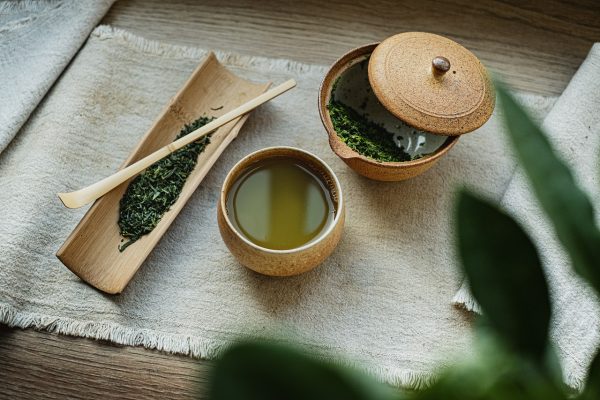


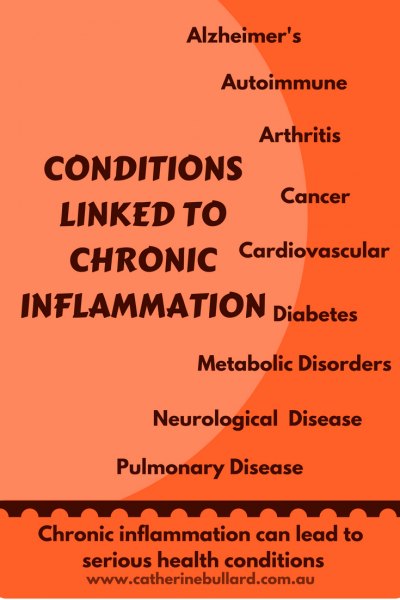


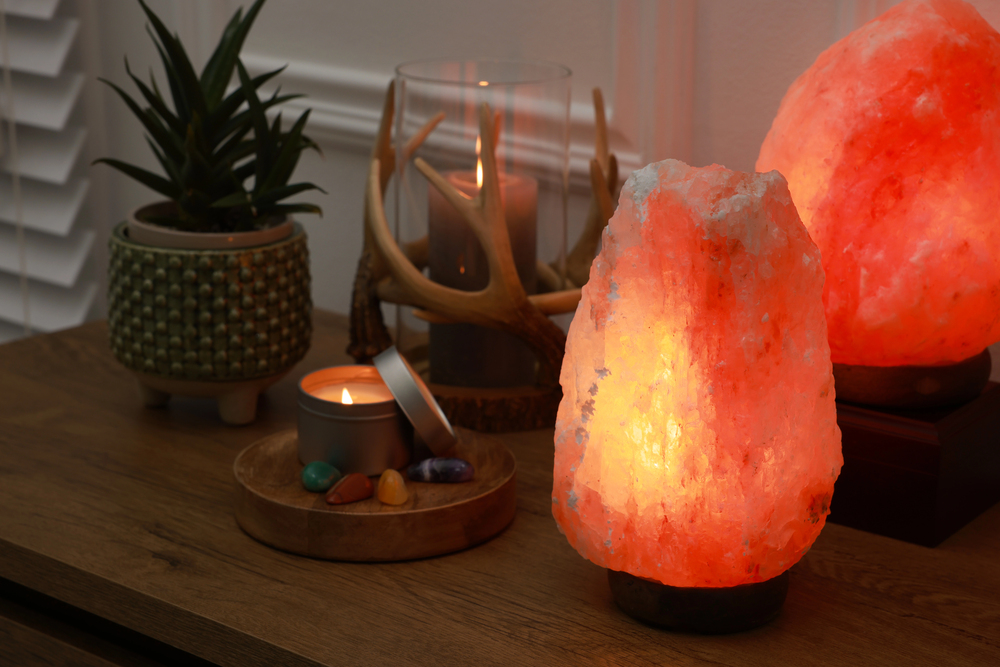
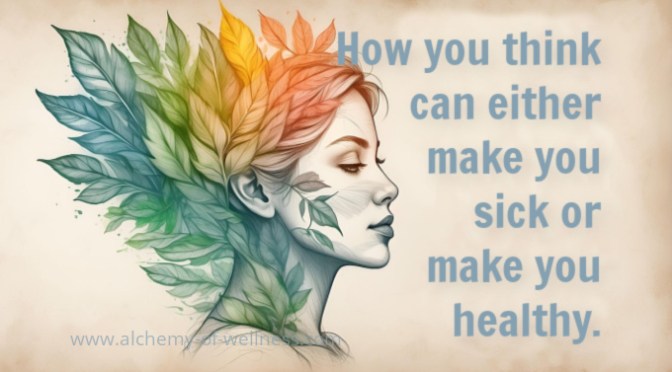


















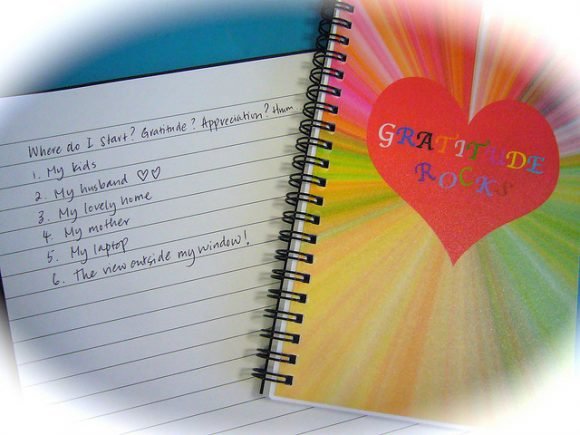



 Happy Holistic Health
