

With the arrival of September comes the stirring of Spring down here in Oz. (For my Northern hemisphere followers there are also steps that you need to take to deal with the change from the warmth of Summer into the cool of Autumn and I will post some pointers for you next time). Doors and windows are thrown open at the first hint of a warm day letting light and air pour through rooms that have been closed up throughout the dark depths of winter. Second-Hand Shops are flooded with donations as cupboards are cleaned out and goods are discarded. Intentions are set and with the new mindset changes begin to happen. Dogs get walked more frequently, meals start to include more fresh, raw produce, gym programs are set and personal trainers are hired, and many people undertake a detox program to rid themselves of the winter “blahs” and get their energy surging and their bodies trim for the seasons ahead.
Your body’s natural detox system is awesome when it is functioning at full power. But when something breaks down, the toxins are simply not eradicated and build up inside you, stressing every system in your body and leading to lots of health problems that can include bad skin, allergies or arthritis.
At work this week I have begun the Spring Detox Programs and now is the time to consider starting these in your life also. Toxic overloads build up over time and obviously cannot be dealt with by simply eating fruit over a weekend. Also, doing only a juice fast or detox diet may cause more harm than good, as your metabolic processes will slow down dramatically, and this includes waste removal. The toxins within your body are stored in the fat cells. Increasing exercise without making any other significant changes can release these toxins into your system as the fat breaks down, but not necessarily adequately flush them out of your body.
To detox properly you need to put a number of things into place and commit to making long-term changes rather than just a 2-day or even week long quick-fix.
There are many ways that you can go about this.
First be honest about what you need to change. Do you smoke? Drink lots of coffee, or soft drinks, which also often contain caffeine, or worse, aspartame? Are you binge drinking, or drinking alcohol on most nights? Are you addicted to sugar or foods high in saturated fats? Are you too sedentary? Are you stressed? Even though you don’t take stress “into your body” it is still very toxic to all your body systems, particularly if it is ongoing.
So to create an effective detox you need to work with the natural body detoxifying processes. At the same time limit the amount of toxins you are exposed to so that you reduce the stress on your detox system, while also strengthening it at the same time.
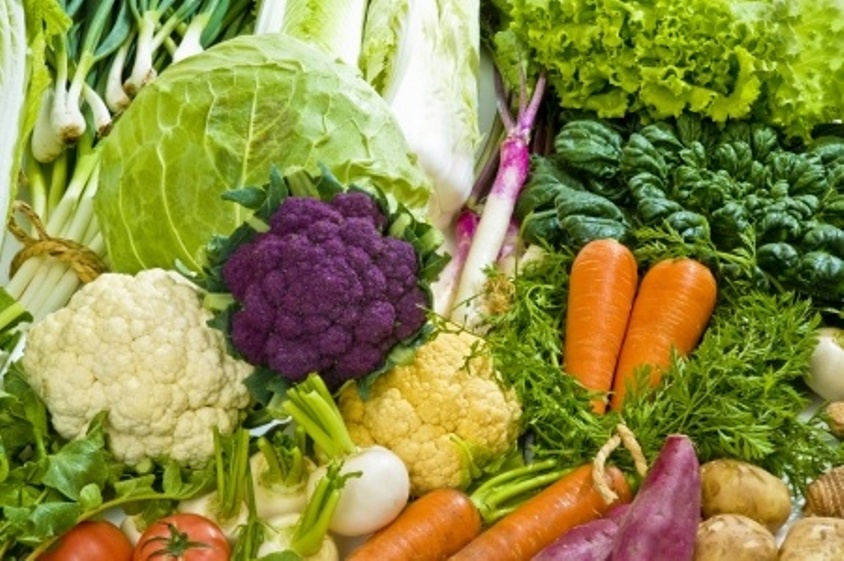
The first line of defence against toxin overload is in limiting what you put into your mouth. This usually means giving up coffee, sugar, bread, milk alcohol and red meat, but if doing this stops you being able to detox in other ways then it won’t be all that good (although I always maintain even small steps are useful to a certain degree and sometimes the best way to get started). In spite of this, to effectively detox you do need to reduce the toxin intake from food. Eating only organic food is the best option but if it is not possible, at least try to always eat some selected organic foods. You also need to add foods to your diet that will stimulate the liver, bowel and kidneys so they work better, as well as foods that neutralize free radicals like berries, kidney beans, avocadoes, cherries, spinach, red cabbage, sweet potatoes, broccoli, green tea, nuts, ginger, cinnamon, turmeric and kiwi fruits to name just a few .
Here are 5 Great Springtime Detox Diets you might like to try. There are lots of “Top 10 Detox Food” lists around. This list suggests general food groups and this one specific food items, and both are great places to get ideas for changes you can make. But remember they are just a start and you should aim to expand on these lists.
Juicing is a another great way to get optimal health and well worth including in your nutrition plan. How often are you getting the 7-8 serves of fruit and vegetables you need every day, and do you know how big a serve actually is? Juicing offers a way to help you meet those requirements. You can add veges that you don’t normally eat and get a wider range of nutrients and also this means you are able to rotate your foods more. Here is a nice comparison of the different types of juicers available. Check it out before you get one. And then check out these good recipes to get you started. Celery, fennel and cucumbers are good veges to start with as they are easy to digest. You can add lemon or lime, cranberries or blueberries, or fresh ginger to boost your health and get a great flavour burst. As you get the hang of it you can add superfoods to your juice like Spirulina (my own fave “multi-vitamin” superfood), chlorella, barley grass and maca powder. Use organic veges and fruit, especially if they are one of the ones included on the “Dirty Dozen©” list . Also, drink the juice straight away as it is very perishable. If you need to you can store it for a day in the fridge, in a container filled right to the top so there is no air to allow oxidation to occur. The only drawback about using lots of juices in your diet is that you lose the fibre that is in the fruit and vegetables when you juice them, and so you will need to be very conscious of maintaing a high level of foods with a high natural fibre level in the other foods in your diet.
While exercise is essential to a good detox, gyms are not always helpful or healthy. Their environment is one that for many people simply builds their stress levels and negates any health benefit they would otherwise gain. Running or walking in the open air, or swimming gives you the benefit of aerobic exercise away from the stressful environment.
Eastern exercise like yoga, t’ai chi and qi gong are wonderful ways to exercise as they offer you so much. You will gain all the benefits of other aerobic exercises as well as much, much more. Yoga for example, teaches you to breathe properly, it stretches your muscles which in turn releases toxins, it balances your inner body energy, or chi, it helps to reduce your stress and it stimulates your lymphatic system. It is also very calming for most people and leaves them feeling at peace as well as envigorated. There are many types of yoga and you are sure to find one that suits you.

Detoxing is not just about what goes on inside your body. It is also important to attend to your external body. You are going to like this! Massage, body-brushing and heat treatments are some great ways to stimulate detoxing from the outside.
About half a kilo of toxins leave your body each day, carried out through your skin in your sweat, but this can only happen if your pores are clean. Also, if you are you are using an anti-perspirant then you need to be aware that it will be blocking some of the major drainage pores of your body. The pores can also be blocked by a build-up of dead skin cells that sit on the surface of your skin. Normally they are shed, but this doesn’t occur as well as you age. So, removing these cells is important to detox and body-brushing is a good way to do this. Here is how to do it. Body salt scrubs on dry skin will also help. I make a delicious one from Himalayan Salt and essential and vegetable oils.
Sauna and steam treatments are another way to remove toxins. By the way, when smokers leave a sauna they often leave a yellow tar residue which has oozed out of all their pores on the towels and a fine layer of black tar under the benches. Is that an incentive to stop smoking? I hope so.
Massage detoxes the body in two ways. Firstly, by reducing stress which if prolonged depresses your immunity and therefore your resistance to infections. Reducing stress can also help reduce cravings. Secondly, it stimulates blood circulation and lymphatic flow, which feeds more nutrients into the cells and removes more waste from the cells. There are a few different types of massage, and while all will be beneficial manual lymph drainage is the most beneficial for detoxing.

So, armed with these few tips to get you off and running, start formulating your Spring Detox plan today so you can get it underway quickly and head out on the path towards a lighter brighter spring you.
Disclaimer.
All information and opinions presented here are for information only and are not intended as a substitute for professional advice offered during a consultation. Please consult with your health care provider before trying any of the treatment suggested on this site.


 Happy Holistic Health