

Create Calm Through Conscious Awareness
Mindfulness is the art of being present and
accepting the moment, as it is.
Mindfulness is the energy of being both aware and awake to the present moment. It is the ongoing practice of engaging fully in every moment of daily life and accepting it without judgement. It is about simply Being instead of constantly Doing.
Recently I was reading about mindfulness while I was eating a slice of toast. As I continued to read, I suddenly became very conscious of the irony of my situation. Engrossed in the internet, with thoughts of what I needed to do during the day running around in the background, I was eating in a way totally lacking in mindfulness.
So I stopped reading and focused on the delicious food. I immersed myself in experiencing the bread toasted so that just the outside was crunchy and the centre still moist; the tang of the sourdough culture; the seeds coating the crust; the sweetness of warm butter which had soaked through into the heart.
I noticed the autumn sun pouring in through the window and the small birds hopping along the branches outside.
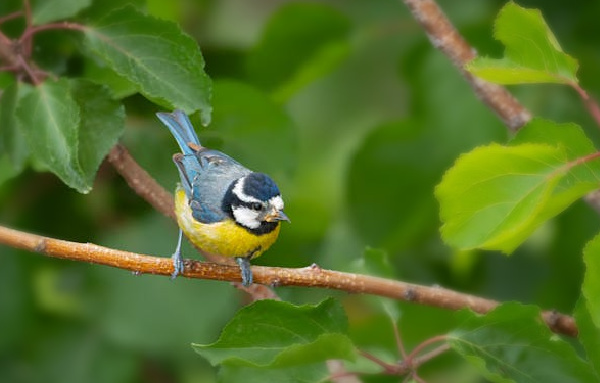
At one point I began thinking about writing this post about mindfulness, but being mindful, I put the thought aside and focused on eating the toast again. Truly, I tasted and enjoyed that piece of toast far more deeply than many I have eaten. It was all the more delicious because I was focused in the moment.
“When we are mindful, deeply in touch with the
Thich Nhat Hanh
present moment, our understanding of what
is going on deepens, and we begin to be
filled with acceptance, joy, peace and love.”
My distraction while I was eating is completely normal. Human consciousness focuses on a lively dance between revisiting past events and anticipating the future. But developing mindfulness in our daily routine can have a very positive impact on our lives as well as our health.
Conscious Awareness
Mindfulness is a hot topic right now, but it’s nothing new. It involves the art of consciously living in the present moment without getting drawn into the drama.
At its simplest mindfulness can be likened to awareness with intent. It’s about using awareness to observe and notice in an open and curious way.
Mindfulness and intentional awareness are both about paying attention with purpose. They are like being in the eye-of-the-storm and still being able to consciously hold the place of stillness, while all around is chaos. They allow you to live in the here and now, noticing with clarity the reality behind what’s appears to be going on, while remaining emotionally detached.
Mindfulness Changes Your Brain
This mindfulness practice of touching life deeply in every moment of daily life brings heightened awareness and inner calm.
When we practice mindfulness, we become more open to noticing what is happening in our lives, with greater clarity. Everyday problems do not disappear. But because we are fully present in our lives through the practice, we become able to respond to life’s pressures in a much calmer way.
Developing and strengthening your awareness with mindfulness can transform your brain by changing or creating new circuits particularly those involved in stress, attention and focus, memory and mood. Mindfulness changes the way neurons in your brain communicate with each other. This opens the opportunity for you to interact and respond to your experiences and the world around you in a whole new way.
Mindfulness also helps us avoid self-judgement and self-criticism as we become more accepting of both our strengths and our challenges. This brings significant health benefits to our body, our mind and our soul.
Embracing the energy of mindfulness and allowing it to flow into our lives to penetrate everything we do provides us with the opportunity to foster the development of grace within.
It deepens our capacity to live more meaningful, balanced and peaceful lives.
Origins of Mindfulness
The ancient practice of mindfulness has come to us through many eastern philosophies including Buddhism, Yoga, Tai Chi and Taoism. It’s now embraced by the West and widely taught in a non-sectarian way because it is a proven effective tool to treat many psychological clinical disorders.
Thich Nhat Hanh, a Vietnamese Buddhist monk, teacher, author, poet and peace activist, taught the art of mindfulness throughout his lifetime. Initially he taught it through the practice of mindful breathing and later through Walking Meditation. Walking Meditation is more than just strolling around. It’s about being peacefully rooted in the present and always aware of both your mind and body as you move.
Walking meditation provides additional benefits to those gained through mindfulness, such as improved blood sugar levels1 and blood flow and better balance and ankle coordination.

Benefits of Mindfulness
Mindfulness has been proven to effectively counteract stress by intentionally focusing the attention on the present moment and at the same time, accepting it without judgement. Focusing on the present moment prevents you becoming caught up in worry about the future or regret or shame about the past.
The Benefits
- Improves clarity, focus and concentration
- Stimulates creativity
- Helps develop a stable mind to stay grounded, rather than one that is dull or agitated
- Reduces anxiety by cultivating a flexible mind able to reduce the impact of stressful thoughts and feelings
- Increases self-awareness of your mind and its thought patterns
- Helps you become less reactive in difficult and challenging situations
- Replaces self-defeating behaviours with more beneficial ones
Mindful Practice
We are so familiar with projecting our attention and thoughts into either the future or the past, that it can take time to become proficient in maintaining your awareness in the present moment. But it can be developed through repetition until it becomes natural and automatic.
Whenever you think of it, practice by focusing on your breath, your surroundings or on each of your five senses – sound, sight, smell, touch and taste in turn. Tune into your thoughts or your body and just observe what you notice without any judgement or self-recrimination. Hold this state as long as you find comfortable and notice how much calmer it leaves you feeling.
Mindfulness leads to a keener awareness of all aspects
of your life and the world around you
Every time you can bring your mind into the NOW, even just momentarily, you help cultivate a mindfulness practice that will eventually become a permanent and automatic part of how you function.
Commit to cultivating mindfulness in your life today, to gain profound and sustained benefits.
- Effects of Buddhist walking meditation on glycemic control and vascular function in patients with type 2 diabetes https://doi.org/10.1016/j.ctim.2016.03.009
Disclaimer
All information and opinions presented here are for information only and are not intended as a substitute for professional advice offered during a consultation. Please consult with your health care provider before trying any of the treatment suggested on this site.
© Catherine Bullard and Happy Holistic Health, 2026. Unauthorised use and/or duplication of this material without express and written permission from this blog’s author and/or owner is strictly prohibited. Excerpts and links may be used, provided that full and clear credit is given to Catherine Bullard and Happy Holistic Health with appropriate and specific direction to the original content.
 Happy Holistic Health