

Kicking the sugar habit is easier said than done. For some people even making the decision to stop eating sugar is beyond thinking.
One of the biggest health pushes of 2013 was to encourage both us and food manufacturers to dramatically cut back the amount of sugar we consume. Suddenly it seemed that the finger was pointed squarely at sugar as the primary culprit behind one after another health problem.
We all know that too much sugar is bad for us. But most of us don’t really know why, or how much too much actually is. But it seems that many of us have now picked up on the message that it could be that ANY sugar is bad for us.
But actually removing sugar and sweet foods from your diet is another matter altogether. Only last week someone told me about their New Year resolutions and breaking their bad habits. “I really need to lose weight” she said “but I don’t think I’m quite ready to say good bye to sugar”. And therein lies the problem that the majority of Australians, and probably most other Westerners face. They love their sweet food and they know just how hard it is to say goodbye to it completely.
Add to this reluctance the fact that sugar is addictive, and the resolve to abstain dissolves.
Break the Sugar Addiction
The decision is not just about deciding to give up sugar. It is also about breaking the physical effects of sugar. As with any other addiction, sugar metabolism sets up a chemical reaction in the brain as well as the body. Within the brain, glucose from metabolised sugars causes a higher release of dopamine and opioids.
Dopamine is often called the ‘feel-good neurotransmitter’. But while it may make you feel good, the release of too much has many health consequences. Many addictive drugs including nicotine, cocaine and methamphetamine also cause increased levels of dopamine to be released in the same way that sugar does. The opioids released by sugar metabolism also make sugar hard to beat by playing a part in the withdrawal symptoms.

How Sugar Affects the Body
One health problem where sugar plays a part is ADHD. Although sugar is not thought to cause ADHD, it does raise levels of dopamine. Increased levels of dopamine have been shown to lead to high activity level and impulsive behaviour in the person. So it seems that when parents notice behavioural changes in their child after eating sugar, they may be seeing the dopamine effect.
During 2013 it was suggested that sugar should be included amongst the big three causes of high cholesterol. The other two being trans fats and stress. It was thought that saturated fat was the main cause of high cholesterol levels but the question is now whether it may be sugar instead. At present this remains a controversial topic.
Sugar and Illness
Here are some of the many illnesses that sugar is known to either cause or where it plays a significant role in aggravating the symptoms of illnesses:
- Diabetes
- Obesity
- Osteoporosis
- Mineral depletion which interferes with the absorption of magnesium & calcium
- Food allergies
- Slows down your immune system
- Increases your risk for cancer – as hypothesized by Dr Walberg
- Heart disease
- Behaviour problems, ADHD
- Insulin resistance
- Hypoglycaemia
- Increased triglycerides
- Reduces (HDL) high-density lipoproteins
- Poor nutrition
- Suppresses your immune system
- Causes inflammation within the body
- Causes a decline in tissue elasticity and function
- Raises dopamine, serotonin and adrenaline levels and release
- Leads to an acidic digestive tract
- Arthritis
- Learning disorders in children
- Candida overgrowth
For more from this impressive list of 143 Ways That Sugar Ruins Your Health check out this list from Nancy Appleton.
More Sugar Problems
Over time you become desensitised to sugar. The more you eat, the more effective your body becomes in absorbing it, and the more sugar you absorb the more damage it does. As well as becoming more sensitised to sugar you also become more sensitised to its toxic effects. But fortunately, this sensitisation to sugar can be reduced by taking a sugar holiday so you become less reactive to it. Even just two weeks off sugar can be effective.
Sugar is an expert at masquerading and is excellent at hiding in the foods you are eating. It goes by many names but an easy way to identify many sugars is to read the ingredient panel and take note of any ingredients that end in “ose”. Dextrose, lactose, sucrose, glucose, maltose are all just different forms of sugar. When each of these is metabolised in your body they all end up as the same thing, and all have the same negative effect on your body.
Remember that natural sweeteners, although better for you than white cane sugar because they are not so processed, also all become the same thing in your body, blood sugar or glucose. If you want to cut back the amount of sugar in your blood you cannot just replace one type for the other.
How to Cut Back Sugar
The alternative is NOT to turn to artificial sweeteners. Diet soft drinks, artificially sweetened yoghurts, lo-cal, lo-joule or diet anything are definitely a poor alternative when they contain artificial chemical sweeteners.
The chemicals such as aspartame that are used to sweeten “diet” or low-sugar foods are linked to many health problems.
But there is one sweetening agent now readily available that is a good alternative to sugar, or to any other sweetener, and it is very safe.
That product is STEVIA.
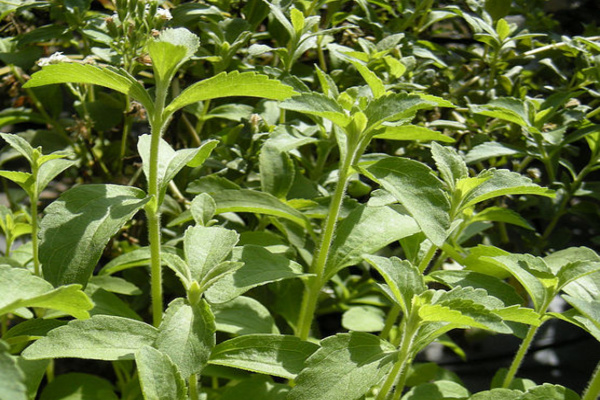
Stevia rebaudiuna is a herb that comes from Paraguay in South America, where it has been used for centuries as a sweetener and a health tonic by the Guarani people.
The leaves of Stevia are intensely sweet. This naturally sweet extract is in fact up to an amazing 300 times sweeter than cane sugar, so you only need to use a tiny amount of stevia.
The thing that makes the use of stevia so attractive and exciting is that it does not cause an increase in blood sugar levels, in spite of being so sweet. Stevia allows you to enjoy some sweet foods in your diet without the health or weight issues that are caused by cane sugar.
And stevia can be used in cooking.
Occasionally some people find stevia has a metallic aftertaste, but this seems to be related to the way the plant is processed. The plant leaves have no aftertaste. If you find this a problem try another brand of Stevia or use stevia liquid.
Be careful when you buy your Stevia because it is sometimes mixed with other sweeteners like aspartame. Read the label! Buy only pure Stevia. It’s just as important to read the ingredient panel on foods that are sweetened with Stevia as it is any other to make sure there are no other artificial chemical sweeteners added.
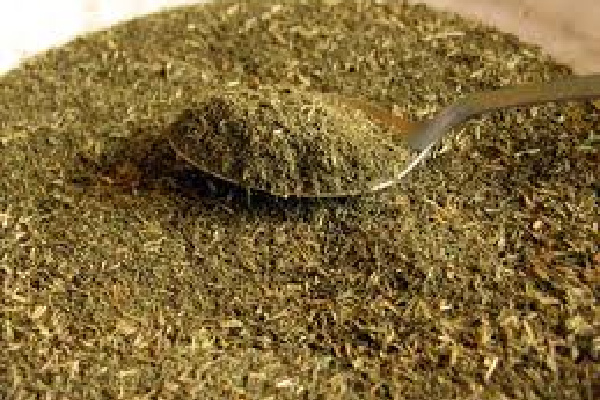
Health Benefits of Stevia
- Lowers blood pressure
- Provides sweetness without elevating blood glucose level
- Research shows taking 1000mg a day of stevioside reduced blood sugarlevels after meals by up to 18 percent in people with type 2 diabetes.
- Studies conducted at Mahidol University in Thailand showed stevia to have the following actions: Lowers blood pressure; anti-inflammatory; anti-tumour; anti-diarrhoeal; diuretic; immunomodulating
Currently further research is being conducted into the effects of stevia on diabetes.
So why not make the decision today to reduce your sugar and other sweetener intake and give stevia a go.
Have you tried stevia? Have you totally removed sugar and sweet food from your diet? Share your experience in the Leave a Reply section below.

Disclaimer
All information and opinions presented here are for information only and are not intended as a substitute for professional advice offered during a consultation. Please consult with your health care provider before following any of the treatments suggested on this site, particularly if you have an ongoing health issue.
© Catherine Bullard and Happy Holistic Health, 2012. Unauthorised use and/or duplication of this material without express and written permission from this blog’s author and/or owner is strictly prohibited. Excerpts and links may be used, provided that full and clear credit is given to Catherine Bullard and Happy Holistic Health with appropriate and specific direction to the original content
Source articles
http://articles.mercola.com/sites/articles/archive/2010/04/20/sugar-dangers.aspx
http://circ.ahajournals.org/content/106/4/523.full
http://www.ncbi.nlm.nih.gov/pmc/articles/PMC2235907/
http://en.wikipedia.org/wiki/Dopamine
http://nancyappleton.com/141-reasons-sugar-ruins-your-health/
http://www.healthylife-healthyplanet.com/health-problems-caused-by-sugar.html
http://owndoc.com/pdf/Stevia%20new%20rural%20industry.pdf

