
It’s easy to get caught up in the busy-ness of our lives and forget to address our own needs. Then when you do manage to claw back free time for yourself, you’re so exhausted that all you do is scroll social media or zone out with netflix. This is a recipe for disaster for you on every level of your life. Growth in all areas – health, relationships, spirituality, and even career – grinds to a halt. You’re left feeling empty and washed out. The pathway back to reclaiming your vibrant self is through Conscious Self-Care and setting healthy boundaries.
Practicing Conscious Self-Care means taking action to address your needs at a grass-roots level. It’s not about the extra indulgences we love, but about establishing daily practices that nurture and keep you grounded, supported and energised. Essentially, it’s about supporting your health and wellness and creating joyful moments in your life.
Until we acknowledge what we need in our life to feel grounded, energised and joyful we can’t even begin to practice Conscious Self-care.
However, while you know you need to practice self-care, it’s quite different to actually do it regularly. These suggestions should get you started.

Set Healthy Boundaries
The most important cornerstone to creating Conscious Self Care is to set and maintain healthy boundaries. This can be challenging when there’s an expectation that we don’t upset or offend others. For some people, stating what they need can bring to the surface a genuine fear that they’ll break this social code and seem demanding. This fear can create such an impassable barrier that it seems impossible to even begin.
To break down this barrier you need to change your mindset, commit to the process, take the action needed, and start small. It can be challenging!
Learn to Say No
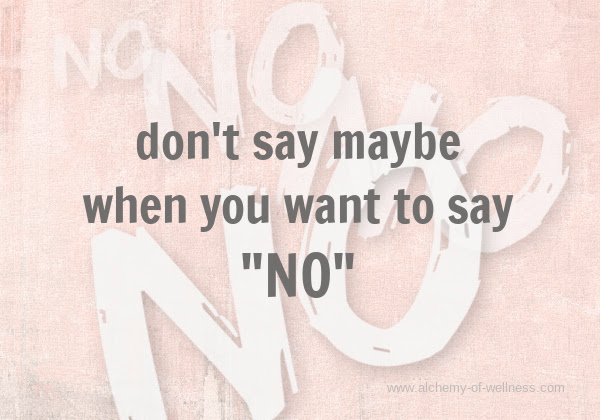
Don’t continue to say ‘maybe’ when you want to say ‘NO’. It’s up to you to decide what you will and won’t accept and to set and maintain your boundaries.
We’re moving towards the end of the year so it’s a great time to review where you’ve set your boundaries. Becoming aware that you say ‘yes’ when something you don’t want to do is asked of you, is a great indication that your boundaries need attention.
Once you become aware of this behaviour you can start taking steps to change. Establish new boundaries if the ones you currently have don’t support your growth and wellness. Setting boundaries is a way of saying to the world “I love and respect myself by honouring my own needs”.
“Love yourself enough to set boundaries. Your time and energy are precious and you get to choose how you’ll use it. Decide what you will and won’t accept, and importantly, commit to it. People respond and treat you according to what you put out.”
~ Anna Taylor
How Are Your Boundaries?
Ask yourself these simple questions to assess the current state of your boundaries.
- When you are mistreated do you fail to speak up?
- Do you feel like others take advantage of you?
- Do you feel guilty if you dedicate time for yourself?
- Might you have a chronic fear of what others think of you?
- Do you give away your time?
- Do you agree when you want to disagree?
- Do you attract people, or are you attracted to others who try to dominate you?
Make a list of anywhere you feel used, undervalued, or overwhelmed because chances are that’s where you need to start saying NO. Refine your list with specifics, include all those times when you agree to something that drains you physically, emotionally, mentally or spiritually.
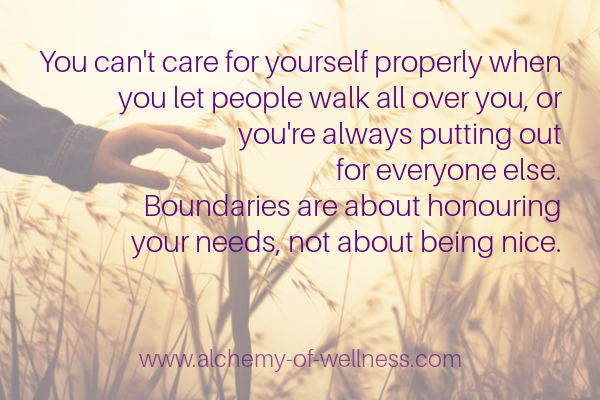
Setting healthy boundaries is a way to care for yourself. It doesn’t make you mean or selfish.
Start Small
If you are someone who has vague boundaries it’s time to change that. But it can be difficult without planning.
Begin with something small, something that you’d like to change but the effect won’t be shattering for those around you. This can be anything even the simplest, smallest thing that irritates or upsets. Get very clear about what you want the end result to be. It’s extremely important to be very precise when you define this.
Once you are clear about the goal begin to work out what you need to say to the other person to reach that end. Choose your words carefully so they don’t blame or accuse. Form your request around what it will mean to you, how it will help you.
Then practise saying it exactly as you have formed the request, in front of a mirror if that helps. Practise over and over until you feel confident and then go ahead and speak your needs. Likely the world won’t implode!
This small change will give you the confidence to shift up to the next bigger boundary you’d like to set.
One of my clients began this process by asking others not to feed her dog outside mealtimes. This was something that really concerned her but she felt guilty about asking this of others kindly minding her dog while she went away. She was astonished and so relieved when everyone readily agreed to her request. She was then able to move forward easily to set boundaries around something bigger.

Focus
Anytime is the perfect time to resolve that you’ll learn to handle stress and overwhelm by defining your boundaries. While planning plays an important role, de-stress techniques such as meditation and breathing are just as important.
Mindfulness, conscious breathing and meditation are excellent ways to ground ourselves and manage stress. Deep breathing calms the nervous system; meditation increases our tolerance to stress; mindfulness decreases stress.
Meditation is a dirty word to some. But it doesn’t need to be difficult and everyone can manage some form of meditation. Adopting this simple practice can change your entire life.
There are many meditation and mindfulness apps. Not every one is a good match for everyone as we’re all different. It’s really a case of finding what suits you the best. Try out a few different types of meditation before settling on the one that’s best for you.
Meditate
As soon as meditation is mentioned many people’s eyes glaze over as they think of sitting around contemplating ‘who knows what!’. But you don’t need to sit around for hours in contemplation to meditate. There are many different ways to meditate and not all involve sitting quietly. The key is to find what works best for you and to practice that regularly.
Meditation’s impact on the brain is now known and it’s all great news, particularly for reducing anxiety and stress. Meditation literally changes the wiring of your brain.
With regular meditation the area of your brain which governs fear, anxiety and stress becomes smaller. This corresponds to lowered stress levels. As well as reducing stress regular meditation has been proven to bring greater focus, better sleep, enhanced memory and concentration, and improved immunity. It also promotes inner peace, increases optimism, reduces pain, assists goal achievement, helps solve problems, and promotes healing.
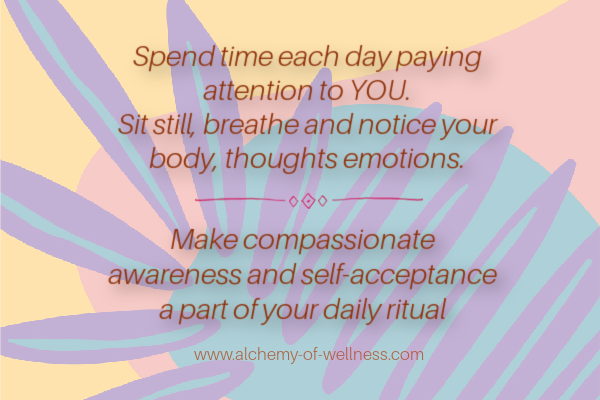
Make time every day to quiet your mind. Spending time in awareness in the place of stillness is a powerful tool to establish strong boundaries.

Short Bursts
If you have trouble with meditation or mindfulness, try squeezing in a few blocks of five minutes of focus throughout the day. If five minutes is too much, start with two minutes.
Sit comfortably and focus on breathing deeply into your belly. Breathe in through your nose for the count of four. Breathe out through your mouth for the count of four. Pause for the count of four. Simple!
Get Outside
Spending just five minutes in nature every day can be another way to meditate. Shut down outside thoughts and simply enjoy the beauty around you. Become aware of your surroundings and simply notice them.
If you can’t focus when sitting still, try a walking meditation alone. Take slow, measured steps as you focus on your breath. Choose a single mantra word such as ‘peace’ and repeat it as you inhale. Choose another like ‘release’ and repeat it with each breath out.
Breathe Deep
Once you have mastered deep belly breathing use it to ground yourself and draw on your courage before discussing your new boundaries with others.
Setting and maintaining boundaries is perhaps the most important practice to care for yourself. It is the cornerstone for creating and maintaining wellness. Begin your journey of Conscious Self-Care by setting and maintaining healthy boundaries.
How do you practice Conscious Self-Care in your life?
Share in the comments below.
Disclaimer
All information and opinions presented here are for information only and are not intended as a substitute for professional advice offered during consultations. Consult with your health care provider before trying the treatment suggested on this site.
© Catherine Bullard and Happy Holistic Health, 2012. Unauthorised use and/or duplication of this material without express and written permission from this blog’s author and owner is strictly prohibited. Excerpts and links may be used, provided that full and clear credit is given to Catherine Bullard and Happy Holistic Health with appropriate and specific direction to the original content

