
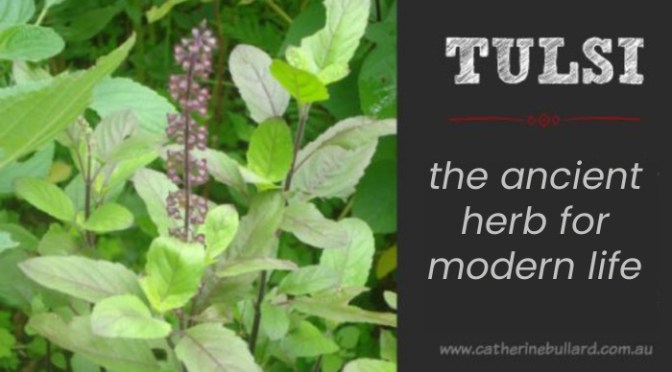
Today I brewed my afternoon cup of Tulsi tea with great anticipation. While I enjoy many green and herbal teas Tulsi is one of my favourites. Tulsi or Holy Basil, known scientifically as Ocimum tenuiflorum or Ocimum sanctum, is a zesty and invigorating tea. It’s packed with many compounds and nutrients having a wide range of powerful health benefits for both the body and the mind. Tulsi has a vast range of actions within the body to promote health and wellness.
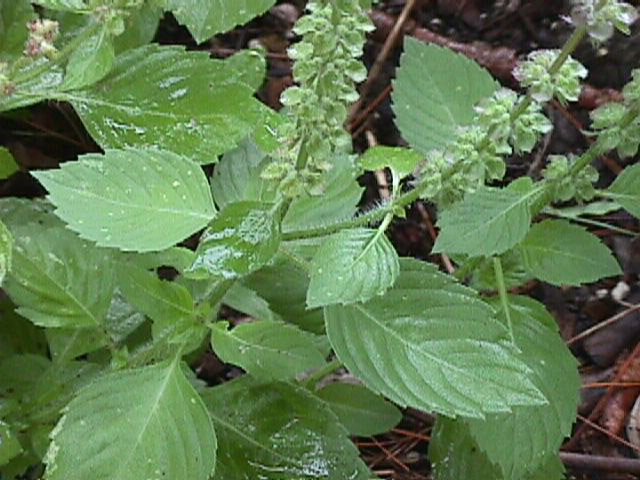
The Tulsi Story
Tulsi is a small plant widely used as a medicine in the past and still important today. It is cherished as a sacred plant in Ayurvedic medicine where it has played an important role for nearly five thousand years.
Commonly known as Holy Basil, it’s also known by many other names that reflect the exalted position it holds such as Sacred Basil, Queen of Herbs, the Incomparable One, the Elixir of Life and the Mother Medicine of Nature. Vedic texts describe Tulsi as a manifestation of divine energy. Many herbs are valued in Ayurvedic medicine, but Tulsi is a highly prized medicinal, recognized as a herb with unique status and revered alongside the Lotus.
Holy Basil is believed to be spiritually endowed and powerfully transformative. In India it plays an important part in religious practices and is often used during meditation to gain clarity and protection. The plant is revered for both its healing abilities and its ability to heighten spiritual awareness. It is thought to balance the chakras and to be capable of bringing on goodness, virtue and joy in humans.
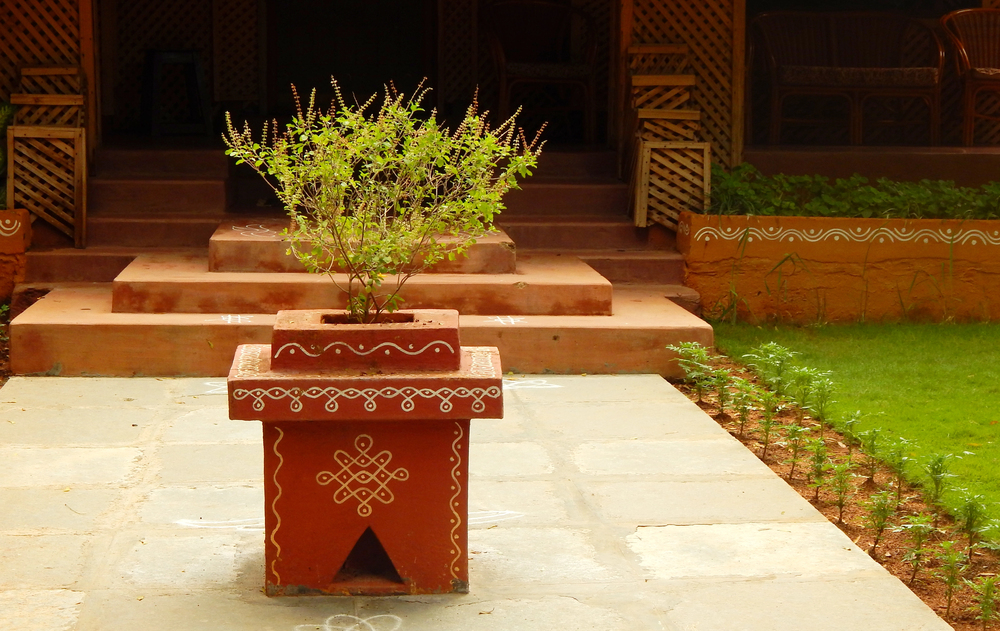
It is thought the plant provides divine protection and purifying for both the home and family. Traditionally and still today a potted Tulsi plant is placed on the prayer altar in the home’s courtyard. It ensures personal health, maintains family well-being, uplifts the spirit and balances the bodily energies.
A Potent Herbal
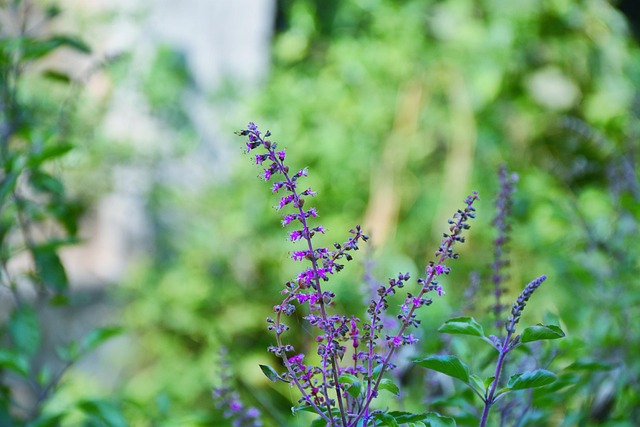
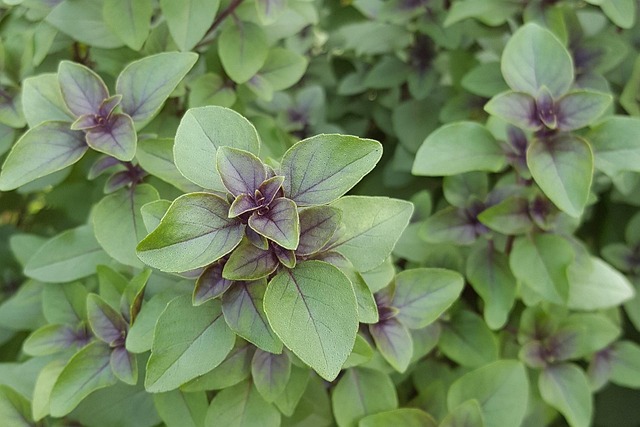
There are four types of Tulsi and all are known for their fragrance which slightly resembles that of their cousin, the Sweet Basil that you use in cooking. Krishna Tulsi (purple) is slightly peppery. Rama (green) is cooling and mellow and the variety commonly used for tea. Vana or ‘forest Tulsi’ (Ocimum gratissum) grows wild and is a bit ‘lemony’.
Tulsi is a member of the Lamiaceae mint family, and all varieties have a faint mint taste and aroma. All varieties of Tulsi are used medicinally with each variety being better suited for treating different specific ailments.
Healing Power
The chemical composition of Tulsi is very complex and rich in antioxidants and other nutrients. As a herbal remedy it has many benefits.
Traditionally Tulsi was used for an impressively wide range of health promoting purposes. It is used in over 300 medical treatments and there is much evidence of its health benefits. The research offers impressive evidence that Tulsi has general vitality-enhancing properties which support and enhance the body’s natural capacity to maintain a state of well-being.
Research shows that it both protects against and reduces stress, enhances stamina and endurance, increases the body’s efficient use of oxygen, boosts the immune system and slows aging.
A Powerful Adaptogen
Holy Basil has a wide range of actions, but perhaps is most recognised and appreciated as a powerful natural adaptogen, acting as a potent anti-stress agent, helping you cope with stress and maintain balance and wellness.
Tulsi supports the body to adapt to the many stresses of modern life, whether they’re environmental, emotional, physical or chemical. It keeps the body in a balanced state of health and offers protection from the vast range of diseases that are caused by these stressors. It assists with mental tension, emotional difficulties and the problems resulting from a poor lifestyle.
Tulsi is an ancient protective herb ideally suited to the modern world because it helps prevent illnesses that are the result of living a modern high-speed lifestyle.
Holy Basil Healing
Tulsi really is the ancient herb for modern life because it is beneficial for so many modern health problems. Here are twenty-five of its benefits, however, there are many more.
- Supports the immune system and protects the body from illness and infection
- Helps fight infections including acne, because it’s anti-fungal, anti-bacterial and anti-viral
- Is widely used to treat respiratory ailments, easing congestion and coughing
- Provides physical stamina
- Reduce stress and anxiety, calms the mind
- Has anti-depressive action
- Enhances digestion and nutrient absorption and helps with gastrointestinal problems such as bloating
- Reduces inflammation in diseases like arthritis
- Supports heart function, reduces cholesterol and high blood pressure, reduces the risk of stroke
- Neutralises dangerous chemicals that can cause cancer, degenerative diseases and early aging
- Is a nerve tonic
- Sharpens memory
- Is expectorant and effective in asthma, cough, croup, allergies and respiratory infections
- Strengthens the kidneys
- Lowers cortisol levels
- Promotes the flow of mother’s milk
- Helps lower blood sugar levels and nourishes the pancreas
- Is useful in many children’s illnesses like diarrhea, cough, cold, fever or vomiting as well as ADHD
- It hydrates the skin and helps with disorders like ringworm or dryness
- Assists insomnia
- Can reduce pain and spasms
- Reduce excess phlegm
- Improve sluggishness and lack of energy
- Increase metabolism which may help weight loss
- May help prevent lung, liver, oral and skin cancers
- In conjunction with chemotherapy or radiotherapy the eugenol contained in Tulsi leaves reduces drug toxicity on healthy cells during treatment for a range of cancers
Tulsi may also offer preventative and curative potential for many degenerative disorders, such as cancer, heart disease, arthritis, diabetes and dementia.
With such a wide and diverse range of action Tulsi stands tall as a healing herb able to restore widespread balance in your body.

Possible Side Effects
Holy basil is generally safe to consume. If you experience digestive symptoms after taking Tulsi for a couple of months simply take a break before resuming it again.
It is not recommended taking Tulsi during pregnancy or if you are considering getting pregnant as there are indications that it may have an anti-fertility effect. But it is perfect after the birth as it helps to increase milk production.
Tulsi is easily grown and can be eaten fresh, simply pluck and chew a few leaves or add them to cooking. It can also be taken in supplement form as powder or capsules.
Fresh, zesty Tulsi tea is made from the leaves and blossoms of the Rama plant. Drink it on its own or combine it with green tea or other herbs for flavour.
Holy Basil is the perfect pick-me-up in the late afternoon, quickly rejuvenating my energy, and uplifting my spirits, and contains no caffeine at all to disrupt sleep! I drink Tulsi regularly knowing it’s also having a positive effect in the long-term on my health and wellness.
Disclaimer
This information is for your general health information. It is not intended to be used as medical advice and should not be used to diagnose, treat, cure or prevent any medical condition. The information should not be used as an alternative to professional healthcare. If you have a particular medical problem, please consult a healthcare professional.
Source articles:

