Category Archives: Self Care & Sleep

28 Awesome Ways To Recharge

Do you feel burned out, run down, and exhausted? That’s no way to enter a New Year! It’s been a tough year for many and now it’s important to regroup and recharge as we roll on towards the year-end. Because I want to help you stay ahead of your game, I’ve put together this list of ways to rebalance and revitalise body, mind and soul so you can be your renewed best, ready for any challenges the New Year throws at you.

Revitalising yourself has much to do with releasing what no longer serves you and many of these practices involve letting go of the old. With the year drawing to a close it’s the perfect way to say goodbye to the old and make space for all the future holds for you.

REVITALISE YOUR MIND

revitalise your mind

1. Know Your Limits And Set Boundaries

Whether you’re someone who’s driven by a burning passion or like me, fired by curiosity and always jumping to the next intrigue, you need to set boundaries. Establishing boundaries isn’t about limitation. It’s not only to ensure your adrenal glands don’t give up from over-stress, and it’s not about conserving physical energy. Rather, boundaries give you the space and energy to spend more time pursuing those parts of your life that give you joy. When you have strong boundaries, you can keep right out of others dramas.

2. Forgive, Forgive, Forgive
This is so important. Perhaps the most important step you need to take to revitalize your mind as well as your soul is to let go. If you’ve been hurt by someone in the past and are still carrying that heavy, painful, angry burden it’s now time to release it. Even if they’re not aware they hurt you it’s time to forgive. It’s not about negating what happened, but about you releasing the weight and the toxic, destructive impact anger and resentment have on your body and your soul.

3. Meditate

There’s absolutely no question about the benefits of meditating – studies just keep underscoring the many ways it benefits your health and wellbeing. Whether you snatch five minutes in the morning, adopt mindfulness through the day or join a meditation class, it’s simply a matter of finding the form that’s right for you and then sticking to it.

4. Build Better Relationships

It’s vital to get out of toxic relationships as they cloud your life with negativity. If you feel it’s too drastic to release them completely start small and schedule a day or a weekend free from all the negative people who drain you – even if you love them. Include anyone who’s quick to criticize or totally self-absorbed.

5. Get Creative

When you’re completely absorbed expressing yourself creatively just for fun, whether it’s singing, painting, sewing, gardening or whatever you love doing, it’s really difficult NOT to relax and stop stressing.

6. Expand Your Experience

get out of your comfort zone

Challenge yourself by setting a date with just yourself to do something outside your comfort zone. Spend time alone discovering your capabilities. Find something that challenges you like hot air ballooning, scuba diving, attending a gallery, or even public speaking. When you challenge yourself you discover how capable you are. You may even find a new interest.

7. De-clutter Your Space to De-clutter Your Mind

Clean out the old and make way for the new. And that applies to everything, whether it’s material possessions, outdated attitudes or even people. The amazing thing is that when you start to de-clutter on any one level it flows through into all levels of you, the physical, mental, emotional and spiritual. After you clear out the living-room you’ll find your thoughts shifting and you may even look at the people in your life with new clearer vision.


REVITALISE YOUR EMOTIONS
revitalise your emotions

8. Give Back

Volunteer – your time, your knowledge or your support. Volunteer at a food truck, a shelter, or anywhere you are reminded of all the blessings you have in your life.

9. Be Present

Set aside some time each day for a thought diet. Limit your thoughts to the here and now, focusing only on the present. Forget the past and let the future unfold in its own time.

10. Count Your Successes

We can be quick to criticize our failings but often completely overlook our successes. Give yourself permission to feel proud of ALL your achievements, no matter how small.

11. Cry And Release

If you just need to let it all out release it through intentional crying. Run a warm deep bath, add some Epsom salts and essential oils and soak. Cry out all the burdens of the last twelve months. Let it all flow until you feel relaxed, lighter and more positive. Emotional crying releases toxins that are byproducts of stress so your body will be cleaner and lighter too.
12. Create a Worry Time Window

If you’re someone who worries chances are it keeps you awake at night and stops you enjoying life to the full. Setting aside ten to thirty minutes each morning or night for just “worrying” frees you up for the rest of the day. When you find yourself starting to worry outside this time put the thought aside to revisit at the designated “worry window” time.

13. Be Honest

Lying to others doesn’t honour them or you. Allow yourself the gift of honest thoughts and communication with others. Having to keep up a lie is a heavy burden to carry.

14. Special “Me-Time” Alone

Time spent with just you is pure gold. Learning to say “no” to others and making space for yourself in your busy life provides an opportunity to heal and revitalise. It not only helps you connect with your inner wisdom more deeply, it also recharges you. Make time for yourself.


REVITALISE YOUR BODY
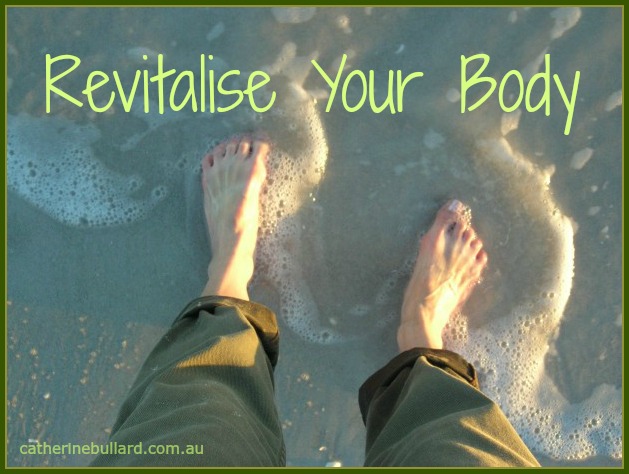
revitalise your body

15. Get Outside and Ground Yourself

Go outside, take off your shoes and sit or stand on the earth, the grass or in the water to ground yourself. Just being in nature lifts your spirits. Our modern environment has a toxic effect on your body and directly connecting your body to the earth through your skin creates a chemical reaction within your cells that helps rebalance you. Focus on being present and breathe deeply to oxygenate your blood and fire up your brain cells.

16. Simple New Year Detox

Instead of vaguely vowing on January 1st to “lose weight”, “eat healthy” or “exercise more”, do a mini detox to help you quickly recover from too many festivities. Set aside a day, weekend, even a week to take a break from alcohol, processed foods and sugar. Plan ahead. Get in fresh fruit and veges, wholefoods or minimally processed foods, or even go totally organic. Drink lots of pure water to flush out any toxins. Add warm lemon water in the morning. Do whatever you can manage. You’ll feel clearer with more energy.

17. Reset Your Sleep Clock

Adults need 7 to 8 hours sleep every night. Having a sleep-in on the weekend doesn’t balance your sleep bank. When you’re chronically sleep deprived, your brain stops getting the messages that you’re tired so you’re not even aware any longer that you need sleep. If you’re not getting at least 7 hours sleep a night your brain needs retraining.

18. Get Physical

Research shows we need physical exercise every day, which could be weights, running or a gym workout. Or instead, you could do gardening, walking, swimming, tai chi, dancing, rope skipping or any other activity you enjoy. I have a really, really long hallway and I love reading. So, when the weather’s foul I walk briskly up and down the hall for 30 minutes, reading all the way. Just get active!

19. Love The Sun

Make a daily date with the sun. Not only does it brighten your outlook it also provides you with vitamin D. It’s the only natural source of this essential building block which is required for hundreds of functions in your body.

20. Drink Up

Carry a bottle of water with you and sip through the day. You’ll be surprised at how much you manage to drink. Surprisingly when you’re chronically dehydrated your brain mixes up the messages it gets from your cells and tells you “you’re hungry, go eat” instead of “go drink”. Also too many people substitute coffee, tea or soft drinks for water, which act as diuretics and deplete your body of moisture.

21. Eat A Rainbow

eat a rainbow

Who doesn’t love a rainbow? The colour of fruit and vegetables tells you which antioxidant it contains. It’s not enough to have just one or two colours, you need the full range. So aim for five or more different colours on your plate to get a broader range of antioxidants.


REVITALISE YOUR SOUL
revitalise your soul

22. Practice Gratitude

Remind yourself of just how fortunate you are and of all the bounty in your life. Keep a Gratitude Journal to record three things you are thankful for each day, no matter how small.

23. Evict Your Inner Critic

silence your inner critic

We’ve all got one, that voice inside our head that’s so quick to point out all the holes in our plans, to warn us we don’t have what it takes to succeed and to remind us of our past mistakes and failures. I used to call mine “The Committee” because sometimes it felt like a whole group was ganging up together to completely overpower me. But you can evict them.

If you’re a gentle person bribe that inner critic outside your head, or explain nicely that you’re the boss and have the final word. If you’re a bit blunter you could do as I did. Whenever that “Committee” started criticising I’d jump in with “sit down and shut up” before they could get going. It’s amazing how quickly you can silence the critic simply by deciding that YOU’RE the one in the driver seat who makes all the final decisions.


24. Release Guilt

Guilt is simply homework from your Inner Critic. When you reclaim control from the critic you don’t have to carry the guilt either. Write down what you feel guilty about, the whole story if you want, and finish it with “I forgive you” (that part is really important). Next read it out loud. Lastly burn the paper. The three steps of this small ritual each plays an important role. By writing you crystallize the issue, including your forgiveness of yourself. Speaking the words out loud empowers them. Burning the paper symbolically releases your guilt.

25. Listen With Your Whole Self

Open yourself to someone trying to tell you something, and listen without any judgement and without giving advice. Don’t relate what they say to your own experiences. In fact just listen, nothing more – unless they ask for your thoughts. Listening without engaging your inner critic or your life story is one of the greatest gifts you can give others and it nourishes your own soul.

26. Give, And Wish For Nothing In Return

Cultivate generosity. Giving enriches somebody else’s life. Giving without expecting anything in return also equals deposits in your happiness bank. Passing it forward is one simple way to give. Check The Wake Up Project for mindful living tips, uplifting kindness stories and free kindness cards.

27. Gain Clarity By Connecting With Inner Wisdom

connect to your inner wisdom to get clarity

Taking time to meditate, pray or do any practice that connects with your inner wisdom and develops your spirituality is an investment in defining your purpose and passion. Your inner wisdom is like the GPS for your life and provides you with guidance and clarity about who you are and your life path.

28. Ditch “Rule” Words

Words like should, must, don’t or can’t are all ‘rule words’ that indicate somebody else’s expectation of you. Ditch rules set by others that contain any of these or similar words. When you set new standards that honour your needs and rights you reinforce your personal boundaries.

Please share your favourite ways to recharge and revitalise yourself in the comments below


Disclaimer

All information and opinions presented here are for information purposes only and are not intended as a substitute for professional advice offered during a consultation. Please consult with your health care provider before following any of the treatment suggested on this site, particularly if you have an ongoing health issue.

© Catherine Bullard and Happy Holistic Health, 2015. Unauthorised use and/or duplication of this material without express and written permission from this blog’s author and/or owner is strictly prohibited. Excerpts and links may be used, provided that full and clear credit is given to Catherine Bullard and Happy Holistic Health with appropriate and specific direction to the original content

Clear Your Crap For Clarity And Control

So many people feel overwhelmed today, and stumble through their life trying to stay a-top the wave of obligation and busyness, without falling and crashing. Just staying up there requires energy and effort. Getting rid of stuff can help clear some space in your life and your head to make that balancing act just a little easier.

As life continues to speed up the feeling that we need to simplify, if only to stay on top and survive, is expanding and gaining importance. De-cluttering is often the first step towards a simpler life. The beauty of clearing out the junk in your life is that it’s not limited to just the old clothes you no longer wear but can be undertaken as a conscious project where you target clearing on every single level of your being.

Clear Your Crap

Everyone is familiar with spring cleaning but not so many set themselves up to undertake the “whole enchilada”, to declutter more than just their possessions. When you begin to view de-cluttering as a “life-cleanse” rather than as simply a bit of a clean-out you set yourself on a path for a cascade of dynamic life-changing effects.

Everyone has stuff in their life that no longer serves them, baggage that no longer supports them to be the best they can be. Sad to say this outdated stuff can even include people.

To do a full de-clutter of your life really takes some hard soul-searching. In order to totally renew ourselves on every level we need to clear not just belongings but also outdated or negative beliefs, debt, bad habits, people that who leave us feeling bad about ourselves, judgments and criticisms of self and others, or mental clutter.

For many of us holding onto excess possessions, thoughts, emotions or beliefs, has to do with our past experiences and what we learned as we grew up. Relationships, feelings of obligation, debt can all be tied tightly to emotions that are rooted deep in our early years, so they can sometimes be difficult to dislodge. Often we are not even conscious of where they arose from.

The process of life de-cluttering can seem a mammoth exercise. It can seem completely overwhelming and confusing. Where to actually begin could even stop you from starting.

But the same rules that apply to spring-cleaning also apply to making the total life clean out happen. Just as you start spring-cleaning in one room and work systematically through the whole house, so too do you start with one small part of your life and clear that first.

It is all about recognizing what needs to go and then breaking the huge challenge down into small steps that are easy to manage and succeed at.

The beliefs, habits, and possessions in our life can have a great hold on us and shifting them out of our life can be very challenging and difficult. Often by clearing out excess possessions in our life we create a ‘roll’ that then eases us into decluttering the trickier things.

By starting in our homes and removing the excess we open the way for a decluttering on all levels. We open the way for clarity and space not just in our surroundings but also in our mind, body and spirit. Once we declutter our possessions we can begin to recognize, examine and discard those more challenging things in our life, the mental clutter, debt, bad jobs, even relationships.

Often we can have a sense that we don’t really feel happy, or passionate about life. But we may not be able to pinpoint where the feeling stems from. Sometimes we have just become so caught up in living, juggling work, kids, friends, parents, money, plus all the other obligations of life, that we have lost sight of our own needs. The negatives in our life have been absorbed and become so ingrained that we don’t even notice them as being less than ideal anymore.

I like to think of these outdated rose-and-pearlparts of our life as the grain of sand in the oyster shell. The sand grain sits there irritating the poor oyster. But with work the oyster is able to transform it into a beautiful gem, a pearl. By opening up the shell of ourselves and working on the irritating grains of sand in our life we can transform problems into pearls.


When we de-clutter we learn to let go and create space. There is a saying that if we want something new in our life we need to first make a space for it to fit in. With our life becoming even fuller and more challenging every single day it seems imperative that we clear every aspect of it that we can. New things will always move into our life, it is the nature of living, but whether we have the space in our life to embrace the positive that waits to arrive depends on whether we are prepared to release the negative first.

As we declutter we gain a sense of lightness as each non-supportive thing leaves
us for good. These are heavy burdens and releasing them lifts the weight from our shoulders giving us a sense of freedom.

Whether the clutter in our life is physical, emotional, or mental it takes a good deal of effort to maintain our relationship with them. When we own less we need to devote less attention to stuff and so we gain the precious commodity of time.

To begin your declutter start by drawing up a plan. Don’t worry if everything isn’t included. Things that need to good will become apparent as you go ahead. Start simply with releasing the most obvious things. Break the process down into small steps and tackle one at a time, then move on to the next. Stop along the way to acknowledge what you have cleared and pause to notice if more stuff has arisen.

If you need help to get clarity about where to begin, or help to form a plan of action, or you know you’ll be able to do this if you just have the support to keep you on track, I am here to help.

journal-55859_640

Disclaimer

All information and opinions presented here are for information purposes only and are not intended as a substitute for professional advice offered during a consultation. Please consult with your health care provider before following any of the treatment suggested on this site, particularly if you have an ongoing health issue.

Best Natural Anti-Aging Secrets

anti aging 2

It seems like one of life’s ironies is that just as you are getting your act together in your thirties you start to notice the first small visible signs that you are getting older.

You have a great relationship, your career is on track, you are starting to really make it in the world, and you notice the little crinkles that were cute in your twenties are starting to get deeper and turn into proper crow’s feet. Telltale signs of long hot summers are starting to show as brown spots.

Hormone changes are at the bottom of these changes. Our bodies are designed to carry babies through our teens and twenties and after that our reproductive hormones start to decrease. Most hormone changes start about thirty and continue right on through menopause.

After the age of twenty-five we don’t produce as much human growth hormone (HGH) either and this means that we stop replacing cells as fast, collagen production slows and our skin becomes loose and dull. By the time we are thirty our levels of growth hormone might be only about twenty percent what they were when we were eighteen.

As oil production drops, older skin is not able to retain moisture as well as younger skin causing loss of elasticity and producing wrinkles. The decreased collagen in your skin results in thinner less flexible skin which is more likely to damage and is slower to repair.

If you nurtured your skin right through your teens and twenties, stayed out of the sun and off tanning beds, avoided any high living, ate perfectly and didn’t smoke you’ll probably look amazing at thirty. But chances are you spent lots of your twenties out in the sun, a glass of vino in one hand, a cigarette or burger in the other. By the time you reach your thirties your earlier vices become evident, you can see it in your skin. The normal effects of the hormonal changes in your body will be worse.

But don’t despair. There is still time to repair the damage and to turn those fine lines, saggy skin, blotches and dryness around.

HELP! HOW TO SLOW DOWN AGING

We’ve all heard anti-aging advice from our mothers since we were small. Brush your hair one hundred times, drink lots of water, eat lots of fruit and veges, get eight hours sleep and lots of exercise. While these are all important there is more to it.

There are two parts to supporting the regenerative processes of your skin and slowing the processes that cause it to age.

When we are identifying the causes of aging skin and hair we need to consider both internal and environmental factors. Of course, beauty does come from within and if we are not putting the right things into our body it will show up straight away on our skin.

Free radicals are produced by your body and are a natural part of metabolism. Your body can deal with a certain amount. But when you make poor food choices, are exposed to chemicals in your environment or the products you use on your skin and hair, you produce many more free radicals, far too many for your body to deal with, and this results in inflammation.

Free radicals are known to not only be the cause behind many chronic and serious diseases, but they also affect your skin by causing inflammation, destroying cells, and causing pigment changes.


EXTERNAL CAUSES OF AGEING

In your everyday life your skin is exposed to many harmful toxins, from those found in air pollution (both indoors and outdoors) to those in your moisturiser. There are the obvious toxins like petrol fumes or those used in nail salons, but there is also a myriad of others that are not at all apparent. And many environmental toxins can affect our skin through pathways that include our gut, liver, kidneys and lungs. No matter which way the toxin affects us, it creates free radicals in our body that lead to inflammation and the resulting signs of aging showing on our skin.

smoke-258786_640

SUNLIGHT

Too much sun exposure can dramatically age the skin. It produces broken capillaries, wrinkles, age spots, dry, thickened, pigmented skin. Known as photo-aging, skin aging is accelerated by exposure to UV radiation. Wearing sunscreen may not be the best answer to the problem of UV exposure, as the chemicals in the sunscreen can sometimes react when they come in contact with the suns rays to speed up skin damage and promote aging.

Vitamins A and C are helpful in reversing the damage caused to your skin by the sun’s rays. Whether you take a supplement, eat lots of foods rich in these vitamins or find them in the products you apply to your skin, they will benefit. But don’t use products full of harmful chemicals simply because they have vitamins added. There will not be enough vitamins in the product to counteract the damage caused by the chemicals.

DIET

Antioxidant rich diets  are the answer to slowing down the aging caused by free radicals, by both reducing them and producing beneficial anti-aging results for your skin.

Foods that are denatured, pesticide-ridden, genetically modified or processed are essentially ‘dead’ foods and toxic to your body.

Eat a Rainbow
Eat a Rainbow

SKIN CARE PRODUCTS

Read your makeup and skin care ingredient labels carefully.

Some chemicals in most makeup products are endocrine disruptors and mimic hormones. Makeup, skin care and hair care products should only contain natural products. A good rule is if you can’t eat it don’t apply it.

Be careful of synthetic cleaning products as they contain dioxin which also disrupts the endocrine system and interferes with the immune system.

ANTI-AGING SKIN CARE REGIME

Avoid soap or foaming or gel cleansers. They strip the natural oils from your skin and cause aging. Try a quality, chemical free, milk cleanser, or make one yourself. Avoid any cleanser that leaves your skin feeling tight as it could lead to dry, flaky, irritated skin.

Select a moisturiser that will keep your skin hydrated and protect it from the dehydrating effects of air conditioning and heating. BE CAREFUL, many chemicals are added to leave your skin feeling moist and soft but are actually dehydrating. If the humidity is less than 65% these humectants will draw moisture to the skin from the cells below the surface instead of from the air. This leaves your skin feeling soft but actually causes the skin to dry out.

NOURISHING OILS

As an alternative a light application of a vegetable oil such as jojoba, coconut, almond, apricot kernel, camellia, avocado or olive will nourish your skin and can be used as an alternative to face creams.

Even those with oily skin can use oils as a skin moisturiser. Vegetable oils, particularly jojoba, nourish your skin without causing pimples, acne or blackheads, which are caused by a combination of factors.

Jojoba oil is a liquid wax which was used to treat skin conditions like acne and eczema in folk medicine. It is said to be closer to human sebum than any other oil which makes it an ideal choice for skin care. Strange as it sounds to put oil on oily skin, it works because chemically oils break down other oils.

Gently massage a few drops of jojoba oil into your face. Place a warm washcloth over and allow it to cool before wiping off the oil. Rinse the cloth and apply a few more times until the oil is gone.

Don’t use these oils around your eyes, instead choose rosehip oil for the eye area which is rich in omega 3.

EXFOLIATION

Exfoliating helps to remove dead skin cells but needs to be done gently or it will accelerate aging and cause inflammation. Natural options include oatmeal ground in a blender with almond or rice milk added. Form it into a light paste and gently massage into your skin before washing.

TREATING WRINKLES

While it is important to take steps to minimise wrinkles forming the challenge becomes how to get rid of those you already have without resorting to toxic skin care. Here are a few home remedies you can try out to reduce wrinkles.

  • Coconut Oil is one of the best home remedies to minimise wrinkles and it is easy. Simply gently rub organic coconut oil over your face and neck before going to bed. It is rich in antioxidants and vitamins and has anti-bacterial and anti-fungal properties. Coconut oil contains an essential emollient to reduce wrinkles and make skin firmer and softer.
  • Aloe vera contains malic acid to improve the elasticity of your skin to reduce wrinkles. Simply cut the leaf off and extract the gel. Apply to your skin and leave on for twenty minutes then wash off with warm water.
  • Ginger is high in antioxidants and helps inhibit the breakdown of elastin. Drink ginger tea twice a day or eat a piece of finely chopped ginger mixed with a tablespoon of honey every morning.
  • Cucumber cut into thin slices and placed on the skin can soften the skin and help remove wrinkles.
  • Vitamin E massaged into the skin daily can help remove wrinkles (simply break open vitamin E capsules)
  • Rosehip oil patted gently into your face reduces wrinkles.
  • Apple is very high in malic acid. Mash a boiled or stewed apple. Add one tablespoon of honey and some milk powder (if you have it). Apply to your face and leave on for at least fifteen minutes before washing off. Apple improves your skin’s elasticity.

For healthy glowing skin avoid products which include parabens, paraffin, mineral oil, propylene glycol, sodium lauryl sulphate, or acrylamide.

These preventions and treatments are not just for those in their thirties. Everyone will benefit from a natural skin care regime and no matter what your age you can always slow down the aging process.

While you can’t stop the ageing process entirely, taking a few simple steps can certainly slow it down and give you glowing skin along the way.

Disclaimer

All information and opinions presented here are for information purposes only and are not intended as a substitute for professional advice offered during a consultation. Please consult with your health care provider before following any of the treatment suggested on this site, particularly if you have an ongoing health issue.


Source articles         

Jojoba oil for acne: Does it work, how to use it, and risks

 What Causes Wrinkles & How to Treat Them – eMediHealth


Crazy-busy? Get Control In Your Life

Crazy Busy

August…

More than halfway through another year and it seems everyone feels harried and overworked. Life and time is absolutely racing. Nobody seems to have any time to stop and chill, nobody has any time to recognise their needs let alone address and fulfill them.

As we become more and more switched on to the world outside ourselves it is no surprise that we feel overwhelmed, drowning in never ending obligation. The world and our lives seem to be an insurmountable task that we can’t ever see a way to scale.

When goal setting, if a task or goal seems just too big for you to succeed, even too big to know where to begin, it’s often more easily achieved when it’s broken down and tackled in small chunks. As you succeed with each step you feel reassured that you can actually reach your final goal, and you feel increased motivation to achieve results.

It seems to me that if we can apply this same principle to our life we could create some level of control and the satisfaction of achievement. Breaking the year up into smaller segments and setting goals for just part of the year rather than the whole year would achieve a similar result to breaking down big goals. It would give us a sense of success and stop the feeling that we’re skittering along in life, barely in control.

Recently, a client told me that last January she made a list of the 100 things she wanted to achieve this year. Her list included things like ‘see this friend 6 times for lunch’, ‘go to 4 movies’, ‘read a particular series of books’. She also had big things on her list like ‘change my job’.

She proudly showed me just how many things she had already crossed off. Her list reminded her that although she may feel on the edge of control she was actually doing quite a lot that she wanted to achieve in her life this year. And not only did the things on her list not remain in that “gunna-do” (‘going-to-do’ for non-Aussies) vault she was getting through her list and enjoying herself along the way.

How many of us spend January 1st making plans and setting intentions for the year ahead?

How many of these are kind of vague. lose weight, stop smoking, or get a new job?

How many fail because we have not a) been specific about what exactly we want, b) broken it down into manageable and achievable goals, c) followed through and d) after March actually remembered that we had set the plans and goals, until January 1st of the following year when we set the very same goals all over again?

But my client did remember, she did follow through, she did feel like she had achieved, and most importantly, she felt as though her life was under her control, in spite of the fact that it was still just as crazy-busy as the lives of all the rest of us.

BREAK IT DOWN

My client set me to thinking that just as we break down own goals and projects into smaller chunks, it might also make us relax a little if we break our life down into smaller chunks of 6 months, or even 3 months. It might not seem to be going quite so fast and we may feel we have some sort of control.

So I propose that in the interests of us all sanely getting through the rest of this year; so we present smiles instead of frowns to those around us; so we all begin to address a few of our real needs in life, needs that don’t start with the words “I have to…” or “I should…”; and so we all start to feel a little more in control, we follow my client’s example and set ourselves achievable goals that honour ourselves.

To make it just that bit easier to achieve rather than making a yearlong commitment I am going to break the exercise down into even smaller chunks.

I have just made a list of the 25 things I want to achieve (and can reasonably manage) in this quarter of the year (being 1/4 what my client did for the whole year), that’s from right now, the start of August to the end of October.

My list includes some socialising, creative projects, home decorating, lots of gardening (rarely a chore), some outings, work projects and self-development. It also includes launching a new arm of my biz. I think it’s a pretty well-rounded collection of goals.

My list is manageable and not only will I feel in life-control mode as I cross things off the list, I will also enjoy doing most of these. I also included some things I really will not enjoy but will be very happy to finish off. And probably most importantly, I will be aware of what I have achieved rather than worrying about what I have not managed to do.

Why not join me?

Make your list of 25, write it out, pin it to the fridge, and congratulate yourself as you cross another thing off your list.

Copy of Heart Jump

Disclaimer

All information and opinions presented here are for information purposes only and are not intended as a substitute for professional advice offered during a consultation. Please consult with your health care provider before following any of the treatment suggested on this site, particularly if you have an ongoing health issue.


Sure-Fire Strategies For Better Sleep

Giving advice for improved sleep is a normal part of any Wholistic Health practice, and I’m used to delivering. But today I am suffering the effects of a wakeful night after not ‘Walking My Talk’. Last night I sat up on the computer until well after midnight when the cold finally drove me to bed, only to then wake repeatedly through the night.

Sleep is so important, especially now as the days have shortened and we approach winter. Sufficient sleep allows our body to recover from the day and leads to improved brain function and memory.

But sleep doesn’t always come easily.


These simple actions will help you create a calm sleep-friendly environment.

De-Clutter and De- Junk

Is your bedroom a soothing sanctuary or is it also a place where you work? It is vital to establish and maintain the boundary between work and rest. Your bedroom needs to be a place where you unwind and take ‘you-time’. If the boundaries are unclear, you never get a break from the pressure and stress of work.

When you keep your bed for sleeping or other fun bedtime activities, your brain comes to associate bed with only these activities rather than work, which makes it easier for you to nod off.

Clear away clutter and mess; open the windows to refresh the energy; add fresh flowers, beautiful and meaningful ornaments, a candle or Himalayan Salt Lamp.

Create an EMF-Free Zone

If you are surrounded by electronic devices while you sleep your brain waves are affected throughout the night and you will never get good sleep. 

There’s some concern that the pulsed frequencies of electronic devices interfere with the body’s own signals. These electromagnetic fields (EMF’s) affect the emotions, the organs, hormone production and the immune system. Cosequently this can then lead to poor sleep, as well as many other problems.

There are many studies that show exposure to electronic devices (even electric lights) before going to bed interferes with sleep patterns. Far from allowing you to wind-down in the evening using electronic devices actually increase your alertness and interferes with REM sleep.

Light, from any source including the low levels of light emitted by electronic devices, disrupts circadian rhythms and causes poor sleep

There have also been studies into how electromagnetic fields (EMF’s) around electronic devices affect the release of melatonin, the sleep-inducing hormone. In 2007 this study showed melatonin production, and therefore sleep quality, may be affected in some people.

For good sleep switch off your smartphone, your tablet, your laptop, your TV, e-reader and other devices at the source. If you need an alarm to wake, find an alternative to your phone. Sleeping close to an active smartphone (or other device) is absolutely NOT worth the wide-reaching adverse effects it has on you.

If you do need to leave any devices switched on, make sure they are well away from your body, at least two metres. Even better if they are right across the room or in the en suite.

Check your bedroom for electro-magnetic fields and remove the responsible devices.

mobile phone

Create Peace

If you need entertainment before sleep place some books or magazines in your room, or perhaps a journal. Not only does journaling empty your mind of annoying thoughts that keep you awake, it’s also has many health benefits. Research even shows it strengthens the immune system and reduces the symptoms of asthma and rheumatoid arthritis.

Use your journal to establish gratitude practices to build your Happiness Bank.

Check the temperature. A moderate temperature about 20 degrees Celsius, not warmer, supports undisturbed sleep.

Darkness helps you sleep and even small amounts of light interrupt the production of the neurotransmitters needed for sound sleep. Use block-out curtains if there are lights outside your window. Don’t turn lights on suddenly during the night as they disrupt the production of the sleep-inducing hormones, melatonin and serotonin. Don’t use white light as a night light. The soft pink glow of a Himalayan Salt Lamp solves this problem, if you must have light in the bedroom. If you can’t block out light wear an eye mask.

Music is a wonderful aid to help you relax. Gentle, music, white noise or relaxation recordings will all help you unwind. The rhythmic sound of the surf washing onto the beach is one way to induce sleepiness.

No TV right before bed! Stop about thirty minutes before retiring and definitely don’t watch it in bed.

Turn your bedroom into a space you look forward to spending time in.


Create A Scent-sual Space

 Our sense of smell plays an important role in mood, memory and emotions. It is linked to the limbic system, which is considered the old primitive part of the brain. As well as promoting relaxation, research shows that certain bedtime scents can even influence the type of dreams people have.

There are a number of essential oils that induce relaxation and are powerful sleep aids.

Lavender stimulates the release of feel-good hormones and is a well known relaxant to help insomnia. Sprinkle a few drops of lavender essential oil on a cotton ball beside your pillow or in your room.

Vanilla, rose, chamomile, sandalwood and surprisingly, coffee are some others that can also help insomnia by calming you. (Although homeopathic Coffea is known to have excellent calming properties, and so maybe it’s not such a surprise!) 

Create A Healthy Eating Plan

 Shunning caffeine should be a no-brainer. Drinking coffee, tea or hot chocolate keeps some people awake. But many other foods such as soft drinks, processed foods and even medications often contain caffeine, and you need to be wary of those.

Some foods like dairy and wheat can cause gastric disturbances that may keep you awake. Avoid them altogether or at least in the later part of the day.

L-tryptophan found in protein foods promotes the production of melatonin and serotonin to aid sleep. A small protein-rich snack such as nuts in the evening may help you sleep better.

Avoid sugar and processed grain snacks before bed to avoid the rapid spikes and drops in blood sugars that interrupt sleep.

Alcohol is a ‘no-no’ for sound sleep. Although it produces sleepiness and initially sends you to sleep, it prevents you entering the deeper, restorative, sleep cycles.  Also, alcohol’s effect is short-lived. After a few hours you are likely to wake up, completely unable to return to sleep.

Chamomile tea before bed is an excellent for promoting good sleep. It has a slight homeopathic effect to relieve anxiety and promote relaxation.

Support your body with nurturing foods to create balance

Create A Sleep-Ready Body

Exercising daily for at least thirty minutes helps you fall asleep but be sure not to do it too close to bedtime. This is because exercise stimulates the release of metabolising hormones that will keep you awake.

Create A Night-Time Ritual

Setting a bed-time ritual sends cues to your brain that it is time for it to prepare to sleep.  Just as you might read a bed-time story to a child to help them relax before they sleep, setting routines also reminds your mind it’s time to relax and sleep.

Develop your own night-time routine.  It may include a warm bath, some yoga, reading, listening to music, writing your journal, in fact anything that soothes and relaxes you.  Repeat this every evening in the thirty minutes before bed so your brain and body associate this activity with sleep.

Write down your list of whatever you need to do in the morning, earlier in the evening before.  This shuts down the ideas and thoughts that normally run around your head while you’re trying to drop off to sleep.  The same goes for any plans, worries or other thoughts that might keep you awake into the early hours of the morning.

Going to bed at the same time each night and rising at the same time each day allows your body clock to synchronise with these times, making both sleep and waking easier.

A hot shower or bath before bed increases your body temperature.  As it falls again you will relax and fall asleep. If you have cold feet warm them with socks to prevent sleep disturbance.

If noise wakes you or keeps you awake wear ear plugs.

Take time to reflect on the day passed as well as the brand-new day ahead, so you can leave stress behind and start the new day afresh.

If you can’t sleep get up and address the cause or do some quiet activity until you feel calm and ready to return to bed.

Don’t watch the clock! If you aren’t sleeping put the clock away. Watching the hours tick away will only leave you stressed

Sleep Problems of Menopause

For some women passing through menopause, insomnia becomes a real and distressing issue.  Hormonal changes causing hot flushes, palpitations, or night sweats can interrupt sleep and cause havoc.  Before taking Hormonal replacement Therapy (HRT) have a talk to a Wholistic Health Practitioner about the many natural options available to balance hormones and reduce these debilitating symptoms.

Creating an environment that nurtures and supports you allows your body to release the stress from your busy life and relax into sleep at night

What are your favourite ways to ensure you get good sleep? Tell us in the comments below.

Disclaimer

All information and opinions presented here are for information purposes only and are not intended as a substitute for professional advice offered during a consultation. Please consult with your health care provider before following any of the treatment suggested on this site, particularly if you have an ongoing health issue.

  © Catherine Bullard and Happy Holistic Health, 2012. Unauthorised use and/or duplication of this material without express and written permission from this blog’s author and/or owner is strictly prohibited. Excerpts and links may be used, provided that full and clear credit is given to Catherine Bullard and Happy Holistic Health with appropriate and specific direction to the original content
Stressed? Relax The Natural Way

Stress has become such a permanent part of people’s lives that many stressors are now considered a normal part of everyday life or regarded as a necessary evil of modern life.

The world, and our place in it, has developed at an alarming pace. Although we’re still adapting to life on earth, it’s at a much, much slower rate than millions of years ago. Our bodies and our reactions are completely out of synch with our world. Our brains tell us stress is just part of living a modern life, but our bodies tell us the opposite. 

Stressors can be physical, such as illness or violence, extreme heat or even noisy neighbours. They can be caused by lifestyle practices, such as work stress, alcohol abuse or poor sleep habits. Or the stressors can be emotional, originating in your mind. These emotional responses can be the most complex and lead to the greatest impact on our health.

Ongoing chronic stress is now considered the number one hurdle to good health

Stress can have many widespread effects on the body. Sometimes anxiety develops as a result of ongoing stress. But the effects of even low-grade stress are significant.

These include:

  • Blood pressure increases
  • Muscles tense up
  • Breathing rate increases
  • Heart rate increases
  • Brain waves slow down

Of course these are all signs of the ‘fight-or-flight’ response kicking into action. This is fine in the short term but detrimental to your health when they are ongoing.

When stress is ongoing it leads to widespread problems through the whole body.
  • Weight Gain – Stress alters the way fat’s distributed in the body, depositing it around the midriff where it poses the most danger to health.
  • Faster Ageing – A study from the University of California found chronically stressed mothers aged faster. Another study linked prenatal exposure to the mother’s stress to accelerated ageing in the child.
  • Affects Brain Cells – A Stanford University study found brain cells shrink in the chronically stressed.
  • Serious Disease – Stress is known to increase free radicals incidence which leads to the development of serious chronic disease.

Recognising Stress

While anxiety is often the effect of stress, not everyone who’s stressed is anxious. People who suffer from stress often appear calm. So it’s important to recognise other body cues that occur when you’re stressed. If you learn to notice and recognise the signs in your body, you can take steps to reverse them.

Do you recognise or experience any of these signs that you are under stress?

  • Your neck gets tight and stiff and you develop a tension headache at the base of your skull.
  • Your shoulders and back tighten.
  • Your chest wall feels constricted. If you cross your arms to compensate it simply further constricts your breathing.
  • You get a feeling of a tight ball or knot in your belly.
  • Your jaw clenches, your forehead tightens, as do your lips.
  • Your fingers feel tight, your hands clench.
  • People looking at you can easily see your stress as your shoulders hunch, your head bows, your face is clenched and you may even seem to be wearing a defeated air.

You may even experience some more serious problems which include palpitations, stomach upsets, sleep problems, impotence, reduced sex drive, raised blood pressure or a stroke or heart attack.

Perhaps most importantly, stress has been shown to lead to an increase in free radicals throughout your body. Free radicals lead to inflammation and are now seen as the forerunner of serious chronic and autoimmune diseases such as cancer, SLE lupus, other autoimmune disorders, ageing, cataract, rheumatoid arthritis, cardiovascular and neurodegenerative diseases.

Your De-Stress Tool Kit

While it can be virtually impossible to eliminate many ongoing, underlying stresses from your life, adopting some simple techniques to use in times of increased stress can help you feel better in moments.

When you actively reduce your stress response you also immediately effect the stress hormones released through your body. Having a few tools suitable for crisis control can restore your sense of wellbeing and help you cope in difficult situations.

Being able to reduce stress and anxiety without having to fall back on medications helps build your health in the long term.

Some techniques will work better for you than others so search out those that you find most effective. Try any technique you come across, even the esoteric ones, you can never be certain which will work best for you. Allow them all the benefit of the doubt and give them a fair try. It is likely you will need to combine more than one technique, so be on the watch for any improvement and don’t reject anything if it is only partially helpful, it will still be making some difference.

Learn the technique before you are caught in a difficult situation. Memorise it and practice it – you need to be able to use the skills automatically.

Most important, don’t give up – stress can make you restless and inclined to not stick it out.

There are many ways to manage the symptoms of stress. Acupressure, massage and diet are some of the better known. Flower essences and homeopathic remedies are excellent and very effective. Herbals are available in many forms. But there are also some simple techniques and practices that you can do wherever you happen to be, right in the moment you need help.

Simple Ways to Relieve Stress Naturally

Relax

When your muscles are tense you are often not even aware of it. Relaxing is a very basic and simple technique which will not only help you to release the tension but also bring you awareness of the state of your muscles.

Sit, stand or lie. Tense up one set of muscles in your leg or arms as tight as you can. You can even start with just your toe muscles to be more effective. Then let them go so they are quite limp. The contrast between the two states will show you what ‘relaxed’ actually feels like.

Concentrate on that feeling as you then tense and relax the other muscle groups in your body, your toes, feet, legs, buttocks, back, abdomen, hands, arms right through to your head. Pay particular attention to your jaw and forehead.

Breathe  

Before you begin, reassure yourself that consciously controlling your breathing is one of the simplest and most effective ways to control anxiety and stressful feelings, and to diminish the effect of stress on your body.

Find somewhere quiet, clear your mind and start breathing deeply into your abdomen. Place your hand on your belly, you should feel it rise and fall. Breathe slowly and don’t raise your shoulders.

If you struggle, breathe as you count backwards from fifty. Breathe in on ‘fifty’, out on forty-nine and so on. Keeping your mind focused on synchronising your breath with the numbers slows down your breathing and forces you to breathe deeper.

Ninety percent of people breathe inefficiently.

You can read more about the technique of deep breathing, and learn how to make effective breathing a normal, unconscious part of your life here “Breathe Deeply to Reduce Stress”.

Smile

Frowning triggers the release of stress hormones and smiling decreases them. In addition, smiling causes the release of endorphins, the chemicals that make you feel ‘oh-so-good’.

Stretch

Simple but very calming! Do it as slowly and gracefully as you can. There are three coordinated actions involved:

  • Controlling your breath
  • Raising your hands and arms
  • Stretching your whole body from toes to fingertips

Stand. Let your arms, wrist and fingers go limp. Bend your knees slightly, entwine your hands loosely and turn your palms upward.

Slowly breathe in. Raise your hands towards your mouth and start to straighten your legs.

Slowly breathe out, turn your palms outward and stretch your body. Slowly exhale totally, reach your arms up, face your palms to the ceiling. Stand on your toes.

Now reverse the action

Repeat at least five times, slowly. Take a few minutes afterwards to relax and do nothing.

Affirm

Your subconscious is a powerful force. Affirmations tap into your subconscious and are extremely effective if they are worded well and are used routinely.

Given the impact and complexity of emotional stresses, affirmations are a useful tool because your subconscious cannot tell the difference between what is real or what is not, it only ‘knows’ and directs according to what you tell it. If your thoughts are always that you can’t cope or you have no money, that’s what your subconscious believes and will direct accordingly.

The exact words you use form your affirmations are very important and can make or break the effectiveness of the affirmation. It is important that they become a regular part of your day and so the way you integrate them into your life needs to be considered.

Keep your statements in the present tense, as if they already exist. “I want to…” or “I can…” or “I will” relate to what you want to achieve and are not as powerful as “I am” or “I (do)” which relate to a state already in existence.

You will find useful guidelines to creating and using affirmations here.

It can be helpful to consult a practitioner to set up an affirmation technique that really works for you.

Visualise

If you are a visual person imagining a big screen showing a scene that you find calm can be useful.

Close your eyes and choose an image that reflects how you would like to feel, perhaps an idyllic tropical island or a peaceful waterfall.

Next imagine this image on a big screen in your mind.

Keeping your eyes closed examine the image, notice the golden sand, the gentle waves, the island in the distance.

When you see it clearly, step inside. See yourself in the scene as if you are really there. Notice what you are wearing, what you can hear, smell. Feel the sand, the breeze in your hair.

Once you feel you are really in the scene, reach for the ‘controls’ of the screen and turn up the volume and picture. As everything around you becomes brighter and louder and your physical feelings more intense, you become calm and relaxed almost immediately, as if you were really there.

Relax, keeping the calm with you.

Release

One of the most common symptoms of stress is a clenched jaw and clenched teeth. Releasing the jaw is a simple technique to release much of the tension of stress.

First become aware of the tension in your jaw. Clench tighter, then release it.

Lightly press your tongue against the roof of your mouth behind your teeth.

Part your lips slightly and feel your jaw relax.

Repeat several times a day.

Tap

The Emotional Freedom Technique, or tapping, is SO simple and SO effective. Anyone can teach themselves the basic routine and use it to create all types of changes. It can be very effective for creating calm.

It simply involves a routine of tapping on acupressure points in the body, while saying a set of statements. The process lodges any change in thinking within the subconscious. Changes occur with EFT extremely quickly.

Discover the basics of EFT, watch a demonstration and learn how to do the basic technique yourself right here. If you would like to learn more, many EFT practitioners run free information and demonstration sessions.

Eat

If all else fails eating small amounts of DARK chocolate helps calm anxiety. The theobromine in chocolate helps to elevate your mood and the tryptophan in dark chocolate improves your levels of serotonin, a neurotransmitter that influences mood and contributes to feelings of wellbeing.   Many people with anxiety are known to have low levels of serotonin.

Importantly, remember to first try out the techniques when you are feeling ok. Get to know them so you can move straight into doing them whenever you need, without having to think them through. If you struggle to remember what to do it will only add to your stress.

Do you have technique that you find really helps when you are feeling stressed? Leave a reply below and share it with us.

Stress and the inflammation that results are now seen as the forerunner of serious chronic and autoimmune diseases. It’s time to change that right now.

Disclaimer.

All information and opinions presented here are for information purposes only and are not intended as a substitute for professional advice offered during a consultation. Please consult with your health care provider before following any of the treatment suggested on this site, particularly if you have an ongoing health issue. 

Source articles

Wilson, P. Instant Calm, Penguin, 1995

Hartley, A. Love The Life You Live, Hart Publishing, 2000

How’s Your Liver? Holiday Recovery Tips

After the festivities and often overindulgence, of the Holidays it’s common for many people  to find themselves suffering the after-effects.  After too much rich food, junk food and alcohol, combined with too little sleep and too much stress it can be hard to recover quickly.  Quite apart from the immediate discomforts of hangovers, other symptoms such as migraines, joint pain, bloating, and fatigue can appear and persist for some time.  Often it’s very difficult for your body to detox if it’s endured an onslaught in December. After too many the indulgences through the Holiday your liver may just need a little TLC.

Instead of treating each individual symptom it’s more efficient to target treatment towards supporting your liver. Taking steps early in the New Year will help reverse the problem so you can get back on track.

The state of your gut partly determines your vitality and overall health. It is directly tied in to your immune system and affects your mood and thinking ability.

Your gut forms part of your immune system and influences your vitality and overall health. It also affects your mood and thinking ability.

A Healthy Liver Is The Key to Health

 The liver’s one of the most important organs in your body with many functions.  As part of the digestive system, it is the detoxification centre of the body.  Everything we ingest must be processed by the liver before it can be used in the body.  This includes not just the food we eat, but also any drugs, alcohol, and chemicals we come in contact with.

Your liver also helps clean metabolic waste out of the body.  It produces bile to digest fats and remove toxic bilirubin from the blood.

The liver plays a role in the immune system, blood clotting, regulating amino acids, storing iron and glucose, producing plasma proteins as well as toxin removal.

Without a liver we cannot survive, although we can manage with just a part of a liver. It certainly is aptly named as the “live-r”.

Natural Liver Support And Care

 Taking time to attend to the needs of your liver over the Holiday period will help you fly through the New Year.  There are various natural ways to counteract the after effects of too much celebrating, too little sleep and too much stress and anxiety.

How to Recover From Too Much Celebration


Homeopathic Remedies For Hangover

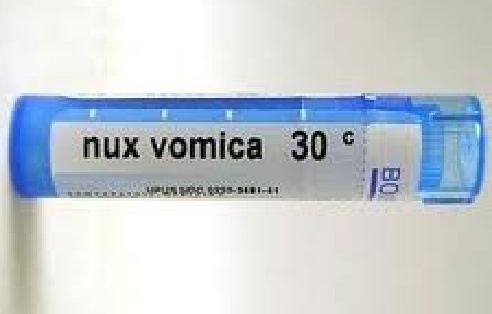
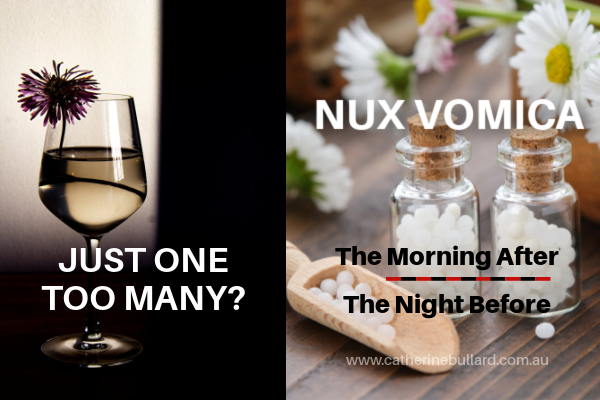
On New Years Day I always carry some Homeopathic Nux-vomica with me. It’s not for myself, but for anyone I encounter suffering a New Year hangover.

Nux-vomica is toxic in its crude state, but as a Homeopathic preparation it’s an excellent remedy for illness from overindulgence of rich food, alcohol or coffee. In fact it’s often called the “Hangover Remedy”.  Taken according to Homeopathic prescribing principles it will bring a quick recovery.

 There are other Homeopathic remedies that are excellent for both supporting and cleansing the liver, providing speedy and sustained relief, protection and support.

However they should be selected individually according to the symptoms that are individually expressed by each person. If you find you are susceptible to liver stress consult a trained Homeopath to determine the remedy that’s best for you and your problem.

Herbs For Liver Support

 Dandelion Root

Dandelion root provides a gentle cleanse for the liver.  It’s also great for any gallbladder problems as it increases bile production.  Often used as an appetite stimulant, it improves food metabolism by the liver and helps to remove toxins quickly and efficiently from the body.

Often found in herbal tincture mixes, dandelion root can be taken as capsules (500 to 2000mg daily) or as a ‘tea’ or ‘coffee’ drunk three times a day. Dandelion root even makes a decent latte!

including grasses and flower pollen
Milk Thistle

Milk thistle (Silybum) seeds are a powerful liver cleanser.  Milk thistle was traditionally taken to help protect the liver and is used to relieve the symptoms of over-indulgence of food and drink by fighting oxidation and free radicals.

It’s also useful for rebuilding the liver after it has been damaged because it stimulates liver cell regeneration.  It also stimulates the secretion of bile from the liver and gallbladder.

Take it as a tablet before and after you head out for a night partying. Look for an extract containing about 140mg of silymarin. You can take it daily right through the Holiday period and for a while after as an excellent gentle support for your liver.

You will also find silymarin, the active ingredient of milk thistle, in artichoke leaf extract which is another great liver cleanser.

Burdock Root

Burdock root cleanses the liver and aids detoxification. Studies have shown that the powerful antioxidants in burdock help the liver to heal, and protect it from further damage.

Turmeric

Turmeric is a fabulous herb for reducing inflammation.  The antioxidants in turmeric are known to be of great benefit in easing joint pain but also improve the health of the liver.

Adding the spice to your cooking is the easiest way to take it. You won’t get enough through your diet to reduce pain symptoms you are already experiencing, but it can act as a support to your body and liver.  Take it with black pepper for better absorption.

There are many great quality turmeric formulations now available in tablet or liquid form.


Green Tea And Pomegranate

 Enjoy green tea which supports liver function as it is high in catechins.

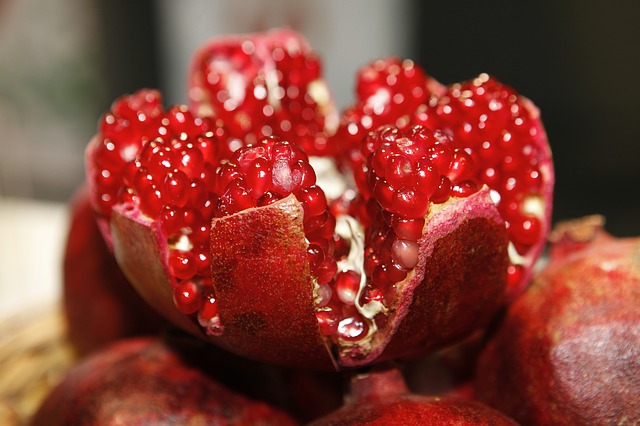
Pomegranate, seeds or juice, contains the liver detox compound ellagic acid to help liver detoxification.

Food For Liver Support

 Protect your liver from further overload stress. Eat organic, even if only some of your food, as it keeps pesticides and chemicals out of your system.

Avoid foods stored in plastic as the toxins in the plastics can leach into your food.

Avoid GMO foods.

Steer clear of non-green personal care products and cleaning products – the toxins are absorbed through your skin.


Photo courtesy: Shawn Campbell

 It’s vital to get straight back into healthy eating practices right after overindulging. Get rid of sugars, cut back on grains and try to eat lighter meals.

Your digestion works best in the morning so eat more earlier in the day and keep your evening meal small.

Certain foods benefit your liver. Onion and garlic activate the liver enzymes that flush out toxins. Beets and carrots, full of beta-carotene, promote increased liver function and make great additions to freshly squeezed juices.

Apples, avocados, walnuts and lemon juice all help flush toxins, although in different ways.

Water – water – water – and more water. Drink filtered, fluoride-free water to flush out the toxins from the liver.

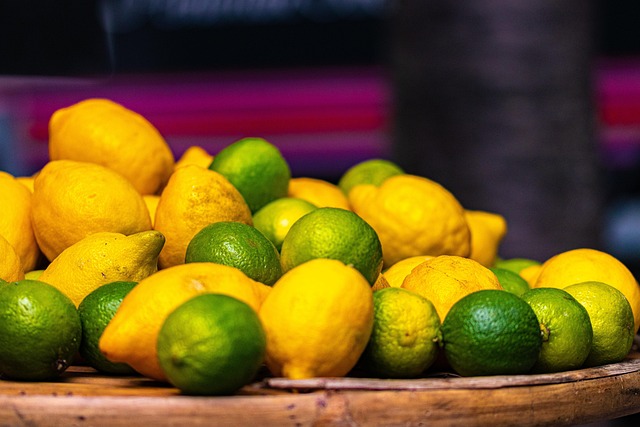
A glass of warm water with the juice of half a lemon or lime squeezed into it first thing in the morning, kickstarts your liver and the digestion process.


Lemons and limes are one of natures great gifts and including them in your morning routine has huge health benefits

Natural Remedies to Protect the Liver

 While you’re actually experiencing digestive symptoms caused by overindulgence there are natural remedies that can help.

Activated charcoal absorbs toxins, helping to protect the liver.  Aloe vera is a digestive tonic which also relieves pain.  Both are easy to find in your health food store.

Chewing fennel seeds after eating will help your digestion. Or you can take it as fennel seed tea after eating.

There seems to be some truth to the big ‘fry-up’ as a morning after cure. Although freshly squeezed fruit juice would probably be better.  You experience hangover symptoms partly because your blood sugar levels are out of balance.  By substituting fruit juice for coffee you speed up your body’s metabolism of the alcohol.

Eating high protein foods like eggs helps the body produce serotonin and endorphins, the chemicals which help you feel good.

EFT For Liver Support

 EFT (Emotional Freedom Technique) or Tapping, is an effective method that combines ancient Chinese acupressure techniques with modern psychology. Incredibly simple at its basic level it can be done by anyone, anywhere in a couple of minutes.

Simply tapping with two fingers on the ribs on the right side of the body over the liver stimulates liver processes. Watch this short video for a demonstration. (Note that it’s posted backwards and shows her tapping the left side, the wrong side! It must be the RIGHT side)

Massaging your hands and feet daily stimulates a number of acupressure points that help keep your liver strong and healthy. According to EEM practitioner Rose Mattax the most effective point is in the “V” where the big toe meets the second toe on the top of the foot at the base of the metatarsal bridge. Massage this source point of Liver chi several times a day.

Natural Liver Support

 Even when you feel terrible or lethargic after heavily overdoing it, keep moving. The twisting postures of yoga are particularly good and a great way to help digestion.


This is how I picture myself meditating...but it is far more likely I will be sitting in my car catching a few brief moments to centre my breathing before plunging back into the chaos of life

Elimination For Liver Support

 Lastly sweating helps get the waste products out of your body once they have been processed by the liver. Exercise or saunas every day promotes the excretion of toxins through the skin and optimizes your detoxification systems. And don’t forget to balance out the fluid loss by drinking lots of water.

What are your natural secrets to overcome holiday overindulgence?

Tell us in the comments below.


Revised January 2018


Disclaimer.

All information and opinions presented here are for information purposes only and are not intended as a substitute for professional advice offered during a consultation. Please consult with your health care provider before following any of the treatment suggested on this site, particularly if you have an ongoing health issue. 


Source articles

http://www.naturalnews.com/039201_live_health_detox_home_remedies.html

http://www.care2.com/greenliving/4-herbs-to-cleanse-your-live.html

http://www.healthyandnaturalworld.com/the-best-herbs-for-liver-cleansing/

http://www.schwabepharma.co.uk/pages/common-ailments/over-indulgence/milk-thistle-as-a-hangover-cure.php

http://weeklycupofqi.com/2013/11/26/digestive-recovery-after-holiday-indulgences/

http://health.india.com/diseases-conditions/top-6-natural-remedies-to-keep-your-liver-healthy/


Natural Remedies For Travel – Create Your Own Kit

With the summer holidays just around the corner many Aussies are heading off on their annual holiday. Whether it’s to one of our country’s magnificent beaches or overseas there’s always the chance that some mishap will occur. If you’re not prepared it can really mar the whole holiday. But it’s easy to leave home well prepared for travel illness with your own natural remedies first-aid kit.

natural remedies for travel

Most people going on holiday take along some products or medications just in case they’re one of the unlucky ones who fall ill – even if this is as simple as aloe gel for sunburn. But with a little foresight you can leave home much better prepared.

Whenever anyone in my family heads off on holiday they always put together a Natural Therapy First Aid Kit to take with them.

Our family natural remedy kit started soon after I first used homeopathic remedies for my boys when they were quite young. Our collection of remedies was kept in a partitioned plastic case that slid under the car seat when we went camping at the beach. It proved invaluable many, many times for all sorts of ailments from sunburn, summer colds, Bluebottle stinger attacks, sprained ankles through to New Years Day hangovers. The remedies were often pulled out to treat other campers as well.

Over the last decade we traveled further afield, through SE Asia, Southern Africa and across the Pacific to Mexico, South America and USA, and natural remedies went along on each journey. Items from the kit have been used on every trip.

Homeopathic First-Aid Kits

Our kits contain Homeopathic remedies to deal with Travelers Diarhorrea, food poisoning, fluid retention, sunburn and burns, sprains strains and bruising, nausea, travel sickness, infections, fever, insect and animal bites and stings, plus others. We also add various remedies selected to suit the individual using each kit. A migraine remedy for one, another gets sinus pain in flight, two are very susceptible to altitude sickness, another to skin infections, so we add these types or remedies where they are needed.

I usually pack everything together in a small plastic storage box from the supermarket. It keeps the products dry and clean and helps prevent spillage and breakage.

BUILD YOUR OWN NATURAL REMEDY KIT

My Family’s Basics

Homeopathic remedies always form the basis of our travel kit. They are small, light and quickly very effective. There are a number of basic remedies we take wherever we go. Then we add others selected specifically for the problems we’ll likely encounter in the area we’re visiting.

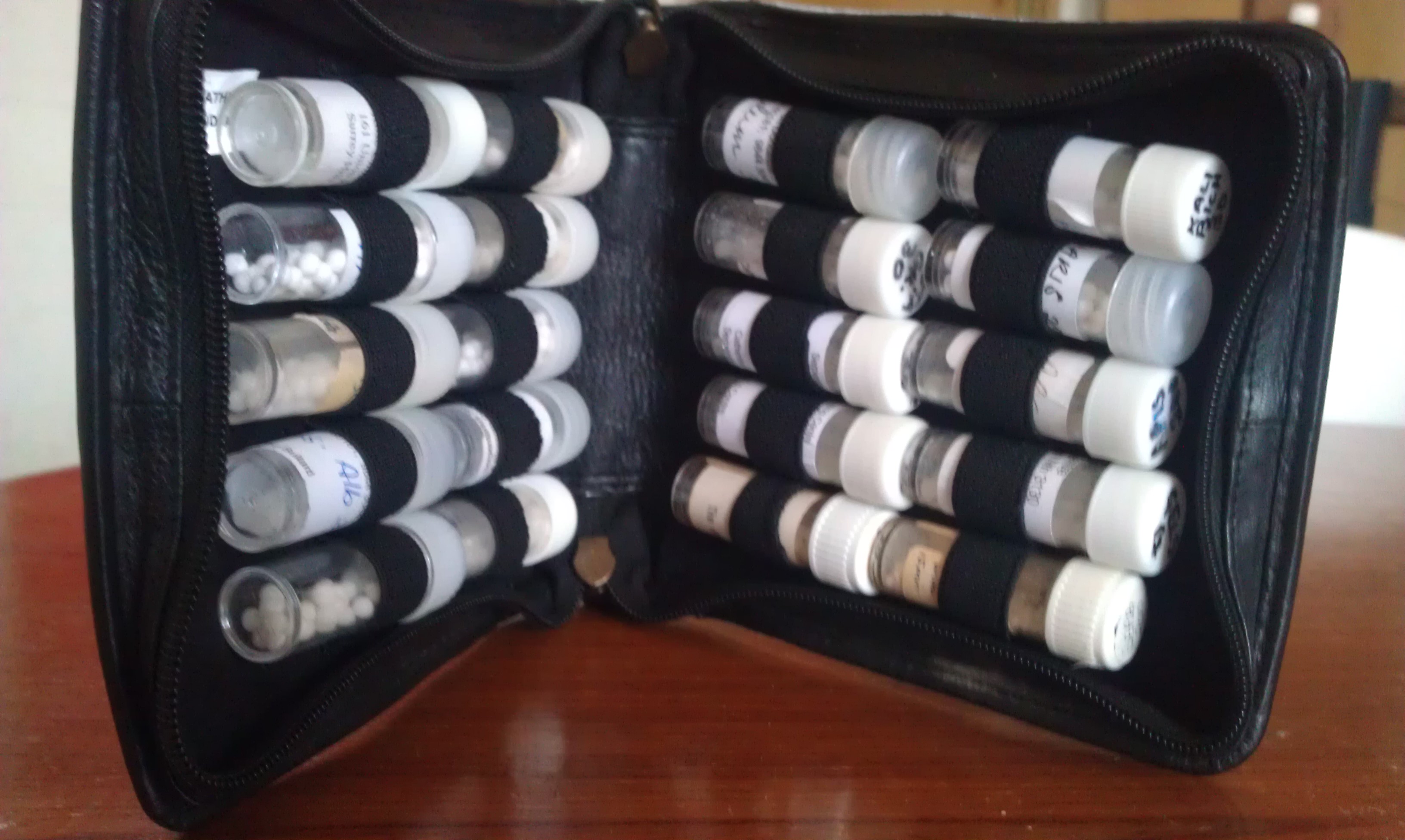
I pack these remedies into a small zipped leather pouch. It keeps the remedies secure and has the added advantage of being easy to flip open to be manually scanned at the airports (rather than passing them through on the higher powered scanning belt which may damage them).

Homeopathic remedies in their zipped leather case.
My family’s well-used Homeopathic remedies in their well travelled zipped leather case.

There are a number of different strengths, or potencies, but 30c is quite suitable to use and the better choice if you’re not familiar with using them. They come in the form of tiny pillules which are dissolved under the tongue.

It can be difficult to source homeopathic remedies. Many Homeopaths have Travel Kits for sale but if you don’t have a Homeopath you visit regularly then the best alternative is to buy a Travel Kit online. They come with a small instruction booklet

Martin & Pleasance in Melbourne Australia make a compact little kit containing 20 remedies.   (It comes in the same case I use to fill with my own remedies).

This Homeopathic travel kit from Ainsworths in England contains 10 remedies and comes in a canvas or leather case  Owen Homeopathics make a small kit which only has 7 remedies

What Natural Remedies To Add

Probiotics

Many people from industrial countries find it difficult when they travel through developing nations because there’s a huge range of bacteria that they’re not normally exposed to.

Taking good quality probiotics increases good gut bacteria and supports your immune system. Taking them right through your travel may help protect you from ‘Travellers Diahorrea’,  keeping your immunity high so you don’t get sick so easily, and help your digestion when it’s weakened by a strange diet or unfamiliar bacteria. They’re also very restorative if you do happen to catch parasites.

You need to select a probiotic that doesn’t require refrigeration.

 Activated Charcoal Tablets

Charcoal tablets are activated carbon that absorbs toxins. They’re excellent for reducing diarrhoea. Their special benefit over medications is they absorb the bacteria and toxins from your gut, carrying them out of your body when you use your bowels.

The good news is they’re odourless and tasteless.

Don’t mix activated charcoal with ice-cream or chocolate as these reduce the effectiveness. But avoid these foods anyway if you’re suffering from travel diarrhoea!

Bach Rescue Remedy

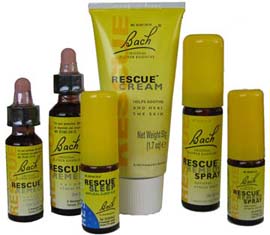
Bach Rescue remedy has been such a basic for natural first aid for decades. A blend of flower essences developed by Dr Bach, it helps you recover quickly from shock and upset. Great for dealing calmly with lost baggage or missed flights.

But it’s also useful to avert many acute illnesses, or manage acute stress by keeping down anxiety levels. Losing luggage, missing connections, problems with accommodation, all the stresses that can spoil a holiday can be reduced and managed with the help of Rescue Remedy.

You could use Australian Bush Flower Emergency Essence instead – some people seem to respond better to this, although I’ve found the Bach Rescue Remedy works for everyone I’ve given it to. You simply take a few drops under your tongue.

 BachProducts-All-SM

Calendula Cream

Creams are easy to carry and use and Calendula is a ‘must-have’.

Calendula is anti-inflammatory, reducing pain and swelling. It promotes the rapid healing of skin tissue. It’s great for applying to  to chafed skin, scrapes, grazes, and minor burns including sunburn. It can also be used on minor wounds.

Hypercal Cream is antiseptic and particulary suited to cuts and wounds, particularly if there’s a chance they may heal slowly and become infected. It combines calendula with hypericum and often other herbals and like calendula cream provides pain relief.

Tea-tree Cream

Tea- tree is a powerful anti-bacterial and this cream is really effective on skin cuts, burns and infections. It’s also good for any fungal infection you may pick up on your feet. You could also take it in the form of oil. Either can be applied directly to the wound.

Arnica Cream

We use Homeopathic Arnica pillules for sore muscles, aching joints, bruises and pains. But Arnica is also available as a cream to rub into the sore areas. Not as strong-acting in the cream, it nonetheless gives wonderful relief and is used by many sports stars around the world. Traumeel ointment or gel combines 14 different Homeopathically prepared plants which all help relieve sprains, strains and sore muscles.

Colloidal Silver

Through the ages water was often stored in silver because silver is an effective antimicrobial agent and it kept the water pure. Colloidal silver is a powerful natural antibiotic and works by suffocating the enzymes required by the harmful microorganism, without damaging any human enzymes.

It can be added to water to help purify it if you get caught out. I wouldn’t ingest it on a regular basis as long-term use may turn your skin grey, but it can be useful in an emergency.

It also has other uses. It’s often taken orally under the tongue or in water, to ward off viral and bacterial infection. Applied to the skin it can ward off infection.

In the tropics where the air’s very moist skin infections can be very difficult to heal. For my sons backpacking or traveling in isolated places where the conditions may not be hygienic, the prevention of infection is very important and colloidal silver is a must-have for them.

It’s also useful for tinea, eczema, psoriasis, acne or burns, wherever there’s the potential for a bacterial or fungal component.

Lavender Oil

If sleeping in a strange bed is a problem for you, or you’re a pillow princess (yes that’s me – pillow princess! I always take a pillow) a small bottle of lavender oil can be a lifesend. It’s a proven sleep enhancer and inhaling the scent or shaking a few drops on the pillow helps to sedate and promote a good sleep.

Lavender oil can also help you relax if you get nervous on the plane, but you need to be careful in the confined space as some people are allergic to it.

 lavender-76476_640

Coconut Oil

If you’re seeking a moisturizing agent coconut oil is your answer. It’s very hydrating in dry climates. calms rashes and is excellent for chapped lips.  You can use it all over your body.

Magnesium

Not usually part of my family’s kit, magnesium is a great addition if you experience constipation. It clears it up very quickly. It’s also great to relax you before bed and help you sleep. If you find you’re insomniac while traveling magnesium will calm your nerves, relax you and help you get that rest.

Sunscreen

Of course you’ll take sunscreen, but it’s worth selecting one that’s not laden with harmful chemicals. I have no affiliation with any brands of products I mention here. They’re just ones I’ve used and found to be effective and high quality.

My family loves Soleo All Natural Sunscreen because it’s very easy to apply. I love it because it’s organic and rated #1 sunscreen by the EWG.

Wotnotmakes an excellent sunscreen, which isn’t tested on animals,

UV Naturals is another excellent natural sunscreen recommended by the Feingold Association USA. Their range includes a special sunscreen formulated for babies.

These are all Australian made sunscreens, don’t contain titanium oxide and are  available around the globe.

Bioeffectives

Bioeffectives come from pine needles. They’re loaded with a multitude of essential nutrients including chlorophyll and many substances already found in the blood, brain soft tissue, and skin. They’re a powerful antioxidant and address any imbalances, so are perfect to support the effects on the body caused by the different environment, including parasites and bacteria.

My son picked up an extremely nasty amoebic parasite in Columbia recently and was very grateful for the Bioeffective-A (used here as a probiotic substitute) he was carrying, as it helped his gut recover quickly so he could enjoy the rest of his travels.

No-Jet-Lag/Jet Ease

My family uses straight homeopathic Arnica and homeopathic Coca for jet lag, but No-Jet-Lag, which is  called Jet-Ease (in Australia), is a popular Homeopathic alternative which many swear by. It combines Arnica with four other homeopathic remedies that also address the negative effects of air travel .

Remember these remedies are specially prepared homeopathically and the substances used to make them can be quite toxic in their original form if ingested.

Of course I add a few other items such as bandages and alcohol swabs as my boys like to head off the beaten track. You can include anything else that’s relevant to your travel plans but this list should give you some starting ideas.

Most of these products are available from Health Food Stores or Natural Health Practitioners. Some are available online.

Get yourself prepared and have a great holiday!

Do you have any other Natural Health Remedies that you wouldn’t be without on holiday?Let us know in the comments.

natural remedy kit for travel
photo credit: Hadi Zaher

Disclaimer.

All information and opinions presented here are for information purposes only and are not intended as a substitute for professional advice offered during a consultation. Please consult with your health care provider before following any of the treatment suggested on this site, particularly if you have an ongoing health issue. 


Source articles

http://www.mindbodygreen.com/0-9520/8-natural-remedies-every-traveler-should-carry.html

http://www.health.com/health/article/0,,20428732,00.html


Twelve Top Tips For a Happy Healthy Christmas

12 Top tips for a happy healthy Christmas

With December arriving so quickly the festive season is all around us. Follow these twelve top tips to stay healthy in the holiday season so you can reach New Year in your best state ever, without having to lock yourself away to keep out of temptations reach.

Research shows that the three biggest stresses for most people around Christmas are: weight gain from overindulging, financial strain from overspending, and anxiety from having to spend time with people they prefer to avoid.

According to a recent Australian study by Roy Morgan Research, around 60 per cent of Australians dislike Christmas shopping, and I’m one! But instead of devising a shopping strategy about 20% head out to shop without any plan of action, and most (75%) come home without buying anything at all.

Instead they DO get to stand in queues, hunt-the-parking-spot, surround themselves with crowds of stressed people and ramp up their own stress, frustration and anxiety levels.

12 Top Tips For A Happier Healthier Christmas

Top tips to stay healthy at Christmas

Use this list of Twelve Tips to enjoy Christmas this year, instead of simply surviving it.

1.      Stress

Shopping. Whether it is standing in long queues, finding space to park, or trying to hunt down a desperately desired gift, many people find Christmas shopping the most stressful part of the season. Wherever you go you will encounter tired, cross irritable people.

It is good to remember that stress and anxiety are quite normal at this time of year. When one family member is under stress, other family members are likely to feel stressed too, aggravating the situation and making life even more difficult for all.

There are many different natural ways to deal with the stress. The simplest of these is without a doubt the flower essence, Bach Rescue Remedy.

Rescue Remedy has been around since the 1930’s and was created to help people cope with everyday stressful situations. Its effects are calming and centering. It is suitable for stressed children as well as adults. Carry some with you or keep it in the car so it’s handy when you need to de-stress.

Get it from the Health Food shop or your natural medicine practitioner. Keep one in your bag, your car or your office, so you have it on hand whenever you start to feel stressed. It is available in a number of different forms, drops, spray, gum, cream, even pastilles and is easy to use. You can take it as often as you need.

2.      Water

This might seem a no-brainer, but it is one that is easy to forget. The reality is that dehydration is a greater problem when you are drinking alcohol. Have two glasses of water before you go to any function. Alternate alcoholic drinks with cool clear water or soda water when you are out socializing. Adding a slice of lemon or lime to the water is even better. Carry a water bottle when you are out shopping.

Remember to keep hydrated.

Photo credit: Evan Courtney

3.      Family Conflict

Family tensions seem to surface at this time of year, especially if your relationships are a little strained normally. If you struggle to interact some of the family normally then Christmas is not likely to be any different.

Rather than self-medicating with alcohol, cigarettes or other drugs in order to cope, you can again use the Bach Rescue remedy to help you get through difficult events. If you are able to identify triggers for the conflict, and consciously avoid them you may find it easier to cope.

Christmas gatherings are frequently the place where family dynamics replay just as they existed back decades ago. It can be difficult to be treated as the vague child you once were, when you in your everyday life you are a capable, competent and responsible adult with many skills and abilities.

Involving the family in a group activity after lunch can help keep conflict at bay. Backyard cricket, swimming if you have a pool, or charades if the weather turns nasty, will help lighten the mood.

And if it is still too much, then politely but firmly decline invitations.

4.      Sleep

It is far too easy to lose sleep during December, with busy calendars, lots of socialising, and preparations for the big day. Aim to get seven to eight hours sleep each night.

We all know that sleep deprivation can cause foggy thinking, slow reactions and irritability. But insomnia can also increase your risk of depression and anxiety, or contribute to obesity. With stress and anxiety already a problem for many people adequate sleep is essential to help keep it at a minimum.

If you are tired, don’t go out. It won’t hurt to miss some parties.

There are a number of herbs that aid sleep. Lavender is very effective and can be used in the form of an essential oil in a burner or diffuser, in your bathwater, or in carrier oil rubbed on the skin. Chamomile, Californian Poppy, Passionflower or Hops are others to help insomnia.

Many herbal formulations to aid sleep are available as teas and are simple and lovely in the evening before going to bed. Children can also drink many relaxing herbal teas such as Chamomile.

5.     Avoiding weight blow-out

Going to parties hungry, anticipating lots of yummy Christmas treats is a recipe for disaster. When you are hungry it is difficult to resist eating anything offered to you and you are likely to overindulge.

Finger foods are high in kilojoules, as well as fat and sugar. Opt for low-joule options like vegetable crudités, hummus or fruit. Eating smart when you’re out partying is the way to stay on top of excessive weight gain. Limit temptation by eating regular nutritious meals and avoiding Christmas goodies like chocolates, pudding and shortbread throughout the whole season.

Keep up your regular exercise program, and keep in mind it takes many hours of exercise to burn off the extra kilojoules gained at two or three parties.

 6.      Purpose

Finding some ‘purpose’ to Christmas may help you cope better. There are plenty of ways in which you could volunteer your time. As well as benefiting others, contributing to your community may create feelings in you that make you feel happy. If you find experiencing Christmas Joy difficult this could be a way to get in touch with it again.

7.      Finances

Credit card blowout in January can be devastating, often taking many months to pay off. Paying for gifts, as well as your celebrations, with cash means you will know whether you can afford the purchase or not, and avoid the financial headache in January.

Rationalise who you will buy gifts for and consider whether you can gift with your time, or something you have made yourself if finances are tight.

If you are hosting the Christmas meal, avoid the temptation to over-cater. You don’t need more food than you would on any other day. You will be thanked when your guests do not feel awful after eating too much.

8.      Breathe

Incorporate the practice of mindful breathing into your daily habits every day through December, if you haven’t already. Simply spend thirty seconds to take slow deep breaths. Do this a few times a day. It is a great way to reduce stress. The simple relaxation technique of focusing on your breath helps to relieve tension and anxiety.

Alternatively, you could meditate. There is no need to be scared of this, it is not about becoming a yogi, simply the practice of drawing focus and reducing stress.  Here are some fun, light, easy ways to spend just a few minutes in meditation.

Christmas is about giving, but it is also the time to allow you to receive the gift of relaxation from yourself.

9.      Relax

It’s easy to say take some time out for yourself but often we feel there is no time, especially in busy December. However, setting aside a relaxing night in to create a home spa experience, followed by a good book or movie and an early night, could be the answer to getting through Christmas and New Year and soaring into the New Year.

Relax in a bath with hand made natural products to sooth away stress

Run yourself a soothing bath if you have a tub. If not sit yourself in a comfy chair with a relaxing foot bath and a ‘renew you’ herbal brew for about twenty minutes.  Add essential oils to the water to help you relax.  Follow with some nourishing cream on your skin before you curl up with your book or movie.

10.      Loss and loneliness

For many people the Christmas Season is one when feelings of loss for a loved one who has passed are magnified, especially as they are surrounded by others celebrating with their families.

For others who are single, whether they are young or elderly, it can be a time of great loneliness. Those far from home can feel overwhelming homesickness. When emotions become overwhelming Homeopathic remedies can be of great assistance. There are a number of excellent ones to help with grief, such as Ignatia, Nat-mur or Causticum. Homeopathic Nat-mur, Capsicum, Phos-ac or Ignatia are just some of dozens of remedies that help relieve homesickness. But Homeopathic Remedies need to be well matched to your own individual experience, or symptoms, of homesickness or loss, and this is best prescribed by a professional Homeopath, who takes many things into consideration before selecting the remedy best suited to you.

If you have decided to add purpose to your Christmas, one way to achieve this is to include someone on their own, far from home in your celebrations.

11.  Embrace your inner child

Children look forward to Christmas with enormous excitement. They pour love into cards and gifts made at school. They marvel at the Christmas tree and street lights, rip open presents, pop crackers and join in the traditions with absolute exuberance. They keep going all day because they stop before they have overeaten and don’t need to lie around to recover. They live every moment of the day before falling into bed at night to sleep soundly.

Approach Christmas with the resolve to have fun.

12.  Alcohol

Start the practice of alcohol-free days each week.

Don’t drink on an empty stomach. Limit the number of drinks you consume and alternate them with water or soda water. Be aware that many restaurants use over-sized wine glasses that contain much more than normal serving sizes. Also watch out for top-ups.

Drinking alcohol in the evening interferes with sleep. While you may fall asleep easily, it leads to disturbed sleep later in the night, possible waking you for long periods, or leaving you exhausted in the morning.

If you do overdo it help reduce a hangover with Vitamin C on the day after and Vitamin B Complex both BEFORE and AFTER the big night. It’s a much better combo than Berocca and is minus the aspartame which Berocca contains.

Many people find Homeopathic Nux-vomica, taken in accordance with Homeopathic prescribing guidelines gets rid of the headache and nausea very quickly.

Chlorella has been shown in studies to reduce hangover by 96%. It’s a green sea algae and available from health food shops. Buy a reputable organic brand, that’s very important!

Coconut water is rich in electrolytes and antioxidants to help cleanse . Drink it through the day before you head out as well as before you go to bed to help offset some of the damage caused by the alcohol.

Dandelion root tea helps detoxify the liver and can be drunk before you go out as well as the following day.

Very Important –  What Not To Do

Finally, these are some things that you should NOT do if you want to sail through into the New Year easily.

  • Don’t start a new diet, there’s time for that later.
  • Don’t add the expense of sending out cards to people you see all the time.
  • If your kids are scared of Santa, don’t force them onto his lap just to get the cute picture.
  • Remember, you don’t have to find the ‘perfect’ gift. Fundamentally a gift is a token that tells the recipient that you have had them in your thoughts, nothing more. It does NOT have to be big, or expensive, or just what they have always wanted. It is A TOKEN of the feelings from your heart.
  • Do NOT stress about being the ‘perfect’ Mum, partner or friend. Most people close to you will understand.
And finally, don’t become a slave to any list – gift, card, menu, parties, or even this list. Stay flexible, honour what your body tells you is needed the most, and enjoy the Christmas Season.
keep calm it's only christmas

Disclaimer.

All information and opinions presented here are for information purposes only and are not intended as a substitute for professional advice offered during a consultation. Please consult with your health care provider before following any of the treatment suggested on this site, particularly if you have an ongoing health issue. 

© Catherine Bullard and Happy Holistic Health, 2012. Unauthorised use and/or duplication of this material without express and written permission from this blog’s author and/or owner is strictly prohibited. Excerpts and links may be used, provided that full and clear credit is given to Catherine Bullard and Happy Holistic Health with appropriate and specific direction to the original content
Source articles

http://www.drjoe.net.au/dr-joes-diy-health-guide-to-christmas/

http://www.betterhealth.vic.gov.au/bhcv2/bhcarticles.nsf/pages/Christmas_tips_to_reduce_the_stress?open&utm_term=Christmas_tips_to_reduce_the_stress&utm_source=&utm_campaign=newsletter

Related articles


The Benefits of Green Tea

The healing benefits of green tea have been recognised by the Chinese for over 5,000 years. In the west we have been slow to recognise these benefits, but widespread research has now verified the amazing role that green tea plays in protecting the body against a host of diseases. You too can benefit simply by drinking green tea each day.

My mother was a great tea drinker who couldn’t wait for me to be old enough to share her enjoyment of tea. It almost seemed I was destined to join her in her love. Most of my memories of her involve her holding a cuppa in one hand. She would start her day with a mug of tea and end it the same way. She would even take a mug of tea with her when she went outside to garden or hang the washing. But she always drank black tea and never got to know the amazing health benefits of green tea.

Back then tea was always varieties of black tea. Green tea was served at the local Chinese restaurant, but I never knew anyone who drank it otherwise. But the health benefits of green tea are now well known and widely touted.

Difference Between Green And Black Tea

Tea is rich in antioxidants called polyphenols, which are considered the most effective and protective of all the antioxidants. Green tea is particularly rich in one of these called catechins, with between fifteen and thirty percent catechin content. EGCG is the main active component of the polyphenol activity and the highest occurrence is in green tea.

Green tea differs from black tea in that it is unfermented. It is made by steaming the leaves very quickly just before picking, rolling and drying. This prevents the breakdown, or oxidation, of the antioxidant catechins.

Black tea undergoes more processing and the leaves are subjected to heat and light which withers them before they are fermented. This results in the EGCG being converted into less effective compounds. Black tea has far fewer beneficial properties than green tea.

Green Tea Tips

When my naturopath recommended I drink green tea I found it difficult initially to follow his advice as the taste put me off. But I decided to persevere. So, I began to experiment with how I made the tea and learnt some interesting things.

  • Strong green tea is very astringent.
  • Green tea gets bitter as it cools down.
  • Experts advise to not use boiling water in the preparation of green tea as it destroys the flavonoids which give the healing potential. 85 degrees Celsius is recommended.
  • Green tea marries well with other herbal and floral flavours.

Once I realised that unlike black teas, the strength and temperature of the green tea brew was far more crucial to drinking pleasure, I quickly came to enjoy it. In fact, I enjoyed it so much that I had to be careful not to drink too much as this leads to digestive problems. Now I stick to three or four cups a day.

I quickly came to enjoy green tea once I realised that unlike black teas, the strength and temperature of the green tea brew was far more crucial to drinking pleasure. In fact, I enjoyed it so much that eventually I had to watch how much I drank as I was drinking too much which quickly led to digestive problems. Now I stick to three or four cups a day.

Green tea is often combined with other ingredients. Jasmine is one of the more common ones. Recently I found a wonderful mix of green tea and berries. Not only is it delicious, it is also loaded with antioxidants.

Healthy Green Tea

Which brings me to the benefits of drinking green tea, and the good news just keep getting better. It’s often difficult for any black tea or coffee lover to see why they should make the change, whether it be a total change to green tea or just to include it alongside their coffee or black tea. But green tea has many reasons why it’s a vastly better choice than either black tea or coffee.

Green tea is high in antioxidants (EGCG) to protect the cells from damage and inflammation caused by free radicals which leads to many chronic diseases.

Scientifically Proven Benefits of Green Tea

Scientific research into the effects of green tea has been extensive. Here are some scientifically proven benefits

More Benefits of Green Tea

 Here are seven more benefits of green tea:

    1. Helps to strengthen the immune system

    2. May prevent skin wrinkling – EGCG seems to be 200 times more powerful than vitamin E at destroying free radicals

    3. Reduces some symptoms of PCOS (hair thinning, acne and facial hair)

    4. It is full of vitamins and minerals

    5. It boosts metabolism and helps the body to burn fat more efficiently.

    6. Helps protect against heart disease

    7. It helps to detoxify the body

    Concerns About Green Tea


    One side effect of drinking green tea can be upset stomach or nausea. However, it shouldn’t discourage you from drinking green tea altogether. I found it only occurred if I drank too much green tea. You may become nauseous if you drink green tea on an empty stomach. Nausea seems to be due to the tannins present which increase stomach acid secretion.

    Another problem is the effect of caffeine. Whilst green tea does contain caffeine the amount is vastly lower than that found in coffee or black and oolong teas. Replacing your coffee with a green tea reduces the caffeine intake by about 70%. But this does vary from brew to brew. When you brew the tea for longer it has more caffeine.

    If caffeine affects your health enough to completely avoid it, you also need to avoid green tea. But if you’d just like to cut back then it makes sense to switch to green tea which contains only 2-4 percent caffeine. Try replacing coffee with green tea after the middle of the day.

    Tannins in all teas can reduce the absorption of vegetarian sources of iron which may be problematic if you have anaemia. Green tea has significantly less tannin than black tea. Drinking tea between meals helps prevent iron uptake problems. Or add lemon to your tea to increase iron absorption.

    As always be careful with your choice of healthy natural products. Pre-packaged bottles of green tea drink are not such a healthy choice. They are usually pre-sweetened with large amounts of sweetener. Instead brew your own or order green tea that’s made on the spot. Be aware that green tea from Japan is often treated with fluoride so choose one that is not chemically treated. Drink organic green tea is you are not sure.

    The Best Way to Drink Green Tea

    • Don’t add milk as it makes it harder for the body to absorb the catechins
    • Don’t use boiling water – it kills the catechins
    • The vitamin C in lemon helps you absorb the catechins better
    • More expensive teas usually have higher levels of healthy compounds and cheaper ones have less
    • Aim for three to four cups a day as more seems to have negative effects.
    • Drink it hot or iced
    • Sweeten with stevia instead of sugar
    • Try green tea combined with fruit or floral ingredients if you’re not crazy about the flavour or if you just love variety
    The health benefits of green tea are extensive. Green tea is loaded with antioxidants and is simply good for you.

    Disclaimer.

    All information and opinions presented here are for information purposes only and are not intended as a substitute for professional advice offered during a consultation. Please consult with your health care provider before following any of the treatment suggested on this site, particularly if you have an ongoing health issue. 

    © Catherine Bullard and Happy Holistic Health, 2012. Unauthorised use and/or duplication of this material without express and written permission from this blog’s author and/or owner is strictly prohibited. Excerpts and links may be used, provided that full and clear credit is given to Catherine Bullard and Happy Holistic Health with appropriate and specific direction to the original content
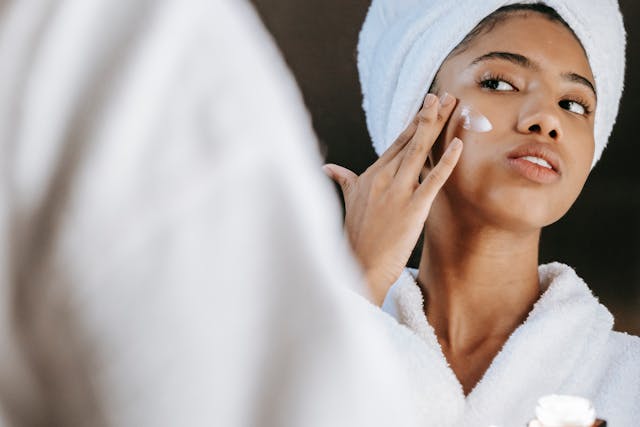
    Source articles

    http://www.naturalnews.com/034227_green_tea_caffeine.html

    http://www.naturaltherapypages.com.au/article/Why_Is_Green_Tea_Good_For_You

    http://www.betterhealth.vic.gov.au/bhcv2/bhcarticles.nsf/pages/Tea_leaves_and_health

    http://articles.mercola.com/sites/articles/archive/2008/07/24/green-tea-protects-against-heart-disease.aspx

    Related articles