Category Archives: Self Care

Get Down To Earth By Grounding Yourself

This year I decided to ditch my footwear inside the house, ever since reading up on Barefoot Earthing or Grounding. This is a radical new health practice that is quickly gaining momentum as word about its benefits spreads. Its impact can be quite far-reaching and yet it is incredibly simple to do, costs nothing, is always available and feels great.

Have you ever noticed how good you feel when you take off your shoes to walk barefoot?  Photo credit: http://www.flickr.com/photos/hlkljgk/5760553436/
Have you ever noticed how good you feel when you take off your shoes to walk barefoot?
Photo credit: http://www.flickr.com/photos/hlkljgk/5760553436/

Have you ever noticed how good you feel when you take off your shoes to walk barefoot? Well it seems there is a scientific explanation, and research into the practice of Grounding has found that it can significantly improve all sorts of health problems. It can help your energy levels, reduce stress, improve your sleep, decrease muscular inflammation and stiffness as well as other chronic pain, reduce anxiety, improve circulation, prevent free-radical damage and associated premature ageing and even heal injuries faster. It brings you back into a state of equilibrium where your body is best able to heal itself. Those who use the practice on a regular basis report great results. I am certainly finding I have less aches and pains whenever I walk round without shoes than when I leave them on.

It all has to do with electrical fields.

These days we live completely immersed in electro-magnetic waves (EMFs) from a huge number of everyday items including our mobile phones, computers, wireless technology, huge numbers of electrical appliances, and even compact fluorescent lights. The air in our houses, our workplaces, our schools and in some outdoors places is full of electro-pollution, harmful positive ions produced by this multitude of electrical contraptions that surround us. These positive ions are contributing to ill health.

Electrical stress is now recognized as a significant contributor to many health problems and in fact a new chronic illness, “Diabetes Type 3”, has been coined to describe the effect of illness believed to be from electropollution. Surrounding yourself with sources of negative ions helps to rebalance this disharmony, as does being in places where negative ions are in abundance.

The surface of the earth is electically conductive and has a permanent supply of free electrons sitting just above the surface. The charge on the earth surface is negative and anything that is close to the surface will also carry that charge

Your body also has an electrical field, sometimes referred to as the biofield or the aura. When your bare feet are in contact with the earth negative electrons can easily pass into you. Grounding helps to prevent a build-up of harmful electrons in your body as well as promoting a discharge of the positive ions from your body into the earth. Simultaneously you receive a flood of free electrons from the earth. These neutralize the free radicals in your body which cause inflammation and are responsible for many health problems. The flood of electrons immediately ‘re-balances’ you, which is why you feel so good when you walk outside barefoot.

In case you got lost in that explanation, simply, standing on the earth rebalances the electromagnetic field of your body, helping to strengthen your immune system, and boosting both your health and your wellbeing.

For most of our existence humans have gone barefoot and often slept directly on the ground, things now are very different. As well as being surrounded by electromagnetic pollution we are cut off from receiving the rebalancing benefits from the earth because the shoes that we now wear have rubber and synthetic soles that insulate and block transmission of the natural beneficial energy of the earth. Think how rubber gloves can provide protection from electrical shock.

 HOW TO GROUND YOURSELF

  • Take your shoes off and go barefoot on grass, beach, bare earth, even concrete when it is laid directly on the earth (but not if it is painted or sealed) whenever you can
  • You need to walk around on the earth for about thirty minutes to gain the benefit
  • Swim in lakes, rivers, or the sea
  • Wear shoes with leather soles
  • Purchase and use one of the indoor grounding mats or an earthing bed sheet.

By the way, the reason I am able to benefit from earthing when walking barefoot indoors is because my floor is unglazed slate sitting on a concrete slab which is set directly onto a rock shelf on the side of a hill. You would not get earthing benefit in a home above the ground, or with glazed tiles, or a layer between the concrete and tile, or with other floor coverings.

If you would like to read up on Earthing also then get a copy of the book EARTHING – The Most Important Health Discovery Ever?  by Clint Ober, Dr Stephen T Sinatra and Martin Zucker.

Remember though, Grounding is not a substitute for medical treatment and if you have a medical condition you need to consult your healthcare provider.

Taking your shoes off and walking barefoot in the sea helps to rebalance your energetic field.

Disclaimer.

All information and opinions presented here are for information only and are not intended as a substitute for professional advice offered during a consultation. Please consult with your health care provider before trying any of the treatment suggested on this site. 

Source articles:

http://www.earthing.com/category_s/1823.htm

http://www.barefoothealing.com.au/

http://www.wellbeing.com.au/article/Features/Body-Health/Barefoot-earthing_1054

http://articles.mercola.com/sites/articles/archive/2012/11/04/why-does-walking-barefoot-on-the-earth-make-you-feel-better.aspx

http://www.naturalnews.com/028967_electropollution_diabetes.html

http://www.drfranklipman.com/what-is-biofield-therapy/

Sure-fire Strategies to Stop The After-lunch ‘Sleepies’

Are you someone who finds that come mid afternoon it is all you can do to keep your eyes open? Well you most certainly are not alone as millions of others share your dilemma. But before you reach for that can of energy drink or cup of coffee to help you see out the day, it is possible to keep energy levels relatively stable throughout the day so you don’t end up simply staring off into space after lunch, and here are some ways to help you avoid getting that energy crash in the first place – there is bound to be one that works for you!

after lunch sleepies

Why You Crash

There are a number of reasons why you might be experiencing the afternoon slump just as there are a number of techniques you can do to snap yourself out of it when your eyelids start to drop. But if you want a significant change in energy fluctuations you need to make permanent changes to whatever it is that is acting as a trigger for your energy lows.

There are lots of ailments that can cause you to feel tired after lunch, such as allergies, insulin resistance, celiac disease or low blood sugar. But your tiredness may be due to something as simple as eating a big lunch. Digestion requires quite a lot of energy and as your stomach loads up with food extra blood rushes into your intestines from all over your body to help with the extra work. This leaves the rest of your body, including your brain somewhat deprived, with the result that you start to feel exhausted. Eat a big breakfast and opt for a smaller, light lunch.

Better Lunch Choices

There are many lunch choices that can lie behind afternoon ‘sleepies’. Avoiding meat at lunch may be a wise choice when it comes to fighting fatigue as meat is one of the hardest foods to digest. It takes two hours to digest meat compared with only thirty minutes to digest fruit. Eating a meatless lunch will place a lot less stress on your digestive system and keep that blood flowing to the brain and lungs.

Don’t forget to chew your lunch really well as saliva is loaded with enzymes that start off the digestion process. The more broken down by saliva that the food is when it reaches your stomach, the easier it will for your body to continue the process through the gut, and the less likely it will be for you to feel tired.

Gluten Intolerance

An intolerance to gluten, the protein found in some grains, can cause after-lunch fatigue in anyone suffering from coeliac disease after they have eaten foods containing gluten at lunch. But many people who have a gluten intolerance without actually having coeliac disease also benefit from removing gluten from their diet. It may be worth having this checked out if you suspect gluten intolerance is behind your tiredness.

Another reason for many people experiencing low energy level between one and four hours after eating is hypoglyceamia. Eating a lunch high in refined carbohydrates causes the blood sugars to rise rapidly, or spike, and this is followed a few hours later with a crash in blood sugars that results in fatigue, often with dizziness or shakiness. The onset will often be faster if you exercise as well. A lunch of vegetables and protein is a much better choice than refined carbohydrates. Low GI food alternatives you could look at include most fruits and vegetables, lentils, beans, hummus, quinoa, nuts and seeds. You can find a list of the GI Index rating of lots of foods here

Insulin resistance

Another sugar related cause of fatigue after eating may be insulin resistance. When excess sugar or carbohydrates are eaten the body produces more insulin, but over time your cells start to resist the insulin which leads to all sorts of health conditions, including fatigue.

Caffeine

One cause of afternoon tiredness that is often overlooked is caffeine. Drinking two or three cups of coffee in the morning may get you going during the morning but you pay for it later. As well as the short-lived burst of energy that caffeine provides to you, it also contributes to dehydration, a leading cause of fatigue. Think of coffee as ‘credit-card’ food (eat now, pay later) Studies show that a single cup of coffee is sufficient to keep long-haul truck drivers more alert so replace that second coffee with a large glass of water. And more importantly, don’t use caffeine as an afternoon pick-up. If you find you absolutely must have some caffeine drink green tea instead. As well as the mild dose of caffeine it contains you will receive all the other wonderful benefits green tea has to offer. Tulsi tea is another great afternoon energizer especially if adrenal fatigue is playing a part. Don’t forget that caffeine is like any drug and your body will develop a caffeine tolerance, so that where you only needed one cup originally after time you might find you need six or even ten to get the energy burst you need.

Posture

Most people working in an office will sit hunched up over their computer for most of the day and as fatigue hits in the afternoon they tend to slump down over their desk even further. Sitting up straight – shoulders back, eyes forward and lower back arched slightly -and taking some good deep breaths right down into the bottom of the lungs can re-energise you very quickly. Stand up and add a few stretches for even more benefit.

Electro Magnetic Fields

It’s worth remembering that being surrounded by EMF’s (often called electromagnetic radiation) can cause fatigue and these are always high around any electric equipment. EMF’s are especially high where there are wireless devices such as computers, wireless phones, printers, laptops, mobile phones, baby monitors, internet connections etc. so getting away from your desk or taking steps to lesson the effects will help keep you more alert.

Body Clock

If you are living in places where the sun sets during the afternoon in winter it may also be due to your own body clock. As the day starts to get dark about mid-afternoon your body temperature drops and the hormone melatonin, which makes you feel sleepy, is released. Circadian rhythms contribute to how alert you feel so open the curtains to let in the sunlight or else simply turn on more lights if it is dark outside.

Watch your sleep routine. Sleep recharges your body physically and mentally. Get yourself into a regular routine of going to bed and waking up at the same time and stick to it. You need seven to eight hours sleep a night. Studies have shown that ‘Binge Sleeping’ for one or two days a week does not counteract the sleep debt from the other nights of the week. If you don’t get enough sleep fatigue is likely to be the result. Go to bed and wake up at the same time every day, including weekends, for more energy.

Breathe

Studies have shown that deep breathing can relieve general fatigue

 

image: Shawn Rossi
image: Shawn Rossi

Natural Strategies To Adopt

If, in spite of taking measures to address what may be contributing to your tiredness, you still find yourself falling asleep during the after lunch meeting here are some strategies that may help in the moment:

  1. Research shows that the aroma of peppermint is a natural remedy for boosting memory, focus and concentration. It is just as effective whether it is fresh leaves, essential oil or brewed tea. Enjoy a cup of peppermint tea, spray a mist of a few drops of peppermint essential oil in a cup of water about your workspace, or even place a few drops of the oil on a handkerchief to sniff, or keep a pot of mint nearby and crush a couple of leaves during the afternoon
  2. If your tiredness is related to blood sugar imbalance chewing a cinnamon stick might help as it has been shown to have a significant influence on regulating blood sugars
  3. If you are able to get away briefly a quick power nap in your car could be just enough to revive you
  4. Listening to music has been shown to raise endorphin levels which makes you feel happier. Play your favourite music or sing out loud to get you motivated again.
  5. Dehydration causes fatigue so drink some water, or even eat some foods with a high water content like lettuce or watermelon, and combine it with a walk to the water cooler to get away from your desk.
  6. Protein from nuts or yoghurt makes a good snack when you start to slump in the afternoon
  7. Get up and run up the stairs or around the block if you can. It starts the blood pumping and gives the brain a boost.
  8. Meditate – yes seriously, just a five minute meditation at your desk is enough to clear out your head and revive, refresh and recharge you.
  9. Just as animals hibernate when the weather turns cold, getting too cold can make you feel sleepy too, so throw on a jumper or turn up the heating to wake yourself up (this is usually a big help for me!)
  10. And if you are lucky enough to work from home or your workplace is a little more free you could do some exercises or hit the gym, turn the music up really loud, take a short cold shower or do some yoga

What are some of the ways that you manage the mid-afternoon ‘sleepies’?


sleepy after lunch

Disclaimer.

All information and opinions presented here are for information only and are not intended as a substitute for professional advice offered during a consultation. Please consult with your health care provider before trying any of the treatment suggested on this site. 


Source articles:

http://www.naturalnews.com/034368_aromatherapy_peppermint_memory.html#ixzz2NJuFpNiJ

http://www.thefeelgoodlifestyle.com/10-strategies-to-increase-your-energy-prevent-the-post-lunch-energy-crash.html

http://www.livestrong.com/article/507239-how-to-avoid-a-crash-after-lunch/#ixzz2NKEIYJSM

http://www.livestrong.com/article/330805-how-to-avoid-afternoon-fatigue/

http://www.takepart.com/article/2012/06/04/fear-afternoon-energy-crash-no-more-10-tips-to-keep-you-energized

http://greatist.com/happiness/28-scientifically-proven-ways-boost-energy-instantly

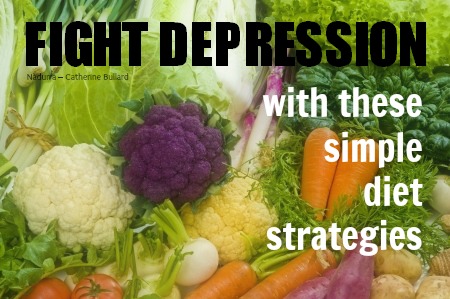
Fight Depression With These Simple Strategies

As you read this post Mental Health Awareness week has finished but the battle that is depression goes on for many people.

Commonly Depression is treated with drugs that flood the brain with serotonin. While it is important to address depression, there have not been scientific studies that show that this drug therapy really works, and in fact, a number of experiments where the serotonin levels in the brain were greatly increased, failed.

However, there are other methods that can be used to help relieve depression.

  • A therapist can help you with new ways to look at yourself and your life.
  • Adequate sleep makes you less susceptible to the negative messages that seem to swamp you. (I’ll write more about good sleep habits in a later post).
  • Exercise three times a week, difficult though it always is to get motivated, always helps lift your mood by altering brain chemistry. It doesn’t have to be at the gym as walking is always good and yoga is great too.
  • Structure helps, so getting into a routine is a good idea.
  • Keeping in touch with other people who love and support you is worth heaps, and if you can’t do that, then just getting out and being around people, anyone, will help. Even better if they have a laugh with you.
  • Getting lots of sunshine is also good as natural light has been proven as a cure for depression.
  • There are also lots of mood boosting supplements, like maca, that will help.

Food For Depression

Another major way of fighting depression is through good nutrition, even though because of the depression you may not be feeling hungry.

Preparing and eating a meal might seem pointless but not only do the nutrients contribute to lifting your depression, it will also help you avoid the junk foods that make your depression worse. Don’t even buy or store sugary or salty snacks in your cupboards – it is far better to have simple healthy foods that don’t need lots of preparation to use when you find you are simply not able to face meal preparation.Foods like coffee, meat, alcohol and fatty or fast foods can actually make you feel more depressed and you will feel a lot different if you avoid them.

It really is a case of “you are what you eat”, bad foods make you feel worse and good healthy foods make you feel better.

Top foods to fight depression

1. Fish Oils:

Yes this is another benefit of fish oils as the right kind of fish contain lots of omega-3 fatty acids, often lacking in depressed people. One study showed that taking just one gram of fish oil each day made a 50% difference in symptoms like anxiety, sleep problems, feelings of sadness, decreased sex drive and suicidal thoughts. You can also get omega-3’s through eating other foods including walnuts, flaxseed oil, or chia seeds. Oily fish include sardines, tuna, wild-caught salmon, gemfish plus others.

2. Brown Rice:

A great high-fibre food, brown rice contains lots of Vitamin B, B1, B3 and folic acid, plus lots of trace minerals which you need to function properly. It is also low-glycaemic, releasing glucose into the bloodstream slowly to prevent mood swings due to sugar-lows. You need to avoid any “instant” or “quick-cook” varieties because they don’t have any of these benefits.

3. Brewer’s Yeast:

The “darling food” of the 70’s, brewers yeast also contains B Vitamins (B1, B2 and B3). Don’t take this if your yeast tolerance is not great, but otherwise get your daily dose by mixing a thimbleful into a smoothie. It has heaps of vitamins and minerals in a small package, including amino acids which are great for the nervous system, and awesome for dealing with depression

4. Whole-grain Oats:

Again, you can’t use “instant” or “quick cook” oat varieties as they won’t help. With heaps of B vitamins (folic acid, pantothenic acid, B6 and B1) wholegrain oats help lower cholesterol, soothe the digestive tract and help prevent “sugar crashes,” so they assist with crabby moods and mood swings.

5. Cabbage:

With Vitamin C and folic acid cabbage protects against stress, infection and heart disease as well as lots of cancers (American Assoc for Cancer Research). There are lots of ways to eat it apart from boiled into a nasty mess – try it tossed in a salad or a wrap instead of lettuce, perfect in a stir fry, in a cabbage soup or just juice it. If you have trouble digesting cabbage add some fennel, caraway or cumin seeds before cooking. Or you could drink these spices in a non-caffeinated tea.

6. Other Foods

There are also a few other foods worth a mention here.

  • Grains like quinoa, kamut or spelt are better choices than refined grains like white wheat flour. Wholegrains are one great place to find the B vitamins which help improve your mood.
  • Foods like raw cacao (not a block of milk chocolate!), dark molasses and brazil nuts, which are high in selenium, are also great depression eliminators
  • Make sure your diet is loaded up with fruit and vegetables which will provide lots of vitamins and minerals to help lift the clouds that surround you. And remember that there is a big difference between both the amounts, and the quality, of the nutrients in organic and commercially grown produce. Organic foods have significantly higher levels of the nutrients you need than are found in commercially grown crops.
  • It is pretty important to try and keep your blood sugar levels stable and also to get enough B vitamins when you are feeling depressed. Avoiding sugar altogether helps stop blood sugar spikes and dips.

In the end it is important to remember that depression does not last, it is a transient phenomena and will pass. In the meantime take the decision to be proactive and make the changes you need to make to move on.  Even just setting this goal is the first step in moving forward.

Fight depression with diet

Disclaimer.

All information and opinions presented here are for information only and are not intended as a substitute for professional advice offered during a consultation. Please consult with your health care provider before trying any of the treatment suggested on this site. 

For more information:

http://www.naturalnews.com/020611.html

http://voices.yahoo.com/how-fight-depression-daily-habits-all-200108.html?cat=72

http://www.naturalnews.com/035463_depression_herbs_remedies.html

http://www.thedailymind.com/stress/5-small-but-big-ways-to-beat-depression-every-time/

http://www.webmd.com/depression/features/natural-treatments

© Catherine Bullard and Happy Holistic Health, 2012. Unauthorized use and/or duplication of this material without express and written permission from this blog’s author and/or owner is strictly prohibited. Excerpts and links may be used, provided that full and clear credit is given to Catherine Bullard and Happy Holistic Health with appropriate and specific direction to the original content.