Tag Archives: reduce anxiety

Pay Attention With Mindfulness

Create Calm Through Conscious Awareness

Mindfulness is the art of being present and 
accepting the moment, as it is.

Mindfulness is the energy of being both aware and awake to the present moment. It is the ongoing practice of engaging fully in every moment of daily life and accepting it without judgement. It is about simply Being instead of constantly Doing.

Recently I was reading about mindfulness while I was eating a slice of toast.  As I continued to read, I suddenly became very conscious of the irony of my situation.  Engrossed in the internet, with thoughts of what I needed to do during the day running around in the background, I was eating in a way totally lacking in mindfulness.

So I stopped reading and focused on the delicious food.  I immersed myself in experiencing the bread toasted so that just the outside was crunchy and the centre still moist; the tang of the sourdough culture; the seeds coating the crust; the sweetness of warm butter which had soaked through into the heart.

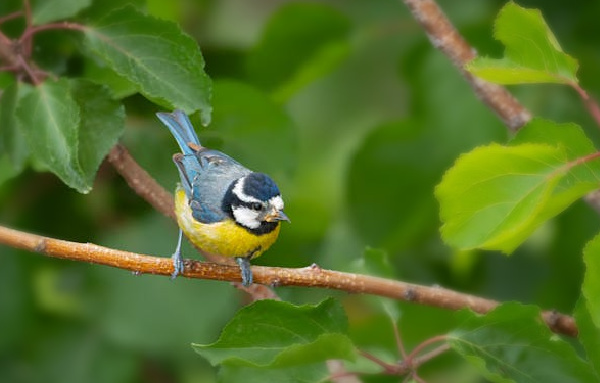
I noticed the autumn sun pouring in through the window and the small birds hopping along the branches outside. 
At one point I began thinking about writing this post about mindfulness, but being mindful, I put the thought aside and focused on eating the toast again. Truly, I tasted and enjoyed that piece of toast far more deeply than many I have eaten. It was all the more delicious because I was focused in the moment.

“When we are mindful, deeply in touch with the
present moment, our understanding of what
is going on deepens, and we begin to be
filled with acceptance, joy, peace and love.”

Thich Nhat Hanh

My distraction while I was eating is completely normal. Human consciousness focuses on a lively dance between revisiting past events and anticipating the future. But developing mindfulness in our daily routine can have a very positive impact on our lives as well as our health.

Conscious Awareness

Mindfulness is a hot topic right now, but it’s nothing new. It involves the art of consciously living in the present moment without getting drawn into the drama.

At its simplest mindfulness can be likened to awareness with intent.  It’s about using awareness to observe and notice in an open and curious way. 

Mindfulness and intentional awareness are both about paying attention with purpose. They are like being in the eye-of-the-storm and still being able to consciously hold the place of stillness, while all around is chaos. They allow you to live in the here and now, noticing with clarity the reality behind what’s appears to be going on, while remaining emotionally detached.
Mindfulness Changes Your Brain

This mindfulness practice of touching life deeply in every moment of daily life brings heightened awareness and inner calm.

When we practice mindfulness, we become more open to noticing what is happening in our lives, with greater clarity. Everyday problems do not disappear. But because we are fully present in our lives through the practice, we become able to respond to life’s pressures in a much calmer way. 

Developing and strengthening your awareness with mindfulness can transform your brain by changing or creating new circuits particularly those involved in stress, attention and focus, memory and mood. Mindfulness changes the way neurons in your brain communicate with each other. This opens the opportunity for you to interact and respond to your experiences and the world around you in a whole new way.

Mindfulness also helps us avoid self-judgement and self-criticism as we become more accepting of both our strengths and our challenges. This brings significant health benefits to our body, our mind and our soul.

Embracing the energy of mindfulness and allowing it to flow into our lives to penetrate everything we do provides us with the opportunity to foster the development of grace within. 

It deepens our capacity to live more meaningful, balanced and peaceful lives.

Origins of Mindfulness

The ancient practice of mindfulness has come to us through many eastern philosophies including Buddhism, Yoga, Tai Chi and Taoism. It’s now embraced by the West and widely taught in a non-sectarian way because it is a proven effective tool to treat many psychological clinical disorders.

Thich Nhat Hanh, a Vietnamese Buddhist monk, teacher, author, poet and peace activist, taught the art of mindfulness throughout his lifetime. Initially he taught it through the practice of mindful breathing and later through Walking Meditation. Walking Meditation is more than just strolling around. It’s about being peacefully rooted in the present and always aware of both your mind and body as you move.

Walking meditation provides additional benefits to those gained through mindfulness, such as improved blood sugar levels1 and blood flow and better balance and ankle coordination.

Benefits of Mindfulness

Mindfulness has been proven to effectively counteract stress by intentionally focusing the attention on the present moment and at the same time, accepting it without judgement.   Focusing on the present moment prevents you becoming caught up in worry about the future or regret or shame about the past.

The Benefits
  • Improves clarity, focus and concentration
  • Stimulates creativity 
  • Helps develop a stable mind to stay grounded, rather than one that is dull or agitated
  • Reduces anxiety by cultivating a flexible mind able to reduce the impact of stressful thoughts and feelings
  • Increases self-awareness of your mind and its thought patterns
  • Helps you become less reactive in difficult and challenging situations
  • Replaces self-defeating behaviours with more beneficial ones

Mindful Practice

We are so familiar with projecting our attention and thoughts into either the future or the past, that it can take time to become proficient in maintaining your awareness in the present moment. But it can be developed through repetition until it becomes natural and automatic.

Whenever you think of it, practice by focusing on your breath, your surroundings or on each of your five senses – sound, sight, smell, touch and taste in turn. Tune into your thoughts or your body and just observe what you notice without any judgement or self-recrimination. Hold this state as long as you find comfortable and notice how much calmer it leaves you feeling.

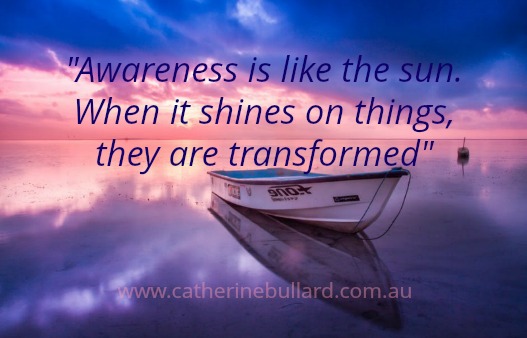
Mindfulness leads to a keener awareness of all aspects
of your life and the world around you

Every time you can bring your mind into the NOW, even just momentarily, you help cultivate a mindfulness practice that will eventually become a permanent and automatic part of how you function.

Commit to cultivating mindfulness in your life today, to gain profound and sustained benefits.
  1. Effects of Buddhist walking meditation on glycemic control and vascular function in patients with type 2 diabetes https://doi.org/10.1016/j.ctim.2016.03.009
Disclaimer

    All information and opinions presented here are for information only and are not intended as a substitute for professional advice offered during a consultation. Please consult with your health care provider before trying any of the treatment suggested on this site. 

    © Catherine Bullard and Happy Holistic Health, 2026. Unauthorised use and/or duplication of this material without express and written permission from this blog’s author and/or owner is strictly prohibited. Excerpts and links may be used, provided that full and clear credit is given to Catherine Bullard and Happy Holistic Health with appropriate and specific direction to the original content.

    Fight Anxiety With Natural Medicine

    AnxiousEveryone feels anxious at some time or other, but for some people anxiety is an overwhelming part of their everyday life. For some, stress or depression walks alongside, and insomnia likes to drop by too.

    Modern life moves so fast and our lives are constantly changing. Upheavals such as moving house, redundancy, the passing of a loved one, or even something joyful like a wedding or a birth, can set up the arena for feelings of anxiety. Your body recognises the feelings as stressful and responds by sending out a flood of stress hormones to deal with the situation. If you are healthy, you deal with the feelings, and move on. But for others, unable to move past the feelings, anxiety interferes with their daily life to such an extent they cannot cope well with everyday things. This is an anxiety disorder.

    Anxiety is not stress. Anxiety is a fear-based emotion that results in a physical and emotional response in the body. Stress is the body’s response to stimuli, which can be a problem is if is ongoing or overdone.

    There are a number of different forms of anxiety including Panic Disorder, Obsessive-Compulsive Disorder (OCD), Post Traumatic Stress Disorder (PTSD), Social Phobia and Generalized Anxiety Disorder (GAD) phobias, Separation Anxiety.

    Anxiety is experienced in many, many different ways. It may show as constant and obsessive worrying, panic attacks, feeling overwhelmed and teary, repetitive thoughts, huge emotional swings, having concentration difficulties and being easily distracted, trouble remembering things, difficulty learning, insomnia, tension that makes relaxing difficult, low libido, appetite changes such as cravings, loss of appetite, nausea and vomiting, or weight change. A combination of life experiences, hereditary tendency and chemical imbalances in the brain leads to the symptoms.  It develops gradually and runs in families.

    The conventional treatment calls for a combination of strategies to deal with the symptoms, which include a number of effective natural methods. But there are many other very effective ways to reduce anxiety in the long term that are not a part of the normal conventional treatment plan, but are well worth trying. They can be used to treat both anxiety disorder or a simple anxious response to a life event.

    Some of the common Conventional ways of dealing with anxiety:

    • Relaxation techniques
    • Breathing techniques
    • Diet changes
    • Counseling
    • Cognitive Behavior Therapy
    • Behaviour Therapy
    • Exercise
    • Medication

    photo: Alain Abplanalp Photography
    photo: Alain Abplanalp Photography

    So How DO You Reduce Anxiety?

    NATURAL MEDICINE

    Homeopathy

    Homeopathy has a great track record when it comes to dealing with anxiety. Remedies such as homeopathic Aconite is a very useful first-aid remedy for dealing with panic attacks or fear of flying. Homeopathic Gelsemium is one of the remedies that can help exam nerves. There are many others which are very effective when they are closely matched to the exact nature of your individual anxiety symptoms. Other remedies can be used for long-term anxiety issues but again, need to be matched to your own particular symptoms. Certain remedies are helpful when you wake during the night with worry and anxiety that keeps you awake, others for when you avoid social situations due to anxiety, others for control issues, others for anxiety due to a range of particular stimuli and so forth. Consulting with a qualified Homeopath  will identify which remedy suits your needs the best.

    EFT

    Emotional Freedom Technique  or Tapping, is so simple, anyone can learn it and do it anyplace as it only takes a few minutes. It works on the principle that the cause of all negative emotions is a disruption in the body’s energy system, and seeks to shift the points along the body meridian system where energy is blocked.

    Temporal Tap

    Affirmations are employed in conventional treatments but you can take this much further to get a greater impact by combining them with ‘Tapping’.  Stimulating acupressure points on the body helps awaken the chi energy and keep it flowing smoothly. By tapping on certain points on the head while you say the affirmations, you can help to set the self-reprogramming in place quicker and stronger. Temporal tapping influences your thinking, your nervous system and the cellular activity of the body. Watch this demonstration by Donna Eden of the Temporal Tap method. She explains how it works and demonstrates the process very clearly and simply.

    Flower essences

    Essences are a very gentle form of natural medicine that work directly on the emotions. Bach Rescue Remedy is extremely effective for panic attacks and can be carried with you in your bag. It is simple to use and gives fast, gentle results. Australian Bush Flower Emergency Essence has a similar effect to Bach Rescue Remedy. Some people respond better to the Bach and others to the Australian Bush Flower remedies. Try both to see which works best for you. Bach Mimulus is the remedy to use for a known fear, such as public speaking or dogs. Bach Aspen is better when there are more general, vague fearful or anxious feelings without a specific cause.

    Aromatherapy

    Because the sense of smell bypasses the part of the brain that does all the worrying, aromas and smells can be powerful helpers. Light some (100% natural and plant-based) incense such as frankinsense or sandalwood which are very relaxing, or lavender if you need calming. The incense slows the heart rate and soothes nerves. Or burn quality pure essential oils such as lavender, geranium or bergamot, which are all calming and effective relaxants. If you soak in a bath with added essential oils or add the oils to a massage oil base, you get added relaxation benefits.

    DIET

    Avoid Caffeine

    Caffeine is a stimulant that triggers the body to release adrenaline, a major stress hormone and the one you need to avoid. You find caffeine in coffee, cola, guarana, chocolate, diet supplements, and now it is also added to many other soda drinks so always read the labels and don’t assume that if you avoid the cola drinks you will be ok.

    Adjust Meals

    Eat small meals frequently. Stable blood sugars help maintain stable moods. Eat every couple of hours and make sure the meal contains some protein. You can get protein from a boiled egg, a handful of almonds or other nuts and seeds, a small tin of tuna, a quinoa salad, a slice of turkey or organic chicken breast, nut butter, hommus, tempeh, grain fed organic beef.

    There has been much research recently into how anxiety originates in the gut, so it is no surprise that it also affects digestion and the bowel. Reduce caffeine, sugar, dairy, increase vegetables, fruits, seeds, nuts and grains to ease the load on your gut – basically, eat healthy!

    Supplements

    Magnesium  is a mineral that is often deficient in much of the population, but more so in anxiety sufferers. Available in many foods including green leafy vegetables, pumpkin seeds, sesame seeds, brazil nuts, brown rice, bananas, and dark chocolate, to make sure you are getting adequate amounts it high-quality supplement can be better.

    Vitamin B is also often deficient in the diet of anxiety sufferers and a daily Vitamin B complex is worth taking. Take a high quality complete B rather than single B vitamins.

    HERBS

    Calming herbs include passionflower, kava, oats and chamomile which are also good for helping with sleep problems, and St John’s Wort.

     Holy Basil, or Tulsi, is one herb that helps the body respond to stress and anxiety, whether that is emotional or physical, by reducing the levels of stress hormone. It produces feelings of calm and relaxation.

    A cup of chamomile tea in the evening eases stress and promotes sleep by helping you relax and easing tension before bed. Chamomile is a useful relaxant and will help sedate you to sleep

    Passionflower (Passiflora incarnate) is an old folk remedy for anxiety that acts as a mild tranquilizer, calming without sedating. It can be taken as a tablet, a tea, or a liquid tincture from your practitioner. It also assists with insomnia. Don’t use passionflower if you are already taking sedatives, or if you are pregnant, nursing or have established kidney or liver disease.

    Kava Kava (Piper methysticum) is widely known and used to reduce anxiety symptoms by activating GABA receptors in the brain.

    image: Shawn Rossi
    image: Shawn Rossi

    OTHER NATURAL STRATEGIES

    Bodywork

    Muscle tension can be an effect of anxiety, particulary if it is ongoing, and body therapies such as massage, reflexology or shiatsu can relieve the muscles and help you relax. Yoga, Tai Chi and Qi Gong are other techniques to help the body relax. Yoga incorporates good breathing practices and is especially useful.

    Cranialsacral therapy uses more gentle techniques than massage on the head, spine and pelvis, the source of the nervous system. Gentle manipulation of this area of the body leads to reduced nervous, as well as muscle tension.

    Meditation

    In meditation controlled breathing techniques are used to free the mind of chatter and activity. By practicing meditation on a daily basis you can develop a more relaxed outlook. Meditation does not need to be difficult. There are many different ways of meditating and it is simply a matter of finding the one that suits you. Take a look here to discover some different forms of meditation for beginners and find the one that is right for you. If even the idea of meditating freaks you out start here instead.

    Breathing

    Learn to breathe correctly. When you get anxious you start to breathe more and more shallowly, using just the top of your chest. Breathing deep down in the belly helps to bring about calm. Learn more about controlled breathing techniques here.

    Self-talk

    Using positive affirmations can be very effective. When you form an affirmation try to phrase it as if it already is happening. For example, instead of saying “all will be well” use “all IS well” instead. Placing the thought in the present is more effective. “I am coping, breathing deeply, and feeling relaxed” is more likely to calm you because it is strongly placed in what is happening now, in the present, rather than “I always cope if I breathe and relax” which is far more general.

    Centring

    To create calm in the moment place both your palms on the side of your face and rest your fingers gently on your closed eyelids. This cradles and quiets the mind, allowing you to centre yourself so you can face things again.

    Release the built-up adrenaline

    Move your body about. Play some up-beat music and dance, scrub the walls or floor, weed an overgrown patch of garden, go for a run or a bike ride. Exercise burns up the stress chemicals , promotes relaxation and helps circulate blocked energy that contributes to anxiety.

    Distract yourself

    Put on your favourite music, take the dog for a walk, make a cup of soothing herbal tea, revisit your favourite beach holiday photos, especially if they were in the tropics or whatever calms you in the moment.

    Taking steps to reduce your anxiety in a more natural way allows you to experience more of life. Try out some of these strategies for yourself.

    What natural strategies do you find most useful to reduce the symptoms of anxiety, tell me in the comments section below? For me it is homeopathy, flower essences and EFT.

    fearless

    Disclaimer.

    All information and opinions presented here are for information purposes only and are not intended as a substitute for professional advice offered during a consultation. Please consult with your health care provider before following any of the treatment suggested on this site, particularly if you have an ongoing health issue. 

    Source articles

    http://www.naturalnews.com/042748_anxiety_natural_treatments_fight_or_flight_mechanism.html

    http://www.naturaltherapypages.com.au/article/Natural_Treatments_for_Stress_and_Anxiety

    http://www.bodyandsoul.com.au/health/natural+health/ten+ways+to+beat+stress+and+anxiety+naturally,10965?gclid=CNjOycSxzLoCFQLvpAodlA8Abg

    http://articles.mercola.com/sites/articles/archive/2006/08/26/one-simple-solution-addresses-6-different-types-of-anxiety-disorder.aspx

    http://altmedicine.about.com/cs/conditionsatod/a/Anxiety.htm

    http://www.betterhealth.vic.gov.au/bhcv2/bhcarticles.nsf/pages/Anxiety_treatment_options

    Related articles