All posts by happyholistichealth

Join me to create a happier, healthier life.

Survive the Silly Season Tsunami

With the end of the year racing towards us it is very easy to succumb to overwhelm, and here in Australia I believe that we actually do this season much harder than we need to, and perhaps harder than they do overseas. The festivities of Christmas, or whichever of the Holidays you celebrate, coincides here with the end of the school year, the end of the working year, and the end of the calendar year, all in one short week.

Trying to juggle a myriad of  ‘end-of-year’ school activities, dance concerts, exam study, shopping for the festivities ahead and socialising, together with so many businesses closing down for at least a few weeks and preparations for the mass post-Christmas exodus to many idyllic beachy places, it is very easy to get caught up in a sense of “approaching the end”. It’s easy to get that nagging feeling that you need to finish absolutely everything, to tie up all the loose ends in your life.

It seems that the whole nation drives itself into an absolute feverpitch of stress through December and then shifts to the opposite extreme and shuts down totally after Christmas Eve. It’s no surprise everyone races around with a sense of impending doom if everything isn’t done and finalised on time.

Perhaps it’s this Australian ‘end-is-nigh’ approach to December that actually fuels the stressful emotions we experience.

Are You Driving Yourself Too Hard?

How many times do you say “we must catch up before Christmas”? How much do you drive yourself at work to finalise jobs that realistically might wait a week or two? How many parties do you attend? How many late nights do you have? How much fattening, sugary, or rich food do you eat? How much alcohol? How often are you driven to do or buy something which could wait, without really knowing what drives you to do it right now? And these are only what you are actually doing – they don’t even start to address the emotions that get stirred up at this time.

This last part of the year can be a time of escalating stress for so many during the build-up to Christmas with ‘so much to get done’, loneliness, increasingly tired children as they approach the end of the school year, the pressure in self-run businesses to cover extra costs such as holiday pay for staff, a calendar that seems to overflow, loss of a job and financial constraints, plus many more difficulties.

Loneliness and Grief

For many this time of the year is also a time of tremendous emotional stress. It is the time when the loss of loved family members, whether through separation or their passing, comes home and strikes with almost paralyzing force. For some people the whole season is wrapped in a tight mantle of grief that draws in around and stifles them.

It can also be the time when singles feel the most lonely, when isolation from family and friends or an abscence of them in your life strikes most intensely.

Family Tensions

For others the experience of returning into a family where everyone is suddenly thrown back into the role they played as a youngster and the family dynamics that played out when they were children, is too difficult to deal with.This is in spite of the fact that in their real everyday life they are responsible and competent parents, partners, employees or employers with wide and admirable skills and abilities.

In this scenario is it any wonder that the anxieties of childhood rear their ugly heads. Is it any wonder that behaviour reverts and childish tantrums or bickering, petulant unhappiness or resentment and other actions arising from the uncertain and fearful child that is still living deep within, start to occur.

But whatever the reason the ability to engage in the Christmas spirit eludes many and the season is anything but bright.

There are natural treatments that can help you cope as the Holiday Season gets nearer and stress levels increase

WHAT YOU CAN DO

There are a number of natural strategies and remedies you can adopt to help deal with these issues. Rather than go into each of them in detail I’ll give you a link to some that I think are sound and effective. You can have a look and try a few out and then use those that suit you the best.

Even making a little time to get some exercise or relaxation is a good way to start. When we start to rush, both exercise and relaxation often go by the wayside. Schedule the time in your calendar and then stick to it.

Remember that a massage can work wonders especially if you carry your stress in your neck and shoulders, and it will be even more effective if it includes aromatherapy essential oils for relaxation.

Emotions respond beautifully to any of the varied forms of energetic medicine. Medicine delivered in an energetic form can be very effective in ‘re-balancing and re-setting you’ so that you are able to deal with whatever it is you have to face. Hear are a few.

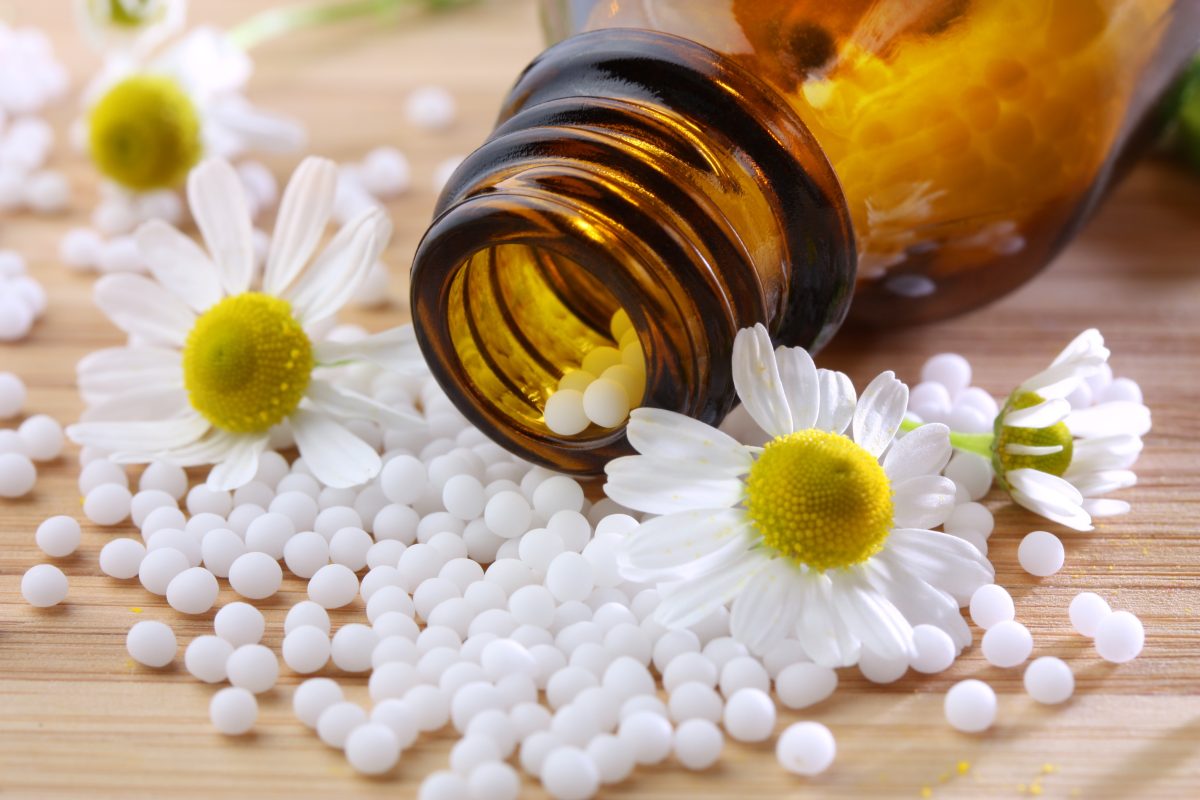
Homeopathy

Homeopathy offers some great remedies for many of the issues such as stress, overwork, grief, over-excitement, anxiety, guilt, exhaustion and so on.

Homeopathic Coffea helps with getting over-excited children off to sleep on Christmas Eve. Ignatia is often a first choice for grieving. Nux vomica can work wonders if you are driving yourself towards burnout with overwork.

Homeopathic remedies need to be matched to your own idiosyncratic symptoms and the particular way you manifest the stress. So unless you are familiar with self-prescribing for acute situations, or if your stress is long-standing you should consult with a fully trained and registered Homeopath.

Accupressure & Accupuncture

Visiting an Acupuncturist is a great way to deal with the stress, but even better, you can do Acupressure yourself anytime and anywhere, and it works along the same lines as acupuncture. This is a good demonstration of one way to relieve stress by Donna Eden, an expert at using acupressure in her energy medicine work.

These diagrams of acupressure points to use for hangovers could be useful if you are partying hard. And here are some acupressure points to help with feelings of anxiety felt throughout the holiday season.

Flower Essences

Flower essences can have a great benefit when trying to deal with grief. They work very gently, but effectively on the emotions.

The basic Bach Rescue Remedy or Australian Bush Flower Emergency Essence are both good ‘all-purpose’ mixes for dealing with stressful situations but there are a number of others that can be tailored to each individuals requirements. FES Five Flower Formula is similar to Bach Rescue Remedy.

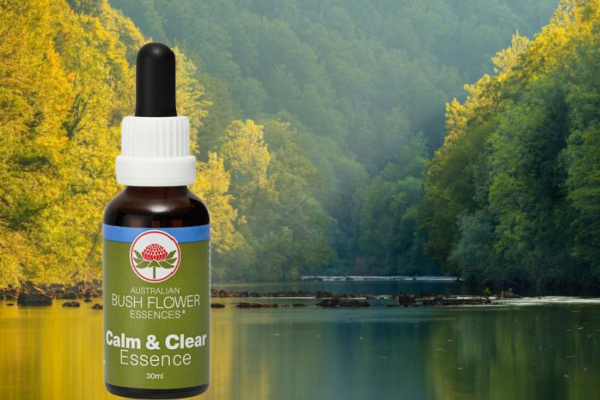
Perhaps my favourite flower essence for this time of the year would be the Australian Bush Flower ‘Calm & Clear’ essence – the name says it all.

There are flower essences to help relieve all the other stressful emotional responses to the holidays and they are well worth investigating.

For information about each of the Bach remedies look here, for Australian Bush Flower Remedies look here and Californian Flower Essences here.  

Difficult Families

Here are some useful strategies for those who have to deal with intensified extended family tensions. They give you the opportunity to plan ahead and devise strategies for you as well as your family.

Importantly it is all about taking back the reigns and getting back your sense of control. If you are able to clearly identify where your stress is coming from then you have a better chance of achieving this control. If there is a tradition in your festivities that causes more stress than joy, then it is time to give yourself permission to change things. Make 2012 the year to make changes, after all you cannot help others if you are not really coping yourself.

Don’t forget, it is not all about the ‘Big Day’. The stress of the lead up through December can be just as bad or worse, and the significant health effect that prolonged stress can have on your whole system is often not recognized or acknowledged until it gets serious.

Remember to check in with situations and ask yourself whether they are of joy or of stress right through the whole Month of December.

Make this the year where you decide to be kinder to yourself. Sure, there are always going to be pressures, but maybe by being aware of how many of the manufactured pressures you embrace, you can let a few slide, and in easing up your obligations you will be able to deal with those stresses you really cannot avoid.

It is time to allow yourself the gift of self-love and self-care.


Disclaimer.

All information and opinions presented here are for information only and are not intended as a substitute for professional advice offered during a consultation. Please consult with your health care provider before trying any of the treatment suggested on this site. 

© Catherine Bullard and Happy Holistic Health, 2012. Unauthorised use and/or duplication of this material without express and written permission from this blog’s author and/or owner is strictly prohibited. Excerpts and links may be used, provided that full and clear credit is given to Catherine Bullard and Happy Holistic Health with appropriate and specific direction to the original content

Aloe! Aloe!

Last year my family traveled from three different continents to meet up at a beautiful Caribbean beach on Mexico’s Yucatan Peninsula. As always I took a kit of 25 Homeopathic remedies with me. The Homeopathic kit has traveled with me wherever I travel for over twenty years and has been invaluable for all sorts of acute illnesses and first-aid situations many times.

Initially my kit included remedies for small children’s problems but as the boys grew the remedies changed a little to suit their changing activites and destinations. Remedies for teething relief eventually gave way to ‘hangover rescues’ and as we ventured overseas we added remedies for “Bali-belly” and jetlag.

A 'home' Homeopathy kit containing twenty different remedies suitable for acute illness and first aid situations.
A ‘home’ Homeopathy kit containing twenty different remedies suitable for acute illness and first aid situations.

Of course some remedies remained, the same remedy served for the effects of falling of a bicycle with training wheels as did for falling from a small Asian motorcycle. And some were always there because they were such fundamental stalwarts. Arnica is one that I would be lost without, in fact I can’t imagine raising a family of four boys without this gem in the medicine chest!

Being a practitioner I have access to a broader range of Homeopathic remedies than are found in most kits, and I have the knowledge of a wider range of applications, so that I am able to tailor the selection of the Homeopathic medicines more closely to our specific need. But nonetheless I still often manage to find myself without the necessary remedy for the problem we face. When one son had his drink spiked in Asia I knew which remedy he needed to counteract the nasty effects of the drug, but not having it with me had to make do with another that while it did help ‘bring him down’ was not ideal.

However, back to Mexico, as I said there are some remedies I never leave home without.

The amazing lagoon and the bottom of the garden in the Mexican villa

We arrived in Mexico in the late summer and it was hot! Seriously hot, especially after coming out of the tail of the Melbourne winter. The villa we were staying at had a pool, sun lounges under the cabana and backed onto an amazing fish-filled lagoon. So the family was quick to soak up the long-missed sun and it only took one day before one of the boys came to me seriously sunburned. There are a number of Homeopathic remedies that are useful for burns, but there is one I always carry as it dissipates sunburn with amazing speed. But for hot, sunny Mexico I had forgotten to pack it.

Luckily being Mexico the garden was full of succulents and a quick walk around the garden revealed our second treatment choice, a clump of Aloe Vera plants. My son broke a leaf applied the gel to his burnt skin with good healing results. Most people know one of the characteristics of Aloe Vera is it’s ability to soothe the skin. But it is not only an excellent anti-inflammatory, it also actually heals any tissues it touches. It is great for skin problems such as acne, dandruff, eczema, dermatitis or psoriasis. (Although I prefer to treat psoriasis with a deeper-acting treatment like homeopathy) On the skin it will also help heal infections, although you must not apply it to any deep vertical wounds (such as those from surgery). And of course it soothes and starts the healing process for sunburn, cooking and ironing burns or insect bites.

Many people drink Aloe juice regularly for its laxative qualities, as a general health tonic for the Gastrointestinal system, or to help build up the immune system. However, do not use Aloe if you are pregnant or breastfeeding, have a kidney disorder, IBD or intestinal obstruction, or for young children. Also, Aloe can cause irritation on the skin in some people with a specific sensitivity to the plant, although it is uncommon.


AN ALOE IS AN ALOE, RIGHT? WRONG!

There are over 240 varieties of Aloe and there are also a number of plants that look very like Aloe but don’t have the same healing properties. The one you need is Aloe barbadensis and the clue to identifying Aloe is in the way the leaves sit. In a true Aloe plant they all come up from the base in a circular pattern, like in the picture below. If there are leaves pointing in only a couple of directions it is not an Aloe. The edges of the leaf have short little barbs a bit like a cactus, although it is actually a member of the lily family and not a cactus. The fleshy leaves can vary in colour and even be spotted but they will always grow in this shape. There are lots of Aloe varieties but Aloe barbadensis is the one you want to use.

The fleshy leaves of Aloe barbadensis grow from the base in a circular pattern

The useful part of the plant is the gooey gel in the centre of the leaf. The outer part of the leaf contains constituents that can be problematic and you want to avoid. The outer part also has a bitter taste whereas the gel does not so if the juice or powder tastes bitter it is a clue that the product is not good quality as it has some of the outer leaf mixed in with the gel.

The other problem that can be a problem with commercial products is that the gel oxidizes when it is exposed to the air for more than about four hours. This is like the apple going brown after it is cut. Some manufacturers buy Aloe gel and stockpile it for long periods during which time it deteriorates. Rather than wondering whether the bought product is truly good or poor quality it makes sense to formulate your own ‘Aloe’ products from your own plant.


HOW TO USE ALOE

You can apply the gel directly to your skin, as my son did, to relieve inflammation, whenever there is a breakout, or as a regular beauty treatment. It is also useful for dry skin. You can also use it to de-frizz your hair before you blow-dry it, as it is the main ingredient of most defrizzers on the market. It is easy to apply because of its consistency.

You can substitute Aloe for your shaving cream, it  gives a great close shave and, being anti-inflammatory and with a high water content stops the need for moisturizers afterwards. In fact it sorts out razor burn beautifully – use it after you shower and again before bed.

Aloe vera is high in a range of nutrients that will be absorbed into your skin. It contains all eighteen amino acids, including the eight essential ones, twenty minerals, the standouts being calcium, zinc, selenium and magnesium and twelve vitamins, including Vitamins A, C and E which benefit the skin because they have antioxidant activity that neutralizes free radicals.

Aloes are very easy to grow in a pot on a sunny windowsill. They like hot, dry weather and are fine inside. They need almost no care and the danger is that they will die from over-watering rather than neglect. They are fine outside but you will need to bring them in during a cold snap especially if there is frost. Once your plant is established you can easily grow more by planting a ‘pup’ from the parent plant into some Cacti potting mix. Keeping a pot of Aloe vera is the best way to have a ready supply of fresh gel on hand.


SKIN CARE RECIPES

Once your Aloe vera plant is growing you might like to use it to make a face mask for yourself. Here is how:

Cut one of the bigger leaves off the plant with a knife close to the base. Put the leaf onto a plate and leave it for about 20 minutes to allow the yellow sap to flow out. Then wash the leaf under running water.

Slice your Aloe leaf in half vertically (from the top to bottom). Take care, it will be slippery. Then with a spoon scrape the

The gooey gel inside the Aloe vera leaf

gooey gel out of the inside of the leaf. It is really gooey, like very sticky egg white, and will stick to your fingers. (If it is a very big leaf cut it across before leaving it to sit and store half in the fridge for another time. The leaf end will seal over and stop any oxidisation)

To make a very easy Aloe and Honey mask, take about 2 teaspoons of the gel and mix well with equal quantities of honey, ideally Manuka honey or otherwise organic honey. Add ¼ teaspoon of rose hip oil. Apply to your face with your fingers and leave on for 20 minutes. Then wash it off your face. This mask is rejuvenating for dry skin when used twice a week for two months. (If you have no Rose Hip Oil make this with just the Aloe and honey)

A Cucumber and Aloe mask is great after being out in the sun. It is also excellent for acne, or any stressed and inflamed skin. Peel and deseed ½ a cucumber and then process it to a smooth paste with about 2 tablespoons of Aloe vera gel. Spread over your face (and neck), relax for 20 minutes and then wash off gently.

Alternatively, if you are pressed for time you can simply rub the inside of the leaf directly on your skin. It is safe to use on your face, although better to avoid the eye area. It will help heal outbreaks as well as tightening and toning the skin.

You do not need to cleanse afterwards as Aloe is cleansing, and you can simply apply a moisturizer or face oil if you wish.


DISCLAIMER:

This advice is not intended to replace the advice of your Health Care Practitioner. Please seek professional advice for serious medical problems.

Good Morning Sunshine: How’s Your Vitamin D?

Here comes the sun

Sunny days are here again but are they really going to lift your spirits, or your health? Vitamin D deficiency is often the result of inadequate exposure to sunlight. It is essential for a healthy immune system and plays a role in many functions within your body. Vitamin D deficiency is linked to many illnesses including depression and schizophrenia. So it’s vital you maintain healthy levels with this information.

Chances are if you had a blood test for anything recently, the level of Vitamin D in your blood was tested at the same time, and if you are one of about 70% of us “Sunburnt Country-ites” your levels were below the level needed for good bone health, or worse, like 30% of the country your levels were deficient. So what does this all mean, and probably most importantly, what are the implications of this?

You all know that one of the reasons for this situation is that over the last few years Australians have been urged to ‘Slip, Slop, Slap’ all the time, or even to avoid going out in the sun altogether. Now with the discovery of just how widespread the problem of low Vitamin D levels is, and growing awareness of the important role that it plays in the prevention of so many diseases, the advice regarding sun exposure has suddenly been dramatically changed.

Vitamin D is n fact not actually a vitamin but rather a hormone which is made by your body.  But it needs sunlight to trigger production of the Vitamin D precursor in your skin.

There are two types of UV light rays, UVA and UVB.  Both can trigger skin cancers, but UVA have long wavelengths that reach into the deeper layers of your skin while UVB rays are shorter and only get into the surface layers. More importantly, UVB rays are the only ones that contribute to Vitamin D production. UVB rays are more intense in the middle of the day and decrease at either end of the day while UVA rays stay constant through the day. This is why the recommendation has changed and it is now is to get your sun exposure at lunchtime. By going out in the sun at that time you get more exposure to the UVB rays relative to the UVA rays and so get greater Vitamin D benefit from the same exposure, “more bang for your buck”, so to speak.

Evidence  shows that our connection between sunlight exposure and melanoma has previously been far too simple as it seems that Vitamin D is the factor that actually assists our bodies in not developing skin cancers. This actually makes good sense when you remember that we evolved to live harmoniously with sunlight long before sunscreen came along. By always coating in sunscreen and avoiding the sun we do not have adequate levels of Vitamin D to gain the protection we need.

Short exposure in the middle of the day is best

The new recommendation is to go out in the sun in the middle of the day, with face and arms uncovered, for only the amount of time that it takes for your skin to just begin to feel like it is going to start ‘pinking up’. Of course this is going to differ for each of us, with fairer skinned people needing very little exposure and darker skinned maybe three to four times as much. Every time we are outside we have some sun exposure, and even when inside cars or buildings we are getting exposure as UVA rays can pass through glass. Unfortunately, UVB rays that activate Vitamin D do not pass through, something worth remembering when the sun streams through the car windows.

The most recent figures that I have for the number of Australians deficient in Vitamin D are about 30-50% with 75% having levels too low for optimal bone health. These high figures are very surprising for citizens of the Sunburnt Country. I read recently that in order to get enough sun exposure to maintain adequate Vitamin D levels in Melbourne during July one would have to be outside in the middle of the day, fully naked for twenty minutes. As the temperature at lunchtime in July is often no more than a mighty eleven or twelve degrees, I will not be trying that out. Because those with dark skin need so much more time to get adequate Vitamin D from sun exposure they are more at risk for Vitamin D deficiency.  Obviously it is easier to get sufficient exposure further north and more difficult down in Tasmania.

I normally stress that vitamins and minerals are best obtained from foods. Although there are small amounts of Vitamin D available in a few food including oily fish, mushrooms, and eggs (you would need 10 a day to get enough Vitamin D), as well as dark green leafy vegetables you will never be able to get anywhere near what you need from your diet and the form occurring in plants is not really useful.

During the twentieth century Vitamin D deficiency was mainly associated with rickets, a disease where bones soften and weaken. At that time it was recognized that this Vitamin played a big part (along with calcium and phosphate) in maintaining good healthy bones. But as we have become more aware of the many body processes that involve this amazing vitamin we are also becoming more aware of the far reaching impacts of its deficiency.

There are so many health problems in which Vitamin D deficiency is now known to play a part including SLE (Lupus), heart disease and high blood pressure, diabetes, PMS, Rheumatoid Arthritis and osteoarthritis, osteoporosis, teeth problems, epilepsy, fibromyalgia, autism, mental health, migraines, MS, skin problems like psoriasis, infections, colds and flu, Hypothyroidism and diseases which have fat malabsorption such as Coeliac Disease. Even chronic pain – bone pain, muscle pain, back pain – can be due to a Vitamin D deficiency.

Vitamin D deficiency is also quite common in children and has been shown to be linked to an increased likelihood of developing allergies. Late teething, irritability and poor growth are all a sign of a deficiency and even seizures and asthma seem to be linked.

It is now becoming more common to suspect vitamin D to be ‘the’, or at least one of the most crucial factors in the prevention of a large number of diseases. There has also been research conducted into Vitamin D and cancer prevention   Interestingly, and not surprisingly, research so far has shown that the doses required to prevent serious diseases are much, much higher than RDA’s (recommended daily amounts) and it is worth remembering that an RDA is set at the level needed to keep you alive, not the level required for good or optimum health.

Vitamin D allows your body to absorb calcium through the small intestine and plays a crucial part in the prevention of osteopeania and osteporosis, however, many people have taken calcium supplements for a long time without the necessary Vitamin D to actually absorb the calcium properly. Vitamin D turns out to be a major factor in keeping this disease at bay.

After getting the results of their blood tests many Australians find they require Vitamin D supplemets. Supplement quality varies! You can get them in the form of a capsule, tablet, liquid or as a drop that you place on your hand and lick off. Another great source is cod liver oil. In the past it tasted vile but these days it comes in fruit flavours to hide the fishy taste. Cod liver oil also provides you with vitamin A and EFA’s as a great bonus. But again, quality varies.

It is always really important to take a good quality supplement, whatever type of supplement it is. Basically, with supplements you get what you pay for. Poor quality products are often just a waste of money, especially if your body is excreting them because they are not in a form that you can absorb properly. And just because the product is advertised as being a ‘best-seller’ or ‘more popular’ does not mean it is even remotely any good!

Many people come to me after having been tested for Vitamin D levels and I keep seeing that the amount of Vitamin D supplement that most have been prescribed is inadequate to address their own personal Vitamin D deficiency and raise the levels in their body sufficiently. As is usual with the prescribing of supplements, a ‘one dose fits all’ use of Vitamin D

Get out and soak up (some of) those rays

is not appropriate or likely to get the best outcome possible. It needs to be tailored to the individual. Many doctors have not had the training in nutrition that is gained in Complementary Medicine (CAM) Courses, and which provides knowledge of the intricacies of vitamin/mineral interaction that enable the tailoring of supplement prescribing to an individuals needs.

So even though the days are lengthening and we can get out and soak up those rays, the reality is that your Vitamin D levels may still be below par. If you find you are craving carbohydrates more, your spirits are low or you are showing any of the signs linked with a deficiency, head off to the GP and have a talk about having your levels tested. Then if they are lower than optimal get some expert advice from your CAM practitioner about the dosage you personally require as well as which high quality supplement will improve your Vitamin D status. If you are hunkering down to face winter in the Northern latitudes it is even more important to be on top of your Vitamin D levels as they normally drop over the winter months.

Disclaimer.

All information and opinions presented here are for information only and are not intended as a substitute for professional advice offered during a consultation. Please consult with your health care provider before trying any of the treatment suggested on this site. 

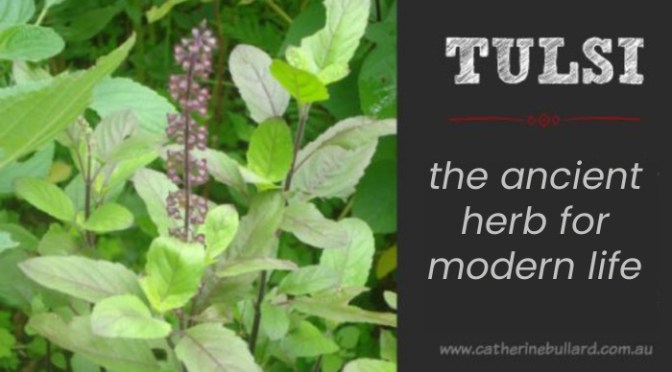
Holy Basil! It’s Tulsi the Queen of Herbs

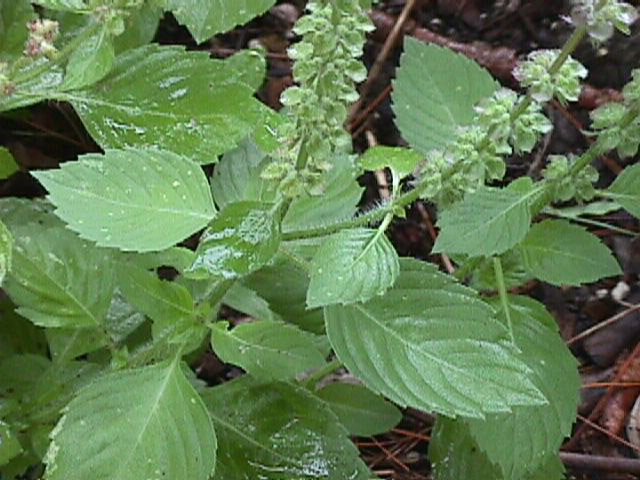
Today I brewed my afternoon cup of Tulsi tea with great anticipation. While I enjoy many green and herbal teas Tulsi is one of my favourites. Tulsi or Holy Basil, known scientifically as Ocimum tenuiflorum or Ocimum sanctum, is a zesty and invigorating tea. It’s packed with many compounds and nutrients having a wide range of powerful health benefits for both the body and the mind. Tulsi has a vast range of actions within the body to promote health and wellness.

The Tulsi Story

 Tulsi is a small plant widely used as a medicine in the past and still important today. It is cherished as a sacred plant in Ayurvedic medicine where it has played an important role for nearly five thousand years.

Commonly known as Holy Basil, it’s also known by many other names that reflect the exalted position it holds such as Sacred Basil, Queen of Herbs, the Incomparable One, the Elixir of Life and the Mother Medicine of Nature. Vedic texts describe Tulsi as a manifestation of divine energy. Many herbs are valued in Ayurvedic medicine, but Tulsi is a highly prized medicinal, recognized as a herb with unique status and revered alongside the Lotus.

Holy Basil is believed to be spiritually endowed and powerfully transformative. In India it plays an important part in religious practices and is often used during meditation to gain clarity and protection. The plant is revered for both its healing abilities and its ability to heighten spiritual awareness. It is thought to balance the chakras and to be capable of bringing on goodness, virtue and joy in humans.

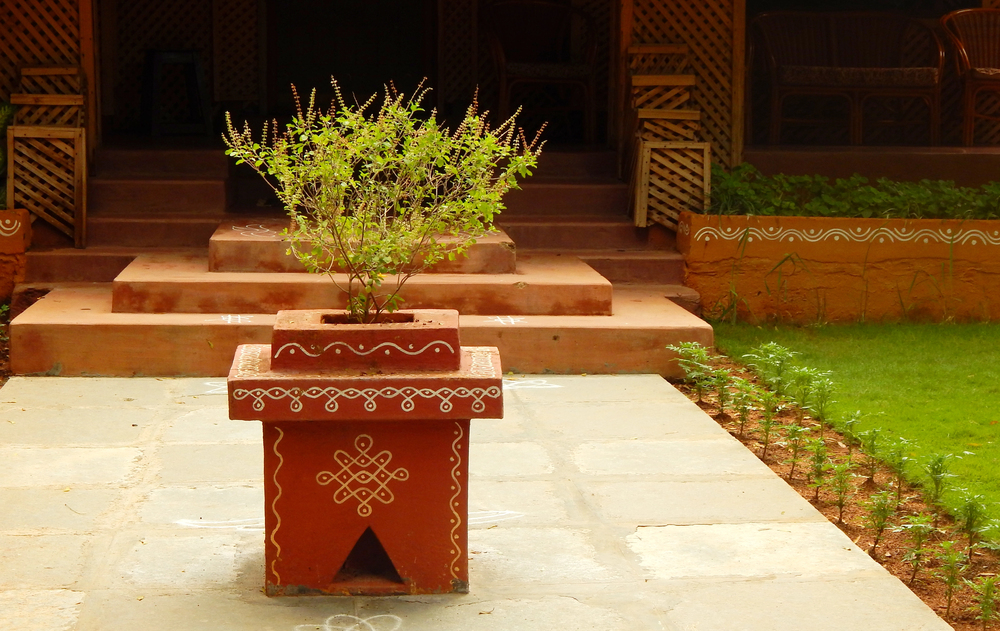
It is thought the plant provides divine protection and purifying for both the home and family. Traditionally and still today a potted Tulsi plant is placed on the prayer altar in the home’s courtyard. It ensures personal health, maintains family well-being, uplifts the spirit and balances the bodily energies.

A Potent Herbal

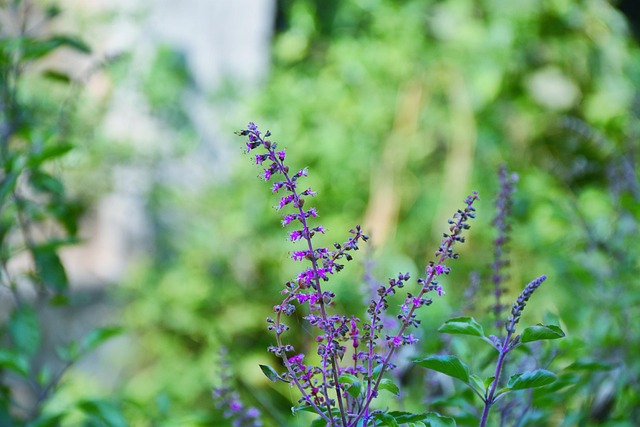
There are four types of Tulsi and all are known for their fragrance which slightly resembles that of their cousin, the Sweet Basil that you use in cooking. Krishna Tulsi (purple) is slightly peppery. Rama (green) is cooling and mellow and the variety commonly used for tea. Vana or ‘forest Tulsi’ (Ocimum gratissum) grows wild and is a bit ‘lemony’.

Tulsi is a member of the Lamiaceae mint family, and all varieties have a faint mint taste and aroma. All varieties of Tulsi are used medicinally with each variety being better suited for treating different specific ailments.

Healing Power

The chemical composition of Tulsi is very complex and rich in antioxidants and other nutrients. As a herbal remedy it has many benefits.

Traditionally Tulsi was used for an impressively wide range of health promoting purposes. It is used in over 300 medical treatments and there is much evidence of its health benefits. The research offers impressive evidence that Tulsi has general vitality-enhancing properties which support and enhance the body’s natural capacity to maintain a state of well-being.

Research shows that it both protects against and reduces stress, enhances stamina and endurance, increases the body’s efficient use of oxygen, boosts the immune system and slows aging.

A Powerful Adaptogen

Holy Basil has a wide range of actions, but perhaps is most recognised and appreciated as a powerful natural adaptogen, acting as a potent anti-stress agent, helping you cope with stress and maintain balance and wellness.

Tulsi supports the body to adapt to the many stresses of modern life, whether they’re environmental, emotional, physical or chemical. It keeps the body in a balanced state of health and offers protection from the vast range of diseases that are caused by these stressors. It assists with mental tension, emotional difficulties and the problems resulting from a poor lifestyle.

Tulsi is an ancient protective herb ideally suited to the modern world because it helps prevent illnesses that are the result of living a modern high-speed lifestyle.

Holy Basil Healing

Tulsi really is the ancient herb for modern life because it is beneficial for so many modern health problems. Here are twenty-five of its benefits, however, there are many more.

  • Supports the immune system and protects the body from illness and infection
  • Helps fight infections including acne, because it’s anti-fungal, anti-bacterial and anti-viral
  • Is widely used to treat respiratory ailments, easing congestion and coughing
  • Provides physical stamina
  • Reduce stress and anxiety, calms the mind
  • Has anti-depressive action
  • Enhances digestion and nutrient absorption and helps with gastrointestinal problems such as bloating
  • Reduces inflammation in diseases like arthritis
  • Supports heart function, reduces cholesterol and high blood pressure, reduces the risk of stroke   
  • Neutralises dangerous chemicals that can cause cancer, degenerative diseases and early aging
  • Is a nerve tonic
  • Sharpens memory
  • Is expectorant and effective in asthma, cough, croup, allergies and respiratory infections
  • Strengthens the kidneys
  • Lowers cortisol levels
  • Promotes the flow of mother’s milk
  • Helps lower blood sugar levels and nourishes the pancreas 
  • Is useful in many children’s illnesses like diarrhea, cough, cold, fever or vomiting as well as ADHD
  • It hydrates the skin and helps with disorders like ringworm or dryness
  • Assists insomnia
  • Can reduce pain and spasms
  • Reduce excess phlegm
  • Improve sluggishness and lack of energy
  • Increase metabolism which may help weight loss
  • May help prevent lung, liver, oral and skin cancers
  • In conjunction with chemotherapy or radiotherapy the eugenol contained in Tulsi leaves reduces drug toxicity on healthy cells during treatment for a range of cancers

Tulsi may also offer preventative and curative potential for many degenerative disorders, such as cancer, heart disease, arthritis, diabetes and dementia.

With such a wide and diverse range of action Tulsi stands tall as a healing herb able to restore widespread balance in your body.

Possible Side Effects

Holy basil is generally safe to consume. If you experience digestive symptoms after taking Tulsi for a couple of months simply take a break before resuming it again.

It is not recommended taking Tulsi during pregnancy or if you are considering getting pregnant as there are indications that it may have an anti-fertility effect. But it is perfect after the birth as it helps to increase milk production.

Tulsi is easily grown and can be eaten fresh, simply pluck and chew a few leaves or add them to cooking. It can also be taken in supplement form as powder or capsules.

Fresh, zesty Tulsi tea is made from the leaves and blossoms of the Rama plant. Drink it on its own or combine it with green tea or other herbs for flavour.

Holy Basil is the perfect pick-me-up in the late afternoon, quickly rejuvenating my energy, and uplifting my spirits, and contains no caffeine at all to disrupt sleep! I drink Tulsi regularly knowing it’s also having a positive effect in the long-term on my health and wellness.


Disclaimer

This information is for your general health information. It is not intended to be used as medical advice and should not be used to diagnose, treat, cure or prevent any medical condition. The information should not be used as an alternative to professional healthcare. If you have a particular medical problem, please consult a healthcare professional.

Source articles:

https://maharishiayurvedaindia.com/blogs/wellness-need/tulsi-plant-benefits-uses-types-and-more https://pmc.ncbi.nlm.nih.gov/articles/PMC5376420/ https://pmc.ncbi.nlm.nih.gov/articles/PMC9919305/ https://timesofindia.indiatimes.com/life-style/food-news/types-of-tulsi-and-the-best-way-to-use-them-for-immunity-and-weight-loss/articleshow/77679586.cms https://draxe.com/nutrition/holy-basil-benefits/

Skin Deep: Avoid Toxic Skin Care

I’m always amazed how so many high end/high price skin and hair care products claiming all manner of nourishing and rejuvenating benefits,  contain so many ingredients toxic for your skin and hair. Often the toxic chemicals they contain are actually the cause of dehydration, dermatitis or other skin problems.

Skin Deep: How to avoid toxic skin care products

Often products we use to prevent skin problems actually cause those same skin problems, so why do we continue with this crazy behaviour?

We’re all susceptible to great advertising campaigns and because most rarely know what those long chemical names actually are we’re all quick to accept the recommendation of the advertisers.

Of course even if you do know which chemicals are harmful it can be impossible to read ingredient lists printed in microscopic script, if indeed they’re included on the product at all. Legislation only requires the list of ingredients be displayed but not necessarily on the product – it can just be a card sitting at the point of sale, which you may not notice or stop to read!

We’re also easily seduced by nice smells, creamy texture, pretty packaging in our favourite colour, prestige brands, outrageous claims, or simply brand loyalty.


Organic Skin Care Claims

natural non-toxic skin care
Photo courtesy: Shawn Campbell

In Australia a product can be labeled ‘organic’ if it contains any carbon in it at all. Given that there’s carbon in all plant and animal matter it’s pretty well a ‘free-for-all’. Technically, the inclusion of any vegetable oil or herbal preparation renders the product ‘organic’.

The word ‘organic’ on its own means zilch.

If the product contains ingredients grown according to accepted organic farming practices it will be labeled ‘Certified Organic’ or ‘Australian Certified Organic’. If ‘Containing Organic Ingredients’ is emblazoned on the packet be careful! There may only be a few drops of one certified organic essential oil in the largish container, while all the other ingredients are not organic and may be quite nasty chemicals.

Companies are ‘put on trust’ and don’t even have to substantiate any of their claims about a product unless they’re challenged. Can you afford the legal fees to prove that you really will look younger when you use their product? It rarely happens.


Getting Round The Hurdles

You do need to learn to read the label, even if just to know the main things to steer clear of. If you want natural, beneficial products then you need to be able to search for them. It’s up to you whether you want to settle for products just a little “cleaner” or get one that is really top-quality.

It’s also important to remember that although there may be only small of amounts of each of the harmful ingredients in the product they are cumulative and are present in every product you are using. You use many of these products every day, as well as other products around the home that contain these toxic additives – which all adds up to quite a significant toxic, damaging load.

Small exposures add up and may result in disease later on in life.


Chemicals To Avoid

The first few ingredients on the label are the most important. All ingredients must be listed in the order of quantity, that is, the one that there’s the most of is listed first and the one there’s least of is last.

The Worst Ingredients

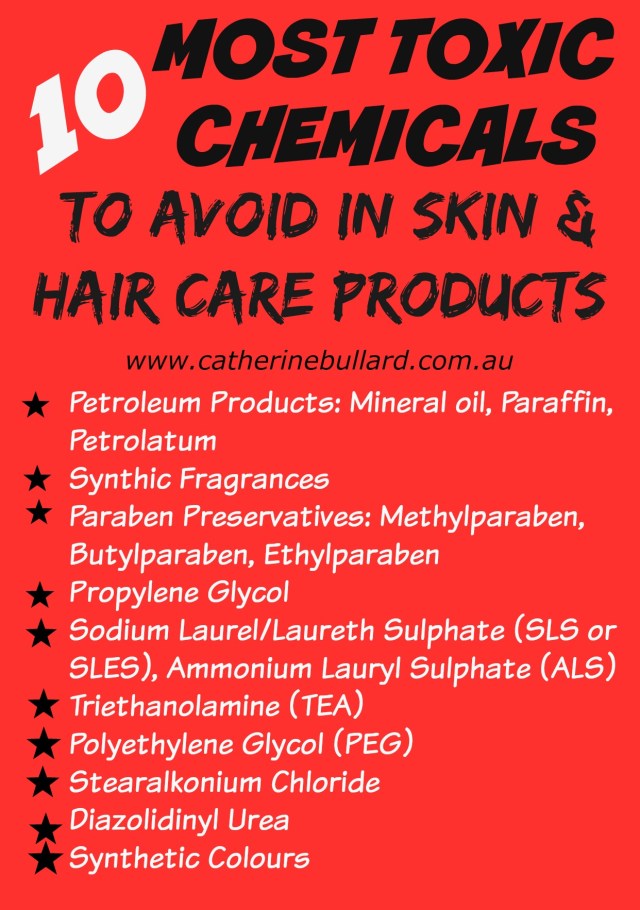
The most problematic ingredients, and thus the ones you DO need to avoid, found in almost all skin/hair care products are these:

1. PETROLEUM PRODUCTS: (Mineral oil, Paraffin, Petrolatum): They coat the skin like plastic which clogs the pores, and interferes with the elimination of toxins allowing their build up and leading to acne and dermatitis. They slow skin cell development which results in premature ageing. They are often used in lip products to protect chapping and sun damage but as mineral oils promote skin photosensitivity (sun damage) and interfere with the body’s own moisturisation, they actually lead to dry and chapped skin.

2. SYNTHETIC FRAGRANCES: They can cause skin irritation, rash, headache, dizziness, vomiting, coughing, and hyperpigmentation. They can also affect the central nervous system and cause depression, hyperactivity and irritability. Because they contain up to 4000 ingredients, many toxic or carcinogenic, there is no way to know exactly what they do contain. If you want products with a fragrance then look for ones that use essential oils instead.

3. PARABEN PRESERVATIVES (Methylparaben, Butylparaben, Ethylparaben): Widely used and known to be highly toxic, they are a preservative used to inhibit microbial growth and extend shelf life. They cause many allergic skin reactions and skin rashes, irritate eyes and respiratory tract, and are connected to cancer. They also disrupt homrmonal process in the endocrine system as they mimic oestrogen

4. PROPYLENE GLYCOL:  A synthetic petrochemical, it inhibits skin cell growth, weakens cell structure, causes allergic reactions, dermatitis, skin irritation, conjunctivitis, and kidney/liver abnormalities. It is used as a ‘moisturizer’ and also found in fragrance oils. It is toxic and dangerous and the EPA requires workers handling it to wear protective gloves, clothing and goggles and to dispose of it by burying it in the ground. In spite of this, there is no warning label requirement for products like stick deodorants even though the concentrations are higher than in most industrial applications.

5. SODIUM LAUREL/ LAURETH SULPHATE (SLS or SLES), AMMONIUM LAURYL SULPHATE (ALS): The synthetic substance that builds the ‘foaminess’ in shampoos, they dehydrate skin and inflame and separate the skin layers. They cause eye irritation, skin rashes, hair loss, scalp scurf like dandruff, allergic reactions, they break down the moisture barrier in the skin, and they turn into a carcinogen. They are found in over 90% of personal care products that foam including shampoos, skin care and even toothpastes as well as engine degreasers and garage floor cleaners. Don’t be deceived into thinking it is ok if it says ‘comes from coconut’.

6. TRIETHANOLAMINE (TEA) – (it will often have a number added): It is a synthetic emulsifier which is severely irritating to body tissues and can cause allergic reactions, eye problems, dry skin and hair, and can be toxic if absorbed into the body over a long period of time. Over 40% of cosmetics containing it have been found contaminated with nitrosamines (potent carcinogens). The Material Safety Data Sheet actually advises wearing a face shield if there is danger of eye contact.

7. POLYETHYLENE GLYCOL (PEG) – (sometimes with a number added): They reduce the skin’s natural moisture factor and leave it vulnerable to bacteria. They also contribute to the appearance of ageing. Very commonly used and connected with liver and kidney damage and a carcinogen, you will also find them in caustic spray-on oven cleaners.

8. STEARALKONIUM CHLORIDE: Highly toxic, it can cause allergic reactions. Originally developed as a fabric conditioner it is now used in creams and hair conditioners because it is cheaper than herbals or proteins. Over time it causes hair to become dry and brittle

9. DIAZOLIDINYL UREA: The American Academy of Dermatology established it as the primary cause of contact dermatitis. It is the most commonly used preservative after parabens. It contains formaldehyde which is toxic if inhaled. It causes skin nose, eyes and throat irritation coughing and difficult breathing. It is toxic.

10. SYNTHETIC COLOURS: They are used simply to make products pretty. Avoid anything with these added as animal studies show almost all are cancer-causing agents and serve no beneficial purpose in the product at all.

Here are a few more to avoid, although they’re just a few of the huge problem.

Toulene – (benzoic, benzyl) A well known poison affecting many organs and found in synthetic fragrances, it is fatal if swallowed and harmful if inhaled or absorbed through the skin.

Oxybenzone – (or benzophenone-3): It is found in any product offering sun protection – it inactivates the skins own antioxidant system (which leads to premature ageing),disrupts hormones, and causes cancer.  Ironically, it reacts under UV light (ie: in the sun) to potentially damage DNA and affect development.

Retinal Palmitate – decomposes under UVA rays into chemicals that cause cell mutations. Being photo-toxic it causes skin ageing but is often found in anti-ageing products!

Skin Deep: Avoid toxic skin care products

Children Are At Greater Risk

The EWC (Environmental Working Committee) offer this advice  on how to read a personal care product label. They recommend paying particular attention to products for children and babies which contain the same harmful ingredients but pose a greater risk. Children are so much smaller than adults so they’re relatively far more exposed to the dangers of the contaminants. Their organs are immature and far less capable at dealing with the assault.


Other Ways These Chemicals Affect You

The effect these toxins have on you isn’t just about how your skin or hair looks and feels. Many people also have a huge improvement in other health problems after they change their hair, skin or cleaning (personal and clothes) products. Switching from products containing the above ingredients to more natural products that don’t contain the nasty chemicals can have a huge impact on their health.

If you do seek out products made from more natural, healthy ingredients you may find that problems like allergies start to go away. Even simply changing to products that don’t contain artificial colours or synthetic fragrances makes a significance difference and is a great place to begin.

Natural chemical free products leave your skin younger and healthierNo doubt in the past you’ve found some products were good for your skin and others not so good. Natural skin and hair care products are no different. If you find one isn’t good for you then try another. The right one for your own individual skin and hair will be there and it’s simply a matter of finding which it is. I tried many different natural, healthy shampoos and conditioners before I found the one that suits my hair and leaves it beautifully soft.


Not  All ‘Natural’ And ‘Organic’ Products Are Ok

Here is a great article by the Wellness Warrior, Jess Ainscough, called ‘8 Beauty Brands You Would Think Are Natural’ where she challenges the ‘natural’ and ‘organic’ claims made by big companies. She examines one randomly chosen product from each range for just how many toxins it contains. She reinforces just why you do need to know your stuff and should really get you asking questions.


A List To Use When Shopping

To make it easier to navigate your way through the jungle of scientific names here’s a list of the ingredients above. Copy it and keep it in your bag. Then you can check the ingredients in products before you buy them.

PETROLEUM PRODUCTS: (Mineral oil, Paraffin, Petrolatum)

SYNTHETIC FRAGRANCES

PARABEN PRESERVATIVES (Methylparaben, Butylparaben, Ethylparaben)–

PROPYLENE GLYCOL

SODIUM LAUREL/ LAURETH SULPHATE (SLS or SLES), AMMONIUM LAURYL SULPHATE (ALS)

TRIETHANOLAMINE (TEA)

STEARALKONIUM CHLORIDE

DIAZOLIDINYL UREA

SYNTHETIC COLOURS

POLYETHYLENE GLYCOL (PEG)

skin deep 4

Personal care products are supposed to enhance our skin and hair. Make sure that the ones you use are in fact food for your skin and not toxins for your skin.


Toxic ingredients in skin and hair care products often cause dehydration
Many toxic ingredients in skin care products cause dehydration

Disclaimer.

All information and opinions presented here are for information only and are not intended as a substitute for professional advice offered during a consultation. Please consult with your health care provider before trying any of the treatment suggested on this site. 

Source articles:

The Campaign For Safe Cosmetics

Organic Consumer’s Association: Ten Synthetic Cosmetic Ingredients to Avoid

EWG’s Skin Deep Cosmetics Base

Miessence: Ingredients We Shun

Superfood Sprouts

Superfood sprouts are wonderful little powerhouses of goodness and contain the highest intensity of nutrients a plant ever has. The seeds are storehouses containing all the nutrients the plant needs to start growing. Once the plant gets growing it’s able to draw what it requires from the soil and air around it, but in that first burst of life it needs a giant boost to get it going. So all the treasures held in the seed are released in a burst to do just that.

In that first tiny stalk and root are the highest nutrient density of any stage of that plants life. Once the seed sprouts the nutrients in the seed increase dramatically, with some nutrients increasing up to 2000%, and this magnified benefit is passed on to you when you consume it.

Superfood sprouts, a nutrient powerhouse


Superfood Sprouts

Suprisingly sprouts are a great source of protein. Sprouts grown to the chlorophyll rich two-leaf stage have been shown to be effective in overcoming protein-deficiency anaemia.

Unless you’re a vegetarian you’re probably getting most of your protein from fish, meat, dairy and eggs. Legumes and seeds are another great source of protein often used by vegetarians. Seeds and legumes in sprout form are actually up to 35 percent protein. Plus they have the added bonus over all the animal proteins that they don’t contain high cholesterol, fat or kilojoules. Plus they’re high in fibre making them an awesome food for weight control as well as health control.

High levels of enzymes in sprouts makes them really easy to digest, so they are perfect if you suffer from bloating or any other digestive issues.

When you eat a handful of sprouts you are eating hundreds of tiny plants instead of just one or two larger ones. With the power-pack of nutrients they deliver it means you are eating the equivalent of many more vegetables.

Unlike veges bought at the greengrocer or supermarket which start to deteriorate after they’re harvested (and often left sitting on shelves or in storage for long periods), the nutrients in sprouts continue to increase after you pick them.

“There is strong evidence that just two or three tablespoons of broccoli sprouts a day can help prevent breast cancer, gastric cancer, and other diseases.” Dole Nutrition News Story

It has been known for a long time that sprouts are a great source of nutrients but more recently it was found that they actually have therapeutic benefits that help to protect us from certain diseases as well.

Research shows that some of the substances in broccoli sprouts become isothiocyanates which may help to fight cancer. Bean sprouts have also been identified as potent anti-tumour agents. The phytochemicals in alfalfa, radish, broccoli and clover have great curative ability to protect us from disease, including from cancer.
Alfalfa sprouts are a wonderful source of saponins to help lower bad cholesterol and fat but not HDL (the good) fats.

Saponins also stimulate the immune system. As the saponin content in sprouted alfala is over 450% more than that in the unsprouted seed it’s quite obvious why sprouts are so much better than unsprouted seeds!

The abundance of antioxidants in sprouts prevent DNA destruction and help to protect against the effects of aging. Could it be that sprouts are the legendary ‘fountain of youth’?

In addition sprouts contain an abundance of phytoestrogens which help in preventing osteoporosis, and of benefit in heart disease and with the symptoms of menopause.

Raw foodies say all sprouts should be eaten raw, but some legumes, even when sprouted, need to be cooked and so can be lightly steamed. Cooking destroys the live food enzymes but makes them far easier to digest. Sprouts like radish, clover, broccoli as well as sunflower and pumpkin seeds are fine raw, and in fact may be better for you when raw.

grow superfood sprouts from seeds in jars


Benefits Of Sprouts

• Extremely alkalising, they help to balance out the harm done to your body by the typical Australian acid-forming diet. Remember, a healthy body is an alkaline body.
• Rich in essential nutrients – Vitamins A, C, B1, B2, B5, B6 and K; many minerals plus omega-3, bioflavonoids, anti-oxidants, plus more!
• Deliver a concentrated serve of vegetables
• Great vegetarian source of protein
• Easily digested
• Great low-kilojoule food for weight loss as they make you feel fuller longer and are low in fat and cholesterol. Bean and alfalfa sprouts are among the best for weight loss.
• High in oxygen for healthy cells
• Have therapeutic properties to help fight disease
• They can be grown on your bench so they’re always perfectly fresh
• Very low cost


Grow Your Own Sprouts

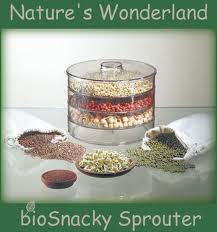
Last week I bought a Sprouter and I can’t wait to use it. It’s simply three plastic stacked dishes with covered holes through which the water can slowly seep. The seeds go in the top two dishes where they sprout in the damp conditions while the used water collects in the bottom dish to be discarded.

Very simple! I could have used a jar with a similar result but this is more convenient and isn’t that what we’re all looking for these days. My favourite seeds are mung bean sprouts (the iconic 70’s Hippy!) and I can’t wait to get some seeds and get started.

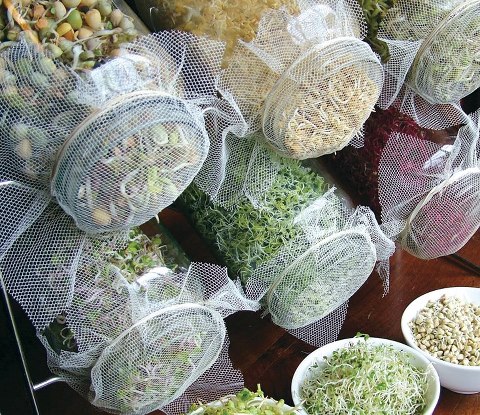
sprouter with a variety of sprouting seeds

If you’d like to try sprouting for yourself here is a great little video with written instructions as well, showing you how to sprout seeds in a jar. Be sure to read the ‘Important Principles’ section. Or else you could go and find a sprouter (mine was only $8). The Biosnacky is a good one.


Seeds For Sprouting

A variety of suitable seeds are available from Health Food Shops. Try out alfalfa, mung beans, broccoli, radish, mustard, fenugreek, lentils, chickpeas, soybeans etc. You can also get ‘mixes’. Make sure the seeds are ‘For Sprouting’ – this is really important as those prepared for planting in the garden may have been treated with toxic fungicides.
If you’d like some ideas for using sprouts in your cooking apart from simply in a salad or sandwich here are some ideas.


Sprouts Galore!

It’s a week since I wrote this and I now have a beautiful crop of lentil and alfalfa sprouts and am starting those mung bean sprouts today. Looks like salads for dinner tonight.

So have fun and get sprouting. With the warmer days here what better time to add an abundance of healthy sprouts to your diet.


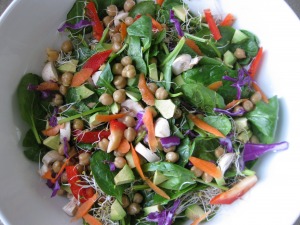
superfood sprouts salad

Disclaimer.

All information and opinions presented here are for information only and are not intended as a substitute for professional advice offered during a consultation. Please consult with your health care provider before trying any of the treatment suggested on this site. 

Source articles:

http://www.energiseforlife.com/sprouting_benefits.php

http://www.sprouts-as-medicine.com

http://www.3fatchicks.com/5-health-benefits-of-eating-sprouts

http://www.isga-sprouts.org/convention/HealthBenefitsofSproutsISGAFlyer.pdf


Ba-na-na-na! Time For Healthy Monkey Business

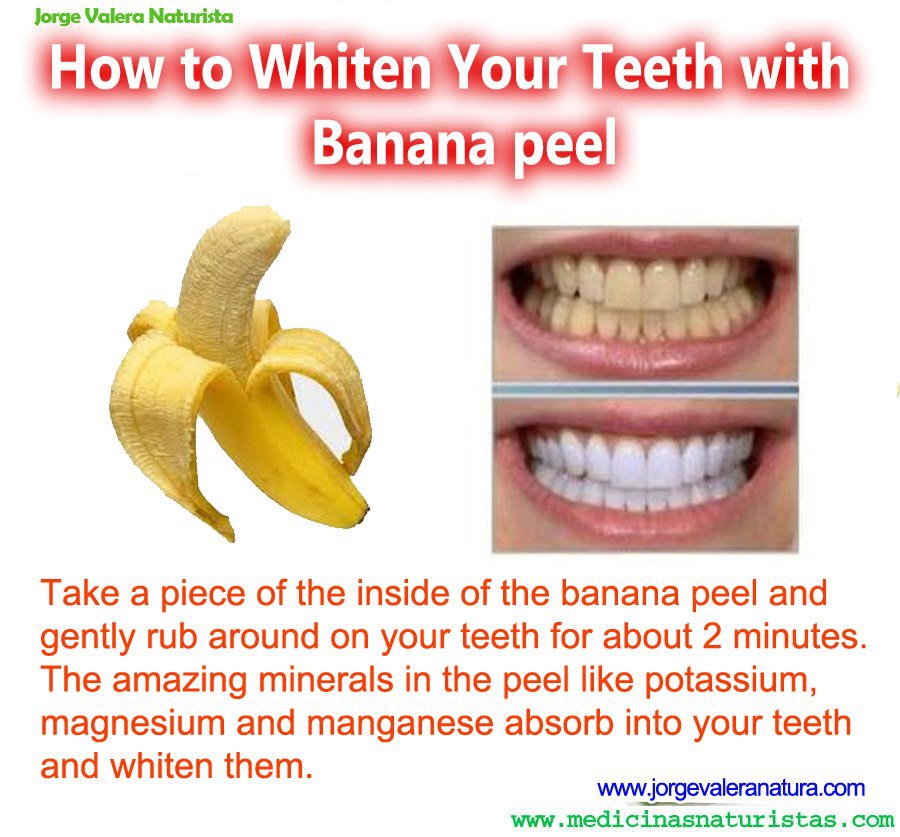
I came across a picture the other day that has me totally intrigued and here it is.

Whiten your teeth the safe way

It has me so hooked because it is such a simple and ‘healthful’ idea and I will never find out for myself whether it is true or not. This is because bananas are one of those foods that I simply can’t bear. I have seen them called ‘everyone’s favourite food’, but unfortunately not in my house! Only one person and the dog can abide bananas, and if that one person should ever peel one in the car then immediately three windows are thrown open and three heads lean out looking for fresh ‘banana-free’ air, while anyone else who might be in the car complains loudly.

This is pretty unfortunate because bananas offer so much inside that humble jacket. Firstly their convenience makes them very appealing as a snack-on-the-go. In addition they are nutrient-rich, containing Vitamin B6, Vitamin C, manganese and potassium as well as being high in fibre. On top of this they are low in kilojoules. Their texture and sweetness makes them the ideal ingredient in many foods. There is a wonderful ‘ice-cream’ that is often sold at weekend markets made entirely of fruit, delicious and healthy, but unfortunately for me, one of the ingredients is always banana, and I can taste that flavour overwhelming all the others. They are so simple to throw into a smoothie for a nutrient boost or into a cake if you love baking. Most kids love them and with the sweet taste and easy eating they are a pretty reliable way to have your children eat the fruit in their lunchbox.

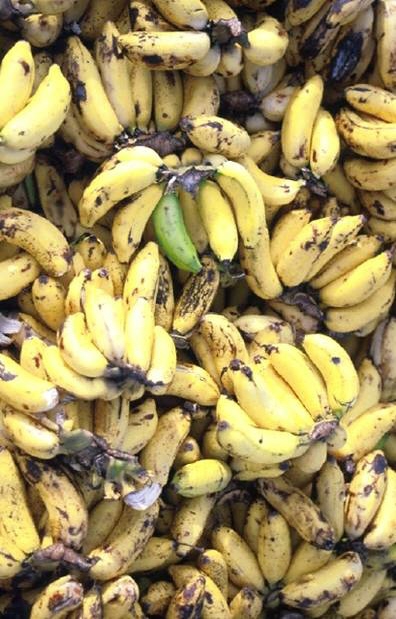
Spotty bananas are the healthiest

For my family this aversion offers a huge health loss as bananas have heaps of health benefits. They are high in fibre. They can help protect against heart disease, osteoporosis, blindness and diabetes, they combat depression, help digestion, they can reduce PMS, build your immune system, even polish your shoes! And this is just the start. Here are some of the benefits that make bananas such a great health package:

Potassium rich, they are well recognized as playing a role in preventing high blood pressure, atherosclerosis and reducing the risk of stroke

  • They are high in fibre which keeps you regular, helps to maintain low blood sugar and stop you overeating – great if you are trying to lose weight
  • They also help if you suffer from diarrhoea as they help with fluid balance and replace lost electrolytes also. In addition, the fibre in bananas helps keep you regular if you are constipated.
  • They build strong bones by reducing the amount of calcium that is lost to your bones because it is excreted in your urine due to the western diet
  • Help stop muscle cramps – eating one or two before you exercise as it will also boost your energy or before bed if you suffer night cramps
  • Aid digestion by stimulating production of the mucous that coats and protects the stomach lining and they are a natural antacid. They are the only fruit you can eat raw if you have stomach ulcers already.
  • Help to prevent stomach ulcers as they contain protease inhibitors to break down the stomach bacteria that cause ulcers
  • Contain Tryptophan which converts into serotonin and helps fight depression. Eating a banana might be just what you need to lift your mood if you suffer from SAD (Seasonal Affective Disorder)
  • Potassium also keeps you more alert, so eating bananas helps when you are studying
  • Your immune system loves bananas because they are high in antioxidants to fight free radicals
  • They contain iron to help prevent anaemia
  • They help combat PMS by regulating blood sugars and raising your mood
  • They help balance fluid in your body to reduce swelling from fluid retention
  • They are a prebiotic and help your digestive tract by increasing the numbers of friendly bacteria so that you can absorb nutrients better
  • Contain Vitamin B6 which helps fight off Type II Diabetes
  • Vitamin B6 also helps ensure white blood cell production to protect you against infection
  • Bananas seem to play a significant role in preventing kidney cancer when you eat them four to six times a week
  • It turns out that while carrots are great for good eyes in children, fruit is a better way to protect against Macular Degeneration in adults and bananas are an easy way to keep up your fruit intake

So, unless like me you also have a strong aversion to bananas, how can you possibly not be eating lots of bananas.

But it matters quite a lot just how ripe they are. The more dark, brown patches there are on the skin the higher the health benefit. Yellow bananas with brown spots are eight times more effective at enhancing your white blood cells than green skin varieties, and with higher TNF (Tumour Necrosing Factor) have a better anti-cancer quality.

Elkhorn Fern

For many years I have been putting banana skins (yes we do have bananas in the house) in the top of my Staghorn and Elkhorn Ferns as they absolutely love the potassium in the banana skin. But apparently the inside of banana skins is also an excellent way to relieve itchy insect bites or hives. And it seems the enzymes in the peel will dislodge splinters if you tape a small piece of peel over the splinter. The inside of the peel will also give your leather bags and shoes a great shine if you polish them with it and then buff with a soft cloth. You could try it on your leather furniture too.

Which brings me back to where I started, whitening your teeth by polishing them with a banana peel. There are dangers associated with Cosmetic Teeth Whitening procedures so this seems like a perfect alternative. Here are the instructions about how to do it. So please, go ahead and give it a try and then come back here and post your results in the comments space below. I am dying to hear how well it works.

And if you know of any more bizarre uses for the humble banana skin add those below too.

Disclaimer.

All information and opinions presented here are for information only and are not intended as a substitute for professional advice offered during a consultation. Please consult with your health care provider before trying any of the treatment suggested on this site. 

Super-Power Your Health With Super-Foods

I often recommend that clients add ‘Superfoods’ to their diet because they are power-packed with health benefits. But many people are not really sure what they are.

Superfoods are defined generally as highly nutrient-rich and nutrient-complex foods which are thought to be especially beneficial for health and well-being. They are often foods with high phytonutrient (the component of plants that affects health) or zoonutrient (the health-affecting component in animal products) content, as well as being rich in vitamins, minerals and antioxidants. They are not processed and although not a specific requirement, you would expect them to be organic or biodynamic.

The compounds in superfoods are so powerful that they can have a huge and significant effect on your health. It is thought that more than half of the suffering of degenerative diseases could be eliminated simply by changing to a diet made up of superfoods.

Diet-related diseases such as diabetes, cancer, heart disease and hypertension can be significantly affected by choosing to eat a diet rich in these foods. If they can have such a significant effect on people suffering with these serious diseases, consider the impact they will have if they are included in the diets of people whose health is better, and more particularly, their impact on children.

Using lots of superfoods in children’s diets promotes vibrant good health, and an energy and enthusiasm for life.

On a value for dollar basis superfoods make perfect sense. They are rarely the foods that you find on sale but the benefits they provide for quantity makes them a very smart purchase. Here is a list of some of the best superfoods, although there are lots more!


10 Awesome Superfoods

1.  Apples

There are many superfoods around to choose from. With families and children in mind top of the list has to be apples. But, apples are one of the foods on the“Dirty Dozen®” list. This means they are one of the most highly pesticide sprayed foods and should only be eaten when they are organic or biodynamic. Apples are a super source of antioxidants and vitamin C. They also contain potassium and fibre, and are low in kilojoules. Their secret is in the skin, so it is very important not to peel the apple in order to get the benefits.

Apples are not just great for children, as eating apples also improves mental dexterity and slows both age-related memory loss and bone loss.  Find out some other specific health problems that apples help plus a nice recipe for baked apples right here  as well as here.

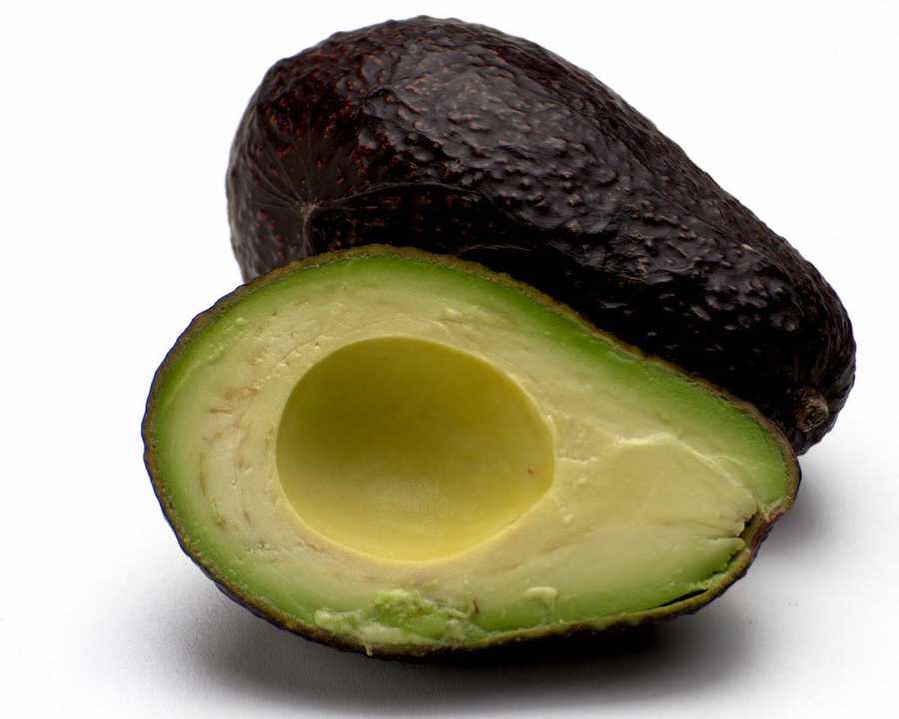
2. Avocado

Avocado is another superfood that is easy to include in family diets. Hass avocados which are very easy to find, have the highest concentration and variety of nutrients, with a high percentage of healthy fatty acids, vitamin E and antioxidants. They are great for your digestive system and also have anti-aging benefits, helping to prevent wrinkles. The antioxidants are highest in the darker green flesh straight under the skin so try not to cut this off. If your children are not keen to eat this delicious fruit try using it as a spread on their sandwiches. Read more about the amazing avocado

3. Goji Berries

Another yummy superfood is berries. Do you know of Goji berries? They have an amazing

Goji Berries are also sometimes known as Wolf Berries

amount of unique nutrients and antioxidants. They have more iron than spinach and more vitamin C by weight than any other food on earth, as well as lots of other goodies. They are fantastic for your immune system and will help any imflammatory disorder. You can buy them as juice or dried. But if you are on a nightshade ( Solanaceae) free diet you will need to avoid Goji berries as they fall into that food family. Here  is some more about goji berries. If you would like to grow your own Goji berries this guy  in Qld sells plants over the internet to all Australian states.

Goji berries are not the only berry superfoods. In fact all berries are little power packed bundles. Raspberries, blackberries, strawberries and in particular blueberries all contain lots of vitamins, minerals and antioxidants. But, they are another food, like apples, that need to be organic because of the high use of pesticides.

4, 5, 6 &7. Brassicas

There are many other Superfoods such as the cruciferous vegetables. This is a big family that includes broccoli, cabbage, cauliflower, bok choy, Brussels sprouts, radish, kale, kohlrabi, Chinese cabbage, rocket (arugula) and watercress.

8. Spinach

Spinach is another superfood that needs to be organic, and it is a great source of iron to boost your energy. Adding any greens to your diet provides many wonderful nutrients and should be eaten every day, but including superfood greens will give an added boost to your health

9. Beans

Kidney, borlotti, butter, chick peas, etc and lentils have nutrients that offer significant protection against a number of tumours as well as the normal superfood benefits. They are also particularly helpful for people with insulin resistance.

10. Nuts and seeds

Nuts and seeds can have a massive effect on lowering your risk of heart attack if you eat them five times a week.


More Superfoods

A few other superfoods are:

  • raw cacao (not everyday chocolate which is full of sugar, and usually dairy products) 
  • quinoa which is a herb that you use as you would a grain
  • chiaseeds which are wonderful when added whole or ground to any food or used as an oil.
  • flaxseed oil
  • cold-pressed coconut oil

Superfood Supplements

The ‘Supergreens’ include Spirulina, Chlorella, Wheat Grass and Barley Grass. The nutrients in these are very concentrated and provide you with a shot of goodness. They’re called ‘wheat grass shots’ for more than one reason!

These superfoods come in tablet, capsule or powder form. The powder is easy to add to juice or smoothies. Although it makes it go dark green it doesn’t affect the flavour noticeably.

My own favourite is Spirulina which I think of as the supergreen equivalent of a “multi-vitamin”, a great all-rounder. Chlorella is particularly detoxifying and Barley Grass is very alkalinizing for your system.

The supergreens also come in combination with each other, or you can mix them yourself. I always use them in highish doses when I travel to help to counteract the toll that overseas travel takes on my body.

Superfoods are a wonderful alternative to fast food when you’re on the go. By adding them to your diet you are eating foods just as nature intended.

If you concentrate on increasing the amount of superfoods in your diet rather than trying to eliminate foods you will find it won’t take long before you’ve replaced  the ‘bad food’ with good. Your diet will have improved without the stress of having to consciously avoid foods. Superfood supplements can also be used for short term assistance.

During times when you are under greater stress, physically or mentally, or when you are not getting enough nutrients add the supergreen supplements for as long as you need them.

Here  is an interesting glossary of natural and organic foods if you are unsure about just what some of the ones mentioned are.

What are your favourite superfoods? Do you have any special ways that you incorporate them into your diet?

How do you super-power your own health?


Disclaimer.

All information and opinions presented here are for information only and are not intended as a substitute for professional advice offered during a consultation. Please consult with your health care provider before trying any of the treatment suggested on this site. 

Source articles:

http://thenaturalhealthguide.com.au/reviews/eight-superfoods-for-health-and-beauty-from-your-local-grocery-store/

http://www.naturalnews.com/001539_NOLINKS_superfoods.html

http://www.naturalnews.com/036003_goji_berries_superfood_nutrients.html

http://www.naturalnews.com/035763_avocado_superfood_anti-aging.html

http://www.naturalnews.com/030481_superfoods_nutrition.html

http://www.naturaltherapypages.com.au/article/goji_berries_and_goji_juice

Related articles

Bring In The Positive With Negative Ions

With Spring all around you could be excused for thinking that Love is in the air. While that may well be so in your neck of the woods, it will be sharing that air space with something far more sinister – positively charged ions. These positively charged ions have a dramatic effect on your body and your mind, causing a whole range of health problems.

Salt lamps counteract the bad effects on our health of positive ions

What Are Positive Ions?

Without getting technical, there are two types of ions (charged particles) in our surroundings, negative and positive. (Don’t skim or skip this as I’ll try to keep it simple and having a basic understanding will make lots of things about your family’s health clearer to you.)

An excess of positive ions in the environment affects the health of humans. Positive ions are thought to cause free-radical damage in the body and adversely affect the immune system in many ways.


What Are The Negative Effects Of Positive Ions?

As well as immune system dysfunction they positive ions cause many other symptoms including body pains, headaches, dizziness, nausea, fatigue, respiratory difficulties, allergies, asthma, migraine, emotional unbalance, irritability, exhaustion, apathy, anxiety and depression. They can also affect your endocrine (hormonal) system, thus your thyroid hormone production and also increase adrenalin production.

And then all these disruptions can impact on you in many other ways such as poor sleep or learning difficulties.


Where Do Positive Ions Come From?

Increased positive ions in the environment are produced by many of the things that are an ingrained part of our modern lives, such as TV sets (digital sets throw out toxic beams directly in front of the screen for up to 400 metres, including through walls), computer monitors, microwaves, fuse boxes and in fact by any of the electrical appliances and power points in your house and workplace.

WiFi technology, such as mobile (cell) phones, wireless internet, modems and routers, and baby monitors, has greatly increased the presence of positive ions in our lives. The electro magnetic field around each of these hotspots varies from one to the next but can extend for a number of metres.

The term Geopathic Stress is used to indicate the presence of unhealthy earth energies in living spaces and refers to the imbalance of Positive Ion fields. And stress within your body, including your brain, is exactly what high positive ion levels cause.


How Negative Ions Help You

Negative ions on the other hand, help to balance out the effects of the vast quantities of positive ions that are released into the air of our modern homes. It’s thought they produce biochemical reactions in our bloodstream that lead to increased production and release of the happy mood chemical serotonin, which in turn helps to alleviate depression, reduce stress and boost daytime energy.

Other ways negative ions can help you are with detoxification, increased alertness, improved concentration, better breathing, sounder sleep, tension relief and vitamin utilization and they help to strengthens your body’s immune system.

Negative ion balance maintains healthy oxygen levels, promotes healthy cell growth, healthy states of mind and overall wellbeing. Basically, they’re all-round ‘good guys’ and vital to have anywhere you spend lots of time!


How Positive and Negative Ions Affect Your Body

Here’s an interesting comparison from Kiflow between the benefits from negative ions and the damage from positive ions in the environment.

Beneficial Negative Ions Harmful Positive Ions
Blood vessels Dilate blood vessels Constrict blood vessels
Blood Pressure Stabilize BP Increase BP
Blood Increase blood alkalinity Increase blood acidity
Bones Strengthen bones Weaken bones
Urinary tract Promote urination;
increase nitrogen in urine
Suppress urination;
decrease nitrogen in urine
Respiratory Stabilize respiration and make breathing easier Accelerate respiration and make breathing more difficult.
Pulse rate Decrease pulse rate Increase pulse rate
Heart Enhance heart function Impair heart function
Fatigue Speed physical recovery Prolong physical recovery
Autonomic Nervous System Calm and relax nerves Tense and strain the nervous system
Growth Promote healthy growth Suppress and delay growth


Where To Find Negative Ions

There are lots of places where you find an abundance of negative ions including beaches, waterfalls, forests, fountains and mountains. Think of the wonderful lift you experience just by being in these places.

Pounding surf and thunderstorms are great negative ion generators. Of course some of the positive response you feel is due to the natural beauty of these amazing places but much of the uplifting response is from the abundance of negative ions in the air.

Negative ions in these places are measured in tens of thousands but in most homes and offices they often only measure in ‘hundreds’ or even ‘tens’, which may be why you never get that same uplifting feeling at home, work or school.

Negative ions are not the same as ozone and both have a different effect on you.

Benefits of negative ions and damage of positive ions

What’s Negative-Ion-Rich Air Like?

The difference between air rich in positive ions and air rich in negative ions can easily be felt during a thunderstorm.

Have you noticed the build up of tension in the air just before it starts? This is the time when the positive ions are peaking.

Once the storm hits the air produces electrical charges in the atmosphere and fain starts to fall. The air becomes rich with oxygen and explodes with negative-rich ions.

After the storm has passed there’s a feeling of calm and serenity because the rush of negative ions has balanced out the positive ions.

There are many ways to reduce the buildup of positive ions ranging from the cheapest, which is to simply throw open the doors and windows on opposite sides of the room to allow cross-ventilation, to the expensive installation of an Ionizer, but one easy and beautiful way to bring about this ion reversal is to place Himalayan Salt lamps around your living spaces.


What are the benefits of Himalayan salt?

I have lots of Himalayan Salt Lamps for sale at work and am often asked what their purpose is. These lamps, and the salt itself, have a wealth of health benefits.

Lamps made of salt from the Himalayas have enormous health benefits

Himalayan salt is high-quality salt hand-mined from salt caves that were formed 250 million years ago in the foothills of the Himalayas.

The lovely pink colour indicates that it’s mineral rich, and in fact contains 84 minerals and trace elements including calcium, potassium and magnesium. In a country like Australia where our mineral deprived soils lead to food produce that is also low in the minerals your body needs, using this salt is a good way to boost your essential mineral intake.

Unlike table salt, it’s unprocessed. Processed salt is devoid of minerals and only one of the 84 minerals, iodine, is ever replaced.

Even rock salt, which is better than table salt, is no match for Himalayan salt as the elements contained in rock salt are not as easily metabolized as they are in the Himalayan salt which has a unique crystalline structure that enables your body to absorb and metabolize them.

I use Himalayan salt in my cooking instead of processed salt and have noticed that I actually need to use less to get the same effect, perhaps as a result of the presence of the full-spectrum of minerals it contains.

Himalayan salt has a perfect crystalline structure and is the highest grade of natural salt. It contains no environmental pollutants and is importantly, immune to electromagnetic fields.

It’s great added to baths to rejuvenate skin, and to foot baths to detox. Across Europe it’s very common for people to go and spend time inside salt caves to aid their health. Here are the locations of a few.


Himalayan Salt Lamps

Another wonderful way to gain the health benefits of Himalayan salt is to use it in the form of lamps.

Here’s a short explanation of how they work but here and here are more detailed ones.

As the lamp warms up it begins to attract and absorb moisture and the surface becomes moist. The ion field builds up. The heat from the lamp then leads to evaporation and it’s this that creates the negatively charged ions and releases them into the air, where they bind with and neutralize the excess positively charged ions in the air. This helps reduce the ‘electro-smog’ in your air as well as reducing allergens and irritants.

The lamps only release negative ions when they are warmed from the heat of the globe.

If the air is very humid the lamp may ‘weep’ and so should be left lit as this helps to dry them out. During one particularly humid December I woke to find a huge puddle on the floor under one of my lamps sitting right in front of a fan that had been on all night to draw the cooler air into the house. But that cooler air was also laden with moisture!

Himalayan Salt Lamps provide huge health benefits

In addition they are very beautiful, emitting a soft pinkish glow that helps to create a wonderful warm ambience in your home or work. Their colour ranges from light apricot to dark orange and from the softest baby pink to a deep dark rose pink.

There has been much research on the healing effects of colour on our body and mind. Pink is said to soften the vibrant energy of red and support a sense of partnership and love and open your emotional body. It embodies feminine nurturing.

Here are colour therapy descriptions of the characteristics of various pinks “The New Rainbow Colours” if you’d like to know more.

Himalayan salt lamps emit negative ions to help reduce the toxic effect of wi-fi
Salt Lamp Globe Showing Naturally Occuring Striations


How To Use Salt Lamps In Your Home

Placing just one lamp in your home won’t ‘fix it all’ as they have a limited range and so won’t be able to neutralize a whole house.

I have five in my home and one on my desk at work. Place a few through selected areas of your home where you spend lots of time, such as the living area or bedroom as well as near the TV, computer and other high EMF areas to gain the benefits where you need it the most.

They make a beautiful soothing night light for a child’s bedroom, creating a nurturing feeling for the child while at the same time rebalancing the ions in the air, and often improving disturbed sleep.

Salt lamps often improve disturbed sleep.

Disclaimer.

All information and opinions presented here are for information only and are not intended as a substitute for professional advice offered during a consultation. Please consult with your health care provider before trying any of the treatment suggested on this site. 

Source articles:

http://products.mercola.com/himalayan-salt/himalayan-salt-lamps.htm

Spring Is Here – Detox Time

Spring Cherry Blossoms

With the arrival of September comes the stirring of Spring down here in Oz. (For my Northern hemisphere followers there are also steps that you need to take to deal with the change from the warmth of Summer into the cool of Autumn and I will post some pointers for you next time).  Doors and windows are thrown open at the first hint of a warm day letting light and air pour through rooms that have been closed up throughout the dark depths of winter. Second-Hand Shops are flooded with donations as cupboards are cleaned out and goods are discarded. Intentions are set and with the new mindset changes begin to happen. Dogs get walked more frequently, meals start to include more fresh, raw produce, gym programs are set and personal trainers are hired, and many people undertake a detox program to rid themselves of the winter “blahs” and get their energy surging and their bodies trim for the seasons ahead.

Your body’s natural detox system is awesome when it is functioning at full power. But when something breaks down, the toxins are simply not eradicated and build up inside you, stressing every system in your body and leading to lots of health problems that can include bad skin, allergies or arthritis.

At work this week I have begun the Spring Detox Programs and now is the time to consider starting these in your life also. Toxic overloads build up over time and obviously cannot be dealt with by simply eating fruit over a weekend. Also,  doing only a juice fast or detox diet may cause more harm than good, as your metabolic processes will slow down dramatically, and this includes waste removal. The toxins within your body are stored in the fat cells. Increasing  exercise without making any other significant changes can release these toxins into your system as the fat breaks down, but not necessarily adequately flush them out of your body.

To detox properly you need to put a number of things into place and commit to making long-term changes rather than just a 2-day or even week long quick-fix.

There are many ways that you can go about this.

First be honest about what you need to change. Do you smoke? Drink lots of coffee, or soft drinks, which also often contain caffeine, or worse, aspartame? Are you binge drinking, or drinking alcohol on most nights? Are you addicted to sugar or foods high in saturated fats? Are you too sedentary? Are you stressed? Even though you don’t take stress “into your body” it is still very toxic to all your body systems, particularly if it is ongoing.

So to create an effective detox you need to work with the natural body detoxifying processes. At the same time limit the amount of toxins you are exposed to so that you reduce the stress on your detox system, while also strengthening it at the same time.


Fresh, raw, organic vegetables

The first line of defence against toxin overload is in limiting what you put into your mouth. This usually means giving up coffee, sugar, bread, milk alcohol and red meat, but if doing this stops you being able to detox in other ways then it won’t be all that good (although I always maintain even small steps are useful to a certain degree and sometimes the best way to get started). In spite of this, to effectively detox you do need to reduce the toxin intake from food. Eating only organic food is the best option but if it is not possible, at least try to always eat some selected organic foods. You also need to add foods to your diet that will stimulate the liver, bowel and kidneys so they work better, as well as foods that neutralize free radicals like berries, kidney beans, avocadoes, cherries, spinach, red cabbage, sweet potatoes, broccoli, green tea, nuts, ginger, cinnamon, turmeric and kiwi fruits to name just a few .

Here are 5 Great Springtime Detox Diets you might like to try. There are lots of  “Top 10 Detox Food” lists around. This list suggests general food groups and this one specific food items, and both are great places to get ideas for changes you can make. But remember they are just a start and you should aim to expand on these lists.

Juicing is a another great way to get optimal health and well worth including in your nutrition plan. How often are you getting the 7-8 serves of fruit and vegetables you need every day, and do you know how big a serve actually is? Juicing offers a way to help you meet those requirements. You can add veges that you don’t normally eat and get a wider range of nutrients and also this means you are able to rotate your foods more. Here is a nice comparison of the different types of juicers available. Check it out before you get one. And then check out these good recipes to get you started. Celery, fennel and cucumbers are good veges to start with as they are easy to digest.  You can add lemon or lime, cranberries or blueberries, or fresh ginger to boost your health and get a great flavour burst. As you get the hang of it you can add superfoods to your juice like Spirulina (my own fave “multi-vitamin” superfood), chlorella, barley grass and maca powder. Use organic veges and fruit, especially if they are one of the ones included on the “Dirty Dozen©” list . Also, drink the juice straight away as it is very perishable. If you need to you can store it for a day in the fridge, in a container filled right to the top so there is no air to allow oxidation to occur. The only drawback about using lots of juices in your diet is that you lose the fibre that is in the fruit and vegetables when you juice them, and so you will need to be very conscious of maintaing a high level of foods with a high natural fibre level in the other foods in your diet.

While exercise is essential to a good detox, gyms are not always helpful or healthy. Their environment is one that for many people simply builds their stress levels and negates any health benefit they would otherwise gain. Running or walking in the open air, or swimming gives you the benefit of aerobic exercise away from the stressful environment.

Eastern exercise like yoga, t’ai chi and qi gong are wonderful ways to exercise as they offer you so much. You will gain all the benefits of other aerobic exercises as well as much, much more. Yoga for example, teaches you to breathe properly, it stretches your muscles which in turn releases toxins, it balances your inner body energy, or chi, it helps to reduce your stress and it stimulates your lymphatic system. It is also very calming for most people and leaves them feeling at peace as well as envigorated. There are many types of yoga and you are sure to find one that suits you.

Detoxing is not just about what goes on inside your body. It is also important to attend to your external body. You are going to like this! Massage, body-brushing and heat treatments are some great ways to stimulate detoxing from the outside.

About half a kilo of toxins leave your body each day, carried out through your skin in your sweat, but this can only happen if your pores are clean. Also, if you are you are using an anti-perspirant then you need to be aware that it will be blocking some of the major drainage pores of your body. The pores can also be blocked by a build-up of dead skin cells that sit on the surface of your skin. Normally they are shed, but this doesn’t occur as well as you age. So, removing these cells is important to detox and body-brushing is a good way to do this. Here is how to do it. Body salt scrubs on dry skin will also help. I make a delicious one from Himalayan Salt and essential and vegetable oils.

Sauna and steam treatments are another way to remove toxins. By the way, when smokers leave a sauna they often leave a yellow tar residue which has oozed out of all their pores on the towels and a fine layer of black tar under the benches. Is that an incentive to stop smoking? I hope so.

Massage detoxes the body in two ways. Firstly, by reducing stress which if prolonged depresses your immunity and therefore your resistance to infections. Reducing stress  can also help reduce cravings. Secondly, it stimulates blood circulation and lymphatic flow, which feeds more nutrients into the cells and removes more waste from the cells. There are a few different types of massage, and while all will be beneficial manual lymph drainage is the most beneficial for detoxing.


So, armed with these few tips to get you off and running, start formulating your Spring Detox plan today so you can get it underway quickly and head out on the path towards a lighter brighter spring you.

Disclaimer.

All information and opinions presented here are for information only and are not intended as a substitute for professional advice offered during a consultation. Please consult with your health care provider before trying any of the treatment suggested on this site.