All posts by happyholistichealth

Join me to create a happier, healthier life.

Fish Oil, Fatty Acids and Other Nutty Ideas

Many people take Fish Oil supplements to boost their Omega-3 intake these days when only a few years ago nobody gave these Essential Fatty Acids very much attention at all.

Scientists have been aware of the benefits to health of omega-3 fatty acids for about sixty years, particularly for their role in helping clear up skin diseases such as psoriasis and eczema. For about thirty years they have been thought to be effective aids to lowering cardiovascular risk and heart attack. But over the last few years there has been an explosion in public awareness of the many diseases that have a link to inadequate amounts omega-3 in the diet, and with this awareness has come the widespread use of supplements to address deficiency related health problems.

If you don’t know the difference between omega-3 and omega-6 you are not alone as most other people don’t either. Our diet now contains many foods high in omega-6 such as breads, biscuits and even meat fed on grains. While we need more omega-6 than omega-3, the ratio being 4:1, the ratio in our diets is actually closer to 10 – 20:1 and so we are getting far more omega-6 than we need at the expense of sufficient omega-3. The omega-6 is often from a poor, highly processed form of the food source. The effect of this unbalance is to cause many other health problems.

Omega-3 and omega-6 are both polyunsaturated fatty acids that we need to add to our diets because our bodies cannot synthesise them. Omega-6 is needed in greater quantities but is also more easily obtained as it occurs in many of the foods that are eaten in large quantities in the western diet. Whilst we need much less omega-3 the amount that most Australians consume falls very far short of their daily requirements.


What Are Essential Fatty Acids?

Simply put they are EPA, DHA, GLA, and OA.

  • EPA ( eicosapentaenoic acid) is great for a healthy heart and body
  • DHA (docosahexaenoic acid) for healthy mood, mind and memory
  • GLA (gamma-linolenic acid) for healthy skin, hair and hormones
  • OA (oleic acid) for healthy blood pressure and cholesterol levels.

EPA and DHA occur together in nature and so should always be taken together, along with OA (which is omega-9).

GLA is omega-6 and works well in combination with the other nutrients but as we receive more than adequate quantities in the western diet we do not need to supplement GLA.


Omega-3 Deficiency

Deficiency of DHA and EPA has been shown to be linked to many different health issues and the list seems to keep growing. Just a few conditions that indicate a need for more high omega-3 foods in your diet are:

  • depression
  • cardiovascular disease
  • Type 2 Diabetes
  • fatigue
  • dry and itchy skin
  • brittle hair and nails
  • difficult concentration
  • joint pain

But there are many more.


Omega 3 Food Sources

Before you consider taking an omega-3 supplement you really need to consider whether it is possible to meet your omega-3 requirements from food sources, as research has shown that omega-3 may be better absorbed from foods than it is from supplements, even cod liver oil.

The very best food sources for omega-3 are cold-water oily fish. A few of the best are herrings, sardines and anchovies or in the larger fish, trout, blue mackerel, gemfish, salmon and blue-eye trevalla. A word of warning about salmon – all salmon grown in Australia is farmed, which means it is grown in dense-packed pens near ocean shores, fed fish meal that can be polluted with toxic chemicals, awash in excrement that then gets flushed out to sea and infused with antibiotics to combat unsanitary conditions – really salmon can be viewed as the “battery hen” of the sea.

Good quality salmon will be wild caught and in Australia is unfortunately found only in tins from Canada or Alaska. Opt for imported wild-caught salmon if you can get it.


DHA & EPA

The two important components of omega-3 are DHA and EPA. There is overwhelming evidence that both are of great benefit.

Omega-3 is also available from  sources other than fish (vegetarian) such as walnuts, flax, chia and pumpkin seed oils, soy products and dark green leafy vegetables. But these sources contain Alpha- Linolenic Acid (ALA) rather than DHA or EPA. This needs to be converted in the body and in many, many people, especially the elderly, this conversion is very inefficient and so these are not a reliable source.

But omega-3 from vegetarian sources is a better option than no omega-3 at all.


Omega-3 Daily Requrements

For the recommended requirements of omega-3 for Australian adults look here although be aware that stress or disease will modify your needs.


Fish Oil Supplements

If you do choose fish oil supplements there are a number of important things to consider about the particular omega-3 supplement you are considering before you start taking it.

Here are a few  guidelines that may help:

  • When choosing fish oil supplements be very careful of the quality. You get what you pay for. Many fish oil supplements are poor quality and capsules can contain rancid oil. Not only will this not help your health, it can actually make it worse, because rancid oil forms free radicals which cause inflammation that leads to disease.
  • Many fish oil supplements are made from farmed fish (see the problems associated with this above)
  • Check the levels of DHA and EPA as these will vary with each product and get one which has 2-3 times more DHA than EPA. It is difficult for the body to convert EPA to DHA.
  • Taking just one or two capsules each day is unlikely to supply you with enough of the omega-3 you need and you will most likely need many more than this. Taking the supplement in a liquid form is a better way to get an adequate amount.
  • Cod Liver Oil is a good way to get the omega-3 EFA’s you need as well as Vitamin D and Vitamin A. These days these oils are often fruit flavoured without the fishy taste of days-gone-by.
  • Many fish oils contain high levels of contaminants such as mercury or PCB’s. Try and source impeccable supplies.
  • If you are using Krill Oil consider that Krill fishing has already been banned or strictly limited in some areas due to the ecological impact. Fish oil is more sustainable.


And Now To Totally Change The Subject…Nuts!

almonds

I hear you asking “so where do nuts come into all this”?

Nuts, especially walnuts, are another great food source of omega-3, omega-6 and omega-9. Because high heat, light, and oxygen destroy EFAs,  when you eat nuts for their EFA content, choose raw nuts rather than roasted nuts.

Last week I promised a blog follower a GREAT RECIPE for ALMOND MILK so here it is.

Of course it is not for anyone with nut allergies.

Home made almond milk is a wonderful substitute for dairy milk. It is quite nutritious, being high in protein and of course healthy fats. It also contains fibre, Vitamin E, the minerals phosphorous,  copper, selenium and calcium, the amino acid tryptophan, as well as flavonoids. In addition it has no cholesterol. It has a slightly nutty taste and a creamy texture and the flavour is lighter than soy or rice milk.

Almond milk is now widely available through supermarkets as well as health food shops, but is pricey and some brands are sweetened. A number of brands have a very low percentage of almonds in them, which greatly reduces their nutrient value. By making your own nut milk you can increase the nut content and so the nutrients, dramatically.

Almond milk is good cold, in tea or coffee, smoothies and can also be used for cooking items like cakes or soups. I use it, but in small quantities and so often end up throwing quite a lot out which means making my own is a great option.


Almond Milk Recipe

Almon milk is easy to make and you can make it in just the quantity that you need. Here is how:

  • Soak 1 cup of fresh, raw almonds in filtered water overnight. Make sure there’s extra water to allow room for swelling.
  • Remove the almonds from the water.
  • For a less gritty texture, remove the skins. If you want a richer flavour toast the skins lightly.
  • Place the cup of almonds in a blender with 2 cups of filtered water and blend on high speed until creamy.
  • Add flavouring like cinnamon, honey, cardamom, saffron or a pinch of sea salt and then blend again, if you like.
  • Strain the mixture through cheesecloth or a fine strainer to separate the pulp.
  • You can drink it immediately or for a creamier version, leave it covered in the fridge overnight. It keeps in the fridge for up to a week.
  • The remaining pulp can then be roasted dry and stored in a jar to use as almond flour.
  • Or you could place the almond skins and the pulp in cheesecloth to use as an invigorating body scrub.


Disclaimer.

All information and opinions presented here are for information only and are not intended as a substitute for professional advice offered during a consultation. Please consult with your health care provider before trying any of the treatment suggested on this site. 

Source articles:

http://www.naturalnews.com/035948_omega-3_inflammation_disease_prevention.html

http://www.webmd.com/diet/features/what-to-know-about-omega-3s-and-fish

http://goodfats.pamrotella.com/

http://www.adelaidenow.com.au/ipad/the-pros-and-cons-of-almond-milk/story-fn6jaj16-1225984312290

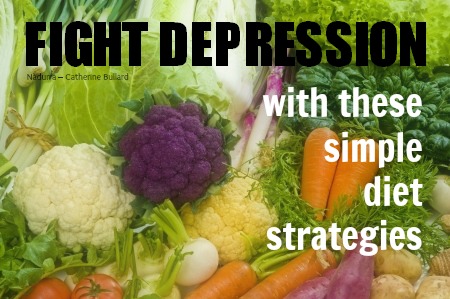
Fight Depression With These Simple Strategies

As you read this post Mental Health Awareness week has finished but the battle that is depression goes on for many people.

Commonly Depression is treated with drugs that flood the brain with serotonin. While it is important to address depression, there have not been scientific studies that show that this drug therapy really works, and in fact, a number of experiments where the serotonin levels in the brain were greatly increased, failed.

However, there are other methods that can be used to help relieve depression.

  • A therapist can help you with new ways to look at yourself and your life.
  • Adequate sleep makes you less susceptible to the negative messages that seem to swamp you. (I’ll write more about good sleep habits in a later post).
  • Exercise three times a week, difficult though it always is to get motivated, always helps lift your mood by altering brain chemistry. It doesn’t have to be at the gym as walking is always good and yoga is great too.
  • Structure helps, so getting into a routine is a good idea.
  • Keeping in touch with other people who love and support you is worth heaps, and if you can’t do that, then just getting out and being around people, anyone, will help. Even better if they have a laugh with you.
  • Getting lots of sunshine is also good as natural light has been proven as a cure for depression.
  • There are also lots of mood boosting supplements, like maca, that will help.

Food For Depression

Another major way of fighting depression is through good nutrition, even though because of the depression you may not be feeling hungry.

Preparing and eating a meal might seem pointless but not only do the nutrients contribute to lifting your depression, it will also help you avoid the junk foods that make your depression worse. Don’t even buy or store sugary or salty snacks in your cupboards – it is far better to have simple healthy foods that don’t need lots of preparation to use when you find you are simply not able to face meal preparation.Foods like coffee, meat, alcohol and fatty or fast foods can actually make you feel more depressed and you will feel a lot different if you avoid them.

It really is a case of “you are what you eat”, bad foods make you feel worse and good healthy foods make you feel better.

Top foods to fight depression

1. Fish Oils:

Yes this is another benefit of fish oils as the right kind of fish contain lots of omega-3 fatty acids, often lacking in depressed people. One study showed that taking just one gram of fish oil each day made a 50% difference in symptoms like anxiety, sleep problems, feelings of sadness, decreased sex drive and suicidal thoughts. You can also get omega-3’s through eating other foods including walnuts, flaxseed oil, or chia seeds. Oily fish include sardines, tuna, wild-caught salmon, gemfish plus others.

2. Brown Rice:

A great high-fibre food, brown rice contains lots of Vitamin B, B1, B3 and folic acid, plus lots of trace minerals which you need to function properly. It is also low-glycaemic, releasing glucose into the bloodstream slowly to prevent mood swings due to sugar-lows. You need to avoid any “instant” or “quick-cook” varieties because they don’t have any of these benefits.

3. Brewer’s Yeast:

The “darling food” of the 70’s, brewers yeast also contains B Vitamins (B1, B2 and B3). Don’t take this if your yeast tolerance is not great, but otherwise get your daily dose by mixing a thimbleful into a smoothie. It has heaps of vitamins and minerals in a small package, including amino acids which are great for the nervous system, and awesome for dealing with depression

4. Whole-grain Oats:

Again, you can’t use “instant” or “quick cook” oat varieties as they won’t help. With heaps of B vitamins (folic acid, pantothenic acid, B6 and B1) wholegrain oats help lower cholesterol, soothe the digestive tract and help prevent “sugar crashes,” so they assist with crabby moods and mood swings.

5. Cabbage:

With Vitamin C and folic acid cabbage protects against stress, infection and heart disease as well as lots of cancers (American Assoc for Cancer Research). There are lots of ways to eat it apart from boiled into a nasty mess – try it tossed in a salad or a wrap instead of lettuce, perfect in a stir fry, in a cabbage soup or just juice it. If you have trouble digesting cabbage add some fennel, caraway or cumin seeds before cooking. Or you could drink these spices in a non-caffeinated tea.

6. Other Foods

There are also a few other foods worth a mention here.

  • Grains like quinoa, kamut or spelt are better choices than refined grains like white wheat flour. Wholegrains are one great place to find the B vitamins which help improve your mood.
  • Foods like raw cacao (not a block of milk chocolate!), dark molasses and brazil nuts, which are high in selenium, are also great depression eliminators
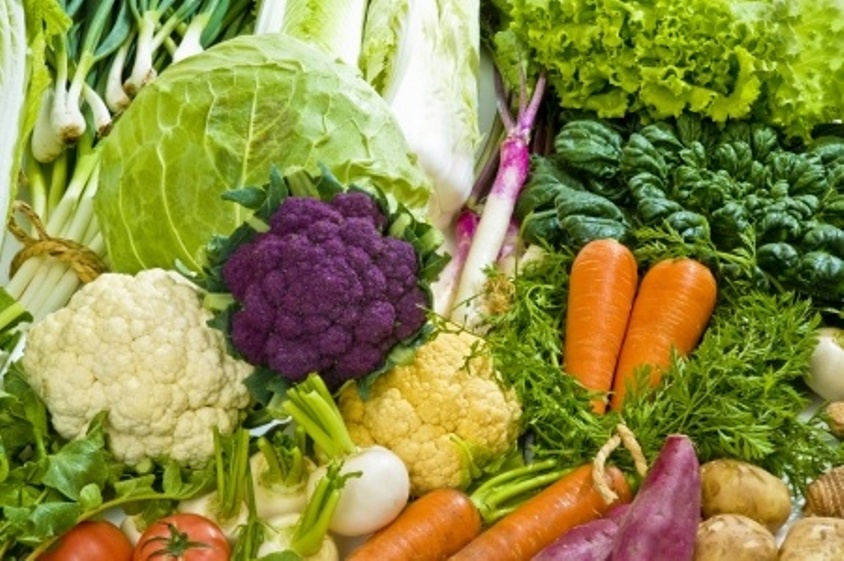
  • Make sure your diet is loaded up with fruit and vegetables which will provide lots of vitamins and minerals to help lift the clouds that surround you. And remember that there is a big difference between both the amounts, and the quality, of the nutrients in organic and commercially grown produce. Organic foods have significantly higher levels of the nutrients you need than are found in commercially grown crops.
  • It is pretty important to try and keep your blood sugar levels stable and also to get enough B vitamins when you are feeling depressed. Avoiding sugar altogether helps stop blood sugar spikes and dips.

In the end it is important to remember that depression does not last, it is a transient phenomena and will pass. In the meantime take the decision to be proactive and make the changes you need to make to move on.  Even just setting this goal is the first step in moving forward.

Fight depression with diet

Disclaimer.

All information and opinions presented here are for information only and are not intended as a substitute for professional advice offered during a consultation. Please consult with your health care provider before trying any of the treatment suggested on this site. 

For more information:

http://www.naturalnews.com/020611.html

http://voices.yahoo.com/how-fight-depression-daily-habits-all-200108.html?cat=72

http://www.naturalnews.com/035463_depression_herbs_remedies.html

http://www.thedailymind.com/stress/5-small-but-big-ways-to-beat-depression-every-time/

http://www.webmd.com/depression/features/natural-treatments

© Catherine Bullard and Happy Holistic Health, 2012. Unauthorized use and/or duplication of this material without express and written permission from this blog’s author and/or owner is strictly prohibited. Excerpts and links may be used, provided that full and clear credit is given to Catherine Bullard and Happy Holistic Health with appropriate and specific direction to the original content.

Thank You Kind Reader

To the followers of my blog who were kind enough to take the time last weekend to tell me how much they enjoyed reading the posts I offer my humble thanks. Any feedback is always very welcome and helpful, particularly on first starting out as a blogger. But positive feedback is absolutely wonderful!

If you would like to comment or leave feedback again there is a place right at the bottom of each post where you can post a comment. I would love to hear your thoughts on other posts, as well as your experiences as a result of what you have read here.

Why You Should Eat Organic Potatoes

For the last few days, I have had a very earthy food at the front of my mind- potatoes, ever since I traced a weird kitchen smell to an old onion in the back corner of the basket of root vegetables that sits in the bottom of the pantry. While I was searching for it I also found a decent number of potatoes that had put out nice healthy strong roots from their eyes, so past their best eating days. But, these weren’t any old potatoes, they were all organic, and of a few different varieties.

These days I try to incorporate as much organic food into our diet as I can, but like most of us, am constrained by things like the cost and availability. But I have been gradually making the switch from normal produce over to organic fruit and vegetables for a long time now and potatoes are one vegetable that I now will only buy organic.

Root vegetables were one of the types that I started to change fairly early on as I figured that they were sitting surrounded by soil that was full of chemicals for all their growing life so maybe that meant they absorbed more of the pesticides in the soil. However, I am now aware that potatoes, along with various other vegetables like carrots and celery, is one of the “Dirty Dozen™”. 

The Dirty Dozen™ is a list of produce that is deemed to have the highest levels of residual pesticides. It is produced each year by the Environmental Working Group (EWG), and while it is compiled in the USA and relates to USA produce I have no doubts that it is also a reflection of the impact of commercial farming practices here in Australia.

The potato has come a long way from its early existence on the slopes of the Andes of South America. In recent times it has been targeted for Genetic Modification (GMO) and Monsanto produces genetically modified strains that have been widely grown for many decades.

Pollan decided to plant some of Monsanto’s GM potatoes alongside ‘normal’ potatoes in his own garden and then to compare the differences bewteen the two types over the same season. His research took him into organizations such as Monsanto, the FDA, the EPA, and the Union of Concerned Scientists. It also allowed him to visit three Idaho farms that grow potatoes commercially. Idaho is an area of arid scrubby desert where farming is only possible with the aid of irrigation. Two of the farms he visited were growing a mix of Genetically Modified and normal commercially grown potatoes and one farm was organic. The comparisons were striking.

Like many others I have a real problem with eating any GMO foods and do not consume them knowingly. My preference would be organic first, then commercially grown and last GM. What absolutely horrified me as I was reading about the potato in Pollans’ book, was the extent of the fertilizer and pesticide regime that the farmer outlined as the normal program he uses on the commercially farmed crop. The spraying program is huge. It begins in early spring with a soil fumigant and followed throughout the growing season with pesticides, herbicides and fertilizers both sprayed and introduced through the irrigating water.

But two of the practices that the farmer mentioned he would not change were really concerning. The first was that from mid-summer the crop is sprayed every two weeks with an organophosphate called Monitor to prevent a virus that causes small brown spots appearing on the tuber. The spots are purely cosmetic. However, the Fast Food Companies who are far and away the largest buyers of all potatoes don’t want brown spots on their long, golden, perfect fries, so the crops need to be sprayed.

Monitor is deadly. In fact, it is so toxic that the farmer and his staff will not enter the field for any purpose for five days after the spraying. This is an arid, irrigated area and even if the irrigation system breaks down he will not go into the field. He would rather lose the whole crop than risk contact with this deadly chemical. Not all potato varieties are susceptible to the virus and so not all are sprayed with Monitor, but this is an example of the extreme danger associated with chemicals that are widely and routinely used both in potato and other food crop production.

The other telling practice that Pollan reports was that in the farmers domestic garden where he grew food for the family’s own consumption, many of the plants, including the potatoes, were grown organically. He admitted that when they purchased any commercially grown vegetables from the market, they ‘wash and wash and wash’ them before eating them because they are aware of the presence of chemicals.

Pollan makes the interesting observation that organic farming is much more than simply substituting good for bad. ‘The organic farmer’s focus is on the process rather than on the product’. This process is built on maintaining balance and harmony with the environment.

Having read the details of the strength of the chemicals used in farming potatoes as well as the huge extent of the program, I now have a firm resolve to avoid anything but organic potatoes. I have shifted from thinking ‘it’s a good thing to eat organic potatoes’ to resolving ‘I definitely will only eat organic potatoes’ both at home and when I am eating out thanks to this book. This is better for all my family.

The EWC has just released the 2012 Shopper’s Guide to Pesticides in Produce™ in the last few weeks and it is worth taking a look to see for yourself just which foods belong in the ‘Dirty Dozen Plus™’ this year. It also gives a list of produce that falls in the Clean 15™ List. If like me, you like as much organic foods as possible in the family diet but cannot manage to go totally organic, this list might help you decide where to make the best changes to build your family’s better health.

And as for the potatoes I planted, I needed to get them into the ground very quickly in between rain bursts, so I did not actually do any of the soil preparation that I normally would do before planting at all. In fact, I simply popped them into slots I dug in the middle of a weedy slope of heavy clay soil. New growth on potatoes can be quickly and easily decimated by winter frosts, but hopefully the new growth on these plants will be nicely protected from the frosts that roll down our hillside through July by all the weeds that I left in the ground above them. Hopefully, come spring the luxuriant growth of the potato plants will in turn smother those very same weeds. And as a bonus the potatoes should break up that heavy soil sufficiently for me to follow them later with another different but fussier crop. 

Disclaimer.

All information and opinions presented here are for information only and are not intended as a substitute for professional advice offered during a consultation. Please consult with your health care provider before trying any of the treatment suggested on this site. 

© Catherine Bullard and Happy Holistic Health, 2012. Unauthorized use and/or duplication of this material without express and written permission from this blog’s author and/or owner is strictly prohibited. Excerpts and links may be used, provided that full and clear credit is given to Catherine Bullard and Happy Holistic Health with appropriate and specific direction to the original content.

Hello and Welcome!

Hi there, and welcome. Thanks for dropping by my blog.

There are already so many blogs to follow about leading a healthy life and here you are on another one.  Many blogs focus on a particular part of good health practices such as foods, fitness, stress or yoga and examine this in minute detail. But my experience and personal interest refuses to allow me to focus on one factor alone.  My interests are wide-ranging and eclectic, I use one line of enquiry as a springboard to the next intriguing idea which then leads me on to another, rather like a small bird landing in a wild and abundant garden of flowers, hopping with great excitement and enthusiasm from one bush to the next. This experience has taught me that it is only by investigating and applying a wide-ranging and eclectic blend do we achieve any great lasting benefit to our life.

I work as a Complementary Medicine Practitioner, and have for over twelve years advised and prescribed within the boundaries set by professional body guidelines. But I am always aware that while what I do offers great help to many people, I also know that it is only part of the picture. So on these pages I hope to share with you thoughts, observations and experiences which I hope may broaden your health experience as they have mine.

Chronic illness and stress have blown out in our society, and I believe they are an indicator of our fundamental level of widespread un-wellness. I intend to wander through and examine all sorts of things going on in the world today that might be contributing to this state of being. This will be undertaken with respect as we are all living the way we each need to, and your way is different to mine. But sometimes it is worth jumping to another path that is running alongside our own. This is something I have done on occasion with good results as it is these small changes and notice-ings that can suddenly free things up so they start to flow, just like moving one log in a log jam. It is my intention that this space will be the catalyst you need to facilitate a gentler flow.

This blog is a pathway of exploration, on the quest for the happy healthy life, and I warn you in true eclectic style to expect both the fundamental and the metaphysical with everything in between.

Let the journey to a happy healthy life flow gently into your life by clicking the orange button in the right-hand column to follow this blog and receive notifications of new posts by email.