Category Archives: Nature’s Rhythms

Equinox Balance and Harmony

“The dance between darkness and light will always remain — the stars and the moon will always need the darkness to be seen, the darkness will just not be worth having without the moon and the stars.” – C. JoyBell C.

The two-day period of Equinox marks a moment of exquisite harmony in the yearly cycle when day and night, light and dark are perfectly balanced.  As our lives and world are experiencing huge shifts Equinox represents a turning point where we can choose to calm any heightened energies we may be experiencing.

Equinox is the midpoint between the polarities of light and dark, feminine and masculine, spirit and matter. Although our experience of this significant point differs according to where we live, the underlying energy is the same for us all – balance. This is the energetic point of the year where we are able to experience conditions not as polarity but merged as one, in perfect harmony and balance.

As we travel through this brief window of balance and unity, of equal day and night, light and dark, we are given a fleeting moment to bring balance and wholeness into our lives. At this turning point we’re reminded to bring our awareness to the trajectory of our earthly experience and apply the energy of the moment to our experience.

Duality

Equinox marks the union of opposites, reminding us of the harmony of the whole.

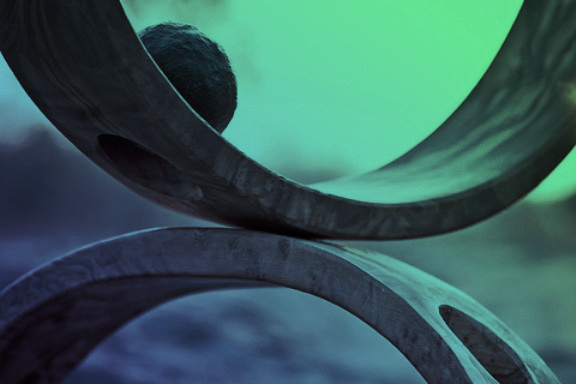
Lying midway between the solstices, it is the time when night and day, feminine and masculine, action and rest, matter and spirit, are in perfect balance. It is the point of balance when inner feminine and outer masculine energies shift and change to meet in harmony. And it is our reminder that balanced equilibrium is the ideal state for our own lives.
Wholeness

Equinox is a powerful portal into higher consciousness. It’s the time when feminine and masculine energies merge, bringing unification of the duality within ourselves.

“The place where light and dark begin to touch is where miracles arise.”  ~ Robert A Johnson

In order to truly understand the light we must also experience the dark. Our Earthly experience is one of duality. Within our lives we continually swing back and forth from one extreme polarity to the other. From stillness to action, achievement to failure, certainty to irresolution, material to spiritual, we must experience both sides of any polarity in order to fully understand the other. It is through this process, back and forth, we come to understand ourselves.

The midpoint of this swing between duality is the fulcrum, the place of balance. It is the point of harmony between the extremes and the point at which we find unity and wholeness. Equinox marks the midpoint, the energetic position of balance, between the Solstices, the time of extreme light or dark. Equinox highlights the balance we must find and experience in the duality present within ourselves.

Stillness

Equinox is a transition moment of stillness which supports us to expand our awareness. When we slow down, go within, breathe with consciousness and enter the place of stillness, we can gain access to universal consciousness. We create a safe space to tune-in and hear the guidance of our inner voice. As we expand our awareness in this stillness, we open the channel to Source energy that allows us to engage more deeply with deep ancestral wisdom.

Within this vessel of feminine energy, this place of stillness, we can reflect and regroup. By just ‘being’ in this stillness rather than feeling a need for action, we gain awareness of our true needs and what we need to think or do to support our inner growth. With this knowledge we can then formulate a clear intention of the action needed to create change.         
Balance

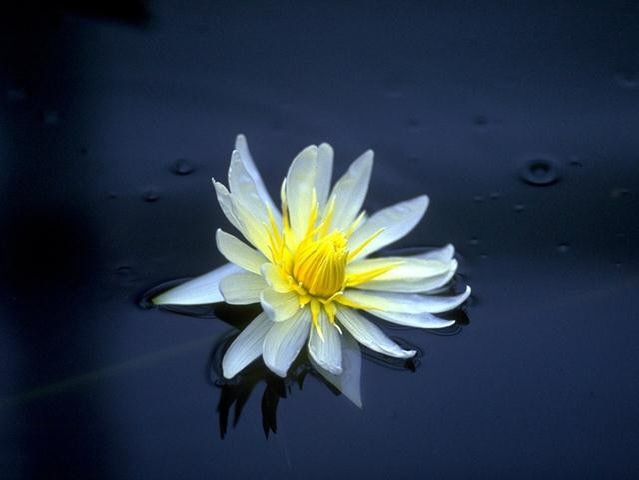
Balance is the Keyword for Equinox: balance in personal and collective relationships, balance in taking and giving, balance between having and not having, balance between doing and Being.

Many of the crises we experience originate from our demands to have so much of everything. In addition to creating misalignment with our own heart path and purpose, this leads to imbalance with the land and its resources, and to a distortion and lack of mindfulness in human relationships.

Our modern technological world has distracted us from awareness that we are an integral part of an interconnected living network and all of the life within it. But it’s our responsibility to maintain a natural balance and harmony so that all life can flourish and be nurtured.

Celebrate this time of balance and bring your awareness to harmonising your own earth walk with the natural world and all it contains.
Equinox Practice

Equinox is a time to pause and give thanks. In the Southern Hemisphere where we enter Autumn, we give thanks for the harvest and all the bounties of Mother Earth. In the Northern Hemisphere show gratitude for the abundant new growth as Spring bursts forth.

This is a time to reflect on growth in your personal journey. It is a time to acknowledge and enjoy the fruits of your soul growth as well as the sprouting buds of new opportunity. And it is a time to contemplate the path that lies ahead of you.

As the point of perfect balance in the annual cycle, Equinox is a time when the natural energies support us to create greater harmony in our lives. It provides an opportunity for you to really examine and assess whether your life is balanced and harmonious.

Go within and reflect on where you need to bring balance and unity into your life and Earthly experience.  What do you need to change to bring about that balance? 

Ask yourself:

• Does my life flow?

• Is it in balance?

• Am I operating in constant duality, where everything is right or wrong?

• Am I consciously aligned with the greater cycles?

• How can I create more balance and harmony in my life, on all levels?

Equilibrium

Each of us holds the power to consciously bring balance and equilibrium into our lives on all levels – body, emotions, mind, spirit – as well as into the outside world as one soul.

Celebrate this time of balance and bring your awareness to harmonising your own earth walk with the natural world and all it contains.

Disclaimer

All information and opinions presented here are for information only and are not intended as a substitute for professional advice offered during a consultation. Please consult with your health care provider before trying any of the treatment suggested on this site. 

© Catherine Bullard and Happy Holistic Health, 2026. Unauthorized use and/or duplication of this material without express and written permission from this blog’s author and/or owner is strictly prohibited. Excerpts and links may be used, provided that full and clear credit is given to Catherine Bullard and Happy Holistic Health with appropriate and specific direction to the original content
Stay Well Through Autumn With Natural Remedies

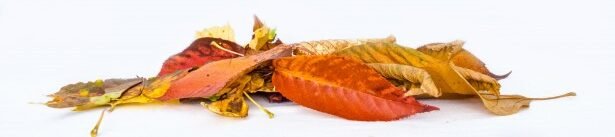
As the gentle energy of Autumn settles around us, wrapping us in her hazy sunny days and crisp evenings it is time to prepare for the turning inward that naturally occurs as we approach winter.  Autumn is a time of benevolence, when the activity of summer has slowed, when pastimes become gentler and more leisurely, when we turn our attention within to our own thoughts and dreams.

As the energies of Autumn contract and gather inwards, they cause us to also slow down in readiness for the stillness of the coming winter. The contemplative nature of the season allows time for inner reflection and awareness, providing a space to find clarity before setting the plans and goals to initiate in the Spring.

In readiness for increased awareness and understanding, Autumn is a time to embrace peace and avoid engaging in personal dramas. This is the time to step back and distance yourself from conflict, judgement and other triggers in your life. It is the time to take a deep breath and count to ten before responding to potential slights or conflicts.

Autumn Health

April is a time of transition for our whole body. As the evening air takes on a bite after the gentle warmth of the afternoon sun our bodies become more susceptible to health problems. Illnesses that have gone underground over the summer will re-appear and new coughs, colds and other infections appear.

If you don’t use this time to build your health and charge up your immune system, you may find yourself more susceptible to winter illness and less capable of throwing off any illness you develop by June.

Change Your Habits

By adjusting your lifestyle to align with the seasonal energies you can strengthen your whole system.

There are a number of changes you can make which all contribute to building your health.

Most people naturally change their foods when the weather cools and Summer salads make way for heavier meat and root vegetable stews and soups. But also adapting your life practices including exercise, meditation and sleep offers huge support through the colder months.

Sleep, Sleep, Sleep

Sleep autumn pexels

One of the most important lifestyle changes to make for Autumn and Winter health is to recognise that your body needs much more sleep as it turns inward. Getting seven hours sleep every night is one of the best ways to protect yourself against winter illness.

Unfortunately, your body doesn’t recover from a work-induced sleep deprived week by simply sleeping in on the weekend. It’s important to develop routines that make sufficient sleep every night a regular part of your daily health practice.

If you can’t get to sleep or stay asleep, speak to your natural health practitioner now, before Winter, for advice and treatment to help you break this pattern.

Push yourself to rest whenever you need it and take it easy. Develop great bedtime routines to maintain wellness and keep ‘office illness’ away.

These Sure-fire Strategies For Better Sleep will get you started.

Self Care

As Autumn settles in it is time to treat yourself with compassion. Be conscious this is the season to be gentle, and wrap yourself with TLC. If you are someone who is constantly there for everyone else, now is the time to turn that caring inwards and say ‘no’ to others.

It is only by first caring for your own needs that you can adequately care for those around you.

self care sleep

Modify Exercise

Exercise is a great way to boost immune health.

It increases oxygen levels in the blood. A recent study has shown that there is no place on earth that does not have some level of air pollution.  In major cities there’s significantly less oxygen in the air. When you consider that most people also breathe poorly and that many chronic diseases including cancer are associated with low oxygen levels, the importance of boosting oxygen intake becomes obvious.

Exercise makes you feel more alert, boosts your levels of endorphins so you feel positive, as well as improving oxygen levels in every cell of your body. However, during Autumn it is vital to tone down your exercise program to prevent your energy becoming depleted, as that adversely affects your immune system.

Yoga, t’ai chi or Qi Gong are very balancing and present the perfect exercise option for autumn. Deep breathing exercises and yoga stretching both support your immune system as well as your respiratory organs through the Winter. Brisk walking and bike riding are other great ways to exercise in Autumn.

Avoid heavy aerobic exercise outdoors in the cooler autumn months, as it may reduce vital energy and weaken your system.

autumn-colors

Susceptible Organs During Autumn

The lung and the colon are both organs of elimination and relate to your ability to “let go” on all levels. According to the teachings of Traditional Chinese Medicine if your immunity is weak these organs will be affected during Autumn, with respiratory problems including coughs, breathing difficulties and sinus problems, or gut issues like constipation and/or diarrhoea.

These are the organs that are affected when you hold on to grief and sadness. If you are holding on to unresolved grief or sadness the health and function of your lungs or large intestine will eventually be affected. They are sending you the message that it is “time to let go”.

Disclaimer

All information and opinions presented here are for information only and are not intended as a substitute for professional advice offered during a consultation. Please consult with your health care provider before trying any of the treatments suggested on this site.

© Catherine Bullard and Happy Holistic Health, 2023. Unauthorised use and/or duplication of this material without express and written permission from this blog’s author and/or owner is strictly prohibited. Excerpts and links may be used, provided that full and clear credit is given to Catherine Bullard and Happy Holistic Health with appropriate and specific direction to the original content.

Quick Tips For Spring Wellness

Spring has blossomed in all her exuberance, bringing the reminder of youth, and the promise of new beginnings. Spring is the time of transformation and growth; the time to renew your energy and change your life. These top tips for Spring wellness will launch your momentum to rise to your fullest Summer potential.

As the days warm and lengthen in Spring you start to feel lighter, in body, emotions, mind and spirit.

These unexpected practices will help you feel your best and at the peak of Spring wellness.


Top Spring Wellness Tips…


To Awaken

 Get outside. Play, socialise and have fun, just as a child would.

The sun is up earlier and staying around later. Join him and get outside to watch the dawn. Even if you wake grumpy give yourself the opportunity to get out, feel the earth under your feet and soak in all the rebalancing benefits of grounding as you connect with the Earth.


Spring Movement

 Instead of letting restlessness irritate you in spring use it to kick-start your exercise program.

Spring is a great time to overhaul – or begin – your exercise routine. Walk, join a dance class, try yoga, qi gong or tai chi, even join a hiking group or cricket team.

Honour your body by not overdoing it, and remember to keep hydrated or you’ll become fatigued very quickly.


Spring Foods

As we move out of winter’s chill we need to change our diet. The heavy, salty foods of winter put a big strain on your liver, which is sensitive during spring. Your liver is the main detoxifier in your body so it needs some TLC during spring. Cut back on alcohol, fats, oil and particularly junk food.

Sour foods like vinegar, lemons, limes and grapefruit stimulate your liver. An excellent spring wellness practice is drinking lemon or lime water in the morning.

Bitter foods cleanse the liver and are essential to good health. Some bitter foods are dandelion greens, radicchio, rapini, endive, kale, rocket, rye, chamomile, unsweetened cocoa, daikon, and even nettles. A salad of mixed leaves can easily include many bitter herbs.

Replace heavy winter foods with light, quickly-cooked ingredients.


Friend’s Support

 With warmer weather and longer days, Spring is a great time to reconnect with your support network.

Having friends who have your back when the going gets rough, and who really listen to you, is essential for wellness. Having someone you really trust who will hold the space for you to download, discuss, or even rant if you need, helps you stay on top of stress and overwhelm as life gets busier.


Better Sleep

 Most people don’t get enough sleep. Many have passed the point where they can recognise that they need sleep.

You need between seven and eight hours sleep every night. Binge sleeping on the weekend doesn’t compensate for lost sleep during the week, or the other way around.

If worry is keeping you awake introduce some strategies to reduce the stress.

If your bedroom does not support good sleep use this guide to make changes

Most importantly, don’t sleep with your cell phone anywhere near you, and stop using it at least thirty minutes before bedtime.


Reduce Stress

Spring is the perfect time to set the resolve to manage your stress more effectively.

 As we move through Spring towards the end of the year life gets busier and busier. It’s easy to roll on juggling more and more balls until you succumb to overwhelm without ever realising it’s happening before you . Don’t end up burntout by year end.

While planning plays an important role de-stress techniques are just as important to get on top of your stress and stay there.

Spring Clean Your Mind

When you want to bring the new into your life you have to make space for it. Whether it’s a new Spring wardrobe, new habits or new thought patterns, for it to become a new habit you need to release everything that no longer serves you.

Spring offers a great opportunity to clear the mind and get rid of thoughts that undermine our self-esteem, or are toxic to relationships. Once you’ve cleared out toxic thought patterns you can start planting positivity seeds to create a life you love.

Challenge yourself. When old attitudes and thought patterns rise again, try seeing things from a different perspective.

Start by watching and noticing whenever you run those same old stories about yourself.

Notice whenever you criticise yourself, when you tell yourself you’re stupid, or ugly, or fat, or any other negative put-downs. Then call it out for what it is. Say to yourself “I see you. You’re not really the true me.” Remind yourself of your true value, that you’re smart, lovable, beautiful, or whatever applies.

Imaging the ‘negative voice’ in your head as an actual person or character. I used to think of it as a ‘Control Committee’. Then replace that negative character with a loving, supportive, friendly character or committee who always has your back. Whenever the first negative character spits out criticism say your lines to yourself first, and then turn to the second loving character for positive, encouraging reinforcement.

Once you call out the stories you’ll find they start to run less frequently and hold less potency to undermine you. Reclaim your power with awareness, simply by watching, witnessing and naming.

Uplift Your Spirit

While everyone needs some zone-out time, use the energy of Spring to change HOW you recharge.

Instead of crashing in front of reality TV, get smarter. Use the momentum of this time of new beginnings to read uplifting books, listen to music that benefits your soul, or take an aromatherapy bath. Zone-out for good health and Spring wellness.

With all the new you’re welcoming into your life be sure to maintain balance. Put a spring in your step, not a drive to the fast lane. Be mindful. Listen to your body. Open to new opportunities. Eat slowly. Live in awareness.


Disclaimer


All information and opinions presented here are for information purposes only and are not intended as a substitute for professional advice offered during a consultation with your health care provider. Do not use this article to diagnose a health condition. Speak to your doctor if you think your condition may be serious or before discontinuing any prescribed medication. Please consult with your health care provider before following any of the treatment suggested on this site, particularly if you have an ongoing health issue.

© Catherine Bullard and Happy Holistic Health, 2024. Unauthorised use and/or duplication of this material without express and written permission from this blog’s author and/or owner is strictly prohibited. Excerpts and links may be used, provided that full and clear credit is given to Catherine Bullard and Happy Holistic Health with appropriate and specific direction to the original content.

Natural Remedies For Winter Wellness

When your mood matches the sky it’s tempting to dive under the doona and tune out from the world.  Winter is naturally a time to close down and go within, so we need to be mindful of honouring our needs during this time. 

Winter is a time when we need to sleep more, eat nourishing foods and tone down the active life we enjoyed over summer, for our inner health and wellness.  It’s also crucial to support our immune system because it can take a beating during the winter months.  So, it’s important to know how to keep your immune system strong and balanced if you want to avoid winter infections and stay healthy.  These natural remedies for winter health provide a simple foundation for wellness.

The chill of Winter brings with it a swag of seasonal diseases which range from chilblains and cold sores through many respiratory illnesses.  The common cold is the most prevalent contagious disease in Australia and the most common reason for people to stay home from work or school.  Coughs, colds and flu are a common part of most household’s winter experience.  Colds are very easily spread from person to person affecting over half of the population in winter

Natural Immune Support

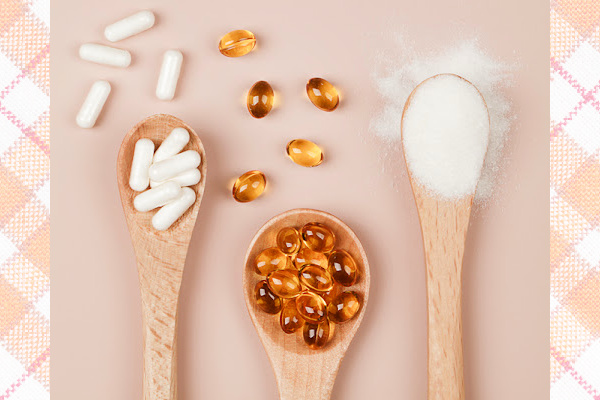
Your immune system protects your body and is your greatest health asset.  But with greater demands and stress placed on it over winter it can suffer. In order to get through winter without any sickness it pays to build your immunity naturally.  Vitamin C, vitamin D, and zinc are three of the best nutrients for this. When you add probiotics you have a powerful combination.

Zinc and vitamin C are essential for the healthy function of white blood cells which fight infection.  Vitamin D contributes to a multitude of body functions including fighting infection.  Probiotics support the immune function of the gut.

Vitamin D

As we huddle indoors over Winter and spend less time in the sun, our vitamin D levels can easily fall below our needs. Vitamin D is essential for immune health. When these levels don’t meet the increased demands of our immune system we’re left open to coughs, colds and flu.

Low vitamin D can also lead to Seasonal Affective Disorder or ‘SAD’ which causes seasonal depression and low mood.

Vitamin D is difficult to source from food. While you’ll find some in sardines, salmon, mackerel, cod, and eggs most is produced by your body after exposure to sunlight.

Zinc

Is your diet lacking in zinc?  Zinc is essential for a number of life-sustaining functions, including strong immunity to help prevent coughs, colds and flu.  This important mineral triggers approximately 160 different reactions within the body including immunity.  Unfortunately, many Australians are deficient in zinc.

You need zinc every day in just the right amount.  Too much or too little causes problems.  But your body has no way to store zinc, so it depends on a daily supply through diet.  Although you only need small amounts to build a healthy immune system, almost every Aussie is deficient!

Some natural sources are oysters, crab and lobster; eggs; cashews, almonds; peas, chickpeas, pumpkin seeds; oats; spinach. But even if you eat lots of these foods you may still need to supplement. This is because Australian soils are low in many healthy minerals, including zinc. So food grown in this soil is also low in important nutrients.  Your natural health practitioner can quickly test your levels of zinc.

Vitamin C

Most people know of the value of vitamin C for winter illness. But many don’t get enough through their diet for real protection. Eating lots of fresh foods rich in vitamin C is a good start. Fruits and vegetables high in this valuable vitamin include:

  • red and green capsicum
  • broccoli, cauliflower, cabbage and Brussels sprouts
  • spinach and other leafy greens
  • potatoes – both white and sweet
  • kiwi fruit, black currants, orange, strawberries

While eating vitamin C rich foods supports your immune system generally, if you do feel a cold starting, you’ll also need a supplement to help fight it off effectively. Take as much vitamin C as you need to stay just below the point where it affects your bowels. For some people, such as smokers, this can be a lot.  Powdered vitamin C dissolved in juice or water soothes the inflamed mucous membranes of your throat as it passes over them.

Probiotics

About 80% of your immune system is located in your gut. Probiotics are the friendly bacteria that help build a strong healthy gut.  They help you digest the nutrients that support your immune system.  It makes no difference how healthy your diet is if you can’t absorb the nutrients properly.  Probiotics help you absorb them and reap the immune benefit they provide.

Probiotics are found in whole and fermented foods. Some are:

  • sauerkraut
  • kombucha
  • kimchi
  • kefir
  • miso
  • microalgae like spirulina
  • yoghurt

If you can’t meet your needs with these foods take a probiotic supplement.  Select supplements that contain a range of different bacteria. Many need to be refrigerated although some shelf-stable probiotics are now available. These are great if you’re traveling.

Seasonal Affected Disorder (SAD)

Depression is usually worse during the winter months. SAD is a form of depression that occurs in both the northern and southern hemispheres. However it’s more common in areas further away from the equator where there is less sun.  It’s extremely rare in those living within 30 degrees of the equator where daylight hours are long, constant and extremely bright.

It’s possible to be suffering from SAD without realising it.

Some people are strongly affected by long dark evenings and the relative lack of sunshine.  Symptoms can include lethargy, insomnia, overeating (especially carbohydrates and sweet foods) with consequent weight gain, anxiety and loss of libido. Others experience a drop in mood during the darker months of the year.

If you feel ‘blue’ over winter consult your natural health practitioner.  It’s difficult to see yourself objectively when you’re feeling low, so self-prescribing, even with natural remedies like homeopathy or herbs isn’t recommended.  SAD responds well to homoeopathic treatment.  Don’t be shy about seeking help for this common problem

Low vitamin D levels may contribute to the development of SAD, so if you suspect this problem have your vitamin D levels tested with a simple blood test.  While the best source of this essential nutrient is the UV rays of the sun it’s worth taking a supplement through winter and spring if your levels are low.

10 Top Tips for Winter Wellness

  • Onions, garlic and leeks all help eliminate mucus from the lungs
  • To boost immunity stop consuming refined sugar
  • Avoid mucus-forming dairy foods, heavy starches and saturated fats from animal meats to reduce congestion
  • Eat lots of fresh fruits and vegetables (especially yellow and orange ones). These contain lots of vitamin A to strengthen lung tissue
  • Vitamin C promotes healing and improves resistance to infections
  • Zinc raises your immunity. Most Australians are zinc deficient
  • Drink more water.  The moisture helps make mucous membranes more resistant to bacteria
  • Avoid sugar and extra alcohol because they lower immunity
  • Eat more garlic, especially if it’s raw, it’s natures antibiotic. Use organic if possible as it stresses your immune system less
  • Get plenty of sleep and don’t let yourself get run down. Sleep deprivation decreases immunity
  • Listen to your body. If you get early warning signs that you’re coming down with something begin your immune-boosting strategies straight away, including rest.

Natural Flu-Brew Relief

If you do succumb and are laid low in spite of your precautions, this Flu-Brew should help your immune system quickly recover and soothe those cold and flu symptoms.

To one cup of hot water add:
1 teaspoon manuka honey*
1 teaspoon fresh grated ginger
1/2 – 1 clove crushed garlic
pinch cayenne pepper
1 tablespoon fresh lemon juice
Allow it to steep for a few minutes.

* Whilst all honey has traditionally been used for healing purposes, Manuka honey also stimulates immune cells, according to 2007 research published in the Journal of Leukocyte Biology.  Manuka honey is usually graded with a Unique Manuka Factor (UMF) rating on the package which means it has been tested for antibacterial activity.  The higher the UMF the greater the antibacterial effects.

There are many wonderful homeopathic and herbal remedies to support your immune system and help prevent coughs, cold and flu and to weather Winter. Plus, many of these remedies reduce the symptoms of these common winter ailments.

When we’re gripped by mid-winter cold it can be difficult to remember that the days are getting a little longer each day and we are in fact, heading towards Spring.  If you care for yourself and support your immune system you should weather winter in good health.

Disclaimer

All information and opinions presented here are for information purposes only and are not intended as a substitute for professional advice offered during a consultation with your health care provider. Do not use this article to diagnose a health condition. Speak to your doctor if you think your condition may be serious or before discontinuing any prescribed medication. Please consult with your health care provider before following any of the treatment suggested on this site, particularly if you have an ongoing health issue.

© Catherine Bullard and Happy Holistic Health, 2012. Unauthorised use and/or duplication of this material without express and written permission from this blog’s author and/or owner is strictly prohibited. Excerpts and links may be used, provided that full and clear credit is given to Catherine Bullard and Happy Holistic Health with appropriate and specific direction to the original content

End Of Year Release Ritual

END OF YEAR RELEASE RITUAL


While this post was written for the close of 2016 the ritual presented here is suitable to use at the end of any year.

2016 is coming to a close and it’s naturally time to reflect back on the year… and start to look forward to 2017. It’s been a heavy year of releasing for many people, a year of endings. As we enter the countdown to 2017 many of us are still holding things that no longer serve us. In order to make the quantum leap into the New Year and the new cycle filled with awakened potential it’s essential to release these in the next few weeks. A 2016 releasing ceremony is the perfect way to weeks to round off the energetic cycle of 2016 and make the transition into 2017.

2016: End Of A Cycle

 2016 is the final year in a nine year cycle of growth. As it winds down take the time to acknowledge how far you’ve come over the last 9 years. Reflect on your lessons and new awareness. Embrace wisdom gained and re-remembered and be GRATEFUL for all the joyous moments in your life.

Many people start off their New Year by making a list of resolutions. Many also don’t reach any of their goals. Often they make the same resolution year after year without achieving it!

Create Strong Foundations

Trying to set achievable goals to reach your dreams without first firming a solid foundation is like building a home over a sink-hole. Without firm footings it will collapse. Therefore you need to get really clear about where you’re starting out from. Only then will you create the footings you need in order to create achievable goals. The 2016  Releasing Ceremony does just that by highlighting both the journey you travelled and the lessons and achievements you encountered along way.

2016 has been a difficult year for many. It was filled with difficult challenges that provided great opportunity for personal development and spiritual growth. Many of these challenges revisited familiar life lessons, lessons that repeat over and over, spiraling back upon themselves. Each revisit brings a variation of the core lesson providing the opportunity to reach a deeper awareness of both the lesson and yourself.

Coming at the end of a nine year cycle the lessons of 2016 are the culmination of this spiraling awareness and deepening consciousness. It’s essential to now finalise them or they will be carried into the new nine year cycle to be repeated yet again.

Bear in mind that the significant aspects of 2016 will be those that bring these nine year long lessons to culmination.

Create Your 2016 Release Ritual

Before you begin your 2016 Releasing Ceremony prepare your space. If you have an altar or space you normally use to meditate or journal it would be ideal, so use that. If not create a special space for this ceremony.

First select a quiet, clear corner. Collect your tools together. You need a pen and paper or a dedicated journal, a pillar candle and matches. Brew a relaxing herbal tea. Close the door behind you and turn off your phone so you won’t be disturbed.

To begin your release ritual take a few deep belly breaths to settle and ground yourself. Once you feel solid and grounded light the candle to mark the start and open the energies. Spend as long as you need to quietly disconnect from outside cares. Focus inward and allow yourself this time and space away from the obligations of your life.

Once you feel calm and centred consider the following and record your thoughts and insights in your journal or paper.

Acknowledge Success

1. List your illuminating insights and the great insights that occurred.

2. What dreams came true for you? It’s important to record any dreams that actually manifested. Dreams, and how dearly you held them, are easy to forget once they come to fruition. Include both large and small dreams as small dreams often evolve into big dreams later

3. Include your 2016 achievements, both the small glories and the big ones. Describe what you learnt. What are you now aware of that you weren’t previously?

Recognise Growth

4.  In what ways have you changed? What brought about the change in you?

5.  What are you now aware of about yourself that you didn’t know before?

6.  What no longer serves you that you have now outgrown?

7.  Were you asked to step up in the past year? Have you finally achieved something you have never managed before? Acknowledge your awesomeness and include everything that swells you with pride.

8.  Have you surprised yourself by achieving something you never dreamed you were capable of?

Release Frustrations

9.  What really jarred with you over the year? Was there anything that caused ongoing disharmony? What can you no longer tolerate at all and can’t wait to ditch? What is it that MUST GO?

10.  Need to rant? The floor is yours – get it off your chest. Cry if it helps you release, relief will flow into the space it creates. Just Let. It. Go.

Express Gratitude

11.  What gifts have you received this year? How have you grown? What insights do you now have? How has your life moved forward? Include everything, even the smallest gift. Include everything that has made your life better.

Once you have finished writing you are ready to release 2016 with a huge sigh of relief. You can now face the year ahead and the next nine year cycle with a fresh, clean page. You can now open yourself to new opportunities and awareness. You’re ready to identify dreams, clarify goals and make resolutions.

After doing the 2016 Releasing Ceremony you will see clearly what the first step you need to take is, and then to take it with purpose. As Lao Tzu said:  

“A journey of a thousand miles begins with a single step”.

Close Your Release Ritual

To finish your ritual put your notes aside. Begin by breathing deeply into your belly. Sense golden light flooding into you and filling your whole body with its sparkling glow. Breathe in this beautiful vibrant light for a few more breaths.

Taking your focus to your exhale, allow every frustration, disappointment and disharmony of the past year that you’ve been holding in the cells of your body, to be carried out on your breath.

Repeat this three times until you feel the negativity shift out of your body. Feel your shoulders drop as the weight you have carried is released. Feel yourself becoming lighter and freer.

Once more breathe deep into your belly drawing in the indigo light of vision and perception with your breath. Sense if flow through your body energising your body and clarifying your mind.

Again focusing your attention on your exhale, slowly release your breath along with the difficult energy of the past year. Allow it to gently leave your body knowing that it leaves within you all the positive energy, self-knowledge and awareness you have gained from the experiences and lessons it offered. Know that the insight and knowledge you gained provide a strength to carry you into the New Year.

Sit with the loving positive energy as long as you need and when you are ready slowly open your eyes and prepare to welcome in the coming year with joy and anticipation in your new cleansed state.

 Disclaimer

The Information contained on this site is for your general health information. It is not intended to be used as medical advice and should not be used to diagnose, treat, cure or prevent any medical condition, nor should it be used for therapeutic purposes. The information is not a substitute for independent professional advice and should not be used as an alternative to professional healthcare. If you have a particular medical problem, please consult a healthcare professional.

© Catherine Bullard and Happy Holistic Health, 2012. Unauthorised use and/or duplication of this material without express and written permission from this blog’s author and/or owner is strictly prohibited. Excerpts and links may be used, provided that full and clear credit is given to Catherine Bullard and Happy Holistic Health with appropriate and specific direction to the original content

Save

Save

Natural Remedies For Hayfever Relief

Spring Has Almost Sprung and that spells bad news for anyone who suffers from hay fever as it means it’s ‘Sneezing Season’ again. Unable to get out and enjoy the beautiful Spring sun, seasonal allergy sufferers following the conventional path can only look forward to being housebound for even longer or taking medications with side effects that really knock them about!

Natural Cures For Hayfever Relief

Hay fever results from exposure to pollens released from grasses and other plants, carried through the air, which cause inflammatory reactions on the mucous membranes and affect the immune system.

With sneezing, itching, runny nose, coughing and congestion, hay fever (or seasonal allergic rhinitis) is enough to ruin anyone’s day. It can affect any of the mucous membranes of the eyes, nose, sinuses, throat and palate, or all of them at once.

But it doesn’t have to be like this.

There are many natural remedies including herbs, vitamins, kitchen cures and my favourite, homeopathy, that can effectively knock the symptoms of hay fever on the head by providing natural antihistamines.

In addition to actual treatments some precautionary practices can minimize the effect of the allergen on your system. Gifting your liver a Spring clean can lessen the allergic effect. Here are tips to help you gently detox your liver without ‘doing a detox’.

Dandelion seeds

Some Natural Treatments

Supplements can improve your response to allergens. Vitamin C and the bioflavonoid quercetin have an antihistamine effect, while vitamin A helps maintain healthy mucous membranes. Studies have shown a link between low zinc intake and higher allergy risk so a zinc supplement may help anyone who falls into this category,

It’s important with any aggravation of the mucous membranes to reduce the amount of dairy food you eat as it increases the production of mucous and exacerbates congestion. Eat less milk, cheese, ice-cream, cream, yoghurt and butter during hay fever season to keep you better prepared. And watch for “milk solids” often added to processed foods.

Refined starches also stimulate mucous production and limiting bread and other baked goods can reduce the severity of your symptoms.

Increasing your intake of omega 3 fatty acids over the season can help decrease the incidence of hay fever as they help lower the amount of inflammatory chemicals produced when you are exposed to an allergen.

While many alternative treatments, including nutrition and supplements, can alleviate hay fever by strengthening the immune system they don’t always give immediate relief in the moment when symptoms strike. Some can reduce symptoms when taken in mega dosage but often need to be taken in combination with others.

Air filters can make a real difference by keeping the air inside your home pollen free especially when placed over windows and doors.

Steaming is an age old practice for breaking up congestion. Add a few drops of eucalyptus essential oil to a bowl of steaming water and with a towel over your head breathe in the eucalyptus-rich vapour to loosen mucous and clear air passages. Tea tree is another suitable essential oil.

Many herbs including chamomile, stinging nettle, ginger, and butterbur can block histamine and relieve symptoms, but often their effect is limited to just some of your symptoms or they can take time to have an effect.

In someone already highly oversensitive to plant material herbs may not be a great choice, and may even exacerbate the symptoms. Stinging nettle is one herb commonly used for it’s antihistamine and anti-inflammatory effects. But when I take it internally it causes itching and swelling on my skin. The crude nature of herbs may actually be too harsh for these highly sensitive individuals.

Homeopathic Ideal Of Cure

Homeopathy

Homeopathy can be used for hay fever either preventatively or as a treatment. It has a great track record for the treatment of hay fever with symptoms being switched off almost immediately when the correctly matched remedy is used. I can personally vouch for this.

In France the most commonly prescribed treatment for hay fever by medical doctors is a homeopathic remedy just because it can be so effective and fast.

I’m going to introduce you to some of the more commonly used homeopathic remedies for symptomatic relief. These remedies activate the body’s own system of healing. They’re excellent for quickly relieving the symptoms of acute bouts of hay fever when they’re selected to closely match the individual symptoms being experienced.

Use remedies in 6x, 6c, 30x or 30c potencies, taking one dose every few hours for up to 3 doses. With the right remedy symptoms should improve after the first or second dose. If symptoms haven’t improved after the third dose it means you’ve selected the wrong remedy, so go back and again match the remedy picture to your symptoms for a closer match.

Pay particular attention to what makes your hayfever symptoms better or worse – these are important pointers to the right remedy.

As always with Homeopathy the remedy picture must match your symptoms for it to work. If none of these remedies match visit a homeopath who can select the right remedy for you from the hundreds of possibilities.

Allium cepa

Perhaps the most commonly used remedy for hay fever is Allium cepa (red onion). Use this when sneezing is prominent along with watery eyes that burn and smart. The tears here are non-irritating but the copious watery discharge from the nose is acrid and irritates the skin between the nose and upper lip which becomes red and sore. The nose feels blocked and the sense of smell is gone. The voice may become hoarse. When Allium cepa is called for the symptoms improve outside in the fresh air or in cool air.

Arsenicum album

This remedy is very commonly used for hay fever with burning and itching in the throat, nose or eyes. The discharges burn and redden the skin. This person will feel cold and although they want to be rugged up their head clears in cool fresh air. They are sensitive to light.

Euphrasia

Euphrasia is needed when the eyes feel swollen and gritty. The copious watery tears are acrid, unlike Allium cepa, and they irritate and burn the skin around the eyes and even the cheeks. There is a watery discharge from the nose which is bland and non-irritating. There may be much sneezing. Symptoms are worse outside in the open air, and also worse from heat or wind. (Notice how the symptoms of Allium cepa and Euphrasia are opposite to help you distinguish which is a closer match)

Nat mur

Violent sneezing is a symptom that may call for Nat mur, particularly when it is accompanied by itching and tingling inside the nose. There may be a watery or egg-white like nasal discharge, although not usually at the time of hayfever onset. These symptoms get worse after being out in the sun. Taste and smell are lost. Cold sores may occur at the same time. The person needing Nat mur may feel sad or sorry for themselves and want to be alone, and they feel better outside.

Nux vomica

Sore, smarting eyes that are light sensitive call for Nux vomica. The nose feels stuffed up making breathing difficult. There may be a streaming discharge through the day even though the nose feels stuffy. At night the nose dries up. This person feels irritable, even nasty, and chilly. Other people can really annoy them. They may have a headache with the stuffy nose which is made worse from stooping. Their symptoms are worse in dry air and better when the air is damp. These people have a tendency to over work, and may crave coffee to keep them going.

Pulsatilla

Congestion is the hallmark of a Pulsatilla picture with thick discharges that are bland (non-irritating) and yellow or yellow green. While there is much nasal discharge in the morning the nose is dry at night. This person feels much better outside in the cold fresh air and considerably worse in a warm stuffy room. They also feel better when they keep moving about. They may be weepy, and children whiny or clingy.

Sabadilla

Eyes that water with red burning margins of the eyelids, and lots of watery nasal discharge indicate the need for Sabadilla. There is much sneezing which occurs in spasms, one sneeze after another, and is caused by a tickle in the nose. The sneezing causes the eyes to water. This person is very sensitive to the smell of flowers which may exacerbate the sneezing. The tickle in the throat may be relived by warm drinks. This person feels very chilly, and the symptoms are worse in the open air and better in a warm room.

Wyethia

Extreme, even intolerable itching in the nose and throat calls for Wyethia. This is the remedy for severe itching of the upper palate, where the person tries to “scratch” it with their tongue. Often the throat feels swollen, dry or burning, causing a constant need to swallow to moisten it.

These are just a few of the hundreds of homeopathic remedies used for treating hayfever. If you can’t match one to your symptoms consult a professional for the remedy you need.

Hay Fever Prevention

Homeopathic treatment is very effective for preventing, as well as treating, hay fever attacks but it must begin well before the hay fever season. If you’d like to diminish your hay fever in the future begin by selecting the remedy that matches your current symptoms most closely and take it whenever you have an acute attack this season. In about six months visit a professional homeopath who will treat you to improve your resistance to allergens and prevent, or reduce, further attacks in the future.

I experienced terrible hay fever when I was younger with red, burning, itching, watery eyes. But I haven’t had any for many years after taking preventative homeopathy one winter years ago.

If you’d like to learn more about using Homeopathy to treat your family’s acute and first aid illnesses why not join my HOMEOPATHY @ HOME Course designed especially for the home prescriber. This fun and information-packed course is totally empowering, and enables you to be ready with the right homeopathic treatment for you and your children need whenever you need relief from an acute illness.

How do you manage your hay fever? What are your favourite natural remedies for hayfever?

I hate pollen brooke novak

Disclaimer

All information and opinions presented here are for information purposes only and are not intended as a substitute for professional advice offered during a consultation. Please consult with your health care provider before following any of the treatment suggested on this site, particularly if you have an ongoing health issue.

Source articles

http://www.naturalnews.com/035367_hay_fever_seasonal_allergies_remedies.html#
http://homeopathyplus.com.au/hay-fever-help-homeopathic-treatment-and-other-self-help-tips/
http://www.dailymail.co.uk/health/article-2157014/The-hayfever-treatments-really-work.html
http://www.naturopathic.org/content.asp?contentid=117

Living With The Seasons – Summer

Consciously living in harmony with the world around us supports our body, our emotions and our spirit. Within that consciousness we need to be in harmony with the greater cycles of life. When we tune into the passage of time by living with the seasons our energy synchronises with universal and earth energies to bring balance.

Living with the seasons

I’ve been luxuriating in the relaxing space between work finishing before Christmas and now, the New Year, doing very little and simply enjoying the summer. This two week period included the Summer Solstice, the longest day of the year and the day when the sun shines the longest and the night is shortest.

I make it a practice to live in sync with the seasons, emotionally as well as in the basics like what I eat or wear. But slowing down over the Summer Solstice flies in the face of this practice. The energy of Summer Solstice is intense, joyous and one for celebration and partying. Taking it slow isn’t what’s called for but this year the seasonal energy called for rest.

The ancient teachings behind Traditional Chinese Medicine (TCM) are perhaps where we see the theories of living with the seasons at its strongest in our modern world. This ancient discipline examines the effects that emotions and foods have on the different organs of our body. It provides guidelines about which organs of the body are most significant in each season and the steps needed to support the appropriate organ and create harmony within.

The steps of TCM are based on many aspects of diet including the quantities of food eaten, time of day, even your state of mind while you eat.

But living with the seasons requires more, it requires an wholistic approach.

Getting sufficient exercise, sleep, and clean water; reducing stress, anxieties and toxin exposure are equally essential to living a balanced life, in tune with the rhythms of the earth and the seasons.

Living With Winter

The natural way for your body as a whole to respond to the seasons is to ‘close down’ over the winter and to ‘open out’ over the summer. During the cold, dark winter months you need and want more sleep, your activities slow and quieten, your body requires external warmth from fire and warm, nourishing foods. Even emotions can close down and it’s not uncommon for depression to surface during the depths of winter, partly due to the lack of sunlight and associated decreased Vitamin D intake.

Living With Summer

During the warmer summer months, when the days are longer, the body requires and benefits from, less nourishment. It doesn’t need extra kilojoules to keep itself warm, you feel more energetic and your natural instinct is to get out, socialize, and be much more active.

Rise early and face the sunrise to benefit from the rays.
During summer rise early and face the sunrise to benefit from the rays.

Take a moment to think about how much easier it is to go out to a party on a warm, balmy summer night than it is on a cold, dark, rainy winter one, when all you want to do is curl up with a book or movie, or simply sleep. Think of how much easier it is to diet and exercise during the warmer months when your requirement is for lighter foods.

As more and more of us grow our own veggies and shop at Farmers Markets we are becoming increasingly aware of which foods are in season at any time, and beginning to direct our food choices towards only those foods that are in season. Obviously we don’t need watermelon in the winter when it doesn’t grow. Instead, we look for stews made from warming meats and root vegetables in season at that time.

Seasonal Wellness Books

Summer holidays are the time when many catch up on their reading. There are a few books I love that you might like to take a look at,  which are useful guides towards living in tune with the seasons.

One is a cookbook appropriately named Eating For The Seasons by Janella Purcell, an Australian Naturopath, Nutritionist and Cook. It’s a great book with tips and recipes carefully selected to benefit and support to your body in each of the four seasons.

Another book I love is Ancient Healing For The Modern Woman by Xiaolan Zhao. This book looks at the ‘seasons’ of a woman’s life, rather than the seasons of the year, and offers wonderful ways to naturally remedy problems like PMS, symptoms of pregnancy, menopause, and breast health. It contains lots of great, simple tips taken from the authors personal experience of Traditional Chinese Medicine used by her family in China. She is a doctor of both TCM and Western Medicine in Canada,  and her advice is very soundly grounded in both modalities.

If you’d like something a little more hefty you may prefer Healing With Whole Foods by teacher and nutrition researcher Paul Pitchford, a very comprehensive guide to Chinese Medicine. This book also contains lots of information about nutrition and diet, as well as a cookbook. There are sections on the Ayurvedic principles of food-combining, treating disease with foods, plus much more. As I say, detailed and comprehensive.

Living In Tune With The Summer Season

Early and Mid Summer

living with the seasonsAccording to Chinese Medicine, summer is the season of Yang (masculine energy), and during early and mid-summer the heart and small intestine come to the fore. The emotions associated with the heart are joy and playfulness. Mental acuity is also associated with the heart in TCM, so memory, thought processes, emotional well-being and consciousness, as well as sleep also belong to this time.

When the heart is balanced the mind is calm.

Early and mid-summer is a time for celebrating and partying, as well as balancing that with enough rest and sleep.

When the fire element is out of harmony, so too is your experience of joy. You feel either depressed with too little fire, or joyous chaos with too much.

When your fire is unbalanced you experience associated symptoms that include agitation, nervousness, high blood pressure, heartburn, irregular heartbeat and insomnia.

Imbalance of the heart, governed by fire, can lead to confusion, crazy or no laughter, a very red or very pale face, stuttering, verbal diarrhoea, memory loss, mental illness or an aversion to external heat.

Late Summer

In the late summer (the fifth season in TCM) it becomes the time of the spleen and stomach. Overworked spleen and stomach is associated with worry and obsessive thoughts. Spleen is associated with damp and problems may kick in if the weather is humid.

The summer season is ruled by fire. Life and energy is at a peak.


Align With Summer Energy

The aim during Summer is to let your energy flow ‘out’, to get rid of the heat stored in the body over winter.

  • Eat spicy foods to induce sweat, it helps rid the body of heat
  • Rise early to benefit from the rays of the sun.
  • Go to bed later. Rest at midday if you need more sleep.
  • Drink plenty of clean water (water is the opposing element of fire), take cool baths, seek shade. Watermelon juice, an old remedy for dehydration, cools the body and cleanses the system.
  • Add pungent and strong flavours to your diet
  • Avoid drinks full of sugars and chemicals which don’t actually relieve thirst, but do bring toxins into the body which then have to be cleared out.
  • Refrain from anger, keep calm.
  • Green-vegetablesEat more cooling, hydrating yin foods to balance the fire heat of summer – raw foods, salads, seafood, legumes, sprouts (especially mung-bean), zucchini, cucumbers, kelp, and fruits like watermelons, apples, limes and lemons.  Cooling foods tend towards the green foods – lettuce, cucumbers, watercress. Very few vegetables are warming. Fish and seafoods are cooling but most meats are warming. Be careful not to eat too much raw or cold food though as it may ‘cool’ your digestion too much – you want to achieve balance in all things!
  • Bitter yin foods are associated with the heart and small intestine. They reduce the heat and drain dampness. Foods such as celery, dandelion, endive, watercress, quinoa and rye. But be careful not to overdo bitter foods, unless you have lots of fire in you. Asparagus and lettuce are both bitter and sweet.
  • Later in the summer add the sweet yang flavours of complex carbohydrates, legumes, nuts, oats, rice, peas, peaches, avocado, kiwifruit, cucumber and raw honey. These build and strengthen the spleen and thus the whole body. The spleen is the most important organ of the immune system. They also slow and relax an overactive heart and mind. But don’t have too much!
  • Eat foods that promote energy and activity. Use hot spices such as fresh (not dried) ginger. Black pepper, cayenne and horseradish will induce a sweat. Cardamon is a useful spice as it clears the digestive system of blockage caused by heat.
  • Eat in moderation. Keep your food light and simple. Indigestion, sluggishness and even diarrhoea can easily occur in the summer. It’s healthier for you, and it gives you more time to get outside and enjoy the outdoors.
  • Avoid heavy or salty foods – meat, excess grains, dairy, oil and eggs as they will make you feel sluggish during summer.
  • Avoid cold foods in early summer – iced drinks and ice-cream (they hold in the sweat and heat)
  • Focus on changes in your life related to joy, growth and spiritual awareness. With the predominant nature of Summer being Yang, related to excitement, assertiveness and exuberance, it is the perfect time to take action to make positive change.


The Key To Living With The Seasons

If you remember that the human body is simply a microcosm of the universe, the macrocosm, it becomes easier to understand that the same imbalances that occur in the environment are mirrored in the human being. By keeping this relationship with nature in mind we can become more conscious of keeping the rhythms  of life in harmony, of living with the seasons.

living with the seasons summer

Disclaimer.

All information and opinions presented here are for information purposes only and are not intended as a substitute for professional advice offered during a consultation. Please consult with your health care provider before following any of the treatment suggested on this site, particularly if you have an ongoing health issue. 

Source articles:

Purcell, J, Eating For The Seasons, Allen & Unwin, 2011

http://www.chinesemedicineliving.com/blog/nutrition/seasons/summer

https://www.acufinder.com/Acupuncture+Information/Detail/Summertime!+Chinese+Medicine+and+the+Summer+Season

http://www.pacificcollege.edu/acupuncture-massage-news/articles/454-traditional-chinese-medicine-summer-tips.html

http://straightbamboo.com/articles/how-to-stay-healthy-in-summer/


The Twelve Top Tips For a Happy Healthy Christmas

With December arriving so quickly the festive season is all around us. Follow these twelve top tips to stay healthy in the holiday season so you can reach New Year in your best state ever, without having to lock yourself away to keep out of temptations reach.

12 Top tips for a happy healthy Christmas

Research shows that the three biggest stresses for most people around Christmas are: weight gain from overindulging, financial strain from overspending, and anxiety from having to spend time with people they prefer to avoid.

According to a recent Australian study by Roy Morgan Research, around 60 per cent of Australians dislike Christmas shopping (I’m one!). But instead of devising a shopping strategy about 20% head out to shop without any plan of action, and most (75%) come home without buying anything at all.

Instead they DO get to stand in queues, hunt-the-parking-spot, surround themselves with crowds of stressed people and ramp up their own stress, frustration and anxiety levels.

12 Top Tips For A Happier Healthier Christmas

Top tips to stay healthy at Christmas


Use this list of Twelve Tips to enjoy Christmas this year, instead of simply surviving it.

1.      Stress

Shopping – whether it is standing in long queues, finding space to park, or trying to hunt down a desperately desired gift, many people find Christmas shopping the most stressful part of the season. Wherever you go you will encounter tired, cross irritable people.

It is good to remember that stress and anxiety are quite normal at this time of year. When one family member is under stress, other family members are likely to feel stressed too, aggravating the situation and making life even more difficult for all.

There are many different natural ways to deal with the stress. The simplest of these is without a doubt the flower essence, Bach Rescue Remedy.

Rescue Remedy has been around for over 60 years and was created to help people cope with everyday stressful situations. Its effects are calming and centering. It is suitable for stressed children as well as adults. Carry some with you or keep it in the car so it’s handy when you need to de-stress.

Get it from the Health Food shop or your natural medicine practitioner. Keep one in your bag, your car or your office, so you have it on hand whenever you start to feel stressed. It is available in a number of different forms now – drops, spray, gum, cream, even pastilles and is easy to use. You can take it as often as you need.

2.      Water

This might seem a no-brainer, but it is one that is easy to forget. The reality is that dehydration is a greater problem when you are drinking alcohol. Have two glasses of water before you go to any function. Alternate alcoholic drinks with cool clear water or soda water when you are out socializing. Adding a slice of lemon or lime to the water is even better. Carry a water bottle when you are out shopping.

Remember to keep hydrated.

Photo credit: Evan Courtney

3.      Family Conflict

Family tensions seem to surface at this time of year, especially if your relationships are a little strained normally. If you struggle to interact some of the family normally then Christmas is not likely to be any different.

Rather than self-medicating with alcohol, cigarettes or other drugs in order to cope, you can again use the Bach Rescue remedy to help you get through difficult events. If you are able to identify triggers for the conflict, and consciously avoid them you may find it easier to cope.

Christmas gatherings are frequently the place where family dynamics replay just as they existed back decades ago. It can be difficult to be treated as the vague child you once were, when you in your everyday life you are a capable, competent and responsible adult with many skills and abilities.

Involving the family in a group activity after lunch can help keep conflict at bay. Backyard cricket, swimming if you have a pool, or charades if the weather turns nasty, will help lighten the mood.

And if it is still too much, then politely but firmly decline invitations.

4.      Sleep

It is far too easy to lose sleep during December, with busy calendars, lots of socializing, and preparations for the big day. Aim to get seven to eight hours  sleep each night.

We all know that sleep deprivation can cause foggy thinking, slow reactions and irritability. But insomnia can also increase your risk of depression and anxiety, or contribute to obesity. With stress and anxiety already a problem for many people adequate sleep is essential to help keep it at a minimum.

If you are tired, don’t go out. It won’t hurt to miss some parties.

There are a number of herbs that aid sleep. Lavender is very effective and can be used in the form of an essential oil in a burner or diffuser, in your bathwater, or in carrier oil rubbed on the skin. Chamomile, Californian Poppy, Passionflower or Hops are others to help insomnia. Many herbal formulations to aid sleep are available as teas and are simple and lovely in the evening before going to bed. Children can also drink many relaxing herbal teas such as Chamomile.

5.     Avoiding weight blow-out

Going to parties hungry, anticipating lots of yummy Christmas treats is a recipe for disaster. When you are hungry it is difficult to resist eating anything offered to you and you are likely to overindulge.Avoid weight blow out in the holiday season

Finger foods are high in kilojoules, as well as fat and sugar. Opt for low-joule options like vegetable crudités, hommus or fruit. Eating smart when you are out partying is the way to stay on top of excessive weight gain. Limit temptation by eating regular nutritious meals and avoiding Christmas goodies like chocolates, pudding and shortbread throughout the whole season.

Keep up your regular exercise program, and keep in mind it takes many hours of exercise to burn off the extra kilojoules gained at two or three parties.

 6.      Purpose

Finding some ‘purpose’ to Christmas may be a way to help you cope better. There are plenty of ways in which you could volunteer your time. As well as benefiting others, contributing to your community may create feelings in you that make you feel happy. If you find experiencing Christmas Joy difficult this could be a way to get in touch with it again.

7.      Finances.

Credit card blowout in January can be devastating, often taking many months to pay off. Paying for gifts, as well as your celebrations, with cash means you will know whether you can afford the purchase or not, and avoid the financial headache in January.

Rationalize who you will buy gifts for and consider whether you can gift with your time, or something you have made yourself, instead if finances are tight.

If you are hosting the Christmas meal, avoid the temptation to over-cater. You don’t need more food than you would on any other day. You will be thanked when your guests do not feel awful after eating too much.

8.      Breathe

Incorporate the practice of mindful breathing into your daily habits every day through December, if you haven’t already. Simply spend thirty seconds to take slow deep breaths. Do this a few times a day. It is a great way to reduce stress. The simple relaxation technique of focusing on your breath helps to relieve tension and anxiety.

Alternatively you could meditate – there is no need to be scared of this, it is not about becoming a yogi, simply the practice of drawing focus and reducing stress.  Here are some fun, light, easy ways to spend just a few minutes in meditation.

Christmas is about giving, but it is also the time to allow you to receive the gift of relaxation from yourself.

Relax in a bath with hand made natural products to sooth away stress

9.      Relax

It’s easy to say take some time out for yourself but often we feel there is no time, especially in busy December. However setting aside a relaxing night in to create a home spa experience, followed by a good book or DVD and an early night, could be the answer to getting through Christmas and the New Year and soaring into the New Year.

Run yourself a soothing bath if you have a tub. If not sit yourself in a comfy chair with a relaxing foot bath and a ‘renew you’ herbal brew for about twenty minutes.  Add essential oils to the water to help you relax.  Follow with some nourishing cream on your skin before you curl with your book or movie.

10.      Loss and loneliness

For many people the Christmas Season is one when feelings of loss for a loved one who has passed are magnified, especially as they are surrounded by others celebrating with their families.

For others who are single, whether they are young or elderly, it can be a time of great loneliness. Those far from home can feel overwhelming homesickness. When emotions become overwhelming Homeopathic remedies can be of great assistance. There are a number of excellent ones to help with grief, such as Ignatia, Nat-mur or Causticum. Homeopathic Nat-mur, Capsicum, Phos-ac or Ignatia are just some of dozens of remedies that help relieve homesickness. But Homeopathic Remedies need to be well matched to your own individual experience, or symptoms, of homesickness or loss, and this is best prescribed by a professional Homeopath, who takes many things into consideration before selecting the remedy best suited to you.

If you have decided to add purpose to your Christmas, including someone on their own, far from home in your celebrations is one way to achieve this.

11.  Embrace your inner child

Children look forward to Christmas with enormous excitement. They pour love into cards and gifts made at school. They marvel at the Christmas tree and street lights, rip open presents, pop crackers and join in the Embrace your inner child at Christmas and resolve to have funtraditions with absolute exuberance. They keep going all day because they stop before they have overeaten and don’t need to lie around to recover. They live every moment of the day before falling into bed at night to sleep soundly.

Approach Christmas with the resolve to have fun.

12.  Alcohol

Start the practice of alcohol-free days each week.

Don’t drink on an empty stomach. Limit the number of drinks you consume and alternate them with water or soda water. Be aware that many restaurants use over-sized wine glasses that contain much more than normal serving sizes. Also watch out for top-ups.

Drinking alcohol in the evening interferes with sleep. While you may fall asleep easily, it leads to disturbed sleep later in the night, possible waking you for long periods, or leaving you exhausted in the morning.

If you do overdo it help reduce a hangover with Vitamin C on the day after and Vitamin B Complex both BEFORE and AFTER the big night. It’s a much better combo than Berocca and is minus the aspartame which Berocca contains.

Many people find Homeopathic Nux-vomica, taken in accordance with Homeopathic prescribing guidelines gets rid of the headache and nausea very quickly.

Chlorella has been shown in studies to reduce hangover by 96%. It’s a green sea algae and available from health food shops. Buy a reputable organic brand – very important!

Coconut water is rich in electrolytes to help cleanse and antioxidants. Drink it through the day before you head out as well as before you go to bed to help offset some of the damage caused by the alcohol.

Dandelion root tea helps detoxify the liver and can be drunk before you go out as well as the following day.

Very Important –  What Not To Do

Finally these are some things that you should NOT do if you want to easily sail through into the New Year.

  • Don’t start a new diet, there’s time for that later.
  • Don’t add the expense of sending out cards to people you see all the time.
  • If your kids are scared of Santa, don’t force them onto his lap just to get the cute picture.
  • Remember, you don’t have to find the ‘perfect’ gift. Fundamentally a gift is a token that tells the recipient that you have had them in your thoughts, nothing more. It does NOT have to be big, or expensive, or just what they have always wanted. It is A TOKEN of the feelings from your heart.
  • Do NOT stress about being the ‘perfect’ Mum, partner or friend – most people close to you will understand.

And finally don’t become a slave to any list – gift, card, menu, parties, or even this one. Stay flexible, honour what your body tells you is needed the most, and enjoy the Christmas Season.

keep calm it's only christmas

Disclaimer.

All information and opinions presented here are for information purposes only and are not intended as a substitute for professional advice offered during a consultation. Please consult with your health care provider before following any of the treatment suggested on this site, particularly if you have an ongoing health issue. 

Source articles

http://www.myspringday.com.au/wellness_centre_details/top_5_tips_to_stay_healthy_during_christmas/302?id=302

http://www.drjoe.net.au/dr-joes-diy-health-guide-to-christmas/

http://www.betterhealth.vic.gov.au/bhcv2/bhcarticles.nsf/pages/Christmas_tips_to_reduce_the_stress?open&utm_term=Christmas_tips_to_reduce_the_stress&utm_source=&utm_campaign=newsletter

http://psychcentral.com/lib/the-christmas-not-to-do-list/00010228

Related articles


A Winter’s Tale: Does Your Winter Mood Need A Lift?

Winter Girl Blowing Snow by Petr Kratochvil

Enough is enough! Yesterday was a day of bitingly cold winds, hail showers and snowfalls on the nearby ranges. Eleven weeks in and I am over the Winter Wonderland Magic.

I was chatting to a man in the supermarket register queue last night as he added some gorgeous coral coloured roses to his pile of groceries. He said he just needed some warm colours around his house to remind him that winter would not go on forever, that spring is nearly here. I felt so inspired, I bought some too!

Winter is eleven weeks in now and it seems we are all feeling over it. The joy of curling up with a warm drink, cosy slippers, a heat pack in front of a movie or with an engrossing book is past. I want to go outside without rugging up, to plant my spring vegetables, to enjoy a salad again, to get to the end of the day without cold feet and to enjoy some sunny evenings.

Even though we are at the tail end of winter this is the time that Winter Blues shows up for many people, as the accumulated stresses of winter start to affect them. These days winter blues are recognised as a disorder known as SAD (Seasonal Affective Disorder) which is caused by a lack or not sufficient sunlight.

To help get us over that last hump in the winter road and to keep us going until the warmer days of spring arrive I have gathered some ideas to help lift our spirits as winter heads on out.

First up, a couple of warm drinks with a difference. I love herbal teas and I have a whole cupboard devoted to their storage – the tea cupboard. But, even with my wide choice, as well as the basic green tea back-up, I am bored. Here are a few new yummy hot drink ideas I have come across to spice things up when tea is just not going to cut it any more

Hot chocolate!  Chocolate is recognized as a mild stimulant and if you choose your chocolate wisely you get all the benefits of antioxidants, flavonoids, vitamins and minerals. Here are two DELICIOUS chocolaty drinks to warm your insides and your mood.

The first is from Tara Bliss at Such Different Skies

hot choc smoothie

This PIPING HOT CHOC WINTER SMOOTHIE is thick, creamy, decadent and not-naughty.

1 banana

1 heaped Tablespoon raw cacao (don’t use drinking chocolate or cocoa…it’s absolutely worth GETTING some Raw Cacao INSTEAD)

½ teaspoon vanilla

1 teaspoon chia seeds

2 medjool dates or some honey

1 cup boiling water OR warm almond milk OR dandelion tea

(you can add peanut butter, oats, cinnamon, coconut or maca)

 Blend, Pour, Guzzle Buzz.

 haute hotchocoalte

SUPERFOOD HAUTE CHOCOLATE from Sarah Britton at My New Roots

2 Tablespoons raw cacao powder

2 teaspoons maca porder

1 Tablespoon coconut sugar

Pinch sea salt

Pinch cinnamon powder

Pinch cayenne pepper

Pinch ginger powder

Small piece vanilla bean, scraped (optional)

1½ cups milk of your choice or water

Boil water or warm milk on the stove and let cool slightly. If using raw nut milk do not heat above 42ْ C

Whisk in dry ingredients. Serve immediately with a cinnamon stick, if desired.

Not only is this hot choc yummy but all the spices are wonderfully warming circulation stimulants to warm you through to the fingertips and toes.

                DANDELION CHAISPICED DANDELION ROOT TEA

                1 teaspoon -1 dessertspooon organic roast dandelion root per cup.

1 cinnamon stick (or a pinch of cinnamon powder)

Ginger root, chopped up with the skin left on

Add any of these spices to taste: star anise, bay leaf, black peppercorns, green cardamom seeds slightly crushed, cloves, dried orange peel, dried raspberry leaf, fennel seeds, peppercorns, vanilla bean, licorice root.

Place all ingredients and water in a pot, bring to boil and simmer for 5-10 minutes.

You can keep any leftover in the fridge and add water and reuse.

Add some honey and your milk of choice if desired.

It tastes great black, but may be too strong for if you are not used to it.

 Aug 22 040

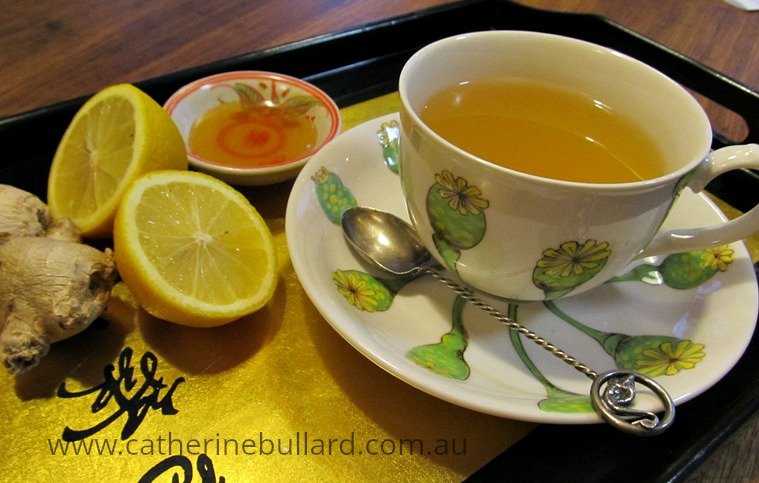
HOME MADE LEMON AND GINGER TEA is so easy to make and head and shoulders better than any from a tea bag.

2 cups boiling water

Juice of ½-1 lemon (about 60ml)

2.5cm piece ginger root, grated

A couple of spoons (or more) of honey to taste

Add the ginger to the boiling water. Simmer in an open pan for about 15 minutes. Add the lemon juice and the honey to the ginger water. Strain into your cup.

Or you can add all the ingredients to the water and pour into a thermos and let the mix sit for 20 minutes before straining and drinking.

This is a good option if you are still trying to throw off a winter cough. The lemon is high in vitamin C to boost your immune system. Ginger and honey also help the immune system.

ROOIBOS, sometimes called red tea, is one with heaps of health benefits. It comes from South Africa and has a fairly robust flavour. We recently tried one with added honey at work and it was very popular.

Looking out the window at the pots of flowers on my deck today, it struck me that the  colours of late winter are lavender, the colour of the rosemary in full flower, and golden yellow – think daffodils. Bringing a bunch of winter daffs in for your desk or bench will brighten your mood, reminding you the season is about to change. Yellow is the colour of spring and it is considered cheerful and optimistic.

There have been a number of studies done which show that the colours you surround yourself with will have a great impact on your state of mind. In the Stadium at the University of Iowa, the visiting teams locker rooms are painted all-pink and have been for thirty years, because pink is a tranquil colour that is known to calm and pacify. If the Home Team then painted their own locker rooms red which stimulates a faster heart rate and breathing, they would no doubt benefit from an emotional energy boost.

Using colour is a great way to lift your mood and one very simple way to use colour is to swap a bright cheerful coloured silk scarf for your woolly, black  winter scarf (of course you have a black scarf if you live in Melbourne!). Avoid blue because it lowers the pulse rate and body temperature.

Vitamin D is a wonderful mood lifter and if you are feeling a bit low taking a quality vitamin D supplement is a great move. In many parts of the world it is almost impossible to get sufficient sun exposure to meet your needs during the winter. Vitamin D is involved in so many body functions, but at this time of the year it often becomes very obvious that you have a deficiency of this vitamin when your mood drops. It is really worth having your blood levels tested with a simple blood test, as then you will be able to calculate how much vitamin D supplement you need to take.  Optimum levels are >75 nmol/L. If your levels are significantly lower than this (and a large part of the populations are, even here in ‘sunny Australia’), then you will need to take quite a bit of supplement to bring the levels up again.

Another vitamin that plays a crucial role in keeping up good spirits are the B group of vitamins. Vitamin B deficiency is linked to a range of emotional disorders as well as many other body functions. Opt for 50mg daily of a Vitamin B-complex rather than selecting individual B vitamins as these vitamins work much better synergistically when all the ‘B’s’ are present.

Other supplements that are critical in dealing with depression and mood disorders are selenium, magnesium and iron. A multi vitamin and multi mineral can address any deficiency you may have.

Socialising is a great way to pick up your mood. Maybe this is the time to do something with your friends out of the ordinary. Hold a fondue party, or dust off the board games, particularly the ones you loved as a child, like Twister, Pictionary, Monopoly or Charades. Or combine a pot-luck night with a game night. Or maybe your friends would enjoy a ‘Funny-Home Video’ night or a Karaoke night.

Even though it is cold try and get outside for some exercise. It is tough to exercise in the winter, and arriving home in the evening just as the sun goes down and the cold closes in is not much incentive to head out to the gym or go out for a walk. But exercise goes a long way towards relieving the stress of the day. The endorphins released during exercise improve your mood and help you sleep, and the effects can last for a number of hours.

One problem of the colder weather for many people is that they crave starchy or sweet foods more than normal which increases their blood sugar levels, making them feel blue. Remember that the foods you eat are a strong contributor to your mood. A poor diet will cause an imbalance in your body and make you feel worse. Add more fruits and vegetables, including raw as much as possible. Use complex grains, organic meats when you can and eggs and ignore those cravings for white flour and sugars.

Natural light is one of the best ways to avoid the blues and to lift your spirits. You can now get full spectrum light globes in Australia and there are energy saving versions available. They provide the full range of natural light from infra-red to ultra-violet. The benefits are well established and they reduce many health problems such as headaches, nausea and fatigue. In your home open the curtains wide to let the sun stream in on any day that is a little warmer, particularly where you cannot install full spectrum light globes.

After being closed up for months on end houses get stale. Freshen up your surroundings and your mood at the same time with essential oils. There are some that have anti-depressant properties including bergamot, lavender, geranium, jasmine and clary sage.  Others that are good mood lifters are sweet orange, neroli, and ylang ylang. Using high quality essential oil in an aromatherapy diffuser releases them into the air in the form of water vapour, which is the best way for them to spread through your home. You can also add them to a bath (or a foot bath) or add a few drops to a carrier oil and use as a massage oil.

Here’s to the arrival of spring…

 Copy of daffodils

Disclaimer.

All information and opinions presented here are for information purposes only and are not intended as a substitute for professional advice offered during a consultation. Please consult with your health care provider before following any of the treatment suggested on this site, particularly if you have an ongoing health issue. 

Source articles

http://www.naturopathic.org/content.asp?contentid=262

http://www.care2.com/greenliving/5-natural-ways-to-beat-the-winter-blues.html?page=2

http://www.sparkpeople.com/resource/wellness_articles.asp?id=341

http://www.bodyandsoul.com.au/sex+relationships/wellbeing/beat+the+winter+blues,9093

Ah-Ah-Ah-Choooooo! Scratch, Scratch! Allergy Time

Allergies are the bane of so many people’s life these days making it difficult for them to function well in their everyday life.

Allergies occur when your immune system is hypersensitive. When an allergen comes into contact with any mucous membrane surface – the respiratory tract, digestive tract, the eyes – it sets up an inflammation which causes the symptoms. Food Intolerances are different to allergies and are the result of an inability to digest or absorb foods. But the symptoms of each can be very similar and often confused. Symptoms from allergy usually develop quickly.

Allergies are the bane of so many people’s life these days Photo credit: Brooke Novak

The incidence of food allergy is growing. In 2011 an Australian study, the Health Nuts Study, found that 10% out of 5000 infants demonstrated food allergy. This is the highest rate in the world and we should be alarmed about why the incidence is rising so rapidly.

The most common allergic reactions usually fall into four groups.
  •       Anaphylaxis – a life-threatening reaction where the airways can swell
  •       Skin symptoms – eczema, dermatitis, welts and hives
  •       Eye reactions – conjunctivitis, redness, itching and watering
  •       Hay Fever or Rhinitis

Some asthmas are caused by allergies. Anaphylaxis is a more serious allergic response and is potentially life-threatening. One of my children experienced this on a number of occasions from milk and butter when he was young and beestings later, and it is a very scary situation. It usually occurs very quickly and affects multiple body systems. It needs an immediate dose of adrenalin to reverse it.

There is now evidence which suggests that the increased use of antibiotics may have something to do with the increase in allergies and asthma because it upsets the normal balance of gut flora and leads to confusion within the immune system so that it is unable to tell the difference between harmless substances and bacteria, viruses and parasites. It is also thought that our higher hygiene standards may have contributed, by exposing us to fewer pathogens, which leads to your body attacking harmless antigens instead.

You can develop an allergy to many common things including grasses and flower pollen

There are many common things to which people develop an allergy. Allergens might be any of the following:

  •      Foods such as gluten or wheat, milk and dairy foods, seafood and shellfish,alcohol, soy, eggs, peanuts, nuts, seeds, tomatoes, alcohol.
  •      Environmental factors such as dust, dust mites, pollen, mould, animal fur, grasses
  •      Man-made substances such as medications, pesticides, latex, nickel
  •      Insects including cockroaches, bees or wasps

While there are a number of over-the-counter and prescription medications that are regularly used for allergies, they all put lots of strain on your liver as it has to detox the medications. This may actually exacerbate the condition. Most people have used antihistamines to gain relief from the symptoms of hay fever at some time, but the ongoing prospect of having to take loads of pharmaceuticals, to say nothing of the debilitating side effects they cause, is not at all appealing. Western medicine stresses ongoing medications and avoidance of exposure but this is not always possible.

What else can you do to deal with this in more natural way?

The best way to get rid of the problem of allergies is with professional advice from a Natural Medicine Practitioner.

But there are many ways that you can get relief for your allergy symptoms using a host of ‘Kitchen Remedies’. Anaphylaxis must always be regarded as a medical emergency and treated accordingly. But the next time allergy strikes with other symptoms, before you reach for the antihistamine try out some of these tips, until you are ready to seek long-term relief from a Natural Health practitioner.


Please read my disclaimer below before reading on.

Allergies occur when your immune system is hypersensitive.

Kitchen Remedies

Respiratory passages:

For sinuses and nasal congestion put some olive oil in your palm and sprinkle some black pepper into it. Breathe the aroma in. It makes you sneeze and that removes the allergens in your nose.

Many people swear by Neti pots, although I haven’t tried them myself. You fill the Neti pot with a saline solution and use it to flush the allergens and irritation from your sinuses. Use a pre-made saline rinse or make one yourself by dissolving 1 teaspoon of Himalayan salt (or sea salt as a second choice) in 1 litre of boiled distilled water. Allow it to cool completely and put it in the Neti pot. Pour it through one nostril and allow it to drain out the other. Make sure you rinse the irrigation device after you use it with boiled distilled water and leave it to ‘air-dry’.

Herbal teas:    Peppermint tea is a great decongestant which can unclog sinuses and improve breathing. It is anti-inflammatory and antibacterial. Chamomile tea is a natural anti-inflammatory and may reduce the duration of hay fever attacks.

Eating food drenched in wasabi will clear out your sinuses in an instant, so head for the sushi bar if you need a quick clear when you are out and about.

Showering as soon as you come back inside after being outdoors can be an easy way to get quick allergy relief. It can help remove allergens from your skin and hair and the steam will help to clear nasal cavities, although it will usually be only temporarily.

Even just inhaling the steam over a bowl of hot water can flush out the mucous just as well as a shower. Add a few drops of Eucalyptus essential oil and carefully inhale the steam for an even better result.

Skin reactions:

A colloidal oatmeal mask for hives or eczema. You can either add  2 or 3 cups straight to the bathwater where it disperses and stays in suspension rather than settling to the bottom, or make a paste to spread over the affected area. To make the paste you need 1-2 tablespoons of Colloidal Oatmeal. You can make your own if you cannot buy it. Add warm water until you get the desired consistency. Spread on your skin and leave for a few minutes

Apple cider vinegar has long been recognized for its wonderful healing properties. Dilute a little in water and dab onto any itchy area. Great for dry eczema, hives or bed bug bites.

Mixing Bicarbonate of Soda (Baking Soda) with a little water to form a paste which you can spread on the skin will help stop the itching. You can also add it to a warm bath and soak in it for twenty minutes if the reaction area is more widespread.

Nettle is often used to relieve allergies as it is a natural antihistamine which targets the immune system. As well as drinking your nettle tea you can also use it topically. Allow it to cool and then use a cloth or gauze to dab it on the itchy spots where it will give relief. You could also take 300 to 500 mg of stinging nettle capsules each day.

A strong brew of dried anti-inflammatory chamomile flowers steeped for fifteen minutes or more then cooled and strained, can be applied to eczema for about 20 minutes with gauze or a cloth for itchiness relief. You can use it three times a day.

Basil is another herb that contains anti-allergenic components and it will give relief for hives. Boil a couple of leaves in water. Once the tea has cooled down apply it topically on the hives.

Organic cold pressed coconut oil can be applied topically and gives relief to many sufferers.

Aloe vera gel is useful, especially when it comes from freshly cut leaves.

Water that has had thin cucumber slices soaked in it for a few hours and then filtered can be applied to the area with a clean gauze or cloth.

Eye reactions:

For puffiness place slices of cold raw potato on your eyes

To relieve itchy, dry or watery eyes try making a compress from chamomile or black tea bags that have been steeped in boiling water and allowed to cool. Leave on for five minutes. Choose organic teabags as there are many chemicals used to bleach the material used for the bag that may aggravate already inflamed eyes. Even better if you refrigerate the teabags first.

A wonderful eyewash can be made to soothe itchy eyes by diluting non-alcoholic calendula liquid in water.

And last but not least, don’t forget to drink lots of water which helps with sinus drainage and congestion. It seems as though I say to do this in every post, but almost everybody drinks too little water and dehydration, even when it is mild, contributes to many health problems. With allergies, dehydration makes your mouth and throat dry and your mucous thickens.

Do you have a great “Kitchen Remedy” that you use for your allergies? Share it in the replies below.

Check back again soon as I will write lots more about allergies and food intolerances (lactose and gluten).

Photo credit: Sylvia McFadden

Source articles:

http://wellnessmama.com/8370/7-natural-remedies-for-allergy-relief/

http://www.wellbeing.com.au/article/Features/Body-Health/Allergy-alert_1260

http://www.naturalnews.com/036292_eczema_home_remedies_skin_disease.html

http://www.great-natural-home-remedies.org/home-remedies/allergies.html

http://www.detoxificationforthebody.com/2013/05/22/home-remedies-for-allergies/

http://www.care2.com/greenliving/herbal-remedies-for-spring-allergies.html

http://www.besthealthmag.ca/get-healthy/home-remedies/natural-home-remedies-hives

http://www.anniesremedy.com/chart_remedy.php?tag=allergies

Disclaimer.

All information and opinions presented here are for information only and are not intended as a substitute for professional advice offered during a consultation. Please consult with your health care provider before trying any of the treatment suggested on this site.