

Tag Archives: essential oils

Sure-Fire Strategies For Better Sleep

Giving advice for improved sleep is a normal part of any Wholistic Health practice, and I’m used to delivering. But today I am suffering the effects of a wakeful night after not ‘Walking My Talk’. Last night I sat up on the computer until well after midnight when the cold finally drove me to bed, only to then wake repeatedly through the night.

Sleep is so important, especially now as the days have shortened and we approach winter. Sufficient sleep allows our body to recover from the day and leads to improved brain function and memory.

But sleep doesn’t always come easily.


These simple actions will help you create a calm sleep-friendly environment.
De-Clutter and De- Junk

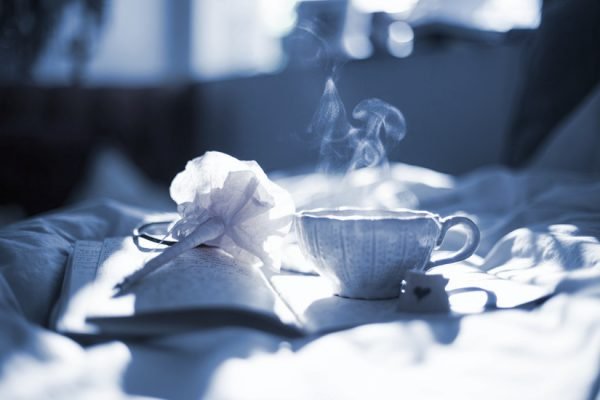
Is your bedroom a soothing sanctuary or is it also a place where you work? It is vital to establish and maintain the boundary between work and rest. Your bedroom needs to be a place where you unwind and take ‘you-time’. If the boundaries are unclear, you never get a break from the pressure and stress of work.

When you keep your bed for sleeping or other fun bedtime activities, your brain comes to associate bed with only these activities rather than work, which makes it easier for you to nod off.

Clear away clutter and mess; open the windows to refresh the energy; add fresh flowers, beautiful and meaningful ornaments, a candle or Himalayan Salt Lamp.

Create an EMF-Free Zone

If you are surrounded by electronic devices while you sleep your brain waves are affected throughout the night and you will never get good sleep. 

There’s some concern that the pulsed frequencies of electronic devices interfere with the body’s own signals. These electromagnetic fields (EMF’s) affect the emotions, the organs, hormone production and the immune system. Cosequently this can then lead to poor sleep, as well as many other problems.

There are many studies that show exposure to electronic devices (even electric lights) before going to bed interferes with sleep patterns. Far from allowing you to wind-down in the evening using electronic devices actually increase your alertness and interferes with REM sleep.

Light, from any source including the low levels of light emitted by electronic devices, disrupts circadian rhythms and causes poor sleep

There have also been studies into how electromagnetic fields (EMF’s) around electronic devices affect the release of melatonin, the sleep-inducing hormone. In 2007 this study showed melatonin production, and therefore sleep quality, may be affected in some people.

For good sleep switch off your smartphone, your tablet, your laptop, your TV, e-reader and other devices at the source. If you need an alarm to wake, find an alternative to your phone. Sleeping close to an active smartphone (or other device) is absolutely NOT worth the wide-reaching adverse effects it has on you.

If you do need to leave any devices switched on, make sure they are well away from your body, at least two metres. Even better if they are right across the room or in the en suite.

Check your bedroom for electro-magnetic fields and remove the responsible devices.

mobile phone

Create Peace

If you need entertainment before sleep place some books or magazines in your room, or perhaps a journal. Not only does journaling empty your mind of annoying thoughts that keep you awake, it’s also has many health benefits. Research even shows it strengthens the immune system and reduces the symptoms of asthma and rheumatoid arthritis.

Use your journal to establish gratitude practices to build your Happiness Bank.

Check the temperature. A moderate temperature about 20 degrees Celsius, not warmer, supports undisturbed sleep.

Darkness helps you sleep and even small amounts of light interrupt the production of the neurotransmitters needed for sound sleep. Use block-out curtains if there are lights outside your window. Don’t turn lights on suddenly during the night as they disrupt the production of the sleep-inducing hormones, melatonin and serotonin. Don’t use white light as a night light. The soft pink glow of a Himalayan Salt Lamp solves this problem, if you must have light in the bedroom. If you can’t block out light wear an eye mask.

Music is a wonderful aid to help you relax. Gentle, music, white noise or relaxation recordings will all help you unwind. The rhythmic sound of the surf washing onto the beach is one way to induce sleepiness.

No TV right before bed! Stop about thirty minutes before retiring and definitely don’t watch it in bed.

Turn your bedroom into a space you look forward to spending time in.


Create A Scent-sual Space

 Our sense of smell plays an important role in mood, memory and emotions. It is linked to the limbic system, which is considered the old primitive part of the brain. As well as promoting relaxation, research shows that certain bedtime scents can even influence the type of dreams people have.

There are a number of essential oils that induce relaxation and are powerful sleep aids.

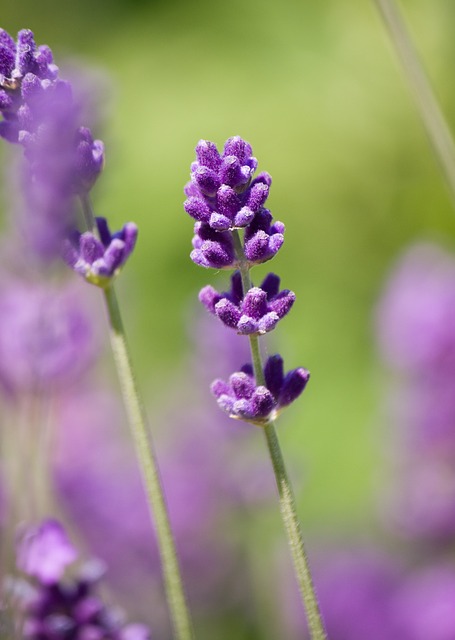
Lavender stimulates the release of feel-good hormones and is a well known relaxant to help insomnia. Sprinkle a few drops of lavender essential oil on a cotton ball beside your pillow or in your room.

Vanilla, rose, chamomile, sandalwood and surprisingly, coffee are some others that can also help insomnia by calming you. (Although homeopathic Coffea is known to have excellent calming properties, and so maybe it’s not such a surprise!) 
Create A Healthy Eating Plan

 Shunning caffeine should be a no-brainer. Drinking coffee, tea or hot chocolate keeps some people awake. But many other foods such as soft drinks, processed foods and even medications often contain caffeine, and you need to be wary of those.

Some foods like dairy and wheat can cause gastric disturbances that may keep you awake. Avoid them altogether or at least in the later part of the day.

L-tryptophan found in protein foods promotes the production of melatonin and serotonin to aid sleep. A small protein-rich snack such as nuts in the evening may help you sleep better.

Avoid sugar and processed grain snacks before bed to avoid the rapid spikes and drops in blood sugars that interrupt sleep.

Alcohol is a ‘no-no’ for sound sleep. Although it produces sleepiness and initially sends you to sleep, it prevents you entering the deeper, restorative, sleep cycles.  Also, alcohol’s effect is short-lived. After a few hours you are likely to wake up, completely unable to return to sleep.

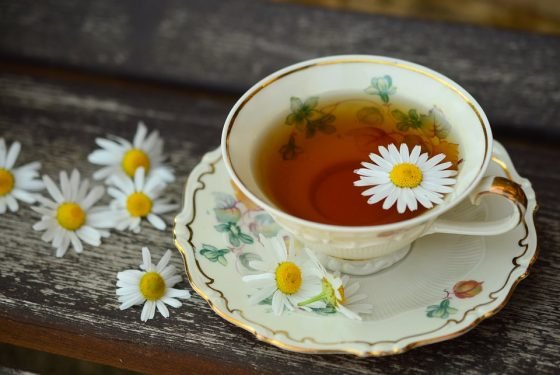
Chamomile tea before bed is an excellent for promoting good sleep. It has a slight homeopathic effect to relieve anxiety and promote relaxation.

Support your body with nurturing foods to create balance
Create A Sleep-Ready Body

Exercising daily for at least thirty minutes helps you fall asleep but be sure not to do it too close to bedtime. This is because exercise stimulates the release of metabolising hormones that will keep you awake.

Create A Night-Time Ritual

Setting a bed-time ritual sends cues to your brain that it is time for it to prepare to sleep.  Just as you might read a bed-time story to a child to help them relax before they sleep, setting routines also reminds your mind it’s time to relax and sleep.

Develop your own night-time routine.  It may include a warm bath, some yoga, reading, listening to music, writing your journal, in fact anything that soothes and relaxes you.  Repeat this every evening in the thirty minutes before bed so your brain and body associate this activity with sleep.

Write down your list of whatever you need to do in the morning, earlier in the evening before.  This shuts down the ideas and thoughts that normally run around your head while you’re trying to drop off to sleep.  The same goes for any plans, worries or other thoughts that might keep you awake into the early hours of the morning.

Going to bed at the same time each night and rising at the same time each day allows your body clock to synchronise with these times, making both sleep and waking easier.

A hot shower or bath before bed increases your body temperature.  As it falls again you will relax and fall asleep. If you have cold feet warm them with socks to prevent sleep disturbance.

If noise wakes you or keeps you awake wear ear plugs.

Take time to reflect on the day passed as well as the brand-new day ahead, so you can leave stress behind and start the new day afresh.

If you can’t sleep get up and address the cause or do some quiet activity until you feel calm and ready to return to bed.

Don’t watch the clock! If you aren’t sleeping put the clock away. Watching the hours tick away will only leave you stressed

Sleep Problems of Menopause

For some women passing through menopause, insomnia becomes a real and distressing issue.  Hormonal changes causing hot flushes, palpitations, or night sweats can interrupt sleep and cause havoc.  Before taking Hormonal replacement Therapy (HRT) have a talk to a Wholistic Health Practitioner about the many natural options available to balance hormones and reduce these debilitating symptoms.

Creating an environment that nurtures and supports you allows your body to release the stress from your busy life and relax into sleep at night

What are your favourite ways to ensure you get good sleep? Tell us in the comments below.
Disclaimer

All information and opinions presented here are for information purposes only and are not intended as a substitute for professional advice offered during a consultation. Please consult with your health care provider before following any of the treatment suggested on this site, particularly if you have an ongoing health issue.

  © Catherine Bullard and Happy Holistic Health, 2012. Unauthorised use and/or duplication of this material without express and written permission from this blog’s author and/or owner is strictly prohibited. Excerpts and links may be used, provided that full and clear credit is given to Catherine Bullard and Happy Holistic Health with appropriate and specific direction to the original content

A Winter’s Tale: Does Your Winter Mood Need A Lift?

Winter Girl Blowing Snow by Petr Kratochvil

Enough is enough! Yesterday was a day of bitingly cold winds, hail showers and snowfalls on the nearby ranges. Eleven weeks in and I am over the Winter Wonderland Magic.

I was chatting to a man in the supermarket register queue last night as he added some gorgeous coral coloured roses to his pile of groceries. He said he just needed some warm colours around his house to remind him that winter would not go on forever, that spring is nearly here. I felt so inspired, I bought some too!

Winter is eleven weeks in now and it seems we are all feeling over it. The joy of curling up with a warm drink, cosy slippers, a heat pack in front of a movie or with an engrossing book is past. I want to go outside without rugging up, to plant my spring vegetables, to enjoy a salad again, to get to the end of the day without cold feet and to enjoy some sunny evenings.

Even though we are at the tail end of winter this is the time that Winter Blues shows up for many people, as the accumulated stresses of winter start to affect them. These days winter blues are recognised as a disorder known as SAD (Seasonal Affective Disorder) which is caused by a lack or not sufficient sunlight.

To help get us over that last hump in the winter road and to keep us going until the warmer days of spring arrive I have gathered some ideas to help lift our spirits as winter heads on out.

First up, a couple of warm drinks with a difference. I love herbal teas and I have a whole cupboard devoted to their storage – the tea cupboard. But, even with my wide choice, as well as the basic green tea back-up, I am bored. Here are a few new yummy hot drink ideas I have come across to spice things up when tea is just not going to cut it any more

Hot chocolate!  Chocolate is recognized as a mild stimulant and if you choose your chocolate wisely you get all the benefits of antioxidants, flavonoids, vitamins and minerals. Here are two DELICIOUS chocolaty drinks to warm your insides and your mood.

The first is from Tara Bliss at Such Different Skies

hot choc smoothie

This PIPING HOT CHOC WINTER SMOOTHIE is thick, creamy, decadent and not-naughty.

1 banana

1 heaped Tablespoon raw cacao (don’t use drinking chocolate or cocoa…it’s absolutely worth GETTING some Raw Cacao INSTEAD)

½ teaspoon vanilla

1 teaspoon chia seeds

2 medjool dates or some honey

1 cup boiling water OR warm almond milk OR dandelion tea

(you can add peanut butter, oats, cinnamon, coconut or maca)

 Blend, Pour, Guzzle Buzz.

 haute hotchocoalte

SUPERFOOD HAUTE CHOCOLATE from Sarah Britton at My New Roots

2 Tablespoons raw cacao powder

2 teaspoons maca porder

1 Tablespoon coconut sugar

Pinch sea salt

Pinch cinnamon powder

Pinch cayenne pepper

Pinch ginger powder

Small piece vanilla bean, scraped (optional)

1½ cups milk of your choice or water

Boil water or warm milk on the stove and let cool slightly. If using raw nut milk do not heat above 42ْ C

Whisk in dry ingredients. Serve immediately with a cinnamon stick, if desired.

Not only is this hot choc yummy but all the spices are wonderfully warming circulation stimulants to warm you through to the fingertips and toes.

                DANDELION CHAISPICED DANDELION ROOT TEA

                1 teaspoon -1 dessertspooon organic roast dandelion root per cup.

1 cinnamon stick (or a pinch of cinnamon powder)

Ginger root, chopped up with the skin left on

Add any of these spices to taste: star anise, bay leaf, black peppercorns, green cardamom seeds slightly crushed, cloves, dried orange peel, dried raspberry leaf, fennel seeds, peppercorns, vanilla bean, licorice root.

Place all ingredients and water in a pot, bring to boil and simmer for 5-10 minutes.

You can keep any leftover in the fridge and add water and reuse.

Add some honey and your milk of choice if desired.

It tastes great black, but may be too strong for if you are not used to it.

 Aug 22 040

HOME MADE LEMON AND GINGER TEA is so easy to make and head and shoulders better than any from a tea bag.

2 cups boiling water

Juice of ½-1 lemon (about 60ml)

2.5cm piece ginger root, grated

A couple of spoons (or more) of honey to taste

Add the ginger to the boiling water. Simmer in an open pan for about 15 minutes. Add the lemon juice and the honey to the ginger water. Strain into your cup.

Or you can add all the ingredients to the water and pour into a thermos and let the mix sit for 20 minutes before straining and drinking.

This is a good option if you are still trying to throw off a winter cough. The lemon is high in vitamin C to boost your immune system. Ginger and honey also help the immune system.

ROOIBOS, sometimes called red tea, is one with heaps of health benefits. It comes from South Africa and has a fairly robust flavour. We recently tried one with added honey at work and it was very popular.

Looking out the window at the pots of flowers on my deck today, it struck me that the  colours of late winter are lavender, the colour of the rosemary in full flower, and golden yellow – think daffodils. Bringing a bunch of winter daffs in for your desk or bench will brighten your mood, reminding you the season is about to change. Yellow is the colour of spring and it is considered cheerful and optimistic.

There have been a number of studies done which show that the colours you surround yourself with will have a great impact on your state of mind. In the Stadium at the University of Iowa, the visiting teams locker rooms are painted all-pink and have been for thirty years, because pink is a tranquil colour that is known to calm and pacify. If the Home Team then painted their own locker rooms red which stimulates a faster heart rate and breathing, they would no doubt benefit from an emotional energy boost.

Using colour is a great way to lift your mood and one very simple way to use colour is to swap a bright cheerful coloured silk scarf for your woolly, black  winter scarf (of course you have a black scarf if you live in Melbourne!). Avoid blue because it lowers the pulse rate and body temperature.

Vitamin D is a wonderful mood lifter and if you are feeling a bit low taking a quality vitamin D supplement is a great move. In many parts of the world it is almost impossible to get sufficient sun exposure to meet your needs during the winter. Vitamin D is involved in so many body functions, but at this time of the year it often becomes very obvious that you have a deficiency of this vitamin when your mood drops. It is really worth having your blood levels tested with a simple blood test, as then you will be able to calculate how much vitamin D supplement you need to take.  Optimum levels are >75 nmol/L. If your levels are significantly lower than this (and a large part of the populations are, even here in ‘sunny Australia’), then you will need to take quite a bit of supplement to bring the levels up again.

Another vitamin that plays a crucial role in keeping up good spirits are the B group of vitamins. Vitamin B deficiency is linked to a range of emotional disorders as well as many other body functions. Opt for 50mg daily of a Vitamin B-complex rather than selecting individual B vitamins as these vitamins work much better synergistically when all the ‘B’s’ are present.

Other supplements that are critical in dealing with depression and mood disorders are selenium, magnesium and iron. A multi vitamin and multi mineral can address any deficiency you may have.

Socialising is a great way to pick up your mood. Maybe this is the time to do something with your friends out of the ordinary. Hold a fondue party, or dust off the board games, particularly the ones you loved as a child, like Twister, Pictionary, Monopoly or Charades. Or combine a pot-luck night with a game night. Or maybe your friends would enjoy a ‘Funny-Home Video’ night or a Karaoke night.

Even though it is cold try and get outside for some exercise. It is tough to exercise in the winter, and arriving home in the evening just as the sun goes down and the cold closes in is not much incentive to head out to the gym or go out for a walk. But exercise goes a long way towards relieving the stress of the day. The endorphins released during exercise improve your mood and help you sleep, and the effects can last for a number of hours.

One problem of the colder weather for many people is that they crave starchy or sweet foods more than normal which increases their blood sugar levels, making them feel blue. Remember that the foods you eat are a strong contributor to your mood. A poor diet will cause an imbalance in your body and make you feel worse. Add more fruits and vegetables, including raw as much as possible. Use complex grains, organic meats when you can and eggs and ignore those cravings for white flour and sugars.

Natural light is one of the best ways to avoid the blues and to lift your spirits. You can now get full spectrum light globes in Australia and there are energy saving versions available. They provide the full range of natural light from infra-red to ultra-violet. The benefits are well established and they reduce many health problems such as headaches, nausea and fatigue. In your home open the curtains wide to let the sun stream in on any day that is a little warmer, particularly where you cannot install full spectrum light globes.

After being closed up for months on end houses get stale. Freshen up your surroundings and your mood at the same time with essential oils. There are some that have anti-depressant properties including bergamot, lavender, geranium, jasmine and clary sage.  Others that are good mood lifters are sweet orange, neroli, and ylang ylang. Using high quality essential oil in an aromatherapy diffuser releases them into the air in the form of water vapour, which is the best way for them to spread through your home. You can also add them to a bath (or a foot bath) or add a few drops to a carrier oil and use as a massage oil.

Here’s to the arrival of spring…

 Copy of daffodils

Disclaimer.

All information and opinions presented here are for information purposes only and are not intended as a substitute for professional advice offered during a consultation. Please consult with your health care provider before following any of the treatment suggested on this site, particularly if you have an ongoing health issue. 

Source articles

http://www.naturopathic.org/content.asp?contentid=262

http://www.care2.com/greenliving/5-natural-ways-to-beat-the-winter-blues.html?page=2

http://www.sparkpeople.com/resource/wellness_articles.asp?id=341

http://www.bodyandsoul.com.au/sex+relationships/wellbeing/beat+the+winter+blues,9093