Category Archives: Uncategorized

Himalayan Salt, Is It The ‘Salt Of The Earth’?

Every home has salt in the kitchen. But there’s a huge difference between the various salts available and being selective about which you use can make a significant difference to your health. Pink Himalayan salt is a healthy alternative to common table salt and contains 84 trace nutrients for your good health.
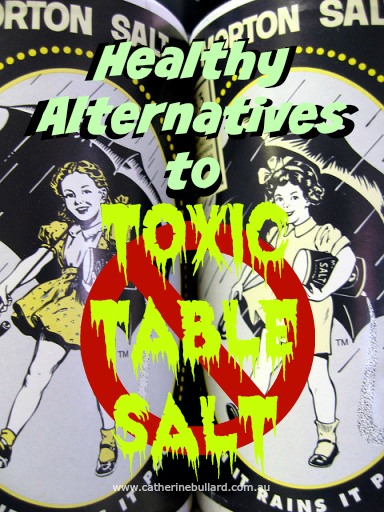
healthy alternatives to common salt

Salt has been in the spotlight for years and there are many, particularly those with hypertension, warned against salt and now on a low-sodium diet.

However, concern about salt is for everyone  not just those with health issues. Most people still use common table salt, or add cooking salt when they prepare foods. But ‘salts ain’t salts’ and the different types present significant health differences.

Salt In The Diet

Most doctors regard high salt consumption as the cause of high blood pressure. However this thinking is the result of just one study and most other studies failed to show a convincing link between high-salt diets and hypertension.

In this article Gary Taubes  even suggests it’s a case of public policy clashing with scientific data, resulting in misinformation for the public.

But from more recent studies it appears that fructose (a sugar) consumption may be a far greater cause of hypertension than salt. Far more fructose is consumed than salt and so may have a much greater impact on the incidence of this disease.

High salt intake is seen as contributing to strokes, osteoporosis, fluid retention, weight gain, gastric reflux and stomach cancer. But those in the natural health arena are more inclined to regard salt, or sodium, as an essential in our diet, with certain provisos.

SODIUM IS ESSENTIAL FOR GOOD BODY FUNCTION

Sodium is essential to efficient function in your body and it plays many important roles.

It’s widely recognized as one of the minerals having a crucial role in maintaining the delicate balance that supports effective fluid control in your body, both within and outside the cells. The balance between salt and water in the body is critical and affects all the cells, the blood and the lymphatics.

According to the Mayo Clinic  “A low-sodium, high water diet can sometimes disturb the proper balance between sodium and fluids in your blood”

But salt plays a much greater role in you health than simply with fluid control.

Sodium, like fat, is a nutrient that’s needed by the body for health, but not all forms are healthy or safe.

Sodium is an electrolyte  found in many foods – fruits, vegetables, legumes and meats. When it occurs in its natural form it helps regulate body fluids, muscle contraction, blood regulation, glucose absorption and nerve function.

Healthy alternatives to table salt and cooking saltWhen your sodium levels are too low you open the door wide to illness.

Just a few results of inadequate salt are:

  • increased bone fractures in the elderly
  • increased risk of heart attack
  • changes in both your mood and your appetite as salt is a natural antidepressant

Everybody needs to be concerned about salt not just those with health issues. Most people still add common table salt to their food, or add cooking salt when they prepare foods, or even some sea salts which can also be a problem.

But there’s a huge difference between table and cooking salt and other healthy salts.

HEALTHY SALTS

There are a number of great natural ‘full-spectrum’ salts around which are a wonderful alternative to processed salts that offer so little in the way of micronutrients.

Refined salt fails to meet any of your body’s requirements because your body doesn’t recognise it as a nutrient rich mineral. It upsets your digestion and creates a toxic environment in your body.

Perhaps you’ve noticed coloured salt around. When I first saw Celtic Sea Salt many years ago I was put off by the grey colour.

But the colour is the key to the benefits. Salt should contain a vast range of trace minerals and when it does it takes on the colour of the minerals. The colour is a great indicator that the salt is NOT PROCESSED.

You can tell if any salt is refined or not by the colour.

Table salt is unlike unrefined salts because it doesn’t contain the array of minerals. It’s almost entirely just one mineral, sodium chloride, in fact about 98%, with the rest being made up of toxic additives which act to absorb moisture and stop the salt clumping.

Natural salts, on the other hand, are only about 85% sodium chloride, with the rest being made up of beneficial naturally occurring trace elements and minerals that the body requires, and NO toxic additives

Within the body there are feedback loops which regulate absorption of unrefined salt. Feedback loops don’t function properly with processed salts.

Unrefined salts don’t contribute to disease like hypertension, in the same way that processed salt does because of the feedback loops. This makes your choice of which type you use quite significant.

In olden times salt was used as currency with salt worth its weight in gold – African and European explorers would trade an ounce of salt for an ounce of gold.
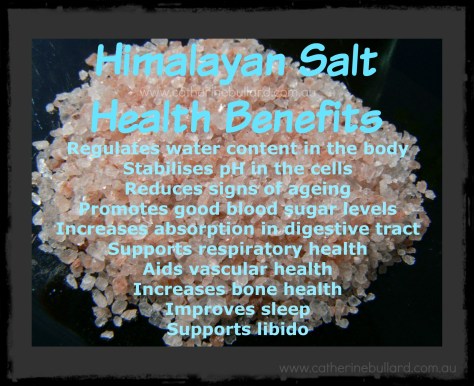
Himalayan salt health benefits

DIFFERENT TYPES OF SALT

Table Salt

Table Salt, Sodium chloride, is highly refined and processed. This process ‘cleans the salt up’ by eliminating the minerals and also prolongs the shelf life. It’s dried at very high temperatures, bleached and cleaned.

Like all refined foods the beneficial minerals and macro-nutrients are all lost. As a result of the refining and bleaching process the salt becomes toxic. It can contain chemicals, preservatives and other additives like anti-caking agents.

Once in your body the additives act upon the cells in the same way they do to the salt. Instead of dissolving and mixing with water to be used through every cell as required, sodium builds up in deposits around your tissues and organs where it leads to disease.

Iodine deficiency is very obvious and easily recognized. Early in the 19th century it  was seen as a direct result of people changing from using natural salt to table salt. So iodine was added to table salt after processing. Like table salt iodized salt has had all the minerals taken out and only one, iodine, added back in.

Iodine deficiency is quite prevalent amongst the Australian population but the amount of iodine that’s available from salt doesn’t go anywhere near redressing that iodine deficiency.

Note that Kosher Salt is pure sodium chloride.

Sea salt

Sea salt has become more popular over the last decade. Virtually all salt originally came from the sea, even salt found in caves comes from caves that were once under water. So most salt can truthfully be called ‘sea-salt’, and the name is not a reflection of the purity or processed status of the product. It’s sea salt even if it has had the nutrients extracted through processing.

The problem with most sea salts is that much that’s sold has been refined.

The key is to use unprocessed sea salt. If the salt is PURE WHITE then approach it warily. It means the salt has undergone some processing, or washing which strips away the minerals. It’s still ‘sea-salt’, but if it has no colour then it doesn’t contain any of the minerals that provide the health benefits of salt.

If sea salt is pure white it’s probably been bleached. Full-spectrum sea salt is coloured, or at least non-white.

Celtic Sea Salt
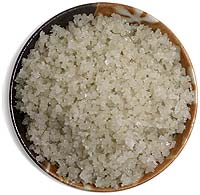
Celtic sea salt is healthy if it's colouredCeltic Salt is an example of unrefined sea salt. It’s light grey colour supplies 84 trace minerals needed by the human body in a bio-available form.

It’s naturally harvested in Brittany, in northwestern France and helps to balance the whole body.

The salt is harvested in a way that preserves its natural state. All unrefined sea salt is extracted from the ocean or saltwater lakes. Salty water’s channelleding into ponds where the sun and wind evaporate off  the water. Some waters contain trace minerals and elements and these remain in the salt.

Himalayan Salt

Himalayan salt is mined from the Himalayan foothills. Sometimes it’s called Himalayan Sea Salt as it’s the fossilized end result of salt from an ancient ocean. It’s entirely hand-mined and hand-washed.

It’s the most beautiful translucent pink colour, which reflects the full-spectrum of the 84 different minerals and trace elements it contains, including iron which gives it the lovely colour.

Himalayan salt is very pure and does not contain any heavy metals or toxins. It stores vibrational energy, like other crystals, and does not weigh your body down.

Nutrients occurring naturally together in the one plant or mineral work synergistically, enhancing the action of all the others. A salt containing 84 different trace elements offers loads more benefits to your health. Some minerals found in unrefined salts include magnesium, potassium, zinc, calcium and iron.

My favourite salt is Himalayan salt and I use this organic wholefood in my cooking as well as the salt grinder. One thing I’ve noticed is that it seems more potent than table salt, and I need far less to get the same result.

Stronger impact, loads of trace elements and so many benefits to your body’s functions…seems a better option to me!Pink Himalayan Salt contains 84 minerals

Murray River Salt

Murray River Salt is another pink salt containing a range of minerals, from ancient underground saline waters in the Murray Darling Basin region in Australia.

Alaea Salt

Alaea salt is an unrefined Hawaiian sea salt with a pinkish-brown colour that comes from Hawaiian clay, called ‘alaea’, which is also composed of over 80 separate minerals and rich in iron oxide.

Epsom Salts

These are another form of healthy salts and a rich source of magnesium, and you can read about them here.

HEALTH BENEFITS OF UNREFINED SALTS

Far from being harmful, natural, unrefined salts can help you in many ways, including these:

  • Stabilize and regulate blood pressure and heart beat in conjunction with adequate water
  • Reduce the effects of stress
  • Maintain blood sugar levels
  • Is an alkaline-forming food so helps balance out acidity in your cells
  • Calming effect on the whole nervous system
  • Improves brain function, where it’s needed for the processing and transmission of information between brain and muscles
  • Regulates nerve impulses
  • Prevents muscle cramps
  • Needed for proper muscle function
  • It can prevent and eliminate mucous build-up, and improve respiratory function
  • Help maintain optimum water levels in the body
  • Help with cell hydration, and carries nutrients in and out of cells
  • Supports and builds immune system
  • Slows down ageing process
  • Better absorption of nutrients
  • Needed to produce hydrochloric acid in the stomach
  • Strengthens bones – Himalayan salt contains calcium
  • Reduces the incidence of gout, arthritis and rheumatism
  • Aids adrenal function
  • Plus more…..

It’s vital to remember that any salt requires adequate quantities of water in order to function beneficially in your body, so keep hydrated.

Just like everything, consuming too much natural, unrefined salt, is harmful. Too much of the good thing can lead to many of the health problems that small amounts of the same salt can assist or prevent. The key is to get the balance right between enough and too much.

So go ahead. Get some natural, unrefined, wholefood salt and relax, salt your food to taste.

Remember to consume sufficient water, especially during hot weather or when you add exercise to the mix.

And don’t forget that eating more processed food means a higher consumption of harmful salt, which your body does NOT want.

If you already enjoy the benefits of Himalayan or Celtic salt (or another unrefined salt) why not ‘like’ and share this article so others come to know of the benefits also.

I’d love to hear your thoughts on salt in your diet in the reply space below.

Disclaimer.

All information and opinions presented here are for information purposes only and are not intended as a substitute for professional advice offered during a consultation. Please consult with your health care provider before trying any of the treatment suggested on this site. 

Source articles:

http://articles.mercola.com/sites/articles/archive/2010/08/25/why-has-this-lifesustaining-essential-nutrient-been-vilified-by-doctors.aspx

http://www.naturalnews.com/028724_Himalayan_salt_sea.html

http://www.lifewithgreens.com/differences-between-refined-and-unrefined-salt?utm_source=rss&utm_medium=rss&utm_campaign=differences-between-refined-and-unrefined-salt

http://www.waterbenefitshealth.com/celtic-sea-salt.html

http://articles.mercola.com/sites/articles/archive/2011/09/20/salt-myth.aspx

http://curezone.com/foods/salt/understanding_salt_and_sodium.htm

http://www.naturalnews.com/033716_sea_salt_health_benefits.html

http://www.hcgdiethelp.info/himalayan-salt/

Sample Some Superfoods From This Southern Treasure Chest

I remember quite clearly when the catchphrase of all the campaigns to save the Amazon Rainforest from widespread clearing, was that we were destroying the World’s Pharmacy.

But now it appears this was only a part of the picture. As more and more fantastic Superfoods appear in the West it seems that the entire South American continent is a veritable treasure chest of foods as medicine. Perhaps we now need to say instead that the entire South American continent is the biggest room in the World’s Pharmacy.

So many of the wonderful new healthy foods we can add to our diet come out of the countries of South America.

So many of the wonderful new healthy foods we can add to our diet to either replace problem foods, or simply to send our health zinging, come out of the countries of South America. Foods such as quinoa, maca, raw cacao and chia all have their origins in that part of the world.

The superfood heartland, where chia, quinoa and other superfoods are cultivated in terraces around Cusco, Peru  Photo credit: Liana John
The superfood heartland, where chia, quinoa and other superfoods are cultivated in terraces around Cusco, Peru
Photo credit: Liana John

Following on from last weeks postabout free radicals, here are twelve wonderful Superfoods from the South and Central American treasure chest that would be fantastic additions to your menu.

Quinoa  Credit: Alisha Vargas
Quinoa
Credit: Alisha Vargas

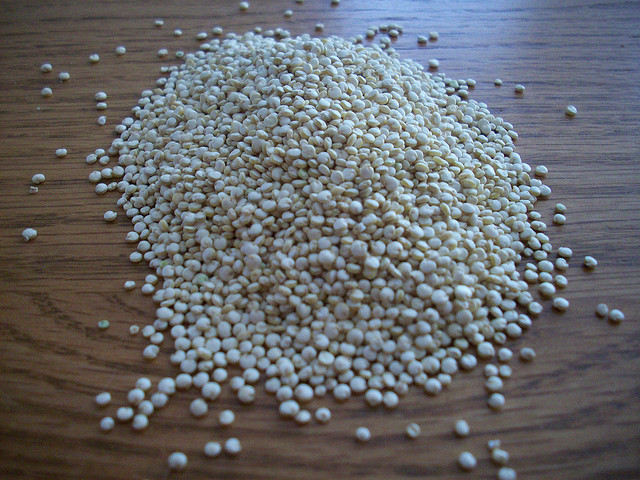
Quinoa (keen-wa) has swept into our diets as a fantastic replacement for gluten grains.  Only a few years ago it was quite difficult to find but it is available on every supermarket shelf now. It has been grown for at least 6,000 years in the Andes of Peru. It was sacred to the Incas and famous for giving the Inca warriors super-human strength. It is gluten free and a great source of magnesium, iron and phosphorous as well as rich in fibre and folate. Technically it is not a grain but a seed, but it can be used just as you would a grain in your cooking. It’s really easy to prepare and quick to cook so makes a great addition to the menus of busy working families.

Chia seeds
Chia seeds

Chia Seeds were originally grown by the ancient Aztecs, Incans and Mayans for health and strength. They are chock-full of omega 3 (the one you need more of), actually one of the highest sources around, as well they have lots of fibre (4 teaspoons provide 30% of the daily requirement) and calcium. They are the highest source of protein compared to other seeds and grains. They are easily absorbed and this enables you to take in lots of the nutrients. They help with tissue growth and regeneration and are great during pregnancy and lactation, as well as for athletes.   

Amaranth plants
Amaranth plants

Amaranth (Kiwicha) has been around for a long time, and was a staple food for the Incas.   I remember a fellow Community Garden member experimenting with it about ten years ago. The next season every single plot in the garden had amaranth growing in it, so there shouldn’t be any difficulty of you would like to try growing some yourself here in Melbourne. Like quinoa, amaranth is a pseudograin, not really a grain. It has been used in its puffed form in health snack bars for some time and the flour, which has a rich flavour, is also available. Nutritionally it is similar to quinoa – high in protein and all amino acids, but also amaranth is rich in iron with 29 percent of the RDI of iron in just one cup, making it a great addition to a vegetarian diet. It also contains the minerals manganese, magnesium, phosphorous and copper.

Lucuma
Lucuma

Lúcuma is another fairly new food to appear in our markets. It is a large, sweet fruit  with a creamy citrus flavour, from the highlands of Peru, Bolivia and Equador, where it has been harvested from ancient times. It is considered one of the lost crops of the Incas but is still very widely eaten today. Its fruit tastes a little like maple syrup and sweet potato and it makes a wonderful low-sugar sweetener. It is very nutritious, rich in beta-carotene and niacin (vitamin B3), iron and calcium. The fruit is dried and ground to a powder. I have to say it is YUM combined with raw chocolate!

Lepidium meyenii
Lepidium meyenii (Maca) (Photo credit: Wikipedia)

Maca Powder is another of the superfoods of the Incas and grows at 4,000m above sea level in the Andian highlands of Peru. It has been a medicinal food in that area for over 2,000 years. The harvested root is loaded up with protein, calcium, magnesium, potassium, iron and other minerals, vitamins and all the amino acids. Maca has some amazing health benefits as it is an adaptogen which supports and heals the adrenal glands. It is great for offsetting the effects of stress, gives an amazing energy boost, and can improve insomnia. But one of the most common uses is for balancing hormones when there is an overabundance of environmental oestrogens involved. It is also a powerful aphrodisiac.

Just note that there are certain contraindications for Maca. If you are pregnant, breastfeeding or being treated for a hormonal issue consult your practitioner before using it.

Acai berries Credit: Cametaora
Acai berries
Credit: Cametaora

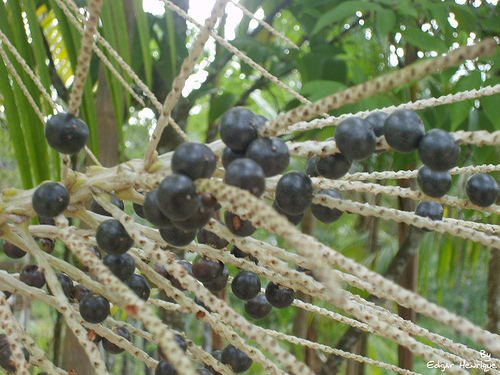
Acai (ah-sigh-ee) grows only in the Brazilian rainforest and coastal Colombia. This small purple berry is related to the blueberry and cranberry, and like them, is very rich in antioxidants which reduce oxidative stress. They stimulate the immune system and boost your energy. They can be helpful in preventing heart disease and cancer, and may help reduce cholesterol levels. They are associated with reduction of blood sugars, and assist with cognitive and mental function. It is frequently used in many healthy foods as well as smoothies and juices. Lots of beauty products now contain acai oil due to the high antioxidant content.

Ripe raw cacao pods
Ripe raw cacao pods

Raw Cacao can be considered a superfood, a healthy food, which was originally found in the Amazon Rainforest! It has been cultivated for over 3,000 years by the Incan, Mayan and Aztec peoples. Unlike the highly processed, fat-full, dairy-full, high sugar versions made by Cadbury etc, raw cacao is good for you. It comes as a powder or cacao nibs and can be used through your cooking as well as eaten raw. Keep milk away from it as many studies show that milk neutralizes the healthful properties.

Raw cacao really can be considered a true superfood. (woo hoo! Love my chocolate) It is very high in antioxidants as well as minerals which help with mental alertness, heart health and physical stamina. In addition it increases serotonin uptake in the brain which creates a sense of euphoria and counteracting stress.

I like to think of it as my favourite vegetable.

Dried camu camu seeds

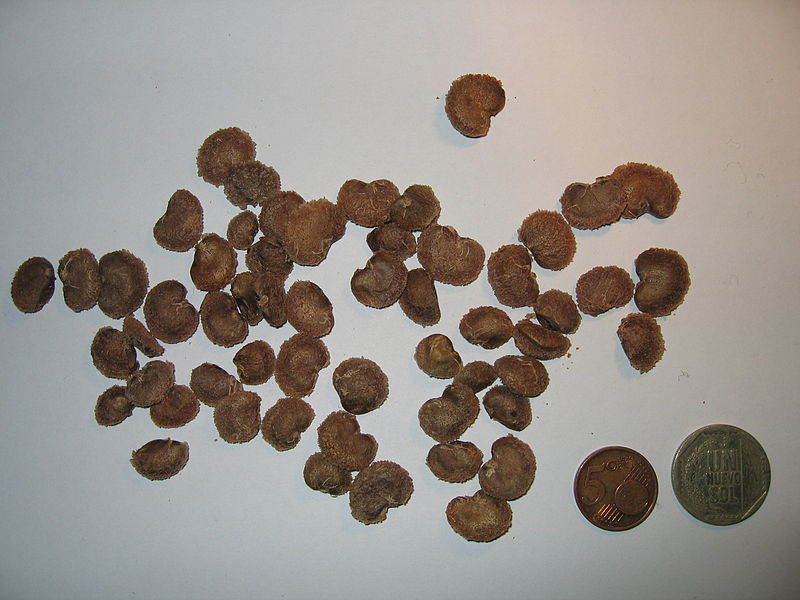
Camu Camu is another amazing food from Peru and like the acai, it is a berry. It provides  great support to the immune system and helps to ward off viral infections, especially when you are more stressed or anxious than normal. It contains bioflavonoids, amino acids, vitamin Bs (thiamin, niacin and riboflavin), plus it has sixty times more vitamin C than an orange. It will promote healthy gums, eyes, skin and supports the nervous system (brain) and the circulatory system (heart).

Macqui berries Credit: Mona Vie

Maqui (mock-ee), Chilean Wineberry, is yet another powerhouse berry and comes from the Patagonia region of Southern Chile. It is known for its detoxifying properties and the benefits bestowed by its  antioxidants. It was used by a tribe of warriors, the Mapuche Indians, who were attributed with great strength and  endurance. The deep purple berries are loaded with antioxidants, with more than three times those found in acai. Maqui berries are very powerful so you only need half as much maqui as you would other berries. They have the highest ORAC score of any berry in the world. The ORAC (Oxygen Radical Absorbance Capacity) unit, ORAC value, or “ORAC score” is a method of measuring the antioxidant capacity of different foods and supplements.

The Maqui berry protects your immune system, skin, cardiovascular system, bones and joints. It also detoxifies the digestive system and restores metabolism to maximum capacity. They renew cells and help improve many diseases as well as fighting the effects of ageing.

Purple corn Photo credit: Randen Pederson
Purple corn
Photo credit: Randen Pederson

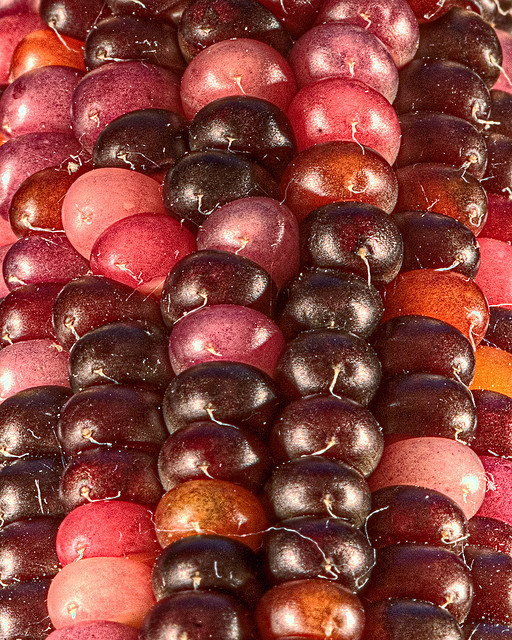
Purple Corn has been grown in Latin America for thousands of years. It is another food very rich in antioxidants, containing more than blueberries. Its gorgeous colour has been used as a naturalfood colouring, and it is often used in Peru to make chichi morada – purple corn drink.

Mesquite pods
Mesquite pods

Mesquite is actually from Central America, Mexico. The long pods are ground up into a low-glycemic, gluten free flour with a sweet nutty taste, which bakes up just like wheat flour – use it instead of half the wheat flour in the recipe. It can be used in raw desserts as it doesn’t need to be cooked. You can even add a spoonful to smoothies for a sweeter flavour. It is rich in soluble fibres and a great source of calcium, iron, zinc, potassium, manganese and lysine. Because it is in fact a legume and not a grain it is higher in protein than grain flours. It sits low on the glycemic index and won’t cause blood sugar spikes.

Inca Berries, or goldenberries, are golden berries about cherry size, which resemble    a raisin when they are dried. They are high in phosphorous, vitamins A, C, B1, B6 and B12, and are very high in protein for a fruit (16%)

In order to get the most from your South American Superfoods buy only ones that are organically certified. If the foods have been commercially produced they will carry chemical residue and much of the benefits will be lost.

You now have lots of information about some magic foods you can try out. If you need some ideas about how to use them there are lots of recipes and ideas out on the web so do a search.

But, you also need to actually get your hands on some of these magic goodies. I don’t normally recommend specific products but this week I am making an exception. The Loving Earth  company stocks most of these brilliant superfoods from the South American Treasure Chest, as well as creating a range of wonderful products that make use of them. Plus, on their website they have some amazing, delicious recipes which use all these foods. They also sell many of them in their raw state, including Maca powder, Raw Cacao, Camu Camu Powder, Purple Corn Extract and Chia seeds.

They also operate from an ethical basis. From their website…”The company is based on the philosophy that the earth is a living organism, (and) eating foods in their pure, minimally processed states, foods that are grown organically in a sustainable way, is one of the most significant ways in which we can live this philosophy.”

They support Fair Trade 100% and most of their foods are Australian Certified Organic.

Just in case you are wondering, I don’t take any payment from Loving Earth, in fact they don’t even know that I have written this about their products. They are just some products that I’ve tried and loved and I believe they are a company well worth your support. You can find their products in Health Food shops or can buy online.

Superfoods are the way of the Health Future. However, taking superfood supplements on their own are never going to be enough to turn around ill health. But by including a range of them as some of the dietary changes that are part of wider changes you make to build your own great health, they are certainly a powerful and effective addition.

Do you have a favourite South American Superfood? How do you use it? Post it in the comments below…we’d love to hear.

South America is a treasure chest of wonderful superfoods

Disclaimer.

All information and opinions presented here are for information purposes only and are not intended as a substitute for professional advice offered during a consultation. Please consult with your health care provider before trying any of the treatment suggested on this site. 

Source articles

http://www.besthealthmag.ca/eat-well/nutrition/7-south-american-superfoods

http://www.maquiberrybenefits.com.au/maqui_berry_anti_aging.php

http://www.age-well.org/maqui-berry.html

http://www.amazonhub.com/Superfoods-of-the-Incas/superfoods-of-the-incas-medicine-natural-buy.html

http://foodsforlonglife.blogspot.com.au/2011/01/omega-3-power-seeds-chia-hemp-and-flax.html

http://www.amazonhub.com/Superfoods-of-the-Incas/superfoods-of-the-incas-medicine-natural-buy.html

http://www.desthealth.com/products/vitamins-supplements/maqui-berry-active-60-capsules

http://www.thewellnesswarrior.com.au/2012/09/superfood-profile-camu-camu

http://www.onegreenplanet.org/vegan-food/mesquite-powder-health-benefits-tips-and-recipes

http://en.wikipedia.org/wiki/Mesquite

http://www.naturalnews.com/029562_mesquite_flour_superfood.html

http://www.vegparadise.com/otherbirds1002.html

Free Radicals Are Bad, Right…But Why?

I often mention free radicals and antioxidants in my posts because they are such a fundamental part of the disease process. But there was a time when I was not exactly sure what free radicals were or why they were a problem, although I was aware they were not good.

So that you have an understanding about just why I mention them so often, this week I would like to offer you a brief explanation of what free radicals actually are and what they do, and the role antioxidants play in all this.

The major source of quality antioxidants is fresh, raw, highly coloured plants

Firstly it’s important to be aware that free radicals are a significant part of a process called oxidation, and that they are everywhere, not just in our bodies. They are responsible for the destruction of many objects in the world around us. They cause metals to rust, paint to fade, apples to brown, oils or meats to turn rancid, our skin to burn and coins to turn green, a process known as oxidation. Oxidation is a normal chemical process, and it happens right throughout nature. It is the interaction between oxygen molecules and the different things that they contact which damages cells and leads to the effects we can see.

Rusty metal
Metal rusted after oxidisation
An apple turning brown as it oxidises after being cut
Old copper turning green as it oxidises

HOW DO FREE RADICALS FORM?

To understand how free radicals come about we need to do a quick detour into the wonderful world of Chemistry 101.

All our cells are made up of lots of different molecules and molecules are made up of atoms. You might remember from school that atoms are made up of a nucleus, neutrons, protons and electrons. It is the electrons in the molecule that are involved in chemical reactions and they are the ones that bond atoms together to form molecules. They circle around the atom and form layers, or shells (forming a new layer as each one fills up) It is the number of electrons in the outermost shell that becomes important. If the shell is full up the molecule stays as it is, it is stable. But if the outer shell is not full then the molecule has to try to balance out that shell by either gathering or losing electrons to fill up or empty out the outer shell – it is better to lose the shell if it isn’t full. Another option is to share the electrons in its outer shell with another molecule that also needs extra electrons, by joining up, or bonding, so they both have full outer shells. Sometimes the bonds are weak and split which can leave an odd unpaired electron floating around, and this is a free radical.

Free radicals are unstable atoms or molecules that contain unpaired electrons. The ideal is to have all electrons paired so the free radical goes on an aggressive rampage to replace the missing electron by stealing an electron from another molecule.

The free radical is such a problem because it is unstable and highly reactive, and it goes on a rampage to capture other electrons so that it can become stable again. It will steal the electron from the closest stable neighbouring molecule. That molecule then becomes a free radical itself, because it is no longer stable, and so a chain reaction occurs. When this process starts in a cell it creates a cascade that damages the living cell. It would be simple if the cell was just killed off because the body would simply produce another one, that’s an ongoing process. But the problem here is that free radicals damage the DNA and injure the cell instead, and this provides the start of disease. The cell very quickly mutates, grows abnormally and reproduces abnormally.

QUICK SUMMARY

Just in case I lost you in that explanation here is a summary. Free radicals are toxic chemicals that damage body cells and lead to a cascade effect of damage in more and more cells, which then leads to disease. Unhealthy and damaged cells lead to an unhealthy and damaged body. Disease arises when there are damaged cells, damaged tissues and damaged organs.

“Scientists now believe that free radicals are causal factors in nearly every known disease, from heart disease to arthritis, to cancer and cataracts. In fact, free radicals are a major culprit in the aging process itself”

                                          Lester Packer, Ph.D., The Antioxidant Miracle

WHY FREE RADICALS ARE A PROBLEM

The real danger to you lies with the chain reaction that occurs, because it means that it is not just one cell that gets damaged but a whole horde of them. The free radical creates a snowball effect where each molecule steals from its neighbour to replace the electron stolen. And it all happens very quickly, so quickly that the body’s defense system cannot keep up. It gets overwhelmed and enters a state called oxidative stress.

When attacks from free radicals keep happening in your body the result is chronic disease. Free radicals adversely alter lipids, protein and DNA and trigger a number of human diseases.

Free radical damage is now thought to make a significant contribution to all inflammatory diseases like Alzheimer’s, Parkinson’s, cancer, heart disease, cataracts and arthritis.

Your body is constantly under attack from free radicals

Here are just a few more – arthritis, vasculitis, lupus, stroke, acquired immunodeficiency syndrome, emphysema, gastric ulcers, hypertension and pre-eclampsia, muscular dystrophy, alcoholism, smoking-related diseases, and many, many others.  Research suggests that free radical damage to cells leads to all the changes associated with ageing, and the associated diseases

It is quite normal for free radicals to occur within your body. In fact the body creates and uses free radicals to neutralize bacteria or virus cells. They are produced during normal metabolism. They are produced during excessive exercise, although wise exercising can help improve your capacity to deal with free radicals. They are also the result of inflammation, whether that is initiated to fight off infection or the result of long-term chronic problems.

But there are many things in our environment that can also produce free radicals when we are exposed to them – air pollution, radiation, pesticides, herbicides, X-rays, some drugs, industrial chemicals and particularly cigarette smoke. You can even trigger high free radical production by drinking excess alcohol.

ANTIOXIDANTS TO THE RESCUE

This is where antioxidants come into the picture. Normally the body is able to deal with free radicals but when their numbers increase significantly so that they outnumber the antioxidant defences, the body is unable to keep up and damage occurs. Antioxidants are very stable molecules and so are capable of donating an electron to the free radical to stabilize it without becoming a free radical themselves – they are electron donors. They are needed to maintain the critical balance with free radicals, to keep them to levels that your body can deal with. They are way your body fights rampant free radicals.

Your body can make some antioxidants, but not all, and importantly, this ability declines with age. Supplementing the body’s own production with external sources of antioxidants can make a huge difference to how it copes with oxidative stress.

Free radical damage increases with age.

There are many foods where you can get antioxidants to protect your body from free radical damage. Over the next few months I will talk about individual antioxidants but you can read about some of them here. Here is a list of the different types of antioxidants. The ORAC score assigned to a food is a measure of just how effective it is at neutralizing free radicals. The higher the score the more powerful an antioxidant it is.

Red raspberries are a powerful antioxidant

Being conscious of including lots of high quality, antioxidant rich foods in your diet is a way to make sure that you get a regular, steady supply. Fruit and vegetables are the key to this because they are high in antioxidant nutrients. Legumes, nuts, herbs, spices and whole grains are some other sources. Phytochemicals that act as antioxidants are more abundant in fresh foods, and raw foods.

‘Eating a rainbow’ is the way to bring a comprehensive range of antioxidants into your diet. That is, eating lots of a wide array of different brightly coloured produce.

Bearing in mind that pesticides and herbicides are a source of free radicals themselves, it makes sense to eat organic fruit and veges as often as is possible. If you can’t afford to buy organic produce then start growing your own. Good eating is intricately interwoven with good gardening. You can grow some produce on a balcony or in a courtyard, and even if you simply supplement the commercial component of your produce it is going to make some difference. In addition, you know the produce has not been sitting around in a store for some time, that it is fresh.

There are also a number of Superfoods that have wonderful antioxidant properties including spirulina, acai, mangosteen, raw dark chocolate, many berries, beans, apples, plus many others.

It is worth noting that there are lots of different types of antioxidants and each has a different role, able to work at a different level of defense. Some such as vitamin C, stop the reaction before it starts, preventing the formation of free radicals. Others including the most potent one for this, Vitamin E, scavenge free radicals to break the chain. Others promote the decomposition of the damaged cell. You need a variety of antioxidants as your cells are protected by the combined efforts of lots of different antioxidants.

Amongst the vitamins, vitamin E, vitamin C and beta-carotene are antioxidants. They must be found in your diet as your body can’t manufacture them. Although Vitamin C, E and A all have antioxidant properties remember that many vitamin supplements are made from synthetic forms of the vitamin, and the value of using these man made versions raises questions, as they have been found to be detrimental to your health, particularly vitamin E. Look for natural sources of antioxidants in preference.

So you can see if you want to keep away the many chronic diseases caused by free radical damage that plague us today you need a broad range of good-quality foods rich in antioxidants in your diet on a regular basis to do the job.

What are your have favourite sources of antioxidants?

 fruit smile free use

Disclaimer.

All information and opinions presented here are for information only and are not intended as a substitute for professional advice offered during a consultation. Please consult with your health care provider before trying any of the treatment suggested on this site. 

Source articles:

http://www.ncbi.nlm.nih.gov/pmc/articles/PMC3249911

http://www.healthchecksystems.com/antioxid.htm

http://www.webmd.com/food-recipes/features/how-antioxidants-work1

http://en.wikipedia.org/wiki/List_of_antioxidants_in_food

http://articles.mercola.com/sites/articles/archive/2011/05/16/all-about-antioxidants.aspx

How Come So Many No Longer Eat Gluten?

The numbers of people who have stopped eating foods made from grains that contain gluten is rapidly rising


Are you Sensitive to the ‘G’ Word?

How many people do you know that have stopped eating gluten? Maybe you have done this yourself.

Increasingly, when people first come in to see me they say that they have taken themselves off gluten, or sometimes that they did so in the past but are now eating gluten once more. Some saw improvement in their symptoms, others not.

The incidence of Coeliac disease is on the rise. But in addition to those diagnosed with celiac disease there are many more with a gluten sensitivity, an inability to digest the protein gluten found in some grains. One study done by the Mayo Clinic and the University of Minnesota showed that intolerance of wheat gluten is four times more common today that it was in the 1950’s. The way for the gluten sensitive to stop the effects on their body of the undigested gluten is, as with Coeliac disease, to avoid eating the foods.

Gluten sensitivity causes inflammation and an autoimmune response where the immune system starts to attack the body. The New England Journal of Medicine lists thirty-five diseases caused by gluten sensitivity including ADHD and depression and in these days of rising concern about the incidence of disease caused by inappropriate diet it is significant that gluten sensitivity increases your risk for Type 1 Diabetes, obesity, gastrointestinal cancers, brain disorders, autism and thyroid disease. Unfortunately, your risk of developing these diseases increases dramatically when there is a delay in proper diagnosis.

Modern wheat is different to old wheat varieties, as the proportion of gluten in wheat has increased enormously due to hybridization in modern wheat grains. Also, prior to the 19th Century wheat was always mixed with other grains, legumes or nuts when it was milled – pure refined white flour has only been around for about 200 years.

The modern Western diet is extremely grain heavy and so the consumption of gluten has also increased significantly. Many people may have developed their sensitivity to gluten because of overexposure. Gluten is added purposefully to products because it increases the hunger signals in the body and so you want to eat more of that product. I have heard, although haven’t verified, that up to ten times the amount of naturally occurring gluten is added to fluffy, white packaged bread.

When foods are in their natural state the components work synergistically, they balance each other and work together. But when one component is added or removed it becomes more difficult for the body to metabolise the food properly. This is why you are constantly encouraged to eat ‘Whole Foods’ – they are balanced.


DO YOU HAVE A GLUTEN SENSITIVITY?

Here are some signs that might indicate that you do.

  • The most obvious ones to look for are gastrointestinal and include bloating, wind, cramping, queasiness and nausea, constipation or diarrhea or both of them alternating.
  • Headaches and migraines can be caused by gluten
  • Connective tissue (tendons, ligaments) or muscle aches and pains
  • Dizziness, balance problems, tingling or numbness in your fingers and toes, or pain or weakness in the extremities.
  • Sudden mood shifts, chronic irritability, depression
  • Tiredness and fatigue, either chronic or occurring after every meal, chronic  fatigue syndrome (CFS)
  • Weight loss and weight gain
  • Eczema
  • Infertility, irregular menstrual cycles and miscarriage
  • Symptoms get worse with emotional trauma and stress

The difficulty is that these symptoms are common to lots of diseases which makes it difficult to definitely attribute them to gluten sensitivity. You don’t actually need to be diagnosed with any specific disease (like CFS or Fibromyalgia) or a gluten sensitivity to test out the possibility that your symptoms are due to gluten in your diet. If you are experiencing these symptoms it is worth investigating whether gluten is behind them.


DISCOVER IF YOU ARE SENSITIVE TO GLUTEN

If you are trying to work out if gluten is your enemy it is really important to do things systematically. Write down every symptom that you experience. Don’t dismiss any because you make assumptions about them – such as the aches and pains are because you sit too much. Include everything and don’t try and explain them.

Then go onto a gluten free diet for a couple of months. This can be harder than it seems because it doesn’t simply mean eating gluten free bread. Gluten is found hidden in many, many foods and it could well be worth consulting a Natural Medicine practitioner who has experience with food sensitivities to guide and support you through the process.

After you have been off gluten for a couple of months check out how many of the symptoms on your list you still experience. If a number of them have improved it might be worth sticking to the GF diet for a longer time. You may find that only a few have gone but if they are symptoms that cause you significant hardship or annoyance it will be worth keeping gluten free.

If you are sensitive to gluten, it is likely that after you have been gluten free for a while you will once more show the symptoms you had before going gluten free if you eat foods with gluten again.

Foods made from wheat, barley, rye, spelt, kamut (Khorasan), oats and triticale flours all contain gluten

GLUTEN GRAINS


Wheat is only one of the grains with gluten – others are barley, rye, spelt, kamut (Khorasan), oats and triticale. Other grains including buckwheat, millet, amaranth, rice, and quinoa are gluten free and you can use them freely.

If you decide that you can’t possibly go gluten free then it’s quite likely you are gluten intolerant. The foods that we are addicted to are usually ones that we have a problem with, as a chemical reaction occurs in our brain when we eat them causing us to crave them even more.

Do you suspect you may be gluten sensitive?


Would you some great Gluten Free (and Dairy-Free)  recipes? You’ll find lots of links to great recipes pinned here on my pinterest page.


Disclaimer.

All information and opinions presented here are for information only and are not intended as a substitute for professional advice offered during a consultation. Please consult with your health care provider before trying any of the treatment suggested on this site. 

Source articles:

http://www.worldhealth.net/news/gluten_allergy_now_four_times_more_commo

http://www.naturalnews.com/038170_gluten_sensitivity_symptoms_intolerance.html

http://www.glutenfreenetwork.com/faqs/symptoms-treatments/gluten-intolerance-symptoms-how-do-you-know-if-gluten-is-making-you-sick

http://www.bmj.com/content/345/bmj.e7982

http://articles.mercola.com/sites/articles/archive/2009/07/23/why-is-wheat-gluten-disorder-on-the-rise.aspx


Drink Warm Lemon/Lime Water To Kickstart Your Day

lemon lime water


While most people know that it is really important to keep themselves hydrated but most don’t realise they can take that one step further for better health simply by drinking lemon water or lime water first thing in the morning.

Tomorrow, March 22, is World Water Day and while it is about water co-operation practices, what better day is there to start to improve our own personal hydration practices?


HOW POOR HYDRATION AFFECTS YOUR BODY

The way you begin each day is really important as it sets up whether you either increase or reduce your resistance to disease. Starting out each day being properly hydrated obviously stops dehydration, but it also has many other health benefits. These include kick-starting your digestion and toxin elimation for the day  and helping prevent adrenal fatigue. Adrenal fatigue is becoming far more common in these times of high stress living.

Adequate water intake is essential for the proper elimination of toxins from your body. When you’re dehydrated it becomes really difficult for your body to eliminate waste products which leads to a toxic buildup. You start to feel stressed, to get constipated, to develop arthritis, get outbreaks on your skin and many more problems.

In addition your body stores more fat when you’re dehydrated due to added stress on the kidneys and liver so they do not perform at their best.


A SIMPLE WAY TO BOOST YOUR HEALTH

One very simple practice to boost your intake of water that can be surprisingly helpful comes from Yogic or Ayurvedic practice, where it was used to stimulate the digestion and eliminate the toxic slime, called ama, that builds up in the gastro-intestinal tract.

It is the simple practice of drinking a mug of warm water with lemon or lime squeezed into it first thing in the morning. This helps to activate your body’s detoxifying process and also its natural cleansing processes.


Lemons and limes are one of natures great gifts and including them in your morning routine has huge health benefits


7 REASONS TO DRINK LEMON WATER

1. Helps your liver eliminate toxins

Your liver loves warm lemon/lime water because it purifies and stimulates your digestion and toxin elimination by liquefying bile and inhibiting excess bile flow. The liver is able to produce more enzymes from lemon/lime water than from any other food to promote better digestion.

Your liver works very hard and is crucial to the function of many other body processes – a little lemon/lime support and nurture leads to a healthy and happy liver.

2. Helps digestion

Warm lemon/lime water increases the acidity of your digestive system as it’s very similar to saliva and the digestive juices in the stomach which break down food. It improves your body’s ability to absorb nutrients. An extra benefit of this process is to help with reducing hunger, great for weight loss.

3. Helps elimination of toxic wastes

Warm lemon/lime water helps your bowels to eliminate naturally and easily, reducing constipation. It also helps dilute accumulated the uric acid which causes arthritis or gout when it builds up in the body.

By supporting the liver in its detoxifying role it helps prevent acne.

It gently flushes your kidneys and cleanses your lymphatic system, another channel for the elimination of toxic waste products.

4. Balances pH

Lemon/lime water has an alkylizing effect in the body. Yes, even though they taste acidic they have an incredibly alkaline effect inside your body once they are metabolized! Even drinking lemon water just before any meal will help your body maintain a higher pH than if you didn’t drink it.

When your body has a higher internal pH, that is, it’s more alkaline, it’s far more resistant to most major (and minor) diseases which thrive in an acidic environment. Cancer cells for example breed better in an acidic environment.

5. Protects your cardiovascular and nervous systems

Lemons and limes are high in potassium which is a mineral that works alongside sodium and is vital for the smooth working of the nervous system and brain. Low potassium levels can lead to depression, anxiety, forgetfulness and brain fogginess as well as muscle cramps and heart arrhythmias. Potassium is crucial for heart health and can help prevent stroke.

6. Boosts your immune system

Lemons and limes contain good ratios of calcium and magnesium in plentiful quantities. These minerals work together to prevent many health problems. One lemon has 30.7mg of the antioxidant Vitamin C which is great for fighting off colds and chest infections. Lemons and limes have very high levels of the antioxidant Hesperidin which is anti-inflammatory and believed to have anti-cancer activity.

7. Helps weight loss

Lemons are high in pectin fibre which helps fight hunger cravings. By cleaning out toxins and internal waste they help speed up weight loss, and in addition promote quick bursts of energy. Because the effect works proportionally, the more you drink the more weight loss should speed up. If you replace your other drinks with lemon water you also have the advantage of a zero kilojoule drink.


HOW TO TAKE LEMON WATER

Take lemon water first thing in the morning on an empty stomach, before eating or drinking anything else. Squeeze half a lemon or lime into half a glass of warm water, stir it and drink. The water will turn cloudy when you add the lemon or lime. It’s good to then wait between half to one hour before you eat to get the best results.

  • Don’t use bottled lemon or lime juice – use fresh fruit.
  • Make sure the water you use is pure – filtered or spring water
  • Make sure the water is warm – don’t use cold water as it is very hard on the digestion, slowing it down. Don’t use hot water either as it will kill the enzymes in freshly squeezed juice
  • Don’t add sugar or other sweeteners

If you want even more from your lemon/lime water you could really spice up your metabolism by simply adding a pinch of ground cinnamon and a pinch of ground ginger. The cinnamon is a great addition if you have any issues with blood sugars.


This is such an easy habit to adopt, it’s cheap, easy and certain to build your health. Try it out for a month and see how it can radically change how you start your day.

Which of the benefits that warm lemon/lime water offers would be the one to get you started on drinking it daily? Tell me in the comments below. Or is you already know and love lemon water what benefits have you noticed?

Warm lemon water to boost your health all day long

Disclaimer.

All information and opinions presented here are for information only and are not intended as a substitute for professional advice offered during a consultation. Please consult with your health care provider before trying any of the treatment suggested on this site. 


Source articles:

http://www.naturalnews.com/033383_lemon_juice_digestion.html#ixzz2IZ0L8XRo

http://www.mindbodygreen.com/0-4769/Why-You-Should-Drink-Warm-Water-Lemon.html

http://www.fitday.com/fitness-articles/fitness/weight-loss/weight-loss-myths-will-drinking-lemon-water-help-you-lose-weight.html

http://factslist.net/2013/01/why-you-should-drink-lemon-water-in-the-morning/

http://www.livestrong.com/article/519038-potassium-and-the-nervous-system/

http://www.umm.edu/altmed/articles/potassium-000320.htm

http://nutritionistheprescription.wordpress.com/2012/03/24/start-your-day-with-lemon-or-lime-water/


Crazy In The Coconut? Coconut Oil To The Rescue

The amazing therapeutic benefits of this humble food, particularly the oil, have been recently recognised

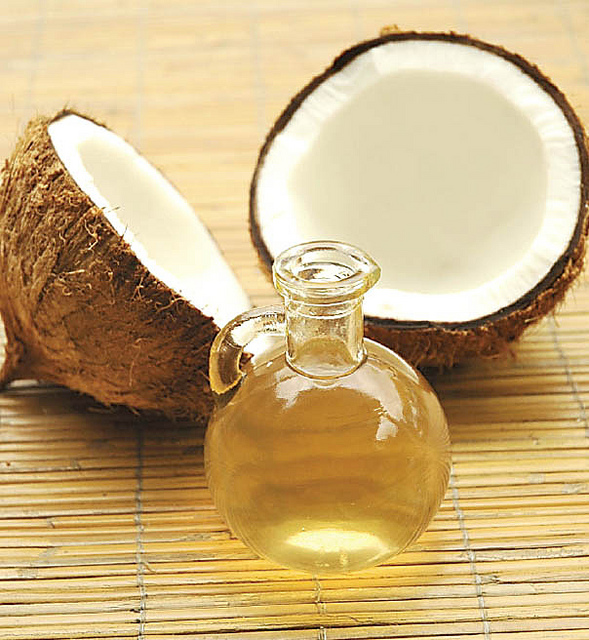
Yesterday I needed coconut oil while I was out driving, as my bare shoulder got sunburnt through the car window. A layer of coconut oil, which has an SPF of 4 would have probably been just enough to stop the burn. The smell of coconut oil always brings back the memory of childhood beach holidays for me, but it’s use went out of favour when the ‘slip, slop, slap’ campaign began. It’s only recently come back into favour.

Right now, the biggest buzz word in natural health is coconut, and the amazing therapeutic benefits of this humble food, particularly the oil, have been loudly touted of late.

In fact coconuts are not nuts at all, and unlike nuts they are a relatively low-allergenic food, although in spite of this some people may have an allergy to coconut. The flesh and milk of the fruit are nutrient rich, particularly potassium, magnesium, iron and zinc, so it’s no surprise that coconuts were traditionally considered a good tonic food. In addition to the minerals the extra-virgin coconut oil also has high levels of antioxidants, which help to mop up free radicals in the body and slow down the aging process. Cold-pressed extra-virgin coconut oil has the most therapeutic value and is the one to use.

But, as I mentioned, it is the coconut oil that makes this fruit such a treasure. For years coconuts sat at the top of the ‘bad fats’ list and were shunned because their oil is a saturated fat. But, recently it was recognised that unlike the long-chain saturated fats of animal origin, coconut oil works very differently in the body, and is highly beneficial.

Coconut oil is one of the very few dietary sources of medium-chain fatty acids (MCFA) which are absorbed, transported and metabolized in your body very differently from other fats. It is a rich source of lauric acid which stimulates metabolism, helps with energy production and speeds up the rate that your body burns fat. If you are trying to lose a few kilos then make coconut oil your friend – even though you usually gain weight when you consume animal fats and some vegetable fats, it is actually possible to lose weight when you eat coconut oil. Importantly, unlike saturated animal fats it does not have a negative effect on cholesterol and actually protects heart function and cardiac tissue, reducing the risk of heart disease and atherosclerosis.

Studies have shown that coconut is useful to the body in many ways. It can help balance blood sugar levels in diabetics and reduce sugar cravings; improve thyroid function: improve digestive function by reducing or relieving the symptoms of pancreatitis, gallbladder disease, Chrohn’s Disease, ulcerative colitis, malabsorption syndrome and stomach ulcers; reduce or relieve epileptic seizures: reduce prostate enlargement; relieve symptoms of Alzheimer’s disease and chronic fatigue syndrome. It is also thought to strengthen the immune system and stop the spread of cancer cells, especially breast and colon.

It has also long been recognised that coconut oil will kill the bacteria that cause throat infections, gum diseases as well as other bacterial infections, and coconut oil pulling can reduce tooth decay and improve oral health. More recently coconut has also been found to be antifungal and can be helpful treating candida and athletes foot.

COOKING

There has always been a problem with many of the oils used for cooking as many oils, including olive oil, are damaged when they are heated even at relatively low temperatures, turning rancid and oxidising, resulting in higher levels of free radicals being produced in your body. Coconut oil has stepped in to fill the much needed role of an oil that is suitable for cooking at high temperatures. It can be heated to 120ْ C before it is damaged so is perfect for frying and baking and in addition it does not turn rancid and oxidize when heated.

Try out these cooking ideas for yourself.

Roll vegetables in a mix of liquefied coconut oil and cumin in equal quantities before baking them for a yummy healthy treat. Or roll cut potatoes (organic) in straight coconut oil and bake for delicious crunchy home-made wedges.

Coconut oil can be used in place of butter in recipes and mixes beautifully with raw cacao. Here is a yummy recipe for Raw Cacao Bliss Balls using coconut oil.

SKIN CARE

Coconut oil has long been revered throughout Asia and the island nations for its wonderful moisturizing effects on the skin. According to nutrition author Christine Cronau, who regards coconut oil as a great youth elixir, coconut oil benefits the skin when it is consumed as well as when it is applied externally. She says that when quality fats like coconut oil are used on the skin they plump up the cells and keep them hydrated. When we remove fat, especially saturated fat from our diet our skin starts to shrivel up. Consuming vegetable oils ages your skin faster than consuming saturated fats like coconut oil and in recent years the trend has been to eat more vegetable oils and fewer saturated fats, so our skin is suffering as a result.

During a recent massage the practitioner told me she was trialing coconut oil as her massage oil base and finding it fantastic to work with. It certainly glided on and my skin felt amazing afterwards. It would make a great whole body moisturizer or add some to your bath for a lovely all-over soft skin.

Recently I tried coconut oil on my hair to tame the ‘natural dry frizz’ and the result was great. I left it on my hair for an hour before washing it and the oil left it silky smooth. You could also rub some between your palms and then just work it through your hair.

It seems that massaging the oil into your scalp is good for dandruff, although luckily I don’t suffer from that.

coconut oil Phu Thinh Co

BUYING AND STORING COCONUT OIL

Look for organic, unrefined, cold pressed coconut oil. Coconut oil needs to be stored in a glass jar, preferably a dark one, to prevent spoiling. At room temperature it is solid, but over 24ْ C it will liquefy. I use one called Oil 4 Life in an amber bottle.

Coconut oil is generally regarded as having no known side effects other than if you are used to a low-fat diet you may get diarrhoea. Start slowly with a small amount.

Although in countries where coconuts are produced they are considered beneficial to pregnant and lactating women, in the West, where low-fat diets rule the day, it is recommended not to introduce coconut oil into your diet at this time unless you have been consuming coconut regularly with no adverse effects.

Although many nutritionists and other health professionals recommend including coconut oil in your diet, it is worth noting that the Heart foundation does not support eating it because it is a saturated fat, in spite of the fact that the fats are of the healthy MCFA type. It seems that the conservative response to the growing popularity has been to either advise not to eat it or else to use it in moderation. But up against this is the positive experience of many coconut oil devotees as well as the positive findings of the studies that have been conducted.

Have you got any ways that you love using coconut oil? Share them in the comments below.

Disclaimer.

All information and opinions presented here are for information only and are not intended as a substitute for professional advice offered during a consultation. Please consult with your health care provider before trying any of the treatment suggested on this site. 


Source articles:

http://www.naturalnews.com/036156_Coconut_oil_superfood_healing.html

http://www.thewellnesswarrior.com.au/2012/06/why-coconut-oil-is-amazing/

http://www.wellbeing.com.au/article/features/beauty/Coconut-oil:-Nature%E2%80%99s-best-beauty-secret_1227

http://www.lovingearth.net/products/37/raw-organic-coconut-butter-oil

http://christinecronau.com/

http://www.bodyandsoul.com.au/food+diet/nutrition/10+facts+about+coconut+oil,18271

A New Look At Chocolate, The Superfood Vegetable

Chocolate can be good for if it is the right kind of chocolate

Have you thought that your favourite vegetable might actually be chocolate? I have to admit it rates high on my list. Chocolate has been recognized as having health benefits for quite a while due to the wonderful antioxidants it contains, in fact more than any other fruit or vegetable. Raw cacao is an excellent source of antioxidants and has an extremely high ORAC score as one of the top antioxidant foods.

With Easter just around the corner I thought I would bring you a bit if happy news this week…Chocolate can be good for you! But only if it is the right kind.

Antioxidants In Chocolate

I’m pretty sure you have heard those media reports about how chocolate is a good source of flavonoids which have antioxidant activity. Well it is absolutely true, in particular epicatechin and resveratrol. But, there is quite a lot of confusion about just what makes good and bad chocolate so here are a few guidelines to help you make your Easter chocolate choices.

Chocolate comes from Theobroma Cacao beans which in their pure form are quite healthy. The name actually means “food of the Gods” and cacao is loaded with wonderful compounds, including magnesium which is a muscle relaxant that helps you feel calmer, and sulphur which helps build strong hair and nails.

Cacao pods
Cacao pods

Cocoa is made by grinding the cacao beans to a powder from which most of the fat is removed. Cocoa butter is the fat component of the seed, and chocolate is the sweet that is made from the roasted seeds. If the sweet is made from seeds that are not roasted then it is ‘raw chocolate’ and like most other vegetables, ‘raw’ chocolate is much healthier than the version made from roasted beans.

Chocolate has a long therapeutic history. Originating in South and Central America it was originally drunk as a bitter drink to bring energy and vitality and bore little resemblance to the sweet, sticky versions that we love today.

Chocolate when consumed in a way that is closer to the traditional ways still provides wonderful benefits. The Kuna people of Panama, for example, consume up to 40 cups of cocoa a week and have less than a ten percent risk of stroke, heart failure, cancer and diabetes. Compare this to the risk of developing these diseases here in Australia and other parts of the Western world where they are the most prevalent of diseases. There are a number of studies that have shown that eating chocolate can decrease your risk of cardiovascular disease and stroke significantly, as well as lowering insulin resistance, reducing blood pressure and LDL’s.

However, this benefit only occurs if you eat the right amount – too little or too much leads to no benefit or even to problems. It seems that eating small amounts at frequent intervals gives the best result.

Benefits Of Chocolate

Here are some of the benefits chocolate can offer:

  • Anti-inflammatory action
  • Free radical protection
  • Decreases stress hormones
  • Improves the mood
  • Reduces cortisol levels
  • Heart health
  • Lowers blood pressure
  • Help reduce blood clot formation
  • Liver protection
  • Eases PMS
  • May help control appetite & stop cravings
  • Improves insulin resistance
  • Improve gastrointestinal flora
  • Contribute to chelation
  • Reduces the risk of colon cancer
  • Neuroprotective
  • Boost memory and cognitive function & lower Alzheimers rise

WHAT MAKES A GOOD CHOCOLATE?

Most commercial chocolates are highly processed foods, which combine roasted cacao beans with various amounts of sugar, milk, fat and other ingredients. In many the flavonoids are removed because they taste bitter, but they are where the health benefits originate so removing them also drastically reduces the health benefits.

Basically, the higher the percentage of cacao in the chocolate, the more bitter the flavor and the darker the color. A dark chocolate with at least 75% cacao is likely to offer most health benefits as the concentration of antioxidants will not be overwhelmed by the sweeteners and fats. Those Bittersweet chocolates are the way to go.

The sweeter the chocolate the less the health benefit….  

Organic raw cacao is the best way to eat your chocolate if you want all the antioxidants. So search out chocolate products that are both made from this and not heavily sweetened.

Unhealthy Chocolate

When you select your chocolate try and choose ones that avoid these ingredients:

  • Chocolates sweetened with cane sugar, fructose or high fructose corn syrup, and especially artificial sweeteners. Instead look for chocolate sweetened with honey or stevia which are much better choices. Coconut sugar is a low GI option if you do not have any problem with fructose.
  • Genetically engineered cocoa beans (GMO). If the chocolate is certified organic it won’t contain GMO ingredients, but most other chocolate does.
  • The right type of fat in chocolate is OK because it slows down sugar absorption. The best is cocoa butter, which is what occurs in the cacao plant. Coconut oil would be the next best fat. Make sure to avoid soy oil, vegetable oils and trans fats.

And by the way, WHITE chocolate is heavily sweetened and has NONE of the phytonutrients.

WHY WE LOVE CHOCOLATE SO MUCH

Have you wondered why eating some sorts of chocolate can make you feel so good? Cacao also contains the ‘bliss’ chemical anandamide which leads to feelings of excitement and alertness in our body, and improves your mood and reduces depression. Unlike caffeine, Anandamide is not addictive and does not have the side-effects of many drugs.

One compound in chocolate that may be a problem is theobromine which stimulates the central nervous system and dilates blood vessels. It has about 25% of the stimulating power of caffeine, and like caffeine it is a mild diuretic. But in some people theobromine can cause them to feel hyped-up which is then followed by lethargy. In others it causes headaches.

Hot Chocolate

An average cup of coffee contains up to 175milligrams of caffeine which is about what there is in a 50gram piece of dark chocolate. In comparison a cup of hot chocolate has only about 4-5 milligrams of caffeine, substantially lower than coffee. But some scientists believe that chocolate does not actually contain caffeine and that it is the theobromine that causes the caffeine-like responses. Theobromine is also the component that makes chocolate so dangerous for dogs, because they lack the enzymes needed to metabolize it.

I have a new favourite Raw cacao treat. It is Loving Earth’s ‘Organic Single Origin Drinking Chocolate’. It is made from raw cacao and raw chocolate, but it is sweetened, although it is with coconut sugar which is one of the better forms of sugar.

I heard of an awesome idea for this healthy breakfast for Chocoholics the other day from David Wolfe. How about a chocolate smoothie?

Superfood Smoothie

  • Fill your blender with water, coconut water, orange juice or tea (or a mix).
  • Blend in some spirulina powder and gogi berries.
  • If you live anywhere in the world other than Australia or New Zealand add some hemp seed protein powder (incredibly it is still illegal in both those countries) If you live in Australia or NZ you could add some ground flax, chia or pumpkin seeds instead.
  • Add some chocolate (raw cacao powder would be perfect) and some cacao nibs for extra yum.

And there you have it….A SUPERFOOD SMOOTHIE for chocoholics

One thing I used to love before I went Dairy-Free was Chocolate Mousse, so I was delighted when I first found this easy recipe (which is also vegan) that combines a few superfoods on the Australian Permaculture website.

Avocado Chocolate Mousse

  • Scoop the flesh from 2-3 avocados into the blender
  • Add 1 heaped tablespoon of raw cacao, a small handful of cacao nibs (optional) and around ½ cup of coconut palm sugar (or substitute another sweetening agent of your liking.)
  • Add a splash of vanilla essence and pour in enough water to cover the ingredients
  • Blend in short bursts. Some more water may be needed to be added to ensure the mousse draws down and is properly blended.
  • Pour into a bowl or jug (depending on thickness, if it is thicker a bowl is better) and serve

FAIR TRADE CHOCOLATE

In case you are wondering about why you should only ever buy Fair Trade Chocolate take a look at this film from The CNN Freedom Project about the slave trade that exists in the cacao industry.  Fair Trade chocolate isn’t perfect but it is certainly a step in the right direction.

So go ahead and indulge your love of Fair Trade chocolate, in small amounts, with a dark organic variety, preferably with no added sugar. Look for Raw Cacao in the ingredient list, and avoid all those sweet, milky varieties – they are not good at all!

What do you think, will you be adding this superfood to your eating plan?

Go ahead and enjoy some raw organic chocolate

Disclaimer.

All information and opinions presented here are for information only and are not intended as a substitute for professional advice offered during a consultation. Please consult with your health care provider before trying any of the treatment suggested on this site. 

Source articles:

http://www.naturalnews.com/022610_cacao_chocolate_raw.html

http://www.chocolate.org/health/chocprescribe.html

http://www.livestrong.com/dark-chocolate-health-benefits/

http://www.facts-about-chocolate.com/where-does-chocolate-come-from/

http://www.foodmatters.tv/articles-1/chocolate-can-be-good-for-you-at-the-right-dose

www.thesweetbeet.com/hemp-seeds

Why Tattoos Are A Health Risk (And How To Rectify The Damage)

Almost everyone has a tattoo these days, or has at the very least least considered getting one. We hear about the danger tattoos pose from infection and so on, but how many people ever consider the danger presented by toxic substances in the ink itself. Heavy metals, many of which are highly dangerous to humans, are used in many tattoo inks for colour. While we need small amounts of some like iron or zinc, in large quantities or under constant exposure even they are dangerous. Others like mercury, arsenic or cadmium are highly toxic in any amount and can lead to cancer, birth defects and many other health issues. When ink is left under the skin in a tattoos it basically means the body is exposed to these nasty toxins all the time.

This is a great article that was posted by Jess Ainscough on her blog, the Wellness Warrior , which I followed. Unfortunately the blog has now been taken down. Even though I like to write my own articles I think this is one that’s an absolute must to read.

tattoo ink toxins


I’m well aware that this post is probably going to make me pretty unpopular – especially among my tattoo-loving group of friends, but if I’m able to get just a few people to re-think getting inked, I’m doing my job.

Once upon a time I was desperate to get a tattoo. All of my friends started getting them when we were in high school and I thought it was tantrum-worthy unfair that my parents wouldn’t let me join them. I felt so inadequate with my bare lower back. Turns out my folks were right. I still think that the right kind of tattoo can look great, but these days I put my health above the temporary glee of such aesthetics.

This post isn’t about the horror stories associated with dodgy tattoos. I’m not concerned with writing about damage done by unqualified artists, infections, or allergic reactions. I’m more interested in filling you on just what you’re putting into your body when you get a tattoo, and what this does for your health.

Our skin is our largest organ, and anything that you apply to your skin is absorbed straight into your blood stream. So, everything found in a tattoo ends up in your system.


Toxins In Tattoo Ink

Way back in the day, traditional tribal tattoo marks were made using dyes from the natural environment. This is certainly not the case any more. While it’s near impossible to say what’s in all tattoo inks (they are all different, and disclosure of ingredients is not actually enforced), it’s safe to say that most colours of standard tattoo ink are derived from heavy metals.

Mercury = red ink
Lead = yellow, green, white ink
Cadmium = red, orange, yellow ink
Nickel = black ink
Zinc= yellow, white ink
Chromium = green ink
Cobalt = blue ink
Aluminium = green, violet ink
Titanium = white ink
Copper = blue, green ink
Iron = brown, red, black ink
Barium = white ink

Other compounds used as pigments include antimony, arsenic, beryllium, calcium, lithium, selenium, and sulphur.

Tattoo ink manufacturers typically blend the heavy metal pigments and/or use lightening agents (such as lead or titanium) to reduce production costs.
 

Danger Of Heavy Metals 

Heavy Metals bind in our bodies and are incredibly difficult to remove. They cause damage on a cellular level and contribute to cancer, Alzheimer’s, dementia, autoimmune diseases, rheumatoid arthritis, and diseases of the kidneys, circulatory system, and nervous system.

Then there’s the carrier solution, which most likely contains harmful substances such as denatured alcohols, methanol, rubbing alcohol, antifreeze, detergents, or formaldehyde and other highly toxic aldehydes.


Avoid Tattoo Ink Toxins

1. Stop getting tattoos.
2. If you’re a tattoo lover, ask to be decorated in high-quality vegan, organic inks and quiz the tattoo artist about the ingredients in the ink. Be adamant that you do not want ink containing heavy metals. Do your research first!
3. Start detoxifying those heavy metals.

I’m working on a more thorough blog post about heavy metal detoxification soon (this is something both my mum and I have had to do), but for now, here are some tips:

+ Add chlorella to your green smoothies.
+ Eat clay every morning.
+ Eat and juice coriander (aka cilantro).
+ Eat chia seeds.
+ Eat aloe vera.
+ Sweat on a daily basis – far infrared saunas are great for this.

So, there you go. I would love to know your thoughts on this topic. Does this info make you think twice about getting a tattoo? Or is your love of ink just too strong? Tell me in the comments below – just please be nice. I’m simply the messenger, so put down that rifle.

Before you go, take a look at my friend and her amazing, beautiful “non-tattooed” body art…

Gorgeous Body Art
Gorgeous Body Art


Disclaimer.

All information and opinions presented here are for information only and are not intended as a substitute for professional advice offered during a consultation. Please consult with your health care provider before trying any of the treatment suggested on this site. 


Improve Your Digestion With These Juicy Options

Juices can deliver a whopping great punch of valuable nutrients and enzymes into your body quickly and easily

I am really excited tonight and feel like all-my-Christmases-have-come-at-once, as this afternoon I picked up my new slow juicer. I have been waiting quite a while for the shipment to arrive as it has sat in a container on the docks for a while. But today it is here. And no, it is not a Christmas gift, it just happens that it has arrived right at this time. The juicer I have chosen is a cold-press masticating type.

There is plenty of evidence about the benefits of juicing, provided the juice is prepared in a way that does not destroy the nutrients and enzymes. Juicing plays an important role in detoxing the body, and in facts underpins many natural health plans for the treatment of a wide range of diseases including cancer. But it also makes sense to include it in any plan for healthy living.

One if the main reasons to add home-made juice to your diet is that it can deliver a whopping great punch of valuable nutrients and enzymes quickly and easily, although this depends on the type of juicer it is made in.

You’ve heard this before but micronutrients are quickly damaged or destroyed by heating and cooking. In an ideal world we would all totally avoid processed foods and eat only fresh organic fruit and vegetables. But this is not always possible for lots of reasons. Most of us also make the choice to indulge in foods and drinks that are not health-wise, especially at this time of the year when it can become very difficult to make consistently good food choices.

So why juice?

Dr Mercola sums it up nicely in three points:

Juicing helps you absorb all the nutrients from the vegetables

Juicing allows you to consume an optimal amount of vegetables in an efficient manner

You can add a wider variety of vegetables in your diet

And to this I would add that juicing encourages people to eat breakfast. One of the big battles I frequently encounter at work is to get people to reverse their practice of not eating before they leave for work or school – the body is an engine and needs fuel to function!

Most people have poor or impaired digestion, whether they recognize it or not, as a result of prolonged regular poor food choices. For some this is obvious in indigestion, bloating, gas, cramping, or IBS, but for many more the effects are not so apparent. But poor digestion always equates with poor health. Over time it leads to many chronic health problems that range from fatigue to lung and heart problems and include a diverse range of many more. If you are not absorbing nutrients – vitamins, minerals, proteins, fats and carbohydrates – your body will simply not function properly. You need each of these nutrients to some degree, and some part of your body will suffer if you are deficient in any one of them.

Poor and impaired digestion results in poor and impaired immune function.

If you do suffer from poor digestion it is well worth taking fresh home-made juice before eating a meal, about twenty to thirty minutes, because the enzymes in the juice will actually act as an aid to help with your digestion. When taken on an empty stomach the juice is assimilated immediately, the nutrients absorbed, and the enzymes able to work efficiently.

The quantity of raw vegetables that we should optimally eat is big. Even the relatively modest amounts recommended by Government bodies are more than most people who come to see me for health advice and treatment regularly eat. Many of these people are in tune with good health requirements (to varying degrees), and eat more vegetables and fruit than most of the rest of the population, but still are not eating enough. Juicing allows you to increase the amount of raw vegetables and fruit that you consume substantially.

If you take a moment to work out what vegetables and fruits you eat you will almost certainly find that you are eating the same ones every day, with a variation thrown in only occasionally. Very few people actually manage to sustain a good rotation of the vegetables they consume. This may lead to a preponderance of some nutrients and deficiency of others in your diet. But one result that is not often appreciated is that it can also be responsible for the development of food allergies and intolerances. When you juice you can create a far more diverse diet because you can add in those vegetables and fruits that you don’t particularly like and so would not normally consume.

I mentioned before that the quality of the juice depends very much on the type of juicer used. The cheaper versions all use a centrifugal action. They are cheap to buy and quick to use. The problem is that their action heats the juice and causes significant nutrient loss. Juice made in these machines oxidizes quickly (in the same way that cut apple turns brown as it oxidizes) leading to free radical damage in your body. If you leave these juices sitting they will turn brown fairly quickly. I guess that if all you want juice for is the taste with no awareness or consideration for the consequence of consuming poor and damaging food then that would not be an issue!
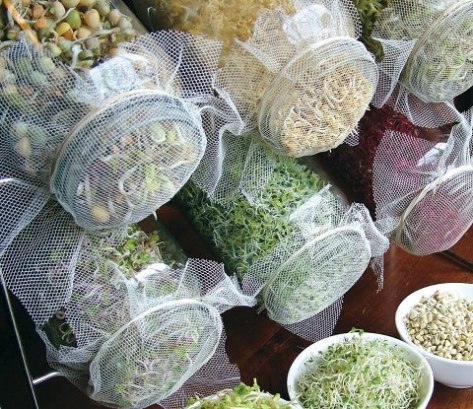
Masticating juicers on the other hand, deliver a cold-pressed product which has not been damaged by being heated.

Bearing in mind that a juicer is an investment – an investment in your health what do you need to look for when purchasing a juicer?

Well firstly you want one that will deliver a high quality juice which is loaded with nutrients and enzymes

Another important factor is how easy it will be to clean, as if this is difficult you simply won’t use it.

A good warranty will ensure that the juicer can handle seeds, skins and cores without burning out.

The factor that really sets the best juicers apart is how much juice they can extract, as in the long run a machine that produces more juice from the same quantity of produce will save you money

Lastly make sure the engine is going to be strong enough to deal with juicing for the family.

One bonus you get from juicers is that you can also use them to make smoothies which are often a great way to retrain your body to eat breakfast. I often get clients to start slowly at reintroducing the practice as once their body gets used to eating in the morning they find they want to eat sufficient and can’t do without. Many who say they can’t eat in the morning find they are ok with a smoothie to start off the ‘re-training’. Another bonus is that it so easy to add superfoods like Spiulina or Chlorella powder, or wheat or barleygrass to the smoothie to really powerhouse your breakfast and get your body fired for the day.

You can add Superfoods to a basic green smoothie to give a power start to your day
You can add Superfoods to a basic green smoothie to power start your day

When you choose your vegetables for juicing it is important to remember that any pesticide residues will be concentrated. Choose organic produce wherever you can, but if you need to restrict the amount of organic foods you buy then make sure you select only organic versions of any of the foods that appear on the “Dirty Dozen®” http://www.ewg.org/foodnews/summary   list which is a guide to pesticides in produce for shoppers. There is also a list of the fifteen ‘cleanest’ veges and fruits on that link.

If you, like many parents, are worried about the amount of fruits and vegetables that your kids are eating try them on home made juices from a wide variety of organic vegetables and fruits and know that they are probably getting the nutrients they require.

One drawback from lots of juice in your diet rather than whole fruit and vegetables, is that the fibre contained in the produce is discarded. Insufficient fibre is a common problem in western diets and leads to digestive health problems. Fibre also helps you to feel full and satisfied. In order to stop the development or exacerbation of the very health problems you are trying to fix you need to add the fibre back into your diet via the juice, or else by adding it to soups, stews or salads.

Juicers range in price from very cheap to thousands of dollars. My new masticating juicer cost a few hundred dollars. I know it won’t be as good as the ones I have dreamed of owning but it is quite sufficient to get my family started on this yummy health practice and to get them away from commercial juices.

There are lots of juicing recipes about but you don’t need them as it is good to experiment with your own creativity. Here are some simple ideas to get you started.

Here are some great tips for juicing, including juicing for a large family.

And here is one last hint – Chew your juice, never gulp it down! You will absorb it better when it is mixed with saliva.

Have fun trying out juicing for your household. I’m off to stock up on some fresh organic produce so I can get going.

Disclaimer.

All information and opinions presented here are for information only and are not intended as a substitute for professional advice offered during a consultation. Please consult with your health care provider before trying any of the treatment suggested on this site. 


Source articles:

http://greensmoothierevolution.com/

http://articles.mercola.com/sites/articles/archive/2011/11/13/benefits-of-juicing.aspx

http://www.livestrong.com/article/535545-the-disadvantages-of-juicing/

Skin Deep: How To Avoid Toxic Skin Care

I’m always amazed how so many high end/high price skin and hair care products claiming all manner of nourishing and rejuvenating benefits,  contain so many ingredients toxic for your skin and hair. Often the toxic chemicals they contain are actually the cause of dehydration, dermatitis or other skin problems.

Skin Deep: How to avoid toxic skin care products

Often products we use to prevent skin problems actually cause those same skin problems, so why do we continue with this crazy behaviour?

We’re all susceptible to great advertising campaigns and because most rarely know what those long chemical names actually are we’re all quick to accept the recommendation of the advertisers.

Of course even if you do know which chemicals are harmful it can be impossible to read ingredient lists printed in microscopic script, if indeed they’re included on the product at all. Legislation only requires the list of ingredients be displayed but not necessarily on the product – it can just be a card sitting at the point of sale, which you may not notice or stop to read!

We’re also easily seduced by nice smells, creamy texture, pretty packaging in our favourite colour, prestige brands, outrageous claims, or simply brand loyalty.


Organic Skin Care Claims

natural non-toxic skin care
Photo courtesy: Shawn Campbell

In Australia a product can be labeled ‘organic’ if it contains any carbon in it at all. Given that there’s carbon in all plant and animal matter it’s pretty well a ‘free-for-all’. Technically, the inclusion of any vegetable oil or herbal preparation renders the product ‘organic’.

The word ‘organic’ on its own means zilch.

If the product contains ingredients grown according to accepted organic farming practices it will be labeled ‘Certified Organic’ or ‘Australian Certified Organic’. If ‘Containing Organic Ingredients’ is emblazoned on the packet be careful! There may only be a few drops of one certified organic essential oil in the largish container, while all the other ingredients are not organic and may be quite nasty chemicals.

Companies are ‘put on trust’ and don’t even have to substantiate any of their claims about a product unless they’re challenged. Can you afford the legal fees to prove that you really will look younger when you use their product? It rarely happens.


Getting Round The Hurdles

You do need to learn to read the label, even if just to know the main things to steer clear of. If you want natural, beneficial products then you need to be able to search for them. It’s up to you whether you want to settle for products just a little “cleaner” or get one that is really top-quality.

It’s also important to remember that although there may be only small of amounts of each of the harmful ingredients in the product they are cumulative and are present in every product you are using. You use many of these products every day, as well as other products around the home that contain these toxic additives – which all adds up to quite a significant toxic, damaging load.

Small exposures add up and may result in disease later on in life.


Chemicals To Avoid

The first few ingredients on the label are the most important. All ingredients must be listed in the order of quantity, that is, the one that there’s the most of is listed first and the one there’s least of is last.

The Worst Ingredients

The most problematic ingredients, and thus the ones you DO need to avoid, found in almost all skin/hair care products are these:

1. PETROLEUM PRODUCTS: (Mineral oil, Paraffin, Petrolatum): They coat the skin like plastic which clogs the pores, and interferes with the elimination of toxins allowing their build up and leading to acne and dermatitis. They slow skin cell development which results in premature ageing. They are often used in lip products to protect chapping and sun damage but as mineral oils promote skin photosensitivity (sun damage) and interfere with the body’s own moisturisation, they actually lead to dry and chapped skin.

2. SYNTHETIC FRAGRANCES: They can cause skin irritation, rash, headache, dizziness, vomiting, coughing, and hyperpigmentation. They can also affect the central nervous system and cause depression, hyperactivity and irritability. Because they contain up to 4000 ingredients, many toxic or carcinogenic, there is no way to know exactly what they do contain. If you want products with a fragrance then look for ones that use essential oils instead.

3. PARABEN PRESERVATIVES (Methylparaben, Butylparaben, Ethylparaben): Widely used and known to be highly toxic, they are a preservative used to inhibit microbial growth and extend shelf life. They cause many allergic skin reactions and skin rashes, irritate eyes and respiratory tract, and are connected to cancer. They also disrupt homrmonal process in the endocrine system as they mimic oestrogen

4. PROPYLENE GLYCOL:  A synthetic petrochemical, it inhibits skin cell growth, weakens cell structure, causes allergic reactions, dermatitis, skin irritation, conjunctivitis, and kidney/liver abnormalities. It is used as a ‘moisturizer’ and also found in fragrance oils. It is toxic and dangerous and the EPA requires workers handling it to wear protective gloves, clothing and goggles and to dispose of it by burying it in the ground. In spite of this, there is no warning label requirement for products like stick deodorants even though the concentrations are higher than in most industrial applications.

5. SODIUM LAUREL/ LAURETH SULPHATE (SLS or SLES), AMMONIUM LAURYL SULPHATE (ALS): The synthetic substance that builds the ‘foaminess’ in shampoos, they dehydrate skin and inflame and separate the skin layers. They cause eye irritation, skin rashes, hair loss, scalp scurf like dandruff, allergic reactions, they break down the moisture barrier in the skin, and they turn into a carcinogen. They are found in over 90% of personal care products that foam including shampoos, skin care and even toothpastes as well as engine degreasers and garage floor cleaners. Don’t be deceived into thinking it is ok if it says ‘comes from coconut’.

6. TRIETHANOLAMINE (TEA) – (it will often have a number added): It is a synthetic emulsifier which is severely irritating to body tissues and can cause allergic reactions, eye problems, dry skin and hair, and can be toxic if absorbed into the body over a long period of time. Over 40% of cosmetics containing it have been found contaminated with nitrosamines (potent carcinogens). The Material Safety Data Sheet actually advises wearing a face shield if there is danger of eye contact.

7. POLYETHYLENE GLYCOL (PEG) – (sometimes with a number added): They reduce the skin’s natural moisture factor and leave it vulnerable to bacteria. They also contribute to the appearance of ageing. Very commonly used and connected with liver and kidney damage and a carcinogen, you will also find them in caustic spray-on oven cleaners.

8. STEARALKONIUM CHLORIDE: Highly toxic, it can cause allergic reactions. Originally developed as a fabric conditioner it is now used in creams and hair conditioners because it is cheaper than herbals or proteins. Over time it causes hair to become dry and brittle

9. DIAZOLIDINYL UREA: The American Academy of Dermatology established it as the primary cause of contact dermatitis. It is the most commonly used preservative after parabens. It contains formaldehyde which is toxic if inhaled. It causes skin nose, eyes and throat irritation coughing and difficult breathing. It is toxic.

10. SYNTHETIC COLOURS: They are used simply to make products pretty. Avoid anything with these added as animal studies show almost all are cancer-causing agents and serve no beneficial purpose in the product at all.

Here are a few more to avoid, although they’re just a few of the huge problem.

Toulene – (benzoic, benzyl) A well known poison affecting many organs and found in synthetic fragrances, it is fatal if swallowed and harmful if inhaled or absorbed through the skin.

Oxybenzone – (or benzophenone-3): It is found in any product offering sun protection – it inactivates the skins own antioxidant system (which leads to premature ageing),disrupts hormones, and causes cancer.  Ironically, it reacts under UV light (ie: in the sun) to potentially damage DNA and affect development.

Retinal Palmitate – decomposes under UVA rays into chemicals that cause cell mutations. Being photo-toxic it causes skin ageing but is often found in anti-ageing products!

Skin Deep: Avoid toxic skin care products

Children Are At Greater Risk

The EWC (Environmental Working Committee) offer this advice  on how to read a personal care product label. They recommend paying particular attention to products for children and babies which contain the same harmful ingredients but pose a greater risk. Children are so much smaller than adults so they’re relatively far more exposed to the dangers of the contaminants. Their organs are immature and far less capable at dealing with the assault.


Other Ways These Chemicals Affect You

The effect these toxins have on you isn’t just about how your skin or hair looks and feels. Many people also have a huge improvement in other health problems after they change their hair, skin or cleaning (personal and clothes) products. Switching from products containing the above ingredients to more natural products that don’t contain the nasty chemicals can have a huge impact on their health.

If you do seek out products made from more natural, healthy ingredients you may find that problems like allergies start to go away. Even simply changing to products that don’t contain artificial colours or synthetic fragrances makes a significance difference and is a great place to begin.

Natural chemical free products leave your skin younger and healthierNo doubt in the past you’ve found some products were good for your skin and others not so good. Natural skin and hair care products are no different. If you find one isn’t good for you then try another. The right one for your own individual skin and hair will be there and it’s simply a matter of finding which it is. I tried many different natural, healthy shampoos and conditioners before I found the one that suits my hair and leaves it beautifully soft.


Not  All ‘Natural’ And ‘Organic’ Products Are Ok

Here is a great article by the Wellness Warrior, Jess Ainscough, called ‘8 Beauty Brands You Would Think Are Natural’ where she challenges the ‘natural’ and ‘organic’ claims made by big companies. She examines one randomly chosen product from each range for just how many toxins it contains. She reinforces just why you do need to know your stuff and should really get you asking questions.


A List To Use When Shopping

To make it easier to navigate your way through the jungle of scientific names here’s a list of the ingredients above. Copy it and keep it in your bag. Then you can check the ingredients in products before you buy them.

PETROLEUM PRODUCTS: (Mineral oil, Paraffin, Petrolatum)

SYNTHETIC FRAGRANCES

PARABEN PRESERVATIVES (Methylparaben, Butylparaben, Ethylparaben)–

PROPYLENE GLYCOL

SODIUM LAUREL/ LAURETH SULPHATE (SLS or SLES), AMMONIUM LAURYL SULPHATE (ALS)

TRIETHANOLAMINE (TEA)

STEARALKONIUM CHLORIDE

DIAZOLIDINYL UREA

SYNTHETIC COLOURS

POLYETHYLENE GLYCOL (PEG)

skin deep 4

Personal care products are supposed to enhance our skin and hair. Make sure that the ones you use are in fact food for your skin and not toxins for your skin.


Toxic ingredients in skin and hair care products often cause dehydration
Many toxic ingredients in skin care products cause dehydration

Disclaimer.

All information and opinions presented here are for information only and are not intended as a substitute for professional advice offered during a consultation. Please consult with your health care provider before trying any of the treatment suggested on this site. 

Source articles:

The Campaign For Safe Cosmetics

Organic Consumer’s Association: Ten Synthetic Cosmetic Ingredients to Avoid

EWG’s Skin Deep Cosmetics Base

Miessence: Ingredients We Shun