Ba-na-na-na! Time For Healthy Monkey Business

I came across a picture the other day that has me totally intrigued and here it is.

Whiten your teeth the safe way

It has me so hooked because it is such a simple and ‘healthful’ idea and I will never find out for myself whether it is true or not. This is because bananas are one of those foods that I simply can’t bear. I have seen them called ‘everyone’s favourite food’, but unfortunately not in my house! Only one person and the dog can abide bananas, and if that one person should ever peel one in the car then immediately three windows are thrown open and three heads lean out looking for fresh ‘banana-free’ air, while anyone else who might be in the car complains loudly.

This is pretty unfortunate because bananas offer so much inside that humble jacket. Firstly their convenience makes them very appealing as a snack-on-the-go. In addition they are nutrient-rich, containing Vitamin B6, Vitamin C, manganese and potassium as well as being high in fibre. On top of this they are low in kilojoules. Their texture and sweetness makes them the ideal ingredient in many foods. There is a wonderful ‘ice-cream’ that is often sold at weekend markets made entirely of fruit, delicious and healthy, but unfortunately for me, one of the ingredients is always banana, and I can taste that flavour overwhelming all the others. They are so simple to throw into a smoothie for a nutrient boost or into a cake if you love baking. Most kids love them and with the sweet taste and easy eating they are a pretty reliable way to have your children eat the fruit in their lunchbox.

Spotty bananas are the healthiest

For my family this aversion offers a huge health loss as bananas have heaps of health benefits. They are high in fibre. They can help protect against heart disease, osteoporosis, blindness and diabetes, they combat depression, help digestion, they can reduce PMS, build your immune system, even polish your shoes! And this is just the start. Here are some of the benefits that make bananas such a great health package:

Potassium rich, they are well recognized as playing a role in preventing high blood pressure, atherosclerosis and reducing the risk of stroke

  • They are high in fibre which keeps you regular, helps to maintain low blood sugar and stop you overeating – great if you are trying to lose weight
  • They also help if you suffer from diarrhoea as they help with fluid balance and replace lost electrolytes also. In addition, the fibre in bananas helps keep you regular if you are constipated.
  • They build strong bones by reducing the amount of calcium that is lost to your bones because it is excreted in your urine due to the western diet
  • Help stop muscle cramps – eating one or two before you exercise as it will also boost your energy or before bed if you suffer night cramps
  • Aid digestion by stimulating production of the mucous that coats and protects the stomach lining and they are a natural antacid. They are the only fruit you can eat raw if you have stomach ulcers already.
  • Help to prevent stomach ulcers as they contain protease inhibitors to break down the stomach bacteria that cause ulcers
  • Contain Tryptophan which converts into serotonin and helps fight depression. Eating a banana might be just what you need to lift your mood if you suffer from SAD (Seasonal Affective Disorder)
  • Potassium also keeps you more alert, so eating bananas helps when you are studying
  • Your immune system loves bananas because they are high in antioxidants to fight free radicals
  • They contain iron to help prevent anaemia
  • They help combat PMS by regulating blood sugars and raising your mood
  • They help balance fluid in your body to reduce swelling from fluid retention
  • They are a prebiotic and help your digestive tract by increasing the numbers of friendly bacteria so that you can absorb nutrients better
  • Contain Vitamin B6 which helps fight off Type II Diabetes
  • Vitamin B6 also helps ensure white blood cell production to protect you against infection
  • Bananas seem to play a significant role in preventing kidney cancer when you eat them four to six times a week
  • It turns out that while carrots are great for good eyes in children, fruit is a better way to protect against Macular Degeneration in adults and bananas are an easy way to keep up your fruit intake

So, unless like me you also have a strong aversion to bananas, how can you possibly not be eating lots of bananas.

But it matters quite a lot just how ripe they are. The more dark, brown patches there are on the skin the higher the health benefit. Yellow bananas with brown spots are eight times more effective at enhancing your white blood cells than green skin varieties, and with higher TNF (Tumour Necrosing Factor) have a better anti-cancer quality.

Elkhorn Fern

For many years I have been putting banana skins (yes we do have bananas in the house) in the top of my Staghorn and Elkhorn Ferns as they absolutely love the potassium in the banana skin. But apparently the inside of banana skins is also an excellent way to relieve itchy insect bites or hives. And it seems the enzymes in the peel will dislodge splinters if you tape a small piece of peel over the splinter. The inside of the peel will also give your leather bags and shoes a great shine if you polish them with it and then buff with a soft cloth. You could try it on your leather furniture too.

Which brings me back to where I started, whitening your teeth by polishing them with a banana peel. There are dangers associated with Cosmetic Teeth Whitening procedures so this seems like a perfect alternative. Here are the instructions about how to do it. So please, go ahead and give it a try and then come back here and post your results in the comments space below. I am dying to hear how well it works.

And if you know of any more bizarre uses for the humble banana skin add those below too.

Disclaimer.

All information and opinions presented here are for information only and are not intended as a substitute for professional advice offered during a consultation. Please consult with your health care provider before trying any of the treatment suggested on this site. 

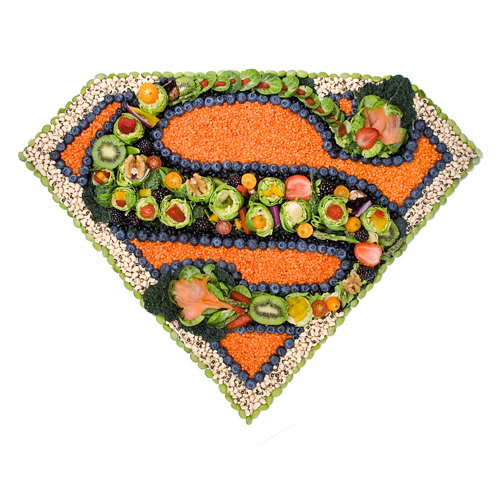
Super-Power Your Health By Adding Super-Foods To Your Diet

I often recommend that clients add ‘Superfoods’ to their diet because they are power-packed with health benefits. But many people are not really sure what they are.

Superfoods are defined generally as highly nutrient-rich and nutrient-complex foods which are thought to be especially beneficial for health and well-being. They are often foods with high phytonutrient (the component of plants that affects health) or zoonutrient (the health-affecting component in animal products) content, as well as being rich in vitamins, minerals and antioxidants. They are not processed and although not a specific requirement, you would expect them to be organic or biodynamic.

The compounds in superfoods are so powerful that they can have a huge and significant effect on your health. It is thought that more than half of the suffering of degenerative diseases could be eliminated simply by changing to a diet made up of superfoods.

Diet-related diseases such as diabetes, cancer, heart disease and hypertension can be significantly affected by choosing to eat a diet rich in these foods. If they can have such a significant effect on people suffering with these serious diseases, consider the impact they will have if they are included in the diets of people whose health is better, and more particularly, their impact on children.

Using lots of superfoods in children’s diets promotes vibrant good health, and an energy and enthusiasm for life.

On a value for dollar basis superfoods make perfect sense. They are rarely the foods that you find on sale but the benefits they provide for quantity makes them a very smart purchase. Here is a list of some of the best superfoods, although there are lots more!


10 Awesome Superfoods

1.  Apples

There are many superfoods around to choose from. With families and children in mind top of the list has to be apples. But, apples are one of the foods on the“Dirty Dozen®” list. This means they are one of the most highly pesticide sprayed foods and should only be eaten when they are organic or biodynamic. Apples are a super source of antioxidants and vitamin C. They also contain potassium and fibre, and are low in kilojoules. Their secret is in the skin, so it is very important not to peel the apple in order to get the benefits.

Apples are not just great for children, as eating apples also improves mental dexterity and slows both age-related memory loss and bone loss.  Find out some other specific health problems that apples help plus a nice recipe for baked apples right here  as well as here.

2. Avocado

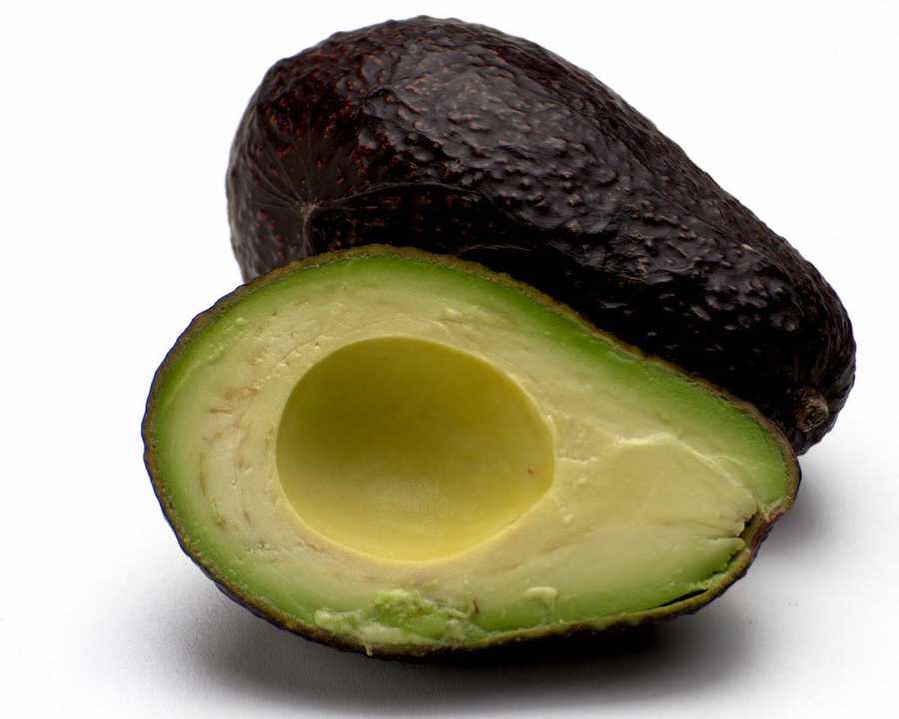
Avocado is another superfood that is easy to include in family diets. Hass avocados which are very easy to find, have the highest concentration and variety of nutrients, with a high percentage of healthy fatty acids, vitamin E and antioxidants. They are great for your digestive system and also have anti-aging benefits, helping to prevent wrinkles. The antioxidants are highest in the darker green flesh straight under the skin so try not to cut this off. If your children are not keen to eat this delicious fruit try using it as a spread on their sandwiches. Read more about the amazing avocado
3. Goji Berries

Another yummy superfood is berries. Do you know of Goji berries? They have an amazing

Goji Berries are also sometimes known as Wolf Berries

amount of unique nutrients and antioxidants. They have more iron than spinach and more vitamin C by weight than any other food on earth, as well as lots of other goodies. They are fantastic for your immune system and will help any imflammatory disorder. You can buy them as juice or dried. But if you are on a nightshade ( Solanaceae) free diet you will need to avoid Goji berries as they fall into that food family. Here  is some more about goji berries. If you would like to grow your own Goji berries this guy  in Qld sells plants over the internet to all Australian states.

Goji berries are not the only berry superfoods. In fact all berries are little power packed bundles. Raspberries, blackberries, strawberries and in particular blueberries all contain lots of vitamins, minerals and antioxidants. But, they are another food, like apples, that need to be organic because of the high use of pesticides.

4, 5, 6 &7. Brassicas

There are many other Superfoods such as the cruciferous vegetables. This is a big family that includes broccoli, cabbage, cauliflower, bok choy, Brussels sprouts, radish, kale, kohlrabi, Chinese cabbage, rocket (arugula) and watercress.

8. Spinach

Spinach is another superfood that needs to be organic, and it is a great source of iron to boost your energy. Adding any greens to your diet provides many wonderful nutrients and should be eaten every day, but including superfood greens will give an added boost to your health

9. Beans

Kidney, borlotti, butter, chick peas, etc and lentils have nutrients that offer significant protection against a number of tumours as well as the normal superfood benefits. They are also particularly helpful for people with insulin resistance.

10. Nuts and seeds

Nuts and seeds can have a massive effect on lowering your risk of heart attack if you eat them five times a week.


More Superfoods

A few other superfoods are:

  • raw cacao (not everyday chocolate which is full of sugar, and usually dairy products) 
  • quinoa which is a herb that you use as you would a grain
  • chiaseeds which are wonderful when added whole or ground to any food or used as an oil.
  • flaxseed oil
  • cold-pressed coconut oil

Superfood Supplements

The ‘Supergreens’ include Spirulina, Chlorella, Wheat Grass and Barley Grass. The nutrients in these are very concentrated and provide you with a shot of goodness. They’re called ‘wheat grass shots’ for more than one reason!

These superfoods come in tablet, capsule or powder form. The powder is easy to add to juice or smoothies. Although it makes it go dark green it doesn’t affect the flavour noticeably.

My own favourite is Spirulina which I think of as the supergreen equivalent of a “multi-vitamin”, a great all-rounder. Chlorella is particularly detoxifying and Barley Grass is very alkalinizing for your system.

The supergreens also come in combination with each other, or you can mix them yourself. I always use them in highish doses when I travel to help to counteract the toll that overseas travel takes on my body.

Superfoods are a wonderful alternative to fast food when you’re on the go. By adding them to your diet you are eating foods just as nature intended.

If you concentrate on increasing the amount of superfoods in your diet rather than trying to eliminate foods you will find it won’t take long before you’ve replaced  the ‘bad food’ with good. Your diet will have improved without the stress of having to consciously avoid foods. Superfood supplements can also be used for short term assistance.

During times when you are under greater stress, physically or mentally, or when you are not getting enough nutrients add the supergreen supplements for as long as you need them.

Here  is an interesting glossary of natural and organic foods if you are unsure about just what some of the ones mentioned are.

What are your favourite superfoods? Do you have any special ways that you incorporate them into your diet?

How do you super-power your own health?


Disclaimer.

All information and opinions presented here are for information only and are not intended as a substitute for professional advice offered during a consultation. Please consult with your health care provider before trying any of the treatment suggested on this site. 

Source articles:

http://thenaturalhealthguide.com.au/reviews/eight-superfoods-for-health-and-beauty-from-your-local-grocery-store/

http://www.naturalnews.com/001539_NOLINKS_superfoods.html

http://www.naturalnews.com/036003_goji_berries_superfood_nutrients.html

http://www.naturalnews.com/035763_avocado_superfood_anti-aging.html

http://www.naturalnews.com/030481_superfoods_nutrition.html

http://www.naturaltherapypages.com.au/article/goji_berries_and_goji_juice

Related articles

Bring In The Positive With Negative Ions

With Spring all around you could be excused for thinking that Love is in the air. While that may well be so in your neck of the woods, it will be sharing that air space with something far more sinister – positively charged ions. These positively charged ions have a dramatic effect on your body and your mind, causing a whole range of health problems.

Salt lamps counteract the bad effects on our health of positive ions

What Are Positive Ions?

Without getting technical, there are two types of ions (charged particles) in our surroundings, negative and positive. (Don’t skim or skip this as I’ll try to keep it simple and having a basic understanding will make lots of things about your family’s health clearer to you.)

An excess of positive ions in the environment affects the health of humans. Positive ions are thought to cause free-radical damage in the body and adversely affect the immune system in many ways.


What Are The Negative Effects Of Positive Ions?

As well as immune system dysfunction they positive ions cause many other symptoms including body pains, headaches, dizziness, nausea, fatigue, respiratory difficulties, allergies, asthma, migraine, emotional unbalance, irritability, exhaustion, apathy, anxiety and depression. They can also affect your endocrine (hormonal) system, thus your thyroid hormone production and also increase adrenalin production.

And then all these disruptions can impact on you in many other ways such as poor sleep or learning difficulties.


Where Do Positive Ions Come From?

Increased positive ions in the environment are produced by many of the things that are an ingrained part of our modern lives, such as TV sets (digital sets throw out toxic beams directly in front of the screen for up to 400 metres, including through walls), computer monitors, microwaves, fuse boxes and in fact by any of the electrical appliances and power points in your house and workplace.

WiFi technology, such as mobile (cell) phones, wireless internet, modems and routers, and baby monitors, has greatly increased the presence of positive ions in our lives. The electro magnetic field around each of these hotspots varies from one to the next but can extend for a number of metres.

The term Geopathic Stress is used to indicate the presence of unhealthy earth energies in living spaces and refers to the imbalance of Positive Ion fields. And stress within your body, including your brain, is exactly what high positive ion levels cause.


How Negative Ions Help You

Negative ions on the other hand, help to balance out the effects of the vast quantities of positive ions that are released into the air of our modern homes. It’s thought they produce biochemical reactions in our bloodstream that lead to increased production and release of the happy mood chemical serotonin, which in turn helps to alleviate depression, reduce stress and boost daytime energy.

Other ways negative ions can help you are with detoxification, increased alertness, improved concentration, better breathing, sounder sleep, tension relief and vitamin utilization and they help to strengthens your body’s immune system.

Negative ion balance maintains healthy oxygen levels, promotes healthy cell growth, healthy states of mind and overall wellbeing. Basically, they’re all-round ‘good guys’ and vital to have anywhere you spend lots of time!


How Positive and Negative Ions Affect Your Body

Here’s an interesting comparison from Kiflow between the benefits from negative ions and the damage from positive ions in the environment.

Beneficial Negative Ions Harmful Positive Ions
Blood vessels Dilate blood vessels Constrict blood vessels
Blood Pressure Stabilize BP Increase BP
Blood Increase blood alkalinity Increase blood acidity
Bones Strengthen bones Weaken bones
Urinary tract Promote urination;
increase nitrogen in urine
Suppress urination;
decrease nitrogen in urine
Respiratory Stabilize respiration and make breathing easier Accelerate respiration and make breathing more difficult.
Pulse rate Decrease pulse rate Increase pulse rate
Heart Enhance heart function Impair heart function
Fatigue Speed physical recovery Prolong physical recovery
Autonomic Nervous System Calm and relax nerves Tense and strain the nervous system
Growth Promote healthy growth Suppress and delay growth


Where To Find Negative Ions

There are lots of places where you find an abundance of negative ions including beaches, waterfalls, forests, fountains and mountains. Think of the wonderful lift you experience just by being in these places.

Pounding surf and thunderstorms are great negative ion generators. Of course some of the positive response you feel is due to the natural beauty of these amazing places but much of the uplifting response is from the abundance of negative ions in the air.

Negative ions in these places are measured in tens of thousands but in most homes and offices they often only measure in ‘hundreds’ or even ‘tens’, which may be why you never get that same uplifting feeling at home, work or school.

Negative ions are not the same as ozone and both have a different effect on you.

Benefits of negative ions and damage of positive ions

What’s Negative-Ion-Rich Air Like?

The difference between air rich in positive ions and air rich in negative ions can easily be felt during a thunderstorm.

Have you noticed the build up of tension in the air just before it starts? This is the time when the positive ions are peaking.

Once the storm hits the air produces electrical charges in the atmosphere and fain starts to fall. The air becomes rich with oxygen and explodes with negative-rich ions.

After the storm has passed there’s a feeling of calm and serenity because the rush of negative ions has balanced out the positive ions.

There are many ways to reduce the buildup of positive ions ranging from the cheapest, which is to simply throw open the doors and windows on opposite sides of the room to allow cross-ventilation, to the expensive installation of an Ionizer, but one easy and beautiful way to bring about this ion reversal is to place Himalayan Salt lamps around your living spaces.


What are the benefits of Himalayan salt?

I have lots of Himalayan Salt Lamps for sale at work and am often asked what their purpose is. These lamps, and the salt itself, have a wealth of health benefits.

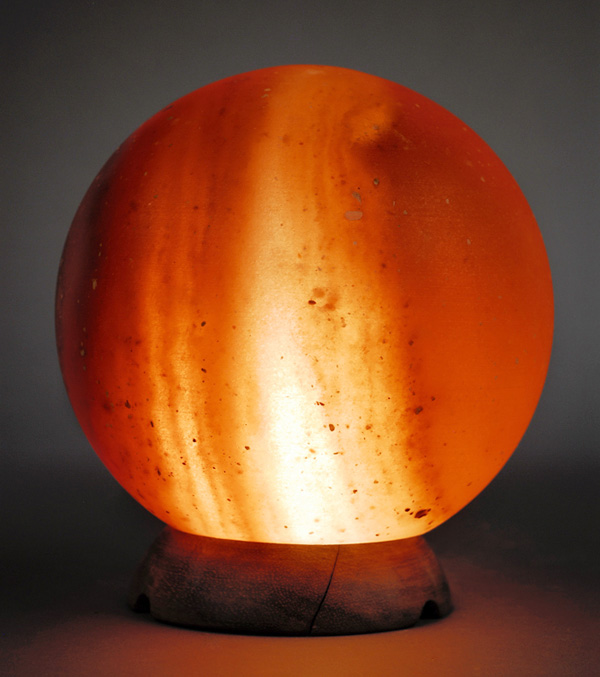
Lamps made of salt from the Himalayas have enormous health benefits

Himalayan salt is high-quality salt hand-mined from salt caves that were formed 250 million years ago in the foothills of the Himalayas.

The lovely pink colour indicates that it’s mineral rich, and in fact contains 84 minerals and trace elements including calcium, potassium and magnesium. In a country like Australia where our mineral deprived soils lead to food produce that is also low in the minerals your body needs, using this salt is a good way to boost your essential mineral intake.

Unlike table salt, it’s unprocessed. Processed salt is devoid of minerals and only one of the 84 minerals, iodine, is ever replaced.

Even rock salt, which is better than table salt, is no match for Himalayan salt as the elements contained in rock salt are not as easily metabolized as they are in the Himalayan salt which has a unique crystalline structure that enables your body to absorb and metabolize them.

I use Himalayan salt in my cooking instead of processed salt and have noticed that I actually need to use less to get the same effect, perhaps as a result of the presence of the full-spectrum of minerals it contains.

Himalayan salt has a perfect crystalline structure and is the highest grade of natural salt. It contains no environmental pollutants and is importantly, immune to electromagnetic fields.

It’s great added to baths to rejuvenate skin, and to foot baths to detox. Across Europe it’s very common for people to go and spend time inside salt caves to aid their health. Here are the locations of a few.


Himalayan Salt Lamps

Another wonderful way to gain the health benefits of Himalayan salt is to use it in the form of lamps.

Here’s a short explanation of how they work but here and here are more detailed ones.

As the lamp warms up it begins to attract and absorb moisture and the surface becomes moist. The ion field builds up. The heat from the lamp then leads to evaporation and it’s this that creates the negatively charged ions and releases them into the air, where they bind with and neutralize the excess positively charged ions in the air. This helps reduce the ‘electro-smog’ in your air as well as reducing allergens and irritants.

The lamps only release negative ions when they are warmed from the heat of the globe.

If the air is very humid the lamp may ‘weep’ and so should be left lit as this helps to dry them out. During one particularly humid December I woke to find a huge puddle on the floor under one of my lamps sitting right in front of a fan that had been on all night to draw the cooler air into the house. But that cooler air was also laden with moisture!

Himalayan Salt Lamps provide huge health benefits

In addition they are very beautiful, emitting a soft pinkish glow that helps to create a wonderful warm ambience in your home or work. Their colour ranges from light apricot to dark orange and from the softest baby pink to a deep dark rose pink.

There has been much research on the healing effects of colour on our body and mind. Pink is said to soften the vibrant energy of red and support a sense of partnership and love and open your emotional body. It embodies feminine nurturing.

Here are colour therapy descriptions of the characteristics of various pinks “The New Rainbow Colours” if you’d like to know more.

Himalayan salt lamps emit negative ions to help reduce the toxic effect of wi-fi
Salt Lamp Globe Showing Naturally Occuring Striations


How To Use Salt Lamps In Your Home

Placing just one lamp in your home won’t ‘fix it all’ as they have a limited range and so won’t be able to neutralize a whole house.

I have five in my home and one on my desk at work. Place a few through selected areas of your home where you spend lots of time, such as the living area or bedroom as well as near the TV, computer and other high EMF areas to gain the benefits where you need it the most.

They make a beautiful soothing night light for a child’s bedroom, creating a nurturing feeling for the child while at the same time rebalancing the ions in the air, and often improving disturbed sleep.

Salt lamps often improve disturbed sleep.

Disclaimer.

All information and opinions presented here are for information only and are not intended as a substitute for professional advice offered during a consultation. Please consult with your health care provider before trying any of the treatment suggested on this site. 

Source articles:

http://products.mercola.com/himalayan-salt/himalayan-salt-lamps.htm

Transitioning With The Seasons – Autumn Health

Autumn Tints


With the equinox fast approaching we are reaching one of the two points of balance in the year, the other being the Spring equinox. The equinox marks the doorway into Autumn, the season of maturity and benovolent harvest. This is when the activity of Summer has slowed and is the time to begin to focus inward and to turn to slower and gentler pastimes.

Autumn energies are about contracting and gathering inwards. When you slow down in preparation for the stillness of the coming winter, you attune yourself to the more contemplative nature of Autumn which allows for inner reflection, awareness and planning. As you slow become conscious that it’s time to embrace peace and avoid personal dramas in your life as much as possible.

The seasons of transition, Autumn and Spring, are also the time when the body becomes very susceptible to health problems. Making a few adjustments in you habits can make a big difference to how you weather Autumn and in turn how “well you are for winter”.


Eating For The Season

Eating with the seasons is one way in which you can support this transition. Autumn is a time when you need to nurture and support your body in readiness for winter. It is the time when your lungs and colon move into the spotlight. If your health and your immunity is weak then you are likely to experience either coughs, breathing difficulties, sinus problems, or other respiratory problems or gut problems like constipation /diarrhoea.

The lung and the colon are both organs of elimination and relate to “letting go” on all levels. In addition, both these organs store grief and sadness, and if you have these emotions that you have not resolved they will in turn physically affect the health and functioning of both the lungs and the large intestine. Health problems experienced in these organs are sending you the message to “let go”, physically and emotionally.

Many people’s body heats up over the second half of summer. By autumn this inner heat leads exacerbation of dry conditions such as dry itchy throat, dry skin or constipation.

Dry Autumn Illness

If you experience ailments from dry conditions of the organs, like constipation, dry throat or eyes, or excess thirst increase foods to support them. Such foods are seaweed, pears, apples, string beans, tempeh, ground flaxseed, eggs, oysters or clams. Some other moistening foods to add are mushrooms, leeks and root vegetables, baby spinach and cabbage.

Also eliminate, or at least minimise, bitter and spicy foods and coffee, alcohol and cigarettes as they are dehydrating. Spicy food will worsen any problems associated with dryness.

To help clean out your colon increase high fibre foods, particularly whole, unprocessed grains and fibre rich vegetables and fruits. Try replacing white bread with wholegrain or wholemeal breads and white rice with brown rice. Bran is often used for its high fibre content but it can easily irritate the colon. Add more grains, nuts and legumes, like kidney beans.

Spirulina, chlorella, barley grass and wheat grass will help tone your large intestine. And of course steer clear of fast and processed foods which are high in fat and salt and low in essential nutrients and fibre.

This health tip is great for you to adopt at any time


Moist Autumn Illness

Autumn is also the time when you get an increase of illness from an excess mucous forming fluids. If you are experiencing sinus problems use a steam bath with some good quality eucalyptus essential oil added for extra benefit. There are a number of foods that can increase phlegm production including all dairy foods (milk, cheese, ice-cream, cream) as well as eggs.

Autumn is the time to introduce modest amounts of pungent foods to help clear out the mucous in the lungs and intestines. As well as ginger, garlic and coriander you could also eat more mustard, horseradish, onions, celery, cabbage, broccoli, radish, daikon, and seaweeds. You need to use a number of these each day. Lotus seeds and lotus root are also very beneficial for lung health. These helpful ideas may help you deal with nasal congestion.


One of the most simple ways to prevent catching the flu and other respiratory illnesses of the season is to wash your hands frequently, especially before eating.


And If You Still Get sick Anyway…

Keep up your health to protect your immune system but if you do get sick there are a few supplements that will help your recovery.

Vitamin C can be taken in high doses in either a powder or tablet form. When combined with zinc, Vitamin E and selenium it will help fortify your immune system. Make sure to add Vitamin D as most people are low in this important vitamin. With less sun around in the cooler months there is much less chance for your body to synthesize sunlight into Vitamin D.

There are a number of herbal medicines available in tablet form which support immunity. Astragalus membranaceus, Hydrastis Canadensis, Sambucus nigra help the mucous membranes of your respiratory and digestive systems . Garlic is excellent for respiratory illness.

Eating a few cloves of fresh garlic is easy and very helpful at the first sign of a cold. You could try peeling the cloves then dipping them in honey if you can’t face the taste. The cloves need to be both cut and raw. When I feel a cold coming on I supplement with fresh garlic by adding a crushed raw clove on to the top of dishes like pasta, soup or stews. I eat it with the first mouthful without mixing it through the food. This way the garlic is still raw but the taste is not so overwhelming as it is when eating a whole clove.

Don’t forget to drink lots of water. It is worth drinking some of the many herbal teas specific for autumn ailments. Thyme tea is one that can calm constant coughing. Hot water with lemon and manuka honey provides the perfect antibacterial aid to flushing out flu.


Get Active, But Keep It Gentle

This is the time to take part in activities that will boost your immune system and increase the oxygen levels in your blood. This leads to you feeling more alert, more energetic, and more positive, but at the same time does not deplete your vital energy.

Yoga, t’ai  chi or qi gong are very balancing and perfect for autumn. The breathing exercises and stretching (particularly in yoga) will serve you well through the winter.

Try to avoid heavy aerobic exercise outdoors in the cooler autumn months, as it may reduce vital energy or qi, and weaken your system. However, brisk walking, or bike riding (pushbike not motorized!) will increase your lung health.


Clear Your Surroundings

Just as you need to purify the air in your home after having it shut up for winter during Spring, in autumn you also need to keep the air in your home clean in readiness for closing your home up over the cooler months to come. Open the windows whenever you can to catch the last bits of summer warmth.

Bring live plants into your home. Not only do they help to maintain good oxygen levels in the air but many, such as cactus, also help to offset the effects of EMF’s (electromagnetic fields). They are particularly good to place in areas of high EMF’s such as beside the computer.

Positive ions can contribute to many health problems, including irritability, depression, anxiety, emotional unbalance, fatigue, allergies, headaches, and immune dysfunction. Salt lamps are a great way to neutralize the positive ions in the air in your home.

While you’re clearing the air in your home take time to clean out the corners as well so that you have a pleasant clean space to spend the winter. Maybe add a few beautiful colourful items to brighten your home over the darker months ahead.  Try some of these ways to detox your home.


Sleep…Sleep…And Sleep Some More

Lastly, one of the really great ways to protect against the ailments of winter is to get plenty of sleep. This is the time to push yourself to rest, rest, rest. Instead of sitting up at night get to bed early so you can rise earlier in the morning. If you have trouble getting to sleep here are some natural ways that you can help yourself. Simple ways that may help are to take a warm bath or meditate before retiring. But, most of all be conscious that this is the season to be gentle and treat yourself with a little ‘TLC’.

best natural health tips for autumn


Disclaimer.

All information and opinions presented here are for information only and are not intended as a substitute for professional advice offered during a consultation. Please consult with your health care provider before trying any of the treatment suggested on this site. 

Spring Is Here – Detox Time

Spring Cherry Blossoms

With the arrival of September comes the stirring of Spring down here in Oz. (For my Northern hemisphere followers there are also steps that you need to take to deal with the change from the warmth of Summer into the cool of Autumn and I will post some pointers for you next time).  Doors and windows are thrown open at the first hint of a warm day letting light and air pour through rooms that have been closed up throughout the dark depths of winter. Second-Hand Shops are flooded with donations as cupboards are cleaned out and goods are discarded. Intentions are set and with the new mindset changes begin to happen. Dogs get walked more frequently, meals start to include more fresh, raw produce, gym programs are set and personal trainers are hired, and many people undertake a detox program to rid themselves of the winter “blahs” and get their energy surging and their bodies trim for the seasons ahead.

Your body’s natural detox system is awesome when it is functioning at full power. But when something breaks down, the toxins are simply not eradicated and build up inside you, stressing every system in your body and leading to lots of health problems that can include bad skin, allergies or arthritis.

At work this week I have begun the Spring Detox Programs and now is the time to consider starting these in your life also. Toxic overloads build up over time and obviously cannot be dealt with by simply eating fruit over a weekend. Also,  doing only a juice fast or detox diet may cause more harm than good, as your metabolic processes will slow down dramatically, and this includes waste removal. The toxins within your body are stored in the fat cells. Increasing  exercise without making any other significant changes can release these toxins into your system as the fat breaks down, but not necessarily adequately flush them out of your body.

To detox properly you need to put a number of things into place and commit to making long-term changes rather than just a 2-day or even week long quick-fix.

There are many ways that you can go about this.

First be honest about what you need to change. Do you smoke? Drink lots of coffee, or soft drinks, which also often contain caffeine, or worse, aspartame? Are you binge drinking, or drinking alcohol on most nights? Are you addicted to sugar or foods high in saturated fats? Are you too sedentary? Are you stressed? Even though you don’t take stress “into your body” it is still very toxic to all your body systems, particularly if it is ongoing.

So to create an effective detox you need to work with the natural body detoxifying processes. At the same time limit the amount of toxins you are exposed to so that you reduce the stress on your detox system, while also strengthening it at the same time.


Fresh, raw, organic vegetables

The first line of defence against toxin overload is in limiting what you put into your mouth. This usually means giving up coffee, sugar, bread, milk alcohol and red meat, but if doing this stops you being able to detox in other ways then it won’t be all that good (although I always maintain even small steps are useful to a certain degree and sometimes the best way to get started). In spite of this, to effectively detox you do need to reduce the toxin intake from food. Eating only organic food is the best option but if it is not possible, at least try to always eat some selected organic foods. You also need to add foods to your diet that will stimulate the liver, bowel and kidneys so they work better, as well as foods that neutralize free radicals like berries, kidney beans, avocadoes, cherries, spinach, red cabbage, sweet potatoes, broccoli, green tea, nuts, ginger, cinnamon, turmeric and kiwi fruits to name just a few .

Here are 5 Great Springtime Detox Diets you might like to try. There are lots of  “Top 10 Detox Food” lists around. This list suggests general food groups and this one specific food items, and both are great places to get ideas for changes you can make. But remember they are just a start and you should aim to expand on these lists.

Juicing is a another great way to get optimal health and well worth including in your nutrition plan. How often are you getting the 7-8 serves of fruit and vegetables you need every day, and do you know how big a serve actually is? Juicing offers a way to help you meet those requirements. You can add veges that you don’t normally eat and get a wider range of nutrients and also this means you are able to rotate your foods more. Here is a nice comparison of the different types of juicers available. Check it out before you get one. And then check out these good recipes to get you started. Celery, fennel and cucumbers are good veges to start with as they are easy to digest.  You can add lemon or lime, cranberries or blueberries, or fresh ginger to boost your health and get a great flavour burst. As you get the hang of it you can add superfoods to your juice like Spirulina (my own fave “multi-vitamin” superfood), chlorella, barley grass and maca powder. Use organic veges and fruit, especially if they are one of the ones included on the “Dirty Dozen©” list . Also, drink the juice straight away as it is very perishable. If you need to you can store it for a day in the fridge, in a container filled right to the top so there is no air to allow oxidation to occur. The only drawback about using lots of juices in your diet is that you lose the fibre that is in the fruit and vegetables when you juice them, and so you will need to be very conscious of maintaing a high level of foods with a high natural fibre level in the other foods in your diet.

While exercise is essential to a good detox, gyms are not always helpful or healthy. Their environment is one that for many people simply builds their stress levels and negates any health benefit they would otherwise gain. Running or walking in the open air, or swimming gives you the benefit of aerobic exercise away from the stressful environment.

Eastern exercise like yoga, t’ai chi and qi gong are wonderful ways to exercise as they offer you so much. You will gain all the benefits of other aerobic exercises as well as much, much more. Yoga for example, teaches you to breathe properly, it stretches your muscles which in turn releases toxins, it balances your inner body energy, or chi, it helps to reduce your stress and it stimulates your lymphatic system. It is also very calming for most people and leaves them feeling at peace as well as envigorated. There are many types of yoga and you are sure to find one that suits you.

Detoxing is not just about what goes on inside your body. It is also important to attend to your external body. You are going to like this! Massage, body-brushing and heat treatments are some great ways to stimulate detoxing from the outside.

About half a kilo of toxins leave your body each day, carried out through your skin in your sweat, but this can only happen if your pores are clean. Also, if you are you are using an anti-perspirant then you need to be aware that it will be blocking some of the major drainage pores of your body. The pores can also be blocked by a build-up of dead skin cells that sit on the surface of your skin. Normally they are shed, but this doesn’t occur as well as you age. So, removing these cells is important to detox and body-brushing is a good way to do this. Here is how to do it. Body salt scrubs on dry skin will also help. I make a delicious one from Himalayan Salt and essential and vegetable oils.

Sauna and steam treatments are another way to remove toxins. By the way, when smokers leave a sauna they often leave a yellow tar residue which has oozed out of all their pores on the towels and a fine layer of black tar under the benches. Is that an incentive to stop smoking? I hope so.

Massage detoxes the body in two ways. Firstly, by reducing stress which if prolonged depresses your immunity and therefore your resistance to infections. Reducing stress  can also help reduce cravings. Secondly, it stimulates blood circulation and lymphatic flow, which feeds more nutrients into the cells and removes more waste from the cells. There are a few different types of massage, and while all will be beneficial manual lymph drainage is the most beneficial for detoxing.


So, armed with these few tips to get you off and running, start formulating your Spring Detox plan today so you can get it underway quickly and head out on the path towards a lighter brighter spring you.

Disclaimer.

All information and opinions presented here are for information only and are not intended as a substitute for professional advice offered during a consultation. Please consult with your health care provider before trying any of the treatment suggested on this site. 

Fish Oil, Fatty Acids and Other Nutty Ideas

Many people take Fish Oil supplements to boost their Omega-3 intake these days when only a few years ago nobody gave these Essential Fatty Acids very much attention at all.

Scientists have been aware of the benefits to health of omega-3 fatty acids for about sixty years, particularly for their role in helping clear up skin diseases such as psoriasis and eczema. For about thirty years they have been thought to be effective aids to lowering cardiovascular risk and heart attack. But over the last few years there has been an explosion in public awareness of the many diseases that have a link to inadequate amounts omega-3 in the diet, and with this awareness has come the widespread use of supplements to address deficiency related health problems.

If you don’t know the difference between omega-3 and omega-6 you are not alone as most other people don’t either. Our diet now contains many foods high in omega-6 such as breads, biscuits and even meat fed on grains. While we need more omega-6 than omega-3, the ratio being 4:1, the ratio in our diets is actually closer to 10 – 20:1 and so we are getting far more omega-6 than we need at the expense of sufficient omega-3. The omega-6 is often from a poor, highly processed form of the food source. The effect of this unbalance is to cause many other health problems.

Omega-3 and omega-6 are both polyunsaturated fatty acids that we need to add to our diets because our bodies cannot synthesise them. Omega-6 is needed in greater quantities but is also more easily obtained as it occurs in many of the foods that are eaten in large quantities in the western diet. Whilst we need much less omega-3 the amount that most Australians consume falls very far short of their daily requirements.


What Are Essential Fatty Acids?

Simply put they are EPA, DHA, GLA, and OA.

  • EPA ( eicosapentaenoic acid) is great for a healthy heart and body
  • DHA (docosahexaenoic acid) for healthy mood, mind and memory
  • GLA (gamma-linolenic acid) for healthy skin, hair and hormones
  • OA (oleic acid) for healthy blood pressure and cholesterol levels.

EPA and DHA occur together in nature and so should always be taken together, along with OA (which is omega-9).

GLA is omega-6 and works well in combination with the other nutrients but as we receive more than adequate quantities in the western diet we do not need to supplement GLA.


Omega-3 Deficiency

Deficiency of DHA and EPA has been shown to be linked to many different health issues and the list seems to keep growing. Just a few conditions that indicate a need for more high omega-3 foods in your diet are:

  • depression
  • cardiovascular disease
  • Type 2 Diabetes
  • fatigue
  • dry and itchy skin
  • brittle hair and nails
  • difficult concentration
  • joint pain

But there are many more.


Omega 3 Food Sources

Before you consider taking an omega-3 supplement you really need to consider whether it is possible to meet your omega-3 requirements from food sources, as research has shown that omega-3 may be better absorbed from foods than it is from supplements, even cod liver oil.

The very best food sources for omega-3 are cold-water oily fish. A few of the best are herrings, sardines and anchovies or in the larger fish, trout, blue mackerel, gemfish, salmon and blue-eye trevalla. A word of warning about salmon – all salmon grown in Australia is farmed, which means it is grown in dense-packed pens near ocean shores, fed fish meal that can be polluted with toxic chemicals, awash in excrement that then gets flushed out to sea and infused with antibiotics to combat unsanitary conditions – really salmon can be viewed as the “battery hen” of the sea.

Good quality salmon will be wild caught and in Australia is unfortunately found only in tins from Canada or Alaska. Opt for imported wild-caught salmon if you can get it.


DHA & EPA

The two important components of omega-3 are DHA and EPA. There is overwhelming evidence that both are of great benefit.

Omega-3 is also available from  sources other than fish (vegetarian) such as walnuts, flax, chia and pumpkin seed oils, soy products and dark green leafy vegetables. But these sources contain Alpha- Linolenic Acid (ALA) rather than DHA or EPA. This needs to be converted in the body and in many, many people, especially the elderly, this conversion is very inefficient and so these are not a reliable source.

But omega-3 from vegetarian sources is a better option than no omega-3 at all.


Omega-3 Daily Requrements

For the recommended requirements of omega-3 for Australian adults look here although be aware that stress or disease will modify your needs.


Fish Oil Supplements

If you do choose fish oil supplements there are a number of important things to consider about the particular omega-3 supplement you are considering before you start taking it.

Here are a few  guidelines that may help:

  • When choosing fish oil supplements be very careful of the quality. You get what you pay for. Many fish oil supplements are poor quality and capsules can contain rancid oil. Not only will this not help your health, it can actually make it worse, because rancid oil forms free radicals which cause inflammation that leads to disease.
  • Many fish oil supplements are made from farmed fish (see the problems associated with this above)
  • Check the levels of DHA and EPA as these will vary with each product and get one which has 2-3 times more DHA than EPA. It is difficult for the body to convert EPA to DHA.
  • Taking just one or two capsules each day is unlikely to supply you with enough of the omega-3 you need and you will most likely need many more than this. Taking the supplement in a liquid form is a better way to get an adequate amount.
  • Cod Liver Oil is a good way to get the omega-3 EFA’s you need as well as Vitamin D and Vitamin A. These days these oils are often fruit flavoured without the fishy taste of days-gone-by.
  • Many fish oils contain high levels of contaminants such as mercury or PCB’s. Try and source impeccable supplies.
  • If you are using Krill Oil consider that Krill fishing has already been banned or strictly limited in some areas due to the ecological impact. Fish oil is more sustainable.


And Now To Totally Change The Subject…Nuts!

almonds

I hear you asking “so where do nuts come into all this”?

Nuts, especially walnuts, are another great food source of omega-3, omega-6 and omega-9. Because high heat, light, and oxygen destroy EFAs,  when you eat nuts for their EFA content, choose raw nuts rather than roasted nuts.

Last week I promised a blog follower a GREAT RECIPE for ALMOND MILK so here it is.

Of course it is not for anyone with nut allergies.

Home made almond milk is a wonderful substitute for dairy milk. It is quite nutritious, being high in protein and of course healthy fats. It also contains fibre, Vitamin E, the minerals phosphorous,  copper, selenium and calcium, the amino acid tryptophan, as well as flavonoids. In addition it has no cholesterol. It has a slightly nutty taste and a creamy texture and the flavour is lighter than soy or rice milk.

Almond milk is now widely available through supermarkets as well as health food shops, but is pricey and some brands are sweetened. A number of brands have a very low percentage of almonds in them, which greatly reduces their nutrient value. By making your own nut milk you can increase the nut content and so the nutrients, dramatically.

Almond milk is good cold, in tea or coffee, smoothies and can also be used for cooking items like cakes or soups. I use it, but in small quantities and so often end up throwing quite a lot out which means making my own is a great option.


Almond Milk Recipe

Almon milk is easy to make and you can make it in just the quantity that you need. Here is how:

  • Soak 1 cup of fresh, raw almonds in filtered water overnight. Make sure there’s extra water to allow room for swelling.
  • Remove the almonds from the water.
  • For a less gritty texture, remove the skins. If you want a richer flavour toast the skins lightly.
  • Place the cup of almonds in a blender with 2 cups of filtered water and blend on high speed until creamy.
  • Add flavouring like cinnamon, honey, cardamom, saffron or a pinch of sea salt and then blend again, if you like.
  • Strain the mixture through cheesecloth or a fine strainer to separate the pulp.
  • You can drink it immediately or for a creamier version, leave it covered in the fridge overnight. It keeps in the fridge for up to a week.
  • The remaining pulp can then be roasted dry and stored in a jar to use as almond flour.
  • Or you could place the almond skins and the pulp in cheesecloth to use as an invigorating body scrub.


Disclaimer.

All information and opinions presented here are for information only and are not intended as a substitute for professional advice offered during a consultation. Please consult with your health care provider before trying any of the treatment suggested on this site. 

Source articles:

http://www.abc.net.au/7.30/content/2009/s2766962.htm

http://whfoods.org/genpage.php?tname=nutrient&dbid=84

http://www.naturalnews.com/035948_omega-3_inflammation_disease_prevention.html

http://www.webmd.com/diet/features/what-to-know-about-omega-3s-and-fish

http://www.mcvitamins.com/essential%20fatty%20acids.htm

http://goodfats.pamrotella.com/

http://www.adelaidenow.com.au/ipad/the-pros-and-cons-of-almond-milk/story-fn6jaj16-1225984312290

Fight Depression With These Simple Strategies

As you read this post Mental Health Awareness week has finished but the battle that is depression goes on for many people.

Commonly Depression is treated with drugs that flood the brain with serotonin. While it is important to address depression, there have not been scientific studies that show that this drug therapy really works, and in fact, a number of experiments where the serotonin levels in the brain were greatly increased, failed.

However, there are other methods that can be used to help relieve depression.

  • A therapist can help you with new ways to look at yourself and your life.
  • Adequate sleep makes you less susceptible to the negative messages that seem to swamp you. (I’ll write more about good sleep habits in a later post).
  • Exercise three times a week, difficult though it always is to get motivated, always helps lift your mood by altering brain chemistry. It doesn’t have to be at the gym as walking is always good and yoga is great too.
  • Structure helps, so getting into a routine is a good idea.
  • Keeping in touch with other people who love and support you is worth heaps, and if you can’t do that, then just getting out and being around people, anyone, will help. Even better if they have a laugh with you.
  • Getting lots of sunshine is also good as natural light has been proven as a cure for depression.
  • There are also lots of mood boosting supplements, like maca, that will help.

Food For Depression

Another major way of fighting depression is through good nutrition, even though because of the depression you may not be feeling hungry.

Preparing and eating a meal might seem pointless but not only do the nutrients contribute to lifting your depression, it will also help you avoid the junk foods that make your depression worse. Don’t even buy or store sugary or salty snacks in your cupboards – it is far better to have simple healthy foods that don’t need lots of preparation to use when you find you are simply not able to face meal preparation.Foods like coffee, meat, alcohol and fatty or fast foods can actually make you feel more depressed and you will feel a lot different if you avoid them.

It really is a case of “you are what you eat”, bad foods make you feel worse and good healthy foods make you feel better.

Top foods to fight depression

1. Fish Oils:

Yes this is another benefit of fish oils as the right kind of fish contain lots of omega-3 fatty acids, often lacking in depressed people. One study showed that taking just one gram of fish oil each day made a 50% difference in symptoms like anxiety, sleep problems, feelings of sadness, decreased sex drive and suicidal thoughts. You can also get omega-3’s through eating other foods including walnuts, flaxseed oil, or chia seeds. Oily fish include sardines, tuna, wild-caught salmon, gemfish plus others.

2. Brown Rice:

A great high-fibre food, brown rice contains lots of Vitamin B, B1, B3 and folic acid, plus lots of trace minerals which you need to function properly. It is also low-glycaemic, releasing glucose into the bloodstream slowly to prevent mood swings due to sugar-lows. You need to avoid any “instant” or “quick-cook” varieties because they don’t have any of these benefits.

3. Brewer’s Yeast:

The “darling food” of the 70’s, brewers yeast also contains B Vitamins (B1, B2 and B3). Don’t take this if your yeast tolerance is not great, but otherwise get your daily dose by mixing a thimbleful into a smoothie. It has heaps of vitamins and minerals in a small package, including amino acids which are great for the nervous system, and awesome for dealing with depression

4. Whole-grain Oats:

Again, you can’t use “instant” or “quick cook” oat varieties as they won’t help. With heaps of B vitamins (folic acid, pantothenic acid, B6 and B1) wholegrain oats help lower cholesterol, soothe the digestive tract and help prevent “sugar crashes,” so they assist with crabby moods and mood swings.

5. Cabbage:

With Vitamin C and folic acid cabbage protects against stress, infection and heart disease as well as lots of cancers (American Assoc for Cancer Research). There are lots of ways to eat it apart from boiled into a nasty mess – try it tossed in a salad or a wrap instead of lettuce, perfect in a stir fry, in a cabbage soup or just juice it. If you have trouble digesting cabbage add some fennel, caraway or cumin seeds before cooking. Or you could drink these spices in a non-caffeinated tea.

6. Other Foods

There are also a few other foods worth a mention here.

  • Grains like quinoa, kamut or spelt are better choices than refined grains like white wheat flour. Wholegrains are one great place to find the B vitamins which help improve your mood.
  • Foods like raw cacao (not a block of milk chocolate!), dark molasses and brazil nuts, which are high in selenium, are also great depression eliminators
  • Make sure your diet is loaded up with fruit and vegetables which will provide lots of vitamins and minerals to help lift the clouds that surround you. And remember that there is a big difference between both the amounts, and the quality, of the nutrients in organic and commercially grown produce. Organic foods have significantly higher levels of the nutrients you need than are found in commercially grown crops.
  • It is pretty important to try and keep your blood sugar levels stable and also to get enough B vitamins when you are feeling depressed. Avoiding sugar altogether helps stop blood sugar spikes and dips.

In the end it is important to remember that depression does not last, it is a transient phenomena and will pass. In the meantime take the decision to be proactive and make the changes you need to make to move on.  Even just setting this goal is the first step in moving forward.

Fight depression with diet

Disclaimer.

All information and opinions presented here are for information only and are not intended as a substitute for professional advice offered during a consultation. Please consult with your health care provider before trying any of the treatment suggested on this site. 

For more information:

http://www.naturalnews.com/020611.html

http://voices.yahoo.com/how-fight-depression-daily-habits-all-200108.html?cat=72

http://www.naturalnews.com/035463_depression_herbs_remedies.html

http://www.thedailymind.com/stress/5-small-but-big-ways-to-beat-depression-every-time/

http://www.webmd.com/depression/features/natural-treatments

© Catherine Bullard and Happy Holistic Health, 2012. Unauthorized use and/or duplication of this material without express and written permission from this blog’s author and/or owner is strictly prohibited. Excerpts and links may be used, provided that full and clear credit is given to Catherine Bullard and Happy Holistic Health with appropriate and specific direction to the original content.

Thank You

To the followers of my blog who were kind enough to take the time last weekend to tell me how much they enjoyed reading the posts I offer my humble thanks. Any feedback is always very welcome and helpful, particularly on first starting out as a blogger. But positive feedback is absolutely wonderful!

If you would like to comment or leave feedback again there is a place right at the bottom of each post where you can post a comment. I would love to hear your thoughts on other posts, as well as your experiences as a result of what you have read here.

Wonderful Warming Ways To Weather Winter

Winter Sunlight Through The Morning Fog

I met a friend outside the bank yesterday who after exchanging the “it is sooo cold” comments, told me that she had been told that apparently yesterday morning was the last really cold morning we were going to have here in Melbourne this year. Given that the meteorologists from the Bureau don’t often seem to be able to get the forecasts right,  I don’t feel terribly inclined to believe such a wild and sweeping prediction. Although who knows, perhaps this person has extraordinary physic powers that focus on the weather.

Perhaps it was significant that we had that conversation yesterday as the second of August is Imbolc here in the Southern latitudes. Imbolc is a festival celebrating the approaching Spring and the return of the light. It coincides with the first stirrings of Spring. Here in Melbourne early spring bulbs are busily flowering and the wattles have been dressed in a blaze of gold for weeks now. But it’s easy to imagine how significant the sight of a tuft of green glimpsed on this day would be to someone who’d been snowbound for months. In fact even in Melbourne we often feel a bit low by the time Imbolc arrives, lacking energy and eating and sleeping more.

In spite of spring beauties in the garden, and in spite of seeing the  seasons have begun to change I’m still feeling the effects of winter. I am still cold! The garden is still too cold and wet to get started on spring planting, and the air is too wet to start on spring refurbishments around the house. Spring has really not yet managed to get a toehold on the side of winter.

In the interests of getting us over the mark into “real spring” here are some uplifting and reviving ideas to carry us the extra yard.


Himalayan Salt Foot Bath

Foot baths were once seen as something for old ladies with sore feet. But a few years ago I discovered just how nice it is to sit with my feet in hot water, while I read and sipped tea. Now  never, ever regret it when I manage to indulge in this way. Also, soaking in a bath, even a foot bath, is a great way to gain the health benefits of essential oils or Himalayan salts.

Our home lacks the luxury of any bath that allows more stretch than “knees around the ears” so foot baths are the alternative. I managed to pick an electric one up on e-Bay for $1. But you can use any nice big bowl instead. In fact I rarely plug mine in, as the oils or salts do their job perfectly well in the still water.

Soaking in a Himalayan salt foot bath is soothing for your feet, so it’s great after a long day, and also very revitalizing. Essential Oils  have wonderful healing effects and can be added to your foot bath to deal with all sorts of winter problems. Just be careful to check the actual oil you choose before using them as some are contra-indicated for various diseases and others can be irritating if they come into contact with the skin. According to reflexology philosophy our whole body is mirrored in our feet, so anything we do to nurture them is also going to nurture our whole body.

Foot Bath – any large bowl will work well


Herbal Teas For Winter

Warming Winter Herbal teas are a great way to get a winter lift. This excellent page links to 52 different herbal tea recipes.  There is a huge range of choice to suit every taste, and many are made from ingredients that you probably have in your kitchen cupboard. Like the essential oils, many are specific to winter ailments. Also, you could easily mix a few up for a yummy brew.

Herbal teas are the easiest way to get the benefits of herbal healing wisdom that has been around for thousands of years. Although there are many ready-made versions of the teas it’s great to tailor make them to fit your needs from fresh ingredients.

Loose leaf herbal tea


Winter Mood-Boosts

Sometimes we just need a “mood boost” during winter so here are a few quickies…

  • Put on some uplifting music, especially good if you can dance to it. Music accesses your emotions directly and  can be a really quick mood booster.
  • Call your best friend and perhaps even meet up for a cuppa. It’s tempting to hibernate in winter but socialising gives a great sense of belonging and makes you feel appreciated. Make sure to keep the conversation light!
  • Get moving especially if you’re sitting at a desk all day, even if it is just for a few minutes. Exercise releases endorphins, adrenaline, serotonin and dopamine and with all those dancing around inside you’re sure to feel livelier.
  • Don’t forget to laugh. Laughter clubs are everywhere. A good laugh send you straight into a relaxed state. It lowers your blood pressure and also stimulates endorphins. Remember how good you feel after you hear a good joke? Of course you don’t need to join a club, a funny movie, a joke on facebook are all good.


Winter Gratitude

Winter is a great time to count your blessings. Cultivating gratitude has been shown to be a wonderful way to increase happiness. Try making a list of some of the things in your life for which you are truly grateful. It’s a wonderful and quick way to get you out of a slump

Cook up a big pot of yummy warming winter soup this weekend. I found this interesting variation  on traditional Potato and Leek soup. This chef catered a party for me once and his food was delicious. If you have a slow cooker put on a nourishing casserole for dinner. You can load it up with root vegetables full of nutrients for a great health boost.

Find yourself a great book in which you can get immersed. By the time you finish it and raise your head you’ll find that spring has sprung. Too often we save up the great books for holidays and forget to enjoy the relaxation and pleasure they bring throughout the rest of the year. Turn off the TV, close the computer, and instead grab a cosy rug, a warm tea and curl up for a couple of hours blissful reading…for pleasure, not for work.

I’m not about to pack away my winter woolies for a long time yet, in spite of the positive forecast of that friend-of-a-friend. But I am going to look for the parts of winter for which I’m grateful. There’s the crispness of the air, the beauty of the fog hanging low over the river in the morning, the awesome heater I have in my house, the chance to wear my great collection of beautiful boots, and the reassurance that the wheel of life continues rolling along. But right now I’m off outside to pick some of the gorgeously scented and very aptly named “Erlicheer” jonquils to bring into the house to lift my winter spirits and remind me that Spring really is in fact, just around the corner.

Erlicheer Jonquil

Disclaimer.

All information and opinions presented here are for information only and are not intended as a substitute for professional advice offered during a consultation. Please consult with your health care provider before trying any of the treatment suggested on this site. 

© Catherine Bullard and Happy Holistic Health, 2012. Unauthorized use and/or duplication of this material without express and written permission from this blog’s author and/or owner is strictly prohibited. Excerpts and links may be used, provided that full and clear credit is given to Catherine Bullard and Happy Holistic Health with appropriate and specific direction to the original content.

Walk the Peaceful Pathway In The Labyrinth

On the desk in my clinic there’s a board with a labyrinth constructed from tiny white pebbles. Beside it is a small sign which says “Finger Labyrinth, use your fingers to walk me”. The children often do this walk, but most adults don’t have the time.

Walking the labyrinth pathway brings enormous health benefits and also creates a calming peaceful break in busy lives. Unfortunately, many are not sure how it is done, or even where to find a labyrinth.

Labyrinths are making a welcome return to our lives with many new full-size walking labyrinths being constructed. Many people across the world use them as a means to find inner balance and peace. As they walk the pathway their minds become quiet and they receive intuitive insight through this gentle, active meditation. Simply walking the labyrinth is a wonderful way to develop mindfulness and find inner knowing.

Walking the labyrinth is a wonderful way to develop mindfulness and find inner knowing.

Difference Between A Labyrinth And Maze

Labyrinths are ancient symbols that have been used for thousands of years by many different cultures right across the globe. Their sacred spiral design is a very powerful self-alignment tool which brings perspective into our lives. The geometric form of the labyrinth speaks to the right brain, unlike mazes which require the analytical left brain.

Mazes are puzzles which have dead ends and lots of twists and turns in many directions. Labyrinths have only one path that leads right into the centre with no tricky turns or blind alleys. The maze needs logical planned thinking to solve whereas the labyrinth requires a more passive approach. The only decision is whether to start or not.

Although the labyrinth runs to the centre without blind alleys, it does turn regularly. At some point on the walk you face every direction which further shifts you out of the thinking brain. As a result of shifting back and forth from left to right brain your consciousness moves into a highly receptive state that opens you to receive insights.

How To Walk The Labyrinth

The labyrinth walk can be broken into three stages. At the entrance you can pause, focus and set an intention for your walk. Take slow, deliberate steps. Use the walk into the centre of the labyrinth as an opportunity to clear and centre your mind, to let go of worries, thoughts and obligations and to surrender to the process of being fully present in your body in the present moment.

When you reach the centre pause, and take time for reflection, meditation or prayer. It is a perfect space to allow the divine into your life, and an awareness and realisation of your own sacred inner space.

The walk back out from the centre provides the space for integration of your insights and prepares you to return to your life, ready to make transformational changes, ready to take action.

Benefits Of The Labyrinth Walk

Every walk is unique and you can expect to receive something different every time you walk the labyrinth. Sometimes it may simply be a nice walk. On other occasions it may be the revelation of some deep insight and understanding, one that may change your life significantly. Other times it may provide the answer to your question, or release of a worry, concern or grief you have been holding.

Labyrinths present us with a reflection of our life pathway. We are all on a path, even if sometimes it seems pretty overgrown, and at others we have no idea where it may be leading us.

In some ways the labyrinth is simply a metaphor for our own journey into our centre, our deepest self, and then our return back out into the world. Like the characters of ancient myths and legends, who needed to go down into the darkness in order to overcome their adversary or fear, before returning triumphant with a deeper understanding of themselves, we too can use the labyrinth as a means of going deep within to broaden our understanding and acceptance of who we are.

Labyrinths are transformational spiritual tools and walking them needs to be a practice that is integrated into your life and not done just once.

As a potent ancient symbol of totality, they allow us to pursue personal wholeness.

If you would like to experience the power of the labyrinth for yourself there are many that you can try. Some are privately owned and require prior arrangement for their use, but there are quite a number that are open to use at any time.  This is a list of Australian labyrinths. For other labyrinth locations outside Australia.

Disclaimer.

All information and opinions presented here are for information only and are not intended as a substitute for professional advice offered during a consultation. Please consult with your health care provider before trying any of the treatment suggested on this site. 

© Catherine Bullard and Happy Holistic Health, 2012. Unauthorized use and/or duplication of this material without express and written permission from this blog’s author and/or owner is strictly prohibited. Excerpts and links may be used, provided that full and clear credit is given to Catherine Bullard and Happy Holistic Health with appropriate and specific direction to the original content.

Soulful Wellness: Where Mind, Body, and Spirit Align.