Tag Archives: antioxidants

Drink Warm Lemon/Lime Water To Kickstart Your Day

lemon lime water


While most people know that it is really important to keep themselves hydrated but most don’t realise they can take that one step further for better health simply by drinking lemon water or lime water first thing in the morning.

Tomorrow, March 22, is World Water Day and while it is about water co-operation practices, what better day is there to start to improve our own personal hydration practices?


HOW POOR HYDRATION AFFECTS YOUR BODY

The way you begin each day is really important as it sets up whether you either increase or reduce your resistance to disease. Starting out each day being properly hydrated obviously stops dehydration, but it also has many other health benefits. These include kick-starting your digestion and toxin elimation for the day  and helping prevent adrenal fatigue. Adrenal fatigue is becoming far more common in these times of high stress living.

Adequate water intake is essential for the proper elimination of toxins from your body. When you’re dehydrated it becomes really difficult for your body to eliminate waste products which leads to a toxic buildup. You start to feel stressed, to get constipated, to develop arthritis, get outbreaks on your skin and many more problems.

In addition your body stores more fat when you’re dehydrated due to added stress on the kidneys and liver so they do not perform at their best.


A SIMPLE WAY TO BOOST YOUR HEALTH

One very simple practice to boost your intake of water that can be surprisingly helpful comes from Yogic or Ayurvedic practice, where it was used to stimulate the digestion and eliminate the toxic slime, called ama, that builds up in the gastro-intestinal tract.

It is the simple practice of drinking a mug of warm water with lemon or lime squeezed into it first thing in the morning. This helps to activate your body’s detoxifying process and also its natural cleansing processes.


Lemons and limes are one of natures great gifts and including them in your morning routine has huge health benefits


7 REASONS TO DRINK LEMON WATER

1. Helps your liver eliminate toxins

Your liver loves warm lemon/lime water because it purifies and stimulates your digestion and toxin elimination by liquefying bile and inhibiting excess bile flow. The liver is able to produce more enzymes from lemon/lime water than from any other food to promote better digestion.

Your liver works very hard and is crucial to the function of many other body processes – a little lemon/lime support and nurture leads to a healthy and happy liver.

2. Helps digestion

Warm lemon/lime water increases the acidity of your digestive system as it’s very similar to saliva and the digestive juices in the stomach which break down food. It improves your body’s ability to absorb nutrients. An extra benefit of this process is to help with reducing hunger, great for weight loss.

3. Helps elimination of toxic wastes

Warm lemon/lime water helps your bowels to eliminate naturally and easily, reducing constipation. It also helps dilute accumulated the uric acid which causes arthritis or gout when it builds up in the body.

By supporting the liver in its detoxifying role it helps prevent acne.

It gently flushes your kidneys and cleanses your lymphatic system, another channel for the elimination of toxic waste products.

4. Balances pH

Lemon/lime water has an alkylizing effect in the body. Yes, even though they taste acidic they have an incredibly alkaline effect inside your body once they are metabolized! Even drinking lemon water just before any meal will help your body maintain a higher pH than if you didn’t drink it.

When your body has a higher internal pH, that is, it’s more alkaline, it’s far more resistant to most major (and minor) diseases which thrive in an acidic environment. Cancer cells for example breed better in an acidic environment.

5. Protects your cardiovascular and nervous systems

Lemons and limes are high in potassium which is a mineral that works alongside sodium and is vital for the smooth working of the nervous system and brain. Low potassium levels can lead to depression, anxiety, forgetfulness and brain fogginess as well as muscle cramps and heart arrhythmias. Potassium is crucial for heart health and can help prevent stroke.

6. Boosts your immune system

Lemons and limes contain good ratios of calcium and magnesium in plentiful quantities. These minerals work together to prevent many health problems. One lemon has 30.7mg of the antioxidant Vitamin C which is great for fighting off colds and chest infections. Lemons and limes have very high levels of the antioxidant Hesperidin which is anti-inflammatory and believed to have anti-cancer activity.

7. Helps weight loss

Lemons are high in pectin fibre which helps fight hunger cravings. By cleaning out toxins and internal waste they help speed up weight loss, and in addition promote quick bursts of energy. Because the effect works proportionally, the more you drink the more weight loss should speed up. If you replace your other drinks with lemon water you also have the advantage of a zero kilojoule drink.


HOW TO TAKE LEMON WATER

Take lemon water first thing in the morning on an empty stomach, before eating or drinking anything else. Squeeze half a lemon or lime into half a glass of warm water, stir it and drink. The water will turn cloudy when you add the lemon or lime. It’s good to then wait between half to one hour before you eat to get the best results.

  • Don’t use bottled lemon or lime juice – use fresh fruit.
  • Make sure the water you use is pure – filtered or spring water
  • Make sure the water is warm – don’t use cold water as it is very hard on the digestion, slowing it down. Don’t use hot water either as it will kill the enzymes in freshly squeezed juice
  • Don’t add sugar or other sweeteners

If you want even more from your lemon/lime water you could really spice up your metabolism by simply adding a pinch of ground cinnamon and a pinch of ground ginger. The cinnamon is a great addition if you have any issues with blood sugars.


This is such an easy habit to adopt, it’s cheap, easy and certain to build your health. Try it out for a month and see how it can radically change how you start your day.

Which of the benefits that warm lemon/lime water offers would be the one to get you started on drinking it daily? Tell me in the comments below. Or is you already know and love lemon water what benefits have you noticed?

Warm lemon water to boost your health all day long

Disclaimer.

All information and opinions presented here are for information only and are not intended as a substitute for professional advice offered during a consultation. Please consult with your health care provider before trying any of the treatment suggested on this site. 


Source articles:

http://www.naturalnews.com/033383_lemon_juice_digestion.html#ixzz2IZ0L8XRo

http://www.mindbodygreen.com/0-4769/Why-You-Should-Drink-Warm-Water-Lemon.html

http://www.fitday.com/fitness-articles/fitness/weight-loss/weight-loss-myths-will-drinking-lemon-water-help-you-lose-weight.html

http://factslist.net/2013/01/why-you-should-drink-lemon-water-in-the-morning/

http://www.livestrong.com/article/519038-potassium-and-the-nervous-system/

http://www.umm.edu/altmed/articles/potassium-000320.htm

http://nutritionistheprescription.wordpress.com/2012/03/24/start-your-day-with-lemon-or-lime-water/


Find The Rainbow Connection With Antioxidants

Rainbow in a wok
Rainbow in a wok

As I tossed my dinner in the wok tonight and marveled at the gorgeous array of colours, I was reminded of how bland the meals that I was served as a child always looked in comparison – always brown meat with some white (potato) and green (peas or beans) and maybe a touch of orange or red. The vegetables changed a little but always seemed to have the same look about them.

The message today in a nutshell is that when you always eat a ‘rainbow’ of fruit and vegetables with a naturally high color intensity you can be sure that you are getting a wide range as well as a good quantity, of antioxidants.

Now, if all you want to know is the ‘what you need to do’ or you are too short of time today, then there you have it, be conscious to always EAT A RAINBOW and you will be sure to get a broad range of nutrients, including antioxidants, to help you combat free radical damage in your body.

But, if you would like to know ‘the why’ and the nitty gritty details, then read on

Cells need oxygen to metabolise vitamins and minerals but when oxygen isn’t metabolized thoroughly it results in extra oxygen molecules hanging round which form free radicals. When you get a sudden rush of free radicals they cause a chain reaction that causes damage to the cells and leads to disease.

The body has its own antioxidant defence system of free radical scavenging enzymes but when there is too much stress put on us from our toxic environment and lifestyle our body gets overwhelmed by free radicals and we get sick. These scavenging enzymes need support from many minerals and vitamins that are not made by the body and must be gained from our food. Unfortunately, because there are so many stresses on the body from our modern world we now need far more antioxidants than were ever needed in the past.

SO WHAT EXACTLY ARE ANTIOXIDANTS?

Antioxidants are substances that remove potentially damaging oxidizing agents in a living organism. They are capable of neutralizing the effects of free radicals before they are able to cause damage in the cells and tissues of your body, and they are found in the form of vitamins, minerals, carotenoids and so on. Antioxidants have protective effects and can lower the risk of diseases such as cancer or heart disease.

Eat a Rainbow
Eat a Rainbow

There are a number of different antioxidants that act in different ways and you can often tell which they are and what they will do by the colour of the food in which they occur.

There are over 4000 compounds with antioxidant properties – here are some of them:

antioxidant

colours

foods

  vitamin C  various oranges, citrus fruits, capsicum, mangos, kiwifruit,  strawberries, blackcurrants
  vitamin E  various avocado, nuts, vegetable oils
  beta-carotene  orange, yellow, green carrots, sweet potato, mangos, apricot, pumpkin,
  anthocyanins  red, blue blueberries, cranberries, raspberries, dark grapes, eggplants
  catechins  tawny, red cocoa, red wine, green tea, chocolate
  cryptoxanthins  orange mangoes, red capsicum, pumpkin
  lycopene  red tomato, watermelon, guava, strawberry, pink grapefruit
  lutein  yellow, green spinach, corn, gold kiwifruit, leafy greens
  flavonoids  various tea, green tea, citrus fruits, apples, red wine
  selenium  white brazil nuts, seafood, sunflower seeds, rice
  isoflavenoids soy products, lentils, milk
  lignans  white seeds, nuts, vegetables, broccoli, kale, wholegrains
  manganese  red, green nuts, berries, shellfish, legumes, leafy greens, sesame seeds, pumpkin seeds
  polyphenols  green, red thyme, oregano, rosemary, ginger, red wine
  phenolic acid  various apple, citrus fruit, oats

But these are just some of the foods associated with antioxidants. Some of the best overall sources are berries, walnuts, sunflower seeds, pomegranates and ginger.

AND FREE RADICALS…?

Free radicals are molecules that are produced in our body as a result of our everyday life which cause oxidative stress in the body and basically feed off other cells to survive. In fact your body produces free radicals as a by-product of metabolism. Your body also produces a limited number of antioxidants to neutralize them, but when your body becomes overloaded with free radicals caused by outside stressors it is unable to cope and succumbs to a variety of illnesses. The cells of your immune system are the most likely to suffer damage initially and you may not even notice the effects, but left unchecked eventually the DNA held within the cell will become the target of the free radical damage. DNA acts as the ‘command centre’ of your cells so when it is damaged there can be significant and far-reaching effects.

Free radical damage accelerates the aging process and fosters many diseases including cancer, heart disease, arthritis, atherosclerosis, Parkinson’s disease, Alzheimer’s, Multiple Sclerosis, Hypertension, Diabetes, cataracts, macular degeneration, and almost all chronic degenerative diseases. Ultimately the effect of free radicals is to shorten your life.

There are many factors in our life in addition to ageing and basic metabolism that can increase free radicals production.

  • The Western Diet creates a free radical bonanza! It is full of fats, processed foods, pesticides and chemicals, and with an emphasis on meat, dairy foods, sugar, processed ‘white’ grains, coffee and alcohol, that are all excellent free radical promoters. In addition it is deficient in fruits and vegetables, the source of antioxidants.
  • The chlorine in the water we drink results in free radical production
  • The air we breathe is loaded with a multitude of pollutants, including tobacco smoke whether you actually smoke or not. We are surrounded by substances such as lead and asbestos and all these are producing free radicals
  • Fats in the diet, in the form of trans-fats, animal and other forms of fats. Many people consume excess quantities of fat, with it contributing around 30% of western food intake. Simply put, the more fat you eat the more free radicals are produced, and some fats are worse than others
  • Pesticides are big producers of free radicals. They are found in large quantities in animal fat and present a significant free radical source if you are eating a meat-rich diet. These pesticides are stored in your body in fatty tissue. Non-organic fruit and vegetables also carry lots of pesticides
  • Free radical producing chemicals are found in solvents, cleaning products, glue, paint and thinners, as well as perfumes, and even prescription medications.
  • Ionizing radiation from sunlight, X-rays or electro magnetic fields is another source. Body cells are very sensitive to radiation and even very mild exposure will set off the chain reaction within the cell.
  • Even mental stress, including anger and anxiety can increase the presence of free radicals.

So, this is just another reason to get your daily dose of pesticide and chemical-free, antioxidant-rich, RAINBOW of fruit and vegetables! Be conscious of the foods you need and take the time to enjoy the beauty of a colourful diet.

Who doesn’t love Kermit? Enjoy The Rainbow Connection with Kermie.

Disclaimer.

All information and opinions presented here are for information only and are not intended as a substitute for professional advice offered during a consultation. Please consult with your health care provider before trying any of the treatment suggested on this site. 


Source articles:

http://www.healingdaily.com/conditions/free-radicals.htm

http://www.naturaltherapypages.com.au/article/the_power_of_antioxidants#ixzz2HoOfDp34

http://www.naturalnews.com/024710_antioxidants_fruits_antioxidant.html

http://www.naturalnews.com/036992_antioxidants_best_sources_foods.html

Improve Your Digestion With These Juicy Options

Juices can deliver a whopping great punch of valuable nutrients and enzymes into your body quickly and easily

I am really excited tonight and feel like all-my-Christmases-have-come-at-once, as this afternoon I picked up my new slow juicer. I have been waiting quite a while for the shipment to arrive as it has sat in a container on the docks for a while. But today it is here. And no, it is not a Christmas gift, it just happens that it has arrived right at this time. The juicer I have chosen is a cold-press masticating type.

There is plenty of evidence about the benefits of juicing, provided the juice is prepared in a way that does not destroy the nutrients and enzymes. Juicing plays an important role in detoxing the body, and in facts underpins many natural health plans for the treatment of a wide range of diseases including cancer. But it also makes sense to include it in any plan for healthy living.

One if the main reasons to add home-made juice to your diet is that it can deliver a whopping great punch of valuable nutrients and enzymes quickly and easily, although this depends on the type of juicer it is made in.

You’ve heard this before but micronutrients are quickly damaged or destroyed by heating and cooking. In an ideal world we would all totally avoid processed foods and eat only fresh organic fruit and vegetables. But this is not always possible for lots of reasons. Most of us also make the choice to indulge in foods and drinks that are not health-wise, especially at this time of the year when it can become very difficult to make consistently good food choices.

So why juice?

Dr Mercola sums it up nicely in three points:

Juicing helps you absorb all the nutrients from the vegetables

Juicing allows you to consume an optimal amount of vegetables in an efficient manner

You can add a wider variety of vegetables in your diet

And to this I would add that juicing encourages people to eat breakfast. One of the big battles I frequently encounter at work is to get people to reverse their practice of not eating before they leave for work or school – the body is an engine and needs fuel to function!

Most people have poor or impaired digestion, whether they recognize it or not, as a result of prolonged regular poor food choices. For some this is obvious in indigestion, bloating, gas, cramping, or IBS, but for many more the effects are not so apparent. But poor digestion always equates with poor health. Over time it leads to many chronic health problems that range from fatigue to lung and heart problems and include a diverse range of many more. If you are not absorbing nutrients – vitamins, minerals, proteins, fats and carbohydrates – your body will simply not function properly. You need each of these nutrients to some degree, and some part of your body will suffer if you are deficient in any one of them.

Poor and impaired digestion results in poor and impaired immune function.

If you do suffer from poor digestion it is well worth taking fresh home-made juice before eating a meal, about twenty to thirty minutes, because the enzymes in the juice will actually act as an aid to help with your digestion. When taken on an empty stomach the juice is assimilated immediately, the nutrients absorbed, and the enzymes able to work efficiently.

The quantity of raw vegetables that we should optimally eat is big. Even the relatively modest amounts recommended by Government bodies are more than most people who come to see me for health advice and treatment regularly eat. Many of these people are in tune with good health requirements (to varying degrees), and eat more vegetables and fruit than most of the rest of the population, but still are not eating enough. Juicing allows you to increase the amount of raw vegetables and fruit that you consume substantially.

If you take a moment to work out what vegetables and fruits you eat you will almost certainly find that you are eating the same ones every day, with a variation thrown in only occasionally. Very few people actually manage to sustain a good rotation of the vegetables they consume. This may lead to a preponderance of some nutrients and deficiency of others in your diet. But one result that is not often appreciated is that it can also be responsible for the development of food allergies and intolerances. When you juice you can create a far more diverse diet because you can add in those vegetables and fruits that you don’t particularly like and so would not normally consume.

I mentioned before that the quality of the juice depends very much on the type of juicer used. The cheaper versions all use a centrifugal action. They are cheap to buy and quick to use. The problem is that their action heats the juice and causes significant nutrient loss. Juice made in these machines oxidizes quickly (in the same way that cut apple turns brown as it oxidizes) leading to free radical damage in your body. If you leave these juices sitting they will turn brown fairly quickly. I guess that if all you want juice for is the taste with no awareness or consideration for the consequence of consuming poor and damaging food then that would not be an issue!

Masticating juicers on the other hand, deliver a cold-pressed product which has not been damaged by being heated.

Bearing in mind that a juicer is an investment – an investment in your health what do you need to look for when purchasing a juicer?

Well firstly you want one that will deliver a high quality juice which is loaded with nutrients and enzymes

Another important factor is how easy it will be to clean, as if this is difficult you simply won’t use it.

A good warranty will ensure that the juicer can handle seeds, skins and cores without burning out.

The factor that really sets the best juicers apart is how much juice they can extract, as in the long run a machine that produces more juice from the same quantity of produce will save you money

Lastly make sure the engine is going to be strong enough to deal with juicing for the family.

One bonus you get from juicers is that you can also use them to make smoothies which are often a great way to retrain your body to eat breakfast. I often get clients to start slowly at reintroducing the practice as once their body gets used to eating in the morning they find they want to eat sufficient and can’t do without. Many who say they can’t eat in the morning find they are ok with a smoothie to start off the ‘re-training’. Another bonus is that it so easy to add superfoods like Spiulina or Chlorella powder, or wheat or barleygrass to the smoothie to really powerhouse your breakfast and get your body fired for the day.

You can add Superfoods to a basic green smoothie to give a power start to your day
You can add Superfoods to a basic green smoothie to power start your day

When you choose your vegetables for juicing it is important to remember that any pesticide residues will be concentrated. Choose organic produce wherever you can, but if you need to restrict the amount of organic foods you buy then make sure you select only organic versions of any of the foods that appear on the “Dirty Dozen®” http://www.ewg.org/foodnews/summary   list which is a guide to pesticides in produce for shoppers. There is also a list of the fifteen ‘cleanest’ veges and fruits on that link.

If you, like many parents, are worried about the amount of fruits and vegetables that your kids are eating try them on home made juices from a wide variety of organic vegetables and fruits and know that they are probably getting the nutrients they require.

One drawback from lots of juice in your diet rather than whole fruit and vegetables, is that the fibre contained in the produce is discarded. Insufficient fibre is a common problem in western diets and leads to digestive health problems. Fibre also helps you to feel full and satisfied. In order to stop the development or exacerbation of the very health problems you are trying to fix you need to add the fibre back into your diet via the juice, or else by adding it to soups, stews or salads.

Juicers range in price from very cheap to thousands of dollars. My new masticating juicer cost a few hundred dollars. I know it won’t be as good as the ones I have dreamed of owning but it is quite sufficient to get my family started on this yummy health practice and to get them away from commercial juices.

There are lots of juicing recipes about but you don’t need them as it is good to experiment with your own creativity. Here are some simple ideas to get you started.

Here are some great tips for juicing, including juicing for a large family.

And here is one last hint – Chew your juice, never gulp it down! You will absorb it better when it is mixed with saliva.

Have fun trying out juicing for your household. I’m off to stock up on some fresh organic produce so I can get going.

Disclaimer.

All information and opinions presented here are for information only and are not intended as a substitute for professional advice offered during a consultation. Please consult with your health care provider before trying any of the treatment suggested on this site. 


Source articles:

http://greensmoothierevolution.com/

http://articles.mercola.com/sites/articles/archive/2011/11/13/benefits-of-juicing.aspx

http://www.livestrong.com/article/535545-the-disadvantages-of-juicing/

Aloe! Aloe!

Last year my family traveled from three different continents to meet up at a beautiful Caribbean beach on Mexico’s Yucatan Peninsula. As always I took a kit of 25 Homeopathic remedies with me. The Homeopathic kit has traveled with me wherever I travel for over twenty years and has been invaluable for all sorts of acute illnesses and first-aid situations many times.

Initially my kit included remedies for small children’s problems but as the boys grew the remedies changed a little to suit their changing activites and destinations. Remedies for teething relief eventually gave way to ‘hangover rescues’ and as we ventured overseas we added remedies for “Bali-belly” and jetlag.

A 'home' Homeopathy kit containing twenty different remedies suitable for acute illness and first aid situations.
A ‘home’ Homeopathy kit containing twenty different remedies suitable for acute illness and first aid situations.

Of course some remedies remained, the same remedy served for the effects of falling of a bicycle with training wheels as did for falling from a small Asian motorcycle. And some were always there because they were such fundamental stalwarts. Arnica is one that I would be lost without, in fact I can’t imagine raising a family of four boys without this gem in the medicine chest!

Being a practitioner I have access to a broader range of Homeopathic remedies than are found in most kits, and I have the knowledge of a wider range of applications, so that I am able to tailor the selection of the Homeopathic medicines more closely to our specific need. But nonetheless I still often manage to find myself without the necessary remedy for the problem we face. When one son had his drink spiked in Asia I knew which remedy he needed to counteract the nasty effects of the drug, but not having it with me had to make do with another that while it did help ‘bring him down’ was not ideal.

However, back to Mexico, as I said there are some remedies I never leave home without.

The amazing lagoon and the bottom of the garden in the Mexican villa

We arrived in Mexico in the late summer and it was hot! Seriously hot, especially after coming out of the tail of the Melbourne winter. The villa we were staying at had a pool, sun lounges under the cabana and backed onto an amazing fish-filled lagoon. So the family was quick to soak up the long-missed sun and it only took one day before one of the boys came to me seriously sunburned. There are a number of Homeopathic remedies that are useful for burns, but there is one I always carry as it dissipates sunburn with amazing speed. But for hot, sunny Mexico I had forgotten to pack it.

Luckily being Mexico the garden was full of succulents and a quick walk around the garden revealed our second treatment choice, a clump of Aloe Vera plants. My son broke a leaf applied the gel to his burnt skin with good healing results. Most people know one of the characteristics of Aloe Vera is it’s ability to soothe the skin. But it is not only an excellent anti-inflammatory, it also actually heals any tissues it touches. It is great for skin problems such as acne, dandruff, eczema, dermatitis or psoriasis. (Although I prefer to treat psoriasis with a deeper-acting treatment like homeopathy) On the skin it will also help heal infections, although you must not apply it to any deep vertical wounds (such as those from surgery). And of course it soothes and starts the healing process for sunburn, cooking and ironing burns or insect bites.

Many people drink Aloe juice regularly for its laxative qualities, as a general health tonic for the Gastrointestinal system, or to help build up the immune system. However, do not use Aloe if you are pregnant or breastfeeding, have a kidney disorder, IBD or intestinal obstruction, or for young children. Also, Aloe can cause irritation on the skin in some people with a specific sensitivity to the plant, although it is uncommon.


AN ALOE IS AN ALOE, RIGHT? WRONG!

There are over 240 varieties of Aloe and there are also a number of plants that look very like Aloe but don’t have the same healing properties. The one you need is Aloe barbadensis and the clue to identifying Aloe is in the way the leaves sit. In a true Aloe plant they all come up from the base in a circular pattern, like in the picture below. If there are leaves pointing in only a couple of directions it is not an Aloe. The edges of the leaf have short little barbs a bit like a cactus, although it is actually a member of the lily family and not a cactus. The fleshy leaves can vary in colour and even be spotted but they will always grow in this shape. There are lots of Aloe varieties but Aloe barbadensis is the one you want to use.

The fleshy leaves of Aloe barbadensis grow from the base in a circular pattern

The useful part of the plant is the gooey gel in the centre of the leaf. The outer part of the leaf contains constituents that can be problematic and you want to avoid. The outer part also has a bitter taste whereas the gel does not so if the juice or powder tastes bitter it is a clue that the product is not good quality as it has some of the outer leaf mixed in with the gel.

The other problem that can be a problem with commercial products is that the gel oxidizes when it is exposed to the air for more than about four hours. This is like the apple going brown after it is cut. Some manufacturers buy Aloe gel and stockpile it for long periods during which time it deteriorates. Rather than wondering whether the bought product is truly good or poor quality it makes sense to formulate your own ‘Aloe’ products from your own plant.


HOW TO USE ALOE

You can apply the gel directly to your skin, as my son did, to relieve inflammation, whenever there is a breakout, or as a regular beauty treatment. It is also useful for dry skin. You can also use it to de-frizz your hair before you blow-dry it, as it is the main ingredient of most defrizzers on the market. It is easy to apply because of its consistency.

You can substitute Aloe for your shaving cream, it  gives a great close shave and, being anti-inflammatory and with a high water content stops the need for moisturizers afterwards. In fact it sorts out razor burn beautifully – use it after you shower and again before bed.

Aloe vera is high in a range of nutrients that will be absorbed into your skin. It contains all eighteen amino acids, including the eight essential ones, twenty minerals, the standouts being calcium, zinc, selenium and magnesium and twelve vitamins, including Vitamins A, C and E which benefit the skin because they have antioxidant activity that neutralizes free radicals.

Aloes are very easy to grow in a pot on a sunny windowsill. They like hot, dry weather and are fine inside. They need almost no care and the danger is that they will die from over-watering rather than neglect. They are fine outside but you will need to bring them in during a cold snap especially if there is frost. Once your plant is established you can easily grow more by planting a ‘pup’ from the parent plant into some Cacti potting mix. Keeping a pot of Aloe vera is the best way to have a ready supply of fresh gel on hand.


SKIN CARE RECIPES

Once your Aloe vera plant is growing you might like to use it to make a face mask for yourself. Here is how:

Cut one of the bigger leaves off the plant with a knife close to the base. Put the leaf onto a plate and leave it for about 20 minutes to allow the yellow sap to flow out. Then wash the leaf under running water.

Slice your Aloe leaf in half vertically (from the top to bottom). Take care, it will be slippery. Then with a spoon scrape the

The gooey gel inside the Aloe vera leaf

gooey gel out of the inside of the leaf. It is really gooey, like very sticky egg white, and will stick to your fingers. (If it is a very big leaf cut it across before leaving it to sit and store half in the fridge for another time. The leaf end will seal over and stop any oxidisation)

To make a very easy Aloe and Honey mask, take about 2 teaspoons of the gel and mix well with equal quantities of honey, ideally Manuka honey or otherwise organic honey. Add ¼ teaspoon of rose hip oil. Apply to your face with your fingers and leave on for 20 minutes. Then wash it off your face. This mask is rejuvenating for dry skin when used twice a week for two months. (If you have no Rose Hip Oil make this with just the Aloe and honey)

A Cucumber and Aloe mask is great after being out in the sun. It is also excellent for acne, or any stressed and inflamed skin. Peel and deseed ½ a cucumber and then process it to a smooth paste with about 2 tablespoons of Aloe vera gel. Spread over your face (and neck), relax for 20 minutes and then wash off gently.

Alternatively, if you are pressed for time you can simply rub the inside of the leaf directly on your skin. It is safe to use on your face, although better to avoid the eye area. It will help heal outbreaks as well as tightening and toning the skin.

You do not need to cleanse afterwards as Aloe is cleansing, and you can simply apply a moisturizer or face oil if you wish.


DISCLAIMER:

This advice is not intended to replace the advice of your Health Care Practitioner. Please seek professional advice for serious medical problems.

Super-Power Your Health By Adding Super-Foods To Your Diet

I often recommend that clients add ‘Superfoods’ to their diet because they are power-packed with health benefits. But many people are not really sure what they are.

Superfoods are defined generally as highly nutrient-rich and nutrient-complex foods which are thought to be especially beneficial for health and well-being. They are often foods with high phytonutrient (the component of plants that affects health) or zoonutrient (the health-affecting component in animal products) content, as well as being rich in vitamins, minerals and antioxidants. They are not processed and although not a specific requirement, you would expect them to be organic or biodynamic.

The compounds in superfoods are so powerful that they can have a huge and significant effect on your health. It is thought that more than half of the suffering of degenerative diseases could be eliminated simply by changing to a diet made up of superfoods.

Diet-related diseases such as diabetes, cancer, heart disease and hypertension can be significantly affected by choosing to eat a diet rich in these foods. If they can have such a significant effect on people suffering with these serious diseases, consider the impact they will have if they are included in the diets of people whose health is better, and more particularly, their impact on children.

Using lots of superfoods in children’s diets promotes vibrant good health, and an energy and enthusiasm for life.

On a value for dollar basis superfoods make perfect sense. They are rarely the foods that you find on sale but the benefits they provide for quantity makes them a very smart purchase. Here is a list of some of the best superfoods, although there are lots more!


10 Awesome Superfoods

1.  Apples

There are many superfoods around to choose from. With families and children in mind top of the list has to be apples. But, apples are one of the foods on the“Dirty Dozen®” list. This means they are one of the most highly pesticide sprayed foods and should only be eaten when they are organic or biodynamic. Apples are a super source of antioxidants and vitamin C. They also contain potassium and fibre, and are low in kilojoules. Their secret is in the skin, so it is very important not to peel the apple in order to get the benefits.

Apples are not just great for children, as eating apples also improves mental dexterity and slows both age-related memory loss and bone loss.  Find out some other specific health problems that apples help plus a nice recipe for baked apples right here  as well as here.

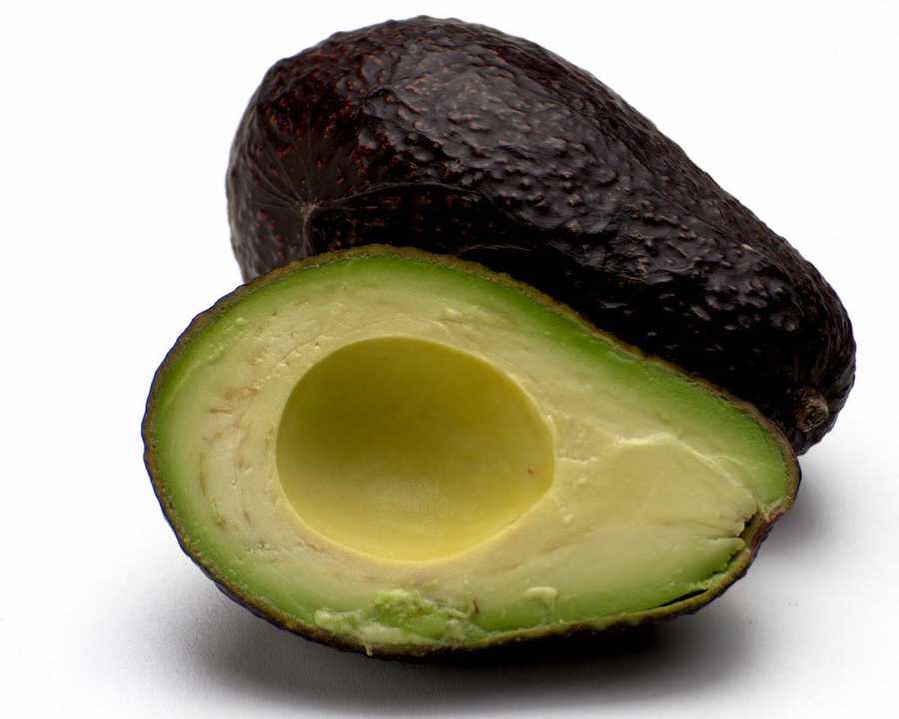
2. Avocado

Avocado is another superfood that is easy to include in family diets. Hass avocados which are very easy to find, have the highest concentration and variety of nutrients, with a high percentage of healthy fatty acids, vitamin E and antioxidants. They are great for your digestive system and also have anti-aging benefits, helping to prevent wrinkles. The antioxidants are highest in the darker green flesh straight under the skin so try not to cut this off. If your children are not keen to eat this delicious fruit try using it as a spread on their sandwiches. Read more about the amazing avocado

3. Goji Berries

Another yummy superfood is berries. Do you know of Goji berries? They have an amazing

Goji Berries are also sometimes known as Wolf Berries

amount of unique nutrients and antioxidants. They have more iron than spinach and more vitamin C by weight than any other food on earth, as well as lots of other goodies. They are fantastic for your immune system and will help any imflammatory disorder. You can buy them as juice or dried. But if you are on a nightshade ( Solanaceae) free diet you will need to avoid Goji berries as they fall into that food family. Here  is some more about goji berries. If you would like to grow your own Goji berries this guy  in Qld sells plants over the internet to all Australian states.

Goji berries are not the only berry superfoods. In fact all berries are little power packed bundles. Raspberries, blackberries, strawberries and in particular blueberries all contain lots of vitamins, minerals and antioxidants. But, they are another food, like apples, that need to be organic because of the high use of pesticides.

4, 5, 6 &7. Brassicas

There are many other Superfoods such as the cruciferous vegetables. This is a big family that includes broccoli, cabbage, cauliflower, bok choy, Brussels sprouts, radish, kale, kohlrabi, Chinese cabbage, rocket (arugula) and watercress.

8. Spinach

Spinach is another superfood that needs to be organic, and it is a great source of iron to boost your energy. Adding any greens to your diet provides many wonderful nutrients and should be eaten every day, but including superfood greens will give an added boost to your health

9. Beans

Kidney, borlotti, butter, chick peas, etc and lentils have nutrients that offer significant protection against a number of tumours as well as the normal superfood benefits. They are also particularly helpful for people with insulin resistance.

10. Nuts and seeds

Nuts and seeds can have a massive effect on lowering your risk of heart attack if you eat them five times a week.


More Superfoods

A few other superfoods are:

  • raw cacao (not everyday chocolate which is full of sugar, and usually dairy products) 
  • quinoa which is a herb that you use as you would a grain
  • chiaseeds which are wonderful when added whole or ground to any food or used as an oil.
  • flaxseed oil
  • cold-pressed coconut oil

Superfood Supplements

The ‘Supergreens’ include Spirulina, Chlorella, Wheat Grass and Barley Grass. The nutrients in these are very concentrated and provide you with a shot of goodness. They’re called ‘wheat grass shots’ for more than one reason!

These superfoods come in tablet, capsule or powder form. The powder is easy to add to juice or smoothies. Although it makes it go dark green it doesn’t affect the flavour noticeably.

My own favourite is Spirulina which I think of as the supergreen equivalent of a “multi-vitamin”, a great all-rounder. Chlorella is particularly detoxifying and Barley Grass is very alkalinizing for your system.

The supergreens also come in combination with each other, or you can mix them yourself. I always use them in highish doses when I travel to help to counteract the toll that overseas travel takes on my body.

Superfoods are a wonderful alternative to fast food when you’re on the go. By adding them to your diet you are eating foods just as nature intended.

If you concentrate on increasing the amount of superfoods in your diet rather than trying to eliminate foods you will find it won’t take long before you’ve replaced  the ‘bad food’ with good. Your diet will have improved without the stress of having to consciously avoid foods. Superfood supplements can also be used for short term assistance.

During times when you are under greater stress, physically or mentally, or when you are not getting enough nutrients add the supergreen supplements for as long as you need them.

Here  is an interesting glossary of natural and organic foods if you are unsure about just what some of the ones mentioned are.

What are your favourite superfoods? Do you have any special ways that you incorporate them into your diet?

How do you super-power your own health?


Disclaimer.

All information and opinions presented here are for information only and are not intended as a substitute for professional advice offered during a consultation. Please consult with your health care provider before trying any of the treatment suggested on this site. 

Source articles:

http://thenaturalhealthguide.com.au/reviews/eight-superfoods-for-health-and-beauty-from-your-local-grocery-store/

http://www.naturalnews.com/001539_NOLINKS_superfoods.html

http://www.naturalnews.com/036003_goji_berries_superfood_nutrients.html

http://www.naturalnews.com/035763_avocado_superfood_anti-aging.html

http://www.naturalnews.com/030481_superfoods_nutrition.html

http://www.naturaltherapypages.com.au/article/goji_berries_and_goji_juice

Related articles