All posts by happyholistichealth

Join me to create a happier, healthier life.

35 Sizzling Suggestions For Bicarb (That’s Baking Soda!)

Before I continue here, just so we all know, Bicarb Soda is Baking Soda – same thing, different name!

Replacing your commercial cleaning products with baking soda (or bicarb soda) is simple and effective and can go a long way towards turning your house into a ‘Healthy Home’.

When you are trying to get healthy but you don’t want to cause too much disruption all at once, sometimes the smart thing to do is to look at what you already have in your home and to ask yourself – what else can I do with this? How else can it benefit me and my family? What have I missed here?

It is becoming more and more common for children in particular to develop health problems as a reaction to the chemicals they encounter in their foods or their environment, whether this is the air, water, cleaning products or items such as furnishings. While for these children it is vital that they are exposed to less chemical toxins, it is better for all of us if we too are exposed to fewer harmful toxic elements.

It is always worth remembering that ‘safe levels of exposure’ on cleaning products and personal care products are calculated on the basis of you being exposed for just that one time, to that one product, only in the amount specified. What these level calculations do not take into account is that the same possibly harmful substance that is being evaluated occurs in many, many products that are commonly in daily use, in addition to the one being tested and assessed.

Even if the quantity of the chemical in a single product is within the levels that are deemed safe, there are maybe ten or twenty other products used every day that  have that level of the chemical in them also, and this adds up to exposure to much more of the chemical than the ‘safe level’. The quantity in all these different products accumulates very quickly into an unsafe amount of exposure. Which is all the more reason to seek out healthier alternatives to most cleaning products, skin and hair care products.

Of course this doesn’t even take into consideration the concern about all the environmental pollutants that are being washed down the drains and into the waterways along with all these cleaning and personal care products.

There are lots of things in your pantry right now that you are most likely not getting the most benefit from.

Bicarbonate of soda, baking soda in the US, sodium bicarbonate, or soda ash, is a perfect example of one of these items. Most of us have it in the cupboard to use in our cooking, but it has many other uses that can go a long way towards turning our house into a ‘Healthy Home’. At the same time it can be a simple and very effective ways to improve our health.

It seems so much easier when we are all so busy to just grab ready-made cleaning products from the shop shelf but the reality is that these products generally contain many toxic ingredients, and you have no way of knowing what these are as the manufacturers are not required to list all the ingredients.

Making your own cleaning products is a great money saver! At first it may seem confusing but it very quickly becomes easy and you can make products ahead ready to use.

The other bonus is that home made cleaning products work really well!

My bathroom cleaning kit. Replacing your commercial cleaning products with baking soda and other natural products is simple and effective and can go a long way towards turning our house into a ‘Healthy Home’

There are now a number of cleaning companies that actually operate using only home-made natural cleaning products, made from vinegar, lemon and of course bicarb soda, among others. As a cleaning product bicarb soda can make a big impact. It has a gentle excoriating property that is able to help remove even difficult to remove grime.

Bicarb soda works to clean mainly as an abrasive although there is a small amount of chemical reaction involved. It reacts with grease to form glycerol, an ingredient commonly found in soap. When mixed with vinegar it forms carbonic acid, a weak acid that improves the corrosive action of the vinegar.

It also neutralizes unpleasant odours without simply masking them, and acts as a neutralizer and when it comes into contact with something that is either too acidic or too alkaline. It will bring them back to a neutral pH as well as to then retard further changes in the pH, to buffer it.

35 WONDERFUL WAYS WITH BAKING SODA

Bicarb soda works very simply but can have a significant effect. So here are my 35  ‘anti-corporation, anti-unecessary-toxins, pro-simple-clean & healthy home’ ways to use bicarb soda to great effect in your home.

BATHROOM

1. Remove stubborn stains: Apply a paste of three parts bicarb soda and one part water. Let it stand then scrub and wipe clean.

2. Toilet stains: Use in the toilet to prevent stains developing in the porcelain. This is particularly useful in areas with hard, mineral-rich water. Once a week sprinkle baking soda in the bowl and let it sit for 30 minutes. Then spray with vinegar to moisten it. Scrub with the brush and flush away.

3. Clean baths and tiles: Sprinkle on a damp cloth and scrub as normal. Rinse thoroughly and wipe dry. You can use this on fibreglass and all tiles. For extra cleaning power make a paste of bicarb soda, course salt and liquid soap (dish detergent is ok but castile soap is better). Let it sit on the surface and then scour off.

4. Clean glass shower doors: Bicarb soda is excellent for removing that soapy scum from the shower doors. Many products are not recommended for use on glass doors but bicarb soda is gentle enough to do no damage. Simply sprinkle some on a damp cloth and wipe down the glass. Rinse well and dry.

5. Remove lime from taps: When lime forms around your taps or drains mix some vinegar with a little bicarb soda to form a paste and coat all the area with lime on it. Let it sit for a few hours and then rinse off. It may take a few applications to get rid of heavy deposits.

6. Clear clogged drains: To clean out any clogs that have formed inside the drain from hair, soap or grime, pour in 120mls bicarb soda and follow it with 250mls vinegar. Let it sit for ten to twenty minutes and then flush the drain out with very hot water. But, DON’T try on a clogged drain after you have used a commercial cleaner as a reaction may occur that spews out caustic fumes and liquid. To avoid the clogs in the first place, pour ¼ cup bicarb soda down the drain weekly. Follow with lots of hot water.

7. Draw out stains: To draw out stains from stone, marble, limestone or unglazed ceramic surfaces coat the stain with a thick paste of bicarb soda and water. Let it stand for 24 to 48 hours and then rinse and dry thoroughly.

8. Clean grout: Make a runny paste with water and use an old toothbrush to clean stains in the grout between tiles.

9. Hand cleanser and softener: To remove ground-in dirt and neutralize odours on your hands scrub with a paste made with 3 parts bicarb soda and 1 part water or a gentle soap like Castille soap. Rinse away.

10. Clean brushes and combs: Remove natural oil build-up and hair product residue by soaking in a solution of 1 teaspoon bicarb soda in a basin of warm water. Rinse.

Home made cleaning products work really well and are a great money saver

LAUNDRY

11. Grease stains: Pre-treat grease stains with a paste of bicarb soda and water.

To continue reading baking soda uses number 12 through to 35 click here 

Junk it!

Katrina Stairs Red Cross Pantry

Junk food! Everyone knows the term, almost everyone has their favourite, and everyone when asked to name a few would be able to name many more than a few with no hesitation at all. There are certain foods that are immediately recognized as junk foods – many ‘take-away foods’, as well lots of others, packaged and sold in supermarkets or convenience stores – potato chips, biscuits, lollies, soft drinks – are all obvious inclusions. But, what about other junk foods that are masquerading as ‘healthier’ options?

Processed foods are those that have had the ingredients altered so they are no longer in their natural state. Humans have processed their food for millennia. Any food that’s prepared by drying, grinding, chopping or cooking is processed. Traditionally this was done to make the food more digestible or to preserve it for later, when food may not be available. Grain foods were processed, and cheese, sausage and wine are just a few others.

Modern processed foods may on the surface seem far less insidious than the widely accepted ‘junk foods’. But often they are just as bad for you. No longer are processed foods the artisan foods of the past. Now foods are industrially processed in factories. In fact most of the foods in the Aussie diet are processed.

Processing may be as simple as freezing or it may be putting together a complete meal ready to heat and eat. During the process many of the nutrients that are in the original food are destroyed leaving the finished product a far cry from the original, and certainly not in line with the traditional purpose of processing. Grains are treated with very high temperatures and pressure which destroys the nutrients, denatures the fatty acids, and the process even destroys the synthetic vitamins that are added.  But not only does the extrusion process used for grains destroy the nutrients, in particular the amino acid lysine, it turns the grains into neurotoxins according to biochemist Paul Stitt in his book Fighting the Food Giants.

Processed foods often appear to be healthy. These days they may feature low-fat, low-carb, fortified with vitamins, fibre, iron, or minerals, no trans-fats, containing omega-3, high-calcium, plus many more. They may make claims to promote health such as ‘may reduce the risk of heart disease’. But they all have the flavour enhanced with excess salt, sugar or oil. Many processed foods like white bread, are essentially empty calories offering very little nutritional value, certainly far less than the wholefood alternative.

During processing part of the plant is often removed or purposefully changed. One example where you can see this is with wheat grains used for bread. The wholewheat grain forms with three layers, the bran, the germ, and the endosperm. (diagram) The bran is the layer where the fibre exists. Most nutrients and fatty acids are found in the germ. The endosperm is the starchy layer. The high nutrient density of grains only exists (and provides us with nutrients) when these layers are intact. During processing of the wholewheat grain into a loaf of white bread, most of the germ and bran is stripped away leaving just the starchy endosperm.

Take a look at the package or label on your white bread and notice all the ingredients that are listed. In the past bread was made by mixing whole milled wheat, often other grains or seeds, water, salt and a fermented dough starter, to create an easily digested, fermented bread, or sourdough loaf. Later yeast was used instead of the fermented starter. Traditonally, the bread mixture was kneaded and left to prove twice, unlike commercial breads which are only left to prove once. The extra steps in the process allowed the components of the grain, such as the phytic acid, to break down properly so they can be properly absorbed, or, as is the case with phytic acid which inhibits absorption of other minerals if it is not broken down, to prevent them interfering with efficient metabolism.

White bread packaging showing a list of ingredients which is far removed from those few ingredients found in traditional breads
White bread packaging showing an enormously long list of ingredients, far removed from those few ingredients required to make traditional breads

In commercial processed breads, the process is rushed through, with steps eliminated, and lots of other ingredients beside the basic ingredients that are needed to make home-made bread added. Preservatives, sweeteners, gluten, salt, soy flour plus many chemicals are all added to the mix.

Bread is a perfect example of the big problem with processed foods and also the pointer as to how to get around the problem. Traditional methods of food preparation allowed for the use of pure, wholefood ingredients. Home made foods did not need to have lots of chemicals straight out of the laboratory, many of which come with health cautions, added to stabilize the product and make it more appealing.

Home made food may include less than desirable ingredients, such as sugar, but at least the sugar is real sugar, and not a chemical version, and the butter is butter and not a questionable vegetable oil, or you can make the choice to replace the butter with a healthier fat option such as coconut oil. With processed foods there is no choice. You cannot opt to avoid trans fats or white sugar.

Many of the chemicals, including vitamins and minerals, that occur in a plant work together to help the plant grow and survive more efficiently, and they also work together in a synergistic balance once they enter your body and are metabolized.  But when foods are processed the natural balance between the different chemicals in the original food is upset so their effect on your body and the way in which they work, is altered. Many extra chemicals also need to be added to processed food to stabilize the product, or to make it look, taste, or feel more appealing, and these are rarely good for you

HOW TO AVOID PROCESSED FOODS

Sometimes it is difficult to know whether or not a food is processed, and the first step is to get a few guidelines to help you recognize them when they are traveling incognito. It all comes down to reading the ingredient list, because even a glance at the list will often set the alarm bells ringing. If the product has a long list of ingredients then you can be pretty sure it is processed. The case with the bread is a good example, where the food should have only a few ingredients when made according to traditional methods, often there may be eight, ten or even fifteen on the label.

If the food has a long list of ingredients where there should only be a few it is likely processed.

If you don’t recognize many of the ingredients, or can’t pronounce them, then it is probably highly processed.

If it has a very long shelf life – the ‘use by’ date is way off in the future it is processed.

If it contains trans fats, MSG, or lots of numbers it is definitely processed. In fact about ninety-five percent of processed foods contain MSG.

Take-away foods are a real trap. Aside form the obvious problem with deep frying foods like fish and chips, even foods that seem ok are loaded with highly processed ingredients. Pizza for instance, is covered in oils, processed meats and cheese. The kids menu is particularly bad, generally comprising only highly processed foods such as nuggets, chips and pasta (which is white and therefore highly processed). Salad, vegetables or a baked potato are all less processed options. Beware though of some of the ‘take-away salad chains’ as many of their salads are loaded with processed ingredients in the dressings, again take a quick look at the ingredient list.

processed foods NH

If you set out to eat more fruit and vegetables then you will find you have naturally replaced many processed foods with more natural ones without even being aware of it. Get to know when they are in season and try to eat seasonally, as that is the way you will get the best level of nutrients available.

Look for suitable alternatives – porridge made from wholegrain oats (not quick oats) or quinoa makes a great alternative to boxed cereals. Other breakfast options might be eggs with spinach, asparagus or avocado, quinoa with fruit and nuts, fruit salad and yoghurt, high-fibre-superfood fruit smoothies, omelettes with different vegetables, homemade baked beans, bircher muesli with fruit, green juice. When I have some time I enjoy stir-fried vegetables.

We are all time stressed these days, but the very best way to avoid processed foods is to make foods yourself. Instead of just watching Masterchef, get out in the kitchen yourself and cook up your own junk foods. When you make cakes, muffins or biscuits yourself you can use real eggs, butter or good oils and avoid artificial colours, preservatives and trans fats. Make your own oven-baked potato wedges and avoid the additives. You can flavour them with spices like sumac for an extra kick. Invest in a bread maker, making bread at home is so easy these days, you can even start your own sourdough bread starter.

This is the way to start back to good health through our eating, by reclaiming a few of the best practices of the past, by becoming aware enough to check out what we are consuming before wolfing it down, and by selecting foods that look like they may have come from the garden.

Simple really!

What are your favourite ‘junk food’ alternatives?

photo:  John Burke
photo: John Burke

Disclaimer.

All information and opinions presented here are for information purposes only and are not intended as a substitute for professional advice offered during a consultation. Please consult with your health care provider before following any of the treatment suggested on this site, particularly if you have an ongoing health issue. 

Source articles

http://www.foodinsight.org/LinkClick.aspx?fileticket=wtg018sd8qk%3D&tabid=1398

http://foodmatters.tv/articles-1/dirty-secrets-of-the-food-processing-industry

http://www.100daysofrealfood.com/10-reasons-to-cut-out-processed-food/

http://www.healthy-food-site.com/processed-food.html

http://www.westonaprice.org/modern-foods/wheaty-indiscretions

Related articles


The Benefits of Green Tea

The healing benefits of green tea have been recognised by the Chinese for over 5,000 years. In the west we have been slow to recognise these benefits, but widespread research has now verified the amazing role that green tea plays in protecting the body against a host of diseases. You too can benefit simply by drinking green tea each day.

My mother was a great tea drinker who couldn’t wait for me to be old enough to share her enjoyment of tea. It almost seemed I was destined to join her in her love. Most of my memories of her involve her holding a cuppa in one hand. She would start her day with a mug of tea and end it the same way. She would even take a mug of tea with her when she went outside to garden or hang the washing. But she always drank black tea and never got to know the amazing health benefits of green tea.

Back then tea was always varieties of black tea. Green tea was served at the local Chinese restaurant, but I never knew anyone who drank it otherwise. But the health benefits of green tea are now well known and widely touted.

Difference Between Green And Black Tea

Tea is rich in antioxidants called polyphenols, which are considered the most effective and protective of all the antioxidants. Green tea is particularly rich in one of these called catechins, with between fifteen and thirty percent catechin content. EGCG is the main active component of the polyphenol activity and the highest occurrence is in green tea.

Green tea differs from black tea in that it is unfermented. It is made by steaming the leaves very quickly just before picking, rolling and drying. This prevents the breakdown, or oxidation, of the antioxidant catechins.

Black tea undergoes more processing and the leaves are subjected to heat and light which withers them before they are fermented. This results in the EGCG being converted into less effective compounds. Black tea has far fewer beneficial properties than green tea.

Green Tea Tips

When my naturopath recommended I drink green tea I found it difficult initially to follow his advice as the taste put me off. But I decided to persevere. So, I began to experiment with how I made the tea and learnt some interesting things.

  • Strong green tea is very astringent.
  • Green tea gets bitter as it cools down.
  • Experts advise to not use boiling water in the preparation of green tea as it destroys the flavonoids which give the healing potential. 85 degrees Celsius is recommended.
  • Green tea marries well with other herbal and floral flavours.

Once I realised that unlike black teas, the strength and temperature of the green tea brew was far more crucial to drinking pleasure, I quickly came to enjoy it. In fact, I enjoyed it so much that I had to be careful not to drink too much as this leads to digestive problems. Now I stick to three or four cups a day.

I quickly came to enjoy green tea once I realised that unlike black teas, the strength and temperature of the green tea brew was far more crucial to drinking pleasure. In fact, I enjoyed it so much that eventually I had to watch how much I drank as I was drinking too much which quickly led to digestive problems. Now I stick to three or four cups a day.

Green tea is often combined with other ingredients. Jasmine is one of the more common ones. Recently I found a wonderful mix of green tea and berries. Not only is it delicious, it is also loaded with antioxidants.

Healthy Green Tea

Which brings me to the benefits of drinking green tea, and the good news just keep getting better. It’s often difficult for any black tea or coffee lover to see why they should make the change, whether it be a total change to green tea or just to include it alongside their coffee or black tea. But green tea has many reasons why it’s a vastly better choice than either black tea or coffee.

Green tea is high in antioxidants (EGCG) to protect the cells from damage and inflammation caused by free radicals which leads to many chronic diseases.

Scientifically Proven Benefits of Green Tea

Scientific research into the effects of green tea has been extensive. Here are some scientifically proven benefits

More Benefits of Green Tea

 Here are seven more benefits of green tea:

    1. Helps to strengthen the immune system

    2. May prevent skin wrinkling – EGCG seems to be 200 times more powerful than vitamin E at destroying free radicals

    3. Reduces some symptoms of PCOS (hair thinning, acne and facial hair)

    4. It is full of vitamins and minerals

    5. It boosts metabolism and helps the body to burn fat more efficiently.

    6. Helps protect against heart disease

    7. It helps to detoxify the body

    Concerns About Green Tea


    One side effect of drinking green tea can be upset stomach or nausea. However, it shouldn’t discourage you from drinking green tea altogether. I found it only occurred if I drank too much green tea. You may become nauseous if you drink green tea on an empty stomach. Nausea seems to be due to the tannins present which increase stomach acid secretion.

    Another problem is the effect of caffeine. Whilst green tea does contain caffeine the amount is vastly lower than that found in coffee or black and oolong teas. Replacing your coffee with a green tea reduces the caffeine intake by about 70%. But this does vary from brew to brew. When you brew the tea for longer it has more caffeine.

    If caffeine affects your health enough to completely avoid it, you also need to avoid green tea. But if you’d just like to cut back then it makes sense to switch to green tea which contains only 2-4 percent caffeine. Try replacing coffee with green tea after the middle of the day.

    Tannins in all teas can reduce the absorption of vegetarian sources of iron which may be problematic if you have anaemia. Green tea has significantly less tannin than black tea. Drinking tea between meals helps prevent iron uptake problems. Or add lemon to your tea to increase iron absorption.

    As always be careful with your choice of healthy natural products. Pre-packaged bottles of green tea drink are not such a healthy choice. They are usually pre-sweetened with large amounts of sweetener. Instead brew your own or order green tea that’s made on the spot. Be aware that green tea from Japan is often treated with fluoride so choose one that is not chemically treated. Drink organic green tea is you are not sure.

    The Best Way to Drink Green Tea

    • Don’t add milk as it makes it harder for the body to absorb the catechins
    • Don’t use boiling water – it kills the catechins
    • The vitamin C in lemon helps you absorb the catechins better
    • More expensive teas usually have higher levels of healthy compounds and cheaper ones have less
    • Aim for three to four cups a day as more seems to have negative effects.
    • Drink it hot or iced
    • Sweeten with stevia instead of sugar
    • Try green tea combined with fruit or floral ingredients if you’re not crazy about the flavour or if you just love variety
    The health benefits of green tea are extensive. Green tea is loaded with antioxidants and is simply good for you.

    Disclaimer.

    All information and opinions presented here are for information purposes only and are not intended as a substitute for professional advice offered during a consultation. Please consult with your health care provider before following any of the treatment suggested on this site, particularly if you have an ongoing health issue. 

    © Catherine Bullard and Happy Holistic Health, 2012. Unauthorised use and/or duplication of this material without express and written permission from this blog’s author and/or owner is strictly prohibited. Excerpts and links may be used, provided that full and clear credit is given to Catherine Bullard and Happy Holistic Health with appropriate and specific direction to the original content
    Source articles

    http://www.naturalnews.com/034227_green_tea_caffeine.html

    http://www.naturaltherapypages.com.au/article/Why_Is_Green_Tea_Good_For_You

    http://www.betterhealth.vic.gov.au/bhcv2/bhcarticles.nsf/pages/Tea_leaves_and_health

    http://articles.mercola.com/sites/articles/archive/2008/07/24/green-tea-protects-against-heart-disease.aspx

    Related articles

    Spirulina, The Supergreen Solution

    Spirulina is one of my favourite superfoods because it’s one of the most nutritious plant-like organisms known to humans. I regard spirulina as the ultimate superfood powerhouse. Although there are other super-greens such as chlorella, spirulina is almost like the supergreen equivalent of a multi-vitamin, a great all-rounder. Its nutritional benefits are both vast and impressive, making it an invaluable food especially for vegetarians, vegans, anaemics, diabetics and anyone who is nutritionally compromised.

    Spirulina is one of the oldest life-forms on earth and it helped produce our oxygen-rich atmosphere billions of years ago. Actually, a blue green algae, it’s a 100% natural and highly nutritious micro water plant. It is found in both the ocean and large warm alkaline fresh water lakes.

    Spirulina is so nutrient dense you could survive on it and water alone.

    Spirulina, a Nutrient Powerhouse

    Spirulina earns its superfood powerhouse status because it has the highest concentration of digestible vegetable protein (60-70%) with a perfectly balanced combination of essential amino acids. This is more protein than you will find in beef, chicken or soybeans.

    One of the most common vitamin deficiencies found in a vegan or vegetarian diet is vitamin B12. When you consider that Spirulina also contains large amounts of Vitamin B12, which is very difficult to find in other plant foods, it is easy to understand why it makes such a great choice for vegetarians.

    Spirulina is loaded with other nutrients in addition to B12. It is very rich in iron, which is a mineral that forms a very commonly deficiency. Spirulina also contains calcium, magnesium, and Vitamins A, B, C, D, E and K. There are also small amounts of a number of other minerals. Minerals are not always well absorbed in the body, but Spirulina actually improves mineral absorption. The abundance of minerals it contains can therefore be properly utilised by the body.

    Spirulina is a wonderful plant source of the essential fatty acids linolenic acid (omega-3) and GLA (omega-6), offering a great source of essential fatty acids for anyone unable to get them from fish oil.

    There is always some concern about the effect processing and long shelf storage has on nutrients. But Spirulina only grows in extremely warm conditions and so has the ability to withstand the high temperatures always involved in processing. It is able to retain its nutritional value unlike many other plant foods which deteriorate at these temperatures.

    Spirulina is both low calorie and nutrient dense. It only contains 3.9 calories per gram and still has all of these great benefits.

    The immune boosting qualities of spirulina can never be over stated. With its unique ability to fight infection, enhance cellular functioning, and even keep cancer at bay, it has a wide range of uses.

    Health Benefits of Spirulina

    Here are some ways that Spirulina is beneficial:

    • Boosts energy, it is a source of life force or vitality
    • Protection against viruses including flu, herpes, mumps and measles
    • Promotes healthy nerve tissue
    • Increases antioxidant protection to fight free radicals
    • Improves digestion and gut health
    • Improves age spots, eczema, acne, rashes
    • Fights the ageing process,
    • Curbs the appetite to assist weight loss
    • Aids glaucoma, cataracts, poor vision
    • Improves allergies & respiratory function
    • Helps to detoxify radiation out of the body
    • Plus, it fights heart disease, reduces arthritis, osteoporosis, diabetes and depression, and lowers bad cholesterol

    Because it is so easily digested it packs a powerful punch when it comes to all these benefits.

    How to Choose Quality Spirulina

    Good quality Spirulina has no side effects, and this is one product that you need to be absolutely certain of the quality.

    Contaminated blue-green algae is incredibly toxic to the system and can cause a range of fresh health problems such as liver damage. Because Spirulina easily absorbs nutrients from water, if the water contains pollution or heavy metals, these will be highly concentrated in the Spirulina cell. If this happens, then this affected Spirulina is no longer suitable for human consumption.

    There are a number of Spirulina products on the market that are of questionable quality so select carefully. Either research well or buy from a qualified practitioner.

    Spirulina Tablets or Powder?

    Spirulina comes in powder or tablet form and it is easy to tell if it is good quality or not.

    Quality spirulina tablets are made without sugar, starch fillers, animal parts, preservatives, stabilizers and colours. They are a uniform dark green colour without any light coloured specks.

    You can take up to about twelve tablets a day, and some people take even more. But start out with three and increase to six over a couple of days. You can take them all at once or spread over two or three doses. The recommended dose for adults is 5-10 per day.

    Spirulina Tablets

    Powder is a better choice if you want to add spirulina to smoothies, juice or other foods. 100% pure powder is also a uniformly dark green colour.  You feel the effects very quickly because the powder is easily digested.

    You can take two or more tablespoons of Spirulina powder a day, but a good way to start is with one teaspoon (5 grams) added to drinks or other foods. The drink or smoothie colour will change to dark green but it doesn’t really affect the flavour. You can gradually increase the amount over time to two teaspoons (10gms) per drink.

    I use the brand made by Green Nutritionals in my clinic as I know it to be high quality and free from toxic heavy metals. Just for the record, I have no affiliation with this company or product, and only recommend it to you to help your health. (I also like this one personally as it is easy to swallow.)

    Final Thoughts

    Because Spirulina is a natural food and NOT a supplement you can’t take too much. If you take more than you need it is like overeating.

    When I am going on a long-haul flight I take lots of Spirulina on the day of the flight as well as the day before and the one after. It is part of my ‘flight regime’ to help overcome the bad effects of air travel.

    If you are very run down or have a debilitating illness keep the amount of Spirulina you take low. You will still get enormous benefit from the smaller amount, and the smaller quantity will not push your body too fast or too hard.

    Avoid alcohol, soft drinks or coffee for about 30 minutes after taking spirulina as these destroy some of the nutrients and enzymes.

    People with hyperparathyroidism or phenylketonuria should not take spirulina.

    Don’t overlook this nutrient dense food source. Spirulina provides many benefits which include lowering blood pressure, fighting cancer and detoxing heavy metals.

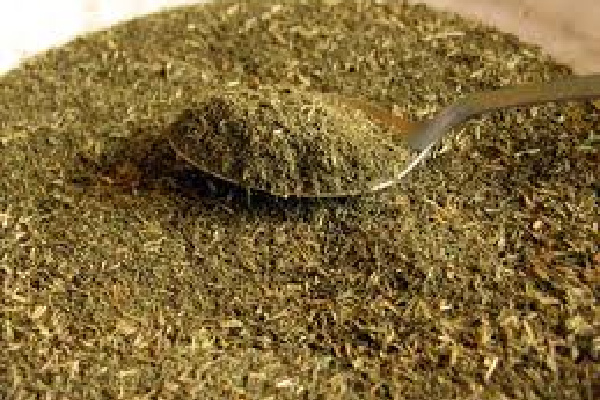
    Spirulina powder

    Disclaimer.

    All information and opinions presented here are for information purposes only and are not intended as a substitute for professional advice offered during a consultation. Please consult with your health care provider before following any of the treatment suggested on this site, particularly if you have an ongoing health issue. 

    © Catherine Bullard and Happy Holistic Health, 2012. Unauthorised use and/or duplication of this material without express and written permission from this blog’s author and/or owner is strictly prohibited. Excerpts and links may be used, provided that full and clear credit is given to Catherine Bullard and Happy Holistic Health with appropriate and specific direction to the original content
    Breathe Deeply to Reduce Stress

    Think how often we ask, “How are you doing?”  But maybe we’d do better asking “How are you breathing?”  Many people have forgotten how to breathe deeply into their belly. However, when you reawaken this practice you activate a powerful self-healing tool to create better health.

    Have you ever stopped to consider how you breathe?  Have you ever watched and noticed the way you breathe?  If you practice yoga the answer is likely a resounding “yes” as breathing technique is a yogic fundamental. Likewise, meditation and relaxation techniques require breath awareness and control. But how often do you stop and consciously breathe deeply during your normal day?

    Consciously controlling your breathing is one of the simplest and most effective ways to diminish the effect of stress on your body and improve your health.

    Constant stress leads to raised cortisol levels and is the forerunner of serious chronic disease. When you breathe deeply you reduce the negative effect of cortisol on your body. Efficient, effective and mindful breathing is a basic essential for good health and wellness.

    Ninety percent of people breathe completely inefficiently.

    Mindful Breathing

    Ninety percent of people breathe completely inefficiently. Their breathing is unconscious and purely reflexive. So it often becomes haphazard and irregular.

    Becoming mindful of your breath gives you conscious control to command how you breathe, rather than allowing it to become automatic and inadequate. When you’re not in control of your breath, when you ignore it, a primitive part of your brain is triggered to step in and take over. Breathing becomes a simple, unconscious, reflex action.

    Stop for a moment to notice just how you breathe. Take a deep breath. Do you find it satisfying or a little difficult? Is it shallow? Is it fast? Do you sigh a lot? Or gasp? Do you hold your breath? Are you able to breathe deeply, down into your abdomen?

    Check your breathing. Are you breathing poorly?

    Try this experiment. Time yourself and count how many breaths you take in one minute. For most people it will be between sixteen and twenty which indicates they’re breathing poorly, from the thoracic upper chest. They are breathing reflexively and their breathing is under the control of the primitive part of the brain. This way of breathing is very inefficient. The air they breathe is only making it into the upper part of the lungs. This means rapid breathers are not getting the optimum amounts of oxygen that their body requires to stay healthy.

    breathe deeply

    You can easily recognise when people are thoracic breathing. The upper part of their chest rises with each breath and sometimes even the shoulders rise a little or slump forward.

    As newborns we automatically breathed well. When babies breathe their abdomen rises with every in-breath and subsides as they exhale. But most of us lost this innate way of breathing as we got older. As children we copied our parents and those around us who generally shallow breathed. When we get upset, sad or angry we often even hold our breath. By the time we are adults we have become disconnected from our breath, forgetting how to breathe deeply

    When I was young, I was told to suck in my belly and to stand tall. But this undermines good breathing techniques and causes diaphragm muscles to tighten, which leads to restricted breathing.  As an adult I had to unlearn this practice and learn to ‘stand loose and relax my belly’ so I could use my abdominal muscles and breathe properly.

    Breathe Deeply to Relieve Stress

    Ongoing stress and anxiety creates a pattern of shallow, rapid breathing with consequently less oxygen reaching the brain. This leads to feeling light-headed or even dizzy. It also affects thinking processes causing the person to become unfocused.

    When our thinking capacity is reduced we deal with anxiety or stress poorly.  We can find it very difficult to move out of a constant ‘fight or flight stress response’.  Shallow breathing can hold us in a continued state of high cortisol production.  Taking slow deep breaths when we’re stressed breaks this pattern and reduces the release of stress hormones.  When you slow the breath down you also draw air more deeply into your lungs.

    Diaphragmatic Breathing

    Most people have at some time been told to slow down and breathe when they’re distressed, or sometimes more simply to “take a deep breath”.

    When you slow the breath down you also breathe air more deeply into your lungs which allows more oxygen to enter the blood.

    However, there is no point in expecting your lungs to do all the work to breathe. Basically, they are just empty sacs to hold air and are incapable of doing the work of breathing on their own.

    Good breathing utilises other muscles in addition to those in the chest and upper back.  Across the front of your body below the ribs is a sheet of muscle called the diaphragm. It sits directly below the lungs and above the abdomen and acts like a pump for the lungs.  When you squeeze in your abdomen the diaphragm moves upward and pushes the air out of your lungs.  When the abdominal muscles relax the diaphragm moves back down, leaving space for the lungs to stretch out which draws air into the expanded lung space.

    Healthy, beneficial breathing comes from the diaphragm.

    If you put your hand on the bottom of your ribs and take a deep breath you’ll feel your hand rise and fall.  That’s because the diaphragm is doing its job, rising and falling to push air out of the lungs and let air flow back in.  When you are breathing deeply you should also see your abdomen rise and fall.

    Benefits of Breathing Deeply

    ✦  Blood concentration is greater in the lower part of the lungs.  Therefore, drawing air into this area creates a higher exchange of oxygen out of the air and into your blood cells.

    ✦  Long, deep, slow rhythmic breaths into your abdomen below the umbilicus (belly button) pulls more air and oxygen deep down into the base of your lungs.

    ✦  Oxygen passes into your bloodstream more efficiently and effectively.

    ✦  Breathing deeply helps remove more toxins from the body.

    ✦  It helps to prevent disease and to manifest healing if disease is already present.

    Rather than reflexively breathing rapidly, slowing down your breathing to about eight or nine breaths a minute has a dynamic effect on your circulation and reduces the work of the heart.  It also gently massages the heart muscle and relaxes the muscles in the chest, ribs and stomach.

    How to Correctly Breathe Deeply

    Shallow breathing is a developed habit, so like all habits it must first be unlearned.

    Once your breathing style is re-learned practice it frequently until it becomes a normal part of life.  Starting slowly helps your muscles to develop.  Eventually, your body begins to obey your mind and you automatically breathe more efficiently.

    Deep rhythmic breathing is simple but for it to become automatic takes conscious practice. The easiest way to begin is to lie down and place one hand in the middle of your chest and the other on the bottom edge of your rib cage.  As you inhale the lower hand at the base of the ribs should rise, and as you exhale it should fall.  The upper hand should barely move at all.

    With practice this deep diaphragmatic breathing will become a habitual part of your life.  Eventually, you’ll notice your breathing has become slower and deeper.

    Make Deep Breathing a Habit

    Become aware of all the times you’re taking shallow breaths, holding your breath, raising your shoulders, or when your chest rises and falls.  These often indicate the onset of a state of stress.  Notice also when this breathing coincides with particular states of mind.  It may be an early warning that your fight or flight response has switched on, triggering a flood of stress hormones into your system.

    Simply committing to doing the practice through the day sets up the pattern.  Set the intent to do some deep breathing every hour, or whenever you do a particular action.  It can be as simple as standing up from your desk.  Choose any marker in your day to establish the practice. After a few months, you’ll find that deep breathing has become a habit and you breathe deeply with ease.

    I try to consciously breathe slowly and deeply when I’m driving.  It ingrains a new habit that helps maintain the practice.  An extra benefit is that it reduces the inevitable stress caused by driving in heavy traffic. 

    It’s essential for almost all of us to re-learn how to breathe correctly

    You don’t have to lie down to practice this. You can do it when standing, sitting, or lying on your back with your arms by your side. Breathe out quietly through your nose or mouth and then breathe in through your nose. Minimise the pause between breaths to ensure the air is filtered and moistened. Gradually lengthen the time of each breath.

    Practising rhythmic deep breathing ten times a day for a few months will bring you deep rest and relaxation and reduce your stress.  You’ll become calmer and less nervous.  All the functions of your body will reflect the benefits.  You become healthier, happier and more energised.

    Remember it’s essential for almost all of us to re-learn how to breathe.   Stop and breathe deeply as often as you can throughout your day to change this damaging habit.

    Disclaimer.

    All information and opinions presented here are for information purposes only and are not intended as a substitute for professional advice offered during a consultation. Please consult with your health care provider before following any of the treatment suggested on this site, particularly if you have an ongoing health issue. 

    © Catherine Bullard and Happy Holistic Health, 2013. Unauthorised use and/or duplication of this material without express and written permission from this blog’s author and owner is strictly prohibited. Excerpts and links may be used, provided that full and clear credit is given to Catherine Bullard and Happy Holistic Health with appropriate and specific direction to the original content
    Source articles

    http://www.theartofbreathing.com/articles2.htm

    Smith Jones, Susan, Health Bliss: 50 Revitalizing NatureFoods and Lifestyle Choices to Promote Vibrant Health, Kindle ed, 2008

    Natural Ways to Deal with Gallstones

    Gallstones are common and gallbladder removal is one of the most commonly performed surgeries in Australia, where about 18,000 are performed using keyhole surgery each year.

    The gallbladder is a small pear shaped pouch-like organ in the upper abdomen just under the liver, that works alongside the liver to digest foods and eliminate toxins. It is responsible for breaking down fats, mostly cholesterol, so they can be absorbed through the walls of the small intestine.

    Bile is made in your liver from recycled red blood cells, cholesterol and bile salts (minerals). The bile then passes from your liver into the bile duct and gallbladder which acts as a storage house. Here the bile is concentrated ready to be released when it is required. After a fatty meal more bile is needed to digest the extra fat and can be released quickly from the gallbladder into the intestine to help with digestion.

    When your gallbladder is not functioning well it can affect your energy level, your weight, exacerbate thyroid conditions, cause bloating, gas and stomach pain and other miscellaneous pains. But many people nowadays have poorly functioning digestive systems and often they regard many of these symptoms as being normal.

    Many people who have gallstones and are not even aware of them as they have no obvious symptoms. But for some the presence of gallstones can cause excruciating pain and other symptoms.

    How Gallstones Form

    Bile is usually liquid, but when its different components are out of balance the bile hardens and over time forms gallstones. They can be the result of insufficient amounts of bile or an excess of cholesterol (fat) in the bile. At first the fat clumps to form a sludge. With time this sludge thickens to become first ‘sand’, then ‘gravel’ until eventually the ‘gravel’ becomes one or more gallstones, which can be as big as a golf ball. They form in the liver, and most are carried through into the common bile duct on their way to the small intestine.

    Problems arise as the gallstones pass from the liver through the common bile duct. When a stone begins to travel down this tube the result can be what is known as biliary colic. Pain suddenly starts under the ribs on the right side, sometimes radiating up into the back, getting steadily worse for a few hours until the stone passes out of the bile duct and into the intestines. It can be accompanied by sweating, vomiting and great restlessness. The attack passes, but will recur again later.

    The next stage of gallbladder disease, cholecystitis, is similar to biliary colic but involves inflammation, fever and vomiting. The pain is often stronger and lasts longer and jaundice occurs if the stone becomes stuck along the way. If the stone gets impacted in the neck of the gallbladder it impedes the flow of bile and the gallbladder eventually becomes infected. This is when a major attack occurs, often requiring surgery.

    After the gallbladder is removed the bile drips steadily into your intestines. Because there is no longer anywhere to store it, there are no reserves for the body to draw on if it has to digest a greater amount of fat so it becomes important to not eat large amounts of fat that will overwhelm the system.

    Gallstone Risk Factors

    There are a number of factors that make you more susceptible to gallstones.

    • Gallstones are twice as common in women than men.
    • It seems that oestrogen plays a role and having more children puts you more at risk.
    • So does pregnancy, obesity, liver disease, diabetes, high fat diets, the contraceptive pill, a sedentary lifestyle, family history of gallstones and some forms of anaemia.
    • Their incidence increases with age particularly for those over sixty years old.

    Prevent Gallstones Naturally

    The gallbladder works with the liver to digest food and eliminate toxins. When either of them is clogged up from poor nutrition or a buildup of toxins the cholesterol in the bile crystallises to form gallstones. Gallstones are far more difficult to break down than to prevent. So it’s worth taking steps to keep your liver and gallbladder happy.

    Gallstones don’t form if you are digesting fats properly. However, removing fats totally from your diet might seem like an easy option, but it’s not the answer. Your body needs fats in order to function efficiently and therefore it is a matter of choosing better forms of fat and digesting those fats well. In fact, eating fats helps to prevent the bile in the gallbladder from stagnating as it promotes the flow of bile.

    Healthy Fats

    The best approach to lies with choosing healthy fats. Olive oil, coconut oil and saturated fats from grass-fed animals for instance, actually help assimilate nutrients that help to maintain a clean liver and gallbladder. Choose foods rich in omega-3 fatty acids such as oily fish or chia seeds, to reduce the toxic burden.

    One way to help break down the fat in your meal is to have lemon juice before you eat. Add it to warm water as a tea and drink thirty minutes before eating. It cuts through the fat making it easier to digest.

    Avoid unhealthy fats and oils such as canola oil, soybean oil or other vegetable-based hydrogenated processed oils as they cause inflammation and chronic inflammation leads to chronic disease. In addition, chronic inflammation causes high cholesterol. Don’t include foods high in unhealthy fats like burgers, fried foods, ice-cream, or cheese.

    Foods for a Healthy Gallbladder

    Liver and gallbladder health is strongly impacted by what you eat. Foods are perhaps the simplest way to make changes to your health. Here are a few that support your gallbladder and can even dissolve gallstones.

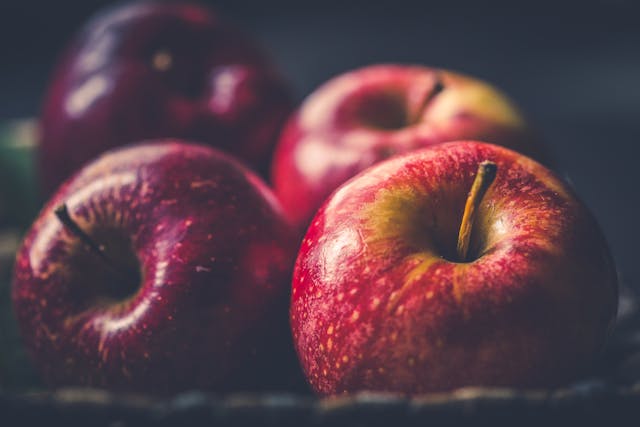
    1.  Apples are a great friend for the gallbladder and eating apples is a particularly useful way to support the gallbladder. They contain pectin to soften and disintegrate existing gallstones and prevent new ones forming. Raw, unfiltered apple juice is very rich in pectin. Juicing reduces inflammation and enzymatically helps detoxify your liver and gallbladder.

    Lemons, celery, tomato and beets are good choices to add to juiced apples. Apple Cider Vinegar mixed with malic acid makes a great gallbladder flush and can be added to apple juice. The richest source of malic acid is apples.

    Raw, unfiltered apple juice is a useful way to support the gallbladder.
    Raw, unfiltered apple juice is a great way to support the gallbladder.

    2.  Some foods are perfect for providing support to the liver, and therefore the gallbladder. Green vegetables including artichokes, rhubarb, beets and cruciferous vegetables (cauliflower, broccoli etc.) stimulate bile production.  Other helpful foods include green leafy vegetables, fresh ginger, and foods rich in pectin. Add them to your meals wherever you can.

    3.  Diets high in refined carbohydrates are a problem because they reduce the solubility of the bile, making it more likely to ‘sludge’.

    4.  Eat lots of soluble fibre (apples, celery, dark green leafy vegetables) which really helps prevent gallstones forming and may even reverse them once they have formed.

    5.  Having sufficient bile is also essential and some foods that promote bile production and flow are artichokes, beets, dandelion root, and turmeric.

    6.  Turmeric is certainly a powerful antioxidant and anti-inflammatory food. Adding it to your meals helps maintain a healthy gallbladder by improving the solubility of your bile, so that it’s able to break down the minerals and cholesterol in it more efficiently. You can take also take curcumin (the active component of turmeric) as a supplement – 300mg of curcumin three times a day.

    Support Your Liver and Gallbladder

    Because the liver and gallbladder work alongside each other, taking care of your liver also benefits your gallbladder.

    Reducing your toxic load greatly reduces the strain on your liver and how hard it has to work. Do this by reducing your intake of caffeine, alcohol and unnecessary medications. In addition try to reduce any toxins you are exposed to, but don’t actually ingest. Hair care products, skin and body care products, toxic fumes, even the pesticide residue on  non-organic foods are some factors that put stress and strain on your liver.

    Remember your body may regard and respond to many seemingly harmless foods as toxins. Foods such as gluten and dairy foods are perfect examples.

    Natural Remedies for Liver and Gallbladder

    There are a number of botanicals that are great for your liver. Milk thistle (Silybum marianum) protects liver cells. Dandelion root, a classic bitter herb can be taken as a tea or latte and stimulates bile production as well as bile action. Rosemary is another herb that stimulates bile production. Both young milk thistle leaves and dandelion leaves (picked from your garden) can be steamed like spinach or added to salads.

    There are many wonderful Homeopathic remedies such as Chelidonium, Dioscorea, Nux vomica, Magnesium and Lycopodium amongst many others, used to successfully relieve the symptoms of gallbladder attack as well as to redress a dysfunctional liver and gallbladder and prevent more gallstones developing.

    If you find you get mild pain after eating fatty foods you could take the digestive enzyme lipase to help digest the fat. But, if you take extra enzymes as a supplement over a long period so your body no longer has to manufacture them, it may cease making them altogether. It’s far better to improve the health of your body so that it can make the enzymes it requires by itself. In the long run it is the healthier outcome.

     Supplementing with lecithin is one easy way to dissolve gallstones. Make sure it comes from sunflower or non-GMO soy. Digesting lecithin requires large amounts of bile, and in the process hardened gallstones are also dissolved. Taking even just one gram of lecithin three times a day, has been shown to increase the concentration of lecithin in the bile. Taking more (up to ten grams) produces even greater increases.

    Lastly, increasing exercise and stretching can help prevent gallbladder disease.

    Raw turmeric - a powerful antioxidant and anti-inflammatory
    Raw turmeric – a powerful antioxidant and anti-inflammatory

    Disclaimer.

    All information and opinions presented here are for information only and is not intended as a substitute for professional advice offered during a consultation. Please consult with your health care provider before trying any of the treatment suggested on this site. 

    Source articles:

    http://www.livestrong.com/article/535096-foods-that-increase-bile-flow/

    http://foodmatters.tv/articles-1/how-to-prevent-gallstones-with-everyday-foods

    http://www.naturalnews.com/038571_gallstones_prevention_foods.html#xzz2HHGadpLN

    http://www.betternutrition.com/gallbladder-function-nutrition/columns/askthenaturopath/1016

    http://www.detoxyourgallbladder.com/gallbladder-function/

    http://www.bodyandsoul.com.au/health/health+advice/what+does+a+gall+bladder+dor,18591

    ht

    A Winter’s Tale: Does Your Winter Mood Need A Lift?

    Enough is enough! Yesterday was a day of bitingly cold winds, hail showers and snowfalls on the nearby ranges. Eleven weeks in and I am over Winter. This is no longer Winter Wonderland Magic.

    I was chatting to a man in the supermarket register queue last night as he added some gorgeous coral coloured roses to his pile of groceries. He said he just needed some warm colours around his house to remind him that winter would not go on forever, that spring is nearly here. I felt so inspired, I bought some too!

    Winter is eleven weeks in now and it seems we are all feeling over it. The joy of curling up with a warm drink, cosy slippers and a heat pack in front of a movie or with an engrossing book is past. I want to go outside without rugging up, to plant my spring vegetables, to enjoy a salad again, to get to the end of the day without cold feet and to enjoy some sunny evenings.

    Winter Relief Practices

    Even though we’re at the tail end of winter this is the time that Winter Blues shows up for many people, as the accumulated stresses of winter start to affect them. These days winter blues are recognised as a disorder known as SAD (Seasonal Affective Disorder) which is caused by a lack or not sufficient sunlight.

    To help get us over that last hump in the winter road and to keep us going until the warmer days of spring arrive, I’ve gathered some ideas to help lift our spirits as winter heads on out.

    First up, a couple of warm drinks with a difference. I love herbal teas and I have a whole cupboard devoted to their storage, the tea cupboard. But, even with my wide choice, as well as the basic green tea back-up, I’m bored.

    Here are a few new yummy hot drink ideas I have come across to spice things up when tea just doesn’t cut it any more

    Hot chocolate!  Chocolate is a mild stimulant and if you choose your chocolate wisely you also get all the benefits of antioxidants, flavonoids, vitamins and minerals. Here are two DELICIOUS chocolatey drinks to warm your insides and your mood.

    Piping Hot Choc Winter Smoothie

    The first is from Tara Bliss at Such Different Skies

    hot choc smoothie

    This Piping Hot Choc Winter Smoothie is thick, creamy, decadent and not-naughty.

    Ingredients
    • 1 banana
    • 1 heaped Tablespoon raw cacao (don’t use drinking chocolate or cocoa…it’s absolutely worth GETTING some Raw Cacao INSTEAD)
    • ½ teaspoon vanilla
    • 1 teaspoon chia seeds
    • 2 medjool dates or some honey
    • 1 cup boiling water OR warm almond milk OR dandelion tea

    Add peanut butter, oats, cinnamon, coconut or maca for extra yum.

     Blend, Pour, Guzzle Buzz.

    Superfood Haute Chocolate

    haute hotchocoalte

    This super recipe is from Sarah Britton at My New Roots

    Ingredients
    • 2 Tablespoons raw cacao powder
    • 2 teaspoons maca powder
    • 1 Tablespoon coconut sugar
    • Pinch sea salt
    • Pinch cinnamon powder
    • Pinch cayenne pepper
    • Pinch ginger powder
    • Small piece vanilla bean, scraped (optional)
    • 1½ cups milk of your choice or water

    Boil water or warm milk on the stove and let cool slightly. If using raw nut milk do not heat above 42ْ C

    Whisk in dry ingredients. Serve immediately with a cinnamon stick, if desired.

    Not only is this hot choc yummy, but all the spices are wonderfully warming circulation stimulants to warm you through to the fingertips and toes.

    Dandelion Chai

    This Spiced Dandelion Root Tea is not only warming and delicious, it’s also great for your liver.

    Ingredients
    • 1 teaspoon -1 dessertspooon organic roast dandelion root per cup.
    • 1 cinnamon stick (or a pinch of cinnamon powder)
    • Ginger root, chopped up with the skin left on

    Add any of these spices to taste: star anise, bay leaf, black peppercorns, green cardamom seeds slightly crushed, cloves, dried orange peel, dried raspberry leaf, fennel seeds, peppercorns, vanilla bean, licorice root.

    Place all ingredients and water in a pot, bring to boil and simmer for 5-10 minutes.

    Add some honey and your milk of choice if desired.

    You can keep any leftover in the fridge and add water and reuse.

    It tastes great black, but may be too strong for if you are not used to it.

    Lemon and Ginger Tea

    Aug 22 040

    Home Made Lemon and Ginger Tea is so easy to make and head and shoulders better than any from a tea bag.

    Ingredients
    • 2 cups boiling water
    • Juice of ½-1 lemon (about 60ml)
    • 2.5cm piece ginger root, grated
    • A couple of spoons (or more) of honey to taste

    Add the ginger to the boiling water. Simmer in an open pan for about 15 minutes. Add the lemon juice and the honey to the ginger water. Strain into your cup.

    Or you can add all the ingredients to the water and pour into a thermos and let the mix sit for 20 minutes before straining and drinking.

    This is a great choice if you are still trying to throw off a winter cough. The lemon is high in vitamin C to boost your immune system. Ginger and honey also help the immune system.

    Rooibos

    Rooibos, sometimes called red tea, is a tea with so many health benefits. It comes from South Africa and has a fairly robust flavour. We recently tried one with added honey and it was very popular at work.

    Colour Your Surroundings

    Looking out the window at the pots of flowers on my deck, it struck me that the  colours of late winter are lavender, the colour of the rosemary in full flower, and golden yellow, think daffodils. Bringing a bunch of winter daffs in for your desk or kitchen bench brightens your mood immediately, reminding you the season is about to change. Yellow is the colour of spring and it is considered cheerful and optimistic.

    Many studies show that the colours you surround yourself with have a great impact on your state of mind. In the Stadium at the University of Iowa, the visiting team’s locker rooms are painted all-pink and have been for thirty years, because pink is a tranquil colour that is known to calm and pacify. If the Home Team then painted their own locker rooms red, which stimulates a faster heart rate and breathing, they would no doubt benefit from an emotional energy boost.

    Using colour is a great way to lift your mood and one very simple way to use colour is to swap a bright cheerful coloured silk scarf for your woolly, black winter scarf. If you live in Melbourne like me, of course you have a black scarf! Avoid blue because it lowers the pulse rate and body temperature.

    Beat SAD With Vitamin D

    Vitamin D is a wonderful mood lifter and if you are feeling a bit low taking a quality vitamin D supplement is a great move. In many parts of the world it is almost impossible to get sufficient sun exposure to meet your needs during the winter. Vitamin D is involved in so many body functions. But when your mood drops at this time of the year it becomes very obvious that you may have a deficiency of this important vitamin. It’s worth getting your blood levels tested with a simple blood test, as then you’ll be able to calculate how much vitamin D supplement you need to take.  Optimum levels are >75 nmol/L. If your levels are significantly lower than this as a large part of the populations are even here in ‘sunny Australia’, you’ll need to take quite a bit of supplement to bring the levels up again.

    Feel Better with Vitamin B

    Another vitamin that plays a crucial role in keeping up good spirits are the B group of vitamins. Vitamin B deficiency is linked to a range of emotional disorders as well as many other body functions. Opt for 50mg daily of a Vitamin B-complex rather than selecting individual B vitamins as these vitamins work much better synergistically when all the ‘B’s’ are present.

    Other supplements that are critical in dealing with depression and mood disorders are selenium, magnesium and iron. A multi vitamin and multi mineral can address any deficiency you may have.

    Social Support

    Socialising is a great way to pick up your mood. Maybe this is the time to do something out of the ordinary with your friends. Hold a fondue party, or dust off the board games, particularly the ones you loved as a child, like Twister, Pictionary, Monopoly or Charades. Or combine a pot-luck night with a game night. Or maybe your friends would enjoy a ‘Funny-Home Video’ night or a karaoke night.

    Get Out

    Even though it is cold try and get outside for some exercise. It is tough to exercise in the winter, and arriving home in the evening just as the sun goes down and the cold closes in is not much incentive to head out to the gym or go out for a walk. But exercise goes a long way towards relieving the stress of the day. The endorphins released during exercise improve your mood and help you sleep, and the effects can last for a number of hours.

    Step Up Your Diet

    One problem of the colder weather for many people is that they crave starchy or sweet foods more than normal which increases their blood sugar levels, making them feel blue. Remember that the foods you eat have a strong influence on your mood. A poor diet causes imbalance in your body and makes you feel worse.

    Add more fruits and vegetables, including raw food as much as possible. Use complex grains, organic meats when you can and eggs and ignore those cravings for white flour and sugars.

    Light It Up

    Natural light is one of the best ways to avoid the blues and to lift your spirits. You can now get full spectrum light globes and there are energy saving versions available. They provide the full range of natural light from infra-red to ultra-violet. The benefits are well established, and they reduce many health problems such as headaches, nausea and fatigue.

    In your home open the curtains wide to let the sun stream in on any day that is a little warmer, particularly where you cannot install full spectrum light globes.

    Freshen Indoors

    After being closed up for months on end houses get stale. Freshen up your surroundings and your mood at the same time with essential oils. There are some oils that have anti-depressant properties including bergamot, lavender, geranium, jasmine and clary sage.  Others that are good mood lifters are sweet orange, neroli, and ylang ylang.

    Using high quality essential oil in an aromatherapy diffuser releases them into the air in the form of water vapour, which is the best way for them to spread through your home. You can also add them to a bath (or a foot bath) or add a few drops to a carrier oil and use as a massage oil.

    Here’s to the arrival of spring…

    Copy of daffodils


    Disclaimer.

    All information and opinions presented here are for information purposes only and are not intended as a substitute for professional advice offered during a consultation. Please consult with your health care provider before following any of the treatment suggested on this site, particularly if you have an ongoing health issue. 

    Source articles

    http://www.sparkpeople.com/resource/wellness_articles.asp?id=341

    Avoid Toxic Chemicals in Your Skin Care Products – Here’s How

    We’re told all the time that it is essential to be careful what you put into your body. Most people know they need to avoid chemical additives and toxins in their food. But it is just as important to be careful about what you put onto your skin.

    Your skin is capable of absorbing 1-2kg of whatever is put on it! Skin care, hair products, sunscreen, cosmetics, hand cleaners – the chemicals in all of these are absorbed through the skin and into your bloodstream. From there they can travel anywhere in your body.

    Skin Care Labeling

    If you stop and think about what this means it gets quite scary. Why? Because the regulations that control labeling on these products are very sketchy. Also, enforcement of accuracy and truthfulness describing ingredients or effectiveness of the product, in both the labeling and marketing, is minimal.

    Many countries don’t even require manufacturers to list all the chemicals that have been added. Terminology is misleading. Claims of fantastic results don’t have to be proven until the manufacturer is taken to court. That rarely happens because few have the money to sue the giant skin care companies.

    Basically, there is no way of knowing the details or the truth about what the products actually do, if anything, and what is in them.

    This means that a product that is labeled as “natural” or “organic” could easily have quite toxic ingredients in it without you even knowing it.

    Here in Australia cosmetics don’t have to have the ingredients listed on the product or the packaging. Ingredients only need to be displayed at the point of sale, and that can just be on a slip of paper or the shelf label. Few people can read the label in the shop and remember what all the long, unpronounceable chemical names are, and which ones are harmful.

    Skin Care Ingredients

    This lack of transparency is pretty serious given that many women wear make-up every day.

    Most people are applying more than safe quantities of these toxic or questionable chemicals on their skin and into their bloodstream every day.

    Let me explain using the fictional chemical ‘x’ as an example.

    The safe amount of a chemical in a product is calculated with the assumption that the product is used alone. This means no other products containing that chemical will be used at the same time. In our example, the particular amount of chemical ‘x’ in this single product is considered to be within the safe guidelines to be absorbed into the body. However, in real life chemical ‘x’ will actually be used in product after product.

    Given that most women use an average of twelve personal and cosmetic products each day, and most men use an average of six, you can see that the amount of chemical ‘x’ they put onto their body is way in excess of the amount considered safe.

    The Chemical Maze

    THE CHEMICAL MAZE by Bill Statham
    THE CHEMICAL MAZE by Bill Statham

    This little book turned this whole dilemma right on its head for me.

    It was small enough to sit in the bottom of my shopping bag and lists all the additives you are likely to find in foods, skin care and cosmetics. Beside each additive it lists what products it is normally added to, why it is added to the product, whether it is benign, harmful or very harmful, and what effects it normally has on the body. Pretty comprehensive!

    For years I carried this little gem when shopping and didn’t have to remember the confusing names of dangerous chemicals. Luckily for you the app is now available through Google Play or the App Store so it’s much easier to take shopping.

    It is a real eye opener to read that a chemical added to make a skin care product feel moister as it’s applied actually dries out the skin afterwards. It amazed me how many chemicals added to skin care and cosmetics cause dermatitis, flaky scalp or other skin problems!

    You can read about some of the worst additives in skin and body products here, but chances are you will forget their names when you’re are at the cosmetic counter. Which is why The Chemical Maze app is essential.

    Let’s hope that as more and more of us start to demand accurate information these deceptions will stop. But in the meantime, let’s get informed and bring about change with our shopping dollar.

    In case you wandered, I don’t have any affiliate interest in this product. I just want to share this amazing app with you to help with your shopping choices.

    “I was blessed to come across The Chemical Maze as a teenager and have always bought the updated editions of the book. Bill’s knowledge is incredible and I respect him, his work and his commitment to making a difference to others.”                    

    Miranda Kerr xxx

    The Sweet Story Of Natural Sugars

    Sugar has become our cherished bestie; the love we hold the dearest to our heart. We add it to coffee, it’s hidden in almost all processed foods and it has become something that it is virtually impossible to avoid unless we prepare all our food ourselves from basic, raw, fresh ingredients.

    With increased obesity in the population and widespread concern about chronic disease connected with obesity, many people are now seeking alternatives to sugar as part of a general clean-up of their diet. In the campaign to deal with the obesity epidemic there have even been calls to have sugar consumption regulated by placing a tax on it. These days refined sugar is regarded as one of the worst foods for our health.

    When it first appeared in Europe courtesy of the Arab traders, sugar, like many of the new exotic foods was a luxury enjoyed only by the wealthy. But ironically it is the wealthy who are now able to avoid sugar more easily, because they can avoid the cheap, processed foods made with large quantities of added white sugar.

    Paradoxically, given the rise in obesity numbers in Australia, sugar consumption in Australia has fallen. In 2011 the average Australian still consumed 42kg of sugar per year, or 800gm each week. This figure can be compared favourably to the 57kg that was consumed back in 1951. This represents a significant drop over 60 years, but nonetheless, is still a large amount of sugar.

    In both the USA and Australia, 22 teaspoons of sugar are consumed on average every day. But in the USA sugar consumption, as well as obesity rates, has risen. In the UK consumption is closer to 16 teaspoons of sugar a day, or 1.25lbs a week. Most people by now have seen the TED video by Jamie Oliver where he demonstrates just how much sugar from milk alone is consumed by a child in USA before they reach school. This is indeed cause for alarm.

    The Bad: Artificial Sweeteners

    One very simple way to change your diet for better health is to address both the quantity and the types of sugars that it contains. Artificial sweeteners are not the answer. While they are simple to use and have been used extensively by the processed food industry to create ‘low-fat’ and ‘light’ ranges of foods they pose a number of problems when you use them. Aspartame for instance, marketed under a number of brand names, has been linked with cancer and connected to all sorts of other problems.

    One of the problems with artificial sweeteners is the lack of studies into the long-term effects on the human body. Most research focuses on immediate effects, which presents a problem with long-term health prospects. So many new chemicals have been introduced into our lives during the last seventy years, but it is only now that we are starting to see some of the long-term effects those chemicals have on our health. It is only now that repeated disease trends amongst the people who have used those chemicals over a long time are becoming apparent. In many ways the users of the chemicals in the community are unwittingly the chemical trial-ers

    ASPARTAME is 180 times sweeter than sugar. It is made by bonding two amino acids, phenylalanine and aspartic acid, and a methyl esther bond. When these break down in your body wood alcohol, a poison, and formaldehyde (highly toxic) are formed. Although the amino acids are found in food, and are normally safe, in aspartame they occur in  huge quantities, far greater than they ever do in food. When they get in the body they act as a neurotoxin – they attack your cells, including the brain cells, overstimulating them, just like MSG does. They can lead to birth defects, cancer and weight gain (yes, that’s right, weight gain!)

    SACCARIN is 300 times sweeter than sugar. But this artificial sweetener can cause allergic reactions if you have a problem with sulfa drugs.

    CYCLAMATE is 30 times sweeter than sugar. It is allowed in Australian foods, although banned in USA because there are risks of chromosome damage and bladder cancer.

    SUCRALOSE is a synthetic chemical. Because of the way it is made, your body is not able to break it down so it passes straight through. Or it should! But studies on animals showed that some sucralose was absorbed by the gut and resulted in anaemia, infertility, calcified kidneys, abortions, even death. There has only been one tiny study of the effects of sucralose on humans, and that study only lasted four days, not long enough to guage any long-term effects on the human body.

    THE GOOD: OTHER ALTERNATIVES

    More recently a new breed of sweeteners has hit the shelves which offer better options to the health conscious.

    STEVIA is probably the most prominent. It comes from the herb Stevia rebaudiuna from Paraguay in South America. It is up to an amazing 300 times sweeter than sugar so you need to only use very little. There is actually some research that suggests that stevia may decrease blood glucose levels, without resulting in hypoglycemia. With zero calories and no glycaemic impact it can be used by diabetics. The natural herb seems to be a perfect substitute for sugar.

    In Australia it is becoming more common to see stevia used as a sweetener in many foods. In the USA however, it has not been granted approval in its natural state as a sweetener. Ironically though Coca Cola and Pepsi were both granted approval for their own processed version of Stevia which they manufactured to add to their diet drinks. It seems absolutely crazy that a chemical version manufactured in a lab gains approval when the natural herbal cannot.

    One of the disadvantages of Stevia is that it sometimes has a slight bitter aftertaste. The aftertaste is only a problem for some people and should not be enough to put you off using it. You may find the liquid form is better if this bothers you.

    You can buy stevia in health food stores and grocery stores. Be careful when buying it and make sure to read the label. I found the ‘Natural Stevia’ on the supermarket shelf was mixed with aspartame making it an obviously undesirable product.  Sometimes you can also get the green leaf which is better for you.

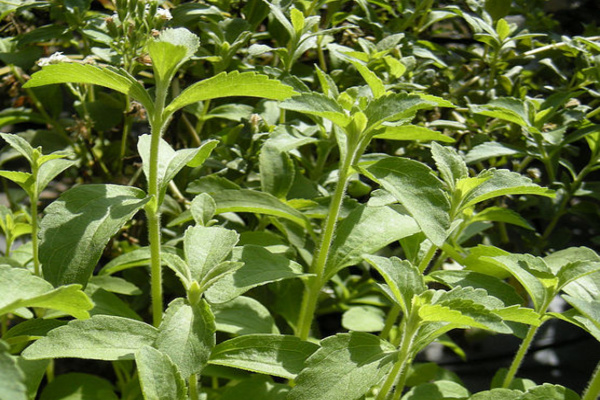
    Stevia (sugar substitute) cuttings doing well
    Stevia (sugar substitute) cuttings (Photo credit: hardworkinghippy)

    COCONUT PALM SUGAR is a sweetener that is, deservedly, gaining popularity right now. Coconut sugar is nutritious with a low glycaemic score, so unlike processed white sugar, it won’t give you a ‘high’ followed by a crash. It has a rich flavour, a bit like brown sugar, and can be substituted directly for sugar, spoon for spoon.

    Although the trade in palm oil is having a detrimental effect on the orangutan population, it is worth knowing that palm sugar comes from a different species of palm to the one that is widely planted in the cleared forest areas inhabited by the orangutans, the one that is used for palm oil.

    The sugar is extracted from the harvested flowers. The trees live for twenty years and provided that enough flowers are left on the tree for pollination to ensure future crops, it is regarded as a very sustainable crop, one that can be grown anywhere and one that provides small communities with a cash income. This species of palm tree is particularly useful in areas where the soil is degraded as they restore otherwise damaged, compromised soils and they require very little water or soil nutrients.

    LUCUMA POWDER is an excellent source of nutrients. It originated in the highlands of South America. Lúcuma is a large sweet fruit which contains fibre as well as good levels of beta-carotene, iron and vitamin B. It has a low sugar content but is sweet, with a taste similar to maple syrup.

    MANUKA HONEY or RAW HONEY has been used as a sweetener for generations. As well as being a delicious sweetener it has wonderful health benefits. Its properties as an antibiotic, antifungal and antimicrobial meant it was traditionally used to treat a wide range of ailments, particularly when there was infection present. Rich in phytonutrients, including antioxidants, minerals, vitamins, amino acids, enzymes and carbohydrates, raw honey is a Superfood.

    BUT you must be careful with your honey…I am not talking about any old honey off the supermarket shelves which has been processed and contains few nutrients. This is MANUKA or RAW HONEY we are talking about here – search it out. And limit the quantity you use.

    XYLITOL is one of the sugar alcohols, along with erythritol, isomalt, lactitol, maltitol, mannitol, sorbitol, which are derived from the sugar found in fruit. Sugar alcohols are absorbed by your body slowly and so can pass through the whole gut before they have been totally absorbed. Unlike stevia, xylitol does contain calories, but far less than what is found in sugar. Many love it because it can substituted directly for sugar, one spoon of xylitol for one spoon of sugar, it has no aftertaste, and only about a third of the kilojoules of sugar but tastes just as sweet as sugar.

    I know many health practitioners who recommend xylitol. But because it is not well absorbed, it can cause dramatic abdominal cramping, bloating and diarrhea in certain people, and for the sensitive this may be severe and it may occur after just one single  teaspoon. Also, although it is made from plants – birch bark, corn or sugar cane fibre, in order to bring about the change from the fibrous plant state to the white grains it requires a deal of processing which involves using man-made chemicals including amongst others, sulfuric acid and phosphoric acid. It’s worth noting that xylitol is toxic to dogs, so make sure you don’t feed meal scraps that were made with xylitol to your pet.

    Some other natural sweeteners include:

    Maple Syrup is often used in place of honey. It contains reasonable amounts of the trace mineral manganese as well as some zinc. I love maple syrup, one of my favourite natural sweeteners. But make sure to buy the real deal – organic maple syrup. Some of the stuff around is just sweetened and coloured water.

    Brown Rice Syrup contains some manganese, magnesium and zinc but is highly refined. One good thing though is that it is usually organic, and all natural. There were reports last year that brown rice syrup contains arsenic so you may want to avoid it.

    Agave Syrup is made from the juice of the succulent agave plant which is heated, filtered and hydrolyzed to make the syrup. This syrup has an extremely high fructose content

    But when it comes down to it even though these are natural sweeteners they are still basically sugars. If you really want to get healthy and reduce your risk for diseases like cancer, heart disease, obesity or diabetes then it really boils down to reducing your craving for, and consumption of sugar.

    Most foods that are highly sweetened are not those that are the most healthy anyway, usually they are high in carbohydrates and fat. If you really want to get healthy you need to tame that sweet tooth. Cutting out sweeteners breaks the sugar craving cycle that sets up in your brain every time you eat sugar (or other sweet food). Once you stop eating sweet food even though you may suffer intensified cravings initially, you will very soon find that you don’t miss it because you have broken the cycle and stopped the craving for sugar. The other positive is that your taste buds become more sensitive and you will start to really taste the natural sweetness in foods like fruit a lot better.

    What is your favourite natural sweetener?

    Manuka honey is a wonderful natural sweetener, just don't have too much
    Manuka honey is a wonderful natural sweetener, just don’t have too much

    Disclaimer.

    All information and opinions presented here are for information purposes only and are not intended as a substitute for professional advice offered during a consultation. Please consult with your health care
    provider before following any of the treatment suggested on this site, particularly if you have an ongoing health issue. 

    Source articles

    Click to access Green%20Pool%20Report%20Media%20Release.pdf

    http://scepticalnutritionist.com.au/?p=514

    http://www.livestrong.com/article/500273-sugar-vs-sugar-alcohol/

    http://articles.mercola.com/sites/articles/archive/2011/10/08/the-4-best-and-3-worst-sweeteners-to-have-in-your-kitchen.aspx

    http://en.wikipedia.org/wiki/History_of_sugar

    Xylitol: Should We Stop Calling It Natural?

    The Good Oil

    It has long been held that all fat is bad for you. But not only are there many fats that are not bad for you, many are very good for you. In fact, you will actually be less healthy if you are not getting enough of the right kind of fat.

    Good fats promote a healthy and well-functioning cardiovascular system, a healthy nervous system and are useful for maintaining weight. They help to both protect and maintain good clear skin and healthy hair, support your immune system, help regulate blood sugars, your thyroid, and even protect against cancer.

    Most people know that olive oil is regarded as a healthy oil but there’s a whole new breed of oils that may be better choices, particularly when it comes to using oil for cooking.

    Cooking With Oil

    During cooking there is a temperature reached with oil called the smoke point, which is the point at which the oil is compromised, both in taste and nutritionally. This is the temperature point where the oil starts to break down chemically, and it varies from one oil to the next. This point depends on whether the oil has been refined or not and the extent of refining, as well as the origin of the oil.

    As the oil comes close to burning bluish smoke starts to rise and it starts to break down. As it breaks down it creates trans fats. Oil that has been damaged by overheating is bad for you because it is chock full of free radicals, which we already know are the basis of disease. Oils with a low smoke point should not be used for cooking at all because they break down quickly.

    Types of Oils

    Before we go on to which oils are best for which purpose it’s worth knowing that there are three different types of oils, monounsaturated, polyunsaturated and saturated. It is important to know which is which in order to make healthy choices. For a long time, the advice has been that saturated fats are bad for you and polyunsaturated fats are good for you. But it is not as straight forward as that.

    Many oils today are refined. Refined versions of the oils have a higher smoke point than unrefined versions. However, chemicals and high heat are used in processing to extract the oil, which drastically damages the nutrients, rendering them harmful. Hydrogenated vegetable and seed oils are man-made and you need to be avoided. You may know these better by their other name – trans fats.

    Extra-virgin oils traditionally came from the first pressing of the fruit, seed or nut, but now the term is more likely to mean the oil is ‘pure’. These days cold-pressed oils are unlikely to actually have been pressed, so cold-extracted is a more accurate description. The oil is extracted using centrifugal force and very low heat, about 28-30C, low enough not to damage the oil. The speed at which the oil is extracted helps to preserve the antioxidants.

    The stability of the oil is the important factor when it comes to heating the oil during cooking, particularly to fry which requires higher heat. For this type of use saturated oils are the most stable, mono-unsaturated are pretty stable, and polyunsaturated are the least stable. Polyunsaturated oils are the worst to cook with, including safflower, sunflower and canola. These polyunsaturated oils contain lots of omega 6 fats which when damaged, form artery clogging trans fats. They also cause many other serious health problems.

    Which Oils are Healthier

    Which oil to select depends on what you are going to use the oil for. If it’s for dressing a salad then you would look for one with a nice taste, but if you want to cook with it you need to consider whether the oil will stand up to the heat. If you will be frying food, then the oil needs to have a high smoke point.

    It is always better to select oils that are unrefined as they are going to have more nutrients and less additives so will be healthier for you. It’s not worth buying cheap oils because eventually they will cost you more by affecting your health. Generally, the pricier the oil the more likely there was care taken in the manufacture.

    Here is the lowdown on some of the better edible oils you can use in your cooking.

    Coconut Oil

    Coconut oil is almost all saturated fat and so has been the most maligned and misunderstood oil for a long time. But coconut is actually one of the healthiest oils and a nutrient packed superfood. The love affair with coconut keeps growing every day and you can read lots more about this wonderful oil right here.

    It has a high smoke point, 180ْC (350ْ F) and is very shelf stable. Coconut oil is the very best choice when you want an oil that is stable even when it is heated. In addition, coconut oil also promotes heart health, helps maintain stable cholesterol and even helps you to lose weight.

    Coconut is almost entirely saturated fat, but unlike the saturated fats you find in animal products coconut oil is not absorbed the same way by your body and so does not pose the same problem for your health. Unlike other saturated fats it is rich in medium chain fatty acids (MCFAs). These are easier for your body to break down and digest and they put less stress on your digestive system and body organs. This is because they are immediately converted into energy in your liver rather than being stored as fat. They also stimulate your metabolism to help you lose weight.

    Long chain fatty acids (LCFAs) found in some vegetable oils, animal fats and fatty fish do not have these benefits and are more difficult to digest. Coconut oil is converted to energy like a carb but without the insulin spike in your bloodstream that happens with carbs. It doesn’t get stored in the body because it is either used immediately or your body gets rid of it. One special feature of coconut oil is that 50% of the fat is lauric acid which has wonderful health promoting qualities and is able to destroy virus and bacteria.

    Avocado Oil

    Avocado oil has a high smoke point of 200 degrees C, so you can use it to cook at high temperatures without compromising the properties of the oil. It has been proven to fight heart disease and effectively lower bad cholesterol (LDL). It helps with diabetes, cancer, skin and hair problems. Avocado oil contains a healthy beneficial balance of omega-6, omega-3, and omega-9 fats as well as the antioxidant vitamin E. The vitamin E level is higher in cold-pressed versions as they have undergone less oxidation.

    Avocado oil is also used frequently in skin creams as a moisturizer.

    Macadamia Oil

    I recently saw macadamia oil referred to as the ‘new olive oil’. But I actually think it is better. It is over 80% monosaturated (good) fat and is one of the healthiest oils available for cardiovascular health, even better than olive oil. It has a very high smoke point at 220ْ C (430ْF) which makes it a healthier oil to use for cooking. It has a two-year shelf life.

    Here is why this All-Aussie nut oil is so good for you. It enhances heart health, helps to reduce the buildup of plaque and prevents atherosclerosis, reduces the risk of heart disease, helps with blood sugar regulation for diabetics, and helps your nervous system function well.

    Unrefined avocado, macadamia or coconut oil are all healthy choices

    Walnut Oil

    The smoke point of unrefined walnut oil is 180ْ C (350F), slightly lower than either coconut or macadamia oil, and easily damaged at high temperatures, so one to avoid for frying.

    It has a nutty flavour and is great in salads and smoothies. Unrefined walnut oil contains high levels of monounsaturated oils such as omega 9 which keeps your arteries supple and helps prevent atherosclerosis and heart disease. It is also high in omega-3 and omega-6 to reduce inflammation, and to lower the risk of blood clots and erratic heart rhythyms. Research from Penn State University showed that wanuts and walnut oil could maintain healthy blood pressure even during stressful times. It is an excellent source of vitamins B1, B2, B3 and vitamin E. It can help prevent eczema and alleviate other skin problems. It is one of the best sources of antioxidants of the tree nuts.

    Olive Oil

    Olive oil is indeed a healthy oil but not when it comes to cooking. It is a monounsaturated fat which makes it more stable than polyunsaturated fats. But on a cellular level it is not so stable and has been associated with increased risk of heart disease and breast cancer when it is heated. But it is a great oil to include in an unheated state.

    The smoke point varies depending on how olive oil is made. Extra Virgin olive oil is 160ْ C (320F). Virgin is higher at 220ْ C (420F) and extra light 240ْ C (470ْ F). The rise in smoke point corresponds to how refined the oil is, the less refined having the lower smoke point. Extra virgin olive oil is a very perishable oil and can go rancid quickly, every time it is exposed to the air it oxidises.

    Comparison of Oils for Cooking

    Remembering that the smoke point for each variety of oil is variable, and that it is always better to avoid refined oils, here is a rough guide for a few oils.

    Unrefined Oil Type

    Smoke Point Centigrade

    Smoke Point Farenheit


    Unrefined Canola, sunflower, safflower,

    160

    225


    Peanut oil unrefined


    160

    320

    Extra virgin olive oil

    160

    320

    Walnut oil, unrefined

    160

    320

    Coconut oil, unrefined

    180

    350

    Macadamia

    200

    390

    Avocado

    190-200

    375-390

    Refined Oil Type


    Refined Canola, sunflower, safflower,

    220

    430

    Virgin olive oil (refined)

    220

    430

    Extra light olive oil (refined)

    240

    460


    Walnut oil, semirefined


    200

    390

    Coconut oil, refined

    230

    450

    Rice bran oil

    250

    480


    Peanut oil refined


    225

    440

    Rice Bran Oil

    Before I finish, just a quick word about Rice Bran Oil which has appeared in Australian shops over the last few years. Promoted as a ‘Natural Oil’, it is not quite as natural as you would think and is a good example of how advertising may be misleading. It has a very high smoke point, no additives listed, and the makeup of rice bran oil sold here in Oz is 47% monounsaturated, 33% polyunsaturated and 20% saturated, so it would seem a reasonably healthy choice.

    However, rice bran oil is a refined oil that comes from Thailand. It is subjected to very high temperatures and chemicals during processing. It is not a cold pressed oil, like olive and some of the nut oils. On the bottle the oil it is labeled as extra-cold filtered, which is a manufacturing process that results in the removal of the saturated fats, and is not the same as cold-pressed or cold-extracted.

    Select the Best Oil for the Job

    My choice for high heat cooking is avocado, macadamia or coconut oil. But as usual be careful of the quality. Most commercial oils are refined and contain chemicals from the processing so select cold pressed and extra virgin oils unless it’s for high heat cooking. Select oil in amber glass jars as this helps protect the oil from light damage.

    So go ahead and enjoy your oil, just make sure you have selected The Good Oil.

    good oils 2

    Disclaimer.

    All information and opinions presented here are for information purposes only and are not intended as a substitute for professional advice offered during a consultation. Please consult with your health care provider before following any of the treatment suggested on this site, particularly if you have an ongoing health issue. 

    Source articles

    http://articles.mercola.com/sites/articles/archive/2010/10/22/coconut-oil-and-saturated-fats-can-make-you-healthy.aspx

    http://www.naturalnews.com/031801_avocado_oil_healthy_fats.html

    http://www.naturalnews.com/004653.html macadamia oil