Christmas and the summer holidays are the perfect time to dive into some great reads. And as most of us want the New Year to be a fresh start with new plans and goals, it makes sense to read at least one life-affirming, soul-sustaining book to support you on your life journey and life purpose.
This post marks a major milestone. As I hesitantly wrote my first article in July 2012 I never dreamed I would reach 100 posts. To honour this 100-post-milestone I have collected a few of the books that offered me inspiration and guidance, and influenced my journey along the pathway to health, happiness and a fulfilled life.
I am a total book addict. Curled up with a book, reading in my bedroom, is my go-to-happy-place. These are not my favourite books although some are certainly ones I do love. These are books with a purpose.
Because I always want to know the answer ‘right now’ these are books that present a goal or a purpose and then tell me how to get there. Most importantly, they all definitely played an important part in signposting the pathway for me.
This selection can also give you the tools to make enormous life changes for yourself. Take a look and maybe find an inspiring book to add to your summer reading list, one that will open the doorway to allow big changes into your life in 2015.
WARNING: Long but awesome post ahead! Feel free to skim
LIFE CHANGING SUMMER READS
In no particular order (apart from which one I pulled off the bookshelf first)
This book guided me to the Life Coaching course I chose. I‘d wanted to do it for over two years before I found a course that really resonated. During that time I stumbled across this book in which Hartley outlines her “Heart Process”, the essence of the Hartlife Coaching Course I studied. The Heart Process is basically a guideline to reclaiming your “happy.” Starting with her own story Hartley takes you through a series of heart-based steps to find your joy in life again. This is solid stuff that has been around for generations, but it is presented in such a way that you don’t just get excited about the message, you are also guided as to how to achieve it in your own life. The book is packed full of helpful hacks for mastering each of the ten steps. Anne has been a Life Coach for over twenty years during which time she has refined everything she has used in her work, and here you have her most successful techniques.
#2. Walking Meditation by Nguyen Anh Huong & Thich Nhat Hanh
The practice of mindfulness has recently taken the world by storm, but my introduction came a while ago from the Master of Mindfulness himself through this book. This is more a kit than a book and is a wonderful tool if you want to introduce mindfulness into your life. It contains an instructional DVD, a CD of 5 guided meditations to get you started, and a small book to guide you through so you get the most out of your practice.
Someone once said to me that women gained most from active meditation and men gained the most from still meditation. I don’t know if it’s true or not but the concept of women engaging in the active, masculine Yang, and men in the passive, feminine Yin has a beautiful poetic balance to it.
An excellent and simple meditation for all women (and men) to master.
#3. Goddesses In Everywoman – Powerful Archetypes in Women’s Livesby Jean Shinoda Bolen
This is the book that launched me into the healing work I do with women today. Exploring the goddesses from ancient Greek mythology Bolen opens up our understanding of the age-old psychological patterns that modern women still follow. This is one of those books that bring incredible ‘aha’ moments as you suddenly recognize yourself in one or another goddess. It places the patterns, whether actual or potential, that you fall into in your life right there in front of you, where you can’t help but see them for what they are.
I love this book – it was such a solid foundation to understanding women’s archetypes and led to my ability to hold space for women’s healing groups, as well as to presenting their life patterns in a far more easily understood way to my Coaching clients. It’s easy to read, easy to understand and very insightful.
This is the book that inspired me to go train as a Red Tent Facilitator and then later, a Women’s Rites Of Passage Facilitator. I came across “The Inner Goddess Makeover” after I read about women’s archetypes in ‘Goddesses In Everywoman’ and was left hungry to discover more about the feminine archetypes we all embody. Tanishka uses each of seven goddess archetypes to embody seven universal psychological feminine aspects. Each one also governs a chakra. As you work through the exercises for each, consciously exploring the issues raised, you experience energy shifts and clear old blocks that were limiting you and stopping you from experiencing your personal empowerment and potential. I worked through this awesome and exciting journey, one chakra/goddess per month. Some of the goddesses were easy but with others I was really challenged. It was so empowering that after I finished I contacted Tanishka and went and trained with her. This book is challenging but FUN. Even more fun when you set up your own goddess circle to work through it with the support of your Besties. Tanishka pulls no punches! Totally down to earth, her vibrant personality shines through, and she speaks to the reader as if you were both hanging out and chatting over a coffee.
This is an odd book to have here but it is the book that galvanized me into opting for organic produce whenever I could, especially potatoes, changing my eating habits forever. It is about the reciprocal relationship between people and four domesticated crops. Pollan links four desires – sweetness, beauty, intoxication and control – with four plants that we use to satisfy them. He uses the story of the potato to illustrate control. In his examination of how potato growing has evolved he visits commercial potato farms, an organic farm and Monsanto, the developers of genetically modified potatoes. Reading about the intense chemical spraying program and the permanent toxic state of the commercial farms was more than enough to turn me away from commercially grown potatoes forever. It also set me to investigate which other commercially farmed crops are highly toxic and which are relatively safe. My very first post on this blog, ‘Tater’ Tales was inspired by this book and is about organic vs commercially grown potatoes. The other stories about the apple, tulip and hemp are also fascinating.
Nicole is a Building Biologist and Sick Building Syndrome expert who is passionate about environmental medicine. Electromagnetic radiation (EMR), allergens, drinking water, and toxic chemicals pervade our living and working spaces and here Nicole shows you how to reverse their damage on your body, your mind, your emotions and your health. Australia’s foremost Building Biologist with a young family of her own, she has produced a book full of practical ways to determine and remedy the levels of toxins you are being exposed to everyday. This book contains lots of questionnaires and checklists to assess your own home. There is also advice on selecting cleaning products, air cleaners, plastics, and more. It even includes a guide for anyone about to buy, rent or build a house, with what you need to investigate or ask before you start. With resource lists, useful websites plus so much more this is a great book to have on hand.
I was a Mum who used homeopathy for my family long before I was a professional Homeopath. Back then I needed a book that was comprehensive enough for me to find the correct remedy for the symptoms that presented, but not too complicated for my purely amateur ability. Miranda Castro has written a book that nails it. It includes the history of homeopathy, principles, myths, how to actually take a Homeopathic case and work out a remedy, then a comprehensive Materia Medica and Repertory to guide your remedy choice. This book has it all for the ‘Home Homeopath’ and clearly and simply presents everyday homeopathic prescribing as the individualized effective treatment system it can be, when it is done correctly and well.
I rarely recommend diet or cookbooks. But this is so much more than just a set of recipes. This book is all about eating in tune with the seasons and the rhythms of nature. By so doing your body gets just what it needs for the time of year. This means more than simply eating light, raw food in summer and heavier, warming food during winter. Purcell’s eating recommendations are based on the principles of Traditional Asian Medicine. Recipes (with alternative suggestions) are grouped by season. Each section also contains advice about health objectives of the season, preferred seasonal cooking methods, what to avoid, and which body organs need support. A great book to remind you of seasonal eating patterns, even if you don’t use any of the recipes, it helps to keep you connected, by tuning in and aligning yourself with the rhythms of the Earth and life itself.
I love numerology and once studied it avidly, but it was so complicated I didn’t get far. Not anymore! Dan Millman changed all that. He has devised the “Life-Purpose System” from the ancient wisdom of Numbers, and it’s amazing, clear, and easy to follow. As Millman says “ the drive to understand our life purpose is as important to our psychological growth as eating is to our biological survival.” And he sets out all the information you need to help you in your quest. It’s a big book but you only need to read the sections that apply directly to you and can ignore the rest. Millman shows you the simple way to calculate what is relevant to you. As you work through your picture he breaks it down into detail that applies to you, along with specific issues in your life and guidelines for action. Millman’s book can help you sort out conflicts in your life and help you find your life purpose.
Wayne Dyer has been turning out awesome books for decades. But I love this one. After doing lots of work learning to recognise my inner critical judge, this book taught me about changing the lifelong self-defeating habitual thinking that the inner critic thrives on.
It teaches about stepping up and recognizing that although we can’t control everything that happens around us, what we make of our situation, and how we deal with it, is completely up to us and the way we choose to think. Powerful stuff!
It is easy to recognize the excuses we habitually use that Dyer places before us here. He takes us through the Seven Principles of Excuses Begone, with exercises at the end of each principle to help cement them in place. He then looks at seven questions surrounding the paradigm shift such as “What would my life look like if I couldn’t use these excuses?” and “What’s the payoff?”
But what I really love and often go back to just to remind myself, are the Four Cardinal Virtues and how they manifest – reverence for all life, natural sincerity, gentleness and supportiveness.
There are so many “Challenges” around now – 5 day, 7 day, 30 day. But this 29 day story of the role that gift giving and the practice of generosity and gratitude played in Walker’s battle with Multiple Sclerosis is heart-warming and life-affirming. She shows that by placing our focus outside ourselves and the problems of our own life we move the energy of our life away from our problems and illnesses and give ourslf the room to heal. As she embraced the practice of Gratitude and Gift-giving on her month long journey Cami’s health and happiness turned around. Initially filled with thoughts of ending up in a wheelchair and in extreme pain her experience was transformative. From her own experience Cami began a movement that has spread across the globe – millions of people on a 29 Day Gifting Challenge. This is beautiful story of her journey that you can take on and apply to your life.
We all talk about living in the moment, but not that many of us actually manage it. This basic message that we hear so often is the essence of Tolle’s book. But what makes it different is how he explains so clearly how our thoughts and emotions get in the way of achieving this, so we actually understand what is going on. Tolle likens the mind to a destructive disease, and as long as you allow your mind to stay bonded to the inherited collective mind-patterns it will continue in its diseased state and you will continue to suffer. He leads us to an understanding that enlightenment is found through consciousness, that through surrender we can find happiness and ultimately peace. It is presented as a dialogue with many questions you would ask yourself. This book really helped me get through some tough times in my life.
#13. The Chemical Maze by Bill Statham
This tiny little book revolutionized my shopping. It lists by their number all the additives found in foods, personal care and cosmetics. Beside each it grades the danger the additive poses for you, what the adverse effects are (such as asthma, dermatitis, cancer), why it is added, along with the types of products it is used in. Luckily for you it is now available as an app for iPhone or Android.
One of the first books I read that turned me onto the path of creating the life I really want, this book was written over 35 years ago and still holds today. An anniversary edition has just been released and it is a great book to start with if you are just beginning your manifestation pathway.
So this is just a starter. It doesn’t include the writings of so many brilliant teachers. I hope you are drawn to one of the books on this list. Happy reading!
Please add the name of any book that has guided you to make huge change in your life in the comments section under “LEAVE A REPLY” below. I’d love to know, and am always ready to open the cover of a new book and discover another new life lesson.
Disclaimer
The Information contained on this site is for your general health information. It is not intended to be used as medical advice and should not be used to diagnose, treat, cure or prevent any medical condition, nor should it be used for therapeutic purposes. The information is not a substitute for independent professional advice and should not be used as an alternative to professional healthcare. If you have a particular medical problem, please consult a healthcare professional.
The number of people recognizing they have one or more food intolerances have been rising dramatically over the last decade, with more and more people becoming aware that they have problems with certain foods. Many more are not willing to even entertain the possibility that food intolerance may be causing their symptoms.
The reality is that as the body demonstrates an adverse response after they eat particular foods more and more people are becoming aware that they have problems with certain foods.
Many people live with the debilitating symptoms of food intolerance for years without anyone being able to diagnose their problems. In spite of extensive testing nobody seems able to help them. Often it is only after eliminating a particular food from their diet that they discover where their problems come from, and the extent of damage that food is causing to their body.
FOOD INTOLERANCE OR FOOD ALLERGY
For many the distinction between allergy, intolerance and sensitivity is not clear, but they are actually very different.
Food intolerances involve a completely different response by the body to food allergies. In food allergy the immune system identifies an ingredient as harmful and reacts by creating antibodies. Read more about allergies here.
Food intolerance is limited to the digestive system and occurs when food is not properly digested and ferments inside the gut. Where this gets confusing is that digestive dysfunction often causes dysfunction in other parts of the body and so symptoms from intolerance can appear throughout the body even though they arise from the gut. They can be quite diverse ranging from depression to weight gain, chronic fatigue, eczema, thrush and many more.
Food sensitivity is a delayed food allergy and can be particularly difficult to recognize. These are the least predictable reactions because you may be able to eat a food sometimes with no consequences but at other times develop symptoms like nausea, cramps or reflux. Fructose malabsorption is an example of a sensitivity.
While food allergies are more common amongst children, food intolerances are more prevalent in adults, partly due to stress, alcohol, the use of various medications which all compromise the digestive system, as well as to the decrease in digestive enzyme production as you age.
The onset of problems caused by food intolerance and sensitivity is generally not as rapid as that of allergy. Reaction can occur from about thirty minutes to even a few days after the food was eaten.
Where food allergies can produce fatal anaphylactic responses, food intolerances are not life-threatening, but they can lead to many chronic diseases such as thyroid disease, heart disease, diabetes, rheumatoid arthritis, and other autoimmune diseases.
Many of those with food intolerance are actually able to eat small amounts of an offending food without too much problem. Dairy foods are a good example of this. According to the Food Intolerance Institute of Australia, in December 2013 75% of the population were intolerant to dairy foods like milk, yoghurt, cheese and ice cream, and most of these people were completely unaware of it.
Often it is the very foods that are not tolerated well by the body that are the foods that you crave the most. Nobody really knows why we crave foods we do not tolerate although there are a number of theories. As a good rule of thumb any food that is regularly craved should be treated as suspicious.
It can take some time before a person is willing to accept that they may have food intolerance. For many it is not until their symptoms become unbearable that they will even consider the possibility. This may be more so if the food is also one they crave.
INTOLERANCES CAN SUDDENLY APPEAR AS AN ADULT
It is not uncommon for there to be no apparent problem with foods during childhood and for symptoms to appear as an adult. Typically, but not always, lactose intolerance symptoms appear in adulthood.
The most common food intolerances are dairy, gluten, wheat, additives, fructose, yeast, although many other foods including alcohol can be the culprit. Sometimes it will be a whole food group that is the problem, such as the dairy group or nightshade foods (potato, tomato, capsicum, eggplant, chilli), or just single foods from different food groups.
Generally avoiding a food that is not tolerated allows the digestive system a chance to heal from constant irritation and the person quickly recovers, feeling happier, more energetic and able to live their life fully.
SOME CAUSES OF FOOD INTOLERANCE
Irritable Bowel Syndrome (IBS)
This is a chicken and egg situation…does the IBS cause food intolerance or does constant irritation and inflammation of the gut from food intolerance cause IBS? The symptoms are constipation, urgent diarhoea, and cramping.
Food Additives
Many additives including sulfites found in dried fruits, wines and the salads from salad bars, cause asthmatic reactions in many people. Additives are often a big contributor to ADHD and result in a wide range of symptoms including migraines.
Coeliac Disease
Coeliac disease is interesting as it is actually a gluten intolerance which resembles an allergy, because the immune system is involved as well as the gut. The symptoms are mostly digestive but can lead to many other symptoms through the body.
Specific Foods Or Food Groups
Certain foods, particularly dairy foods (milk, cheese, ice cream, yoghurt, cream) and grains containing gluten (wheat, spelt, barley, rye and oats) are often the most poorly tolerated. There are many other foods over a wide range of food groups that also cause symptoms of intolerance.
Enzyme Deficiency
Different enzymes are needed to digest particular foods. If production of any one enzyme is deficient, then the food it breaks down is not tolerated.
Processed Food
The processing of foods particularly grains, milk and soy products seems to play a part in food intolerance as the process makes the foods difficult to digest, leading to irritation of the digestive tract and a whole range of symptoms.
IDENTIFYING FOOD INTOLERANCE CAN BE VERY DIFFICULT
Often the symptoms of intolerance are very mild and so go unnoticed. Or, because of the time delay between when the food is eaten and when the symptoms occur, they are not connected with any particular food, or are attributed to a completely different cause.
When the problem is with a food that you eat every day, or even many times a day, it becomes virtually impossible to make the connection between the health problem and the food, unless the food is totally removed from the diet for a period of time, whereupon the symptoms improve or disappear.
If you have intolerance to more than one food it makes it extremely difficult to isolate all the foods or food groups that may be responsible for their unpleasant symptoms. Removing just one food only gives partial improvement at best.
Frequently it can take some time, even days, for the negative response to become evident. Given that you will have eaten a number of different foods in the intervening time it becomes virtually impossible to isolate the culprit.
SYMPTOMS OF FOOD INTOLERANCE
Symptoms caused by food intolerance can be mild or severe, specific or vague. If you suffer from persistent symptoms, or ones that recur more than twice a week, and they are not caused by another condition, you could suspect you are not tolerating one or more foods.
Muscular pain or weakness, generalized aching, back pain
Stiff, swollen or painful joints
Frequent mood swings
Poor concentration, memory loss
Depression
Repeated Urinary Tract Infections
Candida or thrush, vaginal irritations
ADHD
Food cravings
Low or no energy, tiredness and drowsiness
Poor balance, dizziness
Weight gain
Autoimmune disease, Type 2 Diabetes, Psoriasis
GETTING ANSWERS
Keeping a food diary can help you identify problem foods. Over the course of two to three weeks record every single food or drink you eat as well as any symptom that occurs. By looking at the list of food intolerance symptoms it is obvious that it is very easy to miss symptoms, as well as difficult to make the link with the offending food.
If a certain symptom always occurs after eating a particular food you can recognize which food seems to be the culprit. Then it is necessary to totally avoid that food for about ten days and to see how you feel. If that food is a basic like gluten, wheat or dairy it is essential to read every label, as these foods all occur in many processed foods and are not always obvious because they may be listed under many different names.
It can be quite difficult to conduct an elimination diet on your own and is much easier under the care of a Natural Health Practitioner.
TESTING FOR FOOD INTOLERANCE
Testing, such as the Scratch Test, is normally conducted to detect allergies and it measures the response of IgE anti-bodies, that is, the response of the immune system. It detects a true immediate allergy.
Because food intolerance involves a different and delayed response a Scratch Test will not pick this up. Many people are left confused after a Scratch Test when they get negative results for foods they felt sure were problematic. Often they have an intolerance rather than an allergy.
While blood spot tests used to test for food intolerance check for specific anti-bodies to specific foods, they are not always definitive, as many people react with foods in which the antibodies do not show up on the test. When this occurs eliminating the suspected food and noting the response, can be a way to identify whether the food is a problem or not.
I conduct testing in my work (no, not a Vega machine) which indicates whether your various body systems respond negatively to a food. While it does not distinguish between allergy and intolerance it does identify problem foods. Usually the person is sensitive to a number of foods, not just a single food. I find that if the foods indicated as being a bigger problem are totally removed, the other foods are usually better tolerated, as long as you do not overindulge.
BEWARE HIDDEN DANGERS!
Wheat, soy, corn and dairy, are foods frequently found to cause reactions and are ones that are commonly added to many other products. In processed foods they are often not simply called milk or wheat, but go by a vast array of pseudonyms. Go Dairy Free provides a list of other names for milk proteins. Wheat-Free.org lists alternative names for wheat in foods. To actually stop eating the offending food, at least for long enough to allow your digestive system to repair, you need to be quite vigilant about avoiding it in ALL foods, including where it may be hidden.
The length of time you need to avoid the food depends on how bad your reaction was. It may take six months of total avoidance and then only very occasional exposure to keep you healthy.
But, most people don’t miss the problem food after it has been removed for about a month as they feel so much better, and as the chemical process that sets up cravings for problem foods is broken they no longer even want to eat the food.
Disclaimer
All information and opinions presented here are for information purposes only. They are not intended as a substitute for professional advice offered during a consultation with your health care provider. Do not use this article to diagnose a health condition. Speak to your doctor if you think your condition may be serious or before discontinuing any prescribed medication. Please consult with your health care provider before following any of the treatment suggested on this site, particularly if you have an ongoing health issue.
With the run up to, and on through, the end-of-year exams it’s a very stressful time for VCE and Uni students and their families. For many students it’s the biggest challenge they’ve ever faced, and many succumb to exam stress. But natural medicine offers much help to overcome study and exam stress and give you the edge in exam performance.
Everyone reacts differently to challenges. While it’s normal to feel stressed at this time, for many the effects can spiral out of control. Read on for advice for managing study stress the easy way with the help of alternative medicine.
With so many high expectations, and so much riding on results it’s quite normal for students under pressure to suffer for many months causing a stress response in their body. The hormones released as a result of being under stress have far-reaching effects on every system in your body both at the time and later on down the track.
While some stress can aid performance, if stress continues over weeks and months it can take over and have detrimental effects. The immediate effects are often evident at the time but the long-term effects can continue after the exams are long over.
In addition, anxious and grumpy students have a big impact on anyone around them particularly on their family. Homes become a bed of tension, concern and even reach friction and confrontation if stress spins out of control.
EFFECTS OF STRESS
During worrying times stress hormones effect the neural connections of the prefrontal cortex. This is where your working memory is located, as well as functions vital for reasoning, planning and problem solving, and for regulating attention and emotions, all essential for academic success.
A sudent under great stress is therefore unable to function at their best in exams, no matter how much they study.
In addition, stormy emotions weaken the prefrontal cortex and this hampers thinking and learning ability.
Students suffering study stress don’t learn effectively or remember well what they’ve learnt.
In order to perform to their best and to present their ability and knowledge well in their exams, it’s essential for students NOT to be in a state of stress.
By actively reducing stress you increase learning capacity, memory, reasoning powers, and academic performance. By reducing stress you’ll feel calm, clear-headed, motivated and in control.
When you step in early to reduce the effects of stress you support your health and it lays the groundwork for better performance. Reducing your stress can also reduce the tension in the home and restore peace.
REDUCE EXAM STRESS
While there are a number of exercises and lifestyle practices you can do to reduce stress, the greatest impact is gained from using alternative medicine. Of these I see the best and fastest results with homeopathic medicines and flower and herb essences.
HOMEOPATHY
Homeopathic treatment offers great benefit for all the problems associated with study and exam stress.
Remedies are individually selected according to each person’s individual needs. This could mean the remedy treats their anxiety or difficulty focusing or remembering what was learned. Or it could be a remedy for problems sleeping, fear of failing, trouble settling down to study, irritability, feeling like giving up, or even mixing up information or getting it backwards.
When the remedies are prescribed according to Homeopathic principles they are very fast acting and effective.
There are some great Homeopathic remedies to calm exam nerves and reduce the anticipatory anxiety and shakiness students experience before the actual exam.
Here are a few of my suggestions:
Gelsemium
Gelsemium is a great remedy to take for performance anxiety. It’s perfect before an exam where there is a shaky or jittery feeling and a frequent need to use the bathroom.
Lycopodium
Lycopodium is an excellent remedy during study for someone who worries about being evaluated, who feels they know nothing and will look stupid in front of everyone, but who, once they get started performs wonderfully.
Nux Vomica
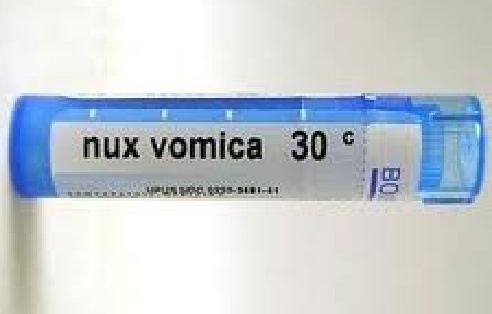
Nux Vomica is useful for an irritable person using too much coffee and other stimulants in an effort to push on through.
There are many other remedies for all those other consequences of study pressure and stress including:
feeling overwhelmed and out of control
self-criticism and negative thinking
irrational beliefs such as “nobody will respect me if I don’t score above 95”
feelings of catastrophe like “I’ll fail whatever so what’s the point”
inability to relax into sleep or waking up through the night and worrying
holding all the emotions inside until they explode
feelings of isolation and losing touch with friends
crankiness and irritability
problems getting motivated
Speaking to a professional Homeopath can clarify all the issues you are facing. They will put together remedies individually suited to YOUR needs.
FLOWER ESSENCES
Flower essences are easy to take, just a few drops on the tongue a few times a day. A few drops can even be added to a water bottle to carry around with you to sip in the moment they are needed the most.
Bach Rescue Remedy is a tried and true treatment for anxiety.
I find the Australian Bushflower Essence ‘Calm & Clear’ excellent for building and sustaining a state of calm in anyone, including students.
Australian Bush Flower Essence ‘Cognis‘ is great for the student who can’t settle down and focus on their study. It balances daydreaming, confusion and a sense of overwhelm and gives clarity and focus to help with the assimilation of ideas. This is a great treatment for the next few weeks when you are trying to consolidate your study.
Individual flower essences are also great for study – Bach’s Clematis helps focus, Gentian for self-belief, Larch for confidence and White Chestnut for clarity.
I like to use and prescribe Herbal Essences as they can be combined in a mixture that specifically addresses the way each person individually experiences exam stress. This means it’s not a “one-size-fits-all” treatment but one that’s tailored to each person. Herbal essences are great as they combine the thousand year old knowledge of the healing power of herbs with the positive effects on the mind and emotions of flower essences
ESSENTIAL OILS
There are a number of studies that show burning essential oils can induce brain power. All the oils can be used in an oil burner but will be more beneficial in a diffuser which disperses the droplets as water vapour. Here are a few to try.
Basil is one of the best for clarity and encourages concentration. Mix it with rosemary to stimulate memory recall.
Peppermint stimulates the brain and promotes clear thinking.
Lavender is soothing and relaxing and is useful if stress prevents sleep.
FOODS
While foods alone won’t turn your exam stress around (unless you’re bingeing) they do play an integral part in how you cope with exam stress.
It’s essential to eliminate all those that hold you back such as sugar, caffeine, alcohol, simple carbohydrates, junk foods and nicotine. But it’s just as important to add those that boost brain power to enhance your study and performance. Right now is when you need lots of fresh fruit and vegetables, fish, meats and complex carbs.
Omega-3 enhances learning ability and boosts memory power. It’s found in many foods as well as fish oil or krill supplements, or sea buckthorn if you’re vegetarian. Some good sources are oily fish, walnuts, pumpkin seeds, chia seeds and flax seeds.
Avocadoes increase blood flow to the brain.
Chocolate increases endorphin production to improve focus and concentration, and dark chocolate helps cognitive skills by boosting blood supply to the brain. But don’t overdo the chocolate and opt for dark chocolate over the sweet, milky varieties for a much greater impact.
Nuts and seeds help memory and cognitive skills and are easy to munch while you study
SUPPLEMEMTS
Taking a multivitamin can help keep up vitamin levels reduced by stress. Vitamin B and magnesium are both depleted during stressful times. Take B vitamins in a complex rather than as single vitamins as they work synergistically.
RELAX
Deep breathing is a wonderful way to calm and relax your emotions very quickly in times of extreme stress. Focusing on the breath helps to exclude outside thoughts and stop panic before it escalates. For the most effective breathing technique click here.
Yoga is an excellent way to achieve relaxation quickly, and is perfect to introduce into your study routine. Alternatives are qi gong, tai chi or walking.
While it’s important to take time to relax, to take breaks, to eat well and get plenty of sleep, all the time allocated to study revision is no use at all if you’re not clear-headed, can’t retain the crucial information or are so strung-out you can’t even settle down to study. This is where alternative medicine steps in.
Here are a few final takeaways.
Worrying about the study workload or exam outcome only increases stress hormones like cortisol, which impairs your concentration and ability to learn.
Food can be your friend. Reduce caffeine, sugar, junk foods and alcohol. Add foods that support study.
Steer clear of performance enhancers like Ritalin.
Don’t beat yourself up with guilt if you haven’t got everything exactly right.
Take time off as studying 24/7 doesn’t work. Exercise is a great way to get back focus.
And crucially, now you know how, use Natural Medicine to gain the edge in your exam preparation and performance.
Disclaimer
All information and opinions presented here are for information purposes only and are not intended as a substitute for professional advice offered during a consultation. Please consult with your health care provider before following any of the treatment suggested on this site, particularly if you have an ongoing health issue.
More than halfway through another year and it seems everyone feels harried and overworked. Life and time is absolutely racing. Nobody seems to have any time to stop and chill, nobody has any time to recognise their needs let alone address and fulfill them.
As we become more and more switched on to the world outside ourselves it is no surprise that we feel overwhelmed, drowning in never ending obligation. The world and our lives seem to be an insurmountable task that we can’t ever see a way to scale.
When goal setting, if a task or goal seems just too big for you to succeed, even too big to know where to begin, it’s often more easily achieved when it’s broken down and tackled in small chunks. As you succeed with each step you feel reassured that you can actually reach your final goal, and you feel increased motivation to achieve results.
It seems to me that if we can apply this same principle to our life we could create some level of control and the satisfaction of achievement. Breaking the year up into smaller segments and setting goals for just part of the year rather than the whole year would achieve a similar result to breaking down big goals. It would give us a sense of success and stop the feeling that we’re skittering along in life, barely in control.
Recently, a client told me that last January she made a list of the 100 things she wanted to achieve this year. Her list included things like ‘see this friend 6 times for lunch’, ‘go to 4 movies’, ‘read a particular series of books’. She also had big things on her list like ‘change my job’.
She proudly showed me just how many things she had already crossed off. Her list reminded her that although she may feel on the edge of control she was actually doing quite a lot that she wanted to achieve in her life this year. And not only did the things on her list not remain in that “gunna-do” (‘going-to-do’ for non-Aussies) vault she was getting through her list and enjoying herself along the way.
How many of us spend January 1st making plans and setting intentions for the year ahead?
How many of these are kind of vague. lose weight, stop smoking, or get a new job?
How many fail because we have not a) been specific about what exactly we want, b) broken it down into manageable and achievable goals, c) followed through and d) after March actually remembered that we had set the plans and goals, until January 1st of the following year when we set the very same goals all over again?
But my client did remember, she did follow through, she did feel like she had achieved, and most importantly, she felt as though her life was under her control, in spite of the fact that it was still just as crazy-busy as the lives of all the rest of us.
BREAK IT DOWN
My client set me to thinking that just as we break down own goals and projects into smaller chunks, it might also make us relax a little if we break our life down into smaller chunks of 6 months, or even 3 months. It might not seem to be going quite so fast and we may feel we have some sort of control.
So I propose that in the interests of us all sanely getting through the rest of this year; so we present smiles instead of frowns to those around us; so we all begin to address a few of our real needs in life, needs that don’t start with the words “I have to…” or “I should…”; and so we all start to feel a little more in control, we follow my client’s example and set ourselves achievable goals that honour ourselves.
To make it just that bit easier to achieve rather than making a yearlong commitment I am going to break the exercise down into even smaller chunks.
I have just made a list of the 25 things I want to achieve (and can reasonably manage) in this quarter of the year (being 1/4 what my client did for the whole year), that’s from right now, the start of August to the end of October.
My list includes some socialising, creative projects, home decorating, lots of gardening (rarely a chore), some outings, work projects and self-development. It also includes launching a new arm of my biz. I think it’s a pretty well-rounded collection of goals.
My list is manageable and not only will I feel in life-control mode as I cross things off the list, I will also enjoy doing most of these. I also included some things I really will not enjoy but will be very happy to finish off. And probably most importantly, I will be aware of what I have achieved rather than worrying about what I have not managed to do.
Why not join me?
Make your list of 25, write it out, pin it to the fridge, and congratulate yourself as you cross another thing off your list.
Disclaimer
All information and opinions presented here are for information purposes only and are not intended as a substitute for professional advice offered during a consultation. Please consult with your health care provider before following any of the treatment suggested on this site, particularly if you have an ongoing health issue.
Giving advice for improved sleep is a normal part of any Wholistic Health practice, and I’m used to delivering. But today I am suffering the effects of a wakeful night after not ‘Walking My Talk’. Last night I sat up on the computer until well after midnight when the cold finally drove me to bed, only to then wake repeatedly through the night.
Sleep is so important, especially now as the days have shortened and we approach winter. Sufficient sleep allows our body to recover from the day and leads to improved brain function and memory.
But sleep doesn’t always come easily.
These simple actions will help you create a calm sleep-friendly environment.
De-Clutter and De- Junk
Is your bedroom a soothing sanctuary or is it also a place where you work? It is vital to establish and maintain the boundary between work and rest. Your bedroom needs to be a place where you unwind and take ‘you-time’. If the boundaries are unclear, you never get a break from the pressure and stress of work.
When you keep your bed for sleeping or other fun bedtime activities, your brain comes to associate bed with only these activities rather than work, which makes it easier for you to nod off.
Clear away clutter and mess; open the windows to refresh the energy; add fresh flowers, beautiful and meaningful ornaments, a candle or Himalayan Salt Lamp.
Create an EMF-Free Zone
If you are surrounded by electronic devices while you sleep your brain waves are affected throughout the night and you will never get good sleep.
There’s some concern that the pulsed frequencies of electronic devices interfere with the body’s own signals. These electromagnetic fields (EMF’s) affect the emotions, the organs, hormone production and the immune system. Cosequently this can then lead to poor sleep, as well as many other problems.
There are many studies that show exposure to electronic devices (even electric lights) before going to bed interferes with sleep patterns. Far from allowing you to wind-down in the evening using electronic devices actually increase your alertness and interferes with REM sleep.
Light, from any source including the low levels of light emitted by electronic devices, disrupts circadian rhythms and causes poor sleep
There have also been studies into how electromagnetic fields (EMF’s) around electronic devices affect the release of melatonin, the sleep-inducing hormone. In 2007 this study showed melatonin production, and therefore sleep quality, may be affected in some people.
For good sleep switch off your smartphone, your tablet, your laptop, your TV, e-reader and other devices at the source. If you need an alarm to wake, find an alternative to your phone. Sleeping close to an active smartphone (or other device) is absolutely NOT worth the wide-reaching adverse effects it has on you.
If you do need to leave any devices switched on, make sure they are well away from your body, at least two metres. Even better if they are right across the room or in the en suite.
Check your bedroom for electro-magnetic fields and remove the responsible devices.
Create Peace
If you need entertainment before sleep place some books or magazines in your room, or perhaps a journal. Not only does journaling empty your mind of annoying thoughts that keep you awake, it’s also has many health benefits. Research even shows it strengthens the immune system and reduces the symptoms of asthma and rheumatoid arthritis.
Use your journal to establish gratitude practices to build your Happiness Bank.
Check the temperature. A moderate temperature about 20 degrees Celsius, not warmer, supports undisturbed sleep.
Darkness helps you sleep and even small amounts of light interrupt the production of the neurotransmitters needed for sound sleep. Use block-out curtains if there are lights outside your window. Don’t turn lights on suddenly during the night as they disrupt the production of the sleep-inducing hormones, melatonin and serotonin. Don’t use white light as a night light. The soft pink glow of a Himalayan Salt Lamp solves this problem, if you must have light in the bedroom. If you can’t block out light wear an eye mask.
Music is a wonderful aid to help you relax. Gentle, music, white noise or relaxation recordings will all help you unwind. The rhythmic sound of the surf washing onto the beach is one way to induce sleepiness.
No TV right before bed! Stop about thirty minutes before retiring and definitely don’t watch it in bed.
Turn your bedroom into a space you look forward to spending time in.
Create A Scent-sual Space
Our sense of smell plays an important role in mood, memory and emotions. It is linked to the limbic system, which is considered the old primitive part of the brain. As well as promoting relaxation, research shows that certain bedtime scents can even influence the type of dreams people have.
There are a number of essential oils that induce relaxation and are powerful sleep aids.
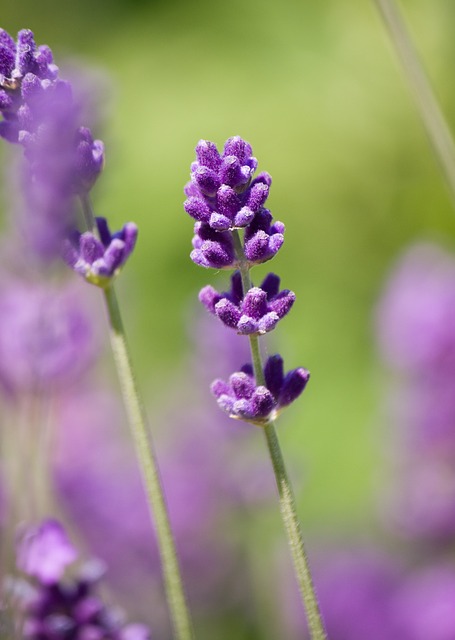
Lavender stimulates the release of feel-good hormones and is a well known relaxant to help insomnia. Sprinkle a few drops of lavender essential oil on a cotton ball beside your pillow or in your room.
Vanilla, rose, chamomile, sandalwood and surprisingly, coffee are some others that can also help insomnia by calming you. (Although homeopathic Coffea is known to have excellent calming properties, and so maybe it’s not such a surprise!)
Create A Healthy Eating Plan
Shunning caffeine should be a no-brainer. Drinking coffee, tea or hot chocolate keeps some people awake. But many other foods such as soft drinks, processed foods and even medications often contain caffeine, and you need to be wary of those.
Some foods like dairy and wheat can cause gastric disturbances that may keep you awake. Avoid them altogether or at least in the later part of the day.
L-tryptophan found in protein foods promotes the production of melatonin and serotonin to aid sleep. A small protein-rich snack such as nuts in the evening may help you sleep better.
Avoid sugar and processed grain snacks before bed to avoid the rapid spikes and drops in blood sugars that interrupt sleep.
Alcohol is a ‘no-no’ for sound sleep. Although it produces sleepiness and initially sends you to sleep, it prevents you entering the deeper, restorative, sleep cycles. Also, alcohol’s effect is short-lived. After a few hours you are likely to wake up, completely unable to return to sleep.
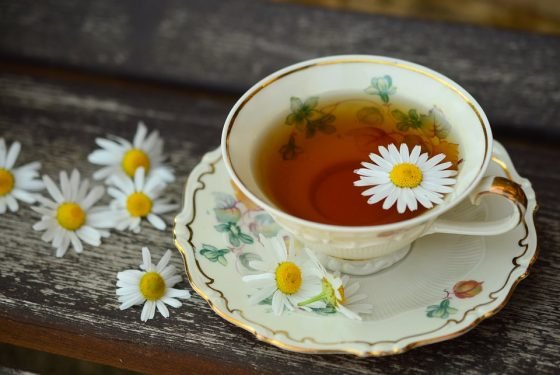
Chamomile tea before bed is an excellent for promoting good sleep. It has a slight homeopathic effect to relieve anxiety and promote relaxation.
Support your body with nurturing foods to create balance
Create A Sleep-Ready Body
Exercising daily for at least thirty minutes helps you fall asleep but be sure not to do it too close to bedtime. This is because exercise stimulates the release of metabolising hormones that will keep you awake.
Create A Night-Time Ritual
Setting a bed-time ritual sends cues to your brain that it is time for it to prepare to sleep. Just as you might read a bed-time story to a child to help them relax before they sleep, setting routines also reminds your mind it’s time to relax and sleep.
Develop your own night-time routine. It may include a warm bath, some yoga, reading, listening to music, writing your journal, in fact anything that soothes and relaxes you. Repeat this every evening in the thirty minutes before bed so your brain and body associate this activity with sleep.
Write down your list of whatever you need to do in the morning, earlier in the evening before. This shuts down the ideas and thoughts that normally run around your head while you’re trying to drop off to sleep. The same goes for any plans, worries or other thoughts that might keep you awake into the early hours of the morning.
Going to bed at the same time each night and rising at the same time each day allows your body clock to synchronise with these times, making both sleep and waking easier.
A hot shower or bath before bed increases your body temperature. As it falls again you will relax and fall asleep. If you have cold feet warm them with socks to prevent sleep disturbance.
If noise wakes you or keeps you awake wear ear plugs.
Take time to reflect on the day passed as well as the brand-new day ahead, so you can leave stress behind and start the new day afresh.
If you can’t sleep get up and address the cause or do some quiet activity until you feel calm and ready to return to bed.
Don’t watch the clock! If you aren’t sleeping put the clock away. Watching the hours tick away will only leave you stressed
Sleep Problems of Menopause
For some women passing through menopause, insomnia becomes a real and distressing issue. Hormonal changes causing hot flushes, palpitations, or night sweats can interrupt sleep and cause havoc. Before taking Hormonal replacement Therapy (HRT) have a talk to a Wholistic Health Practitioner about the many natural options available to balance hormones and reduce these debilitating symptoms.
Creating an environment that nurtures and supports you allows your body to release the stress from your busy life and relax into sleep at night
What are your favourite ways to ensure you get good sleep? Tell us in the comments below.
Disclaimer
All information and opinions presented here are for information purposes only and are not intended as a substitute for professional advice offered during a consultation. Please consult with your health care provider before following any of the treatment suggested on this site, particularly if you have an ongoing health issue.
After enjoying a wonderful meal there’s nothing worse than sitting back and minutes or even hours later suffering the discomfort of indigestion.
Acid reflux or heartburn, nausea, vomiting, burping and belching, stomach uneasiness or burning pain, flatulence (gas), abdominal pain, bloating, growling stomach are all symptoms of indigestion. All cause the sufferer much discomfort or embarrassment.
Even seemingly unrelated symptoms such as dry coughing, sour or bitter tastes, hoarseness and wheezing can be related to acid reflux.
Indigestion is very common and most people suffer from it at least occasionally. With so many lifestyle triggers leading to indigestion this is not surprising.
TREATING INDIGESTION
Drugs prescribed for indigestion are on the increase. Most people use over the counter antacids to find relief but this is one of the worst ways to treat indigestion.
Antacids give temporary relief but also have side effects such as diarrhea or constipation. Other drugs prescribed fall into two groups, H2 blockers (eg. Zantac) and Proton pump inhibitors, PPI’s (eg. Nexium).
The problem with these drugs is they reduce the amount of acid in your stomach which may seem beneficial. However, often the problem behind indigestion is that your stomach is producing insufficient stomach acid, not excess. When you don’t have enough stomach acid you can’t digest food properly and digestive problems occur.
The drugs can easily mask imbalances and lead to more serious problems. They may cause many side effects. For example, they may lower your vitamin B12 levels, cause nausea or vomiting, headache, bruising, constipation or diarrhea, increase the risk of fractures and the risk of infections. Plus, once you’ve started you need to keep taking them because they cause a rebound effect. This is where indigestion symptoms return even worse than previously if you stop taking the drug.
Chronic heartburn and indigestion are serious problems and can be part of an underlying illness. Consult your health care practitioner if symptoms persist.
CAUSES OF INDIGESTION
Acid reflux occurs when the valve between the stomach and oesophagus (LES) doesn’t close properly, allowing small amounts of stomach acid to spill over into the oesophagus.
Bloating or gas may be due to the fermentation of some trigger foods or foods that are difficult to digest. It can be due to swallowing air during eating. It may also be a symptom of a disorder such as Coeliac Disease.
There are many Lifestyle triggers for indigestion including:
Being overweight
Drinking too much alcohol
Smoking
Stress and anxiety
Medications including aspirin, thyroid meds or oral contraceptives
Eating trigger foods and drinks
Eating too fast
High-fat foods
Pregnancy
Some common trigger foods:
Fatty meats
Deep fried foods
Chocolate
Peppermint
Alcohol in excess
Coffee
Cola
Stress often lies behind indigestion. Keeping a record of your moods and the times when you feel stressed, rushed, anxious, worried, overworked or even uneasy can help identify emotional triggers. Once you work out which situations trigger the problem, activities such as meditation, yoga, qi gong, tai chi or relaxation exercises can really help reduce associated stress levels and the symptoms of indigestion.
REDUCE INDIGESTION
While prevention is ideal it’s not always possible.
But there are lifestyle changes you can make that help reduce symptoms:
Avoid putting pressure on the stomach, avoid tight clothes.
Avoid carbonated drinks.
Eat small meals – five to six a day, and eat them slowly
Eat fibre, 40g a day
Avoid spicy foods
Drink tea and coffee in moderation, including decaffeinated,
Avoid alcohol
Avoid ice cold food and drinks which can deactivate digestive enzymes
Avoid cocoa and foods containing it
Avoid eating in the three hours before you go to bed
Undertake practices to relieve stress
Stop smoking, avoid tobacco
Lose weight
Reduce processed and sweet foods
Eat foods like kefir, sauerkraut and miso which contain probiotics to restore the natural balance and function of your gut. Or take a probiotic supplement containing Lactobacilli and Bifidobacteria. Not only do they restore the bowel flora, but they also help your digestion. Taking Spirulina increases healthy bacteria in your digestive tract.
Vitamin D is important for stomach health. If you are not getting adequate sunshine or normally wear sunscreen, increase your Vitamin D intake. Source it from cod liver oil which is also rich in omega 3, or take a supplement.
You can help increase your natural production of stomach acid, hydrochloric acid, by including Himalayan salt in your diet. This ensures your body gets enough chloride to make sufficient hydrochloric acid, plus it provides 83 trace minerals that are needed by your body in order to function well.
One way to identify food triggers that may be causing digestive problems is to keep a food diary over a few weeks.
NATURAL INDIGESTION RELIEF
Homeopathy Remedies for Indigestion
There are a number of Homeopathic remedies that stop the symptoms of heartburn and indigestion when selected and taken in accordance with homeopathic prescribing guidelines.
Ipecacuahna is one of the most commonly used homeopathic remedies for acute nausea and vomiting which is not relieved by vomiting. Surprisingly the tongue appears very clean. Symptoms get worse from warmth but improve a little in fresh air.
Nux-vomica is great for acute nausea especially when the result of overeating, drinking alcohol or coffee, or digestive problems which are made worse by therapeutic or recreational drugs. It’s often accompanied by constipation, flatulence or heartburn. Symptoms are made better by warmth and warm applications.
Pulsatilla can be helpful if indigestion is the result of eating pork or rich fatty foods. Symptoms include bloating and sometimes a headache. They do not feel thirsty and find some relief from cool, fresh air.
Carbo-veg gives relief from bloating with lots of offensive gas, which is sometimes released by drinking carbonated drinks.
Natrum phos is an important homeopathic remedy for indigestion with sour belching, sour tasting vomit and a yellow colour on the tongue. Good for those who get indigestion from eating fats. You can take Natrum phos as either a Homeopathic preparation or as a Cell Salt (Schuessler’s Tissue Salts).
Take Homeopathic preparations in the 6th potency, or the 30th potency if you are familiar with Homeopathic prescribing guidelines.
These are only a few of the hundreds of different Homeopahic remedies that help indigestion and give fast effective relief. If you are not familiar with the intricacies of Homeopathic prescribing consult a practitioner.
Herbs for Indigestion
There are many wonderful herbs that aid your digestion.
Gingertea can give immediate relief for heartburn or indigestion. It can also help reduce bloating. Shred fresh ginger root and pour boiling water over. Allow to steep for ten minutes, strain and drink.
Fenugreek seeds coat the lining of your stomach to relieve symptoms. Add one to two teaspoons to your food or eat separately.
Licoriceroot can be an effective treatment for reflux. It stimulates the production of digestive secretions that help reduce reflux. Take one or two tablets before meals or bed, or take as a tea to stimulate saliva and prevent symptoms. Make certain it is deglycyrrhizinated licorice (DGL) particularly if you suffer from hypertension.
Bitter herbs.Herbs such as dandelion root, caraway, fennel, yellowdock, blessed thistle and gentian, found in Swedish Bitters, are bitter herbs that promote better digestion. These herbs encourage gastric secretions including saliva, hydrochloric (stomach) acid and digestive enzymes. They can treat or even prevent reflux. Take bitters just before eating to get digestive juices flowing.
Holy Basil or Tulsi has been used for thousands of years in Ayurvedic medicine to treat many disorders including stomach disorders, nausea and stress. Sipping a cup of Tulsi tea could help combat indigestion by reducing stomach symptoms as well as addressing the stress behind them.
Peppermint. Many people find peppermint tea an excellent digestive soother. However, for nearly half the population it has the opposite effect, causing heartburn. If this applies to you try chamomile tea instead. Peppermint relaxes smooth muscle of your digestive tract to ease cramps, gas and nausea. It can soothe bowel disruption caused by nervousness, overeating or diet changes.
Charcoal.If you suffer from excessive flatulence taking activated charcoal in the hour or two after eating can reduce gas. Be careful about taking it too much as it can interfere with the absorption of nutrients.
Slippery Elm Powder taken before meals helps heal irritated digestive tracts. It is mucilaginous and becomes gel-like when in contact with water to coat, protect and soothe the digestive tract. It comes as a powder to add to drinks or in capsules.
Apple Cider Vinegar. Many people swear by apple cider vinegar. One tablespoon of ACV and one tablespoon of honey in a glass of pure water before meals can ease heartburn.
Lemons. Eating lemon or lemon juice in a glass of warm water before a meal can prevent heartburn. Lemon stimulates bile production to help break down fats and improve digestion.
What’s your favourite kitchen cure to sort out your digestive problems? Share in the Leave a Reply box below.
Disclaimer
All information and opinions presented here are for information purposes only and are not intended as a substitute for professional advice offered during a consultation. Please consult with your health care provider before following any of the treatment suggested on this site, particularly if you have an ongoing health issue.
Stress has become such a permanent part of people’s lives that many stressors are now considered a normal part of everyday life or regarded as a necessary evil of modern life.
The world, and our place in it, has developed at an alarming pace. Although we’re still adapting to life on earth, it’s at a much, much slower rate than millions of years ago. Our bodies and our reactions are completely out of synch with our world. Our brains tell us stress is just part of living a modern life, but our bodies tell us the opposite.
Stressors can be physical, such as illness or violence, extreme heat or even noisy neighbours. They can be caused by lifestyle practices, such as work stress, alcohol abuse or poor sleep habits. Or the stressors can be emotional, originating in your mind. These emotional responses can be the most complex and lead to the greatest impact on our health.
Ongoing chronic stress is now considered the number one hurdle to good health
Stress can have many widespread effects on the body. Sometimes anxiety develops as a result of ongoing stress. But the effects of even low-grade stress are significant.
These include:
Blood pressure increases
Muscles tense up
Breathing rate increases
Heart rate increases
Brain waves slow down
Of course these are all signs of the ‘fight-or-flight’ response kicking into action. This is fine in the short term but detrimental to your health when they are ongoing.
When stress is ongoing it leads to widespread problems through the whole body.
Weight Gain – Stress alters the way fat’s distributed in the body, depositing it around the midriff where it poses the most danger to health.
Faster Ageing – A study from the University of California found chronically stressed mothers aged faster. Another study linked prenatal exposure to the mother’s stress to accelerated ageing in the child.
Affects Brain Cells – A Stanford University study found brain cells shrink in the chronically stressed.
Serious Disease – Stress is known to increase free radicals incidence which leads to the development of serious chronic disease.
Recognising Stress
While anxiety is often the effect of stress, not everyone who’s stressed is anxious. People who suffer from stress often appear calm. So it’s important to recognise other body cues that occur when you’re stressed. If you learn to notice and recognise the signs in your body, you can take steps to reverse them.
Do you recognise or experience any of these signs that you are under stress?
Your neck gets tight and stiff and you develop a tension headache at the base of your skull.
Your shoulders and back tighten.
Your chest wall feels constricted. If you cross your arms to compensate it simply further constricts your breathing.
You get a feeling of a tight ball or knot in your belly.
Your jaw clenches, your forehead tightens, as do your lips.
Your fingers feel tight, your hands clench.
People looking at you can easily see your stress as your shoulders hunch, your head bows, your face is clenched and you may even seem to be wearing a defeated air.
You may even experience some more serious problems which include palpitations, stomach upsets, sleep problems, impotence, reduced sex drive, raised blood pressure or a stroke or heart attack.
Perhaps most importantly, stress has been shown to lead to an increase in free radicals throughout your body. Free radicals lead to inflammation and are now seen as the forerunner of serious chronic and autoimmune diseases such as cancer, SLE lupus, other autoimmune disorders, ageing, cataract, rheumatoid arthritis, cardiovascular and neurodegenerative diseases.
Your De-Stress Tool Kit
While it can be virtually impossible to eliminate many ongoing, underlying stresses from your life, adopting some simple techniques to use in times of increased stress can help you feel better in moments.
When you actively reduce your stress response you also immediately effect the stress hormones released through your body. Having a few tools suitable for crisis control can restore your sense of wellbeing and help you cope in difficult situations.
Being able to reduce stress and anxiety without having to fall back on medications helps build your health in the long term.
Some techniques will work better for you than others so search out those that you find most effective. Try any technique you come across, even the esoteric ones, you can never be certain which will work best for you. Allow them all the benefit of the doubt and give them a fair try. It is likely you will need to combine more than one technique, so be on the watch for any improvement and don’t reject anything if it is only partially helpful, it will still be making some difference.
Learn the technique before you are caught in a difficult situation. Memorise it and practice it – you need to be able to use the skills automatically.
Most important, don’t give up – stress can make you restless and inclined to not stick it out.
There are many ways to manage the symptoms of stress. Acupressure, massage and diet are some of the better known. Flower essences and homeopathic remedies are excellent and very effective. Herbals are available in many forms. But there are also some simple techniques and practices that you can do wherever you happen to be, right in the moment you need help.
Simple Ways to Relieve Stress Naturally
Relax
When your muscles are tense you are often not even aware of it. Relaxing is a very basic and simple technique which will not only help you to release the tension but also bring you awareness of the state of your muscles.
Sit, stand or lie. Tense up one set of muscles in your leg or arms as tight as you can. You can even start with just your toe muscles to be more effective. Then let them go so they are quite limp. The contrast between the two states will show you what ‘relaxed’ actually feels like.
Concentrate on that feeling as you then tense and relax the other muscle groups in your body, your toes, feet, legs, buttocks, back, abdomen, hands, arms right through to your head. Pay particular attention to your jaw and forehead.
Breathe
Before you begin, reassure yourself that consciously controlling your breathing is one of the simplest and most effective ways to control anxiety and stressful feelings, and to diminish the effect of stress on your body.
Find somewhere quiet, clear your mind and start breathing deeply into your abdomen. Place your hand on your belly, you should feel it rise and fall. Breathe slowly and don’t raise your shoulders.
If you struggle, breathe as you count backwards from fifty. Breathe in on ‘fifty’, out on forty-nine and so on. Keeping your mind focused on synchronising your breath with the numbers slows down your breathing and forces you to breathe deeper.
Ninety percent of people breathe inefficiently.
You can read more about the technique of deep breathing, and learn how to make effective breathing a normal, unconscious part of your life here “Breathe Deeply to Reduce Stress”.
Smile
Frowning triggers the release of stress hormones and smiling decreases them. In addition, smiling causes the release of endorphins, the chemicals that make you feel ‘oh-so-good’.
Stretch
Simple but very calming! Do it as slowly and gracefully as you can. There are three coordinated actions involved:
Controlling your breath
Raising your hands and arms
Stretching your whole body from toes to fingertips
Stand. Let your arms, wrist and fingers go limp. Bend your knees slightly, entwine your hands loosely and turn your palms upward.
Slowly breathe in. Raise your hands towards your mouth and start to straighten your legs.
Slowly breathe out, turn your palms outward and stretch your body. Slowly exhale totally, reach your arms up, face your palms to the ceiling. Stand on your toes.
Now reverse the action
Repeat at least five times, slowly. Take a few minutes afterwards to relax and do nothing.
Affirm
Your subconscious is a powerful force. Affirmations tap into your subconscious and are extremely effective if they are worded well and are used routinely.
Given the impact and complexity of emotional stresses, affirmations are a useful tool because your subconscious cannot tell the difference between what is real or what is not, it only ‘knows’ and directs according to what you tell it. If your thoughts are always that you can’t cope or you have no money, that’s what your subconscious believes and will direct accordingly.
The exact words you use form your affirmations are very important and can make or break the effectiveness of the affirmation. It is important that they become a regular part of your day and so the way you integrate them into your life needs to be considered.
Keep your statements in the present tense, as if they already exist. “I want to…” or “I can…” or “I will” relate to what you want to achieve and are not as powerful as “I am” or “I (do)” which relate to a state already in existence.
You will find useful guidelines to creating and using affirmations here.
It can be helpful to consult a practitioner to set up an affirmation technique that really works for you.
Visualise
If you are a visual person imagining a big screen showing a scene that you find calm can be useful.
Close your eyes and choose an image that reflects how you would like to feel, perhaps an idyllic tropical island or a peaceful waterfall.
Next imagine this image on a big screen in your mind.
Keeping your eyes closed examine the image, notice the golden sand, the gentle waves, the island in the distance.
When you see it clearly, step inside. See yourself in the scene as if you are really there. Notice what you are wearing, what you can hear, smell. Feel the sand, the breeze in your hair.
Once you feel you are really in the scene, reach for the ‘controls’ of the screen and turn up the volume and picture. As everything around you becomes brighter and louder and your physical feelings more intense, you become calm and relaxed almost immediately, as if you were really there.
Relax, keeping the calm with you.
Release
One of the most common symptoms of stress is a clenched jaw and clenched teeth. Releasing the jaw is a simple technique to release much of the tension of stress.
First become aware of the tension in your jaw. Clench tighter, then release it.
Lightly press your tongue against the roof of your mouth behind your teeth.
Part your lips slightly and feel your jaw relax.
Repeat several times a day.
Tap
The Emotional Freedom Technique, or tapping, is SO simple and SO effective. Anyone can teach themselves the basic routine and use it to create all types of changes. It can be very effective for creating calm.
It simply involves a routine of tapping on acupressure points in the body, while saying a set of statements. The process lodges any change in thinking within the subconscious. Changes occur with EFT extremely quickly.
Discover the basics of EFT, watch a demonstration and learn how to do the basic technique yourself right here. If you would like to learn more, many EFT practitioners run free information and demonstration sessions.
Eat
If all else fails eating small amounts of DARK chocolate helps calm anxiety. The theobromine in chocolate helps to elevate your mood and the tryptophan in dark chocolate improves your levels of serotonin, a neurotransmitter that influences mood and contributes to feelings of wellbeing. Many people with anxiety are known to have low levels of serotonin.
Importantly, remember to first try out the techniques when you are feeling ok. Get to know them so you can move straight into doing them whenever you need, without having to think them through. If you struggle to remember what to do it will only add to your stress.
Do you have technique that you find really helps when you are feeling stressed?Leave a reply below and share it with us.
Stress and the inflammation that results are now seen as the forerunner of serious chronic and autoimmune diseases. It’s time to change that right now.
Disclaimer.
All information and opinions presented here are for information purposes only and are not intended as a substitute for professional advice offered during a consultation. Please consult with your health care provider before following any of the treatment suggested on this site, particularly if you have an ongoing health issue.
Source articles
Wilson, P. Instant Calm, Penguin, 1995
Hartley, A. Love The Life You Live, Hart Publishing, 2000
You may start to wonder if you will ever get well when you feel ghastly but test after test comes back clear.
It is so common to have clients come in and say “I feel just awful but all my tests have come back normal”. Whilst they could have a number of different problems, often they are suffering from yeast overgrowth, or Candida.
This has become so widespread within the community with research suggesting that 90% of the population, men and women, may suffer from it. Many individuals regularly use fungal treatments when obvious symptoms flare up. But they are not addressing the problem at its source in the digestive tract and so the symptoms persist or recur. The yeast overgrowth leads to chronic systemic problems that leave them feeling exhausted with a variety of other seemingly unconnected symptoms, ranging from itchy throat to joint pains, or brain fog.
Candida albicans is a robust form of yeast normally present in our body. It can lead to fungal infections in the digestive tract, as well as the mouth, the vagina and on our skin. The presence of other friendly bacteria, normally keep it in check and hold it to levels that do not create problems for the immune system.
But many people’s gut bacteria are not in balance. When you have sufficient numbers of “good” bacteria they keep the candida bacteria in check. But when the numbers of good bacteria are diminished it allows the candida to grow and multiply rapidly until it overtakes the good bacteria, and causes a variety of chronic health problems in both women and men.
WHAT HAPPENS WHEN THERE IS TOO MUCH CANDIDA?
First the candida bacteria damages the lining of your intestines causing them to weaken and allowing toxins to pass through, which are then carried throughout your body. This is known as Leaky Gut. As well as spreading the toxins right through your body it leads to intolerances to many foods that were previously well tolerated such as dairy foods, eggs or gluten.
Next you start to crave sugars and carbohydrates more and more. Candida feeds on sugars both refined and unrefined. Carbohydrates break down in your gut into sugars and so are just as appealing to the candida bacteria as are simple sugars. As the numbers increase so does their need for food and so you seek out more of these types of food.
As the candida matabolises and then dies it creates 79 different toxins. These cause symptoms such as bloating, diarrhoea or gas within the digestive system. As the toxins leak out of your gut, enter your bloodstream and are carried around your body they make you feel terrible. You may feel like you have the flu or even that you are drunk. As the numbers of candida increase the quantities of released toxins also increases.
Oral and vaginal thrush, or candidiasis, plus skin affections such as nappy (diaper) rash, are commonly recognized and treated with western medicine. However dysbiosis, where the candida has become so prolific in the intestines that it causes the wide-ranging symptoms throughout the entire body, is more controversial and often rejected by many doctors.
WHAT CAUSES THE PROBLEM?
Dysbiosis is thought to be created by a few things. Taking lots of antibiotics is considered one of the main things that can lead to this situation as many of the “good” bacteria are killed. Candida however is not affected by the antibiotics, and with fewer numbers of other bacteria left to maintain the balance, it is able to flourish and reproduce wildly.
The overuse of broad-spectrum antibiotics is most often the cause of the problem, particularly when the person has been on them for long periods to treat problems such as acne or sinus. But there are other medications that can also create the problem. Birth control pills are a perfect example of these medications. Taken for very long periods, often many years without a break, they has a strong bearing on gut bacteria, allowing the proliferation of Candida albicans. Commonly prescribed oral corticosteroids like prednisone, is another.
Other factors that increase susceptibility to dysbiosis are stress, lowered immune function, high-sugar diets, diabetes, and the hormonal changes in pregnancy.
When you remember that the command centre of the immune system is found in the gut it is obviously essential that significant problems in the intestines are addressed and turned around.
COMMON SYMPTOMS OF CANDIDA
The imbalance of intestinal bacteria, or flora, is often called dysbiosis. It leads to many symptoms including:
Nail fungal infections, discolouration of toenails
Skin fungal infections such as tinea, athlete’s foot, ringworm
Strong cravings for sugar and sweets or refined carbohydrates (bread, pasta, cake, cookies etc)
Weight gain
HOW TO KNOW IF YOU DO HAVE CANDIDA
Candida can be measured with a blood test. Many natural health practitioners are able to test in their clinic, or a doctors can order a blood test to test for Candida Anti-bodies, or a stool test to identify candida in your colon. But make sure it is a comprehensive stool test, not a standard one.
HOW TO BEAT CANDIDA
Diet
A good way is to starve the candida out, and to use probiotics to repopulate the gut with the friendly bacteria that then keeps the candida in check. The damage to your intestines causing the leaky gut also needs to be repaired so any chemicals produced by the remaining candida can no longer travel through your body.
To starve the candida requires adhering to a strict diet for at least two months, although it can take longer. Candida flourish in the presence of sugars, refined and unrefined, and anything fermented. Foods such as sweets, soft drinks, most fresh, all dried and all juiced fruit, refined grains including bread, pasta, cakes, cookies, rice, or fermented foods like soy, alcohol and vinegar, create “candida heaven” in your intestines. Removing these from your diet and supplementing with probiotics to help repopulate the gut with “good bacteria” can starve out the candida and help to create balance between all the gut bacteria.
Eliminate all sweets and sugars on the Candida Diet
It can be quite difficult to maintain the diet, especially as our Western diet is based on sugar-rich refined foods. Many people baulk at the diet and give it away before it has killed sufficient candida to reduce their symptoms in the long-term. Although the diet does require commitment, when you consider just how far-reaching the effects of yeast overgrowth are, and the extent of its impact on your entire system, it seems worth the effort. The long term improvement in lifestyle as well as health makes it worth persevering.
Removing any foods that are causing inflammation in your digestive tract, such as dairy foods and gluten, will help your gut to heal and aid your digestion. Healing your gut stops the candida getting out and making its way right through your body. Reducing inflammation improves your overall health, helping to prevent chronic disease later.
Once you finish with the candida diet it is time to be pro-active with your diet. Introduce foods rich in good bacteria such as miso, sauerkraut, kombucha tea and kefir (fermented milk). And don’t go back to eating lots of sweet or processed foods.
Probiotics
You require about 25-100 billion units of probiotics daily to start to balance out the candida by restoring the good bacteria. The variety needs to be Lactobacillus acidophilus, Lactobacillus bifidus and saccharomyces boulardii (SB). The Lactobacillus varieties maintain the balance of friendly bacteria and the SB variety reduces the candida population by acidifying the contents of the intestine.
Eating yogurt alone will not replace a quality supplement.
Herbals
Echinacea angustifolia boosts the immune system to battle yeast infections.
Garlic (Allium sativum) enhances immunity and research has shown that it reduces Candida albicans. Adding garlic to your diet is very useful in fighting candida.
Goldenseal may be effective for candida-related diarrhea.
Silymarin supports the liver, which may have reduced detoxification ability due to being compromised by the candida-related toxins. It enhances function and offers protection.
There are a number of herbs useful for treating candida and their effectiveness varies. This has led to some saying that different herbs must be used in cycles. In order to ensure you are taking the best antifungal for your needs, you would be better to use them under the care of a Natural Health practitioner.
Fatty Acids
Caprylic acid, a fatty acid has anti-fungal actions. It works by interfering with the cell walls of the fungus. Your body makes small amounts but it is also found in plants, particularly in coconut and palm oils. Although there is no clinical data available as to its effect on candida, it has been found to reduce the ability of the candida to grow and replicate.
Lifestyle
An approach that incorporates change on all levels is far more effective than simply taking probiotics or changing your diet. Altering your lifestyle can make a big difference to the reappearance of yeast overgrowth.
Maintain an exercise program to support and enhance your immune system.
Reduce stress. Taking up meditation, yoga, qi gong or tai chi will help you deal with stress you cannot avoid.
Avoid commercial feminine hygiene products. Also, the perfumes in them can irritate the mucous membranes.
Eat yoghurt which is not sweetened and contains live cultures of acidophilus.
Increase fibre to maintain bowel habits to effectively eliminate toxins in the gut.
Avoid exposure to chemicals in paints, cleaning products, perfumes as chemical sensitivities are very common in those with overgrowth of yeast.
Take up meditation or yogato help you deal with stress you cannot avoid.
Natural Therapies
While western medicine has many strengths, it is natural therapies that shine when it comes to treating chronic illnesses. Two natural therapies are particularly useful in dealing with yeast overgrowth.
Homeopathic remedies can be selected to treat candida overgrowth, quickly reducing the associated symptoms, and at the same time building the immune system. They are also useful for dealing with associated food cravings for sweets. EFT (Emotional Freedom Technoque) is also great for stopping cravings.
Traditional Chinese Medicine combines acupuncture with Chinese herbs to clear the candida and strengthen the immune system.
For my clients I combine Homeopathic remedies with other natural therapies, the candida diet and probiotics. This combination addresses the symptoms and improves their general health, which has been undermined by the overgrowth. It also seems to speed up the process, and help with the symptoms that arise as the candida dies off.
HOW TO PREVENT FURTHER YEAST OVERGROWTH
To prevent yeast overgrowth avoid the use of antibiotics unnecessarily. If you do need to take antibiotics take probioics at the same time, and for about three weeks afterwards to rebuild friendly bacteria numbers. Avoid unnecessary steroid use. Rinse your mouth or nose after using a steroid inhaler or nasal sprays if you do use them. Consider your use of birth control pills, particularly if you use them continuously for long periods. Reduce the amount of sweet, refined carbohydrates and processed fermented foods in your diet.
Be aware that as large numbers of candida die off all at once they release significant toxins into the gut. These can cause a temporary return of symptoms such as bloating, pain or diarrhea, or general ‘flu-like’ symptoms. The symptoms pass as the waste toxins are removed.
Be careful about assuming that you have dysbiosis. Although it is quite common, and is often not diagnosed, the symptoms are similar to those of other conditions and problems. There is also quite a bit of misinformation about candida around and you need to be careful about diagnosing yourself from a book or the internet.
If you think you may have an overgrowth of candida consult with a Natural Health Practitioner. While you can make the necessary changes for yourself, this can be a very complex problem that can have extensive effects on your body, and one that is far better managed holistically by a practitioner. They will construct the best protocol for you and manage any difficulties you encounter along your way to overcoming this disorder and returning to better health.
Disclaimer.
All information and opinions presented here are for information purposes only and are not intended as a substitute for professional advice offered during a consultation. Please consult with your health care provider before following any of the treatment suggested on this site, particularly if you have an ongoing health issue.
After the festivities and often overindulgence, of the Holidays it’s common for many people to find themselves suffering the after-effects. After too much rich food, junk food and alcohol, combined with too little sleep and too much stress it can be hard to recover quickly. Quite apart from the immediate discomforts of hangovers, other symptoms such as migraines, joint pain, bloating, and fatigue can appear and persist for some time. Often it’s very difficult for your body to detox if it’s endured an onslaught in December. After too many the indulgences through the Holiday your liver may just need a little TLC.
Instead of treating each individual symptom it’s more efficient to target treatment towards supporting your liver. Taking steps early in the New Year will help reverse the problem so you can get back on track.
The state of your gut partly determines your vitality and overall health. It is directly tied in to your immune system and affects your mood and thinking ability.
Your gut forms part of your immune system and influences your vitality and overall health. It also affects your mood and thinking ability.
A Healthy Liver Is The Key to Health
The liver’s one of the most important organs in your body with many functions. As part of the digestive system, it is the detoxification centre of the body. Everything we ingest must be processed by the liver before it can be used in the body. This includes not just the food we eat, but also any drugs, alcohol, and chemicals we come in contact with.
Your liver also helps clean metabolic waste out of the body. It produces bile to digest fats and remove toxic bilirubin from the blood.
The liver plays a role in the immune system, blood clotting, regulating amino acids, storing iron and glucose, producing plasma proteins as well as toxin removal.
Without a liver we cannot survive, although we can manage with just a part of a liver. It certainly is aptly named as the “live-r”.
Natural Liver Support And Care
Taking time to attend to the needs of your liver over the Holiday period will help you fly through the New Year. There are various natural ways to counteract the after effects of too much celebrating, too little sleep and too much stress and anxiety.
How to Recover From Too Much Celebration
Homeopathic Remedies For Hangover
On New Years Day I always carry some Homeopathic Nux-vomica with me. It’s not for myself, but for anyone I encounter suffering a New Year hangover.
Nux-vomica is toxic in its crude state, but as a Homeopathic preparation it’s an excellent remedy for illness from overindulgence of rich food, alcohol or coffee. In fact it’s often called the “Hangover Remedy”. Taken according to Homeopathic prescribing principles it will bring a quick recovery.
There are other Homeopathic remedies that are excellent for both supporting and cleansing the liver, providing speedy and sustained relief, protection and support.
However they should be selected individually according to the symptoms that are individually expressed by each person. If you find you are susceptible to liver stress consult a trained Homeopath to determine the remedy that’s best for you and your problem.
Herbs For Liver Support
Dandelion Root
Dandelion root provides a gentle cleanse for the liver. It’s also great for any gallbladder problems as it increases bile production. Often used as an appetite stimulant, it improves food metabolism by the liver and helps to remove toxins quickly and efficiently from the body.
Often found in herbal tincture mixes, dandelion root can be taken as capsules (500 to 2000mg daily) or as a ‘tea’ or ‘coffee’ drunk three times a day. Dandelion root even makes a decent latte!
Milk Thistle
Milk thistle (Silybum) seeds are a powerful liver cleanser. Milk thistle was traditionally taken to help protect the liver and is used to relieve the symptoms of over-indulgence of food and drink by fighting oxidation and free radicals.
It’s also useful for rebuilding the liver after it has been damaged because it stimulates liver cell regeneration. It also stimulates the secretion of bile from the liver and gallbladder.
Take it as a tablet before and after you head out for a night partying. Look for an extract containing about 140mg of silymarin. You can take it daily right through the Holiday period and for a while after as an excellent gentle support for your liver.
You will also find silymarin, the active ingredient of milk thistle, in artichoke leaf extract which is another great liver cleanser.
Burdock Root
Burdock root cleanses the liver and aids detoxification. Studies have shown that the powerful antioxidants in burdock help the liver to heal, and protect it from further damage.
Turmeric
Turmeric is a fabulous herb for reducing inflammation. The antioxidants in turmeric are known to be of great benefit in easing joint pain but also improve the health of the liver.
Adding the spice to your cooking is the easiest way to take it. You won’t get enough through your diet to reduce pain symptoms you are already experiencing, but it can act as a support to your body and liver. Take it with black pepper for better absorption.
There are many great quality turmeric formulations now available in tablet or liquid form.
Green Tea And Pomegranate
Enjoy green tea which supports liver function as it is high in catechins.
Pomegranate, seeds or juice, contains the liver detox compound ellagic acid to help liver detoxification.
Food For Liver Support
Protect your liver from further overload stress. Eat organic, even if only some of your food, as it keeps pesticides and chemicals out of your system.
Steer clear of non-green personal care products and cleaning products – the toxins are absorbed through your skin.
Photo courtesy: Shawn Campbell
It’s vital to get straight back into healthy eating practices right after overindulging. Get rid of sugars, cut back on grains and try to eat lighter meals.
Your digestion works best in the morning so eat more earlier in the day and keep your evening meal small.
Certain foods benefit your liver. Onion and garlic activate the liver enzymes that flush out toxins. Beets and carrots, full of beta-carotene, promote increased liver function and make great additions to freshly squeezed juices.
Apples, avocados, walnuts and lemon juice all help flush toxins, although in different ways.
Water – water – water – and more water. Drink filtered, fluoride-free water to flush out the toxins from the liver.
Lemons and limes are one of natures great gifts and including them in your morning routine has huge health benefits
Natural Remedies to Protect the Liver
While you’re actually experiencing digestive symptoms caused by overindulgence there are natural remedies that can help.
Activated charcoal absorbs toxins, helping to protect the liver. Aloe vera is a digestive tonic which also relieves pain. Both are easy to find in your health food store.
Chewing fennel seeds after eating will help your digestion. Or you can take it as fennel seed tea after eating.
There seems to be some truth to the big ‘fry-up’ as a morning after cure. Although freshly squeezed fruit juice would probably be better. You experience hangover symptoms partly because your blood sugar levels are out of balance. By substituting fruit juice for coffee you speed up your body’s metabolism of the alcohol.
Eating high protein foods like eggs helps the body produce serotonin and endorphins, the chemicals which help you feel good.
EFT For Liver Support
EFT(Emotional Freedom Technique) or Tapping, is an effective method that combines ancient Chinese acupressure techniques with modern psychology. Incredibly simple at its basic level it can be done by anyone, anywhere in a couple of minutes.
Simply tapping with two fingers on the ribs on the right side of the body over the liver stimulates liver processes. Watch this short video for a demonstration. (Note that it’s posted backwards and shows her tapping the left side, the wrong side! It must be the RIGHT side)
Massaging your hands and feet daily stimulates a number of acupressure points that help keep your liver strong and healthy. According to EEM practitioner Rose Mattax the most effective point is in the “V” where the big toe meets the second toe on the top of the foot at the base of the metatarsal bridge. Massage this source point of Liver chi several times a day.
Natural Liver Support
Even when you feel terrible or lethargic after heavily overdoing it, keep moving. The twisting postures of yoga are particularly good and a great way to help digestion.
Elimination For Liver Support
Lastly sweating helps get the waste products out of your body once they have been processed by the liver. Exercise or saunas every day promotes the excretion of toxins through the skin and optimizes your detoxification systems. And don’t forget to balance out the fluid loss by drinking lots of water.
What are your natural secrets to overcome holiday overindulgence?
Tell us in the comments below.
Revised January 2018
Disclaimer.
All information and opinions presented here are for information purposes only and are not intended as a substitute for professional advice offered during a consultation. Please consult with your health care provider before following any of the treatment suggested on this site, particularly if you have an ongoing health issue.
With December arriving so quickly the festive season is all around us. Follow these twelve top tips to stay healthy in the holiday season so you can reach New Year in your best state ever, without having to lock yourself away to keep out of temptations reach.
Research shows that the three biggest stresses for most people around Christmas are: weight gain from overindulging, financial strain from overspending, and anxiety from having to spend time with people they prefer to avoid.
According to a recent Australian study by Roy Morgan Research, around 60 per cent of Australians dislike Christmas shopping, and I’m one! But instead of devising a shopping strategy about 20% head out to shop without any plan of action, and most (75%) come home without buying anything at all.
Instead they DO get to stand in queues, hunt-the-parking-spot, surround themselves with crowds of stressed people and ramp up their own stress, frustration and anxiety levels.
12 Top Tips For A Happier Healthier Christmas
Use this list of Twelve Tips to enjoy Christmas this year, instead of simply surviving it.
1.Stress
Shopping. Whether it is standing in long queues, finding space to park, or trying to hunt down a desperately desired gift, many people find Christmas shopping the most stressful part of the season. Wherever you go you will encounter tired, cross irritable people.
It is good to remember that stress and anxiety are quite normal at this time of year. When one family member is under stress, other family members are likely to feel stressed too, aggravating the situation and making life even more difficult for all.
There are many different natural ways to deal with the stress. The simplest of these is without a doubt the flower essence, Bach Rescue Remedy.
Rescue Remedy has been around since the 1930’s and was created to help people cope with everyday stressful situations. Its effects are calming and centering. It is suitable for stressed children as well as adults. Carry some with you or keep it in the car so it’s handy when you need to de-stress.
Get it from the Health Food shop or your natural medicine practitioner. Keep one in your bag, your car or your office, so you have it on hand whenever you start to feel stressed. It is available in a number of different forms, drops, spray, gum, cream, even pastilles and is easy to use. You can take it as often as you need.
2.Water
This might seem a no-brainer, but it is one that is easy to forget. The reality is that dehydration is a greater problem when you are drinking alcohol. Have two glasses of water before you go to any function. Alternate alcoholic drinks with cool clear water or soda water when you are out socializing. Adding a slice of lemon or lime to the water is even better. Carry a water bottle when you are out shopping.
Remember to keep hydrated.
Photo credit: Evan Courtney
3.Family Conflict
Family tensions seem to surface at this time of year, especially if your relationships are a little strained normally. If you struggle to interact some of the family normally then Christmas is not likely to be any different.
Rather than self-medicating with alcohol, cigarettes or other drugs in order to cope, you can again use the Bach Rescue remedy to help you get through difficult events. If you are able to identify triggers for the conflict, and consciously avoid them you may find it easier to cope.
Christmas gatherings are frequently the place where family dynamics replay just as they existed back decades ago. It can be difficult to be treated as the vague child you once were, when you in your everyday life you are a capable, competent and responsible adult with many skills and abilities.
Involving the family in a group activity after lunch can help keep conflict at bay. Backyard cricket, swimming if you have a pool, or charades if the weather turns nasty, will help lighten the mood.
And if it is still too much, then politely but firmly decline invitations.
4.Sleep
It is far too easy to lose sleep during December, with busy calendars, lots of socialising, and preparations for the big day. Aim to get seven to eight hours sleep each night.
We all know that sleep deprivation can cause foggy thinking, slow reactions and irritability. But insomnia can also increase your risk of depression and anxiety, or contribute to obesity. With stress and anxiety already a problem for many people adequate sleep is essential to help keep it at a minimum.
If you are tired, don’t go out. It won’t hurt to miss some parties.
There are a number of herbs that aid sleep. Lavender is very effective and can be used in the form of an essential oil in a burner or diffuser, in your bathwater, or in carrier oil rubbed on the skin. Chamomile, Californian Poppy, Passionflower or Hops are others to help insomnia.
Many herbal formulations to aid sleep are available as teas and are simple and lovely in the evening before going to bed. Children can also drink many relaxing herbal teas such as Chamomile.
5. Avoiding weight blow-out
Going to parties hungry, anticipating lots of yummy Christmas treats is a recipe for disaster. When you are hungry it is difficult to resist eating anything offered to you and you are likely to overindulge.
Finger foods are high in kilojoules, as well as fat and sugar. Opt for low-joule options like vegetable crudités, hummus or fruit. Eating smart when you’re out partying is the way to stay on top of excessive weight gain. Limit temptation by eating regular nutritious meals and avoiding Christmas goodies like chocolates, pudding and shortbread throughout the whole season.
Keep up your regular exercise program, and keep in mind it takes many hours of exercise to burn off the extra kilojoules gained at two or three parties.
6.Purpose
Finding some ‘purpose’ to Christmas may help you cope better. There are plenty of ways in which you could volunteer your time. As well as benefiting others, contributing to your community may create feelings in you that make you feel happy. If you find experiencing Christmas Joy difficult this could be a way to get in touch with it again.
7.Finances
Credit card blowout in January can be devastating, often taking many months to pay off. Paying for gifts, as well as your celebrations, with cash means you will know whether you can afford the purchase or not, and avoid the financial headache in January.
Rationalise who you will buy gifts for and consider whether you can gift with your time, or something you have made yourself if finances are tight.
If you are hosting the Christmas meal, avoid the temptation to over-cater. You don’t need more food than you would on any other day. You will be thanked when your guests do not feel awful after eating too much.
8.Breathe
Incorporate the practice of mindful breathing into your daily habits every day through December, if you haven’t already. Simply spend thirty seconds to take slow deep breaths. Do this a few times a day. It is a great way to reduce stress. The simple relaxation technique of focusing on your breath helps to relieve tension and anxiety.
Alternatively, you could meditate. There is no need to be scared of this, it is not about becoming a yogi, simply the practice of drawing focus and reducing stress. Here are some fun, light, easy ways to spend just a few minutes in meditation.
Christmas is about giving, but it is also the time to allow you to receive the gift of relaxation from yourself.
9.Relax
It’s easy to say take some time out for yourself but often we feel there is no time, especially in busy December. However, setting aside a relaxing night in to create a home spa experience, followed by a good book or movie and an early night, could be the answer to getting through Christmas and New Year and soaring into the New Year.
Relax in a bath with hand made natural products to sooth away stress
Run yourself a soothing bath if you have a tub. If not sit yourself in a comfy chair with a relaxing foot bath and a ‘renew you’ herbal brew for about twenty minutes. Add essential oils to the water to help you relax. Follow with some nourishing cream on your skin before you curl up with your book or movie.
10.Loss and loneliness
For many people the Christmas Season is one when feelings of loss for a loved one who has passed are magnified, especially as they are surrounded by others celebrating with their families.
For others who are single, whether they are young or elderly, it can be a time of great loneliness. Those far from home can feel overwhelming homesickness. When emotions become overwhelming Homeopathic remedies can be of great assistance. There are a number of excellent ones to help with grief, such as Ignatia, Nat-mur or Causticum. Homeopathic Nat-mur, Capsicum, Phos-ac or Ignatia are just some of dozens of remedies that help relieve homesickness. But Homeopathic Remedies need to be well matched to your own individual experience, or symptoms, of homesickness or loss, and this is best prescribed by a professional Homeopath, who takes many things into consideration before selecting the remedy best suited to you.
If you have decided to add purpose to your Christmas, one way to achieve this is to include someone on their own, far from home in your celebrations.
11.Embrace your inner child
Children look forward to Christmas with enormous excitement. They pour love into cards and gifts made at school. They marvel at the Christmas tree and street lights, rip open presents, pop crackers and join in the traditions with absolute exuberance. They keep going all day because they stop before they have overeaten and don’t need to lie around to recover. They live every moment of the day before falling into bed at night to sleep soundly.
Approach Christmas with the resolve to have fun.
12.Alcohol
Start the practice of alcohol-free days each week.
Don’t drink on an empty stomach. Limit the number of drinks you consume and alternate them with water or soda water. Be aware that many restaurants use over-sized wine glasses that contain much more than normal serving sizes. Also watch out for top-ups.
Drinking alcohol in the evening interferes with sleep. While you may fall asleep easily, it leads to disturbed sleep later in the night, possible waking you for long periods, or leaving you exhausted in the morning.
If you do overdo it help reduce a hangover with Vitamin C on the day after and Vitamin B Complex both BEFORE and AFTER the big night. It’s a much better combo than Berocca and is minus the aspartame which Berocca contains.
Many people find Homeopathic Nux-vomica, taken in accordance with Homeopathic prescribing guidelines gets rid of the headache and nausea very quickly.
Chlorella has been shown in studies to reduce hangover by 96%. It’s a green sea algae and available from health food shops. Buy a reputable organic brand, that’s very important!
Coconut water is rich in electrolytes and antioxidants to help cleanse . Drink it through the day before you head out as well as before you go to bed to help offset some of the damage caused by the alcohol.
Dandelion root tea helps detoxify the liver and can be drunk before you go out as well as the following day.
Very Important –What Not To Do
Finally, these are some things that you should NOT do if you want to sail through into the New Year easily.
Don’t start a new diet, there’s time for that later.
Don’t add the expense of sending out cards to people you see all the time.
If your kids are scared of Santa, don’t force them onto his lap just to get the cute picture.
Remember, you don’t have to find the ‘perfect’ gift. Fundamentally a gift is a token that tells the recipient that you have had them in your thoughts, nothing more. It does NOT have to be big, or expensive, or just what they have always wanted. It is A TOKEN of the feelings from your heart.
Do NOT stress about being the ‘perfect’ Mum, partner or friend. Most people close to you will understand.
And finally, don’t become a slave to any list – gift, card, menu, parties, or even this list. Stay flexible, honour what your body tells you is needed the most, and enjoy the Christmas Season.
Disclaimer.
All information and opinions presented here are for information purposes only and are not intended as a substitute for professional advice offered during a consultation. Please consult with your health care provider before following any of the treatment suggested on this site, particularly if you have an ongoing health issue.