Category Archives: Conscious Mindset. Stress

Survive the Silly Season Tsunami

With the end of the year racing towards us it is very easy to succumb to overwhelm, and here in Australia I believe that we actually do this season much harder than we need to, and perhaps harder than they do overseas. The festivities of Christmas, or whichever of the Holidays you celebrate, coincides here with the end of the school year, the end of the working year, and the end of the calendar year, all in one short week.

Trying to juggle a myriad of  ‘end-of-year’ school activities, dance concerts, exam study, shopping for the festivities ahead and socialising, together with so many businesses closing down for at least a few weeks and preparations for the mass post-Christmas exodus to many idyllic beachy places, it is very easy to get caught up in a sense of “approaching the end”. It’s easy to get that nagging feeling that you need to finish absolutely everything, to tie up all the loose ends in your life.

It seems that the whole nation drives itself into an absolute feverpitch of stress through December and then shifts to the opposite extreme and shuts down totally after Christmas Eve. It’s no surprise everyone races around with a sense of impending doom if everything isn’t done and finalised on time.

Perhaps it’s this Australian ‘end-is-nigh’ approach to December that actually fuels the stressful emotions we experience.

Are You Driving Yourself Too Hard?

How many times do you say “we must catch up before Christmas”? How much do you drive yourself at work to finalise jobs that realistically might wait a week or two? How many parties do you attend? How many late nights do you have? How much fattening, sugary, or rich food do you eat? How much alcohol? How often are you driven to do or buy something which could wait, without really knowing what drives you to do it right now? And these are only what you are actually doing – they don’t even start to address the emotions that get stirred up at this time.

This last part of the year can be a time of escalating stress for so many during the build-up to Christmas with ‘so much to get done’, loneliness, increasingly tired children as they approach the end of the school year, the pressure in self-run businesses to cover extra costs such as holiday pay for staff, a calendar that seems to overflow, loss of a job and financial constraints, plus many more difficulties.

Loneliness and Grief

For many this time of the year is also a time of tremendous emotional stress. It is the time when the loss of loved family members, whether through separation or their passing, comes home and strikes with almost paralyzing force. For some people the whole season is wrapped in a tight mantle of grief that draws in around and stifles them.

It can also be the time when singles feel the most lonely, when isolation from family and friends or an abscence of them in your life strikes most intensely.

Family Tensions

For others the experience of returning into a family where everyone is suddenly thrown back into the role they played as a youngster and the family dynamics that played out when they were children, is too difficult to deal with.This is in spite of the fact that in their real everyday life they are responsible and competent parents, partners, employees or employers with wide and admirable skills and abilities.

In this scenario is it any wonder that the anxieties of childhood rear their ugly heads. Is it any wonder that behaviour reverts and childish tantrums or bickering, petulant unhappiness or resentment and other actions arising from the uncertain and fearful child that is still living deep within, start to occur.

But whatever the reason the ability to engage in the Christmas spirit eludes many and the season is anything but bright.

There are natural treatments that can help you cope as the Holiday Season gets nearer and stress levels increase

WHAT YOU CAN DO

There are a number of natural strategies and remedies you can adopt to help deal with these issues. Rather than go into each of them in detail I’ll give you a link to some that I think are sound and effective. You can have a look and try a few out and then use those that suit you the best.

Even making a little time to get some exercise or relaxation is a good way to start. When we start to rush, both exercise and relaxation often go by the wayside. Schedule the time in your calendar and then stick to it.

Remember that a massage can work wonders especially if you carry your stress in your neck and shoulders, and it will be even more effective if it includes aromatherapy essential oils for relaxation.

Emotions respond beautifully to any of the varied forms of energetic medicine. Medicine delivered in an energetic form can be very effective in ‘re-balancing and re-setting you’ so that you are able to deal with whatever it is you have to face. Hear are a few.

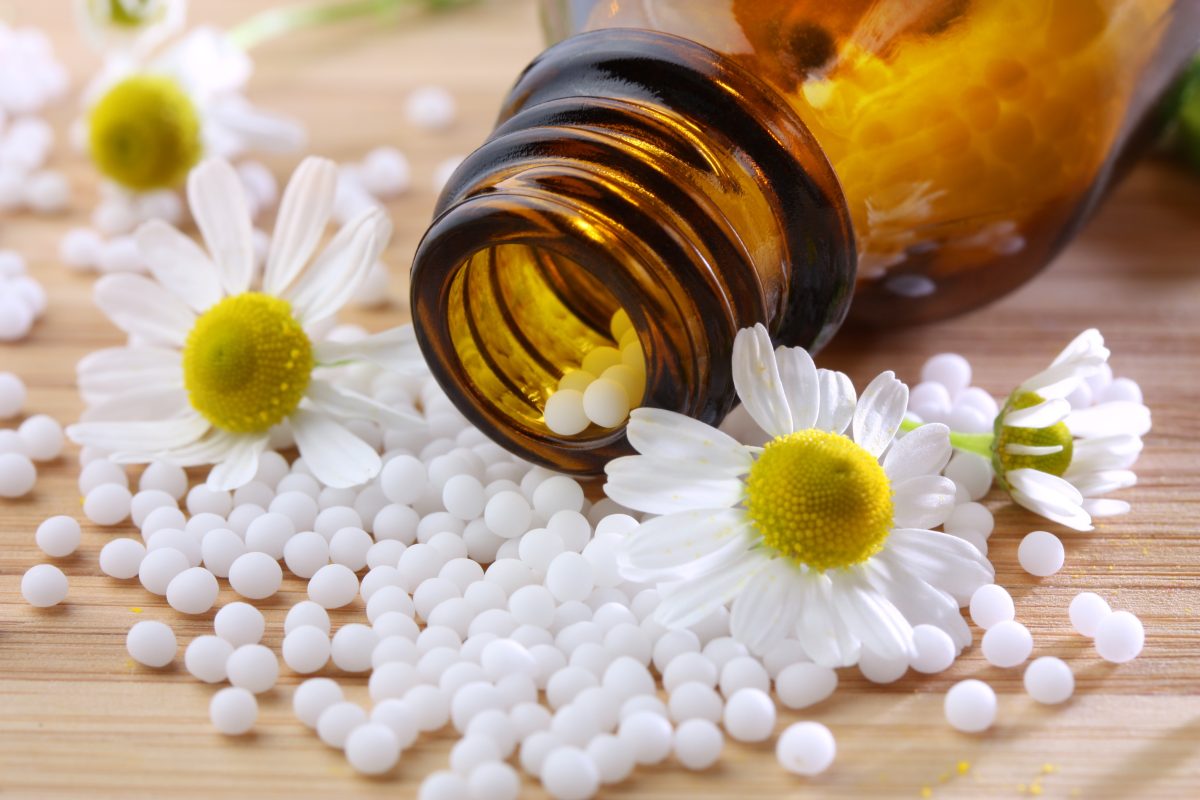
Homeopathy

Homeopathy offers some great remedies for many of the issues such as stress, overwork, grief, over-excitement, anxiety, guilt, exhaustion and so on.

Homeopathic Coffea helps with getting over-excited children off to sleep on Christmas Eve. Ignatia is often a first choice for grieving. Nux vomica can work wonders if you are driving yourself towards burnout with overwork.

Homeopathic remedies need to be matched to your own idiosyncratic symptoms and the particular way you manifest the stress. So unless you are familiar with self-prescribing for acute situations, or if your stress is long-standing you should consult with a fully trained and registered Homeopath.

Accupressure & Accupuncture

Visiting an Acupuncturist is a great way to deal with the stress, but even better, you can do Acupressure yourself anytime and anywhere, and it works along the same lines as acupuncture. This is a good demonstration of one way to relieve stress by Donna Eden, an expert at using acupressure in her energy medicine work.

These diagrams of acupressure points to use for hangovers could be useful if you are partying hard. And here are some acupressure points to help with feelings of anxiety felt throughout the holiday season.

Flower Essences

Flower essences can have a great benefit when trying to deal with grief. They work very gently, but effectively on the emotions.

The basic Bach Rescue Remedy or Australian Bush Flower Emergency Essence are both good ‘all-purpose’ mixes for dealing with stressful situations but there are a number of others that can be tailored to each individuals requirements. FES Five Flower Formula is similar to Bach Rescue Remedy.

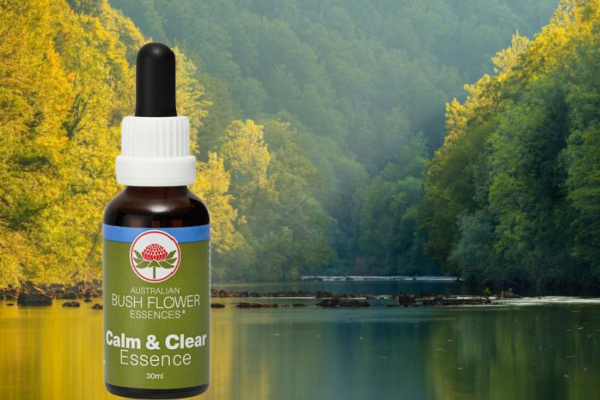
Perhaps my favourite flower essence for this time of the year would be the Australian Bush Flower ‘Calm & Clear’ essence – the name says it all.

There are flower essences to help relieve all the other stressful emotional responses to the holidays and they are well worth investigating.

For information about each of the Bach remedies look here, for Australian Bush Flower Remedies look here and Californian Flower Essences here.  

Difficult Families

Here are some useful strategies for those who have to deal with intensified extended family tensions. They give you the opportunity to plan ahead and devise strategies for you as well as your family.

Importantly it is all about taking back the reigns and getting back your sense of control. If you are able to clearly identify where your stress is coming from then you have a better chance of achieving this control. If there is a tradition in your festivities that causes more stress than joy, then it is time to give yourself permission to change things. Make 2012 the year to make changes, after all you cannot help others if you are not really coping yourself.

Don’t forget, it is not all about the ‘Big Day’. The stress of the lead up through December can be just as bad or worse, and the significant health effect that prolonged stress can have on your whole system is often not recognized or acknowledged until it gets serious.

Remember to check in with situations and ask yourself whether they are of joy or of stress right through the whole Month of December.

Make this the year where you decide to be kinder to yourself. Sure, there are always going to be pressures, but maybe by being aware of how many of the manufactured pressures you embrace, you can let a few slide, and in easing up your obligations you will be able to deal with those stresses you really cannot avoid.

It is time to allow yourself the gift of self-love and self-care.


Disclaimer.

All information and opinions presented here are for information only and are not intended as a substitute for professional advice offered during a consultation. Please consult with your health care provider before trying any of the treatment suggested on this site. 
© Catherine Bullard and Happy Holistic Health, 2012. Unauthorised use and/or duplication of this material without express and written permission from this blog’s author and/or owner is strictly prohibited. Excerpts and links may be used, provided that full and clear credit is given to Catherine Bullard and Happy Holistic Health with appropriate and specific direction to the original content

Holy Basil! It’s Tulsi the Queen of Herbs

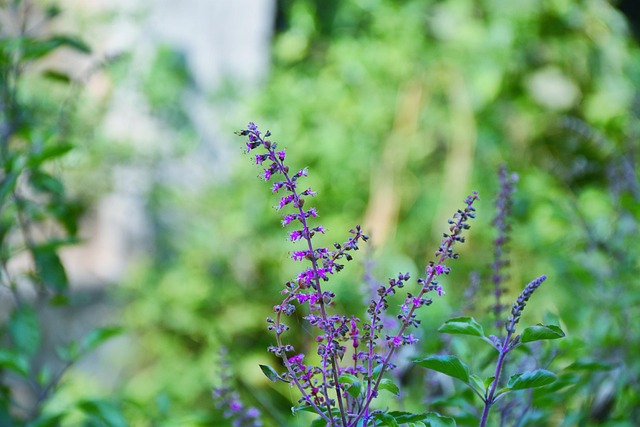
Today I brewed my afternoon cup of Tulsi tea with great anticipation. While I enjoy many green and herbal teas Tulsi is one of my favourites. Tulsi or Holy Basil, known scientifically as Ocimum tenuiflorum or Ocimum sanctum, is a zesty and invigorating tea. It’s packed with many compounds and nutrients having a wide range of powerful health benefits for both the body and the mind. Tulsi has a vast range of actions within the body to promote health and wellness.

The Tulsi Story

 Tulsi is a small plant widely used as a medicine in the past and still important today. It is cherished as a sacred plant in Ayurvedic medicine where it has played an important role for nearly five thousand years.

Commonly known as Holy Basil, it’s also known by many other names that reflect the exalted position it holds such as Sacred Basil, Queen of Herbs, the Incomparable One, the Elixir of Life and the Mother Medicine of Nature. Vedic texts describe Tulsi as a manifestation of divine energy. Many herbs are valued in Ayurvedic medicine, but Tulsi is a highly prized medicinal, recognized as a herb with unique status and revered alongside the Lotus.

Holy Basil is believed to be spiritually endowed and powerfully transformative. In India it plays an important part in religious practices and is often used during meditation to gain clarity and protection. The plant is revered for both its healing abilities and its ability to heighten spiritual awareness. It is thought to balance the chakras and to be capable of bringing on goodness, virtue and joy in humans.

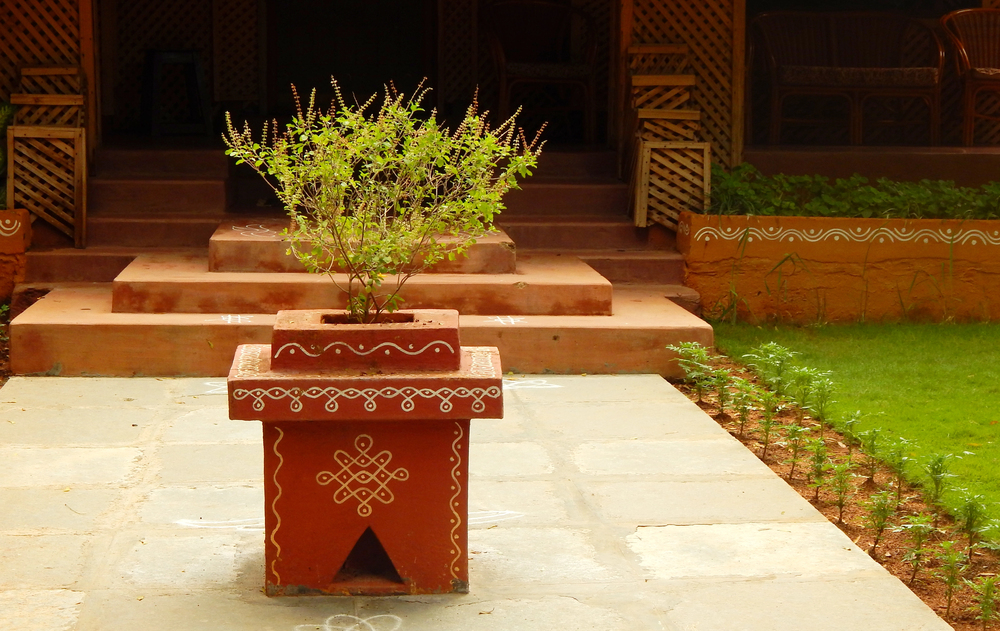
It is thought the plant provides divine protection and purifying for both the home and family. Traditionally and still today a potted Tulsi plant is placed on the prayer altar in the home’s courtyard. It ensures personal health, maintains family well-being, uplifts the spirit and balances the bodily energies.

A Potent Herbal

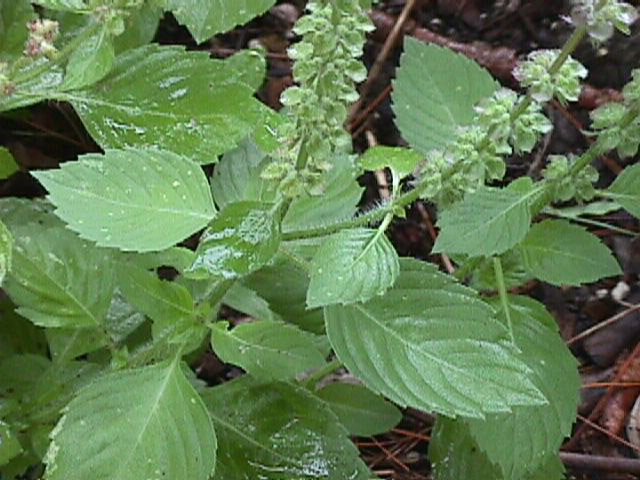
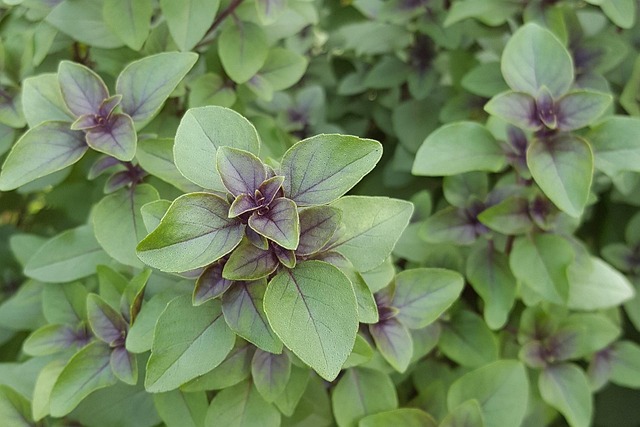
There are four types of Tulsi and all are known for their fragrance which slightly resembles that of their cousin, the Sweet Basil that you use in cooking. Krishna Tulsi (purple) is slightly peppery. Rama (green) is cooling and mellow and the variety commonly used for tea. Vana or ‘forest Tulsi’ (Ocimum gratissum) grows wild and is a bit ‘lemony’.

Tulsi is a member of the Lamiaceae mint family, and all varieties have a faint mint taste and aroma. All varieties of Tulsi are used medicinally with each variety being better suited for treating different specific ailments.

Healing Power

The chemical composition of Tulsi is very complex and rich in antioxidants and other nutrients. As a herbal remedy it has many benefits.

Traditionally Tulsi was used for an impressively wide range of health promoting purposes. It is used in over 300 medical treatments and there is much evidence of its health benefits. The research offers impressive evidence that Tulsi has general vitality-enhancing properties which support and enhance the body’s natural capacity to maintain a state of well-being.

Research shows that it both protects against and reduces stress, enhances stamina and endurance, increases the body’s efficient use of oxygen, boosts the immune system and slows aging.

A Powerful Adaptogen

Holy Basil has a wide range of actions, but perhaps is most recognised and appreciated as a powerful natural adaptogen, acting as a potent anti-stress agent, helping you cope with stress and maintain balance and wellness.

Tulsi supports the body to adapt to the many stresses of modern life, whether they’re environmental, emotional, physical or chemical. It keeps the body in a balanced state of health and offers protection from the vast range of diseases that are caused by these stressors. It assists with mental tension, emotional difficulties and the problems resulting from a poor lifestyle.

Tulsi is an ancient protective herb ideally suited to the modern world because it helps prevent illnesses that are the result of living a modern high-speed lifestyle.

Holy Basil Healing

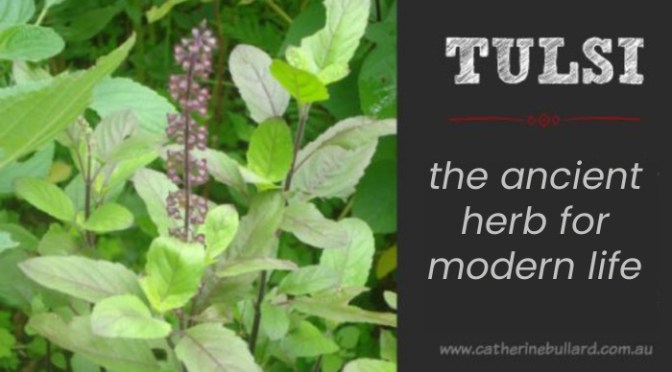
Tulsi really is the ancient herb for modern life because it is beneficial for so many modern health problems. Here are twenty-five of its benefits, however, there are many more.

  • Supports the immune system and protects the body from illness and infection
  • Helps fight infections including acne, because it’s anti-fungal, anti-bacterial and anti-viral
  • Is widely used to treat respiratory ailments, easing congestion and coughing
  • Provides physical stamina
  • Reduce stress and anxiety, calms the mind
  • Has anti-depressive action
  • Enhances digestion and nutrient absorption and helps with gastrointestinal problems such as bloating
  • Reduces inflammation in diseases like arthritis
  • Supports heart function, reduces cholesterol and high blood pressure, reduces the risk of stroke   
  • Neutralises dangerous chemicals that can cause cancer, degenerative diseases and early aging
  • Is a nerve tonic
  • Sharpens memory
  • Is expectorant and effective in asthma, cough, croup, allergies and respiratory infections
  • Strengthens the kidneys
  • Lowers cortisol levels
  • Promotes the flow of mother’s milk
  • Helps lower blood sugar levels and nourishes the pancreas 
  • Is useful in many children’s illnesses like diarrhea, cough, cold, fever or vomiting as well as ADHD
  • It hydrates the skin and helps with disorders like ringworm or dryness
  • Assists insomnia
  • Can reduce pain and spasms
  • Reduce excess phlegm
  • Improve sluggishness and lack of energy
  • Increase metabolism which may help weight loss
  • May help prevent lung, liver, oral and skin cancers
  • In conjunction with chemotherapy or radiotherapy the eugenol contained in Tulsi leaves reduces drug toxicity on healthy cells during treatment for a range of cancers

Tulsi may also offer preventative and curative potential for many degenerative disorders, such as cancer, heart disease, arthritis, diabetes and dementia.

With such a wide and diverse range of action Tulsi stands tall as a healing herb able to restore widespread balance in your body.

Possible Side Effects

Holy basil is generally safe to consume. If you experience digestive symptoms after taking Tulsi for a couple of months simply take a break before resuming it again.

It is not recommended taking Tulsi during pregnancy or if you are considering getting pregnant as there are indications that it may have an anti-fertility effect. But it is perfect after the birth as it helps to increase milk production.

Tulsi is easily grown and can be eaten fresh, simply pluck and chew a few leaves or add them to cooking. It can also be taken in supplement form as powder or capsules.

Fresh, zesty Tulsi tea is made from the leaves and blossoms of the Rama plant. Drink it on its own or combine it with green tea or other herbs for flavour.

Holy Basil is the perfect pick-me-up in the late afternoon, quickly rejuvenating my energy, and uplifting my spirits, and contains no caffeine at all to disrupt sleep! I drink Tulsi regularly knowing it’s also having a positive effect in the long-term on my health and wellness.


Disclaimer

This information is for your general health information. It is not intended to be used as medical advice and should not be used to diagnose, treat, cure or prevent any medical condition. The information should not be used as an alternative to professional healthcare. If you have a particular medical problem, please consult a healthcare professional.

Source articles:

https://maharishiayurvedaindia.com/blogs/wellness-need/tulsi-plant-benefits-uses-types-and-more https://pmc.ncbi.nlm.nih.gov/articles/PMC5376420/ https://pmc.ncbi.nlm.nih.gov/articles/PMC9919305/ https://timesofindia.indiatimes.com/life-style/food-news/types-of-tulsi-and-the-best-way-to-use-them-for-immunity-and-weight-loss/articleshow/77679586.cms https://draxe.com/nutrition/holy-basil-benefits/

Bring In The Positive With Negative Ions

With Spring all around you could be excused for thinking that Love is in the air. While that may well be so in your neck of the woods, it will be sharing that air space with something far more sinister – positively charged ions. These positively charged ions have a dramatic effect on your body and your mind, causing a whole range of health problems.

Salt lamps counteract the bad effects on our health of positive ions

What Are Positive Ions?

Without getting technical, there are two types of ions (charged particles) in our surroundings, negative and positive. (Don’t skim or skip this as I’ll try to keep it simple and having a basic understanding will make lots of things about your family’s health clearer to you.)

An excess of positive ions in the environment affects the health of humans. Positive ions are thought to cause free-radical damage in the body and adversely affect the immune system in many ways.


What Are The Negative Effects Of Positive Ions?

As well as immune system dysfunction they positive ions cause many other symptoms including body pains, headaches, dizziness, nausea, fatigue, respiratory difficulties, allergies, asthma, migraine, emotional unbalance, irritability, exhaustion, apathy, anxiety and depression. They can also affect your endocrine (hormonal) system, thus your thyroid hormone production and also increase adrenalin production.

And then all these disruptions can impact on you in many other ways such as poor sleep or learning difficulties.


Where Do Positive Ions Come From?

Increased positive ions in the environment are produced by many of the things that are an ingrained part of our modern lives, such as TV sets (digital sets throw out toxic beams directly in front of the screen for up to 400 metres, including through walls), computer monitors, microwaves, fuse boxes and in fact by any of the electrical appliances and power points in your house and workplace.

WiFi technology, such as mobile (cell) phones, wireless internet, modems and routers, and baby monitors, has greatly increased the presence of positive ions in our lives. The electro magnetic field around each of these hotspots varies from one to the next but can extend for a number of metres.

The term Geopathic Stress is used to indicate the presence of unhealthy earth energies in living spaces and refers to the imbalance of Positive Ion fields. And stress within your body, including your brain, is exactly what high positive ion levels cause.


How Negative Ions Help You

Negative ions on the other hand, help to balance out the effects of the vast quantities of positive ions that are released into the air of our modern homes. It’s thought they produce biochemical reactions in our bloodstream that lead to increased production and release of the happy mood chemical serotonin, which in turn helps to alleviate depression, reduce stress and boost daytime energy.

Other ways negative ions can help you are with detoxification, increased alertness, improved concentration, better breathing, sounder sleep, tension relief and vitamin utilization and they help to strengthens your body’s immune system.

Negative ion balance maintains healthy oxygen levels, promotes healthy cell growth, healthy states of mind and overall wellbeing. Basically, they’re all-round ‘good guys’ and vital to have anywhere you spend lots of time!


How Positive and Negative Ions Affect Your Body

Here’s an interesting comparison from Kiflow between the benefits from negative ions and the damage from positive ions in the environment.

Beneficial Negative Ions Harmful Positive Ions
Blood vessels Dilate blood vessels Constrict blood vessels
Blood Pressure Stabilize BP Increase BP
Blood Increase blood alkalinity Increase blood acidity
Bones Strengthen bones Weaken bones
Urinary tract Promote urination;
increase nitrogen in urine
Suppress urination;
decrease nitrogen in urine
Respiratory Stabilize respiration and make breathing easier Accelerate respiration and make breathing more difficult.
Pulse rate Decrease pulse rate Increase pulse rate
Heart Enhance heart function Impair heart function
Fatigue Speed physical recovery Prolong physical recovery
Autonomic Nervous System Calm and relax nerves Tense and strain the nervous system
Growth Promote healthy growth Suppress and delay growth


Where To Find Negative Ions

There are lots of places where you find an abundance of negative ions including beaches, waterfalls, forests, fountains and mountains. Think of the wonderful lift you experience just by being in these places.

Pounding surf and thunderstorms are great negative ion generators. Of course some of the positive response you feel is due to the natural beauty of these amazing places but much of the uplifting response is from the abundance of negative ions in the air.

Negative ions in these places are measured in tens of thousands but in most homes and offices they often only measure in ‘hundreds’ or even ‘tens’, which may be why you never get that same uplifting feeling at home, work or school.

Negative ions are not the same as ozone and both have a different effect on you.

Benefits of negative ions and damage of positive ions

What’s Negative-Ion-Rich Air Like?

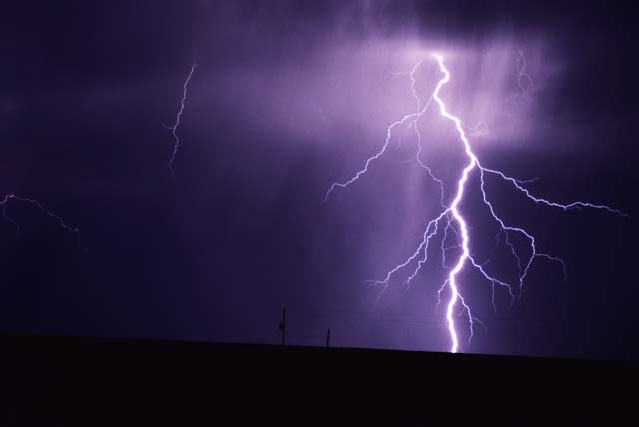
The difference between air rich in positive ions and air rich in negative ions can easily be felt during a thunderstorm.

Have you noticed the build up of tension in the air just before it starts? This is the time when the positive ions are peaking.

Once the storm hits the air produces electrical charges in the atmosphere and fain starts to fall. The air becomes rich with oxygen and explodes with negative-rich ions.

After the storm has passed there’s a feeling of calm and serenity because the rush of negative ions has balanced out the positive ions.

There are many ways to reduce the buildup of positive ions ranging from the cheapest, which is to simply throw open the doors and windows on opposite sides of the room to allow cross-ventilation, to the expensive installation of an Ionizer, but one easy and beautiful way to bring about this ion reversal is to place Himalayan Salt lamps around your living spaces.


What are the benefits of Himalayan salt?

I have lots of Himalayan Salt Lamps for sale at work and am often asked what their purpose is. These lamps, and the salt itself, have a wealth of health benefits.

Lamps made of salt from the Himalayas have enormous health benefits

Himalayan salt is high-quality salt hand-mined from salt caves that were formed 250 million years ago in the foothills of the Himalayas.

The lovely pink colour indicates that it’s mineral rich, and in fact contains 84 minerals and trace elements including calcium, potassium and magnesium. In a country like Australia where our mineral deprived soils lead to food produce that is also low in the minerals your body needs, using this salt is a good way to boost your essential mineral intake.

Unlike table salt, it’s unprocessed. Processed salt is devoid of minerals and only one of the 84 minerals, iodine, is ever replaced.

Even rock salt, which is better than table salt, is no match for Himalayan salt as the elements contained in rock salt are not as easily metabolized as they are in the Himalayan salt which has a unique crystalline structure that enables your body to absorb and metabolize them.

I use Himalayan salt in my cooking instead of processed salt and have noticed that I actually need to use less to get the same effect, perhaps as a result of the presence of the full-spectrum of minerals it contains.

Himalayan salt has a perfect crystalline structure and is the highest grade of natural salt. It contains no environmental pollutants and is importantly, immune to electromagnetic fields.

It’s great added to baths to rejuvenate skin, and to foot baths to detox. Across Europe it’s very common for people to go and spend time inside salt caves to aid their health. Here are the locations of a few.


Himalayan Salt Lamps

Another wonderful way to gain the health benefits of Himalayan salt is to use it in the form of lamps.

Here’s a short explanation of how they work but here and here are more detailed ones.

As the lamp warms up it begins to attract and absorb moisture and the surface becomes moist. The ion field builds up. The heat from the lamp then leads to evaporation and it’s this that creates the negatively charged ions and releases them into the air, where they bind with and neutralize the excess positively charged ions in the air. This helps reduce the ‘electro-smog’ in your air as well as reducing allergens and irritants.

The lamps only release negative ions when they are warmed from the heat of the globe.

If the air is very humid the lamp may ‘weep’ and so should be left lit as this helps to dry them out. During one particularly humid December I woke to find a huge puddle on the floor under one of my lamps sitting right in front of a fan that had been on all night to draw the cooler air into the house. But that cooler air was also laden with moisture!

Himalayan Salt Lamps provide huge health benefits

In addition they are very beautiful, emitting a soft pinkish glow that helps to create a wonderful warm ambience in your home or work. Their colour ranges from light apricot to dark orange and from the softest baby pink to a deep dark rose pink.

There has been much research on the healing effects of colour on our body and mind. Pink is said to soften the vibrant energy of red and support a sense of partnership and love and open your emotional body. It embodies feminine nurturing.

Here are colour therapy descriptions of the characteristics of various pinks “The New Rainbow Colours” if you’d like to know more.

Himalayan salt lamps emit negative ions to help reduce the toxic effect of wi-fi
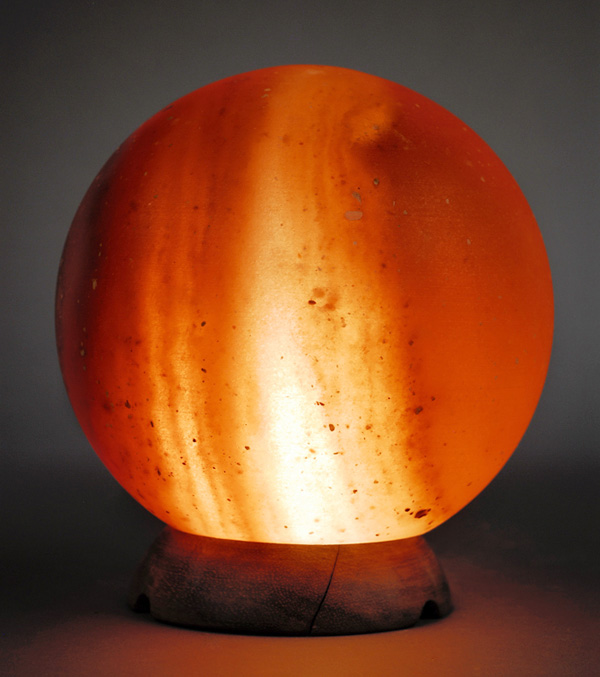
Salt Lamp Globe Showing Naturally Occuring Striations


How To Use Salt Lamps In Your Home

Placing just one lamp in your home won’t ‘fix it all’ as they have a limited range and so won’t be able to neutralize a whole house.

I have five in my home and one on my desk at work. Place a few through selected areas of your home where you spend lots of time, such as the living area or bedroom as well as near the TV, computer and other high EMF areas to gain the benefits where you need it the most.

They make a beautiful soothing night light for a child’s bedroom, creating a nurturing feeling for the child while at the same time rebalancing the ions in the air, and often improving disturbed sleep.

Salt lamps often improve disturbed sleep.

Disclaimer.

All information and opinions presented here are for information only and are not intended as a substitute for professional advice offered during a consultation. Please consult with your health care provider before trying any of the treatment suggested on this site. 
Source articles:

http://products.mercola.com/himalayan-salt/himalayan-salt-lamps.htm

Fight Depression With These Simple Strategies

As you read this post Mental Health Awareness week has finished but the battle that is depression goes on for many people.

Commonly Depression is treated with drugs that flood the brain with serotonin. While it is important to address depression, there have not been scientific studies that show that this drug therapy really works, and in fact, a number of experiments where the serotonin levels in the brain were greatly increased, failed.

However, there are other methods that can be used to help relieve depression.

  • A therapist can help you with new ways to look at yourself and your life.
  • Adequate sleep makes you less susceptible to the negative messages that seem to swamp you. (I’ll write more about good sleep habits in a later post).
  • Exercise three times a week, difficult though it always is to get motivated, always helps lift your mood by altering brain chemistry. It doesn’t have to be at the gym as walking is always good and yoga is great too.
  • Structure helps, so getting into a routine is a good idea.
  • Keeping in touch with other people who love and support you is worth heaps, and if you can’t do that, then just getting out and being around people, anyone, will help. Even better if they have a laugh with you.
  • Getting lots of sunshine is also good as natural light has been proven as a cure for depression.
  • There are also lots of mood boosting supplements, like maca, that will help.

Food For Depression

Another major way of fighting depression is through good nutrition, even though because of the depression you may not be feeling hungry.

Preparing and eating a meal might seem pointless but not only do the nutrients contribute to lifting your depression, it will also help you avoid the junk foods that make your depression worse. Don’t even buy or store sugary or salty snacks in your cupboards – it is far better to have simple healthy foods that don’t need lots of preparation to use when you find you are simply not able to face meal preparation.Foods like coffee, meat, alcohol and fatty or fast foods can actually make you feel more depressed and you will feel a lot different if you avoid them.

It really is a case of “you are what you eat”, bad foods make you feel worse and good healthy foods make you feel better.

Top foods to fight depression

1. Fish Oils:

Yes this is another benefit of fish oils as the right kind of fish contain lots of omega-3 fatty acids, often lacking in depressed people. One study showed that taking just one gram of fish oil each day made a 50% difference in symptoms like anxiety, sleep problems, feelings of sadness, decreased sex drive and suicidal thoughts. You can also get omega-3’s through eating other foods including walnuts, flaxseed oil, or chia seeds. Oily fish include sardines, tuna, wild-caught salmon, gemfish plus others.

2. Brown Rice:

A great high-fibre food, brown rice contains lots of Vitamin B, B1, B3 and folic acid, plus lots of trace minerals which you need to function properly. It is also low-glycaemic, releasing glucose into the bloodstream slowly to prevent mood swings due to sugar-lows. You need to avoid any “instant” or “quick-cook” varieties because they don’t have any of these benefits.

3. Brewer’s Yeast:

The “darling food” of the 70’s, brewers yeast also contains B Vitamins (B1, B2 and B3). Don’t take this if your yeast tolerance is not great, but otherwise get your daily dose by mixing a thimbleful into a smoothie. It has heaps of vitamins and minerals in a small package, including amino acids which are great for the nervous system, and awesome for dealing with depression

4. Whole-grain Oats:

Again, you can’t use “instant” or “quick cook” oat varieties as they won’t help. With heaps of B vitamins (folic acid, pantothenic acid, B6 and B1) wholegrain oats help lower cholesterol, soothe the digestive tract and help prevent “sugar crashes,” so they assist with crabby moods and mood swings.

5. Cabbage:

With Vitamin C and folic acid cabbage protects against stress, infection and heart disease as well as lots of cancers (American Assoc for Cancer Research). There are lots of ways to eat it apart from boiled into a nasty mess – try it tossed in a salad or a wrap instead of lettuce, perfect in a stir fry, in a cabbage soup or just juice it. If you have trouble digesting cabbage add some fennel, caraway or cumin seeds before cooking. Or you could drink these spices in a non-caffeinated tea.

6. Other Foods

There are also a few other foods worth a mention here.

  • Grains like quinoa, kamut or spelt are better choices than refined grains like white wheat flour. Wholegrains are one great place to find the B vitamins which help improve your mood.
  • Foods like raw cacao (not a block of milk chocolate!), dark molasses and brazil nuts, which are high in selenium, are also great depression eliminators
  • Make sure your diet is loaded up with fruit and vegetables which will provide lots of vitamins and minerals to help lift the clouds that surround you. And remember that there is a big difference between both the amounts, and the quality, of the nutrients in organic and commercially grown produce. Organic foods have significantly higher levels of the nutrients you need than are found in commercially grown crops.
  • It is pretty important to try and keep your blood sugar levels stable and also to get enough B vitamins when you are feeling depressed. Avoiding sugar altogether helps stop blood sugar spikes and dips.

In the end it is important to remember that depression does not last, it is a transient phenomena and will pass. In the meantime take the decision to be proactive and make the changes you need to make to move on.  Even just setting this goal is the first step in moving forward.

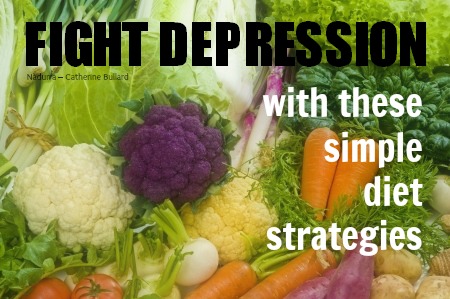
Fight depression with diet

Disclaimer.

All information and opinions presented here are for information only and are not intended as a substitute for professional advice offered during a consultation. Please consult with your health care provider before trying any of the treatment suggested on this site. 

For more information:

http://www.naturalnews.com/020611.html

http://voices.yahoo.com/how-fight-depression-daily-habits-all-200108.html?cat=72

http://www.naturalnews.com/035463_depression_herbs_remedies.html

http://www.thedailymind.com/stress/5-small-but-big-ways-to-beat-depression-every-time/

http://www.webmd.com/depression/features/natural-treatments

© Catherine Bullard and Happy Holistic Health, 2012. Unauthorized use and/or duplication of this material without express and written permission from this blog’s author and/or owner is strictly prohibited. Excerpts and links may be used, provided that full and clear credit is given to Catherine Bullard and Happy Holistic Health with appropriate and specific direction to the original content.