Category Archives: Holistic Health

6 Natural Remedies For Depression

natural remedies for depression

Along with the outpouring of sorrow that occurred this week with the news of the death of Robin Williams there has also been much discussion about depression – the nature of the illness, reminders to offer our support to those suffering with it, of ways to deal with it.

Clinical depression is a serious illness that needs treatment from a professional western or alternative health practitioner. However many of the symptoms of mild depression can be helped significantly by a variety of natural treatments that you can do for yourself or which a Natural Health practitioner can take you through.

There are many symptoms associated with mild or subthreshold depression including ongoing fatigue, poor sleep, appetite irregularities such as lack of appetite or comfort eating, a lack of interest in relationships events or celebrations, low self-esteem, anxiety, an inability to find motivation, or a feeling of being cut-off from life.


1. MINDSET

There have been studies done that confirm that a persons perception of life becomes a self-fulfilling prophecy. While depression is not all in the mind your frame of mind is really important for recovery. I am not suggesting you can just ‘snap out of it’. But, while acknowledging that there is something wrong, losing the depression label is a first stepto recovery.

When you buy into defining yourself with a label placed on you by someone else, whether it is a doctor, family or a friend, you relinquish your personal power and undermine your ability to get well. If you allow your thoughts to focus on the label, you accept for yourself the role of someone who is mentally unwell. It may seem simplistic but changing your mindset and making the decision to overcome your illness is the first step that allows you to move forward.

One way to do this is to carefully examine how you are affected by the people you mix with. Tuning into how you feel after spending time with a particular person allows you to sort out any that may be contributing to your low feelings. If you regularly feel disheartened after time spent with anyone it is better for your frame of mind and wellbeing to minimize time with that person.

What your feelings tell you about your relationships with others can come as a real surprise. But acting in congruence with your feelings can turn around your mindset, lift your mood and support you in getting well.

It is also worth asking yourself if your low feelings are linked to your life. Are you expected to sell out your integrity in your work? Are there problems in a relationship that you may need to end? Do you have creative outlets? Feel spiritually disconnected? Is your body restricting you?

Being honest with yourself may help you find the source of your depression. Sometimes having a counselor, psychologist or life coach to help you work through these and define a pathway to change makes things easier to achieve.


Learn how to choose the best Homeopathic remedies for acute illnesses


 2. HOMEOPATHY

Many natural therapies have a good record with alleviating the symptoms of depression. Acupuncture, herbal therapy and EFT are just a few.

Homeopathy also offers many options for depression. The Homeopathic remedy used depends on the particular symptoms you experience, as everyone’s experience of depression varies slightly, in both the expression and the emotions and thoughts and experiences behind it.

Homeopathy taken in accordance with homeopathic prescribing principles is particularly good at changing your mindset. It allows you to lift your head out of the depressive thoughts and start to move forward.

There are many Homeopathic remedies for depression. One of the first to consider for depression with obvious anxiety is Arsenicum album. These people are often quite particular about describing every little detail of their symptoms. They are often very worried that an illness has been missed and have often undertaken lots of investigative tests.

Another commonly used remedy, Ignatia, is a good remedy when depression follows bereavement or shock. These people are very emotional with lots of sudden mood swings and sudden tears or they may frequently sigh deeply. They don’t want sympathy and often take well meant help as criticism.

A person needing Natrum muriaticum responds differently to grief as does one needing Ignatia. This person builds a barrier and won’t release any emotion through crying. They hate sympathy from others although they are empathetic themselves and will readily care for others. They can be very sensitive and easily move into a lower mood from stimuli such as music.

As you can see Homeopathic prescribing is quite particular and individually selected. Two people may react to a similar experience in very different ways and so require very different remedies. There is also the potential to make symptoms worse if the wrong remedy or potency of remedy is taken. Consulting a Homeopath who can match the correct remedy to your particular symptoms can result in significant improvement.


3. FOOD

Food most definitely affects our mood. What we eat and when we eat can have a huge effect. Staying away from caffeine, sugar, fatty foods and alcohol is a great place to begin as these foods actually make depression worse. Don’t keep them in your pantry and you will be less tempted by them. You will feel a lot better if you simply don’t eat them.

Replacing the poor junk foods with nutritious foods moves you towards recovery faster. The top foods to fight depression are:

  • Omega-3 is often lacking in depressed people so eating oily fish and other foods high in omega-3 can make a significant difference. One study showed taking just 1 gm of fish oil a day made a 50% difference in symptoms of depression. Take between 1-3 gm a day. Other omega-3 rich foods include walnuts, chia seeds and flaxseeds.
  • Brown rice is rich in B vitamins as well as trace minerals. Brown rice is great for reducing mood swings due to sugar-highs and lows. Don’t use ‘quick-cook’ varieties as they don’t have the same benefits.
  • Leafy greens are a great source of folic acid, one of the B vitamins helpful for symptoms of depression, as well as magnesium.
  • Bananas are high in tryptophan which is used in the body to make serotonin, the happy hormone. Other foods to enhance serotonin are healthy fats like coconut oil, protein rich foods especially free range turkey and wild caught fish high in omega-3.
  • Don’t skip meals and help keep your blood sugars stable.

depression2

4. SUPPLEMENTS

  • Many people actually suffer from a disorder known as Seasonal Affected Disorder (SAD) which is the result of insufficient exposure to sunlight and as a result, they have low Vitamin D levels. This disorder becomes worse as winter progresses and can persist through Spring until levels of Vitamin D build up in their body again. Taking Vitamin D as a supplement through the winter months can dramatically help SAD sufferers. Consult an Alternative Health Practitioner who will work out how much Vitamin D you actually need, it varies from one person to the next.
  • The B Vitamins are linked to a whole range of emotional disorders and if your levels are low taking a supplement can be a great way to keep your spirits up. Take 50 mg of a Vitamin B complex each day rather than individual B Vitamins as each one works better when the others are all present.
  • Magnesium deficiency can be another factor behind depression and mood disorders and there are many who have a deficiency of this crucial mineral.
  • SAMe can be very effective for treating depression. Take 200 gm on an empty stomach.
  • The herb St John’s Wort has long been used for depression. Check with your doctor before using as it can interfere with some pharmaceuticals. Don’t take this if you are taking anti-depressants


5. LIFESTYLE

Getting enough exercise is essential to beat depression, no matter how little you feel like it. Pushing yourself to get out for a walk will help improve your spirits. Even exercising along with a DVD in your living room is good.

The effect of meditation on depression has been well-documented and it is known to greatly improve the symptoms. There are many different ways to meditate from simple breathing techniques LINK that you can do in just a few minutes, through guided visualizations, walking meditations, mindfulness LINK and binaural beats. It is all a matter of working out which is the right one for you.


6. HORMONES

It may be there is a physical cause for your depression. If your hormones are out of balance your mood will be hugely affected. Finding out your levels of thyroid, adrenal and sex hormones are wrong can offer some clues. Armed with the results, visit your natural health practitioner who can then work toward rebalancing your hormones naturally without resorting to pharmaceutical medicines.

Moving yourself out of mild depression requires a combination of strategies. Making lifestyle changes, dietary changes, examining your relationships and your behaviours all play a part. Seeking out professional help to put these strategies together to achieve the balance you need to move forward can set you on the path to recovery faster.

active-84646_640

Disclaimer

All information and opinions presented here are for information only and are not intended as a substitute for professional advice offered during a consultation. Please consult with your health care provider before trying any of the treatment suggested on this site.


Source articles
http://www.psychologytoday.com/blog/owning-pink/201103/11-natural-treatments-depression-md-s-tips-skipping-the-prozac
http://www.britishhomeopathic.org/bha-charity/how-we-can-help/conditions-a-z/beating-the-blues/
http://www.bodyandsoul.com.au/health/health+advice/treating+depression,7821


Natural Alternatives To Paracetamol

Paracetamol

Do you regularly rely on paracetamol for quick-fix pain relief to get you through the day? When in pain most people quickly reach for a conventional painkiller so they can get back to their busy life. However, common painkillers can have nasty undesirable side effects.

While paracetamol is widely regarded as generally safe when used at its recommended doses, in larger doses it can be fatal.

Paracetamol was discovered and used as a pain reliever long before it was known how it works. According to Panadol Uk  it is believed to work in the brain where it inhibits the production of the pain and inflammation causing chemicals, prostaglandins. It has no effect on inflammation.

Pain is the body’s indication that something is wrong and it seems our primary concern needs to be to find a way to lessen the problem by treating its cause. Paracetamol alleviates the effects of the problem, the pain, but does not address the cause behind the pain.

In addition there is the big concern about the side effects of any prolonged use of medications that do nothing more than simply block pain symptoms.

Paracetamol can cause liver damage and even liver failure. There is a serious risk for liver injury with overdose.

But paracetamol can also cause other side effects. Skin rashes, blood disorders, nausea and vomiting, and inflammation of the pancreas can all occur when paracetamol is taken for a long time.

In 2012  in the UK it was suggested that people who regularly take medicines, such as aspirin and paracetamol could be causing themselves more pain than relief. The dosage recommendations for paracetamol were subsequently lowered in the UK and USA. But in Australia recommendations were maintained at the higher levels. Many people in the community have the impression that paracetamol is a harmless drug.

However, there are natural alternatives that do stop pain and help the body heal as well.


LIFESTYLE

In addition to the use of homeopathic remedies or herbs it is wise to address any factors in your lifestyle or diet that are contributing to your pain.

Toxins in any form in your body can cause pain.

Pain and inflammation can often be caused by a food. Sometimes a seemingly benign food or food group can be the culprit, acting as a toxin within your body. No matter what you take, if you continue to eat the problem food you will continue to have the pain. Testing can help you identify problem foods quickly. But be aware that you may have a food intolerance rather than an allergy causing the inflammation.

When you are able to identify the problem food, or foods, you can remove it from your diet at least for a while, to give your body time to recover.

Deficiencies of certain nutrients can also cause you pain, as can metabolic processes. Pain is often linked to excess acidity in the body. Acidity may be caused by a number of things, and one is a diet containing too much acidic food.

All foods can be classifies as either alkaline or acidic according to how they break down in the body (not how acidic they are before eaten). Weighting your diet towards more alkaline foods can help reduce pain. Essentially eating more fruit and vegetables and less meat, sugar, dairy, grains and additives makes your diet more alkaline.

Many headaches are the result of dehydration and simply increasing your water intake can reduce the problem.


10654441_xxl

HOMEOPATHIC TREATMENT

As a professional homeopath my personal inclination is to make homeopathic remedies my go-to for pain relief. The advantage of homeopathic remedies which are carefully selected by a trained practitioner is that at the same time you get pain relief the homeopathic remedy will also immediately begin to address the underlying cause.

There are many homeopathic pain remedies and I have employed their use successfully for many years. In fact we have not even had any paracetamol or other pharmaceutical painkillers in my home for decades. Homeopathy can be particularly useful for treating pain associated with problems that cannot be diagnosed, as it is selected according to presenting symptoms rather than disease diagnosis.

Perhaps the most well-known homeopathic remedy for pain is Arnica montana. Used in both homeopathic and herbal formulations this mountain meadow flower offers great benefit for muscular pain as well as pain in general.

Homeopathic Hypericum (St John’s Wort) provides great relief for nerve pain, especially in the fingers, toes and nails. When professionally selected in its homeopathic form it can be used along with anti-depressants, unlike the herbal version.

Magnesium phos and Chamomilla are perhaps the most widely used homeopathic remedies for spasms and cramps.

Nux-vomica is just one of the many remedies that offer great relief for headaches.

Homeopathic Arnica is very widely used by many first-class sports persons. They employ its marvellous healing benefits for traumatic injuries such as bruising, muscle strain, ligament sprain, fractures and so forth.


HERBAL REMEDIES

There are a number of herbs that have been used for thousands of years to relieve pain. When prescribed by a qualified herbalist they assist the body to heal itself. However, like paracetamol, some herbs simply suppress the symptoms without actually healing the problem. But, these generally do not have the side-effects of the drug and so may be a better choice than paracetamol or NSAIDS for pain-relief.

Capsaicin is the active ingredient found in chili peppers, and gives topical relief from nerve, joint and muscle pain by interfering with substance P, a chemical that transmits pain signals to the brain.

There has been a great deal of research into curcumin, the active substance found in turmeric, which is proven excellent for reducing the inflammation that causes pain. Like capsaicin it blocks substance P. It offers great relief for the pain of arthritis and rheumatism.

Bromelain is another herb that works as an effective anti-inflammatory.

Chamomile is well known for its calming properties and provides relief for muscle pain and spasm.

Scutellaria (skullcap) can be effective in relieving headache and muscle pain and has been used for the pain of fibromyalgia, joint pain and tension headaches.


peppermint oilESSENTIAL OILS

A German study showed that a drop of peppermint essential oil applied to the forehead and temples could reduce headache pain as effectively as paracetamol.


Paracetamol certainly has a place in certain situations such as post-surgery. But while paracetamol is useful if used occasionally with care, it poses concerns especially for chronic conditions when used frequently. If you find yourself in that position it’s time to start investigating alternatives. Discuss what natural alternatives may help your problem with a professional alternative health practitioner.

In the end it is far more effective to treat the cause of the pain rather than simply suppressing the symptoms. Carefully selected natural or traditional remedies can provide fast pain relief and start the body’s own healing processes at the same time.

You may need to try a few options to find the one that suits you best as we are all different and so we all respond to different treatments differently.

Anxious

Disclaimer

All information and opinions presented here are for information purposes only and are not intended as a substitute for professional advice offered during a consultation. Please consult with your health care provider before following any of the treatment suggested on this site, particularly if you have an ongoing health issue.


Source articles

http://www.tga.gov.au/consumers/information-paracetamol-doses.htm#.U8TFBUBqMyk
https://www.vimchi.info/alternative-options-for-paracetamol-home-remedies-for-pain/

Alternative Remedy Reduces Headaches in 15 Minutes

Natural Cures For Indigestion


Indigestion_20125 NOT free

After enjoying a wonderful meal there is nothing worse than sitting back and finding minutes or even hours later, that you are suffering the discomfort of indigestion.

Acid reflux or heartburn, nausea, vomiting, burping and belching, stomach uneasiness or burning pain, flatulence (gas), abdominal pain, bloating, growling stomach are all symptoms of indigestion, causing the sufferer much discomfort or embarrassment.

Even seemingly unrelated symptoms such as dry coughing, sour or bitter tastes in the mouth, hoarseness and wheezing can be related to acid reflux.

Indigestion is very common and most people suffer from it at least occasionally. With so many lifestyle triggers leading to indigestion this is not surprising.

Drugs prescribed for indigestion are on the increase. Most people use over the counter antacids to find relief but this is one of the worst ways to treat it.

Antacids give temporary relief but can also have side effects such as diarrhea or constipation. Other drugs prescribed fall into two groups – H2 blockers (eg Zantac) and Proton pump inhibitors, PPI’s, (eg Nexium).

The problem with these drugs is that they reduce the amount of acid in your stomach. This may seem beneficial. However, in many instances the problem behind indigestion is actually that your stomach is producing insufficient stomach acid, not excess. When you do not have enough stomach acid you are unable to properly digest food, and digestive problems occur.

The drugs can easily mask imbalances and lead to more serious problems. They may cause many side effects – for example they may lower your levels of vitamin B12, cause nausea or vomiting, headache, bruising, constipation or diarrhea, increase the risk of fractures and the risk of infections. Plus, once you start you need to keep taking them because they cause a rebound effect. This is where the indigestion symptoms return even worse than they previously were, if you stop taking the drug.


CAUSES OF INDIGESTION

Acid reflux occurs when the valve between the stomach and oesophagus (LES) does not close properly, allowing small amounts of stomach acid to spill over into the oesophagus.

Bloating or gas may be due to the fermentation of some trigger foods or foods that are difficult to digest. It can also be due to swallowing air during eating. It may also be a symptom of a disorder such as Coeliac Disease.

There are many Lifestyle triggers for indigestion including:

  • Being overweight
  • Drinking too much alcohol
  • Smoking
  • Stress and anxiety
  • Medications (including aspirin, thyroid meds, or Oral Contraceptives)
  • Eating trigger foods and drinks
  • Overweight
  • Eating too fast
  • High-fat foods
  • Pregnancy


Some of the common trigger foods include:

  • Fatty meats
  • Deep fried foods
  • Chocolate
  • Peppermint
  • Alcohol in excess
  • Coffee
  • Cola

Stress lies behind many cases of indigestion. Keeping a record of your moods and the times when you feel stressed, rushed, anxious, worried, overworked or even uneasy can help you identify emotional triggers for your indigestion. Once you work out what situations trigger the problem, regularly undertaking activities such as meditation, yoga, qi gong, tai chi or relaxation exercises goes a long way towards reducing stress levels and the symptoms of indigestion.


PREVENT INDIGESTION

While prevention is ideal it is not always possible.

But you can make changes in your lifestyle that will help reduce symptoms:

  • Avoid putting pressure on the stomach, avoid tight clothes.
  • Avoid carbonated drinks.
  • Eat small meals – five to six over the day, and eat them slowly
  • Eat fibre (40g a day)
  • Avoid spicy foods
  • Drink coffee (including decaffeinated) and tea in moderation
  • Avoid alcohol
  • Avoid ice cold food and drinks which can inactivate digestive enzymes
  • Avoid cocoa and foods containing it
  • Avoid eating in the three hours before you go to bed
  • Undertake practices to relieve stress
  • Stop smoking, avoid tobacco
  • Lose weight
  • Reduce processed and sweet foods

Foods like kefir, sauerkraut and miso contain probiotics to restore the natural balance and function of your gut. Or take a probiotic supplement containing Lactobacilli and Bifidobacteria. Not only do they restore the bowel flora, they also help your digestion. Taking Spirulina will also increase healthy bacteria in your digestive tract.

Vitamin D is important for stomach health. If you are not getting adequate sunshine or normally wear sunscreen, increase your Vitamin D intake. Source it from cod liver oil (which is also rich in omega 3) or take a supplement.

You can help increase your natural production of stomach acid, hydrochloric acid, by including Himalayan salt in your diet. This ensures your body gets enough chloride to make sufficient hydrochloric acid, plus it provides 83 trace minerals that are needed by your body in order to function well.

One way to identify any food triggers that may be causing your digestive problems is to keep a food diary over a few weeks.

bloated-green-man

NATURAL INDIGESTION RELIEF

Homeopathy for Indigestion

There are a number of Hoemopathic remedies that can effectively stop the symptoms of heartburn and indigestion when selected and taken in accordance with homeopathic prescribing guidelines.

Ipecacuahna is one of the most commonly used homeopathic remedies for acute nausea and vomiting which is not relieved by vomiting. The tongue is surprisingly very clean. Symptoms get worse from warmth but improve a little in the fresh air..

Nux-vomica is great for acute nausea especially when the result of overeating, drinking alcohol or coffee, or digestive problems which are made worse by therapeutic or recreational drugs. It is often accompanied by constipation, flatulence or heartburn. Symptoms are made better by warmth and warm applications.

Homeopathic Pulsatilla can be helpful if the indigestion is the result of eating pork or rich fatty foods. Symptoms include bloating sometimes a headache. They do not feel thirsty and find some relief from cool, fresh air.

Carbo-veg gives relief from bloating with lots of offensive gas, which is sometimes released by drinking carbonated drinks.

Natrum phos is an important homeopathic remedy for indigestion with sour belching, sour tasting vomit and a yellow colour on the tongue. Good for those who get indigestion from eating fats. You can take Natrum phos as either a Homeopathic preparation or as a Cell Salt (Schuessler’s Tissue Salts).

Take Homeopathic preparations in the 6th potency, or the 30th potency if you are familiar with Homeopathic prescribing guidelines.

These are only a few of the hundreds of different Homeopahic remedies that help indigestion and give fast effective relief. If you are not familiar with the intricacies of Homeopathic prescribing consult a practitioner.

Herbs for Indigestion

In addition to changing poor habits there are many wonderful herbs to aid your digestion.

Ginger  tea can give immediate relief for heartburn or indigestion. It can also help reduce bloating. Shred some fresh ginger root and pour boiling water over. Allow to steep for ten minutes, strain and drink.

Fenugreek seeds coat the lining of your stomach to relieve symptoms. Add one to two teaspoons to your food or eat separately.

Licorice root can be an effective treatment for reflux. It stimulates the production of digestive secretions that help reduce reflux. Take one or two tablets before meals or bed, or take as a tea to stimulate saliva and prevent symptoms. Make certain it is deglycyrrhizinated licorice (DGL) particularly if you suffer from hypertension.

Bitter herbs. Herbs such as dandelion root, caraway, fennel, yellowdock, blessed thistle and gentian, found in Swedish Bitters, are some of the bitter herbs that promote better digestion because they encourage gastric secretions including saliva, hydrochloric (stomach) acid and digestive enzymes. They can treat or even prevent reflux. Take bitters just before eating to get the digestive juices flowing.

Holy Basil or Tulsi, has been used for thousands of years in Ayurvedic medicine to treat many disorders including stomach disorders, nausea and stress. Sipping a cup of Tulsi tea could help combat your indigestion by reducing the actual stomach symptoms as well as addressing the stress behind them.

Peppermint.  Many people find peppermint tea an excellent digestive soother. However it can have the opposite effect for nearly half the population, causing heartburn If this applies to you try chamomile tea instead. Peppermint relaxes smooth muscle of your digestive tract to ease cramps, gas and nausea. It can soothe disruptions in the bowel caused by nervousness, overeating or diet changes.

Charcoal.  If you suffer from excessive flatulence taking activated charcoal in the hour or two after your meal can help reduce the gas. Be careful about taking it on a regular basis as it can interfere with the absorption of nutrients.

Slippery Elm Powder taken before meals helps heal irritated digestive tracts. It is mucilaginous and becomes gel-like when in contact with water to coat, protect and soothe the digestive tract. It comes as a powder to add to drinks or in capsules.

Apple Cider VinegarMany people swear by apple cider vinegar. One tablespoon of ACV and one tablespoon of honey in a glass of pure water before meals can ease heartburn.

Lemons. Eating lemon before a meal can prevent heartburn or take some lemon juice in a glass of warm water. Lemon also stimulates bile production to help break down fats and improve digestion.


Chronic heartburn and indigestion is a serious problem and can be part of an underlying illness. Consult your health care practitioner if symptoms persist.

What’s your favourite kitchen cure to sort out for your digestive problems?

NO INDIGESTION

Disclaimer

All information and opinions presented here are for information purposes only and are not intended as a substitute for professional advice offered during a consultation. Please consult with your health care provider before following any of the treatment suggested on this site, particularly if you have an ongoing health issue.
Source articles

http://www.undergroundhealth.com/natural-heartburn-and-indigestion-remedies/
http://www.drweil.com/drw/u/ART02882/acid-reflux.html
http://articles.mercola.com/sites/articles/archive/2010/06/05/natural-ways-to-relieve-heartburn-symptoms.aspx
http://www.huffingtonpost.com/andrew-weil-md/indigestion-natural-remedies-for-relief_b_812458.html
http://www.homeopathic.com/Articles/Using_homeopathy_for_ailments/Homeopathic_Medicines_for_Indigestion_Gas_an.html

Getting Naturally Candid About Candida

You may start to wonder if you will ever get well when you feel ghastly but test after test comes back clear.

It is so common to have clients come in and say “I feel just awful but all my tests have come back normal”. Whilst they could have a number of different problems, often they are suffering from yeast overgrowth, or Candida.

This has become so widespread within the community with research suggesting that 90% of the population, men and women, may suffer from it. Many individuals regularly use fungal treatments when obvious symptoms flare up. But they are not addressing the problem at its source in the digestive tract and so the symptoms persist or recur. The yeast overgrowth leads to chronic systemic problems that leave them feeling exhausted with a variety of other seemingly unconnected symptoms, ranging from itchy throat to joint pains, or brain fog.

Candida albicans is a robust form of yeast normally present in our body. It can lead to fungal infections in the digestive tract, as well as the mouth, the vagina and on our skin. The presence of other friendly bacteria, normally keep it in check and hold it to levels that do not create problems for the immune system.

But many people’s gut bacteria are not in balance. When you have sufficient numbers of “good” bacteria they keep the candida bacteria in check. But when the numbers of good bacteria are diminished it allows the candida to grow and multiply rapidly until it overtakes the good bacteria, and causes a variety of chronic health problems in both women and men.

WHAT HAPPENS WHEN THERE IS TOO MUCH CANDIDA?

First the candida bacteria damages the lining of your intestines causing them to weaken and allowing toxins to pass through, which are then carried throughout your body. This is known as Leaky Gut. As well as spreading the toxins right through your body it leads to intolerances to many foods that were previously well tolerated such as dairy foods, eggs or gluten.

Next you start to crave sugars and carbohydrates more and more. Candida feeds on sugars both refined and unrefined. Carbohydrates break down in your gut into sugars and so are just as appealing to the candida bacteria as are simple sugars. As the numbers increase so does their need for food and so you seek out more of these types of food.

As the candida matabolises and then dies it creates 79 different toxins. These cause symptoms such as bloating, diarrhoea or gas within the digestive system. As the toxins leak out of your gut, enter your bloodstream and are carried around your body they make you feel terrible. You may feel like you have the flu or even that you are drunk. As the numbers of candida increase the quantities of released toxins also increases.

Oral and vaginal thrush, or candidiasis, plus skin affections such as nappy  (diaper) rash, are commonly recognized and treated with western medicine. However dysbiosis, where the candida has become so prolific in the intestines that it causes the wide-ranging symptoms throughout the entire body, is more controversial and often rejected by many doctors.

WHAT CAUSES THE PROBLEM?

Dysbiosis is thought to be created by a few things. Taking lots of antibiotics is considered one of the main things that can lead to this situation as many of the “good” bacteria are killed. Candida however is not affected by the antibiotics, and with fewer numbers of other bacteria left to maintain the balance, it is able to flourish and reproduce wildly.

The overuse of broad-spectrum antibiotics is most often the cause of the problem, particularly when the person has been on them for long periods to treat problems such as acne or sinus. But there are other medications that can also create the problem. Birth control pills are a perfect example of these medications. Taken for very long periods, often many years without a break, they has a strong bearing on gut bacteria, allowing the proliferation of Candida albicans. Commonly prescribed oral corticosteroids like prednisone, is another.

Other factors that increase susceptibility to dysbiosis are stress, lowered immune function, high-sugar diets, diabetes, and the hormonal changes in pregnancy.

When you remember that the command centre of the immune system is found in the gut it is obviously essential that significant problems in the intestines are addressed and turned around.

COMMON SYMPTOMS OF CANDIDA

The imbalance of intestinal bacteria, or flora, is often called dysbiosis. It leads to many symptoms including:

  •  Nail fungal infections, discolouration of toenails
  • Skin fungal infections such as tinea, athlete’s foot, ringworm
  • Feeling tired, fatigued, worn down or exhausted
  • Digestive problems – bloating, diarrhea/constipation, gas, new food sensitivities, spastic colon
  • Autoimmune diseases including Hashimoto’s Thyroiditis, Rheumatoid Arthritis, Ulcerative Colitis, Lupus, Psoriasis, Scleroderma, Multiple Sclerosis
  • Muscle and joint aches
  • Poor concentration, poor memory, disorientation, brain fog, lack of focus, dizziness, headache
  • ADD or ADHD
  • Skin problems – eczema, psoriasis, recurrent rashes
  • Sinusitis, recurrent colds, chronic nasal congestion
  • Mood swings, irritability
  • Recurrent vaginal yeast infections, vulvar itching (women)
  • Prostate and bladder infections (men)
  • Rectal itching
  • Urinary tract infections
  • PMS, decreased libido
  • Strong cravings for sugar and sweets or refined carbohydrates (bread, pasta, cake, cookies etc)
  • Weight gain

HOW TO KNOW IF YOU DO HAVE CANDIDA

Candida can be measured with a blood test. Many natural health practitioners are able to test in their clinic, or a doctors can order a blood test to test for Candida Anti-bodies, or a stool test to identify candida in your colon. But make sure it is a comprehensive stool test, not a standard one.

HOW TO BEAT CANDIDA

Diet

A good way is to starve the candida out, and to use probiotics to repopulate the gut with the friendly bacteria that then keeps the candida in check. The damage to your intestines causing the leaky gut also needs to be repaired so any chemicals produced by the remaining candida can no longer travel through your body.

To starve the candida requires adhering to a strict diet for at least two months, although it can take longer. Candida flourish in the presence of sugars, refined and unrefined, and anything fermented. Foods such as sweets, soft drinks, most fresh, all dried and all juiced fruit, refined grains including bread, pasta, cakes, cookies, rice, or fermented foods like soy, alcohol and vinegar, create “candida heaven” in your intestines. Removing these from your diet and supplementing with probiotics to help repopulate the gut with “good bacteria” can starve out the candida and help to create balance between all the gut bacteria.

Eliminate all sweets and sugars on the Candida Diet

It can be quite difficult to maintain the diet, especially as our Western diet is based on sugar-rich refined foods. Many people baulk at the diet and give it away before it has killed sufficient candida to reduce their symptoms in the long-term. Although the diet does require commitment, when you consider just how far-reaching the effects of yeast overgrowth are, and the extent of its impact on your entire system, it seems worth the effort. The long term improvement in lifestyle as well as health makes it worth persevering.

Removing any foods that are causing inflammation in your digestive tract, such as dairy foods and gluten, will help your gut to heal and aid your digestion. Healing your gut stops the candida getting out and making its way right through your body. Reducing inflammation improves your overall health, helping to prevent chronic disease later.

Once you finish with the candida diet it is time to be pro-active with your diet. Introduce foods rich in good bacteria such as miso, sauerkraut, kombucha tea and kefir (fermented milk). And don’t go back to eating lots of sweet or processed foods.

fermented foods

Probiotics

You require about 25-100 billion units of probiotics daily to start to balance out the candida by restoring the good bacteria. The variety needs to be Lactobacillus acidophilus, Lactobacillus bifidus and saccharomyces boulardii (SB). The Lactobacillus varieties maintain the balance of friendly bacteria and the SB variety reduces the candida population by acidifying the contents of the intestine.

Eating yogurt alone will not replace a quality supplement.

Herbals

Echinacea angustifolia boosts the immune system to battle yeast infections.

Garlic (Allium sativum) enhances immunity and research has shown that it reduces Candida albicans. Adding garlic to your diet is very useful in fighting candida.

Goldenseal may be effective for candida-related diarrhea.

Silymarin supports the liver, which may have reduced detoxification ability due to being compromised by the candida-related toxins. It enhances function and offers protection.

There are a number of herbs useful for treating candida and their effectiveness varies. This has led to some saying that different herbs must be used in cycles. In order to ensure you are taking the best antifungal for your needs, you would be better to use them under the care of a Natural Health practitioner.

Fatty Acids

Caprylic acid, a fatty acid has anti-fungal actions. It works by interfering with the cell walls of the fungus. Your body makes small amounts but it is also found in plants, particularly in coconut and palm oils. Although there is no clinical data available as to its effect on candida, it has been found to reduce the ability of the candida to grow and replicate.

Lifestyle

An approach that incorporates change on all levels is far more effective than simply taking probiotics or changing your diet. Altering your lifestyle can make a big difference to the reappearance of yeast overgrowth.

Maintain an exercise program to support and enhance your immune system.

Reduce stress. Taking up meditation, yoga, qi gong or tai chi will help you deal with stress you cannot avoid.

Avoid commercial feminine hygiene products. Also, the perfumes in them can irritate the mucous membranes.

Eat yoghurt which is not sweetened and contains live cultures of acidophilus.

Increase fibre to maintain bowel habits to effectively eliminate toxins in the gut.

Avoid exposure to chemicals in paints, cleaning products, perfumes as chemical sensitivities are very common in those with overgrowth of yeast.

Take up meditation or yogato help you deal with stress you cannot avoid.

Natural Therapies

While western medicine has many strengths, it is natural therapies that shine when it comes to treating chronic illnesses. Two natural therapies are particularly useful in dealing with yeast overgrowth.

Homeopathic remedies can be selected to treat candida overgrowth, quickly reducing the associated symptoms, and at the same time building the immune system. They are also useful for dealing with associated food cravings for sweets. EFT (Emotional Freedom Technoque) is also great for stopping cravings.

Traditional Chinese Medicine combines acupuncture with Chinese herbs to clear the candida and strengthen the immune system.

For my clients I combine Homeopathic remedies with other natural therapies, the candida diet and probiotics. This combination addresses the symptoms and improves their general health, which has been undermined by the overgrowth. It also seems to speed up the process, and help with the symptoms that arise as the candida dies off.

HOW TO PREVENT FURTHER YEAST OVERGROWTH

To prevent yeast overgrowth avoid the use of antibiotics unnecessarily. If you do need to take antibiotics take probioics at the same time, and for about three weeks afterwards to rebuild friendly bacteria numbers. Avoid unnecessary steroid use. Rinse your mouth or nose after using a steroid inhaler or nasal sprays if you do use them. Consider your use of birth control pills, particularly if you use them continuously for long periods. Reduce the amount of sweet, refined carbohydrates and processed fermented foods in your diet.

Be aware that as large numbers of candida die off all at once they release significant toxins into the gut. These can cause a temporary return of symptoms such as bloating, pain or diarrhea, or general ‘flu-like’ symptoms. The symptoms pass as the waste toxins are removed.

Be careful about assuming that you have dysbiosis. Although it is quite common, and is often not diagnosed, the symptoms are similar to those of other conditions and problems. There is also quite a bit of misinformation about candida around and you need to be careful about diagnosing yourself from a book or the internet.

If you think you may have an overgrowth of candida consult with a Natural Health Practitioner. While you can make the necessary changes for yourself, this can be a very complex problem that can have extensive effects on your body, and one that is far better managed holistically by a practitioner. They will construct the best protocol for you and manage any difficulties you encounter along your way to overcoming this disorder and returning to better health.

lust for life

Disclaimer.

All information and opinions presented here are for information purposes only and are not intended as a substitute for professional advice offered during a consultation. Please consult with your health care provider before following any of the treatment suggested on this site, particularly if you have an ongoing health issue. 

Source articles

http://articles.mercola.com/sites/articles/archive/2008/06/10/holistic-treatment-for-candida-infection.aspx

http://www.wholehealthchicago.com/76/candida-overgrowth-syndrome

http://www.care2.com/greenliving/what-your-body-is-trying-to-tell-you-9-signs-you-shouldnt-ignore.html

http://drmccombs.wordpress.com/2009/10/29/10-candida-myths


Natural Remedies For Travel – Create Your Own Kit

With the summer holidays just around the corner many Aussies are heading off on their annual holiday. Whether it’s to one of our country’s magnificent beaches or overseas there’s always the chance that some mishap will occur. If you’re not prepared it can really mar the whole holiday. But it’s easy to leave home well prepared for travel illness with your own natural remedies first-aid kit.

natural remedies for travel

Most people going on holiday take along some products or medications just in case they’re one of the unlucky ones who fall ill – even if this is as simple as aloe gel for sunburn. But with a little foresight you can leave home much better prepared.

Whenever anyone in my family heads off on holiday they always put together a Natural Therapy First Aid Kit to take with them.

Our family natural remedy kit started soon after I first used homeopathic remedies for my boys when they were quite young. Our collection of remedies was kept in a partitioned plastic case that slid under the car seat when we went camping at the beach. It proved invaluable many, many times for all sorts of ailments from sunburn, summer colds, Bluebottle stinger attacks, sprained ankles through to New Years Day hangovers. The remedies were often pulled out to treat other campers as well.

Over the last decade we traveled further afield, through SE Asia, Southern Africa and across the Pacific to Mexico, South America and USA, and natural remedies went along on each journey. Items from the kit have been used on every trip.

Homeopathic First-Aid Kits

Our kits contain Homeopathic remedies to deal with Travelers Diarhorrea, food poisoning, fluid retention, sunburn and burns, sprains strains and bruising, nausea, travel sickness, infections, fever, insect and animal bites and stings, plus others. We also add various remedies selected to suit the individual using each kit. A migraine remedy for one, another gets sinus pain in flight, two are very susceptible to altitude sickness, another to skin infections, so we add these types or remedies where they are needed.

I usually pack everything together in a small plastic storage box from the supermarket. It keeps the products dry and clean and helps prevent spillage and breakage.

BUILD YOUR OWN NATURAL REMEDY KIT

My Family’s Basics

Homeopathic remedies always form the basis of our travel kit. They are small, light and quickly very effective. There are a number of basic remedies we take wherever we go. Then we add others selected specifically for the problems we’ll likely encounter in the area we’re visiting.

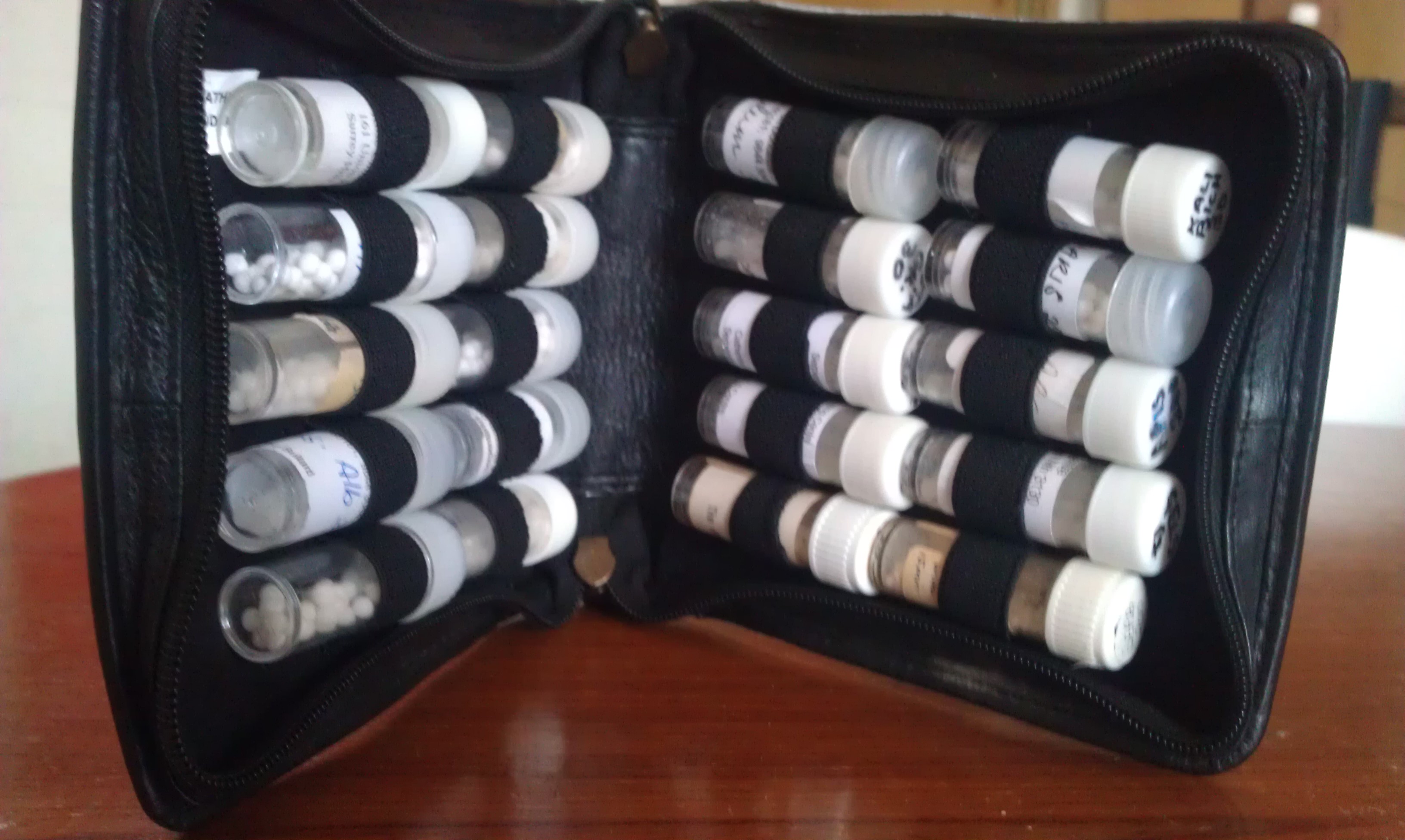
I pack these remedies into a small zipped leather pouch. It keeps the remedies secure and has the added advantage of being easy to flip open to be manually scanned at the airports (rather than passing them through on the higher powered scanning belt which may damage them).

Homeopathic remedies in their zipped leather case.
My family’s well-used Homeopathic remedies in their well travelled zipped leather case.

There are a number of different strengths, or potencies, but 30c is quite suitable to use and the better choice if you’re not familiar with using them. They come in the form of tiny pillules which are dissolved under the tongue.

It can be difficult to source homeopathic remedies. Many Homeopaths have Travel Kits for sale but if you don’t have a Homeopath you visit regularly then the best alternative is to buy a Travel Kit online. They come with a small instruction booklet

Martin & Pleasance in Melbourne Australia make a compact little kit containing 20 remedies.   (It comes in the same case I use to fill with my own remedies).

This Homeopathic travel kit from Ainsworths in England contains 10 remedies and comes in a canvas or leather case  Owen Homeopathics make a small kit which only has 7 remedies

What Natural Remedies To Add

Probiotics

Many people from industrial countries find it difficult when they travel through developing nations because there’s a huge range of bacteria that they’re not normally exposed to.

Taking good quality probiotics increases good gut bacteria and supports your immune system. Taking them right through your travel may help protect you from ‘Travellers Diahorrea’,  keeping your immunity high so you don’t get sick so easily, and help your digestion when it’s weakened by a strange diet or unfamiliar bacteria. They’re also very restorative if you do happen to catch parasites.

You need to select a probiotic that doesn’t require refrigeration.

 Activated Charcoal Tablets

Charcoal tablets are activated carbon that absorbs toxins. They’re excellent for reducing diarrhoea. Their special benefit over medications is they absorb the bacteria and toxins from your gut, carrying them out of your body when you use your bowels.

The good news is they’re odourless and tasteless.

Don’t mix activated charcoal with ice-cream or chocolate as these reduce the effectiveness. But avoid these foods anyway if you’re suffering from travel diarrhoea!

Bach Rescue Remedy

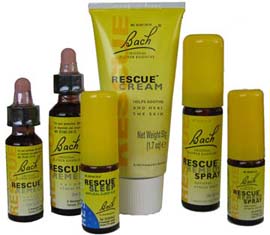
Bach Rescue remedy has been such a basic for natural first aid for decades. A blend of flower essences developed by Dr Bach, it helps you recover quickly from shock and upset. Great for dealing calmly with lost baggage or missed flights.

But it’s also useful to avert many acute illnesses, or manage acute stress by keeping down anxiety levels. Losing luggage, missing connections, problems with accommodation, all the stresses that can spoil a holiday can be reduced and managed with the help of Rescue Remedy.

You could use Australian Bush Flower Emergency Essence instead – some people seem to respond better to this, although I’ve found the Bach Rescue Remedy works for everyone I’ve given it to. You simply take a few drops under your tongue.

 BachProducts-All-SM

Calendula Cream

Creams are easy to carry and use and Calendula is a ‘must-have’.

Calendula is anti-inflammatory, reducing pain and swelling. It promotes the rapid healing of skin tissue. It’s great for applying to  to chafed skin, scrapes, grazes, and minor burns including sunburn. It can also be used on minor wounds.

Hypercal Cream is antiseptic and particulary suited to cuts and wounds, particularly if there’s a chance they may heal slowly and become infected. It combines calendula with hypericum and often other herbals and like calendula cream provides pain relief.

Tea-tree Cream

Tea- tree is a powerful anti-bacterial and this cream is really effective on skin cuts, burns and infections. It’s also good for any fungal infection you may pick up on your feet. You could also take it in the form of oil. Either can be applied directly to the wound.

Arnica Cream

We use Homeopathic Arnica pillules for sore muscles, aching joints, bruises and pains. But Arnica is also available as a cream to rub into the sore areas. Not as strong-acting in the cream, it nonetheless gives wonderful relief and is used by many sports stars around the world. Traumeel ointment or gel combines 14 different Homeopathically prepared plants which all help relieve sprains, strains and sore muscles.

Colloidal Silver

Through the ages water was often stored in silver because silver is an effective antimicrobial agent and it kept the water pure. Colloidal silver is a powerful natural antibiotic and works by suffocating the enzymes required by the harmful microorganism, without damaging any human enzymes.

It can be added to water to help purify it if you get caught out. I wouldn’t ingest it on a regular basis as long-term use may turn your skin grey, but it can be useful in an emergency.

It also has other uses. It’s often taken orally under the tongue or in water, to ward off viral and bacterial infection. Applied to the skin it can ward off infection.

In the tropics where the air’s very moist skin infections can be very difficult to heal. For my sons backpacking or traveling in isolated places where the conditions may not be hygienic, the prevention of infection is very important and colloidal silver is a must-have for them.

It’s also useful for tinea, eczema, psoriasis, acne or burns, wherever there’s the potential for a bacterial or fungal component.

Lavender Oil

If sleeping in a strange bed is a problem for you, or you’re a pillow princess (yes that’s me – pillow princess! I always take a pillow) a small bottle of lavender oil can be a lifesend. It’s a proven sleep enhancer and inhaling the scent or shaking a few drops on the pillow helps to sedate and promote a good sleep.

Lavender oil can also help you relax if you get nervous on the plane, but you need to be careful in the confined space as some people are allergic to it.

 lavender-76476_640

Coconut Oil

If you’re seeking a moisturizing agent coconut oil is your answer. It’s very hydrating in dry climates. calms rashes and is excellent for chapped lips.  You can use it all over your body.

Magnesium

Not usually part of my family’s kit, magnesium is a great addition if you experience constipation. It clears it up very quickly. It’s also great to relax you before bed and help you sleep. If you find you’re insomniac while traveling magnesium will calm your nerves, relax you and help you get that rest.

Sunscreen

Of course you’ll take sunscreen, but it’s worth selecting one that’s not laden with harmful chemicals. I have no affiliation with any brands of products I mention here. They’re just ones I’ve used and found to be effective and high quality.

My family loves Soleo All Natural Sunscreen because it’s very easy to apply. I love it because it’s organic and rated #1 sunscreen by the EWG.

Wotnotmakes an excellent sunscreen, which isn’t tested on animals,

UV Naturals is another excellent natural sunscreen recommended by the Feingold Association USA. Their range includes a special sunscreen formulated for babies.

These are all Australian made sunscreens, don’t contain titanium oxide and are  available around the globe.

Bioeffectives

Bioeffectives come from pine needles. They’re loaded with a multitude of essential nutrients including chlorophyll and many substances already found in the blood, brain soft tissue, and skin. They’re a powerful antioxidant and address any imbalances, so are perfect to support the effects on the body caused by the different environment, including parasites and bacteria.

My son picked up an extremely nasty amoebic parasite in Columbia recently and was very grateful for the Bioeffective-A (used here as a probiotic substitute) he was carrying, as it helped his gut recover quickly so he could enjoy the rest of his travels.

No-Jet-Lag/Jet Ease

My family uses straight homeopathic Arnica and homeopathic Coca for jet lag, but No-Jet-Lag, which is  called Jet-Ease (in Australia), is a popular Homeopathic alternative which many swear by. It combines Arnica with four other homeopathic remedies that also address the negative effects of air travel .

Remember these remedies are specially prepared homeopathically and the substances used to make them can be quite toxic in their original form if ingested.

Of course I add a few other items such as bandages and alcohol swabs as my boys like to head off the beaten track. You can include anything else that’s relevant to your travel plans but this list should give you some starting ideas.

Most of these products are available from Health Food Stores or Natural Health Practitioners. Some are available online.

Get yourself prepared and have a great holiday!

Do you have any other Natural Health Remedies that you wouldn’t be without on holiday?Let us know in the comments.

natural remedy kit for travel
photo credit: Hadi Zaher

Disclaimer.

All information and opinions presented here are for information purposes only and are not intended as a substitute for professional advice offered during a consultation. Please consult with your health care provider before following any of the treatment suggested on this site, particularly if you have an ongoing health issue. 


Source articles

http://www.mindbodygreen.com/0-9520/8-natural-remedies-every-traveler-should-carry.html

http://www.health.com/health/article/0,,20428732,00.html


Fight Anxiety With Natural Medicine

AnxiousEveryone feels anxious at some time or other, but for some people anxiety is an overwhelming part of their everyday life. For some, stress or depression walks alongside, and insomnia likes to drop by too.

Modern life moves so fast and our lives are constantly changing. Upheavals such as moving house, redundancy, the passing of a loved one, or even something joyful like a wedding or a birth, can set up the arena for feelings of anxiety. Your body recognises the feelings as stressful and responds by sending out a flood of stress hormones to deal with the situation. If you are healthy, you deal with the feelings, and move on. But for others, unable to move past the feelings, anxiety interferes with their daily life to such an extent they cannot cope well with everyday things. This is an anxiety disorder.

Anxiety is not stress. Anxiety is a fear-based emotion that results in a physical and emotional response in the body. Stress is the body’s response to stimuli, which can be a problem is if is ongoing or overdone.

There are a number of different forms of anxiety including Panic Disorder, Obsessive-Compulsive Disorder (OCD), Post Traumatic Stress Disorder (PTSD), Social Phobia and Generalized Anxiety Disorder (GAD) phobias, Separation Anxiety.

Anxiety is experienced in many, many different ways. It may show as constant and obsessive worrying, panic attacks, feeling overwhelmed and teary, repetitive thoughts, huge emotional swings, having concentration difficulties and being easily distracted, trouble remembering things, difficulty learning, insomnia, tension that makes relaxing difficult, low libido, appetite changes such as cravings, loss of appetite, nausea and vomiting, or weight change. A combination of life experiences, hereditary tendency and chemical imbalances in the brain leads to the symptoms.  It develops gradually and runs in families.

The conventional treatment calls for a combination of strategies to deal with the symptoms, which include a number of effective natural methods. But there are many other very effective ways to reduce anxiety in the long term that are not a part of the normal conventional treatment plan, but are well worth trying. They can be used to treat both anxiety disorder or a simple anxious response to a life event.

Some of the common Conventional ways of dealing with anxiety:

  • Relaxation techniques
  • Breathing techniques
  • Diet changes
  • Counseling
  • Cognitive Behavior Therapy
  • Behaviour Therapy
  • Exercise
  • Medication
photo: Alain Abplanalp Photography

So How DO You Reduce Anxiety?

NATURAL MEDICINE

Homeopathy

Homeopathy has a great track record when it comes to dealing with anxiety. Remedies such as homeopathic Aconite is a very useful first-aid remedy for dealing with panic attacks or fear of flying. Homeopathic Gelsemium is one of the remedies that can help exam nerves. There are many others which are very effective when they are closely matched to the exact nature of your individual anxiety symptoms. Other remedies can be used for long-term anxiety issues but again, need to be matched to your own particular symptoms. Certain remedies are helpful when you wake during the night with worry and anxiety that keeps you awake, others for when you avoid social situations due to anxiety, others for control issues, others for anxiety due to a range of particular stimuli and so forth. Consulting with a qualified Homeopath  will identify which remedy suits your needs the best.

EFT

Emotional Freedom Technique  or Tapping, is so simple, anyone can learn it and do it anyplace as it only takes a few minutes. It works on the principle that the cause of all negative emotions is a disruption in the body’s energy system, and seeks to shift the points along the body meridian system where energy is blocked.

Temporal Tap

Affirmations are employed in conventional treatments but you can take this much further to get a greater impact by combining them with ‘Tapping’.  Stimulating acupressure points on the body helps awaken the chi energy and keep it flowing smoothly. By tapping on certain points on the head while you say the affirmations, you can help to set the self-reprogramming in place quicker and stronger. Temporal tapping influences your thinking, your nervous system and the cellular activity of the body. Watch this demonstration by Donna Eden of the Temporal Tap method. She explains how it works and demonstrates the process very clearly and simply.

Flower essences

Essences are a very gentle form of natural medicine that work directly on the emotions. Bach Rescue Remedy is extremely effective for panic attacks and can be carried with you in your bag. It is simple to use and gives fast, gentle results. Australian Bush Flower Emergency Essence has a similar effect to Bach Rescue Remedy. Some people respond better to the Bach and others to the Australian Bush Flower remedies. Try both to see which works best for you. Bach Mimulus is the remedy to use for a known fear, such as public speaking or dogs. Bach Aspen is better when there are more general, vague fearful or anxious feelings without a specific cause.

Aromatherapy

Because the sense of smell bypasses the part of the brain that does all the worrying, aromas and smells can be powerful helpers. Light some (100% natural and plant-based) incense such as frankinsense or sandalwood which are very relaxing, or lavender if you need calming. The incense slows the heart rate and soothes nerves. Or burn quality pure essential oils such as lavender, geranium or bergamot, which are all calming and effective relaxants. If you soak in a bath with added essential oils or add the oils to a massage oil base, you get added relaxation benefits.

DIET

Avoid Caffeine

Caffeine is a stimulant that triggers the body to release adrenaline, a major stress hormone and the one you need to avoid. You find caffeine in coffee, cola, guarana, chocolate, diet supplements, and now it is also added to many other soda drinks so always read the labels and don’t assume that if you avoid the cola drinks you will be ok.

Adjust Meals

Eat small meals frequently. Stable blood sugars help maintain stable moods. Eat every couple of hours and make sure the meal contains some protein. You can get protein from a boiled egg, a handful of almonds or other nuts and seeds, a small tin of tuna, a quinoa salad, a slice of turkey or organic chicken breast, nut butter, hommus, tempeh, grain fed organic beef.

There has been much research recently into how anxiety originates in the gut, so it is no surprise that it also affects digestion and the bowel. Reduce caffeine, sugar, dairy, increase vegetables, fruits, seeds, nuts and grains to ease the load on your gut – basically, eat healthy!

Supplements

Magnesium  is a mineral that is often deficient in much of the population, but more so in anxiety sufferers. Available in many foods including green leafy vegetables, pumpkin seeds, sesame seeds, brazil nuts, brown rice, bananas, and dark chocolate, to make sure you are getting adequate amounts it high-quality supplement can be better.

Vitamin B is also often deficient in the diet of anxiety sufferers and a daily Vitamin B complex is worth taking. Take a high quality complete B rather than single B vitamins.

HERBS

Calming herbs include passionflower, kava, oats and chamomile which are also good for helping with sleep problems, and St John’s Wort.

 Holy Basil, or Tulsi, is one herb that helps the body respond to stress and anxiety, whether that is emotional or physical, by reducing the levels of stress hormone. It produces feelings of calm and relaxation.

A cup of chamomile tea in the evening eases stress and promotes sleep by helping you relax and easing tension before bed. Chamomile is a useful relaxant and will help sedate you to sleep

Passionflower (Passiflora incarnate) is an old folk remedy for anxiety that acts as a mild tranquilizer, calming without sedating. It can be taken as a tablet, a tea, or a liquid tincture from your practitioner. It also assists with insomnia. Don’t use passionflower if you are already taking sedatives, or if you are pregnant, nursing or have established kidney or liver disease.

Kava Kava (Piper methysticum) is widely known and used to reduce anxiety symptoms by activating GABA receptors in the brain.

image: Shawn Rossi
image: Shawn Rossi

OTHER NATURAL STRATEGIES

Bodywork

Muscle tension can be an effect of anxiety, particulary if it is ongoing, and body therapies such as massage, reflexology or shiatsu can relieve the muscles and help you relax. Yoga, Tai Chi and Qi Gong are other techniques to help the body relax. Yoga incorporates good breathing practices and is especially useful.

Cranialsacral therapy uses more gentle techniques than massage on the head, spine and pelvis, the source of the nervous system. Gentle manipulation of this area of the body leads to reduced nervous, as well as muscle tension.

Meditation

In meditation controlled breathing techniques are used to free the mind of chatter and activity. By practicing meditation on a daily basis you can develop a more relaxed outlook. Meditation does not need to be difficult. There are many different ways of meditating and it is simply a matter of finding the one that suits you. Take a look here to discover some different forms of meditation for beginners and find the one that is right for you. If even the idea of meditating freaks you out start here instead.

Breathing

Learn to breathe correctly. When you get anxious you start to breathe more and more shallowly, using just the top of your chest. Breathing deep down in the belly helps to bring about calm. Learn more about controlled breathing techniques here.

Self-talk

Using positive affirmations can be very effective. When you form an affirmation try to phrase it as if it already is happening. For example, instead of saying “all will be well” use “all IS well” instead. Placing the thought in the present is more effective. “I am coping, breathing deeply, and feeling relaxed” is more likely to calm you because it is strongly placed in what is happening now, in the present, rather than “I always cope if I breathe and relax” which is far more general.

Centring

To create calm in the moment place both your palms on the side of your face and rest your fingers gently on your closed eyelids. This cradles and quiets the mind, allowing you to centre yourself so you can face things again.

Release the built-up adrenaline

Move your body about. Play some up-beat music and dance, scrub the walls or floor, weed an overgrown patch of garden, go for a run or a bike ride. Exercise burns up the stress chemicals , promotes relaxation and helps circulate blocked energy that contributes to anxiety.

Distract yourself

Put on your favourite music, take the dog for a walk, make a cup of soothing herbal tea, revisit your favourite beach holiday photos, especially if they were in the tropics or whatever calms you in the moment.

Taking steps to reduce your anxiety in a more natural way allows you to experience more of life. Try out some of these strategies for yourself.

What natural strategies do you find most useful to reduce the symptoms of anxiety, tell me in the comments section below? For me it is homeopathy, flower essences and EFT.

fearless

Disclaimer.

All information and opinions presented here are for information purposes only and are not intended as a substitute for professional advice offered during a consultation. Please consult with your health care provider before following any of the treatment suggested on this site, particularly if you have an ongoing health issue. 

Source articles

http://www.naturalnews.com/042748_anxiety_natural_treatments_fight_or_flight_mechanism.html

http://www.naturaltherapypages.com.au/article/Natural_Treatments_for_Stress_and_Anxiety

http://www.bodyandsoul.com.au/health/natural+health/ten+ways+to+beat+stress+and+anxiety+naturally,10965?gclid=CNjOycSxzLoCFQLvpAodlA8Abg

http://articles.mercola.com/sites/articles/archive/2006/08/26/one-simple-solution-addresses-6-different-types-of-anxiety-disorder.aspx

http://altmedicine.about.com/cs/conditionsatod/a/Anxiety.htm

http://www.betterhealth.vic.gov.au/bhcv2/bhcarticles.nsf/pages/Anxiety_treatment_options

Related articles

Why I Still Love Homeopathy…In Spite Of Everything

13683204_s

Although I write about many different things you can do to build your health on this blog, this week I want to share a purely anecdotal story about Homeopathy, because after all, it is the main method of treatment that I use for the people who come into my clinic, and it is the reason that I actually started  out on this gentle journey to better health myself.

Many people don’t even know that Homeopathy can be pretty darn useful for treating acute illnesses like flu, coughs and colds, diarrhea, vomiting, viral infections, hay fever, headaches, teething, nausea and so on, you get the idea. When people caome in to see me many say they “have tried everything else and so may as well try Homeopathy”, it is often only used when things have reached rock bottom.

But Homeopathy can be an excellent treatment for ‘new illnesses’when used according to homeopathic principles, and something to consider before starting a course of antibiotics. Once I discovered how good well-matched simplex Homeopathics (not the ‘complex remedies’ sold over the counter) were for treating acute illness it was all I ever used for my children. We headed out to the Homeopath, right past the doctor, whenever they got sick. In fact one, now 25, has not taken antibiotics, not once, since he was 3, which was when I first discovered Homeopathy. The youngest has grown up with only Homeopathics, and has only had antibiotics ONCE EVER, when he developed a terrible infection after swimming beside a sewage outlet at a beach in Thailand. The others are also healthy. Antibiotics didn’t get used in our house at all after we turned to Homeopathy. That’s a pretty awesome record!

So, here is what has been happening at my house this week, a perfect example of why I love Homeopathy so much.

I’m a pretty good prescriber of Homeopathic remedies for acute illnesses. There is a bit of a knack to this, and the way that my brain processes information happens to be well suited to this type of prescribing.

However, when I get sick myself it is another matter altogether, because, as any of my students that have completed the Homeopathy @ Home Short Course I run (where they learnt how to prescribe Homeopathics for first stage acute illnesses and first aid for themselves and their family) will agree, it takes a clear head to find a good match between a “Symptom Picture” in a patient and a “Homeopathic Remedy Picture”. Getting that match right is what gets the results – a really close match equals a great result, a so-so match equals some improvement, maybe.

Like most of you,when I am sick my brain just doesn’t work clearly and I often struggle to prescribe for myself in that state, which is what I want to tell you about.

Finding enough clarity to carefully select a Homeopathy Remedy can be an near-impossible task when your brain feels like it's made of cotton wool and is being squeezed between a tight vice
Finding enough clarity to carefully select a Homeopathy Remedy can be an near-impossible task when your brain feels like it’s made of cotton wool and is being squeezed between a tight vice

My husband came home last week and brought with him one of the nastiest, most violent coughs I have ever seen (not up there with the whooping cough we had once, but running a good race) which he promptly shared with me…violent cough, headache to knock you out, sore throat etc etc…winter illness at its worst! The pair of us sat hacking away in unison all weekend, each just as sick as the other. I endured it, my head too foggy to even think about what remedy to take. But every night when I lay down to get to sleep it was just getting worse and worse, getting to sleep was a nightmare.

Then came the night when I was coughing so badly I had to go and it the bathroom as I was certain I was going to throw up from it. I sat on the edge of the bath coughing it out and realized it was ‘do or die’, I needed to rally enough to find a remedy match fast. It was heading towards 1am, but I gathered my books, and really focused, in spite of the brain fog, and came up with a remedy very quickly, which I made up and took straight away.

Five minutes later, all my coughing, wheezing, headache and breathlessness had stopped and I dropped off to sleep.

The next morning instead of waking to a major coughing fit I was pretty good. I took another dose then (and a couple more in the days since). I am still a little bit hoarse and cough once in a while, but otherwise I am good, none of the severe symptoms have returned and I feel great, full of energy.

This is what happens when a really good Homeopathic prescription is made for an acute illness. Symptoms may be stopped in their tracks. But even better is that you feel great and full of energy even though to others you might still sound a bit sick. It is almost as if your body ‘knows’ that it has got on top of this virus and the battle is on its way to being won.  You feel it is ok to go about your life again because you don’t need to ‘conserve your strength’, to crawl into bed to recuperate.

My husband?

Well he has an on/off relationship with Homeopathy which it seems is turned to ‘off’ right now, and he is letting nature take its course. He didn’t go to work today (unheard of!) and spent the day lying in bed, unable to move, coughing his lungs out every time he woke up, feeling like death. I realize this is only a winter virus, although certainly a pretty nasty one, but this story is a perfect example of how Homeopathy can be so useful for treating acute illnesses.

I have been working as a Homeopath for thirteen years now and I repeatedly see how so many of the people who come through my clinic experience an improvment in their health quickly and effectively when they use Homeopathy to treat their sickness. Watching the amazing response in my son twenty two years ago was how I was first introduced to this treatment, that I had never even heard of, and you can read about that right here.

But, in spite of what I know and have seen over all those years, of what I expect to see happen, I sometimes still sit in my clinic, listening to clients tell of the changes they have experienced after taking their prescribed Homeopathic remedies, and in spite of what experience has taught me good Homeopathic prescribing is capable of, there are still times when I am just blown away by the response the person has experienced, and the extent of their improvement.

It doesn’t happen all the time by any means, but when it does it still amazes me, and that is the main reason why I love being a Homeopath and why I still love the amazing possibilities of Homeopathy.

When the symptoms of an illness that someone is experiencing are matched perfectly to the correct Homeopathic remedy, and that remedy is taken according to homeopathic principles, at the correct potency to match the strength of the illness, it is as if the body, or the immune system if you will, is suddenly jolted into action, and the rapid healing response that follows is an absolute joy to watch.

water-lily-flower

I realize that this is just one example and ‘does not a case for Homeopathy make’, but when you watch a response like this happen there is no doubt that there are powerful possibilities here…and the intellectual questions about how it can be happening get brushed to the side.

But, as with all things, everyone has their own path to follow. The Homepathic road was the one for my family but it may not be for you.

Have you ever experienced or observed one of these very rapid responses to treatment with a perfectly matched Homeopathic remedy? Tell us about it in the comments below.

You might also like to check out this Youtube playlist where lots of people  have posted about their personal experience of how “Homeopathy Works For Me”. http://www.youtube.com/playlist?list=PLF0F0329B561969C8

Disclaimer 2

Could It Be Your Thyroid Causing Your Poor Health?

For many people an underactive thyroid slows them down and leads to a host of other unpleasant symptoms.  Most of those people are never diagnosed with the disorder. Many are never treated. Many fail to make the changes in their diet and lifestyle that can really help ease their symptoms. Most go on living their life in a debilitated state.lust for life

The Thyroid is a butterfly shaped gland in the middle of the front of your throat. It’s purpose is to release hormones that help in the regulation of many body functions – metabolism, heart rate, maintaining your core temperature, healthy skin, your weight, fertility and more. It slows you down or revs you up to make you more energetic. It also activates your immune system. It plays a part in most of the body’s physiological processes, so when it is out of balance, so are you. In fact every cell in your body has receptors for thyroid hormones.

Sometimes the thyroid does not work as it should and, depending on whether it is pumping out too many hormones or too few, it becomes under- or over-active, what is known as either Hyperthyroidism (too many thyroid hormones in the blood) or Hypothyroidism (too few).

Thyroid conditions can be quite common and it is estimated that about thyroid20-25% of the female population may suffer from hypothyroidism. An estimated 30% more of people over the age of 35 may suffer from “subclinical” hypothyroidism, where they either have no obvious symptoms, or their test results are within the ‘normal’ range but they have mild symptoms of low thyroid function.

Many people live with the symptoms of low thyroid function often for years, where their thyroid gland works sluggishly without them even realizing it. With too few thyroid hormones in the blood the body processes start slowing down, and so do they.

However, there are some telltale signs to look out for. Here are some of them, although there are many more:

  • Fluid retention or swelling in the legs, feet, arms or face
  • Cold hands or feet, poor circulation and intolerance of cold
  • Dry skin, acne and eczema
  • Lethargy, fatigue, poor stamina and sleeepiness
  • Forgetfulness, slow cognitive function, brain fog
  • Depression
  • Constipation, indigestion
  • Weight gain, or difficulty losing weight
  • Poor brittle, slow-growing nails and hair, hair loss
  • Heavy periods, irregular cycle, PMS
  • Infertility, low libido
  • Insomnia
  • Muscle and joint aches and pains
  • Food cravings, food intolerances, hypoglycaemia
  • High cholesterol/ triglycerides, palpitations, high or very low blood pressure

Illnesses where symptoms seem vague or scattered could actually be providing warning signs that you have a problem with your thyroid. Diseases and syndromes such as chronic fatigue, fibromyalgia, menopausal symptoms, muscle and joint pains, IBS, PMS, heart disease or depression, which all have a wide variance in the symptoms they present with, may be improved when underlying thyroid issues are redressed. Sometimes an underactive thyroid can be due to an autoimmune disease, Hasimoto’s disease.

However, low thyroid function may actually not be the root of the problem. There is a strong relationship between your adrenal and thyroid glands and it is very common for adrenal fatigue to go hand-in-hand with hypothyroidism. In many cases the adrenal glands become weakened, leading to a malfunctioning thyroid gland. If treatment is only directed towards the thyroid gland and the adrenal issues are not addressed then the person’s health will simply not improve. It’s important to reduce stress in your life as both the adrenals and the thyroid are very sensitive to stress. Practicing meditation, yoga, qi gong, or relaxation techniques will go a long way to reducing the stress response and support the action of these glands.

Two hormones, T4 and T3 are produced by the thyroid. T3 is the active form of thyroid and is the one that does the vast majority of work in the body. When levels are low enough the traditional approach is to use synthetic hormone, but they only contain T4 and the problem with this is that most people have difficulty converting T4 into T3.

Thyroid hormone levels can be tested with a blood test. If symptoms are vague and do not point directly to a disorder, testing will probably be done alongside other blood tests.

The normal range for tests is 0.5 to 5.5 IU/ml.

The problem for many people is that they suffer symptoms of low thyroid function when their measured levels of the hormone are between 2.0 IU/ml and 5.5IU/ml – levels that are considered to show ‘normal’ thyroid function. They are told their levels are normal and left with no explanation or treatment for their symptoms. When it comes to thyroid hormones setting the boundaries of ‘normal’ for thyroid levels is very misleading as there really isn’t any ‘normal’ level…the levels change depending on factors such as age or health.

All the different hormones of the body work together in a delicate dance and when one is not working all the others are affected also.

All the different hormones of the body work together in a delicate dance and when one is not working all the others are affected also. Many reproductive hormone-related symptoms may be experienced when thyroid hormones are low. PMS, infertility, fibroids, ovarian cysts, endometriosis, heavy bleeding, menopause symptoms, fibrocystic breasts or even post-natal depression may all result.

Low thyroid function can easily be confused with the symptoms of menopause. While symptoms such as hot flushes, period irregularities, weight gain, night sweats and insomnia are often experienced during peri-menopause or menopause, night sweats and insomnia in particular, may also be key symptoms of low thyroid function. Using hormone replacement to deal with these symptoms simply makes the problem worse, as the oestrogen in the medications interferes with the thyroid hormones further, impairing the thyroid function even more. This in turn slows down metabolism and leads to weight gain. It is a vicious circle.

As usual it is easy to point the finger at poor diet and lifestyle as contributing factors to thyroid dysfunction and sugar, processed foods, stress, lack of exercise or toxic environments all play their part.

WHAT CAN YOU DO?

Low thyroid function can be addressed in a number of more natural ways.

I treat many people (mainly women) for low thyroid function with huge success using carefully selected Homeopathic remedies, reversing their debilitating symptoms and allowing them to live a normal life. But with this being a complicated chronic issue it is not one that can be self-treated and requires prescribing by a fully-trained professional Homeopath.

But luckily there are a number of things that you can do as a first-line defense for hypothyroidism, and using natural methods avoids the side effects of medications.

DIET

A well balanced diet that is made up of unprocessed, unrefined whole foods, with organic or biodynamic vegetables, fruits, meat and dairy, is the best way to combat hypothyroidism, if you also include the following guidelines.

It’s so important that you stay away from sugar and caffeine which simply cause thyroid burn-out. If going ‘cold-turkey’ is too hard then cut back more gradually. Cut out refined and processed carbohydrates as well as they behave just like sugar when they are metabolized in your body.

Make sure to eat protein as it transports thyroid hormone into your cells. Include nuts, nut butters, legumes, quinoa, and less frequently and in smaller quantities eggs, meats, fish and dairy.

Good fats help to create hormone balance (including thyroid hormones) – avocados (one of my favourite good fat sources), coconuts and coconut milk and oil, olives and olive oil, raw nuts and nut butters, organic butter and yoghurt, organic egg yolks, flax seeds. Avoid trans fats.

Make sure you are getting enough Vitamins and minerals, especially Vitamin A, Vitamin D, the Vitamin B’s, iodine, selenium, zinc, copper, iron and omega-3 essential fatty acids. Organic produce will be higher in vitamins and minerals as long as it isn’t old and wilting.

Thyroid hormone production is just another of the many functions of Vitamin D which is produced in the body from sunlight. This is yet another reason to have levels of this crucial vitamin tested and maintained, and you may actually need to supplement this.

Cut out gluten especially if you have Hashimoto’s as the gluten mimics thyroid tissue and aggravates the autoimmune response

Watch out for foods that interfere with thyroid function especially those containing goitrogens and don’t eat them unless they are cooked – cabbage, broccoli, cauliflower, Brussels sprouts, kale, turnips, spinach, strawberries, peanuts, millet

Get tested for food sensitivities, especially if you find there is a food or food group that you crave, as eating these foods sets up an autoimmune response in the body.

The thyroid gland requires iodine to make thyroid hormones so iodine deficiency may be a contributing factor to hypothyroidism. Many people are deficient in iodine so include more sources of iodine in your diet like seaweed (kelp, dulce, nori), shellfish, saltwater fish, eggs, yoghurt, mozzarella cheese

SUPPLEMENTS

Supplement with probiotics as good thyroid function depends on healthy gut flora

Add vitamins and minerals particularly if you are not getting adequate amounts in your diet.

Other supplements that help thyroid activity and the manufacture of thyroid hormones are Tyrosine, Pantothenic acid (vitamin B5), magnesium citrate and Potassium iodide. Look for these in a combined thyroid supplement.

HERBS

Ashwaganda is a herb that can help to improve the level of T4 hormone and guggal Commiphora wightii to convert the T4 into the active T3. Guggal has been used for centuries in Ayurvedic medicine and is now difficult to source due to its scarcity after overuse – you may want to reconsider using this herb for this reason.

Exercise lowers insulin levels and increases thyroid function

EXERCISE

Exercise lowers insulin levels and increases thyroid function. Work out or walk for 40 minutes three times a week, and make sure you get out of breath.

Disclaimer 2

Source articles:

http://www.thyroid.org/what-is-hypothyroidism/

http://www.drnorthrup.com/womenshealth/healthcenter/topic_details.php?topic_id=59

http://articles.mercola.com/sites/articles/archive/2010/01/02/Many-Symptoms-Suggest-Sluggish-Thyroid.aspx

http://www.mindbodygreen.com/0-3139/13-Ways-to-Treat-Hypothyroidism-Naturally.html

http://vistamaglive.com/the-low-thyroid-epidemic-in-canada

http://www.doctoroz.com/blog/lisa-lynn/3-ways-boost-thyroid-function

http://www.umm.edu/altmed/articles/hypothyroidism-000093.htm

http://www.elliotthealthcare.com/low_thyroid.htm

http://www.naturalendocrinesolutions.com/articles/truth-protein-carbs-fats-thyroid-health


Do You Dream Of Dreaming…If Only You Could Get To Sleep?

It seems that almost everyone I have spoken to over the last week has had problems sleeping, whether it is in getting to sleep, waking during the night or, for those that are sleeping, having vivid crazy dreams. Insomnia, or sleeplessness, can be either an inability to fall asleep or waking up through the night before the expected waking time. As anyone who has ever experienced a poor nights sleep knows, the impact of sleeplessness shows up the next day as a reduced ability to concentrate, lethargy, and fragile emotions.dream of dreaming

The body actually requires sleep just as it does water, food and oxygen in order to function. Without sleep we would literally go crazy. When insomnia is long term (more than 3-4 weeks) it can have a major impact on your health, leading to memory problems, depression, irritability, with an increased risk of heart disease.

Tossing and turning for hours on end, worrying about not being able to get to sleep, or being unable to switch off can be very frustrating, and can even worsen the insomnia. The more you try to sleep, the more frustrated you get and the harder sleep becomes

For many people insomnia is an ongoing issue that has some pretty big repercussions on their life. While it can be caused by many things for a large number it is often the result of poor sleep behaviour, sometimes resulting from patterns established during childhood.

SOME CAUSES

There are quite a number of poor lifestyle habits that can actually be the cause or sleeplessness, or else worsen it. Here are a few of them that you may need to address:

·         Going to bed at different times each night

·         Daytime napping

·         Poor sleeping environment, such as too much noise or light – your bedroom should be a ‘haven of calm’

·         Spending too much time in bed while you are still awake

·         Working evening or night shifts

·         Not getting enough exercise

·         Using the television, computer, or smartphone in bed 

The use of some medications and drugs may also affect sleep.

  • Alcohol for instance may help you fall asleep initially but generally leads to waking up through the night.
  • Too much caffeine is well known as a cause of insomnia, especially when it is drunk later in the day.
  • There are a number of medications, including cold medicines and diet pills that can cause poor sleep. Be very careful about self-prescribing unless you know exactly what the effects of what you are taking are, as some herbs and supplements can lead to insomnia.
  • Heavy smoking can be a problem.
  • If you take sleeping pills regularly it is easy to become used to them, so they stop working as well as they did initially.

In addition to lifestyle habits there are a number of other physical, social, and mental health issues that can affect sleep patterns, including: anxiety disorders, Bipolar Disorder, certain medical conditions such as thyroid disease, feeling sad or depressed, physical pain or discomfort, stress whether it is short-term or long-term.

CIRCADIAN RHYTHMS

However sometimes there is just no obvious reason for sleeplessness.

We have our own inbuilt body clock called the circadian rhythm, that regulates our sleep patterns. This is what makes us fall asleep at night and wake up again the next morning. The body clock is easily thrown out by overseas flying, rotating shift work, or even a few late nights. When your body clock gets disrupted you experience symptoms like jet lag.

Taking sleeping pills to help you sleep often leaves you with a ‘hangover’ effect which is something you will avoid by using natural cures instead.

For many the prospect of sleeping like a baby, anywhere, anytime seems like a remote daydream. There are some natural remedies with proven success that may offer relief.
For many the prospect of sleeping like a baby, anywhere, anytime seems like a remote daydream, but there are some natural remedies with proven success that may offer relief.

RESET YOUR BODY CLOCK NATURALLY

There are a number of very effective natural ways that you can reset the body clock so you can get back to good sleeping patterns. Here are a few that have proven success.

Melatonin: Melatonin is a hormone secreted by the pineal gland of the brain which helps to relax us so that we can fall asleep. It is quite well-known for its ability to rebalance your body clock and is often used to treat jet lag. It is usually released in the absence of light, but we need to have spent some time in daylight in order to make enough in the first place. This is why it is recommended that you spend time outside after you have flown a long-haul flight. Taking a melatonin supplement can help to reset the body clock. But if you prefer to use food as medicine you can address melatonin deficiency with foods that boost serotonin (melatonin is made from serotonin) such as raw cacao , magnesium, fish oils and herbal tea containing hops, chamomile, ashwaganda and lemon balm.

Homeopathy: Homeopathy has a marvelous history treating insomnia. There are many Homeopathic remedies that work to reset the body’s sleep patterns, calm your mind and get restful sleep. While there are a number of combination mixes available over the counter, the ones that have the deepest and most long lasting effect are those that are prescribed individually by a Homeopath to suit your individual insomnia symptoms.

Some that a Homeopathic practitioner may consider for insomnia are Arsenicum Album – useful when anxiety, fear, or worry prevents sleep; Coffea – when you are unable to sleep because your thoughts are too active or you are excited about a surprise, or good or bad news; Nux-vomica – when very irritable, waking between 2-4am with racing thoughts only to fall asleep again about daybreak, with much stress caused by overstudy or work; Ignatia –  sleepless after disappointment or grief; and Passiflora – for restless sleeplessness with exhaustion – the choice between these and many more would depend on these, and all the other symptoms you were experiencing. But check with your Homeopath as the remedies need to be selected and taken according to homeopathic principles

Herbs: There is a range of herbs that are very useful to induce sleep. Valerian root is one that is quite well known and often used. It is quite powerful and often used when changing time zones for fast results. Valerian is useful when you have difficulty staying asleep. Some people however get the opposite effect from valerian and can get hyped-up after taking it. It is good combined with Passionflower which helps to fall asleep initially. Some of the others that can be helpful are Kava which is again available after having been taken off the market for a while, can be used for short-term relief. It is good to relieve anxiety in the moment. Scullcap is great to use when you are very hyped-up and just can’t slow down, or are experiencing anxiety and are emotionally stressed, and you can use it for longer periods.

Aromatherapy: Using Essential Oils can help bring on sleep. While there are a number of oils that induce sleep, lavender has long been recognized as being the ‘Queen of Calm’, and lavender essential oil will effectively calm down overwrought nervous systems. A few drops added to a warm bath before bed or on a cotton ball under the pillow should bring on sleep.

SETTING A PERFECT SLEEP ENVIRONMENT

Make sure your sleeping environment is calm and serene. THE KEY IS TO SWITCH OFF. Leave your worries at the bedroom door. Switch off all gadgets – phones (put them in flight mode), iPad, laptop, TV etc. Take some time to settle down and relax. Set aside 30 minutes before bed as ‘unwind and de-stress time’ – read a good book, wite your journal, listen to soft music – anything that you find relaxes you and does not involve an electronic gadget. Remember, exposure to artificial light (electronics) before going to bed increases your alertness and suppresses melatonin and so will keep you awake.

So, here’s to a great sleep.

What are some of the ways you deal with sleeplessness?

Worrying about not being able to get to sleep can worsen the insomnia

Disclaimer.

All information and opinions presented here are for information only and are not intended as a substitute for professional advice offered during a consultation. Please consult with your health care provider before trying any of the treatment suggested on this site. 

Source articles:

http://www.movenourishbelieve.com/nourish/are-you-getting-enough-sleep-4-natural-ways-to-create-a-sleep-friendly-environment

http://www.naturaltherapypages.com.au/article/can_i_reset_my_body_clock

http://homeopathyplus.com.au/getting-a-good-nights-sleep

Homeopathy To The Rescue – Homeopathy Awareness Week

Homeopathy Awareness Week (13-19 May 2013)

May is an important month for Homeopaths here in Australia as it marks the celebration of Homeopathy Awareness Week (13th – 19th May). This year the theme is “Homeopathy To The Rescue” and the focus is on the ways Homeopathy can, and has been used in the treatment of trauma and disasters.

The purpose of this annual celebration is to get you all noticing the impact Homeopathy has on a global scale and to start you thinking about how Homeopathy could be useful in your life.

While there is a long history of Homeopathy being used with wonderful results during epidemics  and after disasters , using Homeopathic medicine to deal with the small traumas of your everyday life is where many people first encounter the healing benefits of the remedies.

Homeopathic Arnica is one remedy that I would have been lost without in raising my four sons, and in fact I cannot imagine how the Mums of active boys manage without it. When my boys were young they played a lot of sport, basketball, AFL football, baseball, hockey, netball, gymnastics, and rockclimbing, to say nothing of rough and rowdy games through the bushland around our home.

In addition to the kit of remedies I have at home, I always carried a Homeopathic First Aid kit in the boot of my car so we would have what we needed when we were out and about. In this kit was trusty Arnica.

Homeopaths often reach for Arnica as the first remedy to heal anyone affected by shock, trauma or injury, where it acts on the emotional or spiritual shock as well as on the physical shock.

Arnica has lots of uses but it is perhaps best known for its use when there is damage to soft tissue. It has amazing healing properties for muscle damage showing in symptoms such as bruising, swelling and aching. At sporting events, particularly football, I soon became known as the go-to-girl for help when the boys were hurt on the field, and would often have parents come to me asking for some arnica for their son.

I have to say that one year it actually saved one of my sons team from despair, because Arnica was the remedy that ensured the team a place in the Grand Final (which they then won!) How? At half time the star player, the full forward (the one who does most of the goal scoring) was taken off the field because his hand had been stomped on by a boot with ‘stops’ on the sole and there were four distinct dark bruises on his palm. I gave him one dose of Arnica at the start of half time, and by the time the second half started twenty minutes later, the bruising had almost disappeared so he was allowed to play, and to go on and kick the winning goal.

Over the course of many years of kids sport there were many, many other instances of parents being able to watch bruising or swellings, like ‘eggs’ on the head, actually go right down over a very short time, and so the Arnica was often sought out.

Arnica got these boys through the injuries with minimal fuss and allowed them to get back out to their game.

Arnica is a remedy that I give to many of my patients and not just the boys. Many people use it after they have had a big workout at the gym, or a hard day in the garden to relieve the aches and pains. Others use it after having dental work. It is a remedy that many now value in their home first aid kit, and the first remedy they think of for injuries and trauma.

What is Arnica?

A meadow of Arnica montana growing wild in Belgium
Photo credit: http://www.flickr.com/photos/42244964@N03/3939176462/sizes/z/in/photostream/

Homeopathic Arnica Montana is made from a small plant of the Compositae family. It grows in the mountain pastures of mainland Europe where for centuries it has a long history of use as a herbal to treat bruises, sprains, rheumatic pain, emotional shock, hematoma and oedema.

Today, Arnica creams are widely used in the sports industry, and in fact  a number of Olympic athletes have found them helpful in reaching the pinnacle of their chosen sport. Here is the testimony of one and here a long list of other sports stars using Homeopathic Arnica.

Arnica has an affinity with the blood vessels, repairing them so that bruising and stagnation is able to dissipate from the site of the wound.

The benefit of Arnica, as you read in the story of my son’s football team, is that it speeds up the healing process. The bruising passes quickly, aching muscles return to normal faster, swelling subsides quickly, allowing a faster return to training, the game, or everyday activity.

When could you use Arnica?

Although I make some suggestions here for when Arnica may be helpful, I do not advocate using it without consulting your Homeopath first. Whilst Homeopathic remedies are very gentle they need to be prescribed with an understanding of how they work in order to be used effectively and safely. In addition if you have a seious accident or injury it is essential to get checked out for concussions, broken bones or other serious damage. But, even when these do occur Arnica can be useful to speed the healing process.

  • After accidents where there is shock
  • After an injury that leaves bruising of muscles
  • After an injury that leaves soft tissue swollen and sore
  • After over-exerting yourself
  • After surgery or dental work

Because Homeopathy Awareness Week is about using Homeopathy to deal with trauma this year, I am once again running my very popular short course “HOMEOPATHY @ HOME – TREATING ACUTE & FIRST AID AILMENTS”   beginning during Homeopathy Awareness Week, where you learn when and how to use thirty Homeopathic remedies, including Arnica, that will completely change the way you deal with acute illnesses and accidents in your family.

If you have missed this course but would like to join one later, check back again for details of the next course as I run it once every year.

If you would like to read about the latest research and thoughts on how Homeopathy might work, you may like to read Dana Ullman’s summary in this article published last week in The Huffington Post

But for those who have used Homeopathic medicine with enormous success the question is NOT how it works, or even whether it works. They have seen many times, that it does work effectively and that is enough reason to continue to love and use this remarkable treatment.

I don’t know how it works, nobody does yet. No doubt as research delves deeper and our knowledge grows, just how Homeopathic medicines work will become clearer. After all, in medicine there are also many medications and anaesthetics that were used and seen to be effective, long before the mechanism of how they work was known.

If you have had a positive experience with using Homeopathic Arnica let us know about it in the comments below.

Homeopaths often reach for Arnica as the first remedy to heal anyone affected by shock, trauma or injury

Disclaimer.

All information and opinions presented here are for information only and are not intended as a substitute for professional advice offered during a consultation. Please consult with your health care provider before trying any of the treatment suggested on this site. 

Source articles:

http://www.arnica.com.au/arnica.php

http://www.fao.org/ag/AGp/agpc/doc/Gbase/data/pf000462.htm

http://www.anniesremedy.com/herb_detail182.php

http://drnancymalik.wordpress.com/2012/06/30/sports-medicine/

http://homeopathyforyou.com.au/trauma/arnica-to-the-rescue-for-injuries/