Christmas and the summer holidays are the perfect time to dive into some great reads. And as most of us want the New Year to be a fresh start with new plans and goals, it makes sense to read at least one life-affirming, soul-sustaining book to support you on your life journey and life purpose.
This post marks a major milestone. As I hesitantly wrote my first article in July 2012 I never dreamed I would reach 100 posts. To honour this 100-post-milestone I have collected a few of the books that offered me inspiration and guidance, and influenced my journey along the pathway to health, happiness and a fulfilled life.
I am a total book addict. Curled up with a book, reading in my bedroom, is my go-to-happy-place. These are not my favourite books although some are certainly ones I do love. These are books with a purpose.
Because I always want to know the answer ‘right now’ these are books that present a goal or a purpose and then tell me how to get there. Most importantly, they all definitely played an important part in signposting the pathway for me.
This selection can also give you the tools to make enormous life changes for yourself. Take a look and maybe find an inspiring book to add to your summer reading list, one that will open the doorway to allow big changes into your life in 2015.
WARNING: Long but awesome post ahead! Feel free to skim
LIFE CHANGING SUMMER READS
In no particular order (apart from which one I pulled off the bookshelf first)
This book guided me to the Life Coaching course I chose. I‘d wanted to do it for over two years before I found a course that really resonated. During that time I stumbled across this book in which Hartley outlines her “Heart Process”, the essence of the Hartlife Coaching Course I studied. The Heart Process is basically a guideline to reclaiming your “happy.” Starting with her own story Hartley takes you through a series of heart-based steps to find your joy in life again. This is solid stuff that has been around for generations, but it is presented in such a way that you don’t just get excited about the message, you are also guided as to how to achieve it in your own life. The book is packed full of helpful hacks for mastering each of the ten steps. Anne has been a Life Coach for over twenty years during which time she has refined everything she has used in her work, and here you have her most successful techniques.
#2. Walking Meditation by Nguyen Anh Huong & Thich Nhat Hanh
The practice of mindfulness has recently taken the world by storm, but my introduction came a while ago from the Master of Mindfulness himself through this book. This is more a kit than a book and is a wonderful tool if you want to introduce mindfulness into your life. It contains an instructional DVD, a CD of 5 guided meditations to get you started, and a small book to guide you through so you get the most out of your practice.
Someone once said to me that women gained most from active meditation and men gained the most from still meditation. I don’t know if it’s true or not but the concept of women engaging in the active, masculine Yang, and men in the passive, feminine Yin has a beautiful poetic balance to it.
An excellent and simple meditation for all women (and men) to master.
#3. Goddesses In Everywoman – Powerful Archetypes in Women’s Livesby Jean Shinoda Bolen
This is the book that launched me into the healing work I do with women today. Exploring the goddesses from ancient Greek mythology Bolen opens up our understanding of the age-old psychological patterns that modern women still follow. This is one of those books that bring incredible ‘aha’ moments as you suddenly recognize yourself in one or another goddess. It places the patterns, whether actual or potential, that you fall into in your life right there in front of you, where you can’t help but see them for what they are.
I love this book – it was such a solid foundation to understanding women’s archetypes and led to my ability to hold space for women’s healing groups, as well as to presenting their life patterns in a far more easily understood way to my Coaching clients. It’s easy to read, easy to understand and very insightful.
This is the book that inspired me to go train as a Red Tent Facilitator and then later, a Women’s Rites Of Passage Facilitator. I came across “The Inner Goddess Makeover” after I read about women’s archetypes in ‘Goddesses In Everywoman’ and was left hungry to discover more about the feminine archetypes we all embody. Tanishka uses each of seven goddess archetypes to embody seven universal psychological feminine aspects. Each one also governs a chakra. As you work through the exercises for each, consciously exploring the issues raised, you experience energy shifts and clear old blocks that were limiting you and stopping you from experiencing your personal empowerment and potential. I worked through this awesome and exciting journey, one chakra/goddess per month. Some of the goddesses were easy but with others I was really challenged. It was so empowering that after I finished I contacted Tanishka and went and trained with her. This book is challenging but FUN. Even more fun when you set up your own goddess circle to work through it with the support of your Besties. Tanishka pulls no punches! Totally down to earth, her vibrant personality shines through, and she speaks to the reader as if you were both hanging out and chatting over a coffee.
This is an odd book to have here but it is the book that galvanized me into opting for organic produce whenever I could, especially potatoes, changing my eating habits forever. It is about the reciprocal relationship between people and four domesticated crops. Pollan links four desires – sweetness, beauty, intoxication and control – with four plants that we use to satisfy them. He uses the story of the potato to illustrate control. In his examination of how potato growing has evolved he visits commercial potato farms, an organic farm and Monsanto, the developers of genetically modified potatoes. Reading about the intense chemical spraying program and the permanent toxic state of the commercial farms was more than enough to turn me away from commercially grown potatoes forever. It also set me to investigate which other commercially farmed crops are highly toxic and which are relatively safe. My very first post on this blog, ‘Tater’ Tales was inspired by this book and is about organic vs commercially grown potatoes. The other stories about the apple, tulip and hemp are also fascinating.
Nicole is a Building Biologist and Sick Building Syndrome expert who is passionate about environmental medicine. Electromagnetic radiation (EMR), allergens, drinking water, and toxic chemicals pervade our living and working spaces and here Nicole shows you how to reverse their damage on your body, your mind, your emotions and your health. Australia’s foremost Building Biologist with a young family of her own, she has produced a book full of practical ways to determine and remedy the levels of toxins you are being exposed to everyday. This book contains lots of questionnaires and checklists to assess your own home. There is also advice on selecting cleaning products, air cleaners, plastics, and more. It even includes a guide for anyone about to buy, rent or build a house, with what you need to investigate or ask before you start. With resource lists, useful websites plus so much more this is a great book to have on hand.
I was a Mum who used homeopathy for my family long before I was a professional Homeopath. Back then I needed a book that was comprehensive enough for me to find the correct remedy for the symptoms that presented, but not too complicated for my purely amateur ability. Miranda Castro has written a book that nails it. It includes the history of homeopathy, principles, myths, how to actually take a Homeopathic case and work out a remedy, then a comprehensive Materia Medica and Repertory to guide your remedy choice. This book has it all for the ‘Home Homeopath’ and clearly and simply presents everyday homeopathic prescribing as the individualized effective treatment system it can be, when it is done correctly and well.
I rarely recommend diet or cookbooks. But this is so much more than just a set of recipes. This book is all about eating in tune with the seasons and the rhythms of nature. By so doing your body gets just what it needs for the time of year. This means more than simply eating light, raw food in summer and heavier, warming food during winter. Purcell’s eating recommendations are based on the principles of Traditional Asian Medicine. Recipes (with alternative suggestions) are grouped by season. Each section also contains advice about health objectives of the season, preferred seasonal cooking methods, what to avoid, and which body organs need support. A great book to remind you of seasonal eating patterns, even if you don’t use any of the recipes, it helps to keep you connected, by tuning in and aligning yourself with the rhythms of the Earth and life itself.
I love numerology and once studied it avidly, but it was so complicated I didn’t get far. Not anymore! Dan Millman changed all that. He has devised the “Life-Purpose System” from the ancient wisdom of Numbers, and it’s amazing, clear, and easy to follow. As Millman says “ the drive to understand our life purpose is as important to our psychological growth as eating is to our biological survival.” And he sets out all the information you need to help you in your quest. It’s a big book but you only need to read the sections that apply directly to you and can ignore the rest. Millman shows you the simple way to calculate what is relevant to you. As you work through your picture he breaks it down into detail that applies to you, along with specific issues in your life and guidelines for action. Millman’s book can help you sort out conflicts in your life and help you find your life purpose.
Wayne Dyer has been turning out awesome books for decades. But I love this one. After doing lots of work learning to recognise my inner critical judge, this book taught me about changing the lifelong self-defeating habitual thinking that the inner critic thrives on.
It teaches about stepping up and recognizing that although we can’t control everything that happens around us, what we make of our situation, and how we deal with it, is completely up to us and the way we choose to think. Powerful stuff!
It is easy to recognize the excuses we habitually use that Dyer places before us here. He takes us through the Seven Principles of Excuses Begone, with exercises at the end of each principle to help cement them in place. He then looks at seven questions surrounding the paradigm shift such as “What would my life look like if I couldn’t use these excuses?” and “What’s the payoff?”
But what I really love and often go back to just to remind myself, are the Four Cardinal Virtues and how they manifest – reverence for all life, natural sincerity, gentleness and supportiveness.
There are so many “Challenges” around now – 5 day, 7 day, 30 day. But this 29 day story of the role that gift giving and the practice of generosity and gratitude played in Walker’s battle with Multiple Sclerosis is heart-warming and life-affirming. She shows that by placing our focus outside ourselves and the problems of our own life we move the energy of our life away from our problems and illnesses and give ourslf the room to heal. As she embraced the practice of Gratitude and Gift-giving on her month long journey Cami’s health and happiness turned around. Initially filled with thoughts of ending up in a wheelchair and in extreme pain her experience was transformative. From her own experience Cami began a movement that has spread across the globe – millions of people on a 29 Day Gifting Challenge. This is beautiful story of her journey that you can take on and apply to your life.
We all talk about living in the moment, but not that many of us actually manage it. This basic message that we hear so often is the essence of Tolle’s book. But what makes it different is how he explains so clearly how our thoughts and emotions get in the way of achieving this, so we actually understand what is going on. Tolle likens the mind to a destructive disease, and as long as you allow your mind to stay bonded to the inherited collective mind-patterns it will continue in its diseased state and you will continue to suffer. He leads us to an understanding that enlightenment is found through consciousness, that through surrender we can find happiness and ultimately peace. It is presented as a dialogue with many questions you would ask yourself. This book really helped me get through some tough times in my life.
#13. The Chemical Maze by Bill Statham
This tiny little book revolutionized my shopping. It lists by their number all the additives found in foods, personal care and cosmetics. Beside each it grades the danger the additive poses for you, what the adverse effects are (such as asthma, dermatitis, cancer), why it is added, along with the types of products it is used in. Luckily for you it is now available as an app for iPhone or Android.
One of the first books I read that turned me onto the path of creating the life I really want, this book was written over 35 years ago and still holds today. An anniversary edition has just been released and it is a great book to start with if you are just beginning your manifestation pathway.
So this is just a starter. It doesn’t include the writings of so many brilliant teachers. I hope you are drawn to one of the books on this list. Happy reading!
Please add the name of any book that has guided you to make huge change in your life in the comments section under “LEAVE A REPLY” below. I’d love to know, and am always ready to open the cover of a new book and discover another new life lesson.
Disclaimer
The Information contained on this site is for your general health information. It is not intended to be used as medical advice and should not be used to diagnose, treat, cure or prevent any medical condition, nor should it be used for therapeutic purposes. The information is not a substitute for independent professional advice and should not be used as an alternative to professional healthcare. If you have a particular medical problem, please consult a healthcare professional.
For some time now there has been a lot of buzz with good cause, surrounding the nutrient MSM (methyl-sulfonyl-methane). MSM is known to be especially useful for treating chronic pain, especially arthritis, and other inflammatory disorders in a natural way. But in fact it is very useful for treating many more health issues.
When you see the list of all the health problems it can help, MSM may look like an awesome cure-all. It is no wonder MSM is known as ‘the forgotten nutrient’.
WHAT IS MSM?
Sulfur is very important in the human body. It is an important part of human nutrition and is needed for a number of different processes within the body. Low sulfur levels in the body lead to many degenerative diseases.
MSM is a natural form of organic sulfur compound and is found in all living organisms. It forms a natural part of the earth’s food chain and is the main source of bio-available sulfur that the human body is able to actually utilise.
MSM is needed for healthy connective tissues, good joint function, proper enzyme activity, hormone balance and a well-functioning immune system. It provides one of the tools your body needs to heal itself and maintain its vitality.
MSM is really no more than a simple food supplement that is present naturally in diets that are not loaded up with processed foods.
However the MSM that occurs in our food is destroyed during processing. Given that most food in the food industry is processed in some way – by heating, irradiation or freezing – most of the food consumed in the western world no longer contains MSM. As a result most people are deficient in this essential compound, and this deficiency is likely to become even greater as you age.
MSM DEFICIENCY SYMPTOMS
MSM deficiencies show up in many ways including pain, fatigue, depression, sensitivity to stress (both physical and psychological), and many degenerative diseases.
Chronic Pain
MSM supplements are often successfully used to help treat chronic pain and a range of inflammatory disorders, including rheumatoid arthritis, osteoporosis, bursitis, tenosynovitis, tendinitis and eye inflammation.
Aging
As they age most people become less flexible. Their tissues become less elastic, joints stiffen up, lungs and blood vessels lose elasticity, and their skin develops wrinkles. MSM levels in the body also decrease with age. When MSM is replenished these symptoms of aging are reduced.
Cell Health
MSM aids detoxification within the body by increasing the permeability of cell walls. As you age old cell walls harden and new cells are stiff and inflexible, affecting the movement of nutrients into the cell, and toxic waste products that lead to degenerative disease out of the cell. MSM helps the body replace old stiff cells with new, healthy, elastic cells which allows a more efficient passage of nutrients into the cell and elimination of toxins and waste products out of the cell.
Heavy Metal Exposure
Most of us are unknowingly exposed to a wide range of heavy metals, through the air, our food, even in tattoo ink. MSM can be really useful for anyone who has had exposure to heavy metals because it plays such a powerful role in eliminating them from the body, by inactivating them and hastening their removal.
Antioxidant
MSM is a wonderful antioxidant to help scavenge free radicals within your body. It also assists your body to make its own antioxidant, glutathione for detoxification. Free radicals are now considered to be behind all degenerative disease. They also play a part in the aging process speeding up all the signs of aging. You can read all about why free radicals are harmful in “Free Radicals Are Bad, Right…But Why?”
MSM For Muscles And Joints
MSM is best known for its wonderful benefit for connective tissue, particularly in skin, hair, bone and joint care. Some of the benefits you might expect from taking MSM are:
Improved joint flexibility
Reduced pain and swelling in joints
Reduced stiffness
Improved circulation
Improved cell vitality
Break up unhealthy calcium deposits
Improved collagen formation
Generated keratin production
Enhanced strength and thickness of nails and hair which happens quickly
Creation of new cells and repair of damaged tissues
MSM For Chronic Pain
MSM has been found to be a wonderful pain killer, very effective for relieving chronic pain. It acts as an anti-inflammatory as well as having an analgesic effect to naturally block pain.
Here are just some of the painful problems MSM has relieved:
Burns and scars
Injury from accidents
Osteoarthritis and Rheumatoid Arthritis
Fibromyalgia
Migraines and headaches
Bursitis
Carpal Tunnel Syndrome
RSI
Sclerosis
MSM for Skin Problems
MSM is a genuine miracle beauty mineral that can radically improve skin, hair and nail health. It improves the production of collagen needed to keep skin supple, as well as keratin, both critical for producing healthy hair and nails. Hair and nails can become stronger, and hair thicker after just a few weeks of regular use.
Acne, rosacea, psoriasis, eczema, dermatitis, dandruff, some fungal infections, and scars can all benefit from taking MSM. Aloe Vera is frequently used to heal damaged skin but in fact it is the MSM that is contained in the aloe leaves that really works the wonders, repairing the scrapes, burns or other damage. Instead of using aloe vera MSM can be applied topically as well as taken internally.
WHEN YOU NEED MSM
Neurological diseases
Alleviate allergies – food, contact, and inhalation. MSM inhibits histamine just as well as antihistamines, without the side effects.
Fights the inflammation associated with auto-immune disease. Experiments for arthritis and Autoimmune Lymphoproliferative Disease (ALD), showed great improvement. In Lupus it had benefit before and after the disease.
Can protect against the onset of cancer
Has a strong action against, even killing, parasites including Giardia, Trichomonas, as well as various intestinal worms
Improves cellular glucose uptake in diabetes, as well as assisting pancreas repair
Eases sore and stiff muscles and cramps, it inhibits muscle spasms and relaxes muscles, and is excellent for exercise recovery
Constipation
Relieves stomach acidity
Improves oxygen uptake by the lungs. In emphysema it is often the deficiency in MSM combining with the smoke aggravation that leads to the disease
Stress
Prevents candida and yeast surviving anywhere in the body outside the intestines
Improves circulation by dilating blood vessels
ILLNESSES MSM MAY HELP
Arthritis – Osteoarthritis & RA Allergies
Gastrointestinal problems PMS
Acne Lung dysfunction (asthma, emphysema)
Muscle pain Parasites
Heartburn Lupus
Snoring Breast and colon cancer
Parasites Diabetes
Stress Mental disorders
Eye health Constipation
Acidity (maintaining pH in the body) Cramps
Headaches Hay fever
Carpal tunnel syndrome
MSM FOR PAIN RELIEF
In pain relief MSM acts as an anti-inflammatory as well as having an analgesic effect to naturally block pain. It also improves the action of the hormone cortisol, which your body releases in response to inflammation.
MSM is an excellent energy booster. Because it increases the permeability of cells, allowing nutrients to pass more easily in and toxins out, your cells use less energy. Because it is easier for your body to absorb nutrients far less energy needs to be spent on digestion. So there is more energy left over.
MSM: FOODS OR SUPPLEMENT?
MSM occurs naturally in protein rich foods such as meat bones, poultry, eggs, fish and legumes. Good vegetable sources include raw leafy green vegetables, garlic, asparagus, Brussels sprouts, kale and wheat germ. It is also found in beer and coffee.
Raw milk has the highest naturally occurring amount of MSM, however, it is destroyed in the pasteurization process. MSM is also lost when food is cooked as it vapourises in the steam, or when food is stored for any lengthy time.
Unless your diet is excellent and you eat lots of MSM rich foods every day, you are better off getting your adequate amounts of MSM from a supplement.
MSM comes as a powder or capsule and is considered very safe and non-allergenic.
You can take a supplement knowing you can’t overdose with MSM. It has been shown to be extremely safe in toxicity studies. Even with a diet rich in MSM the amount you would ingest from your food would still be only a small fraction of the recommended therapeutic dose. So even if you are getting MSM through your diet you can safely take a supplement. Your body will take what it needs and eliminate the excess.
Dosage varies depending on your complaint. For most adults an effective therapeutic dose would be between 1.5 grams up to 10 grams a day, taken in three doses with a glass of water, 30 minutes before eating.
If you get nausea or headaches, diarrhea, a mild rash or swelling of the ankles (all detox symptoms) you may need to decrease the dose you are taking before slowly working your way back up. But be aware that your body is ridding itself of toxins and so you need to continue the MSM in order to finish the process.
While it is always better to get your mineral needs from the food you eat, sulphur and MSM may just be an exception. It is unlikely, even if you are eating a perfect diet, that in our society you are getting enough MSM to satisfy what your body needs.
Disclaimer
All information and opinions presented here are for information purposes only and are not intended as a substitute for professional advice offered during a consultation. Please consult with your health care provider before following any of the treatment suggested on this site, particularly if you have an ongoing health issue.
With the run up to, and on through, the end-of-year exams it’s a very stressful time for VCE and Uni students and their families. For many students it’s the biggest challenge they’ve ever faced, and many succumb to exam stress. But natural medicine offers much help to overcome study and exam stress and give you the edge in exam performance.
Everyone reacts differently to challenges. While it’s normal to feel stressed at this time, for many the effects can spiral out of control. Read on for advice for managing study stress the easy way with the help of alternative medicine.
With so many high expectations, and so much riding on results it’s quite normal for students under pressure to suffer for many months causing a stress response in their body. The hormones released as a result of being under stress have far-reaching effects on every system in your body both at the time and later on down the track.
While some stress can aid performance, if stress continues over weeks and months it can take over and have detrimental effects. The immediate effects are often evident at the time but the long-term effects can continue after the exams are long over.
In addition, anxious and grumpy students have a big impact on anyone around them particularly on their family. Homes become a bed of tension, concern and even reach friction and confrontation if stress spins out of control.
EFFECTS OF STRESS
During worrying times stress hormones effect the neural connections of the prefrontal cortex. This is where your working memory is located, as well as functions vital for reasoning, planning and problem solving, and for regulating attention and emotions, all essential for academic success.
A sudent under great stress is therefore unable to function at their best in exams, no matter how much they study.
In addition, stormy emotions weaken the prefrontal cortex and this hampers thinking and learning ability.
Students suffering study stress don’t learn effectively or remember well what they’ve learnt.
In order to perform to their best and to present their ability and knowledge well in their exams, it’s essential for students NOT to be in a state of stress.
By actively reducing stress you increase learning capacity, memory, reasoning powers, and academic performance. By reducing stress you’ll feel calm, clear-headed, motivated and in control.
When you step in early to reduce the effects of stress you support your health and it lays the groundwork for better performance. Reducing your stress can also reduce the tension in the home and restore peace.
REDUCE EXAM STRESS
While there are a number of exercises and lifestyle practices you can do to reduce stress, the greatest impact is gained from using alternative medicine. Of these I see the best and fastest results with homeopathic medicines and flower and herb essences.
HOMEOPATHY
Homeopathic treatment offers great benefit for all the problems associated with study and exam stress.
Remedies are individually selected according to each person’s individual needs. This could mean the remedy treats their anxiety or difficulty focusing or remembering what was learned. Or it could be a remedy for problems sleeping, fear of failing, trouble settling down to study, irritability, feeling like giving up, or even mixing up information or getting it backwards.
When the remedies are prescribed according to Homeopathic principles they are very fast acting and effective.
There are some great Homeopathic remedies to calm exam nerves and reduce the anticipatory anxiety and shakiness students experience before the actual exam.
Here are a few of my suggestions:
Gelsemium
Gelsemium is a great remedy to take for performance anxiety. It’s perfect before an exam where there is a shaky or jittery feeling and a frequent need to use the bathroom.
Lycopodium
Lycopodium is an excellent remedy during study for someone who worries about being evaluated, who feels they know nothing and will look stupid in front of everyone, but who, once they get started performs wonderfully.
Nux Vomica
Nux Vomica is useful for an irritable person using too much coffee and other stimulants in an effort to push on through.
There are many other remedies for all those other consequences of study pressure and stress including:
feeling overwhelmed and out of control
self-criticism and negative thinking
irrational beliefs such as “nobody will respect me if I don’t score above 95”
feelings of catastrophe like “I’ll fail whatever so what’s the point”
inability to relax into sleep or waking up through the night and worrying
holding all the emotions inside until they explode
feelings of isolation and losing touch with friends
crankiness and irritability
problems getting motivated
Speaking to a professional Homeopath can clarify all the issues you are facing. They will put together remedies individually suited to YOUR needs.
FLOWER ESSENCES
Flower essences are easy to take, just a few drops on the tongue a few times a day. A few drops can even be added to a water bottle to carry around with you to sip in the moment they are needed the most.
Bach Rescue Remedy is a tried and true treatment for anxiety.
I find the Australian Bushflower Essence ‘Calm & Clear’ excellent for building and sustaining a state of calm in anyone, including students.
Australian Bush Flower Essence ‘Cognis‘ is great for the student who can’t settle down and focus on their study. It balances daydreaming, confusion and a sense of overwhelm and gives clarity and focus to help with the assimilation of ideas. This is a great treatment for the next few weeks when you are trying to consolidate your study.
Individual flower essences are also great for study – Bach’s Clematis helps focus, Gentian for self-belief, Larch for confidence and White Chestnut for clarity.
I like to use and prescribe Herbal Essences as they can be combined in a mixture that specifically addresses the way each person individually experiences exam stress. This means it’s not a “one-size-fits-all” treatment but one that’s tailored to each person. Herbal essences are great as they combine the thousand year old knowledge of the healing power of herbs with the positive effects on the mind and emotions of flower essences
ESSENTIAL OILS
There are a number of studies that show burning essential oils can induce brain power. All the oils can be used in an oil burner but will be more beneficial in a diffuser which disperses the droplets as water vapour. Here are a few to try.
Basil is one of the best for clarity and encourages concentration. Mix it with rosemary to stimulate memory recall.
Peppermint stimulates the brain and promotes clear thinking.
Lavender is soothing and relaxing and is useful if stress prevents sleep.
FOODS
While foods alone won’t turn your exam stress around (unless you’re bingeing) they do play an integral part in how you cope with exam stress.
It’s essential to eliminate all those that hold you back such as sugar, caffeine, alcohol, simple carbohydrates, junk foods and nicotine. But it’s just as important to add those that boost brain power to enhance your study and performance. Right now is when you need lots of fresh fruit and vegetables, fish, meats and complex carbs.
Omega-3 enhances learning ability and boosts memory power. It’s found in many foods as well as fish oil or krill supplements, or sea buckthorn if you’re vegetarian. Some good sources are oily fish, walnuts, pumpkin seeds, chia seeds and flax seeds.
Avocadoes increase blood flow to the brain.
Chocolate increases endorphin production to improve focus and concentration, and dark chocolate helps cognitive skills by boosting blood supply to the brain. But don’t overdo the chocolate and opt for dark chocolate over the sweet, milky varieties for a much greater impact.
Nuts and seeds help memory and cognitive skills and are easy to munch while you study
SUPPLEMEMTS
Taking a multivitamin can help keep up vitamin levels reduced by stress. Vitamin B and magnesium are both depleted during stressful times. Take B vitamins in a complex rather than as single vitamins as they work synergistically.
RELAX
Deep breathing is a wonderful way to calm and relax your emotions very quickly in times of extreme stress. Focusing on the breath helps to exclude outside thoughts and stop panic before it escalates. For the most effective breathing technique click here.
Yoga is an excellent way to achieve relaxation quickly, and is perfect to introduce into your study routine. Alternatives are qi gong, tai chi or walking.
While it’s important to take time to relax, to take breaks, to eat well and get plenty of sleep, all the time allocated to study revision is no use at all if you’re not clear-headed, can’t retain the crucial information or are so strung-out you can’t even settle down to study. This is where alternative medicine steps in.
Here are a few final takeaways.
Worrying about the study workload or exam outcome only increases stress hormones like cortisol, which impairs your concentration and ability to learn.
Food can be your friend. Reduce caffeine, sugar, junk foods and alcohol. Add foods that support study.
Steer clear of performance enhancers like Ritalin.
Don’t beat yourself up with guilt if you haven’t got everything exactly right.
Take time off as studying 24/7 doesn’t work. Exercise is a great way to get back focus.
And crucially, now you know how, use Natural Medicine to gain the edge in your exam preparation and performance.
Disclaimer
All information and opinions presented here are for information purposes only and are not intended as a substitute for professional advice offered during a consultation. Please consult with your health care provider before following any of the treatment suggested on this site, particularly if you have an ongoing health issue.
Along with the outpouring of sorrow that occurred this week with the news of the death of Robin Williams there has also been much discussion about depression, the nature of the illness, reminders to offer our support to those suffering with it and of how to deal with it.
Clinical depression is a serious illness that needs treatment from a professional western or alternative health practitioner. However, many of the symptoms of mild depression can be helped significantly by a variety of natural treatments that you can do for yourself or which a Natural Health practitioner can take you through.
There are many symptoms associated with mild or subthreshold depression including ongoing fatigue, poor sleep, appetite irregularities like lack of appetite or comfort eating, a lack of interest in relationships events or celebrations, low self-esteem, anxiety, an inability to find motivation, or a feeling of being cut-off from life.
1. MINDSET
Studies confirm that a person’s perception of life becomes a self-fulfilling prophecy. While depression is not all in the mind your frame of mind is really important for recovery. I am not suggesting you can just ‘snap out of it’, but while acknowledging that there is something wrong, losing the depression label is a first step to recovery.
When you buy into defining yourself with a label placed on you by someone else, whether that’s a doctor, family or a friend, you relinquish your personal power and undermine your ability to get well. If you allow your thoughts to focus on the label, you accept for yourself the role of someone who is mentally unwell. It may seem simplistic but changing your mindset and making the decision to overcome your illness is the first step that allows you to move forward.
It’s important to carefully examine how you are affected by the people you mix with. Tuning into how you feel after spending time with a particular person allows you to sort out any people that may be contributing to your low feelings. If you regularly feel disheartened after time spent with someone it is better for your frame of mind and wellbeing to minimise time with that person.
What your feelings tell you about your relationships with others can come as a real surprise. But acting in congruence with your feelings can turn around your mindset, lift your mood and support you in getting well.
It is also worth asking yourself if your low feelings are linked to your life. Are you expected to sell out your integrity in your work? Are there problems in a relationship that you may need to end? Do you have creative outlets? Feel spiritually disconnected? Is your body restricting you?
Being honest with yourself may help you find the source of your depression. Often having a counselor, psychologist or life coach to help you work through these and define a pathway to change makes things easier to achieve.
2. HOMEOPATHY
Many natural therapies have a good record with alleviating the symptoms of depression. Acupuncture, herbal therapy and EFT are just a few.
Homeopathy also offers many helpful options for depression. The Homeopathic remedy used depends on the particular symptoms you experience, as everyone’s experience of depression varies slightly, in both the expression and the emotions, thoughts and experiences behind it.
Homeopathy taken in accordance with homeopathic prescribing principles is particularly good at changing your mindset. It allows you to lift your head out of the depressive thoughts and start to move forward.
There are many Homeopathic remedies for depression. One of the first to consider for depression with obvious anxiety is Arsenicum album. These people are often quite particular about describing every little detail of their symptoms. They are often very worried that an illness has been missed and have often undertaken lots of investigative tests.
Another commonly used remedy, Ignatia, is a good remedy when depression follows bereavement or shock. These people are very emotional with lots of sudden mood swings and sudden tears, or they may frequently sigh deeply. They don’t want sympathy and often take well-meant help as criticism.
A person needing Natrum muriaticum responds differently to grief to the one needing Ignatia. This person builds a barrier and won’t release any emotion through crying. They hate sympathy from others although they are empathetic themselves and will readily care for others. They can be very sensitive and easily move into a lower mood from stimuli such as music.
As you can see Homeopathic prescribing is quite specific and individually selected. Two people may react to a similar experience in very different ways and so require very different remedies. In prescribing there is also the potential to make symptoms worse if the wrong remedy or potency of remedy is taken. Consulting a Homeopath who can match the correct remedy to your particular symptoms can result in significant improvement.
3. FOOD
Food most definitely affects our mood. What we eat and when we eat can have a huge effect. Staying away from caffeine, sugar, fatty foods and alcohol is a great place to begin as these foods actually make depression worse. Don’t keep them in your pantry and you will be less tempted by them. You will feel a lot better if you simply don’t eat them.
Replacing the poor junk foods with nutritious foods moves you towards recovery faster. The top foods to fight depression are:
Omega-3 is often lacking in depressed people so eating oily fish and other foods high in omega-3 can make a significant difference. One study showed taking just 1 gm of fish oil a day made a 50% difference in symptoms of depression. Take between 1-3 gm a day. Other omega-3 rich foods include walnuts, chia seeds and flaxseeds.
Brown rice is rich in B vitamins as well as trace minerals. Brown rice is great for reducing mood swings due to sugar-highs and lows. Don’t use ‘quick-cook’ varieties as they don’t have the same benefits.
Leafy greens are a great source of folic acid, one of the B vitamins helpful for symptoms of depression, as well as magnesium.
Bananas are high in tryptophan which is used in the body to make serotonin, the happy hormone. Other foods to enhance serotonin are healthy fats like coconut oil, protein rich foods especially free range turkey and wild caught fish high in omega-3.
Don’t skip meals and help keep your blood sugars stable.
4. SUPPLEMENTS
Many people suffer from a disorder known as Seasonal Affected Disorder (SAD) which is the result of insufficient exposure to sunlight and as a result, they have low Vitamin D levels. This disorder becomes worse as winter progresses and can persist through Spring until levels of Vitamin D build up in their body again. Taking Vitamin D as a supplement through the winter months can dramatically help SAD sufferers. Consult an Alternative Health Practitioner who will work out how much Vitamin D you actually need, it varies from one person to the next.
The B Vitamins are linked to a whole range of emotional disorders and if your levels are low taking a supplement can be a great way to keep your spirits up. Take 50 mg of a Vitamin B complex each day rather than individual B Vitamins as each one works better when the others are also present.
Magnesium deficiency can be another factor behind depression and mood disorders and there are many who have a deficiency of this crucial mineral.
SAMe can be very effective for treating depression. Take 200 gm on an empty stomach.
The herb St John’s Wort has long been used for depression. Check with your doctor before using as it can interfere with some pharmaceuticals. Don’t take this if you are taking anti-depressants
5. LIFESTYLE
Getting enough exercise is essential to beat depression, no matter how little you feel like it. Pushing yourself to get out for a walk will help improve your spirits. Even exercising along to music in your living room is good.
The effect of meditation on depression has been well-documented and it is known to greatly improve the symptoms. There are many different ways to meditate from simple breathing techniques that you can do in just a few minutes, through guided visualizations, walking meditations, mindfulness and binaural beats. It is all a matter of working out which is the right one for you.
6. HORMONES
There may be a physical cause for your depression. If your hormones are out of balance your mood can be quite affected. Finding out that your levels of thyroid, adrenal and sex hormones are wrong can offer some clues. Armed with the results, visit your natural health practitioner who can then work toward rebalancing your hormones naturally without resorting to pharmaceutical medicines.
Moving yourself out of mild depression requires a combination of strategies. Making lifestyle changes, dietary changes, examining your relationships and your behaviours all play a part. Seeking out professional help to put these strategies together to achieve the balance you need to move forward can set you on the path to recovery faster.
Disclaimer
All information and opinions presented here are for information only and are not intended as a substitute for professional advice offered during a consultation. Please consult with your health care provider before trying any of the treatment suggested on this site.
Do you regularly rely on paracetamol for quick-fix pain relief to get you through the day? When in pain most people quickly reach for a conventional painkiller so they can get back to their busy life. However, common painkillers can have nasty undesirable side effects.
While paracetamol is widely regarded as generally safe when used at its recommended doses, in larger doses it can be fatal.
Paracetamol was discovered and used as a pain reliever long before it was known how it works. According to Panadol Uk it is believed to work in the brain where it inhibits the production of the pain and inflammation causing chemicals, prostaglandins. It has no effect on inflammation.
Pain is the body’s indication that something is wrong and it seems our primary concern needs to be to find a way to lessen the problem by treating its cause. Paracetamol alleviates the effects of the problem, the pain, but does not address the cause behind the pain.
In addition there is the big concern about the side effects of any prolonged use of medications that do nothing more than simply block pain symptoms.
Paracetamol can cause liver damage and even liver failure. There is a serious risk for liver injury with overdose.
But paracetamol can also cause other side effects. Skin rashes, blood disorders, nausea and vomiting, and inflammation of the pancreas can all occur when paracetamol is taken for a long time.
In 2012 in the UK it was suggested that people who regularly take medicines, such as aspirin and paracetamol could be causing themselves more pain than relief. The dosage recommendations for paracetamol were subsequently lowered in the UK and USA. But in Australia recommendations were maintained at the higher levels. Many people in the community have the impression that paracetamol is a harmless drug.
However, there are natural alternatives that do stop pain and help the body heal as well.
LIFESTYLE
In addition to the use of homeopathic remedies or herbs it is wise to address any factors in your lifestyle or diet that are contributing to your pain.
Toxins in any form in your body can cause pain.
Pain and inflammation can often be caused by a food. Sometimes a seemingly benign food or food group can be the culprit, acting as a toxin within your body. No matter what you take, if you continue to eat the problem food you will continue to have the pain. Testing can help you identify problem foods quickly. But be aware that you may have a food intolerance rather than an allergy causing the inflammation.
When you are able to identify the problem food, or foods, you can remove it from your diet at least for a while, to give your body time to recover.
Deficiencies of certain nutrients can also cause you pain, as can metabolic processes. Pain is often linked to excess acidity in the body. Acidity may be caused by a number of things, and one is a diet containing too much acidic food.
All foods can be classifies as either alkaline or acidic according to how they break down in the body (not how acidic they are before eaten). Weighting your diet towards more alkaline foods can help reduce pain. Essentially eating more fruit and vegetables and less meat, sugar, dairy, grains and additives makes your diet more alkaline.
Many headaches are the result of dehydration and simply increasing your water intake can reduce the problem.
HOMEOPATHIC TREATMENT
As a professional homeopath my personal inclination is to make homeopathic remedies my go-to for pain relief. The advantage of homeopathic remedies which are carefully selected by a trained practitioner is that at the same time you get pain relief the homeopathic remedy will also immediately begin to address the underlying cause.
There are many homeopathic pain remedies and I have employed their use successfully for many years. In fact we have not even had any paracetamol or other pharmaceutical painkillers in my home for decades. Homeopathy can be particularly useful for treating pain associated with problems that cannot be diagnosed, as it is selected according to presenting symptoms rather than disease diagnosis.
Perhaps the most well-known homeopathic remedy for pain is Arnica montana. Used in both homeopathic and herbal formulations this mountain meadow flower offers great benefit for muscular pain as well as pain in general.
Homeopathic Hypericum (St John’s Wort) provides great relief for nerve pain, especially in the fingers, toes and nails. When professionally selected in its homeopathic form it can be used along with anti-depressants, unlike the herbal version.
Magnesium phos and Chamomilla are perhaps the most widely used homeopathic remedies for spasms and cramps.
Nux-vomica is just one of the many remedies that offer great relief for headaches.
Homeopathic Arnica is very widely used by many first-class sports persons. They employ its marvellous healing benefits for traumatic injuries such as bruising, muscle strain, ligament sprain, fractures and so forth.
HERBAL REMEDIES
There are a number of herbs that have been used for thousands of years to relieve pain. When prescribed by a qualified herbalist they assist the body to heal itself. However, like paracetamol, some herbs simply suppress the symptoms without actually healing the problem. But, these generally do not have the side-effects of the drug and so may be a better choice than paracetamol or NSAIDS for pain-relief.
Capsaicin is the active ingredient found in chili peppers, and gives topical relief from nerve, joint and muscle pain by interfering with substance P, a chemical that transmits pain signals to the brain.
There has been a great deal of research into curcumin, the active substance found in turmeric, which is proven excellent for reducing the inflammation that causes pain. Like capsaicin it blocks substance P. It offers great relief for the pain of arthritis and rheumatism.
Bromelain is another herb that works as an effective anti-inflammatory.
Chamomile is well known for its calming properties and provides relief for muscle pain and spasm.
Scutellaria (skullcap) can be effective in relieving headache and muscle pain and has been used for the pain of fibromyalgia, joint pain and tension headaches.
ESSENTIAL OILS
A German study showed that a drop of peppermint essential oil applied to the forehead and temples could reduce headache pain as effectively as paracetamol.
Paracetamol certainly has a place in certain situations such as post-surgery. But while paracetamol is useful if used occasionally with care, it poses concerns especially for chronic conditions when used frequently. If you find yourself in that position it’s time to start investigating alternatives. Discuss what natural alternatives may help your problem with a professional alternative health practitioner.
In the end it is far more effective to treat the cause of the pain rather than simply suppressing the symptoms. Carefully selected natural or traditional remedies can provide fast pain relief and start the body’s own healing processes at the same time.
You may need to try a few options to find the one that suits you best as we are all different and so we all respond to different treatments differently.
Disclaimer
All information and opinions presented here are for information purposes only and are not intended as a substitute for professional advice offered during a consultation. Please consult with your health care provider before following any of the treatment suggested on this site, particularly if you have an ongoing health issue.
Everyone knows they need to eat a diet rich in dietary fibre for good gastrointestinal health. Most people also know good sources of dietary fibre are fruit and vegetables and wholemeal grains, and that eating enough fibre ‘keeps you regular’.
A diet high in fibre offers many health benefits:
Lowers your cholesterol,
Keeps you full for longer
Reduces your risk of heart disease, constipation, haemorrhoids, diverticulitis, colon cancer, obesity.
Reduces your risk of high blood sugar and diabetes
Offers immune support
Regulates blood sugar
Helps with liver detoxification.
Most people have no idea of how much fibre they actually need.
Very few people eat anywhere near the amount of fibre they need each day. The recommended daily intake is 20-30g fibre per day. But research has shown that actually consuming 75-100g might be more helpful. However, you are highly unlikely to be eating anywhere near 75g as most people don’t even manage the 30g recommended.
Benefits Of Fibre-Rich Diet
Fibre has a laxative effect so helps reduce the incidence or severity of constipation.
It binds with cholesterol so the cholesterol cannot be absorbed.
It feeds gut flora (the good ones) to nourish the colon cells.
Fibre stops blood sugar spikes because fibre rich foods are Low GI.
Fibre helps with weight control.
Fibre Rich Foods
Fruits and Vegetables
Fruits and vegetables are good sources of fibre and should make up the greater part of your diet. Avocados, vegetables from the cabbage family including broccoli, kale, cabbage, cauliflower, and Brussels sprouts, root vegetables and green peas are all good vegetable choices, high in fibre . Fruits with edible seeds, apples, pears (not too ripe) and raspberries are good fruit choices.
Pulses/ Legumes
The simple way to increase the amount of fibre in your diet is to replace some meat and processed carbohydrates such as white rice, with nutritious, high fibre alternatives. The foods that work the best are pulses/ legumes and quinoa. These foods are high in protein and act as suitable meat substitutes.
Most people are familiar with cooking dried pulses, but they often forget they’re a simple meat substitute. Pulses and legumes provide you with a nutritious, high-fibre vegetarian meal as they’re nutrition packed as well as high in fibre. Legumes have more fibre than any other food, and blackbeans are the highest. In addition, unlike meat, beans are low in fat and cholesterol-free.
Legumes Are Low GI
Although legumes are a starchy food the starch is not digested easily, therefore avoiding the sugar spike you get from many other carbs. Because they’re high-fibre it means they stop you getting hungry, a great addition for weight control.
They are a wonderful alternative to processed carbohydrates and can be used very simply to replace meat in a dish
Legumes Are Great Meat Substitutes
A few years ago I replaced the beef in burgers made for my family with mashed chickpeas and added a few finely chopped vegetables. The result was delicious and my boys loved them. They made the perfect high-fibre vegetarian burger with bread, lettuce, tomato etc.
But with the chickpea patties they got double the vegetables as I added as much as the basic legume mix could hold without falling apart. Chickpeas are low GI carbs, and full of protein, perfect for growing boys. Kidney beans would also work really well here.
Legumes make wonderful additions to most stews and casseroles, pies and many salads. In a meat-based dish you can cut the meat by half and substitute with beans. You get dietary fibre, less cholesterol and less fat than with meat.
Here are some great pulses:
Peas- green or yellow, split, chickpeas, black-eyed,
Lentils – peeled, unpeeled, red, brown, yellow, green
Quinoa
Quinoa is a fairly new addition to western diets. Did you know that it contains nearly twice as much fibre as any other grain (although it is actually a seed not a grain)? It is incredibly nutritious! 100g of quinoa provides a whopping 7g of fibre – 2.5 times the accepted RDA, and enough to meet the new recommended levels!
Quinoa is so versatile you can substitute it for rice in any dish, add it to soups, casseroles, or even use it for a sweet breakfast porridge. You can even sprout it!
Quinoa is a gluten-free staple so makes a perfect substitute for gluten-grains such as burghul in dishes like tabbouli.
Quinoa provides all the required amino acids for the human body in excellent proportions, including lysine. It is high in iron and calcium, a good source of magnesium, manganese and copper and phosphorous. It is a good source of B vitamins, vitamin E and omega3 and omega6.100g of quinoa contains 46% of the daily requirement of folate. And it provides similar energy to other major cereals.
Quinoa Preparation
Quinoa must be prepared properly. Before you cook it wash it in cold water repeatedly until all the foam disappears. Cook quinoa the same way you cook other staples like buckwheat, rice, etc. Roughly, one cup of dry grains cooks up to three cups and becomes fluffy and chewy with a pleasant taste.
Here are some suggestions to use quinoa in your cooking:
Quinoa flour can be mixed with other flours to enrich the overall quality of the meal.
Use quinoa to make porridge, soup, polenta
Use quinoa in a pilaf, pudding, or simply serve alongside a casserole or stir-fry
Use it as the base for a salad
How Much Is 30g Of Fibre?
The amount of fibre in 1 cup of:
Apples, raw with skin – 3 gm
10 apples = 30 gm fibre
Quinoa, uncooked – 12 gm
2.5 cups of quinoa = 30 gms fibre
Avocado, fresh, cubed – 10 gm
3 cups of avocado = 30 gm fibre
Rolled oats, oatmeal – 8 gm
3.75 cups of oats = 30 gm fibre
Wholemeal/wholewheat bread (in 1 slice) – 2 gm
15 slices = 30 gm fibre
Kidney beans, canned – 14 gm
2 big cups kidney beans = 30 gm fibre
Chickpeas (garbanzos), canned – 11 gm
2.75 cups chickpeas = 30 gm fibre
Coconut, raw, shredded – 7 gm
4.25 cups coconut = 30 gm fibre
Broccoli, raw, chopped – 2 gm
15 cups of broccoli = 30 gm fibre
You’re likely already eating a number of foods that contain fibre every day. So you don’t actually need to eat 10 apples, 15 cups of broccoli or 15 slices of wholemeal bread to get your recommended 30 grams of fibre. But these figures do give you some idea of just how easy it is to get insufficient amounts and why you need to be conscious of including fibre rich foods every day.
Make the change and try out more dishes based on legumes and quinoa in your meals.
All information and opinions presented here are for information purposes only and are not intended as a substitute for professional advice offered during a consultation. Please consult with your health care provider before following any of the treatment suggested on this site, particularly if you have an ongoing health issue.
When we make changes that improve our wellness, one place we often forget is in our home. We concentrate on exercise, improving out diet, balancing supplements, adopting practices like yoga or mindfulness. But often we don’t even consider that the air inside our home may be highly polluted. We often don’t realise our home may contain toxic air.
One simple way we can improve this is to grow indoor house plants for a healthy home.
Causes Of Toxic Air
Identifying the quality of the air inside our homes, schools and workplaces now falls to Building Biologists.
Building Biology is a relatively new holistic discipline which examines and identifies irritants and hazards in residential and public structures. These include building materials, the products we use, air quality, water, biological contaminants (mould) and pest control, as well as electromagnetic fields (EMF’s) radiation (EMR) and geopathic stress.
It developed in response to a growing awareness of the impact toxic components in our immediate environment are having on our health. According to Building Biologist Nicole Biljsma it “provides a holistic examination of the built environment and provides realistic solutions to create buildings that support mind, body and soul.”
When problems with the air quality within buildings are found the first line of attack is to eliminate the source of pollution. Pollution may be caused by building materials, furnishings, products used within the space, pest control, or cleaning methods.
Once the source of the pollution has been addressed the next step to achieving clean air is to install air purifiers and filters. This is where plants come in.
Natural Remedies For Indoor Pollution
Before you buy an expensive electric air purifier for your home consider that bringing household plants is one very simple, but potent way to improve air quality in your home.
It’s said plants are the lungs and kidneys of the building. Research at NASA’s Space Center supports this and has shown that the presence of certain indoor plants actually improves indoor air quality.
The plants are able to grab and filter common pollutants found indoors and therefore purify the air.
Many of the products that furnish our homes, schools and workplaces including carpet, fabric, wall coverings, furniture and paints contain highly toxic chemicals. These toxins are released into the air, creating indoor air pollution.
In 2009 the US Environmental Protection Agency stated, “The air within our homes can be seriously more polluted than the outdoor air in even the largest and most industrialized cities”.
Many newer homes are designed to intentionally ‘seal in’ the air. This is done to better regulate the internal environment and reduce the use of carbon fuels for heating and cooling.
Living in these sealed homes can result in a disorder known as Sick Building Syndrome.
Sick Building Syndrome
Sick Building Syndrome is a recognised disorder which results from the build-up of toxins in our environment. One of particular concern is formaldehyde.
Simply introducing plants into the environment can greatly reduce these problems.
This disorder is becoming more widespread with the increase of energy efficient buildings. These sealed buildings allow little exchange of fresh outdoor air for the stale, polluted indoor air. This leads to the indoor air becoming ten times more polluted than the air outside. In developed societies we spend up to 90% of our time indoors. Therefore, we are now spending most of our life in extremely toxic surroundings. Indoor air quality is quickly becoming a particularly concerning health problem.
Research from the Environmental Research Laboratory of John C. Stennis Space Center has shown that rooms filled with the right plants have 50-60% fewer airborne moulds and bacteria than those without plants.
We know that plants take in carbon dioxide and release oxygen. But it appears the plants can also suck toxic chemicals out of the air by absorbing the pollutants into their leaves. They then transport them to the roots where they are transformed into food for the plant.
NASA findings show that plants are able to remove up to 87% of air toxins over 24 hours.
Indoor plants can bring a host of physical and mental health benefits.
Amazing Benefits Of House Plants
Houseplants purify the air in a number of ways.
The air in environments with ducted heating dries out quickly, causing respiratory congestion and dry skin. Plants are ideal additions in these situations as they balance humidity levels by maintaining moisture in the air at an optimum level. They maintain a level which is low enough to reduce illness and at the same time, high enough to prevent mould formation.
The Norwegian University of Agriculture found indoor plants fight certain illnesses. With indoor plants in the space the symptoms of these health problems reduced.
Fatigue by 20%
Headache by 45%
Sore/dry throat by30%
Coughs by 40%
Dry facial skin by 25%
Other research has shown house plants have a psychological benefit. They increase self-esteem, improve mood, reduce stress, anxiety and depression and increase feelings of calm, relaxation and optimism.
With their ability to impact stress levels and reduce blood pressure levels, the important role of indoor plants in a society with a rising incidence of Adrenal Fatigue and its related symptoms, seems apparent.
Being surrounded by indoor plants can also make you think better. Indoor plants improve memory, concentration and attention, as well as boosting creativity. Bring one into your study or office to improve your productivity as well as reduce the EMR from your computer.
Best Air-Purifying House Plants
These are the top ten air-purifying plants as classified by NASA, along with their NASA rating (out of 10):
The Areca Palm 8.5
The Lady Palm 8.5
The Bamboo Palm 8.4
The Rubber Plant 8.0
The Dracaena 7.8
English Ivy 7.8
The Dwarf Date Palm 7.8
The Ficus Alii 7.7
The Boston Fern 7.5
The Peace Lilly 7.5
Read more about each of the Top Ten and see what they look like here.
Some effective plants are very easy for anyone to grow. Common English Ivy (Hedera helix) which ranked sixth in the NASA list, has antioxidant and anti-inflammatory properties and has positive effects on upper respiratory conditions. Boston Fern (Nephrolepis exaltata) is a particularly good filtering plant, removing formaldehyde, xylene and toloulene.
A little research can help determine which of the recommended plants are better for your personal needs. Some may address your health problems better than others.
There are many other beneficial plants not included on this list. Gerbera reduces levels of the chemical solvent benzene. Chrysanthemum, the extremely hardy Spider plant and Aloe, are others you could also find helpful.
For best results you need about 15 plants for a 15 square home or 140m² office to keep the air clean.
Make your home & workspace motto
‘MORE GREEN – LESS STRESS’
DISCLAIMER All information and opinions presented here are for information purposes only and are not intended as a substitute for professional advice offered during a consultation. Please consult with your health care provider before following any of the treatment suggested on this site, particularly if you have an ongoing health issue.
SOURCE ARTICLES
Bijlsma, N, Healthy Home Healthy Family, Joshua Books, 2010
There are many new and exotic Superfoods arriving in our shops every day. Foods with excellent health track records in their country of origin are finding their way into all manner of products. New recipes calling for these exotics appear every single day. But this week a client who is very diet conscious, always seeking out the foods that give her the most benefits for each mouthful, brought up the subject of ‘Everyday Superfoods’ – good traditional foods that are easy to find wherever you happen to be eating.
This particular client wanted to know just what some of the best plain and simple Superfoods are. Although she regularly eats a wide array of exotic Superfoods, including acai berry, spirulina, maca, edamame, and others, she wanted to know about Superfoods that she can access every day, whether she is at home, work or eating out with friends.
Superfoods is a recently coined term used to describe a group of foods that are light in kilojoules and very dense in nutrients, particularly antioxidants and other essential nutrients that we are unable to make for ourselves. Another requirement of Superfoods is that they are foods found in nature. They are thought to have many extra health benefits and are considered highly beneficial because they provide a solid dose of nutrients for each mouthful.
Superfoods fall into different food categories. Many are vegetables, particularly the green leafy types, or fruits. Many nuts are considered Superfoods because they are rich in antioxidants to clean up free radicals that cause inflammation in your body.
Free radicals are a normal part of metabolism and your body has mechanisms in place to deal with those ones. But free radicals are also produced in your body in response to environmental factors like pollution, tobacco smoke, charred food, trans fats, electrical appliances, mobile phones and can quickly cause much damage that can lead to serious chronic disease.
10 BASIC EVERYDAY SUPERFOODS
These are such common foods, now nobody has any excuse not to include as many foods from this list as they can every single day.
1 BLUEBERRIES
The deep blue colour of blueberries is the giveaway that they are rich with antioxidants, ranking highly on ORAC, which measures the antioxidant value of foods. An anti aging superstar, they are one of the best sources of flavonoids around to help preserve memory function and slow down loss of motor coordination. High levels of the cancer fighting antioxidant, ellegic acid and studies have shown them to have greater cancer fighting capabilities than other fruits. Many recent studies have shown they slow the growth of certain tumours. Anti-inflammatory
2 SPINACH
Long before we became aware of the benefits of antioxidants Popeye was onto their awesomeness. Spinach is loaded up with antioxidants and truly a simple Superfood. It contains vitamin C, betacarotene, as well as lutein and zeaxanthin to protect your eyes, with lots of vitamin K for cardiovascular and bone health, as well as iron for strong hair and nails.
3. BROCCOLI
Well known as a nutrient packed vegetable with cancer fighting properties, broccoli is loaded with vitamin C, folic acid and carotenoids (vitamin A) to protect from free radical damage, improve immune function and reproductive health. Broccoli contains high levels of vitamin K to build strong bones and help blood clotting. It also contains significant amounts of fibre, vitamin B2 and potassium.
4. AVOCADO
Delicious avocados are an excellent source of healthy raw monosaturated fat. They contain nearly twenty nutrients including fibre (10 to 17 grams in each fruit), high levels of potassium, vitamin E, B vitamins, folic acid and lutein for healthy eyes and skin. They protect from heart disease, cancer, diabetes, eye and brain disease. They help stabilize blood sugars, are great for heart disorders and assist with tissue regeneration. In addition, avocados help you properly absorb other fat-soluble nutrients.
5. ALMONDS
Raw almonds are loaded with good (monosaturated) fats and fibre to lower cholesterol and reduce your risk of heart disease and diabetes. Rich in phytochemicals to promote heart and vascular health and a great source of minerals including magnesium, potassium, calcium and vitamins E and B6, they make a great afternoon snack. Munch on them in place of other less healthy options.
6. LENTILS & BEANS
All beans and legumes are beneficial. They are low in fat with lots of iron and B vitamins (including folate). A great complex carbohydrate, they are filling but low kilojoule. They contain magnesium and potassium for heart and circulatory health. They are an excellent source of protein, and with a low GI they help control rises in blood sugar. Combined with complex grains like oats or barley they provide all the essential amino acids needed for a complete protein. Perhaps the most nutritious legume is lentils. Also, they are inexpensive! Add them to your diet every week.
7. APPLES
The humble apple is often overlooked in the plethora of new Superfoods around. Apples are loaded with quercetin and catechin, both powerful antioxidants, to protect cells from free radical damage. Apple peel is where most of the nutrients lie so don’t peel them. They are also a great source of fibre. You may like to consider eating organic apples as they are one of the foods that regularly appear on the Environmental Working Committee’s DIRTY DOZEN list of the foods that are most highly sprayed with pesticides.
8. SARDINES & SALMON
Wild caught salmon is packed with omega-3 essential fatty acids to lower cholesterol and your risk of heart disease. It also contains vitamin D and selenium for healthy hair, skin, and nails. Farmed salmon on the other hand, (the only salmon available in Australia) is low in omega-3 and contains contaminants, so to get the benefit of eating salmon you need to make sure it is wild caught. Unfortunately as all salmon in Australia is farmed, the only wild caught one I have ever found is one brand of tinned salmon from Alaska. Wild caught salmon comes from Scotland, Alaska and Canada. With just as much omega-3 as salmon, sardines are a much better choice in many ways. They are always wild caught so do not contain all the contaminants that you find in farmed salmon. Also being so small you can eat them up bones and all, and they are extra good as then you also get a hefty dose of calcium.
9. EGGS
Eggs are a powerhouse of valuable nutrients, especially if they are organic. They contain the highest quality nutritional protein of all foods containing about 6 grams, and loaded with nine amino acids, eleven vitamins and minerals. These include vitamin A and folate, naturally occurring vitamin B12 for healthy red blood cells, choline for memory and brain development and lutein and zeanthine for protection against eye disease. Eating eggs for breakfast gives you a great start to the day and studies show that it may lead to you eating fewer kilojoules through the day because they rank highly on the satiety list. But forget about eating the whites only, it’s the yolk that holds all the nutrients. By the way, the link between eating eggs and blood cholesterol is an old myth and studies have shown there is no connection.
10. OATS
Whole grain oats are one of the best sources of both soluble and insoluble fibre to metabolise fats and promote healthy digestive system. They are low glycaemic to help control blood sugar levels. As well as helping improve your skin, they are brilliant for those suffering from stress and tiredness. No wonder we’re always been told to eat porridge for breakfast, oats are rich in niacin (vitamin B3), vitamin E and antioxidants. Packed with protein, they are a great way to kick-start your day.
Check back here for Part 2 next week when I’ll give you 10 more basic Superfoods, incuding some that are newer and not quite so common, to eat everyday.
What are your favourite Superfoods? Share which you make certain you have every day in the ‘Leave a Comment’ below.
Disclaimer
All information and opinions presented here are for information purposes only and are not intended as a substitute for professional advice offered during a consultation. Please consult with your health care provider before following any of the treatment suggested on this site, particularly if you have an ongoing health issue.
“Pomegranate is a fruit of paradise. There is one seed from Paradise in every pomegranate growing on the earth.”
Autumn has firmly established itself in Melbourne. Along with the welcome rain and cool weather comes an abundance of Autumnal produce. Mushrooms, mandarins, apples and pears in all their autumnal glory and alongside them, the luscious pomegranate. This week I was delighted to see the first beautiful, generous pomegranates in my greengrocers shop.
Originally hailing from Persia where it has been used medicinally for thousands of years, growth of the pomegranate spread through the Middle East, Asia, the Mediteranean and today is now widely grown across the globe including here in Australia.
Throughout history the pomegranate has been regarded as a symbol of most of the fundamental beliefs and desires of humanity, with almost every part of the fruit having significance. According to Greek mythology the pomagranate even played a role in the change of season, which was said to occur because Persephone ate a pomegranate seed, dooming her to return to the underworld (or winter) for one third of the year. In Ancient Egypt the pomegranate was regarded as a symbol of prosperity and ambition and in China and many other places, of fertility.
It is very easy to understand the magic of the pomegranate given the glossy, glowing skin and the rich generous colour of the distinctive ruby red seeds when the fruit breaks open.
HEALTH BENFITS OF POMEGRANATE
Fruits and vegetables that are brightly coloured tend to be high in antioxidants. These help your body by clearing up excess oxidants, or free radicals, which if left to run wild in your body cause inflammation and lead to disease. The ORAC score of pomegranates highlights them as one of the ‘richest sources of free-radical scavenging antioxidants’. This makes them a powerful tool to prevent those diseases with a strong inflammatory basis like arthritis, heart disease and cancer.
Pomegranates are rich sources of antioxidant phytonutrients, including flavonoids and polyphenols, which protect against free radicals. They also contain a wide range of other nutrients including most of the B Vitamins (including folate), zinc, magnesium, and iron, amongst others. But they are particularly high in Vitamin C, potassium, and pantothenic acid (Vitamin B5).
Pomegranate seeds are used effectively against heart disease, high blood pressure, inflammation and some cancers, including prostate cancer.
Studies have shown that pomegranate juice may protect against some cancers as well as modify heart disease risk factors. This study showed drinking pomegranate juicefor two weeks lowers reduced systolic blood pressure. And this 2006 study found that drinking a 225ml glass of pomegranate juice every day significantly slowed the progress of prostate cancer in men with recurring prostate cancer.
Ayurvedic medicine employs the healing power of the bark and rind of the pomegranate fruit to treat a wide range of disorders including diarrhoea, dysentery and intestinal parasites. The seeds are used as a heart or throat tonic. The astringent qualities of the fruit are considered useful for stopping nosebleeds or bleeding gums.
HOW TO USE POMEGRANATE
With pomegranates now in the shops it is time to reap their benefits. Using them fresh has some health benefits over using the stored juice.
Juice
The benefits of pomegranates are so high that you don’t need much to do you good. Even a 30-50ml shot of juice is sufficient to have significant benefits. Rather than using the juice as a beverage it might be wiser to consider it as a herbal treatment and take a smaller amount. Just 50ml a day will sustain healthy heart benefits.
You can’t really overdose on the juice but many people drink more juice than they need. The problem with drinking lots of fruit juice is the high sugar content. Even if it contains no added sugar it is still high in the natural sugar fructose. Fructose causes digestive problems for many, as well as big rises in their insulin levels. Because the fruit is high in fibre the sugars are released more slowly, but nonetheless may cause problems.
While the fruits are in season eat the fresh seeds rather than drinking pomegranate juice. Otherwise drink smaller quantities of the juice, even if it is unsweetened.
Seeds
If you can obtain fresh pomegranates this Autumn the seeds make a tasty tart addition to many dishes. Salads, smoothies, desserts, marinades, martinis are just some dishes that benefit from added pomegranate.
Pomegranate seed oil is made by cold pressing the seeds and is extremely nutritious and rich. Pomegranate oil is often added to skin care products for its wonderfully regenerative qualities.
Clears dandruff and flaky skin debris from the scalp
Anti-pruritic, therefore soothes and fights bacteria, inflammation and itchiness
Contains vitamin C which is necessary for good health and growth of hair
Balances the pH of the scalp
With so much goodness how could you resist the glorious pomegranate? Why not get some today and enjoy all the pomegranate benefits?
“I peel a pomegranate and say to myself, Weren’t it good if one could see the seeds of people hearts. Tears come when the juice splashes in my eyes.” ~ Sohrab Sepehri
Disclaimer
All information and opinions presented here are for information purposes only and are not intended as a substitute for professional advice offered during a consultation. Please consult with your health care provider before following any of the treatment suggested on this site, particularly if you have an ongoing health issue.
After enjoying a wonderful meal there’s nothing worse than sitting back and minutes or even hours later suffering the discomfort of indigestion.
Acid reflux or heartburn, nausea, vomiting, burping and belching, stomach uneasiness or burning pain, flatulence (gas), abdominal pain, bloating, growling stomach are all symptoms of indigestion. All cause the sufferer much discomfort or embarrassment.
Even seemingly unrelated symptoms such as dry coughing, sour or bitter tastes, hoarseness and wheezing can be related to acid reflux.
Indigestion is very common and most people suffer from it at least occasionally. With so many lifestyle triggers leading to indigestion this is not surprising.
TREATING INDIGESTION
Drugs prescribed for indigestion are on the increase. Most people use over the counter antacids to find relief but this is one of the worst ways to treat indigestion.
Antacids give temporary relief but also have side effects such as diarrhea or constipation. Other drugs prescribed fall into two groups, H2 blockers (eg. Zantac) and Proton pump inhibitors, PPI’s (eg. Nexium).
The problem with these drugs is they reduce the amount of acid in your stomach which may seem beneficial. However, often the problem behind indigestion is that your stomach is producing insufficient stomach acid, not excess. When you don’t have enough stomach acid you can’t digest food properly and digestive problems occur.
The drugs can easily mask imbalances and lead to more serious problems. They may cause many side effects. For example, they may lower your vitamin B12 levels, cause nausea or vomiting, headache, bruising, constipation or diarrhea, increase the risk of fractures and the risk of infections. Plus, once you’ve started you need to keep taking them because they cause a rebound effect. This is where indigestion symptoms return even worse than previously if you stop taking the drug.
Chronic heartburn and indigestion are serious problems and can be part of an underlying illness. Consult your health care practitioner if symptoms persist.
CAUSES OF INDIGESTION
Acid reflux occurs when the valve between the stomach and oesophagus (LES) doesn’t close properly, allowing small amounts of stomach acid to spill over into the oesophagus.
Bloating or gas may be due to the fermentation of some trigger foods or foods that are difficult to digest. It can be due to swallowing air during eating. It may also be a symptom of a disorder such as Coeliac Disease.
There are many Lifestyle triggers for indigestion including:
Being overweight
Drinking too much alcohol
Smoking
Stress and anxiety
Medications including aspirin, thyroid meds or oral contraceptives
Eating trigger foods and drinks
Eating too fast
High-fat foods
Pregnancy
Some common trigger foods:
Fatty meats
Deep fried foods
Chocolate
Peppermint
Alcohol in excess
Coffee
Cola
Stress often lies behind indigestion. Keeping a record of your moods and the times when you feel stressed, rushed, anxious, worried, overworked or even uneasy can help identify emotional triggers. Once you work out which situations trigger the problem, activities such as meditation, yoga, qi gong, tai chi or relaxation exercises can really help reduce associated stress levels and the symptoms of indigestion.
REDUCE INDIGESTION
While prevention is ideal it’s not always possible.
But there are lifestyle changes you can make that help reduce symptoms:
Avoid putting pressure on the stomach, avoid tight clothes.
Avoid carbonated drinks.
Eat small meals – five to six a day, and eat them slowly
Eat fibre, 40g a day
Avoid spicy foods
Drink tea and coffee in moderation, including decaffeinated,
Avoid alcohol
Avoid ice cold food and drinks which can deactivate digestive enzymes
Avoid cocoa and foods containing it
Avoid eating in the three hours before you go to bed
Undertake practices to relieve stress
Stop smoking, avoid tobacco
Lose weight
Reduce processed and sweet foods
Eat foods like kefir, sauerkraut and miso which contain probiotics to restore the natural balance and function of your gut. Or take a probiotic supplement containing Lactobacilli and Bifidobacteria. Not only do they restore the bowel flora, but they also help your digestion. Taking Spirulina increases healthy bacteria in your digestive tract.
Vitamin D is important for stomach health. If you are not getting adequate sunshine or normally wear sunscreen, increase your Vitamin D intake. Source it from cod liver oil which is also rich in omega 3, or take a supplement.
You can help increase your natural production of stomach acid, hydrochloric acid, by including Himalayan salt in your diet. This ensures your body gets enough chloride to make sufficient hydrochloric acid, plus it provides 83 trace minerals that are needed by your body in order to function well.
One way to identify food triggers that may be causing digestive problems is to keep a food diary over a few weeks.
NATURAL INDIGESTION RELIEF
Homeopathy Remedies for Indigestion
There are a number of Homeopathic remedies that stop the symptoms of heartburn and indigestion when selected and taken in accordance with homeopathic prescribing guidelines.
Ipecacuahna is one of the most commonly used homeopathic remedies for acute nausea and vomiting which is not relieved by vomiting. Surprisingly the tongue appears very clean. Symptoms get worse from warmth but improve a little in fresh air.
Nux-vomica is great for acute nausea especially when the result of overeating, drinking alcohol or coffee, or digestive problems which are made worse by therapeutic or recreational drugs. It’s often accompanied by constipation, flatulence or heartburn. Symptoms are made better by warmth and warm applications.
Pulsatilla can be helpful if indigestion is the result of eating pork or rich fatty foods. Symptoms include bloating and sometimes a headache. They do not feel thirsty and find some relief from cool, fresh air.
Carbo-veg gives relief from bloating with lots of offensive gas, which is sometimes released by drinking carbonated drinks.
Natrum phos is an important homeopathic remedy for indigestion with sour belching, sour tasting vomit and a yellow colour on the tongue. Good for those who get indigestion from eating fats. You can take Natrum phos as either a Homeopathic preparation or as a Cell Salt (Schuessler’s Tissue Salts).
Take Homeopathic preparations in the 6th potency, or the 30th potency if you are familiar with Homeopathic prescribing guidelines.
These are only a few of the hundreds of different Homeopahic remedies that help indigestion and give fast effective relief. If you are not familiar with the intricacies of Homeopathic prescribing consult a practitioner.
Herbs for Indigestion
There are many wonderful herbs that aid your digestion.
Gingertea can give immediate relief for heartburn or indigestion. It can also help reduce bloating. Shred fresh ginger root and pour boiling water over. Allow to steep for ten minutes, strain and drink.
Fenugreek seeds coat the lining of your stomach to relieve symptoms. Add one to two teaspoons to your food or eat separately.
Licoriceroot can be an effective treatment for reflux. It stimulates the production of digestive secretions that help reduce reflux. Take one or two tablets before meals or bed, or take as a tea to stimulate saliva and prevent symptoms. Make certain it is deglycyrrhizinated licorice (DGL) particularly if you suffer from hypertension.
Bitter herbs.Herbs such as dandelion root, caraway, fennel, yellowdock, blessed thistle and gentian, found in Swedish Bitters, are bitter herbs that promote better digestion. These herbs encourage gastric secretions including saliva, hydrochloric (stomach) acid and digestive enzymes. They can treat or even prevent reflux. Take bitters just before eating to get digestive juices flowing.
Holy Basil or Tulsi has been used for thousands of years in Ayurvedic medicine to treat many disorders including stomach disorders, nausea and stress. Sipping a cup of Tulsi tea could help combat indigestion by reducing stomach symptoms as well as addressing the stress behind them.
Peppermint. Many people find peppermint tea an excellent digestive soother. However, for nearly half the population it has the opposite effect, causing heartburn. If this applies to you try chamomile tea instead. Peppermint relaxes smooth muscle of your digestive tract to ease cramps, gas and nausea. It can soothe bowel disruption caused by nervousness, overeating or diet changes.
Charcoal.If you suffer from excessive flatulence taking activated charcoal in the hour or two after eating can reduce gas. Be careful about taking it too much as it can interfere with the absorption of nutrients.
Slippery Elm Powder taken before meals helps heal irritated digestive tracts. It is mucilaginous and becomes gel-like when in contact with water to coat, protect and soothe the digestive tract. It comes as a powder to add to drinks or in capsules.
Apple Cider Vinegar. Many people swear by apple cider vinegar. One tablespoon of ACV and one tablespoon of honey in a glass of pure water before meals can ease heartburn.
Lemons. Eating lemon or lemon juice in a glass of warm water before a meal can prevent heartburn. Lemon stimulates bile production to help break down fats and improve digestion.
What’s your favourite kitchen cure to sort out your digestive problems? Share in the Leave a Reply box below.
Disclaimer
All information and opinions presented here are for information purposes only and are not intended as a substitute for professional advice offered during a consultation. Please consult with your health care provider before following any of the treatment suggested on this site, particularly if you have an ongoing health issue.









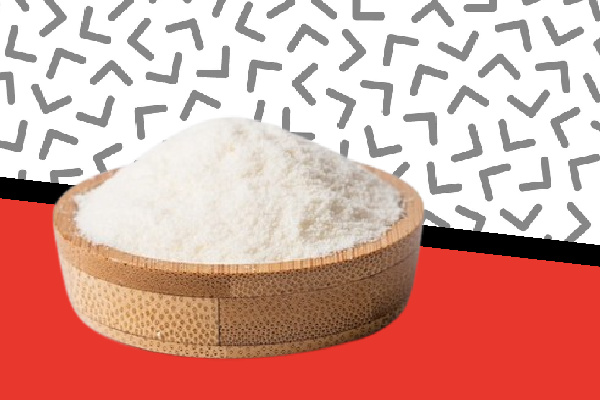










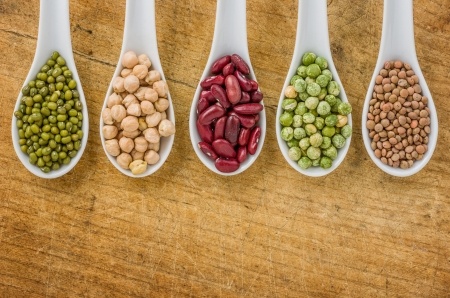
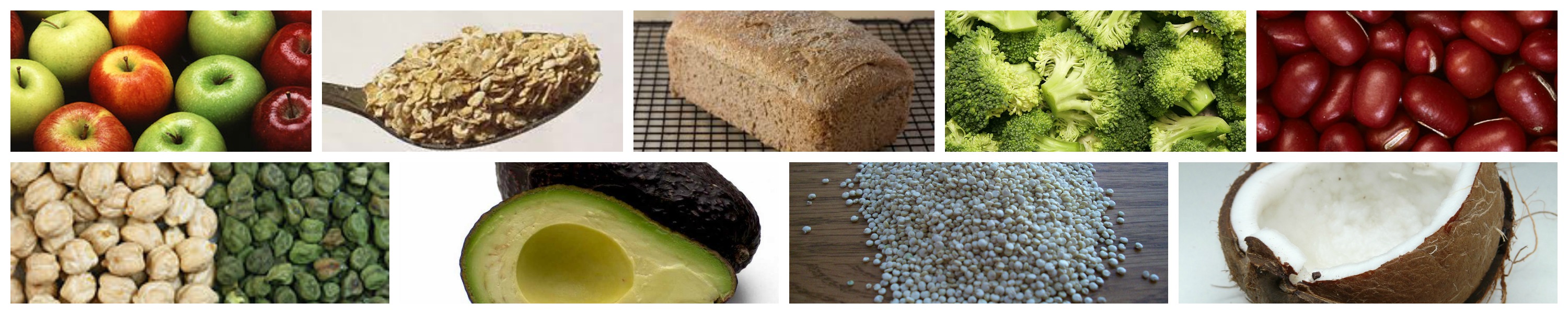





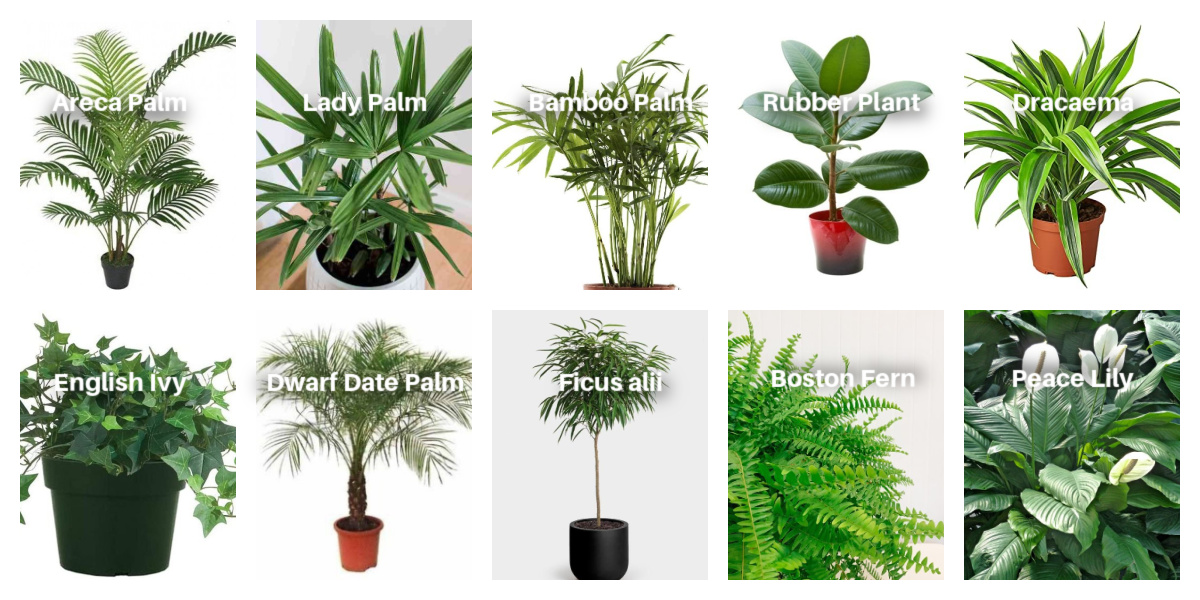
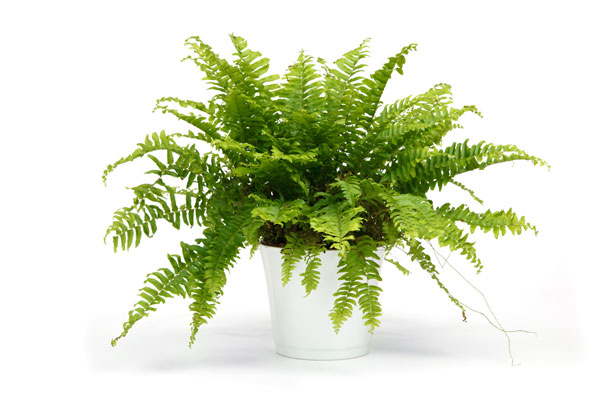

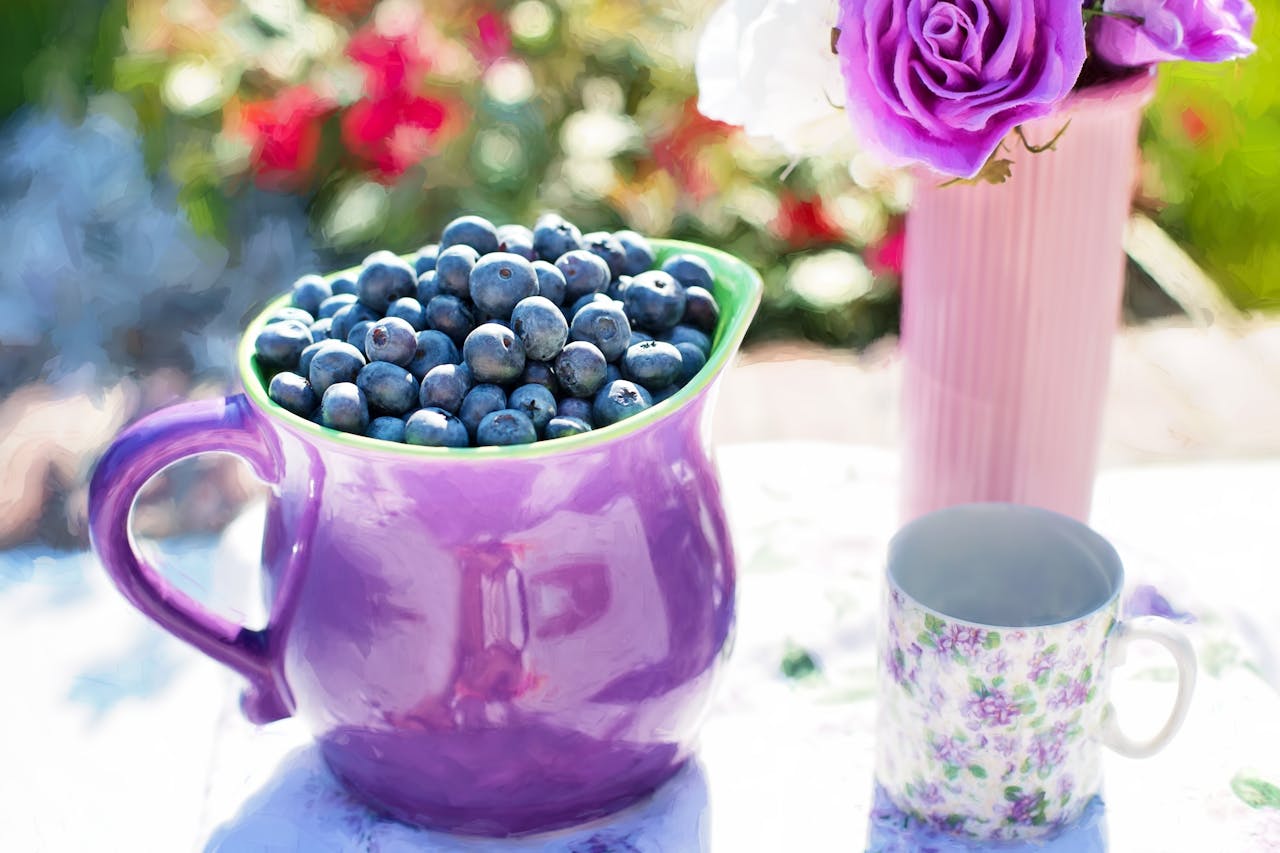
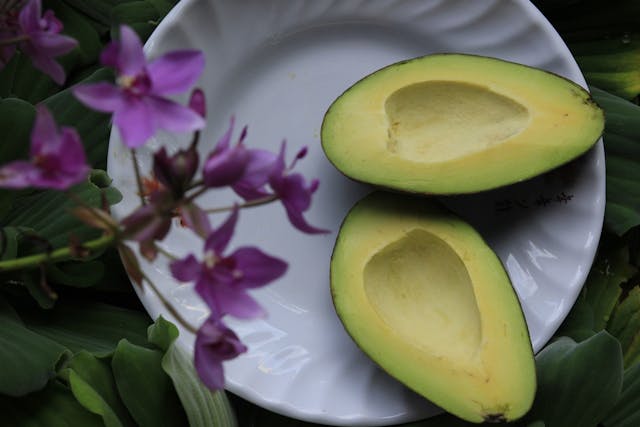
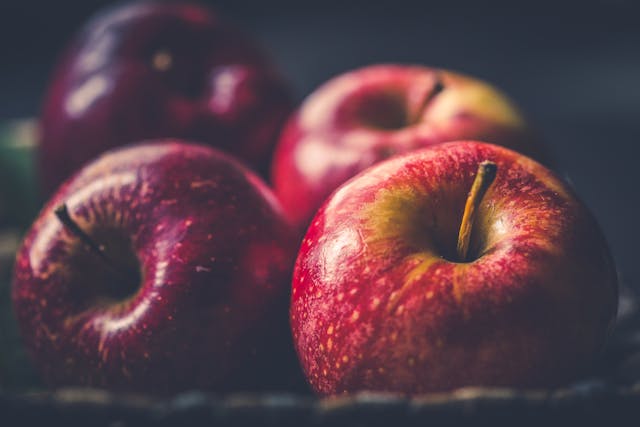
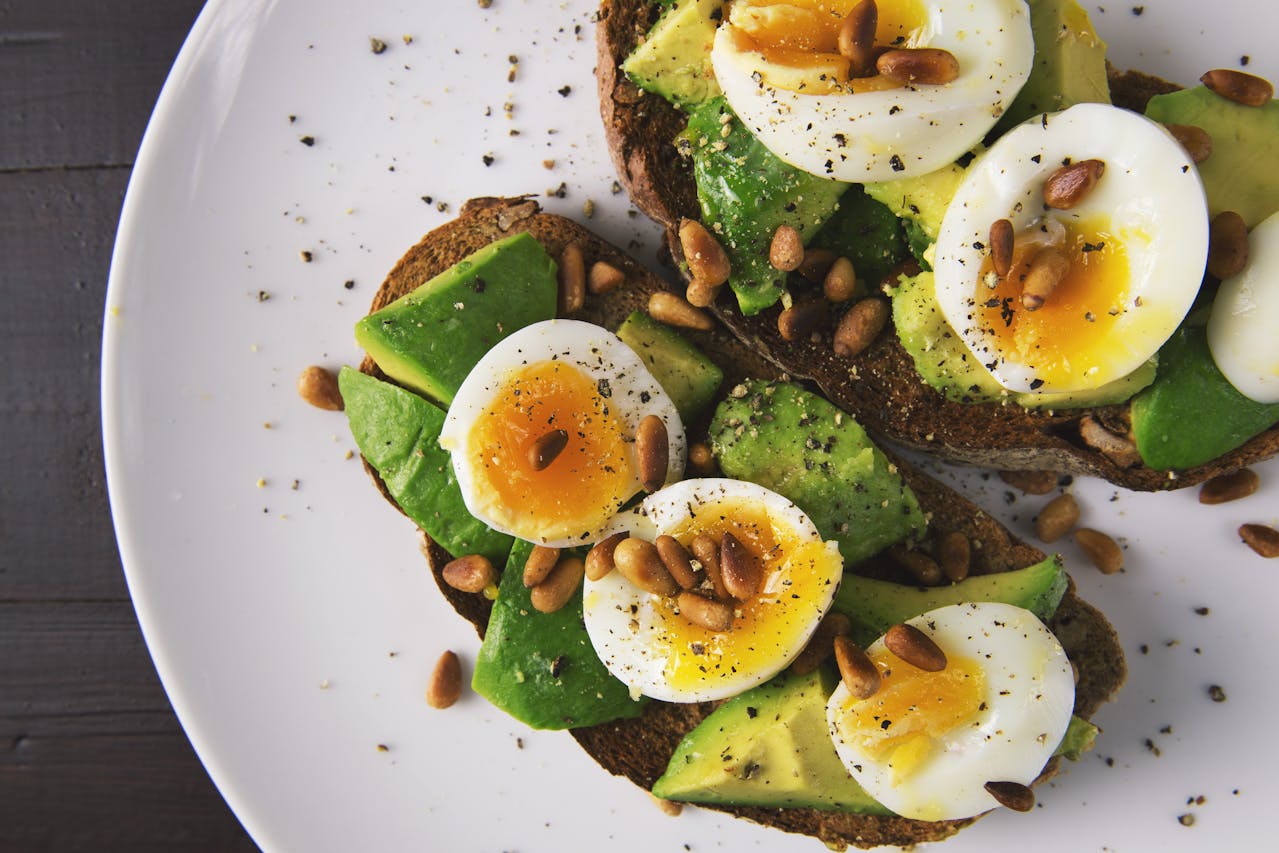


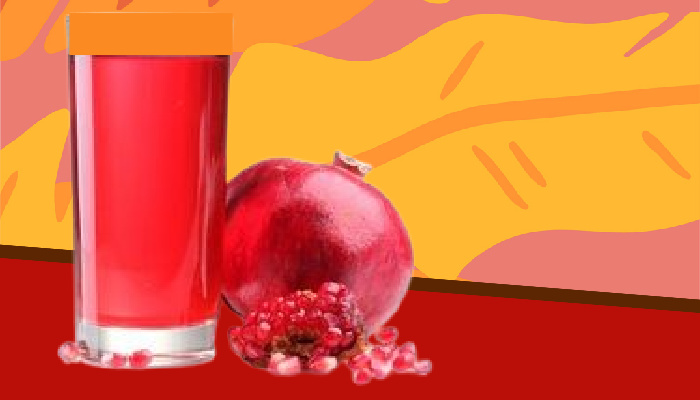

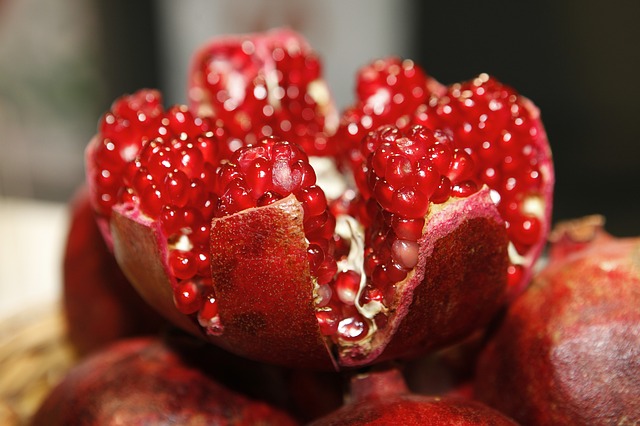



 Happy Holistic Health
