Category Archives: Holistic Health

Improve Your Digestion With These Juicy Options

Juices can deliver a whopping great punch of valuable nutrients and enzymes into your body quickly and easily

I am really excited tonight and feel like all-my-Christmases-have-come-at-once, as this afternoon I picked up my new slow juicer. I have been waiting quite a while for the shipment to arrive as it has sat in a container on the docks for a while. But today it is here. And no, it is not a Christmas gift, it just happens that it has arrived right at this time. The juicer I have chosen is a cold-press masticating type.

There is plenty of evidence about the benefits of juicing, provided the juice is prepared in a way that does not destroy the nutrients and enzymes. Juicing plays an important role in detoxing the body, and in facts underpins many natural health plans for the treatment of a wide range of diseases including cancer. But it also makes sense to include it in any plan for healthy living.

One if the main reasons to add home-made juice to your diet is that it can deliver a whopping great punch of valuable nutrients and enzymes quickly and easily, although this depends on the type of juicer it is made in.

You’ve heard this before but micronutrients are quickly damaged or destroyed by heating and cooking. In an ideal world we would all totally avoid processed foods and eat only fresh organic fruit and vegetables. But this is not always possible for lots of reasons. Most of us also make the choice to indulge in foods and drinks that are not health-wise, especially at this time of the year when it can become very difficult to make consistently good food choices.

So why juice?

Dr Mercola sums it up nicely in three points:

Juicing helps you absorb all the nutrients from the vegetables

Juicing allows you to consume an optimal amount of vegetables in an efficient manner

You can add a wider variety of vegetables in your diet

And to this I would add that juicing encourages people to eat breakfast. One of the big battles I frequently encounter at work is to get people to reverse their practice of not eating before they leave for work or school – the body is an engine and needs fuel to function!

Most people have poor or impaired digestion, whether they recognize it or not, as a result of prolonged regular poor food choices. For some this is obvious in indigestion, bloating, gas, cramping, or IBS, but for many more the effects are not so apparent. But poor digestion always equates with poor health. Over time it leads to many chronic health problems that range from fatigue to lung and heart problems and include a diverse range of many more. If you are not absorbing nutrients – vitamins, minerals, proteins, fats and carbohydrates – your body will simply not function properly. You need each of these nutrients to some degree, and some part of your body will suffer if you are deficient in any one of them.

Poor and impaired digestion results in poor and impaired immune function.

If you do suffer from poor digestion it is well worth taking fresh home-made juice before eating a meal, about twenty to thirty minutes, because the enzymes in the juice will actually act as an aid to help with your digestion. When taken on an empty stomach the juice is assimilated immediately, the nutrients absorbed, and the enzymes able to work efficiently.

The quantity of raw vegetables that we should optimally eat is big. Even the relatively modest amounts recommended by Government bodies are more than most people who come to see me for health advice and treatment regularly eat. Many of these people are in tune with good health requirements (to varying degrees), and eat more vegetables and fruit than most of the rest of the population, but still are not eating enough. Juicing allows you to increase the amount of raw vegetables and fruit that you consume substantially.

If you take a moment to work out what vegetables and fruits you eat you will almost certainly find that you are eating the same ones every day, with a variation thrown in only occasionally. Very few people actually manage to sustain a good rotation of the vegetables they consume. This may lead to a preponderance of some nutrients and deficiency of others in your diet. But one result that is not often appreciated is that it can also be responsible for the development of food allergies and intolerances. When you juice you can create a far more diverse diet because you can add in those vegetables and fruits that you don’t particularly like and so would not normally consume.

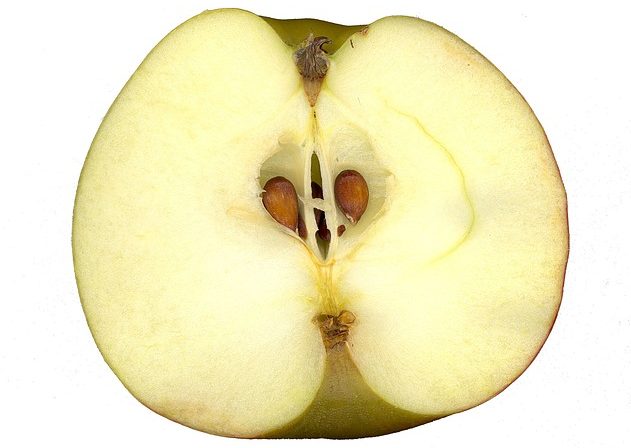
I mentioned before that the quality of the juice depends very much on the type of juicer used. The cheaper versions all use a centrifugal action. They are cheap to buy and quick to use. The problem is that their action heats the juice and causes significant nutrient loss. Juice made in these machines oxidizes quickly (in the same way that cut apple turns brown as it oxidizes) leading to free radical damage in your body. If you leave these juices sitting they will turn brown fairly quickly. I guess that if all you want juice for is the taste with no awareness or consideration for the consequence of consuming poor and damaging food then that would not be an issue!

Masticating juicers on the other hand, deliver a cold-pressed product which has not been damaged by being heated.

Bearing in mind that a juicer is an investment – an investment in your health what do you need to look for when purchasing a juicer?

Well firstly you want one that will deliver a high quality juice which is loaded with nutrients and enzymes

Another important factor is how easy it will be to clean, as if this is difficult you simply won’t use it.

A good warranty will ensure that the juicer can handle seeds, skins and cores without burning out.

The factor that really sets the best juicers apart is how much juice they can extract, as in the long run a machine that produces more juice from the same quantity of produce will save you money

Lastly make sure the engine is going to be strong enough to deal with juicing for the family.

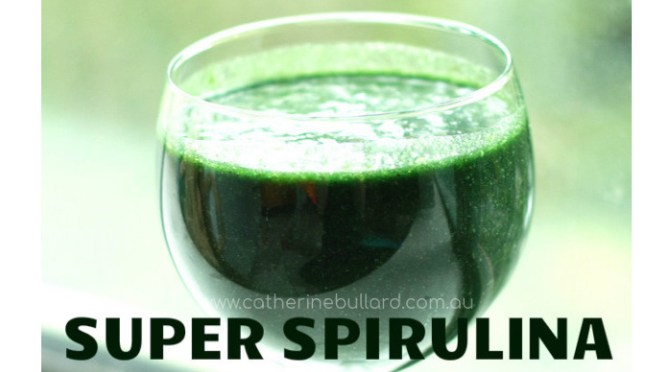
One bonus you get from juicers is that you can also use them to make smoothies which are often a great way to retrain your body to eat breakfast. I often get clients to start slowly at reintroducing the practice as once their body gets used to eating in the morning they find they want to eat sufficient and can’t do without. Many who say they can’t eat in the morning find they are ok with a smoothie to start off the ‘re-training’. Another bonus is that it so easy to add superfoods like Spiulina or Chlorella powder, or wheat or barleygrass to the smoothie to really powerhouse your breakfast and get your body fired for the day.

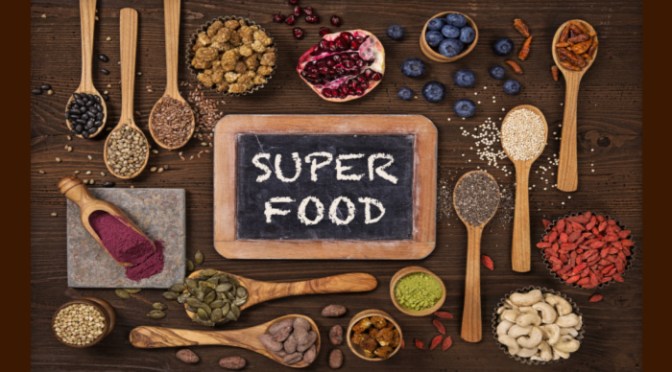
You can add Superfoods to a basic green smoothie to give a power start to your day
You can add Superfoods to a basic green smoothie to power start your day

When you choose your vegetables for juicing it is important to remember that any pesticide residues will be concentrated. Choose organic produce wherever you can, but if you need to restrict the amount of organic foods you buy then make sure you select only organic versions of any of the foods that appear on the “Dirty Dozen®” http://www.ewg.org/foodnews/summary   list which is a guide to pesticides in produce for shoppers. There is also a list of the fifteen ‘cleanest’ veges and fruits on that link.

If you, like many parents, are worried about the amount of fruits and vegetables that your kids are eating try them on home made juices from a wide variety of organic vegetables and fruits and know that they are probably getting the nutrients they require.

One drawback from lots of juice in your diet rather than whole fruit and vegetables, is that the fibre contained in the produce is discarded. Insufficient fibre is a common problem in western diets and leads to digestive health problems. Fibre also helps you to feel full and satisfied. In order to stop the development or exacerbation of the very health problems you are trying to fix you need to add the fibre back into your diet via the juice, or else by adding it to soups, stews or salads.

Juicers range in price from very cheap to thousands of dollars. My new masticating juicer cost a few hundred dollars. I know it won’t be as good as the ones I have dreamed of owning but it is quite sufficient to get my family started on this yummy health practice and to get them away from commercial juices.

There are lots of juicing recipes about but you don’t need them as it is good to experiment with your own creativity. Here are some simple ideas to get you started.

Here are some great tips for juicing, including juicing for a large family.

And here is one last hint – Chew your juice, never gulp it down! You will absorb it better when it is mixed with saliva.

Have fun trying out juicing for your household. I’m off to stock up on some fresh organic produce so I can get going.

Disclaimer.

All information and opinions presented here are for information only and are not intended as a substitute for professional advice offered during a consultation. Please consult with your health care provider before trying any of the treatment suggested on this site. 


Source articles:

http://greensmoothierevolution.com/

http://articles.mercola.com/sites/articles/archive/2011/11/13/benefits-of-juicing.aspx

http://www.livestrong.com/article/535545-the-disadvantages-of-juicing/

Survive the Silly Season Tsunami

With the end of the year racing towards us it is very easy to succumb to overwhelm, and here in Australia I believe that we actually do this season much harder than we need to, and perhaps harder than they do overseas. The festivities of Christmas, or whichever of the Holidays you celebrate, coincides here with the end of the school year, the end of the working year, and the end of the calendar year, all in one short week.

Trying to juggle a myriad of  ‘end-of-year’ school activities, dance concerts, exam study, shopping for the festivities ahead and socialising, together with so many businesses closing down for at least a few weeks and preparations for the mass post-Christmas exodus to many idyllic beachy places, it is very easy to get caught up in a sense of “approaching the end”. It’s easy to get that nagging feeling that you need to finish absolutely everything, to tie up all the loose ends in your life.

It seems that the whole nation drives itself into an absolute feverpitch of stress through December and then shifts to the opposite extreme and shuts down totally after Christmas Eve. It’s no surprise everyone races around with a sense of impending doom if everything isn’t done and finalised on time.

Perhaps it’s this Australian ‘end-is-nigh’ approach to December that actually fuels the stressful emotions we experience.

Are You Driving Yourself Too Hard?

How many times do you say “we must catch up before Christmas”? How much do you drive yourself at work to finalise jobs that realistically might wait a week or two? How many parties do you attend? How many late nights do you have? How much fattening, sugary, or rich food do you eat? How much alcohol? How often are you driven to do or buy something which could wait, without really knowing what drives you to do it right now? And these are only what you are actually doing – they don’t even start to address the emotions that get stirred up at this time.

This last part of the year can be a time of escalating stress for so many during the build-up to Christmas with ‘so much to get done’, loneliness, increasingly tired children as they approach the end of the school year, the pressure in self-run businesses to cover extra costs such as holiday pay for staff, a calendar that seems to overflow, loss of a job and financial constraints, plus many more difficulties.

Loneliness and Grief

For many this time of the year is also a time of tremendous emotional stress. It is the time when the loss of loved family members, whether through separation or their passing, comes home and strikes with almost paralyzing force. For some people the whole season is wrapped in a tight mantle of grief that draws in around and stifles them.

It can also be the time when singles feel the most lonely, when isolation from family and friends or an abscence of them in your life strikes most intensely.

Family Tensions

For others the experience of returning into a family where everyone is suddenly thrown back into the role they played as a youngster and the family dynamics that played out when they were children, is too difficult to deal with.This is in spite of the fact that in their real everyday life they are responsible and competent parents, partners, employees or employers with wide and admirable skills and abilities.

In this scenario is it any wonder that the anxieties of childhood rear their ugly heads. Is it any wonder that behaviour reverts and childish tantrums or bickering, petulant unhappiness or resentment and other actions arising from the uncertain and fearful child that is still living deep within, start to occur.

But whatever the reason the ability to engage in the Christmas spirit eludes many and the season is anything but bright.

There are natural treatments that can help you cope as the Holiday Season gets nearer and stress levels increase

WHAT YOU CAN DO

There are a number of natural strategies and remedies you can adopt to help deal with these issues. Rather than go into each of them in detail I’ll give you a link to some that I think are sound and effective. You can have a look and try a few out and then use those that suit you the best.

Even making a little time to get some exercise or relaxation is a good way to start. When we start to rush, both exercise and relaxation often go by the wayside. Schedule the time in your calendar and then stick to it.

Remember that a massage can work wonders especially if you carry your stress in your neck and shoulders, and it will be even more effective if it includes aromatherapy essential oils for relaxation.

Emotions respond beautifully to any of the varied forms of energetic medicine. Medicine delivered in an energetic form can be very effective in ‘re-balancing and re-setting you’ so that you are able to deal with whatever it is you have to face. Hear are a few.

Homeopathy

Homeopathy offers some great remedies for many of the issues such as stress, overwork, grief, over-excitement, anxiety, guilt, exhaustion and so on.

Homeopathic Coffea helps with getting over-excited children off to sleep on Christmas Eve. Ignatia is often a first choice for grieving. Nux vomica can work wonders if you are driving yourself towards burnout with overwork.

Homeopathic remedies need to be matched to your own idiosyncratic symptoms and the particular way you manifest the stress. So unless you are familiar with self-prescribing for acute situations, or if your stress is long-standing you should consult with a fully trained and registered Homeopath.

Accupressure & Accupuncture

Visiting an Acupuncturist is a great way to deal with the stress, but even better, you can do Acupressure yourself anytime and anywhere, and it works along the same lines as acupuncture. This is a good demonstration of one way to relieve stress by Donna Eden, an expert at using acupressure in her energy medicine work.

These diagrams of acupressure points to use for hangovers could be useful if you are partying hard. And here are some acupressure points to help with feelings of anxiety felt throughout the holiday season.

Flower Essences

Flower essences can have a great benefit when trying to deal with grief. They work very gently, but effectively on the emotions.

The basic Bach Rescue Remedy or Australian Bush Flower Emergency Essence are both good ‘all-purpose’ mixes for dealing with stressful situations but there are a number of others that can be tailored to each individuals requirements. FES Five Flower Formula is similar to Bach Rescue Remedy.

Perhaps my favourite flower essence for this time of the year would be the Australian Bush Flower ‘Calm & Clear’ essence – the name says it all.

There are flower essences to help relieve all the other stressful emotional responses to the holidays and they are well worth investigating.

For information about each of the Bach remedies look here, for Australian Bush Flower Remedies look here and Californian Flower Essences here.  

Difficult Families

Here are some useful strategies for those who have to deal with intensified extended family tensions. They give you the opportunity to plan ahead and devise strategies for you as well as your family.

Importantly it is all about taking back the reigns and getting back your sense of control. If you are able to clearly identify where your stress is coming from then you have a better chance of achieving this control. If there is a tradition in your festivities that causes more stress than joy, then it is time to give yourself permission to change things. Make 2012 the year to make changes, after all you cannot help others if you are not really coping yourself.

Don’t forget, it is not all about the ‘Big Day’. The stress of the lead up through December can be just as bad or worse, and the significant health effect that prolonged stress can have on your whole system is often not recognized or acknowledged until it gets serious.

Remember to check in with situations and ask yourself whether they are of joy or of stress right through the whole Month of December.

Make this the year where you decide to be kinder to yourself. Sure, there are always going to be pressures, but maybe by being aware of how many of the manufactured pressures you embrace, you can let a few slide, and in easing up your obligations you will be able to deal with those stresses you really cannot avoid.

It is time to allow yourself the gift of self-love and self-care.


Disclaimer.

All information and opinions presented here are for information only and are not intended as a substitute for professional advice offered during a consultation. Please consult with your health care provider before trying any of the treatment suggested on this site. 

© Catherine Bullard and Happy Holistic Health, 2012. Unauthorised use and/or duplication of this material without express and written permission from this blog’s author and/or owner is strictly prohibited. Excerpts and links may be used, provided that full and clear credit is given to Catherine Bullard and Happy Holistic Health with appropriate and specific direction to the original content

Aloe! Aloe!

Last year my family traveled from three different continents to meet up at a beautiful Caribbean beach on Mexico’s Yucatan Peninsula. As always I took a kit of 25 Homeopathic remedies with me. The Homeopathic kit has traveled with me wherever I travel for over twenty years and has been invaluable for all sorts of acute illnesses and first-aid situations many times.

Initially my kit included remedies for small children’s problems but as the boys grew the remedies changed a little to suit their changing activites and destinations. Remedies for teething relief eventually gave way to ‘hangover rescues’ and as we ventured overseas we added remedies for “Bali-belly” and jetlag.

A 'home' Homeopathy kit containing twenty different remedies suitable for acute illness and first aid situations.
A ‘home’ Homeopathy kit containing twenty different remedies suitable for acute illness and first aid situations.

Of course some remedies remained, the same remedy served for the effects of falling of a bicycle with training wheels as did for falling from a small Asian motorcycle. And some were always there because they were such fundamental stalwarts. Arnica is one that I would be lost without, in fact I can’t imagine raising a family of four boys without this gem in the medicine chest!

Being a practitioner I have access to a broader range of Homeopathic remedies than are found in most kits, and I have the knowledge of a wider range of applications, so that I am able to tailor the selection of the Homeopathic medicines more closely to our specific need. But nonetheless I still often manage to find myself without the necessary remedy for the problem we face. When one son had his drink spiked in Asia I knew which remedy he needed to counteract the nasty effects of the drug, but not having it with me had to make do with another that while it did help ‘bring him down’ was not ideal.

However, back to Mexico, as I said there are some remedies I never leave home without.

The amazing lagoon and the bottom of the garden in the Mexican villa

We arrived in Mexico in the late summer and it was hot! Seriously hot, especially after coming out of the tail of the Melbourne winter. The villa we were staying at had a pool, sun lounges under the cabana and backed onto an amazing fish-filled lagoon. So the family was quick to soak up the long-missed sun and it only took one day before one of the boys came to me seriously sunburned. There are a number of Homeopathic remedies that are useful for burns, but there is one I always carry as it dissipates sunburn with amazing speed. But for hot, sunny Mexico I had forgotten to pack it.

Luckily being Mexico the garden was full of succulents and a quick walk around the garden revealed our second treatment choice, a clump of Aloe Vera plants. My son broke a leaf applied the gel to his burnt skin with good healing results. Most people know one of the characteristics of Aloe Vera is it’s ability to soothe the skin. But it is not only an excellent anti-inflammatory, it also actually heals any tissues it touches. It is great for skin problems such as acne, dandruff, eczema, dermatitis or psoriasis. (Although I prefer to treat psoriasis with a deeper-acting treatment like homeopathy) On the skin it will also help heal infections, although you must not apply it to any deep vertical wounds (such as those from surgery). And of course it soothes and starts the healing process for sunburn, cooking and ironing burns or insect bites.

Many people drink Aloe juice regularly for its laxative qualities, as a general health tonic for the Gastrointestinal system, or to help build up the immune system. However, do not use Aloe if you are pregnant or breastfeeding, have a kidney disorder, IBD or intestinal obstruction, or for young children. Also, Aloe can cause irritation on the skin in some people with a specific sensitivity to the plant, although it is uncommon.


AN ALOE IS AN ALOE, RIGHT? WRONG!

There are over 240 varieties of Aloe and there are also a number of plants that look very like Aloe but don’t have the same healing properties. The one you need is Aloe barbadensis and the clue to identifying Aloe is in the way the leaves sit. In a true Aloe plant they all come up from the base in a circular pattern, like in the picture below. If there are leaves pointing in only a couple of directions it is not an Aloe. The edges of the leaf have short little barbs a bit like a cactus, although it is actually a member of the lily family and not a cactus. The fleshy leaves can vary in colour and even be spotted but they will always grow in this shape. There are lots of Aloe varieties but Aloe barbadensis is the one you want to use.

The fleshy leaves of Aloe barbadensis grow from the base in a circular pattern

The useful part of the plant is the gooey gel in the centre of the leaf. The outer part of the leaf contains constituents that can be problematic and you want to avoid. The outer part also has a bitter taste whereas the gel does not so if the juice or powder tastes bitter it is a clue that the product is not good quality as it has some of the outer leaf mixed in with the gel.

The other problem that can be a problem with commercial products is that the gel oxidizes when it is exposed to the air for more than about four hours. This is like the apple going brown after it is cut. Some manufacturers buy Aloe gel and stockpile it for long periods during which time it deteriorates. Rather than wondering whether the bought product is truly good or poor quality it makes sense to formulate your own ‘Aloe’ products from your own plant.


HOW TO USE ALOE

You can apply the gel directly to your skin, as my son did, to relieve inflammation, whenever there is a breakout, or as a regular beauty treatment. It is also useful for dry skin. You can also use it to de-frizz your hair before you blow-dry it, as it is the main ingredient of most defrizzers on the market. It is easy to apply because of its consistency.

You can substitute Aloe for your shaving cream, it  gives a great close shave and, being anti-inflammatory and with a high water content stops the need for moisturizers afterwards. In fact it sorts out razor burn beautifully – use it after you shower and again before bed.

Aloe vera is high in a range of nutrients that will be absorbed into your skin. It contains all eighteen amino acids, including the eight essential ones, twenty minerals, the standouts being calcium, zinc, selenium and magnesium and twelve vitamins, including Vitamins A, C and E which benefit the skin because they have antioxidant activity that neutralizes free radicals.

Aloes are very easy to grow in a pot on a sunny windowsill. They like hot, dry weather and are fine inside. They need almost no care and the danger is that they will die from over-watering rather than neglect. They are fine outside but you will need to bring them in during a cold snap especially if there is frost. Once your plant is established you can easily grow more by planting a ‘pup’ from the parent plant into some Cacti potting mix. Keeping a pot of Aloe vera is the best way to have a ready supply of fresh gel on hand.


SKIN CARE RECIPES

Once your Aloe vera plant is growing you might like to use it to make a face mask for yourself. Here is how:

Cut one of the bigger leaves off the plant with a knife close to the base. Put the leaf onto a plate and leave it for about 20 minutes to allow the yellow sap to flow out. Then wash the leaf under running water.

Slice your Aloe leaf in half vertically (from the top to bottom). Take care, it will be slippery. Then with a spoon scrape the

The gooey gel inside the Aloe vera leaf

gooey gel out of the inside of the leaf. It is really gooey, like very sticky egg white, and will stick to your fingers. (If it is a very big leaf cut it across before leaving it to sit and store half in the fridge for another time. The leaf end will seal over and stop any oxidisation)

To make a very easy Aloe and Honey mask, take about 2 teaspoons of the gel and mix well with equal quantities of honey, ideally Manuka honey or otherwise organic honey. Add ¼ teaspoon of rose hip oil. Apply to your face with your fingers and leave on for 20 minutes. Then wash it off your face. This mask is rejuvenating for dry skin when used twice a week for two months. (If you have no Rose Hip Oil make this with just the Aloe and honey)

A Cucumber and Aloe mask is great after being out in the sun. It is also excellent for acne, or any stressed and inflamed skin. Peel and deseed ½ a cucumber and then process it to a smooth paste with about 2 tablespoons of Aloe vera gel. Spread over your face (and neck), relax for 20 minutes and then wash off gently.

Alternatively, if you are pressed for time you can simply rub the inside of the leaf directly on your skin. It is safe to use on your face, although better to avoid the eye area. It will help heal outbreaks as well as tightening and toning the skin.

You do not need to cleanse afterwards as Aloe is cleansing, and you can simply apply a moisturizer or face oil if you wish.


DISCLAIMER:

This advice is not intended to replace the advice of your Health Care Practitioner. Please seek professional advice for serious medical problems.

Good Morning Sunshine: How’s Your Vitamin D?

Here comes the sun

Sunny days are here again but are they really going to lift your spirits, or your health? Vitamin D deficiency is often the result of inadequate exposure to sunlight. It is essential for a healthy immune system and plays a role in many functions within your body. Vitamin D deficiency is linked to many illnesses including depression and schizophrenia. So it’s vital you maintain healthy levels with this information.

Chances are if you had a blood test for anything recently, the level of Vitamin D in your blood was tested at the same time, and if you are one of about 70% of us “Sunburnt Country-ites” your levels were below the level needed for good bone health, or worse, like 30% of the country your levels were deficient. So what does this all mean, and probably most importantly, what are the implications of this?

You all know that one of the reasons for this situation is that over the last few years Australians have been urged to ‘Slip, Slop, Slap’ all the time, or even to avoid going out in the sun altogether. Now with the discovery of just how widespread the problem of low Vitamin D levels is, and growing awareness of the important role that it plays in the prevention of so many diseases, the advice regarding sun exposure has suddenly been dramatically changed.

Vitamin D is n fact not actually a vitamin but rather a hormone which is made by your body.  But it needs sunlight to trigger production of the Vitamin D precursor in your skin.

There are two types of UV light rays, UVA and UVB.  Both can trigger skin cancers, but UVA have long wavelengths that reach into the deeper layers of your skin while UVB rays are shorter and only get into the surface layers. More importantly, UVB rays are the only ones that contribute to Vitamin D production. UVB rays are more intense in the middle of the day and decrease at either end of the day while UVA rays stay constant through the day. This is why the recommendation has changed and it is now is to get your sun exposure at lunchtime. By going out in the sun at that time you get more exposure to the UVB rays relative to the UVA rays and so get greater Vitamin D benefit from the same exposure, “more bang for your buck”, so to speak.

Evidence  shows that our connection between sunlight exposure and melanoma has previously been far too simple as it seems that Vitamin D is the factor that actually assists our bodies in not developing skin cancers. This actually makes good sense when you remember that we evolved to live harmoniously with sunlight long before sunscreen came along. By always coating in sunscreen and avoiding the sun we do not have adequate levels of Vitamin D to gain the protection we need.

Short exposure in the middle of the day is best

The new recommendation is to go out in the sun in the middle of the day, with face and arms uncovered, for only the amount of time that it takes for your skin to just begin to feel like it is going to start ‘pinking up’. Of course this is going to differ for each of us, with fairer skinned people needing very little exposure and darker skinned maybe three to four times as much. Every time we are outside we have some sun exposure, and even when inside cars or buildings we are getting exposure as UVA rays can pass through glass. Unfortunately, UVB rays that activate Vitamin D do not pass through, something worth remembering when the sun streams through the car windows.

The most recent figures that I have for the number of Australians deficient in Vitamin D are about 30-50% with 75% having levels too low for optimal bone health. These high figures are very surprising for citizens of the Sunburnt Country. I read recently that in order to get enough sun exposure to maintain adequate Vitamin D levels in Melbourne during July one would have to be outside in the middle of the day, fully naked for twenty minutes. As the temperature at lunchtime in July is often no more than a mighty eleven or twelve degrees, I will not be trying that out. Because those with dark skin need so much more time to get adequate Vitamin D from sun exposure they are more at risk for Vitamin D deficiency.  Obviously it is easier to get sufficient exposure further north and more difficult down in Tasmania.

I normally stress that vitamins and minerals are best obtained from foods. Although there are small amounts of Vitamin D available in a few food including oily fish, mushrooms, and eggs (you would need 10 a day to get enough Vitamin D), as well as dark green leafy vegetables you will never be able to get anywhere near what you need from your diet and the form occurring in plants is not really useful.

During the twentieth century Vitamin D deficiency was mainly associated with rickets, a disease where bones soften and weaken. At that time it was recognized that this Vitamin played a big part (along with calcium and phosphate) in maintaining good healthy bones. But as we have become more aware of the many body processes that involve this amazing vitamin we are also becoming more aware of the far reaching impacts of its deficiency.

There are so many health problems in which Vitamin D deficiency is now known to play a part including SLE (Lupus), heart disease and high blood pressure, diabetes, PMS, Rheumatoid Arthritis and osteoarthritis, osteoporosis, teeth problems, epilepsy, fibromyalgia, autism, mental health, migraines, MS, skin problems like psoriasis, infections, colds and flu, Hypothyroidism and diseases which have fat malabsorption such as Coeliac Disease. Even chronic pain – bone pain, muscle pain, back pain – can be due to a Vitamin D deficiency.

Vitamin D deficiency is also quite common in children and has been shown to be linked to an increased likelihood of developing allergies. Late teething, irritability and poor growth are all a sign of a deficiency and even seizures and asthma seem to be linked.

It is now becoming more common to suspect vitamin D to be ‘the’, or at least one of the most crucial factors in the prevention of a large number of diseases. There has also been research conducted into Vitamin D and cancer prevention   Interestingly, and not surprisingly, research so far has shown that the doses required to prevent serious diseases are much, much higher than RDA’s (recommended daily amounts) and it is worth remembering that an RDA is set at the level needed to keep you alive, not the level required for good or optimum health.

Vitamin D allows your body to absorb calcium through the small intestine and plays a crucial part in the prevention of osteopeania and osteporosis, however, many people have taken calcium supplements for a long time without the necessary Vitamin D to actually absorb the calcium properly. Vitamin D turns out to be a major factor in keeping this disease at bay.

After getting the results of their blood tests many Australians find they require Vitamin D supplemets. Supplement quality varies! You can get them in the form of a capsule, tablet, liquid or as a drop that you place on your hand and lick off. Another great source is cod liver oil. In the past it tasted vile but these days it comes in fruit flavours to hide the fishy taste. Cod liver oil also provides you with vitamin A and EFA’s as a great bonus. But again, quality varies.

It is always really important to take a good quality supplement, whatever type of supplement it is. Basically, with supplements you get what you pay for. Poor quality products are often just a waste of money, especially if your body is excreting them because they are not in a form that you can absorb properly. And just because the product is advertised as being a ‘best-seller’ or ‘more popular’ does not mean it is even remotely any good!

Many people come to me after having been tested for Vitamin D levels and I keep seeing that the amount of Vitamin D supplement that most have been prescribed is inadequate to address their own personal Vitamin D deficiency and raise the levels in their body sufficiently. As is usual with the prescribing of supplements, a ‘one dose fits all’ use of Vitamin D

Get out and soak up (some of) those rays

is not appropriate or likely to get the best outcome possible. It needs to be tailored to the individual. Many doctors have not had the training in nutrition that is gained in Complementary Medicine (CAM) Courses, and which provides knowledge of the intricacies of vitamin/mineral interaction that enable the tailoring of supplement prescribing to an individuals needs.

So even though the days are lengthening and we can get out and soak up those rays, the reality is that your Vitamin D levels may still be below par. If you find you are craving carbohydrates more, your spirits are low or you are showing any of the signs linked with a deficiency, head off to the GP and have a talk about having your levels tested. Then if they are lower than optimal get some expert advice from your CAM practitioner about the dosage you personally require as well as which high quality supplement will improve your Vitamin D status. If you are hunkering down to face winter in the Northern latitudes it is even more important to be on top of your Vitamin D levels as they normally drop over the winter months.

Disclaimer.

All information and opinions presented here are for information only and are not intended as a substitute for professional advice offered during a consultation. Please consult with your health care provider before trying any of the treatment suggested on this site. 

Holy Basil! It’s Tulsi, the Queen of Herbs

Herbal teas are a wonderful way to get the healing benefits of herbal remedies very easily  and I sat down today to enjoy my afternoon cup of tea with great pleasure. I drink many different green and herbal teas but this one, Tulsi tea, is one of my favourites.


tulsi


Tulsi, Ocimum sanctum or Holy Basil, is a small plant which has played an important role in Ayurvedic medicine and has been cherished as a sacred plant by Indians for nearly five thousand years. It is also known by many other names that reflect the exalted position it holds, such as Sacred Basil, Queen of Herbs, the Incomparable One, the Elixir of Life and the Mother Medicine of Nature. In Ayurvedic medicine many herbs are highly valued, but Tulsi is a prized medicinal, recognized as a herb with unique status and revered alongside the Lotus

Tulsi is believed to be spiritually endowed and powerfully transformative. In India it plays an important part in religious practices and is used during meditation to gain clarity and protection. Many traditional Hindus worship at an altar in the courtyard of their home on which is placed a potted Tulsi plant, which is thought to provide divine protection, insure personal health, spiritual purity and family well-being. The plant is revered for both its healing abilities and its ability to heighten spiritual awareness. It is thought to balance the chakras and to be capable of bringing on goodness, virtue and joy in humans

There are three types of Tulsi, and all are known for their fragrance which resembles that of their cousin, the Sweet Basil that you use in cooking. Krishna (purple) is slightly peppery and Rama (green) is cooling and mellow. Vana (‘forest Tulsi’) grows wild and is a bit ‘lemony’. They are members of the Lamiaceae (mint) family have a mint overtone.

Traditionally Tulsi was used for an impressively wide-range of health promoting purposes. As a herbal remedy it has been shown to have many benefits. The chemical composition of Tulsi is very complex and it is rich in antioxidants and other nutrients. It is used in over 300 medical treatments and there is a lot of evidence of its health benefits. The research offers impressive evidence that Tulsi has general vitality-enhancing properties which support and enhance the body’s natural capacity to maintain a state of well-being. Research shows that it both protects against and reduces stress, enhances stamina and endurance, increases the body’s efficient use of oxygen, boosts the immune system and slows aging.

Holy Basil has a wide range of actions including anti-fungal, anti-bacterial and anti-viral which make it effective in fighting infections. It’s also an adaptogen, antidepressant, carminative, diuretic, expectorant, galactagogue (promotes the flow of mother’s milk), and immunomodulator. It acts as an anti-inflammatory agent and in addition it will boost your immunity. These terms may be confusing but this range of actions all add up to a herb that is able to restore widespread balance in your body.

Tulsi is perhaps most recognized and appreciated as a powerful adaptogen, and acts as an excellent ‘anti-stress agent’. It is a herb that allows the body to cope with the many stresses of modern life, whether they are environmental, physical or chemical. It keeps the body in a balanced state of health and offers protection from the vast range of diseases that are caused by these stressors. It assists with mental tension, emotional difficulties and problems that are the result of poor lifestyle. It is an ancient protective herb ideally suited to the modern world because it will help prevent illnesses that are the result of living a modern high-speed lifestyle.

Tulsi Tea nourishes a persons growth to perfect health and promotes long life

Tulsi is beneficial for so many problems that I have to list some of the ways that it may help you:

  • Supports the immune system
  • Helps fight infections, and is widely used to treat respiratory ailments
  • Provides physical stamina
  • Has anti-depressive action
  • Enhances digestion and nutrient absorption and helps with gastrointestinal problems such as bloating
  • Reduces inflammation in diseases like arthritis
  • Supports heart function, reduces cholesterol and high blood pressure, reduces the risk of stroke
  • Neutralizes dangerous chemicals that can cause cancer, degenerative diseases and early aging
  • It is a nerve tonic
  • Sharpens your memory
  • Is expectorant and effective in asthma, cough, croup, allergies and respiratory infections
  • Strengthens the kidneys
  • Lowers cortisol levels
  • May help to lower blood sugar levels and nourishes the pancreas
  • Is useful in many children’s illnesses like diarrhea, cough, cold, fever or vomiting as well as ADHD
  • It hydrates the skin and helps with disorders like ringworm or dryness
  • In conjunction with chemotherapy or radiotherapy it neutralizes the effects of bio-chemicals
  • In addition it assists insomnia, pain & spasms; excess phlegm, sluggishness, excess weight, lack of energy

It seems that Tulsi is able to offer remarkable preventative and curative potential with respect to many degenerative disorders, such as cancer, heart disease, arthritis, diabetes and dementia.

It is not recommended taking Tulsi during pregnancy or if you are considering getting pregnant (there are indications that it may have an anti-fertility effect), but it is perfect after the birth as it helps to increase milk production

The tea is made from the leaves and blossoms of the plant. The Tulsi I drink (Pukka Organic Three Tulsi) is a mix of only the three different Tulsi’s, (Rama, Krishna and Vana) but others I have tried have been combined with green tea, or other herbs for flavour. As I enjoy the fresh, zesty flavour of the Tulsi leaf, I prefer the ‘pure’ blend rather than one added to other teas, both for the taste as well as the increased benefits it offers. It is the perfect pick-me-up in the late afternoon, immediately rejuvenating my energy, and uplifting my spirits, and without any caffeine at all! As I drink it regularly I know it is also having a positive effect in the long-term on so many of my body systems.


Tulsi holds both medicinal and spiritual importance in India


Disclaimer: This information is not intended to diagnose, cure or prevent any disease. It is advisable to seek professional opinion and guidance before trying any of the treatments suggested on this site.

Source articles:

http://hinduism.about.com/od/ayurveda/a/tulsibenefits.htm

http://www.mountainroseherbs.com/learn/Holy_basil.php

http://www.holy-basil.com/

http://organicindia.mercola.com/herbal-supplements/tulsi.aspx

Skin Deep: Avoid Toxic Skin Care

I’m always amazed how so many high end/high price skin and hair care products claiming all manner of nourishing and rejuvenating benefits,  contain so many ingredients toxic for your skin and hair. Often the toxic chemicals they contain are actually the cause of dehydration, dermatitis or other skin problems.

Skin Deep: How to avoid toxic skin care products

Often products we use to prevent skin problems actually cause those same skin problems, so why do we continue with this crazy behaviour?

We’re all susceptible to great advertising campaigns and because most rarely know what those long chemical names actually are we’re all quick to accept the recommendation of the advertisers.

Of course even if you do know which chemicals are harmful it can be impossible to read ingredient lists printed in microscopic script, if indeed they’re included on the product at all. Legislation only requires the list of ingredients be displayed but not necessarily on the product – it can just be a card sitting at the point of sale, which you may not notice or stop to read!

We’re also easily seduced by nice smells, creamy texture, pretty packaging in our favourite colour, prestige brands, outrageous claims, or simply brand loyalty.


Organic Skin Care Claims

natural non-toxic skin care
Photo courtesy: Shawn Campbell

In Australia a product can be labeled ‘organic’ if it contains any carbon in it at all. Given that there’s carbon in all plant and animal matter it’s pretty well a ‘free-for-all’. Technically, the inclusion of any vegetable oil or herbal preparation renders the product ‘organic’.

The word ‘organic’ on its own means zilch.

If the product contains ingredients grown according to accepted organic farming practices it will be labeled ‘Certified Organic’ or ‘Australian Certified Organic’. If ‘Containing Organic Ingredients’ is emblazoned on the packet be careful! There may only be a few drops of one certified organic essential oil in the largish container, while all the other ingredients are not organic and may be quite nasty chemicals.

Companies are ‘put on trust’ and don’t even have to substantiate any of their claims about a product unless they’re challenged. Can you afford the legal fees to prove that you really will look younger when you use their product? It rarely happens.


Getting Round The Hurdles

You do need to learn to read the label, even if just to know the main things to steer clear of. If you want natural, beneficial products then you need to be able to search for them. It’s up to you whether you want to settle for products just a little “cleaner” or get one that is really top-quality.

It’s also important to remember that although there may be only small of amounts of each of the harmful ingredients in the product they are cumulative and are present in every product you are using. You use many of these products every day, as well as other products around the home that contain these toxic additives – which all adds up to quite a significant toxic, damaging load.

Small exposures add up and may result in disease later on in life.


Chemicals To Avoid

The first few ingredients on the label are the most important. All ingredients must be listed in the order of quantity, that is, the one that there’s the most of is listed first and the one there’s least of is last.

The Worst Ingredients

The most problematic ingredients, and thus the ones you DO need to avoid, found in almost all skin/hair care products are these:

1. PETROLEUM PRODUCTS: (Mineral oil, Paraffin, Petrolatum): They coat the skin like plastic which clogs the pores, and interferes with the elimination of toxins allowing their build up and leading to acne and dermatitis. They slow skin cell development which results in premature ageing. They are often used in lip products to protect chapping and sun damage but as mineral oils promote skin photosensitivity (sun damage) and interfere with the body’s own moisturisation, they actually lead to dry and chapped skin.

2. SYNTHETIC FRAGRANCES: They can cause skin irritation, rash, headache, dizziness, vomiting, coughing, and hyperpigmentation. They can also affect the central nervous system and cause depression, hyperactivity and irritability. Because they contain up to 4000 ingredients, many toxic or carcinogenic, there is no way to know exactly what they do contain. If you want products with a fragrance then look for ones that use essential oils instead.

3. PARABEN PRESERVATIVES (Methylparaben, Butylparaben, Ethylparaben): Widely used and known to be highly toxic, they are a preservative used to inhibit microbial growth and extend shelf life. They cause many allergic skin reactions and skin rashes, irritate eyes and respiratory tract, and are connected to cancer. They also disrupt homrmonal process in the endocrine system as they mimic oestrogen

4. PROPYLENE GLYCOL:  A synthetic petrochemical, it inhibits skin cell growth, weakens cell structure, causes allergic reactions, dermatitis, skin irritation, conjunctivitis, and kidney/liver abnormalities. It is used as a ‘moisturizer’ and also found in fragrance oils. It is toxic and dangerous and the EPA requires workers handling it to wear protective gloves, clothing and goggles and to dispose of it by burying it in the ground. In spite of this, there is no warning label requirement for products like stick deodorants even though the concentrations are higher than in most industrial applications.

5. SODIUM LAUREL/ LAURETH SULPHATE (SLS or SLES), AMMONIUM LAURYL SULPHATE (ALS): The synthetic substance that builds the ‘foaminess’ in shampoos, they dehydrate skin and inflame and separate the skin layers. They cause eye irritation, skin rashes, hair loss, scalp scurf like dandruff, allergic reactions, they break down the moisture barrier in the skin, and they turn into a carcinogen. They are found in over 90% of personal care products that foam including shampoos, skin care and even toothpastes as well as engine degreasers and garage floor cleaners. Don’t be deceived into thinking it is ok if it says ‘comes from coconut’.

6. TRIETHANOLAMINE (TEA) – (it will often have a number added): It is a synthetic emulsifier which is severely irritating to body tissues and can cause allergic reactions, eye problems, dry skin and hair, and can be toxic if absorbed into the body over a long period of time. Over 40% of cosmetics containing it have been found contaminated with nitrosamines (potent carcinogens). The Material Safety Data Sheet actually advises wearing a face shield if there is danger of eye contact.

7. POLYETHYLENE GLYCOL (PEG) – (sometimes with a number added): They reduce the skin’s natural moisture factor and leave it vulnerable to bacteria. They also contribute to the appearance of ageing. Very commonly used and connected with liver and kidney damage and a carcinogen, you will also find them in caustic spray-on oven cleaners.

8. STEARALKONIUM CHLORIDE: Highly toxic, it can cause allergic reactions. Originally developed as a fabric conditioner it is now used in creams and hair conditioners because it is cheaper than herbals or proteins. Over time it causes hair to become dry and brittle

9. DIAZOLIDINYL UREA: The American Academy of Dermatology established it as the primary cause of contact dermatitis. It is the most commonly used preservative after parabens. It contains formaldehyde which is toxic if inhaled. It causes skin nose, eyes and throat irritation coughing and difficult breathing. It is toxic.

10. SYNTHETIC COLOURS: They are used simply to make products pretty. Avoid anything with these added as animal studies show almost all are cancer-causing agents and serve no beneficial purpose in the product at all.

Here are a few more to avoid, although they’re just a few of the huge problem.

Toulene – (benzoic, benzyl) A well known poison affecting many organs and found in synthetic fragrances, it is fatal if swallowed and harmful if inhaled or absorbed through the skin.

Oxybenzone – (or benzophenone-3): It is found in any product offering sun protection – it inactivates the skins own antioxidant system (which leads to premature ageing),disrupts hormones, and causes cancer.  Ironically, it reacts under UV light (ie: in the sun) to potentially damage DNA and affect development.

Retinal Palmitate – decomposes under UVA rays into chemicals that cause cell mutations. Being photo-toxic it causes skin ageing but is often found in anti-ageing products!

Skin Deep: Avoid toxic skin care products

Children Are At Greater Risk

The EWC (Environmental Working Committee) offer this advice  on how to read a personal care product label. They recommend paying particular attention to products for children and babies which contain the same harmful ingredients but pose a greater risk. Children are so much smaller than adults so they’re relatively far more exposed to the dangers of the contaminants. Their organs are immature and far less capable at dealing with the assault.


Other Ways These Chemicals Affect You

The effect these toxins have on you isn’t just about how your skin or hair looks and feels. Many people also have a huge improvement in other health problems after they change their hair, skin or cleaning (personal and clothes) products. Switching from products containing the above ingredients to more natural products that don’t contain the nasty chemicals can have a huge impact on their health.

If you do seek out products made from more natural, healthy ingredients you may find that problems like allergies start to go away. Even simply changing to products that don’t contain artificial colours or synthetic fragrances makes a significance difference and is a great place to begin.

Natural chemical free products leave your skin younger and healthierNo doubt in the past you’ve found some products were good for your skin and others not so good. Natural skin and hair care products are no different. If you find one isn’t good for you then try another. The right one for your own individual skin and hair will be there and it’s simply a matter of finding which it is. I tried many different natural, healthy shampoos and conditioners before I found the one that suits my hair and leaves it beautifully soft.


Not  All ‘Natural’ And ‘Organic’ Products Are Ok

Here is a great article by the Wellness Warrior, Jess Ainscough, called ‘8 Beauty Brands You Would Think Are Natural’ where she challenges the ‘natural’ and ‘organic’ claims made by big companies. She examines one randomly chosen product from each range for just how many toxins it contains. She reinforces just why you do need to know your stuff and should really get you asking questions.


A List To Use When Shopping

To make it easier to navigate your way through the jungle of scientific names here’s a list of the ingredients above. Copy it and keep it in your bag. Then you can check the ingredients in products before you buy them.

PETROLEUM PRODUCTS: (Mineral oil, Paraffin, Petrolatum)
SYNTHETIC FRAGRANCES

PARABEN PRESERVATIVES (Methylparaben, Butylparaben, Ethylparaben)–

PROPYLENE GLYCOL

SODIUM LAUREL/ LAURETH SULPHATE (SLS or SLES), AMMONIUM LAURYL SULPHATE (ALS)
TRIETHANOLAMINE (TEA)

STEARALKONIUM CHLORIDE

DIAZOLIDINYL UREA

SYNTHETIC COLOURS

POLYETHYLENE GLYCOL (PEG)

skin deep 4

Personal care products are supposed to enhance our skin and hair. Make sure that the ones you use are in fact food for your skin and not toxins for your skin.


Toxic ingredients in skin and hair care products often cause dehydration
Many toxic ingredients in skin care products cause dehydration

Disclaimer.

All information and opinions presented here are for information only and are not intended as a substitute for professional advice offered during a consultation. Please consult with your health care provider before trying any of the treatment suggested on this site. 

Source articles:

The Campaign For Safe Cosmetics

Organic Consumer’s Association: Ten Synthetic Cosmetic Ingredients to Avoid

EWG’s Skin Deep Cosmetics Base

Miessence: Ingredients We Shun

Superfood Sprouts

Superfood sprouts are wonderful little powerhouses of goodness and contain the highest intensity of nutrients a plant ever has. The seeds are storehouses containing all the nutrients the plant needs to start growing. Once the plant gets growing it’s able to draw what it requires from the soil and air around it, but in that first burst of life it needs a giant boost to get it going. So all the treasures held in the seed are released in a burst to do just that.

In that first tiny stalk and root are the highest nutrient density of any stage of that plants life. Once the seed sprouts the nutrients in the seed increase dramatically, with some nutrients increasing up to 2000%, and this magnified benefit is passed on to you when you consume it.

Superfood sprouts, a nutrient powerhouse


Superfood Sprouts

Suprisingly sprouts are a great source of protein. Sprouts grown to the chlorophyll rich two-leaf stage have been shown to be effective in overcoming protein-deficiency anaemia.

Unless you’re a vegetarian you’re probably getting most of your protein from fish, meat, dairy and eggs. Legumes and seeds are another great source of protein often used by vegetarians. Seeds and legumes in sprout form are actually up to 35 percent protein. Plus they have the added bonus over all the animal proteins that they don’t contain high cholesterol, fat or kilojoules. Plus they’re high in fibre making them an awesome food for weight control as well as health control.

High levels of enzymes in sprouts makes them really easy to digest, so they are perfect if you suffer from bloating or any other digestive issues.

When you eat a handful of sprouts you are eating hundreds of tiny plants instead of just one or two larger ones. With the power-pack of nutrients they deliver it means you are eating the equivalent of many more vegetables.

Unlike veges bought at the greengrocer or supermarket which start to deteriorate after they’re harvested (and often left sitting on shelves or in storage for long periods), the nutrients in sprouts continue to increase after you pick them.

“There is strong evidence that just two or three tablespoons of broccoli sprouts a day can help prevent breast cancer, gastric cancer, and other diseases.” Dole Nutrition News Story

It has been known for a long time that sprouts are a great source of nutrients but more recently it was found that they actually have therapeutic benefits that help to protect us from certain diseases as well.

Research shows that some of the substances in broccoli sprouts become isothiocyanates which may help to fight cancer. Bean sprouts have also been identified as potent anti-tumour agents. The phytochemicals in alfalfa, radish, broccoli and clover have great curative ability to protect us from disease, including from cancer.
Alfalfa sprouts are a wonderful source of saponins to help lower bad cholesterol and fat but not HDL (the good) fats.

Saponins also stimulate the immune system. As the saponin content in sprouted alfala is over 450% more than that in the unsprouted seed it’s quite obvious why sprouts are so much better than unsprouted seeds!

The abundance of antioxidants in sprouts prevent DNA destruction and help to protect against the effects of aging. Could it be that sprouts are the legendary ‘fountain of youth’?

In addition sprouts contain an abundance of phytoestrogens which help in preventing osteoporosis, and of benefit in heart disease and with the symptoms of menopause.

Raw foodies say all sprouts should be eaten raw, but some legumes, even when sprouted, need to be cooked and so can be lightly steamed. Cooking destroys the live food enzymes but makes them far easier to digest. Sprouts like radish, clover, broccoli as well as sunflower and pumpkin seeds are fine raw, and in fact may be better for you when raw.

grow superfood sprouts from seeds in jars


Benefits Of Sprouts

• Extremely alkalising, they help to balance out the harm done to your body by the typical Australian acid-forming diet. Remember, a healthy body is an alkaline body.
• Rich in essential nutrients – Vitamins A, C, B1, B2, B5, B6 and K; many minerals plus omega-3, bioflavonoids, anti-oxidants, plus more!
• Deliver a concentrated serve of vegetables
• Great vegetarian source of protein
• Easily digested
• Great low-kilojoule food for weight loss as they make you feel fuller longer and are low in fat and cholesterol. Bean and alfalfa sprouts are among the best for weight loss.
• High in oxygen for healthy cells
• Have therapeutic properties to help fight disease
• They can be grown on your bench so they’re always perfectly fresh
• Very low cost


Grow Your Own Sprouts

Last week I bought a Sprouter and I can’t wait to use it. It’s simply three plastic stacked dishes with covered holes through which the water can slowly seep. The seeds go in the top two dishes where they sprout in the damp conditions while the used water collects in the bottom dish to be discarded.

Very simple! I could have used a jar with a similar result but this is more convenient and isn’t that what we’re all looking for these days. My favourite seeds are mung bean sprouts (the iconic 70’s Hippy!) and I can’t wait to get some seeds and get started.

sprouter with a variety of sprouting seeds

If you’d like to try sprouting for yourself here is a great little video with written instructions as well, showing you how to sprout seeds in a jar. Be sure to read the ‘Important Principles’ section. Or else you could go and find a sprouter (mine was only $8). The Biosnacky is a good one.


Seeds For Sprouting

A variety of suitable seeds are available from Health Food Shops. Try out alfalfa, mung beans, broccoli, radish, mustard, fenugreek, lentils, chickpeas, soybeans etc. You can also get ‘mixes’. Make sure the seeds are ‘For Sprouting’ – this is really important as those prepared for planting in the garden may have been treated with toxic fungicides.
If you’d like some ideas for using sprouts in your cooking apart from simply in a salad or sandwich here are some ideas.


Sprouts Galore!

It’s a week since I wrote this and I now have a beautiful crop of lentil and alfalfa sprouts and am starting those mung bean sprouts today. Looks like salads for dinner tonight.

So have fun and get sprouting. With the warmer days here what better time to add an abundance of healthy sprouts to your diet.


superfood sprouts salad

Disclaimer.

All information and opinions presented here are for information only and are not intended as a substitute for professional advice offered during a consultation. Please consult with your health care provider before trying any of the treatment suggested on this site. 

Source articles:

http://www.energiseforlife.com/sprouting_benefits.php

http://www.sprouts-as-medicine.com

http://www.3fatchicks.com/5-health-benefits-of-eating-sprouts

http://www.isga-sprouts.org/convention/HealthBenefitsofSproutsISGAFlyer.pdf


Super-Power Your Health With Super-Foods

I often recommend that clients add ‘Superfoods’ to their diet because they are power-packed with health benefits. But many people are not really sure what they are.

Superfoods are defined generally as highly nutrient-rich and nutrient-complex foods which are thought to be especially beneficial for health and well-being. They are often foods with high phytonutrient (the component of plants that affects health) or zoonutrient (the health-affecting component in animal products) content, as well as being rich in vitamins, minerals and antioxidants. They are not processed and although not a specific requirement, you would expect them to be organic or biodynamic.

The compounds in superfoods are so powerful that they can have a huge and significant effect on your health. It is thought that more than half of the suffering of degenerative diseases could be eliminated simply by changing to a diet made up of superfoods.

Diet-related diseases such as diabetes, cancer, heart disease and hypertension can be significantly affected by choosing to eat a diet rich in these foods. If they can have such a significant effect on people suffering with these serious diseases, consider the impact they will have if they are included in the diets of people whose health is better, and more particularly, their impact on children.

Using lots of superfoods in children’s diets promotes vibrant good health, and an energy and enthusiasm for life.

On a value for dollar basis superfoods make perfect sense. They are rarely the foods that you find on sale but the benefits they provide for quantity makes them a very smart purchase. Here is a list of some of the best superfoods, although there are lots more!


10 Awesome Superfoods

1.  Apples

There are many superfoods around to choose from. With families and children in mind top of the list has to be apples. But, apples are one of the foods on the“Dirty Dozen®” list. This means they are one of the most highly pesticide sprayed foods and should only be eaten when they are organic or biodynamic. Apples are a super source of antioxidants and vitamin C. They also contain potassium and fibre, and are low in kilojoules. Their secret is in the skin, so it is very important not to peel the apple in order to get the benefits.

Apples are not just great for children, as eating apples also improves mental dexterity and slows both age-related memory loss and bone loss.  Find out some other specific health problems that apples help plus a nice recipe for baked apples right here  as well as here.

2. Avocado

Avocado is another superfood that is easy to include in family diets. Hass avocados which are very easy to find, have the highest concentration and variety of nutrients, with a high percentage of healthy fatty acids, vitamin E and antioxidants. They are great for your digestive system and also have anti-aging benefits, helping to prevent wrinkles. The antioxidants are highest in the darker green flesh straight under the skin so try not to cut this off. If your children are not keen to eat this delicious fruit try using it as a spread on their sandwiches. Read more about the amazing avocado

3. Goji Berries

Another yummy superfood is berries. Do you know of Goji berries? They have an amazing

Goji Berries are also sometimes known as Wolf Berries

amount of unique nutrients and antioxidants. They have more iron than spinach and more vitamin C by weight than any other food on earth, as well as lots of other goodies. They are fantastic for your immune system and will help any imflammatory disorder. You can buy them as juice or dried. But if you are on a nightshade ( Solanaceae) free diet you will need to avoid Goji berries as they fall into that food family. Here  is some more about goji berries. If you would like to grow your own Goji berries this guy  in Qld sells plants over the internet to all Australian states.

Goji berries are not the only berry superfoods. In fact all berries are little power packed bundles. Raspberries, blackberries, strawberries and in particular blueberries all contain lots of vitamins, minerals and antioxidants. But, they are another food, like apples, that need to be organic because of the high use of pesticides.

4, 5, 6 &7. Brassicas

There are many other Superfoods such as the cruciferous vegetables. This is a big family that includes broccoli, cabbage, cauliflower, bok choy, Brussels sprouts, radish, kale, kohlrabi, Chinese cabbage, rocket (arugula) and watercress.

8. Spinach

Spinach is another superfood that needs to be organic, and it is a great source of iron to boost your energy. Adding any greens to your diet provides many wonderful nutrients and should be eaten every day, but including superfood greens will give an added boost to your health

9. Beans

Kidney, borlotti, butter, chick peas, etc and lentils have nutrients that offer significant protection against a number of tumours as well as the normal superfood benefits. They are also particularly helpful for people with insulin resistance.

10. Nuts and seeds

Nuts and seeds can have a massive effect on lowering your risk of heart attack if you eat them five times a week.


More Superfoods

A few other superfoods are:

  • raw cacao (not everyday chocolate which is full of sugar, and usually dairy products) 
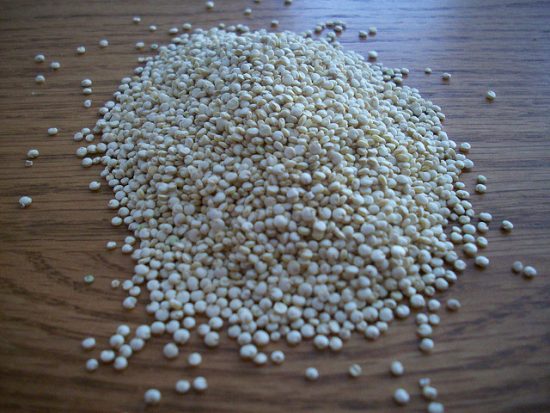
  • quinoa which is a herb that you use as you would a grain
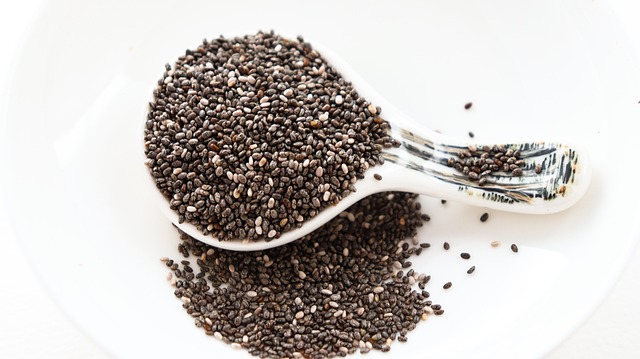
  • chiaseeds which are wonderful when added whole or ground to any food or used as an oil.
  • flaxseed oil
  • cold-pressed coconut oil

Superfood Supplements

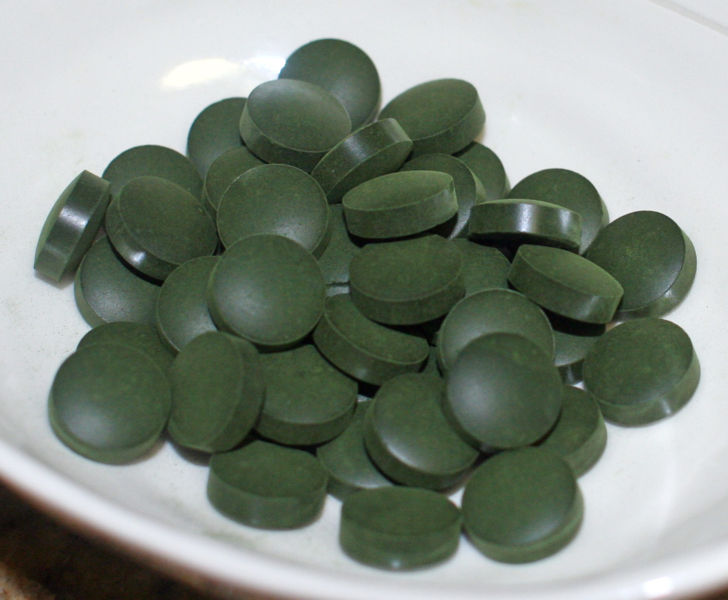
The ‘Supergreens’ include Spirulina, Chlorella, Wheat Grass and Barley Grass. The nutrients in these are very concentrated and provide you with a shot of goodness. They’re called ‘wheat grass shots’ for more than one reason!

These superfoods come in tablet, capsule or powder form. The powder is easy to add to juice or smoothies. Although it makes it go dark green it doesn’t affect the flavour noticeably.

My own favourite is Spirulina which I think of as the supergreen equivalent of a “multi-vitamin”, a great all-rounder. Chlorella is particularly detoxifying and Barley Grass is very alkalinizing for your system.

The supergreens also come in combination with each other, or you can mix them yourself. I always use them in highish doses when I travel to help to counteract the toll that overseas travel takes on my body.

Superfoods are a wonderful alternative to fast food when you’re on the go. By adding them to your diet you are eating foods just as nature intended.

If you concentrate on increasing the amount of superfoods in your diet rather than trying to eliminate foods you will find it won’t take long before you’ve replaced  the ‘bad food’ with good. Your diet will have improved without the stress of having to consciously avoid foods. Superfood supplements can also be used for short term assistance.

During times when you are under greater stress, physically or mentally, or when you are not getting enough nutrients add the supergreen supplements for as long as you need them.

Here  is an interesting glossary of natural and organic foods if you are unsure about just what some of the ones mentioned are.

What are your favourite superfoods? Do you have any special ways that you incorporate them into your diet?

How do you super-power your own health?


Disclaimer.

All information and opinions presented here are for information only and are not intended as a substitute for professional advice offered during a consultation. Please consult with your health care provider before trying any of the treatment suggested on this site. 

Source articles:

http://thenaturalhealthguide.com.au/reviews/eight-superfoods-for-health-and-beauty-from-your-local-grocery-store/

http://www.naturalnews.com/001539_NOLINKS_superfoods.html

http://www.naturalnews.com/036003_goji_berries_superfood_nutrients.html

http://www.naturalnews.com/035763_avocado_superfood_anti-aging.html

http://www.naturalnews.com/030481_superfoods_nutrition.html

http://www.naturaltherapypages.com.au/article/goji_berries_and_goji_juice

Related articles

Fight Depression With These Simple Strategies

As you read this post Mental Health Awareness week has finished but the battle that is depression goes on for many people.

Commonly Depression is treated with drugs that flood the brain with serotonin. While it is important to address depression, there have not been scientific studies that show that this drug therapy really works, and in fact, a number of experiments where the serotonin levels in the brain were greatly increased, failed.

However, there are other methods that can be used to help relieve depression.

  • A therapist can help you with new ways to look at yourself and your life.
  • Adequate sleep makes you less susceptible to the negative messages that seem to swamp you. (I’ll write more about good sleep habits in a later post).
  • Exercise three times a week, difficult though it always is to get motivated, always helps lift your mood by altering brain chemistry. It doesn’t have to be at the gym as walking is always good and yoga is great too.
  • Structure helps, so getting into a routine is a good idea.
  • Keeping in touch with other people who love and support you is worth heaps, and if you can’t do that, then just getting out and being around people, anyone, will help. Even better if they have a laugh with you.
  • Getting lots of sunshine is also good as natural light has been proven as a cure for depression.
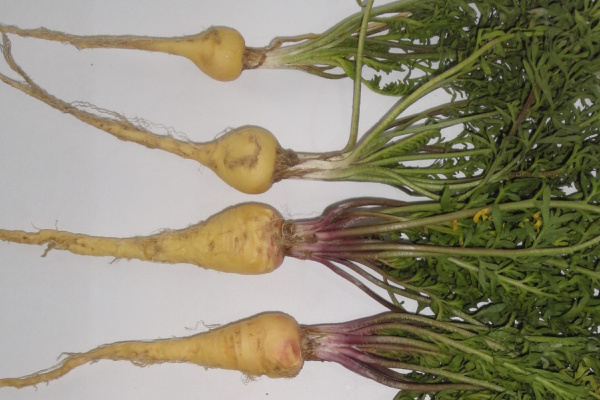
  • There are also lots of mood boosting supplements, like maca, that will help.

Food For Depression

Another major way of fighting depression is through good nutrition, even though because of the depression you may not be feeling hungry.

Preparing and eating a meal might seem pointless but not only do the nutrients contribute to lifting your depression, it will also help you avoid the junk foods that make your depression worse. Don’t even buy or store sugary or salty snacks in your cupboards – it is far better to have simple healthy foods that don’t need lots of preparation to use when you find you are simply not able to face meal preparation.Foods like coffee, meat, alcohol and fatty or fast foods can actually make you feel more depressed and you will feel a lot different if you avoid them.

It really is a case of “you are what you eat”, bad foods make you feel worse and good healthy foods make you feel better.

Top foods to fight depression

1. Fish Oils:

Yes this is another benefit of fish oils as the right kind of fish contain lots of omega-3 fatty acids, often lacking in depressed people. One study showed that taking just one gram of fish oil each day made a 50% difference in symptoms like anxiety, sleep problems, feelings of sadness, decreased sex drive and suicidal thoughts. You can also get omega-3’s through eating other foods including walnuts, flaxseed oil, or chia seeds. Oily fish include sardines, tuna, wild-caught salmon, gemfish plus others.

2. Brown Rice:

A great high-fibre food, brown rice contains lots of Vitamin B, B1, B3 and folic acid, plus lots of trace minerals which you need to function properly. It is also low-glycaemic, releasing glucose into the bloodstream slowly to prevent mood swings due to sugar-lows. You need to avoid any “instant” or “quick-cook” varieties because they don’t have any of these benefits.

3. Brewer’s Yeast:

The “darling food” of the 70’s, brewers yeast also contains B Vitamins (B1, B2 and B3). Don’t take this if your yeast tolerance is not great, but otherwise get your daily dose by mixing a thimbleful into a smoothie. It has heaps of vitamins and minerals in a small package, including amino acids which are great for the nervous system, and awesome for dealing with depression

4. Whole-grain Oats:

Again, you can’t use “instant” or “quick cook” oat varieties as they won’t help. With heaps of B vitamins (folic acid, pantothenic acid, B6 and B1) wholegrain oats help lower cholesterol, soothe the digestive tract and help prevent “sugar crashes,” so they assist with crabby moods and mood swings.

5. Cabbage:

With Vitamin C and folic acid cabbage protects against stress, infection and heart disease as well as lots of cancers (American Assoc for Cancer Research). There are lots of ways to eat it apart from boiled into a nasty mess – try it tossed in a salad or a wrap instead of lettuce, perfect in a stir fry, in a cabbage soup or just juice it. If you have trouble digesting cabbage add some fennel, caraway or cumin seeds before cooking. Or you could drink these spices in a non-caffeinated tea.

6. Other Foods

There are also a few other foods worth a mention here.

  • Grains like quinoa, kamut or spelt are better choices than refined grains like white wheat flour. Wholegrains are one great place to find the B vitamins which help improve your mood.
  • Foods like raw cacao (not a block of milk chocolate!), dark molasses and brazil nuts, which are high in selenium, are also great depression eliminators
  • Make sure your diet is loaded up with fruit and vegetables which will provide lots of vitamins and minerals to help lift the clouds that surround you. And remember that there is a big difference between both the amounts, and the quality, of the nutrients in organic and commercially grown produce. Organic foods have significantly higher levels of the nutrients you need than are found in commercially grown crops.
  • It is pretty important to try and keep your blood sugar levels stable and also to get enough B vitamins when you are feeling depressed. Avoiding sugar altogether helps stop blood sugar spikes and dips.

In the end it is important to remember that depression does not last, it is a transient phenomena and will pass. In the meantime take the decision to be proactive and make the changes you need to make to move on.  Even just setting this goal is the first step in moving forward.

Fight depression with diet

Disclaimer.

All information and opinions presented here are for information only and are not intended as a substitute for professional advice offered during a consultation. Please consult with your health care provider before trying any of the treatment suggested on this site. 

For more information:

http://www.naturalnews.com/020611.html

http://voices.yahoo.com/how-fight-depression-daily-habits-all-200108.html?cat=72

http://www.naturalnews.com/035463_depression_herbs_remedies.html

http://www.thedailymind.com/stress/5-small-but-big-ways-to-beat-depression-every-time/

http://www.webmd.com/depression/features/natural-treatments

© Catherine Bullard and Happy Holistic Health, 2012. Unauthorized use and/or duplication of this material without express and written permission from this blog’s author and/or owner is strictly prohibited. Excerpts and links may be used, provided that full and clear credit is given to Catherine Bullard and Happy Holistic Health with appropriate and specific direction to the original content.

Why You Should Eat Organic Potatoes

For the last few days, I have had a very earthy food at the front of my mind- potatoes, ever since I traced a weird kitchen smell to an old onion in the back corner of the basket of root vegetables that sits in the bottom of the pantry. While I was searching for it I also found a decent number of potatoes that had put out nice healthy strong roots from their eyes, so past their best eating days. But, these weren’t any old potatoes, they were all organic, and of a few different varieties.

These days I try to incorporate as much organic food into our diet as I can, but like most of us, am constrained by things like the cost and availability. But I have been gradually making the switch from normal produce over to organic fruit and vegetables for a long time now and potatoes are one vegetable that I now will only buy organic.

Root vegetables were one of the types that I started to change fairly early on as I figured that they were sitting surrounded by soil that was full of chemicals for all their growing life so maybe that meant they absorbed more of the pesticides in the soil. However, I am now aware that potatoes, along with various other vegetables like carrots and celery, is one of the “Dirty Dozen™”. 

The Dirty Dozen™ is a list of produce that is deemed to have the highest levels of residual pesticides. It is produced each year by the Environmental Working Group (EWG), and while it is compiled in the USA and relates to USA produce I have no doubts that it is also a reflection of the impact of commercial farming practices here in Australia.

The potato has come a long way from its early existence on the slopes of the Andes of South America. In recent times it has been targeted for Genetic Modification (GMO) and Monsanto produces genetically modified strains that have been widely grown for many decades.

Pollan decided to plant some of Monsanto’s GM potatoes alongside ‘normal’ potatoes in his own garden and then to compare the differences bewteen the two types over the same season. His research took him into organizations such as Monsanto, the FDA, the EPA, and the Union of Concerned Scientists. It also allowed him to visit three Idaho farms that grow potatoes commercially. Idaho is an area of arid scrubby desert where farming is only possible with the aid of irrigation. Two of the farms he visited were growing a mix of Genetically Modified and normal commercially grown potatoes and one farm was organic. The comparisons were striking.

Like many others I have a real problem with eating any GMO foods and do not consume them knowingly. My preference would be organic first, then commercially grown and last GM. What absolutely horrified me as I was reading about the potato in Pollans’ book, was the extent of the fertilizer and pesticide regime that the farmer outlined as the normal program he uses on the commercially farmed crop. The spraying program is huge. It begins in early spring with a soil fumigant and followed throughout the growing season with pesticides, herbicides and fertilizers both sprayed and introduced through the irrigating water.

But two of the practices that the farmer mentioned he would not change were really concerning. The first was that from mid-summer the crop is sprayed every two weeks with an organophosphate called Monitor to prevent a virus that causes small brown spots appearing on the tuber. The spots are purely cosmetic. However, the Fast Food Companies who are far and away the largest buyers of all potatoes don’t want brown spots on their long, golden, perfect fries, so the crops need to be sprayed.

Monitor is deadly. In fact, it is so toxic that the farmer and his staff will not enter the field for any purpose for five days after the spraying. This is an arid, irrigated area and even if the irrigation system breaks down he will not go into the field. He would rather lose the whole crop than risk contact with this deadly chemical. Not all potato varieties are susceptible to the virus and so not all are sprayed with Monitor, but this is an example of the extreme danger associated with chemicals that are widely and routinely used both in potato and other food crop production.

The other telling practice that Pollan reports was that in the farmers domestic garden where he grew food for the family’s own consumption, many of the plants, including the potatoes, were grown organically. He admitted that when they purchased any commercially grown vegetables from the market, they ‘wash and wash and wash’ them before eating them because they are aware of the presence of chemicals.

Pollan makes the interesting observation that organic farming is much more than simply substituting good for bad. ‘The organic farmer’s focus is on the process rather than on the product’. This process is built on maintaining balance and harmony with the environment.

Having read the details of the strength of the chemicals used in farming potatoes as well as the huge extent of the program, I now have a firm resolve to avoid anything but organic potatoes. I have shifted from thinking ‘it’s a good thing to eat organic potatoes’ to resolving ‘I definitely will only eat organic potatoes’ both at home and when I am eating out thanks to this book. This is better for all my family.

The EWC has just released the 2012 Shopper’s Guide to Pesticides in Produce™ in the last few weeks and it is worth taking a look to see for yourself just which foods belong in the ‘Dirty Dozen Plus™’ this year. It also gives a list of produce that falls in the Clean 15™ List. If like me, you like as much organic foods as possible in the family diet but cannot manage to go totally organic, this list might help you decide where to make the best changes to build your family’s better health.

And as for the potatoes I planted, I needed to get them into the ground very quickly in between rain bursts, so I did not actually do any of the soil preparation that I normally would do before planting at all. In fact, I simply popped them into slots I dug in the middle of a weedy slope of heavy clay soil. New growth on potatoes can be quickly and easily decimated by winter frosts, but hopefully the new growth on these plants will be nicely protected from the frosts that roll down our hillside through July by all the weeds that I left in the ground above them. Hopefully, come spring the luxuriant growth of the potato plants will in turn smother those very same weeds. And as a bonus the potatoes should break up that heavy soil sufficiently for me to follow them later with another different but fussier crop. 

Disclaimer.

All information and opinions presented here are for information only and are not intended as a substitute for professional advice offered during a consultation. Please consult with your health care provider before trying any of the treatment suggested on this site. 

© Catherine Bullard and Happy Holistic Health, 2012. Unauthorized use and/or duplication of this material without express and written permission from this blog’s author and/or owner is strictly prohibited. Excerpts and links may be used, provided that full and clear credit is given to Catherine Bullard and Happy Holistic Health with appropriate and specific direction to the original content.