Category Archives: Self Care

Sure-fire Strategies to Beat After-lunch ‘Sleepies’

Are you someone who finds that come mid-afternoon it is all you can do to keep your eyes open? You are certainly not alone as millions of others share your dilemma. But before you reach for that can of energy drink or cup of coffee to help you see out the day, consider a more natural alternative. It is possible to keep energy levels relatively stable throughout the day, so you don’t end up simply staring off into space after lunch. Here are some ways to help you avoid that energy crash in the first place – there’s sure to be one that works for you!

Why You Crash Mid-Afternoon

There are a number of reasons why you might be experiencing the afternoon slump just as there are a number of techniques you can do to snap yourself out of it when your eyelids start to drop. But if you want a significant change in energy fluctuations you need to make permanent changes to whatever is acting as a trigger for your energy lows.

There are many ailments that can cause you to feel tired after lunch, such as allergies, insulin resistance, celiac disease or low blood sugar. But your tiredness may be due to something as simple as eating a big lunch. Digestion requires quite a lot of energy and as your stomach loads up with food extra blood rushes into your intestines from all over your body to help with the extra work. This leaves the rest of your body, including your brain somewhat deprived, with the result that you start to feel exhausted. Eat a big breakfast and opt for a smaller, light lunch.

Better Lunch Choices

There are many lunch choices that can lie behind afternoon ‘sleepies’. Meat is one of the hardest foods to digest so avoiding meat at lunch may be a wise choice to fight off fatigue. It takes two hours to digest meat compared with only thirty minutes to digest fruit. Eating a meatless lunch will place a lot less stress on your digestive system and keep blood flowing to the brain and lungs.

Don’t forget to chew your lunch really well as saliva is loaded with enzymes that start off the digestion process. The more the saliva has broken down by the food when it reaches your stomach, the easier it will for your body to continue the process through the gut and the less likely it will be for you to feel tired.

Gluten Intolerance

An intolerance to gluten, the protein found in some grains, can cause after-lunch fatigue in anyone suffering from coeliac disease if they’ve eaten foods containing gluten at lunch. But many people have a gluten intolerance without actually having coeliac disease. They also benefit from removing gluten from their diet. Have this checked out if you suspect gluten intolerance is behind your tiredness.

Hypoglyceamia

Another reason for many people experiencing low energy level between one and four hours after eating is hypoglyceamia. Eating a lunch high in refined carbohydrates causes the blood sugars to rise rapidly, or spike. This is followed a few hours later with a crash in blood sugars that results in fatigue, often with dizziness or shakiness. The onset will often be faster if you exercise as well. A lunch of vegetables and protein is a much better choice than refined carbohydrates. Low GI food alternatives you could look at include most fruits and vegetables, lentils, beans, hummus, quinoa, nuts and seeds. You can find a list of the GI Index rating of lots of foods here

Insulin resistance

Another sugar related cause of fatigue after eating may be insulin resistance. When excess sugar or carbohydrates are eaten the body produces more insulin, but over time your cells start to resist the insulin which leads to all sorts of health conditions, including fatigue.

Caffeine

One cause of afternoon tiredness that is often overlooked is caffeine. Drinking two or three cups of coffee in the morning may get you going but you pay for it later. As well as the short-lived burst of energy that caffeine provides to you, it also contributes to dehydration, a leading cause of fatigue. Think of coffee as ‘credit-card’ food (eat now, pay later)

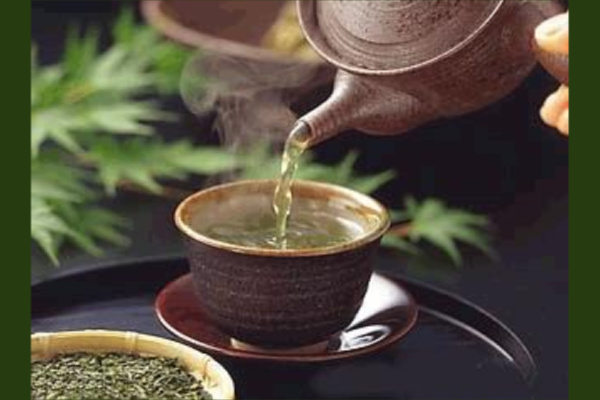
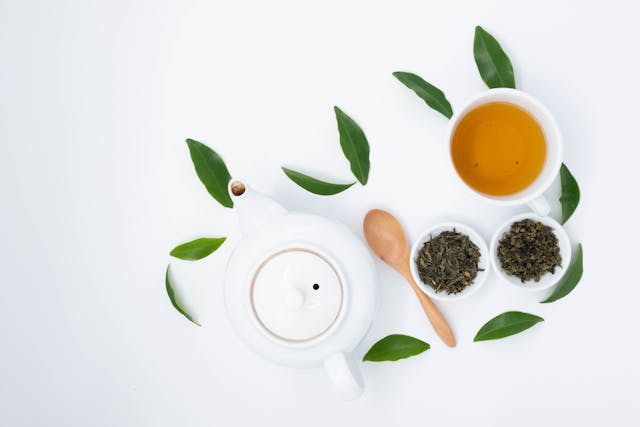
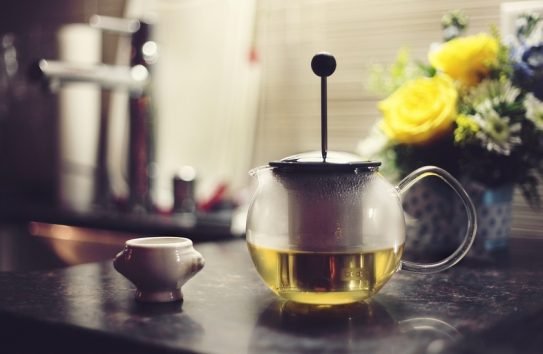
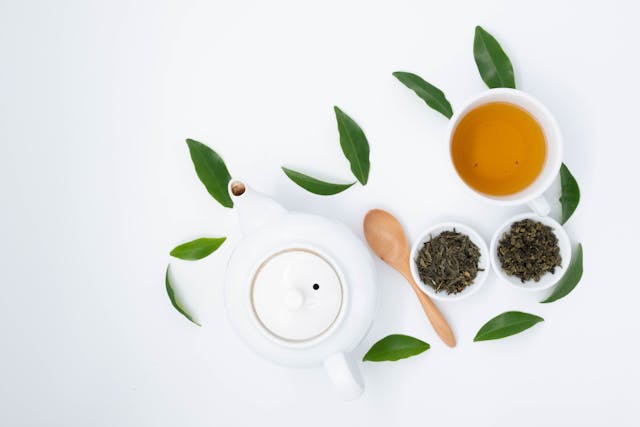
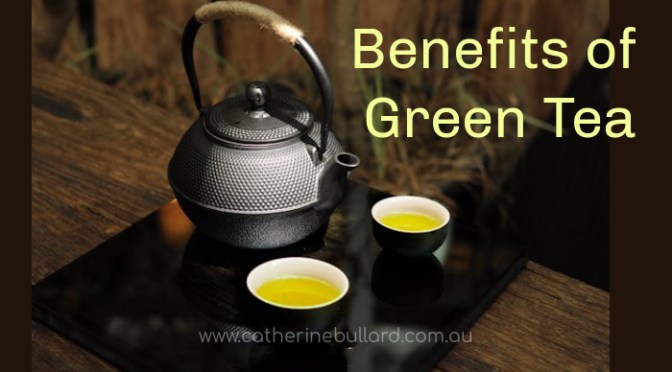
Studies show that a single cup of coffee is sufficient to keep long-haul truck drivers more alert so replace that second coffee with a large glass of water. And more importantly, don’t use caffeine as an afternoon pick-up. If you find you absolutely must have some caffeine drink green tea instead. As well as the mild dose of caffeine it contains you will receive all the other health benefits green tea offers. Tulsi tea is another excellent afternoon energizer especially if adrenal fatigue is playing a part.

Don’t forget that caffeine is like any drug and your body will develop a caffeine tolerance, so that where you only needed one cup originally after time you might find you need six or even ten to get the energy burst you need.

Posture

Most people working in an office sit hunched over their computer for most of the day. As fatigue hits in the afternoon, they tend to slump down over their desk even further. Sitting up straight with shoulders back, eyes forward and lower back arched slightly, and taking good deep breaths right down into the bottom of the lungs can re-energise you very quickly. Stand up and add a few stretches for even more benefit.

Electro Magnetic Fields

Being surrounded by EMF’s (often called electromagnetic radiation) can cause fatigue and these are always high around any electric equipment. EMFs are especially high around wireless devices such as computers, wireless phones, printers, laptops, mobile phones, baby monitors, internet connections etc. So getting away from your desk or taking steps to reduce the effects will help keep you more alert.

Body Clock

If you’re living somewhere the sun sets during the afternoon in winter, afternoon fatigue may also be due to your own body clock. As the day starts to get dark about mid-afternoon your body temperature drops and the hormone melatonin, which makes you feel sleepy, is released. Circadian rhythms contribute to how alert you feel so open the curtains to let in the sunlight or else simply turn on more lights if it is dark outside.

Watch your sleep routine. Sleep recharges your body physically and mentally. Get into a regular routine of going to bed and waking up at the same time and stick to it. You need seven to eight hours sleep a night. Studies have shown that ‘Binge Sleeping’ on the weekend does not counteract the sleep debt from the other nights of the week. If you don’t get enough sleep, fatigue is likely to be the result. Go to bed and wake up at the same time every day, including weekends, for more energy.

Breathe

Studies have shown that deep breathing can relieve general fatigue. Discover how to correctly deep breathe.

Natural Strategies to Fight Fatigue

If, in spite of taking measures to address the cause of your tiredness, you still find yourself falling asleep in the after-lunch meeting, these strategies may help in the moment:

Peppermint

Research shows that the aroma of peppermint is a natural remedy for boosting memory, focus and concentration. It is just as effective whether it is fresh leaves, essential oil or brewed tea. Enjoy a cup of peppermint tea, spray a mist of a few drops of peppermint essential oil in a cup of water about your workspace, or even place a few drops of the oil on a handkerchief to sniff. Or keep a pot of mint nearby and crush a couple of leaves during the afternoon

Cinnamon

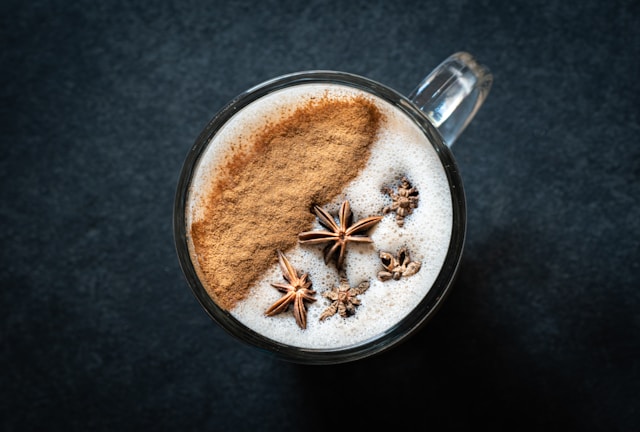
If your tiredness is related to blood sugar imbalance chewing a cinnamon stick might help as it has been shown to have a significant influence on regulating blood sugars

Power Nap

If you are able to get away briefly a quick power nap in your car could be just enough to revive you

Music

Listening to music has been shown to raise endorphin levels which makes you feel happier. Play your favourite music or sing out loud to get you motivated again.

Water

Dehydration causes fatigue so drink some water, or even eat some foods with a high water content like lettuce or watermelon, and combine it with a walk to the water cooler to get away from your desk.

Protein

Protein from nuts or yoghurt makes a good snack when you start to slump in the afternoon

Exercise

Get up and run up the stairs or around the block if you can. It starts the blood pumping and gives the brain a boost.

Meditate

Meditate – yes seriously, just a five minute meditation at your desk is enough to clear out your head and revive, refresh and recharge you.

Warmth

Just as animals hibernate when the weather turns cold, getting too cold can make you feel sleepy too, so throw on a jumper or turn up the heating to wake yourself up (this is usually a big help for me!)

WFH

And if you are lucky enough to work from home or your workplace is a little more free you could do some exercises or hit the gym, turn the music up really loud, take a short cold shower or do some yoga

What are some of the ways that you manage the mid-afternoon ‘sleepies’?


Disclaimer.

All information and opinions presented here are for information only and are not intended as a substitute for professional advice offered during a consultation. Please consult with your health care provider before trying any of the treatment suggested on this site. 

© Catherine Bullard and Happy Holistic Health, 2012. Unauthorised use and/or duplication of this material without express and written permission from this blog’s author and/or owner is strictly prohibited. Excerpts and links may be used, provided that full and clear credit is given to Catherine Bullard and Happy Holistic Health with appropriate and specific direction to the original content.

Source articles:

http://www.naturalnews.com/034368_aromatherapy_peppermint_memory.html#ixzz2NJuFpNiJ

http://greatist.com/happiness/28-scientifically-proven-ways-boost-energy-instantly

Soak Away Stress In Your Own Home Spa

reduce stress with DIY home bath products


I choose to practice gratitude every day. But no matter how hard I try I still regret that I don’t have a bath in my home.  Soaking in a bath with essential oils is an excellent way to reduce stress.

I love bath products and make a small range of beautiful natural skin care products. They’re simple and fun to make. It’s wonderful to be able to play with aromatic essential oils, beautiful cold-pressed vegetable oils, Himalayan salts and nut butters.

But I still long for a deep tub, candles, oils and salts in the bath, maybe a crystal in the water, music …well you know the scene. So whenever I go on holidays I always pack these goodies and book hotel rooms with a big bath.

Because this is the ‘Stressful-Season’ I’d like to share with you five wonderful super-simple home-made recipes for your Home Spa that sound easy and delicious. I hope you decide to practice a little self-love and steal an hour from your busy life to try them out.


1.  YULE RECIPE

So much alcohol goes in through the mouth over the holidays. Do yourself a favour and put that glass of red wine or champagne in your bath instead. Red wine is full of antioxidants which are simply awesome anti-ageing tools. If you feel a little decadent a glass of champagne in the water helps reduce discolouration of your skin as well as fine lines. The bonus is that the champagne needs to be flat! So have a drink first. Instead of throwing the leftover down the sink, throw it into the running water of your bath instead. Then hop in and soak for twenty minutes.


2. DETOX RECIPE

This is a great detox bath and my guess is you’ll probably need a couple of these after a dose of holiday partying.

Regular readers know I love Himalayan salt. It has so many health benefits as well as being relaxing and soothing. Unlike table salt it contains 84 minerals which give it the gorgeous pink colour. For it to be an effective detox you must have the right proportion of salt to water. In a tub of 100 litres you need 1200 grams of Himalayan salt.

Don’t use any soap, shampoo or oil with this as the salt cleanses perfectly. Soak for 30 minutes, towel off and then rinse with clean water. The salt leaves your skin beautifully silky smooth.


3. DIY BATH SALTS

Bath Salts are really easy to make at home. Try out this one.

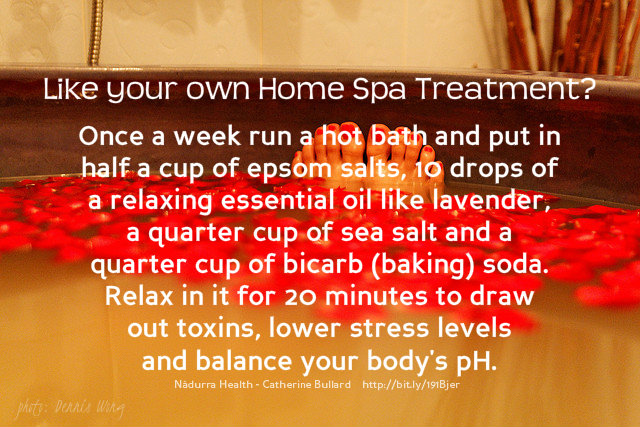
Mix 50% epsom salts, 25% sea salt and 25% bi-carb soda (baking soda). Don’t use the stuff labeled “Lectric Soda” as it’s not Epsom salts. You need true Epsom Salts to get the benefits. Use about 2 tablespoons (40mL) of the mix in each bath. You can store any leftover in an airtight jar.

You can also add 7 – 10 drops (0.3 – 0.5 grams) of your favourite essential oil to each tablespoons of salt. I love Sandalwood mixed with Rose Geranium and Lavender. This mix smells amazing and these particular oils have a great nourishing and moisturising effect for my dry skin.


4.  GODDESS BATH

Cleopatra was spot on when she added camel milk to her baths. I don’t do dairy so wouldn’t use this. But if you’re not allergic to dairy products milk makes a fantastic mild exfoliant. You can use full cream milk or milk powder, or goats milk to the bath salts mix. Or even camel milk if you have some.

First add 5 drops of essential oils of your choice to the milk. Mix well. Add equal quantities of each mix to the bath (two tablespoons of the salt mix and two of the milk mix). Then soak for 20 minutes.


5. BEAUTIFUL BATH OIL

Bath oils are the easiest of all to make and very luxurious.

Use a good quality vegetable oil like Sweet Almond or peach as the base. I choose cold-pressed oils and make my own blend which includes hemp seed, avocado and macadamia oil. For every tablespoon of vegetable oil add 8-10 drops of a single essential oil or a blend that you love. Float a tablespoon of the mix on the water.

You can also add botanicals to the water for their aromatic bliss and health benefits. Be sure to use organic flowers, not sprayed with pest control.

Lavender blossom is a wonderful relaxant. Rose petals have beautiful skin softening properties and their scent is intoxicating. In fact even the water gets softer when you add rose petals. Sprinkle a handful in the gushing water and remember to breathe in the aroma as you relax.


MAN SPA

Many men have learnt to love spas too. Lose the candles, music and rose petals, and look for less flowery essential oils.

Grapefruit and orange oils create a feeling of wellbeing. Orange is cheering and uplifting, and the fresh citrus smell appeals to men (as well as women).

Relaxing sandalwood is another good choice and helps with balancing all skin types.

Juniper is a great rejuvenating oil with a smoky note that works really well with citrus oils.

Frankincense, marjoram, cedarwood, orange, sandalwood and vetiver are some relaxants with a less girly tone. Patchouli is another oil suitable for men, that I also love. But it’s definitely one you need to be sure he likes before using.

Use the recipes above as your base and choose oils that suit his emotional state. If he’s a bit reluctant encourage him to try it out just once for at least twenty minutes. With a good magazine to read it’s a much better way to unwind than the television and he’ll surely get hooked.


QUALITY OILS

One important thing to note. I’m really fussy about the oils I use and will only use top quality ‘Therapeutic Grade’ oils and you should too.  The effectiveness of aromatherapy is directly dependent on the quality of essential oils employed.

Many oils are promoted as being 100% pure and natural but are adulterated or simply ‘lifestyle products’ using the concept of aromatherapy. These are low quality ‘essential oils’ and ‘aromatherapy oils’ often leave a nasty residue after burning.

I hate the way that advertising loopholes again allow manufacturers to mislead the buyer. Look for therapeutic claims on the oils you use and you’ll then be sure they’re going to actually do you good.


WHAT ARE YOU WAITING FOR?

Choose your favourite recipe, mix yourself up a batch of ‘relaxation’ in your kitchen and schedule a ‘recovery hour’ in your calendar.

Then light a beautiful scented candle, especially the ones with multiple wicks, and put on some soothing music. If you have an amethyst or rose quartz crystal put it in the bottom of the bath. Just be sure not to sit down on it. Lock the bathroom door and relax back for half an hour.

After your bath lavish your favourite moisturiser on your skin and emerge rejuvenated and able to face the next holiday challenge.


salt detox for bath
Photo credit: Dennis Wong


And  here is a little trivia to end with – today 12/12/12 is the very last date that will have all three digits the same until the twenty second century, so almost certainly the last you will encounter.

Enjoy!
Do you have a favourite bath-time recipe? Please share it with us in the comments below


Disclaimer.

All information and opinions presented here are for information only and are not intended as a substitute for professional advice offered during a consultation. Please consult with your health care provider before trying any of the treatment suggested on this site. 

Survive the Silly Season Tsunami

With the end of the year racing towards us it is very easy to succumb to overwhelm, and here in Australia I believe that we actually do this season much harder than we need to, and perhaps harder than they do overseas. The festivities of Christmas, or whichever of the Holidays you celebrate, coincides here with the end of the school year, the end of the working year, and the end of the calendar year, all in one short week.

Trying to juggle a myriad of  ‘end-of-year’ school activities, dance concerts, exam study, shopping for the festivities ahead and socialising, together with so many businesses closing down for at least a few weeks and preparations for the mass post-Christmas exodus to many idyllic beachy places, it is very easy to get caught up in a sense of “approaching the end”. It’s easy to get that nagging feeling that you need to finish absolutely everything, to tie up all the loose ends in your life.

It seems that the whole nation drives itself into an absolute feverpitch of stress through December and then shifts to the opposite extreme and shuts down totally after Christmas Eve. It’s no surprise everyone races around with a sense of impending doom if everything isn’t done and finalised on time.

Perhaps it’s this Australian ‘end-is-nigh’ approach to December that actually fuels the stressful emotions we experience.

Are You Driving Yourself Too Hard?

How many times do you say “we must catch up before Christmas”? How much do you drive yourself at work to finalise jobs that realistically might wait a week or two? How many parties do you attend? How many late nights do you have? How much fattening, sugary, or rich food do you eat? How much alcohol? How often are you driven to do or buy something which could wait, without really knowing what drives you to do it right now? And these are only what you are actually doing – they don’t even start to address the emotions that get stirred up at this time.

This last part of the year can be a time of escalating stress for so many during the build-up to Christmas with ‘so much to get done’, loneliness, increasingly tired children as they approach the end of the school year, the pressure in self-run businesses to cover extra costs such as holiday pay for staff, a calendar that seems to overflow, loss of a job and financial constraints, plus many more difficulties.

Loneliness and Grief

For many this time of the year is also a time of tremendous emotional stress. It is the time when the loss of loved family members, whether through separation or their passing, comes home and strikes with almost paralyzing force. For some people the whole season is wrapped in a tight mantle of grief that draws in around and stifles them.

It can also be the time when singles feel the most lonely, when isolation from family and friends or an abscence of them in your life strikes most intensely.

Family Tensions

For others the experience of returning into a family where everyone is suddenly thrown back into the role they played as a youngster and the family dynamics that played out when they were children, is too difficult to deal with.This is in spite of the fact that in their real everyday life they are responsible and competent parents, partners, employees or employers with wide and admirable skills and abilities.

In this scenario is it any wonder that the anxieties of childhood rear their ugly heads. Is it any wonder that behaviour reverts and childish tantrums or bickering, petulant unhappiness or resentment and other actions arising from the uncertain and fearful child that is still living deep within, start to occur.

But whatever the reason the ability to engage in the Christmas spirit eludes many and the season is anything but bright.

There are natural treatments that can help you cope as the Holiday Season gets nearer and stress levels increase

WHAT YOU CAN DO

There are a number of natural strategies and remedies you can adopt to help deal with these issues. Rather than go into each of them in detail I’ll give you a link to some that I think are sound and effective. You can have a look and try a few out and then use those that suit you the best.

Even making a little time to get some exercise or relaxation is a good way to start. When we start to rush, both exercise and relaxation often go by the wayside. Schedule the time in your calendar and then stick to it.

Remember that a massage can work wonders especially if you carry your stress in your neck and shoulders, and it will be even more effective if it includes aromatherapy essential oils for relaxation.

Emotions respond beautifully to any of the varied forms of energetic medicine. Medicine delivered in an energetic form can be very effective in ‘re-balancing and re-setting you’ so that you are able to deal with whatever it is you have to face. Hear are a few.

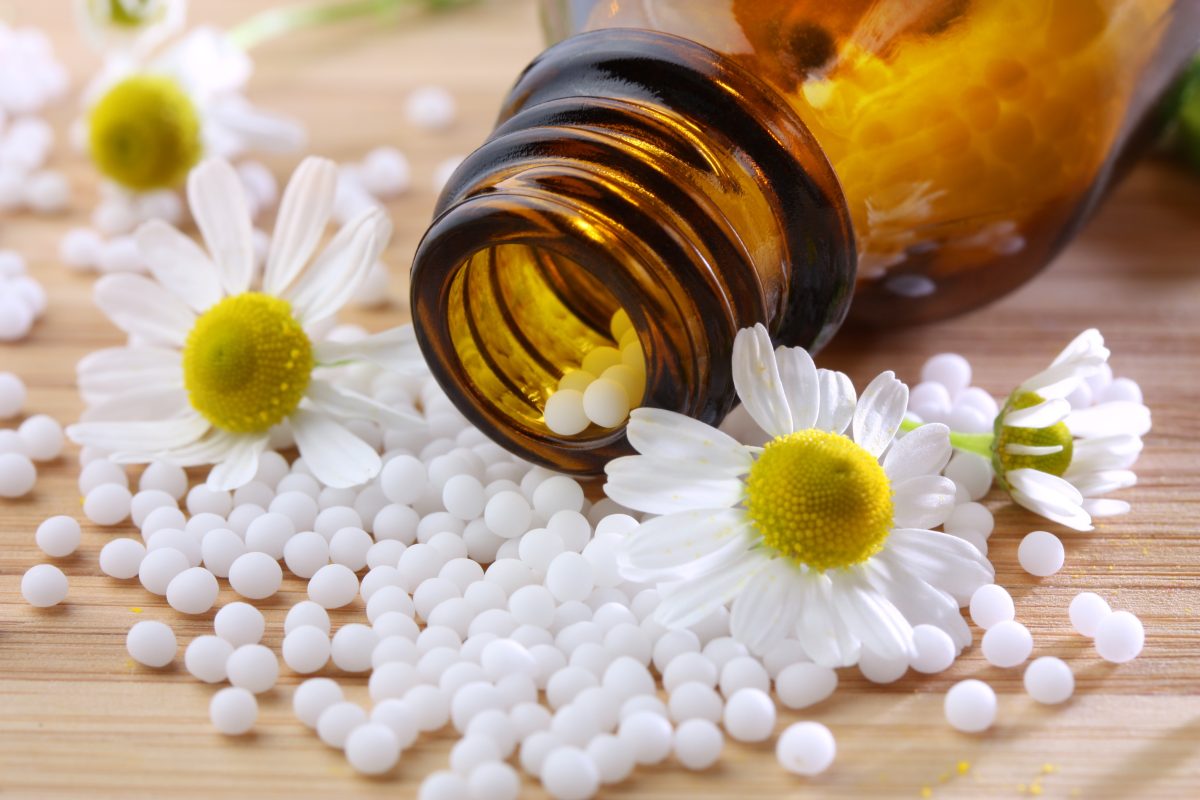
Homeopathy

Homeopathy offers some great remedies for many of the issues such as stress, overwork, grief, over-excitement, anxiety, guilt, exhaustion and so on.

Homeopathic Coffea helps with getting over-excited children off to sleep on Christmas Eve. Ignatia is often a first choice for grieving. Nux vomica can work wonders if you are driving yourself towards burnout with overwork.

Homeopathic remedies need to be matched to your own idiosyncratic symptoms and the particular way you manifest the stress. So unless you are familiar with self-prescribing for acute situations, or if your stress is long-standing you should consult with a fully trained and registered Homeopath.

Accupressure & Accupuncture

Visiting an Acupuncturist is a great way to deal with the stress, but even better, you can do Acupressure yourself anytime and anywhere, and it works along the same lines as acupuncture. This is a good demonstration of one way to relieve stress by Donna Eden, an expert at using acupressure in her energy medicine work.

These diagrams of acupressure points to use for hangovers could be useful if you are partying hard. And here are some acupressure points to help with feelings of anxiety felt throughout the holiday season.

Flower Essences

Flower essences can have a great benefit when trying to deal with grief. They work very gently, but effectively on the emotions.

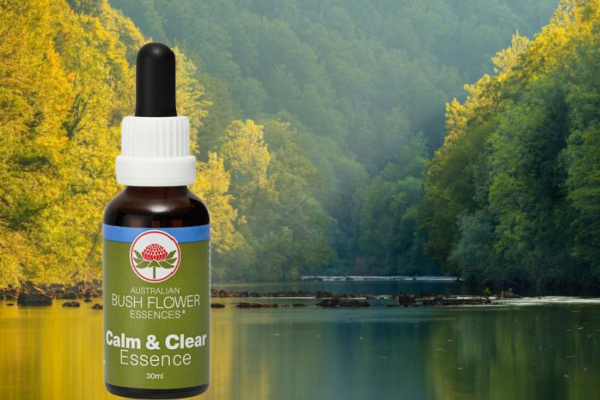
The basic Bach Rescue Remedy or Australian Bush Flower Emergency Essence are both good ‘all-purpose’ mixes for dealing with stressful situations but there are a number of others that can be tailored to each individuals requirements. FES Five Flower Formula is similar to Bach Rescue Remedy.

Perhaps my favourite flower essence for this time of the year would be the Australian Bush Flower ‘Calm & Clear’ essence – the name says it all.

There are flower essences to help relieve all the other stressful emotional responses to the holidays and they are well worth investigating.

For information about each of the Bach remedies look here, for Australian Bush Flower Remedies look here and Californian Flower Essences here.  

Difficult Families

Here are some useful strategies for those who have to deal with intensified extended family tensions. They give you the opportunity to plan ahead and devise strategies for you as well as your family.

Importantly it is all about taking back the reigns and getting back your sense of control. If you are able to clearly identify where your stress is coming from then you have a better chance of achieving this control. If there is a tradition in your festivities that causes more stress than joy, then it is time to give yourself permission to change things. Make 2012 the year to make changes, after all you cannot help others if you are not really coping yourself.

Don’t forget, it is not all about the ‘Big Day’. The stress of the lead up through December can be just as bad or worse, and the significant health effect that prolonged stress can have on your whole system is often not recognized or acknowledged until it gets serious.

Remember to check in with situations and ask yourself whether they are of joy or of stress right through the whole Month of December.

Make this the year where you decide to be kinder to yourself. Sure, there are always going to be pressures, but maybe by being aware of how many of the manufactured pressures you embrace, you can let a few slide, and in easing up your obligations you will be able to deal with those stresses you really cannot avoid.

It is time to allow yourself the gift of self-love and self-care.


Disclaimer.

All information and opinions presented here are for information only and are not intended as a substitute for professional advice offered during a consultation. Please consult with your health care provider before trying any of the treatment suggested on this site. 

© Catherine Bullard and Happy Holistic Health, 2012. Unauthorised use and/or duplication of this material without express and written permission from this blog’s author and/or owner is strictly prohibited. Excerpts and links may be used, provided that full and clear credit is given to Catherine Bullard and Happy Holistic Health with appropriate and specific direction to the original content

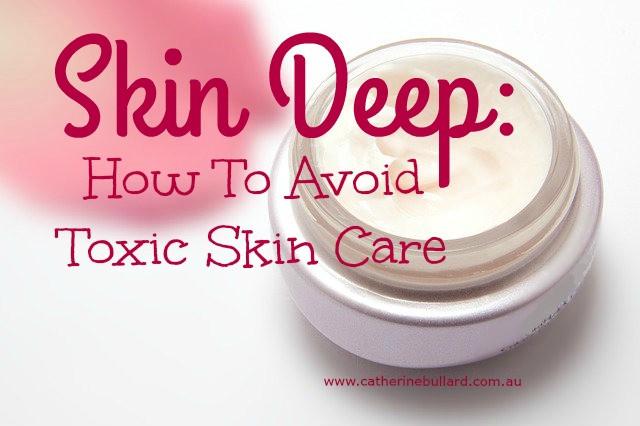
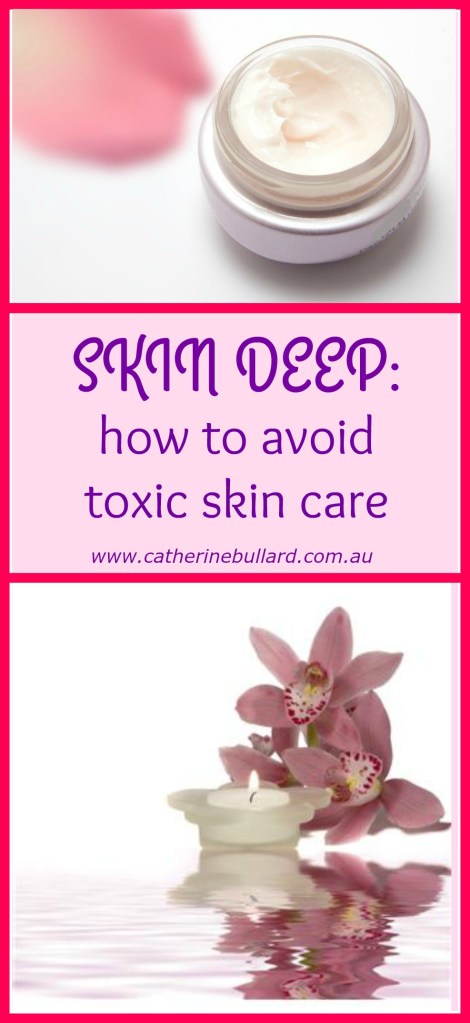
Skin Deep: Avoid Toxic Skin Care

I’m always amazed how so many high end/high price skin and hair care products claiming all manner of nourishing and rejuvenating benefits,  contain so many ingredients toxic for your skin and hair. Often the toxic chemicals they contain are actually the cause of dehydration, dermatitis or other skin problems.

Skin Deep: How to avoid toxic skin care products

Often products we use to prevent skin problems actually cause those same skin problems, so why do we continue with this crazy behaviour?

We’re all susceptible to great advertising campaigns and because most rarely know what those long chemical names actually are we’re all quick to accept the recommendation of the advertisers.

Of course even if you do know which chemicals are harmful it can be impossible to read ingredient lists printed in microscopic script, if indeed they’re included on the product at all. Legislation only requires the list of ingredients be displayed but not necessarily on the product – it can just be a card sitting at the point of sale, which you may not notice or stop to read!

We’re also easily seduced by nice smells, creamy texture, pretty packaging in our favourite colour, prestige brands, outrageous claims, or simply brand loyalty.


Organic Skin Care Claims

natural non-toxic skin care
Photo courtesy: Shawn Campbell

In Australia a product can be labeled ‘organic’ if it contains any carbon in it at all. Given that there’s carbon in all plant and animal matter it’s pretty well a ‘free-for-all’. Technically, the inclusion of any vegetable oil or herbal preparation renders the product ‘organic’.

The word ‘organic’ on its own means zilch.

If the product contains ingredients grown according to accepted organic farming practices it will be labeled ‘Certified Organic’ or ‘Australian Certified Organic’. If ‘Containing Organic Ingredients’ is emblazoned on the packet be careful! There may only be a few drops of one certified organic essential oil in the largish container, while all the other ingredients are not organic and may be quite nasty chemicals.

Companies are ‘put on trust’ and don’t even have to substantiate any of their claims about a product unless they’re challenged. Can you afford the legal fees to prove that you really will look younger when you use their product? It rarely happens.


Getting Round The Hurdles

You do need to learn to read the label, even if just to know the main things to steer clear of. If you want natural, beneficial products then you need to be able to search for them. It’s up to you whether you want to settle for products just a little “cleaner” or get one that is really top-quality.

It’s also important to remember that although there may be only small of amounts of each of the harmful ingredients in the product they are cumulative and are present in every product you are using. You use many of these products every day, as well as other products around the home that contain these toxic additives – which all adds up to quite a significant toxic, damaging load.

Small exposures add up and may result in disease later on in life.


Chemicals To Avoid

The first few ingredients on the label are the most important. All ingredients must be listed in the order of quantity, that is, the one that there’s the most of is listed first and the one there’s least of is last.

The Worst Ingredients

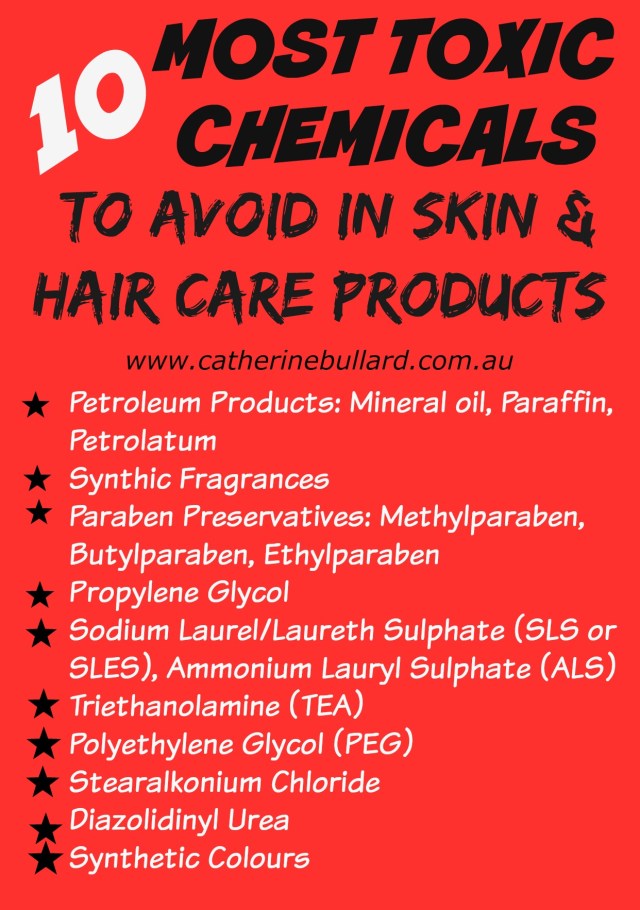
The most problematic ingredients, and thus the ones you DO need to avoid, found in almost all skin/hair care products are these:

1. PETROLEUM PRODUCTS: (Mineral oil, Paraffin, Petrolatum): They coat the skin like plastic which clogs the pores, and interferes with the elimination of toxins allowing their build up and leading to acne and dermatitis. They slow skin cell development which results in premature ageing. They are often used in lip products to protect chapping and sun damage but as mineral oils promote skin photosensitivity (sun damage) and interfere with the body’s own moisturisation, they actually lead to dry and chapped skin.

2. SYNTHETIC FRAGRANCES: They can cause skin irritation, rash, headache, dizziness, vomiting, coughing, and hyperpigmentation. They can also affect the central nervous system and cause depression, hyperactivity and irritability. Because they contain up to 4000 ingredients, many toxic or carcinogenic, there is no way to know exactly what they do contain. If you want products with a fragrance then look for ones that use essential oils instead.

3. PARABEN PRESERVATIVES (Methylparaben, Butylparaben, Ethylparaben): Widely used and known to be highly toxic, they are a preservative used to inhibit microbial growth and extend shelf life. They cause many allergic skin reactions and skin rashes, irritate eyes and respiratory tract, and are connected to cancer. They also disrupt homrmonal process in the endocrine system as they mimic oestrogen

4. PROPYLENE GLYCOL:  A synthetic petrochemical, it inhibits skin cell growth, weakens cell structure, causes allergic reactions, dermatitis, skin irritation, conjunctivitis, and kidney/liver abnormalities. It is used as a ‘moisturizer’ and also found in fragrance oils. It is toxic and dangerous and the EPA requires workers handling it to wear protective gloves, clothing and goggles and to dispose of it by burying it in the ground. In spite of this, there is no warning label requirement for products like stick deodorants even though the concentrations are higher than in most industrial applications.

5. SODIUM LAUREL/ LAURETH SULPHATE (SLS or SLES), AMMONIUM LAURYL SULPHATE (ALS): The synthetic substance that builds the ‘foaminess’ in shampoos, they dehydrate skin and inflame and separate the skin layers. They cause eye irritation, skin rashes, hair loss, scalp scurf like dandruff, allergic reactions, they break down the moisture barrier in the skin, and they turn into a carcinogen. They are found in over 90% of personal care products that foam including shampoos, skin care and even toothpastes as well as engine degreasers and garage floor cleaners. Don’t be deceived into thinking it is ok if it says ‘comes from coconut’.

6. TRIETHANOLAMINE (TEA) – (it will often have a number added): It is a synthetic emulsifier which is severely irritating to body tissues and can cause allergic reactions, eye problems, dry skin and hair, and can be toxic if absorbed into the body over a long period of time. Over 40% of cosmetics containing it have been found contaminated with nitrosamines (potent carcinogens). The Material Safety Data Sheet actually advises wearing a face shield if there is danger of eye contact.

7. POLYETHYLENE GLYCOL (PEG) – (sometimes with a number added): They reduce the skin’s natural moisture factor and leave it vulnerable to bacteria. They also contribute to the appearance of ageing. Very commonly used and connected with liver and kidney damage and a carcinogen, you will also find them in caustic spray-on oven cleaners.

8. STEARALKONIUM CHLORIDE: Highly toxic, it can cause allergic reactions. Originally developed as a fabric conditioner it is now used in creams and hair conditioners because it is cheaper than herbals or proteins. Over time it causes hair to become dry and brittle

9. DIAZOLIDINYL UREA: The American Academy of Dermatology established it as the primary cause of contact dermatitis. It is the most commonly used preservative after parabens. It contains formaldehyde which is toxic if inhaled. It causes skin nose, eyes and throat irritation coughing and difficult breathing. It is toxic.

10. SYNTHETIC COLOURS: They are used simply to make products pretty. Avoid anything with these added as animal studies show almost all are cancer-causing agents and serve no beneficial purpose in the product at all.

Here are a few more to avoid, although they’re just a few of the huge problem.

Toulene – (benzoic, benzyl) A well known poison affecting many organs and found in synthetic fragrances, it is fatal if swallowed and harmful if inhaled or absorbed through the skin.

Oxybenzone – (or benzophenone-3): It is found in any product offering sun protection – it inactivates the skins own antioxidant system (which leads to premature ageing),disrupts hormones, and causes cancer.  Ironically, it reacts under UV light (ie: in the sun) to potentially damage DNA and affect development.

Retinal Palmitate – decomposes under UVA rays into chemicals that cause cell mutations. Being photo-toxic it causes skin ageing but is often found in anti-ageing products!

Skin Deep: Avoid toxic skin care products

Children Are At Greater Risk

The EWC (Environmental Working Committee) offer this advice  on how to read a personal care product label. They recommend paying particular attention to products for children and babies which contain the same harmful ingredients but pose a greater risk. Children are so much smaller than adults so they’re relatively far more exposed to the dangers of the contaminants. Their organs are immature and far less capable at dealing with the assault.


Other Ways These Chemicals Affect You

The effect these toxins have on you isn’t just about how your skin or hair looks and feels. Many people also have a huge improvement in other health problems after they change their hair, skin or cleaning (personal and clothes) products. Switching from products containing the above ingredients to more natural products that don’t contain the nasty chemicals can have a huge impact on their health.

If you do seek out products made from more natural, healthy ingredients you may find that problems like allergies start to go away. Even simply changing to products that don’t contain artificial colours or synthetic fragrances makes a significance difference and is a great place to begin.

Natural chemical free products leave your skin younger and healthierNo doubt in the past you’ve found some products were good for your skin and others not so good. Natural skin and hair care products are no different. If you find one isn’t good for you then try another. The right one for your own individual skin and hair will be there and it’s simply a matter of finding which it is. I tried many different natural, healthy shampoos and conditioners before I found the one that suits my hair and leaves it beautifully soft.


Not  All ‘Natural’ And ‘Organic’ Products Are Ok

Here is a great article by the Wellness Warrior, Jess Ainscough, called ‘8 Beauty Brands You Would Think Are Natural’ where she challenges the ‘natural’ and ‘organic’ claims made by big companies. She examines one randomly chosen product from each range for just how many toxins it contains. She reinforces just why you do need to know your stuff and should really get you asking questions.


A List To Use When Shopping

To make it easier to navigate your way through the jungle of scientific names here’s a list of the ingredients above. Copy it and keep it in your bag. Then you can check the ingredients in products before you buy them.

PETROLEUM PRODUCTS: (Mineral oil, Paraffin, Petrolatum)
SYNTHETIC FRAGRANCES

PARABEN PRESERVATIVES (Methylparaben, Butylparaben, Ethylparaben)–

PROPYLENE GLYCOL

SODIUM LAUREL/ LAURETH SULPHATE (SLS or SLES), AMMONIUM LAURYL SULPHATE (ALS)

TRIETHANOLAMINE (TEA)

STEARALKONIUM CHLORIDE

DIAZOLIDINYL UREA

SYNTHETIC COLOURS

POLYETHYLENE GLYCOL (PEG)

skin deep 4

Personal care products are supposed to enhance our skin and hair. Make sure that the ones you use are in fact food for your skin and not toxins for your skin.


Toxic ingredients in skin and hair care products often cause dehydration
Many toxic ingredients in skin care products cause dehydration

Disclaimer.

All information and opinions presented here are for information only and are not intended as a substitute for professional advice offered during a consultation. Please consult with your health care provider before trying any of the treatment suggested on this site. 

Source articles:

The Campaign For Safe Cosmetics

Organic Consumer’s Association: Ten Synthetic Cosmetic Ingredients to Avoid

EWG’s Skin Deep Cosmetics Base

Miessence: Ingredients We Shun

Super-Power Your Health With Super-Foods

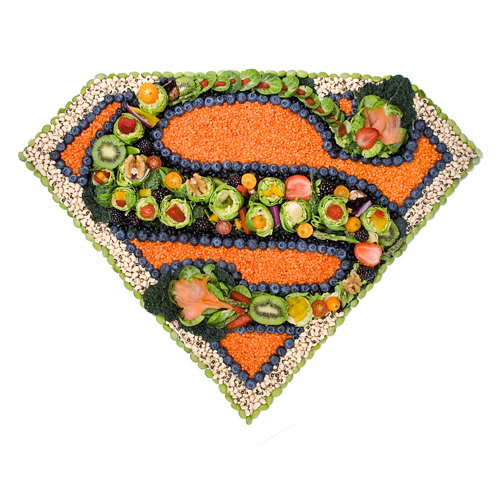
I often recommend that clients add ‘Superfoods’ to their diet because they are power-packed with health benefits. But many people are not really sure what they are.

Superfoods are defined generally as highly nutrient-rich and nutrient-complex foods which are thought to be especially beneficial for health and well-being. They are often foods with high phytonutrient (the component of plants that affects health) or zoonutrient (the health-affecting component in animal products) content, as well as being rich in vitamins, minerals and antioxidants. They are not processed and although not a specific requirement, you would expect them to be organic or biodynamic.

The compounds in superfoods are so powerful that they can have a huge and significant effect on your health. It is thought that more than half of the suffering of degenerative diseases could be eliminated simply by changing to a diet made up of superfoods.

Diet-related diseases such as diabetes, cancer, heart disease and hypertension can be significantly affected by choosing to eat a diet rich in these foods. If they can have such a significant effect on people suffering with these serious diseases, consider the impact they will have if they are included in the diets of people whose health is better, and more particularly, their impact on children.

Using lots of superfoods in children’s diets promotes vibrant good health, and an energy and enthusiasm for life.

On a value for dollar basis superfoods make perfect sense. They are rarely the foods that you find on sale but the benefits they provide for quantity makes them a very smart purchase. Here is a list of some of the best superfoods, although there are lots more!


10 Awesome Superfoods

1.  Apples

There are many superfoods around to choose from. With families and children in mind top of the list has to be apples. But, apples are one of the foods on the“Dirty Dozen®” list. This means they are one of the most highly pesticide sprayed foods and should only be eaten when they are organic or biodynamic. Apples are a super source of antioxidants and vitamin C. They also contain potassium and fibre, and are low in kilojoules. Their secret is in the skin, so it is very important not to peel the apple in order to get the benefits.

Apples are not just great for children, as eating apples also improves mental dexterity and slows both age-related memory loss and bone loss.  Find out some other specific health problems that apples help plus a nice recipe for baked apples right here  as well as here.

2. Avocado

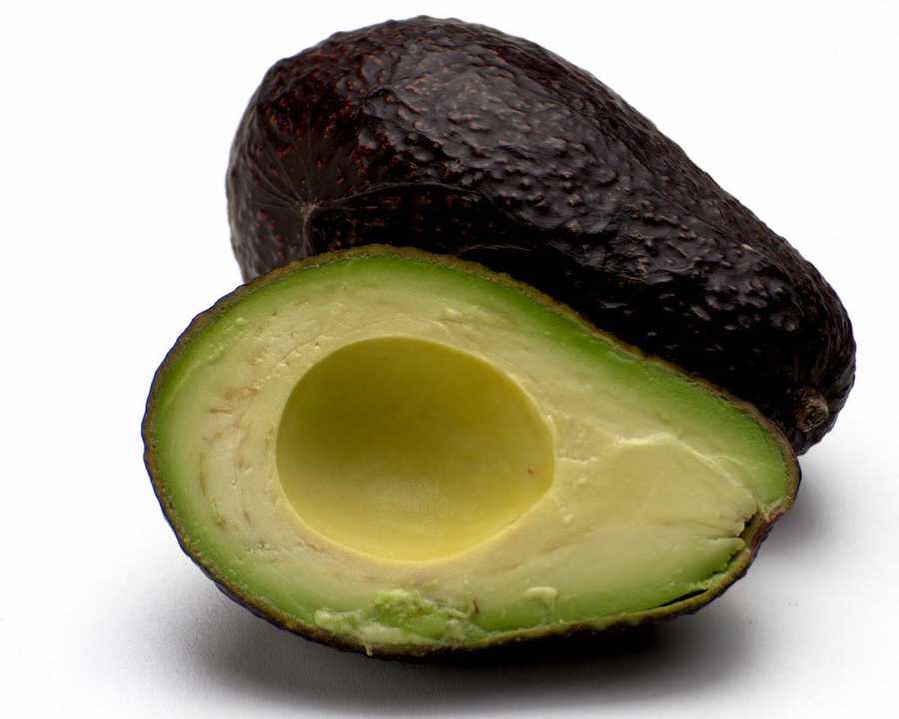
Avocado is another superfood that is easy to include in family diets. Hass avocados which are very easy to find, have the highest concentration and variety of nutrients, with a high percentage of healthy fatty acids, vitamin E and antioxidants. They are great for your digestive system and also have anti-aging benefits, helping to prevent wrinkles. The antioxidants are highest in the darker green flesh straight under the skin so try not to cut this off. If your children are not keen to eat this delicious fruit try using it as a spread on their sandwiches. Read more about the amazing avocado

3. Goji Berries

Another yummy superfood is berries. Do you know of Goji berries? They have an amazing

Goji Berries are also sometimes known as Wolf Berries

amount of unique nutrients and antioxidants. They have more iron than spinach and more vitamin C by weight than any other food on earth, as well as lots of other goodies. They are fantastic for your immune system and will help any imflammatory disorder. You can buy them as juice or dried. But if you are on a nightshade ( Solanaceae) free diet you will need to avoid Goji berries as they fall into that food family. Here  is some more about goji berries. If you would like to grow your own Goji berries this guy  in Qld sells plants over the internet to all Australian states.

Goji berries are not the only berry superfoods. In fact all berries are little power packed bundles. Raspberries, blackberries, strawberries and in particular blueberries all contain lots of vitamins, minerals and antioxidants. But, they are another food, like apples, that need to be organic because of the high use of pesticides.

4, 5, 6 &7. Brassicas

There are many other Superfoods such as the cruciferous vegetables. This is a big family that includes broccoli, cabbage, cauliflower, bok choy, Brussels sprouts, radish, kale, kohlrabi, Chinese cabbage, rocket (arugula) and watercress.

8. Spinach

Spinach is another superfood that needs to be organic, and it is a great source of iron to boost your energy. Adding any greens to your diet provides many wonderful nutrients and should be eaten every day, but including superfood greens will give an added boost to your health

9. Beans

Kidney, borlotti, butter, chick peas, etc and lentils have nutrients that offer significant protection against a number of tumours as well as the normal superfood benefits. They are also particularly helpful for people with insulin resistance.

10. Nuts and seeds

Nuts and seeds can have a massive effect on lowering your risk of heart attack if you eat them five times a week.


More Superfoods

A few other superfoods are:

  • raw cacao (not everyday chocolate which is full of sugar, and usually dairy products) 
  • quinoa which is a herb that you use as you would a grain
  • chiaseeds which are wonderful when added whole or ground to any food or used as an oil.
  • flaxseed oil
  • cold-pressed coconut oil

Superfood Supplements

The ‘Supergreens’ include Spirulina, Chlorella, Wheat Grass and Barley Grass. The nutrients in these are very concentrated and provide you with a shot of goodness. They’re called ‘wheat grass shots’ for more than one reason!

These superfoods come in tablet, capsule or powder form. The powder is easy to add to juice or smoothies. Although it makes it go dark green it doesn’t affect the flavour noticeably.

My own favourite is Spirulina which I think of as the supergreen equivalent of a “multi-vitamin”, a great all-rounder. Chlorella is particularly detoxifying and Barley Grass is very alkalinizing for your system.

The supergreens also come in combination with each other, or you can mix them yourself. I always use them in highish doses when I travel to help to counteract the toll that overseas travel takes on my body.

Superfoods are a wonderful alternative to fast food when you’re on the go. By adding them to your diet you are eating foods just as nature intended.

If you concentrate on increasing the amount of superfoods in your diet rather than trying to eliminate foods you will find it won’t take long before you’ve replaced  the ‘bad food’ with good. Your diet will have improved without the stress of having to consciously avoid foods. Superfood supplements can also be used for short term assistance.

During times when you are under greater stress, physically or mentally, or when you are not getting enough nutrients add the supergreen supplements for as long as you need them.

Here  is an interesting glossary of natural and organic foods if you are unsure about just what some of the ones mentioned are.

What are your favourite superfoods? Do you have any special ways that you incorporate them into your diet?

How do you super-power your own health?


Disclaimer.

All information and opinions presented here are for information only and are not intended as a substitute for professional advice offered during a consultation. Please consult with your health care provider before trying any of the treatment suggested on this site. 

Source articles:

http://thenaturalhealthguide.com.au/reviews/eight-superfoods-for-health-and-beauty-from-your-local-grocery-store/

http://www.naturalnews.com/001539_NOLINKS_superfoods.html

http://www.naturalnews.com/036003_goji_berries_superfood_nutrients.html

http://www.naturalnews.com/035763_avocado_superfood_anti-aging.html

http://www.naturalnews.com/030481_superfoods_nutrition.html

http://www.naturaltherapypages.com.au/article/goji_berries_and_goji_juice

Related articles

Fight Depression With These Simple Strategies

As you read this post Mental Health Awareness week has finished but the battle that is depression goes on for many people.

Commonly Depression is treated with drugs that flood the brain with serotonin. While it is important to address depression, there have not been scientific studies that show that this drug therapy really works, and in fact, a number of experiments where the serotonin levels in the brain were greatly increased, failed.

However, there are other methods that can be used to help relieve depression.

  • A therapist can help you with new ways to look at yourself and your life.
  • Adequate sleep makes you less susceptible to the negative messages that seem to swamp you. (I’ll write more about good sleep habits in a later post).
  • Exercise three times a week, difficult though it always is to get motivated, always helps lift your mood by altering brain chemistry. It doesn’t have to be at the gym as walking is always good and yoga is great too.
  • Structure helps, so getting into a routine is a good idea.
  • Keeping in touch with other people who love and support you is worth heaps, and if you can’t do that, then just getting out and being around people, anyone, will help. Even better if they have a laugh with you.
  • Getting lots of sunshine is also good as natural light has been proven as a cure for depression.
  • There are also lots of mood boosting supplements, like maca, that will help.

Food For Depression

Another major way of fighting depression is through good nutrition, even though because of the depression you may not be feeling hungry.

Preparing and eating a meal might seem pointless but not only do the nutrients contribute to lifting your depression, it will also help you avoid the junk foods that make your depression worse. Don’t even buy or store sugary or salty snacks in your cupboards – it is far better to have simple healthy foods that don’t need lots of preparation to use when you find you are simply not able to face meal preparation.Foods like coffee, meat, alcohol and fatty or fast foods can actually make you feel more depressed and you will feel a lot different if you avoid them.

It really is a case of “you are what you eat”, bad foods make you feel worse and good healthy foods make you feel better.

Top foods to fight depression

1. Fish Oils:

Yes this is another benefit of fish oils as the right kind of fish contain lots of omega-3 fatty acids, often lacking in depressed people. One study showed that taking just one gram of fish oil each day made a 50% difference in symptoms like anxiety, sleep problems, feelings of sadness, decreased sex drive and suicidal thoughts. You can also get omega-3’s through eating other foods including walnuts, flaxseed oil, or chia seeds. Oily fish include sardines, tuna, wild-caught salmon, gemfish plus others.

2. Brown Rice:

A great high-fibre food, brown rice contains lots of Vitamin B, B1, B3 and folic acid, plus lots of trace minerals which you need to function properly. It is also low-glycaemic, releasing glucose into the bloodstream slowly to prevent mood swings due to sugar-lows. You need to avoid any “instant” or “quick-cook” varieties because they don’t have any of these benefits.

3. Brewer’s Yeast:

The “darling food” of the 70’s, brewers yeast also contains B Vitamins (B1, B2 and B3). Don’t take this if your yeast tolerance is not great, but otherwise get your daily dose by mixing a thimbleful into a smoothie. It has heaps of vitamins and minerals in a small package, including amino acids which are great for the nervous system, and awesome for dealing with depression

4. Whole-grain Oats:

Again, you can’t use “instant” or “quick cook” oat varieties as they won’t help. With heaps of B vitamins (folic acid, pantothenic acid, B6 and B1) wholegrain oats help lower cholesterol, soothe the digestive tract and help prevent “sugar crashes,” so they assist with crabby moods and mood swings.

5. Cabbage:

With Vitamin C and folic acid cabbage protects against stress, infection and heart disease as well as lots of cancers (American Assoc for Cancer Research). There are lots of ways to eat it apart from boiled into a nasty mess – try it tossed in a salad or a wrap instead of lettuce, perfect in a stir fry, in a cabbage soup or just juice it. If you have trouble digesting cabbage add some fennel, caraway or cumin seeds before cooking. Or you could drink these spices in a non-caffeinated tea.

6. Other Foods

There are also a few other foods worth a mention here.

  • Grains like quinoa, kamut or spelt are better choices than refined grains like white wheat flour. Wholegrains are one great place to find the B vitamins which help improve your mood.
  • Foods like raw cacao (not a block of milk chocolate!), dark molasses and brazil nuts, which are high in selenium, are also great depression eliminators
  • Make sure your diet is loaded up with fruit and vegetables which will provide lots of vitamins and minerals to help lift the clouds that surround you. And remember that there is a big difference between both the amounts, and the quality, of the nutrients in organic and commercially grown produce. Organic foods have significantly higher levels of the nutrients you need than are found in commercially grown crops.
  • It is pretty important to try and keep your blood sugar levels stable and also to get enough B vitamins when you are feeling depressed. Avoiding sugar altogether helps stop blood sugar spikes and dips.

In the end it is important to remember that depression does not last, it is a transient phenomena and will pass. In the meantime take the decision to be proactive and make the changes you need to make to move on.  Even just setting this goal is the first step in moving forward.

Fight depression with diet

Disclaimer.

All information and opinions presented here are for information only and are not intended as a substitute for professional advice offered during a consultation. Please consult with your health care provider before trying any of the treatment suggested on this site. 

For more information:

http://www.naturalnews.com/020611.html

http://voices.yahoo.com/how-fight-depression-daily-habits-all-200108.html?cat=72

http://www.naturalnews.com/035463_depression_herbs_remedies.html

http://www.thedailymind.com/stress/5-small-but-big-ways-to-beat-depression-every-time/

http://www.webmd.com/depression/features/natural-treatments

© Catherine Bullard and Happy Holistic Health, 2012. Unauthorized use and/or duplication of this material without express and written permission from this blog’s author and/or owner is strictly prohibited. Excerpts and links may be used, provided that full and clear credit is given to Catherine Bullard and Happy Holistic Health with appropriate and specific direction to the original content.