Food Intolerance – The Lowdown. Are Food Intolerances Leaving You Washed-Up?

The number of people recognizing they have one or more food intolerances have been rising dramatically over the last decade, with more and more people becoming aware that they have problems with certain foods. Many more are not willing to even entertain the possibility that food intolerance may be causing their symptoms.

Food Intolerance
The reality is that as the body demonstrates an adverse response after they eat particular foods more and more people are becoming aware that they have problems with certain foods.

Many people live with the debilitating symptoms of food intolerance for years without anyone being able to diagnose their problems. In spite of extensive testing nobody seems able to help them. Often it is only after eliminating a particular food from their diet that they discover where their problems come from, and the extent of damage that food is causing to their body.


FOOD INTOLERANCE OR FOOD ALLERGY

For many the distinction between allergy, intolerance and sensitivity is not clear, but they are actually very different.

Food intolerances involve a completely different response by the body to food allergies. In food allergy the immune system identifies an ingredient as harmful and reacts by creating antibodies. Read more about allergies here.

Food intolerance is limited to the digestive system and occurs when food is not properly digested and ferments inside the gut. Where this gets confusing is that digestive dysfunction often causes dysfunction in other parts of the body and so symptoms from intolerance can appear throughout the body even though they arise from the gut. They can be quite diverse ranging from depression to weight gain, chronic fatigue, eczema, thrush and many more.

Food sensitivity is a delayed food allergy and can be particularly difficult to recognize. These are the least predictable reactions because you may be able to eat a food sometimes with no consequences but at other times develop symptoms like nausea, cramps or reflux. Fructose malabsorption is an example of a sensitivity.

While food allergies are more common amongst children, food intolerances are more prevalent in adults, partly due to stress, alcohol, the use of various medications which all compromise the digestive system, as well as to the decrease in digestive enzyme production as you age.

The onset of problems caused by food intolerance and sensitivity is generally not as rapid as that of allergy. Reaction can occur from about thirty minutes to even a few days after the food was eaten.

Where food allergies can produce fatal anaphylactic responses, food intolerances are not life-threatening, but they can lead to many chronic diseases such as thyroid disease, heart disease, diabetes, rheumatoid arthritis, and other autoimmune diseases.

Many of those with food intolerance are actually able to eat small amounts of an offending food without too much problem. Dairy foods are a good example of this. According to the Food Intolerance Institute of Australia, in December 2013 75% of the population were intolerant to dairy foods like milk, yoghurt, cheese and ice cream, and most of these people were completely unaware of it.

Often it is the very foods that are not tolerated well by the body that are the foods that you crave the most. Nobody really knows why we crave foods we do not tolerate although there are a number of theories. As a good rule of thumb any food that is regularly craved should be treated as suspicious.

It can take some time before a person is willing to accept that they may have food intolerance. For many it is not until their symptoms become unbearable that they will even consider the possibility. This may be more so if the food is also one they crave.


INTOLERANCES CAN SUDDENLY APPEAR AS AN ADULT

It is not uncommon for there to be no apparent problem with foods during childhood and for symptoms to appear as an adult. Typically, but not always, lactose intolerance symptoms appear in adulthood.

The most common food intolerances are dairy, gluten, wheat, additives, fructose, yeast, although many other foods including alcohol can be the culprit. Sometimes it will be a whole food group that is the problem, such as the dairy group or nightshade foods (potato, tomato, capsicum, eggplant, chilli), or just single foods from different food groups.

Generally avoiding a food that is not tolerated allows the digestive system a chance to heal from constant irritation and the person quickly recovers, feeling happier, more energetic and able to live their life fully.

food tree-157673_640


SOME CAUSES OF FOOD INTOLERANCE

Irritable Bowel Syndrome (IBS)

This is a chicken and egg situation…does the IBS cause food intolerance or does constant irritation and inflammation of the gut from food intolerance cause IBS? The symptoms are constipation, urgent diarhoea, and cramping.

Food Additives

Many additives including sulfites found in dried fruits, wines and the salads from salad bars, cause asthmatic reactions in many people. Additives are often a big contributor to ADHD and result in a wide range of symptoms including migraines.

Coeliac Disease

Coeliac disease is interesting as it is actually a gluten intolerance which resembles an allergy, because the immune system is involved as well as the gut. The symptoms are mostly digestive but can lead to many other symptoms through the body.

Specific Foods Or Food Groups

Certain foods, particularly dairy foods (milk, cheese, ice cream, yoghurt, cream) and grains containing gluten (wheat, spelt, barley, rye and oats) are often the most poorly tolerated. There are many other foods over a wide range of food groups that also cause symptoms of intolerance.

Enzyme Deficiency

Different enzymes are needed to digest particular foods. If production of any one enzyme is deficient, then the food it breaks down is not tolerated.

Processed Food

The processing of foods particularly grains, milk and soy products seems to play a part in food intolerance as the process makes the foods difficult to digest, leading to irritation of the digestive tract and a whole range of symptoms.


IDENTIFYING FOOD INTOLERANCE CAN BE VERY DIFFICULT

Often the symptoms of intolerance are very mild and so go unnoticed. Or, because of the time delay between when the food is eaten and when the symptoms occur, they are not connected with any particular food, or are attributed to a completely different cause.

When the problem is with a food that you eat every day, or even many times a day, it becomes virtually impossible to make the connection between the health problem and the food, unless the food is totally removed from the diet for a period of time, whereupon the symptoms improve or disappear.

If you have intolerance to more than one food it makes it extremely difficult to isolate all the foods or food groups that may be responsible for their unpleasant symptoms. Removing just one food only gives partial improvement at best.

Frequently it can take some time, even days, for the negative response to become evident. Given that you will have eaten a number of different foods in the intervening time it becomes virtually impossible to isolate the culprit.


SYMPTOMS OF FOOD INTOLERANCE

Symptoms caused by food intolerance can be mild or severe, specific or vague. If you suffer from persistent symptoms, or ones that recur more than twice a week, and they are not caused by another condition, you could suspect you are not tolerating one or more foods.

  • Bloating after meals or in the evening
  • Headaches, migraines
  • Eczema, skin problems
  • Asthma or cough
  • Nasal congestion, sinus pain, nasal discharge
  • Chronic diarrhea, IBS (Irritable Bowel Syndrome), constipation
  • Belching after meals, indigestion, abdominal pain
  • Muscular pain or weakness, generalized aching, back pain
  • Stiff, swollen or painful joints
  • Frequent mood swings
  • Poor concentration, memory loss
  • Depression
  • Repeated Urinary Tract Infections
  • Candida or thrush, vaginal irritations
  • ADHD
  • Food cravings
  • Low or no energy, tiredness and drowsiness
  • Poor balance, dizziness
  • Weight gain
  • Autoimmune disease, Type 2 Diabetes, Psoriasis

Bloated green man


GETTING ANSWERS

Keeping a food diary can help you identify problem foods. Over the course of two to three weeks record every single food or drink you eat as well as any symptom that occurs. By looking at the list of food intolerance symptoms it is obvious that it is very easy to miss symptoms, as well as difficult to make the link with the offending food.

If a certain symptom always occurs after eating a particular food you can recognize which food seems to be the culprit. Then it is necessary to totally avoid that food for about ten days and to see how you feel. If that food is a basic like gluten, wheat or dairy it is essential to read every label, as these foods all occur in many processed foods and are not always obvious because they may be listed under many different names.

It can be quite difficult to conduct an elimination diet on your own and is much easier under the care of a Natural Health Practitioner.

TESTING FOR FOOD INTOLERANCE

Testing, such as the Scratch Test, is normally conducted to detect allergies and it measures the response of IgE anti-bodies, that is, the response of the immune system. It detects a true immediate allergy.

Because food intolerance involves a different and delayed response a Scratch Test will not pick this up. Many people are left confused after a Scratch Test when they get negative results for foods they felt sure were problematic. Often they have an intolerance rather than an allergy.

While blood spot tests used to test for food intolerance check for specific anti-bodies to specific foods, they are not always definitive, as many people react with foods in which the antibodies do not show up on the test. When this occurs eliminating the suspected food and noting the response, can be a way to identify whether the food is a problem or not.

I conduct testing in my work (no, not a Vega machine) which indicates whether your various body systems respond negatively to a food. While it does not distinguish between allergy and intolerance it does identify problem foods. Usually the person is sensitive to a number of foods, not just a single food. I find that if the foods indicated as being a bigger problem are totally removed, the other foods are usually better tolerated, as long as you do not overindulge.

BEWARE HIDDEN DANGERS!

Wheat, soy, corn and dairy, are foods frequently found to cause reactions and are ones that are commonly added to many other products. In processed foods they are often not simply called milk or wheat, but go by a vast array of pseudonyms. Go Dairy Free provides a list of other names for milk proteins. Wheat-Free.org lists alternative names for wheat in foods. To actually stop eating the offending food, at least for long enough to allow your digestive system to repair, you need to be quite vigilant about avoiding it in ALL foods, including where it may be hidden.

The length of time you need to avoid the food depends on how bad your reaction was. It may take six months of total avoidance and then only very occasional exposure to keep you healthy.

But, most people don’t miss the problem food after it has been removed for about a month as they feel so much better, and as the chemical process that sets up cravings for problem foods is broken they no longer even want to eat the food.

food intolerance 20387733_s

Disclaimer

All information and opinions presented here are for information purposes only. They are not intended as a substitute for professional advice offered during a consultation with your health care provider. Do not use this article to diagnose a health condition. Speak to your doctor if you think your condition may be serious or before discontinuing any prescribed medication. Please consult with your health care provider before following any of the treatment suggested on this site, particularly if you have an ongoing health issue.

Source Articles
http://www.mayoclinic.org/diseases-conditions/food-allergy/expert-answers/food-allergy/faq-20058538
http://www.bodyandsoul.com.au/weight+loss/diets/do+i+have+a+food+intolerancer,18769
http://nourishholisticnutrition.com/could-hidden-food-intolerances-be-sabotaging-your-health/

Hidden Dairy: Foods, Medication, and Beyond


http://www.customfitnutrition.net/allergy.html
http://www.ift.org/knowledge-center/learn-about-food-science/food-facts/food-allergens.aspx

Reduce Exam Stress To Stay Sane

reduce exam stress with natural remedies

With the run up to, and on through, the end-of-year exams it’s a very stressful time for VCE and Uni students and their families. For many students it’s the biggest challenge they’ve ever faced and many succumb to exam stress. But natural medicine offers much help to overcome study and exam stress and give you the edge in exam performance.

Everyone reacts differently to challenges. While it’s normal to feel stressed at this time, for many the effects can spiral out of control. Read on for advice for managing study stress the easy way with the help of alternative medicine.

With so many high expectations, and so much riding on results it’s quite normal for students under pressure to suffer for many months causing a stress response in their body. The hormones released as a result of being under stress have far-reaching effects on every system in your body both at the time and later on down the track.

While some stress can aid performance, if stress continues over weeks and months it can take over and have detrimental effects. The immediate effects are often evident at the time but the long-term effects can continue after the exams are long over.

In addition, anxious and grumpy students have a big impact on anyone around them particularly on their family. Homes become a bed of tension, concern and even reach friction and confrontation if stress spins out of control.


EFFECTS OF STRESS

During worrying times the stress hormones produced effect the neural connections of the prefrontal cortex. This is where your working memory is located, as well as functions vital for reasoning, planning and problem solving, and for regulating attention and emotions all essential for academic success.

A sudent under great stress is therefore unable to function at their best in exams, no matter how much they study.

In addition stormy emotions weaken the prefrontal cortex and this hampers thinking and learning ability.

Students suffering study stress don’t learn effectively or remember well what they’ve learnt.

In order to perform to their best and to present their ability and knowledge well in their exams, it’s essential for students NOT to be in a state of stress. By actively reducing stress you increase learning capacity, memory, reasoning powers, and academic performance. By reducing stress you’ll feel calm, clear-headed, motivated and in control.

By stepping in early to reduce the effects of stress you support your health and it lays the groundwork for better performance. Reducing your stress can also reduce the tension in the home to restore peace.


REDUCE EXAM STRESS

While there are a number of exercises and lifestyle practices you can do to reduce stress the greatest impact is gained from using alternative medicine. Of these I see the best and fastest results with homeopathic medicines and flower and herb essences.


13683204_s

HOMEOPATHY

Homeopathic treatment offers great benefit for all the problems associated with study and exam stress.

Remedies that individually selected to each persons needs for anxiety, difficulty focusing or remembering what was learned, problems sleeping, fear of failing, trouble settling down to study, irritability, feeling like giving up, even mixing up information or getting it backwards.

When the remedies are prescribed according to Homeopathic principles they are very fast acting and effective.

There are some great Homeopathic remedies to calm exam nerves and reduce the anticipatory anxiety and shakiness students experience before the actual exam.

Here are a few of my suggestions:
Gelsemium is a great remedy to take for performance anxiety. It’s perfect before an exam where there is a shaky or jittery feeling and a frequent need to use the bathroom.

Lycopodium is an excellent remedy during study break for someone who worries about being evaluated, who feels they know nothing and will look stupid in front of everyone, but who, once they get started performs wonderfully.

Nux Vomica is useful for an irritable person using too much coffee and other stimulants in an effort to push on through.

There are many other remedies for all those other consequences of study pressure and stress including:

  • feeling overwhelmed and out of control
  • self-criticism and negative thinking
  • irrational beliefs such as “nobody will respect me if I don’t score above 95”
  • feelings of catastrophe like “I’ll fail whatever so what’s the point”
  • inability to relax into sleep or waking up through the night and worrying
  • holding all the emotions inside until they explode
  • feelings of isolation and losing touch with friends
  • crankiness and irritability
  • problems getting motivated

Speaking to a professional Homeopath can clarify all the issues you are facing. They will put together remedies individually suited to YOUR needs.


FLOWER ESSENCES

Flower essences are easy to take – just a few drops on the tongue a few times a day. A few drops can even be added to a water bottle to carry around with you to sip in the moment they are needed the most.

Bach Rescue Remedy is a tried and true treatment for anxiety.

I find the Australian Bushflower EssenceCalm & Clear’ excellent for building and sustaining a state of calm in anyone, including students.

Australian Bush Flower Essence Cognis‘ is great for the student who can’t settle down and focus on their study. It balances daydreaming, confusion and a sense of overwhelm and gives clarity and focus to help with the assimilation of ideas. This is a great treatment for the next few weeks when you are trying to consolidate your study.

Individual flower essences are also great for study – Bach’s Clematis helps focus, Gentian for self-belief, Larch for confidence and White Chestnut for clarity.

I like to use and prescribe Herbal Essences as they can be combined in a mixture that specifically addresses the way each person individually experiences exam stress. This means it’s not a “one-size-fits-all” treatment but one that’s tailored to each person. Herbal essences are great as they combine the thousand year old knowledge of the healing power of herbs with the positive effects on the mind and emotions of flower essences

ESSENTIAL OILS

There are a number of studies that show burning essential oils can induce brain power. All the oils can be used in an oil burner but will be more beneficial in a diffuser which disperses the droplets as water vapour. Here are a few to try.

    • Basil is one of the best for clarity and encourages concentration. Mix it with rosemary to stimulate memory recall.
    • Peppermint stimulates the brain and promotes clear thinking.

Lavender is soothing and relaxing and is useful if stress prevents sleep.


FOODS

While foods alone won’t turn your exam stress around (unless you’re bingeing) they do play an integral part in how you cope with exam stress.

It’s essential to eliminate all those that hold you back such as sugar, caffeine, alcohol, simple carbohydrates, junk foods and nicotine. But it’s just as important to add those that boost brain power to enhance your study and performance. Right now is when you need lots of fresh fruit and vegetables, fish, meats and complex carbs.

  • Omega-3 enhances learning ability and boosts memory power. Itss found in many foods as well as fish oil or krill supplements, or sea buckthorn if you’re vegetarian. Some good sources are oily fish, walnuts, pumpkin seeds, chia seeds and flax seeds.
  • Avocadoes increase blood flow to the brain.
  • Chocolate increases endorphin production to improve focus and concentration, and dark chocolate helps cognitive skills by boosting blood supply to the brain. But don’t overdo the chocolate and opt for dark chocolate over the sweet, milky varieties for a much greater impact.
  • Nuts and seeds help memory and cognitive skills and are easy to munch while you study


SUPPLEMEMTS

Taking a multivitamin can help keep up vitamin levels reduced by stress. Vitamin B and magnesium are both depleted during stressful times. Take B vitamins in a complex rather than as single vitamins as they work synergistically.


RELAX

Deep breathing is a wonderful way to calm and relax your emotions very quickly in times of extreme stress. Focusing on the breath helps to exclude outside thoughts and stop panic before it escalates. For the correct technique click here. 

Yoga is an excellent way to achieve relaxation quickly, and is perfect to introduce into your study routine. Alternatives are qi gong, tai chi or walking.

While it’s important to take time to relax, to take breaks, to eat well and get plenty of sleep, all the time allocated to study revision is no use at all if you’re not clear-headed, can’t retain the crucial information or are so strung-out you can’t even settle down to study. This is where alternative medicine steps in.


Here are a few things to take away with you.

  • Worrying about the study workload or exam outcome only increases stress hormones like cortisol, which impairs your concentration and ability to learn.
  • Food can be your friend. Reduce caffeine, sugar, junk foods and alcohol. Add foods that support study.
  • Steer clear of performance enhancers like Ritalin.
  • Don’t beat yourself up with guilt if you haven’t got everything exactly right.
  • Take time off as studying 24/7 doesn’t work. Exercise is a great way to get back focus.

And crucially, now you know how, use Natural Medicine to gain the edge in your exam preparation and performance.


manage study

Disclaimer

All information and opinions presented here are for information purposes only and are not intended as a substitute for professional advice offered during a consultation. Please consult with your health care provider before following any of the treatment suggested on this site, particularly if you have an ongoing health issue.
Source articles

http://www.evokelearning.ca/the-impact-of-stress-on-academic-success/
http://www.schoolatoz.nsw.edu.au/homework-and-study/homework-tips/managing-exam-stress
http://psychcentral.com/lib/the-impact-of-stress/000104

Best Anti-Aging Secrets

anti aging 2

It seems like one of life’s ironies that just as you are getting your act together in your thirties you start to notice the first small visible signs that you are getting older.

You have a great relationship, your career is on track, you are starting to really make it in the world and you notice that little crinkles that were cute in your twenties are starting to get deeper and turn into proper crow’s feet. The telltale signs of long hot summers are starting to show as brown spots.

Hormone changes are at the bottom of these changes. Our bodies are designed to carry babies through our teens and twenties and after that our reproductive hormones start to decrease. Most hormone changes start about thirty and continue right on through menopause.

After the age of twenty-five we don’t produce as much human growth hormone (HGH) either and this means that we stop replacing cells as fast, collagen production slows and our skin becomes loose and dull. By the time we are thirty our levels of growth hormone might be only about twenty percent what they were when we were eighteen.

As oil production drops, older skin is not able to retain moisture as well as younger skin causing loss of elasticity and producing wrinkles. The decreased collagen in your skin results in thinner less flexible skin which is more likely to damage and is slower to repair.

If you nurtured your skin right through your teens and twenties, stayed out of the sun and off tanning beds, avoided any high living, ate perfectly and didn’t smoke you’ll probably look amazing at thirty. But, chances are you spent lots of your twenties out in the sun, a glass of vino in one hand, a cigarette or burger in the other. By the time you reach your thirties your earlier vices will become evident, you can see it in your skin. The normal effects of the hormonal changes in your body will be worse.

But don’t despair. There is still time to repair the damage and to turn those fine lines, saggy skin, blotches and dryness around.

HELP! HOW TO SLOW DOWN AGING

We’ve all heard anti-aging advice from our mothers since we were small. Brush your hair one hundred times, drink lots of water, eat lots of fruit and veges, get eight hours sleep and lots of exercise. While these are all important there is more to it.

There are two parts to supporting the regenerative processes of your skin and slowing the processes that cause it to age.

When we are identifying the causes of aging skin and hair we need to consider both the internal and environmental factors. Of course beauty does come from within and if we are not putting the right things into our body it will show up straight away on our skin.

Free radicals are produced by your body and are a natural part of metabolism. Your body can deal with a certain amount. But when you make poor food choices, are exposed to chemicals in your environment or the products you use on your skin and hair, you produce many more free radicals, far too many for your body to deal with, and this results in inflammation.

Free radicals are known not only to be the cause behind many chronic and serious diseases, but they also affect your skin by causing inflammation, destroying cells, and causing pigment changes.


smoke-258786_640

EXTERNAL CAUSES

In your everyday life your skin is exposed to many harmful toxins, from those found in air pollution (both indoors and outdoors) to those in your moisturizer. There are the obvious toxins like petrol fumes or those used in nail salons, but there are also a myriad of others that are not at all apparent. And many environmental toxins can affect our skin through pathways that include our gut, our liver, our kidneys and our lungs. No matter which way the toxin affects us, it creates free radicals in our body that lead to inflammation and the resulting signs of aging showing on our skin.

SUNLIGHT

Too much sun exposure can dramatically age the skin. It produces broken capillaries, wrinkles, age spots, dry, thickened, pigmented skin. Known as photo-aging, skin aging is accelerated by exposure to UV radiation. Wearing sunscreen may not be the best answer to the problem of UV exposure, as the chemicals in the sunscreen can actually react when they come in contact with the suns rays to speed up skin damage and promote aging.

Vitamins A and C are helpful in reversing the damage caused to your skin by the sun’s rays. Whether you take a supplement, eat lots of foods rich in these vitamins or find them in the products you apply to your skin, they will benefit. But don’t use products full of harmful chemicals simply because they have vitamins added. There will not be enough vitamins in the product to counteract the damage caused by the chemicals.

Eat a Rainbow
Eat a Rainbow

DIET

Antioxidant rich diets  are the answer to slowing down the aging caused by free radicals, by both reducing them and producing beneficial anti-aging results for your skin.

Foods that are denatured, pesticide-ridden, genetically modified, processed are essentially ‘dead’ foods and toxic to your body.

SKIN CARE PRODUCTS

Read your makeup and skin care ingredient labels carefully.

Some chemicals in most makeup products are endocrine disruptors and mimic hormones. Makeup, skin care and hair care products should only contain natural products. A good rule is if you can’t eat it don’t apply it.

Be careful of synthetic cleaning products as they contain dioxin which also disrupts the endocrine system and interferes with the immune system.


ANTI-AGING SKIN CARE REGIME

Avoid soap or foaming or gel cleansers. They strip the natural oils from your skin and cause aging. Try a quality, chemical free, milk cleanser, or make one your self. Any cleanser that leaves your skin feeling tight needs to be avoided as it could lead to dry, flaky, irritated skin.

Select a moisturiser that will help your skin by keeping it hydrated and protect it from the dehydrating effects of airconditioning and heating. BE CAREFUL, many chemicals are added to leave your skin feeling moist and soft but are actually dehydrating. If the humidity is less than 65% these humectants will draw moisture to the skin from the cells below the surface instead of from the air, which naturally causes the skin to dry out.

NOURISHING OILS

As an alternative a light application of a vegetable oil such as jojoba, coconut, almond, apricot kernel, camellia, avocado or olive will nourish your skin and can be used as an alternative to face creams.

Even those with oily skin can use oils as a skin moisturiser. Vegetable oils, particularly jojoba, nourish your skin without causing pimples, acne or blackheads, which are caused by a combination of factors.

Jojoba oil is a liquid wax which was used to treat skin conditions like acne and eczema in folk medicine. It is said to be closer to human sebum than any other oil which makes it an ideal choice for skin care. Strange as it sounds to put oil on oily skin, it works because chemically oils break down oils.

Gently massage a few drops of jojoba oil into your face. Place a warm washcloth over and allow it to cool before wiping off the oil. Rinse the cloth and apply a few more times until the oil is gone.

Don’t use these oils around your eyes, instead choose rosehip oil which is rich in omega 3.

EXFOLIATION

Exfoliating helps to remove dead skin cells but needs to be done gently or it will accelerate aging and cause inflammation. Natural options include oatmeal ground in a blender with almond or rice milk added. Form it into a light paste and gently massage into your skin before washing.


TREATING WRINKLES

While it is important to take steps to minimise wrinkles forming the challenge becomes how to get rid of those you already have without resorting to toxic skin care. Here are a few home remedies you can try out to reduce wrinkles.

  • Coconut Oil is one of the best home remedies to minimise wrinkles and it is easy. Simply gently rub organic coconut oil over your face and neck before going to bed. It is rich in antioxidants and vitamins and has anti-bacterial and anti-fungal properties. Coconut oil contains an essential emollient to reduce wrinkles and make skin firmer and softer.
  • Aloe vera contains malic acid to improve the elasticity of your skin to reduce wrinkles. Simply cut the leaf off and extract the gel. Apply to your skin and leave on for twenty minutes then wash off with warm water.
  • Ginger is high in antioxidants and helps inhibit the breakdown of elastin. Drink ginger tea twice a day or eat a piece of finely chopped ginger mixed with a tablespoon of honey every morning.
  • Cucumber cut into thin slices and placed on the skin can soften the skin and help remove wrinkles.
  • Vitamin E massaged into the skin daily can help remove wrinkles (simply break open vitamin E capsules)
  • Rosehip oil patted gently into your face reduces wrinkles.
  • Apple is very high in malic acid. Mash a boiled or stewed apple. Add one tablesppon of honey and some milk powder (if you have it). Apply to your face and leave on for at least fifteen minutes before washing off. Apple improves your skin’s elasticity.


Above all avoid products which include parabens, parrafin, mineral oil, propylene glycol, sodium lauryl sulphate, or acrylamide.

These preventions and treatments are not just for those in their thirties. Everyone will benefit from a natural skin care regime and no matter what your age you can always slow down the aging process.

While you can’t stop the aging process entirely, taking a few simple steps can certainly slow it down and give you glowing skin along the way.

Disclaimer

All information and opinions presented here are for information purposes only and are not intended as a substitute for professional advice offered during a consultation. Please consult with your health care provider before following any of the treatment suggested on this site, particularly if you have an ongoing health issue.

skin cream-194116_640
Source articles
http://swiftcraftymonkey.blogspot.com.au/2012/02/question-does-glycerin-draw-water-from.html
http://www.livestrong.com/article/155700-jojoba-oil-for-acne-prone-skin/                       http://www.top10homeremedies.com/home-remedies/home-remedies-for-wrinkles.html


6 Natural Remedies For Depression

natural remedies for depression

Along with the outpouring of sorrow that occurred this week with the news of the death of Robin Williams there has also been much discussion about depression – the nature of the illness, reminders to offer our support to those suffering with it, of ways to deal with it.

Clinical depression is a serious illness that needs treatment from a professional western or alternative health practitioner. However many of the symptoms of mild depression can be helped significantly by a variety of natural treatments that you can do for yourself or which a Natural Health practitioner can take you through.

There are many symptoms associated with mild or subthreshold depression including ongoing fatigue, poor sleep, appetite irregularities such as lack of appetite or comfort eating, a lack of interest in relationships events or celebrations, low self-esteem, anxiety, an inability to find motivation, or a feeling of being cut-off from life.


1. MINDSET

There have been studies done that confirm that a persons perception of life becomes a self-fulfilling prophecy. While depression is not all in the mind your frame of mind is really important for recovery. I am not suggesting you can just ‘snap out of it’. But, while acknowledging that there is something wrong, losing the depression label is a first stepto recovery.

When you buy into defining yourself with a label placed on you by someone else, whether it is a doctor, family or a friend, you relinquish your personal power and undermine your ability to get well. If you allow your thoughts to focus on the label, you accept for yourself the role of someone who is mentally unwell. It may seem simplistic but changing your mindset and making the decision to overcome your illness is the first step that allows you to move forward.

One way to do this is to carefully examine how you are affected by the people you mix with. Tuning into how you feel after spending time with a particular person allows you to sort out any that may be contributing to your low feelings. If you regularly feel disheartened after time spent with anyone it is better for your frame of mind and wellbeing to minimize time with that person.

What your feelings tell you about your relationships with others can come as a real surprise. But acting in congruence with your feelings can turn around your mindset, lift your mood and support you in getting well.

It is also worth asking yourself if your low feelings are linked to your life. Are you expected to sell out your integrity in your work? Are there problems in a relationship that you may need to end? Do you have creative outlets? Feel spiritually disconnected? Is your body restricting you?

Being honest with yourself may help you find the source of your depression. Sometimes having a counselor, psychologist or life coach to help you work through these and define a pathway to change makes things easier to achieve.


Learn how to choose the best Homeopathic remedies for acute illnesses


 2. HOMEOPATHY

Many natural therapies have a good record with alleviating the symptoms of depression. Acupuncture, herbal therapy and EFT are just a few.

Homeopathy also offers many options for depression. The Homeopathic remedy used depends on the particular symptoms you experience, as everyone’s experience of depression varies slightly, in both the expression and the emotions and thoughts and experiences behind it.

Homeopathy taken in accordance with homeopathic prescribing principles is particularly good at changing your mindset. It allows you to lift your head out of the depressive thoughts and start to move forward.

There are many Homeopathic remedies for depression. One of the first to consider for depression with obvious anxiety is Arsenicum album. These people are often quite particular about describing every little detail of their symptoms. They are often very worried that an illness has been missed and have often undertaken lots of investigative tests.

Another commonly used remedy, Ignatia, is a good remedy when depression follows bereavement or shock. These people are very emotional with lots of sudden mood swings and sudden tears or they may frequently sigh deeply. They don’t want sympathy and often take well meant help as criticism.

A person needing Natrum muriaticum responds differently to grief as does one needing Ignatia. This person builds a barrier and won’t release any emotion through crying. They hate sympathy from others although they are empathetic themselves and will readily care for others. They can be very sensitive and easily move into a lower mood from stimuli such as music.

As you can see Homeopathic prescribing is quite particular and individually selected. Two people may react to a similar experience in very different ways and so require very different remedies. There is also the potential to make symptoms worse if the wrong remedy or potency of remedy is taken. Consulting a Homeopath who can match the correct remedy to your particular symptoms can result in significant improvement.


3. FOOD

Food most definitely affects our mood. What we eat and when we eat can have a huge effect. Staying away from caffeine, sugar, fatty foods and alcohol is a great place to begin as these foods actually make depression worse. Don’t keep them in your pantry and you will be less tempted by them. You will feel a lot better if you simply don’t eat them.

Replacing the poor junk foods with nutritious foods moves you towards recovery faster. The top foods to fight depression are:

  • Omega-3 is often lacking in depressed people so eating oily fish and other foods high in omega-3 can make a significant difference. One study showed taking just 1 gm of fish oil a day made a 50% difference in symptoms of depression. Take between 1-3 gm a day. Other omega-3 rich foods include walnuts, chia seeds and flaxseeds.
  • Brown rice is rich in B vitamins as well as trace minerals. Brown rice is great for reducing mood swings due to sugar-highs and lows. Don’t use ‘quick-cook’ varieties as they don’t have the same benefits.
  • Leafy greens are a great source of folic acid, one of the B vitamins helpful for symptoms of depression, as well as magnesium.
  • Bananas are high in tryptophan which is used in the body to make serotonin, the happy hormone. Other foods to enhance serotonin are healthy fats like coconut oil, protein rich foods especially free range turkey and wild caught fish high in omega-3.
  • Don’t skip meals and help keep your blood sugars stable.

depression2

4. SUPPLEMENTS

  • Many people actually suffer from a disorder known as Seasonal Affected Disorder (SAD) which is the result of insufficient exposure to sunlight and as a result, they have low Vitamin D levels. This disorder becomes worse as winter progresses and can persist through Spring until levels of Vitamin D build up in their body again. Taking Vitamin D as a supplement through the winter months can dramatically help SAD sufferers. Consult an Alternative Health Practitioner who will work out how much Vitamin D you actually need, it varies from one person to the next.
  • The B Vitamins are linked to a whole range of emotional disorders and if your levels are low taking a supplement can be a great way to keep your spirits up. Take 50 mg of a Vitamin B complex each day rather than individual B Vitamins as each one works better when the others are all present.
  • Magnesium deficiency can be another factor behind depression and mood disorders and there are many who have a deficiency of this crucial mineral.
  • SAMe can be very effective for treating depression. Take 200 gm on an empty stomach.
  • The herb St John’s Wort has long been used for depression. Check with your doctor before using as it can interfere with some pharmaceuticals. Don’t take this if you are taking anti-depressants


5. LIFESTYLE

Getting enough exercise is essential to beat depression, no matter how little you feel like it. Pushing yourself to get out for a walk will help improve your spirits. Even exercising along with a DVD in your living room is good.

The effect of meditation on depression has been well-documented and it is known to greatly improve the symptoms. There are many different ways to meditate from simple breathing techniques LINK that you can do in just a few minutes, through guided visualizations, walking meditations, mindfulness LINK and binaural beats. It is all a matter of working out which is the right one for you.


6. HORMONES

It may be there is a physical cause for your depression. If your hormones are out of balance your mood will be hugely affected. Finding out your levels of thyroid, adrenal and sex hormones are wrong can offer some clues. Armed with the results, visit your natural health practitioner who can then work toward rebalancing your hormones naturally without resorting to pharmaceutical medicines.

Moving yourself out of mild depression requires a combination of strategies. Making lifestyle changes, dietary changes, examining your relationships and your behaviours all play a part. Seeking out professional help to put these strategies together to achieve the balance you need to move forward can set you on the path to recovery faster.

active-84646_640

Disclaimer

All information and opinions presented here are for information only and are not intended as a substitute for professional advice offered during a consultation. Please consult with your health care provider before trying any of the treatment suggested on this site.


Source articles
http://www.psychologytoday.com/blog/owning-pink/201103/11-natural-treatments-depression-md-s-tips-skipping-the-prozac
http://www.britishhomeopathic.org/bha-charity/how-we-can-help/conditions-a-z/beating-the-blues/
http://www.bodyandsoul.com.au/health/health+advice/treating+depression,7821


Crazy-busy? Get Control In Your Life

Crazy Busy

August…

More than halfway through another year and it seems everyone feels harried and overworked. Life and time is absolutely racing. Nobody seems to have any time to stop and chill, nobody has any time to even recognize their needs let alone address and fulfill them.

As we become more and more switched on to the world outside ourselves it is no surprise that we feel overwhelmed, drowning in never ending obligation. The world and our lives seem to be an insurmountable task that we can’t ever see a way to scale.

Copy of alt control del

When goal-setting, if the task or goal seems just too big for you to succeed, even too big to know where to begin, it often becomes more easily achieveable when it is broken down and tackled in small chunks. As you succeed with each step you feel reassured that you can actually reach your goal, and you feel increased motivation to achieve results.

It seems to me that if we can apply this same principle to our life we could create some level of control and the satisfaction of achievement. By breaking the year up into smaller segments and setting ourself goals for just a part of the year rather than the year as a whole would achieve a similar result to breaking down big goals. It would give us a sense of success and stop the feeling that we were skeetering along in life, barely in control.

Recently, a client told me that last January she made a list of the 100 things she wanted to achieve this year. Her list included things like ‘see this friend 6 times for lunch’, ‘go to 4 movies’, ‘read a particular series of books’. She also had big things on her list like ‘change my job’.

She proudly showed me just how many things she had already crossed off. Her list reminded her that although she may feel on the edge of control she was actually doing quite a lot that she wanted to achieve in her life this year. And not only did the things on her list did not remain in that “gunna-do” (‘going-to-do’ for non Aussies) vault, she was doing them all and enjoying herself along the way.

How many of us spend January 1st making plans and setting intentions for the year ahead? How many of these are kind of vague – lose weight, stop smoking, or get a new job? How many fail because we have not a) been specific about what exactly we want, b) broken it down into manageable and achievable goals, c) followed through and d) actually remembered that we had set the plans and goals after April, until January 1st of the following year when we set the very same goals all over again?

2012-lavender-new-year-resolution-someecards-Favim.com-347800

But my client did remember, she did follow through, she did feel like she had achieved, and most importantly, she felt as though her life was under her control, in spite of the fact that it was still just as crazy-busy as the lives of all the rest of us.

BREAK IT DOWN

My client set me to thinking that just as we break down own goals and projects into smaller chunks, it might also make us relax a little if we break our life down into smaller chunks of 6 months, or even 3 months. It might not seem to be going quite so fast and we may feel we have some sort of control..

So I propose that in the interests of us all sanely getting through the rest of this year, so that we present smiles instead of frowns to those around us, so we all begin to address a few of our real needs in life, needs that don’t start with the words “I have to…” or “I should…”, and so we all start to feel a little more in control, we follow my client’s example and set ourselves achievable goals that honour ourselves.

But to make it just that bit easier to achive rather than making a year long commitment I am going to break the exercise down into smaller chunks.

I have just made a list of the 25 things I want to achieve (and can reasonably manage) in this quarter of the year (being 1/4 what my client did for the whole year), that’s from right now, the start of August to the end of October.
It includes some socializing, some creative projects, some home decorating, lots of gardening (rarely a chore), some outings, some work projects and some self-development. It also includes launching a new arm of my biz. I think it’s a pretty well-rounded collection of goals.

My list is manageable and not only will I feel in life-control mode as I cross things off the list, I will enjoy doing most of these. (I included some things I really will not enjoy but will be very happy to finish off). And probably most importantly, I will be aware of what I have achieved rather than worrying about what I have not managed to do.

Why not join me? Make your list of 25, write it out, pin it to the fridge, and congratulate yourself as you cross another thing off your list.

Copy of Heart Jump


Disclaimer

All information and opinions presented here are for information purposes only and are not intended as a substitute for professional advice offered during a consultation. Please consult with your health care provider before following any of the treatment suggested on this site, particularly if you have an ongoing health issue.


Red Tent Soul Sisters Sanctuary (July)

Circle of Women

Have you ever joined with a circle of women where you take the time and space to connect with your inner knowing, in order to receive insights and clear pointers about the direction your life needs to follow right now?

The Red Tent Soul Sister Sanctuary helps to restore balance in your life and nurture your personal spiritual growth, as well as providing you with a deep sense of nourishment to fuel your soul and fill your heart.

If you are in Melbourne this coming weekend this is your opportunity to experience for yourself.

To discover more about the event read on…

This month we journey under the joyful and regal Leo New Moon.

Leo is a FIRE sign and provides the perfect opportunity to connect with your inner passion and whatever fires you up.

This New Moon is particularly auspicious as the Moon joins up with Lucky Jupiter to enhance the magnanimous Leo energy. This is the time to be generous, to let go of grudges and to find that happy, childlike, warmth and playfulness within.

Leo is also the time to step into your Inner Queen, to connect with her proud generosity and confidence. This is a powerful time to make plans and to reap the rewards from new creative beginnings, big or small. It is time to let out your Lion’s Roar.

And, it’s quite ok to wear your tiara to this one.

Women instinctively know that gathering with other like minded women offers enormous psychological and energetic benefits.

The Red Tent Soul Sisters Sanctuary is an opportunity to take time-out from your busy life to reconnect with your inner self, to let your inner child out to play, to share and to be supported in a sisterhood of exchanged knowledge, insights, gifts, wisdom, guided meditation, laughter & art, all within a safe and sacred space, while consciously journeying with the cycles of the moon and universe.

Traditionally the Red Tent was a place where women would gather to tune in to their feminine wisdom and receive insights for themselves, their families and for the greater good of their community. It would take place during the dark moon when the Moon is shadowed from the Sun by the Earth, and when feminine intuition is at its most heightened.

The Leo moon is ruled by the element of fire and is represented by the archetype of the Lion, who wears her regal air with confidence and grace. This new moon takes us to a place to embrace our creativity and generosity.

So come and journey with us, join with a variety of beautiful women of all ages, cultures, and walks of life. This is a time and place where every woman is honoured for her own feminine wisdom and experiences, all of which allow us all the opportunity to learn and grow from each other.

Each Red Tent gathering includes a sharing circle, insights for the coming month, guided meditation, setting intentions and a shared supper (or lunch).

You leave feeling deeply soul-nourished and filled with purpose.


WHEN: Saturday 26th July
TIME:   1.00pm for 1.30 start – 4.00pm
COST:   $20
WHERE: Indigo Centre for Health & Wellbeing, 563 Whitehorse Rd,. Mitcham Vic 3132


Please bring a small plate of food to share afterwards


PLEASE SHARE THIS INVITATION


For more info please private message Catherine Bullard on Facebook or call +61 429 140 181


BOOKINGS & PAYPAL PAYMENTS ACCEPTED

Booking online is recommended to secure your cushion.

To book via PAYPAL please ckick the yellow  CHECK OUT WITH PAYPAL button below

paypal checkout

Natural Alternatives To Paracetamol

Paracetamol

Do you regularly rely on paracetamol for quick-fix pain relief to get you through the day? When in pain most people quickly reach for a conventional painkiller so they can get back to their busy life. However, common painkillers can have nasty undesirable side effects.

While paracetamol is widely regarded as generally safe when used at its recommended doses, in larger doses it can be fatal.

Paracetamol was discovered and used as a pain reliever long before it was known how it works. According to Panadol Uk  it is believed to work in the brain where it inhibits the production of the pain and inflammation causing chemicals, prostaglandins. It has no effect on inflammation.

Pain is the body’s indication that something is wrong and it seems our primary concern needs to be to find a way to lessen the problem by treating its cause. Paracetamol alleviates the effects of the problem, the pain, but does not address the cause behind the pain.

In addition there is the big concern about the side effects of any prolonged use of medications that do nothing more than simply block pain symptoms.

Paracetamol can cause liver damage and even liver failure. There is a serious risk for liver injury with overdose.

But paracetamol can also cause other side effects. Skin rashes, blood disorders, nausea and vomiting, and inflammation of the pancreas can all occur when paracetamol is taken for a long time.

In 2012  in the UK it was suggested that people who regularly take medicines, such as aspirin and paracetamol could be causing themselves more pain than relief. The dosage recommendations for paracetamol were subsequently lowered in the UK and USA. But in Australia recommendations were maintained at the higher levels. Many people in the community have the impression that paracetamol is a harmless drug.

However, there are natural alternatives that do stop pain and help the body heal as well.


LIFESTYLE

In addition to the use of homeopathic remedies or herbs it is wise to address any factors in your lifestyle or diet that are contributing to your pain.

Toxins in any form in your body can cause pain.

Pain and inflammation can often be caused by a food. Sometimes a seemingly benign food or food group can be the culprit, acting as a toxin within your body. No matter what you take, if you continue to eat the problem food you will continue to have the pain. Testing can help you identify problem foods quickly. But be aware that you may have a food intolerance rather than an allergy causing the inflammation.

When you are able to identify the problem food, or foods, you can remove it from your diet at least for a while, to give your body time to recover.

Deficiencies of certain nutrients can also cause you pain, as can metabolic processes. Pain is often linked to excess acidity in the body. Acidity may be caused by a number of things, and one is a diet containing too much acidic food.

All foods can be classifies as either alkaline or acidic according to how they break down in the body (not how acidic they are before eaten). Weighting your diet towards more alkaline foods can help reduce pain. Essentially eating more fruit and vegetables and less meat, sugar, dairy, grains and additives makes your diet more alkaline.

Many headaches are the result of dehydration and simply increasing your water intake can reduce the problem.


10654441_xxl

HOMEOPATHIC TREATMENT

As a professional homeopath my personal inclination is to make homeopathic remedies my go-to for pain relief. The advantage of homeopathic remedies which are carefully selected by a trained practitioner is that at the same time you get pain relief the homeopathic remedy will also immediately begin to address the underlying cause.

There are many homeopathic pain remedies and I have employed their use successfully for many years. In fact we have not even had any paracetamol or other pharmaceutical painkillers in my home for decades. Homeopathy can be particularly useful for treating pain associated with problems that cannot be diagnosed, as it is selected according to presenting symptoms rather than disease diagnosis.

Perhaps the most well-known homeopathic remedy for pain is Arnica montana. Used in both homeopathic and herbal formulations this mountain meadow flower offers great benefit for muscular pain as well as pain in general.

Homeopathic Hypericum (St John’s Wort) provides great relief for nerve pain, especially in the fingers, toes and nails. When professionally selected in its homeopathic form it can be used along with anti-depressants, unlike the herbal version.

Magnesium phos and Chamomilla are perhaps the most widely used homeopathic remedies for spasms and cramps.

Nux-vomica is just one of the many remedies that offer great relief for headaches.

Homeopathic Arnica is very widely used by many first-class sports persons. They employ its marvellous healing benefits for traumatic injuries such as bruising, muscle strain, ligament sprain, fractures and so forth.


HERBAL REMEDIES

There are a number of herbs that have been used for thousands of years to relieve pain. When prescribed by a qualified herbalist they assist the body to heal itself. However, like paracetamol, some herbs simply suppress the symptoms without actually healing the problem. But, these generally do not have the side-effects of the drug and so may be a better choice than paracetamol or NSAIDS for pain-relief.

Capsaicin is the active ingredient found in chili peppers, and gives topical relief from nerve, joint and muscle pain by interfering with substance P, a chemical that transmits pain signals to the brain.

There has been a great deal of research into curcumin, the active substance found in turmeric, which is proven excellent for reducing the inflammation that causes pain. Like capsaicin it blocks substance P. It offers great relief for the pain of arthritis and rheumatism.

Bromelain is another herb that works as an effective anti-inflammatory.

Chamomile is well known for its calming properties and provides relief for muscle pain and spasm.

Scutellaria (skullcap) can be effective in relieving headache and muscle pain and has been used for the pain of fibromyalgia, joint pain and tension headaches.


peppermint oilESSENTIAL OILS

A German study showed that a drop of peppermint essential oil applied to the forehead and temples could reduce headache pain as effectively as paracetamol.


Paracetamol certainly has a place in certain situations such as post-surgery. But while paracetamol is useful if used occasionally with care, it poses concerns especially for chronic conditions when used frequently. If you find yourself in that position it’s time to start investigating alternatives. Discuss what natural alternatives may help your problem with a professional alternative health practitioner.

In the end it is far more effective to treat the cause of the pain rather than simply suppressing the symptoms. Carefully selected natural or traditional remedies can provide fast pain relief and start the body’s own healing processes at the same time.

You may need to try a few options to find the one that suits you best as we are all different and so we all respond to different treatments differently.

Anxious

Disclaimer

All information and opinions presented here are for information purposes only and are not intended as a substitute for professional advice offered during a consultation. Please consult with your health care provider before following any of the treatment suggested on this site, particularly if you have an ongoing health issue.


Source articles

http://www.tga.gov.au/consumers/information-paracetamol-doses.htm#.U8TFBUBqMyk
https://www.vimchi.info/alternative-options-for-paracetamol-home-remedies-for-pain/

Alternative Remedy Reduces Headaches in 15 Minutes

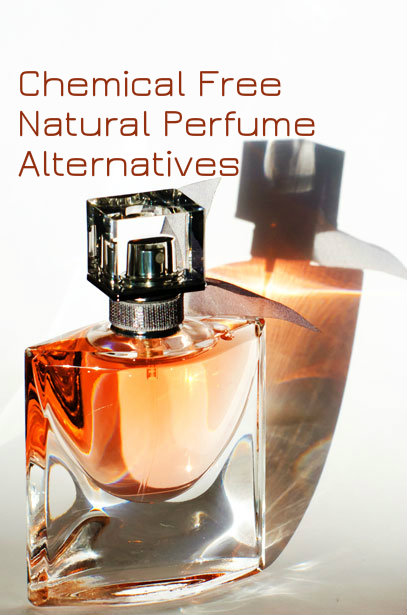
Chemical Free Natural Perfume Alternatives

Very few women head out to a special occasion without a dab of their favourite perfume. One of the great pleasures in life is surrounding yourself with gentle wafts of an exotic aroma that immediately transports you to somewhere special. Most likely you chose your perfume for its gorgeous smell, not for what it is made from. But, there is pretty well nothing natural, apart from water, in commercial perfumes.

chemical free perfume


The big problem with conventional perfumes is that they are so toxic! A serious hazard for anyone wanting to reduce their toxic overload is that a loophole in the legislation means that perfume manufacturers only need to list a tiny handful of the vast array of chemicals that their product contains. This is on the basis that their recipe is ‘a secret’ and disclosing all the ingredients would allow anyone to copy their product.

Make no mistake, this is at your expense. A vast number of the chemicals used in perfume manufacture have big question marks over their safety.

Convential perfumes may smell wonderful and exotic to some (although even the smell may be toxic to many others) but in reality they are just a blend of chemicals, fixatives and solvents straight out of the laboratory. These synthetic ingredients can cause hay fever, headaches, mood swings, reproductive and neurological damage, or skin irritations.

When you wear perfume you inhale a chemical cocktail as well as absorbing the same ‘chemical test tube’ straight into your blood stream through your skin.

Seriously…Not so sexy!


What Other Options Are There?

roseThere are a whole lot of Natural Perfumes out there for you to choose from. Some you dab, some are roll-on, some are balms, but they are all made very simply from very few ingredients and contain none of the toxins found in normal perfumes.

Basically ‘natural perfumes’ are evry simple. They contain just two components – organic or natural essential oils or absolutes, and a vegetable carrier oil or a mixture of distilled water and natural grain alcohol. Some also contain botanical or herbal extracts. Balms are made from beeswax or shea butter.

The best thing is that the Essential oils used in these products are therapeutic and have healing elements that work on your body, mind and spirit to offer much more than just a beautiful smell.

Pure essential oils create wellbeing and can help you to feel relaxed, energized, or improve your concentration. Basing your selection on what health benefits, whether they are emotional or physical, as well as on your personal enjoyment of the aroma can be a simple but effective way to heal yourself.

Some Perfume Oils On The Market

The availability of natural essential oil based perfumes is growing. There are now many on the market to fit every preference and price bracket.

The Little Alchemist is an Australian artisan company that hand blends perfumes in small batches.  The perfumes contain a host of  plant extracts rich in antioxidants and vitamins. One of these is wheatgrass, and if you have Coeliac disease or sensitivity it would be wise not to apply these perfumes to open skin wounds. It is generally held that it is gluten that is ingested that is the problem but better to take care.  The Turkish Rose and Cardamom and the Passionfruit and Lime perfume oils are yum!

The Goddess Line has a selection of roll-on perfumes that contain only carrier oil and essential oil.  Saraswati is my favourite, a blend of jasmine, neroli and patchouli in grapeseed and coconut oil. They are a US company but are available online.

If you like a solid prefume balm the Dewi Perfume Balm by Indah is beautiful. It is 95% organic and combines coconut oil, beeswax and cocoa butter with essential oils.

If you want to take things to another level altogether an alternative option are the Aura-Soma Pegasus Parfum range – which combine the healing energy of colour, or chromotherapy, with the purest essential oils and herbal extracts. They are completely natural and free from chemicals. You select your one based on the colour you are drawn to, rather than the smell…as you do for Aura-Soma therapy. The carrier alcohol is certified organic.

There are many natural perfumes available online as well as in health food stores now. Just be careful to check the ingredients before you buy. Not all that claim to be ‘natural’ are non-toxic, remember petroleum and mercury are both natural ingredients!

The use of the word ‘organic’ on a product is no guarantee of non-toxicity either. When a product displays the word ‘organic’ it can mean that just one ingredient in it is organic and the others may be far from organic or even natural.  Check the other ingredients are safe too.

For your knowledge I am not affiliated with any of these products or companies, and offer this information for your interest only.


For Do-It-Yourselfers

You can make your own Natural Perfume…it’s easy.

Simply add a couple of drops of one or more of your favourite high quality essential oil to a carrier oil such as sweet almond, jojoba or even coconut oil. (about 5 drops to 10 mls of oil is a good ratio) Put it into a small preferably dark, glass bottle and then dab onto your skin as needed. The aroma is released as the oils warm on your skin. You may need to apply it more often than with chemical perfumes.

Make it up in small quantities and make more as you need it. I do one with an amazing therapeutic grade essential oil blend I love – it combines about ten different oils. But sometimes I want something simpler so I also love jasmine and vanilla, or ylang ylang, patchouli and sweet orange, or simply sandalwood alone. You can make up a signature blend which you always wear, but it is actually worth making a few different ones as then you can make specific use of the therapeutic healing qualities to suit whatever your mood at the time.


Safety With Essential Oils

Pure essentail oils have therapeutic qualities. Care needs to be taken as they may be contraindicated for certain people or conditions, such as pregnancy, high blood pressure or for children. Here are some guidelines to using essential oils including their safety.


 What You Need To Do Right Now

  • Take a critical look at any perfumes and perfumed products that you use. If there actually is a list of ingredients ask yourself how many of them are natural…are any at all? If there are no ingredients be suspicious. Healthy perfumes have nothing to hide and will list their simple basic ingredients – a carrier oil and essential oil.
  • Make the decision to ditch the chemicals that are added to your personal products. Remember they enter your body and are carried through to every cell in your bloodstream.
  • Get out there and test some of the beautiful natural, healthy perfumes about, to find the essential oil that you love. If you feel inspired, make one up for yourself instead…I do, it’s a breeze!

What is your favourite Essential Oil?

Do you have a gorgeous natural chemical free perfume that you particularly love?
Make sure you let us know the name in the ‘Leave A Reply’ section below so we can go out and try it also.


DISCLAIMER: Essential Oils are not intended for use in the treatment for specific medical conditions. For treatment of health ailments, please consult with a licensed practitioner. Some Essential Oils are contraindicated during pregnancy. Please seek advice from your natural health care provider.

Copy of lavender essential oil

Red Tent Soul Sister Sanctuary

Copy of Join forces in harmony

Have you ever joined with a circle of women where you take the time and space to connect with your inner knowing, in order to receive insights and clear pointers about the direction your life needs to follow right now?

The Red Tent Soul Sister Sanctuary helps to restore balance in your life and nurture your personal spiritual growth, as well as providing you with a deep sense of nourishment to fuel your soul and fill your heart.

If you are in Melbourne this coming weekend this is your opportunity to experience for yourself.

To discover more about the event read on…

With the Winter Solstice just behind us, we journey this month under the Cancer Dark Moon.

The energy of both the Winter Solstice and Cancer is very feminine and enables us to connect strongly and deeply with our innermost feminine intuition. This is our time to seek supportive nurturing, not only of those we cherish and hold, but of ourselves as well.

As we prepare to emerge from the darkness of winter, it is an excellent time to connect with our highest knowing and focus on what we need in our life to nurture and support ourself, so we then may nurture and support those in our life.

Women instinctively know that gathering with other like minded women offers enormous psychological and energetic benefits.

The Red Tent Soul Sisters Sanctuary is an opportunity to take time-out from your busy life to reconnect with your inner self, to let your inner child out to play, to share and to be supported in a sisterhood of exchanged knowledge, insights, gifts, wisdom, guided meditation, laughter & art, all within a safe and sacred space, while consciously journeying with the cycles of the moon and universe.

Traditionally the Red Tent was a place where women would gather to tune in to their feminine wisdom and receive insights for themselves, their families and for the greater good of their community. It would take place during the dark moon when the Moon is shadowed from the Sun by the Earth, and when feminine intuition is at its most heightened.

The Cancer moon is ruled by the element of water and is represented by the archetype of the Crab, who shows her hard exterior to the world in order to hide and protect her vulnerability within. This new moon takes us through a concentrated cascade of emotions where trusting and respecting our feelings brings awareness of personal needs.

So come and journey with us, join with a variety of beautiful women of all ages, cultures, and walks of life. This is a time and place where every woman is honoured for her own feminine wisdom and experiences, all of which allow us all the opportunity to learn and grow from each other.

Each RedTent gathering includes a sharing circle, insights for the coming month, guided meditation, setting intentions and a shared supper (or lunch).

You leave feeling deeply soul-nourished and filled with purpose.


WHEN: Saturday 28th June
TIME:   11.00am for 11.30 start – 2.00pm
COST:   $20
WHERE: Indigo Centre for Health & Wellbeing, 563 Whitehorse Rd,. Mitcham Vic 3132


Please bring a small plate of food to share for lunch afterwards


PLEASE SHARE THIS INVITATION


For more info please private message Catherine Bullard on Facebook or call +61 429 140 181


BOOKINGS & PAYPAL PAYMENTS ACCEPTED

Booking online is recommended to secure your cushion.

To book via PAYPAL please ckick the yellow  CHECK OUT WITH PAYPAL button below

paypal checkout


Fibre: Are You Really Getting Enough?

cabbage-1390046692DDy

Everyone knows they need to eat a diet rich in dietary fibre for good gastrointestinal health. Most people also know good sources of dietary fibre are fruit and vegetables and wholemeal grains, and that eating enough fibre ‘keeps you regular’.

A diet high in fibre offers many health benefits:

  • Lowers your cholesterol,
  • Keeps you full for longer
  • Reduces your risk of heart disease, constipation, haemorrhoids, diverticulitis, colon cancer, obesity.
  • Reduces your risk of high blood sugar and diabetes
  • Offers immune support
  • Regulates blood sugar
  • Helps with liver detoxification.


Most people have no idea of how much fibre they actually need.

Very few people eat anywhere near the amount of fibre they need each day. The recommended daily intake is 20-30g fibre per day. But research has shown that actually consuming 75-100g might be more helpful. However, you are highly unlikely to be eating anywhere near 75g as most people don’t even manage the 30g recommended.


Benefits Of Fibre-Rich Diet


  • Fibre has a laxative effect, so helps reduce the incidence or severity of constipation.
  • It binds with cholesterol so the cholesterol cannot be absorbed.
  • It feeds gut flora (the good ones) to nourish the colon cells.
  • Fibre stops blood sugar spikes because fibre rich foods are Low GI.
  • Fibre helps with weight control.


Fibre Rich Foods

Fruits and Vegetables

Fruits and vegetables are good sources of fibre and should make up the greater part of your diet. Avocados, vegetables from the cabbage family including broccoli, kale, cabbage, cauliflower, and Brussels sprouts, root vegetables and green peas are all good vegetable choices, high in fibre . Fruits with edible seeds, apples, pears (not too ripe) and raspberries are good fruit choices.

Pulses/ Legumes

legumes

The simple way to increase the amount of fibre in your diet is to replace some meat and processed carbohydrates, such as white rice, with nutritious, high fibre alternatives. The foods that work the best are  pulses/ legumes and quinoa. These foods are high in protein and act as suitable meat substitutes.

Most people are familiar with using dried pulses in their cooking, but often they forget they’re a simple meat substitute. Pulses and legumes provide you with a nutritious, high-fibre vegetarian meal as they’re all nutrition packed, as well as high in fibre. Legumes have more fibre than any other food, and blackbeans are the highest. In addition, unlike meat, beans are low in fat and cholesterol-free.

Legumes Are Low GI

Although legumes are a starchy food the starch is not digested easily, therefore avoiding the sugar spike you get from many other carbs. Because they are high-fibre it means they stop you getting hungry – a great addition for weight control.

They are a wonderful alternative to processed carbohydrates and can be used very simply to replace meat in a dish

Legumes Are Great Meat Substitutes

A few years ago I replaced the beef in burgers made for my family with mashed chickpeas and added a few finely chopped vegetables. The result was delicious and my boys loved them. They made the perfect vegetarian burger with bread, lettuce, tomato etc.

But with the chickpea patties they got more vegetables as I added as much as the basic legume mix could hold without falling apart, and chick peas are low GI carbs, and full of protein, perfect for growing boys. Kidney beans would also work really well here.

Legumes make wonderful contributions to most stews and casseroles, pies and many salads. In a meat-based dish you can cut the meat by half and substitute with beans. You get dietary fibre, less cholesterol and less fat than with meat.

Here are some great pulses:

  • Peas- green or yellow, split, chickpeas, black-eyed,
  • Beans – brown, white, black, lima, kidney, mung, butterbeans, baked beans, pinto, navy, soy
  • Lentils – peeled, unpeeled, red, brown, yellow, green


Quinoa

Quinoa is a fairly new addition to western diets. Did you know that it contains nearly twice as much fibre as any other grain (although it is actually a seed not a grain)? It is incredibly nutritious.  100g of quinoq provides a whopping 7g of fibre – 2.5 times the accepted RDA, and enough to meet the new recommended levels!

Quinoa is so versatile that you can substitute it in a dish for rice, add it to soups, casseroles, or even use it to make a sweet breakfast porridge. You can even sprout it!

It is a gluten-free staple so makes a perfect substitute for gluten-grains such as burghul in dishes like tabbouli.

Quinoa provides all the required amino acids for the human body in excellent proportions, (including lysine). It is high in iron and calcium, a good source of magnesium, manganese and copper and phosphorous. It is a good source of B vitamins, vitamin E and omega3 and omega6.100g of quinoa contains 46% of the daily requirement of folate. And, it provides similar energy to other major cereals.

Quinoa Preparation

Quinoa must be prepared properly. Wash it in cold water repeatedly until all the foam disappears before you cook it. Cook quinoa the same way as you cook other staples like buckwheat, rice, etc. Roughly, one cup of dry grains cooks up to three cups and becomes fluffy and chewy with a pleasant taste.

Here are some suggestions to use quinoa in your cooking:

  • Quinoa flour can be mixed with other flours to enrich the overall quality of the meal.
  • Use quinoa to make porridge, soup, polenta
  • Use quinoa in a pilaf, pudding, or simply serve alongside a casserole or stir-fry
  • Use it as the base for a salad


fibre foods

How Much Is 30g Of Fibre?


The amount of fibre in 1 cup of:

  •  Apples, raw with skin – 3 gm                          (10 apples = 30 gm fibre)
  • Quinoa, uncooked – 12 gm                               (2.5 cups of quinoa = 30 gms fibre)
  • avocado, fresh, cubed – 10 gm                       (3 cups of avocado = 30 gm fibre)
  • Rolled oats, oatmeal – 8 gm                             (3.75 cups of oats = 30 gm fibre)
  • Wholemeal/wholewheat bread (in 1 slice) – 2 gm       (15 slices  = 30 gm fibre)
  • Kidney beans, canned – 14 gm                        (2 big cups kidney beans = 30 gm fibre)
  • Chickpeas (garbanzos), canned – 11 gm      (2.75 cups chickpeas = 30 gm fibre)
  • Coconut, raw, shredded – 7 gm                      (4.25 cups coconut  = 30 gm fibre)
  • Broccoli, raw, chopped – 2 gm                        (15 cups of broccoli = 30 gm fibre)

You are most likely to already be eating a number of foods in your day that contain fibre. So you don’t actually need to eat 10 apples, 15 cups of broccoli or 15 slices of wholemeal bread to get your recommended 30 gms of fibre. But these figures do give you some idea of just how easy it is to get insufficient amounts and why you need to be conscious of including fibre rich foods every day.

Make the change and try out more dishes based on legumes and quinoa to your diet.

Do something your body will thank you for.


fibre rich foods
Quinua (Quinoa) plants near Cachora, Apurímac, Peru. Altitude: 3800m (Photo credit: Wikipedia)

Updated 2nd February 2018

Disclaimer

All information and opinions presented here are for information purposes only and are not intended as a substitute for professional advice offered during a consultation. Please consult with your health care provider before following any of the treatment suggested on this site, particularly if you have an ongoing health issue.
Source Articles
http://nutritiondata.self.com/facts/cereal-grains-and-pasta/5705/2


Soulful Wellness: Where Mind, Body, and Spirit Align.