All posts by happyholistichealth

Join me to create a happier, healthier life.

Living With The Seasons – Summer

Consciously living in harmony with the world around us supports our body, our emotions and our spirit. Within that consciousness we need to be in harmony with the greater cycles of life. When we tune into the passage of time by living with the seasons our energy synchronises with universal and earth energies to bring balance.

Living with the seasons

I’ve been luxuriating in the relaxing space between work finishing before Christmas and now, the New Year, doing very little and simply enjoying the summer. This two week period included the Summer Solstice, the longest day of the year and the day when the sun shines the longest and the night is shortest.

I make it a practice to live in sync with the seasons, emotionally as well as in the basics like what I eat or wear. But slowing down over the Summer Solstice flies in the face of this practice. The energy of Summer Solstice is intense, joyous and one for celebration and partying. Taking it slow isn’t what’s called for but this year the seasonal energy called for rest.

The ancient teachings behind Traditional Chinese Medicine (TCM) are perhaps where we see the theories of living with the seasons at its strongest in our modern world. This ancient discipline examines the effects that emotions and foods have on the different organs of our body. It provides guidelines about which organs of the body are most significant in each season and the steps needed to support the appropriate organ and create harmony within.

The steps of TCM are based on many aspects of diet including the quantities of food eaten, time of day, even your state of mind while you eat.

But living with the seasons requires more, it requires an wholistic approach.

Getting sufficient exercise, sleep, and clean water; reducing stress, anxieties and toxin exposure are equally essential to living a balanced life, in tune with the rhythms of the earth and the seasons.

Living With Winter

The natural way for your body as a whole to respond to the seasons is to ‘close down’ over the winter and to ‘open out’ over the summer. During the cold, dark winter months you need and want more sleep, your activities slow and quieten, your body requires external warmth from fire and warm, nourishing foods. Even emotions can close down and it’s not uncommon for depression to surface during the depths of winter, partly due to the lack of sunlight and associated decreased Vitamin D intake.

Living With Summer

During the warmer summer months, when the days are longer, the body requires and benefits from, less nourishment. It doesn’t need extra kilojoules to keep itself warm, you feel more energetic and your natural instinct is to get out, socialize, and be much more active.

Rise early and face the sunrise to benefit from the rays.
During summer rise early and face the sunrise to benefit from the rays.

Take a moment to think about how much easier it is to go out to a party on a warm, balmy summer night than it is on a cold, dark, rainy winter one, when all you want to do is curl up with a book or movie, or simply sleep. Think of how much easier it is to diet and exercise during the warmer months when your requirement is for lighter foods.

As more and more of us grow our own veggies and shop at Farmers Markets we are becoming increasingly aware of which foods are in season at any time, and beginning to direct our food choices towards only those foods that are in season. Obviously we don’t need watermelon in the winter when it doesn’t grow. Instead, we look for stews made from warming meats and root vegetables in season at that time.

Seasonal Wellness Books

Summer holidays are the time when many catch up on their reading. There are a few books I love that you might like to take a look at,  which are useful guides towards living in tune with the seasons.

One is a cookbook appropriately named Eating For The Seasons by Janella Purcell, an Australian Naturopath, Nutritionist and Cook. It’s a great book with tips and recipes carefully selected to benefit and support to your body in each of the four seasons.

Another book I love is Ancient Healing For The Modern Woman by Xiaolan Zhao. This book looks at the ‘seasons’ of a woman’s life, rather than the seasons of the year, and offers wonderful ways to naturally remedy problems like PMS, symptoms of pregnancy, menopause, and breast health. It contains lots of great, simple tips taken from the authors personal experience of Traditional Chinese Medicine used by her family in China. She is a doctor of both TCM and Western Medicine in Canada,  and her advice is very soundly grounded in both modalities.

If you’d like something a little more hefty you may prefer Healing With Whole Foods by teacher and nutrition researcher Paul Pitchford, a very comprehensive guide to Chinese Medicine. This book also contains lots of information about nutrition and diet, as well as a cookbook. There are sections on the Ayurvedic principles of food-combining, treating disease with foods, plus much more. As I say, detailed and comprehensive.

Living In Tune With The Summer Season

Early and Mid Summer

living with the seasonsAccording to Chinese Medicine, summer is the season of Yang (masculine energy), and during early and mid-summer the heart and small intestine come to the fore. The emotions associated with the heart are joy and playfulness. Mental acuity is also associated with the heart in TCM, so memory, thought processes, emotional well-being and consciousness, as well as sleep also belong to this time.
When the heart is balanced the mind is calm.

Early and mid-summer is a time for celebrating and partying, as well as balancing that with enough rest and sleep.

When the fire element is out of harmony, so too is your experience of joy. You feel either depressed with too little fire, or joyous chaos with too much.

When your fire is unbalanced you experience associated symptoms that include agitation, nervousness, high blood pressure, heartburn, irregular heartbeat and insomnia.

Imbalance of the heart, governed by fire, can lead to confusion, crazy or no laughter, a very red or very pale face, stuttering, verbal diarrhoea, memory loss, mental illness or an aversion to external heat.

Late Summer

In the late summer (the fifth season in TCM) it becomes the time of the spleen and stomach. Overworked spleen and stomach is associated with worry and obsessive thoughts. Spleen is associated with damp and problems may kick in if the weather is humid.

The summer season is ruled by fire. Life and energy is at a peak.


Align With Summer Energy

The aim during Summer is to let your energy flow ‘out’, to get rid of the heat stored in the body over winter.

  • Eat spicy foods to induce sweat, it helps rid the body of heat
  • Rise early to benefit from the rays of the sun.
  • Go to bed later. Rest at midday if you need more sleep.
  • Drink plenty of clean water (water is the opposing element of fire), take cool baths, seek shade. Watermelon juice, an old remedy for dehydration, cools the body and cleanses the system.
  • Add pungent and strong flavours to your diet
  • Avoid drinks full of sugars and chemicals which don’t actually relieve thirst, but do bring toxins into the body which then have to be cleared out.
  • Refrain from anger, keep calm.
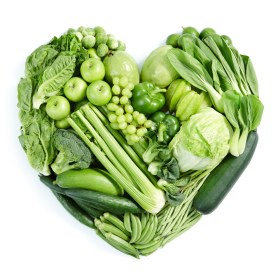
  • Green-vegetablesEat more cooling, hydrating yin foods to balance the fire heat of summer – raw foods, salads, seafood, legumes, sprouts (especially mung-bean), zucchini, cucumbers, kelp, and fruits like watermelons, apples, limes and lemons.  Cooling foods tend towards the green foods – lettuce, cucumbers, watercress. Very few vegetables are warming. Fish and seafoods are cooling but most meats are warming. Be careful not to eat too much raw or cold food though as it may ‘cool’ your digestion too much – you want to achieve balance in all things!

  • Bitter yin foods are associated with the heart and small intestine. They reduce the heat and drain dampness. Foods such as celery, dandelion, endive, watercress, quinoa and rye. But be careful not to overdo bitter foods, unless you have lots of fire in you. Asparagus and lettuce are both bitter and sweet.
  • Later in the summer add the sweet yang flavours of complex carbohydrates, legumes, nuts, oats, rice, peas, peaches, avocado, kiwifruit, cucumber and raw honey. These build and strengthen the spleen and thus the whole body. The spleen is the most important organ of the immune system. They also slow and relax an overactive heart and mind. But don’t have too much!
  • Eat foods that promote energy and activity. Use hot spices such as fresh (not dried) ginger. Black pepper, cayenne and horseradish will induce a sweat. Cardamon is a useful spice as it clears the digestive system of blockage caused by heat.
  • Eat in moderation. Keep your food light and simple. Indigestion, sluggishness and even diarrhoea can easily occur in the summer. It’s healthier for you, and it gives you more time to get outside and enjoy the outdoors.
  • Avoid heavy or salty foods – meat, excess grains, dairy, oil and eggs as they will make you feel sluggish during summer.
  • Avoid cold foods in early summer – iced drinks and ice-cream (they hold in the sweat and heat)
  • Focus on changes in your life related to joy, growth and spiritual awareness. With the predominant nature of Summer being Yang, related to excitement, assertiveness and exuberance, it is the perfect time to take action to make positive change.


The Key To Living With The Seasons

If you remember that the human body is simply a microcosm of the universe, the macrocosm, it becomes easier to understand that the same imbalances that occur in the environment are mirrored in the human being. By keeping this relationship with nature in mind we can become more conscious of keeping the rhythms  of life in harmony, of living with the seasons.

living with the seasons summer

Disclaimer.

All information and opinions presented here are for information purposes only and are not intended as a substitute for professional advice offered during a consultation. Please consult with your health care provider before following any of the treatment suggested on this site, particularly if you have an ongoing health issue. 

Source articles:

Purcell, J, Eating For The Seasons, Allen & Unwin, 2011

http://www.chinesemedicineliving.com/blog/nutrition/seasons/summer

https://www.acufinder.com/Acupuncture+Information/Detail/Summertime!+Chinese+Medicine+and+the+Summer+Season

http://www.pacificcollege.edu/acupuncture-massage-news/articles/454-traditional-chinese-medicine-summer-tips.html

http://straightbamboo.com/articles/how-to-stay-healthy-in-summer/


How’s Your Liver Doing? Holiday Recovery Tips

champagne-160867_640

After the festivities and often overindulgence, of the Holidays it’s common for many people  to find themselves suffering the after-effects.  After too much rich food, junk food and alcohol, combined with too little sleep and too much stress it can be hard to recover quickly.  Quite apart from the immediate discomforts of hangovers, other symptoms such as migraines, joint pain, bloating, and fatigue can appear and persist for some time.  Often it’s very difficult for your body to detox if it’s endured an onslaught in December. After too many the indulgences through the Holiday your liver may just need a little TLC.

Instead of treating each individual symptom it’s more efficient to target treatment towards supporting your liver. Taking steps early in the New Year will help reverse the problem so you can get back on track.

The state of your gut partly determines your vitality and overall health. It is directly tied in to your immune system and affects your mood and thinking ability.

Your gut forms part of your immune system and influences your vitality and overall health. It also affects your mood and thinking ability.


A Healthy Liver Is The Key to Health


The liver’s one of the most important organs in your body with many functions.  As part of the digestive system, it is the detoxification centre of the body.  Everything we ingest must be processed by the liver before it can be used in the body.  This includes not just the food we eat, but also any drugs, alcohol, and chemicals we come in contact with.

Your liver also helps clean metabolic waste out of the body.  It produces bile to digest fats and remove toxic bilrubin from the blood.

The liver plays a role in the immune system, blood clotting, regulating amino acids, storing iron and glucose, producing plasma proteins as well as toxin removal.

Without a liver we cannot survive, although we can manage with just a part of a liver. It certainly is aptly named as the “live-r”.


Natural Liver Support And Care


Taking time to attend to the needs of your liver over the Holiday period will help you fly through the New Year.  There are various natural ways to counteract the after effects of too much celebrating, too little sleep and too much stress and anxiety.


How to Recover From Too Much Celebration


Homeopathic Remedies For Hangover

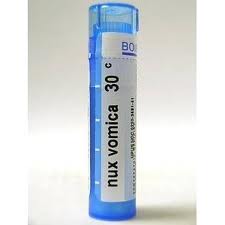
On New Years day I always carry some Homeopathic Nux-vomica with me. It’s not for myself, but for anyone I encounter suffering a New Year hangover.

Nux-vomica is toxic in its crude state, but as a Homeopathic preparation it’s an excellent remedy for illness from overindulgence of rich food, alcohol or coffee. In fact it’s often called the “hangover remedy”.  Taken according to Homeopathic prescribing principles will bring a quick recovery.

nux vom


There are other Homeopathic remedies that are excellent for both supporting and cleansing the liver, providing speedy and sustained relief, protection and support.

However they should be selected individually according to the symptoms that are individually expressed by each person. If you find you are susceptible to liver stress consult a trained Homeopath to determine the remedy that’s best for you and your problem.


Herbs For Liver Support


Dandelion

Dandelion root provides a gentle cleanse for the liver.  It’s also great for any gallbladder problems as it increases bile production.  Often used as an appetite stimulant, it improves food metabolism by the liver and helps to remove toxins quickly and efficiently from the body.

Often found in herbal tincture mixes, dandelion root can be taken as capsules (500 to 2000mg daily) or as a ‘tea’ or ‘coffee’ drunk three times a day. Dandelion root even makes a decent latte!

including grasses and flower pollen


Milk Thistle

Milk thistle (Silybum) seeds are a powerful liver cleanser.  Milk thistle was traditionally taken to help protect the liver and is used to relieve the symptoms of over-indulgence of food and drink by fighting oxidation and free radicals.

It’s also useful for rebuilding the liver after it has been damaged because it stimulates liver cell regeneration.  It also stimulates the secretion of bile from the liver and gallbladder.

Take it as a tablet before and after you head out for a night partying. Look for an extract containing about 140mg of silymarin. You can take it daily right through the Holiday period and for a while after as an excellent gentle support for your liver.

You will also find silymarin, the active ingredient of milk thistle, in artichoke leaf extract which is another great liver cleanser.


Burdock Root

Burdock root cleanses the liver and aids detoxification. Studies have shown that the powerful antioxidants in burdock help the liver to heal, and protect it from further damage.


Turmeric

Turmeric is a fabulous herb for reducing inflammation.  The antioxidants in turmeric are known to be of great benefit in easing joint pain but also improve the health of the liver.

Adding the spice to your cooking is the easiest way to take it. You won’t get enough through your diet to reduce pain symptoms you are already experiencing, but it can act as a support to your body and liver.  Take it with black pepper for better absorption.

There are many great quality turmeric formulations now available in tablet or liquid form.


Green Tea And Pomegranate


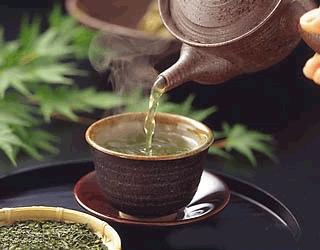
Enjoy green tea which supports liver function as it is high in catechins.

Pomegranate, seeds or juice, contains the liver detox compound ellagic acid to help liver detoxification.

 chinese_tea


Food For Liver Support


Protect your liver from further overload stress. Eat organic, even if only some of your food as it keeps pesticides and chemicals out of your system.

Avoid foods stored in plastic as the toxins in the plastics can leach into your food.

Avoid GMO foods.

Steer clear of non-green personal care products and cleaning products – the toxins are absorbed through your skin.


Photo courtesy: Shawn Campbell


It’s vital to get straight back into healthy eating practices right after overindulging. Get rid of sugars, cut back on grains and try to eat lighter meals.

Your digestion works best in the morning so eat more earlier in the day and keep your evening meal small.

Certain foods benefit your liver. Onion and garlic activate the liver enzymes that flush out toxins. Beets and carrots, full of beta-carotene, promote increased liver function and make great additions to freshly squeezed juices.

Apples, avocados, walnuts and lemon juice all help flush toxins, although in different ways.

Water – water – water – and more water. Drink filtered, fluoride-free water to flush out the toxins from the liver.

A glass of warm water with the juice of half a lemon or lime squeezed into it first thing in the morning, kickstarts your liver and the digestion process.


food for liver support
Lemons and limes are one of natures great gifts and including them in your morning routine has huge health benefits


While you’re actually experiencing digestive symptoms caused by overindulgence there are natural remedies that can help.

Activated charcoal absorbs toxins, helping to protect the liver.  Aloe vera is a digestive tonic which also relieves pain.  Both are easy to find in your health food store. Chewing fennel seeds after eating will help your digestion. Or you can take it as fennel seed tea after eating.

There seems to be some truth to the big ‘fry-up’ as a morning after cure. Although freshly squeezed fruit juice would probably be better.  You experience hangover symptoms partly because your blood sugar levels are out of balance.  By substituting fruit juice for coffee you speed up your body’s metabolism of the alcohol. Eating high protein foods like eggs helps the body produce serotonin and endorphins, the chemicals which help you feel good.


EFT For Liver Support


EFT (Emotional Freedom Technique) or Tapping, is an effective method that combines ancient Chinese acupressure techniques with modern psychology. Incredibly simple at its basic level it can be done by anyone, anywhere in a couple of minutes.

Simply tapping with two fingers on the ribs on the right side of the body over the liver stimulates liver processes. Watch this short video for a demonstration. (Note that it’s posted backwards and shows her tapping the wrong side! It must be the RIGHT side)

Massaging your hands and feet daily stimulates a number of acupressure points that help keep your liver strong and healthy. According to EEM practitioner Rose Mattax the most effective point is in the “V” where the big toe meets the second toe on the top of the foot at the base of the metatarsal bridge. Massage this source point of Liver chi several times a day.


Natural Liver Support


Even when you feel terrible or lethargic after heavily overdoing it, keep moving. The twisting postures of yoga are particularly good and a great way to help digestion.


This is how I picture myself meditating...but it is far more likely I will be sitting in my car catching a few brief moments to centre my breathing before plunging back into the chaos of life


Elimination For Liver Support


Lastly sweating helps get the waste products out of your body once they have been processed by the liver. Exercise or saunas every day promotes the excretion of toxins through the skin and optimizes your detoxification systems. And don’t forget to balance out the fluid loss by drinking lots of water.

What are your natural secrets to overcome holiday overindulgence?


Revised January 2018


Disclaimer.

All information and opinions presented here are for information purposes only and are not intended as a substitute for professional advice offered during a consultation. Please consult with your health care provider before following any of the treatment suggested on this site, particularly if you have an ongoing health issue. 


Source articles

http://www.naturalnews.com/039201_live_health_detox_home_remedies.html

http://www.care2.com/greenliving/4-herbs-to-cleanse-your-live.html

http://www.healthyandnaturalworld.com/the-best-herbs-for-liver-cleansing/

http://www.schwabepharma.co.uk/pages/common-ailments/over-indulgence/milk-thistle-as-a-hangover-cure.php

http://weeklycupofqi.com/2013/11/26/digestive-recovery-after-holiday-indulgences/

http://health.india.com/diseases-conditions/top-6-natural-remedies-to-keep-your-liver-healthy/


Seasonal Greeting

christmas_card_w_words

There are so many about the shops and on the roads over the next few days who are feeling the stress and tension of the season.  Remember to keep your cool today and tomorrow. Don’t take on the stress of other people when you are out and about. Hold your own space and you will be fine.

To all the readers of this blog may you find all the peace and blessings of the Season.

I value and appreciate your presence here. Thank you for your loyalty, for visiting back here over the last year.

I will be back later in the week with some suggestions for Holiday Season Recovery. Remember to check back for your tips.

Blessings,

Catherine

christmas-1386235586MYq

Natural Remedies For Travel – Create Your Own Kit

With the summer holidays just around the corner many Aussies are heading off on their annual holiday. Whether it’s to one of our country’s magnificent beaches or overseas there’s always the chance that some mishap will occur. If you’re not prepared it can really mar the whole holiday. But it’s easy to leave home well prepared for travel illness with your own natural remedies first-aid kit.

natural remedies for travel

Most people going on holiday take along some products or medications just in case they’re one of the unlucky ones who fall ill – even if this is as simple as aloe gel for sunburn. But with a little foresight you can leave home much better prepared.

Whenever anyone in my family heads off on holiday they always put together a Natural Therapy First Aid Kit to take with them.

Our family natural remedy kit started soon after I first used homeopathic remedies for my boys when they were quite young. Our collection of remedies was kept in a partitioned plastic case that slid under the car seat when we went camping at the beach. It proved invaluable many, many times for all sorts of ailments from sunburn, summer colds, Bluebottle stinger attacks, sprained ankles through to New Years Day hangovers. The remedies were often pulled out to treat other campers as well.

Over the last decade we traveled further afield, through SE Asia, Southern Africa and across the Pacific to Mexico, South America and USA, and natural remedies went along on each journey. Items from the kit have been used on every trip.

Homeopathic First-Aid Kits

Our kits contain Homeopathic remedies to deal with Travelers Diarhorrea, food poisoning, fluid retention, sunburn and burns, sprains strains and bruising, nausea, travel sickness, infections, fever, insect and animal bites and stings, plus others. We also add various remedies selected to suit the individual using each kit. A migraine remedy for one, another gets sinus pain in flight, two are very susceptible to altitude sickness, another to skin infections, so we add these types or remedies where they are needed.

I usually pack everything together in a small plastic storage box from the supermarket. It keeps the products dry and clean and helps prevent spillage and breakage.

BUILD YOUR OWN NATURAL REMEDY KIT

My Family’s Basics

Homeopathic remedies always form the basis of our travel kit. They are small, light and quickly very effective. There are a number of basic remedies we take wherever we go. Then we add others selected specifically for the problems we’ll likely encounter in the area we’re visiting.

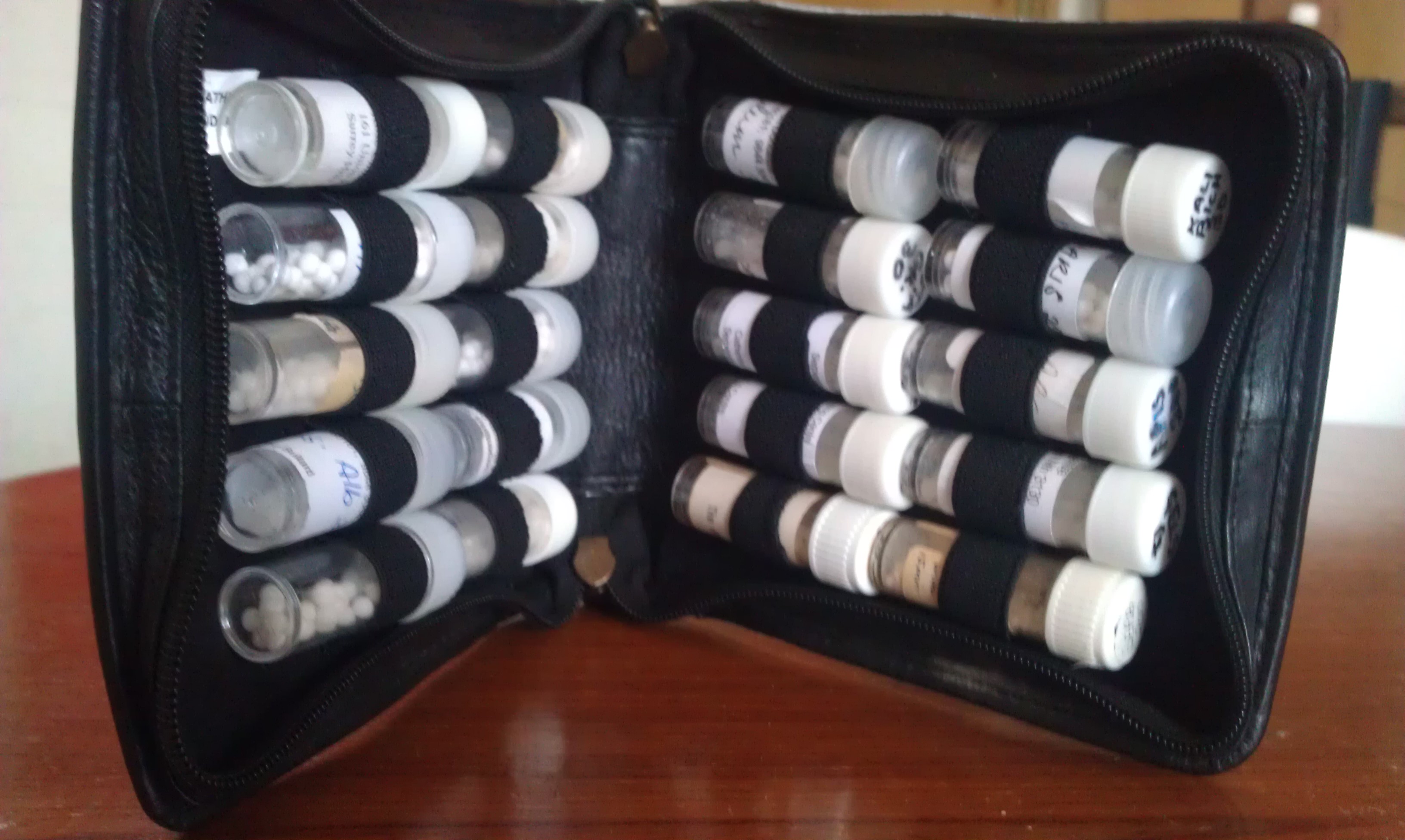
I pack these remedies into a small zipped leather pouch. It keeps the remedies secure and has the added advantage of being easy to flip open to be manually scanned at the airports (rather than passing them through on the higher powered scanning belt which may damage them).

Homeopathic remedies in their zipped leather case.
My family’s well-used Homeopathic remedies in their well travelled zipped leather case.

There are a number of different strengths, or potencies, but 30c is quite suitable to use and the better choice if you’re not familiar with using them. They come in the form of tiny pillules which are dissolved under the tongue.

It can be difficult to source homeopathic remedies. Many Homeopaths have Travel Kits for sale but if you don’t have a Homeopath you visit regularly then the best alternative is to buy a Travel Kit online. They come with a small instruction booklet

Martin & Pleasance in Melbourne Australia make a compact little kit containing 20 remedies.   (It comes in the same case I use to fill with my own remedies).

This Homeopathic travel kit from Ainsworths in England contains 10 remedies and comes in a canvas or leather case  Owen Homeopathics make a small kit which only has 7 remedies

What Natural Remedies To Add

Probiotics

Many people from industrial countries find it difficult when they travel through developing nations because there’s a huge range of bacteria that they’re not normally exposed to.

Taking good quality probiotics increases good gut bacteria and supports your immune system. Taking them right through your travel may help protect you from ‘Travellers Diahorrea’,  keeping your immunity high so you don’t get sick so easily, and help your digestion when it’s weakened by a strange diet or unfamiliar bacteria. They’re also very restorative if you do happen to catch parasites.

You need to select a probiotic that doesn’t require refrigeration.

 Activated Charcoal Tablets

Charcoal tablets are activated carbon that absorbs toxins. They’re excellent for reducing diarrhoea. Their special benefit over medications is they absorb the bacteria and toxins from your gut, carrying them out of your body when you use your bowels.

The good news is they’re odourless and tasteless.

Don’t mix activated charcoal with ice-cream or chocolate as these reduce the effectiveness. But avoid these foods anyway if you’re suffering from travel diarrhoea!

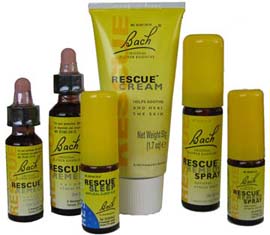
Bach Rescue Remedy

Bach Rescue remedy has been such a basic for natural first aid for decades. A blend of flower essences developed by Dr Bach, it helps you recover quickly from shock and upset. Great for dealing calmly with lost baggage or missed flights.

But it’s also useful to avert many acute illnesses, or manage acute stress by keeping down anxiety levels. Losing luggage, missing connections, problems with accommodation, all the stresses that can spoil a holiday can be reduced and managed with the help of Rescue Remedy.

You could use Australian Bush Flower Emergency Essence instead – some people seem to respond better to this, although I’ve found the Bach Rescue Remedy works for everyone I’ve given it to. You simply take a few drops under your tongue.

 BachProducts-All-SM

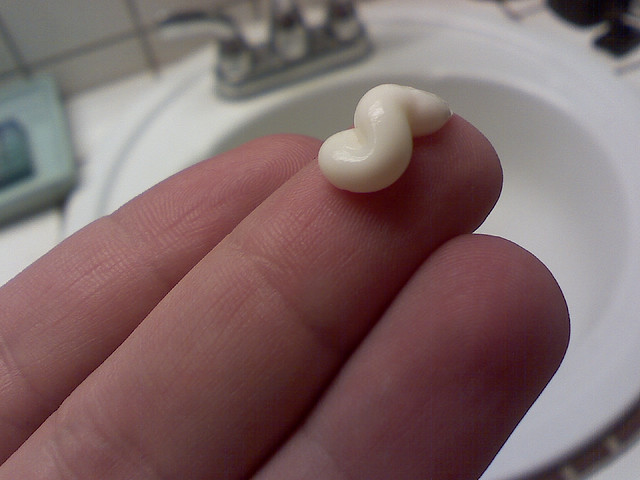
Calendula Cream

Creams are easy to carry and use and Calendula is a ‘must-have’.

Calendula is anti-inflammatory, reducing pain and swelling. It promotes the rapid healing of skin tissue. It’s great for applying to  to chafed skin, scrapes, grazes, and minor burns including sunburn. It can also be used on minor wounds.

Hypercal Cream is antiseptic and particulary suited to cuts and wounds, particularly if there’s a chance they may heal slowly and become infected. It combines calendula with hypericum and often other herbals and like calendula cream provides pain relief.

Tea-tree Cream

Tea- tree is a powerful anti-bacterial and this cream is really effective on skin cuts, burns and infections. It’s also good for any fungal infection you may pick up on your feet. You could also take it in the form of oil. Either can be applied directly to the wound.

Arnica Cream

We use Homeopathic Arnica pillules for sore muscles, aching joints, bruises and pains. But Arnica is also available as a cream to rub into the sore areas. Not as strong-acting in the cream, it nonetheless gives wonderful relief and is used by many sports stars around the world. Traumeel ointment or gel combines 14 different Homeopathically prepared plants which all help relieve sprains, strains and sore muscles.

Colloidal Silver

Through the ages water was often stored in silver because silver is an effective antimicrobial agent and it kept the water pure. Colloidal silver is a powerful natural antibiotic and works by suffocating the enzymes required by the harmful microorganism, without damaging any human enzymes.

It can be added to water to help purify it if you get caught out. I wouldn’t ingest it on a regular basis as long-term use may turn your skin grey, but it can be useful in an emergency.

It also has other uses. It’s often taken orally under the tongue or in water, to ward off viral and bacterial infection. Applied to the skin it can ward off infection.

In the tropics where the air’s very moist skin infections can be very difficult to heal. For my sons backpacking or traveling in isolated places where the conditions may not be hygienic, the prevention of infection is very important and colloidal silver is a must-have for them.

It’s also useful for tinea, eczema, psoriasis, acne or burns, wherever there’s the potential for a bacterial or fungal component.

Lavender Oil

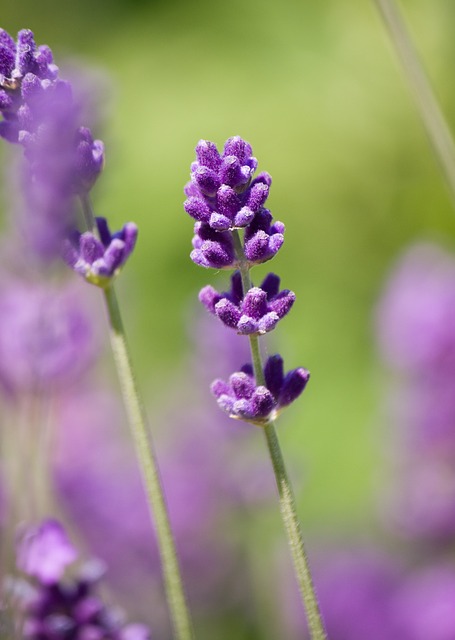
If sleeping in a strange bed is a problem for you, or you’re a pillow princess (yes that’s me – pillow princess! I always take a pillow) a small bottle of lavender oil can be a lifesend. It’s a proven sleep enhancer and inhaling the scent or shaking a few drops on the pillow helps to sedate and promote a good sleep.

Lavender oil can also help you relax if you get nervous on the plane, but you need to be careful in the confined space as some people are allergic to it.

 lavender-76476_640

Coconut Oil

If you’re seeking a moisturizing agent coconut oil is your answer. It’s very hydrating in dry climates. calms rashes and is excellent for chapped lips.  You can use it all over your body.

Magnesium

Not usually part of my family’s kit, magnesium is a great addition if you experience constipation. It clears it up very quickly. It’s also great to relax you before bed and help you sleep. If you find you’re insomniac while traveling magnesium will calm your nerves, relax you and help you get that rest.

Sunscreen

Of course you’ll take sunscreen, but it’s worth selecting one that’s not laden with harmful chemicals. I have no affiliation with any brands of products I mention here. They’re just ones I’ve used and found to be effective and high quality.

My family loves Soleo All Natural Sunscreen because it’s very easy to apply. I love it because it’s organic and rated #1 sunscreen by the EWG.

Wotnotmakes an excellent sunscreen, which isn’t tested on animals,

UV Naturals is another excellent natural sunscreen recommended by the Feingold Association USA. Their range includes a special sunscreen formulated for babies.

These are all Australian made sunscreens, don’t contain titanium oxide and are  available around the globe.

Bioeffectives

Bioeffectives come from pine needles. They’re loaded with a multitude of essential nutrients including chlorophyll and many substances already found in the blood, brain soft tissue, and skin. They’re a powerful antioxidant and address any imbalances, so are perfect to support the effects on the body caused by the different environment, including parasites and bacteria.

My son picked up an extremely nasty amoebic parasite in Columbia recently and was very grateful for the Bioeffective-A (used here as a probiotic substitute) he was carrying, as it helped his gut recover quickly so he could enjoy the rest of his travels.

No-Jet-Lag/Jet Ease

My family uses straight homeopathic Arnica and homeopathic Coca for jet lag, but No-Jet-Lag, which is  called Jet-Ease (in Australia), is a popular Homeopathic alternative which many swear by. It combines Arnica with four other homeopathic remedies that also address the negative effects of air travel .

Remember these remedies are specially prepared homeopathically and the substances used to make them can be quite toxic in their original form if ingested.

Of course I add a few other items such as bandages and alcohol swabs as my boys like to head off the beaten track. You can include anything else that’s relevant to your travel plans but this list should give you some starting ideas.

Most of these products are available from Health Food Stores or Natural Health Practitioners. Some are available online.

Get yourself prepared and have a great holiday!

Do you have any other Natural Health Remedies that you wouldn’t be without on holiday?Let us know in the comments.

natural remedy kit for travel
photo credit: Hadi Zaher

Disclaimer.

All information and opinions presented here are for information purposes only and are not intended as a substitute for professional advice offered during a consultation. Please consult with your health care provider before following any of the treatment suggested on this site, particularly if you have an ongoing health issue. 


Source articles

http://www.mindbodygreen.com/0-9520/8-natural-remedies-every-traveler-should-carry.html

http://www.health.com/health/article/0,,20428732,00.html


The Twelve Top Tips For a Happy Healthy Christmas

With December arriving so quickly the festive season is all around us. Follow these twelve top tips to stay healthy in the holiday season so you can reach New Year in your best state ever, without having to lock yourself away to keep out of temptations reach.

12 Top tips for a happy healthy Christmas

Research shows that the three biggest stresses for most people around Christmas are: weight gain from overindulging, financial strain from overspending, and anxiety from having to spend time with people they prefer to avoid.

According to a recent Australian study by Roy Morgan Research, around 60 per cent of Australians dislike Christmas shopping (I’m one!). But instead of devising a shopping strategy about 20% head out to shop without any plan of action, and most (75%) come home without buying anything at all.

Instead they DO get to stand in queues, hunt-the-parking-spot, surround themselves with crowds of stressed people and ramp up their own stress, frustration and anxiety levels.

12 Top Tips For A Happier Healthier Christmas

Top tips to stay healthy at Christmas


Use this list of Twelve Tips to enjoy Christmas this year, instead of simply surviving it.

1.      Stress

Shopping – whether it is standing in long queues, finding space to park, or trying to hunt down a desperately desired gift, many people find Christmas shopping the most stressful part of the season. Wherever you go you will encounter tired, cross irritable people.

It is good to remember that stress and anxiety are quite normal at this time of year. When one family member is under stress, other family members are likely to feel stressed too, aggravating the situation and making life even more difficult for all.

There are many different natural ways to deal with the stress. The simplest of these is without a doubt the flower essence, Bach Rescue Remedy.

Rescue Remedy has been around for over 60 years and was created to help people cope with everyday stressful situations. Its effects are calming and centering. It is suitable for stressed children as well as adults. Carry some with you or keep it in the car so it’s handy when you need to de-stress.

Get it from the Health Food shop or your natural medicine practitioner. Keep one in your bag, your car or your office, so you have it on hand whenever you start to feel stressed. It is available in a number of different forms now – drops, spray, gum, cream, even pastilles and is easy to use. You can take it as often as you need.

2.      Water

This might seem a no-brainer, but it is one that is easy to forget. The reality is that dehydration is a greater problem when you are drinking alcohol. Have two glasses of water before you go to any function. Alternate alcoholic drinks with cool clear water or soda water when you are out socializing. Adding a slice of lemon or lime to the water is even better. Carry a water bottle when you are out shopping.

Remember to keep hydrated.

Photo credit: Evan Courtney

3.      Family Conflict

Family tensions seem to surface at this time of year, especially if your relationships are a little strained normally. If you struggle to interact some of the family normally then Christmas is not likely to be any different.

Rather than self-medicating with alcohol, cigarettes or other drugs in order to cope, you can again use the Bach Rescue remedy to help you get through difficult events. If you are able to identify triggers for the conflict, and consciously avoid them you may find it easier to cope.

Christmas gatherings are frequently the place where family dynamics replay just as they existed back decades ago. It can be difficult to be treated as the vague child you once were, when you in your everyday life you are a capable, competent and responsible adult with many skills and abilities.

Involving the family in a group activity after lunch can help keep conflict at bay. Backyard cricket, swimming if you have a pool, or charades if the weather turns nasty, will help lighten the mood.

And if it is still too much, then politely but firmly decline invitations.

4.      Sleep

It is far too easy to lose sleep during December, with busy calendars, lots of socializing, and preparations for the big day. Aim to get seven to eight hours  sleep each night.

We all know that sleep deprivation can cause foggy thinking, slow reactions and irritability. But insomnia can also increase your risk of depression and anxiety, or contribute to obesity. With stress and anxiety already a problem for many people adequate sleep is essential to help keep it at a minimum.

If you are tired, don’t go out. It won’t hurt to miss some parties.

There are a number of herbs that aid sleep. Lavender is very effective and can be used in the form of an essential oil in a burner or diffuser, in your bathwater, or in carrier oil rubbed on the skin. Chamomile, Californian Poppy, Passionflower or Hops are others to help insomnia. Many herbal formulations to aid sleep are available as teas and are simple and lovely in the evening before going to bed. Children can also drink many relaxing herbal teas such as Chamomile.

5.     Avoiding weight blow-out

Going to parties hungry, anticipating lots of yummy Christmas treats is a recipe for disaster. When you are hungry it is difficult to resist eating anything offered to you and you are likely to overindulge.Avoid weight blow out in the holiday season

Finger foods are high in kilojoules, as well as fat and sugar. Opt for low-joule options like vegetable crudités, hommus or fruit. Eating smart when you are out partying is the way to stay on top of excessive weight gain. Limit temptation by eating regular nutritious meals and avoiding Christmas goodies like chocolates, pudding and shortbread throughout the whole season.

Keep up your regular exercise program, and keep in mind it takes many hours of exercise to burn off the extra kilojoules gained at two or three parties.

 6.      Purpose

Finding some ‘purpose’ to Christmas may be a way to help you cope better. There are plenty of ways in which you could volunteer your time. As well as benefiting others, contributing to your community may create feelings in you that make you feel happy. If you find experiencing Christmas Joy difficult this could be a way to get in touch with it again.

7.      Finances.

Credit card blowout in January can be devastating, often taking many months to pay off. Paying for gifts, as well as your celebrations, with cash means you will know whether you can afford the purchase or not, and avoid the financial headache in January.

Rationalize who you will buy gifts for and consider whether you can gift with your time, or something you have made yourself, instead if finances are tight.

If you are hosting the Christmas meal, avoid the temptation to over-cater. You don’t need more food than you would on any other day. You will be thanked when your guests do not feel awful after eating too much.

8.      Breathe

Incorporate the practice of mindful breathing into your daily habits every day through December, if you haven’t already. Simply spend thirty seconds to take slow deep breaths. Do this a few times a day. It is a great way to reduce stress. The simple relaxation technique of focusing on your breath helps to relieve tension and anxiety.

Alternatively you could meditate – there is no need to be scared of this, it is not about becoming a yogi, simply the practice of drawing focus and reducing stress.  Here are some fun, light, easy ways to spend just a few minutes in meditation.

Christmas is about giving, but it is also the time to allow you to receive the gift of relaxation from yourself.

Relax in a bath with hand made natural products to sooth away stress

9.      Relax

It’s easy to say take some time out for yourself but often we feel there is no time, especially in busy December. However setting aside a relaxing night in to create a home spa experience, followed by a good book or DVD and an early night, could be the answer to getting through Christmas and the New Year and soaring into the New Year.

Run yourself a soothing bath if you have a tub. If not sit yourself in a comfy chair with a relaxing foot bath and a ‘renew you’ herbal brew for about twenty minutes.  Add essential oils to the water to help you relax.  Follow with some nourishing cream on your skin before you curl with your book or movie.

10.      Loss and loneliness

For many people the Christmas Season is one when feelings of loss for a loved one who has passed are magnified, especially as they are surrounded by others celebrating with their families.

For others who are single, whether they are young or elderly, it can be a time of great loneliness. Those far from home can feel overwhelming homesickness. When emotions become overwhelming Homeopathic remedies can be of great assistance. There are a number of excellent ones to help with grief, such as Ignatia, Nat-mur or Causticum. Homeopathic Nat-mur, Capsicum, Phos-ac or Ignatia are just some of dozens of remedies that help relieve homesickness. But Homeopathic Remedies need to be well matched to your own individual experience, or symptoms, of homesickness or loss, and this is best prescribed by a professional Homeopath, who takes many things into consideration before selecting the remedy best suited to you.

If you have decided to add purpose to your Christmas, including someone on their own, far from home in your celebrations is one way to achieve this.

11.  Embrace your inner child

Children look forward to Christmas with enormous excitement. They pour love into cards and gifts made at school. They marvel at the Christmas tree and street lights, rip open presents, pop crackers and join in the Embrace your inner child at Christmas and resolve to have funtraditions with absolute exuberance. They keep going all day because they stop before they have overeaten and don’t need to lie around to recover. They live every moment of the day before falling into bed at night to sleep soundly.

Approach Christmas with the resolve to have fun.

12.  Alcohol

Start the practice of alcohol-free days each week.

Don’t drink on an empty stomach. Limit the number of drinks you consume and alternate them with water or soda water. Be aware that many restaurants use over-sized wine glasses that contain much more than normal serving sizes. Also watch out for top-ups.

Drinking alcohol in the evening interferes with sleep. While you may fall asleep easily, it leads to disturbed sleep later in the night, possible waking you for long periods, or leaving you exhausted in the morning.

If you do overdo it help reduce a hangover with Vitamin C on the day after and Vitamin B Complex both BEFORE and AFTER the big night. It’s a much better combo than Berocca and is minus the aspartame which Berocca contains.

Many people find Homeopathic Nux-vomica, taken in accordance with Homeopathic prescribing guidelines gets rid of the headache and nausea very quickly.

Chlorella has been shown in studies to reduce hangover by 96%. It’s a green sea algae and available from health food shops. Buy a reputable organic brand – very important!

Coconut water is rich in electrolytes to help cleanse and antioxidants. Drink it through the day before you head out as well as before you go to bed to help offset some of the damage caused by the alcohol.

Dandelion root tea helps detoxify the liver and can be drunk before you go out as well as the following day.

Very Important –  What Not To Do

Finally these are some things that you should NOT do if you want to easily sail through into the New Year.

  • Don’t start a new diet, there’s time for that later.
  • Don’t add the expense of sending out cards to people you see all the time.
  • If your kids are scared of Santa, don’t force them onto his lap just to get the cute picture.
  • Remember, you don’t have to find the ‘perfect’ gift. Fundamentally a gift is a token that tells the recipient that you have had them in your thoughts, nothing more. It does NOT have to be big, or expensive, or just what they have always wanted. It is A TOKEN of the feelings from your heart.
  • Do NOT stress about being the ‘perfect’ Mum, partner or friend – most people close to you will understand.

And finally don’t become a slave to any list – gift, card, menu, parties, or even this one. Stay flexible, honour what your body tells you is needed the most, and enjoy the Christmas Season.

keep calm it's only christmas

Disclaimer.

All information and opinions presented here are for information purposes only and are not intended as a substitute for professional advice offered during a consultation. Please consult with your health care provider before following any of the treatment suggested on this site, particularly if you have an ongoing health issue. 

Source articles

http://www.myspringday.com.au/wellness_centre_details/top_5_tips_to_stay_healthy_during_christmas/302?id=302

http://www.drjoe.net.au/dr-joes-diy-health-guide-to-christmas/

http://www.betterhealth.vic.gov.au/bhcv2/bhcarticles.nsf/pages/Christmas_tips_to_reduce_the_stress?open&utm_term=Christmas_tips_to_reduce_the_stress&utm_source=&utm_campaign=newsletter

http://psychcentral.com/lib/the-christmas-not-to-do-list/00010228

Related articles


Maca – The Superfood Rebalancer!

Maca roots
Maca roots

Recently the herb Maca has come up frequently during consultations, so this week I would like to look at this new supplement that is rapidly gaining popularity.  Not really a supplement, it is actually a ‘superfood’ with many amazing benefits. Superfoods are those that have very high levels of antioxidants, such as blueberries, spirulina or pomegranates.

Lepidium peruvianum, or Maca, is a tuber vegetable cultivated for thousands of years in the harsh conditions high up at 4,000m in the Peruvian Andes. One of the superfoods of the Incas, it has been used as a medicinal food for over 2,000 years to increase energy, promote endurance and stamina as well as improve fertility and sexual performance in both men and women.

Maca is part of the brassica family and related to broccoli, cabbage and turnip. The harvested root has high antioxidant levels and is loaded with protein. It has more bioavailable calcium than milk, magnesium, potassium, iron, plus other minerals and trace elements, vitamins and all the amino acids. It is rich in the B vitamins and a vegetarian source of vitamin B12.

In addition to the traditional uses maca is great for offsetting the effects of stress, anxiety and fatigue. It stimulates and nourishes the hypothalamus and pituitary glands, the master glands of the body. As these are the glands that regulate all the other glands, maca can help to bring balance to the adrenal, thyroid, pancreas, ovarian and testicular glands.

Anxious

The glands in the body produce hormones that regulate many body processes including your mood, sexual development, growth, and tissue function. As well they play a role in many diseases ranging from depression to cancer

Maca is an adaptogen, responding to the individual needs of your body. It regulates as and where needed, where hormones are out of balance. This means if you are producing too much of a hormone it will regulate so production decreases, but if you are producing too much it regulates to increase production. Herbal adaptogens, are a rare class of herbs, valuable in natural health prescribing. Other adaptogens are licorice, Holy Basil, ashwagandha, ginseng, rhodiola, eleuthero and schisandra.

Unlike wild yam, maca does not introduce hormones into your body, nor are the active ingredients phyto-eostrogens. Instead it is thought that it is alkaloids in the maca that act on the hypothalamus and pituitary glands. This means that the effects of maca on the body are diverse, and not just restricted to the sex hormones.

Today the main uses of Maca are for balancing hormones, increasing energy and reducing stress. It offers significant benefits for women suffering hormonal imbalances. Studies have concentrated on the positive effects it has on the symptoms of menopause and perimenopause. However it is also very useful and beneficial for other hormonal problems like PCOS or PMS.

USES FOR MACA

MacaBENEFITS OF MACA

Maca produces benefits without the side-effects of many medications and even some herbal remedies.

  • Maca helps to balance our hormones.
  • Studies have shown that it increases sexual function and treats impotence
  • Stimulates fertility in men and women, enhances sperm production.
  • It can be very useful to regulate the menstrual cycle and ease PMS symptoms.  It relieves the unpleasant effects of menopause.
  • Maca has shown anticancer activity in the laboratory.
  • It reduces low-density lipoprotein (LDL) cholesterol and decreases the levels of triglycerides.
  • It seems to reduce blood sugar levels and improve glucose tolerance.
  • Maca could provide a non-caffeine alternative for those who need an energy boost from coffee in the morning.
  • Is an antidepressant
  • Enhances learning and memory abilities
  • Supports the immune system
  • Increases energy, stamina and endurance, reducing chronic fatigue.
  • Remineralizes the body, making up for the lack of minerals in modern diets.
  • Clears acne and blemishes

MacaHOW TO SELECT AND USE MACA

Maca comes in a number of different colours, the most commonly found is yellow. Scientists have found that each colour has a different effect on the body. Black and red maca improve bone health and black affects memory and learning the best. Darker maca roots contain significant levels of iodine.

The dried root of maca comes in a powder form, tablets or capsules. It has a slightly sweet, nutty flavour and can be added to many foods such as soup, herbal tea, or desserts. You can sprinkle it on bananas or popcorn. You can mix it with honey and eat the paste off the spoon, add it to smoothies, juice or to warm almond milk with some raw cacao for hot chocolate. Added to baking maca gives a maltiness to the flavour. But don’t add to much as the flavour can be overwhelming.

Start with ½ -1 teaspoon a day and build up to between 1 and 5 teaspoons a day, over a few days. Some people may experience adverse responses when they start taking maca. These are a sign of the body detoxing and only last a few days. Cut back the amount you are taking and build up slowly.

Improvement can occur within days, even the on same day, although for most people it takes about four days or even weeks to notice changes.

You can find maca at most health food shops or online. Make certain to buy a quality, organic product. Because it is a root vegetable the growing conditions make a huge difference to the level of nutrients. Cheaply priced good will deliver an inferior product (unless it is cheap on special). Only buy reputable, organic brands of maca root. Don’t buy other parts of the plant.

The brand I recommend to my clients, although I do not sell or have any financial interest in it at all, is Loving Earth Maca Powder. It is raw Australian Certified Organic and the company has awesome 30% off discounts on their website for all their maca products through December.

Maca is generally recognized as safe. However, because of the way it works care may be needed. For example, maca balances out your hormones so they are at the required levels. If you are also taking other supplements, such as Dong Quai, Black cohosh, Vitex or phytoestrogens for womens hormones for example, to achieve similar results, these could interfere with the maca and result in an aggravation of your symptoms.

If you take too much too soon maca can actually exacerbate your hormonal symptoms and make them worse. If you are suffering the effects of stress it could exacerbate that also, causing a racing heart and insomnia. I have seen problems that are the result of taking maca. Simply exercise care, stop taking maca if you notice adverse effects or speak to your health practitioner.

If you suffer from any diagnosed illness, particularly those such as hormone related cancers, speak to your health practitioner before starting to take maca.

 Maca uses 2

Do you use maca? How quickly did it work for you? How effective have you found it?

Disclaimer.

All information and opinions presented here are for information purposes only and are not intended as a substitute for professional advice offered during a consultation. Please consult with your health care provider before following any of the treatment suggested on this site, particularly if you have an ongoing health issue. 


Source articles

http://www.naturalnews.com/027797_maca_root_hormone_balance.html

http://www.naturalfertilityandwellness.com/macas-fertility-benefits/

http://www.livestrong.com/article/159150-benefit-of-maca/

http://www.iquitsugar.com/a-bluffers-guide-to-maca

http://realrawfood.com/maca-history-info

Related articles

Fight Anxiety With Natural Medicine

AnxiousEveryone feels anxious at some time or other, but for some people anxiety is an overwhelming part of their everyday life. For some, stress or depression walks alongside, and insomnia likes to drop by too.

Modern life moves so fast and our lives are constantly changing. Upheavals such as moving house, redundancy, the passing of a loved one, or even something joyful like a wedding or a birth, can set up the arena for feelings of anxiety. Your body recognises the feelings as stressful and responds by sending out a flood of stress hormones to deal with the situation. If you are healthy, you deal with the feelings, and move on. But for others, unable to move past the feelings, anxiety interferes with their daily life to such an extent they cannot cope well with everyday things. This is an anxiety disorder.

Anxiety is not stress. Anxiety is a fear-based emotion that results in a physical and emotional response in the body. Stress is the body’s response to stimuli, which can be a problem is if is ongoing or overdone.

There are a number of different forms of anxiety including Panic Disorder, Obsessive-Compulsive Disorder (OCD), Post Traumatic Stress Disorder (PTSD), Social Phobia and Generalized Anxiety Disorder (GAD) phobias, Separation Anxiety.

Anxiety is experienced in many, many different ways. It may show as constant and obsessive worrying, panic attacks, feeling overwhelmed and teary, repetitive thoughts, huge emotional swings, having concentration difficulties and being easily distracted, trouble remembering things, difficulty learning, insomnia, tension that makes relaxing difficult, low libido, appetite changes such as cravings, loss of appetite, nausea and vomiting, or weight change. A combination of life experiences, hereditary tendency and chemical imbalances in the brain leads to the symptoms.  It develops gradually and runs in families.

The conventional treatment calls for a combination of strategies to deal with the symptoms, which include a number of effective natural methods. But there are many other very effective ways to reduce anxiety in the long term that are not a part of the normal conventional treatment plan, but are well worth trying. They can be used to treat both anxiety disorder or a simple anxious response to a life event.

Some of the common Conventional ways of dealing with anxiety:

  • Relaxation techniques
  • Breathing techniques
  • Diet changes
  • Counseling
  • Cognitive Behavior Therapy
  • Behaviour Therapy
  • Exercise
  • Medication
photo: Alain Abplanalp Photography

So How DO You Reduce Anxiety?

NATURAL MEDICINE

Homeopathy

Homeopathy has a great track record when it comes to dealing with anxiety. Remedies such as homeopathic Aconite is a very useful first-aid remedy for dealing with panic attacks or fear of flying. Homeopathic Gelsemium is one of the remedies that can help exam nerves. There are many others which are very effective when they are closely matched to the exact nature of your individual anxiety symptoms. Other remedies can be used for long-term anxiety issues but again, need to be matched to your own particular symptoms. Certain remedies are helpful when you wake during the night with worry and anxiety that keeps you awake, others for when you avoid social situations due to anxiety, others for control issues, others for anxiety due to a range of particular stimuli and so forth. Consulting with a qualified Homeopath  will identify which remedy suits your needs the best.

EFT

Emotional Freedom Technique  or Tapping, is so simple, anyone can learn it and do it anyplace as it only takes a few minutes. It works on the principle that the cause of all negative emotions is a disruption in the body’s energy system, and seeks to shift the points along the body meridian system where energy is blocked.

Temporal Tap

Affirmations are employed in conventional treatments but you can take this much further to get a greater impact by combining them with ‘Tapping’.  Stimulating acupressure points on the body helps awaken the chi energy and keep it flowing smoothly. By tapping on certain points on the head while you say the affirmations, you can help to set the self-reprogramming in place quicker and stronger. Temporal tapping influences your thinking, your nervous system and the cellular activity of the body. Watch this demonstration by Donna Eden of the Temporal Tap method. She explains how it works and demonstrates the process very clearly and simply.

Flower essences

Essences are a very gentle form of natural medicine that work directly on the emotions. Bach Rescue Remedy is extremely effective for panic attacks and can be carried with you in your bag. It is simple to use and gives fast, gentle results. Australian Bush Flower Emergency Essence has a similar effect to Bach Rescue Remedy. Some people respond better to the Bach and others to the Australian Bush Flower remedies. Try both to see which works best for you. Bach Mimulus is the remedy to use for a known fear, such as public speaking or dogs. Bach Aspen is better when there are more general, vague fearful or anxious feelings without a specific cause.

Aromatherapy

Because the sense of smell bypasses the part of the brain that does all the worrying, aromas and smells can be powerful helpers. Light some (100% natural and plant-based) incense such as frankinsense or sandalwood which are very relaxing, or lavender if you need calming. The incense slows the heart rate and soothes nerves. Or burn quality pure essential oils such as lavender, geranium or bergamot, which are all calming and effective relaxants. If you soak in a bath with added essential oils or add the oils to a massage oil base, you get added relaxation benefits.

DIET

Avoid Caffeine

Caffeine is a stimulant that triggers the body to release adrenaline, a major stress hormone and the one you need to avoid. You find caffeine in coffee, cola, guarana, chocolate, diet supplements, and now it is also added to many other soda drinks so always read the labels and don’t assume that if you avoid the cola drinks you will be ok.

Adjust Meals

Eat small meals frequently. Stable blood sugars help maintain stable moods. Eat every couple of hours and make sure the meal contains some protein. You can get protein from a boiled egg, a handful of almonds or other nuts and seeds, a small tin of tuna, a quinoa salad, a slice of turkey or organic chicken breast, nut butter, hommus, tempeh, grain fed organic beef.

There has been much research recently into how anxiety originates in the gut, so it is no surprise that it also affects digestion and the bowel. Reduce caffeine, sugar, dairy, increase vegetables, fruits, seeds, nuts and grains to ease the load on your gut – basically, eat healthy!

Supplements

Magnesium  is a mineral that is often deficient in much of the population, but more so in anxiety sufferers. Available in many foods including green leafy vegetables, pumpkin seeds, sesame seeds, brazil nuts, brown rice, bananas, and dark chocolate, to make sure you are getting adequate amounts it high-quality supplement can be better.

Vitamin B is also often deficient in the diet of anxiety sufferers and a daily Vitamin B complex is worth taking. Take a high quality complete B rather than single B vitamins.

HERBS

Calming herbs include passionflower, kava, oats and chamomile which are also good for helping with sleep problems, and St John’s Wort.

 Holy Basil, or Tulsi, is one herb that helps the body respond to stress and anxiety, whether that is emotional or physical, by reducing the levels of stress hormone. It produces feelings of calm and relaxation.

A cup of chamomile tea in the evening eases stress and promotes sleep by helping you relax and easing tension before bed. Chamomile is a useful relaxant and will help sedate you to sleep

Passionflower (Passiflora incarnate) is an old folk remedy for anxiety that acts as a mild tranquilizer, calming without sedating. It can be taken as a tablet, a tea, or a liquid tincture from your practitioner. It also assists with insomnia. Don’t use passionflower if you are already taking sedatives, or if you are pregnant, nursing or have established kidney or liver disease.

Kava Kava (Piper methysticum) is widely known and used to reduce anxiety symptoms by activating GABA receptors in the brain.

image: Shawn Rossi
image: Shawn Rossi

OTHER NATURAL STRATEGIES

Bodywork

Muscle tension can be an effect of anxiety, particulary if it is ongoing, and body therapies such as massage, reflexology or shiatsu can relieve the muscles and help you relax. Yoga, Tai Chi and Qi Gong are other techniques to help the body relax. Yoga incorporates good breathing practices and is especially useful.

Cranialsacral therapy uses more gentle techniques than massage on the head, spine and pelvis, the source of the nervous system. Gentle manipulation of this area of the body leads to reduced nervous, as well as muscle tension.

Meditation

In meditation controlled breathing techniques are used to free the mind of chatter and activity. By practicing meditation on a daily basis you can develop a more relaxed outlook. Meditation does not need to be difficult. There are many different ways of meditating and it is simply a matter of finding the one that suits you. Take a look here to discover some different forms of meditation for beginners and find the one that is right for you. If even the idea of meditating freaks you out start here instead.

Breathing

Learn to breathe correctly. When you get anxious you start to breathe more and more shallowly, using just the top of your chest. Breathing deep down in the belly helps to bring about calm. Learn more about controlled breathing techniques here.

Self-talk

Using positive affirmations can be very effective. When you form an affirmation try to phrase it as if it already is happening. For example, instead of saying “all will be well” use “all IS well” instead. Placing the thought in the present is more effective. “I am coping, breathing deeply, and feeling relaxed” is more likely to calm you because it is strongly placed in what is happening now, in the present, rather than “I always cope if I breathe and relax” which is far more general.

Centring

To create calm in the moment place both your palms on the side of your face and rest your fingers gently on your closed eyelids. This cradles and quiets the mind, allowing you to centre yourself so you can face things again.

Release the built-up adrenaline

Move your body about. Play some up-beat music and dance, scrub the walls or floor, weed an overgrown patch of garden, go for a run or a bike ride. Exercise burns up the stress chemicals , promotes relaxation and helps circulate blocked energy that contributes to anxiety.

Distract yourself

Put on your favourite music, take the dog for a walk, make a cup of soothing herbal tea, revisit your favourite beach holiday photos, especially if they were in the tropics or whatever calms you in the moment.

Taking steps to reduce your anxiety in a more natural way allows you to experience more of life. Try out some of these strategies for yourself.

What natural strategies do you find most useful to reduce the symptoms of anxiety, tell me in the comments section below? For me it is homeopathy, flower essences and EFT.

fearless

Disclaimer.

All information and opinions presented here are for information purposes only and are not intended as a substitute for professional advice offered during a consultation. Please consult with your health care provider before following any of the treatment suggested on this site, particularly if you have an ongoing health issue. 

Source articles

http://www.naturalnews.com/042748_anxiety_natural_treatments_fight_or_flight_mechanism.html

http://www.naturaltherapypages.com.au/article/Natural_Treatments_for_Stress_and_Anxiety

http://www.bodyandsoul.com.au/health/natural+health/ten+ways+to+beat+stress+and+anxiety+naturally,10965?gclid=CNjOycSxzLoCFQLvpAodlA8Abg

http://articles.mercola.com/sites/articles/archive/2006/08/26/one-simple-solution-addresses-6-different-types-of-anxiety-disorder.aspx

http://altmedicine.about.com/cs/conditionsatod/a/Anxiety.htm

http://www.betterhealth.vic.gov.au/bhcv2/bhcarticles.nsf/pages/Anxiety_treatment_options

Related articles

Alkalise Already! Acid And Alkaline Foods

Increasingly it’s recognized that every modern disease is caused by inflammation in your body. One cause of widespread inflammation throughout your body is eating too many acid forming foods. eating a diet with a good balance between foods that have an alkalizing effect on your body after they’re metabolized, and those with an acidifying effect on your body,  is a relatively new practice, but one that’s being addressed far more often in the ongoing quest to make healthier eating choices.

Reduce acidity in your body to reduce inflammation

If your immune system is strong and can overcome the inflammation then all is good, but if not, then illness and premature aging are what lies right ahead of you.

The difficulty for us is that the modern western diet is heavily loaded with acidifying foods. As a result of eating lots of these foods the acid/alkaline balance of the majority of the population is way, way out. Most people’s immune system cannot keep up with the levels of inflammation that result from the diet they eat.

Finding Balance Between Acidic And Alkaline Foods

The important thing to know however is that YOU NEED BOTH ALKALINE AND ACIDIC FOODS.
But, the balance needs to be right, with your diet weighted more heavily towards alkaline foods.  About 30% acidic and 70% alkaline would be good to aim for.

You can find out the pH of your body, which indicates whether it is more acidic or more alkaline, by testing your saliva or urine with pH strips, which are easy to obtain either on the internet, in your health food store, or from your Natural Health practitioner.


What Foods Are Acidic?

Acidic Foods

The list of acidifying foods includes most foods that fall into the following food groups:

  • Meat
  • Fish & shellfish
  • Poultry
  • Dairy foods (milk, cheese, cream, ice-cream, butter)
  • Eggs
  • Sugare
  • Grains (bread, pasta, flours, crackers)
  • Most nuts
  • Legumes
  • Coffee, soft drinks (soda), alcohol
  • A few fruits and vegetables
  • Junk foods
  • Miscellaneous items
  • Pharmaceuticals & chemicals

Alkaline Foods

  • Most vegetables
  • Most fruits, including lemons wheich even though they’re acidic to taste actually metabolize to one of the most alkaline foods around
  • Some nuts
  • Stevia
  • Herbs
  • Spices
  • Miscellaneous items

Alkaline green vegetables

Think of just how many vegetables are on a plate or a sandwhich, or in a pasta sauce, compared to the quantity of meat or bread or pasta itself in the dish.

When you consider that most of the diet needs to be made up of mainly fruit and vegetables and a few other foods in order to meet the 70% alkaline level it becomes quite apparent just why our diets are so unbalanced and why we have so much chronic illness. Our meals contain far too much acidifying foods.

It’s not common to see a meal that’s over two thirds vegetables and only a very small amount being meat, cheese or other acidifying foods. You might even say it’s very rare to see that. Which means it’s rare to see a meal where the acid-a;kaline balance is right.

You can see from these brief lists why most people suffer from inflammation. Their diet is weighted very heavily in favour of acidifying foods.

Acid and alkaline foods

Alkaline And Acidic Food List

Here is a comprehensive list of alkaline and acidic foods. This list ranks the foods from the most alkalising to the most acid forming, as some foods within the category will be more acidic or alkaline and some less acidic or alkaline.

For example, within the legume group lentils are highly alkaline while soybeans are highly acidic.

Vegetables that are normally alkaline when fresh are acidic when frozen.

It’s also worth remembering that chemicals fall into the acidic group so foods that have been grown commercially and have pesticide residue on them may not be as alkaline as you would expect.

Try and concentrate your choices from the high alkaline and low acidic columns to get the balance closer to optimum.

I’m sure you noticed the acidic list contains lots of very healthy foods, like pomegranates, acai berry, most of the nuts, or raspberries which we know are extremely high in antioxidants. This is NOT a problem. You need to eat SOME acid forming foods.

But given that the acid-forming foods need to make up a smaller quantity of the total, it is much smarter to select acidic foods like raspberries or pomegranate or nuts that are also going to give you loads of beneficial nutrients to form the acidifying portion of your diet instead of junk foods.

The healthy foods on the list of acidifying foods, like fruits, vegetables and foods rich in omega-3, are the ones you should choose when you’re selecting the acid forming foods you will eat, rather than the unhealthy ones like fried foods or sugar.


Western Diets Are Very Acidic

If you take a look at this interesting collection of pictures showing what makes up a weeks groceries in 20 different countries, one thing that stands out about the diets of the families living in western countries is the preponderance of grains and meats and the very small amounts of fruits and vegetables. In addition there is a large amount of junk food in their diet.

To consistently achieve an optimum balance between acidifying foods and alkalizing foods can be difficult while continuing to eat the standard western diet. To make the change you really need to seriously increase your fruit and vegetables, cut back on the grains, coffee, sugars, and junk foods. basically to adopt healthy eating habits.


Finding The Sweet Spot

You really don’t need to be exact about quantities, just aim to get as close as you can. And you don’t need to cut out all the acidifying foods.

Try replacing the creamy sauce on your pasta with a vegetable sauce, and cut back the quantity of pasta while increasing the vegetables. Eat it with a huge, enormous fresh salad. Use the pasta as a smaller part of the meal instead of the bulk of it.

Getting the balance closer to the optimum for any given meal may be as simple as adding some fruit at the end of the meal or a big salad at the start.

Don’t forget about all the hidden contributors such as coffee. Making the switch, for even just one or two cups of coffee a day, to an alkalizing drink such as herbal tea, can help reduce the inflammation in your body.

Be on the look out for ways to replace an acidifying food with an alkalizing alternative. Opt for an open sandwich for your lunch or ditch the bread altogether and just have the salad. Use carrot sticks for your dip rather than crackers. You get the idea.

The science behind the alkaline diet is still contentious with lots of debate about whether the reasoning makes sense or not. However, the fact remains that the diet is sound, because relying heavily on fruit and vegetables whilst reducing foods that are known to be harmful.

Unless you are eating only fruit and vegetables there will never be a problem getting enough acidifying foods, it will always be the alkalizing foods you need to consciously include. Your body will love you for doing so.


Aim for a healthy balance between alkalizing and acidifying foods


Disclaimer

All information and opinions presented here are for information purposes only and are not intended as a substitute for professional advice offered during a consultation. Please consult with your health care provider before following any of the treatment suggested on this site, particularly if you have an ongoing health issue.


Source Articles

http://www.naturaltherapypages.com.au/article/acid_and_alkaline_foods

Related articles


35 Sizzling Suggestions For Bicarb (That’s Baking Soda!)

Before I continue here, just so we all know, Bicarb Soda is Baking Soda – same thing, different name!

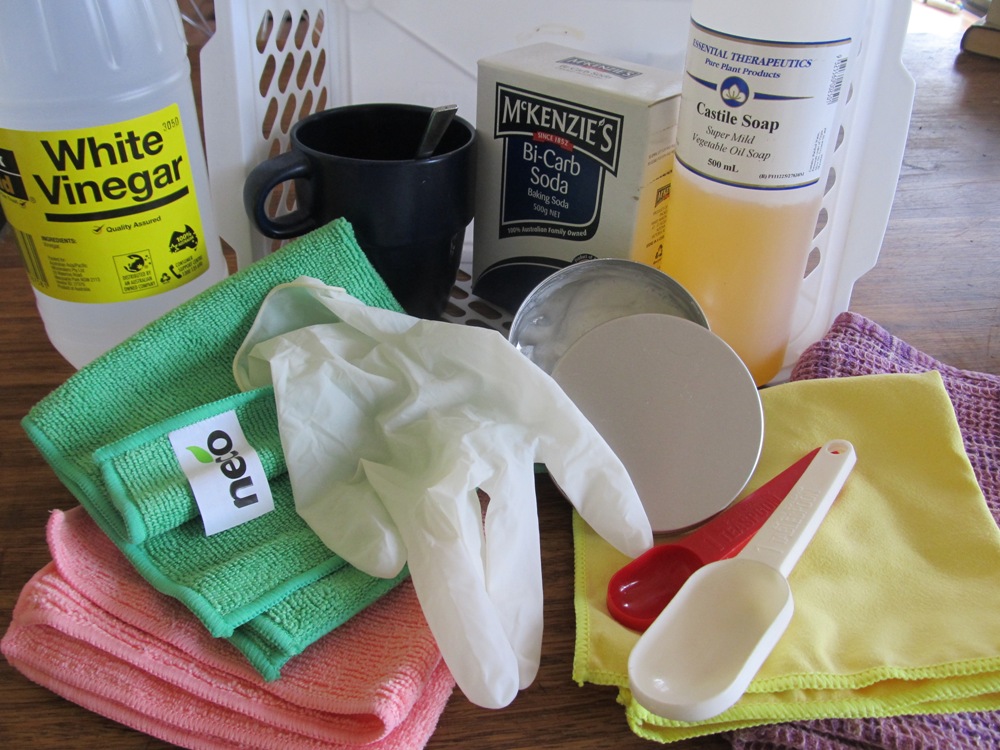
Replacing your commercial cleaning products with baking soda (or bicarb soda) is simple and effective and can go a long way towards turning your house into a ‘Healthy Home’.

When you are trying to get healthy but you don’t want to cause too much disruption all at once, sometimes the smart thing to do is to look at what you already have in your home and to ask yourself – what else can I do with this? How else can it benefit me and my family? What have I missed here?

It is becoming more and more common for children in particular to develop health problems as a reaction to the chemicals they encounter in their foods or their environment, whether this is the air, water, cleaning products or items such as furnishings. While for these children it is vital that they are exposed to less chemical toxins, it is better for all of us if we too are exposed to fewer harmful toxic elements.

It is always worth remembering that ‘safe levels of exposure’ on cleaning products and personal care products are calculated on the basis of you being exposed for just that one time, to that one product, only in the amount specified. What these level calculations do not take into account is that the same possibly harmful substance that is being evaluated occurs in many, many products that are commonly in daily use, in addition to the one being tested and assessed.

Even if the quantity of the chemical in a single product is within the levels that are deemed safe, there are maybe ten or twenty other products used every day that  have that level of the chemical in them also, and this adds up to exposure to much more of the chemical than the ‘safe level’. The quantity in all these different products accumulates very quickly into an unsafe amount of exposure. Which is all the more reason to seek out healthier alternatives to most cleaning products, skin and hair care products.

Of course this doesn’t even take into consideration the concern about all the environmental pollutants that are being washed down the drains and into the waterways along with all these cleaning and personal care products.

There are lots of things in your pantry right now that you are most likely not getting the most benefit from.

Bicarbonate of soda, baking soda in the US, sodium bicarbonate, or soda ash, is a perfect example of one of these items. Most of us have it in the cupboard to use in our cooking, but it has many other uses that can go a long way towards turning our house into a ‘Healthy Home’. At the same time it can be a simple and very effective ways to improve our health.

It seems so much easier when we are all so busy to just grab ready-made cleaning products from the shop shelf but the reality is that these products generally contain many toxic ingredients, and you have no way of knowing what these are as the manufacturers are not required to list all the ingredients.

Making your own cleaning products is a great money saver! At first it may seem confusing but it very quickly becomes easy and you can make products ahead ready to use.

The other bonus is that home made cleaning products work really well!

My bathroom cleaning kit. Replacing your commercial cleaning products with baking soda and other natural products is simple and effective and can go a long way towards turning our house into a ‘Healthy Home’

There are now a number of cleaning companies that actually operate using only home-made natural cleaning products, made from vinegar, lemon and of course bicarb soda, among others. As a cleaning product bicarb soda can make a big impact. It has a gentle excoriating property that is able to help remove even difficult to remove grime.

Bicarb soda works to clean mainly as an abrasive although there is a small amount of chemical reaction involved. It reacts with grease to form glycerol, an ingredient commonly found in soap. When mixed with vinegar it forms carbonic acid, a weak acid that improves the corrosive action of the vinegar.

It also neutralizes unpleasant odours without simply masking them, and acts as a neutralizer and when it comes into contact with something that is either too acidic or too alkaline. It will bring them back to a neutral pH as well as to then retard further changes in the pH, to buffer it.

35 WONDERFUL WAYS WITH BAKING SODA

Bicarb soda works very simply but can have a significant effect. So here are my 35  ‘anti-corporation, anti-unecessary-toxins, pro-simple-clean & healthy home’ ways to use bicarb soda to great effect in your home.

BATHROOM

1. Remove stubborn stains: Apply a paste of three parts bicarb soda and one part water. Let it stand then scrub and wipe clean.

2. Toilet stains: Use in the toilet to prevent stains developing in the porcelain. This is particularly useful in areas with hard, mineral-rich water. Once a week sprinkle baking soda in the bowl and let it sit for 30 minutes. Then spray with vinegar to moisten it. Scrub with the brush and flush away.

3. Clean baths and tiles: Sprinkle on a damp cloth and scrub as normal. Rinse thoroughly and wipe dry. You can use this on fibreglass and all tiles. For extra cleaning power make a paste of bicarb soda, course salt and liquid soap (dish detergent is ok but castile soap is better). Let it sit on the surface and then scour off.

4. Clean glass shower doors: Bicarb soda is excellent for removing that soapy scum from the shower doors. Many products are not recommended for use on glass doors but bicarb soda is gentle enough to do no damage. Simply sprinkle some on a damp cloth and wipe down the glass. Rinse well and dry.

5. Remove lime from taps: When lime forms around your taps or drains mix some vinegar with a little bicarb soda to form a paste and coat all the area with lime on it. Let it sit for a few hours and then rinse off. It may take a few applications to get rid of heavy deposits.

6. Clear clogged drains: To clean out any clogs that have formed inside the drain from hair, soap or grime, pour in 120mls bicarb soda and follow it with 250mls vinegar. Let it sit for ten to twenty minutes and then flush the drain out with very hot water. But, DON’T try on a clogged drain after you have used a commercial cleaner as a reaction may occur that spews out caustic fumes and liquid. To avoid the clogs in the first place, pour ¼ cup bicarb soda down the drain weekly. Follow with lots of hot water.

7. Draw out stains: To draw out stains from stone, marble, limestone or unglazed ceramic surfaces coat the stain with a thick paste of bicarb soda and water. Let it stand for 24 to 48 hours and then rinse and dry thoroughly.

8. Clean grout: Make a runny paste with water and use an old toothbrush to clean stains in the grout between tiles.

9. Hand cleanser and softener: To remove ground-in dirt and neutralize odours on your hands scrub with a paste made with 3 parts bicarb soda and 1 part water or a gentle soap like Castille soap. Rinse away.

10. Clean brushes and combs: Remove natural oil build-up and hair product residue by soaking in a solution of 1 teaspoon bicarb soda in a basin of warm water. Rinse.

Home made cleaning products work really well and are a great money saver

LAUNDRY

11. Grease stains: Pre-treat grease stains with a paste of bicarb soda and water.

To continue reading baking soda uses number 12 through to 35 click here 

Junk it!

Katrina Stairs Red Cross Pantry

Junk food! Everyone knows the term, almost everyone has their favourite, and everyone when asked to name a few would be able to name many more than a few with no hesitation at all. There are certain foods that are immediately recognized as junk foods – many ‘take-away foods’, as well lots of others, packaged and sold in supermarkets or convenience stores – potato chips, biscuits, lollies, soft drinks – are all obvious inclusions. But, what about other junk foods that are masquerading as ‘healthier’ options?

Processed foods are those that have had the ingredients altered so they are no longer in their natural state. Humans have processed their food for millennia. Any food that’s prepared by drying, grinding, chopping or cooking is processed. Traditionally this was done to make the food more digestible or to preserve it for later, when food may not be available. Grain foods were processed, and cheese, sausage and wine are just a few others.

Modern processed foods may on the surface seem far less insidious than the widely accepted ‘junk foods’. But often they are just as bad for you. No longer are processed foods the artisan foods of the past. Now foods are industrially processed in factories. In fact most of the foods in the Aussie diet are processed.

Processing may be as simple as freezing or it may be putting together a complete meal ready to heat and eat. During the process many of the nutrients that are in the original food are destroyed leaving the finished product a far cry from the original, and certainly not in line with the traditional purpose of processing. Grains are treated with very high temperatures and pressure which destroys the nutrients, denatures the fatty acids, and the process even destroys the synthetic vitamins that are added.  But not only does the extrusion process used for grains destroy the nutrients, in particular the amino acid lysine, it turns the grains into neurotoxins according to biochemist Paul Stitt in his book Fighting the Food Giants.

Processed foods often appear to be healthy. These days they may feature low-fat, low-carb, fortified with vitamins, fibre, iron, or minerals, no trans-fats, containing omega-3, high-calcium, plus many more. They may make claims to promote health such as ‘may reduce the risk of heart disease’. But they all have the flavour enhanced with excess salt, sugar or oil. Many processed foods like white bread, are essentially empty calories offering very little nutritional value, certainly far less than the wholefood alternative.

During processing part of the plant is often removed or purposefully changed. One example where you can see this is with wheat grains used for bread. The wholewheat grain forms with three layers, the bran, the germ, and the endosperm. (diagram) The bran is the layer where the fibre exists. Most nutrients and fatty acids are found in the germ. The endosperm is the starchy layer. The high nutrient density of grains only exists (and provides us with nutrients) when these layers are intact. During processing of the wholewheat grain into a loaf of white bread, most of the germ and bran is stripped away leaving just the starchy endosperm.

Take a look at the package or label on your white bread and notice all the ingredients that are listed. In the past bread was made by mixing whole milled wheat, often other grains or seeds, water, salt and a fermented dough starter, to create an easily digested, fermented bread, or sourdough loaf. Later yeast was used instead of the fermented starter. Traditonally, the bread mixture was kneaded and left to prove twice, unlike commercial breads which are only left to prove once. The extra steps in the process allowed the components of the grain, such as the phytic acid, to break down properly so they can be properly absorbed, or, as is the case with phytic acid which inhibits absorption of other minerals if it is not broken down, to prevent them interfering with efficient metabolism.

White bread packaging showing a list of ingredients which is far removed from those few ingredients found in traditional breads
White bread packaging showing an enormously long list of ingredients, far removed from those few ingredients required to make traditional breads

In commercial processed breads, the process is rushed through, with steps eliminated, and lots of other ingredients beside the basic ingredients that are needed to make home-made bread added. Preservatives, sweeteners, gluten, salt, soy flour plus many chemicals are all added to the mix.

Bread is a perfect example of the big problem with processed foods and also the pointer as to how to get around the problem. Traditional methods of food preparation allowed for the use of pure, wholefood ingredients. Home made foods did not need to have lots of chemicals straight out of the laboratory, many of which come with health cautions, added to stabilize the product and make it more appealing.

Home made food may include less than desirable ingredients, such as sugar, but at least the sugar is real sugar, and not a chemical version, and the butter is butter and not a questionable vegetable oil, or you can make the choice to replace the butter with a healthier fat option such as coconut oil. With processed foods there is no choice. You cannot opt to avoid trans fats or white sugar.

Many of the chemicals, including vitamins and minerals, that occur in a plant work together to help the plant grow and survive more efficiently, and they also work together in a synergistic balance once they enter your body and are metabolized.  But when foods are processed the natural balance between the different chemicals in the original food is upset so their effect on your body and the way in which they work, is altered. Many extra chemicals also need to be added to processed food to stabilize the product, or to make it look, taste, or feel more appealing, and these are rarely good for you

HOW TO AVOID PROCESSED FOODS

Sometimes it is difficult to know whether or not a food is processed, and the first step is to get a few guidelines to help you recognize them when they are traveling incognito. It all comes down to reading the ingredient list, because even a glance at the list will often set the alarm bells ringing. If the product has a long list of ingredients then you can be pretty sure it is processed. The case with the bread is a good example, where the food should have only a few ingredients when made according to traditional methods, often there may be eight, ten or even fifteen on the label.

If the food has a long list of ingredients where there should only be a few it is likely processed.

If you don’t recognize many of the ingredients, or can’t pronounce them, then it is probably highly processed.

If it has a very long shelf life – the ‘use by’ date is way off in the future it is processed.

If it contains trans fats, MSG, or lots of numbers it is definitely processed. In fact about ninety-five percent of processed foods contain MSG.

Take-away foods are a real trap. Aside form the obvious problem with deep frying foods like fish and chips, even foods that seem ok are loaded with highly processed ingredients. Pizza for instance, is covered in oils, processed meats and cheese. The kids menu is particularly bad, generally comprising only highly processed foods such as nuggets, chips and pasta (which is white and therefore highly processed). Salad, vegetables or a baked potato are all less processed options. Beware though of some of the ‘take-away salad chains’ as many of their salads are loaded with processed ingredients in the dressings, again take a quick look at the ingredient list.

processed foods NH

If you set out to eat more fruit and vegetables then you will find you have naturally replaced many processed foods with more natural ones without even being aware of it. Get to know when they are in season and try to eat seasonally, as that is the way you will get the best level of nutrients available.

Look for suitable alternatives – porridge made from wholegrain oats (not quick oats) or quinoa makes a great alternative to boxed cereals. Other breakfast options might be eggs with spinach, asparagus or avocado, quinoa with fruit and nuts, fruit salad and yoghurt, high-fibre-superfood fruit smoothies, omelettes with different vegetables, homemade baked beans, bircher muesli with fruit, green juice. When I have some time I enjoy stir-fried vegetables.

We are all time stressed these days, but the very best way to avoid processed foods is to make foods yourself. Instead of just watching Masterchef, get out in the kitchen yourself and cook up your own junk foods. When you make cakes, muffins or biscuits yourself you can use real eggs, butter or good oils and avoid artificial colours, preservatives and trans fats. Make your own oven-baked potato wedges and avoid the additives. You can flavour them with spices like sumac for an extra kick. Invest in a bread maker, making bread at home is so easy these days, you can even start your own sourdough bread starter.

This is the way to start back to good health through our eating, by reclaiming a few of the best practices of the past, by becoming aware enough to check out what we are consuming before wolfing it down, and by selecting foods that look like they may have come from the garden.

Simple really!

What are your favourite ‘junk food’ alternatives?

photo:  John Burke
photo: John Burke

Disclaimer.

All information and opinions presented here are for information purposes only and are not intended as a substitute for professional advice offered during a consultation. Please consult with your health care provider before following any of the treatment suggested on this site, particularly if you have an ongoing health issue. 

Source articles

http://www.foodinsight.org/LinkClick.aspx?fileticket=wtg018sd8qk%3D&tabid=1398

http://foodmatters.tv/articles-1/dirty-secrets-of-the-food-processing-industry

http://www.100daysofrealfood.com/10-reasons-to-cut-out-processed-food/

http://www.healthy-food-site.com/processed-food.html

http://www.westonaprice.org/modern-foods/wheaty-indiscretions

Related articles