Category Archives: Stress & Overwhelm

Maca – The Superfood Rebalancer!

Maca roots
Maca roots

Recently the herb Maca has come up frequently during consultations, so this week I would like to look at this new supplement that is rapidly gaining popularity.  Not really a supplement, it is actually a ‘superfood’ with many amazing benefits. Superfoods are those that have very high levels of antioxidants, such as blueberries, spirulina or pomegranates.

Lepidium peruvianum, or Maca, is a tuber vegetable cultivated for thousands of years in the harsh conditions high up at 4,000m in the Peruvian Andes. One of the superfoods of the Incas, it has been used as a medicinal food for over 2,000 years to increase energy, promote endurance and stamina as well as improve fertility and sexual performance in both men and women.

Maca is part of the brassica family and related to broccoli, cabbage and turnip. The harvested root has high antioxidant levels and is loaded with protein. It has more bioavailable calcium than milk, magnesium, potassium, iron, plus other minerals and trace elements, vitamins and all the amino acids. It is rich in the B vitamins and a vegetarian source of vitamin B12.

In addition to the traditional uses maca is great for offsetting the effects of stress, anxiety and fatigue. It stimulates and nourishes the hypothalamus and pituitary glands, the master glands of the body. As these are the glands that regulate all the other glands, maca can help to bring balance to the adrenal, thyroid, pancreas, ovarian and testicular glands.

Anxious

The glands in the body produce hormones that regulate many body processes including your mood, sexual development, growth, and tissue function. As well they play a role in many diseases ranging from depression to cancer

Maca is an adaptogen, responding to the individual needs of your body. It regulates as and where needed, where hormones are out of balance. This means if you are producing too much of a hormone it will regulate so production decreases, but if you are producing too much it regulates to increase production. Herbal adaptogens, are a rare class of herbs, valuable in natural health prescribing. Other adaptogens are licorice, Holy Basil, ashwagandha, ginseng, rhodiola, eleuthero and schisandra.

Unlike wild yam, maca does not introduce hormones into your body, nor are the active ingredients phyto-eostrogens. Instead it is thought that it is alkaloids in the maca that act on the hypothalamus and pituitary glands. This means that the effects of maca on the body are diverse, and not just restricted to the sex hormones.

Today the main uses of Maca are for balancing hormones, increasing energy and reducing stress. It offers significant benefits for women suffering hormonal imbalances. Studies have concentrated on the positive effects it has on the symptoms of menopause and perimenopause. However it is also very useful and beneficial for other hormonal problems like PCOS or PMS.

USES FOR MACA

MacaBENEFITS OF MACA

Maca produces benefits without the side-effects of many medications and even some herbal remedies.

  • Maca helps to balance our hormones.
  • Studies have shown that it increases sexual function and treats impotence
  • Stimulates fertility in men and women, enhances sperm production.
  • It can be very useful to regulate the menstrual cycle and ease PMS symptoms.  It relieves the unpleasant effects of menopause.
  • Maca has shown anticancer activity in the laboratory.
  • It reduces low-density lipoprotein (LDL) cholesterol and decreases the levels of triglycerides.
  • It seems to reduce blood sugar levels and improve glucose tolerance.
  • Maca could provide a non-caffeine alternative for those who need an energy boost from coffee in the morning.
  • Is an antidepressant
  • Enhances learning and memory abilities
  • Supports the immune system
  • Increases energy, stamina and endurance, reducing chronic fatigue.
  • Remineralizes the body, making up for the lack of minerals in modern diets.
  • Clears acne and blemishes

MacaHOW TO SELECT AND USE MACA

Maca comes in a number of different colours, the most commonly found is yellow. Scientists have found that each colour has a different effect on the body. Black and red maca improve bone health and black affects memory and learning the best. Darker maca roots contain significant levels of iodine.

The dried root of maca comes in a powder form, tablets or capsules. It has a slightly sweet, nutty flavour and can be added to many foods such as soup, herbal tea, or desserts. You can sprinkle it on bananas or popcorn. You can mix it with honey and eat the paste off the spoon, add it to smoothies, juice or to warm almond milk with some raw cacao for hot chocolate. Added to baking maca gives a maltiness to the flavour. But don’t add to much as the flavour can be overwhelming.

Start with ½ -1 teaspoon a day and build up to between 1 and 5 teaspoons a day, over a few days. Some people may experience adverse responses when they start taking maca. These are a sign of the body detoxing and only last a few days. Cut back the amount you are taking and build up slowly.

Improvement can occur within days, even the on same day, although for most people it takes about four days or even weeks to notice changes.

You can find maca at most health food shops or online. Make certain to buy a quality, organic product. Because it is a root vegetable the growing conditions make a huge difference to the level of nutrients. Cheaply priced good will deliver an inferior product (unless it is cheap on special). Only buy reputable, organic brands of maca root. Don’t buy other parts of the plant.

The brand I recommend to my clients, although I do not sell or have any financial interest in it at all, is Loving Earth Maca Powder. It is raw Australian Certified Organic and the company has awesome 30% off discounts on their website for all their maca products through December.

Maca is generally recognized as safe. However, because of the way it works care may be needed. For example, maca balances out your hormones so they are at the required levels. If you are also taking other supplements, such as Dong Quai, Black cohosh, Vitex or phytoestrogens for womens hormones for example, to achieve similar results, these could interfere with the maca and result in an aggravation of your symptoms.

If you take too much too soon maca can actually exacerbate your hormonal symptoms and make them worse. If you are suffering the effects of stress it could exacerbate that also, causing a racing heart and insomnia. I have seen problems that are the result of taking maca. Simply exercise care, stop taking maca if you notice adverse effects or speak to your health practitioner.

If you suffer from any diagnosed illness, particularly those such as hormone related cancers, speak to your health practitioner before starting to take maca.

 Maca uses 2

Do you use maca? How quickly did it work for you? How effective have you found it?

Disclaimer.

All information and opinions presented here are for information purposes only and are not intended as a substitute for professional advice offered during a consultation. Please consult with your health care provider before following any of the treatment suggested on this site, particularly if you have an ongoing health issue. 


Source articles

http://www.naturalnews.com/027797_maca_root_hormone_balance.html

http://www.naturalfertilityandwellness.com/macas-fertility-benefits/

http://www.livestrong.com/article/159150-benefit-of-maca/

http://www.iquitsugar.com/a-bluffers-guide-to-maca

http://realrawfood.com/maca-history-info

Related articles

Fight Anxiety With Natural Medicine

AnxiousEveryone feels anxious at some time or other, but for some people anxiety is an overwhelming part of their everyday life. For some, stress or depression walks alongside, and insomnia likes to drop by too.

Modern life moves so fast and our lives are constantly changing. Upheavals such as moving house, redundancy, the passing of a loved one, or even something joyful like a wedding or a birth, can set up the arena for feelings of anxiety. Your body recognises the feelings as stressful and responds by sending out a flood of stress hormones to deal with the situation. If you are healthy, you deal with the feelings, and move on. But for others, unable to move past the feelings, anxiety interferes with their daily life to such an extent they cannot cope well with everyday things. This is an anxiety disorder.

Anxiety is not stress. Anxiety is a fear-based emotion that results in a physical and emotional response in the body. Stress is the body’s response to stimuli, which can be a problem is if is ongoing or overdone.

There are a number of different forms of anxiety including Panic Disorder, Obsessive-Compulsive Disorder (OCD), Post Traumatic Stress Disorder (PTSD), Social Phobia and Generalized Anxiety Disorder (GAD) phobias, Separation Anxiety.

Anxiety is experienced in many, many different ways. It may show as constant and obsessive worrying, panic attacks, feeling overwhelmed and teary, repetitive thoughts, huge emotional swings, having concentration difficulties and being easily distracted, trouble remembering things, difficulty learning, insomnia, tension that makes relaxing difficult, low libido, appetite changes such as cravings, loss of appetite, nausea and vomiting, or weight change. A combination of life experiences, hereditary tendency and chemical imbalances in the brain leads to the symptoms.  It develops gradually and runs in families.

The conventional treatment calls for a combination of strategies to deal with the symptoms, which include a number of effective natural methods. But there are many other very effective ways to reduce anxiety in the long term that are not a part of the normal conventional treatment plan, but are well worth trying. They can be used to treat both anxiety disorder or a simple anxious response to a life event.

Some of the common Conventional ways of dealing with anxiety:

  • Relaxation techniques
  • Breathing techniques
  • Diet changes
  • Counseling
  • Cognitive Behavior Therapy
  • Behaviour Therapy
  • Exercise
  • Medication
photo: Alain Abplanalp Photography

So How DO You Reduce Anxiety?

NATURAL MEDICINE

Homeopathy

Homeopathy has a great track record when it comes to dealing with anxiety. Remedies such as homeopathic Aconite is a very useful first-aid remedy for dealing with panic attacks or fear of flying. Homeopathic Gelsemium is one of the remedies that can help exam nerves. There are many others which are very effective when they are closely matched to the exact nature of your individual anxiety symptoms. Other remedies can be used for long-term anxiety issues but again, need to be matched to your own particular symptoms. Certain remedies are helpful when you wake during the night with worry and anxiety that keeps you awake, others for when you avoid social situations due to anxiety, others for control issues, others for anxiety due to a range of particular stimuli and so forth. Consulting with a qualified Homeopath  will identify which remedy suits your needs the best.

EFT

Emotional Freedom Technique  or Tapping, is so simple, anyone can learn it and do it anyplace as it only takes a few minutes. It works on the principle that the cause of all negative emotions is a disruption in the body’s energy system, and seeks to shift the points along the body meridian system where energy is blocked.

Temporal Tap

Affirmations are employed in conventional treatments but you can take this much further to get a greater impact by combining them with ‘Tapping’.  Stimulating acupressure points on the body helps awaken the chi energy and keep it flowing smoothly. By tapping on certain points on the head while you say the affirmations, you can help to set the self-reprogramming in place quicker and stronger. Temporal tapping influences your thinking, your nervous system and the cellular activity of the body. Watch this demonstration by Donna Eden of the Temporal Tap method. She explains how it works and demonstrates the process very clearly and simply.

Flower essences

Essences are a very gentle form of natural medicine that work directly on the emotions. Bach Rescue Remedy is extremely effective for panic attacks and can be carried with you in your bag. It is simple to use and gives fast, gentle results. Australian Bush Flower Emergency Essence has a similar effect to Bach Rescue Remedy. Some people respond better to the Bach and others to the Australian Bush Flower remedies. Try both to see which works best for you. Bach Mimulus is the remedy to use for a known fear, such as public speaking or dogs. Bach Aspen is better when there are more general, vague fearful or anxious feelings without a specific cause.

Aromatherapy

Because the sense of smell bypasses the part of the brain that does all the worrying, aromas and smells can be powerful helpers. Light some (100% natural and plant-based) incense such as frankinsense or sandalwood which are very relaxing, or lavender if you need calming. The incense slows the heart rate and soothes nerves. Or burn quality pure essential oils such as lavender, geranium or bergamot, which are all calming and effective relaxants. If you soak in a bath with added essential oils or add the oils to a massage oil base, you get added relaxation benefits.

DIET

Avoid Caffeine

Caffeine is a stimulant that triggers the body to release adrenaline, a major stress hormone and the one you need to avoid. You find caffeine in coffee, cola, guarana, chocolate, diet supplements, and now it is also added to many other soda drinks so always read the labels and don’t assume that if you avoid the cola drinks you will be ok.

Adjust Meals

Eat small meals frequently. Stable blood sugars help maintain stable moods. Eat every couple of hours and make sure the meal contains some protein. You can get protein from a boiled egg, a handful of almonds or other nuts and seeds, a small tin of tuna, a quinoa salad, a slice of turkey or organic chicken breast, nut butter, hommus, tempeh, grain fed organic beef.

There has been much research recently into how anxiety originates in the gut, so it is no surprise that it also affects digestion and the bowel. Reduce caffeine, sugar, dairy, increase vegetables, fruits, seeds, nuts and grains to ease the load on your gut – basically, eat healthy!

Supplements

Magnesium  is a mineral that is often deficient in much of the population, but more so in anxiety sufferers. Available in many foods including green leafy vegetables, pumpkin seeds, sesame seeds, brazil nuts, brown rice, bananas, and dark chocolate, to make sure you are getting adequate amounts it high-quality supplement can be better.

Vitamin B is also often deficient in the diet of anxiety sufferers and a daily Vitamin B complex is worth taking. Take a high quality complete B rather than single B vitamins.

HERBS

Calming herbs include passionflower, kava, oats and chamomile which are also good for helping with sleep problems, and St John’s Wort.

 Holy Basil, or Tulsi, is one herb that helps the body respond to stress and anxiety, whether that is emotional or physical, by reducing the levels of stress hormone. It produces feelings of calm and relaxation.

A cup of chamomile tea in the evening eases stress and promotes sleep by helping you relax and easing tension before bed. Chamomile is a useful relaxant and will help sedate you to sleep

Passionflower (Passiflora incarnate) is an old folk remedy for anxiety that acts as a mild tranquilizer, calming without sedating. It can be taken as a tablet, a tea, or a liquid tincture from your practitioner. It also assists with insomnia. Don’t use passionflower if you are already taking sedatives, or if you are pregnant, nursing or have established kidney or liver disease.

Kava Kava (Piper methysticum) is widely known and used to reduce anxiety symptoms by activating GABA receptors in the brain.

image: Shawn Rossi
image: Shawn Rossi

OTHER NATURAL STRATEGIES

Bodywork

Muscle tension can be an effect of anxiety, particulary if it is ongoing, and body therapies such as massage, reflexology or shiatsu can relieve the muscles and help you relax. Yoga, Tai Chi and Qi Gong are other techniques to help the body relax. Yoga incorporates good breathing practices and is especially useful.

Cranialsacral therapy uses more gentle techniques than massage on the head, spine and pelvis, the source of the nervous system. Gentle manipulation of this area of the body leads to reduced nervous, as well as muscle tension.

Meditation

In meditation controlled breathing techniques are used to free the mind of chatter and activity. By practicing meditation on a daily basis you can develop a more relaxed outlook. Meditation does not need to be difficult. There are many different ways of meditating and it is simply a matter of finding the one that suits you. Take a look here to discover some different forms of meditation for beginners and find the one that is right for you. If even the idea of meditating freaks you out start here instead.

Breathing

Learn to breathe correctly. When you get anxious you start to breathe more and more shallowly, using just the top of your chest. Breathing deep down in the belly helps to bring about calm. Learn more about controlled breathing techniques here.

Self-talk

Using positive affirmations can be very effective. When you form an affirmation try to phrase it as if it already is happening. For example, instead of saying “all will be well” use “all IS well” instead. Placing the thought in the present is more effective. “I am coping, breathing deeply, and feeling relaxed” is more likely to calm you because it is strongly placed in what is happening now, in the present, rather than “I always cope if I breathe and relax” which is far more general.

Centring

To create calm in the moment place both your palms on the side of your face and rest your fingers gently on your closed eyelids. This cradles and quiets the mind, allowing you to centre yourself so you can face things again.

Release the built-up adrenaline

Move your body about. Play some up-beat music and dance, scrub the walls or floor, weed an overgrown patch of garden, go for a run or a bike ride. Exercise burns up the stress chemicals , promotes relaxation and helps circulate blocked energy that contributes to anxiety.

Distract yourself

Put on your favourite music, take the dog for a walk, make a cup of soothing herbal tea, revisit your favourite beach holiday photos, especially if they were in the tropics or whatever calms you in the moment.

Taking steps to reduce your anxiety in a more natural way allows you to experience more of life. Try out some of these strategies for yourself.

What natural strategies do you find most useful to reduce the symptoms of anxiety, tell me in the comments section below? For me it is homeopathy, flower essences and EFT.

fearless

Disclaimer.

All information and opinions presented here are for information purposes only and are not intended as a substitute for professional advice offered during a consultation. Please consult with your health care provider before following any of the treatment suggested on this site, particularly if you have an ongoing health issue. 

Source articles

http://www.naturalnews.com/042748_anxiety_natural_treatments_fight_or_flight_mechanism.html

http://www.naturaltherapypages.com.au/article/Natural_Treatments_for_Stress_and_Anxiety

http://www.bodyandsoul.com.au/health/natural+health/ten+ways+to+beat+stress+and+anxiety+naturally,10965?gclid=CNjOycSxzLoCFQLvpAodlA8Abg

http://articles.mercola.com/sites/articles/archive/2006/08/26/one-simple-solution-addresses-6-different-types-of-anxiety-disorder.aspx

http://altmedicine.about.com/cs/conditionsatod/a/Anxiety.htm

http://www.betterhealth.vic.gov.au/bhcv2/bhcarticles.nsf/pages/Anxiety_treatment_options

Related articles

Mastering The Breath Of Life

lust for life

How often do we ask somebody “how are you doing?” If we were really concerned for their wellbeing perhaps it would be better to ask them “how are you breathing?”

Have you ever stopped to consider how you breathe? Have you ever stopped to watch your breath? If you practice yoga the answer is likely a resounding yes as the use of breathing is a yogic fundamental. Likewise, meditation practices and relaxation techniques require breath awareness and control. But how often do you stop and consciously alter your breath during your normal day?

Consciously controlling your breathing is one of the simplest and most effective ways to diminish the effect of stress on your body and improve your health. As stress leads to the production of free radicals and free radicals are the forerunner of serious chronic disease, efficient, effective and mindful breathing is a basic essential of good health practice.

Ninety percent of people breathe completely inefficiently. Their breathing is unconscious and purely reflexive. When breath is not conscious it can easily become haphazard and irregular. Being mindful of your breath allows you the conscious control to command how you breathe rather than allowing it to become automatic. When you are not in control of your breath, when you ignore it, a primitive part of your brain is triggered to step in and take over – breathing becomes a simple reflex action, it becomes unconscious.

Stop right now and take a look at just how you breathe. Take a deep breath. Is it satisfying or do you find it somewhat difficult? Is it shallow? Is it fast? Do you sigh a lot? Or gasp? Do you hold your breath?

Try this experiment. Time yourself and count how many breaths you take in one minute. For most people the number will be between sixteen and twenty which indicates that they are breathing poorly, from the thoracic region, or upper chest. They are breathing reflexively, and their breathing is under the control of the primitive part of the brain. This way of breathing is very inefficient. The air they breathe is only making it into the upper part of the lungs, which means they are not getting the optimum amounts of oxygen that their body requires.

You can tell when people are thoracic breathing as the upper part of the chest rises with each breath and sometimes even the shoulders may rise a little or slump forward.

When we were born we automatically breathed well. When babies breathe their abdomen rises with every in-breath and subsides as they exhale. But most of us lost this innate way of breathing as we got older. As children we copied our parents and those around us who generally shallow breathed. When we get upset, sad or angry we often even hold our breath. By the time we are adults we have become disconnected from our breath.

When I was young I was taught to suck in my belly and to stand tall, all in the interest of looking good and fitting into tight fashion. But cultural practices such as these, which are the basis of learned habits, are a disaster to good breathing techniques. The desire for a flat stomach has meant that many people now have tight diaphragm muscles which lead to restricted breathing. As an adult I have had to unlearn this practice and learn to ‘stand loose and let my belly hang out’ so I can use my abdominal muscles to breathe properly.

Living with ongoing stress and anxiety is another major cause of poor breathing for many people. It creates a pattern of shallow, more rapid breathing, which means that less oxygen reaches the brain. This not only makes them feel light-headed or even dizzy, it also affects their thinking processes, causing them to become unfocused. With reduced thinking capacity they are less able to deal with their anxiety or stress effectively or rationally. It means they have great difficulty moving their body out of the state of constant readiness, the ‘fight or flight response’, and it maintains their body in a state of high stress hormone production.

Why Develop The Habit Of Deep Breathing

Most people have at some time been told to slow down and breathe when they are distressed, or sometimes more simply to “take a deep breath”.

When you slow the breath down you also breathe air more deeply into your lungs.

However, there is no point in expecting your lungs to do all the work to breathe as basically, they are just empty sacs to hold air, and are incapable of doing the work of breathing on their own.

Good breathing utilizes muscles lower down the body than those in the chest and upper back. Right across the front of your body below the ribs is a sheet of muscle called the diaphragm. It sits directly below the lungs and above the abdomen. When you squeeze in your belly the diaphragm moves upward and pushes the air out of your lungs. When the abdominal muscles are relaxed the diaphragm moves back down, leaving space for the lungs to stretch out, which draws air into the expanded lung space. Healthy, beneficial breathing comes from the diaphragm.

When you don’t breathe deeply into the abdomen the space for lung expansion is greatly reduced and less air enters, meaning less oxygen is able to enter the blood.  If you put your hand on the bottom of your ribs and take a deep breath right now you will feel your hand rise and fall. That is because the diaphragm is doing its job, rising and falling to push air out of the lungs and let air flow back in. If you are breathing deeply you should also see your abdomen rise and fall.

Continue reading…


Disclaimer.

All information and opinions presented here are for information purposes only and are not intended as a substitute for professional advice offered during a consultation. Please consult with your health care provider before following any of the treatment suggested on this site, particularly if you have an ongoing health issue. 

Source articles

http://www.theartofbreathing.com/articles2.htm

http://www.heartofbreathing.com/

http://soulwellness.com.au/home-middle/effective-breathing-why-it-s-so-important

Smith Jones, Susan, Health Bliss: 50 Revitalizing NatureFoods and Lifestyle Choices to Promote Vibrant Health, Kindle ed, 2008

Could It Be Your Thyroid Causing Your Poor Health?

For many people an underactive thyroid slows them down and leads to a host of other unpleasant symptoms.  Most of those people are never diagnosed with the disorder. Many are never treated. Many fail to make the changes in their diet and lifestyle that can really help ease their symptoms. Most go on living their life in a debilitated state.lust for life

The Thyroid is a butterfly shaped gland in the middle of the front of your throat. It’s purpose is to release hormones that help in the regulation of many body functions – metabolism, heart rate, maintaining your core temperature, healthy skin, your weight, fertility and more. It slows you down or revs you up to make you more energetic. It also activates your immune system. It plays a part in most of the body’s physiological processes, so when it is out of balance, so are you. In fact every cell in your body has receptors for thyroid hormones.

Sometimes the thyroid does not work as it should and, depending on whether it is pumping out too many hormones or too few, it becomes under- or over-active, what is known as either Hyperthyroidism (too many thyroid hormones in the blood) or Hypothyroidism (too few).

Thyroid conditions can be quite common and it is estimated that about thyroid20-25% of the female population may suffer from hypothyroidism. An estimated 30% more of people over the age of 35 may suffer from “subclinical” hypothyroidism, where they either have no obvious symptoms, or their test results are within the ‘normal’ range but they have mild symptoms of low thyroid function.

Many people live with the symptoms of low thyroid function often for years, where their thyroid gland works sluggishly without them even realizing it. With too few thyroid hormones in the blood the body processes start slowing down, and so do they.

However, there are some telltale signs to look out for. Here are some of them, although there are many more:

  • Fluid retention or swelling in the legs, feet, arms or face
  • Cold hands or feet, poor circulation and intolerance of cold
  • Dry skin, acne and eczema
  • Lethargy, fatigue, poor stamina and sleeepiness
  • Forgetfulness, slow cognitive function, brain fog
  • Depression
  • Constipation, indigestion
  • Weight gain, or difficulty losing weight
  • Poor brittle, slow-growing nails and hair, hair loss
  • Heavy periods, irregular cycle, PMS
  • Infertility, low libido
  • Insomnia
  • Muscle and joint aches and pains
  • Food cravings, food intolerances, hypoglycaemia
  • High cholesterol/ triglycerides, palpitations, high or very low blood pressure

Illnesses where symptoms seem vague or scattered could actually be providing warning signs that you have a problem with your thyroid. Diseases and syndromes such as chronic fatigue, fibromyalgia, menopausal symptoms, muscle and joint pains, IBS, PMS, heart disease or depression, which all have a wide variance in the symptoms they present with, may be improved when underlying thyroid issues are redressed. Sometimes an underactive thyroid can be due to an autoimmune disease, Hasimoto’s disease.

However, low thyroid function may actually not be the root of the problem. There is a strong relationship between your adrenal and thyroid glands and it is very common for adrenal fatigue to go hand-in-hand with hypothyroidism. In many cases the adrenal glands become weakened, leading to a malfunctioning thyroid gland. If treatment is only directed towards the thyroid gland and the adrenal issues are not addressed then the person’s health will simply not improve. It’s important to reduce stress in your life as both the adrenals and the thyroid are very sensitive to stress. Practicing meditation, yoga, qi gong, or relaxation techniques will go a long way to reducing the stress response and support the action of these glands.

Two hormones, T4 and T3 are produced by the thyroid. T3 is the active form of thyroid and is the one that does the vast majority of work in the body. When levels are low enough the traditional approach is to use synthetic hormone, but they only contain T4 and the problem with this is that most people have difficulty converting T4 into T3.

Thyroid hormone levels can be tested with a blood test. If symptoms are vague and do not point directly to a disorder, testing will probably be done alongside other blood tests.

The normal range for tests is 0.5 to 5.5 IU/ml.

The problem for many people is that they suffer symptoms of low thyroid function when their measured levels of the hormone are between 2.0 IU/ml and 5.5IU/ml – levels that are considered to show ‘normal’ thyroid function. They are told their levels are normal and left with no explanation or treatment for their symptoms. When it comes to thyroid hormones setting the boundaries of ‘normal’ for thyroid levels is very misleading as there really isn’t any ‘normal’ level…the levels change depending on factors such as age or health.

All the different hormones of the body work together in a delicate dance and when one is not working all the others are affected also.

All the different hormones of the body work together in a delicate dance and when one is not working all the others are affected also. Many reproductive hormone-related symptoms may be experienced when thyroid hormones are low. PMS, infertility, fibroids, ovarian cysts, endometriosis, heavy bleeding, menopause symptoms, fibrocystic breasts or even post-natal depression may all result.

Low thyroid function can easily be confused with the symptoms of menopause. While symptoms such as hot flushes, period irregularities, weight gain, night sweats and insomnia are often experienced during peri-menopause or menopause, night sweats and insomnia in particular, may also be key symptoms of low thyroid function. Using hormone replacement to deal with these symptoms simply makes the problem worse, as the oestrogen in the medications interferes with the thyroid hormones further, impairing the thyroid function even more. This in turn slows down metabolism and leads to weight gain. It is a vicious circle.

As usual it is easy to point the finger at poor diet and lifestyle as contributing factors to thyroid dysfunction and sugar, processed foods, stress, lack of exercise or toxic environments all play their part.

WHAT CAN YOU DO?

Low thyroid function can be addressed in a number of more natural ways.

I treat many people (mainly women) for low thyroid function with huge success using carefully selected Homeopathic remedies, reversing their debilitating symptoms and allowing them to live a normal life. But with this being a complicated chronic issue it is not one that can be self-treated and requires prescribing by a fully-trained professional Homeopath.

But luckily there are a number of things that you can do as a first-line defense for hypothyroidism, and using natural methods avoids the side effects of medications.

DIET

A well balanced diet that is made up of unprocessed, unrefined whole foods, with organic or biodynamic vegetables, fruits, meat and dairy, is the best way to combat hypothyroidism, if you also include the following guidelines.

It’s so important that you stay away from sugar and caffeine which simply cause thyroid burn-out. If going ‘cold-turkey’ is too hard then cut back more gradually. Cut out refined and processed carbohydrates as well as they behave just like sugar when they are metabolized in your body.

Make sure to eat protein as it transports thyroid hormone into your cells. Include nuts, nut butters, legumes, quinoa, and less frequently and in smaller quantities eggs, meats, fish and dairy.

Good fats help to create hormone balance (including thyroid hormones) – avocados (one of my favourite good fat sources), coconuts and coconut milk and oil, olives and olive oil, raw nuts and nut butters, organic butter and yoghurt, organic egg yolks, flax seeds. Avoid trans fats.

Make sure you are getting enough Vitamins and minerals, especially Vitamin A, Vitamin D, the Vitamin B’s, iodine, selenium, zinc, copper, iron and omega-3 essential fatty acids. Organic produce will be higher in vitamins and minerals as long as it isn’t old and wilting.

Thyroid hormone production is just another of the many functions of Vitamin D which is produced in the body from sunlight. This is yet another reason to have levels of this crucial vitamin tested and maintained, and you may actually need to supplement this.

Cut out gluten especially if you have Hashimoto’s as the gluten mimics thyroid tissue and aggravates the autoimmune response

Watch out for foods that interfere with thyroid function especially those containing goitrogens and don’t eat them unless they are cooked – cabbage, broccoli, cauliflower, Brussels sprouts, kale, turnips, spinach, strawberries, peanuts, millet

Get tested for food sensitivities, especially if you find there is a food or food group that you crave, as eating these foods sets up an autoimmune response in the body.

The thyroid gland requires iodine to make thyroid hormones so iodine deficiency may be a contributing factor to hypothyroidism. Many people are deficient in iodine so include more sources of iodine in your diet like seaweed (kelp, dulce, nori), shellfish, saltwater fish, eggs, yoghurt, mozzarella cheese

SUPPLEMENTS

Supplement with probiotics as good thyroid function depends on healthy gut flora

Add vitamins and minerals particularly if you are not getting adequate amounts in your diet.

Other supplements that help thyroid activity and the manufacture of thyroid hormones are Tyrosine, Pantothenic acid (vitamin B5), magnesium citrate and Potassium iodide. Look for these in a combined thyroid supplement.

HERBS

Ashwaganda is a herb that can help to improve the level of T4 hormone and guggal Commiphora wightii to convert the T4 into the active T3. Guggal has been used for centuries in Ayurvedic medicine and is now difficult to source due to its scarcity after overuse – you may want to reconsider using this herb for this reason.

Exercise lowers insulin levels and increases thyroid function

EXERCISE

Exercise lowers insulin levels and increases thyroid function. Work out or walk for 40 minutes three times a week, and make sure you get out of breath.

Disclaimer 2

Source articles:

http://www.thyroid.org/what-is-hypothyroidism/

http://www.drnorthrup.com/womenshealth/healthcenter/topic_details.php?topic_id=59

http://articles.mercola.com/sites/articles/archive/2010/01/02/Many-Symptoms-Suggest-Sluggish-Thyroid.aspx

http://www.mindbodygreen.com/0-3139/13-Ways-to-Treat-Hypothyroidism-Naturally.html

http://vistamaglive.com/the-low-thyroid-epidemic-in-canada

http://www.doctoroz.com/blog/lisa-lynn/3-ways-boost-thyroid-function

http://www.umm.edu/altmed/articles/hypothyroidism-000093.htm

http://www.elliotthealthcare.com/low_thyroid.htm

http://www.naturalendocrinesolutions.com/articles/truth-protein-carbs-fats-thyroid-health


Magical Magnesium

My sister is lucky and has a beautiful bathroom with a big, deep bath in it, and so this week I ordered her a bulk order of Epsom Salts for her long, deep bath soaks. She knows, like most people, that they are a great way to relieve tired and aching muscles and bring on a great sleep. But what she doesn’t know is that Epsom salts are rich in magnesium, a mineral that can be poorly absorbed internally.

Epsom Salts are a great way to relieve tired and aching muscles and bring on a great sleep
Photo credit: Monica Arellano-Ongpin

Magnesium is often deficient in our diets but soaking in a bath containing Epsom salts can be a way to boost your magnesium levels, because it is absorbed very easily through the skin.

Most of the population does not get enough magnesium. In 2000 the National Health and Nutrition Examination Survey (in USA) found that the figure of deficiency was as high as 80% of adults, a figure most likely mirrored here in Australia. This figure is significant because the mineral magnesium plays a part in thousands of functions in your body, and it is also one that is easily depleted. Also, deficiency is often not detected because it manifests differently in each individual.

The mineral magnesium, plays a vital role in building and maintaining good health, working in conjunction with many other nutrients, particularly calcium and Vitamin D.

Most people know that they need calcium. And there is also growing awareness of the importance of Vitamin D. But the third side of this triangle is perhaps not so widely known about. Magnesium also plays a part in this picture, and while magnesium deficiency is quite widespread due to deficient intake, it is frequently not addressed with diet or supplementation in the way that calcium is. head-30160_640

Magnesium, calcium and vitamin D work in unison in the body. All three require the others to actually do their job, and it does not matter if you are getting adequate amounts of one of them, without all three it will not be able to do its job. Which means taking calcium supplements without adequate magnesium is not much use. Your body needs about twice as much calcium as magnesium, but many people actually have much, much more calcium and many times less magnesium.

Magnesium is the fourth most abundant element in your body. It helps to regulate over three hundred enzymes, it plays a vital role in muscle control, in sending electrical impulses along the nerves, in energy production and also it assists in the elimination of toxins.

Many common diseases of our modern life can be rooted in a magnesium deficiency, and it can lead to heart disease, stroke, osteoporosis, arthritis and joint pain, digestive disorders, chronic fatigue, or illnesses resulting from stress. Magnesium deficiency has also been shown to contribute to SIDS. Long term chronic magnesium deficiency damage can even be fatal.

When we talk of muscles everyone usually thinks of those in the legs or back, and most people have experienced muscle cramps at some time, often in the legs or feet. But how many think of their heart as also being a muscle? Low magnesium levels can affect the efficient working of your heart, in the same way that they can lead to cramping of your leg muscles.

Here are some early symptoms of a magnesium deficiency:

  • Restlessness
  • Muscle cramps, tremors & twitches
  • Restless or fidgety legs
  • Pain in the feet

Some other indicators of a possible magnesium deficiency:

  • Migraines, cluster headaches 
  • Anxiety, stress & panic attacks
  • Fatigue, sluggish
  • Poor sleep & waking up tired – difficulty falling asleep or waking with muscle stiffness
  • Low energy levels
  • High blood pressure & cholesterol levels
  • Period pain & PMS – deficiency can also lead to infertility and pregnancy problems
  • Nervousness – heightened sensitivity to external stimuli like lights and noise, with exaggerated emotions
  • Irritability of the nervous system – depression, restlessness, psychiatric conditions including bipolar and epilepsy.
  • Kidney stones
  • Poor memory & confusion
  • Calcium or potassium deficiency
  • Autism spectrum, ADD/ADHD, other neurological conditions


Magnesium Foods

Magnesium can be obtained from a number of foods. Good sources of magnesium are

Continue reading…

Disclaimer.

All information and opinions presented here are for information only and are not intended as a substitute for professional advice offered during a consultation. Please consult with your health care provider before trying any of the treatment suggested on this site. 

Source articles

http://truththeory.com/2013/04/02/16-signs-youre-magnesium-deficient-symptoms-of-low-magnesium-levels/

http://truththeory.com/2013/04/02/16-signs-youre-magnesium-deficient-symptoms-of-low-magnesium-levels/

http://www.ancient-minerals.com/magnesium-sources/dietary/

http://naturalsociety.com/16-magnesium-deficiency-symptoms-signs-low-levels/

http://unames.com/floating/epsom.htm

The Magnesium Factor, Seelig, Mildred. 2003

Get Down To Earth By Grounding Yourself

This year I decided to ditch my footwear inside the house, ever since reading up on Barefoot Earthing or Grounding. This is a radical new health practice that is quickly gaining momentum as word about its benefits spreads. Its impact can be quite far-reaching and yet it is incredibly simple to do, costs nothing, is always available and feels great.

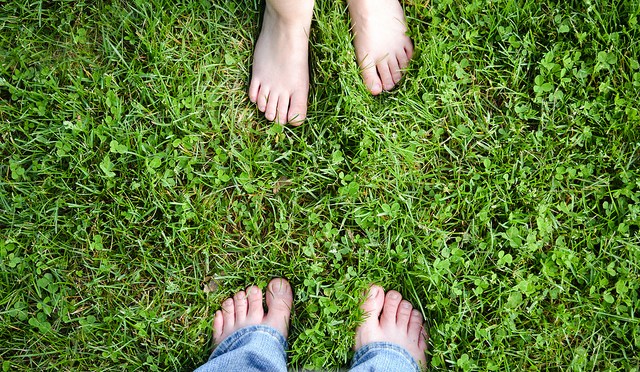
Have you ever noticed how good you feel when you take off your shoes to walk barefoot?  Photo credit: http://www.flickr.com/photos/hlkljgk/5760553436/
Have you ever noticed how good you feel when you take off your shoes to walk barefoot?
Photo credit: http://www.flickr.com/photos/hlkljgk/5760553436/

Have you ever noticed how good you feel when you take off your shoes to walk barefoot? Well it seems there is a scientific explanation, and research into the practice of Grounding has found that it can significantly improve all sorts of health problems. It can help your energy levels, reduce stress, improve your sleep, decrease muscular inflammation and stiffness as well as other chronic pain, reduce anxiety, improve circulation, prevent free-radical damage and associated premature ageing and even heal injuries faster. It brings you back into a state of equilibrium where your body is best able to heal itself. Those who use the practice on a regular basis report great results. I am certainly finding I have less aches and pains whenever I walk round without shoes than when I leave them on.

It all has to do with electrical fields.

These days we live completely immersed in electro-magnetic waves (EMFs) from a huge number of everyday items including our mobile phones, computers, wireless technology, huge numbers of electrical appliances, and even compact fluorescent lights. The air in our houses, our workplaces, our schools and in some outdoors places is full of electro-pollution, harmful positive ions produced by this multitude of electrical contraptions that surround us. These positive ions are contributing to ill health.

Electrical stress is now recognized as a significant contributor to many health problems and in fact a new chronic illness, “Diabetes Type 3”, has been coined to describe the effect of illness believed to be from electropollution. Surrounding yourself with sources of negative ions helps to rebalance this disharmony, as does being in places where negative ions are in abundance.

The surface of the earth is electically conductive and has a permanent supply of free electrons sitting just above the surface. The charge on the earth surface is negative and anything that is close to the surface will also carry that charge

Your body also has an electrical field, sometimes referred to as the biofield or the aura. When your bare feet are in contact with the earth negative electrons can easily pass into you. Grounding helps to prevent a build-up of harmful electrons in your body as well as promoting a discharge of the positive ions from your body into the earth. Simultaneously you receive a flood of free electrons from the earth. These neutralize the free radicals in your body which cause inflammation and are responsible for many health problems. The flood of electrons immediately ‘re-balances’ you, which is why you feel so good when you walk outside barefoot.

In case you got lost in that explanation, simply, standing on the earth rebalances the electromagnetic field of your body, helping to strengthen your immune system, and boosting both your health and your wellbeing.

For most of our existence humans have gone barefoot and often slept directly on the ground, things now are very different. As well as being surrounded by electromagnetic pollution we are cut off from receiving the rebalancing benefits from the earth because the shoes that we now wear have rubber and synthetic soles that insulate and block transmission of the natural beneficial energy of the earth. Think how rubber gloves can provide protection from electrical shock.

 HOW TO GROUND YOURSELF

  • Take your shoes off and go barefoot on grass, beach, bare earth, even concrete when it is laid directly on the earth (but not if it is painted or sealed) whenever you can
  • You need to walk around on the earth for about thirty minutes to gain the benefit
  • Swim in lakes, rivers, or the sea
  • Wear shoes with leather soles
  • Purchase and use one of the indoor grounding mats or an earthing bed sheet.

By the way, the reason I am able to benefit from earthing when walking barefoot indoors is because my floor is unglazed slate sitting on a concrete slab which is set directly onto a rock shelf on the side of a hill. You would not get earthing benefit in a home above the ground, or with glazed tiles, or a layer between the concrete and tile, or with other floor coverings.

If you would like to read up on Earthing also then get a copy of the book EARTHING – The Most Important Health Discovery Ever?  by Clint Ober, Dr Stephen T Sinatra and Martin Zucker.

Remember though, Grounding is not a substitute for medical treatment and if you have a medical condition you need to consult your healthcare provider.

Taking your shoes off and walking barefoot in the sea helps to rebalance your energetic field.

Disclaimer.

All information and opinions presented here are for information only and are not intended as a substitute for professional advice offered during a consultation. Please consult with your health care provider before trying any of the treatment suggested on this site. 

Source articles:

http://www.earthing.com/category_s/1823.htm

http://www.barefoothealing.com.au/

http://www.wellbeing.com.au/article/Features/Body-Health/Barefoot-earthing_1054

http://articles.mercola.com/sites/articles/archive/2012/11/04/why-does-walking-barefoot-on-the-earth-make-you-feel-better.aspx

http://www.naturalnews.com/028967_electropollution_diabetes.html

http://www.drfranklipman.com/what-is-biofield-therapy/

Are You Suffering From 21st Century Syndrome?

With Adrenal Fatigue you can feel tired even after a good sleep and not really feel awake until 10am

Adrenal Fatigue? “What’s that” I hear you ask.

Adrenal fatigue, sometimes called the ‘21st Century Stress Syndrome’ occurs when your adrenal glands cannot meet the hormone demands of your life and is a problem that is becoming more frequently recognized.

If you are living a high-stress lifestyle, eating lots of chemical laden foods, need to drink lots of coffee or cola to keep you going, and getting way too little sleep than the chances are that you are suffering from adrenal fatigue.

Unfortunately for us, our lifestyle has changed but our bodies haven’t – they still operate as if they are living in the stone age. We can no longer live a simple, relaxed lifestyle and instead we all live a life under constant stress. (Anyone who is able to live a relaxed life these days is not going to be reading this on a computer!) Sometimes, we become so used to the full-on lifestyle that we stop even realizing that it is actually pretty stressful. Sometimes we don’t even realize that so many different components from worry, anxiety or grief, to the air we breathe, the toxic homes we live in, the foods we eat, or the exercise routine we do, are all mounting up stress on our body each and every minute of each and every day.

Our adrenal glands are responsible for the production of a host of hormones including adrenalin (epinephrine), DHEA, progesterone and testosterone, and cortisol. Adrenals play an important role in the stress response as they release adrenaline and cortisol which initiate the ‘fight or flight’ response and help us deal with acute stress.

Cortisol is the hormone particularly important for keeping our bodies balanced and it plays a big part in regulating the immune system, blood sugar levels and blood pressure. It is also very important in helping us deal with stress. When the levels of cortisol rise too high the immune system becomes weak and susceptible to cancer and infection; if the levels are too low it becomes overactive and then autoimmune disease develops.

When an acute stress is ongoing the adrenals become overworked and unable to match the demand for continued hormone production. When they just can’t take any more they fail and you get what was called a ‘nervous breakdown’ in the past but we now call Adrenal Fatigue.

Our problem is that in an ever-stressed fast-paced life our bodies are pumping out cortisol all the time. When we maintain that lifestyle, with long work hours, sleep deprivation, poor diet, smoking, high intake of caffeine, low relaxation, lots of allergies, we overload our adrenal glands until they can’t take any more. Then the next stress simply becomes the straw to break the camel’s back and we fall apart.

SOME OF THE PROBLEMS EXPREIENCED WITH ADRENAL FATIGUE:

  • Generally tired but wired: You feel really tired until about mid-morning, then again in the middle of the afternoon when you feel like a snooze. Tired again in the evening until about 11pm when you get a ‘second wind’ and then are wide awake until late
  • You perspire a lot even with little activity
  • Dark circles under your eyes
  • Low blood sugar
  • General lack of energy and muscle weakness
  • Cravings for foods high in salt, sweets and carbs, fats
  • Difficulty handling alcohol; difficulty with potassium rich or high carb foods unless combined with fats and protein
  • Low blood pressure, lightheadedness on standing up, dizziness or heart palpitations
  • Low libido
  • Increased PMS or menopausal symptoms
  • Chronic infections
  • Increased allergies
  • Mild depression, lots of sighing
  • Startle easily
  • Less ability to handle stress
  • Low back pain, knee pain and weakness
  • Dry unhealthy skin

SOME ILLNESSES CAUSED BY ADRENAL STRESS ARE:

  • Blood sugar balance and diabetes – cortisol causes elevated blood sugar levels and leads to insulin resistance
  • Weight gain and obesity – cortisol mobilizes triglycerides into fat cells and changes appetite with a craving for high kilojoule foods
  • Immune system suppression – a higher susceptibility to all diseases
  • Gastrointestinal problems like Irritable Bowel Syndrome (IBS), colitis, ulcers, indigestion
  • Cardiovascular disease from blood vessel damage
  • Fertility problems – erectile dysfunction and disrupted ovulation and menstrual cycles

Even though adrenal fatigue is very common in these days of stressful living many doctors don’t pick it up easily. It is one of those things that is often just not diagnosed because doctors are only taught to recognize excess, not inadequate levels of cortisol in their training.

Eating a nice clean diet of largely organic whole foods, with an emphasis on lots of vegetables is just one way you can start to turn around adrenal stress

HOW YOU CAN START TO NURTURE YOUR ADRENALS

If you really want to turn around Adrenal Fatigue then you really do have to reduce the stressors in your life, and first up you need to recognize and acknowledge what the stressors actually are. This might mean changing your job or aspects of it, organizing some child care, changing your diet, your activity, your sleep behaviour, recreation, or the people you mix with. It is also vital to address the associated emotional or psychological issues. Sometimes changing your outlook can make a big difference.

But even introducing certain stress reducing measures would help. You could try these:

  • Minimize stress – this almost goes without saying
  • Laugh more – even join a laughing club if you need to
  • Eat a nice clean diet of largely organic whole foods, with an emphasis on lots of vegetables. Include nuts, seeds legumes and whole grains. Eat regular meals. Chew your food well.
  • Avoid junk foods and sugar
  • Get rid of coffee and cola. If you need some caffeine drink green tea. If you can’t remove coffee totally have one quality coffee on the weekend. Peppermint, dandelion or rooibosteas are all good choices. Tulsi Tea (Holy Basil) is awesome for adrenal fatigue because it helps bring cortisol levels back to normal.
  • Do something fun every day
  • Get negative people out of your life
  • Get some exercise – Yoga, Qi Gong or T’ai Chi are all great de-stressors
  • Meditation and relaxation exercises
  • Get good sleep – seven to eight hours a night, get to bed before midnight as that’s when your body heals itself the most, take a rest (lying down) during work breaks

Take supplements

  • 3,000-5,000 mg Vitamin C each day, Vitamin B complex high in B6 and pantothenic acid, Vitamin E
  • Calcium and magnesium
  • Licorice root extract

Homeopathy, Flower Essences and EFT are all very effective at relieving stress and healing some of the emotional issues. Homeopathy can also redress the hormone imbalances in your body.

With adrenal fatigue having such a huge impact on many of our body functions as well as our quality of life it is worth finding out if you have adrenal fatigue so you can begin to redress it. Contact your Natural Therapy practitioner for more information.

But don’t expect a quick fix as it can take anywhere from 6 months to up to two years to reverse adrenal fatigue.

It can take anywhere from 6 months to up to two years to get back your zing after adrenal fatigue

Disclaimer.

All information and opinions presented here are for information only and are not intended as a substitute for professional advice offered during a consultation. Please consult with your health care provider before trying any of the treatment suggested on this site. 


Source articles:

http://www.naturalnews.com/019339_adrenal_fatigue_chronic_stress.html#ixzz2Q3g07WMc

http://www.todaysdietitian.com/newarchives/111609p38.shtml

http://www.adrenalfatigue.org/what-is-adrenal-fatigue

http://www.bodyandsoul.com.au/fact+sheets/hormones/adrenal+fatigue,11579?gclid=COHVrPHLv7YCFcpbpQodOgsA_w

http://www.thewellnesswarrior.com.au/2011/08/do-you-have-adrenal-fatigue/

Combat Stress In Your Life With Meditation

The pace of life has increased exponentially over the last few years and we are all living with increasingly rising stress levels

“We are fragmented into so many different aspects. We don´t know who we really are, or what aspects of ourselves we should identify with or believe in. So many contradictory voices, dictates, and feelings fight for control over our inner lives that we find ourselves scattered everywhere, in all directions, leaving nobody at home.
Meditation, then, is bringing the mind home.”
Sogyal Rinpoche

Stress plays a major part in the development of many illnesses. It is known to affect many body functions including the reproductive system, cause eczema and psoriasis, cause dry mouth or ulcers and musculoskeletal pain as well as affecting the immune system as a whole.

The pace of life has increased exponentially over the last few years. As we all take on more and more in our lives and the influx of information bombards us faster and faster, we live with increasingly rising stress levels – whether their cause or focus is on our work, our family , finances, or the health of ourselves, our parents as they age, our family or our beautiful planet, or any of the myriad of commitments we all have in our life. Some may even be stressing about whether they are allowing enough “download” time to counter the stress they have. Almost all of us, including children, are affected to some degree.

DE- STRESS

One of the ways that I often suggest to clients to offload the effects of this stress in their life is to adopt the practice of meditation. Some say they have tried it but just can’t maintain focus. But for others the idea is somewhat daunting and many dismiss the idea out-of-hand. Introducing something new requires planning, and for them to allocate scarce time seems to only escalate their problem. For others it is all just a bit ”woo-woo” and uncomfortable.

But the fact remains that meditation is a wonderful way to de-stress, and it does not have to be difficult, or to require big chunks of your time, or to actively involve “chakras”. You do not need to join a class, it is entirely portable. And it does not have to include burning incense, crystals, difficult yoga poses or the need to “get it right”.

There are many different ways that the benefits of meditation can be obtained and it’s simply a matter of finding the one that fits you and your life, and then making that a regular part of your day.

There is a misconception that in order to meditate you need to completely shut down your mind. But for most people the mind chatter just keeps on intruding, constantly pulling them out of that calm, quiet, thought-free place we all seek.

The truth is that in order to be able to meditate in that way takes many, many years of practice. For the majority thoughts wander in and out, and it’s ok. The key is to accept that your thoughts will wander, and to simply consciously pull them back again whenever they do, by focusing once more on the meditative technique that you are using.

The thing is, meditation does not have to be a big major undertaking. Sure there are yogis who can sit and meditate all day. But there are also others who do it throughout their day in bursts of a few minutes. And many more who allocate a set amount of “me-time” when they are able to do their practice, and re-group.

MINDFULNESS

The enlightened Buddist monk Thich Nhat Hanh advocates doing walking meditations, which offer you the opportunity to transform an everyday practice into a healing and nourishing way to develop mindfulness, awaken your consciousness and to bring some peace into a life all too often over-run with stress. Basically they are meditation in action. You become mindful of the action of walking and try to keep your mind focused on the experience of walking and breathing. This makes it a lot easier for “monkey minds” to deal with as it gives the flighty mind something on which to concentrate. You can hear him explain it here and watch him demonstrate this form of meditation to a group of followers. It is a good form of meditation for women, who often benefit from active meditation as it is more yang, or masculine. I learnt the practice of this powerful technique from this wonderful Walking Meditation Kit – comprising book, DVD and CD which you can buy from Amazon. Meditation Oasis has clear detailed instructions for doing a walking meditation to get you started right here.

If you find you prefer active meditation Osho offers a number of  dynamic meditations you may like to try.

Many people prefer a guided meditation as they find having a voice directing the practice helps them to maintain their focus. Here is a simple ten minute relaxation meditation that I came across recently. I like it for its simplicity, her gentle, soothing voice and because it incorporates conscious muscle relaxation – perfect for releasing stress. I believe this is one you could even do at your desk if things start to get on top of you at work.

If you are having difficulty actually relaxing any muscles in these meditations one tip is to tighten each muscle momentarily. This allows you to relax the muscle on release. Use this technique until you are able to relax the muscles at will.

BREATHE

One of the simplest ways to start meditating is to practice consciously watching your breath, often called mindfulness . It comes out of Buddhist tradition but is not ‘religious’ in itself. It is all about ‘being present’ and allows for your mind to do its own thing while you develop, over time, the ability to detach from the thought. That sounds complicated, but in fact it is very simple. Here are two variations of a calming and simple meditation that focuses on the breath, again from Meditation Oasis. Breathing Meditation is one of the simplest forms of meditation and yet is also one of the most powerful. You may discover you never need to look any further!

Of course there are many different types of meditation that can be used to fulfill all sorts of purposes. Many have heard of Transcendental Meditation which derives from Hinduism. Zazen meditation involves just sitting for long periods. Kundalini is gaining in popularity and focuses on the rising stream of energy that exists in humans. Guided visualizations can be a very powerful way to opening your awareness. I use these in my Women’s Circles often with wonderful results. They involve concentration on an image or imagined environment or experience. Another form of meditation that I have found particularly powerful is the practice of Qi Gong, a Taoist meditation technique. Of course there are others as well and you may like to investigate some once you have established a regular meditation practice in your life.

I am a big fan of not taking on big loads – maybe it is the inner sloth, who knows. But if there is an easier pathway then I am always willing to give that option a go. And one way that always makes things a little easier to achieve is to break tasks down into their smallest bites and to then tackle those one at a time. If the prospect of meditation seems a bit daunting to you then start small. Start out by adopting a five minute breathing meditation, or if that is too much make it three minutes. Or start by doing a quick body relaxation every day at your desk or before the kids come home from school, or before going to bed at night. Or maybe even do it for a few minutes a few times through the day.

Soon you will find that it is easy to meditate.

“Meditation is the dissolution of thoughts in Eternal awareness or Pure consciousness without objectification, knowing without thinking, merging finitude in infinity.”
Voltaire

This is how I picture myself meditating...but it is far more likely I will be sitting in my car catching a few brief moments to centre my breathing before plunging back into the chaos of life
This is how I picture myself meditating…but it is far more likely I will be sitting in my car catching a few brief moments to centre my breathing before plunging back into the chaos of life

Disclaimer.

All information and opinions presented here are for information only and are not intended as a substitute for professional advice offered during a consultation. Please consult with your health care provider before trying any of the treatment suggested on this site. 

Source articles:

http://www.iam-u.org/index.php/8-basic-kinds-of-meditation-and-why-you-should-meditate-on-your-heart http://www.wildmind.org/walking/overview

Bigger From Dawn To Dusk: Natural Remedies For Bloating

Does this sound familiar? You wake in the morning feeling great with a nice flat belly, but by the evening your gut is swollen and aching, or at the very least uncomfortable and tight? Is bloating a problem for you? It is for many people. Chances are if you answered ‘yes’ then you’re probably a woman, with about one in three women experiencing abdominal bloating. But,while bloating is more common for women it’s also a problem for many men. For some unlucky people, bloating is a constant and serious problem. However, there are many natural remedies for bloating.

By the evening your gut is swollen and aching


CAUSES OF BLOATING

There are many causes of bloating. Sometimes it’s simply the result of overeating. But if it happens regularly it could be due to any of the following:

  • Food allergies
  • Food intolerance
  • Irritable Bowel Syndrome (IBS)
  • Constipation
  • Gas-producing foods
  • Swallowing air (aerophagia)
  • Intestinal parasites
  • Menstruation, period pain, Polycystic Ovarian Syndrome (PCOS)
  • Diverticulosis, Splenic-Flexure Syndrome, partial bowel obstruction
  • Visceral fat

After eating or drinking gases are produced in the colon. Normally they move through the gut where they’re mostly absorbed or they’re passed out of the body. But if the gas gets trapped along the way then discomfort and distension occurs. Sometimes bloating can be so severe that it makes you suddenly look pregnant.


STRESS AND BLOATING

A big problem and sometimes the cause of bloating is STRESS. When you’re stressed your gut doesn’t work properly. When your body goes into ‘fight or flight mode’ the digestive system closes down. If you’re living with ongoing stress your body stays in a prolonged state of ‘high alert’, as do all the digestive repercussions.

If you can’t remove the stress from your life then you need to introduce practices to break the stressful state apart. These practices could include yoga, meditation, walking the labyrinth, deep breathing, tai chi, exercise, relaxing music, walking. In fact whatever it is that relaxes and calms you will create the result you want.

Importantly you need to make the commitment to continue the activity on a regular basis.


HORMONES AND BLOATING

Bloating can be the result of gynaecological problems and often related to the hormonal cycle. Together with constipation it’s often worse right before periods when hormonal activity is high. HRT can also contribute to bloating in older women.

Isolating the offending cause of bloating can become further complicated when something as seemingly innocuous as calcium supplements may cause bloating in some people. The range of causes can be diverse and a complicated mix from a number of different sources.


FOODS AND BLOATING

Foods often cause bloating, with food intolerance probably being the biggest cause. Food intolerance is often very difficult to identify, especially if there;s more than one single food involved. Symptoms don’t always show up immediately after eating the food and may take days to become evident.

Problem Foods For Bloating

Problem foods often come from these groups:

  • Vegetables – Onions and garlic, and brassicas (broccoli, cabbage, cauliflower, Brussels sprouts, kale)
  • Dairy foods – milk, cheese, ice-cream, and foods containing milk solids
  • Grains – wheat, corn (including popcorn)
  • Fruits – such as apples, peaches and pears
  • Sweets – hard candy, chewing gum
  • Highly spiced foods
  • Alcohol
  • Carbonated drinks and champagne

Processed foods are high in bloating-promoting ingredients and can lead to bloating. Fructose, one such ingredient, is often added to processed foods.

Fructose intolerance is a problem affecting more and more people. The FODMAP diet can really help those with fructose intolerance. However it needs to be done under the supervision of a practitioner as it varies a little from one individual to another and can be very complicated to put together.

Salt can be a problem, particularly in highly processed foods as it can cause or worsen bloating and water retention. It’s far better to avoid processed foods and to use other seasonings in your cooking.


It looks tasty but broccoli, milk and wheat could all be causing your blaoting


PROBLEM FOODS FOR BLOATING

Gluten, lactose and fructose intolerance are the three most common  causes of bloating in my clients. If you believe one of these is behind your problem eliminate it completely for a week and watch the effect. But these ingredients are often hidden, for instance gluten is present in many medications.

Lactose, sorbitol and wheat as well as vegetables like cabbage, broccoli and onions can cause increased gas production. But the underlying problem is usually that your digestive tract isn’t contracting properly. When this occurs gas gets trapped in the digestive tract and leads to gurgling and bloating.

Avoiding problem foods helps lessen symptoms. But in the long term it’s better to fix the problem at a deeper level and that’s where natural remedies for bloating can help.


NATURAL REMEDIES FOR BLOATING

Homeopathy

There are a number of Homeopathic remedies that stimulate the gut so it starts contracting properly and then keeps on working efficiently. Using homeopathy for bloating is a bit like a ‘re-training’ for the gastrointestinal tract.

There are pre-mixed homeopathic remedies for general gut issues. However you’ll get best results under the care of a fully trained  Homeopath who’ll select a remedy to match your specific symptoms. Homeopathic remedies should be selected and taken according to homeopathic prescribing guidelines.

Herbs

Herbs are another natural option that can help bloating. Peppermint is well-known for its soothing effect on the digestive system. However it’s not great for everybody. While it works like a treat for many people about 40% actually experience a worsening of their symptoms and so are better avoiding peppermint altogether. Other mints are also helpful.

Ginger is another good digestive herb that might help you.

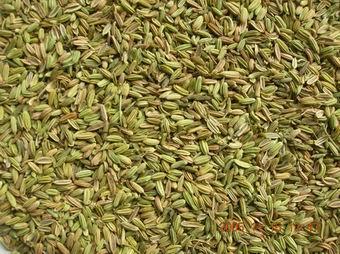
Fennel Seeds
Fennel Seeds

Fennel is probably the most effective herbal digestive aid and relieves gas magnificently as well as reducing bloating and cramps. Either chew fennel seeds or drink fennel tea.

Teas are one of the easiest and best ways to take herbs at home. You can make your own herbal teas or buy one ready blended containing fennel. Select a brand that specialises in therapeutic herbal teas.

It is easy to make your own Fennel Tea, simply crush one teaspoon of fennel seeds and add to a cup of water. Bring to the boil, cover and steep for ten to fifteen minutes. Cool and strain. Drink two to three cups each day.

Try the herbal tea out and if you don’t get a positive response try a different herb instead. My favourite digestive tea contains cinnamon, cardamom, ginger, clove, peppercorn and spearmint amongst other ingredients, which are all digestive aids.

Supplements

Taking probiotics, bifidus and acidopholus, can be helpful. They repopulate your gut with ‘good bacteria’. They help redress the imbalance between ‘good’ and ‘bad bacteria’ that often accompanies bloating. Look for a reputable brand from your health food shop, one that is for ‘practitioner dispensing only’ is the better choice.

There can be insufficient enzymes in the small intestine. In this case Digestive Enzymes can be a great help in breaking down the gas-forming foods. They are available over the counter.

Activated charcoal can help to relieve gas and bloating. Take it before and after meals. But don’t use it if you’re taking the contraceptive pill or other medications and don’t use it long term.

Essential Oils

Essential Oils are great for symptoms due to stress. Choose from peppermint, orange, rose, cinnamon and basil oils.  Alternatively buy a stress-relieving or balancing blend from your health food shop.


EXERCISE FOR BLOATING

Certain exercises can help when the pain of bloating is really bad.

  • Rolling a soft ball over your abdomen can help move the gas along the digestive tract.
  • Lie on your back and hug one leg to your chest while keeping the other flat on the floor. Hold for the count of 20. Then repeat with the other leg. Doing this at least five times may alleviate symptoms.
  • Five minutes of deep abdominal breathing is one of the best ways to get some relief.  This is a good practice to adopt every day whether you’re bloated or not.


YOUR HAPPY GUT CHECK LIST

  1. Maintain a healthy diet, keep regular eating patterns and don’t skip meals. Eat slowly and chew everything well.
  2. Avoid problematic foods from the list above.
  3. Increase your water intake and cut back alcohol which irritates the gut
  4. Replace white wheat bread with different grains such as rye or spelt, or even gluten-free. Broaden the range of grains you consume
  5. Avoid dairy products as many people are actually lactose intolerant
  6. Combat your symptoms with natural remedies
  7. Reduce your stress
  8. Limit sugar intake especially fructose found in fruits and juices


BLOATING WARNINGS

Persistent chronic bloating can be a symptom of intestinal blockage or more sinister diseases such as ovarian cancer or uterine fibroids. Get checked out by your doctor particularly if you also have unexplained weight loss or gain.

It’s becoming more widely recognised that many serious health problems stem from problems with the gut not functioning well. Keeping your digestive system working happily really is fundamental to maintaining good health.

Natural remedies for bloating are a simple and effective way to get relief


Would you love to stay vibrant & healthy beyond your 50’s? Join us to redesign your life and create your personal Wellness Blueprint with the tools you need to upscale your health & wellness in the long term at the Live Life: Love Life: Long Life Wellness Retreat

Bloated green man

Disclaimer.

All information and opinions presented here are for information only and are not intended as a substitute for professional advice offered during a consultation. Please consult with your health care provider before trying any of the treatment suggested on this site. 

Find The Rainbow Connection With Antioxidants

Rainbow in a wok
Rainbow in a wok

As I tossed my dinner in the wok tonight and marveled at the gorgeous array of colours, I was reminded of how bland the meals that I was served as a child always looked in comparison – always brown meat with some white (potato) and green (peas or beans) and maybe a touch of orange or red. The vegetables changed a little but always seemed to have the same look about them.

The message today in a nutshell is that when you always eat a ‘rainbow’ of fruit and vegetables with a naturally high color intensity you can be sure that you are getting a wide range as well as a good quantity, of antioxidants.

Now, if all you want to know is the ‘what you need to do’ or you are too short of time today, then there you have it, be conscious to always EAT A RAINBOW and you will be sure to get a broad range of nutrients, including antioxidants, to help you combat free radical damage in your body.

But, if you would like to know ‘the why’ and the nitty gritty details, then read on

Cells need oxygen to metabolise vitamins and minerals but when oxygen isn’t metabolized thoroughly it results in extra oxygen molecules hanging round which form free radicals. When you get a sudden rush of free radicals they cause a chain reaction that causes damage to the cells and leads to disease.

The body has its own antioxidant defence system of free radical scavenging enzymes but when there is too much stress put on us from our toxic environment and lifestyle our body gets overwhelmed by free radicals and we get sick. These scavenging enzymes need support from many minerals and vitamins that are not made by the body and must be gained from our food. Unfortunately, because there are so many stresses on the body from our modern world we now need far more antioxidants than were ever needed in the past.

SO WHAT EXACTLY ARE ANTIOXIDANTS?

Antioxidants are substances that remove potentially damaging oxidizing agents in a living organism. They are capable of neutralizing the effects of free radicals before they are able to cause damage in the cells and tissues of your body, and they are found in the form of vitamins, minerals, carotenoids and so on. Antioxidants have protective effects and can lower the risk of diseases such as cancer or heart disease.

Eat a Rainbow
Eat a Rainbow

There are a number of different antioxidants that act in different ways and you can often tell which they are and what they will do by the colour of the food in which they occur.

There are over 4000 compounds with antioxidant properties – here are some of them:

antioxidant

colours

foods

  vitamin C  various oranges, citrus fruits, capsicum, mangos, kiwifruit,  strawberries, blackcurrants
  vitamin E  various avocado, nuts, vegetable oils
  beta-carotene  orange, yellow, green carrots, sweet potato, mangos, apricot, pumpkin,
  anthocyanins  red, blue blueberries, cranberries, raspberries, dark grapes, eggplants
  catechins  tawny, red cocoa, red wine, green tea, chocolate
  cryptoxanthins  orange mangoes, red capsicum, pumpkin
  lycopene  red tomato, watermelon, guava, strawberry, pink grapefruit
  lutein  yellow, green spinach, corn, gold kiwifruit, leafy greens
  flavonoids  various tea, green tea, citrus fruits, apples, red wine
  selenium  white brazil nuts, seafood, sunflower seeds, rice
  isoflavenoids soy products, lentils, milk
  lignans  white seeds, nuts, vegetables, broccoli, kale, wholegrains
  manganese  red, green nuts, berries, shellfish, legumes, leafy greens, sesame seeds, pumpkin seeds
  polyphenols  green, red thyme, oregano, rosemary, ginger, red wine
  phenolic acid  various apple, citrus fruit, oats

But these are just some of the foods associated with antioxidants. Some of the best overall sources are berries, walnuts, sunflower seeds, pomegranates and ginger.

AND FREE RADICALS…?

Free radicals are molecules that are produced in our body as a result of our everyday life which cause oxidative stress in the body and basically feed off other cells to survive. In fact your body produces free radicals as a by-product of metabolism. Your body also produces a limited number of antioxidants to neutralize them, but when your body becomes overloaded with free radicals caused by outside stressors it is unable to cope and succumbs to a variety of illnesses. The cells of your immune system are the most likely to suffer damage initially and you may not even notice the effects, but left unchecked eventually the DNA held within the cell will become the target of the free radical damage. DNA acts as the ‘command centre’ of your cells so when it is damaged there can be significant and far-reaching effects.

Free radical damage accelerates the aging process and fosters many diseases including cancer, heart disease, arthritis, atherosclerosis, Parkinson’s disease, Alzheimer’s, Multiple Sclerosis, Hypertension, Diabetes, cataracts, macular degeneration, and almost all chronic degenerative diseases. Ultimately the effect of free radicals is to shorten your life.

There are many factors in our life in addition to ageing and basic metabolism that can increase free radicals production.

  • The Western Diet creates a free radical bonanza! It is full of fats, processed foods, pesticides and chemicals, and with an emphasis on meat, dairy foods, sugar, processed ‘white’ grains, coffee and alcohol, that are all excellent free radical promoters. In addition it is deficient in fruits and vegetables, the source of antioxidants.
  • The chlorine in the water we drink results in free radical production
  • The air we breathe is loaded with a multitude of pollutants, including tobacco smoke whether you actually smoke or not. We are surrounded by substances such as lead and asbestos and all these are producing free radicals
  • Fats in the diet, in the form of trans-fats, animal and other forms of fats. Many people consume excess quantities of fat, with it contributing around 30% of western food intake. Simply put, the more fat you eat the more free radicals are produced, and some fats are worse than others
  • Pesticides are big producers of free radicals. They are found in large quantities in animal fat and present a significant free radical source if you are eating a meat-rich diet. These pesticides are stored in your body in fatty tissue. Non-organic fruit and vegetables also carry lots of pesticides
  • Free radical producing chemicals are found in solvents, cleaning products, glue, paint and thinners, as well as perfumes, and even prescription medications.
  • Ionizing radiation from sunlight, X-rays or electro magnetic fields is another source. Body cells are very sensitive to radiation and even very mild exposure will set off the chain reaction within the cell.
  • Even mental stress, including anger and anxiety can increase the presence of free radicals.

So, this is just another reason to get your daily dose of pesticide and chemical-free, antioxidant-rich, RAINBOW of fruit and vegetables! Be conscious of the foods you need and take the time to enjoy the beauty of a colourful diet.

Who doesn’t love Kermit? Enjoy The Rainbow Connection with Kermie.

Disclaimer.

All information and opinions presented here are for information only and are not intended as a substitute for professional advice offered during a consultation. Please consult with your health care provider before trying any of the treatment suggested on this site. 


Source articles:

http://www.healingdaily.com/conditions/free-radicals.htm

http://www.naturaltherapypages.com.au/article/the_power_of_antioxidants#ixzz2HoOfDp34

http://www.naturalnews.com/024710_antioxidants_fruits_antioxidant.html

http://www.naturalnews.com/036992_antioxidants_best_sources_foods.html