Tag Archives: healthy-living

Magical Magnesium

My sister is lucky and has a beautiful bathroom with a big, deep bath in it, and so this week I ordered her a bulk order of Epsom Salts for her long, deep bath soaks. She knows, like most people, that they are a great way to relieve tired and aching muscles and bring on a great sleep. But what she doesn’t know is that Epsom salts are rich in magnesium, a mineral that can be poorly absorbed internally.

Epsom Salts are a great way to relieve tired and aching muscles and bring on a great sleep
Photo credit: Monica Arellano-Ongpin

Magnesium is often deficient in our diets but soaking in a bath containing Epsom salts can be a way to boost your magnesium levels, because it is absorbed very easily through the skin.

Most of the population does not get enough magnesium. In 2000 the National Health and Nutrition Examination Survey (in USA) found that the figure of deficiency was as high as 80% of adults, a figure most likely mirrored here in Australia. This figure is significant because the mineral magnesium plays a part in thousands of functions in your body, and it is also one that is easily depleted. Also, deficiency is often not detected because it manifests differently in each individual.

The mineral magnesium, plays a vital role in building and maintaining good health, working in conjunction with many other nutrients, particularly calcium and Vitamin D.

Most people know that they need calcium. And there is also growing awareness of the importance of Vitamin D. But the third side of this triangle is perhaps not so widely known about. Magnesium also plays a part in this picture, and while magnesium deficiency is quite widespread due to deficient intake, it is frequently not addressed with diet or supplementation in the way that calcium is. head-30160_640

Magnesium, calcium and vitamin D work in unison in the body. All three require the others to actually do their job, and it does not matter if you are getting adequate amounts of one of them, without all three it will not be able to do its job. Which means taking calcium supplements without adequate magnesium is not much use. Your body needs about twice as much calcium as magnesium, but many people actually have much, much more calcium and many times less magnesium.

Magnesium is the fourth most abundant element in your body. It helps to regulate over three hundred enzymes, it plays a vital role in muscle control, in sending electrical impulses along the nerves, in energy production and also it assists in the elimination of toxins.

Many common diseases of our modern life can be rooted in a magnesium deficiency, and it can lead to heart disease, stroke, osteoporosis, arthritis and joint pain, digestive disorders, chronic fatigue, or illnesses resulting from stress. Magnesium deficiency has also been shown to contribute to SIDS. Long term chronic magnesium deficiency damage can even be fatal.

When we talk of muscles everyone usually thinks of those in the legs or back, and most people have experienced muscle cramps at some time, often in the legs or feet. But how many think of their heart as also being a muscle? Low magnesium levels can affect the efficient working of your heart, in the same way that they can lead to cramping of your leg muscles.

Here are some early symptoms of a magnesium deficiency:

  • Restlessness
  • Muscle cramps, tremors & twitches
  • Restless or fidgety legs
  • Pain in the feet

Some other indicators of a possible magnesium deficiency:

  • Migraines, cluster headaches 
  • Anxiety, stress & panic attacks
  • Fatigue, sluggish
  • Poor sleep & waking up tired – difficulty falling asleep or waking with muscle stiffness
  • Low energy levels
  • High blood pressure & cholesterol levels
  • Period pain & PMS – deficiency can also lead to infertility and pregnancy problems
  • Nervousness – heightened sensitivity to external stimuli like lights and noise, with exaggerated emotions
  • Irritability of the nervous system – depression, restlessness, psychiatric conditions including bipolar and epilepsy.
  • Kidney stones
  • Poor memory & confusion
  • Calcium or potassium deficiency
  • Autism spectrum, ADD/ADHD, other neurological conditions


Magnesium Foods

Magnesium can be obtained from a number of foods. Good sources of magnesium are

Continue reading…

Disclaimer.

All information and opinions presented here are for information only and are not intended as a substitute for professional advice offered during a consultation. Please consult with your health care provider before trying any of the treatment suggested on this site. 

Source articles

http://truththeory.com/2013/04/02/16-signs-youre-magnesium-deficient-symptoms-of-low-magnesium-levels/

http://truththeory.com/2013/04/02/16-signs-youre-magnesium-deficient-symptoms-of-low-magnesium-levels/

http://www.ancient-minerals.com/magnesium-sources/dietary/

http://naturalsociety.com/16-magnesium-deficiency-symptoms-signs-low-levels/

http://unames.com/floating/epsom.htm

The Magnesium Factor, Seelig, Mildred. 2003

Stop And Take Stock – Before Life Whizzes Right On By You

It seems that people constantly speak of how fast the world is today, of how hurried they feel or make comments like “wow, can you believe the year is almost half over, already”! We talk constantly about our fast-paced world and many people feel overwhelmed by the demands of life in 2013. We all know that we should be taking time out to relax, to re-group, to re-new. But, there is no time!

Copy of Lake Reflections

Life races on.

Suddenly it is mid-year, the end of the year, ten years later, and that’s when we really feel confused about where did all that time go to.

In times past there was far more awareness about marking the important times of our lives. Families and communities lived a slower, more measured life and were able to recognize and acknowledge the passing of time more easily. They would gather for birthdays, religious celebrations, housewarmings, engagements and marriages. In many indigenous societies they would also mark the passing of the seasons and the lunar calendar. But today many of these occasions for celebration have disappeared, while other celebrations are done in a way that may not hold the same meaning or have a significant effect on the person. We have all stopped pausing to take stock of our life.

Making the effort to stop and mark points in our life forces us to take the time to look at where we have been and how far we have come since the last time we examined our life.

When clients I am working with are feeling despondent about their health I often read back some of their history notes taken months or years earlier, during their consultation, as it allows them the opportunity to actually recall how bad their health was in the past and how much better they are now. Frequently as they improved they stopped remembering how they had felt or how incapacitated they were when they first came to see me. When I remind them they are able to then appreciate their vast improvement and to go on with a renewed positive outlook.

I don’t see this as simply a time issue however. All too many of us are our own harshest critics. We set standards and expectations for ourselves at impossible levels, we fail to recognize our achievements, let alone acknowledge them.

If we stop and assess where we are in life, what we now do differently, what we have learnt, how we view the world around us, or engage with the people we encounter differently, we then have marking points that we can use to compare and notice changes within ourselves. It allows us to realize that although we feel that we are simply racing through our life we are in fact changing and growing also. When we take this time it affords us a chance to recognize ourselves as the wonderful person we are and perhaps to judge our faults less harshly.

We have just celebrated a 21st birthday in our family and I insisted (of course) that we hold a party for close friends and family. My son was very reluctant and in fact resistant. But partway through the night he told me how glad he was that I had forced him have the event. I have watched with joy as through the week since the party his reflections have allowed a wonderful self-appreciation to blossom, and he is bubbling with plans for the next few months. I am sure that without marking this significant occasion he would have drifted on through the year, and perhaps his life, without this exuberance about himself and the possibilities that life offers him.

Our lives go on now 24/7. Everything seems to be available all hours of the day or night. Stores don’t close up for the weekend any more; movies run non-stop; we can find what we want at any hour, day or night. The world is on permanent ‘GO’. Nobody seems to be making the space to ask ‘where have I come from, and where might I go from here’.

The lyrics of the opening verse of ‘Tapestry’ by Carole King have always resonated for me, and whenever I hear them I cannot help but pause and reflect on my own life tapestry.

My life has been a tapestry
Of rich and royal hue;
An everlasting vision
Of the ever-changing view;
A wond’rous woven magic
In bits of blue and gold;
A tapestry to feel and see;
Impossible to hold.

Instead of racing on with your life, never noticing or appreciating much of the intricate and beautiful pattern of the life-quilt you are weaving, take some time out for reflection.

Try to make a regular time each week to ‘take stock’ of what you have done, what you achieved, what you learnt, how you could change things. Perhaps even start a journal in which to record your thoughts. Then do the same monthly, then every year on your birthday. Find something you love to do, maybe a meal with friends, a facial or massage, walk a labyrinth, maybe see a show – whatever you love, just something you enjoy – and mark the important occasions in your life as an acknowledgement of your worth and of the contribution that you are making to those around you and the earth as a whole.

Take some time out to reflect on the rich and royal tapestry of your life.

Do you already have some practice that helps you to reflect and take stock? Leave a reply below and tell me what you do, or what you plan to do, to make ‘acknowledgement’ space in your life.

Hawaiian Tapestry by Jay Wilson Take some time out to reflect on the rich and royal tapestry of your life Photo credit: Daniel Ramirez
Take some time out to reflect on the rich and royal tapestry of your life
Hawaiian Tapestry by Jay Wilson
Photo credit: Daniel Ramirez


Disclaimer.

All information and opinions presented here are for information only and are not intended as a substitute for professional advice offered during a consultation. Please consult with your health care provider before trying any of the treatment suggested on this site. 


Homeopathy To The Rescue – Homeopathy Awareness Week

Homeopathy Awareness Week (13-19 May 2013)

May is an important month for Homeopaths here in Australia as it marks the celebration of Homeopathy Awareness Week (13th – 19th May). This year the theme is “Homeopathy To The Rescue” and the focus is on the ways Homeopathy can, and has been used in the treatment of trauma and disasters.

The purpose of this annual celebration is to get you all noticing the impact Homeopathy has on a global scale and to start you thinking about how Homeopathy could be useful in your life.

While there is a long history of Homeopathy being used with wonderful results during epidemics  and after disasters , using Homeopathic medicine to deal with the small traumas of your everyday life is where many people first encounter the healing benefits of the remedies.

Homeopathic Arnica is one remedy that I would have been lost without in raising my four sons, and in fact I cannot imagine how the Mums of active boys manage without it. When my boys were young they played a lot of sport, basketball, AFL football, baseball, hockey, netball, gymnastics, and rockclimbing, to say nothing of rough and rowdy games through the bushland around our home.

In addition to the kit of remedies I have at home, I always carried a Homeopathic First Aid kit in the boot of my car so we would have what we needed when we were out and about. In this kit was trusty Arnica.

Homeopaths often reach for Arnica as the first remedy to heal anyone affected by shock, trauma or injury, where it acts on the emotional or spiritual shock as well as on the physical shock.

Arnica has lots of uses but it is perhaps best known for its use when there is damage to soft tissue. It has amazing healing properties for muscle damage showing in symptoms such as bruising, swelling and aching. At sporting events, particularly football, I soon became known as the go-to-girl for help when the boys were hurt on the field, and would often have parents come to me asking for some arnica for their son.

I have to say that one year it actually saved one of my sons team from despair, because Arnica was the remedy that ensured the team a place in the Grand Final (which they then won!) How? At half time the star player, the full forward (the one who does most of the goal scoring) was taken off the field because his hand had been stomped on by a boot with ‘stops’ on the sole and there were four distinct dark bruises on his palm. I gave him one dose of Arnica at the start of half time, and by the time the second half started twenty minutes later, the bruising had almost disappeared so he was allowed to play, and to go on and kick the winning goal.

Over the course of many years of kids sport there were many, many other instances of parents being able to watch bruising or swellings, like ‘eggs’ on the head, actually go right down over a very short time, and so the Arnica was often sought out.

Arnica got these boys through the injuries with minimal fuss and allowed them to get back out to their game.

Arnica is a remedy that I give to many of my patients and not just the boys. Many people use it after they have had a big workout at the gym, or a hard day in the garden to relieve the aches and pains. Others use it after having dental work. It is a remedy that many now value in their home first aid kit, and the first remedy they think of for injuries and trauma.

What is Arnica?

A meadow of Arnica montana growing wild in Belgium
Photo credit: http://www.flickr.com/photos/42244964@N03/3939176462/sizes/z/in/photostream/

Homeopathic Arnica Montana is made from a small plant of the Compositae family. It grows in the mountain pastures of mainland Europe where for centuries it has a long history of use as a herbal to treat bruises, sprains, rheumatic pain, emotional shock, hematoma and oedema.

Today, Arnica creams are widely used in the sports industry, and in fact  a number of Olympic athletes have found them helpful in reaching the pinnacle of their chosen sport. Here is the testimony of one and here a long list of other sports stars using Homeopathic Arnica.

Arnica has an affinity with the blood vessels, repairing them so that bruising and stagnation is able to dissipate from the site of the wound.

The benefit of Arnica, as you read in the story of my son’s football team, is that it speeds up the healing process. The bruising passes quickly, aching muscles return to normal faster, swelling subsides quickly, allowing a faster return to training, the game, or everyday activity.

When could you use Arnica?

Although I make some suggestions here for when Arnica may be helpful, I do not advocate using it without consulting your Homeopath first. Whilst Homeopathic remedies are very gentle they need to be prescribed with an understanding of how they work in order to be used effectively and safely. In addition if you have a seious accident or injury it is essential to get checked out for concussions, broken bones or other serious damage. But, even when these do occur Arnica can be useful to speed the healing process.

  • After accidents where there is shock
  • After an injury that leaves bruising of muscles
  • After an injury that leaves soft tissue swollen and sore
  • After over-exerting yourself
  • After surgery or dental work

Because Homeopathy Awareness Week is about using Homeopathy to deal with trauma this year, I am once again running my very popular short course “HOMEOPATHY @ HOME – TREATING ACUTE & FIRST AID AILMENTS”   beginning during Homeopathy Awareness Week, where you learn when and how to use thirty Homeopathic remedies, including Arnica, that will completely change the way you deal with acute illnesses and accidents in your family.

If you have missed this course but would like to join one later, check back again for details of the next course as I run it once every year.

If you would like to read about the latest research and thoughts on how Homeopathy might work, you may like to read Dana Ullman’s summary in this article published last week in The Huffington Post

But for those who have used Homeopathic medicine with enormous success the question is NOT how it works, or even whether it works. They have seen many times, that it does work effectively and that is enough reason to continue to love and use this remarkable treatment.

I don’t know how it works, nobody does yet. No doubt as research delves deeper and our knowledge grows, just how Homeopathic medicines work will become clearer. After all, in medicine there are also many medications and anaesthetics that were used and seen to be effective, long before the mechanism of how they work was known.

If you have had a positive experience with using Homeopathic Arnica let us know about it in the comments below.

Homeopaths often reach for Arnica as the first remedy to heal anyone affected by shock, trauma or injury

Disclaimer.

All information and opinions presented here are for information only and are not intended as a substitute for professional advice offered during a consultation. Please consult with your health care provider before trying any of the treatment suggested on this site. 

Source articles:

http://www.arnica.com.au/arnica.php

http://www.fao.org/ag/AGp/agpc/doc/Gbase/data/pf000462.htm

http://www.anniesremedy.com/herb_detail182.php

http://drnancymalik.wordpress.com/2012/06/30/sports-medicine/

http://homeopathyforyou.com.au/trauma/arnica-to-the-rescue-for-injuries/

Get Down To Earth By Grounding Yourself

This year I decided to ditch my footwear inside the house, ever since reading up on Barefoot Earthing or Grounding. This is a radical new health practice that is quickly gaining momentum as word about its benefits spreads. Its impact can be quite far-reaching and yet it is incredibly simple to do, costs nothing, is always available and feels great.

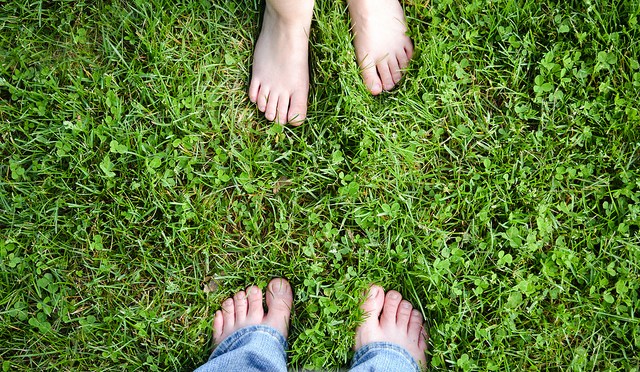
Have you ever noticed how good you feel when you take off your shoes to walk barefoot?  Photo credit: http://www.flickr.com/photos/hlkljgk/5760553436/
Have you ever noticed how good you feel when you take off your shoes to walk barefoot?
Photo credit: http://www.flickr.com/photos/hlkljgk/5760553436/

Have you ever noticed how good you feel when you take off your shoes to walk barefoot? Well it seems there is a scientific explanation, and research into the practice of Grounding has found that it can significantly improve all sorts of health problems. It can help your energy levels, reduce stress, improve your sleep, decrease muscular inflammation and stiffness as well as other chronic pain, reduce anxiety, improve circulation, prevent free-radical damage and associated premature ageing and even heal injuries faster. It brings you back into a state of equilibrium where your body is best able to heal itself. Those who use the practice on a regular basis report great results. I am certainly finding I have less aches and pains whenever I walk round without shoes than when I leave them on.

It all has to do with electrical fields.

These days we live completely immersed in electro-magnetic waves (EMFs) from a huge number of everyday items including our mobile phones, computers, wireless technology, huge numbers of electrical appliances, and even compact fluorescent lights. The air in our houses, our workplaces, our schools and in some outdoors places is full of electro-pollution, harmful positive ions produced by this multitude of electrical contraptions that surround us. These positive ions are contributing to ill health.

Electrical stress is now recognized as a significant contributor to many health problems and in fact a new chronic illness, “Diabetes Type 3”, has been coined to describe the effect of illness believed to be from electropollution. Surrounding yourself with sources of negative ions helps to rebalance this disharmony, as does being in places where negative ions are in abundance.

The surface of the earth is electically conductive and has a permanent supply of free electrons sitting just above the surface. The charge on the earth surface is negative and anything that is close to the surface will also carry that charge

Your body also has an electrical field, sometimes referred to as the biofield or the aura. When your bare feet are in contact with the earth negative electrons can easily pass into you. Grounding helps to prevent a build-up of harmful electrons in your body as well as promoting a discharge of the positive ions from your body into the earth. Simultaneously you receive a flood of free electrons from the earth. These neutralize the free radicals in your body which cause inflammation and are responsible for many health problems. The flood of electrons immediately ‘re-balances’ you, which is why you feel so good when you walk outside barefoot.

In case you got lost in that explanation, simply, standing on the earth rebalances the electromagnetic field of your body, helping to strengthen your immune system, and boosting both your health and your wellbeing.

For most of our existence humans have gone barefoot and often slept directly on the ground, things now are very different. As well as being surrounded by electromagnetic pollution we are cut off from receiving the rebalancing benefits from the earth because the shoes that we now wear have rubber and synthetic soles that insulate and block transmission of the natural beneficial energy of the earth. Think how rubber gloves can provide protection from electrical shock.

 HOW TO GROUND YOURSELF

  • Take your shoes off and go barefoot on grass, beach, bare earth, even concrete when it is laid directly on the earth (but not if it is painted or sealed) whenever you can
  • You need to walk around on the earth for about thirty minutes to gain the benefit
  • Swim in lakes, rivers, or the sea
  • Wear shoes with leather soles
  • Purchase and use one of the indoor grounding mats or an earthing bed sheet.

By the way, the reason I am able to benefit from earthing when walking barefoot indoors is because my floor is unglazed slate sitting on a concrete slab which is set directly onto a rock shelf on the side of a hill. You would not get earthing benefit in a home above the ground, or with glazed tiles, or a layer between the concrete and tile, or with other floor coverings.

If you would like to read up on Earthing also then get a copy of the book EARTHING – The Most Important Health Discovery Ever?  by Clint Ober, Dr Stephen T Sinatra and Martin Zucker.

Remember though, Grounding is not a substitute for medical treatment and if you have a medical condition you need to consult your healthcare provider.

Taking your shoes off and walking barefoot in the sea helps to rebalance your energetic field.

Disclaimer.

All information and opinions presented here are for information only and are not intended as a substitute for professional advice offered during a consultation. Please consult with your health care provider before trying any of the treatment suggested on this site. 

Source articles:

http://www.earthing.com/category_s/1823.htm

http://www.barefoothealing.com.au/

http://www.wellbeing.com.au/article/Features/Body-Health/Barefoot-earthing_1054

http://articles.mercola.com/sites/articles/archive/2012/11/04/why-does-walking-barefoot-on-the-earth-make-you-feel-better.aspx

http://www.naturalnews.com/028967_electropollution_diabetes.html

http://www.drfranklipman.com/what-is-biofield-therapy/

Combat Stress In Your Life With Meditation

The pace of life has increased exponentially over the last few years and we are all living with increasingly rising stress levels

“We are fragmented into so many different aspects. We don´t know who we really are, or what aspects of ourselves we should identify with or believe in. So many contradictory voices, dictates, and feelings fight for control over our inner lives that we find ourselves scattered everywhere, in all directions, leaving nobody at home.
Meditation, then, is bringing the mind home.”
Sogyal Rinpoche

Stress plays a major part in the development of many illnesses. It is known to affect many body functions including the reproductive system, cause eczema and psoriasis, cause dry mouth or ulcers and musculoskeletal pain as well as affecting the immune system as a whole.

The pace of life has increased exponentially over the last few years. As we all take on more and more in our lives and the influx of information bombards us faster and faster, we live with increasingly rising stress levels – whether their cause or focus is on our work, our family , finances, or the health of ourselves, our parents as they age, our family or our beautiful planet, or any of the myriad of commitments we all have in our life. Some may even be stressing about whether they are allowing enough “download” time to counter the stress they have. Almost all of us, including children, are affected to some degree.

DE- STRESS

One of the ways that I often suggest to clients to offload the effects of this stress in their life is to adopt the practice of meditation. Some say they have tried it but just can’t maintain focus. But for others the idea is somewhat daunting and many dismiss the idea out-of-hand. Introducing something new requires planning, and for them to allocate scarce time seems to only escalate their problem. For others it is all just a bit ”woo-woo” and uncomfortable.

But the fact remains that meditation is a wonderful way to de-stress, and it does not have to be difficult, or to require big chunks of your time, or to actively involve “chakras”. You do not need to join a class, it is entirely portable. And it does not have to include burning incense, crystals, difficult yoga poses or the need to “get it right”.

There are many different ways that the benefits of meditation can be obtained and it’s simply a matter of finding the one that fits you and your life, and then making that a regular part of your day.

There is a misconception that in order to meditate you need to completely shut down your mind. But for most people the mind chatter just keeps on intruding, constantly pulling them out of that calm, quiet, thought-free place we all seek.

The truth is that in order to be able to meditate in that way takes many, many years of practice. For the majority thoughts wander in and out, and it’s ok. The key is to accept that your thoughts will wander, and to simply consciously pull them back again whenever they do, by focusing once more on the meditative technique that you are using.

The thing is, meditation does not have to be a big major undertaking. Sure there are yogis who can sit and meditate all day. But there are also others who do it throughout their day in bursts of a few minutes. And many more who allocate a set amount of “me-time” when they are able to do their practice, and re-group.

MINDFULNESS

The enlightened Buddist monk Thich Nhat Hanh advocates doing walking meditations, which offer you the opportunity to transform an everyday practice into a healing and nourishing way to develop mindfulness, awaken your consciousness and to bring some peace into a life all too often over-run with stress. Basically they are meditation in action. You become mindful of the action of walking and try to keep your mind focused on the experience of walking and breathing. This makes it a lot easier for “monkey minds” to deal with as it gives the flighty mind something on which to concentrate. You can hear him explain it here and watch him demonstrate this form of meditation to a group of followers. It is a good form of meditation for women, who often benefit from active meditation as it is more yang, or masculine. I learnt the practice of this powerful technique from this wonderful Walking Meditation Kit – comprising book, DVD and CD which you can buy from Amazon. Meditation Oasis has clear detailed instructions for doing a walking meditation to get you started right here.

If you find you prefer active meditation Osho offers a number of  dynamic meditations you may like to try.

Many people prefer a guided meditation as they find having a voice directing the practice helps them to maintain their focus. Here is a simple ten minute relaxation meditation that I came across recently. I like it for its simplicity, her gentle, soothing voice and because it incorporates conscious muscle relaxation – perfect for releasing stress. I believe this is one you could even do at your desk if things start to get on top of you at work.

If you are having difficulty actually relaxing any muscles in these meditations one tip is to tighten each muscle momentarily. This allows you to relax the muscle on release. Use this technique until you are able to relax the muscles at will.

BREATHE

One of the simplest ways to start meditating is to practice consciously watching your breath, often called mindfulness . It comes out of Buddhist tradition but is not ‘religious’ in itself. It is all about ‘being present’ and allows for your mind to do its own thing while you develop, over time, the ability to detach from the thought. That sounds complicated, but in fact it is very simple. Here are two variations of a calming and simple meditation that focuses on the breath, again from Meditation Oasis. Breathing Meditation is one of the simplest forms of meditation and yet is also one of the most powerful. You may discover you never need to look any further!

Of course there are many different types of meditation that can be used to fulfill all sorts of purposes. Many have heard of Transcendental Meditation which derives from Hinduism. Zazen meditation involves just sitting for long periods. Kundalini is gaining in popularity and focuses on the rising stream of energy that exists in humans. Guided visualizations can be a very powerful way to opening your awareness. I use these in my Women’s Circles often with wonderful results. They involve concentration on an image or imagined environment or experience. Another form of meditation that I have found particularly powerful is the practice of Qi Gong, a Taoist meditation technique. Of course there are others as well and you may like to investigate some once you have established a regular meditation practice in your life.

I am a big fan of not taking on big loads – maybe it is the inner sloth, who knows. But if there is an easier pathway then I am always willing to give that option a go. And one way that always makes things a little easier to achieve is to break tasks down into their smallest bites and to then tackle those one at a time. If the prospect of meditation seems a bit daunting to you then start small. Start out by adopting a five minute breathing meditation, or if that is too much make it three minutes. Or start by doing a quick body relaxation every day at your desk or before the kids come home from school, or before going to bed at night. Or maybe even do it for a few minutes a few times through the day.

Soon you will find that it is easy to meditate.

“Meditation is the dissolution of thoughts in Eternal awareness or Pure consciousness without objectification, knowing without thinking, merging finitude in infinity.”
Voltaire

This is how I picture myself meditating...but it is far more likely I will be sitting in my car catching a few brief moments to centre my breathing before plunging back into the chaos of life
This is how I picture myself meditating…but it is far more likely I will be sitting in my car catching a few brief moments to centre my breathing before plunging back into the chaos of life

Disclaimer.

All information and opinions presented here are for information only and are not intended as a substitute for professional advice offered during a consultation. Please consult with your health care provider before trying any of the treatment suggested on this site. 

Source articles:

http://www.iam-u.org/index.php/8-basic-kinds-of-meditation-and-why-you-should-meditate-on-your-heart http://www.wildmind.org/walking/overview

Drink Warm Lemon/Lime Water To Kickstart Your Day

lemon lime water


While most people know that it is really important to keep themselves hydrated but most don’t realise they can take that one step further for better health simply by drinking lemon water or lime water first thing in the morning.

Tomorrow, March 22, is World Water Day and while it is about water co-operation practices, what better day is there to start to improve our own personal hydration practices?


HOW POOR HYDRATION AFFECTS YOUR BODY

The way you begin each day is really important as it sets up whether you either increase or reduce your resistance to disease. Starting out each day being properly hydrated obviously stops dehydration, but it also has many other health benefits. These include kick-starting your digestion and toxin elimation for the day  and helping prevent adrenal fatigue. Adrenal fatigue is becoming far more common in these times of high stress living.

Adequate water intake is essential for the proper elimination of toxins from your body. When you’re dehydrated it becomes really difficult for your body to eliminate waste products which leads to a toxic buildup. You start to feel stressed, to get constipated, to develop arthritis, get outbreaks on your skin and many more problems.

In addition your body stores more fat when you’re dehydrated due to added stress on the kidneys and liver so they do not perform at their best.


A SIMPLE WAY TO BOOST YOUR HEALTH

One very simple practice to boost your intake of water that can be surprisingly helpful comes from Yogic or Ayurvedic practice, where it was used to stimulate the digestion and eliminate the toxic slime, called ama, that builds up in the gastro-intestinal tract.

It is the simple practice of drinking a mug of warm water with lemon or lime squeezed into it first thing in the morning. This helps to activate your body’s detoxifying process and also its natural cleansing processes.


Lemons and limes are one of natures great gifts and including them in your morning routine has huge health benefits


7 REASONS TO DRINK LEMON WATER

1. Helps your liver eliminate toxins

Your liver loves warm lemon/lime water because it purifies and stimulates your digestion and toxin elimination by liquefying bile and inhibiting excess bile flow. The liver is able to produce more enzymes from lemon/lime water than from any other food to promote better digestion.

Your liver works very hard and is crucial to the function of many other body processes – a little lemon/lime support and nurture leads to a healthy and happy liver.

2. Helps digestion

Warm lemon/lime water increases the acidity of your digestive system as it’s very similar to saliva and the digestive juices in the stomach which break down food. It improves your body’s ability to absorb nutrients. An extra benefit of this process is to help with reducing hunger, great for weight loss.

3. Helps elimination of toxic wastes

Warm lemon/lime water helps your bowels to eliminate naturally and easily, reducing constipation. It also helps dilute accumulated the uric acid which causes arthritis or gout when it builds up in the body.

By supporting the liver in its detoxifying role it helps prevent acne.

It gently flushes your kidneys and cleanses your lymphatic system, another channel for the elimination of toxic waste products.

4. Balances pH

Lemon/lime water has an alkylizing effect in the body. Yes, even though they taste acidic they have an incredibly alkaline effect inside your body once they are metabolized! Even drinking lemon water just before any meal will help your body maintain a higher pH than if you didn’t drink it.

When your body has a higher internal pH, that is, it’s more alkaline, it’s far more resistant to most major (and minor) diseases which thrive in an acidic environment. Cancer cells for example breed better in an acidic environment.

5. Protects your cardiovascular and nervous systems

Lemons and limes are high in potassium which is a mineral that works alongside sodium and is vital for the smooth working of the nervous system and brain. Low potassium levels can lead to depression, anxiety, forgetfulness and brain fogginess as well as muscle cramps and heart arrhythmias. Potassium is crucial for heart health and can help prevent stroke.

6. Boosts your immune system

Lemons and limes contain good ratios of calcium and magnesium in plentiful quantities. These minerals work together to prevent many health problems. One lemon has 30.7mg of the antioxidant Vitamin C which is great for fighting off colds and chest infections. Lemons and limes have very high levels of the antioxidant Hesperidin which is anti-inflammatory and believed to have anti-cancer activity.

7. Helps weight loss

Lemons are high in pectin fibre which helps fight hunger cravings. By cleaning out toxins and internal waste they help speed up weight loss, and in addition promote quick bursts of energy. Because the effect works proportionally, the more you drink the more weight loss should speed up. If you replace your other drinks with lemon water you also have the advantage of a zero kilojoule drink.


HOW TO TAKE LEMON WATER

Take lemon water first thing in the morning on an empty stomach, before eating or drinking anything else. Squeeze half a lemon or lime into half a glass of warm water, stir it and drink. The water will turn cloudy when you add the lemon or lime. It’s good to then wait between half to one hour before you eat to get the best results.

  • Don’t use bottled lemon or lime juice – use fresh fruit.
  • Make sure the water you use is pure – filtered or spring water
  • Make sure the water is warm – don’t use cold water as it is very hard on the digestion, slowing it down. Don’t use hot water either as it will kill the enzymes in freshly squeezed juice
  • Don’t add sugar or other sweeteners

If you want even more from your lemon/lime water you could really spice up your metabolism by simply adding a pinch of ground cinnamon and a pinch of ground ginger. The cinnamon is a great addition if you have any issues with blood sugars.


This is such an easy habit to adopt, it’s cheap, easy and certain to build your health. Try it out for a month and see how it can radically change how you start your day.

Which of the benefits that warm lemon/lime water offers would be the one to get you started on drinking it daily? Tell me in the comments below. Or is you already know and love lemon water what benefits have you noticed?

Warm lemon water to boost your health all day long

Disclaimer.

All information and opinions presented here are for information only and are not intended as a substitute for professional advice offered during a consultation. Please consult with your health care provider before trying any of the treatment suggested on this site. 


Source articles:

http://www.naturalnews.com/033383_lemon_juice_digestion.html#ixzz2IZ0L8XRo

http://www.mindbodygreen.com/0-4769/Why-You-Should-Drink-Warm-Water-Lemon.html

http://www.fitday.com/fitness-articles/fitness/weight-loss/weight-loss-myths-will-drinking-lemon-water-help-you-lose-weight.html

http://factslist.net/2013/01/why-you-should-drink-lemon-water-in-the-morning/

http://www.livestrong.com/article/519038-potassium-and-the-nervous-system/

http://www.umm.edu/altmed/articles/potassium-000320.htm

http://nutritionistheprescription.wordpress.com/2012/03/24/start-your-day-with-lemon-or-lime-water/


Plastic Bombastic – Not Fantastic

The new school year is here and thousands of children are heading off to school each day with packed lunches

Making school lunches can be a bit of a nightmare. Every mother wants to send their children off to school with a healthy lunch (even if occasionally they succumb to outside pressure and include unhealthy snacks such as potato chips). Lots of children are now known to have reactions to certain foods and many schools impose limitations on the inclusion of certain foods, and of course this limits choices. There is lots of advice and suggestions around about school lunches and it is very easy to find ideas for healthy lunch boxes.

But in addition to what the children actually eat there is also the question of how to package it. With the new school year beginning this week and thousands of children heading off to school each day with lunches packed into plastic boxes and wrapped tightly in plastic cling film now is again the right time to revisit the question of the dangers on the kids health of chemicals leaching out of the plastic and into the food.

The issue is not whether chemicals will leach from the packaging into the food, but how much

Over the last few years the media has widely covered the impact on babies of Bisphenol A, or BPA as it is commonly known, used in the production of babies bottles with the result that there are now BPA-free baby bot

tles available. But not much is said about the danger of other plastics, even though research has made the dangers well known.

Plastics deserve their bad name! There have been numerous studies showing the adverse effects of plastics – in particular PVC, polycarbonate and polystyrene which contain the chemicals DEHP, Bisphenol A (BPA) and nonylphenol, all xeno-oestrogens.

The problem with xeno-oestrogens, such as BPA, is that they alter hormones. They have been linked to breast and testicular cancer, infertility, early puberty, reproductive delays, obesity and diabetes, as well as being found to lower the ability of your immune system to respond to inflammation. BPA has even been found to be linked to behavioural and emotional problems in pre-schoolers. The danger from BPA is even greater for babies and children because they seem to be sensitive to even tiny amounts. Boys in particular are susceptible to the hormone altering effects.

These toxic chemicals not only occur in plastics. They are present across our environment and are found everywhere from the lining of metal food cans, to the detergents in cleaning products, dental sealants and composites, pesticides and even baby bottles.

Let’s break it down a bit

  • Many chemicals found in plastics alter hormones in the body and lead to illness of the reproductive system and other diseases.
  • Harmful chemicals are found in all manner of plastic products and are more likely to be there than not. Some plastics are not so dangerous
  • There is lots of evidence of BPA leaching from the epoxy lining of cans holding food and beverage. Even cans certified “organic” leach BPA.
  • Chemicals leach out of plastics faster when they are in contact with fatty, salty or acidic foods like meat, milk or tomatoes.
  • Chemicals leach out faster when the plastic is heated. NEVER heat food or drinks in plastic, and be very wary of unintentional heating like water bottles left in a warm car.
  • Some plastics are safer than others. The number of the type of plastic will be on the bottom of the container. The ones to avoid are #1 (PET or PETE polyethylene terephthalate), #3 (PVC polyvinyl chloride), #6 (PS polystyrene), #7 (all other types of plastics). Some labeled with #7 are safe and some unsafe but you can’t be sure which it is. One of the unsafe ones is polycarbonate (PC) which is used in baby bottles.

What plastics are safer?

Some safer plastics to use are:

#2 HDPE (high density polyethylene) – a hard plastic used for many food containers as well as some toys,

shopping bags packaging, plus lots more. It is more stable than most other plastics and does not leach out endocrine disrupting chemicals. It is also easy to recycle.

#4 LDPE (low density polyethylene) – a soft plastic used in bags, squeezable bottles, cling films. It is safer but not recyclable, unlike #2

#5 Polypropylene (PP) – used for rigid containers like ice-cream containers, plus many other items. It is thought to be free from known hazards but again, is not recyclable.

These do not give you a huge choice and also need to be balanced up with the damage that non-recyclable plastics do to our environment.

It is really safer and more responsible to avoid using plastic .

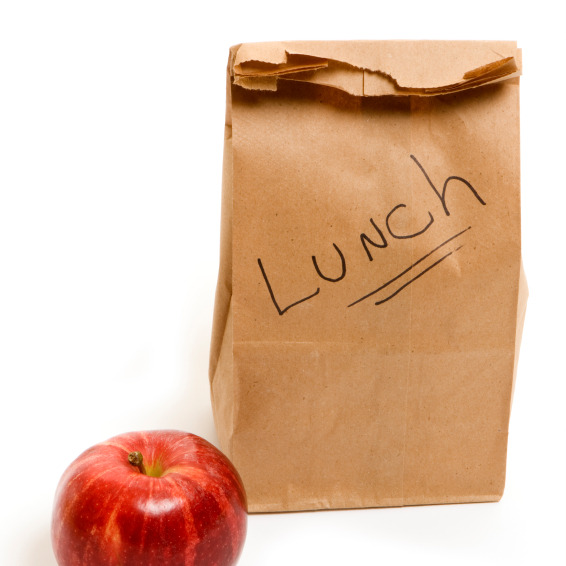
Paper bags - an alternative to plastic lunch boxes
Paper bags – an alternative to plastic lunch boxes

Simple ways to make changes

  • Use paper bags for school lunches – safe and recyclable
  • School lunch can be wrapped in greaseproof paper (at your supermarket) or one of the re-useable wraps now available. Look for them at Onya or 4MyEarth
  • Store food in glass, unglazed ceramics and stainless steel which are the safest containers for food storage. .
  • Get a good quality stainless steel drink bottle for you and your children and avoid plastic water bottles or juice boxes
  • Avoid lunch boxes made from PVC (#3) and polycarbonate (#7) as food left sitting in these could be harming your kids
  • Never heat food or liquids in plastic containers (not even if they are made of safer plastics)
  • Take your own containers for take-away foods and avoid having hot food sitting in plastic containers
  • Don’t use cling wrap in the microwave – harmful chemicals leach out
  • If you need to store food and drinks in plastic then choose one of the safer ones
  • Only use plastics if they have a recycling symbol on the bottom so you know it is not harmful, or else you could call the manufacturer to find out what type of plastic it is
  • Glass is the only safe option for baby bottles
  • Don’t store foods like meat, tomato-based meals or cheese wrapped in cling wrap or any plastic.
  • Avoid canned foods wherever you can – look for glass instead.

If you do make the change away from plastic containers and food wraps, not only will you be protecting your family’s health you will also be making a significant contribution towards a cleaner planet, where vast quantities of plastics in landfill and our oceans pose a huge problem.

Vast quantities of plastics in landfill and our oceans pose a huge problem
Vast quantities of plastics pose a huge problem to our health as well as in landfill and our oceans

Disclaimer.

All information and opinions presented here are for information only and are not intended as a substitute for professional advice offered during a consultation. Please consult with your health care provider before trying any of the treatment suggested on this site. 

Source articles:

http://www.naturalnews.com/041912_BPA_fetal_exposure_contamination.html#ixzz2dxplBmpG

http://www.buildingbiology.com.au/index.php/Biology/Plastics.html http://articles.mercola.com/sites/articles/archive/2011/11/16/practical-options-to-store-your-food-without-contaminating-them-with-plastics.aspx

http://welladjustedbabies.com/the-wrap-on-plastic-food-wrap

http://www.emagazine.com/blog/bpa-free

http://www.ecolife.com/blog/food-health/plastic-food-wrap.html

Find The Rainbow Connection With Antioxidants

Rainbow in a wok
Rainbow in a wok

As I tossed my dinner in the wok tonight and marveled at the gorgeous array of colours, I was reminded of how bland the meals that I was served as a child always looked in comparison – always brown meat with some white (potato) and green (peas or beans) and maybe a touch of orange or red. The vegetables changed a little but always seemed to have the same look about them.

The message today in a nutshell is that when you always eat a ‘rainbow’ of fruit and vegetables with a naturally high color intensity you can be sure that you are getting a wide range as well as a good quantity, of antioxidants.

Now, if all you want to know is the ‘what you need to do’ or you are too short of time today, then there you have it, be conscious to always EAT A RAINBOW and you will be sure to get a broad range of nutrients, including antioxidants, to help you combat free radical damage in your body.

But, if you would like to know ‘the why’ and the nitty gritty details, then read on

Cells need oxygen to metabolise vitamins and minerals but when oxygen isn’t metabolized thoroughly it results in extra oxygen molecules hanging round which form free radicals. When you get a sudden rush of free radicals they cause a chain reaction that causes damage to the cells and leads to disease.

The body has its own antioxidant defence system of free radical scavenging enzymes but when there is too much stress put on us from our toxic environment and lifestyle our body gets overwhelmed by free radicals and we get sick. These scavenging enzymes need support from many minerals and vitamins that are not made by the body and must be gained from our food. Unfortunately, because there are so many stresses on the body from our modern world we now need far more antioxidants than were ever needed in the past.

SO WHAT EXACTLY ARE ANTIOXIDANTS?

Antioxidants are substances that remove potentially damaging oxidizing agents in a living organism. They are capable of neutralizing the effects of free radicals before they are able to cause damage in the cells and tissues of your body, and they are found in the form of vitamins, minerals, carotenoids and so on. Antioxidants have protective effects and can lower the risk of diseases such as cancer or heart disease.

Eat a Rainbow
Eat a Rainbow

There are a number of different antioxidants that act in different ways and you can often tell which they are and what they will do by the colour of the food in which they occur.

There are over 4000 compounds with antioxidant properties – here are some of them:

antioxidant

colours

foods

  vitamin C  various oranges, citrus fruits, capsicum, mangos, kiwifruit,  strawberries, blackcurrants
  vitamin E  various avocado, nuts, vegetable oils
  beta-carotene  orange, yellow, green carrots, sweet potato, mangos, apricot, pumpkin,
  anthocyanins  red, blue blueberries, cranberries, raspberries, dark grapes, eggplants
  catechins  tawny, red cocoa, red wine, green tea, chocolate
  cryptoxanthins  orange mangoes, red capsicum, pumpkin
  lycopene  red tomato, watermelon, guava, strawberry, pink grapefruit
  lutein  yellow, green spinach, corn, gold kiwifruit, leafy greens
  flavonoids  various tea, green tea, citrus fruits, apples, red wine
  selenium  white brazil nuts, seafood, sunflower seeds, rice
  isoflavenoids soy products, lentils, milk
  lignans  white seeds, nuts, vegetables, broccoli, kale, wholegrains
  manganese  red, green nuts, berries, shellfish, legumes, leafy greens, sesame seeds, pumpkin seeds
  polyphenols  green, red thyme, oregano, rosemary, ginger, red wine
  phenolic acid  various apple, citrus fruit, oats

But these are just some of the foods associated with antioxidants. Some of the best overall sources are berries, walnuts, sunflower seeds, pomegranates and ginger.

AND FREE RADICALS…?

Free radicals are molecules that are produced in our body as a result of our everyday life which cause oxidative stress in the body and basically feed off other cells to survive. In fact your body produces free radicals as a by-product of metabolism. Your body also produces a limited number of antioxidants to neutralize them, but when your body becomes overloaded with free radicals caused by outside stressors it is unable to cope and succumbs to a variety of illnesses. The cells of your immune system are the most likely to suffer damage initially and you may not even notice the effects, but left unchecked eventually the DNA held within the cell will become the target of the free radical damage. DNA acts as the ‘command centre’ of your cells so when it is damaged there can be significant and far-reaching effects.

Free radical damage accelerates the aging process and fosters many diseases including cancer, heart disease, arthritis, atherosclerosis, Parkinson’s disease, Alzheimer’s, Multiple Sclerosis, Hypertension, Diabetes, cataracts, macular degeneration, and almost all chronic degenerative diseases. Ultimately the effect of free radicals is to shorten your life.

There are many factors in our life in addition to ageing and basic metabolism that can increase free radicals production.

  • The Western Diet creates a free radical bonanza! It is full of fats, processed foods, pesticides and chemicals, and with an emphasis on meat, dairy foods, sugar, processed ‘white’ grains, coffee and alcohol, that are all excellent free radical promoters. In addition it is deficient in fruits and vegetables, the source of antioxidants.
  • The chlorine in the water we drink results in free radical production
  • The air we breathe is loaded with a multitude of pollutants, including tobacco smoke whether you actually smoke or not. We are surrounded by substances such as lead and asbestos and all these are producing free radicals
  • Fats in the diet, in the form of trans-fats, animal and other forms of fats. Many people consume excess quantities of fat, with it contributing around 30% of western food intake. Simply put, the more fat you eat the more free radicals are produced, and some fats are worse than others
  • Pesticides are big producers of free radicals. They are found in large quantities in animal fat and present a significant free radical source if you are eating a meat-rich diet. These pesticides are stored in your body in fatty tissue. Non-organic fruit and vegetables also carry lots of pesticides
  • Free radical producing chemicals are found in solvents, cleaning products, glue, paint and thinners, as well as perfumes, and even prescription medications.
  • Ionizing radiation from sunlight, X-rays or electro magnetic fields is another source. Body cells are very sensitive to radiation and even very mild exposure will set off the chain reaction within the cell.
  • Even mental stress, including anger and anxiety can increase the presence of free radicals.

So, this is just another reason to get your daily dose of pesticide and chemical-free, antioxidant-rich, RAINBOW of fruit and vegetables! Be conscious of the foods you need and take the time to enjoy the beauty of a colourful diet.

Who doesn’t love Kermit? Enjoy The Rainbow Connection with Kermie.

Disclaimer.

All information and opinions presented here are for information only and are not intended as a substitute for professional advice offered during a consultation. Please consult with your health care provider before trying any of the treatment suggested on this site. 


Source articles:

http://www.healingdaily.com/conditions/free-radicals.htm

http://www.naturaltherapypages.com.au/article/the_power_of_antioxidants#ixzz2HoOfDp34

http://www.naturalnews.com/024710_antioxidants_fruits_antioxidant.html

http://www.naturalnews.com/036992_antioxidants_best_sources_foods.html

No Resolutions To A New Outlook

Just how worthwhile are New Years resolutions when 1st March rolls around?

I woke today, the first day of 2013 to a beautiful warm, sunny summer morning. As I watched from my deck the summer butterflies darted about the parched garden seeking the few open flowers, the surrounding trees were filled with the songs of the lorikeets and magpies, and I began to crystalize my thoughts about the directions I wished to follow in the coming year.

You may call these resolutions, but I have always shied away from using this term. I am not making any resolutions. I hate New Year resolutions. They seem somehow so pointless. I hear people around me making the same resolutions year in and year out – stop smoking, lose weight, exercise more, get a new job, etc, etc and at the end of the year most of their resolutions have fallen by the wayside and they have made no changes in their life.

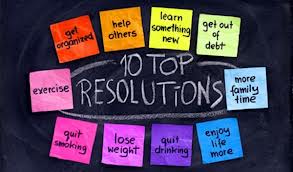
Do these ring a bell for you? The top 10 resolutions made over the last 10 years have remained the same every year.
Do you recognise yourself in this collection? The most common top 10 resolutions made over the last 10 years have remained the same every year.

New Year Resolutions seems to lock everything into a very narrow field and set up you up firmly and squarely on the success/fail axis. I prefer to adopt the more accepting belief that whatever we experience or wherever we find ourselves is the right place to be because it the one place at that moment where we will find the opportunity to learn and understand more about ourselves. So, by setting up resolutions I would be setting up inflexible parameters that didn’t allow for the shifts of life that provide the opportunity for growth.

In addition, this type of a rigid approach causes stress and all the concomitant health problems that stress invariably leads to, which I would like to avoid. What I have noticed is that when people are living in a way that embraces opportunities for personal growth other things in their life fall into place more easily. Exercising or weight loss comes more easily because they want to be out doing whatever activity draws them, difficult decisions are made, new opportunities arise, and life begins to flow more fluidly and easily.

So my thoughts about my directions for 2013 are a little looser than things like “lose weight”, although that would be nice! I decided to take a look at the Virtues Project to form my list of the virtues I would like to see acknowledged and strengthened through this year, both on a personal and a wider community or global level.

Here is my list in no particular order of THIRTEEN VIRTUES TO EMBRACE FOR 2013, taken from the condensed list of 52 Virtues from The 52 Virtues Project (the full list of Virtues is extensive and this condensed list provided a little more focus):

1. Assertiveness
Being assertive means being positive and confident. You are aware that you are a worthy person with your own special gifts. You think for yourself and express your own ideas. You know what you stand for and what you won’t stand for. You expect respect.

2. Confidence
Confidence is having faith in someone. Self-confidence is trusting that you have what it takes to handle whatever happens. You feel sure of yourself and enjoy trying new things, without letting doubts or fears hold you back. When you have confidence in others, you rely on them

3. Creativity
Creativity is the power of imagination. It is discovering your own special talents. Dare to see things in new ways and find different ways to solve problems. With your creativity, you can bring something new into the world

4. Integrity
Integrity is living by your highest values. It is being honest and sincere. Integrity helps you to listen to your conscience, to do the right thing, and to tell the truth. You act with integrity when your words and actions match. Integrity gives you self-respect and a peaceful heart.

5. Joyfulness
Joyfulness is an inner sense of peace and happiness. You appreciate the gifts each day brings. Without joyfulness, when the fun stops, our happiness stops. Joy can carry us through the hard times even when we are feeling very sad. Joy gives us wings.

6. Moderation
Moderation is creating a healthy balance in your life between work and play, rest and exercise. You don’t overdo or get swept away by the things you like. You use your self-discipline to take charge of your life and your time.

7. Thankfulness
Thankfulness is being grateful for what we have. It is an attitude of gratitude for learning, loving and being. Appreciate the little things that happen around you and within you every day. Think positively. Thankfulness brings contentment

8. Compassion
Compassion is understanding and caring when someone is hurt or troubled, even if you don’t know them. It is wanting to help, even if all you can do is listen and say kind words. You forgive mistakes. You are a friend when someone needs a friend.

9. Generosity
Generosity is giving and sharing. You share freely, not with the idea of receiving something in return. You find ways to give others happiness, and give just for the joy of giving. Generosity is one of the best ways to show love and friendship.

10. Tolerance
Being tolerant is accepting differences. You don’t expect others to think, look, speak or act just like you. You are free of prejudice, knowing that all people have feelings, needs, hopes and dreams. Tolerance is also accepting things you wish were different with patience and flexibility.

11. Understanding
Understanding is using your mind to think clearly, paying careful attention to see the meaning of things. An understanding mind gives you insights and wonderful ideas. An understanding heart gives you empathy and compassion for others. Understanding is the power to think and learn and also to care

12.Unity                                                                                                                                                                                                                        Unity helps us work and live together peacefully. We feel connected with each other and all living things. We value the specialness of each person as a gift, not as a reason to fight or be scared. With unity we accomplish more together than any of one of us could alone.

13. Love
Love is a special feeling that fills your heart. You show love in a smile, a kind word, a thoughtful act or a hug. Love is treating people and things with care and kindness because they mean so much to you. Love is contagious. It keeps spreading.

Of course there are many more virtues to ambrace, and selecting only thirteen was very difficult.

The Virtues Project is a grassroots initiative started in Canada aimed at inspiring the practice of virtues in everyday life. It is widely used in schools but is equally effective in the home or your personal life. It “empowers individuals to live more authentic meaningful lives, families to raise children of compassion and integrity, educators to create safe, caring, and high performing learning communities, and leaders to encourage excellence and ethics in the work place.” If you would like to start off 2013 doing a daily Virtues Card pick for yourself then go here and click on ‘Do A Virtues Pick’.

Use 2013 to achieve change that you can recognise when 2014 rocks in
Make 2013 a year of change that you can recognise when 2014 rocks along

But, if someone were to twist my arm and force me to make three New Year resolutions, then this is how I would go

1. make no stupid resolutions that would fall by the wayside during January

2. adopt a new Virtue to embrace each week, thirteen of which would take me through to the end of March

3. refuse to take any of these doomsdayer prophesies literally.

I hope that 2013 brings you the opportunity to experience the new, to find joy in the simple things of life and to grow to know and understand yourself and the world around you more fully, and that by opening your self to the world around you experience much abundance in all parts of your life.

And especially, if as the doomsdayers claim, the Earth is about to be wiped out by a meteor in the next few months taking us all with it, that as you go down screaming you can feel that you have lived a life worthwhile.

Allow your virtues to unfurl

Disclaimer.

All information and opinions presented here are for information only and are not intended as a substitute for professional advice offered during a consultation. Please consult with your health care provider before trying any of the treatment suggested on this site. 

Improve Your Digestion With These Juicy Options

Juices can deliver a whopping great punch of valuable nutrients and enzymes into your body quickly and easily

I am really excited tonight and feel like all-my-Christmases-have-come-at-once, as this afternoon I picked up my new slow juicer. I have been waiting quite a while for the shipment to arrive as it has sat in a container on the docks for a while. But today it is here. And no, it is not a Christmas gift, it just happens that it has arrived right at this time. The juicer I have chosen is a cold-press masticating type.

There is plenty of evidence about the benefits of juicing, provided the juice is prepared in a way that does not destroy the nutrients and enzymes. Juicing plays an important role in detoxing the body, and in facts underpins many natural health plans for the treatment of a wide range of diseases including cancer. But it also makes sense to include it in any plan for healthy living.

One if the main reasons to add home-made juice to your diet is that it can deliver a whopping great punch of valuable nutrients and enzymes quickly and easily, although this depends on the type of juicer it is made in.

You’ve heard this before but micronutrients are quickly damaged or destroyed by heating and cooking. In an ideal world we would all totally avoid processed foods and eat only fresh organic fruit and vegetables. But this is not always possible for lots of reasons. Most of us also make the choice to indulge in foods and drinks that are not health-wise, especially at this time of the year when it can become very difficult to make consistently good food choices.

So why juice?

Dr Mercola sums it up nicely in three points:

Juicing helps you absorb all the nutrients from the vegetables

Juicing allows you to consume an optimal amount of vegetables in an efficient manner

You can add a wider variety of vegetables in your diet

And to this I would add that juicing encourages people to eat breakfast. One of the big battles I frequently encounter at work is to get people to reverse their practice of not eating before they leave for work or school – the body is an engine and needs fuel to function!

Most people have poor or impaired digestion, whether they recognize it or not, as a result of prolonged regular poor food choices. For some this is obvious in indigestion, bloating, gas, cramping, or IBS, but for many more the effects are not so apparent. But poor digestion always equates with poor health. Over time it leads to many chronic health problems that range from fatigue to lung and heart problems and include a diverse range of many more. If you are not absorbing nutrients – vitamins, minerals, proteins, fats and carbohydrates – your body will simply not function properly. You need each of these nutrients to some degree, and some part of your body will suffer if you are deficient in any one of them.

Poor and impaired digestion results in poor and impaired immune function.

If you do suffer from poor digestion it is well worth taking fresh home-made juice before eating a meal, about twenty to thirty minutes, because the enzymes in the juice will actually act as an aid to help with your digestion. When taken on an empty stomach the juice is assimilated immediately, the nutrients absorbed, and the enzymes able to work efficiently.

The quantity of raw vegetables that we should optimally eat is big. Even the relatively modest amounts recommended by Government bodies are more than most people who come to see me for health advice and treatment regularly eat. Many of these people are in tune with good health requirements (to varying degrees), and eat more vegetables and fruit than most of the rest of the population, but still are not eating enough. Juicing allows you to increase the amount of raw vegetables and fruit that you consume substantially.

If you take a moment to work out what vegetables and fruits you eat you will almost certainly find that you are eating the same ones every day, with a variation thrown in only occasionally. Very few people actually manage to sustain a good rotation of the vegetables they consume. This may lead to a preponderance of some nutrients and deficiency of others in your diet. But one result that is not often appreciated is that it can also be responsible for the development of food allergies and intolerances. When you juice you can create a far more diverse diet because you can add in those vegetables and fruits that you don’t particularly like and so would not normally consume.

I mentioned before that the quality of the juice depends very much on the type of juicer used. The cheaper versions all use a centrifugal action. They are cheap to buy and quick to use. The problem is that their action heats the juice and causes significant nutrient loss. Juice made in these machines oxidizes quickly (in the same way that cut apple turns brown as it oxidizes) leading to free radical damage in your body. If you leave these juices sitting they will turn brown fairly quickly. I guess that if all you want juice for is the taste with no awareness or consideration for the consequence of consuming poor and damaging food then that would not be an issue!

Masticating juicers on the other hand, deliver a cold-pressed product which has not been damaged by being heated.

Bearing in mind that a juicer is an investment – an investment in your health what do you need to look for when purchasing a juicer?

Well firstly you want one that will deliver a high quality juice which is loaded with nutrients and enzymes

Another important factor is how easy it will be to clean, as if this is difficult you simply won’t use it.

A good warranty will ensure that the juicer can handle seeds, skins and cores without burning out.

The factor that really sets the best juicers apart is how much juice they can extract, as in the long run a machine that produces more juice from the same quantity of produce will save you money

Lastly make sure the engine is going to be strong enough to deal with juicing for the family.

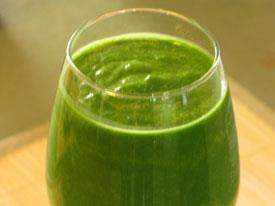
One bonus you get from juicers is that you can also use them to make smoothies which are often a great way to retrain your body to eat breakfast. I often get clients to start slowly at reintroducing the practice as once their body gets used to eating in the morning they find they want to eat sufficient and can’t do without. Many who say they can’t eat in the morning find they are ok with a smoothie to start off the ‘re-training’. Another bonus is that it so easy to add superfoods like Spiulina or Chlorella powder, or wheat or barleygrass to the smoothie to really powerhouse your breakfast and get your body fired for the day.

You can add Superfoods to a basic green smoothie to give a power start to your day
You can add Superfoods to a basic green smoothie to power start your day

When you choose your vegetables for juicing it is important to remember that any pesticide residues will be concentrated. Choose organic produce wherever you can, but if you need to restrict the amount of organic foods you buy then make sure you select only organic versions of any of the foods that appear on the “Dirty Dozen®” http://www.ewg.org/foodnews/summary   list which is a guide to pesticides in produce for shoppers. There is also a list of the fifteen ‘cleanest’ veges and fruits on that link.

If you, like many parents, are worried about the amount of fruits and vegetables that your kids are eating try them on home made juices from a wide variety of organic vegetables and fruits and know that they are probably getting the nutrients they require.

One drawback from lots of juice in your diet rather than whole fruit and vegetables, is that the fibre contained in the produce is discarded. Insufficient fibre is a common problem in western diets and leads to digestive health problems. Fibre also helps you to feel full and satisfied. In order to stop the development or exacerbation of the very health problems you are trying to fix you need to add the fibre back into your diet via the juice, or else by adding it to soups, stews or salads.

Juicers range in price from very cheap to thousands of dollars. My new masticating juicer cost a few hundred dollars. I know it won’t be as good as the ones I have dreamed of owning but it is quite sufficient to get my family started on this yummy health practice and to get them away from commercial juices.

There are lots of juicing recipes about but you don’t need them as it is good to experiment with your own creativity. Here are some simple ideas to get you started.

Here are some great tips for juicing, including juicing for a large family.

And here is one last hint – Chew your juice, never gulp it down! You will absorb it better when it is mixed with saliva.

Have fun trying out juicing for your household. I’m off to stock up on some fresh organic produce so I can get going.

Disclaimer.

All information and opinions presented here are for information only and are not intended as a substitute for professional advice offered during a consultation. Please consult with your health care provider before trying any of the treatment suggested on this site. 


Source articles:

http://greensmoothierevolution.com/

http://articles.mercola.com/sites/articles/archive/2011/11/13/benefits-of-juicing.aspx

http://www.livestrong.com/article/535545-the-disadvantages-of-juicing/