Category Archives: Conscious Mindset

Could It Be Your Thyroid Causing Your Poor Health?

For many people an underactive thyroid slows them down and leads to a host of other unpleasant symptoms.  Most of those people are never diagnosed with the disorder. Many are never treated. Many fail to make the changes in their diet and lifestyle that can really help ease their symptoms. Most go on living their life in a debilitated state.lust for life

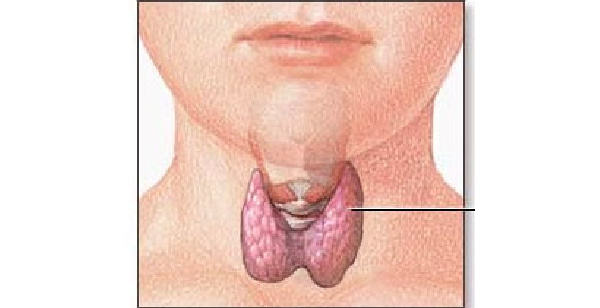
The Thyroid is a butterfly shaped gland in the middle of the front of your throat. It’s purpose is to release hormones that help in the regulation of many body functions – metabolism, heart rate, maintaining your core temperature, healthy skin, your weight, fertility and more. It slows you down or revs you up to make you more energetic. It also activates your immune system. It plays a part in most of the body’s physiological processes, so when it is out of balance, so are you. In fact every cell in your body has receptors for thyroid hormones.

Sometimes the thyroid does not work as it should and, depending on whether it is pumping out too many hormones or too few, it becomes under- or over-active, what is known as either Hyperthyroidism (too many thyroid hormones in the blood) or Hypothyroidism (too few).

Thyroid conditions can be quite common and it is estimated that about thyroid20-25% of the female population may suffer from hypothyroidism. An estimated 30% more of people over the age of 35 may suffer from “subclinical” hypothyroidism, where they either have no obvious symptoms, or their test results are within the ‘normal’ range but they have mild symptoms of low thyroid function.

Many people live with the symptoms of low thyroid function often for years, where their thyroid gland works sluggishly without them even realizing it. With too few thyroid hormones in the blood the body processes start slowing down, and so do they.

However, there are some telltale signs to look out for. Here are some of them, although there are many more:

  • Fluid retention or swelling in the legs, feet, arms or face
  • Cold hands or feet, poor circulation and intolerance of cold
  • Dry skin, acne and eczema
  • Lethargy, fatigue, poor stamina and sleeepiness
  • Forgetfulness, slow cognitive function, brain fog
  • Depression
  • Constipation, indigestion
  • Weight gain, or difficulty losing weight
  • Poor brittle, slow-growing nails and hair, hair loss
  • Heavy periods, irregular cycle, PMS
  • Infertility, low libido
  • Insomnia
  • Muscle and joint aches and pains
  • Food cravings, food intolerances, hypoglycaemia
  • High cholesterol/ triglycerides, palpitations, high or very low blood pressure

Illnesses where symptoms seem vague or scattered could actually be providing warning signs that you have a problem with your thyroid. Diseases and syndromes such as chronic fatigue, fibromyalgia, menopausal symptoms, muscle and joint pains, IBS, PMS, heart disease or depression, which all have a wide variance in the symptoms they present with, may be improved when underlying thyroid issues are redressed. Sometimes an underactive thyroid can be due to an autoimmune disease, Hasimoto’s disease.

However, low thyroid function may actually not be the root of the problem. There is a strong relationship between your adrenal and thyroid glands and it is very common for adrenal fatigue to go hand-in-hand with hypothyroidism. In many cases the adrenal glands become weakened, leading to a malfunctioning thyroid gland. If treatment is only directed towards the thyroid gland and the adrenal issues are not addressed then the person’s health will simply not improve. It’s important to reduce stress in your life as both the adrenals and the thyroid are very sensitive to stress. Practicing meditation, yoga, qi gong, or relaxation techniques will go a long way to reducing the stress response and support the action of these glands.

Two hormones, T4 and T3 are produced by the thyroid. T3 is the active form of thyroid and is the one that does the vast majority of work in the body. When levels are low enough the traditional approach is to use synthetic hormone, but they only contain T4 and the problem with this is that most people have difficulty converting T4 into T3.

Thyroid hormone levels can be tested with a blood test. If symptoms are vague and do not point directly to a disorder, testing will probably be done alongside other blood tests.

The normal range for tests is 0.5 to 5.5 IU/ml.

The problem for many people is that they suffer symptoms of low thyroid function when their measured levels of the hormone are between 2.0 IU/ml and 5.5IU/ml – levels that are considered to show ‘normal’ thyroid function. They are told their levels are normal and left with no explanation or treatment for their symptoms. When it comes to thyroid hormones setting the boundaries of ‘normal’ for thyroid levels is very misleading as there really isn’t any ‘normal’ level…the levels change depending on factors such as age or health.

All the different hormones of the body work together in a delicate dance and when one is not working all the others are affected also.

All the different hormones of the body work together in a delicate dance and when one is not working all the others are affected also. Many reproductive hormone-related symptoms may be experienced when thyroid hormones are low. PMS, infertility, fibroids, ovarian cysts, endometriosis, heavy bleeding, menopause symptoms, fibrocystic breasts or even post-natal depression may all result.

Low thyroid function can easily be confused with the symptoms of menopause. While symptoms such as hot flushes, period irregularities, weight gain, night sweats and insomnia are often experienced during peri-menopause or menopause, night sweats and insomnia in particular, may also be key symptoms of low thyroid function. Using hormone replacement to deal with these symptoms simply makes the problem worse, as the oestrogen in the medications interferes with the thyroid hormones further, impairing the thyroid function even more. This in turn slows down metabolism and leads to weight gain. It is a vicious circle.

As usual it is easy to point the finger at poor diet and lifestyle as contributing factors to thyroid dysfunction and sugar, processed foods, stress, lack of exercise or toxic environments all play their part.

WHAT CAN YOU DO?

Low thyroid function can be addressed in a number of more natural ways.

I treat many people (mainly women) for low thyroid function with huge success using carefully selected Homeopathic remedies, reversing their debilitating symptoms and allowing them to live a normal life. But with this being a complicated chronic issue it is not one that can be self-treated and requires prescribing by a fully-trained professional Homeopath.

But luckily there are a number of things that you can do as a first-line defense for hypothyroidism, and using natural methods avoids the side effects of medications.

DIET

A well balanced diet that is made up of unprocessed, unrefined whole foods, with organic or biodynamic vegetables, fruits, meat and dairy, is the best way to combat hypothyroidism, if you also include the following guidelines.

It’s so important that you stay away from sugar and caffeine which simply cause thyroid burn-out. If going ‘cold-turkey’ is too hard then cut back more gradually. Cut out refined and processed carbohydrates as well as they behave just like sugar when they are metabolized in your body.

Make sure to eat protein as it transports thyroid hormone into your cells. Include nuts, nut butters, legumes, quinoa, and less frequently and in smaller quantities eggs, meats, fish and dairy.

Good fats help to create hormone balance (including thyroid hormones) – avocados (one of my favourite good fat sources), coconuts and coconut milk and oil, olives and olive oil, raw nuts and nut butters, organic butter and yoghurt, organic egg yolks, flax seeds. Avoid trans fats.

Make sure you are getting enough Vitamins and minerals, especially Vitamin A, Vitamin D, the Vitamin B’s, iodine, selenium, zinc, copper, iron and omega-3 essential fatty acids. Organic produce will be higher in vitamins and minerals as long as it isn’t old and wilting.

Thyroid hormone production is just another of the many functions of Vitamin D which is produced in the body from sunlight. This is yet another reason to have levels of this crucial vitamin tested and maintained, and you may actually need to supplement this.

Cut out gluten especially if you have Hashimoto’s as the gluten mimics thyroid tissue and aggravates the autoimmune response

Watch out for foods that interfere with thyroid function especially those containing goitrogens and don’t eat them unless they are cooked – cabbage, broccoli, cauliflower, Brussels sprouts, kale, turnips, spinach, strawberries, peanuts, millet

Get tested for food sensitivities, especially if you find there is a food or food group that you crave, as eating these foods sets up an autoimmune response in the body.

The thyroid gland requires iodine to make thyroid hormones so iodine deficiency may be a contributing factor to hypothyroidism. Many people are deficient in iodine so include more sources of iodine in your diet like seaweed (kelp, dulce, nori), shellfish, saltwater fish, eggs, yoghurt, mozzarella cheese

SUPPLEMENTS

Supplement with probiotics as good thyroid function depends on healthy gut flora

Add vitamins and minerals particularly if you are not getting adequate amounts in your diet.

Other supplements that help thyroid activity and the manufacture of thyroid hormones are Tyrosine, Pantothenic acid (vitamin B5), magnesium citrate and Potassium iodide. Look for these in a combined thyroid supplement.

HERBS

Ashwaganda is a herb that can help to improve the level of T4 hormone and guggal Commiphora wightii to convert the T4 into the active T3. Guggal has been used for centuries in Ayurvedic medicine and is now difficult to source due to its scarcity after overuse – you may want to reconsider using this herb for this reason.

Exercise lowers insulin levels and increases thyroid function

EXERCISE

Exercise lowers insulin levels and increases thyroid function. Work out or walk for 40 minutes three times a week, and make sure you get out of breath.

Disclaimer 2

Source articles:

http://www.thyroid.org/what-is-hypothyroidism/

http://www.drnorthrup.com/womenshealth/healthcenter/topic_details.php?topic_id=59

http://articles.mercola.com/sites/articles/archive/2010/01/02/Many-Symptoms-Suggest-Sluggish-Thyroid.aspx

http://www.mindbodygreen.com/0-3139/13-Ways-to-Treat-Hypothyroidism-Naturally.html

http://vistamaglive.com/the-low-thyroid-epidemic-in-canada

http://www.doctoroz.com/blog/lisa-lynn/3-ways-boost-thyroid-function

http://www.umm.edu/altmed/articles/hypothyroidism-000093.htm

http://www.elliotthealthcare.com/low_thyroid.htm

http://www.naturalendocrinesolutions.com/articles/truth-protein-carbs-fats-thyroid-health


Get Down To Earth By Grounding Yourself

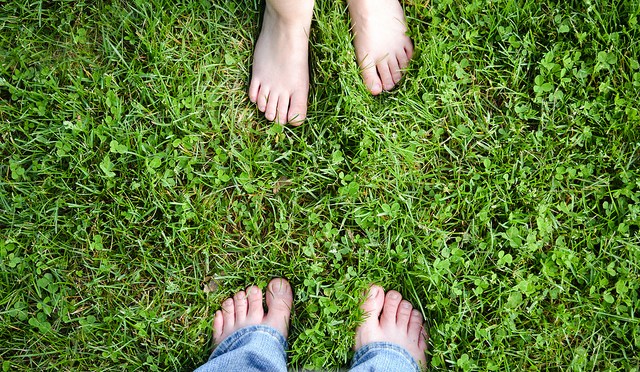
This year I decided to ditch my footwear inside the house, ever since reading up on Barefoot Earthing or Grounding. This is a radical new health practice that is quickly gaining momentum as word about its benefits spreads. Its impact can be quite far-reaching and yet it is incredibly simple to do, costs nothing, is always available and feels great.

Have you ever noticed how good you feel when you take off your shoes to walk barefoot? Well it seems there is a scientific explanation, and research into the practice of Grounding has found that it can significantly improve all sorts of health problems. It can help your energy levels, reduce stress, improve your sleep, decrease muscular inflammation and stiffness as well as other chronic pain, reduce anxiety, improve circulation, prevent free-radical damage and associated premature ageing and even heal injuries faster. It brings you back into a state of equilibrium where your body is best able to heal itself. Those who use the practice on a regular basis report great results. I am certainly finding I have less aches and pains whenever I walk round without shoes than when I leave them on.

It all has to do with electrical fields.

These days we live completely immersed in electro-magnetic waves (EMFs) from a huge number of everyday items including mobile phones, computers, wireless technology, many electrical appliances, and even compact fluorescent lights. The air in our houses, our workplaces, our schools and in some outdoor places is full of electro-pollution, harmful positive ions produced by this multitude of electrical contraptions that surround us.

These positive ions contribute to ill health.

Electrical Stress

Electrical stress is now recognized as a significant contributor to many health problems and in fact a new chronic illness, “Diabetes Type 3”, has been coined to describe illness believed to be caused by electropollution. 

Surrounding yourself with sources of negative ions helps to rebalance this disharmony, as does being in places where negative ions are in abundance.

The surface of the earth is electically conductive and has a permanent supply of free electrons sitting just above the surface. The charge on the earth surface is negative and anything that is close to the surface will also carry that charge.

Your body also has an electrical field, sometimes referred to as the biofield or the aura. When your bare feet are in contact with the earth negative electrons can easily pass into you. Grounding helps to prevent a build-up of harmful electrons in your body as well as promoting a discharge of the positive ions from your body into the earth. Simultaneously you receive a flood of free electrons from the earth.

When the ions in your body and the Earth are very different an ion exchange occurs. These neutralize the free radicals in your body which cause inflammation and are responsible for many health problems. The flood of electrons immediately ‘re-balances’ you, which is why you feel so good when you walk outside barefoot.

In case you got lost in that explanation, simply, standing on the earth rebalances the electromagnetic field of your body, helping to strengthen your immune system, and boosting both your health and your wellbeing.

For most of our existence humans have gone barefoot and often slept directly on the ground. Things now are very different. As well as being surrounded by electromagnetic pollution we are cut off from receiving the rebalancing benefits from the earth because the shoes that we now wear have rubber and synthetic soles that insulate and block transmission of the natural beneficial energy of the earth. Think how rubber gloves can provide protection from electrical shock. Your shoes act in much the same way.

How to Ground Yourself

Take your shoes off and stand or walk barefoot on grass, beach, bare earth, even concrete when it is laid directly on the earth (but not if it is painted or sealed) whenever you can.

To gain the full health benefit you need to walk around on the earth for about thirty minutes.

Other ways to ground yourself and reap the benefits are to swim in lakes, rivers, or the sea; wear shoes with leather soles; purchase and use an indoor grounding mat or an earthing bed sheet.

The reason I am able to benefit from earthing when walking barefoot indoors is because my floor is made of unglazed slate sitting on a concrete slab which is set directly onto a rock shelf on the side of a hill. There are no substances between my feet and the Earth to block the passage of negative ions. You would not get earthing benefit in a home raised above the ground, or with glazed tiles covering the floor, or a layer between the concrete and tile, or with other floor coverings.

If you would like to read up on Earthing also then get a copy of the book EARTHING – The Most Important Health Discovery Ever?  by Clint Ober, Dr Stephen T Sinatra and Martin Zucker.

Remember though, Grounding is not a substitute for medical treatment and if you have a medical condition you need to consult your healthcare provider.

Taking your shoes off and walking barefoot in the sea helps to rebalance your energetic field.

Disclaimer.

All information and opinions presented here are for information only and are not intended as a substitute for professional advice offered during a consultation. Please consult with your health care provider before trying any of the treatment suggested on this site. 

© Catherine Bullard and Happy Holistic Health, 2024. Unauthorised use and/or duplication of this material without express and written permission from this blog’s author and/or owner is strictly prohibited. Excerpts and links may be used, provided that full and clear credit is given to Catherine Bullard and Happy Holistic Health with appropriate and specific direction to the original content.

Source articles:

http://www.barefoothealing.com.au/

https://www.naturalnews.com/028967_electropollution_diabetes.html

http://articles.mercola.com/sites/articles/archive/2012/11/04/why-does-walking-barefoot-on-the-earth-make-you-feel-better.aspx

Are You Suffering From 21st Century Syndrome?

With Adrenal Fatigue you can feel tired even after a good sleep and not really feel awake until 10am

Adrenal Fatigue? “What’s that” I hear you ask.

Adrenal fatigue, sometimes called the ‘21st Century Stress Syndrome’ occurs when your adrenal glands cannot meet the hormone demands of your life and is a problem that is becoming more frequently recognized.

If you are living a high-stress lifestyle, eating lots of chemical laden foods, need to drink lots of coffee or cola to keep you going, and getting way too little sleep than the chances are that you are suffering from adrenal fatigue.

Unfortunately for us, our lifestyle has changed but our bodies haven’t – they still operate as if they are living in the stone age. We can no longer live a simple, relaxed lifestyle and instead we all live a life under constant stress. (Anyone who is able to live a relaxed life these days is not going to be reading this on a computer!) Sometimes, we become so used to the full-on lifestyle that we stop even realizing that it is actually pretty stressful. Sometimes we don’t even realize that so many different components from worry, anxiety or grief, to the air we breathe, the toxic homes we live in, the foods we eat, or the exercise routine we do, are all mounting up stress on our body each and every minute of each and every day.

Our adrenal glands are responsible for the production of a host of hormones including adrenalin (epinephrine), DHEA, progesterone and testosterone, and cortisol. Adrenals play an important role in the stress response as they release adrenaline and cortisol which initiate the ‘fight or flight’ response and help us deal with acute stress.

Cortisol is the hormone particularly important for keeping our bodies balanced and it plays a big part in regulating the immune system, blood sugar levels and blood pressure. It is also very important in helping us deal with stress. When the levels of cortisol rise too high the immune system becomes weak and susceptible to cancer and infection; if the levels are too low it becomes overactive and then autoimmune disease develops.

When an acute stress is ongoing the adrenals become overworked and unable to match the demand for continued hormone production. When they just can’t take any more they fail and you get what was called a ‘nervous breakdown’ in the past but we now call Adrenal Fatigue.

Our problem is that in an ever-stressed fast-paced life our bodies are pumping out cortisol all the time. When we maintain that lifestyle, with long work hours, sleep deprivation, poor diet, smoking, high intake of caffeine, low relaxation, lots of allergies, we overload our adrenal glands until they can’t take any more. Then the next stress simply becomes the straw to break the camel’s back and we fall apart.

SOME OF THE PROBLEMS EXPREIENCED WITH ADRENAL FATIGUE:

  • Generally tired but wired: You feel really tired until about mid-morning, then again in the middle of the afternoon when you feel like a snooze. Tired again in the evening until about 11pm when you get a ‘second wind’ and then are wide awake until late
  • You perspire a lot even with little activity
  • Dark circles under your eyes
  • Low blood sugar
  • General lack of energy and muscle weakness
  • Cravings for foods high in salt, sweets and carbs, fats
  • Difficulty handling alcohol; difficulty with potassium rich or high carb foods unless combined with fats and protein
  • Low blood pressure, lightheadedness on standing up, dizziness or heart palpitations
  • Low libido
  • Increased PMS or menopausal symptoms
  • Chronic infections
  • Increased allergies
  • Mild depression, lots of sighing
  • Startle easily
  • Less ability to handle stress
  • Low back pain, knee pain and weakness
  • Dry unhealthy skin

SOME ILLNESSES CAUSED BY ADRENAL STRESS ARE:

  • Blood sugar balance and diabetes – cortisol causes elevated blood sugar levels and leads to insulin resistance
  • Weight gain and obesity – cortisol mobilizes triglycerides into fat cells and changes appetite with a craving for high kilojoule foods
  • Immune system suppression – a higher susceptibility to all diseases
  • Gastrointestinal problems like Irritable Bowel Syndrome (IBS), colitis, ulcers, indigestion
  • Cardiovascular disease from blood vessel damage
  • Fertility problems – erectile dysfunction and disrupted ovulation and menstrual cycles

Even though adrenal fatigue is very common in these days of stressful living many doctors don’t pick it up easily. It is one of those things that is often just not diagnosed because doctors are only taught to recognize excess, not inadequate levels of cortisol in their training.

Eating a nice clean diet of largely organic whole foods, with an emphasis on lots of vegetables is just one way you can start to turn around adrenal stress

HOW YOU CAN START TO NURTURE YOUR ADRENALS

If you really want to turn around Adrenal Fatigue then you really do have to reduce the stressors in your life, and first up you need to recognize and acknowledge what the stressors actually are. This might mean changing your job or aspects of it, organizing some child care, changing your diet, your activity, your sleep behaviour, recreation, or the people you mix with. It is also vital to address the associated emotional or psychological issues. Sometimes changing your outlook can make a big difference.

But even introducing certain stress reducing measures would help. You could try these:

  • Minimize stress – this almost goes without saying
  • Laugh more – even join a laughing club if you need to
  • Eat a nice clean diet of largely organic whole foods, with an emphasis on lots of vegetables. Include nuts, seeds legumes and whole grains. Eat regular meals. Chew your food well.
  • Avoid junk foods and sugar
  • Get rid of coffee and cola. If you need some caffeine drink green tea. If you can’t remove coffee totally have one quality coffee on the weekend. Peppermint, dandelion or rooibosteas are all good choices. Tulsi Tea (Holy Basil) is awesome for adrenal fatigue because it helps bring cortisol levels back to normal.
  • Do something fun every day
  • Get negative people out of your life
  • Get some exercise – Yoga, Qi Gong or T’ai Chi are all great de-stressors
  • Meditation and relaxation exercises
  • Get good sleep – seven to eight hours a night, get to bed before midnight as that’s when your body heals itself the most, take a rest (lying down) during work breaks

Take supplements

  • 3,000-5,000 mg Vitamin C each day, Vitamin B complex high in B6 and pantothenic acid, Vitamin E
  • Calcium and magnesium
  • Licorice root extract

Homeopathy, Flower Essences and EFT are all very effective at relieving stress and healing some of the emotional issues. Homeopathy can also redress the hormone imbalances in your body.

With adrenal fatigue having such a huge impact on many of our body functions as well as our quality of life it is worth finding out if you have adrenal fatigue so you can begin to redress it. Contact your Natural Therapy practitioner for more information.

But don’t expect a quick fix as it can take anywhere from 6 months to up to two years to reverse adrenal fatigue.
It can take anywhere from 6 months to up to two years to get back your zing after adrenal fatigue

Disclaimer.

All information and opinions presented here are for information only and are not intended as a substitute for professional advice offered during a consultation. Please consult with your health care provider before trying any of the treatment suggested on this site. 


Source articles:

http://www.naturalnews.com/019339_adrenal_fatigue_chronic_stress.html#ixzz2Q3g07WMc

http://www.todaysdietitian.com/newarchives/111609p38.shtml

http://www.adrenalfatigue.org/what-is-adrenal-fatigue

http://www.bodyandsoul.com.au/fact+sheets/hormones/adrenal+fatigue,11579?gclid=COHVrPHLv7YCFcpbpQodOgsA_w

http://www.thewellnesswarrior.com.au/2011/08/do-you-have-adrenal-fatigue/

Combat Stress In Your Life With Meditation

The pace of life has increased exponentially over the last few years and we are all living with increasingly rising stress levels

“We are fragmented into so many different aspects. We don´t know who we really are, or what aspects of ourselves we should identify with or believe in. So many contradictory voices, dictates, and feelings fight for control over our inner lives that we find ourselves scattered everywhere, in all directions, leaving nobody at home.
Meditation, then, is bringing the mind home.”
Sogyal Rinpoche

Stress plays a major part in the development of many illnesses. It is known to affect many body functions including the reproductive system, cause eczema and psoriasis, cause dry mouth or ulcers and musculoskeletal pain as well as affecting the immune system as a whole.

The pace of life has increased exponentially over the last few years. As we all take on more and more in our lives and the influx of information bombards us faster and faster, we live with increasingly rising stress levels – whether their cause or focus is on our work, our family , finances, or the health of ourselves, our parents as they age, our family or our beautiful planet, or any of the myriad of commitments we all have in our life. Some may even be stressing about whether they are allowing enough “download” time to counter the stress they have. Almost all of us, including children, are affected to some degree.

DE- STRESS

One of the ways that I often suggest to clients to offload the effects of this stress in their life is to adopt the practice of meditation. Some say they have tried it but just can’t maintain focus. But for others the idea is somewhat daunting and many dismiss the idea out-of-hand. Introducing something new requires planning, and for them to allocate scarce time seems to only escalate their problem. For others it is all just a bit ”woo-woo” and uncomfortable.

But the fact remains that meditation is a wonderful way to de-stress, and it does not have to be difficult, or to require big chunks of your time, or to actively involve “chakras”. You do not need to join a class, it is entirely portable. And it does not have to include burning incense, crystals, difficult yoga poses or the need to “get it right”.

There are many different ways that the benefits of meditation can be obtained and it’s simply a matter of finding the one that fits you and your life, and then making that a regular part of your day.

There is a misconception that in order to meditate you need to completely shut down your mind. But for most people the mind chatter just keeps on intruding, constantly pulling them out of that calm, quiet, thought-free place we all seek.

The truth is that in order to be able to meditate in that way takes many, many years of practice. For the majority thoughts wander in and out, and it’s ok. The key is to accept that your thoughts will wander, and to simply consciously pull them back again whenever they do, by focusing once more on the meditative technique that you are using.

The thing is, meditation does not have to be a big major undertaking. Sure there are yogis who can sit and meditate all day. But there are also others who do it throughout their day in bursts of a few minutes. And many more who allocate a set amount of “me-time” when they are able to do their practice, and re-group.

MINDFULNESS

The enlightened Buddist monk Thich Nhat Hanh advocates doing walking meditations, which offer you the opportunity to transform an everyday practice into a healing and nourishing way to develop mindfulness, awaken your consciousness and to bring some peace into a life all too often over-run with stress. Basically they are meditation in action. You become mindful of the action of walking and try to keep your mind focused on the experience of walking and breathing. This makes it a lot easier for “monkey minds” to deal with as it gives the flighty mind something on which to concentrate. You can hear him explain it here and watch him demonstrate this form of meditation to a group of followers. It is a good form of meditation for women, who often benefit from active meditation as it is more yang, or masculine. I learnt the practice of this powerful technique from this wonderful Walking Meditation Kit – comprising book, DVD and CD which you can buy from Amazon. Meditation Oasis has clear detailed instructions for doing a walking meditation to get you started right here.

If you find you prefer active meditation Osho offers a number of  dynamic meditations you may like to try.

Many people prefer a guided meditation as they find having a voice directing the practice helps them to maintain their focus. Here is a simple ten minute relaxation meditation that I came across recently. I like it for its simplicity, her gentle, soothing voice and because it incorporates conscious muscle relaxation – perfect for releasing stress. I believe this is one you could even do at your desk if things start to get on top of you at work.

If you are having difficulty actually relaxing any muscles in these meditations one tip is to tighten each muscle momentarily. This allows you to relax the muscle on release. Use this technique until you are able to relax the muscles at will.

BREATHE

One of the simplest ways to start meditating is to practice consciously watching your breath, often called mindfulness . It comes out of Buddhist tradition but is not ‘religious’ in itself. It is all about ‘being present’ and allows for your mind to do its own thing while you develop, over time, the ability to detach from the thought. That sounds complicated, but in fact it is very simple. Here are two variations of a calming and simple meditation that focuses on the breath, again from Meditation Oasis. Breathing Meditation is one of the simplest forms of meditation and yet is also one of the most powerful. You may discover you never need to look any further!

Of course there are many different types of meditation that can be used to fulfill all sorts of purposes. Many have heard of Transcendental Meditation which derives from Hinduism. Zazen meditation involves just sitting for long periods. Kundalini is gaining in popularity and focuses on the rising stream of energy that exists in humans. Guided visualizations can be a very powerful way to opening your awareness. I use these in my Women’s Circles often with wonderful results. They involve concentration on an image or imagined environment or experience. Another form of meditation that I have found particularly powerful is the practice of Qi Gong, a Taoist meditation technique. Of course there are others as well and you may like to investigate some once you have established a regular meditation practice in your life.

I am a big fan of not taking on big loads – maybe it is the inner sloth, who knows. But if there is an easier pathway then I am always willing to give that option a go. And one way that always makes things a little easier to achieve is to break tasks down into their smallest bites and to then tackle those one at a time. If the prospect of meditation seems a bit daunting to you then start small. Start out by adopting a five minute breathing meditation, or if that is too much make it three minutes. Or start by doing a quick body relaxation every day at your desk or before the kids come home from school, or before going to bed at night. Or maybe even do it for a few minutes a few times through the day.

Soon you will find that it is easy to meditate.

“Meditation is the dissolution of thoughts in Eternal awareness or Pure consciousness without objectification, knowing without thinking, merging finitude in infinity.”
Voltaire

This is how I picture myself meditating...but it is far more likely I will be sitting in my car catching a few brief moments to centre my breathing before plunging back into the chaos of life
This is how I picture myself meditating…but it is far more likely I will be sitting in my car catching a few brief moments to centre my breathing before plunging back into the chaos of life

Disclaimer.

All information and opinions presented here are for information only and are not intended as a substitute for professional advice offered during a consultation. Please consult with your health care provider before trying any of the treatment suggested on this site. 

Source articles:

http://www.iam-u.org/index.php/8-basic-kinds-of-meditation-and-why-you-should-meditate-on-your-heart http://www.wildmind.org/walking/overview

Bigger From Dawn To Dusk: Natural Remedies For Bloating

Does this sound familiar? You wake in the morning feeling great with a nice flat belly, but by the evening your gut is swollen and aching, or at the very least uncomfortable and tight? Is bloating a problem for you? It is for many people. Chances are if you answered ‘yes’ then you’re probably a woman, with about one in three women experiencing abdominal bloating. But,while bloating is more common for women it’s also a problem for many men. For some unlucky people, bloating is a constant and serious problem. However, there are many natural remedies for bloating.

By the evening your gut is swollen and aching


CAUSES OF BLOATING

There are many causes of bloating. Sometimes it’s simply the result of overeating. But if it happens regularly it could be due to any of the following:

  • Food allergies
  • Food intolerance
  • Irritable Bowel Syndrome (IBS)
  • Constipation
  • Gas-producing foods
  • Swallowing air (aerophagia)
  • Intestinal parasites
  • Menstruation, period pain, Polycystic Ovarian Syndrome (PCOS)
  • Diverticulosis, Splenic-Flexure Syndrome, partial bowel obstruction
  • Visceral fat

After eating or drinking gases are produced in the colon. Normally they move through the gut where they’re mostly absorbed or they’re passed out of the body. But if the gas gets trapped along the way then discomfort and distension occurs. Sometimes bloating can be so severe that it makes you suddenly look pregnant.


STRESS AND BLOATING

A big problem and sometimes the cause of bloating is STRESS. When you’re stressed your gut doesn’t work properly. When your body goes into ‘fight or flight mode’ the digestive system closes down. If you’re living with ongoing stress your body stays in a prolonged state of ‘high alert’, as do all the digestive repercussions.

If you can’t remove the stress from your life then you need to introduce practices to break the stressful state apart. These practices could include yoga, meditation, walking the labyrinth, deep breathing, tai chi, exercise, relaxing music, walking. In fact whatever it is that relaxes and calms you will create the result you want.

Importantly you need to make the commitment to continue the activity on a regular basis.


HORMONES AND BLOATING

Bloating can be the result of gynaecological problems and often related to the hormonal cycle. Together with constipation it’s often worse right before periods when hormonal activity is high. HRT can also contribute to bloating in older women.

Isolating the offending cause of bloating can become further complicated when something as seemingly innocuous as calcium supplements may cause bloating in some people. The range of causes can be diverse and a complicated mix from a number of different sources.


FOODS AND BLOATING

Foods often cause bloating, with food intolerance probably being the biggest cause. Food intolerance is often very difficult to identify, especially if there;s more than one single food involved. Symptoms don’t always show up immediately after eating the food and may take days to become evident.

Problem Foods For Bloating

Problem foods often come from these groups:

  • Vegetables – Onions and garlic, and brassicas (broccoli, cabbage, cauliflower, Brussels sprouts, kale)
  • Dairy foods – milk, cheese, ice-cream, and foods containing milk solids
  • Grains – wheat, corn (including popcorn)
  • Fruits – such as apples, peaches and pears
  • Sweets – hard candy, chewing gum
  • Highly spiced foods
  • Alcohol
  • Carbonated drinks and champagne

Processed foods are high in bloating-promoting ingredients and can lead to bloating. Fructose, one such ingredient, is often added to processed foods.

Fructose intolerance is a problem affecting more and more people. The FODMAP diet can really help those with fructose intolerance. However it needs to be done under the supervision of a practitioner as it varies a little from one individual to another and can be very complicated to put together.

Salt can be a problem, particularly in highly processed foods as it can cause or worsen bloating and water retention. It’s far better to avoid processed foods and to use other seasonings in your cooking.


It looks tasty but broccoli, milk and wheat could all be causing your blaoting


PROBLEM FOODS FOR BLOATING

Gluten, lactose and fructose intolerance are the three most common  causes of bloating in my clients. If you believe one of these is behind your problem eliminate it completely for a week and watch the effect. But these ingredients are often hidden, for instance gluten is present in many medications.

Lactose, sorbitol and wheat as well as vegetables like cabbage, broccoli and onions can cause increased gas production. But the underlying problem is usually that your digestive tract isn’t contracting properly. When this occurs gas gets trapped in the digestive tract and leads to gurgling and bloating.

Avoiding problem foods helps lessen symptoms. But in the long term it’s better to fix the problem at a deeper level and that’s where natural remedies for bloating can help.


NATURAL REMEDIES FOR BLOATING

Homeopathy

There are a number of Homeopathic remedies that stimulate the gut so it starts contracting properly and then keeps on working efficiently. Using homeopathy for bloating is a bit like a ‘re-training’ for the gastrointestinal tract.

There are pre-mixed homeopathic remedies for general gut issues. However you’ll get best results under the care of a fully trained  Homeopath who’ll select a remedy to match your specific symptoms. Homeopathic remedies should be selected and taken according to homeopathic prescribing guidelines.

Herbs

Herbs are another natural option that can help bloating. Peppermint is well-known for its soothing effect on the digestive system. However it’s not great for everybody. While it works like a treat for many people about 40% actually experience a worsening of their symptoms and so are better avoiding peppermint altogether. Other mints are also helpful.

Ginger is another good digestive herb that might help you.

Fennel Seeds
Fennel Seeds

Fennel is probably the most effective herbal digestive aid and relieves gas magnificently as well as reducing bloating and cramps. Either chew fennel seeds or drink fennel tea.

Teas are one of the easiest and best ways to take herbs at home. You can make your own herbal teas or buy one ready blended containing fennel. Select a brand that specialises in therapeutic herbal teas.

It is easy to make your own Fennel Tea, simply crush one teaspoon of fennel seeds and add to a cup of water. Bring to the boil, cover and steep for ten to fifteen minutes. Cool and strain. Drink two to three cups each day.

Try the herbal tea out and if you don’t get a positive response try a different herb instead. My favourite digestive tea contains cinnamon, cardamom, ginger, clove, peppercorn and spearmint amongst other ingredients, which are all digestive aids.

Supplements

Taking probiotics, bifidus and acidopholus, can be helpful. They repopulate your gut with ‘good bacteria’. They help redress the imbalance between ‘good’ and ‘bad bacteria’ that often accompanies bloating. Look for a reputable brand from your health food shop, one that is for ‘practitioner dispensing only’ is the better choice.

There can be insufficient enzymes in the small intestine. In this case Digestive Enzymes can be a great help in breaking down the gas-forming foods. They are available over the counter.

Activated charcoal can help to relieve gas and bloating. Take it before and after meals. But don’t use it if you’re taking the contraceptive pill or other medications and don’t use it long term.

Essential Oils

Essential Oils are great for symptoms due to stress. Choose from peppermint, orange, rose, cinnamon and basil oils.  Alternatively buy a stress-relieving or balancing blend from your health food shop.


EXERCISE FOR BLOATING

Certain exercises can help when the pain of bloating is really bad.

  • Rolling a soft ball over your abdomen can help move the gas along the digestive tract.
  • Lie on your back and hug one leg to your chest while keeping the other flat on the floor. Hold for the count of 20. Then repeat with the other leg. Doing this at least five times may alleviate symptoms.
  • Five minutes of deep abdominal breathing is one of the best ways to get some relief.  This is a good practice to adopt every day whether you’re bloated or not.


YOUR HAPPY GUT CHECK LIST

  1. Maintain a healthy diet, keep regular eating patterns and don’t skip meals. Eat slowly and chew everything well.
  2. Avoid problematic foods from the list above.
  3. Increase your water intake and cut back alcohol which irritates the gut
  4. Replace white wheat bread with different grains such as rye or spelt, or even gluten-free. Broaden the range of grains you consume
  5. Avoid dairy products as many people are actually lactose intolerant
  6. Combat your symptoms with natural remedies
  7. Reduce your stress
  8. Limit sugar intake especially fructose found in fruits and juices


BLOATING WARNINGS

Persistent chronic bloating can be a symptom of intestinal blockage or more sinister diseases such as ovarian cancer or uterine fibroids. Get checked out by your doctor particularly if you also have unexplained weight loss or gain.

It’s becoming more widely recognised that many serious health problems stem from problems with the gut not functioning well. Keeping your digestive system working happily really is fundamental to maintaining good health.

Natural remedies for bloating are a simple and effective way to get relief


Would you love to stay vibrant & healthy beyond your 50’s? Join us to redesign your life and create your personal Wellness Blueprint with the tools you need to upscale your health & wellness in the long term at the Live Life: Love Life: Long Life Wellness Retreat

Bloated green man

Disclaimer.

All information and opinions presented here are for information only and are not intended as a substitute for professional advice offered during a consultation. Please consult with your health care provider before trying any of the treatment suggested on this site. 

Find The Rainbow Connection With Antioxidants

Rainbow in a wok
Rainbow in a wok

As I tossed my dinner in the wok tonight and marveled at the gorgeous array of colours, I was reminded of how bland the meals that I was served as a child always looked in comparison – always brown meat with some white (potato) and green (peas or beans) and maybe a touch of orange or red. The vegetables changed a little but always seemed to have the same look about them.

The message today in a nutshell is that when you always eat a ‘rainbow’ of fruit and vegetables with a naturally high color intensity you can be sure that you are getting a wide range as well as a good quantity, of antioxidants.

Now, if all you want to know is the ‘what you need to do’ or you are too short of time today, then there you have it, be conscious to always EAT A RAINBOW and you will be sure to get a broad range of nutrients, including antioxidants, to help you combat free radical damage in your body.

But, if you would like to know ‘the why’ and the nitty gritty details, then read on

Cells need oxygen to metabolise vitamins and minerals but when oxygen isn’t metabolized thoroughly it results in extra oxygen molecules hanging round which form free radicals. When you get a sudden rush of free radicals they cause a chain reaction that causes damage to the cells and leads to disease.

The body has its own antioxidant defence system of free radical scavenging enzymes but when there is too much stress put on us from our toxic environment and lifestyle our body gets overwhelmed by free radicals and we get sick. These scavenging enzymes need support from many minerals and vitamins that are not made by the body and must be gained from our food. Unfortunately, because there are so many stresses on the body from our modern world we now need far more antioxidants than were ever needed in the past.

SO WHAT EXACTLY ARE ANTIOXIDANTS?

Antioxidants are substances that remove potentially damaging oxidizing agents in a living organism. They are capable of neutralizing the effects of free radicals before they are able to cause damage in the cells and tissues of your body, and they are found in the form of vitamins, minerals, carotenoids and so on. Antioxidants have protective effects and can lower the risk of diseases such as cancer or heart disease.

Eat a Rainbow
Eat a Rainbow

There are a number of different antioxidants that act in different ways and you can often tell which they are and what they will do by the colour of the food in which they occur.

There are over 4000 compounds with antioxidant properties – here are some of them:

antioxidant

colours

foods

  vitamin C  various oranges, citrus fruits, capsicum, mangos, kiwifruit,  strawberries, blackcurrants
  vitamin E  various avocado, nuts, vegetable oils
  beta-carotene  orange, yellow, green carrots, sweet potato, mangos, apricot, pumpkin,
  anthocyanins  red, blue blueberries, cranberries, raspberries, dark grapes, eggplants
  catechins  tawny, red cocoa, red wine, green tea, chocolate
  cryptoxanthins  orange mangoes, red capsicum, pumpkin
  lycopene  red tomato, watermelon, guava, strawberry, pink grapefruit
  lutein  yellow, green spinach, corn, gold kiwifruit, leafy greens
  flavonoids  various tea, green tea, citrus fruits, apples, red wine
  selenium  white brazil nuts, seafood, sunflower seeds, rice
  isoflavenoids soy products, lentils, milk
  lignans  white seeds, nuts, vegetables, broccoli, kale, wholegrains
  manganese  red, green nuts, berries, shellfish, legumes, leafy greens, sesame seeds, pumpkin seeds
  polyphenols  green, red thyme, oregano, rosemary, ginger, red wine
  phenolic acid  various apple, citrus fruit, oats

But these are just some of the foods associated with antioxidants. Some of the best overall sources are berries, walnuts, sunflower seeds, pomegranates and ginger.

AND FREE RADICALS…?

Free radicals are molecules that are produced in our body as a result of our everyday life which cause oxidative stress in the body and basically feed off other cells to survive. In fact your body produces free radicals as a by-product of metabolism. Your body also produces a limited number of antioxidants to neutralize them, but when your body becomes overloaded with free radicals caused by outside stressors it is unable to cope and succumbs to a variety of illnesses. The cells of your immune system are the most likely to suffer damage initially and you may not even notice the effects, but left unchecked eventually the DNA held within the cell will become the target of the free radical damage. DNA acts as the ‘command centre’ of your cells so when it is damaged there can be significant and far-reaching effects.

Free radical damage accelerates the aging process and fosters many diseases including cancer, heart disease, arthritis, atherosclerosis, Parkinson’s disease, Alzheimer’s, Multiple Sclerosis, Hypertension, Diabetes, cataracts, macular degeneration, and almost all chronic degenerative diseases. Ultimately the effect of free radicals is to shorten your life.

There are many factors in our life in addition to ageing and basic metabolism that can increase free radicals production.

  • The Western Diet creates a free radical bonanza! It is full of fats, processed foods, pesticides and chemicals, and with an emphasis on meat, dairy foods, sugar, processed ‘white’ grains, coffee and alcohol, that are all excellent free radical promoters. In addition it is deficient in fruits and vegetables, the source of antioxidants.
  • The chlorine in the water we drink results in free radical production
  • The air we breathe is loaded with a multitude of pollutants, including tobacco smoke whether you actually smoke or not. We are surrounded by substances such as lead and asbestos and all these are producing free radicals
  • Fats in the diet, in the form of trans-fats, animal and other forms of fats. Many people consume excess quantities of fat, with it contributing around 30% of western food intake. Simply put, the more fat you eat the more free radicals are produced, and some fats are worse than others
  • Pesticides are big producers of free radicals. They are found in large quantities in animal fat and present a significant free radical source if you are eating a meat-rich diet. These pesticides are stored in your body in fatty tissue. Non-organic fruit and vegetables also carry lots of pesticides
  • Free radical producing chemicals are found in solvents, cleaning products, glue, paint and thinners, as well as perfumes, and even prescription medications.
  • Ionizing radiation from sunlight, X-rays or electro magnetic fields is another source. Body cells are very sensitive to radiation and even very mild exposure will set off the chain reaction within the cell.
  • Even mental stress, including anger and anxiety can increase the presence of free radicals.

So, this is just another reason to get your daily dose of pesticide and chemical-free, antioxidant-rich, RAINBOW of fruit and vegetables! Be conscious of the foods you need and take the time to enjoy the beauty of a colourful diet.

Who doesn’t love Kermit? Enjoy The Rainbow Connection with Kermie.

Disclaimer.

All information and opinions presented here are for information only and are not intended as a substitute for professional advice offered during a consultation. Please consult with your health care provider before trying any of the treatment suggested on this site. 


Source articles:

http://www.healingdaily.com/conditions/free-radicals.htm

http://www.naturaltherapypages.com.au/article/the_power_of_antioxidants#ixzz2HoOfDp34

http://www.naturalnews.com/024710_antioxidants_fruits_antioxidant.html

http://www.naturalnews.com/036992_antioxidants_best_sources_foods.html

No Resolutions To A New Outlook

Just how worthwhile are New Years resolutions when 1st March rolls around?

I woke today, the first day of 2013 to a beautiful warm, sunny summer morning. As I watched from my deck the summer butterflies darted about the parched garden seeking the few open flowers, the surrounding trees were filled with the songs of the lorikeets and magpies, and I began to crystalize my thoughts about the directions I wished to follow in the coming year.

You may call these resolutions, but I have always shied away from using this term. I am not making any resolutions. I hate New Year resolutions. They seem somehow so pointless. I hear people around me making the same resolutions year in and year out – stop smoking, lose weight, exercise more, get a new job, etc, etc and at the end of the year most of their resolutions have fallen by the wayside and they have made no changes in their life.

Do these ring a bell for you? The top 10 resolutions made over the last 10 years have remained the same every year.
Do you recognise yourself in this collection? The most common top 10 resolutions made over the last 10 years have remained the same every year.

New Year Resolutions seems to lock everything into a very narrow field and set up you up firmly and squarely on the success/fail axis. I prefer to adopt the more accepting belief that whatever we experience or wherever we find ourselves is the right place to be because it the one place at that moment where we will find the opportunity to learn and understand more about ourselves. So, by setting up resolutions I would be setting up inflexible parameters that didn’t allow for the shifts of life that provide the opportunity for growth.

In addition, this type of a rigid approach causes stress and all the concomitant health problems that stress invariably leads to, which I would like to avoid. What I have noticed is that when people are living in a way that embraces opportunities for personal growth other things in their life fall into place more easily. Exercising or weight loss comes more easily because they want to be out doing whatever activity draws them, difficult decisions are made, new opportunities arise, and life begins to flow more fluidly and easily.

So my thoughts about my directions for 2013 are a little looser than things like “lose weight”, although that would be nice! I decided to take a look at the Virtues Project to form my list of the virtues I would like to see acknowledged and strengthened through this year, both on a personal and a wider community or global level.

Here is my list in no particular order of THIRTEEN VIRTUES TO EMBRACE FOR 2013, taken from the condensed list of 52 Virtues from The 52 Virtues Project (the full list of Virtues is extensive and this condensed list provided a little more focus):

1. Assertiveness
Being assertive means being positive and confident. You are aware that you are a worthy person with your own special gifts. You think for yourself and express your own ideas. You know what you stand for and what you won’t stand for. You expect respect.

2. Confidence
Confidence is having faith in someone. Self-confidence is trusting that you have what it takes to handle whatever happens. You feel sure of yourself and enjoy trying new things, without letting doubts or fears hold you back. When you have confidence in others, you rely on them

3. Creativity
Creativity is the power of imagination. It is discovering your own special talents. Dare to see things in new ways and find different ways to solve problems. With your creativity, you can bring something new into the world

4. Integrity
Integrity is living by your highest values. It is being honest and sincere. Integrity helps you to listen to your conscience, to do the right thing, and to tell the truth. You act with integrity when your words and actions match. Integrity gives you self-respect and a peaceful heart.

5. Joyfulness
Joyfulness is an inner sense of peace and happiness. You appreciate the gifts each day brings. Without joyfulness, when the fun stops, our happiness stops. Joy can carry us through the hard times even when we are feeling very sad. Joy gives us wings.

6. Moderation
Moderation is creating a healthy balance in your life between work and play, rest and exercise. You don’t overdo or get swept away by the things you like. You use your self-discipline to take charge of your life and your time.

7. Thankfulness
Thankfulness is being grateful for what we have. It is an attitude of gratitude for learning, loving and being. Appreciate the little things that happen around you and within you every day. Think positively. Thankfulness brings contentment

8. Compassion
Compassion is understanding and caring when someone is hurt or troubled, even if you don’t know them. It is wanting to help, even if all you can do is listen and say kind words. You forgive mistakes. You are a friend when someone needs a friend.

9. Generosity
Generosity is giving and sharing. You share freely, not with the idea of receiving something in return. You find ways to give others happiness, and give just for the joy of giving. Generosity is one of the best ways to show love and friendship.

10. Tolerance
Being tolerant is accepting differences. You don’t expect others to think, look, speak or act just like you. You are free of prejudice, knowing that all people have feelings, needs, hopes and dreams. Tolerance is also accepting things you wish were different with patience and flexibility.

11. Understanding
Understanding is using your mind to think clearly, paying careful attention to see the meaning of things. An understanding mind gives you insights and wonderful ideas. An understanding heart gives you empathy and compassion for others. Understanding is the power to think and learn and also to care

12.Unity                                                                                                                                                                                                                        Unity helps us work and live together peacefully. We feel connected with each other and all living things. We value the specialness of each person as a gift, not as a reason to fight or be scared. With unity we accomplish more together than any of one of us could alone.

13. Love
Love is a special feeling that fills your heart. You show love in a smile, a kind word, a thoughtful act or a hug. Love is treating people and things with care and kindness because they mean so much to you. Love is contagious. It keeps spreading.

Of course there are many more virtues to ambrace, and selecting only thirteen was very difficult.

The Virtues Project is a grassroots initiative started in Canada aimed at inspiring the practice of virtues in everyday life. It is widely used in schools but is equally effective in the home or your personal life. It “empowers individuals to live more authentic meaningful lives, families to raise children of compassion and integrity, educators to create safe, caring, and high performing learning communities, and leaders to encourage excellence and ethics in the work place.” If you would like to start off 2013 doing a daily Virtues Card pick for yourself then go here and click on ‘Do A Virtues Pick’.

Use 2013 to achieve change that you can recognise when 2014 rocks in
Make 2013 a year of change that you can recognise when 2014 rocks along

But, if someone were to twist my arm and force me to make three New Year resolutions, then this is how I would go

1. make no stupid resolutions that would fall by the wayside during January

2. adopt a new Virtue to embrace each week, thirteen of which would take me through to the end of March

3. refuse to take any of these doomsdayer prophesies literally.

I hope that 2013 brings you the opportunity to experience the new, to find joy in the simple things of life and to grow to know and understand yourself and the world around you more fully, and that by opening your self to the world around you experience much abundance in all parts of your life.

And especially, if as the doomsdayers claim, the Earth is about to be wiped out by a meteor in the next few months taking us all with it, that as you go down screaming you can feel that you have lived a life worthwhile.

Allow your virtues to unfurl

Disclaimer.

All information and opinions presented here are for information only and are not intended as a substitute for professional advice offered during a consultation. Please consult with your health care provider before trying any of the treatment suggested on this site. 

Soak Away Stress In Your Own Home Spa

reduce stress with DIY home bath products


I choose to practice gratitude every day. But no matter how hard I try I still regret that I don’t have a bath in my home.  Soaking in a bath with essential oils is an excellent way to reduce stress.

I love bath products and make a small range of beautiful natural skin care products. They’re simple and fun to make. It’s wonderful to be able to play with aromatic essential oils, beautiful cold-pressed vegetable oils, Himalayan salts and nut butters.

But I still long for a deep tub, candles, oils and salts in the bath, maybe a crystal in the water, music …well you know the scene. So whenever I go on holidays I always pack these goodies and book hotel rooms with a big bath.

Because this is the ‘Stressful-Season’ I’d like to share with you five wonderful super-simple home-made recipes for your Home Spa that sound easy and delicious. I hope you decide to practice a little self-love and steal an hour from your busy life to try them out.


1.  YULE RECIPE

So much alcohol goes in through the mouth over the holidays. Do yourself a favour and put that glass of red wine or champagne in your bath instead. Red wine is full of antioxidants which are simply awesome anti-ageing tools. If you feel a little decadent a glass of champagne in the water helps reduce discolouration of your skin as well as fine lines. The bonus is that the champagne needs to be flat! So have a drink first. Instead of throwing the leftover down the sink, throw it into the running water of your bath instead. Then hop in and soak for twenty minutes.


2. DETOX RECIPE

This is a great detox bath and my guess is you’ll probably need a couple of these after a dose of holiday partying.

Regular readers know I love Himalayan salt. It has so many health benefits as well as being relaxing and soothing. Unlike table salt it contains 84 minerals which give it the gorgeous pink colour. For it to be an effective detox you must have the right proportion of salt to water. In a tub of 100 litres you need 1200 grams of Himalayan salt.

Don’t use any soap, shampoo or oil with this as the salt cleanses perfectly. Soak for 30 minutes, towel off and then rinse with clean water. The salt leaves your skin beautifully silky smooth.


3. DIY BATH SALTS

Bath Salts are really easy to make at home. Try out this one.

Mix 50% epsom salts, 25% sea salt and 25% bi-carb soda (baking soda). Don’t use the stuff labeled “Lectric Soda” as it’s not Epsom salts. You need true Epsom Salts to get the benefits. Use about 2 tablespoons (40mL) of the mix in each bath. You can store any leftover in an airtight jar.

You can also add 7 – 10 drops (0.3 – 0.5 grams) of your favourite essential oil to each tablespoons of salt. I love Sandalwood mixed with Rose Geranium and Lavender. This mix smells amazing and these particular oils have a great nourishing and moisturising effect for my dry skin.


4.  GODDESS BATH

Cleopatra was spot on when she added camel milk to her baths. I don’t do dairy so wouldn’t use this. But if you’re not allergic to dairy products milk makes a fantastic mild exfoliant. You can use full cream milk or milk powder, or goats milk to the bath salts mix. Or even camel milk if you have some.

First add 5 drops of essential oils of your choice to the milk. Mix well. Add equal quantities of each mix to the bath (two tablespoons of the salt mix and two of the milk mix). Then soak for 20 minutes.


5. BEAUTIFUL BATH OIL

Bath oils are the easiest of all to make and very luxurious.

Use a good quality vegetable oil like Sweet Almond or peach as the base. I choose cold-pressed oils and make my own blend which includes hemp seed, avocado and macadamia oil. For every tablespoon of vegetable oil add 8-10 drops of a single essential oil or a blend that you love. Float a tablespoon of the mix on the water.

You can also add botanicals to the water for their aromatic bliss and health benefits. Be sure to use organic flowers, not sprayed with pest control.

Lavender blossom is a wonderful relaxant. Rose petals have beautiful skin softening properties and their scent is intoxicating. In fact even the water gets softer when you add rose petals. Sprinkle a handful in the gushing water and remember to breathe in the aroma as you relax.


MAN SPA

Many men have learnt to love spas too. Lose the candles, music and rose petals, and look for less flowery essential oils.

Grapefruit and orange oils create a feeling of wellbeing. Orange is cheering and uplifting, and the fresh citrus smell appeals to men (as well as women).

Relaxing sandalwood is another good choice and helps with balancing all skin types.

Juniper is a great rejuvenating oil with a smoky note that works really well with citrus oils.

Frankincense, marjoram, cedarwood, orange, sandalwood and vetiver are some relaxants with a less girly tone. Patchouli is another oil suitable for men, that I also love. But it’s definitely one you need to be sure he likes before using.

Use the recipes above as your base and choose oils that suit his emotional state. If he’s a bit reluctant encourage him to try it out just once for at least twenty minutes. With a good magazine to read it’s a much better way to unwind than the television and he’ll surely get hooked.


QUALITY OILS

One important thing to note. I’m really fussy about the oils I use and will only use top quality ‘Therapeutic Grade’ oils and you should too.  The effectiveness of aromatherapy is directly dependent on the quality of essential oils employed.

Many oils are promoted as being 100% pure and natural but are adulterated or simply ‘lifestyle products’ using the concept of aromatherapy. These are low quality ‘essential oils’ and ‘aromatherapy oils’ often leave a nasty residue after burning.

I hate the way that advertising loopholes again allow manufacturers to mislead the buyer. Look for therapeutic claims on the oils you use and you’ll then be sure they’re going to actually do you good.


WHAT ARE YOU WAITING FOR?

Choose your favourite recipe, mix yourself up a batch of ‘relaxation’ in your kitchen and schedule a ‘recovery hour’ in your calendar.

Then light a beautiful scented candle, especially the ones with multiple wicks, and put on some soothing music. If you have an amethyst or rose quartz crystal put it in the bottom of the bath. Just be sure not to sit down on it. Lock the bathroom door and relax back for half an hour.

After your bath lavish your favourite moisturiser on your skin and emerge rejuvenated and able to face the next holiday challenge.


salt detox for bath
Photo credit: Dennis Wong


And  here is a little trivia to end with – today 12/12/12 is the very last date that will have all three digits the same until the twenty second century, so almost certainly the last you will encounter.

Enjoy!
Do you have a favourite bath-time recipe? Please share it with us in the comments below


Disclaimer.

All information and opinions presented here are for information only and are not intended as a substitute for professional advice offered during a consultation. Please consult with your health care provider before trying any of the treatment suggested on this site. 

Coasting to Christmas on the Silly Season Tsunami

With the end of the year racing towards us it is very easy to succumb to overwhelm, and here in Australia I believe that we actually do this season much harder than we need to, and perhaps harder than they do overseas. The festivities of Christmas, or whichever of the Holidays  you celebrate, coincides here with the end of the school year, the end of the working year, and the end of the calender year, all in one short week.

coasting to christmas-1386235586MYq

Trying to juggle a myriad of  ‘end-of-year’ school activities, dance concerts, exam study, shopping for the festivities ahead and socialising, together with having so many businesses closing down for at least a few weeks and preparations for the mass post-Christmas exodus to various idyllic beachy places, it is very easy to get caught up in a sense of “approaching the end”. Easy to get that nagging feeling that you need to finish absolutely everything, to tie up all the loose ends in your life.

It seems that the whole nation drives itself into an absolute feverpitch of stress through December and then shifts to the opposite extreme and shuts down totally after Christmas Eve. It is no wonder everyone races around with a sense of impending doom if everything isn’t done and finalized on time.

Perhaps this Australian ‘end-is-nigh’ approach to December actually fuels the stressful emotions that are experienced.

Are You Driving Yourself Too Hard?

How many times do you say to people ‘we must catch up before Christmas’? How much do you drive yourself at work to finalise jobs that realistically might wait a week or two? How many parties do you attend? How many late nights do you have? How much fattening, sugary, or rich food do you eat? How often are you driven to do or buy something which could wait, without really knowing what drives you to do it right now? And these are only what you are actually doing – they don’t even start to address the emotions that get stirred up at this time.

This last part of the year can be a time of escalating stress for so many during the build-up to Christmas with ‘so much to get done’, loneliness, increasingly tired children as they approach the end of the school year, the pressures of self-run businesses to cover added end of year costs such as holiday pay for staff, a calendar that seems to overflow, loss of a job and financial constraints, plus many more difficulties.

Loneliness and Grief

This part of the year is also the time of tremendous emotional stress for many. It is the time when the loss of loved family members, whether through separation or their passing, comes home and strikes with almost paralyzing force. For some people the whole season is wrapped in a tight mantle of grief that draws in around and stifles them.

It can also be the time when singles feel the most lonely, when isolation from family and friends or an abscence of them in your life strikes most intensely.

Family Tensions

For others the experience of returning into a family where everyone is suddenly thrown back into the role they played as a youngster and the family dynamics that played out when they were children, is too difficult to deal with.This is in spite of the fact that in their real everyday life they are responsible and competent parents, partners, employees or employers with wide and admirable skills and abilities.

In this scenario is it any wonder that the anxieties of childhood rear their ugly heads. Is it any wonder that behaviour reverts and childish tantrums or bickering, petulant unhappiness or resentment and various other actions that arise from the uncertain and fearful child that is still living deep within, start to occur.

But whatever the reason the ability to engage in the Christmas spirit eludes many and the season is anything but bright.

There are natural treatments that can help you cope as the Holiday Season gets nearer and stress levels increase

WHAT YOU CAN DO

There are a number of natural strategies that you can adopt to help deal with these issues. Rather than go into each of them in detail I will give you a link to some that I think are sound and effective. You can have a look and try a few out and then use any that suit you the best.

Even making a little time to get some exercise or relaxation is a good way to start. When we start to rush both exercise and relaxation space often go by the wayside. Schedule the time in your calendar and then stick to it.

Remember that a massage can work wonders especially if you carry your stress in your neck and shoulders, and it will be even more effective if it includes aromatherapy essential oils for relaxation.

Emotions respond beautifully to any of the varied forms of energetic medicine. Medicine delivered in an energetic form can be very effective in ‘re-balancing and re-setting you’ so that you are able to deal with whatever it is you have to face. Hear are a few.

Homeopathy

Homeopathy offers some great remedies for many of the issues such as stress, overwork, grief, over-excitement, anxiety, guilt, exhaustion and so on.

Homeopathic Coffea helps with getting over-excited children off to sleep on ChristmasEve. Ignatia is often a first choice for grieving. Nux vomica can work wonders if you are driving yourself towards burnout with overwork.

Homeopathic remedies need to be matched to your own idiosyncratic symptoms, the particular way you manifest the stress so unless you are familiar with self-prescribing for acute situations, or if your stress is long-standing you should consult with a fully trained and registered Homeopath.

Learn how to choose the best Homeopathic remedies for acute illnesses

Acupuncture

Visiting an Acupuncturist is a great way to deal with the stress, but even better, you can do Acupressure yourself anytime and anywhere, and it works along the same lines as acupuncture. Here is a good demonstration of one way to relieve stress by Donna Eden, an expert at using acupressure in her energy medicine work.

This advice and demonstration of acupressure points to use for hangovers could be useful if you are partying hard. And here are some acupressure points to help with feelings of anxiety felt throughout the holiday season.

Flower Essences

Flower essences can have a great benefit when trying to deal with grief. They work very gently, but effectively on the emotions.

The basic Bach Rescue Remedy or Australian Bush Flower Emergency Essence are both good ‘all-purpose’ mixes for dealing with stressful situations but there are a number of others that can be tailored to each individuals requirements. FES Five Flower Formula is similar to Bach Rescue Remedy.

Perhaps my favourite for this time of the year would be the Australian Bush Flower ‘Calm & Clear’ essence – the name says it all.

There are flower essences to help relieve all the other stressful emotional responses to the holidays and they are well worth investigating.

For information about each of the Bach remedies look here, for Australian Bush Flower Remedies look here and Californian Flower Essences here.   And this blogger describes her response to flower remedies which is interesting if you have had no experience of them before

Calm_Clear_Th

Difficult Families

Here are some useful strategies for those who have to deal with intensified extended family tensions. They give you the opportunity to plan ahead and devise strategies for you as well as your family.

Importantly it is all about taking back the reigns and getting back your sense of control. If you are able to clearly identify where your stress is coming from then you have a better chance of achieving this control. If there is a tradition in your festivities that causes more stress than joy, then it is time to give yourself permission to change things. Maybe 2012 is the year to make changes, after all you cannot help others if you are not really coping yourself.

Don’t forget, it is not all about the ‘Big Day’. The stress of the lead up through December can be just as bad or worse, and the significant health effect that prolonged stress can have on your whole system is often not recognized or acknowledged until it gets serious.

Remember to check in with situations and ask yourself whether they are of joy or of stress right through the whole Month of December.

Make this the year where you decide to be a bit kinder to yourself. Sure there are always going to be pressures, but maybe by being aware of the extent of the manufactured pressures you embrace, you can let a few slide, and in easing up your obligations you will be able to deal with those stresses you really cannot avoid.

It is time to allow yourself the gift of self-love and self-care.

It is time to allow yourself the gift of self-love and self-care


Disclaimer.

All information and opinions presented here are for information only and are not intended as a substitute for professional advice offered during a consultation. Please consult with your health care provider before trying any of the treatment suggested on this site. 

Holy Basil! It’s Tulsi, the Queen of Herbs

Herbal teas are a wonderful way to get the healing benefits of herbal remedies very easily  and I sat down today to enjoy my afternoon cup of tea with great pleasure. I drink many different green and herbal teas but this one, Tulsi tea, is one of my favourites.


tulsi


Tulsi, Ocimum sanctum or Holy Basil, is a small plant which has played an important role in Ayurvedic medicine and has been cherished as a sacred plant by Indians for nearly five thousand years. It is also known by many other names that reflect the exalted position it holds, such as Sacred Basil, Queen of Herbs, the Incomparable One, the Elixir of Life and the Mother Medicine of Nature. In Ayurvedic medicine many herbs are highly valued, but Tulsi is a prized medicinal, recognized as a herb with unique status and revered alongside the Lotus

Tulsi is believed to be spiritually endowed and powerfully transformative. In India it plays an important part in religious practices and is used during meditation to gain clarity and protection. Many traditional Hindus worship at an altar in the courtyard of their home on which is placed a potted Tulsi plant, which is thought to provide divine protection, insure personal health, spiritual purity and family well-being. The plant is revered for both its healing abilities and its ability to heighten spiritual awareness. It is thought to balance the chakras and to be capable of bringing on goodness, virtue and joy in humans

There are three types of Tulsi, and all are known for their fragrance which resembles that of their cousin, the Sweet Basil that you use in cooking. Krishna (purple) is slightly peppery and Rama (green) is cooling and mellow. Vana (‘forest Tulsi’) grows wild and is a bit ‘lemony’. They are members of the Lamiaceae (mint) family have a mint overtone.

Traditionally Tulsi was used for an impressively wide-range of health promoting purposes. As a herbal remedy it has been shown to have many benefits. The chemical composition of Tulsi is very complex and it is rich in antioxidants and other nutrients. It is used in over 300 medical treatments and there is a lot of evidence of its health benefits. The research offers impressive evidence that Tulsi has general vitality-enhancing properties which support and enhance the body’s natural capacity to maintain a state of well-being. Research shows that it both protects against and reduces stress, enhances stamina and endurance, increases the body’s efficient use of oxygen, boosts the immune system and slows aging.

Holy Basil has a wide range of actions including anti-fungal, anti-bacterial and anti-viral which make it effective in fighting infections. It’s also an adaptogen, antidepressant, carminative, diuretic, expectorant, galactagogue (promotes the flow of mother’s milk), and immunomodulator. It acts as an anti-inflammatory agent and in addition it will boost your immunity. These terms may be confusing but this range of actions all add up to a herb that is able to restore widespread balance in your body.

Tulsi is perhaps most recognized and appreciated as a powerful adaptogen, and acts as an excellent ‘anti-stress agent’. It is a herb that allows the body to cope with the many stresses of modern life, whether they are environmental, physical or chemical. It keeps the body in a balanced state of health and offers protection from the vast range of diseases that are caused by these stressors. It assists with mental tension, emotional difficulties and problems that are the result of poor lifestyle. It is an ancient protective herb ideally suited to the modern world because it will help prevent illnesses that are the result of living a modern high-speed lifestyle.

Tulsi Tea nourishes a persons growth to perfect health and promotes long life

Tulsi is beneficial for so many problems that I have to list some of the ways that it may help you:

  • Supports the immune system
  • Helps fight infections, and is widely used to treat respiratory ailments
  • Provides physical stamina
  • Has anti-depressive action
  • Enhances digestion and nutrient absorption and helps with gastrointestinal problems such as bloating
  • Reduces inflammation in diseases like arthritis
  • Supports heart function, reduces cholesterol and high blood pressure, reduces the risk of stroke
  • Neutralizes dangerous chemicals that can cause cancer, degenerative diseases and early aging
  • It is a nerve tonic
  • Sharpens your memory
  • Is expectorant and effective in asthma, cough, croup, allergies and respiratory infections
  • Strengthens the kidneys
  • Lowers cortisol levels
  • May help to lower blood sugar levels and nourishes the pancreas
  • Is useful in many children’s illnesses like diarrhea, cough, cold, fever or vomiting as well as ADHD
  • It hydrates the skin and helps with disorders like ringworm or dryness
  • In conjunction with chemotherapy or radiotherapy it neutralizes the effects of bio-chemicals
  • In addition it assists insomnia, pain & spasms; excess phlegm, sluggishness, excess weight, lack of energy

It seems that Tulsi is able to offer remarkable preventative and curative potential with respect to many degenerative disorders, such as cancer, heart disease, arthritis, diabetes and dementia.

It is not recommended taking Tulsi during pregnancy or if you are considering getting pregnant (there are indications that it may have an anti-fertility effect), but it is perfect after the birth as it helps to increase milk production

The tea is made from the leaves and blossoms of the plant. The Tulsi I drink (Pukka Organic Three Tulsi) is a mix of only the three different Tulsi’s, (Rama, Krishna and Vana) but others I have tried have been combined with green tea, or other herbs for flavour. As I enjoy the fresh, zesty flavour of the Tulsi leaf, I prefer the ‘pure’ blend rather than one added to other teas, both for the taste as well as the increased benefits it offers. It is the perfect pick-me-up in the late afternoon, immediately rejuvenating my energy, and uplifting my spirits, and without any caffeine at all! As I drink it regularly I know it is also having a positive effect in the long-term on so many of my body systems.


Tulsi holds both medicinal and spiritual importance in India


Disclaimer: This information is not intended to diagnose, cure or prevent any disease. It is advisable to seek professional opinion and guidance before trying any of the treatments suggested on this site.

Source articles:

http://hinduism.about.com/od/ayurveda/a/tulsibenefits.htm

http://www.mountainroseherbs.com/learn/Holy_basil.php

http://www.holy-basil.com/

http://organicindia.mercola.com/herbal-supplements/tulsi.aspx