Category Archives: Uncategorized

Best Anti-Aging Secrets

anti aging 2

It seems like one of life’s ironies that just as you are getting your act together in your thirties you start to notice the first small visible signs that you are getting older.

You have a great relationship, your career is on track, you are starting to really make it in the world and you notice that little crinkles that were cute in your twenties are starting to get deeper and turn into proper crow’s feet. The telltale signs of long hot summers are starting to show as brown spots.

Hormone changes are at the bottom of these changes. Our bodies are designed to carry babies through our teens and twenties and after that our reproductive hormones start to decrease. Most hormone changes start about thirty and continue right on through menopause.

After the age of twenty-five we don’t produce as much human growth hormone (HGH) either and this means that we stop replacing cells as fast, collagen production slows and our skin becomes loose and dull. By the time we are thirty our levels of growth hormone might be only about twenty percent what they were when we were eighteen.

As oil production drops, older skin is not able to retain moisture as well as younger skin causing loss of elasticity and producing wrinkles. The decreased collagen in your skin results in thinner less flexible skin which is more likely to damage and is slower to repair.

If you nurtured your skin right through your teens and twenties, stayed out of the sun and off tanning beds, avoided any high living, ate perfectly and didn’t smoke you’ll probably look amazing at thirty. But, chances are you spent lots of your twenties out in the sun, a glass of vino in one hand, a cigarette or burger in the other. By the time you reach your thirties your earlier vices will become evident, you can see it in your skin. The normal effects of the hormonal changes in your body will be worse.

But don’t despair. There is still time to repair the damage and to turn those fine lines, saggy skin, blotches and dryness around.

HELP! HOW TO SLOW DOWN AGING

We’ve all heard anti-aging advice from our mothers since we were small. Brush your hair one hundred times, drink lots of water, eat lots of fruit and veges, get eight hours sleep and lots of exercise. While these are all important there is more to it.

There are two parts to supporting the regenerative processes of your skin and slowing the processes that cause it to age.

When we are identifying the causes of aging skin and hair we need to consider both the internal and environmental factors. Of course beauty does come from within and if we are not putting the right things into our body it will show up straight away on our skin.

Free radicals are produced by your body and are a natural part of metabolism. Your body can deal with a certain amount. But when you make poor food choices, are exposed to chemicals in your environment or the products you use on your skin and hair, you produce many more free radicals, far too many for your body to deal with, and this results in inflammation.

Free radicals are known not only to be the cause behind many chronic and serious diseases, but they also affect your skin by causing inflammation, destroying cells, and causing pigment changes.

 

smoke-258786_640

EXTERNAL CAUSES

In your everyday life your skin is exposed to many harmful toxins, from those found in air pollution (both indoors and outdoors) to those in your moisturizer. There are the obvious toxins like petrol fumes or those used in nail salons, but there are also a myriad of others that are not at all apparent. And many environmental toxins can affect our skin through pathways that include our gut, our liver, our kidneys and our lungs. No matter which way the toxin affects us, it creates free radicals in our body that lead to inflammation and the resulting signs of aging showing on our skin.

SUNLIGHT

Too much sun exposure can dramatically age the skin. It produces broken capillaries, wrinkles, age spots, dry, thickened, pigmented skin. Known as photo-aging, skin aging is accelerated by exposure to UV radiation. Wearing sunscreen may not be the best answer to the problem of UV exposure, as the chemicals in the sunscreen can actually react when they come in contact with the suns rays to speed up skin damage and promote aging.

Vitamins A and C are helpful in reversing the damage caused to your skin by the sun’s rays. Whether you take a supplement, eat lots of foods rich in these vitamins or find them in the products you apply to your skin, they will benefit. But don’t use products full of harmful chemicals simply because they have vitamins added. There will not be enough vitamins in the product to counteract the damage caused by the chemicals.

Eat a Rainbow
Eat a Rainbow

DIET

Antioxidant rich diets  are the answer to slowing down the aging caused by free radicals, by both reducing them and producing beneficial anti-aging results for your skin.

Foods that are denatured, pesticide-ridden, genetically modified, processed are essentially ‘dead’ foods and toxic to your body.

SKIN CARE PRODUCTS

Read your makeup and skin care ingredient labels carefully.

Some chemicals in most makeup products are endocrine disruptors and mimic hormones. Makeup, skin care and hair care products should only contain natural products. A good rule is if you can’t eat it don’t apply it.

Be careful of synthetic cleaning products as they contain dioxin which also disrupts the endocrine system and interferes with the immune system.


ANTI-AGING SKIN CARE REGIME

Avoid soap or foaming or gel cleansers. They strip the natural oils from your skin and cause aging. Try a quality, chemical free, milk cleanser, or make one your self. Any cleanser that leaves your skin feeling tight needs to be avoided as it could lead to dry, flaky, irritated skin.

Select a moisturiser that will help your skin by keeping it hydrated and protect it from the dehydrating effects of airconditioning and heating. BE CAREFUL, many chemicals are added to leave your skin feeling moist and soft but are actually dehydrating. If the humidity is less than 65% these humectants will draw moisture to the skin from the cells below the surface instead of from the air, which naturally causes the skin to dry out.

NOURISHING OILS

As an alternative a light application of a vegetable oil such as jojoba, coconut, almond, apricot kernel, camellia, avocado or olive will nourish your skin and can be used as an alternative to face creams.

Even those with oily skin can use oils as a skin moisturiser. Vegetable oils, particularly jojoba, nourish your skin without causing pimples, acne or blackheads, which are caused by a combination of factors.

Jojoba oil is a liquid wax which was used to treat skin conditions like acne and eczema in folk medicine. It is said to be closer to human sebum than any other oil which makes it an ideal choice for skin care. Strange as it sounds to put oil on oily skin, it works because chemically oils break down oils.

Gently massage a few drops of jojoba oil into your face. Place a warm washcloth over and allow it to cool before wiping off the oil. Rinse the cloth and apply a few more times until the oil is gone.

Don’t use these oils around your eyes, instead choose rosehip oil which is rich in omega 3.

EXFOLIATION

Exfoliating helps to remove dead skin cells but needs to be done gently or it will accelerate aging and cause inflammation. Natural options include oatmeal ground in a blender with almond or rice milk added. Form it into a light paste and gently massage into your skin before washing.


TREATING WRINKLES

While it is important to take steps to minimise wrinkles forming the challenge becomes how to get rid of those you already have without resorting to toxic skin care. Here are a few home remedies you can try out to reduce wrinkles.

  • Coconut Oil is one of the best home remedies to minimise wrinkles and it is easy. Simply gently rub organic coconut oil over your face and neck before going to bed. It is rich in antioxidants and vitamins and has anti-bacterial and anti-fungal properties. Coconut oil contains an essential emollient to reduce wrinkles and make skin firmer and softer.
  • Aloe vera contains malic acid to improve the elasticity of your skin to reduce wrinkles. Simply cut the leaf off and extract the gel. Apply to your skin and leave on for twenty minutes then wash off with warm water.
  • Ginger is high in antioxidants and helps inhibit the breakdown of elastin. Drink ginger tea twice a day or eat a piece of finely chopped ginger mixed with a tablespoon of honey every morning.
  • Cucumber cut into thin slices and placed on the skin can soften the skin and help remove wrinkles.
  • Vitamin E massaged into the skin daily can help remove wrinkles (simply break open vitamin E capsules)
  • Rosehip oil patted gently into your face reduces wrinkles.
  • Apple is very high in malic acid. Mash a boiled or stewed apple. Add one tablesppon of honey and some milk powder (if you have it). Apply to your face and leave on for at least fifteen minutes before washing off. Apple improves your skin’s elasticity.


Above all avoid products which include parabens, parrafin, mineral oil, propylene glycol, sodium lauryl sulphate, or acrylamide.

These preventions and treatments are not just for those in their thirties. Everyone will benefit from a natural skin care regime and no matter what your age you can always slow down the aging process.

While you can’t stop the aging process entirely, taking a few simple steps can certainly slow it down and give you glowing skin along the way.

Disclaimer

All information and opinions presented here are for information purposes only and are not intended as a substitute for professional advice offered during a consultation. Please consult with your health care provider before following any of the treatment suggested on this site, particularly if you have an ongoing health issue.

skin cream-194116_640
Source articles
http://swiftcraftymonkey.blogspot.com.au/2012/02/question-does-glycerin-draw-water-from.html
http://www.livestrong.com/article/155700-jojoba-oil-for-acne-prone-skin/                       http://www.top10homeremedies.com/home-remedies/home-remedies-for-wrinkles.html


Red Tent Soul Sisters Sanctuary (July)

Circle of Women

Have you ever joined with a circle of women where you take the time and space to connect with your inner knowing, in order to receive insights and clear pointers about the direction your life needs to follow right now?

The Red Tent Soul Sister Sanctuary helps to restore balance in your life and nurture your personal spiritual growth, as well as providing you with a deep sense of nourishment to fuel your soul and fill your heart.

If you are in Melbourne this coming weekend this is your opportunity to experience for yourself.

To discover more about the event read on…

This month we journey under the joyful and regal Leo New Moon.

Leo is a FIRE sign and provides the perfect opportunity to connect with your inner passion and whatever fires you up.

This New Moon is particularly auspicious as the Moon joins up with Lucky Jupiter to enhance the magnanimous Leo energy. This is the time to be generous, to let go of grudges and to find that happy, childlike, warmth and playfulness within.

Leo is also the time to step into your Inner Queen, to connect with her proud generosity and confidence. This is a powerful time to make plans and to reap the rewards from new creative beginnings, big or small. It is time to let out your Lion’s Roar.

And, it’s quite ok to wear your tiara to this one.

Women instinctively know that gathering with other like minded women offers enormous psychological and energetic benefits.

The Red Tent Soul Sisters Sanctuary is an opportunity to take time-out from your busy life to reconnect with your inner self, to let your inner child out to play, to share and to be supported in a sisterhood of exchanged knowledge, insights, gifts, wisdom, guided meditation, laughter & art, all within a safe and sacred space, while consciously journeying with the cycles of the moon and universe.

Traditionally the Red Tent was a place where women would gather to tune in to their feminine wisdom and receive insights for themselves, their families and for the greater good of their community. It would take place during the dark moon when the Moon is shadowed from the Sun by the Earth, and when feminine intuition is at its most heightened.

The Leo moon is ruled by the element of fire and is represented by the archetype of the Lion, who wears her regal air with confidence and grace. This new moon takes us to a place to embrace our creativity and generosity.

So come and journey with us, join with a variety of beautiful women of all ages, cultures, and walks of life. This is a time and place where every woman is honoured for her own feminine wisdom and experiences, all of which allow us all the opportunity to learn and grow from each other.

Each Red Tent gathering includes a sharing circle, insights for the coming month, guided meditation, setting intentions and a shared supper (or lunch).

You leave feeling deeply soul-nourished and filled with purpose.


WHEN: Saturday 26th July
TIME:   1.00pm for 1.30 start – 4.00pm
COST:   $20
WHERE: Indigo Centre for Health & Wellbeing, 563 Whitehorse Rd,. Mitcham Vic 3132


Please bring a small plate of food to share afterwards


PLEASE SHARE THIS INVITATION


For more info please private message Catherine Bullard on Facebook or call +61 429 140 181


BOOKINGS & PAYPAL PAYMENTS ACCEPTED

Booking online is recommended to secure your cushion.

To book via PAYPAL please ckick the yellow  CHECK OUT WITH PAYPAL button below

paypal checkout

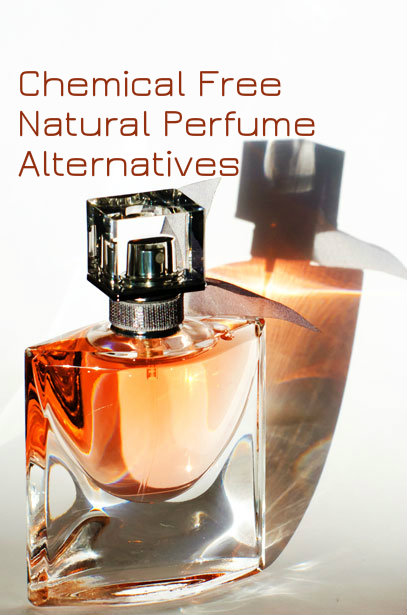
Chemical Free Natural Perfume Alternatives

Very few women head out to a special occasion without a dab of their favourite perfume. One of the great pleasures in life is surrounding yourself with gentle wafts of an exotic aroma that immediately transports you to somewhere special. Most likely you chose your perfume for its gorgeous smell, not for what it is made from. But, there is pretty well nothing natural, apart from water, in commercial perfumes.

chemical free perfume


The big problem with conventional perfumes is that they are so toxic! A serious hazard for anyone wanting to reduce their toxic overload is that a loophole in the legislation means that perfume manufacturers only need to list a tiny handful of the vast array of chemicals that their product contains. This is on the basis that their recipe is ‘a secret’ and disclosing all the ingredients would allow anyone to copy their product.

Make no mistake, this is at your expense. A vast number of the chemicals used in perfume manufacture have big question marks over their safety.

Convential perfumes may smell wonderful and exotic to some (although even the smell may be toxic to many others) but in reality they are just a blend of chemicals, fixatives and solvents straight out of the laboratory. These synthetic ingredients can cause hay fever, headaches, mood swings, reproductive and neurological damage, or skin irritations.

When you wear perfume you inhale a chemical cocktail as well as absorbing the same ‘chemical test tube’ straight into your blood stream through your skin.

Seriously…Not so sexy!


What Other Options Are There?

roseThere are a whole lot of Natural Perfumes out there for you to choose from. Some you dab, some are roll-on, some are balms, but they are all made very simply from very few ingredients and contain none of the toxins found in normal perfumes.

Basically ‘natural perfumes’ are evry simple. They contain just two components – organic or natural essential oils or absolutes, and a vegetable carrier oil or a mixture of distilled water and natural grain alcohol. Some also contain botanical or herbal extracts. Balms are made from beeswax or shea butter.

The best thing is that the Essential oils used in these products are therapeutic and have healing elements that work on your body, mind and spirit to offer much more than just a beautiful smell.

Pure essential oils create wellbeing and can help you to feel relaxed, energized, or improve your concentration. Basing your selection on what health benefits, whether they are emotional or physical, as well as on your personal enjoyment of the aroma can be a simple but effective way to heal yourself.

Some Perfume Oils On The Market

The availability of natural essential oil based perfumes is growing. There are now many on the market to fit every preference and price bracket.

The Little Alchemist is an Australian artisan company that hand blends perfumes in small batches.  The perfumes contain a host of  plant extracts rich in antioxidants and vitamins. One of these is wheatgrass, and if you have Coeliac disease or sensitivity it would be wise not to apply these perfumes to open skin wounds. It is generally held that it is gluten that is ingested that is the problem but better to take care.  The Turkish Rose and Cardamom and the Passionfruit and Lime perfume oils are yum!

The Goddess Line has a selection of roll-on perfumes that contain only carrier oil and essential oil.  Saraswati is my favourite, a blend of jasmine, neroli and patchouli in grapeseed and coconut oil. They are a US company but are available online.

If you like a solid prefume balm the Dewi Perfume Balm by Indah is beautiful. It is 95% organic and combines coconut oil, beeswax and cocoa butter with essential oils.

If you want to take things to another level altogether an alternative option are the Aura-Soma Pegasus Parfum range – which combine the healing energy of colour, or chromotherapy, with the purest essential oils and herbal extracts. They are completely natural and free from chemicals. You select your one based on the colour you are drawn to, rather than the smell…as you do for Aura-Soma therapy. The carrier alcohol is certified organic.

There are many natural perfumes available online as well as in health food stores now. Just be careful to check the ingredients before you buy. Not all that claim to be ‘natural’ are non-toxic, remember petroleum and mercury are both natural ingredients!

The use of the word ‘organic’ on a product is no guarantee of non-toxicity either. When a product displays the word ‘organic’ it can mean that just one ingredient in it is organic and the others may be far from organic or even natural.  Check the other ingredients are safe too.

For your knowledge I am not affiliated with any of these products or companies, and offer this information for your interest only.


For Do-It-Yourselfers

You can make your own Natural Perfume…it’s easy.

Simply add a couple of drops of one or more of your favourite high quality essential oil to a carrier oil such as sweet almond, jojoba or even coconut oil. (about 5 drops to 10 mls of oil is a good ratio) Put it into a small preferably dark, glass bottle and then dab onto your skin as needed. The aroma is released as the oils warm on your skin. You may need to apply it more often than with chemical perfumes.

Make it up in small quantities and make more as you need it. I do one with an amazing therapeutic grade essential oil blend I love – it combines about ten different oils. But sometimes I want something simpler so I also love jasmine and vanilla, or ylang ylang, patchouli and sweet orange, or simply sandalwood alone. You can make up a signature blend which you always wear, but it is actually worth making a few different ones as then you can make specific use of the therapeutic healing qualities to suit whatever your mood at the time.


Safety With Essential Oils

Pure essentail oils have therapeutic qualities. Care needs to be taken as they may be contraindicated for certain people or conditions, such as pregnancy, high blood pressure or for children. Here are some guidelines to using essential oils including their safety.


 What You Need To Do Right Now

  • Take a critical look at any perfumes and perfumed products that you use. If there actually is a list of ingredients ask yourself how many of them are natural…are any at all? If there are no ingredients be suspicious. Healthy perfumes have nothing to hide and will list their simple basic ingredients – a carrier oil and essential oil.
  • Make the decision to ditch the chemicals that are added to your personal products. Remember they enter your body and are carried through to every cell in your bloodstream.
  • Get out there and test some of the beautiful natural, healthy perfumes about, to find the essential oil that you love. If you feel inspired, make one up for yourself instead…I do, it’s a breeze!

What is your favourite Essential Oil?

Do you have a gorgeous natural chemical free perfume that you particularly love?
Make sure you let us know the name in the ‘Leave A Reply’ section below so we can go out and try it also.


DISCLAIMER: Essential Oils are not intended for use in the treatment for specific medical conditions. For treatment of health ailments, please consult with a licensed practitioner. Some Essential Oils are contraindicated during pregnancy. Please seek advice from your natural health care provider.

Copy of lavender essential oil

Red Tent Soul Sister Sanctuary

Copy of Join forces in harmony

Have you ever joined with a circle of women where you take the time and space to connect with your inner knowing, in order to receive insights and clear pointers about the direction your life needs to follow right now?

The Red Tent Soul Sister Sanctuary helps to restore balance in your life and nurture your personal spiritual growth, as well as providing you with a deep sense of nourishment to fuel your soul and fill your heart.

If you are in Melbourne this coming weekend this is your opportunity to experience for yourself.

To discover more about the event read on…

With the Winter Solstice just behind us, we journey this month under the Cancer Dark Moon.

The energy of both the Winter Solstice and Cancer is very feminine and enables us to connect strongly and deeply with our innermost feminine intuition. This is our time to seek supportive nurturing, not only of those we cherish and hold, but of ourselves as well.

As we prepare to emerge from the darkness of winter, it is an excellent time to connect with our highest knowing and focus on what we need in our life to nurture and support ourself, so we then may nurture and support those in our life.

Women instinctively know that gathering with other like minded women offers enormous psychological and energetic benefits.

The Red Tent Soul Sisters Sanctuary is an opportunity to take time-out from your busy life to reconnect with your inner self, to let your inner child out to play, to share and to be supported in a sisterhood of exchanged knowledge, insights, gifts, wisdom, guided meditation, laughter & art, all within a safe and sacred space, while consciously journeying with the cycles of the moon and universe.

Traditionally the Red Tent was a place where women would gather to tune in to their feminine wisdom and receive insights for themselves, their families and for the greater good of their community. It would take place during the dark moon when the Moon is shadowed from the Sun by the Earth, and when feminine intuition is at its most heightened.

The Cancer moon is ruled by the element of water and is represented by the archetype of the Crab, who shows her hard exterior to the world in order to hide and protect her vulnerability within. This new moon takes us through a concentrated cascade of emotions where trusting and respecting our feelings brings awareness of personal needs.

So come and journey with us, join with a variety of beautiful women of all ages, cultures, and walks of life. This is a time and place where every woman is honoured for her own feminine wisdom and experiences, all of which allow us all the opportunity to learn and grow from each other.

Each RedTent gathering includes a sharing circle, insights for the coming month, guided meditation, setting intentions and a shared supper (or lunch).

You leave feeling deeply soul-nourished and filled with purpose.


WHEN: Saturday 28th June
TIME:   11.00am for 11.30 start – 2.00pm
COST:   $20
WHERE: Indigo Centre for Health & Wellbeing, 563 Whitehorse Rd,. Mitcham Vic 3132


Please bring a small plate of food to share for lunch afterwards


PLEASE SHARE THIS INVITATION


For more info please private message Catherine Bullard on Facebook or call +61 429 140 181


BOOKINGS & PAYPAL PAYMENTS ACCEPTED

Booking online is recommended to secure your cushion.

To book via PAYPAL please ckick the yellow  CHECK OUT WITH PAYPAL button below

paypal checkout


Fibre: Are You Really Getting Enough?

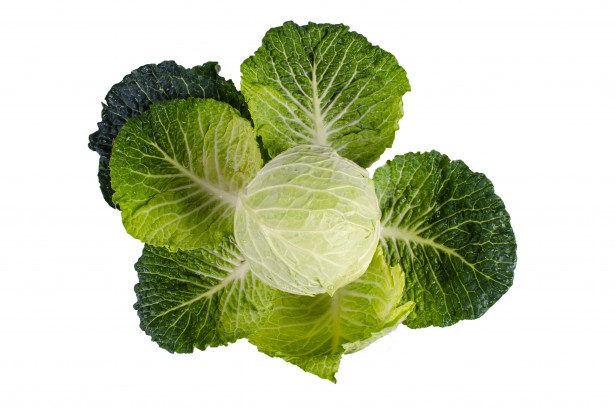
cabbage-1390046692DDy

Everyone knows they need to eat a diet rich in dietary fibre for good gastrointestinal health. Most people also know good sources of dietary fibre are fruit and vegetables and wholemeal grains, and that eating enough fibre ‘keeps you regular’.

A diet high in fibre offers many health benefits:

  • Lowers your cholesterol,
  • Keeps you full for longer
  • Reduces your risk of heart disease, constipation, haemorrhoids, diverticulitis, colon cancer, obesity.
  • Reduces your risk of high blood sugar and diabetes
  • Offers immune support
  • Regulates blood sugar
  • Helps with liver detoxification.


Most people have no idea of how much fibre they actually need.

Very few people eat anywhere near the amount of fibre they need each day. The recommended daily intake is 20-30g fibre per day. But research has shown that actually consuming 75-100g might be more helpful. However, you are highly unlikely to be eating anywhere near 75g as most people don’t even manage the 30g recommended.


Benefits Of Fibre-Rich Diet


  • Fibre has a laxative effect, so helps reduce the incidence or severity of constipation.
  • It binds with cholesterol so the cholesterol cannot be absorbed.
  • It feeds gut flora (the good ones) to nourish the colon cells.
  • Fibre stops blood sugar spikes because fibre rich foods are Low GI.
  • Fibre helps with weight control.


Fibre Rich Foods

Fruits and Vegetables

Fruits and vegetables are good sources of fibre and should make up the greater part of your diet. Avocados, vegetables from the cabbage family including broccoli, kale, cabbage, cauliflower, and Brussels sprouts, root vegetables and green peas are all good vegetable choices, high in fibre . Fruits with edible seeds, apples, pears (not too ripe) and raspberries are good fruit choices.

Pulses/ Legumes

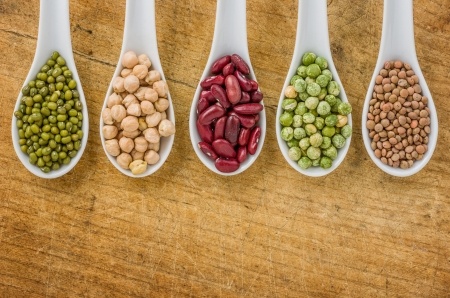
legumes

The simple way to increase the amount of fibre in your diet is to replace some meat and processed carbohydrates, such as white rice, with nutritious, high fibre alternatives. The foods that work the best are  pulses/ legumes and quinoa. These foods are high in protein and act as suitable meat substitutes.

Most people are familiar with using dried pulses in their cooking, but often they forget they’re a simple meat substitute. Pulses and legumes provide you with a nutritious, high-fibre vegetarian meal as they’re all nutrition packed, as well as high in fibre. Legumes have more fibre than any other food, and blackbeans are the highest. In addition, unlike meat, beans are low in fat and cholesterol-free.

Legumes Are Low GI

Although legumes are a starchy food the starch is not digested easily, therefore avoiding the sugar spike you get from many other carbs. Because they are high-fibre it means they stop you getting hungry – a great addition for weight control.

They are a wonderful alternative to processed carbohydrates and can be used very simply to replace meat in a dish

Legumes Are Great Meat Substitutes

A few years ago I replaced the beef in burgers made for my family with mashed chickpeas and added a few finely chopped vegetables. The result was delicious and my boys loved them. They made the perfect vegetarian burger with bread, lettuce, tomato etc.

But with the chickpea patties they got more vegetables as I added as much as the basic legume mix could hold without falling apart, and chick peas are low GI carbs, and full of protein, perfect for growing boys. Kidney beans would also work really well here.

Legumes make wonderful contributions to most stews and casseroles, pies and many salads. In a meat-based dish you can cut the meat by half and substitute with beans. You get dietary fibre, less cholesterol and less fat than with meat.

Here are some great pulses:

  • Peas- green or yellow, split, chickpeas, black-eyed,
  • Beans – brown, white, black, lima, kidney, mung, butterbeans, baked beans, pinto, navy, soy
  • Lentils – peeled, unpeeled, red, brown, yellow, green


Quinoa

Quinoa is a fairly new addition to western diets. Did you know that it contains nearly twice as much fibre as any other grain (although it is actually a seed not a grain)? It is incredibly nutritious.  100g of quinoq provides a whopping 7g of fibre – 2.5 times the accepted RDA, and enough to meet the new recommended levels!

Quinoa is so versatile that you can substitute it in a dish for rice, add it to soups, casseroles, or even use it to make a sweet breakfast porridge. You can even sprout it!

It is a gluten-free staple so makes a perfect substitute for gluten-grains such as burghul in dishes like tabbouli.

Quinoa provides all the required amino acids for the human body in excellent proportions, (including lysine). It is high in iron and calcium, a good source of magnesium, manganese and copper and phosphorous. It is a good source of B vitamins, vitamin E and omega3 and omega6.100g of quinoa contains 46% of the daily requirement of folate. And, it provides similar energy to other major cereals.

Quinoa Preparation

Quinoa must be prepared properly. Wash it in cold water repeatedly until all the foam disappears before you cook it. Cook quinoa the same way as you cook other staples like buckwheat, rice, etc. Roughly, one cup of dry grains cooks up to three cups and becomes fluffy and chewy with a pleasant taste.

Here are some suggestions to use quinoa in your cooking:

  • Quinoa flour can be mixed with other flours to enrich the overall quality of the meal.
  • Use quinoa to make porridge, soup, polenta
  • Use quinoa in a pilaf, pudding, or simply serve alongside a casserole or stir-fry
  • Use it as the base for a salad


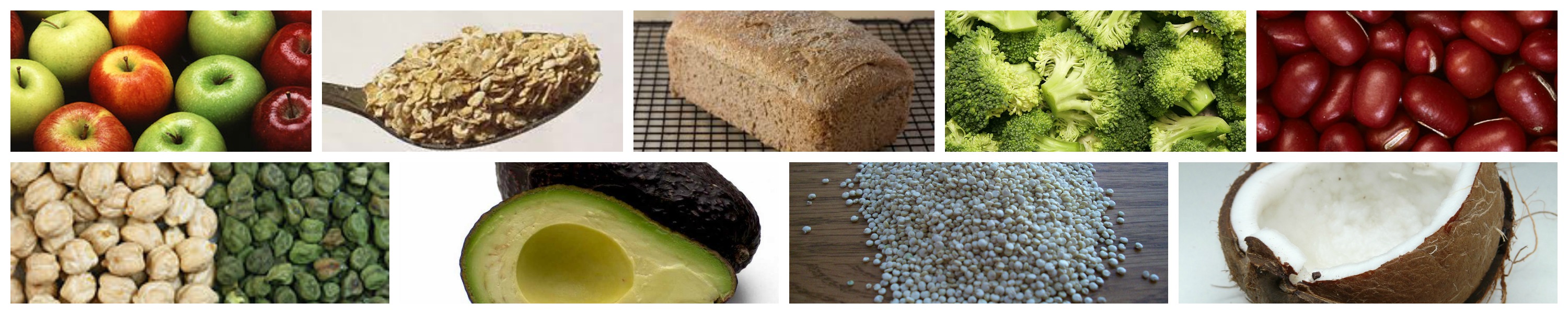
fibre foods

How Much Is 30g Of Fibre?


The amount of fibre in 1 cup of:

  •  Apples, raw with skin – 3 gm                          (10 apples = 30 gm fibre)
  • Quinoa, uncooked – 12 gm                               (2.5 cups of quinoa = 30 gms fibre)
  • avocado, fresh, cubed – 10 gm                       (3 cups of avocado = 30 gm fibre)
  • Rolled oats, oatmeal – 8 gm                             (3.75 cups of oats = 30 gm fibre)
  • Wholemeal/wholewheat bread (in 1 slice) – 2 gm       (15 slices  = 30 gm fibre)
  • Kidney beans, canned – 14 gm                        (2 big cups kidney beans = 30 gm fibre)
  • Chickpeas (garbanzos), canned – 11 gm      (2.75 cups chickpeas = 30 gm fibre)
  • Coconut, raw, shredded – 7 gm                      (4.25 cups coconut  = 30 gm fibre)
  • Broccoli, raw, chopped – 2 gm                        (15 cups of broccoli = 30 gm fibre)

You are most likely to already be eating a number of foods in your day that contain fibre. So you don’t actually need to eat 10 apples, 15 cups of broccoli or 15 slices of wholemeal bread to get your recommended 30 gms of fibre. But these figures do give you some idea of just how easy it is to get insufficient amounts and why you need to be conscious of including fibre rich foods every day.

Make the change and try out more dishes based on legumes and quinoa to your diet.

Do something your body will thank you for.


fibre rich foods
Quinua (Quinoa) plants near Cachora, Apurímac, Peru. Altitude: 3800m (Photo credit: Wikipedia)

Updated 2nd February 2018

Disclaimer

All information and opinions presented here are for information purposes only and are not intended as a substitute for professional advice offered during a consultation. Please consult with your health care provider before following any of the treatment suggested on this site, particularly if you have an ongoing health issue.
Source Articles
http://nutritiondata.self.com/facts/cereal-grains-and-pasta/5705/2


Hail The Pomegranate!

“Pomegranate is a fruit of paradise. There is one seed from Paradise in every pomegranate growing on the earth.”

hail the pomegranate

Autumn has firmly established itself in Melbourne. But along with the welcome rain and cool weather comes an abundance of Autumnal produce. Mushrooms, mandarins, apples and pears in all their autumnal glory and alongside them, the luscious pomegranate.  This week I was delighted to see the first beautiful, generous pomegranates in my greengrocers shop.

Originally hailing from Persia where it has been used medicinally for thousands of years, growth of the pomegranate spread through the Middle East, Asia, the Mediteranean and today is now widely grown across the globe including here in Australia.

Throughout history the pomegranate has been regarded as a symbol of most of the fundamental beliefs and desires of humanity, with almost every part of the fruit having significance. According to Greek mythology the pomagranate even played a role in the change of season, which was said to occur because Persephone ate a pomegranate seed, dooming her to return to the underworld (or winter) for one third of the year. In Ancient Egypt the pomegranate was regarded as a symbol of prosperity and ambition, in China and many other places, of fertility.

It is very easy to understand the magic of the pomegranate given the glossy, glowing skin and the rich generous colour of the distinctive ruby red seeds when the fruit is broken open.

Fruits and vegetables that are brightly coloured tend to be high in antioxidants. These help your body by clearing up excess oxidants, or free radicals, which if left to run wild in your body cause inflammation and lead to disease. The ORAC  score of pomegranates highlights them as one of the ‘richest sources of free-radical scavenging antioxidants’. This makes them a powerful tool to prevent those diseases with a strong inflammatory basis like arthritis, heart disease and cancer.

Pomegranates are rich sources of antioxidant phytonutrients, including flavonoids and polyphenols, which protect against free radicals. They also contain a wide range of other nutrients including most of the B Vitamins (including folate), zinc, magnesium, and iron, amongst others. But they are particularly high in Vitamin C, potassium, and pantothenic acid (Vitamin B5).

Pomegranate seeds are used effectively against heart disease, high blood pressure, inflammation and some cancers, including prostate cancer.

Studies have shown that pomegranate juice may protect against some cancers as well as modify heart disease risk factors. This study showed drinking pomegranate juice for two weeks lowers reduced systolic blood pressure.  And this 2006 study  found that drinking a 225ml glass of pomegranate juice every day significantly slowed the progress of prostate cancer in men with recurring prostate cancer.

Ayervedic medicine employs the healing power of the bark and rind of the pomegranate fruit to treat a wide range of disorders including diarrhoea, dysentery and intestinal parasites; the seeds are used as a heart or throat tonic; the astringent qualities of the fruit are considered useful for stopping nosebleeds or bleeding gums.


HOW TO USE POMEGRANATE

With pomegranates now in the shops it is time to reap their benefits. Using them fresh has some health benefits over using the stored juice.

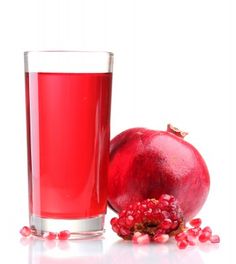
pomegranate juiceJuice

The benefits of pomegranates are so high that you don’t need much to do you good. Even a 30-50ml shot of juice is sufficient to have significant benefits. Rather than using the juice as a beverage it might be wiser to consider it as a herbal treatment and take a smaller amount. Just 50ml a day will sustain healthy heart benefits.


Like to read more about pomegranate juice, seeds and oil?  Continue reading…


Disclaimer
All information and opinions presented here are for information purposes only and are not intended as a substitute for professional advice offered during a consultation. Please consult with your health care provider before following any of the treatment suggested on this site, particularly if you have an ongoing health issue.


Source articles
http://www.naturalnews.com/031068_pomegranate_superfood.html
http://www.nutritionguideexpert.com/pomegranate-seed-oil-benefits/#
http://www.nhs.uk/Livewell/superfoods/Pages/is-pomegranate-a-superfood.aspx
http://articles.mercola.com/sites/articles/archive/2008/08/02/pomegranate-ranked-healthiest-fruit-juice.aspx
http://en.wikipedia.org/wiki/Pomegranate


Iodine: Do You Need This Essential Micronutrient?

oyster

One essential trace element that not many people ever think about is iodine. It is essential to many of the functions of your body. But many Australians are deficient in iodine. And not just Australians, as in fact it is thought that up to 40% of the world population is getting insufficient iodine.

Iodine can be found throughout the organs of your body. Highest concentrations occur in the thyroid gland and it is also found in the ovaries, skin, saliva, breasts and gastric glands although it can be detected in every organ and tissue.

In the thyroid gland, iodine along with the minerals zinc and selenium is essential for the production of thyroid hormones, particularly thyroxin. These thyroid hormones directly control the body’s metabolic processes, which in turn have significant influence on many of the body’s organs and processes including heart rate and blood pressure.

When iodine levels are too low the thyroid is unable to produce sufficient levels of hormones and you start to experience a range of symptoms such as lethargy, sleepiness, depression, intolerance to cold, dry skin, slow digestion, goiter, weight gain and slower mental faculties.

Goiter
Goiter


Health Benefits

Iodine has so many health benefits and iodine deficiency has been linked to goiter, hypothyroidism, obesity, cognitive impairment, heart disease, psychiatric disorders and cancer. It also causes impaired mental and physical development.

Iodine helps prevent the storage of excess calories as fat, assists in the removal of toxins and aids in the utilization of other minerals. It strengthens the immune system and maintains healthy tissues throughout the body.

Addressing iodine deficiencies has been found to very effective in the treatment of goiter, ovarian cysts, uterine fibroids, fibrocystic breasts, hypertension, obesity and diabetes.

sushi-275054_640


Food Sources Of Iodine

As it became apparent that more and more people were suffering from an iodine deficiency, an attempt to address the growing problem was made by fortifying a certain range of foods with iodine, including basics like bread and milk. Since 2009 iodine has been added to bread, and prepackaged bread required to list iodised salt as an ingredient.

Although iodine it is a fairly rare mineral it is present in a number of foods. The best sources are marine plants such as spirulina, seaweed like kelp, nori, dulse or kombu and shellfish. Make sure that any produce from the sea is harvested from uncominated waters.

While iodine is found in abundance in the sea it is not as prevalent in soil, and due to the toll that modern farming practices have taken means that most soils contain extremely low levels of iodine, along with many other minerals vital to good health. This transfers to low levels of iodine in crop foods. Unfortunately, the amount of iodine found in foods is completely dependent on the amount there is in the soil

Baked potatoes are a great source of iodine. Some other vegetarian sources are eggs, milk, garlic, lima beans, swiss chard, sesame seeds, soybeans, turnip greens and spinach.

Prior to the 1970’s milk was one of the foods that contributed most iodine to the diet but since the 1990’s the amount present in milk has dropped to about half due to changes in dairy processing practices.

Iodised salt was one food that provided many with daily iodine. But with firstly the awareness of the relationship between high salt intake and hypertension, and now a growing awareness of the problems with all highly processed foods including salt, consumption of this source of iodine has dropped off significantly.

If you are trying to avoid conventional salt you could replace it with Himalayan Salt in moderation, which is a viable alternative. Half a gram contains 250 micrograms, 150% of what the body requires each day.

To combat iodine deficiency dried seaweed is the food to head for. Just seven grams supplies 4,500 micrograms of iodine – 3000% of your daily requirement. Rather than having this much at one meal eat smaller quantities more frequently to maintain a regular supply.

Food                                               Iodine content (µg* per 100g)

Oysters                                                                        160
Cod                                                                                99
Sushi (containing seaweed)                                   92
Tinned salmon                                                            60
Bread (made with iodised salt)                            46
Steamed snapper                                                     40
Prawn                                                                             35
Baked turkey breast                                               34
Navy beans (1/2 cup)                                               32
Plain yoghurt                                                             31
Baked potato (1/2 medium)                                 30
Boiled eggs (2)                                                          24
Cheddar cheese                                                      23
Eggs                                                                              22
Ice cream                                                                    21
Chocolate milk                                                         20
Tuna, canned                                                              18
Canned corn                                                               17
Flavoured Yoghurt                                                   16
Regular milk                                                                13
Tinned tuna                                                                 10
Strawberries                                                               10
Bread (without iodised salt)                                  3
Beef, pork, lamb                                                         <1.5
Tap water (varies depending on site)                0.5-20.0
Apples, oranges, grapes, bananas                      <0.5
* micrograms
Source: http://www.nutritionaustralia.org/national/resource/iodine-facts

Don’t forget that you may eat substantially less than 100grams of some of these foods so you need to consider just how much iodine there actually is in the food you are eating.

Seaweed Salad
Seaweed Salad


How Inadequate Iodine Intake Affects You

Perhaps the most obvious, but least dangerous manifestation of iodine deficiency is goiter, a swelling of the thyroid gland which manifests as a swelling in the neck and around the larynx. Treating goiter with iodine during the first five years usually ensures that the thyroid does not suffer permanent damage.

It is well known that micronutrient deficiencies are known to affect the development of intelligence and iodine deficiency can certainly be included as one. Inadequate iodine has a significant effect on cognitive function, affecting memory.

Although iodine is recognized as a major requirement for thyroid health, it also plays other important functions including boosting the immune system, by increasing antioxidant activity.

Iodine is widely used to treat fibrocystic breast disease. It has been shown in studies to shrink caner cells when injected directly into the cells. It is essential in the prevention of thyroid cancer. It assists with flushing out chemical toxins including fluoride, lead and mercury.

Deficiency in children not only causes lower IQ but also creates issues with learning and concentration. It can be an ongoing issue when intake is too low.


Iodine is Required for Reproductive Health

Iodine offers lots of assistance to the reproductive organs. Sufficient levels are crucial to ensure fertility initially, as well as during pregnancy to prevent miscarriage or stillbirth, and to prevent neorologic and cognitive conditions in the baby. Severe deficiency during the pregnancy can lead to the following problems:

  • Miscarriage during the first trimester, or stillbirth
  • Gestational hytertension
  • Birth deformities
  • Neurological defects in the baby causing irreversible brain damage – cretinism, intellectual difficulties, hearing    loss and speech difficulties, short stature, deaf mutism, dwarfism

Iodine passes into the breast milk in large quantities and nursing mothers need to maintain their intake of iodine in order to prevent iodine deficiency themselves.


What Can Cause Iodine Deficiency?

There are a number of factors that can lead to iodine deficiency including:

Low amounts of iodine in the diet

  • Selenium deficiency
  • Pregnancy
  • Radiation exposure
  • Smoking tobacco
  • Alcohol
  • Oral contraceptives


Some Deficiency Clues

Here are some symptoms that could provide the clue that you are not getting enough iodine. If you suffer from these symptoms consult your health care practitioner:

  • Dry mouth
  • Dry skin, reduced sweating
  • Hair loss
  • Reduced alertness, poor perception, lowered IQ
  • Fibromyalgia, pain, fibrosis
  • Scar tissue, nodules
  • Frustration
  • Depression
  • Abnormal weight gain
  • Reduced fertility
  • Constipation
  • Fatigue


A word of caution if you live in an area where fluoride is added to the water supply. There have been studies which question the validity of fluoridation of drinking water because there is a link between excess fluoride ingestion and thyroid disease. The incidence increased where water was fluoridated as the fluoride inhibits the action of the iodine. It may be something worth thinking about if this applies to you.

Iodine supplementation is one place where you can get too much of a good thing. There are potential risks to taking too much iodine. Doses over 2,000mg a day are dangerous especially if you have kidney ailments. Too much can easily lead to subclinical hypothyroidism – ironic when you consider that hypothyroidism is often linked to iodine deficiency. Sourcing iodine from foods may be preferable to taking supplements.

Iodine is certainly one supplement where you need to make sure you achieve a healthy balance. 


Kelp is a rich source of iodine

Disclaimer

All information and opinions presented here are for information only and are not intended as a substitute for professional advice offered during a consultation. Please consult with your health care provider before following any of the treatments suggested on this site, particularly if you have an ongoing health issue.

Source articles

http://www.nrv.gov.au/nutrients/iodine.htm
http://articles.mercola.com/sites/articles/archive/2013/06/29/iodine-deficiency-risk.aspx

Iodine: Benefits, Recommended Intake, & Side Effects


https://www.lef.org/magazine/mag2011/oct2011_The-Silent-Epidemic-of-Iodine-Deficiency_01.htm
http://bembu.com/iodine-rich-foods


Glorious Health From Golden Turmeric

Curcumin, the active ingredient of turmeric, is a very powerful antioxidant


Turmeric has enjoyed a revered status in India and China for thousands of years for its amazing healing benefits. In the Pacific the spice was also known and used by the Polynesians who carried it to Hawaii where it is still known as Olena. Recognized in the west as the yellow coloured ingredient in many curries, turmeric has long been used extensively in Asia to treat a wide range of medical conditions due to its strong anti-inflammatory effects.

The main beneficial component of turmeric, or Curcuma longa, is curcumin. Curcumin is a very powerful antioxidant, far more powerful than grape seed or pine bark extract. It can help reduce DNA and cell damage caused by dangerous free radicals in our body.

There are many who believe that there is a strong link between inflammation and chronic illness. Curcumin is known for its anti-inflammatory properties. These make it very effective for fighting heart disease, the pain of osteoarthritis and many other health problems associated with inflammation.

The effect of curcumin is particularly evident inside the colon where the result of its action is a quick turnover of cells. Damaged or mutated cells are destroyed quickly before they have the opportunity to spread through the body.


HOW TURMERIC BENEFITS

Turmeric is one of the most researched natural remedies and there are numerous studies that validate its benefits. These studies have shown that turmeric may be useful to:

Prevent and Destroy Cancer Cells

Turmeric can help prevent breast, prostate, skin and colon cancer. Studies show that it can start a process of self-destruction in the “mother cells” of the tumour, destroying them before they have the chance to spread through the body.

Nine different studies all showed turmeric reduced the size of brain tumours. It also limits the growth of blood vessels in tumours, and can be used to ease the side effects, and boost the effectiveness of chemotherapy.

 Support Healthy Bones, Joints & Skeletal System

Turmeric supports healthy joint function and is a wonderfully effective remedy for arthritis, reducing the inflammation that leads to pain without side-effects. Studies show that turmeric is a natural pain-killer.

Maintain A Healthy Digestive system

Curcumin helps improve and balance your digestive system. It increases the flow of bile needed to break down dietary fat, which can relieve many gut and digestion problems.

Prevent Diabetes and Hyperglyceamia

The antioxidant agents in turmeric help reduce insulin resistance and may help prevent the onset of Type 2 Diabetes. If blood sugar levels are already within the normal range turmeric helps maintain them.

Promote Heart Health

Turmeric supports healthy blood and your circulatory system. It reduces the risk of blood clots, and prevents buildup of plaque in the arteries, helping to reduce the risk of stroke and other blood clotting problems. It helps reduce bad cholesterol and improve good cholesterol to maintain levels within the healthy range.

Slow Alzheimers And Support Memory Function

Studies have shown that the curcumin in turmeric can slow the progress of Alzheimers, as well as the progression of acquired brain injury.

Reduce the Symptoms of Asthma

Turmeric helps reduce the inflammation associated with asthma as well as reduce the symptoms. A teaspoon of turmeric added to warm milk before bed is a remedy for asthma you can try at home.

Depression

In Traditional Chinese Medicine turmeric is a long-standing treatment for depression.

Promote & Support the Immune System and Boost Immunity

Turmeric is an adaptogen that helps to support your body under stress and support the immune system.

Protect Against Liver Disease

Turmeric is a strong liver detoxifier, helping to remove toxins from the body and supporting and encouraging healthy blood and liver functions.

Help Promote Healthy Skin  

While neutralising free radicals that cause skin aging, turmeric also nourishes and cleanses your skin and helps maintain its elasticity.

The anti-bacterial and anti-inflammatory properties of curcumin can help heal cuts, wounds and other skin infections. Simply mix turmeric with water to form a paste and apply to the skin. It helps with restructuring the skin so may prevent scarring. When applied topically it has been shown to help the symptoms of psoriasis. It is a natural antiseptic and can also be used to treat burns.

Promote Weight loss

Turmeric helps to metabolize fats and provides a boost for the metabolism.

By reducing the activity of the cells that contribute to many diseases including insulin resistance, turmeric helps reduce the incidence of obesity-related disease ans help contribute to weight loss.

Slow Multiple Sclerosis

       Turmeric slows the progression of Multiple Sclerosis

  Recently it was reported that curcumin has antimalarial properties.


Continue Reading about research into turmeric benefits, turmeric for arthritis and the best way to take turmeric.


Disclaimer.

All information and opinions presented here are for information purposes only and are not intended as a substitute for professional advice offered during a consultation. Please consult with your health care provider before following any of the treatment suggested on this site, particularly if you have an ongoing health issue. 

Lactose Intolerance: Natural Remedy Treatments

There’s an epidemic of food sensitivities surrounding us. Allergies to foods, food intolerances, or even just increased sensitivity are becoming more and more common right across the population. Food allergies arn’t so common, but food intolerances seem to be increasing at an alarming rate.

there's an epidemic of lactose intolerance

FOOD INTOLERANCE CAN BE DIFFICULT TO DIAGNOSE

Unfortunately for many people, food intolerances are often misdiagnosed or even missed altogether.

Symptoms are often very diverse and can take anywhere up to days after eating to appear. This means often they’re not directly linked to the troublesome food. The delay makes it very difficult to pinpoint exactly what is the causing the problem.

In addition, the person may often be intolerant to more than one food. If it happens to be an ingredient that’s commonly found in many different foods, such as gluten or lactose, it may be near impossible to detect. Simply eliminating one food from the diet doesn’t stop the symptoms as the other problem foods still cause problems. When this happens it’s easy to assume the eliminated food is not the cause, when in fact it may be a PART of the cause.

Common allergy tests don’t detect food intolerances and the sufferer is often given a clean bill of health after testing, but continues to endure the debilitating symptoms.

Gluten sensitivity is also becoming very common and you can read about it here.

LACTOSE INTOLERANCE

Lactose intolerance is a condition where the person is unable to digest the sugar in milk (lactose) properly. It’s fairly common with estimates that about 65% of the world’s adult population have the condition to some extent. It’s not a dangerous condition but can be very unpleasant, even ruining the quality of life for the person.

Some people have the condition mildly only experiencing symptoms if they overload on dairy foods. Others have it severely with strong symptoms occurring with even the tiniest amount of dairy foods.

Symptoms include diarrhoea, nausea, vomiting, abdominal cramps, stomach bloating, flatulence, and appear anywhere from thirty minutes to a few hours, or rarely, even days after consuming the food.

The severity of symptoms depends on three things:

  • The amount of lactose consumed
  • The levels of the lactase enzyme present
  • The speed of gastric emptying – the faster the gut transit the worse the symptoms.

WHY LACTOSE INTOLERANCE OCCURS

People with lactose intolerance don’t produce enough lactase, an enzyme required for lactose metabolism.

Not everyone with lactase deficiency has lactose intolerance. The deficiency develops over a long period. Although it starts around two years of age most people don’t develop symptoms until adolescence or adulthood. It may also develop as the result of damage to the intestine through illness such as celiac disease, Crohn’s disease, severe diarrhea or chemotherapy.

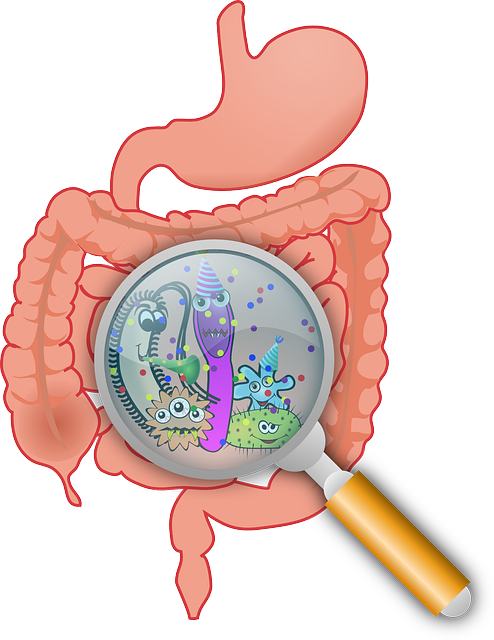
It’s long been thought that lactose intolerance was entirely due to this enzyme lack in the gut. It’s now thought that low levels of good intestinal bacteria may also be the cause. In many instances low bacteria levels are the result of other problems or illnesses.

It is now thought that low levels of good intestinal bacteria may be the cause of lactose intolerance.

EAT RIGHT FOR LACTOSE INTOLERANCE

There are studies that show many of those with low lactase levels actually do absorb lactose in small amounts. These people don’t necessarily need to eliminate lactose entirely or to take extra foods or supplements to balance the gut to improve their symptoms. Rather they just need to cut back on the amount of dairy foods they consume.

For others the only way to get rid of symptoms for good is to adopt a dairy-free eating plan.

Dairy foods include all forms of cow’s milk, cheese, cream, ice-cream, butter, yoghurt, curds, and many foods made from these. It may include the milk products of goats, sheep and camels. It doesn’t include eggs. Here’s a comprehensive list of all dairy foods.

If the gut symptoms are due to an illness such as IBS eliminating dairy foods won’t give significant symptom relief.

Evidence shows that eating yoghurt, probiotics and kefir replaces certain gut bacteria which improves symptoms. This is certainly worthwhile but it doesn’t address the underlying cause of the problem.

LACTOSE FREE FOODS

There are many lactose-free foods now available. While soy milk previously was the standard replacment for milk there are now many others. Now coconut milk often replaces milk in a product. Rice milk, almond milk, oat milk and soy milk are others that are all lactose free.

There are many lactose-free oils to replace butter. Ghee is butter with the lactose skimmed out of it and may be an excellent substitute.

Some fruit sorbets have no added milk.

Read the labels on processed foods and you’ll find many lactose-free alternatives.

Words that indicate the presence of lactose include:  Milk, lactose, whey, curds, milk by-products, dry milk solids, non-fat milk powder, milk solids

Lactose is also used in many prescription medicines, including birth control pills, over the counter medications and health supplements.

Some people can tolerate low-lactose foods made from goats or sheep milk. These foods have less lactose than those from cow’s milk.

Often our bodies know what’s not tolerated and let us know. When I stopped eating dairy I very quickly remembered I hated milk and cheese as a child, and had only started eating them as an adult in response to peer pressure.

However, the opposite can just as easily occur. Many people who have strong cravings for creamy dairy foods or milk actually have an intolerance or allergy. If you experience either strong cravings or aversions it’s worth considering your tolerance of that food.

coconut oil Phu Thinh Co

NATURAL WAYS TO REDUCE LACTOSE INTOLERANCE

There are a number of foods and supplements that help reduce unpleasant digestive symptoms caused by eating dairy foods.

Probiotics

Probiotic bacteria useful for lactose intolerance include Lactobacilli, Bifidobacteria and Streptococci. Bifidobacterium longum is very efficient at metabolizing lactose, although all three are capable of producing lactase to improve lactose digestion.

While probiotics are live strains of good bacteria, prebiotics are the nourishment these bacteria needs to stimulate growth. Taking prebiotics as well as probiotic supplements help to significantly build levels of good bacteria. Some foods containg inulin, the most common form of prebiotic, are asparagus, garlic, leek, onion, and artichoke.

Apple Cider Vinegar

ACV can be a very effective way to reduce, even eradicate, lactose intolerance. It helps to balance the body. Try one tablespoon in ½ to one full glass of water every morning. Adding ¼ teaspoon of bicarb soda (baking soda) to the ACV before adding the water seems to help. It takes several weeks to improve symptoms and you must be diligent and not skip a day.

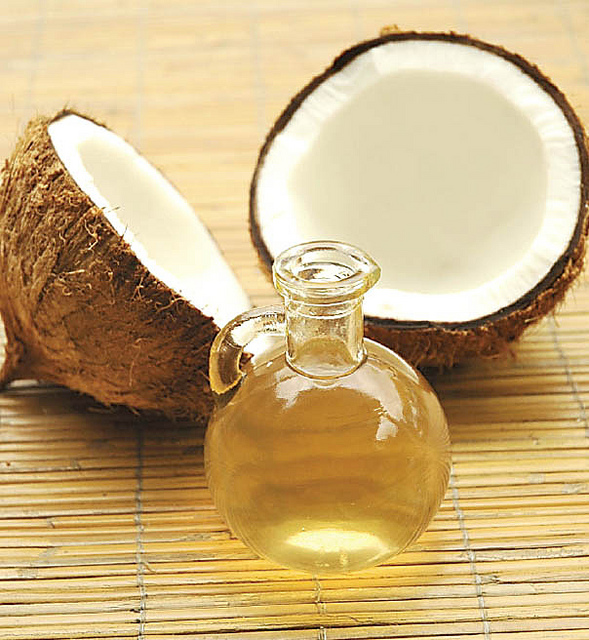
Coconut Oil

Taking 1-2 teaspoons of virgin coconut oil daily may help reduce intolerance. Alternatively, use coconut milk as a milk replacement in many recipes.

Yoghurt

Even though yoghurt is a dairy product, a few spoonfuls of good quality, full fat yoghurt, (such as Jalna – I am NOT an affiliate) with each meal introduces beneficial bacteria to your gut. Many people with lactose intolerance can digest yoghurt because it contains live bacteria in it to help break down the lactose and improve digestion.

Fermented Products

Sauerkraut and kimchi are foods made from fermented cabbage that contain good bacteria which helps re-populate the gut and regulate the digestive system. Drink the juice of the sauerkraut as well as eating it. Kimchi is quite spicy. It takes a few weeks for the bacteria to build up to sufficient levels to reduce symptoms.

Lactase Enzyme Supplements

Lactase is an enzyme produced in the small intestine that breaks down lactose in the body. When a person doesn’t produce sufficient lactase they experience the symptoms of lactose intolerance.

Lactase supplements are a small pill taken with foods containing lactose. They’re useful as a temporary measure or when you’re eating large quantities of dairy foods, but may not be so good for the long term. Adding the enzymes to milk a few hours before drinking it helps break down the lactose. They’re available from health food stores

Some people become immune to lactase pills over time. Sometimes you may not even be aware you’re eating dairy foods. I once watched a famous chef on TV divulge that the secret ingredient in his amazing clear chicken stock was cow’s milk.

One other problem with lactase supplements is that when the lactase arrives in the gut from another external source the body no longer needs to keep producing any lactase at all. You may very quickly go from producing some (if insufficient amounts) lactase to producing absolutely none.

Hard, aged cheeses have less lactose than soft cheeses.

WHAT YOU SHOULD DO

If you’re only slightly lactose intolerant  all you may need do is cut down the amount of dairy you eat. You may tolerate some dairy foods better than others and if you choose carefully you may feel better in ways you hadn’t really noticed were wrong before.

If your intolerance is a little more severe you could find adding fermented foods, apple cider vinegar or probiotics gives you huge improvements.

  • High fat milk is digested more easily than low-fat milk.
  • Hard, aged cheeses have less lactose than soft cheeses.
  • Butter is low in lactose.
  • Milk products containing live bacterial cultures are already partially digested and may be tolerated.
  • Eating good quality yogurt containing live culture 10-15 minutes before eating dairy products may help your symptoms.

To eliminate symptoms eating dairy-free is often the best choice. These days it’s not difficult as there are many alternatives, including soy and coconut. If you’re able to tolerate a little lactose, and most people can, add very small amounts of one of the more easily tolerated dairy foods to remind your gut to keep producing any lactase it can.

For many simply cutting back the amount of dairy products is enough to eliminate the symptoms. Drinking less milk every day, eating yoghurt instead of drinking milk, replacing cows cheese with goat’s cheese are just a few things you could do.

What have you found to be the best way to deal with your lactose intolerance?

dairy-cows-175309_640

Disclaimer

All information and opinions presented here are for information only and are not intended as a substitute for professional advice offered during a consultation. Please consult with your health care provider before following any of the treatments suggested on this site, particularly if you have an ongoing health issue.

Source articles

http://www.naturalnews.com/036379_food_intolerance_allergies_epidemic.html

http://www.bio-kult.com/research-technical/134/lactase-activity-of-probiotic-bacteria

http://earthclinic.com/CURES/lactose-intolerance.html

http://chriskresser.com/how-to-cure-lactose-intolerance

http://natureheals.hubpages.com/hub/ways-to-cure-lactose-intolerance

http://jillgrimesmd.blogspot.com.au/2011/08/lactose-intolerance-chocolate-milkthe.html

http://digestive.niddk.nih.gov/ddiseases/pubs/lactoseintolerance

http://healing.answers.com/remedies/natural-remedy-treatments-for-lactose-intolerance


Stevia – The Key To Kicking Your Sugar Habit

sugar Kicking the sugar habit is easier said than done. For some people even making the decision to get rid of sugar from their diet is beyond thinking.

One of the biggest health pushes of 2013 was to encourage both us and food manufacturers to dramatically cut back the amount of that ‘giant nasty’ sugar that we consume. Suddenly it seemed that the finger was pointed squarely at sugar as the primary culprit behind one after another health problem.

We all know that too much sugar is bad for us. But most of us don’t really know why,  or how much too much actually is. But it seems that many of us have now picked up on the message that it could be that ANY sugar is bad for us.

But actually removing sugar and sweet foods from what you eat is another matter altogether. Only last week someone was talking to me about their New Year resolutions and breaking their bad habits. “I really need to lose weight” she said “but I don’t think I’m quite ready to say good bye to sugar”. And therein lies the problem that the majority of Australians, and probably most other Westerners face. They love their sweet food and they know just how hard it is to say goodbye to it completely.

Add to this reluctance the fact that sugar is addictive, and the resolve to abstain dissolves.

It is not just about deciding to give up sugar. It is also about breaking the physical effects of sugar. As with any other addiction, sugar metabolism sets up a chemical reaction in the brain as well as the body. Within the brain, glucose from metabolized sugars causes a higher release of dopamine and opioids.

Dopamine is often called the ‘feel-good neurotransmitter’. But while it may make you feel good, the release of too much has many health consequences. Many addictive drugs including nicotine, cocaine and methamphetamine also cause increased levels of dopamine to be released in the same way that sugar does. The opioids released by sugar metabolism also make sugar hard to beat by playing a part in the withdrawal symptoms.

I Love Sugar

HOW SUGAR AFFECTS THE BODY

One health problem where sugar plays a part is ADHD /ADD. Although sugar is not thought to cause ADHD, it does raise levels of dopamine. Increased levels of dopamine have been shown to lead to high activity level and impulsive behaviour in the person. So it seems that when parents notice behavioural changes in their child after eating sugar, they may be seeing the dopamine effect.

During 2013 it was suggested that sugar should be included amongst the big three causes of high cholesterol. The other two being trans fats and stress. It was thought that saturated fat was the main cause of high cholesterol levels but the question is now whether it may be sugar instead. At present this remains a controversial topic.

SUGAR AND ILL HEALTH

Here are some of the many illnesses that sugar is known to either cause or where it  plays a significant role or aggravates the symptoms of illnesses:

  • Diabetes
  • Obesity
  • Osteoporosis
  • Mineral depletion which interferes with the absorption of magnesium & calcium
  • Food allergies
  • Slows down your immune system
  • Increases your risk for cancer – as hypothesized by Dr Walberg
  • Heart disease
  • Behaviour problems – ADHD, ADD
  • Insulin resistance
  • Hypoglycaemia
  • Increased triglycerides
  • Reduces (HDL) high-density lipoproteins
  • Poor nutrition
  • Suppresses your immune system
  • Causes inflammation within the body
  • Causes a decline in tissue elasticity and function
  • Raises dopamine, serotonin and adrenaline levels and release
  • Lead to an acidic digestive tract
  • Arthritis
  • Learning disorders in children
  • Candida overgrowth

 For more from this impressive list of 143 Ways That Sugar Ruins Your Health check out this list from Nancy Appleton.

MORE SUGAR PROBLEMS

Over time you become desensitized to sugar. The more you eat, the more effective your body becomes in absorbing it, and the more sugar you absorb the more damage it does. As well as becoming more sensitized to sugar you also become more sensitized to its toxic effects. But fortunately this sensitization to sugar can be decreased so you become less reactive to it, by taking a sugar holiday, even just two weeks off sugar can be effective.

 Sugar is an expert at masquerading and is excellent at hiding in the foods you are eating. It goes by many names but an easy way to identify many sugars is to read the ingredient panel and take note of any ingredients that end in “ose”. Dextrose, lactose, sucrose, glucose, maltose – these are all just different forms of sugar, which when they are metabolized in your body all end up as the same thing, and all have the same effect on your body.

Remember that natural sweeteners, although better for you than white cane sugar because they are not so processed, all essentially become the same thing in your body, blood sugar or glucose. If you want to cut back the amount of blood sugar you cannot just replace one for the other.

WHAT CAN YOU DO?

The alternative is NOT to turn to artificial sweeteners. Diet soft drinks, artificially sweetened yoghurts, lo-cal, lo-joule or diet anything are most definitely a poor alternative choice when  they contain artificial chemical sweeteners.

The chemicals such as aspartame that are used to sweeten “diet” or low-sugar foods are linked to all manner of health problems.

But there is one sweetening agent now readily available that is a good alternative to sugar, or to any other sweetener, and it is very safe.

That product is STEVIA.

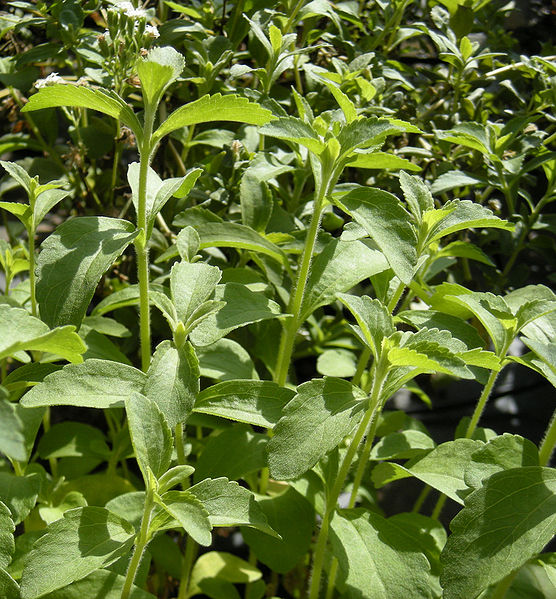
Stevia rebaudiana
Stevia rebaudiana

Stevia rebaudiuna is a herb that comes from Paraguay in South America, where it has been used for centuries as a sweetener and a health tonic by the Guarani Indians.

The leaves of Stevia are intensely sweet. This naturally sweet extract is in fact up to an amazing 300 times sweeter than cane sugar, so you only need to use a tiny amount of stevia.

The thing that makes the use of stevia so attractive and exciting is that it does not cause an increase in blood sugar levels, in spite of being so sweet. Stevia allows you to enjoy some sweet foods in your diet without the health or weight issues that are caused by cane sugar.

By the way, stevia can used in cooking.

Occasionally some people find stevia has a metallic aftertaste but this seems to be related to the way the plant is processed. The plant leaves have no aftertaste. If you find this a problem it may be worth trying another brand of Stevia, or search out a liquid form.

Be very careful when you buy your Stevia. I was reading the ingredient of a product claiming to be stevia on the shelves at the supermarket and discovered that although the box was covered in the word “Stevia” in fact it was a mixture of stevia and aspartame!

Be careful to buy only pure Stevia. If you are concerned shop for it at a Health Food Shop. It is just as important to read the ingredient panel on foods that are sweetened with Stevia as it is any other to make sure there are not other artificial chemical sweeteners added as well.

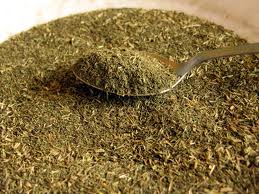
Crushed stevia leaves

SOME OF THE REPUTED HEALTH BENEFITS OF STEVIA

  • Lowers blood pressure
  • Provides sweetness without elevating blood glucose level
  • Research shows taking 1000mg a day of stevioside reduced blood sugarlevels after meals by up to 18 percent in people with type 2 diabetes.
  • Studies conducted at Mahidol University in Thailand showed stevia to have the following actions: Lowers blood pressure; anti-inflammatory; anti-tumour; anti-diarrhoeal; diuretic; immunomodulating

Currently further research is being conducted into the effects of stevia on diabetes.

So why not make the decision today to reduce your sugar and other sweetener intake and give stevia a go.

Have you tried stevia? Have you totally removed sugar and sweet food from your diet? Tell us about your experience in the Leave a Reply section below.

If you are local (Mitcham, Melbourne, Australia) you can pick up Stevia at Indigo Centre for Health & Wellbeing.

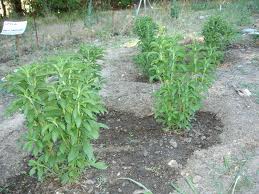
Small stevia plantation

Disclaimer

All information and opinions presented here are for information only and are not intended as a substitute for professional advice offered during a consultation. Please consult with your health care provider before following any of the treatments suggested on this site, particularly if you have an ongoing health issue.

Source articles

http://articles.mercola.com/sites/articles/archive/2008/12/16/stevia-the-holy-grail-of-sweeteners.aspx

http://articles.mercola.com/sites/articles/archive/2010/04/20/sugar-dangers.aspx

http://circ.ahajournals.org/content/106/4/523.full

http://www.ncbi.nlm.nih.gov/pmc/articles/PMC2235907/

http://www.cbn.com/cbnnews/healthscience/2012/october/cholesterol-myth-what-really-causes-heart-disease/

http://en.wikipedia.org/wiki/Dopamine

http://nancyappleton.com/141-reasons-sugar-ruins-your-health/

http://www.healthylife-healthyplanet.com/health-problems-caused-by-sugar.html

http://www.dailymail.co.uk/health/article-2356674/Stevia-First-natural-sugar-substitute-help-fight-obesity-diabetes.html

http://owndoc.com/pdf/Stevia%20new%20rural%20industry.pdf