House Plants For A Healthier Home

toxic air indoors plants

Is the air in your home polluted?

When we make changes that improve our wellness, one place we often forget is in our home. We concentrate on exercise, improving out diet, balancing supplements, adopting practices like yoga or mindfulness. But often we don’t even consider that the air inside our home may be highly polluted. We may not even realise that our home may contain toxic air.

One simple and straightforward way we can improve this is to grow indoor house plants for a healthy home. But often the underlying problem needs to also be identified and fixed if we are to gain the full benefits.

Causes Of Toxic Air

Identifying the quality of the air inside our homes, schools and workplaces now falls to Building Biologists.

Building Biology is a relatively new holistic discipline which examines and identifies irritants and hazards in residential and public structures. These include building materials, the products we use, air quality, water, biological contaminants (mould) and pest control, as well as electromagnetic fields (EMF’s) radiation (EMR) and geopathic stress.

It developed in response to a growing awareness of the impact toxic components in our immediate environment are having on our health. According to Building Biologist Nicole Biljsma  it “provides a holistic examination of the built environment and provides realistic solutions to create buildings that support mind, body and soul.”

When problems with the air quality within buildings are found the first line of attack is to eliminate the source of pollution. Pollution may be caused by building materials, furnishings, products used within the space, pest control, or cleaning methods.

Once the source of the pollution has been addressed the next step to achieving clean air is to install air purifiers and filters. This is where plants come in.

Natural Remedies For Indoor Pollution 

Before you buy an expensive electric air purifier for your home consider that bringing household plants is one very simple, but potent way to improve air quality in your home.

It’s said plants are the lungs and kidneys of the building. Research at NASA’s Space Center supports this and has shown that the presence of certain indoor plants actually improves indoor air quality.

The plants are able to grab and filter common pollutants found indoors and so purify the air.

NASA has made a list of the most beneficial plants in order of their effectiveness.

Why Our Homes Are Polluted

Many of the products we use to furnish our homes, schools and workplaces including carpet, fabric, wall coverings, furniture and paints contain highly toxic chemicals. These toxins are released into the air, creating indoor air pollution.

In 2009 the US Environmental Protection Agency stated that “The air within our homes can be seriously more polluted than the outdoor air in even the largest and most industrialized cities”.

Many newer homes are designed to intentionally ‘seal in’ the air. This is done to better regulate the internal environment and reduce the use of carbon fuels for heating and cooling.

Living in these sealed homes can result in a disorder known as Sick Building Syndrome.

pexels-elena-golovchenko-12548637 (1)

Sick Building Syndrome

Sick Building Syndrome is a recognised disorder which results from the build-up of toxins in our environment. One of particular concern is formaldehyde.

Simply introducing plants into the environment can greatly reduce these problems.

This disorder is becoming more widespread with the increase of energy efficient buildings. These sealed buildings allow little exchange of fresh outdoor air for the stale, polluted indoor air. This leads to the indoor air becoming ten times more polluted than the air outside. In developed societies we spend up to 90% of our time indoors. Therefore, we are now spending most of our life in extremely toxic surroundings. Indoor air quality is quickly becoming a particularly concerning health problem.

Research from the Environmental Research Laboratory of John C. Stennis Space Center has shown that rooms filled with the right plants have 50-60% fewer airborne moulds and bacteria than those without plants.

We know that plants take in carbon dioxide and release oxygen. But it appears the plants can also suck toxic chemicals out of the air by absorbing the pollutants into their leaves. They then transport them to the roots where they are transformed into food for the plant.

NASA findings show that plants are able to remove up to 87% of air toxins over 24 hours.

Indoor plants can bring a host of physical and mental health benefits.

Amazing Benefits Of House Plants

Houseplants purify the air in a number of ways.

The air in environments with ducted heating dries out quickly, causing respiratory congestion and dry skin. Plants are ideal additions in these situations. They balance humidity levels by maintaining the moisture levels in the air at an optimum level. They maintain a level which is low enough to reduce illness and at the same time, high enough to prevent mould formation.

The Norwegian University of Agriculture found indoor plants fight certain illnesses. With indoor plants in the space the symptoms of these health problems reduced.

  • Fatigue by 20%
  • Headache by 45%
  • Sore/dry throat by30%
  • Coughs by 40%
  • Dry facial skin by 25%

Other research has shown house plants have a psychological benefit. They increase self-esteem, improve mood, reduce stress, anxiety and depression and increase feelings of calm, relaxation and optimism.

With their ability to improve the effects of stress and reduce blood pressure levels, the important role of indoor plants in a society with a rising incidence of Adrenal Fatigue and its related symptoms,  seems apparent.

Being surrounded by indoor plants can also make you think better. Indoor plants improve memory, concentration and attention, as well as boosting creativity. Perhaps bringing one into your study or office will improve your productivity as well as reduce the EMR from your computer.

house plants kitchen-1867663__340 pixabay

Best Air-Purifying House Plants

These are the top ten air-purifying plants as classified by NASA, along with their NASA rating (out of 10):

  1. The Areca Palm   8.5
  2. The Lady Palm   8.5
  3. The Bamboo Palm   8.4
  4. The Rubber Plant   8.0
  5. The Dracaena   7.8
  6. English Ivy   7.8
  7. The Dwarf Date Palm   7.8
  8. The Ficus Alii   7.7
  9. The Boston Fern   7.5
  10. The Peace Lilly   7.5

Read more about each of the Top Ten and see what they look like here.

Some effective plants are very easy for anyone to grow. Common English Ivy (Hedera helix) which ranked sixth in the NASA list, has antioxidant and anti-inflammatory properties and has positive effects on upper respiratory conditions. Boston Fern (Nephrolepis exaltata) is a particularly good filtering plant, removing formaldehyde, xylene and toloulene. 

A little research can help determine which of the recommended plants are better for your personal needs. Some may address your health problems better than others.

There are many other beneficial plants not included on this list.  Gerbera reduces levels of the chemical solvent benzene. Chrysanthemum, the extremely hardy Spider plant and Aloe, are others you could also find helpful.

For best results you need about 15 plants for a 15 square home or 140m² office to keep the air clean.

Make your home & workspace motto

‘MORE GREEN – LESS STRESS’

benefits of house plants


DISCLAIMER
All information and opinions presented here are for information purposes only and are not intended as a substitute for professional advice offered during a consultation. Please consult with your health care provider before following any of the treatment suggested on this site, particularly if you have an ongoing health issue.

SOURCE ARTICLES

Bijlsma, N, Healthy Home Healthy Family, Joshua Books, 2010

7 Simple Sure-fire Ways To Get A Good Night’s Sleep

simple sure ways to sleep


Advice about how to improve sleep is an everyday part of any Wholistic Health practice, and I’m used to delivering. But, today I am suffering the effects of a wakeful night after not ‘Walking My Talk’. Last night I sat up on the computer until well after midnight when the cold finally drove me to bed, only to then wake repeatedly throughout the night.

Sleep is so important, especially now as the days have shortened and we approach winter. Sufficient sleep allows our body to recover from the day and leads to improved brain function and memory.

But sleep doesn’t always come easily.


Here are some simple ways to create a calm sleep-friendly environment to help you get a great night’s sleep.

yin yang frangipani watermark

De-Clutter and De- Junk

Is your bedroom a soothing sanctuary or is it also a place where you work? It is essential that you establieh and maintain the boundary between work and rest. Your bedroom needs to be a place where you unwind and take ‘you-time’. If the boundaries are unclear you never get a break from the pressure and stress of work.

When you keep your bed for sleeping or other fun bedtime activities, your brain comes to associate bed with only these activites rather than work, which makes it easier for you to nod off.

Clear away the clutter and mess, open the windows to refresh the energy, add fresh flowers, beautiful and meaningful ornaments, a candle or Himalayan Salt Lamp.


Create an EMF-Free Zone

If you are surrounded by electronic devices while you sleep your brain waves are affected throughout the night and quite simply, you will never get good sleep.  There is concern that the pulsed frequencies of electronic devices interfere with the body’s own signals, and their electromagnetic fields (EMF’s) affect the emotions, the organs, endocrine (hormone) production and the immune system, which can then lead to poor sleep, as well as many other problems.

There are many studies that show that exposure to electronic devices (even electric lights) before going to bed interferes with sleep patterns. Far from allowing you to wind-down in the evening using electronic devices actually increase your alertness and interferes with REM sleep.

Light, from any source including the low levels of light emitted by electronic devices, is known to disrupt circadian rhythms and cause poor sleep

There have also been a number of studies into whether the electromagnetic fields (EMF’s) around electronic devices affect the release of melatonin, the sleep inducing hormone. In 2007 this study showed melatonin production, and therefore sleep quality, may be affected in some people.

Switch off your smartphone, your ipad, your laptop, your TV, e-reader and other devices at the source. If you need an alarm to wake find an alternative to your phone. Sleeping close to an active smartphone (or other device) is absolutely NOT WORTH the wide-reaching adverse effects it has on you. In addition, like Pavlov’s dog, you will not be able to resist reaching for them when they beep or ring.

If you do need to leave any devices switched on, make sure they are well away from your body, at least a metre.

Check your bedroom for electro-magnetic fields and remove the devices responsible.

mobile phone


Create Peace

If you need entertainment before sleep, place some books or magazines in your room, or perhaps a journal. Not only can journaling help to empty your mind of those annoying thoughts that keep you awake, it has been found to have many health benefits, with research even showing it strengthens the immune system and reduces the symptoms of asthma and rheumatoid arthritis. Use your journal to establish Gratitude practices to build your Happiness Bank.

Check the temperature. A moderate temperature, about 20 or 21 degrees Celsius, neither too warm or cold, will support undisturbed sleep.

Darkness helps you sleep and even small amounts of light interrupt the production of the neurotransmitters needed for sound sleep. Use block-out curtains if there are lights outside your window. Don’t turn lights on suddenly during the night as they disrupt the production of the sleep-inducing hormones, melatonin and serotonin. Don’t use white light as a night light, the soft pink glow of a Himalayan Salt Lamp avoids the problem, if you simply must have light in the bedroom. If you can’t block out light wear an eye mask.

Music is a wonderful aid to help you relax. Gentle, music, white noise or relaxation recordings will all help you unwind. The rhythmic sound of the surf washing onto the beach is a very effective way to induce sleepiness.

No TV right before bed! Stop about thirty minutes before retiring and definitely don’t watch it in bed.

Turn your bedroom into a space you look forward to spending time and relaxing in.


Continue reading…


Disclaimer

All information and opinions presented here are for information purposes only and are not intended as a substitute for professional advice offered during a consultation. Please consult with your health care provider before following any of the treatment suggested on this site, particularly if you have an ongoing health issue.


Source articles
https://happyholistichealth.wordpress.com/2013/05/31/do-you-dream-of-dreaming-if-only-you-could-get-to-sleep/
http://www.movenourishbelieve.com/nourish/are-you-getting-enough-sleep-4-natural-ways-to-create-a-sleep-friendly-environment
http://articles.mercola.com/sites/articles/archive/2013/08/15/nutrients-better-sleep.aspx
http://homeopathyplus.com.au/getting-a-good-nights-sleep

Hail The Pomegranate!

“Pomegranate is a fruit of paradise. There is one seed from Paradise in every pomegranate growing on the earth.”

hail the pomegranate

Autumn has firmly established itself in Melbourne. But along with the welcome rain and cool weather comes an abundance of Autumnal produce. Mushrooms, mandarins, apples and pears in all their autumnal glory and alongside them, the luscious pomegranate.  This week I was delighted to see the first beautiful, generous pomegranates in my greengrocers shop.

Originally hailing from Persia where it has been used medicinally for thousands of years, growth of the pomegranate spread through the Middle East, Asia, the Mediteranean and today is now widely grown across the globe including here in Australia.

Throughout history the pomegranate has been regarded as a symbol of most of the fundamental beliefs and desires of humanity, with almost every part of the fruit having significance. According to Greek mythology the pomagranate even played a role in the change of season, which was said to occur because Persephone ate a pomegranate seed, dooming her to return to the underworld (or winter) for one third of the year. In Ancient Egypt the pomegranate was regarded as a symbol of prosperity and ambition, in China and many other places, of fertility.

It is very easy to understand the magic of the pomegranate given the glossy, glowing skin and the rich generous colour of the distinctive ruby red seeds when the fruit is broken open.

Fruits and vegetables that are brightly coloured tend to be high in antioxidants. These help your body by clearing up excess oxidants, or free radicals, which if left to run wild in your body cause inflammation and lead to disease. The ORAC  score of pomegranates highlights them as one of the ‘richest sources of free-radical scavenging antioxidants’. This makes them a powerful tool to prevent those diseases with a strong inflammatory basis like arthritis, heart disease and cancer.

Pomegranates are rich sources of antioxidant phytonutrients, including flavonoids and polyphenols, which protect against free radicals. They also contain a wide range of other nutrients including most of the B Vitamins (including folate), zinc, magnesium, and iron, amongst others. But they are particularly high in Vitamin C, potassium, and pantothenic acid (Vitamin B5).

Pomegranate seeds are used effectively against heart disease, high blood pressure, inflammation and some cancers, including prostate cancer.

Studies have shown that pomegranate juice may protect against some cancers as well as modify heart disease risk factors. This study showed drinking pomegranate juice for two weeks lowers reduced systolic blood pressure.  And this 2006 study  found that drinking a 225ml glass of pomegranate juice every day significantly slowed the progress of prostate cancer in men with recurring prostate cancer.

Ayervedic medicine employs the healing power of the bark and rind of the pomegranate fruit to treat a wide range of disorders including diarrhoea, dysentery and intestinal parasites; the seeds are used as a heart or throat tonic; the astringent qualities of the fruit are considered useful for stopping nosebleeds or bleeding gums.


HOW TO USE POMEGRANATE

With pomegranates now in the shops it is time to reap their benefits. Using them fresh has some health benefits over using the stored juice.

pomegranate juiceJuice

The benefits of pomegranates are so high that you don’t need much to do you good. Even a 30-50ml shot of juice is sufficient to have significant benefits. Rather than using the juice as a beverage it might be wiser to consider it as a herbal treatment and take a smaller amount. Just 50ml a day will sustain healthy heart benefits.


Like to read more about pomegranate juice, seeds and oil?  Continue reading…


Disclaimer
All information and opinions presented here are for information purposes only and are not intended as a substitute for professional advice offered during a consultation. Please consult with your health care provider before following any of the treatment suggested on this site, particularly if you have an ongoing health issue.


Source articles
http://www.naturalnews.com/031068_pomegranate_superfood.html
http://www.nutritionguideexpert.com/pomegranate-seed-oil-benefits/#
http://www.nhs.uk/Livewell/superfoods/Pages/is-pomegranate-a-superfood.aspx
http://articles.mercola.com/sites/articles/archive/2008/08/02/pomegranate-ranked-healthiest-fruit-juice.aspx
http://en.wikipedia.org/wiki/Pomegranate


Natural Cures For Indigestion


Indigestion_20125 NOT free

After enjoying a wonderful meal there is nothing worse than sitting back and finding minutes or even hours later, that you are suffering the discomfort of indigestion.

Acid reflux or heartburn, nausea, vomiting, burping and belching, stomach uneasiness or burning pain, flatulence (gas), abdominal pain, bloating, growling stomach are all symptoms of indigestion, causing the sufferer much discomfort or embarrassment.

Even seemingly unrelated symptoms such as dry coughing, sour or bitter tastes in the mouth, hoarseness and wheezing can be related to acid reflux.

Indigestion is very common and most people suffer from it at least occasionally. With so many lifestyle triggers leading to indigestion this is not surprising.

Drugs prescribed for indigestion are on the increase. Most people use over the counter antacids to find relief but this is one of the worst ways to treat it.

Antacids give temporary relief but can also have side effects such as diarrhea or constipation. Other drugs prescribed fall into two groups – H2 blockers (eg Zantac) and Proton pump inhibitors, PPI’s, (eg Nexium).

The problem with these drugs is that they reduce the amount of acid in your stomach. This may seem beneficial. However, in many instances the problem behind indigestion is actually that your stomach is producing insufficient stomach acid, not excess. When you do not have enough stomach acid you are unable to properly digest food, and digestive problems occur.

The drugs can easily mask imbalances and lead to more serious problems. They may cause many side effects – for example they may lower your levels of vitamin B12, cause nausea or vomiting, headache, bruising, constipation or diarrhea, increase the risk of fractures and the risk of infections. Plus, once you start you need to keep taking them because they cause a rebound effect. This is where the indigestion symptoms return even worse than they previously were, if you stop taking the drug.


CAUSES OF INDIGESTION

Acid reflux occurs when the valve between the stomach and oesophagus (LES) does not close properly, allowing small amounts of stomach acid to spill over into the oesophagus.

Bloating or gas may be due to the fermentation of some trigger foods or foods that are difficult to digest. It can also be due to swallowing air during eating. It may also be a symptom of a disorder such as Coeliac Disease.

There are many Lifestyle triggers for indigestion including:

  • Being overweight
  • Drinking too much alcohol
  • Smoking
  • Stress and anxiety
  • Medications (including aspirin, thyroid meds, or Oral Contraceptives)
  • Eating trigger foods and drinks
  • Overweight
  • Eating too fast
  • High-fat foods
  • Pregnancy


Some of the common trigger foods include:

  • Fatty meats
  • Deep fried foods
  • Chocolate
  • Peppermint
  • Alcohol in excess
  • Coffee
  • Cola

Stress lies behind many cases of indigestion. Keeping a record of your moods and the times when you feel stressed, rushed, anxious, worried, overworked or even uneasy can help you identify emotional triggers for your indigestion. Once you work out what situations trigger the problem, regularly undertaking activities such as meditation, yoga, qi gong, tai chi or relaxation exercises goes a long way towards reducing stress levels and the symptoms of indigestion.


PREVENT INDIGESTION

While prevention is ideal it is not always possible.

But you can make changes in your lifestyle that will help reduce symptoms:

  • Avoid putting pressure on the stomach, avoid tight clothes.
  • Avoid carbonated drinks.
  • Eat small meals – five to six over the day, and eat them slowly
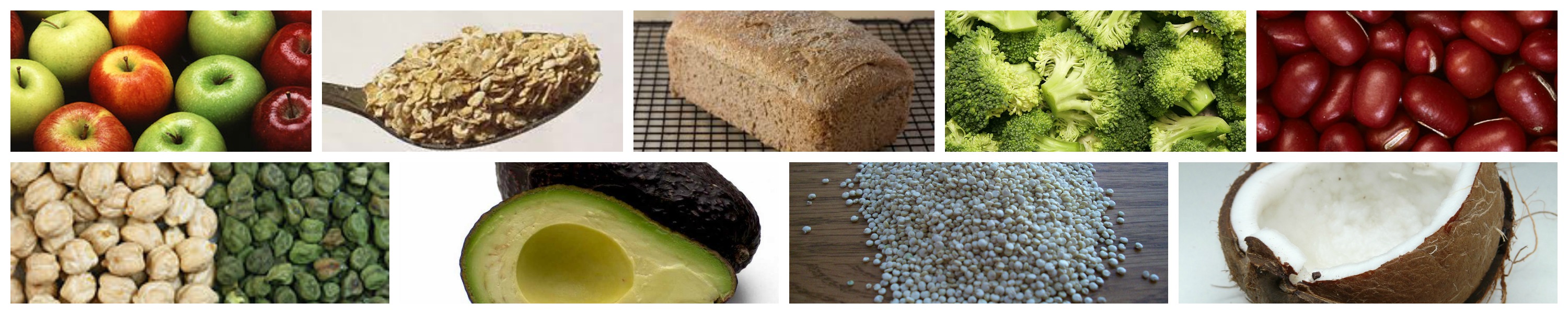
  • Eat fibre (40g a day)
  • Avoid spicy foods
  • Drink coffee (including decaffeinated) and tea in moderation
  • Avoid alcohol
  • Avoid ice cold food and drinks which can inactivate digestive enzymes
  • Avoid cocoa and foods containing it
  • Avoid eating in the three hours before you go to bed
  • Undertake practices to relieve stress
  • Stop smoking, avoid tobacco
  • Lose weight
  • Reduce processed and sweet foods

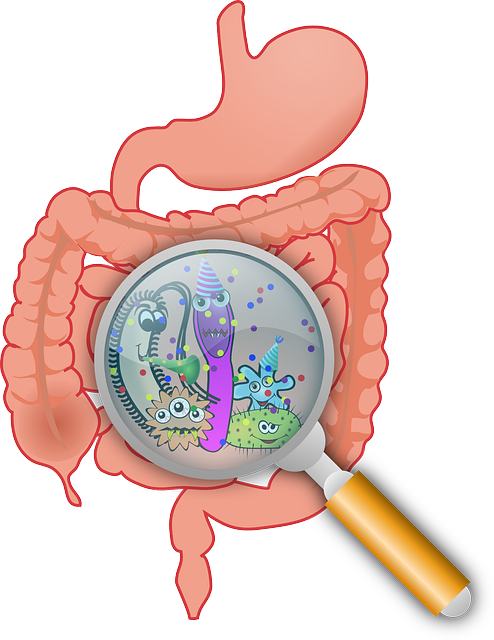
Foods like kefir, sauerkraut and miso contain probiotics to restore the natural balance and function of your gut. Or take a probiotic supplement containing Lactobacilli and Bifidobacteria. Not only do they restore the bowel flora, they also help your digestion. Taking Spirulina will also increase healthy bacteria in your digestive tract.

Vitamin D is important for stomach health. If you are not getting adequate sunshine or normally wear sunscreen, increase your Vitamin D intake. Source it from cod liver oil (which is also rich in omega 3) or take a supplement.

You can help increase your natural production of stomach acid, hydrochloric acid, by including Himalayan salt in your diet. This ensures your body gets enough chloride to make sufficient hydrochloric acid, plus it provides 83 trace minerals that are needed by your body in order to function well.

One way to identify any food triggers that may be causing your digestive problems is to keep a food diary over a few weeks.

bloated-green-man

NATURAL INDIGESTION RELIEF

Homeopathy for Indigestion

There are a number of Hoemopathic remedies that can effectively stop the symptoms of heartburn and indigestion when selected and taken in accordance with homeopathic prescribing guidelines.

Ipecacuahna is one of the most commonly used homeopathic remedies for acute nausea and vomiting which is not relieved by vomiting. The tongue is surprisingly very clean. Symptoms get worse from warmth but improve a little in the fresh air..

Nux-vomica is great for acute nausea especially when the result of overeating, drinking alcohol or coffee, or digestive problems which are made worse by therapeutic or recreational drugs. It is often accompanied by constipation, flatulence or heartburn. Symptoms are made better by warmth and warm applications.

Homeopathic Pulsatilla can be helpful if the indigestion is the result of eating pork or rich fatty foods. Symptoms include bloating sometimes a headache. They do not feel thirsty and find some relief from cool, fresh air.

Carbo-veg gives relief from bloating with lots of offensive gas, which is sometimes released by drinking carbonated drinks.

Natrum phos is an important homeopathic remedy for indigestion with sour belching, sour tasting vomit and a yellow colour on the tongue. Good for those who get indigestion from eating fats. You can take Natrum phos as either a Homeopathic preparation or as a Cell Salt (Schuessler’s Tissue Salts).

Take Homeopathic preparations in the 6th potency, or the 30th potency if you are familiar with Homeopathic prescribing guidelines.

These are only a few of the hundreds of different Homeopahic remedies that help indigestion and give fast effective relief. If you are not familiar with the intricacies of Homeopathic prescribing consult a practitioner.

Herbs for Indigestion

In addition to changing poor habits there are many wonderful herbs to aid your digestion.

Ginger  tea can give immediate relief for heartburn or indigestion. It can also help reduce bloating. Shred some fresh ginger root and pour boiling water over. Allow to steep for ten minutes, strain and drink.

Fenugreek seeds coat the lining of your stomach to relieve symptoms. Add one to two teaspoons to your food or eat separately.

Licorice root can be an effective treatment for reflux. It stimulates the production of digestive secretions that help reduce reflux. Take one or two tablets before meals or bed, or take as a tea to stimulate saliva and prevent symptoms. Make certain it is deglycyrrhizinated licorice (DGL) particularly if you suffer from hypertension.

Bitter herbs. Herbs such as dandelion root, caraway, fennel, yellowdock, blessed thistle and gentian, found in Swedish Bitters, are some of the bitter herbs that promote better digestion because they encourage gastric secretions including saliva, hydrochloric (stomach) acid and digestive enzymes. They can treat or even prevent reflux. Take bitters just before eating to get the digestive juices flowing.

Holy Basil or Tulsi, has been used for thousands of years in Ayurvedic medicine to treat many disorders including stomach disorders, nausea and stress. Sipping a cup of Tulsi tea could help combat your indigestion by reducing the actual stomach symptoms as well as addressing the stress behind them.

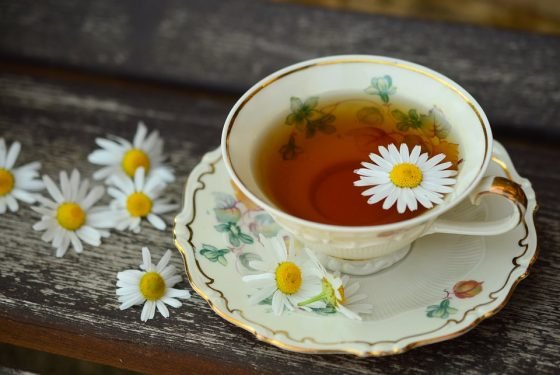
Peppermint.  Many people find peppermint tea an excellent digestive soother. However it can have the opposite effect for nearly half the population, causing heartburn If this applies to you try chamomile tea instead. Peppermint relaxes smooth muscle of your digestive tract to ease cramps, gas and nausea. It can soothe disruptions in the bowel caused by nervousness, overeating or diet changes.

Charcoal.  If you suffer from excessive flatulence taking activated charcoal in the hour or two after your meal can help reduce the gas. Be careful about taking it on a regular basis as it can interfere with the absorption of nutrients.

Slippery Elm Powder taken before meals helps heal irritated digestive tracts. It is mucilaginous and becomes gel-like when in contact with water to coat, protect and soothe the digestive tract. It comes as a powder to add to drinks or in capsules.

Apple Cider VinegarMany people swear by apple cider vinegar. One tablespoon of ACV and one tablespoon of honey in a glass of pure water before meals can ease heartburn.

Lemons. Eating lemon before a meal can prevent heartburn or take some lemon juice in a glass of warm water. Lemon also stimulates bile production to help break down fats and improve digestion.


Chronic heartburn and indigestion is a serious problem and can be part of an underlying illness. Consult your health care practitioner if symptoms persist.

What’s your favourite kitchen cure to sort out for your digestive problems?

NO INDIGESTION

Disclaimer

All information and opinions presented here are for information purposes only and are not intended as a substitute for professional advice offered during a consultation. Please consult with your health care provider before following any of the treatment suggested on this site, particularly if you have an ongoing health issue.
Source articles

http://www.undergroundhealth.com/natural-heartburn-and-indigestion-remedies/
http://www.drweil.com/drw/u/ART02882/acid-reflux.html
http://articles.mercola.com/sites/articles/archive/2010/06/05/natural-ways-to-relieve-heartburn-symptoms.aspx
http://www.huffingtonpost.com/andrew-weil-md/indigestion-natural-remedies-for-relief_b_812458.html
http://www.homeopathic.com/Articles/Using_homeopathy_for_ailments/Homeopathic_Medicines_for_Indigestion_Gas_an.html

Iodine: Do You Need This Essential Micronutrient?

oyster

One essential trace element that not many people ever think about is iodine. It is essential to many of the functions of your body. But many Australians are deficient in iodine. And not just Australians, as in fact it is thought that up to 40% of the world population is getting insufficient iodine.

Iodine can be found throughout the organs of your body. Highest concentrations occur in the thyroid gland and it is also found in the ovaries, skin, saliva, breasts and gastric glands although it can be detected in every organ and tissue.

In the thyroid gland, iodine along with the minerals zinc and selenium is essential for the production of thyroid hormones, particularly thyroxin. These thyroid hormones directly control the body’s metabolic processes, which in turn have significant influence on many of the body’s organs and processes including heart rate and blood pressure.

When iodine levels are too low the thyroid is unable to produce sufficient levels of hormones and you start to experience a range of symptoms such as lethargy, sleepiness, depression, intolerance to cold, dry skin, slow digestion, goiter, weight gain and slower mental faculties.

Goiter
Goiter


Health Benefits

Iodine has so many health benefits and iodine deficiency has been linked to goiter, hypothyroidism, obesity, cognitive impairment, heart disease, psychiatric disorders and cancer. It also causes impaired mental and physical development.

Iodine helps prevent the storage of excess calories as fat, assists in the removal of toxins and aids in the utilization of other minerals. It strengthens the immune system and maintains healthy tissues throughout the body.

Addressing iodine deficiencies has been found to very effective in the treatment of goiter, ovarian cysts, uterine fibroids, fibrocystic breasts, hypertension, obesity and diabetes.

sushi-275054_640


Food Sources Of Iodine

As it became apparent that more and more people were suffering from an iodine deficiency, an attempt to address the growing problem was made by fortifying a certain range of foods with iodine, including basics like bread and milk. Since 2009 iodine has been added to bread, and prepackaged bread required to list iodised salt as an ingredient.

Although iodine it is a fairly rare mineral it is present in a number of foods. The best sources are marine plants such as spirulina, seaweed like kelp, nori, dulse or kombu and shellfish. Make sure that any produce from the sea is harvested from uncominated waters.

While iodine is found in abundance in the sea it is not as prevalent in soil, and due to the toll that modern farming practices have taken means that most soils contain extremely low levels of iodine, along with many other minerals vital to good health. This transfers to low levels of iodine in crop foods. Unfortunately, the amount of iodine found in foods is completely dependent on the amount there is in the soil

Baked potatoes are a great source of iodine. Some other vegetarian sources are eggs, milk, garlic, lima beans, swiss chard, sesame seeds, soybeans, turnip greens and spinach.

Prior to the 1970’s milk was one of the foods that contributed most iodine to the diet but since the 1990’s the amount present in milk has dropped to about half due to changes in dairy processing practices.

Iodised salt was one food that provided many with daily iodine. But with firstly the awareness of the relationship between high salt intake and hypertension, and now a growing awareness of the problems with all highly processed foods including salt, consumption of this source of iodine has dropped off significantly.

If you are trying to avoid conventional salt you could replace it with Himalayan Salt in moderation, which is a viable alternative. Half a gram contains 250 micrograms, 150% of what the body requires each day.

To combat iodine deficiency dried seaweed is the food to head for. Just seven grams supplies 4,500 micrograms of iodine – 3000% of your daily requirement. Rather than having this much at one meal eat smaller quantities more frequently to maintain a regular supply.

Food                                               Iodine content (µg* per 100g)

Oysters                                                                        160
Cod                                                                                99
Sushi (containing seaweed)                                   92
Tinned salmon                                                            60
Bread (made with iodised salt)                            46
Steamed snapper                                                     40
Prawn                                                                             35
Baked turkey breast                                               34
Navy beans (1/2 cup)                                               32
Plain yoghurt                                                             31
Baked potato (1/2 medium)                                 30
Boiled eggs (2)                                                          24
Cheddar cheese                                                      23
Eggs                                                                              22
Ice cream                                                                    21
Chocolate milk                                                         20
Tuna, canned                                                              18
Canned corn                                                               17
Flavoured Yoghurt                                                   16
Regular milk                                                                13
Tinned tuna                                                                 10
Strawberries                                                               10
Bread (without iodised salt)                                  3
Beef, pork, lamb                                                         <1.5
Tap water (varies depending on site)                0.5-20.0
Apples, oranges, grapes, bananas                      <0.5
* micrograms
Source: http://www.nutritionaustralia.org/national/resource/iodine-facts

Don’t forget that you may eat substantially less than 100grams of some of these foods so you need to consider just how much iodine there actually is in the food you are eating.

Seaweed Salad
Seaweed Salad


How Inadequate Iodine Intake Affects You

Perhaps the most obvious, but least dangerous manifestation of iodine deficiency is goiter, a swelling of the thyroid gland which manifests as a swelling in the neck and around the larynx. Treating goiter with iodine during the first five years usually ensures that the thyroid does not suffer permanent damage.

It is well known that micronutrient deficiencies are known to affect the development of intelligence and iodine deficiency can certainly be included as one. Inadequate iodine has a significant effect on cognitive function, affecting memory.

Although iodine is recognized as a major requirement for thyroid health, it also plays other important functions including boosting the immune system, by increasing antioxidant activity.

Iodine is widely used to treat fibrocystic breast disease. It has been shown in studies to shrink caner cells when injected directly into the cells. It is essential in the prevention of thyroid cancer. It assists with flushing out chemical toxins including fluoride, lead and mercury.

Deficiency in children not only causes lower IQ but also creates issues with learning and concentration. It can be an ongoing issue when intake is too low.


Iodine is Required for Reproductive Health

Iodine offers lots of assistance to the reproductive organs. Sufficient levels are crucial to ensure fertility initially, as well as during pregnancy to prevent miscarriage or stillbirth, and to prevent neorologic and cognitive conditions in the baby. Severe deficiency during the pregnancy can lead to the following problems:

  • Miscarriage during the first trimester, or stillbirth
  • Gestational hytertension
  • Birth deformities
  • Neurological defects in the baby causing irreversible brain damage – cretinism, intellectual difficulties, hearing    loss and speech difficulties, short stature, deaf mutism, dwarfism

Iodine passes into the breast milk in large quantities and nursing mothers need to maintain their intake of iodine in order to prevent iodine deficiency themselves.


What Can Cause Iodine Deficiency?

There are a number of factors that can lead to iodine deficiency including:

Low amounts of iodine in the diet

  • Selenium deficiency
  • Pregnancy
  • Radiation exposure
  • Smoking tobacco
  • Alcohol
  • Oral contraceptives


Some Deficiency Clues

Here are some symptoms that could provide the clue that you are not getting enough iodine. If you suffer from these symptoms consult your health care practitioner:

  • Dry mouth
  • Dry skin, reduced sweating
  • Hair loss
  • Reduced alertness, poor perception, lowered IQ
  • Fibromyalgia, pain, fibrosis
  • Scar tissue, nodules
  • Frustration
  • Depression
  • Abnormal weight gain
  • Reduced fertility
  • Constipation
  • Fatigue


A word of caution if you live in an area where fluoride is added to the water supply. There have been studies which question the validity of fluoridation of drinking water because there is a link between excess fluoride ingestion and thyroid disease. The incidence increased where water was fluoridated as the fluoride inhibits the action of the iodine. It may be something worth thinking about if this applies to you.

Iodine supplementation is one place where you can get too much of a good thing. There are potential risks to taking too much iodine. Doses over 2,000mg a day are dangerous especially if you have kidney ailments. Too much can easily lead to subclinical hypothyroidism – ironic when you consider that hypothyroidism is often linked to iodine deficiency. Sourcing iodine from foods may be preferable to taking supplements.

Iodine is certainly one supplement where you need to make sure you achieve a healthy balance. 


Kelp is a rich source of iodine

Disclaimer

All information and opinions presented here are for information only and are not intended as a substitute for professional advice offered during a consultation. Please consult with your health care provider before following any of the treatments suggested on this site, particularly if you have an ongoing health issue.

Source articles

http://www.nrv.gov.au/nutrients/iodine.htm
http://articles.mercola.com/sites/articles/archive/2013/06/29/iodine-deficiency-risk.aspx

Iodine: Benefits, Recommended Intake, & Side Effects


https://www.lef.org/magazine/mag2011/oct2011_The-Silent-Epidemic-of-Iodine-Deficiency_01.htm
http://bembu.com/iodine-rich-foods


Glorious Health From Golden Turmeric

Curcumin, the active ingredient of turmeric, is a very powerful antioxidant


Turmeric has enjoyed a revered status in India and China for thousands of years for its amazing healing benefits. In the Pacific the spice was also known and used by the Polynesians who carried it to Hawaii where it is still known as Olena. Recognized in the west as the yellow coloured ingredient in many curries, turmeric has long been used extensively in Asia to treat a wide range of medical conditions due to its strong anti-inflammatory effects.

The main beneficial component of turmeric, or Curcuma longa, is curcumin. Curcumin is a very powerful antioxidant, far more powerful than grape seed or pine bark extract. It can help reduce DNA and cell damage caused by dangerous free radicals in our body.

There are many who believe that there is a strong link between inflammation and chronic illness. Curcumin is known for its anti-inflammatory properties. These make it very effective for fighting heart disease, the pain of osteoarthritis and many other health problems associated with inflammation.

The effect of curcumin is particularly evident inside the colon where the result of its action is a quick turnover of cells. Damaged or mutated cells are destroyed quickly before they have the opportunity to spread through the body.


HOW TURMERIC BENEFITS

Turmeric is one of the most researched natural remedies and there are numerous studies that validate its benefits. These studies have shown that turmeric may be useful to:

Prevent and Destroy Cancer Cells

Turmeric can help prevent breast, prostate, skin and colon cancer. Studies show that it can start a process of self-destruction in the “mother cells” of the tumour, destroying them before they have the chance to spread through the body.

Nine different studies all showed turmeric reduced the size of brain tumours. It also limits the growth of blood vessels in tumours, and can be used to ease the side effects, and boost the effectiveness of chemotherapy.

 Support Healthy Bones, Joints & Skeletal System

Turmeric supports healthy joint function and is a wonderfully effective remedy for arthritis, reducing the inflammation that leads to pain without side-effects. Studies show that turmeric is a natural pain-killer.

Maintain A Healthy Digestive system

Curcumin helps improve and balance your digestive system. It increases the flow of bile needed to break down dietary fat, which can relieve many gut and digestion problems.

Prevent Diabetes and Hyperglyceamia

The antioxidant agents in turmeric help reduce insulin resistance and may help prevent the onset of Type 2 Diabetes. If blood sugar levels are already within the normal range turmeric helps maintain them.

Promote Heart Health

Turmeric supports healthy blood and your circulatory system. It reduces the risk of blood clots, and prevents buildup of plaque in the arteries, helping to reduce the risk of stroke and other blood clotting problems. It helps reduce bad cholesterol and improve good cholesterol to maintain levels within the healthy range.

Slow Alzheimers And Support Memory Function

Studies have shown that the curcumin in turmeric can slow the progress of Alzheimers, as well as the progression of acquired brain injury.

Reduce the Symptoms of Asthma

Turmeric helps reduce the inflammation associated with asthma as well as reduce the symptoms. A teaspoon of turmeric added to warm milk before bed is a remedy for asthma you can try at home.

Depression

In Traditional Chinese Medicine turmeric is a long-standing treatment for depression.

Promote & Support the Immune System and Boost Immunity

Turmeric is an adaptogen that helps to support your body under stress and support the immune system.

Protect Against Liver Disease

Turmeric is a strong liver detoxifier, helping to remove toxins from the body and supporting and encouraging healthy blood and liver functions.

Help Promote Healthy Skin  

While neutralising free radicals that cause skin aging, turmeric also nourishes and cleanses your skin and helps maintain its elasticity.

The anti-bacterial and anti-inflammatory properties of curcumin can help heal cuts, wounds and other skin infections. Simply mix turmeric with water to form a paste and apply to the skin. It helps with restructuring the skin so may prevent scarring. When applied topically it has been shown to help the symptoms of psoriasis. It is a natural antiseptic and can also be used to treat burns.

Promote Weight loss

Turmeric helps to metabolize fats and provides a boost for the metabolism.

By reducing the activity of the cells that contribute to many diseases including insulin resistance, turmeric helps reduce the incidence of obesity-related disease ans help contribute to weight loss.

Slow Multiple Sclerosis

       Turmeric slows the progression of Multiple Sclerosis

  Recently it was reported that curcumin has antimalarial properties.


Continue Reading about research into turmeric benefits, turmeric for arthritis and the best way to take turmeric.


Disclaimer.

All information and opinions presented here are for information purposes only and are not intended as a substitute for professional advice offered during a consultation. Please consult with your health care provider before following any of the treatment suggested on this site, particularly if you have an ongoing health issue. 

Stressed? Relax The Natural Way

dear stress1

Stress has become such a permanent part of people’s lives that many stressors are now considered a normal part of everyday life, or regarded as a necessary evil of modern life.

The world, and our place in it, has developed at an alarming pace. Although we’re still adapting to the world, it’s at a much, much slower rate. Our bodies and reactions are completely out of synch with our world. Our brains tell us stress is just part of living a modern life, but our bodies tell us the opposite. 

Ongoing chronic stress is now considered the number one hurdle to good health.

Stressors can be physical, such as illness or violence, extreme heat or even noisy neighbours. They can be caused by lifestyle practices, such as work stress, alcohol abuse or poor sleep habits. Or the stressors can be emotional, originating in your mind. These can be the most complex and lead to the greatest impact.

Stress can have many widespread effects on the body. Sometimes anxiety develops as a result of ongoing stress. But the effects of even low-grade stress are significant:

  • Blood pressure increases
  • Muscles tense up
  • Breathing rate increases
  • Heart rate increases
  • Brain waves slow down

Of course these are all signs of the ‘fight-or-flight’ response kicking into action. This is fine in the short term but detrimental to your health when they are ongoing.

When stress is ongoing it leads to widespread problems through the whole body.

  • Weight Gain – Stress alters the way fat’s distributed in the body, depositing it around the midriff where it poses the most danger to health.
  • Faster AgeingA study from the University of California found chronically stressed mothers aged faster. Another study linked prenatal exposure to the mothers stress to accelerated ageing in the child.
  • Affects Brain Cells – A Stanford University study found brain cells shrink in the chronically stressed.
  • Serious Disease – Stress is known to increase free radicals incidence which leads to the development of serious chronic disease.

RECOGNISING STRESS

While anxiety is often the effect of stress, not everyone who’s stressed is anxious. People who suffer from stress often appear calm. So it’s worth learning to recognize other body cues that occur when you’re stressed. If you learn to notice and recognize the signs in your body you can take steps to reverse them.

Do you recognize or experience any of these signs that you are under stress?

  • Your neck gets tight and stiff and you develop a tension headache at the base of your skull.
  • Your shoulders and back tighten.
  • Your chest wall feels constricted. If you cross your arms to compensate it simply further constricts your breathing.
  • You get a feeling of a tight ball or knot in your belly.
  • Your jaw clenches, your forehead tightens, as do your lips.
  • Your fingers feel tight, your hands clench.
  • People looking at you can easily see your stress – your shoulders hunch, your head bows, your face is clenched and you may even seem to be wearing a defeated air.

signs of stress and how to reduce stress

You may even experience some more serious problems which include palpitations, stomach upsets, sleep problems, impotence, reduced sex drive, raised blood pressure or a stroke or heart attack.

Perhaps most importantly, stress has been shown to lead to an increase in free radicals throughout your body. Free radicals lead to inflammation and are now seen as the forerunner of serious chronic and autoimmune diseases such as cancer, SLE lupus, other autoimmune disorders, ageing, cataract, rheumatoid arthritis, cardiovascular and neurodegenerative diseases.


YOUR DE-STRESS TOOL KIT

While it can be virtually impossible to eliminate many ongoing, underlying stresses from your life, adopting some simple techniques to use in times of increased stress can help you feel better in moments. When you take steps to reduce your stress response you also create an immediate effect on the stress hormones released through your body. Having a few tools suitable for crisis control can restore your sense of wellbeing and help you cope in difficult situations.

Being able to reduce stress and anxiety without having to fall back on medications will help build your health in the long term.

Some techniques will work better for you than others and so it is worth searching out those that you find most effective. Try any technique you come across, even the esoteric ones, you can never be certain which will work for you. Allow them all the benefit of the doubt and give them a fair try. It is likely you will need to combine more than one technique, so be on the watch for any improvement and don’t reject anything if it is only partially helpful, it will still be making some difference.

Learn the technique before you are caught in a difficult situation. Memorise it and  practice it – you need to be able to use the skills automatically. Most important, don’t give up – stress can make you restless and inclined to not stick it out.

There are many ways to manage the symptoms of stress. Acupressure, massage and diet are some of the better known. Flower essences and homeopathic remedies are excellent and very effective. Herbals are available in many forms. But there are also certain simple techniques and practices that you can do wherever you happen to be, right in the moment you need help.

SIMPLE TECHNIQUES TO USE

Relax

Often when your muscles are tense you are not even aware of it. Relaxing is a very basic and simple technique which will not only help you to release the tension, it will also bring you awareness of the state of your muscles.

Sit, stand or lie. Tense up one set of muscles in your leg or arms as tight as you can. (You can even start with just your toe muscles to be more effective). Then let them go so they are quite limp. The contrast between the two states will show you what ‘relaxed’ actually feels like. Concentrate on that feeling as you then tense and relax the other muscle groups in your body – your toes, feet, legs, buttocks, back, abdomen, hands, arms right through to your head. Pay particular attention to your jaw and forehead.

Breathe  

Ninety percent of people breathe inefficiently.

Before you begin, reassure yourself that consciously controlling your breathing is one of the simplest and most effective ways to control anxiety and stressful feelings, and to diminish the effect of stress on your body.

Find somewhere quiet, clear your mind and start breathing deeply into your abdomen. Place your hand on your belly, you should feel it rise and fall. Breathe slowly and don’t raise your shoulders.

If you struggle, breathe as you count backwards from fifty. Breathe in on ‘fifty’, out on forty-nine and so on. Keeping your mind focused on synchronizing your breath with the numbers slows down your breathing and forces you to breathe deeper.

You can read more about the technique of deep breathing, and learn how to make effective breathing a normal, unconscious part of your life here – “Mastering The Breath Of Life”.


image: Shawn Rossi
image: Shawn Rossi

Smile

Frowning triggers the release of stress hormones and smiling decreases them. In addition, smiling causes the release of endorphins, the chemicals that make you feel ‘oh-so-good’.

Stretch

Simple but very calming! Do it as slowly and gracefully as you can. There are three co-ordinated actions involved:

  • Controlling your breath
  • Raising your hands and arms
  • Stretching your whole body from toes to fingertips

Stand. Let your arms, wrist and fingers go limp. Bend your knees slightly, entwine your hands loosely and turn your palms upward.

Slowly breathe in. Raise your hands towards your mouth and start to straighten your legs.

Slowly breathe out, turn your palms outward and stretch your body. Slowly exhale totally, reach your arms up, face your palms to the ceiling. Stand on your toes.

Now reverse the action

Repeat at least five times, slowly. Take a few minutes afterwards to relax and do nothing.

Affirm

Your subconscious is a powerful force. Affirmations tap into your subconscious and are extremely effective if they are worded well and are used routinely. Given the impact and complexity of emotional stresses, affirmations are a useful tool because your subconscious cannot tell the difference between what is real or what is not, it only knows and directs according to what you tell it. If your thoughts are always that you can’t cope or you have no money, that’s what your subconscious believes and will direct accordingly.

The exact words you use form your affirmations are very important and can make or break the effectiveness of the affirmation. It is just as important that they become a regular part of your day and so the way you integrate them into your life needs to be considered.

Keep your statements in the present tense, as if they already exist. “I want to…” or “I can…” or “I will” relate to what you want to achieve and are not as powerful as “I am” or “I (do)” which relate to a state already in existence.

You will find some guidelines to creating and using affirmations here.

It can be useful to consult a practitioner to set up an affirmation technique that really works for you.

Visualise

If you are a visual person imagining a big screen showing a scene that you find calm can be useful.

Close your eyes and choose an image that reflects how you would like to feel, perhaps an idyllic tropical island or a peaceful waterfall.

Next imagine this image on a big screen in your mind.

Keeping your eyes closed ‘examine’ the image – the long stretch of beach, the ferns beside the water.

When you see it clearly, step inside. See yourself in the scene as if you are really there. Notice what you are wearing, what you can hear, smell. Feel the sand or grass, the breeze in your hair.

Once you feel you are really in the scene, reach for the ‘controls’ of the screen and turn up the volume and picture. As everything around you becomes brighter and louder and your physical feelings more intense, you become calm and relaxed almost immediately, as if you were really there.

Relax, keeping the calm with you.

tropical-paradise

Release

One of the most common symptoms of stress is a clenched jaw and clenched teeth. Releasing the jaw is a simple technique to release much of the tension of stress.

First become aware of the tension in your jaw. Clench tighter, then release it.

Lightly press your tongue against the roof of your mouth behind your teeth.

Part your lips slightly and feel your jaw relax.

Repeat several times a day.

Tap

The Emotional Freedom Technique, or tapping, is SO simple and SO effective. Anyone can teach themselves the basic routine and use it to create all types of changes. It can be very effective for creating calm.

It simply involves a routine of tapping on acupressure points in the body, while saying a set of statements. The process lodges any change in thinking within the subconscious. Changes occur with EFT extremely quickly.

Discover the basics of EFT, watch a demonstration and learn how to do the basic technique yourself right here. If you would like to learn more, many EFT practitioners run free information and demonstration sessions.

Eat

If all else fails eating small amounts of DARK chocolate helps calm anxiety. The theobromine in chocolate helps to elevate your mood and the tryptophan in dark chocolate improves your levels of serotonin, a neurotransmitter that influences mood and contributes to feelings of wellbeing.   Many people with anxiety are known to have low levels of serotonin.

Stress and the inflammation that results are now seen as the forerunner of serious chronic and autoimmune diseases. It's time to change that right now.
Stress and the inflammation that results are now seen as the forerunner of serious chronic and autoimmune diseases. It’s time to change that right now.

Importantly, remember to try the techniques out when you are feeling ok. Get to know them so you can move straight into doing them whenever you need, without having to think them through. If you struggle to remember what to do it will only add to your stress.

Do you have a technique that you find really helps when you are feeling stressed?

Leave a reply below and tell us about it.

Disclaimer.

All information and opinions presented here are for information purposes only and are not intended as a substitute for professional advice offered during a consultation. Please consult with your health care provider before following any of the treatment suggested on this site, particularly if you have an ongoing health issue. 

Source articles

Wilson, P. Instant Calm, Penguin, 1995

Hartley, A. Love The Life You Live, Hart Publishing, 2000

Lactose Intolerance: Natural Remedy Treatments

There’s an epidemic of food sensitivities surrounding us. Allergies to foods, food intolerances, or even just increased sensitivity are becoming more and more common right across the population. Food allergies arn’t so common, but food intolerances seem to be increasing at an alarming rate.

there's an epidemic of lactose intolerance

FOOD INTOLERANCE CAN BE DIFFICULT TO DIAGNOSE

Unfortunately for many people, food intolerances are often misdiagnosed or even missed altogether.

Symptoms are often very diverse and can take anywhere up to days after eating to appear. This means often they’re not directly linked to the troublesome food. The delay makes it very difficult to pinpoint exactly what is the causing the problem.

In addition, the person may often be intolerant to more than one food. If it happens to be an ingredient that’s commonly found in many different foods, such as gluten or lactose, it may be near impossible to detect. Simply eliminating one food from the diet doesn’t stop the symptoms as the other problem foods still cause problems. When this happens it’s easy to assume the eliminated food is not the cause, when in fact it may be a PART of the cause.

Common allergy tests don’t detect food intolerances and the sufferer is often given a clean bill of health after testing, but continues to endure the debilitating symptoms.

Gluten sensitivity is also becoming very common and you can read about it here.

LACTOSE INTOLERANCE

Lactose intolerance is a condition where the person is unable to digest the sugar in milk (lactose) properly. It’s fairly common with estimates that about 65% of the world’s adult population have the condition to some extent. It’s not a dangerous condition but can be very unpleasant, even ruining the quality of life for the person.

Some people have the condition mildly only experiencing symptoms if they overload on dairy foods. Others have it severely with strong symptoms occurring with even the tiniest amount of dairy foods.

Symptoms include diarrhoea, nausea, vomiting, abdominal cramps, stomach bloating, flatulence, and appear anywhere from thirty minutes to a few hours, or rarely, even days after consuming the food.

The severity of symptoms depends on three things:

  • The amount of lactose consumed
  • The levels of the lactase enzyme present
  • The speed of gastric emptying – the faster the gut transit the worse the symptoms.

WHY LACTOSE INTOLERANCE OCCURS

People with lactose intolerance don’t produce enough lactase, an enzyme required for lactose metabolism.

Not everyone with lactase deficiency has lactose intolerance. The deficiency develops over a long period. Although it starts around two years of age most people don’t develop symptoms until adolescence or adulthood. It may also develop as the result of damage to the intestine through illness such as celiac disease, Crohn’s disease, severe diarrhea or chemotherapy.

It’s long been thought that lactose intolerance was entirely due to this enzyme lack in the gut. It’s now thought that low levels of good intestinal bacteria may also be the cause. In many instances low bacteria levels are the result of other problems or illnesses.

It is now thought that low levels of good intestinal bacteria may be the cause of lactose intolerance.

EAT RIGHT FOR LACTOSE INTOLERANCE

There are studies that show many of those with low lactase levels actually do absorb lactose in small amounts. These people don’t necessarily need to eliminate lactose entirely or to take extra foods or supplements to balance the gut to improve their symptoms. Rather they just need to cut back on the amount of dairy foods they consume.

For others the only way to get rid of symptoms for good is to adopt a dairy-free eating plan.

Dairy foods include all forms of cow’s milk, cheese, cream, ice-cream, butter, yoghurt, curds, and many foods made from these. It may include the milk products of goats, sheep and camels. It doesn’t include eggs. Here’s a comprehensive list of all dairy foods.

If the gut symptoms are due to an illness such as IBS eliminating dairy foods won’t give significant symptom relief.

Evidence shows that eating yoghurt, probiotics and kefir replaces certain gut bacteria which improves symptoms. This is certainly worthwhile but it doesn’t address the underlying cause of the problem.

LACTOSE FREE FOODS

There are many lactose-free foods now available. While soy milk previously was the standard replacment for milk there are now many others. Now coconut milk often replaces milk in a product. Rice milk, almond milk, oat milk and soy milk are others that are all lactose free.

There are many lactose-free oils to replace butter. Ghee is butter with the lactose skimmed out of it and may be an excellent substitute.

Some fruit sorbets have no added milk.

Read the labels on processed foods and you’ll find many lactose-free alternatives.

Words that indicate the presence of lactose include:  Milk, lactose, whey, curds, milk by-products, dry milk solids, non-fat milk powder, milk solids

Lactose is also used in many prescription medicines, including birth control pills, over the counter medications and health supplements.

Some people can tolerate low-lactose foods made from goats or sheep milk. These foods have less lactose than those from cow’s milk.

Often our bodies know what’s not tolerated and let us know. When I stopped eating dairy I very quickly remembered I hated milk and cheese as a child, and had only started eating them as an adult in response to peer pressure.

However, the opposite can just as easily occur. Many people who have strong cravings for creamy dairy foods or milk actually have an intolerance or allergy. If you experience either strong cravings or aversions it’s worth considering your tolerance of that food.

coconut oil Phu Thinh Co

NATURAL WAYS TO REDUCE LACTOSE INTOLERANCE

There are a number of foods and supplements that help reduce unpleasant digestive symptoms caused by eating dairy foods.

Probiotics

Probiotic bacteria useful for lactose intolerance include Lactobacilli, Bifidobacteria and Streptococci. Bifidobacterium longum is very efficient at metabolizing lactose, although all three are capable of producing lactase to improve lactose digestion.

While probiotics are live strains of good bacteria, prebiotics are the nourishment these bacteria needs to stimulate growth. Taking prebiotics as well as probiotic supplements help to significantly build levels of good bacteria. Some foods containg inulin, the most common form of prebiotic, are asparagus, garlic, leek, onion, and artichoke.

Apple Cider Vinegar

ACV can be a very effective way to reduce, even eradicate, lactose intolerance. It helps to balance the body. Try one tablespoon in ½ to one full glass of water every morning. Adding ¼ teaspoon of bicarb soda (baking soda) to the ACV before adding the water seems to help. It takes several weeks to improve symptoms and you must be diligent and not skip a day.

Coconut Oil

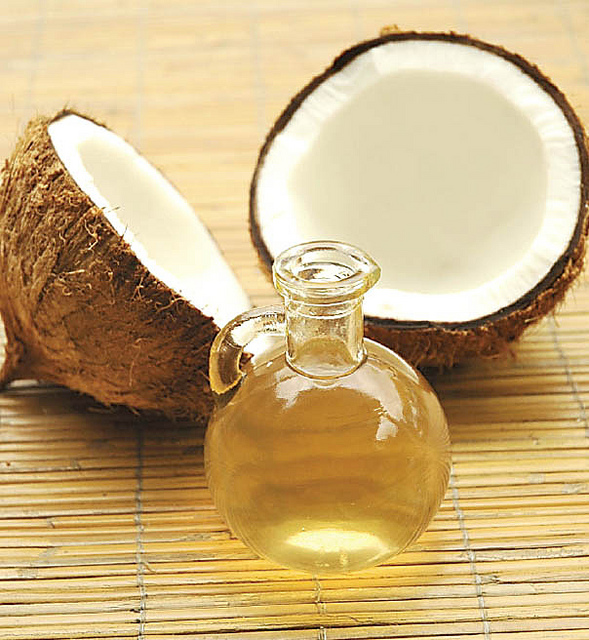
Taking 1-2 teaspoons of virgin coconut oil daily may help reduce intolerance. Alternatively, use coconut milk as a milk replacement in many recipes.

Yoghurt

Even though yoghurt is a dairy product, a few spoonfuls of good quality, full fat yoghurt, (such as Jalna – I am NOT an affiliate) with each meal introduces beneficial bacteria to your gut. Many people with lactose intolerance can digest yoghurt because it contains live bacteria in it to help break down the lactose and improve digestion.

Fermented Products

Sauerkraut and kimchi are foods made from fermented cabbage that contain good bacteria which helps re-populate the gut and regulate the digestive system. Drink the juice of the sauerkraut as well as eating it. Kimchi is quite spicy. It takes a few weeks for the bacteria to build up to sufficient levels to reduce symptoms.

Lactase Enzyme Supplements

Lactase is an enzyme produced in the small intestine that breaks down lactose in the body. When a person doesn’t produce sufficient lactase they experience the symptoms of lactose intolerance.

Lactase supplements are a small pill taken with foods containing lactose. They’re useful as a temporary measure or when you’re eating large quantities of dairy foods, but may not be so good for the long term. Adding the enzymes to milk a few hours before drinking it helps break down the lactose. They’re available from health food stores

Some people become immune to lactase pills over time. Sometimes you may not even be aware you’re eating dairy foods. I once watched a famous chef on TV divulge that the secret ingredient in his amazing clear chicken stock was cow’s milk.

One other problem with lactase supplements is that when the lactase arrives in the gut from another external source the body no longer needs to keep producing any lactase at all. You may very quickly go from producing some (if insufficient amounts) lactase to producing absolutely none.

Hard, aged cheeses have less lactose than soft cheeses.

WHAT YOU SHOULD DO

If you’re only slightly lactose intolerant  all you may need do is cut down the amount of dairy you eat. You may tolerate some dairy foods better than others and if you choose carefully you may feel better in ways you hadn’t really noticed were wrong before.

If your intolerance is a little more severe you could find adding fermented foods, apple cider vinegar or probiotics gives you huge improvements.

  • High fat milk is digested more easily than low-fat milk.
  • Hard, aged cheeses have less lactose than soft cheeses.
  • Butter is low in lactose.
  • Milk products containing live bacterial cultures are already partially digested and may be tolerated.
  • Eating good quality yogurt containing live culture 10-15 minutes before eating dairy products may help your symptoms.

To eliminate symptoms eating dairy-free is often the best choice. These days it’s not difficult as there are many alternatives, including soy and coconut. If you’re able to tolerate a little lactose, and most people can, add very small amounts of one of the more easily tolerated dairy foods to remind your gut to keep producing any lactase it can.

For many simply cutting back the amount of dairy products is enough to eliminate the symptoms. Drinking less milk every day, eating yoghurt instead of drinking milk, replacing cows cheese with goat’s cheese are just a few things you could do.

What have you found to be the best way to deal with your lactose intolerance?

dairy-cows-175309_640

Disclaimer

All information and opinions presented here are for information only and are not intended as a substitute for professional advice offered during a consultation. Please consult with your health care provider before following any of the treatments suggested on this site, particularly if you have an ongoing health issue.

Source articles

http://www.naturalnews.com/036379_food_intolerance_allergies_epidemic.html

http://www.bio-kult.com/research-technical/134/lactase-activity-of-probiotic-bacteria

http://earthclinic.com/CURES/lactose-intolerance.html

http://chriskresser.com/how-to-cure-lactose-intolerance

http://natureheals.hubpages.com/hub/ways-to-cure-lactose-intolerance

http://jillgrimesmd.blogspot.com.au/2011/08/lactose-intolerance-chocolate-milkthe.html

http://digestive.niddk.nih.gov/ddiseases/pubs/lactoseintolerance

http://healing.answers.com/remedies/natural-remedy-treatments-for-lactose-intolerance


Stevia – The Key To Kicking Your Sugar Habit

sugar Kicking the sugar habit is easier said than done. For some people even making the decision to get rid of sugar from their diet is beyond thinking.

One of the biggest health pushes of 2013 was to encourage both us and food manufacturers to dramatically cut back the amount of that ‘giant nasty’ sugar that we consume. Suddenly it seemed that the finger was pointed squarely at sugar as the primary culprit behind one after another health problem.

We all know that too much sugar is bad for us. But most of us don’t really know why,  or how much too much actually is. But it seems that many of us have now picked up on the message that it could be that ANY sugar is bad for us.

But actually removing sugar and sweet foods from what you eat is another matter altogether. Only last week someone was talking to me about their New Year resolutions and breaking their bad habits. “I really need to lose weight” she said “but I don’t think I’m quite ready to say good bye to sugar”. And therein lies the problem that the majority of Australians, and probably most other Westerners face. They love their sweet food and they know just how hard it is to say goodbye to it completely.

Add to this reluctance the fact that sugar is addictive, and the resolve to abstain dissolves.

It is not just about deciding to give up sugar. It is also about breaking the physical effects of sugar. As with any other addiction, sugar metabolism sets up a chemical reaction in the brain as well as the body. Within the brain, glucose from metabolized sugars causes a higher release of dopamine and opioids.

Dopamine is often called the ‘feel-good neurotransmitter’. But while it may make you feel good, the release of too much has many health consequences. Many addictive drugs including nicotine, cocaine and methamphetamine also cause increased levels of dopamine to be released in the same way that sugar does. The opioids released by sugar metabolism also make sugar hard to beat by playing a part in the withdrawal symptoms.

I Love Sugar

HOW SUGAR AFFECTS THE BODY

One health problem where sugar plays a part is ADHD /ADD. Although sugar is not thought to cause ADHD, it does raise levels of dopamine. Increased levels of dopamine have been shown to lead to high activity level and impulsive behaviour in the person. So it seems that when parents notice behavioural changes in their child after eating sugar, they may be seeing the dopamine effect.

During 2013 it was suggested that sugar should be included amongst the big three causes of high cholesterol. The other two being trans fats and stress. It was thought that saturated fat was the main cause of high cholesterol levels but the question is now whether it may be sugar instead. At present this remains a controversial topic.

SUGAR AND ILL HEALTH

Here are some of the many illnesses that sugar is known to either cause or where it  plays a significant role or aggravates the symptoms of illnesses:

  • Diabetes
  • Obesity
  • Osteoporosis
  • Mineral depletion which interferes with the absorption of magnesium & calcium
  • Food allergies
  • Slows down your immune system
  • Increases your risk for cancer – as hypothesized by Dr Walberg
  • Heart disease
  • Behaviour problems – ADHD, ADD
  • Insulin resistance
  • Hypoglycaemia
  • Increased triglycerides
  • Reduces (HDL) high-density lipoproteins
  • Poor nutrition
  • Suppresses your immune system
  • Causes inflammation within the body
  • Causes a decline in tissue elasticity and function
  • Raises dopamine, serotonin and adrenaline levels and release
  • Lead to an acidic digestive tract
  • Arthritis
  • Learning disorders in children
  • Candida overgrowth

 For more from this impressive list of 143 Ways That Sugar Ruins Your Health check out this list from Nancy Appleton.

MORE SUGAR PROBLEMS

Over time you become desensitized to sugar. The more you eat, the more effective your body becomes in absorbing it, and the more sugar you absorb the more damage it does. As well as becoming more sensitized to sugar you also become more sensitized to its toxic effects. But fortunately this sensitization to sugar can be decreased so you become less reactive to it, by taking a sugar holiday, even just two weeks off sugar can be effective.

 Sugar is an expert at masquerading and is excellent at hiding in the foods you are eating. It goes by many names but an easy way to identify many sugars is to read the ingredient panel and take note of any ingredients that end in “ose”. Dextrose, lactose, sucrose, glucose, maltose – these are all just different forms of sugar, which when they are metabolized in your body all end up as the same thing, and all have the same effect on your body.

Remember that natural sweeteners, although better for you than white cane sugar because they are not so processed, all essentially become the same thing in your body, blood sugar or glucose. If you want to cut back the amount of blood sugar you cannot just replace one for the other.

WHAT CAN YOU DO?

The alternative is NOT to turn to artificial sweeteners. Diet soft drinks, artificially sweetened yoghurts, lo-cal, lo-joule or diet anything are most definitely a poor alternative choice when  they contain artificial chemical sweeteners.

The chemicals such as aspartame that are used to sweeten “diet” or low-sugar foods are linked to all manner of health problems.

But there is one sweetening agent now readily available that is a good alternative to sugar, or to any other sweetener, and it is very safe.

That product is STEVIA.

Stevia rebaudiana
Stevia rebaudiana

Stevia rebaudiuna is a herb that comes from Paraguay in South America, where it has been used for centuries as a sweetener and a health tonic by the Guarani Indians.

The leaves of Stevia are intensely sweet. This naturally sweet extract is in fact up to an amazing 300 times sweeter than cane sugar, so you only need to use a tiny amount of stevia.

The thing that makes the use of stevia so attractive and exciting is that it does not cause an increase in blood sugar levels, in spite of being so sweet. Stevia allows you to enjoy some sweet foods in your diet without the health or weight issues that are caused by cane sugar.

By the way, stevia can used in cooking.

Occasionally some people find stevia has a metallic aftertaste but this seems to be related to the way the plant is processed. The plant leaves have no aftertaste. If you find this a problem it may be worth trying another brand of Stevia, or search out a liquid form.

Be very careful when you buy your Stevia. I was reading the ingredient of a product claiming to be stevia on the shelves at the supermarket and discovered that although the box was covered in the word “Stevia” in fact it was a mixture of stevia and aspartame!

Be careful to buy only pure Stevia. If you are concerned shop for it at a Health Food Shop. It is just as important to read the ingredient panel on foods that are sweetened with Stevia as it is any other to make sure there are not other artificial chemical sweeteners added as well.

Crushed stevia leaves

SOME OF THE REPUTED HEALTH BENEFITS OF STEVIA

  • Lowers blood pressure
  • Provides sweetness without elevating blood glucose level
  • Research shows taking 1000mg a day of stevioside reduced blood sugarlevels after meals by up to 18 percent in people with type 2 diabetes.
  • Studies conducted at Mahidol University in Thailand showed stevia to have the following actions: Lowers blood pressure; anti-inflammatory; anti-tumour; anti-diarrhoeal; diuretic; immunomodulating

Currently further research is being conducted into the effects of stevia on diabetes.

So why not make the decision today to reduce your sugar and other sweetener intake and give stevia a go.

Have you tried stevia? Have you totally removed sugar and sweet food from your diet? Tell us about your experience in the Leave a Reply section below.

If you are local (Mitcham, Melbourne, Australia) you can pick up Stevia at Indigo Centre for Health & Wellbeing.

Small stevia plantation

Disclaimer

All information and opinions presented here are for information only and are not intended as a substitute for professional advice offered during a consultation. Please consult with your health care provider before following any of the treatments suggested on this site, particularly if you have an ongoing health issue.

Source articles

http://articles.mercola.com/sites/articles/archive/2008/12/16/stevia-the-holy-grail-of-sweeteners.aspx

http://articles.mercola.com/sites/articles/archive/2010/04/20/sugar-dangers.aspx

http://circ.ahajournals.org/content/106/4/523.full

http://www.ncbi.nlm.nih.gov/pmc/articles/PMC2235907/

http://www.cbn.com/cbnnews/healthscience/2012/october/cholesterol-myth-what-really-causes-heart-disease/

http://en.wikipedia.org/wiki/Dopamine

http://nancyappleton.com/141-reasons-sugar-ruins-your-health/

http://www.healthylife-healthyplanet.com/health-problems-caused-by-sugar.html

http://www.dailymail.co.uk/health/article-2356674/Stevia-First-natural-sugar-substitute-help-fight-obesity-diabetes.html

http://owndoc.com/pdf/Stevia%20new%20rural%20industry.pdf


Getting Naturally Candid About Candida

You may start to wonder if you will ever get well when you feel ghastly but test after test comes back clear.

It is so common to have clients come in and say “I feel just awful but all my tests have come back normal”. Whilst they could have a number of different problems, often they are suffering from yeast overgrowth, or Candida.

This has become so widespread within the community with research suggesting that 90% of the population, men and women, may suffer from it. Many individuals regularly use fungal treatments when obvious symptoms flare up. But they are not addressing the problem at its source in the digestive tract and so the symptoms persist or recur. The yeast overgrowth leads to chronic systemic problems that leave them feeling exhausted with a variety of other seemingly unconnected symptoms, ranging from itchy throat to joint pains, or brain fog.

Candida albicans is a robust form of yeast normally present in our body. It can lead to fungal infections in the digestive tract, as well as the mouth, the vagina and on our skin. The presence of other friendly bacteria, normally keep it in check and hold it to levels that do not create problems for the immune system.

But many people’s gut bacteria are not in balance. When you have sufficient numbers of “good” bacteria they keep the candida bacteria in check. But when the numbers of good bacteria are diminished it allows the candida to grow and multiply rapidly until it overtakes the good bacteria, and causes a variety of chronic health problems in both women and men.

WHAT HAPPENS WHEN THERE IS TOO MUCH CANDIDA?

First the candida bacteria damages the lining of your intestines causing them to weaken and allowing toxins to pass through, which are then carried throughout your body. This is known as Leaky Gut. As well as spreading the toxins right through your body it leads to intolerances to many foods that were previously well tolerated such as dairy foods, eggs or gluten.

Next you start to crave sugars and carbohydrates more and more. Candida feeds on sugars both refined and unrefined. Carbohydrates break down in your gut into sugars and so are just as appealing to the candida bacteria as are simple sugars. As the numbers increase so does their need for food and so you seek out more of these types of food.

As the candida matabolises and then dies it creates 79 different toxins. These cause symptoms such as bloating, diarrhoea or gas within the digestive system. As the toxins leak out of your gut, enter your bloodstream and are carried around your body they make you feel terrible. You may feel like you have the flu or even that you are drunk. As the numbers of candida increase the quantities of released toxins also increases.

Oral and vaginal thrush, or candidiasis, plus skin affections such as nappy  (diaper) rash, are commonly recognized and treated with western medicine. However dysbiosis, where the candida has become so prolific in the intestines that it causes the wide-ranging symptoms throughout the entire body, is more controversial and often rejected by many doctors.

WHAT CAUSES THE PROBLEM?

Dysbiosis is thought to be created by a few things. Taking lots of antibiotics is considered one of the main things that can lead to this situation as many of the “good” bacteria are killed. Candida however is not affected by the antibiotics, and with fewer numbers of other bacteria left to maintain the balance, it is able to flourish and reproduce wildly.

The overuse of broad-spectrum antibiotics is most often the cause of the problem, particularly when the person has been on them for long periods to treat problems such as acne or sinus. But there are other medications that can also create the problem. Birth control pills are a perfect example of these medications. Taken for very long periods, often many years without a break, they has a strong bearing on gut bacteria, allowing the proliferation of Candida albicans. Commonly prescribed oral corticosteroids like prednisone, is another.

Other factors that increase susceptibility to dysbiosis are stress, lowered immune function, high-sugar diets, diabetes, and the hormonal changes in pregnancy.

When you remember that the command centre of the immune system is found in the gut it is obviously essential that significant problems in the intestines are addressed and turned around.

COMMON SYMPTOMS OF CANDIDA

The imbalance of intestinal bacteria, or flora, is often called dysbiosis. It leads to many symptoms including:

  •  Nail fungal infections, discolouration of toenails
  • Skin fungal infections such as tinea, athlete’s foot, ringworm
  • Feeling tired, fatigued, worn down or exhausted
  • Digestive problems – bloating, diarrhea/constipation, gas, new food sensitivities, spastic colon
  • Autoimmune diseases including Hashimoto’s Thyroiditis, Rheumatoid Arthritis, Ulcerative Colitis, Lupus, Psoriasis, Scleroderma, Multiple Sclerosis
  • Muscle and joint aches
  • Poor concentration, poor memory, disorientation, brain fog, lack of focus, dizziness, headache
  • ADD or ADHD
  • Skin problems – eczema, psoriasis, recurrent rashes
  • Sinusitis, recurrent colds, chronic nasal congestion
  • Mood swings, irritability
  • Recurrent vaginal yeast infections, vulvar itching (women)
  • Prostate and bladder infections (men)
  • Rectal itching
  • Urinary tract infections
  • PMS, decreased libido
  • Strong cravings for sugar and sweets or refined carbohydrates (bread, pasta, cake, cookies etc)
  • Weight gain

HOW TO KNOW IF YOU DO HAVE CANDIDA

Candida can be measured with a blood test. Many natural health practitioners are able to test in their clinic, or a doctors can order a blood test to test for Candida Anti-bodies, or a stool test to identify candida in your colon. But make sure it is a comprehensive stool test, not a standard one.

HOW TO BEAT CANDIDA

Diet

A good way is to starve the candida out, and to use probiotics to repopulate the gut with the friendly bacteria that then keeps the candida in check. The damage to your intestines causing the leaky gut also needs to be repaired so any chemicals produced by the remaining candida can no longer travel through your body.

To starve the candida requires adhering to a strict diet for at least two months, although it can take longer. Candida flourish in the presence of sugars, refined and unrefined, and anything fermented. Foods such as sweets, soft drinks, most fresh, all dried and all juiced fruit, refined grains including bread, pasta, cakes, cookies, rice, or fermented foods like soy, alcohol and vinegar, create “candida heaven” in your intestines. Removing these from your diet and supplementing with probiotics to help repopulate the gut with “good bacteria” can starve out the candida and help to create balance between all the gut bacteria.

Eliminate all sweets and sugars on the Candida Diet

It can be quite difficult to maintain the diet, especially as our Western diet is based on sugar-rich refined foods. Many people baulk at the diet and give it away before it has killed sufficient candida to reduce their symptoms in the long-term. Although the diet does require commitment, when you consider just how far-reaching the effects of yeast overgrowth are, and the extent of its impact on your entire system, it seems worth the effort. The long term improvement in lifestyle as well as health makes it worth persevering.

Removing any foods that are causing inflammation in your digestive tract, such as dairy foods and gluten, will help your gut to heal and aid your digestion. Healing your gut stops the candida getting out and making its way right through your body. Reducing inflammation improves your overall health, helping to prevent chronic disease later.

Once you finish with the candida diet it is time to be pro-active with your diet. Introduce foods rich in good bacteria such as miso, sauerkraut, kombucha tea and kefir (fermented milk). And don’t go back to eating lots of sweet or processed foods.

fermented foods

Probiotics

You require about 25-100 billion units of probiotics daily to start to balance out the candida by restoring the good bacteria. The variety needs to be Lactobacillus acidophilus, Lactobacillus bifidus and saccharomyces boulardii (SB). The Lactobacillus varieties maintain the balance of friendly bacteria and the SB variety reduces the candida population by acidifying the contents of the intestine.

Eating yogurt alone will not replace a quality supplement.

Herbals

Echinacea angustifolia boosts the immune system to battle yeast infections.

Garlic (Allium sativum) enhances immunity and research has shown that it reduces Candida albicans. Adding garlic to your diet is very useful in fighting candida.

Goldenseal may be effective for candida-related diarrhea.

Silymarin supports the liver, which may have reduced detoxification ability due to being compromised by the candida-related toxins. It enhances function and offers protection.

There are a number of herbs useful for treating candida and their effectiveness varies. This has led to some saying that different herbs must be used in cycles. In order to ensure you are taking the best antifungal for your needs, you would be better to use them under the care of a Natural Health practitioner.

Fatty Acids

Caprylic acid, a fatty acid has anti-fungal actions. It works by interfering with the cell walls of the fungus. Your body makes small amounts but it is also found in plants, particularly in coconut and palm oils. Although there is no clinical data available as to its effect on candida, it has been found to reduce the ability of the candida to grow and replicate.

Lifestyle

An approach that incorporates change on all levels is far more effective than simply taking probiotics or changing your diet. Altering your lifestyle can make a big difference to the reappearance of yeast overgrowth.

Maintain an exercise program to support and enhance your immune system.

Reduce stress. Taking up meditation, yoga, qi gong or tai chi will help you deal with stress you cannot avoid.

Avoid commercial feminine hygiene products. Also, the perfumes in them can irritate the mucous membranes.

Eat yoghurt which is not sweetened and contains live cultures of acidophilus.

Increase fibre to maintain bowel habits to effectively eliminate toxins in the gut.

Avoid exposure to chemicals in paints, cleaning products, perfumes as chemical sensitivities are very common in those with overgrowth of yeast.

Take up meditation or yogato help you deal with stress you cannot avoid.

Natural Therapies

While western medicine has many strengths, it is natural therapies that shine when it comes to treating chronic illnesses. Two natural therapies are particularly useful in dealing with yeast overgrowth.

Homeopathic remedies can be selected to treat candida overgrowth, quickly reducing the associated symptoms, and at the same time building the immune system. They are also useful for dealing with associated food cravings for sweets. EFT (Emotional Freedom Technoque) is also great for stopping cravings.

Traditional Chinese Medicine combines acupuncture with Chinese herbs to clear the candida and strengthen the immune system.

For my clients I combine Homeopathic remedies with other natural therapies, the candida diet and probiotics. This combination addresses the symptoms and improves their general health, which has been undermined by the overgrowth. It also seems to speed up the process, and help with the symptoms that arise as the candida dies off.

HOW TO PREVENT FURTHER YEAST OVERGROWTH

To prevent yeast overgrowth avoid the use of antibiotics unnecessarily. If you do need to take antibiotics take probioics at the same time, and for about three weeks afterwards to rebuild friendly bacteria numbers. Avoid unnecessary steroid use. Rinse your mouth or nose after using a steroid inhaler or nasal sprays if you do use them. Consider your use of birth control pills, particularly if you use them continuously for long periods. Reduce the amount of sweet, refined carbohydrates and processed fermented foods in your diet.

Be aware that as large numbers of candida die off all at once they release significant toxins into the gut. These can cause a temporary return of symptoms such as bloating, pain or diarrhea, or general ‘flu-like’ symptoms. The symptoms pass as the waste toxins are removed.

Be careful about assuming that you have dysbiosis. Although it is quite common, and is often not diagnosed, the symptoms are similar to those of other conditions and problems. There is also quite a bit of misinformation about candida around and you need to be careful about diagnosing yourself from a book or the internet.

If you think you may have an overgrowth of candida consult with a Natural Health Practitioner. While you can make the necessary changes for yourself, this can be a very complex problem that can have extensive effects on your body, and one that is far better managed holistically by a practitioner. They will construct the best protocol for you and manage any difficulties you encounter along your way to overcoming this disorder and returning to better health.

lust for life

Disclaimer.

All information and opinions presented here are for information purposes only and are not intended as a substitute for professional advice offered during a consultation. Please consult with your health care provider before following any of the treatment suggested on this site, particularly if you have an ongoing health issue. 

Source articles

http://articles.mercola.com/sites/articles/archive/2008/06/10/holistic-treatment-for-candida-infection.aspx

http://www.wholehealthchicago.com/76/candida-overgrowth-syndrome

http://www.care2.com/greenliving/what-your-body-is-trying-to-tell-you-9-signs-you-shouldnt-ignore.html

http://drmccombs.wordpress.com/2009/10/29/10-candida-myths


Soulful Wellness: Where Mind, Body, and Spirit Align.