All posts by happyholistichealth

Join me to create a happier, healthier life.

Ah-Choooooo! Scratch, Scratch! It’s Allergy Season

Allergies are the bane of so many people’s life these days making it difficult for them to function well in their everyday life.

Allergies occur when your immune system is hypersensitive. When an allergen comes into contact with any mucous membrane surface – the respiratory tract, digestive tract, the eyes – it sets up an inflammation which causes the symptoms. Food Intolerances are different to allergies and are the result of an inability to digest or absorb foods. But the symptoms of each can be very similar and often confused. Symptoms from allergy usually develop quickly.

The incidence of food allergy is growing. In 2011 an Australian study, the Health Nuts Study, found that 10% out of 5000 infants demonstrated food allergy. This is the highest rate in the world and we should be alarmed about why the incidence is rising so rapidly.

The most common allergic reactions usually fall into four groups.
  •       Anaphylaxis – a life-threatening reaction where the airways can swell
  •       Skin symptoms – eczema, dermatitis, welts and hives
  •       Eye reactions – conjunctivitis, redness, itching and watering
  •       Hay Fever or Rhinitis

Some asthmas are caused by allergies. Anaphylaxis is a more serious allergic response and is potentially life-threatening. One of my children experienced this on a number of occasions from milk and butter when he was young and beestings later, and it is a very scary situation. It usually occurs very quickly and affects multiple body systems. It needs an immediate dose of adrenalin to reverse it.

There is now evidence which suggests that the increased use of antibiotics may have something to do with the increase in allergies and asthma because it upsets the normal balance of gut flora and leads to confusion within the immune system so that it is unable to tell the difference between harmless substances and bacteria, viruses and parasites. It is also thought that our higher hygiene standards may have contributed, by exposing us to fewer pathogens, which leads to your body attacking harmless antigens instead.

Allergies are the bane of so many people’s life these days Photo credit: Brooke Novak

There are many common things to which people develop an allergy. Allergens could be any of the following:

  •      Foods such as gluten or wheat, milk and dairy foods, seafood and shellfish, alcohol, soy, eggs, peanuts, nuts, seeds, tomatoes, alcohol
  •      Environmental factors such as dust, dust mites, pollen, mould, animal fur, grasses
  •      Man-made substances such as medications, pesticides, latex, nickel
  •      Insects including cockroaches, dust mites, caterpillars, bees or wasps

While there are a number of over the counter and prescription medications for allergies, they all put lots of strain on your liver as it has to detox the medications. This may actually exacerbate the condition. Most people have used antihistamines to gain relief from the symptoms of hay fever at some time, but the ongoing prospect of having to take loads of pharmaceuticals, to say nothing of the debilitating side effects they cause, is not at all appealing. Western medicine stresses ongoing medications and avoidance of exposure but this is not always possible.

Deal with allergies in more natural way

The best way to get rid of the problem of allergies is with professional advice from a Natural Medicine Practitioner.

But there are many ways that you can get relief for your allergy symptoms using a host of ‘Kitchen Remedies’. Anaphylaxis must always be regarded as a medical emergency and treated accordingly. If you experience an anaphylactic reaction, get emergency medical help immediately. But the next time allergy strikes with other symptoms, try out some of these tips before you reach for the antihistamine. Then follow up with a visit to a Natural Health practitioner to seek long-term relief.

 Please read my disclaimer below before reading on.

Kitchen Remedies

Respiratory passages

For sinuses and nasal congestion put some olive oil in your palm and sprinkle some black pepper into it. Breathe the aroma in. It makes you sneeze which removes the allergens in your nose.

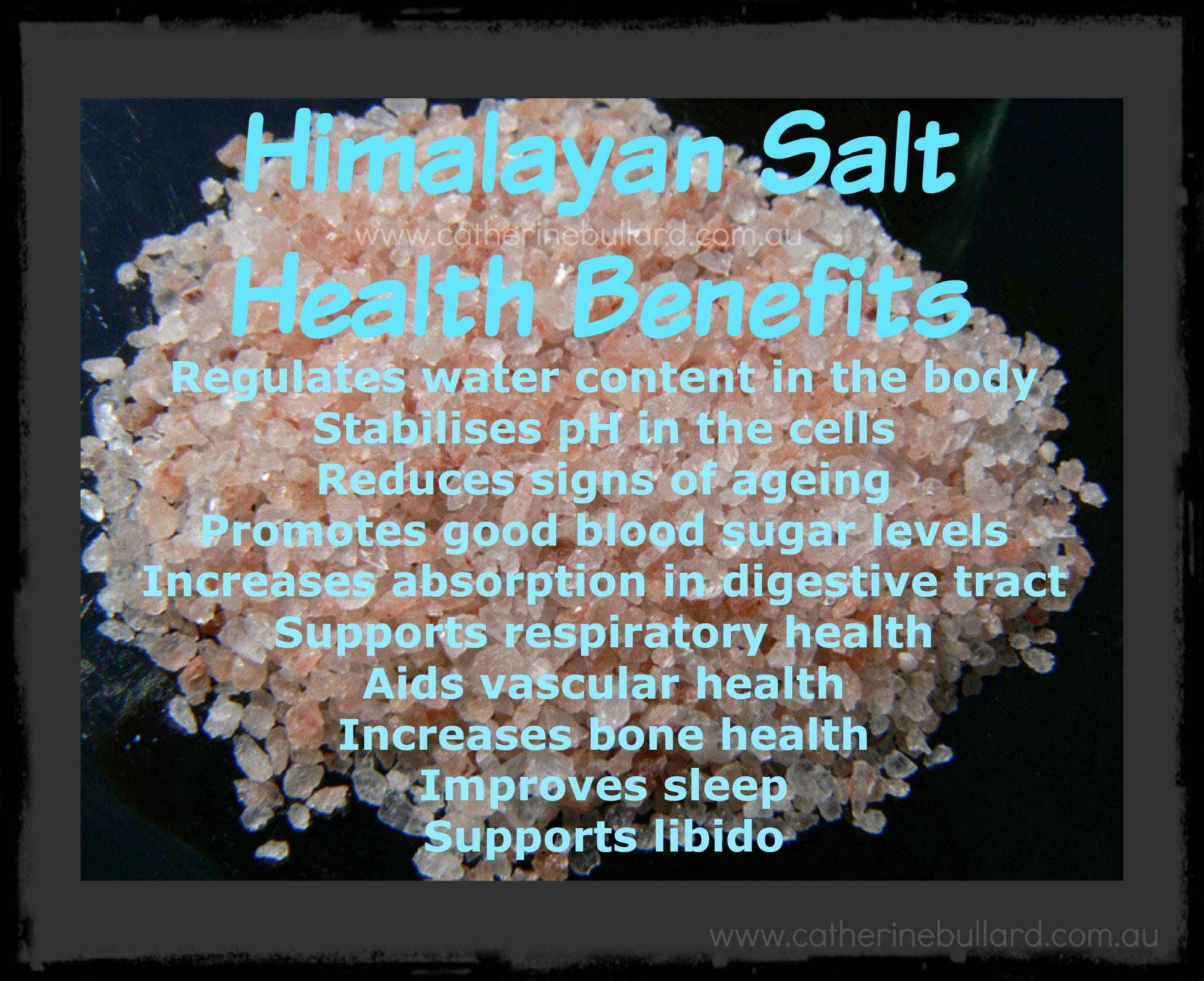
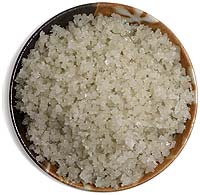
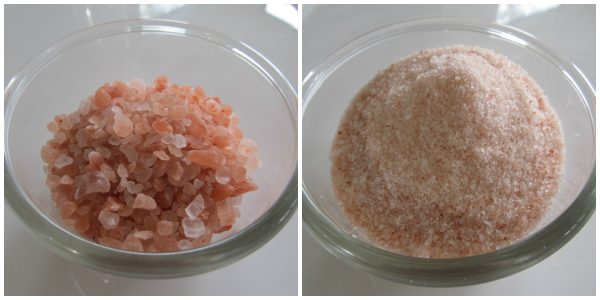
Many people swear by Neti pots. Fill the Neti pot with a saline solution then pour the solution through your sinuses to flush the allergens and irritation from your sinuses. Use a pre-made saline rinse or make one yourself by dissolving 1 teaspoon of Himalayan salt, or sea salt as a second choice, in 1 litre of boiled distilled water. Allow it to cool completely and put it in the Neti pot. Pour it through one nostril and allow it to drain out the other. Make sure you rinse the irrigation device after you use it with boiled distilled water and leave it to ‘air-dry’.

Peppermint tea is a great decongestant which can unclog sinuses and improve breathing. It is anti-inflammatory and antibacterial. Chamomile tea is a natural anti-inflammatory and may reduce the duration of hay fever attacks.

Eating food drenched in wasabi will clear out your sinuses in an instant. So head for the sushi bar if you need a quick clear when you are out and about.

Showering as soon as you come back inside after being outdoors can be an easy way to get quick allergy relief. It can help remove allergens from your skin and hair and the steam will help to clear nasal cavities, although it will usually be only temporarily.

Even just inhaling the steam over a bowl of hot water can flush out the mucous just as well as a shower. Add a few drops of Eucalyptus essential oil and carefully inhale the steam for an even better result.

Skin reactions

A colloidal oatmeal mask for hives or eczema. You can either add  2 or 3 cups straight to the bathwater where it disperses and stays in suspension rather than settling to the bottom, or make a paste to spread over the affected area. To make the paste you need 1-2 tablespoons of Colloidal Oatmeal. You can make your own if you cannot buy it. Add warm water until you get the desired consistency. Spread on your skin and leave for a few minutes

Apple cider vinegar has long been recognised for its wonderful healing properties. Dilute a little in water and dab onto any itchy area. Great for dry eczema, hives or bed bug bites.

Mixing Bicarbonate of Soda (Baking Soda) with a little water to form a paste to spread on the skin will help stop the itching. You can also add it to a warm bath and soak in it for twenty minutes if the reaction area is more widespread.

Nettle is often used to relieve allergies as it is a natural antihistamine which targets the immune system. As well as drinking your nettle tea you can also use it topically. Allow it to cool and then use a cloth or gauze to dab it on the itchy spots where it will give relief. You could also take 300 to 500 mg of stinging nettle capsules each day.

A strong brew of dried anti-inflammatory chamomile flowers steeped for fifteen minutes or more then cooled and strained, can be applied to eczema for about 20 minutes with gauze or a cloth for itchiness relief. You can use it three times a day.

Basil is another herb that contains anti-allergenic components and it will give relief for hives. Boil a couple of leaves in water. Once the tea has cooled down apply it topically on the hives.

Organic cold pressed coconut oil can be applied topically and gives relief to many sufferers.

Aloe vera gel is useful, especially when it comes from freshly cut leaves.

Water that has had thin cucumber slices soaked in it for a few hours and then filtered can be applied to the area with a clean gauze or cloth.

Eye reactions

For puffiness place slices of cold raw potato on your eyes

To relieve itchy, dry or watery eyes try making a compress from chamomile or black tea bags that have been steeped in boiling water and allowed to cool. Leave on for five minutes. Choose organic teabags as many chemicals are used to bleach the bag material that may aggravate already inflamed eyes. Even better if you refrigerate the teabags first.

A wonderful eyewash can be made to soothe itchy eyes by diluting non-alcoholic calendula liquid in water.

And last but not least, don’t forget to drink lots of water which helps with sinus drainage and congestion. It seems as though I say to do this in every post, but almost everybody drinks too little water and dehydration, even when it is mild, contributes to many health problems. With allergies, dehydration makes your mouth and throat dry and your mucous thickens.

Do you have a great ‘Kitchen Remedy’ that you use for your allergies? Share it in the replies below.

Check back again soon as I will write more about allergies and food intolerances (lactose and gluten).

Photo credit: Sylvia McFadden

Disclaimer.

All information and opinions presented here are for information only and are not intended as a substitute for professional advice offered during a consultation. Please consult with your health care provider before trying any of the treatment suggested on this site. 

Source articles:

http://wellnessmama.com/8370/7-natural-remedies-for-allergy-relief/

http://www.naturalnews.com/036292_eczema_home_remedies_skin_disease.html

http://www.great-natural-home-remedies.org/home-remedies/allergies.html

http://www.besthealthmag.ca/get-healthy/home-remedies/natural-home-remedies-hives

Do You Dream Of Dreaming…If Only You Could Fall Sleep?

It seems almost everyone I’ve spoken to over the past week has had problems sleeping, whether it’s in getting to sleep, waking during the night or, for those that are sleeping, having vivid crazy dreams. Insomnia, or sleeplessness, can be either an inability to fall asleep or waking up through the night before the expected waking time. As anyone who has ever experienced a poor night’s sleep knows, the impact of sleeplessness shows up the next day as a reduced ability to concentrate, lethargy, and fragile emotions.

The body actually requires sleep just as it does water, food and oxygen in order to function. Without sleep we would literally go crazy. When insomnia is long term, more than 3-4 weeks, it can have a major impact on our health, leading to memory problems, depression, irritability, with an increased risk of heart disease.

Tossing and turning for hours on end, worrying about not being able to get to sleep, or being unable to switch off can be very frustrating, and can even worsen the insomnia. The more you try to sleep, the more frustrated you get and the harder sleep becomes.

For many people insomnia is an ongoing issue that has some pretty big repercussions on their life. While it can be caused by many things, for a large number it is often the result of poor sleep behaviour, sometimes resulting from patterns established during childhood.

Some Causes of Poor Sleep

Quite a number of poor lifestyle habits can actually be the cause or sleeplessness, or else worsen it. Here are a few of them. If you recognise any of these, you may need to address them.

·         Going to bed at different times each night

·         Daytime napping

·         Poor sleeping environment, such as too much noise or light. Your bedroom should be a ‘haven of calm’

·         Spending too much time in bed while you are still awake

·         Working evening or night shifts

·         Not getting enough exercise

·         Using the television, computer, or smartphone in bed 

Medications

The use of some medications and drugs may also affect sleep.

  • Alcohol may help you fall asleep initially but generally leads to waking up through the night.
  • Too much caffeine is a well-known cause of insomnia, especially when it is drunk later in the day.
  • A number of medications, including cold medicines and diet pills can cause poor sleep. Be very careful about self-prescribing unless you know exactly the effects of whatever you are taking. Some herbs and supplements can lead to insomnia.
  • Heavy smoking can be a problem for sleep.
  • If you take sleeping pills regularly it is easy to become used to them, so they stop working as well as they did initially.
Lifestyle

In addition to lifestyle habits there are a number of other physical, social, and mental health issues that can affect sleep patterns, including: anxiety disorders, bipolar disorder, certain medical conditions such as thyroid disease, feeling sad or depressed, physical pain or discomfort, stress whether it is short-term or long-term.

CIRCADIAN RHYTHMS

However sometimes there is just no obvious reason for sleeplessness.

We each have our own inbuilt body clock called the circadian rhythm, that regulates our sleep patterns. This is what makes us fall asleep at night and wake up again the next morning. The body clock is easily thrown out by overseas flying, rotating shift work, or even a few late nights. When your body clock gets disrupted, you experience symptoms like jet lag.

Taking sleeping pills to help you sleep often leaves you with a ‘hangover’ effect which is something you can avoid by using natural cures instead.

RESET YOUR BODY CLOCK NATURALLY

For many the prospect of sleeping like a baby, anywhere, anytime seems like a remote daydream. But there are a number of very effective natural remedies with proven success that may offer relief. They can help you to reset the body clock so you can get back to good sleeping patterns.

Here are a few that have proven success.

For many the prospect of sleeping like a baby, anywhere, anytime seems like a remote daydream. There are some natural remedies with proven success that may offer relief.

Melatonin

Melatonin is a hormone secreted by the pineal gland in the brain which helps to relax us so that we can fall asleep. It is known for its ability to rebalance your body clock and is often used to treat jet lag. It is usually released in the absence of light, but we need to have spent time in daylight in order to make enough melatonin in the first place. This is why it is recommended that you spend time outside after you have flown a long-haul flight.

Taking a melatonin supplement can help to reset the body clock. But if you prefer to use food as medicine you can address melatonin deficiency with foods that boost serotonin as melatonin is made from serotonin. Some of these foods are raw cacao, magnesium, fish oils and herbal tea containing hops, chamomile, ashwaganda and lemon balm.

Homeopathy

Homeopathy has a marvelous history treating insomnia. There are many Homeopathic remedies that work to reset your body’s sleep patterns, calm your mind and get restful sleep. While there are a number of combination mixes available over the counter, the ones that have the deepest and most long-lasting effect are those that are prescribed individually by a Homeopath to suit your individual insomnia symptoms.

Some remedies that a Homeopathic practitioner may consider for insomnia are:

  • Arsenicum Album which is useful when anxiety, fear, or worry prevents sleep
  • Coffea for when you are unable to sleep because your thoughts are too active or you are excited about a surprise, or good or bad news
  • Nux-vomica helps when you’re very irritable, waking between 2-4am with racing thoughts only to fall asleep again about daybreak. This is accompanied by much stress caused by overstudy or work
  • Ignatia is for sleeplessness after disappointment or grief
  • Passiflora for restless sleeplessness with exhaustion

The choice between these and many more homeopathic remedies that help with insomnia would depend on these and all the other symptoms you were experiencing. For good results check with a professional Homeopath as remedies need to be selected and taken according to homeopathic principles.

Herbs

There is a number of herbs that are very useful to induce sleep. Valerian root is one that is quite well known and often used. It is quite powerful and often used for quick results when changing time zones. Valerian is useful when you have difficulty staying asleep. Some people however get the opposite effect from valerian and can get hyped-up after taking it. Valerian is good when combined with Passionflower which helps you to fall asleep initially.

Some other herbs that can be helpful are Kava which is once again available after having been taken off the market for a while. It can be used for short-term relief. It is good to relieve anxiety in the moment.

Skullcap is great to use when you are very hyped-up and just can’t slow down, or are experiencing anxiety and are emotionally stressed. You can use it for longer periods.

Aromatherapy

Essential Oils can help bring on sleep. While there are a number of oils that induce sleep, lavender has long been recognised as being the ‘Queen of Calm’. Lavender essential oil will effectively calm down overwrought nervous systems. A few drops added to a warm bath before bed or on a cotton ball under the pillow should bring on sleep.

SETTING A PERFECT SLEEP ENVIRONMENT

Make sure your sleeping environment is calm and serene. THE KEY IS TO SWITCH OFF. Leave your worries at the bedroom door. Switch off all gadgets, put phones in flight mode, iPad, laptop, TV etc. Take some time to settle down and relax.

Set aside 30 minutes before bed as ‘unwind and de-stress time’. Read a good book, write your journal, listen to soft music, anything that you find relaxes you and does not involve an electronic gadget. Remember, exposure to artificial light (electronics) before going to bed increases your alertness and suppresses melatonin and so will keep you awake.

So, here’s to a great sleep.

What are some of the ways you deal with sleeplessness? Tell us in the comments below

Worrying about not being able to get to sleep can worsen the insomnia

Disclaimer.

All information and opinions presented here are for information only and are not intended as a substitute for professional advice offered during a consultation. Please consult with your health care provider before trying any of the treatment suggested on this site. 

    Pause, Before Life Passes You By

    It seems people constantly speak of how fast the world is today, of how hurried they feel. We talk constantly about how fast the year is flying by in our fast-paced world and many people feel overwhelmed by the demands of life in 2013. We all know that we should be taking time out to relax, to re-group, to re-new. But there is simply no time!

    Life races on.

    Suddenly it is mid-year, the end of the year, ten years later, and that’s when we really feel confused about where all that time went.

    In times past there was far more awareness about marking the important times in our lives. Families and communities lived a slower, more measured life and were able to recognise and acknowledge the passing of time more easily. They would gather for birthdays, religious celebrations, housewarmings, engagements and marriages. In many indigenous societies they would also mark the passing of the seasons and the lunar calendar.

    But today many of these occasions for celebration have disappeared, while other celebrations are done in such a way that may not hold the same meaning or have a significant effect on the person.

    We have all stopped pausing to take stock of our life.

    Time to Assess Our Life

    Making the effort to stop and mark points in our life forces us to take the time to look at where we have been and how far we have come since the last time we examined our life.

    When my clients feel despondent about their health, I often read back their history notes taken months or years earlier, during their consultation. This allows them the opportunity to actually recall how bad their health was in the past and compare it to how much better they are now. Frequently as they improved, they stopped remembering how bad they had felt or how incapacitated they were when they first came to see me. When I remind them, they are able to then appreciate their vast improvement and to go on with a renewed positive outlook. Taking the time to review their life experience provides them with life marking points for later.

    However, I don’t see this as simply a time issue. All too many of us are our own harshest critics. We set standards and expectations for ourselves at impossible levels and we fail to recognise our achievements, let alone acknowledge them.

    When we pause and assess where we are in life, what we now do differently, what we’ve learnt, how we view the world around us or engage with the people we encounter differently, we create a marker that we can use to compare and notice changes within ourselves. It allows us to realise that although we feel we are racing through our life in fact we are also changing and growing. When we take this pause it affords us a chance to recognise ourselves as the wonderful person we are and perhaps to judge our faults less harshly.

    Marking Our Milestones

    We have just celebrated a 21st birthday in our family and I insisted we hold a celebration for close friends and family. My son was very reluctant and in fact resistant. But partway through the night he told me how glad he was that I had forced him have the event.

    Through the week since the celebration I have watched with joy as his reflections have allowed a wonderful self-appreciation to blossom, and he is bubbling with plans for the next few months. I am sure that without marking this significant occasion he would have drifted on through the year, and perhaps his life, without this exuberance about himself and the possibilities that life offers him.

    Our lives now run 24/7. Everything seems to be available at all hours of the day or night. Stores no longer close up on the weekend; movies run non-stop and we can find what we want at any hour, day or night. The world is on permanent ‘GO’. Nobody seems to make the space to ask, ‘Where have I come from, and where might I go from here’.

    Tapestry of Our Life

    The lyrics of the opening verse of ‘Tapestry’ by Carole King have always resonated with me, and whenever I hear them, I cannot help but pause and reflect on my own life tapestry.

    My life has been a tapestry
    Of rich and royal hue;
    An everlasting vision
    Of the ever-changing view;
    A wond’rous woven magic
    In bits of blue and gold;
    A tapestry to feel and see;
    Impossible to hold.

    ~ Carole King

    Consciously Weave Your Personal Life Tapestry

    Instead of racing on with your life, never noticing or appreciating the intricate and beautiful pattern of the life tapestry you are weaving, take some time out for reflection.

    Try to make a regular time each week to ‘take stock’ of what you have done, what you achieved, what you learnt, how you could change things. Perhaps even start a journal in which to record your thoughts. Then do the same monthly, then every year on your birthday.

    Mark your life path. Find something you love to do, maybe a meal with friends, a facial or massage, walk a labyrinth, see a show, take a balloon flight, whatever you love to mark the important occasions in your life. This is an acknowledgement of your worth and of the contribution that you are making to those around you and the earth as a whole.

    Take some time out to reflect on the rich and royal tapestry of your life.

    Do you already have a practice that helps you to reflect and take stock? Leave a comment below and tell me what you do, or what you plan to do, to make ‘acknowledgement’ space in your life.

    Hawaiian Tapestry by Jay Wilson Take some time out to reflect on the rich and royal tapestry of your life Photo credit: Daniel Ramirez
    Photo credit: Daniel Ramirez


    Disclaimer.

    All information and opinions presented here are for information only and are not intended as a substitute for professional advice offered during a consultation. Please consult with your health care provider before trying any of the treatment suggested on this site. 

    © Catherine Bullard and Happy Holistic Health, 2013. Unauthorised use and/or duplication of this material without express and written permission from this blog’s author and/or owner is strictly prohibited. Excerpts and links may be used, provided that full and clear credit is given to Catherine Bullard and Happy Holistic Health with appropriate and specific direction to the original content.

    Homeopathy To The Rescue in Homeopathy Awareness Week

    May is an important month for Homeopaths here in Australia as it marks the celebration of Homeopathy Awareness Week (13th – 19th May). This year the theme is ‘Homeopathy To The Rescue’ and the focus is on the ways Homeopathy can, and has been used in the treatment of trauma and disasters.

    The purpose of this annual celebration is to get you all to notice the impact Homeopathy has on a global scale and to start you thinking about how Homeopathy could be useful in your life.

    While there is a long history of Homeopathy being used with wonderful results during epidemics and after disasters, using Homeopathic medicine to deal with the small traumas of your everyday life is where many people first encounter the healing benefits of the remedies.

    Homeopathic Arnica

    Homeopathic Arnica is one remedy that I would have been lost without in raising my four sons, and in fact I cannot imagine how the Mums of active boys manage without it. When my boys were young, they played a lot of sport, basketball, AFL football, baseball, hockey, netball, gymnastics, and rock climbing, to say nothing of rough and rowdy games through the bushland around our home.

    In addition to the kit of remedies I have at home, I always carried a Homeopathic First Aid kit in the boot of my car so we would have what we needed when we were out and about. In this kit was trusty Arnica.

    Arnica is loved for its effect on soft tissue damage. However, homeopaths often reach for Arnica as the first remedy to heal anyone affected by shock, trauma or injury. Here it acts on the emotional or spiritual shock as well as on the physical shock.

    Arnica has lots of uses but it is perhaps best known for its benefits to damaged soft tissue. It has amazing healing properties for muscle damage showing as bruising, swelling and aching. At sporting events, particularly football, I soon became known as the go-to-girl for help when the boys were hurt on the field, and parents would often come to me asking for some arnica for their son.

    In fact,one year it actually saved one of my boys team from despair, because Arnica was the remedy that ensured the team a place in the Grand Final, which they then won! How? At half time the star player, the full forward, the one who does most of the goal scoring, was taken off the field because someone had stomped on his hand and there were four distinct dark bruises on his palm from the ‘stops’ on the boot’s sole. I gave him one dose of Arnica at the start of half time, and by the time the second half started twenty minutes later, the bruising had almost disappeared, so he was allowed to play, and to go on and kick the winning goal.

    Arnica to the rescue.

    Over the course of many years of kids sport there were many, many other instances of parents being able to watch bruising or swellings, like ‘eggs’ on the head, actually go right down over a very short time, and so the Arnica was often sought out.

    Arnica got these boys through the injuries with minimal fuss and allowed them to get back out to their game.

    Arnica is a remedy that I give to many of my patients and not just the boys. Many people use it after they have had a big workout at the gym, or a hard day in the garden to relieve the aches and pains. Others use it after having dental work. It is a remedy that many now value in their home first aid kit, and the first remedy they think of for injuries and trauma.

    A meadow of Arnica montana growing wild in Belgium

    What is Arnica?

    Homeopathic Arnica Montana is made from a small plant of the Compositae family. It grows in the mountain pastures of mainland Europe where for centuries it had a long history of use as a herbal to treat bruises, sprains, rheumatic pain, emotional shock, hematoma and oedema.

    Today, Arnica creams are widely used in the sports industry, and in fact a number of Olympic athletes have found them helpful in reaching the pinnacle of their chosen sport. Here is a very long list of sports stars using Homeopathic Arnica.

    Arnica has an affinity with the blood vessels, repairing them so that bruising and stagnation is able to dissipate from the site of the wound.

    The benefit of Arnica, as you read in the story of my son’s football team, is that it speeds up the healing process. The bruising passes quickly, aching muscles return to normal faster, swelling subsides quickly, allowing a faster return to training, the game, or everyday activity.

    When to Use Arnica

    Although I make some suggestions here for when Arnica may be helpful, I do not advocate using it without consulting your Homeopath first. Whilst Homeopathic remedies are very gentle they need to be prescribed with an understanding of how they work in order to be used effectively and safely. In addition if you have a seious accident or injury it is essential to get checked out for concussions, broken bones or other serious damage. But, even when these do occur Arnica can be useful to speed the healing process.

    • After accidents where there is shock
    • After an injury that leaves bruising of muscles
    • After an injury that leaves soft tissue swollen and sore
    • After over-exerting yourself
    • After surgery or dental work

    Because Homeopathy Awareness Week is about using Homeopathy to deal with trauma this year, I am once again running my very popular short course “HOMEOPATHY @ HOME – TREATING ACUTE & FIRST AID AILMENTS”   beginning during Homeopathy Awareness Week, where you learn when and how to use thirty Homeopathic remedies, including Arnica, that will completely change the way you deal with acute illnesses and accidents in your family.

    If you have missed this course but would like to join one later, check back again for details of the next course as I run it once every year.

    If you would like to read about the latest research and thoughts on how Homeopathy might work, you may like to read Dana Ullman’s summary in this article published last week in The Huffington Post

    But for those who have used Homeopathic medicine with enormous success the question is NOT how it works, or even whether it works. They have seen many times, that it does work effectively and that is enough reason to continue to love and use this remarkable treatment.

    I don’t know how it works, nobody does yet. No doubt as research delves deeper and our knowledge grows, just how Homeopathic medicines work will become clearer. After all, in medicine there are also many medications and anaesthetics that were used and seen to be effective, long before the mechanism of how they work was known.

    If you’ve had a positive experience using Arnica let us know about it in the comments below.

    Disclaimer.

    All information and opinions presented here are for information only and are not intended as a substitute for professional advice offered during a consultation. Please consult with your health care provider before trying any of the treatment suggested on this site. 

    Source articles:

    http://www.arnica.com.au/arnica.php

    http://www.fao.org/ag/AGp/agpc/doc/Gbase/data/pf000462.htm

    http://www.anniesremedy.com/herb_detail182.php

    http://drnancymalik.wordpress.com/2012/06/30/sports-medicine/

    http://homeopathyforyou.com.au/trauma/arnica-to-the-rescue-for-injuries/

    Get Down To Earth By Grounding Yourself

    This year I decided to ditch my footwear inside the house, ever since learning more about Barefoot Earthing or Grounding. This is a radical new health practice that is quickly gaining momentum as word about its benefits spreads. Its impact can be quite far-reaching and yet it is incredibly simple to do, costs nothing, is always available and feels great.

    Have you ever noticed how good you feel when you take off your shoes to walk barefoot? Well it seems there is a scientific explanation, and research into the practice of Grounding has found that it can significantly improve all sorts of health problems. It can help your energy levels, reduce stress, improve your sleep, decrease muscular inflammation and stiffness as well as other chronic pain, reduce anxiety, improve circulation, prevent free-radical damage and associated premature ageing and even heal injuries faster. It brings you back into a state of equilibrium where your body is best able to heal itself. Those who use the practice on a regular basis report great results. I am certainly finding I have less aches and pains whenever I walk round without shoes than when I leave them on.

    It all has to do with electrical fields.

    These days we live completely immersed in electro-magnetic waves (EMFs) from a huge number of everyday items including mobile phones, computers, wireless technology, many electrical appliances, and even compact fluorescent lights. The air in our houses, our workplaces, our schools and in some outdoor places is full of electro-pollution, harmful positive ions produced by this multitude of electrical contraptions that surround us.

    These positive ions contribute to ill health.

    Electrical Stress

    Electrical stress is now recognized as a significant contributor to many health problems and in fact a new chronic illness. The term ‘Diabetes Type 3’, has been coined to describe illness believed to be caused by electropollution. 

    Surrounding yourself with sources of negative ions helps rebalance this disharmony, as does being in places where negative ions are in abundance such as waterfalls or the ocean.

    The surface of the earth is electrically conductive and has a permanent supply of free electrons sitting just above the surface. The charge on the earth surface is negative and anything that is close to the surface will also carry that charge.

    Your body also has an electrical field, sometimes referred to as the biofield or the aura. When your bare feet are in contact with the earth negative electrons can easily pass into you.

    Grounding allows an electron exchange between you and the earth. This helps to prevent a build-up of harmful electrons in your body as well as promoting a discharge of the positive ions from your body into the earth. Simultaneously you receive a flood of free electrons from the earth.

    When the ions within your body and within the Earth are different an ion exchange occurs. This neutralizes free radicals in your body which cause inflammation and are responsible for many health problems. The flood of electrons immediately ‘re-balances’ you, which is why you feel so good when you walk outside barefoot.

    In case you got lost in that explanation, simply, standing on the earth rebalances the electromagnetic field of your body, helping to strengthen your immune system, and boosting both your health and your wellbeing.

    For most of our existence humans have gone barefoot and often slept directly on the ground. Things now are very different. As well as being surrounded by electromagnetic pollution we are cut off from receiving the rebalancing benefits from the earth because the shoes that we now wear have rubber and synthetic soles that insulate and block transmission of the natural beneficial energy of the earth. It’s just like how rubber gloves can provide protection from electrical shock. Your shoes act in much the same way.

    How to Ground Yourself

    Take your shoes off and stand or walk barefoot on grass, beach, bare earth, even concrete when it is laid directly on the earth, although not if it’s painted or sealed, whenever you can.

    To gain the full health benefit you need to walk around on the earth for about thirty minutes.

    Other ways to ground yourself and reap the benefits are to swim in lakes, rivers, or the sea; wear shoes with leather soles; purchase and use an indoor grounding mat or an earthing bed sheet.

    The reason I am able to benefit from earthing when walking barefoot indoors is because my floor is made of unglazed slate sitting on a concrete slab which is set directly onto a rock shelf on the side of a hill. There are no substances between my feet and the Earth that block the passage of negative ions. You would not get earthing benefit in a home raised above the ground, or with glazed tiles covering the floor, or a layer between the concrete and tile, or with other floor coverings.

    If you would like to read up on Earthing get a copy of the book EARTHING – The Most Important Health Discovery Ever?  by Clint Ober, Dr Stephen T Sinatra and Martin Zucker.

    Remember though, Grounding is not a substitute for medical treatment and if you have a medical condition you need to consult your healthcare provider.

    Taking your shoes off and walking barefoot in the sea helps to rebalance your energetic field.

    Disclaimer.

    All information and opinions presented here are for information only and are not intended as a substitute for professional advice offered during a consultation. Please consult with your health care provider before trying any of the treatment suggested on this site. 

    © Catherine Bullard and Happy Holistic Health, 2024. Unauthorised use and/or duplication of this material without express and written permission from this blog’s author and/or owner is strictly prohibited. Excerpts and links may be used, provided that full and clear credit is given to Catherine Bullard and Happy Holistic Health with appropriate and specific direction to the original content.

    Source articles:

    http://www.barefoothealing.com.au/

    https://www.naturalnews.com/028967_electropollution_diabetes.html

    http://articles.mercola.com/sites/articles/archive/2012/11/04/why-does-walking-barefoot-on-the-earth-make-you-feel-better.aspx

    Are You Suffering From 21st Century Syndrome?

    Adrenal Fatigue?

    Adrenal fatigue, sometimes called the ‘21st Century Stress Syndrome’ occurs when your adrenal glands cannot meet the hormone demands of your life and it’s a problem that is becoming more frequently recognized.

    If you are living a high-stress lifestyle, eating lots of chemical laden foods, need lots of coffee or cola to keep you going and getting way too little sleep than the chances are you are suffering from adrenal fatigue.

    Unfortunately for us, our lifestyle has changed but our bodies haven’t, they still operate as if they ‘re living in the stone age. We can’t live a simple, relaxed lifestyle anymore and instead we all live under constant stress. Sometimes, we become so used to the full-on lifestyle that we forget that it’s actually pretty stressful. Sometimes we don’t even realize that so many different things from worry, anxiety, grief through to the air we breathe, the toxic homes we live in, the foods we eat, or the exercise routine we do, are all building stress on our body every minute of every day.

    Adrenal Hormones

    Our adrenal glands are responsible for the production of hormones including adrenalin (epinephrine), DHEA, progesterone and testosterone, and cortisol. Adrenals play an important role in the stress response as they release adrenaline which initiates the ‘fight or flight’ response and cortisol to help us deal with acute stress.

    Cortisol is the hormone important for keeping our bodies balanced and it plays a big part in regulating the immune system, blood sugar levels and blood pressure. It is also very important in helping us deal with stress. When the levels of cortisol rise too high the immune system becomes weak and susceptible to cancer and infection. If the levels are too low it becomes overactive and opens the way for autoimmune disease.

    When acute stress is ongoing the adrenals become overworked and unable to match the demand for continued hormone production. When they just can’t take any more you get what was called a ‘nervous breakdown’ in the past, but we often now call Adrenal Fatigue.

    Our problem is that in an ever-stressed fast-paced life our bodies are constantly pumping out cortisol. When we maintain that lifestyle, with long work hours, sleep deprivation, poor diet, smoking, lots of caffeine, little relaxation we overload our adrenal glands until they can’t take any more. Then the next stress simply becomes the straw to break the camel’s back and we fall apart.

    Some Symptoms of Adrenal Fatigue

    • Generally tired but wired: You feel really tired until about mid-morning, then again in the middle of the afternoon when you feel like a snooze. Tired again in the evening until about 11pm when you get a ‘second wind’ and then are wide awake until late
    • Feel tired even after a good sleep and not really feel awake until 10am
    • You perspire a lot even with little activity
    • Dark circles under your eyes
    • Low blood sugar
    • General lack of energy and muscle weakness
    • Cravings for foods high in salt, sweets and carbs, fats
    • Difficulty handling alcohol; difficulty with potassium rich or high carb foods unless combined with fats and protein
    • Low blood pressure, lightheadedness on standing up, dizziness or heart palpitations
    • Low libido
    • Increased PMS or menopausal symptoms
    • Chronic infections
    • Increased allergies
    • Mild depression, lots of sighing
    • Startle easily
    • Less ability to handle stress
    • Low back pain, knee pain and weakness
    • Dry unhealthy skin

    Some Illnesses Related to Adrenal Stress are:

    • Blood sugar balance and diabetes – cortisol causes elevated blood sugar levels and leads to insulin resistance
    • Weight gain and obesity – cortisol mobilizes triglycerides into fat cells and changes appetite with a craving for high kilojoule foods
    • Immune system suppression – a higher susceptibility to all diseases
    • Gastrointestinal problems like Irritable Bowel Syndrome (IBS), colitis, ulcers, indigestion
    • Cardiovascular disease from blood vessel damage
    • Fertility problems – erectile dysfunction and disrupted ovulation and menstrual cycles

    Even though adrenal fatigue is very common in these days of stressful living many doctors don’t pick it up easily. It is one of those things that is often just not diagnosed.

    NURTURE YOUR ADRENALS

    If you really want to turn around Adrenal Fatigue then you really do have to reduce the stressors in your life. First up you need to recognize and acknowledge what the stressors actually are. This might mean changing your job or aspects of it, organizing some childcare, changing your diet, your activity, your sleep behaviour, recreation, or the people you mix with. It is also vital to address the associated emotional or psychological issues. Sometimes changing your outlook can make a big difference.

    But even introducing any stress reducing measures would help. You could try these:

    • Minimize stress – this almost goes without saying
    • Laugh more – even join a laughing club if you need to
    • Eat a clean diet of largely organic whole foods, with an emphasis on lots of vegetables. Include nuts, seeds legumes and whole grains. Eat regular meals. Chew your food well.
    • Avoid junk foods and sugar
    • Get rid of coffee and cola. If you need some caffeine drink green tea. If you can’t remove coffee totally have one quality coffee on the weekend. Peppermint, dandelion or rooibos teas are all good alternatives to coffee. Tulsi Tea (Holy Basil) is awesome for adrenal fatigue because it helps bring cortisol levels back to normal.
    • Do something fun every day
    • Get negative people out of your life
    • Get some exercise – Yoga, Qi Gong or T’ai Chi are all great de-stressors
    • Meditation and relaxation exercises
    • Get good sleep – seven to eight hours a night, get to bed before midnight as that’s when your body heals itself the most, take a rest (lying down) during work breaks
    Take supplements
    • 3,000-5,000 mg Vitamin C each day, Vitamin B complex high in B6 and pantothenic acid, Vitamin E
    • Calcium and magnesium
    • Licorice root extract

    Homeopathy, Flower Essences and EFT are all very effective at relieving stress and healing some of the emotional issues. Homeopathy can also redress the hormone imbalances in your body.

    With adrenal fatigue having such a huge impact on many of our body functions as well as our quality of life it is worth finding out if you have adrenal fatigue so you can begin to redress it. Contact your Natural Therapy practitioner for more information.

    But don’t expect a quick fix as it can take anywhere from 6 months to up to two years to reverse adrenal fatigue.

    It can take anywhere from 6 months to up to two years to get back your zing after adrenal fatigue

    Disclaimer.

    All information and opinions presented here are for information only and are not intended as a substitute for professional advice offered during a consultation. Please consult with your health care provider before trying any of the treatment suggested on this site. 


    Source articles:

    http://www.naturalnews.com/019339_adrenal_fatigue_chronic_stress.html#ixzz2Q3g07WMc

    http://www.todaysdietitian.com/newarchives/111609p38.shtml

    http://www.adrenalfatigue.org/what-is-adrenal-fatigue

    http://www.bodyandsoul.com.au/fact+sheets/hormones/adrenal+fatigue,11579?gclid=COHVrPHLv7YCFcpbpQodOgsA_w

    http://www.thewellnesswarrior.com.au/2011/08/do-you-have-adrenal-fatigue/

    Combat Stress In Your Life With Meditation

    The pace of life has increased exponentially over the last few years and we are all living with increasingly rising stress levels
    The pace of life has increased exponentially over the last few years and we are all living with increasingly rising stress levels

    “We are fragmented into so many different aspects. We don´t know who we really are, or what aspects of ourselves we should identify with or believe in. So many contradictory voices, dictates, and feelings fight for control over our inner lives that we find ourselves scattered everywhere, in all directions, leaving nobody at home.
    Meditation, then, is bringing the mind home.”
    Sogyal Rinpoche

    Stress plays a major part in the development of many illnesses. It is known to affect many body functions including the reproductive system, cause eczema and psoriasis, cause dry mouth or ulcers and musculoskeletal pain as well as affecting the immune system as a whole.

    The pace of life has increased exponentially over the last few years. As we take on more and more in our lives and the influx of information bombards us faster and faster, we live with increasingly rising stress levels. The cause or focus can be our work, family, finances, aging parents, the planet, our own health or any of the myriad of commitments we all have in our life. Some may even stress about whether they’re allowing enough download time to counter the stress they have. Almost all of us, including children, are affected to some degree.

    DE- STRESS

    I often suggest to clients to offload the effects of this stress in their life by adopting the practice of meditation. Some say they have tried it but just can’t maintain focus. But for others the idea is somewhat daunting and many dismiss the idea out-of-hand. Introducing something new requires planning, and for someone already stressed allocating scarce time seems to only escalate their problem. Some even find the whole prospect a bit ‘woo-woo’ and uncomfortable.

    But the fact remains that meditation is a wonderful way to de-stress, and it does not have to be difficult, or to require big chunks of your time. It doesn’t even need to actively involve ‘chakras’. You don’t need to join a class either as it is entirely portable. And it does not have to include burning incense, crystals, difficult yoga poses or the need to ‘get it right’.

    Finding the right meditation for you

    There are many different ways that the benefits of meditation can be obtained and it’s simply a matter of finding the one that fits you and your life, and then making that a regular part of your day.

    There is a misconception that in order to meditate you need to completely shut down your mind. For most people the mind chatter just keeps on intruding, constantly pulling them out of that calm, quiet, thought-free place we all seek.

    The truth is that in order to be able to meditate in that way takes many, many years of practice. For the majority thoughts wander in and out, and it’s ok. The key is to accept that your thoughts will wander, and to simply consciously pull them back again whenever they do, by focusing once more on the meditative technique that you are using.

    The thing is, meditation does not have to be a big major undertaking. Sure there are yogis who can sit and meditate all day. But there are also others who do it throughout their day in bursts of a few minutes. And many more who allocate a set amount of ‘me-time’ when they are able to do their practice, and re-group.

    MINDFULNESS

    Walking Meditation

    The enlightened Buddist monk Thich Nhat Hanh advocates doing walking meditations. These offer you the opportunity to transform an everyday practice into a healing and nourishing way to develop mindfulness, awaken your consciousness and to bring some peace into a life over-run with stress.

    Basically, they are meditation in action. You become mindful of the action of walking and try to keep your mind focused on the experience of walking and breathing. This makes it a lot easier for ‘monkey minds’ to deal with as it gives the flighty mind something on which to concentrate. You can hear him explain it here and watch him demonstrate this form of meditation to a group of followers.

    Walking Meditation is a good form of meditation for women, who often benefit from active meditation as it is more yang, or masculine. I learnt the practice of this powerful technique from this wonderful Walking Meditation Kit – comprising book, DVD and CD. Meditation Oasis has clear detailed instructions for doing a walking meditation to get you started right here.

    If you find you prefer active meditation Osho offers a number of  dynamic meditations you may like to try.

    Guided Meditation

    Many people prefer a guided meditation as they find having a voice directing the practice helps them to maintain their focus. Here is a simple ten-minute relaxation meditation that I came across recently. I like it for its simplicity, her gentle, soothing voice and because it incorporates conscious muscle relaxation – perfect for releasing stress. I believe this is one you could even do at your desk if things start to get on top of you at work.

    If you are having difficulty actually relaxing any muscles in these meditations one tip is to tighten each muscle momentarily. This allows you to relax the muscle on release. Use this technique until you are able to relax the muscles at will.

    BREATHE

    Deep Breathing Mindfulness

    One of the simplest ways to start meditating is to practice consciously watching your breath, often called mindfulness . It comes out of Buddhist tradition but is not ‘religious’ in itself. It is all about ‘being present’ and allows for your mind to do its own thing while you develop, over time, the ability to detach from the thought. That sounds complicated, but in fact it is very simple.

    Here are two variations of a calming and simple meditation that focuses on the breath, again from Meditation Oasis. Breathing Meditation is one of the simplest forms of meditation and yet is also one of the most powerful. You may discover you never need to look any further!

    Other Forms of Meditation

    Of course, there are many different types of meditation that can be used to fulfill all sorts of purposes. Many have heard of Transcendental Meditation which derives from Hinduism. Zazen meditation involves just sitting for long periods. Kundalini is gaining in popularity and focuses on the rising stream of energy that exists in humans.

    Guided visualisations can be a very powerful way to opening your awareness. I use these in my Women’s Circles often with wonderful results. They involve concentration on an image or imagined environment or experience.

    Another form of meditation that I have found particularly powerful is the practice of Qi Gong, a Taoist meditation technique. Qi gong is related to tai chi but not the same.

    There are others as well and you may like to investigate some once you have established a regular meditation practice in your life.

    I am a big fan of not taking on big loads; maybe I have an inner sloth, who knows. But if there is an easier pathway then I am always willing to give that option a go first. One way that always makes things a little easier to achieve is to break tasks down into their smallest bites and to then tackle those one at a time.

    If the prospect of meditation seems a bit daunting to you then start small. Start out by adopting a five minute breathing meditation, or if that is too much make it three minutes. Or start by doing a quick body relaxation every day at your desk or before the kids come home from school, or before going to bed at night. Or maybe even do it for a few minutes a few times through the day. Sometimes I picture myself meditating like a Zen monk. But it is far more likely I will be sitting in my car catching a few brief moments to centre my breathing before plunging back into the chaos of life.

    Soon you will find that it is easy to meditate.

    “Meditation is the dissolution of thoughts in Eternal awareness or Pure consciousness without objectification, knowing without thinking, merging finitude in infinity.”
    Voltaire

    This is how I picture myself meditating...but it is far more likely I will be sitting in my car catching a few brief moments to centre my breathing before plunging back into the chaos of life

    Disclaimer.

    All information and opinions presented here are for information only and are not intended as a substitute for professional advice offered during a consultation. Please consult with your health care provider before trying any of the treatment suggested on this site. 

    Source articles:

    A Step-by-Step Guide to Walking Meditation – Wildmind

    How Come So Many Avoid Gluten?


    Are you Sensitive to the ‘G’ Word?

    How many people do you know that have stopped eating gluten? Maybe you have done this yourself.

    Increasingly, when clients first come in to see me, they say that they have taken themselves off gluten, or sometimes that they did so in the past but are now eating gluten once more. Some saw improvement in their symptoms, others not.

    The incidence of Coeliac disease is on the rise. But in addition to those diagnosed with celiac disease there are many more with a gluten sensitivity. This is an inability to digest the protein gluten found in some grains. One study done by the Mayo Clinic and the University of Minnesota showed that intolerance of wheat gluten is four times more common today that it was in the 1950’s.

    The way for the gluten sensitive to stop the effects of the undigested gluten on their body is, as with Coeliac disease, to avoid eating the foods.

    Gluten sensitivity causes inflammation and an autoimmune response where the immune system starts to attack the body. The New England Journal of Medicine lists thirty-five diseases caused by gluten sensitivity including ADHD and depression. In these days of rising concern about the rising incidence of diseases caused by inappropriate diet it is significant that gluten sensitivity increases your risk for Type 1 Diabetes, obesity, gastrointestinal cancers, brain disorders, autism and thyroid disease. Unfortunately, your risk of developing these diseases increases dramatically when there is a delay in proper diagnosis.

    Modern Wheat vs Traditional Wheat

    Modern wheat is different to old wheat varieties, as the proportion of gluten in wheat has increased enormously due to hybridization in modern wheat grains. Also, prior to the 19th Century wheat was always mixed with other grains, legumes or nuts when it was milled. Pure refined white flour has only been around for about 200 years.

    The modern Western diet is extremely grain heavy and so the consumption of gluten has also increased significantly. Many people may have developed their sensitivity to gluten because of overexposure. Gluten is added purposefully to products because it increases the hunger signals in the body and so you want to eat more of that product. I have heard, although haven’t verified, that up to ten times the amount of naturally occurring gluten is added to fluffy, white packaged bread.

    When foods are in their natural state the components work synergistically, they balance each other and work together. But when one component is added or removed it becomes more difficult for the body to metabolise the food properly. This is why you are constantly encouraged to eat ‘Whole Foods’ which are balanced.

    DO YOU HAVE A GLUTEN SENSITIVITY?

    Here are some signs that might indicate that you do.

    • The most obvious ones to look for are gastrointestinal and include bloating, wind, cramping, queasiness and nausea, constipation or diarrhea or both of them alternating.
    • Headaches and migraines can be caused by gluten
    • Connective tissue (tendons, ligaments) or muscle aches and pains
    • Dizziness, balance problems, tingling or numbness in your fingers and toes, or pain or weakness in the extremities.
    • Sudden mood shifts, chronic irritability, depression
    • Tiredness and fatigue, either chronic or occurring after every meal, chronic  fatigue syndrome (CFS)
    • Weight loss and weight gain
    • Eczema
    • Infertility, irregular menstrual cycles and miscarriage
    • Symptoms get worse with emotional trauma and stress

    The difficulty is that these symptoms are common to many diseases which makes it difficult to definitely attribute them to gluten sensitivity. You don’t actually need to be diagnosed with any specific disease (like CFS or Fibromyalgia) or a gluten sensitivity to test out whether your symptoms are due to gluten in your diet. If you are experiencing these symptoms, it is worth investigating whether gluten is behind them.

    DISCOVER IF YOU ARE SENSITIVE TO GLUTEN

    If you are trying to work out if gluten is your enemy it is really important to do things systematically. Write down every symptom that you experience. Don’t dismiss any because you make assumptions about them, such as the aches and pains you have are because you sit too much. Include everything and don’t try to explain them away.

    Then go onto a gluten free diet for a couple of months. This can be harder than it seems because it doesn’t simply mean eating gluten free bread. Gluten is found hidden in many foods and it could well be worth consulting a Natural Medicine practitioner who has experience with food sensitivities to guide and support you through the process.

    After you have been off gluten for a couple of months check out how many of the symptoms on your list you still experience. If a number of them have improved, it would be worth sticking to the GF diet for a longer time. You may find that only a few have gone but if they are symptoms that cause you significant hardship or annoyance it better to stay gluten free.

    If you are sensitive to gluten, it is likely that after you have been gluten free for a while you will once more experience the symptoms you had before going gluten free if you eat foods with gluten again.

    GLUTEN GRAINS


    Wheat is only one of the grains containing gluten. Others are barley, rye, spelt, kamut (Khorasan), oats and triticale. Other grains including buckwheat, millet, amaranth, rice, and quinoa are gluten free, and you can use them freely.

    If you decide that you can’t possibly go gluten free then it’s quite likely you are gluten intolerant. The foods that we are addicted to are usually ones that we have a problem with, as a chemical reaction occurs in our brain when we eat them causing us to crave them even more.

    Do you suspect you may be gluten sensitive?


    Disclaimer.

    All information and opinions presented here are for information only and are not intended as a substitute for professional advice offered during a consultation. Please consult with your health care provider before trying any of the treatment suggested on this site. 

    Source articles:

    http://www.worldhealth.net/news/gluten_allergy_now_four_times_more_commo

    http://www.naturalnews.com/038170_gluten_sensitivity_symptoms_intolerance.html

    http://www.bmj.com/content/345/bmj.e7982

    http://articles.mercola.com/sites/articles/archive/2009/07/23/why-is-wheat-gluten-disorder-on-the-rise.aspx


    Sure-fire Strategies to Beat After-lunch ‘Sleepies’

    Are you someone who finds that come mid-afternoon it is all you can do to keep your eyes open? You are certainly not alone as millions of others share your dilemma. But before you reach for that can of energy drink or cup of coffee to help you see out the day, consider a more natural alternative. It is possible to keep energy levels relatively stable throughout the day, so you don’t end up simply staring off into space after lunch. Here are some ways to help you avoid that energy crash in the first place – there’s sure to be one that works for you!

    Why You Crash Mid-Afternoon

    There are a number of reasons why you might be experiencing the afternoon slump just as there are a number of techniques you can do to snap yourself out of it when your eyelids start to drop. But if you want a significant change in energy fluctuations you need to make permanent changes to whatever is acting as a trigger for your energy lows.

    There are many ailments that can cause you to feel tired after lunch, such as allergies, insulin resistance, celiac disease or low blood sugar. But your tiredness may be due to something as simple as eating a big lunch. Digestion requires quite a lot of energy and as your stomach loads up with food extra blood rushes into your intestines from all over your body to help with the extra work. This leaves the rest of your body, including your brain somewhat deprived, with the result that you start to feel exhausted. Eat a big breakfast and opt for a smaller, light lunch.

    Better Lunch Choices

    There are many lunch choices that can lie behind afternoon ‘sleepies’. Meat is one of the hardest foods to digest so avoiding meat at lunch may be a wise choice to fight off fatigue. It takes two hours to digest meat compared with only thirty minutes to digest fruit. Eating a meatless lunch will place a lot less stress on your digestive system and keep blood flowing to the brain and lungs.

    Don’t forget to chew your lunch really well as saliva is loaded with enzymes that start off the digestion process. The more the saliva has broken down by the food when it reaches your stomach, the easier it will for your body to continue the process through the gut and the less likely it will be for you to feel tired.

    Gluten Intolerance

    An intolerance to gluten, the protein found in some grains, can cause after-lunch fatigue in anyone suffering from coeliac disease if they’ve eaten foods containing gluten at lunch. But many people have a gluten intolerance without actually having coeliac disease. They also benefit from removing gluten from their diet. Have this checked out if you suspect gluten intolerance is behind your tiredness.

    Hypoglyceamia

    Another reason for many people experiencing low energy level between one and four hours after eating is hypoglyceamia. Eating a lunch high in refined carbohydrates causes the blood sugars to rise rapidly, or spike. This is followed a few hours later with a crash in blood sugars that results in fatigue, often with dizziness or shakiness. The onset will often be faster if you exercise as well. A lunch of vegetables and protein is a much better choice than refined carbohydrates. Low GI food alternatives you could look at include most fruits and vegetables, lentils, beans, hummus, quinoa, nuts and seeds. You can find a list of the GI Index rating of lots of foods here

    Insulin resistance

    Another sugar related cause of fatigue after eating may be insulin resistance. When excess sugar or carbohydrates are eaten the body produces more insulin, but over time your cells start to resist the insulin which leads to all sorts of health conditions, including fatigue.

    Caffeine

    One cause of afternoon tiredness that is often overlooked is caffeine. Drinking two or three cups of coffee in the morning may get you going but you pay for it later. As well as the short-lived burst of energy that caffeine provides to you, it also contributes to dehydration, a leading cause of fatigue. Think of coffee as ‘credit-card’ food (eat now, pay later)

    Studies show that a single cup of coffee is sufficient to keep long-haul truck drivers more alert so replace that second coffee with a large glass of water. And more importantly, don’t use caffeine as an afternoon pick-up. If you find you absolutely must have some caffeine drink green tea instead. As well as the mild dose of caffeine it contains you will receive all the other health benefits green tea offers. Tulsi tea is another excellent afternoon energizer especially if adrenal fatigue is playing a part.

    Don’t forget that caffeine is like any drug and your body will develop a caffeine tolerance, so that where you only needed one cup originally after time you might find you need six or even ten to get the energy burst you need.

    Posture

    Most people working in an office sit hunched over their computer for most of the day. As fatigue hits in the afternoon, they tend to slump down over their desk even further. Sitting up straight with shoulders back, eyes forward and lower back arched slightly, and taking good deep breaths right down into the bottom of the lungs can re-energise you very quickly. Stand up and add a few stretches for even more benefit.

    Electro Magnetic Fields

    Being surrounded by EMF’s (often called electromagnetic radiation) can cause fatigue and these are always high around any electric equipment. EMFs are especially high around wireless devices such as computers, wireless phones, printers, laptops, mobile phones, baby monitors, internet connections etc. So getting away from your desk or taking steps to reduce the effects will help keep you more alert.

    Body Clock

    If you’re living somewhere the sun sets during the afternoon in winter, afternoon fatigue may also be due to your own body clock. As the day starts to get dark about mid-afternoon your body temperature drops and the hormone melatonin, which makes you feel sleepy, is released. Circadian rhythms contribute to how alert you feel so open the curtains to let in the sunlight or else simply turn on more lights if it is dark outside.

    Watch your sleep routine. Sleep recharges your body physically and mentally. Get into a regular routine of going to bed and waking up at the same time and stick to it. You need seven to eight hours sleep a night. Studies have shown that ‘Binge Sleeping’ on the weekend does not counteract the sleep debt from the other nights of the week. If you don’t get enough sleep, fatigue is likely to be the result. Go to bed and wake up at the same time every day, including weekends, for more energy.

    Breathe

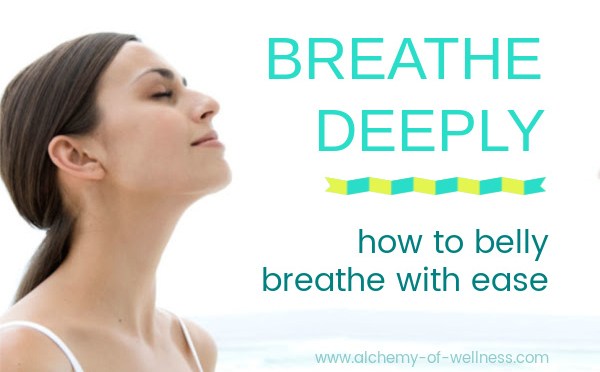
    Studies have shown that deep breathing can relieve general fatigue. Discover how to correctly deep breathe.

    Natural Strategies to Fight Fatigue

    If, in spite of taking measures to address the cause of your tiredness, you still find yourself falling asleep in the after-lunch meeting, these strategies may help in the moment:

    Peppermint

    Research shows that the aroma of peppermint is a natural remedy for boosting memory, focus and concentration. It is just as effective whether it is fresh leaves, essential oil or brewed tea. Enjoy a cup of peppermint tea, spray a mist of a few drops of peppermint essential oil in a cup of water about your workspace, or even place a few drops of the oil on a handkerchief to sniff. Or keep a pot of mint nearby and crush a couple of leaves during the afternoon

    Cinnamon

    If your tiredness is related to blood sugar imbalance chewing a cinnamon stick might help as it has been shown to have a significant influence on regulating blood sugars

    Power Nap

    If you are able to get away briefly a quick power nap in your car could be just enough to revive you

    Music

    Listening to music has been shown to raise endorphin levels which makes you feel happier. Play your favourite music or sing out loud to get you motivated again.

    Water

    Dehydration causes fatigue so drink some water, or even eat some foods with a high water content like lettuce or watermelon, and combine it with a walk to the water cooler to get away from your desk.

    Protein

    Protein from nuts or yoghurt makes a good snack when you start to slump in the afternoon

    Exercise

    Get up and run up the stairs or around the block if you can. It starts the blood pumping and gives the brain a boost.

    Meditate

    Meditate – yes seriously, just a five minute meditation at your desk is enough to clear out your head and revive, refresh and recharge you.

    Warmth

    Just as animals hibernate when the weather turns cold, getting too cold can make you feel sleepy too, so throw on a jumper or turn up the heating to wake yourself up (this is usually a big help for me!)

    WFH

    And if you are lucky enough to work from home or your workplace is a little more free you could do some exercises or hit the gym, turn the music up really loud, take a short cold shower or do some yoga

    What are some of the ways that you manage the mid-afternoon ‘sleepies’?


    Disclaimer.

    All information and opinions presented here are for information only and are not intended as a substitute for professional advice offered during a consultation. Please consult with your health care provider before trying any of the treatment suggested on this site. 

    © Catherine Bullard and Happy Holistic Health, 2012. Unauthorised use and/or duplication of this material without express and written permission from this blog’s author and/or owner is strictly prohibited. Excerpts and links may be used, provided that full and clear credit is given to Catherine Bullard and Happy Holistic Health with appropriate and specific direction to the original content.

    Source articles:

    http://www.naturalnews.com/034368_aromatherapy_peppermint_memory.html#ixzz2NJuFpNiJ

    http://greatist.com/happiness/28-scientifically-proven-ways-boost-energy-instantly

    Crazy In The Coconut? Coconut Oil To The Rescue

    While I was out driving yesterday, I wished I had some coconut oil as my bare shoulder got sunburnt through the car window. A layer of coconut oil, which has an SPF of 4 would have probably been just enough to stop the burn.

    The biggest buzz word in natural health right now is coconut and the amazing therapeutic benefits of this humble food, particularly the oil, are being loudly touted.

    The smell of coconut oil always brings back the memory of childhood beach holidays for me, and it was used in the past. But it’s use went out of favour when the ‘slip, slop, slap’ campaign began and it’s only recently come back into favour.

    Health Benefits of Coconut

    In fact, coconuts are not nuts at all, and unlike nuts they are a relatively low-allergenic food. In spite of this however, some people may have an allergy to coconut. The flesh and milk of the fruit are nutrient rich, particularly in potassium, magnesium, iron and zinc so it’s no surprise that coconuts were traditionally considered a great tonic food.

    In addition to the minerals extra-virgin coconut oil also has high levels of antioxidants, which help to mop up free radicals in the body and slow down the aging process.

    It is the coconut oil that makes this fruit such a treasure. For years coconuts sat at the top of the ‘bad fats’ list and were shunned because their oil is a saturated fat. But recently it was recognised that unlike the long-chain saturated fats of animal origin, coconut oil works very differently in the body and is highly beneficial.

    Coconut oil is one of the very few dietary sources of medium-chain fatty acids (MCFA) which are absorbed, transported and metabolised in your body very differently to other fats.

    It is a rich source of lauric acid which stimulates metabolism, helps with energy production and speeds up the rate that your body burns fat. If you are trying to lose a few kilos then make coconut oil your friend. Even though you usually gain weight when you consume animal fats and some vegetable fats, it is actually possible to lose weight when you eat coconut oil. Importantly, unlike saturated animal fats it does not have a negative effect on cholesterol and actually protects heart function and cardiac tissue, reducing the risk of heart disease and atherosclerosis.

    Studies have shown that coconut is useful to the body in many ways. It can help balance blood sugar levels in diabetics and reduce sugar cravings; improve thyroid function: improve digestive function by reducing or relieving the symptoms of pancreatitis, gallbladder disease, Chrohn’s Disease, ulcerative colitis, malabsorption syndrome and stomach ulcers; reduce or relieve epileptic seizures: reduce prostate enlargement; relieve symptoms of Alzheimer’s disease and chronic fatigue syndrome. It is also thought to strengthen the immune system and stop the spread of cancer cells, especially breast and colon.

    It has also long been recognised that coconut oil will kill the bacteria that cause throat infections, gum diseases as well as other bacterial infections, and coconut oil pulling can reduce tooth decay and improve oral health. More recently coconut has also been found to be antifungal and can be helpful treating candida and athletes foot.

    Cold-pressed extra-virgin coconut oil has the most therapeutic value and is the one to use.

    coconut oil Phu Thinh Co

    Cooking With Coconut

    There has always been problems with many of the oils used for cooking as many oils, including olive oil, are damaged when they are heated. Even at relatively low temperatures they turn rancid and oxidise, resulting in higher levels of free radicals being produced in your body. Coconut oil has stepped in to fill the much-needed role of an oil for cooking at high temperatures. It can be heated to 120ْ C before it is damaged so is perfect for frying and baking and in addition it does not turn rancid and oxidise when heated.

    Try out these great ways to cook with coconut oil for yourself.

    • Roll vegetables in a mix of liquefied coconut oil and cumin in equal quantities before baking them for a yummy healthy treat.
    • Roll cut potatoes (organic) in straight coconut oil and bake for delicious crunchy home-made wedges.
    • Coconut oil can be used in place of butter in recipes and mixes beautifully with raw cacao.

    SKIN CARE

    Coconut oil has long been revered throughout Asia and the island nations for its wonderful moisturising effects on the skin. When coconut oil is consumed it benefits the skin as well as when it is applied externally directly on the skin.

    Coconut oil is a quality fat and when used on the skin it plumps up the cells and keeps them hydrated. It provides a healthy beneficial replacement for vegetable oils when we cut back on fat in our diet. When we remove fat, especially saturated fat from our diet our skin starts to shrivel up. Consuming vegetable oils ages your skin faster than consuming saturated fats like coconut oil. In recent years the trend has been to eat more vegetable oils and fewer saturated fats, so our skin is suffering as a result.

    During a recent massage the practitioner told me she was trialing coconut oil as her massage oil base and finding it fantastic to work with. It certainly glided on and my skin felt amazing afterwards. It would make a great whole-body moisturiser or add some to your bath for lovely all-over soft skin.

    Recently I tried coconut oil on my hair to tame the ‘natural dry frizz’ and the result was great. I left it on my hair for an hour before washing it and the oil left it silky smooth. You could also rub some between your palms and then just work it through your hair.

    Massaging coconut oil into your scalp is good for dandruff, although luckily I don’t suffer from that.

    Buying and Storing Coconut Oil

    Look for organic, unrefined, cold pressed coconut oil. Coconut oil needs to be stored in a glass jar, preferably a dark one, to prevent spoiling. At room temperature it is solid, but over 24ْ C it will liquefy.

    Coconut oil is generally regarded as having no known side effects other than if you are used to a low-fat diet it may cause diarrhoea. When you change from using other oils start slowly with a small amount.

    Although in countries where coconuts are widely grown, they are considered beneficial to pregnant and lactating women, in the West, where low-fat diets rule, it is recommended not to introduce coconut oil into your diet at this time unless you have been consuming coconut regularly with no adverse effects.

    Although many nutritionists and other health professionals recommend including coconut oil in your diet, it is worth noting that the Heart foundation does not support eating it because it is a saturated fat, in spite of the fact that the fats are of the healthy MCFA type. It seems that the conservative response to the growing popularity has been to either advise not to eat it or else to use it in moderation. But up against this is the positive experience of many coconut oil devotees as well as the positive findings of the many studies that have been conducted.

    Have you got any ways that you love using coconut oil? Share them in the comments below.

    Disclaimer.

    All information and opinions presented here are for information only and are not intended as a substitute for professional advice offered during a consultation. Please consult with your health care provider before trying any of the treatment suggested on this site. 


    Source articles:

    http://www.naturalnews.com/036156_Coconut_oil_superfood_healing.html

    http://www.thewellnesswarrior.com.au/2012/06/why-coconut-oil-is-amazing/

    http://www.lovingearth.net/products/37/raw-organic-coconut-butter-oil