Category Archives: Stress & Overwhelm

Ground Yourself and Connect to Earth Frequencies

Grounding is one of the most simple and fundamental ways to rebalance your energies. Walking barefoot on the earth immediately makes you feel whole again, but it isn’t the only way to ground yourself and bring you back to centre.  Here are eight ways to ground yourself with thanks to Adam Lanka of healthy holistic living

The term grounding means connected to the Earth, and it is one that spans numerous different cultures, traditions, and spiritual practices. While it is associated with feelings of balance, connection, centeredness, sinking, being anchored and in the flow, I would like to explore the greater implications of what is happening every time you go outside and relax into nature.

All species upon our planet are shaped by the forces and presence of the Earth and the cosmos, and as such this connection is deeply inherent to a sustainable state of well-being. The Earth, as an organic and inorganic system, is constantly bathing all life on the planet with its highly ordered and coherent electromagnetic field. The natural tendency of an organism is to couple with the Earth’s energy field, and come into a state of mutual cooperation and harmony with its external environment, finding its niche and its place within a system.

What we need to understand is that all systems strive to achieve, return to, or maintain a state of pure coherence. In every single moment, whether one is aware of it or not, we are taking part in a constant process within our universe, coupling with other energy fields and finding some sort of balance within this space. This happens everywhere, with life within an ecosystem, when you sit down in your favorite chair and watch television, when you play with animals, or when you say hello to your neighbor. We are constantly interacting with the energy fields all around us in varying degrees and to varying results.

The more organized or coherent these fields are, the more effectively and efficiently energy can be transferred to both stimulate and enhance the lesser organized of the two. Of utmost important to all life on our planet, the Earth’s field has a normal lower range of ~7.8 Hz, also known as the Schumann Resonance.

This natural rhythm is found in multiple places within the human organism, and it is inherent to functioning at our most efficient, sustainable, and coherent state. The human body cavity resonates at 7.8 Hz. Our Alpha and Theta brain waves both border the frequency of 7.8 Hz. These brain waves are associated with insight, intuition, inspiration, meditation, relaxation, and calmness.

Thus, the Earth resonates with our biological system, bringing us into a state of greater coherence. This enhances our mental, emotional, and physical wellbeing. When grounded, organisms operate more efficiently and harmoniously and can more freely access the Earth’s stabilizing electromagnetic energy to increase vitality, health, wellness and enjoy a prolonged lifespan.

This is ancient knowledge that is expressed in widely different cultures, traditions, and spiritual practices, and it all draws from our connection to the Earth. It is then important to become aware that the dominant Western paradigm in the world at the moment is largely set up to alienate people and hinder this connection to the Earth.

The economic system is set up to keep people inside generating information, in large buildings of stone and metal that disconnect us from the Earth. We surround ourselves with machines and technology that constantly bombard us with electromagnetic radiation, i.e. telephones, computers, televisions, etc. We are sold pieces of insulating plastic or rubber to put onto our feet when we are out in nature, hindering the flow of energy from the Earth up into our physical vessel. Pollution and invasive procedures within the Earth distort the electromagnetic field.

Thankfully, we can cultivate our connection to the Earth and facilitate a more coherent, healthy state of being through the practice of grounding. Below are detailed many different methods that one can utilize to bring the human organism back into harmony with the Earth’s energetic field:


Simple Ways Of Grounding Yourself

1. Go Outside

Be out in nature; go to a field, a mountain, a swamp, a river, a stream, a beach, the ocean. Get out of the office, off of the couch. Be in the presence of nature, be in the presence of life.

2. Walk in Nature Barefoot

Enjoy some quality barefoot time. The human species has thrived for thousands of years barefoot, let’s take the time to return to this practice in our daily life.

3. Hug a Tree

It’s science; go couple and touch another organism to balance your energy field.

4. Use Grounding Technology

Many people and companies have developed technology to ground you and replenish your body with negative ions. The Earth is the largest electron donor and receiver, and the ideal PH of the human body is alkaline to neutral. Germs, bacteria, parasites, viruses have a positive charge and thrive in an acidic environment.

Using grounding electrodes helps increase the electro-negativity of the human organism, making the internal environment more alkaline, which is widely recognized as critical to a healthy immune system.

Innovative products for grounding the body in unnatural environments like the Earthing mat, or the Earthing sheet from Earthing.com are practical ways to maintain harmonizing electro-magnetic contact with the earth.

5. Utilize Visualization

As conscious beings, we can alter and regulate our energy field through our changing emotions, and how we choose to feel. Visualization is an ancient practice that is incredibly effective and can be done in any moment, no matter where you are. Below are a few techniques that are quite effective.

spiritual grounding

6. Grounding Chord

Visualize, see, feel, or simply be aware of the center of the Earth and the free energy that it emits. With your mind and heart, reach down into the core, and pull up a pulsing, twisting chord of energy from the depths of the Earth. Hook this chord onto your root chakra, or sacral chakra as well for women, and feel the immediate connection between you and the Earth as the energy flows through you. You may become aware of a sinking feeling, a tightening and flexing of the perineum and muscles in your groin and butt area. Conversely, you can also flex these muscles and concentrate on sending the chord down into the Earth, as well.

Practice and repeat this process as often as you need. Experiment with different chords of different colors and thicknesses, and experience the incredibly wide variety of sensations that it will instil in you.

7. Tree Meditation

Visualize, see, feel or simply be aware of your body, and become a tree. Feel your feet grow roots that sink down into the Earth and anchor you to it. Feel your legs and thighs become wood as well, as the roots that grow up from the ground encircle and entwine themselves around your legs, and continue to spread up your body. Feel the straightening in your spine as you become a trunk, feel the energy rising from the Earth up into your stomach, into your heart, into your head. Feel your arms become branches that grow, stretch, and reach for the sky, drinking in the light of the sun and changing it into energy. Feel your crown open as it fills with light, which then flows down into your roots and into the Earth.

8. Mountain Meditation

Visualize, see, feel, or simply be aware of your body becoming a mountain, turning into stone. We see only the tips of mountains, their roots run deep into the Earth. Feel your legs and lower body anchoring into the bedrock and stone of the Earth, and the feelings of peace and calmness that come with it. Become the base of the mountain as it grows upwards and reaches into the sky. Feel your crown as the top of the mountain, where the Earth and sky meet and mingle; the connection of these two opposite spectrums that are in perpetual balance.

techniques for grounding yourself

We have the ability to regulate and change our state of being. While indeed we are a product of our environments, constantly in the presence of other external forces and influences, we always have a choice as to how we choose to feel and how we respond. We have the choice to change our external and internal environment to come into a state of greater harmony and coherence. I invite you to utilize the information and techniques above to increase your coherence, elevate your vibration, and take your power back to be the change in the universe you wish to see.

Disclaimer

All information and opinions presented here are for information purposes only and are not intended as a substitute for professional advice offered during a consultation. Please consult with your health care provider before following any of the treatment suggested on this site, particularly if you have an ongoing health issue

Adam Lanka

Adam Lanka, originally from North Carolina, is a traveling philosopher, energetic arts healer, and physicist. His passion and interest are in bridging the gaps in the dominant paradigm, uniting science and spirituality into one journey of consciousness, and elevating the vibration of humanity. To learn more about Adam, please visit his personal blog, The Wanderlust. Find him on Facebook at Gateway Explorations.


28 Awesome Ways To Recharge

Do you feel burned out, run down, and exhausted? That’s no way to enter a New Year! It’s been a tough year for many and now it’s important to regroup and recharge as we roll on towards the year-end. Because I want to help you stay ahead of your game, I’ve put together this list of ways to rebalance and revitalise body, mind and soul so you can be your renewed best, ready for any challenges the New Year throws at you.

Revitalising yourself has much to do with releasing what no longer serves you and many of these practices involve letting go of the old. With the year drawing to a close it’s the perfect way to say goodbye to the old and make space for all the future holds for you.

REVITALISE YOUR MIND

revitalise your mind

1. Know Your Limits And Set Boundaries

Whether you’re someone who’s driven by a burning passion or like me, fired by curiosity and always jumping to the next intrigue, you need to set boundaries. Establishing boundaries isn’t about limitation. It’s not only to ensure your adrenal glands don’t give up from over-stress, and it’s not about conserving physical energy. Rather, boundaries give you the space and energy to spend more time pursuing those parts of your life that give you joy. When you have strong boundaries, you can keep right out of others dramas.

2. Forgive, Forgive, Forgive

This is so important. Perhaps the most important step you need to take to revitalize your mind as well as your soul is to let go. If you’ve been hurt by someone in the past and are still carrying that heavy, painful, angry burden it’s now time to release it. Even if they’re not aware they hurt you it’s time to forgive. It’s not about negating what happened, but about you releasing the weight and the toxic, destructive impact anger and resentment have on your body and your soul.

3. Meditate

There’s absolutely no question about the benefits of meditating – studies just keep underscoring the many ways it benefits your health and wellbeing. Whether you snatch five minutes in the morning, adopt mindfulness through the day or join a meditation class, it’s simply a matter of finding the form that’s right for you and then sticking to it.

4. Build Better Relationships

It’s vital to get out of toxic relationships as they cloud your life with negativity. If you feel it’s too drastic to release them completely start small and schedule a day or a weekend free from all the negative people who drain you – even if you love them. Include anyone who’s quick to criticize or totally self-absorbed.

5. Get Creative

When you’re completely absorbed expressing yourself creatively just for fun, whether it’s singing, painting, sewing, gardening or whatever you love doing, it’s really difficult NOT to relax and stop stressing.

6. Expand Your Experience

get out of your comfort zone

Challenge yourself by setting a date with just yourself to do something outside your comfort zone. Spend time alone discovering your capabilities. Find something that challenges you like hot air ballooning, scuba diving, attending a gallery, or even public speaking. When you challenge yourself you discover how capable you are. You may even find a new interest.

7. De-clutter Your Space to De-clutter Your Mind

Clean out the old and make way for the new. And that applies to everything, whether it’s material possessions, outdated attitudes or even people. The amazing thing is that when you start to de-clutter on any one level it flows through into all levels of you, the physical, mental, emotional and spiritual. After you clear out the living-room you’ll find your thoughts shifting and you may even look at the people in your life with new clearer vision.


REVITALISE YOUR EMOTIONS

revitalise your emotions

8. Give Back

Volunteer – your time, your knowledge or your support. Volunteer at a food truck, a shelter, or anywhere you are reminded of all the blessings you have in your life.

9. Be Present

Set aside some time each day for a thought diet. Limit your thoughts to the here and now, focusing only on the present. Forget the past and let the future unfold in its own time.

10. Count Your Successes

We can be quick to criticize our failings but often completely overlook our successes. Give yourself permission to feel proud of ALL your achievements, no matter how small.

11. Cry And Release

If you just need to let it all out release it through intentional crying. Run a warm deep bath, add some Epsom salts and essential oils and soak. Cry out all the burdens of the last twelve months. Let it all flow until you feel relaxed, lighter and more positive. Emotional crying releases toxins that are byproducts of stress so your body will be cleaner and lighter too.

12. Create a Worry Time Window

If you’re someone who worries chances are it keeps you awake at night and stops you enjoying life to the full. Setting aside ten to thirty minutes each morning or night for just “worrying” frees you up for the rest of the day. When you find yourself starting to worry outside this time put the thought aside to revisit at the designated “worry window” time.

13. Be Honest

Lying to others doesn’t honour them or you. Allow yourself the gift of honest thoughts and communication with others. Having to keep up a lie is a heavy burden to carry.

14. Special “Me-Time” Alone

Time spent with just you is pure gold. Learning to say “no” to others and making space for yourself in your busy life provides an opportunity to heal and revitalise. It not only helps you connect with your inner wisdom more deeply, it also recharges you. Make time for yourself.


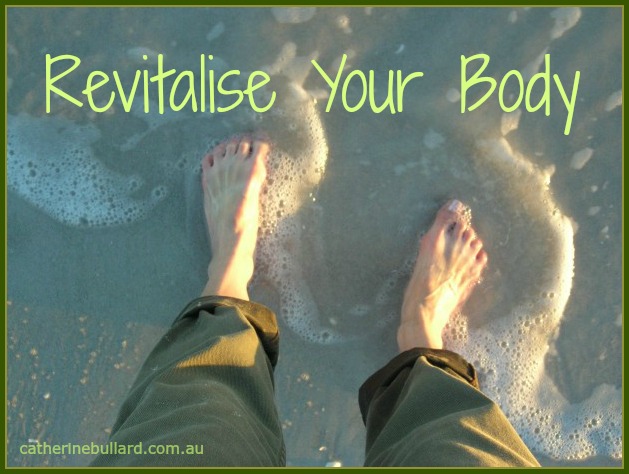
REVITALISE YOUR BODY

revitalise your body

15. Get Outside and Ground Yourself

Go outside, take off your shoes and sit or stand on the earth, the grass or in the water to ground yourself. Just being in nature lifts your spirits. Our modern environment has a toxic effect on your body and directly connecting your body to the earth through your skin creates a chemical reaction within your cells that helps rebalance you. Focus on being present and breathe deeply to oxygenate your blood and fire up your brain cells.

16. Simple New Year Detox

Instead of vaguely vowing on January 1st to “lose weight”, “eat healthy” or “exercise more”, do a mini detox to help you quickly recover from too many festivities. Set aside a day, weekend, even a week to take a break from alcohol, processed foods and sugar. Plan ahead. Get in fresh fruit and veges, wholefoods or minimally processed foods, or even go totally organic. Drink lots of pure water to flush out any toxins. Add warm lemon water in the morning. Do whatever you can manage. You’ll feel clearer with more energy.

17. Reset Your Sleep Clock

Adults need 7 to 8 hours sleep every night. Having a sleep-in on the weekend doesn’t balance your sleep bank. When you’re chronically sleep deprived, your brain stops getting the messages that you’re tired so you’re not even aware any longer that you need sleep. If you’re not getting at least 7 hours sleep a night your brain needs retraining.

18. Get Physical

Research shows we need physical exercise every day, which could be weights, running or a gym workout. Or instead, you could do gardening, walking, swimming, tai chi, dancing, rope skipping or any other activity you enjoy. I have a really, really long hallway and I love reading. So, when the weather’s foul I walk briskly up and down the hall for 30 minutes, reading all the way. Just get active!

19. Love The Sun

Make a daily date with the sun. Not only does it brighten your outlook it also provides you with vitamin D. It’s the only natural source of this essential building block which is required for hundreds of functions in your body.

20. Drink Up

Carry a bottle of water with you and sip through the day. You’ll be surprised at how much you manage to drink. Surprisingly when you’re chronically dehydrated your brain mixes up the messages it gets from your cells and tells you “you’re hungry, go eat” instead of “go drink”. Also too many people substitute coffee, tea or soft drinks for water, which act as diuretics and deplete your body of moisture.

21. Eat A Rainbow

eat a rainbow

Who doesn’t love a rainbow? The colour of fruit and vegetables tells you which antioxidant it contains. It’s not enough to have just one or two colours, you need the full range. So aim for five or more different colours on your plate to get a broader range of antioxidants.


REVITALISE YOUR SOUL

revitalise your soul

22. Practice Gratitude

Remind yourself of just how fortunate you are and of all the bounty in your life. Keep a Gratitude Journal to record three things you are thankful for each day, no matter how small.

23. Evict Your Inner Critic

silence your inner critic

We’ve all got one, that voice inside our head that’s so quick to point out all the holes in our plans, to warn us we don’t have what it takes to succeed and to remind us of our past mistakes and failures. I used to call mine “The Committee” because sometimes it felt like a whole group was ganging up together to completely overpower me. But you can evict them.

If you’re a gentle person bribe that inner critic outside your head, or explain nicely that you’re the boss and have the final word. If you’re a bit blunter you could do as I did. Whenever that “Committee” started criticising I’d jump in with “sit down and shut up” before they could get going. It’s amazing how quickly you can silence the critic simply by deciding that YOU’RE the one in the driver seat who makes all the final decisions.


24. Release Guilt

Guilt is simply homework from your Inner Critic. When you reclaim control from the critic you don’t have to carry the guilt either. Write down what you feel guilty about, the whole story if you want, and finish it with “I forgive you” (that part is really important). Next read it out loud. Lastly burn the paper. The three steps of this small ritual each plays an important role. By writing you crystallize the issue, including your forgiveness of yourself. Speaking the words out loud empowers them. Burning the paper symbolically releases your guilt.

25. Listen With Your Whole Self

Open yourself to someone trying to tell you something, and listen without any judgement and without giving advice. Don’t relate what they say to your own experiences. In fact just listen, nothing more – unless they ask for your thoughts. Listening without engaging your inner critic or your life story is one of the greatest gifts you can give others and it nourishes your own soul.

26. Give, And Wish For Nothing In Return

Cultivate generosity. Giving enriches somebody else’s life. Giving without expecting anything in return also equals deposits in your happiness bank. Passing it forward is one simple way to give. Check The Wake Up Project for mindful living tips, uplifting kindness stories and free kindness cards.

27. Gain Clarity By Connecting With Inner Wisdom

connect to your inner wisdom to get clarity

Taking time to meditate, pray or do any practice that connects with your inner wisdom and develops your spirituality is an investment in defining your purpose and passion. Your inner wisdom is like the GPS for your life and provides you with guidance and clarity about who you are and your life path.

28. Ditch “Rule” Words

Words like should, must, don’t or can’t are all ‘rule words’ that indicate somebody else’s expectation of you. Ditch rules set by others that contain any of these or similar words. When you set new standards that honour your needs and rights you reinforce your personal boundaries.

Please share your favourite ways to recharge and revitalise yourself in the comments below


Disclaimer

All information and opinions presented here are for information purposes only and are not intended as a substitute for professional advice offered during a consultation. Please consult with your health care provider before following any of the treatment suggested on this site, particularly if you have an ongoing health issue.

© Catherine Bullard and Happy Holistic Health, 2015. Unauthorised use and/or duplication of this material without express and written permission from this blog’s author and/or owner is strictly prohibited. Excerpts and links may be used, provided that full and clear credit is given to Catherine Bullard and Happy Holistic Health with appropriate and specific direction to the original content


Clear Your Crap For Clarity And Control

So many people feel overwhelmed today, and stumble through their life trying to stay a-top the wave of obligation and busyness, without falling and crashing. Just staying up there requires energy and effort. Getting rid of stuff can help clear some space in your life and your head to make that balancing act just a little easier.

As life continues to speed up the feeling that we need to simplify, if only to stay on top and survive, is expanding and gaining importance. De-cluttering is often the first step towards a simpler life. The beauty of clearing out the junk in your life is that it’s not limited to just the old clothes you no longer wear but can be undertaken as a conscious project where you target clearing on every single level of your being.

Clear Your Crap

Everyone is familiar with spring cleaning but not so many set themselves up to undertake the “whole enchilada”, to declutter more than just their possessions. When you begin to view de-cluttering as a “life-cleanse” rather than as simply a bit of a clean-out you set yourself on a path for a cascade of dynamic life-changing effects.

Everyone has stuff in their life that no longer serves them, baggage that no longer supports them to be the best they can be. Sad to say this outdated stuff can even include people.

To do a full de-clutter of your life really takes some hard soul-searching. In order to totally renew ourselves on every level we need to clear not just belongings but also outdated or negative beliefs, debt, bad habits, people that who leave us feeling bad about ourselves, judgments and criticisms of self and others, or mental clutter.

For many of us holding onto excess possessions, thoughts, emotions or beliefs, has to do with our past experiences and what we learned as we grew up. Relationships, feelings of obligation, debt can all be tied tightly to emotions that are rooted deep in our early years, so they can sometimes be difficult to dislodge. Often we are not even conscious of where they arose from.

The process of life de-cluttering can seem a mammoth exercise. It can seem completely overwhelming and confusing. Where to actually begin could even stop you from starting.

But the same rules that apply to spring-cleaning also apply to making the total life clean out happen. Just as you start spring-cleaning in one room and work systematically through the whole house, so too do you start with one small part of your life and clear that first.

It is all about recognizing what needs to go and then breaking the huge challenge down into small steps that are easy to manage and succeed at.

The beliefs, habits, and possessions in our life can have a great hold on us and shifting them out of our life can be very challenging and difficult. Often by clearing out excess possessions in our life we create a ‘roll’ that then eases us into decluttering the trickier things.

By starting in our homes and removing the excess we open the way for a decluttering on all levels. We open the way for clarity and space not just in our surroundings but also in our mind, body and spirit. Once we declutter our possessions we can begin to recognize, examine and discard those more challenging things in our life, the mental clutter, debt, bad jobs, even relationships.

Often we can have a sense that we don’t really feel happy, or passionate about life. But we may not be able to pinpoint where the feeling stems from. Sometimes we have just become so caught up in living, juggling work, kids, friends, parents, money, plus all the other obligations of life, that we have lost sight of our own needs. The negatives in our life have been absorbed and become so ingrained that we don’t even notice them as being less than ideal anymore.

I like to think of these outdated rose-and-pearlparts of our life as the grain of sand in the oyster shell. The sand grain sits there irritating the poor oyster. But with work the oyster is able to transform it into a beautiful gem, a pearl. By opening up the shell of ourselves and working on the irritating grains of sand in our life we can transform problems into pearls.


When we de-clutter we learn to let go and create space. There is a saying that if we want something new in our life we need to first make a space for it to fit in. With our life becoming even fuller and more challenging every single day it seems imperative that we clear every aspect of it that we can. New things will always move into our life, it is the nature of living, but whether we have the space in our life to embrace the positive that waits to arrive depends on whether we are prepared to release the negative first.

As we declutter we gain a sense of lightness as each non-supportive thing leaves
us for good. These are heavy burdens and releasing them lifts the weight from our shoulders giving us a sense of freedom.

Whether the clutter in our life is physical, emotional, or mental it takes a good deal of effort to maintain our relationship with them. When we own less we need to devote less attention to stuff and so we gain the precious commodity of time.

To begin your declutter start by drawing up a plan. Don’t worry if everything isn’t included. Things that need to good will become apparent as you go ahead. Start simply with releasing the most obvious things. Break the process down into small steps and tackle one at a time, then move on to the next. Stop along the way to acknowledge what you have cleared and pause to notice if more stuff has arisen.

If you need help to get clarity about where to begin, or help to form a plan of action, or you know you’ll be able to do this if you just have the support to keep you on track, I am here to help.

journal-55859_640

Disclaimer

All information and opinions presented here are for information purposes only and are not intended as a substitute for professional advice offered during a consultation. Please consult with your health care provider before following any of the treatment suggested on this site, particularly if you have an ongoing health issue.

Adrenal Fatigue, Cortisol, and That Overwhelmed Feeling.

While everyone knows about adrenaline and the ‘fight or flight’ response, not so many know much about the hormone cortisol, the other stress hormone, and how it contributes to Adrenal Fatigue. Both adrenaline and cortisol are produced in the adrenal glands but each performs a very different role.

Adrenalin is the hormone released when the body is in danger, It promotes quick reaction, throwing you into the best response to get you out of the dangerous situation. It is meant to be released and used quickly after which it switches off.

Cortisol also plays a part in the stress response. It is essential for maintaining homeostasis in your body and actually regulates many of the changes in your body that are related to stress. It is released in high levels during periods of stress alongside adrenaline. As with adrenaline it is vital that the cortisol response then shuts off so levels can return to normal.

It is only when stress is ongoing and cortisol continues to be released into the body for prolonged periods that it becomes problematic. Under constant stress cortisol release never gets turned off and this has a negative effect on many body functions.


STRESS ADDICTION

Unfortunately, our modern lifestyle which is relentlessly stressful produces the perfect platform for the Stress Scenario.

Stress itself can be very addictive. It’s not uncommon for people to even be proud of the fact that they can juggle a high-power job, family and relationship on caffeine, nicotine and very little sleep. Often we actually applaud people who are able to do it all, and pull off the seemingly impossible.

But stress burns you out and it comes at a cost. And that cost is chronic illness, diabetes, cancer, a whole gamut of autoimmune diseases, Fibromyalgia, Chronic Fatigue Syndrome or a host of others

Many people live in a constant state of prolonged stress where stress hormones are continually released into the bloodstream, never getting switched off. As it goes on further symptoms continue to develop until eventually the Adrenal glands themselves are affected.

Your adrenal glands simply can’t keep up with the amount of stress. They become overworked and can no longer match hormone production with demand. The production of cortisol plummets and that’s when Adrenal Fatigue kicks in. The Adrenal glands are no longer able to produce sufficient cortisol to release that extra boost of cortisol when an emergency situation arises.

stressed6 overwhelm18876841_s


WHAT IS ADRENAL FATIGUE?

Adrenal Fatigue is the umbrella term for the group of symptoms caused by this deficiency.

The primary symptom is fatigue that is not improved by sleep. Those who suffer with this syndrome wake feeling exhausted, drag their feet with tiredness all day, only to find they get a second wind and wake up right at the time they should be going to sleep at night.

You can read more about Adrenal Fatigue at “Are You Suffering From 21st Century Syndrome?”


YOU DON’T NEED TO BE ANXIOUS TO BE STRESSED

It’s really important to understand that stress does not just refer to a state of anxiety. Living with a feeling of overwhelm, insufficient or poor quality sleep, eating a poor diet, worrying (about anything), unhappiness, or living with pain, are all situations that create a state of stress within the cells of your body, without you ever feeling anxious at all.

Stressful experiences like the death of a loved one or a divorce, undergoing surgery, financial hardship or job stress, bullying, even negative thinking can create adrenal fatigue just as easily as poor diet, lack of exercise or pollution and environmental toxins.

Many, many people spend their entire life in this state, and so live with raised levels of cortisol in their body all the time.


THE EFFECTS OF CORTISOL IMBALANCE

The effects of a cortisol imbalance fall into two groups.

The first group of symptoms occurs when circulating cortisol levels are too high and happens during prolonged stress. The second group of symptoms occurs later, once the Adrenal glands are no longer able to produce enough cortisol and circulating levels have dropped significantly.

The negative effects of higher levels of circulating cortisol:

Suppressed or weakened immune system
Raised blood pressure
Increased blood sugar levels
Impaired cognitive performance
Disrupted sleep
Hardening of the arteries
Increased fat storage, especially around the abdomen which is associated with an increased risk of heart attacks, strokes, higher LDL and lower HDL cholesterol levels,
Lower growth hormone and testerone production
Hyperglycaemia (high blood sugars) and other blood sugar imbalances
Lowered thyroid function
Decreased bone density and osteoporosis
Muscle loss
Inhibited protein synthesis
Loss of collagen in the skin and inhibition of the formation of more
Depression

Long periods of raised cortisol levels can also damage the brain and memory, reducing the ability to learn.

The negative effects of lower levels of circulating cortisol:

Low energy
Brain fog, fuzzy-headedness
Mild depression
Blood sugar imbalances, hypoglycaemia (low blood sugars)
Fatigue, especially in the morning
Disrupted sleep
Low blood pressure
Lowered immune function
Inflammation
Cravings for salty or sweet foods
Difficulty recovering from illness or stress
A feeling of being run down or unable to cope
Feeling awake and alert in the evening in spite of being tired all day
Body aches
Moodiness
Decreased libido
Increased allergies
Hair loss

Overworked Life Plan


SUPPLEMENTS FOR ADRENAL FATIGUE

Natural Health remedies can help speed up your journey back from Adrenal Fatigue, which can otherwise be slow. But if you are also deficient in simple vitamins and minerals you lack the basic building blocks your body requires to build your health. Consulting a Natural Health practitioner will provide you with the advice and treatment you need. Replacing some of the deficiencies will also help.

These are just some of the vitamins and minerals that Adrenal Fatigue sufferers tend to lack, although not every person will need all these. Your Natural Health Practitioner can guide you best.

B Vitamins

B5 contributes to cellular respiration and the breakdown of nutrients. Start with 100mg a day.
B6 helps create adrenal hormones. Take 50 mg a day to begin.
B12 helps with energy production, cell repair and red blood cell maintenance. Start with 100mcg a day.

Vitamin C

Vitamin C is a powerful antioxidant directly involved with the production of cortisol, and in addition offers many other benefits to your immune system and more. Start with 100mg of buffered Vitamin C a day and increase this gradually.

Probiotics

When Adrenal Fatigue affects the digestion, which it frequently does, probiotics play an important role as they contribute towards a better uptake of nutrients to assist the body on its healing journey.

Magnesium

As most of the population is thought to be deficient in magnesium supplementing is a great benefit. As well as causing depression and sleep problems deficiency can also lead to muscle cramps and stiffness. Start with 400mg a day.

There are a number of other supplements that I often like to include in the treatment of Adrenal Fatigue such as CoQ10, Acetyl-L-Carnitine, Spirulina (although it is not strictly a supplement) and the herb Tulsi (Holy Basil).


NATURAL THERAPY


In my clinic Homeopathic remedies and Herbal Essences help with recovery from Adrenal Fatigue. Both these forms of Natural Medicine are effective on their own without the use of additional supplements. Best sustained results occur when Homeopathic medicines are individually prescribed according to Homeopathic prescribing guidelines, by a qualified practitioner.


LIFESTYLE CHANGE

Lifestyle changes that help reduce the impact of Adrenal Fatigue are helpful.  After strenuous exercise you often get an initial burst of energy but then crash with adrenal fatigue.  Walking, yoga, meditation, tai chai, and qi gong are all gentle forms of exercise that won’t result in you crashing.

Controlled breathing exercises and techniques are excellent and can be done through the day wherever you happen to be.

Modifying your sleep preparation rituals can help reduce insomnia and the impact caused by adrenal fatigue, to improve your sleep.


EATING FOR ADRENAL FATIGUE


Help support your recovery by reducing sugars, caffeine, and alcohol at the very least.

If you must drink coffee or cola do it in the morning and then steer clear of it through the day as it interferes with sleep and adrenal recovery.

Watch for hidden sugars and replace sugar with stevia where you can

Avoid alcohol as it contains sugar and creates a boost and crash scenario, interfering with the sleep cycle and causing insomnia later in the night.

Hydrogenated oils lead to adrenal inflammation, Use good fats like coconut oil instead.

Processed foods contain many difficult to digest preservatives and fillers.


Have you experienced Adrenal Fatigue? Leave a reply below.

For more information and advice about how best to treat your symptoms contact your Natural Medicine Practitioner.


stressed3

Disclaimer

All information and opinions presented here are for information purposes only and are not intended as a substitute for professional advice offered during a consultation. Please consult with your health care provider before following any of the treatment suggested on this site, particularly if you have an ongoing health issue.


Source Articles

http://www.psychologicalharassment.com/stress-and-stress-management.htm
http://www.adrenalfatigue.org/cortisol-adrenal-function


10 Top Tips To Survive The Holiday Season and Start the New Year Powered-Up

December, the end of the year – a time of good will and the ‘Season of Stress’. At this time of the year, we are all buckling under the weight of stress – at work, at school, shopping for the Holidays, coping with crowds, financial worries. For almost everyone, stress levels in their everyday life are ramped up right now.

And then there are the parties! With so much going on it’s almost impossible to reach the New Year without crashing in a heap.

There is no point waiting until after the damage is done and the celebrations have finished to try to pick up the pieces. The key is to get on top of the extra stress right now.

Which brings us right back to one of the big stress triggers – you have no time right now to add anything extra into your busy life.

Simple Strategies to Regain Calm Control

While the stress hormones, adrenaline, noradrenaline and cortisol were essential to life in the wild, our bodies haven’t caught up, so our stress hormones and lifestyle are not in synch. Too much of the hormones designed to save our life in cave-man days surging through our body today can have dire consequences on our health. The constant level of stress we live with keeps these hormones permanently switched on, constantly increasing our cell’s stress levels.

burnout-90822_640

There are many quick and easy ways you can defuse stress in just two to five minutes. It’s simply a case of learning them and then remembering to use them.

Strategies to Reduce Stress Levels

These ten wellness hacks take less than five minutes and will get your stress levels down and have you on track to hit the New Year running. Try all of them out or just try one. But do yourself a favour this holiday season and practice a little self-care.

#1 Sweetly Scent-sual

Far more than just being pleasant aromas, the flower fragrance contains volatile plant compounds that can reduce stress as powerfully as certain drugs. Keeping fresh flowers or a plant close by in your workspace helps, but to get a powerful effect opt for aromatherapy essential oils. Carry the bottle or roller in your bag for quick application or sniff whenever you feel stress levels rising. Lavender is one of the best, with frankincense often the first choice to reduce stress. Rosemary is my favourite to also increase clarity and focus and peppermint is another good choice.

Simply take a long, deep breath from your bottle, or dab on your temples whenever you need it.

If you find your stress levels rising when you are out shopping duck into the closest florist and take some good deep calming breaths.

Flower Power can also be accessed through flower essences. Carry them with you and you simply drop a few drops on your tongue whenever your stress, anxiety or worry levels start to rise.

#2 Calm Racing Thoughts

Sometimes your thoughts can go a bit wild when you are under stress. Your mind is always busy as they run round and round your head, building up your anxiety and increasing your stress.

When you find this happening begin to focus on a single object, it can be any object, even just a pen. You need to really focus on it, concentrate so other thoughts don’t creep in.

Once you are focused start to breathe deeply and slowly, right down deep into your abdomen. If you are not sure about doing this, try it out a few times when you are calm to get the hang of the process. You can learn how to belly breathe on Mastering The Breath Of Life.

Keep the breathing going for three minutes while you maintain your focus. This is an excellent way to calm your mind and relax.

#3 Breathe…

You don’t necessarily need to focus and breathe when you feel stressed.

Deep diaphragmatic breathing alone soothes your nervous system and increases your alertness. Once you have mastered this technique it is easy to simply stop and do it. Even just breathing for two minutes can settle you down considerably.

Breathe down into your belly, through your nose, hold for a couple of seconds, then release slowly through your mouth.

#4 Tea Time

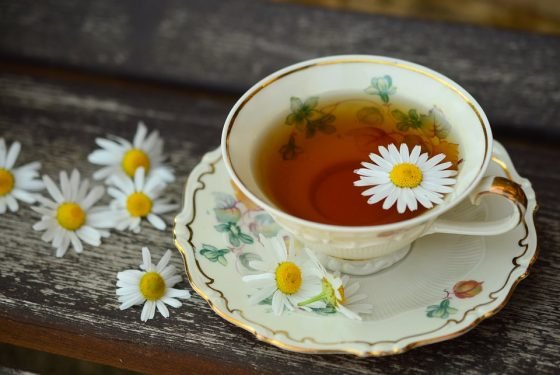
How often do we say “let’s have a nice cuppa tea” after some big drama is sorted out? Full of antioxidants, tea is the perfect way to calm down, especially if you stop rushing around and sit quietly to enjoy it.

Black, green and white tea, all have some calming effect. But if you want the big guns of relaxing teas you can’t go past some of the herbals.

Chamomile is the simplest and is usually available in most cafes so is a good one to fall back on. It is far more effective when it’s brewed up with lavender though and works well in many other blends.

Ashwagandha has been used in Ayervedic medicine for thousands of years to treat even severe stress. A great choice while you’re working as it calms your nervous system without sending you off to sleep. As a bonus it induces a sense of wellbeing and clears your mind.

Lemon balm, passionflower, skullcap, valerian, lime blossom and oats are just some of the others that calm and relax.

There are so many wonderful herbs already combined in excellent relaxing blends that all you need to do is select the combination that you like the most. Try out a few different blends until you discover your favourite.

#5 Talk With A Friend

Whether you vent, speed-talk, shed a few tears, or simply sigh, talking to a good friend who is ready to just listen, can make a huge difference to your stress levels. Research has shown that as well as getting stuff off your chest talking to a friend actually reduces your stress hormones as well as your blood pressure.

#6 Smile

Frowning or grimacing, clenching your jaw, or wrinkling your forehead all suppress your immune system and trigger the release of more stress hormones. Simple smiling boosts your levels of the neurotransmitters serotonin and endorphins. These are the ones the one that induce good moods and make you happy. As smiling increases your endorphins it also lowers your levels of cortisol.

The more you stimulate your brain to release these mood boosters by just smiling the more relaxed you feel. But here’s the amazing thing. You don’t have to feel happy. It’s the simple act of moving the muscles in your face that triggers the action. Putting on a happy face starts the process.

#7 Visualise – Free Your Imagination

Your mind is a powerful tool and the gateway to escaping your stress. Remember how good you feel when you think of your favourite vacation spot? Or perhaps when recalling time spent with close family or friends?

By closing your eyes and taking your thoughts inside your minds-eye to your favourite perfect, beautiful scene or happy experience you can return to those times when you felt secure, happy and relaxed.

Simply closing your eyes gives you the space to spend a few moments to ground yourself and reduce the stress hormones surging through your body.

#8 Yuuummm…

Now here’s one you will love. Small amounts of dark chocolate really do make you feel better and reduce your stress. Eating dark chocolate increases serotonin and endorphin levels in your brain. Remember, these are the mood enhancers. Plus, it lowers your levels of that difficult stress hormone, cortisol.

Just 40 grams of dark chocolate a day for a couple of weeks does the job. And the darker the chocolate, the better. It must be at least 70% cocoa derived. Sweet, milk chocolate doesn’t offer the health benefits and don’t even think of white chocolate. But be sure to practice moderation, it is possible to have too much of a good thing.

#9 Meditate

Not only does meditating calm you in the moment, establishing a regular meditation practice changes the way your brain responds to stress.

Many people think meditation means sitting still for hours with a completely empty mind. But there are many forms of meditation, some still, some active and some taking just a few minutes.

Have you ever found yourself gazing at something, perhaps a magnificent scene, completely caught up in what you are looking at, your mind a blank? You are in a state of meditation. Anything that totally pulls your focus and allows you to switch off other distractions is meditation. Sometimes it can happen simply by watching something absorbing, at other times it helps to repeat a simple word or phrase in time with your breath. Words such as relax, I am calm, peace or serenity are all suitable choices. Find one that has the most meaning for you.

Concentrating on your breath is one way to focus and meditate. Zen masters may do this for hours on end but even doing it for just a few minutes has a powerful effect on your whole body, your brain, your nervous system, your emotions and your muscles. You can even meditate by concentrating on your breathing as you take slow measured steps in time with each breath.

#10 Meridian Magic

This is a different take on how to relax and calm yourself.

The Triple Warmer is an energy pathway running through your body which is related to stress. This twenty second exercise is an ancient healing practice that rebalances this energy pathway to reduce the stress effect. Realigning this meridian supports your immune system and improves your ability to manage stress and release tension, anxiety and fear. It’s so simple, quick and effective, you can do it anywhere, and it only takes seconds. This year, set yourself up to hit the New Year running.

We can’t totally eliminate stress from our life in these times because it surrounds us day and night. But adopting simple strategies to prevent the effects of that stress building up in your body before it reaches a level where you crash, just makes plain good sense. Perhaps even more importantly it gives you back control of your life.

Disclaimer

All information and opinions presented here are for information purposes only and are not intended as a substitute for professional advice offered during a consultation. Please consult with your health care provider before following any of the treatment suggested on this site, particularly if you have an ongoing health issue.

Food Intolerance – The Lowdown. Are Food Intolerances Leaving You Washed-Up?

The number of people recognizing they have one or more food intolerances have been rising dramatically over the last decade, with more and more people becoming aware that they have problems with certain foods. Many more are not willing to even entertain the possibility that food intolerance may be causing their symptoms.

Food Intolerance
The reality is that as the body demonstrates an adverse response after they eat particular foods more and more people are becoming aware that they have problems with certain foods.

Many people live with the debilitating symptoms of food intolerance for years without anyone being able to diagnose their problems. In spite of extensive testing nobody seems able to help them. Often it is only after eliminating a particular food from their diet that they discover where their problems come from, and the extent of damage that food is causing to their body.


FOOD INTOLERANCE OR FOOD ALLERGY

For many the distinction between allergy, intolerance and sensitivity is not clear, but they are actually very different.

Food intolerances involve a completely different response by the body to food allergies. In food allergy the immune system identifies an ingredient as harmful and reacts by creating antibodies. Read more about allergies here.

Food intolerance is limited to the digestive system and occurs when food is not properly digested and ferments inside the gut. Where this gets confusing is that digestive dysfunction often causes dysfunction in other parts of the body and so symptoms from intolerance can appear throughout the body even though they arise from the gut. They can be quite diverse ranging from depression to weight gain, chronic fatigue, eczema, thrush and many more.

Food sensitivity is a delayed food allergy and can be particularly difficult to recognize. These are the least predictable reactions because you may be able to eat a food sometimes with no consequences but at other times develop symptoms like nausea, cramps or reflux. Fructose malabsorption is an example of a sensitivity.

While food allergies are more common amongst children, food intolerances are more prevalent in adults, partly due to stress, alcohol, the use of various medications which all compromise the digestive system, as well as to the decrease in digestive enzyme production as you age.

The onset of problems caused by food intolerance and sensitivity is generally not as rapid as that of allergy. Reaction can occur from about thirty minutes to even a few days after the food was eaten.

Where food allergies can produce fatal anaphylactic responses, food intolerances are not life-threatening, but they can lead to many chronic diseases such as thyroid disease, heart disease, diabetes, rheumatoid arthritis, and other autoimmune diseases.

Many of those with food intolerance are actually able to eat small amounts of an offending food without too much problem. Dairy foods are a good example of this. According to the Food Intolerance Institute of Australia, in December 2013 75% of the population were intolerant to dairy foods like milk, yoghurt, cheese and ice cream, and most of these people were completely unaware of it.

Often it is the very foods that are not tolerated well by the body that are the foods that you crave the most. Nobody really knows why we crave foods we do not tolerate although there are a number of theories. As a good rule of thumb any food that is regularly craved should be treated as suspicious.

It can take some time before a person is willing to accept that they may have food intolerance. For many it is not until their symptoms become unbearable that they will even consider the possibility. This may be more so if the food is also one they crave.


INTOLERANCES CAN SUDDENLY APPEAR AS AN ADULT

It is not uncommon for there to be no apparent problem with foods during childhood and for symptoms to appear as an adult. Typically, but not always, lactose intolerance symptoms appear in adulthood.

The most common food intolerances are dairy, gluten, wheat, additives, fructose, yeast, although many other foods including alcohol can be the culprit. Sometimes it will be a whole food group that is the problem, such as the dairy group or nightshade foods (potato, tomato, capsicum, eggplant, chilli), or just single foods from different food groups.

Generally avoiding a food that is not tolerated allows the digestive system a chance to heal from constant irritation and the person quickly recovers, feeling happier, more energetic and able to live their life fully.

food tree-157673_640


SOME CAUSES OF FOOD INTOLERANCE

Irritable Bowel Syndrome (IBS)

This is a chicken and egg situation…does the IBS cause food intolerance or does constant irritation and inflammation of the gut from food intolerance cause IBS? The symptoms are constipation, urgent diarhoea, and cramping.

Food Additives

Many additives including sulfites found in dried fruits, wines and the salads from salad bars, cause asthmatic reactions in many people. Additives are often a big contributor to ADHD and result in a wide range of symptoms including migraines.

Coeliac Disease

Coeliac disease is interesting as it is actually a gluten intolerance which resembles an allergy, because the immune system is involved as well as the gut. The symptoms are mostly digestive but can lead to many other symptoms through the body.

Specific Foods Or Food Groups

Certain foods, particularly dairy foods (milk, cheese, ice cream, yoghurt, cream) and grains containing gluten (wheat, spelt, barley, rye and oats) are often the most poorly tolerated. There are many other foods over a wide range of food groups that also cause symptoms of intolerance.

Enzyme Deficiency

Different enzymes are needed to digest particular foods. If production of any one enzyme is deficient, then the food it breaks down is not tolerated.

Processed Food

The processing of foods particularly grains, milk and soy products seems to play a part in food intolerance as the process makes the foods difficult to digest, leading to irritation of the digestive tract and a whole range of symptoms.


IDENTIFYING FOOD INTOLERANCE CAN BE VERY DIFFICULT

Often the symptoms of intolerance are very mild and so go unnoticed. Or, because of the time delay between when the food is eaten and when the symptoms occur, they are not connected with any particular food, or are attributed to a completely different cause.

When the problem is with a food that you eat every day, or even many times a day, it becomes virtually impossible to make the connection between the health problem and the food, unless the food is totally removed from the diet for a period of time, whereupon the symptoms improve or disappear.

If you have intolerance to more than one food it makes it extremely difficult to isolate all the foods or food groups that may be responsible for their unpleasant symptoms. Removing just one food only gives partial improvement at best.

Frequently it can take some time, even days, for the negative response to become evident. Given that you will have eaten a number of different foods in the intervening time it becomes virtually impossible to isolate the culprit.


SYMPTOMS OF FOOD INTOLERANCE

Symptoms caused by food intolerance can be mild or severe, specific or vague. If you suffer from persistent symptoms, or ones that recur more than twice a week, and they are not caused by another condition, you could suspect you are not tolerating one or more foods.

  • Bloating after meals or in the evening
  • Headaches, migraines
  • Eczema, skin problems
  • Asthma or cough
  • Nasal congestion, sinus pain, nasal discharge
  • Chronic diarrhea, IBS (Irritable Bowel Syndrome), constipation
  • Belching after meals, indigestion, abdominal pain
  • Muscular pain or weakness, generalized aching, back pain
  • Stiff, swollen or painful joints
  • Frequent mood swings
  • Poor concentration, memory loss
  • Depression
  • Repeated Urinary Tract Infections
  • Candida or thrush, vaginal irritations
  • ADHD
  • Food cravings
  • Low or no energy, tiredness and drowsiness
  • Poor balance, dizziness
  • Weight gain
  • Autoimmune disease, Type 2 Diabetes, Psoriasis

Bloated green man


GETTING ANSWERS

Keeping a food diary can help you identify problem foods. Over the course of two to three weeks record every single food or drink you eat as well as any symptom that occurs. By looking at the list of food intolerance symptoms it is obvious that it is very easy to miss symptoms, as well as difficult to make the link with the offending food.

If a certain symptom always occurs after eating a particular food you can recognize which food seems to be the culprit. Then it is necessary to totally avoid that food for about ten days and to see how you feel. If that food is a basic like gluten, wheat or dairy it is essential to read every label, as these foods all occur in many processed foods and are not always obvious because they may be listed under many different names.

It can be quite difficult to conduct an elimination diet on your own and is much easier under the care of a Natural Health Practitioner.

TESTING FOR FOOD INTOLERANCE

Testing, such as the Scratch Test, is normally conducted to detect allergies and it measures the response of IgE anti-bodies, that is, the response of the immune system. It detects a true immediate allergy.

Because food intolerance involves a different and delayed response a Scratch Test will not pick this up. Many people are left confused after a Scratch Test when they get negative results for foods they felt sure were problematic. Often they have an intolerance rather than an allergy.

While blood spot tests used to test for food intolerance check for specific anti-bodies to specific foods, they are not always definitive, as many people react with foods in which the antibodies do not show up on the test. When this occurs eliminating the suspected food and noting the response, can be a way to identify whether the food is a problem or not.

I conduct testing in my work (no, not a Vega machine) which indicates whether your various body systems respond negatively to a food. While it does not distinguish between allergy and intolerance it does identify problem foods. Usually the person is sensitive to a number of foods, not just a single food. I find that if the foods indicated as being a bigger problem are totally removed, the other foods are usually better tolerated, as long as you do not overindulge.

BEWARE HIDDEN DANGERS!

Wheat, soy, corn and dairy, are foods frequently found to cause reactions and are ones that are commonly added to many other products. In processed foods they are often not simply called milk or wheat, but go by a vast array of pseudonyms. Go Dairy Free provides a list of other names for milk proteins. Wheat-Free.org lists alternative names for wheat in foods. To actually stop eating the offending food, at least for long enough to allow your digestive system to repair, you need to be quite vigilant about avoiding it in ALL foods, including where it may be hidden.

The length of time you need to avoid the food depends on how bad your reaction was. It may take six months of total avoidance and then only very occasional exposure to keep you healthy.

But, most people don’t miss the problem food after it has been removed for about a month as they feel so much better, and as the chemical process that sets up cravings for problem foods is broken they no longer even want to eat the food.

food intolerance 20387733_s

Disclaimer

All information and opinions presented here are for information purposes only. They are not intended as a substitute for professional advice offered during a consultation with your health care provider. Do not use this article to diagnose a health condition. Speak to your doctor if you think your condition may be serious or before discontinuing any prescribed medication. Please consult with your health care provider before following any of the treatment suggested on this site, particularly if you have an ongoing health issue.

Source Articles
http://www.mayoclinic.org/diseases-conditions/food-allergy/expert-answers/food-allergy/faq-20058538
http://www.bodyandsoul.com.au/weight+loss/diets/do+i+have+a+food+intolerancer,18769
http://nourishholisticnutrition.com/could-hidden-food-intolerances-be-sabotaging-your-health/

Hidden Dairy: Foods, Medication, and Beyond


http://www.customfitnutrition.net/allergy.html
http://www.ift.org/knowledge-center/learn-about-food-science/food-facts/food-allergens.aspx

Reduce Exam Stress To Stay Sane

reduce exam stress with natural remedies

With the run up to, and on through, the end-of-year exams it’s a very stressful time for VCE and Uni students and their families. For many students it’s the biggest challenge they’ve ever faced and many succumb to exam stress. But natural medicine offers much help to overcome study and exam stress and give you the edge in exam performance.

Everyone reacts differently to challenges. While it’s normal to feel stressed at this time, for many the effects can spiral out of control. Read on for advice for managing study stress the easy way with the help of alternative medicine.

With so many high expectations, and so much riding on results it’s quite normal for students under pressure to suffer for many months causing a stress response in their body. The hormones released as a result of being under stress have far-reaching effects on every system in your body both at the time and later on down the track.

While some stress can aid performance, if stress continues over weeks and months it can take over and have detrimental effects. The immediate effects are often evident at the time but the long-term effects can continue after the exams are long over.

In addition, anxious and grumpy students have a big impact on anyone around them particularly on their family. Homes become a bed of tension, concern and even reach friction and confrontation if stress spins out of control.


EFFECTS OF STRESS

During worrying times the stress hormones produced effect the neural connections of the prefrontal cortex. This is where your working memory is located, as well as functions vital for reasoning, planning and problem solving, and for regulating attention and emotions all essential for academic success.

A sudent under great stress is therefore unable to function at their best in exams, no matter how much they study.

In addition stormy emotions weaken the prefrontal cortex and this hampers thinking and learning ability.

Students suffering study stress don’t learn effectively or remember well what they’ve learnt.

In order to perform to their best and to present their ability and knowledge well in their exams, it’s essential for students NOT to be in a state of stress. By actively reducing stress you increase learning capacity, memory, reasoning powers, and academic performance. By reducing stress you’ll feel calm, clear-headed, motivated and in control.

By stepping in early to reduce the effects of stress you support your health and it lays the groundwork for better performance. Reducing your stress can also reduce the tension in the home to restore peace.


REDUCE EXAM STRESS

While there are a number of exercises and lifestyle practices you can do to reduce stress the greatest impact is gained from using alternative medicine. Of these I see the best and fastest results with homeopathic medicines and flower and herb essences.


13683204_s

HOMEOPATHY

Homeopathic treatment offers great benefit for all the problems associated with study and exam stress.

Remedies that individually selected to each persons needs for anxiety, difficulty focusing or remembering what was learned, problems sleeping, fear of failing, trouble settling down to study, irritability, feeling like giving up, even mixing up information or getting it backwards.

When the remedies are prescribed according to Homeopathic principles they are very fast acting and effective.

There are some great Homeopathic remedies to calm exam nerves and reduce the anticipatory anxiety and shakiness students experience before the actual exam.

Here are a few of my suggestions:
Gelsemium is a great remedy to take for performance anxiety. It’s perfect before an exam where there is a shaky or jittery feeling and a frequent need to use the bathroom.

Lycopodium is an excellent remedy during study break for someone who worries about being evaluated, who feels they know nothing and will look stupid in front of everyone, but who, once they get started performs wonderfully.

Nux Vomica is useful for an irritable person using too much coffee and other stimulants in an effort to push on through.

There are many other remedies for all those other consequences of study pressure and stress including:

  • feeling overwhelmed and out of control
  • self-criticism and negative thinking
  • irrational beliefs such as “nobody will respect me if I don’t score above 95”
  • feelings of catastrophe like “I’ll fail whatever so what’s the point”
  • inability to relax into sleep or waking up through the night and worrying
  • holding all the emotions inside until they explode
  • feelings of isolation and losing touch with friends
  • crankiness and irritability
  • problems getting motivated

Speaking to a professional Homeopath can clarify all the issues you are facing. They will put together remedies individually suited to YOUR needs.


FLOWER ESSENCES

Flower essences are easy to take – just a few drops on the tongue a few times a day. A few drops can even be added to a water bottle to carry around with you to sip in the moment they are needed the most.

Bach Rescue Remedy is a tried and true treatment for anxiety.

I find the Australian Bushflower EssenceCalm & Clear’ excellent for building and sustaining a state of calm in anyone, including students.

Australian Bush Flower Essence Cognis‘ is great for the student who can’t settle down and focus on their study. It balances daydreaming, confusion and a sense of overwhelm and gives clarity and focus to help with the assimilation of ideas. This is a great treatment for the next few weeks when you are trying to consolidate your study.

Individual flower essences are also great for study – Bach’s Clematis helps focus, Gentian for self-belief, Larch for confidence and White Chestnut for clarity.

I like to use and prescribe Herbal Essences as they can be combined in a mixture that specifically addresses the way each person individually experiences exam stress. This means it’s not a “one-size-fits-all” treatment but one that’s tailored to each person. Herbal essences are great as they combine the thousand year old knowledge of the healing power of herbs with the positive effects on the mind and emotions of flower essences

ESSENTIAL OILS

There are a number of studies that show burning essential oils can induce brain power. All the oils can be used in an oil burner but will be more beneficial in a diffuser which disperses the droplets as water vapour. Here are a few to try.

    • Basil is one of the best for clarity and encourages concentration. Mix it with rosemary to stimulate memory recall.
    • Peppermint stimulates the brain and promotes clear thinking.

Lavender is soothing and relaxing and is useful if stress prevents sleep.


FOODS

While foods alone won’t turn your exam stress around (unless you’re bingeing) they do play an integral part in how you cope with exam stress.

It’s essential to eliminate all those that hold you back such as sugar, caffeine, alcohol, simple carbohydrates, junk foods and nicotine. But it’s just as important to add those that boost brain power to enhance your study and performance. Right now is when you need lots of fresh fruit and vegetables, fish, meats and complex carbs.

  • Omega-3 enhances learning ability and boosts memory power. Itss found in many foods as well as fish oil or krill supplements, or sea buckthorn if you’re vegetarian. Some good sources are oily fish, walnuts, pumpkin seeds, chia seeds and flax seeds.
  • Avocadoes increase blood flow to the brain.
  • Chocolate increases endorphin production to improve focus and concentration, and dark chocolate helps cognitive skills by boosting blood supply to the brain. But don’t overdo the chocolate and opt for dark chocolate over the sweet, milky varieties for a much greater impact.
  • Nuts and seeds help memory and cognitive skills and are easy to munch while you study


SUPPLEMEMTS

Taking a multivitamin can help keep up vitamin levels reduced by stress. Vitamin B and magnesium are both depleted during stressful times. Take B vitamins in a complex rather than as single vitamins as they work synergistically.


RELAX

Deep breathing is a wonderful way to calm and relax your emotions very quickly in times of extreme stress. Focusing on the breath helps to exclude outside thoughts and stop panic before it escalates. For the correct technique click here. 

Yoga is an excellent way to achieve relaxation quickly, and is perfect to introduce into your study routine. Alternatives are qi gong, tai chi or walking.

While it’s important to take time to relax, to take breaks, to eat well and get plenty of sleep, all the time allocated to study revision is no use at all if you’re not clear-headed, can’t retain the crucial information or are so strung-out you can’t even settle down to study. This is where alternative medicine steps in.


Here are a few things to take away with you.

  • Worrying about the study workload or exam outcome only increases stress hormones like cortisol, which impairs your concentration and ability to learn.
  • Food can be your friend. Reduce caffeine, sugar, junk foods and alcohol. Add foods that support study.
  • Steer clear of performance enhancers like Ritalin.
  • Don’t beat yourself up with guilt if you haven’t got everything exactly right.
  • Take time off as studying 24/7 doesn’t work. Exercise is a great way to get back focus.

And crucially, now you know how, use Natural Medicine to gain the edge in your exam preparation and performance.


manage study

Disclaimer

All information and opinions presented here are for information purposes only and are not intended as a substitute for professional advice offered during a consultation. Please consult with your health care provider before following any of the treatment suggested on this site, particularly if you have an ongoing health issue.
Source articles

http://www.evokelearning.ca/the-impact-of-stress-on-academic-success/
http://www.schoolatoz.nsw.edu.au/homework-and-study/homework-tips/managing-exam-stress
http://psychcentral.com/lib/the-impact-of-stress/000104

Crazy-busy? Get Control In Your Life

Crazy Busy

August…

More than halfway through another year and it seems everyone feels harried and overworked. Life and time is absolutely racing. Nobody seems to have any time to stop and chill, nobody has any time to even recognize their needs let alone address and fulfill them.

As we become more and more switched on to the world outside ourselves it is no surprise that we feel overwhelmed, drowning in never ending obligation. The world and our lives seem to be an insurmountable task that we can’t ever see a way to scale.

Copy of alt control del

When goal-setting, if the task or goal seems just too big for you to succeed, even too big to know where to begin, it often becomes more easily achieveable when it is broken down and tackled in small chunks. As you succeed with each step you feel reassured that you can actually reach your goal, and you feel increased motivation to achieve results.

It seems to me that if we can apply this same principle to our life we could create some level of control and the satisfaction of achievement. By breaking the year up into smaller segments and setting ourself goals for just a part of the year rather than the year as a whole would achieve a similar result to breaking down big goals. It would give us a sense of success and stop the feeling that we were skeetering along in life, barely in control.

Recently, a client told me that last January she made a list of the 100 things she wanted to achieve this year. Her list included things like ‘see this friend 6 times for lunch’, ‘go to 4 movies’, ‘read a particular series of books’. She also had big things on her list like ‘change my job’.

She proudly showed me just how many things she had already crossed off. Her list reminded her that although she may feel on the edge of control she was actually doing quite a lot that she wanted to achieve in her life this year. And not only did the things on her list did not remain in that “gunna-do” (‘going-to-do’ for non Aussies) vault, she was doing them all and enjoying herself along the way.

How many of us spend January 1st making plans and setting intentions for the year ahead? How many of these are kind of vague – lose weight, stop smoking, or get a new job? How many fail because we have not a) been specific about what exactly we want, b) broken it down into manageable and achievable goals, c) followed through and d) actually remembered that we had set the plans and goals after April, until January 1st of the following year when we set the very same goals all over again?

2012-lavender-new-year-resolution-someecards-Favim.com-347800

But my client did remember, she did follow through, she did feel like she had achieved, and most importantly, she felt as though her life was under her control, in spite of the fact that it was still just as crazy-busy as the lives of all the rest of us.

BREAK IT DOWN

My client set me to thinking that just as we break down own goals and projects into smaller chunks, it might also make us relax a little if we break our life down into smaller chunks of 6 months, or even 3 months. It might not seem to be going quite so fast and we may feel we have some sort of control..

So I propose that in the interests of us all sanely getting through the rest of this year, so that we present smiles instead of frowns to those around us, so we all begin to address a few of our real needs in life, needs that don’t start with the words “I have to…” or “I should…”, and so we all start to feel a little more in control, we follow my client’s example and set ourselves achievable goals that honour ourselves.

But to make it just that bit easier to achive rather than making a year long commitment I am going to break the exercise down into smaller chunks.

I have just made a list of the 25 things I want to achieve (and can reasonably manage) in this quarter of the year (being 1/4 what my client did for the whole year), that’s from right now, the start of August to the end of October.
It includes some socializing, some creative projects, some home decorating, lots of gardening (rarely a chore), some outings, some work projects and some self-development. It also includes launching a new arm of my biz. I think it’s a pretty well-rounded collection of goals.

My list is manageable and not only will I feel in life-control mode as I cross things off the list, I will enjoy doing most of these. (I included some things I really will not enjoy but will be very happy to finish off). And probably most importantly, I will be aware of what I have achieved rather than worrying about what I have not managed to do.

Why not join me? Make your list of 25, write it out, pin it to the fridge, and congratulate yourself as you cross another thing off your list.

Copy of Heart Jump


Disclaimer

All information and opinions presented here are for information purposes only and are not intended as a substitute for professional advice offered during a consultation. Please consult with your health care provider before following any of the treatment suggested on this site, particularly if you have an ongoing health issue.


Sure-Fire Strategies For Better Sleep

Giving advice for improved sleep is a normal part of any Wholistic Health practice, and I’m used to delivering. But today I am suffering the effects of a wakeful night after not ‘Walking My Talk’. Last night I sat up on the computer until well after midnight when the cold finally drove me to bed, only to then wake repeatedly through the night.

Sleep is so important, especially now as the days have shortened and we approach winter. Sufficient sleep allows our body to recover from the day and leads to improved brain function and memory.

But sleep doesn’t always come easily.


These simple actions will help you create a calm sleep-friendly environment.

De-Clutter and De- Junk

Is your bedroom a soothing sanctuary or is it also a place where you work? It is vital to establish and maintain the boundary between work and rest. Your bedroom needs to be a place where you unwind and take ‘you-time’. If the boundaries are unclear, you never get a break from the pressure and stress of work.

When you keep your bed for sleeping or other fun bedtime activities, your brain comes to associate bed with only these activities rather than work, which makes it easier for you to nod off.

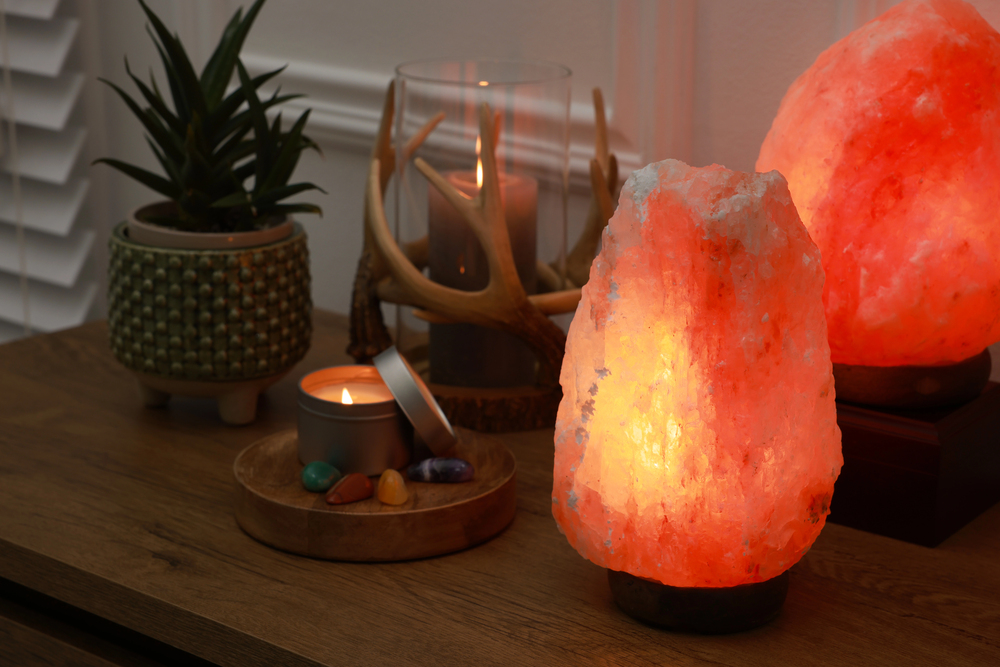
Clear away clutter and mess; open the windows to refresh the energy; add fresh flowers, beautiful and meaningful ornaments, a candle or Himalayan Salt Lamp.

Create an EMF-Free Zone

If you are surrounded by electronic devices while you sleep your brain waves are affected throughout the night and you will never get good sleep. 

There’s some concern that the pulsed frequencies of electronic devices interfere with the body’s own signals. These electromagnetic fields (EMF’s) affect the emotions, the organs, hormone production and the immune system. Cosequently this can then lead to poor sleep, as well as many other problems.

There are many studies that show exposure to electronic devices (even electric lights) before going to bed interferes with sleep patterns. Far from allowing you to wind-down in the evening using electronic devices actually increase your alertness and interferes with REM sleep.

Light, from any source including the low levels of light emitted by electronic devices, disrupts circadian rhythms and causes poor sleep

There have also been studies into how electromagnetic fields (EMF’s) around electronic devices affect the release of melatonin, the sleep-inducing hormone. In 2007 this study showed melatonin production, and therefore sleep quality, may be affected in some people.

For good sleep switch off your smartphone, your tablet, your laptop, your TV, e-reader and other devices at the source. If you need an alarm to wake, find an alternative to your phone. Sleeping close to an active smartphone (or other device) is absolutely NOT worth the wide-reaching adverse effects it has on you.

If you do need to leave any devices switched on, make sure they are well away from your body, at least two metres. Even better if they are right across the room or in the en suite.

Check your bedroom for electro-magnetic fields and remove the responsible devices.

mobile phone

Create Peace

If you need entertainment before sleep place some books or magazines in your room, or perhaps a journal. Not only does journaling empty your mind of annoying thoughts that keep you awake, it’s also has many health benefits. Research even shows it strengthens the immune system and reduces the symptoms of asthma and rheumatoid arthritis.

Use your journal to establish gratitude practices to build your Happiness Bank.

Check the temperature. A moderate temperature about 20 degrees Celsius, not warmer, supports undisturbed sleep.

Darkness helps you sleep and even small amounts of light interrupt the production of the neurotransmitters needed for sound sleep. Use block-out curtains if there are lights outside your window. Don’t turn lights on suddenly during the night as they disrupt the production of the sleep-inducing hormones, melatonin and serotonin. Don’t use white light as a night light. The soft pink glow of a Himalayan Salt Lamp solves this problem, if you must have light in the bedroom. If you can’t block out light wear an eye mask.

Music is a wonderful aid to help you relax. Gentle, music, white noise or relaxation recordings will all help you unwind. The rhythmic sound of the surf washing onto the beach is one way to induce sleepiness.

No TV right before bed! Stop about thirty minutes before retiring and definitely don’t watch it in bed.

Turn your bedroom into a space you look forward to spending time in.


Create A Scent-sual Space

 Our sense of smell plays an important role in mood, memory and emotions. It is linked to the limbic system, which is considered the old primitive part of the brain. As well as promoting relaxation, research shows that certain bedtime scents can even influence the type of dreams people have.

There are a number of essential oils that induce relaxation and are powerful sleep aids.

Lavender stimulates the release of feel-good hormones and is a well known relaxant to help insomnia. Sprinkle a few drops of lavender essential oil on a cotton ball beside your pillow or in your room.

Vanilla, rose, chamomile, sandalwood and surprisingly, coffee are some others that can also help insomnia by calming you. (Although homeopathic Coffea is known to have excellent calming properties, and so maybe it’s not such a surprise!) 

Create A Healthy Eating Plan

 Shunning caffeine should be a no-brainer. Drinking coffee, tea or hot chocolate keeps some people awake. But many other foods such as soft drinks, processed foods and even medications often contain caffeine, and you need to be wary of those.

Some foods like dairy and wheat can cause gastric disturbances that may keep you awake. Avoid them altogether or at least in the later part of the day.

L-tryptophan found in protein foods promotes the production of melatonin and serotonin to aid sleep. A small protein-rich snack such as nuts in the evening may help you sleep better.

Avoid sugar and processed grain snacks before bed to avoid the rapid spikes and drops in blood sugars that interrupt sleep.

Alcohol is a ‘no-no’ for sound sleep. Although it produces sleepiness and initially sends you to sleep, it prevents you entering the deeper, restorative, sleep cycles.  Also, alcohol’s effect is short-lived. After a few hours you are likely to wake up, completely unable to return to sleep.

Chamomile tea before bed is an excellent for promoting good sleep. It has a slight homeopathic effect to relieve anxiety and promote relaxation.

Support your body with nurturing foods to create balance

Create A Sleep-Ready Body

Exercising daily for at least thirty minutes helps you fall asleep but be sure not to do it too close to bedtime. This is because exercise stimulates the release of metabolising hormones that will keep you awake.

Create A Night-Time Ritual

Setting a bed-time ritual sends cues to your brain that it is time for it to prepare to sleep.  Just as you might read a bed-time story to a child to help them relax before they sleep, setting routines also reminds your mind it’s time to relax and sleep.

Develop your own night-time routine.  It may include a warm bath, some yoga, reading, listening to music, writing your journal, in fact anything that soothes and relaxes you.  Repeat this every evening in the thirty minutes before bed so your brain and body associate this activity with sleep.

Write down your list of whatever you need to do in the morning, earlier in the evening before.  This shuts down the ideas and thoughts that normally run around your head while you’re trying to drop off to sleep.  The same goes for any plans, worries or other thoughts that might keep you awake into the early hours of the morning.

Going to bed at the same time each night and rising at the same time each day allows your body clock to synchronise with these times, making both sleep and waking easier.

A hot shower or bath before bed increases your body temperature.  As it falls again you will relax and fall asleep. If you have cold feet warm them with socks to prevent sleep disturbance.

If noise wakes you or keeps you awake wear ear plugs.

Take time to reflect on the day passed as well as the brand-new day ahead, so you can leave stress behind and start the new day afresh.

If you can’t sleep get up and address the cause or do some quiet activity until you feel calm and ready to return to bed.

Don’t watch the clock! If you aren’t sleeping put the clock away. Watching the hours tick away will only leave you stressed

Sleep Problems of Menopause

For some women passing through menopause, insomnia becomes a real and distressing issue.  Hormonal changes causing hot flushes, palpitations, or night sweats can interrupt sleep and cause havoc.  Before taking Hormonal replacement Therapy (HRT) have a talk to a Wholistic Health Practitioner about the many natural options available to balance hormones and reduce these debilitating symptoms.

Creating an environment that nurtures and supports you allows your body to release the stress from your busy life and relax into sleep at night

What are your favourite ways to ensure you get good sleep? Tell us in the comments below.

Disclaimer

All information and opinions presented here are for information purposes only and are not intended as a substitute for professional advice offered during a consultation. Please consult with your health care provider before following any of the treatment suggested on this site, particularly if you have an ongoing health issue.

  © Catherine Bullard and Happy Holistic Health, 2012. Unauthorised use and/or duplication of this material without express and written permission from this blog’s author and/or owner is strictly prohibited. Excerpts and links may be used, provided that full and clear credit is given to Catherine Bullard and Happy Holistic Health with appropriate and specific direction to the original content

Natural Cures For Indigestion


Indigestion_20125 NOT free

After enjoying a wonderful meal there is nothing worse than sitting back and finding minutes or even hours later, that you are suffering the discomfort of indigestion.

Acid reflux or heartburn, nausea, vomiting, burping and belching, stomach uneasiness or burning pain, flatulence (gas), abdominal pain, bloating, growling stomach are all symptoms of indigestion, causing the sufferer much discomfort or embarrassment.

Even seemingly unrelated symptoms such as dry coughing, sour or bitter tastes in the mouth, hoarseness and wheezing can be related to acid reflux.

Indigestion is very common and most people suffer from it at least occasionally. With so many lifestyle triggers leading to indigestion this is not surprising.

Drugs prescribed for indigestion are on the increase. Most people use over the counter antacids to find relief but this is one of the worst ways to treat it.

Antacids give temporary relief but can also have side effects such as diarrhea or constipation. Other drugs prescribed fall into two groups – H2 blockers (eg Zantac) and Proton pump inhibitors, PPI’s, (eg Nexium).

The problem with these drugs is that they reduce the amount of acid in your stomach. This may seem beneficial. However, in many instances the problem behind indigestion is actually that your stomach is producing insufficient stomach acid, not excess. When you do not have enough stomach acid you are unable to properly digest food, and digestive problems occur.

The drugs can easily mask imbalances and lead to more serious problems. They may cause many side effects – for example they may lower your levels of vitamin B12, cause nausea or vomiting, headache, bruising, constipation or diarrhea, increase the risk of fractures and the risk of infections. Plus, once you start you need to keep taking them because they cause a rebound effect. This is where the indigestion symptoms return even worse than they previously were, if you stop taking the drug.


CAUSES OF INDIGESTION

Acid reflux occurs when the valve between the stomach and oesophagus (LES) does not close properly, allowing small amounts of stomach acid to spill over into the oesophagus.

Bloating or gas may be due to the fermentation of some trigger foods or foods that are difficult to digest. It can also be due to swallowing air during eating. It may also be a symptom of a disorder such as Coeliac Disease.

There are many Lifestyle triggers for indigestion including:

  • Being overweight
  • Drinking too much alcohol
  • Smoking
  • Stress and anxiety
  • Medications (including aspirin, thyroid meds, or Oral Contraceptives)
  • Eating trigger foods and drinks
  • Overweight
  • Eating too fast
  • High-fat foods
  • Pregnancy


Some of the common trigger foods include:

  • Fatty meats
  • Deep fried foods
  • Chocolate
  • Peppermint
  • Alcohol in excess
  • Coffee
  • Cola

Stress lies behind many cases of indigestion. Keeping a record of your moods and the times when you feel stressed, rushed, anxious, worried, overworked or even uneasy can help you identify emotional triggers for your indigestion. Once you work out what situations trigger the problem, regularly undertaking activities such as meditation, yoga, qi gong, tai chi or relaxation exercises goes a long way towards reducing stress levels and the symptoms of indigestion.


PREVENT INDIGESTION

While prevention is ideal it is not always possible.

But you can make changes in your lifestyle that will help reduce symptoms:

  • Avoid putting pressure on the stomach, avoid tight clothes.
  • Avoid carbonated drinks.
  • Eat small meals – five to six over the day, and eat them slowly
  • Eat fibre (40g a day)
  • Avoid spicy foods
  • Drink coffee (including decaffeinated) and tea in moderation
  • Avoid alcohol
  • Avoid ice cold food and drinks which can inactivate digestive enzymes
  • Avoid cocoa and foods containing it
  • Avoid eating in the three hours before you go to bed
  • Undertake practices to relieve stress
  • Stop smoking, avoid tobacco
  • Lose weight
  • Reduce processed and sweet foods

Foods like kefir, sauerkraut and miso contain probiotics to restore the natural balance and function of your gut. Or take a probiotic supplement containing Lactobacilli and Bifidobacteria. Not only do they restore the bowel flora, they also help your digestion. Taking Spirulina will also increase healthy bacteria in your digestive tract.

Vitamin D is important for stomach health. If you are not getting adequate sunshine or normally wear sunscreen, increase your Vitamin D intake. Source it from cod liver oil (which is also rich in omega 3) or take a supplement.

You can help increase your natural production of stomach acid, hydrochloric acid, by including Himalayan salt in your diet. This ensures your body gets enough chloride to make sufficient hydrochloric acid, plus it provides 83 trace minerals that are needed by your body in order to function well.

One way to identify any food triggers that may be causing your digestive problems is to keep a food diary over a few weeks.

bloated-green-man

NATURAL INDIGESTION RELIEF

Homeopathy for Indigestion

There are a number of Hoemopathic remedies that can effectively stop the symptoms of heartburn and indigestion when selected and taken in accordance with homeopathic prescribing guidelines.

Ipecacuahna is one of the most commonly used homeopathic remedies for acute nausea and vomiting which is not relieved by vomiting. The tongue is surprisingly very clean. Symptoms get worse from warmth but improve a little in the fresh air..

Nux-vomica is great for acute nausea especially when the result of overeating, drinking alcohol or coffee, or digestive problems which are made worse by therapeutic or recreational drugs. It is often accompanied by constipation, flatulence or heartburn. Symptoms are made better by warmth and warm applications.

Homeopathic Pulsatilla can be helpful if the indigestion is the result of eating pork or rich fatty foods. Symptoms include bloating sometimes a headache. They do not feel thirsty and find some relief from cool, fresh air.

Carbo-veg gives relief from bloating with lots of offensive gas, which is sometimes released by drinking carbonated drinks.

Natrum phos is an important homeopathic remedy for indigestion with sour belching, sour tasting vomit and a yellow colour on the tongue. Good for those who get indigestion from eating fats. You can take Natrum phos as either a Homeopathic preparation or as a Cell Salt (Schuessler’s Tissue Salts).

Take Homeopathic preparations in the 6th potency, or the 30th potency if you are familiar with Homeopathic prescribing guidelines.

These are only a few of the hundreds of different Homeopahic remedies that help indigestion and give fast effective relief. If you are not familiar with the intricacies of Homeopathic prescribing consult a practitioner.

Herbs for Indigestion

In addition to changing poor habits there are many wonderful herbs to aid your digestion.

Ginger  tea can give immediate relief for heartburn or indigestion. It can also help reduce bloating. Shred some fresh ginger root and pour boiling water over. Allow to steep for ten minutes, strain and drink.

Fenugreek seeds coat the lining of your stomach to relieve symptoms. Add one to two teaspoons to your food or eat separately.

Licorice root can be an effective treatment for reflux. It stimulates the production of digestive secretions that help reduce reflux. Take one or two tablets before meals or bed, or take as a tea to stimulate saliva and prevent symptoms. Make certain it is deglycyrrhizinated licorice (DGL) particularly if you suffer from hypertension.

Bitter herbs. Herbs such as dandelion root, caraway, fennel, yellowdock, blessed thistle and gentian, found in Swedish Bitters, are some of the bitter herbs that promote better digestion because they encourage gastric secretions including saliva, hydrochloric (stomach) acid and digestive enzymes. They can treat or even prevent reflux. Take bitters just before eating to get the digestive juices flowing.

Holy Basil or Tulsi, has been used for thousands of years in Ayurvedic medicine to treat many disorders including stomach disorders, nausea and stress. Sipping a cup of Tulsi tea could help combat your indigestion by reducing the actual stomach symptoms as well as addressing the stress behind them.

Peppermint.  Many people find peppermint tea an excellent digestive soother. However it can have the opposite effect for nearly half the population, causing heartburn If this applies to you try chamomile tea instead. Peppermint relaxes smooth muscle of your digestive tract to ease cramps, gas and nausea. It can soothe disruptions in the bowel caused by nervousness, overeating or diet changes.

Charcoal.  If you suffer from excessive flatulence taking activated charcoal in the hour or two after your meal can help reduce the gas. Be careful about taking it on a regular basis as it can interfere with the absorption of nutrients.

Slippery Elm Powder taken before meals helps heal irritated digestive tracts. It is mucilaginous and becomes gel-like when in contact with water to coat, protect and soothe the digestive tract. It comes as a powder to add to drinks or in capsules.

Apple Cider VinegarMany people swear by apple cider vinegar. One tablespoon of ACV and one tablespoon of honey in a glass of pure water before meals can ease heartburn.

Lemons. Eating lemon before a meal can prevent heartburn or take some lemon juice in a glass of warm water. Lemon also stimulates bile production to help break down fats and improve digestion.


Chronic heartburn and indigestion is a serious problem and can be part of an underlying illness. Consult your health care practitioner if symptoms persist.

What’s your favourite kitchen cure to sort out for your digestive problems?

NO INDIGESTION

Disclaimer

All information and opinions presented here are for information purposes only and are not intended as a substitute for professional advice offered during a consultation. Please consult with your health care provider before following any of the treatment suggested on this site, particularly if you have an ongoing health issue.
Source articles

http://www.undergroundhealth.com/natural-heartburn-and-indigestion-remedies/
http://www.drweil.com/drw/u/ART02882/acid-reflux.html
http://articles.mercola.com/sites/articles/archive/2010/06/05/natural-ways-to-relieve-heartburn-symptoms.aspx
http://www.huffingtonpost.com/andrew-weil-md/indigestion-natural-remedies-for-relief_b_812458.html
http://www.homeopathic.com/Articles/Using_homeopathy_for_ailments/Homeopathic_Medicines_for_Indigestion_Gas_an.html