Category Archives: Holistic Health

Wellness and Self Love

You might wonder what wellness and self-love have in common?

Right from the time of our ancestors we’ve been told that while healthy food and exercise are essential to good health they’re not enough on their own. If we’re to achieve wholeself wellness we must also cultivate a good mindset, some form of spiritual (not necessarily religious) practice and balanced emotions.

There is no greater tool for transformation than deciding it’s time to start loving yourself.

Hating on yourself sabotages wellness and is a direct fast-route to creating imbalance. However, self-love and self-care gently support your emotional health, makings them an essential part of your holistic wellness practice.

Amidst the hustle and bustle of life it can be so easy to let self-care take a back seat as you rush about trying to get everything done.

To create a life you don’t feel desperate to escape, it’s vital you pay enough attention to your needs, your true needs. These are the choices you make that relax your body, calm your mind and make your soul feel wealthy. They’re little things in your daily life that rejuvenate and uplift you, like putting your phone aside to read a book. Or perhaps, a peaceful walk in nature, even the local park. Maybe it means an early night, or a calming bath before bed. Or even just ten uninterrupted minutes of quiet.

Your true needs are your own, they’re individual and different for everyone. Identify what creates that feeling of soul-wealth for YOU. And then commit to making them habits in your daily life.

5 Keys to Wellness

Of course there are many ways to create and maintain wellness, but these will get you started.

1. Make time every day to quiet your mind. Spending time in awareness in a place of stillness is one of the most powerful tools to restore balance. Daily meditation in all its forms from mindfulness to walking or dance meditation, helps this become a habit. Even five minutes is enough if it’s regular.

2. Support yourself to wellness by eating a healthy diet, loaded with antioxidant rich foods and superfoods. Try including the six flavours of salty, sweet, bitter, sour, pungent and astringent. Select and prepare your food with care and eat it with awareness.

3. Move!  Daily exercise is a must to keep your body flexible, mobile and young. It also keeps your mind sharp and improves your emotional wellbeing. Exercise takes many forms, find the one that’s right for both your preference and your age.

4. Create time for enough restful sleep. One of the most important factors for creating balance, and one that’s frequently overlooked, is good sleep. Sometimes being able to manage on little sleep is even viewed as a strength. But know this is not true! Adults need between seven and eight hours restful sleep every night to keep the immune system strong, the mind clear and the body in balance.

5. Release negative emotions like anger, shame, guilt or hurt. Hanging on to this residue from the past creates a toxic internal environment. Replace these with appreciation and love for all of yourself, your strengths and your challenges.

    Holistic wellness is about harmonising and balancing on all levels, mind, body, emotions and spirit and we only achieve this balance when we address all these aspects of ourselves.

    It’s crucial to your mental, emotional, spiritual and physical health to make time in your hectic schedule to look after and appreciate yourself.

    The important message is, it’s never too late to improve your health.

    Decide how you can best show yourself some love today. Start small and simple and watch your wellness bloom.

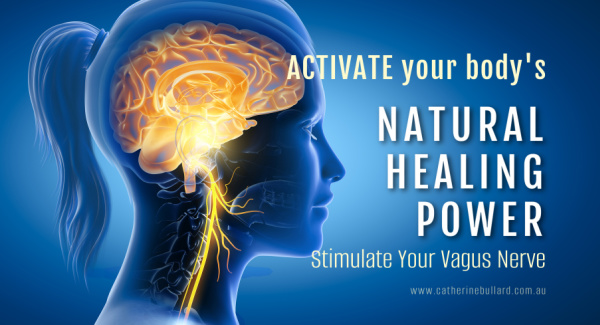
    The Vagus Nerve: How to Activate Your Body’s Natural Healing Power

    Have you ever heard of the vagus nerve? It’s one of the most important nerves in your body. When it’s healthy and stimulated it can help you reduce stress, improve your mood and boost your immune system. Even if you’ve never heard of it, you need to know about the vagus nerve if you want to improve your health.

    What is the Vagus Nerve?


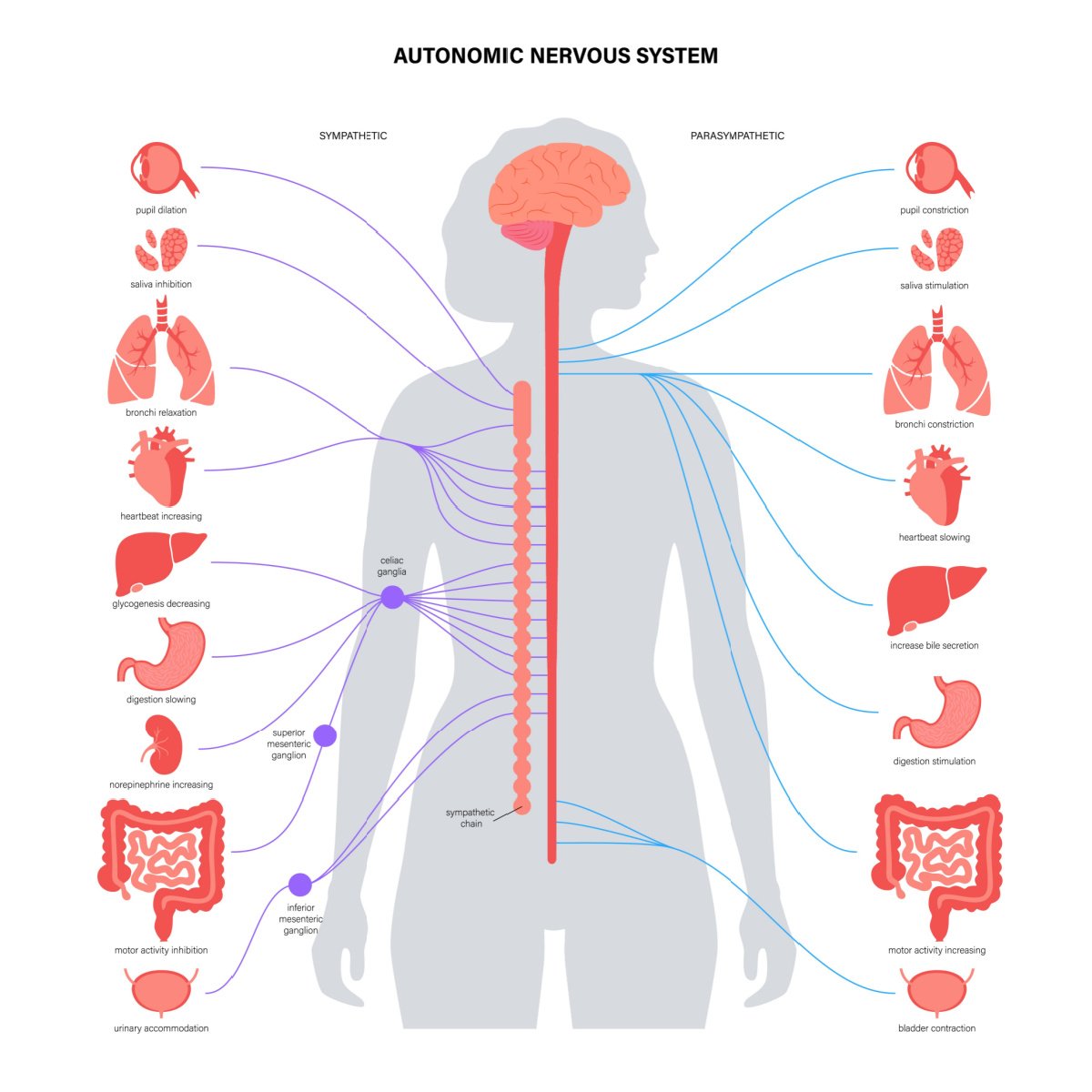
    The vagus nerve is the longest and most complex cranial nerve in your body. It carries signals to and from your brain to many vital organs, including your heart, blood vessels, lungs, stomach, intestines, vocal chords and more. It is part of the autonomic nervous system (ANS) which plays a role in controlling and regulating involuntary functions like breathing, heartbeat, mood, digestion, and blood pressure.

    The ANS has two main branches: the sympathetic nervous system (SNS) and the parasympathetic nervous system (PNS). The sympathetic branch is responsible for activating the “fight or flight” response when you face a threat or a challenge. It stimulates your adrenal glands to release adrenaline and cortisol, which increases your heart rate, blood pressure, blood sugar, and alertness. This helps you immediately cope with the challenging situation, but it also puts a lot of stress on your body.

    The parasympathetic branch is responsible for activating the “rest and digest” response which kicks in to calm your body down and restore balance once the threat or challenge is over. By stimulating the vagus nerve we get greater calming effects by the PNS.

    The vagus nerve is the main component of the PNS, and it acts as a bridge between your brain and your body. It sends signals from your brain to your organs to regulate their functions, and feedback from your organs to your brain with information about your physical and emotional state. The vagus nerve is like a two-way communication channel that helps you maintain homeostasis, a state of equilibrium and harmony in your body.

    Maintaining balance between the PNS and SNS is crucial for your physical and mental health.

    How the Vagus Nerve Affects Your Health and Wellbeing

    The vagus nerve influences many aspects of your physiology and psychology and has a profound impact on your health and well-being.

    Here are some of the benefits of having a healthy and active vagus nerve:

    Reduce Stress and Anxiety

    The vagus nerve plays a big role in regulating your stress response, which lowers your heart rate, blood pressure, breathing rate, and cortisol levels. Cortisol is a hormone released by your adrenal glands in response to stress, and it can have negative effects on your health if it’s chronically elevated. The vagus nerve can also help you cope with emotional stress by enhancing your social skills, empathy, compassion, and trust.

    The vagus nerve protects your body by helping it switch back and forth from the fight-flight response and the rest-digest mode.

    Improve Your Mood and Mental Health

    The vagus nerve stimulates production of neurotransmitters serotonin and oxytocin which are associated with happiness and well-being. Serotonin is a chemical that regulates your mood, appetite, sleep, memory, and learning. Oxytocin is a hormone that promotes bonding, love, and social connection. The vagus nerve increases your resilience and optimism to help prevent or treat depression.

    Boost Your Immune System and Reduce Inflammation

    Inflammation is a natural response to injury or infection, but it can also cause damage to your tissues and organs when it’s chronic or excessive. The vagus nerve can activate the cholinergic anti-inflammatory pathway (CAP), which is a mechanism that suppresses inflammation in your body. It also helps you fight off infections and diseases by enhancing your immune system’s function and reducing inflammation.

    Enhance Your Cognitive Abilities and Memory

    Brain power improves when a healthy vagus nerve delivers increased blood flow and oxygen to your brain cells to sharpen focus, attention, creativity, problem-solving skills and memory. It can also stimulate neurogenesis, the creation of new neurons, in the hippocampus, which is a part of your brain that is involved in learning and memory.

    Support Digestive Health and Metabolism

    The signals sent via the vagus nerve from your brain to your stomach and intestines regulate appetite and digestion. They can also control the secretion of gastric acid, enzymes, hormones, and bile that are essential for breaking down food and absorbing nutrients. This helps prevent and treat digestive disorders like irritable bowel syndrome (IBS), acid reflux, ulcers, constipation, and diarrhea.

    Improve Heart Health and Cardiovascular Function

    Heart rate variability (HRV) is a measure of how much your heart rate changes from beat to beat. A high HRV indicates that you have a flexible and adaptable heart that can respond to changing demands. A low HRV indicates that you have a rigid and stressed heart that is more prone to arrhythmias and cardiovascular diseases. The vagus nerve can help lower your risk of heart attack, stroke, and hypertension by increasing your HRV and improving your cardiovascular function.

    How to Activate Your Vagus Nerve

    As you can see, the vagus nerve is a powerful ally for your health and well-being. But how do you activate it and reap its benefits? The good news is that there are many simple and natural ways to stimulate your vagus nerve and enhance its function.

    Here are some of the most effective methods:

    Deep Breathing

    Breathing deeply and slowly in through your nose and out your mouth is an excellent way to stimulate your vagus nerve. It activates your PNS and increases your HRV. It can lower your heart rate and blood pressure and calm your nervous system. Practice deep breathing by inhaling through your nose for four seconds, holding your breath for four seconds, exhaling through your mouth for four seconds, and pausing for four seconds. Repeat this cycle for a few minutes and notice how you feel.

    Mindfulness and Meditation

    Meditating is a great way to calm your mind and body by reducing stress, anxiety and negative emotions. It helps you focus on the present moment to reduce negative thoughts and challenging emotions that trigger stress. Combine it with deep breathing for greater benefits. Through meditation we increase our awareness of the present moment which can help you regulate your physiological and psychological responses.

    Practice mindfulness by fine-tuning your awareness to notice whatever is going on around or within you, without judgement.

    Practice meditation by sitting comfortably, closing your eyes, and focusing on your breath, a mantra, a sound, or a sensation. Whenever your mind wanders, gently bring it back to your focus point.

    Humming or Singing Loudly

    Humming or singing can stimulate your vagus nerve by activating your vocal cords and diaphragm. It can also increase your production of nitric oxide, which is a molecule that dilates your blood vessels and improves blood flow to your brain and organs. Hum or sing any tune that you like or try chanting “om” or “ahh”, which are sounds that resonate with your vagus nerve.

    Laughing

    Laughing can trigger your vagus nerve by engaging your facial muscles and diaphragm. It can also release endorphins, which are natural painkillers and mood boosters. Laugh by watching a funny show, reading a humorous book, or sharing jokes with friends.

    Cold Shower

    Exposing yourself to cold water or cold air stimulates your thermoreceptors, the nerve endings that detect changes in temperature. It also increases your metabolism, immune system and antioxidant levels. Take a cold shower by gradually lowering the temperature of the water until it’s comfortable but challenging. You could also try splashing cold water on your face or dipping your feet in ice water.

    Positive Social Relationships

    Having positive social relationships can stimulate your vagus nerve by enhancing your emotional and social intelligence. It also increases your oxytocin and serotonin levels, which promote bonding, trust and happiness. Cultivate positive social relationships by spending time with people who support you, care for you and make you feel good. Expressing gratitude, appreciation and affection to the people in your life also activates the vagus nerve.

    Tai Chi and Yoga

    Tai chi is a form of martial arts involving slow, graceful movements that coordinate with breathing and mental focus. It stimulates your vagus nerve by improving balance, coordination, flexibility, and circulation. It can also reduce your stress, anxiety and depression. Practice tai chi or yoga by joining a class, watching a video, or following an app.

    Probiotics

    The vagus nerve is the main channel for conveying messages between the gut to the brain, including threatening feelings or ‘gut instincts’.  When your gut is functioning poorly bad gut microbes overgrow and cause inflammation.  Probiotics are beneficial bacteria and yeasts that live in your gut and help you digest food and produce vitamins and neurotransmitters. They communicate with your brain via the vagus nerve and influence your mood, thinking, and behavior. Taking probiotic supplements increases the number of good bacteria in your gut.

    Consume probiotics by eating fermented foods like yogurt, kefir, sauerkraut, kimchi, miso, tempeh, or kombucha. Or take probiotic supplements that contain strains like Lactobacillus and Bifidobacterium.

    Intermittent Fasting

    Fasting is the practice of abstaining from food for a certain period of time. It activates your vagus nerve by reducing inflammation, oxidative stress, and insulin resistance. It can also help you recycle damaged cells, and stimulate ketosis which is the state of burning fat instead of glucose for energy. Practice intermittent fasting by skipping breakfast and eating only within an eight-hour window. Alternatively do a 24-hour fast once a week.

    Zinc

    Zinc is a mineral essential for many functions in your body, including immune system, wound healing, DNA synthesis and enzyme activity. It also modulates your vagus nerve by regulating neurotransmitter and hormone levels.

    You can get zinc from certain foods including oysters, beef, pumpkin seeds, lentils, and dark chocolate. You can also take zinc supplements containing 15 to 30 mg of zinc per day. Many Australians are zinc deficient and so need supplements, because Australian soil is particularly low in zinc, which then affects the amount of zinc available from food sources.

    Massage

    Reflexology is massage of the feet and research shows it increases vagus nerve tone and improves blood pressure. Have a professional reflexology treatment and rub your feet, stretch your toes and rotate your ankles at other times.

    Signs Your Vagus Nerve is Suffering


    Those are just some ways you can activate your vagus nerve and enjoy its benefits for your health and well-being. However, you should also be aware of the signs that indicate that your vagus nerve may be malfunctioning or damaged.

    Some of these signs are:

    • Abdominal pain and bloating
    • Acid reflux or heartburn
    • Elevated heart rate and blood pressure
    • Dizziness or fainting
    • Loss of gag reflex or difficulty swallowing
    • Hoarseness or loss of voice
    • Loss of appetite or nausea and vomiting
    • Tight or sore muscles
    • Racing thoughts or anxiety


    If you experience any of these symptoms, you should consult your doctor and get a proper diagnosis and treatment.


    I hope you learned something new and useful from this blog post. Remember, your vagus nerve is a powerful connection between your brain and your body that can influence your health and well-being in many ways. By stimulating your vagus nerve, you can change your body chemistry and improve your mindset.

    So, try some of the methods I’ve mentioned and see how they work for you. And don’t forget to share your feedback and questions in the comments section below. Thanks for reading and have a great day!

    DISCLAIMER

    All information and opinions presented here are for information purposes only and are not intended as a substitute for professional advice. Do not use this article to diagnose a health condition. Speak to your doctor if you think your condition may be serious or before discontinuing any prescribed medication. Please consult with your health care provider before following any of the treatment suggested anywhere on this site, particularly if you have an ongoing health issue.

    Natural Remedies For Winter Health

    natural remedies for winter health

    When your mood matches the sky it’s tempting to dive under the doona and tune out from the world.  Winter is naturally a time to close down and go within so we need to be mindful of honouring our needs during this time.  We need to sleep more, eat nourishing foods and tone down the active life we enjoyed over summer, for our inner health.  We also need to support our immune system because it can take a beating during the winter months.  It’s important to know how to keep your immune system strong and balanced if you want to avoid winter infections and stay healthy.  These natural remedies for winter health provide a simple foundation for wellness.

    The chill of Winter brings with it a swag of seasonal diseases which range from chilblains and cold sores through many respiratory illnesses.  The common cold is the most prevalent contagious disease in Australia and the most common reason for people to stay home from work or school.  Coughs, colds and sometimes flu are a common part of most household’s winter experience.  Colds are very easily spread from person to person affecting over half of the population in winter

    Natural Immune Support

    Your immune system protects your body and is your greatest health asset.  But with greater demands and stress placed on it over winter it can suffer. In order to get through winter without any sickness it pays to build your immunity naturally.  Vitamin C, vitamin D, and zinc are three of the best nutrients for this. When you add probiotics you have a powerful combination.

    Zinc and vitamin C are essential for the healthy function of white blood cells which fight infection.  Vitamin D contributes to a multitude of body functions including fighting infection.  Probiotics support the immune function of the gut.

    Vitamin D

    As we huddle indoors over Winter and spend less time in the sun, our vitamin D levels can easily fall below our needs. Vitamin D is essential for immune health. When these levels don’t meet the increased demands of our immune system we’re left open to coughs, colds and flu.

    Low vitamin D can also lead to Seasonal Affective Disorder or ‘SAD’ which causes seasonal depression and low mood.

    Vitamin D is difficult to source from food. While you’ll find some in sardines, salmon, mackerel, cod, and eggs most is produced by your body from exposure to sunlight.

    Zinc

    Is your diet lacking in zinc?  Zinc is essential for a number of life-sustaining functions, including strong immunity to help prevent coughs, colds and flu.  This important mineral triggers approximately 160 different reactions within the body including immunity.  Unfortunately about 83% of Australian women are deficient in zinc.

    Continue reading…

    Disclaimer

    All information and opinions presented here are for information purposes only and are not intended as a substitute for professional advice offered during a consultation with your health care provider. Do not use this article to diagnose a health condition. Speak to your doctor if you think your condition may be serious or before discontinuing any prescribed medication. Please consult with your health care provider before following any of the treatment suggested on this site, particularly if you have an ongoing health issue.

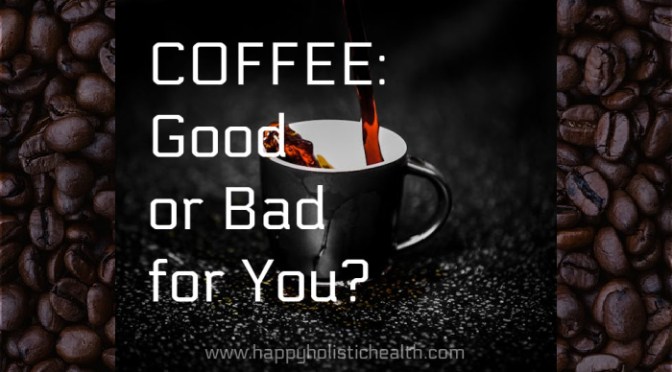
    Coffee: Good or Bad for You?

    For most people the question of whether coffee is good or bad for you is entirely irrelevant. Whatever the answer, it makes no difference to their coffee habit.

    Lots of us rely on our morning java to get us going and for some that first cup is followed by refills through the day. But caffeine is highly addictive and can lead to adrenal fatigue.  

    So, in the balance, is coffee good or bad for you?

    Coffee is often touted as having health benefits, but the simple truth is that coffee is not a health food. Like other drugs there are side effects to any benefit that it offers. There are better, less risky ways to achieve any of the professed benefits of coffee consumption.

    Coffee serves different purposes for each individual. From simply being a taste indulgence to a pick-me-up, it can wake you up or get you through depression or anxiety. But the caffeine provides the adrenaline rush, the temporary jolt, also has a dark side. It puts stress on your adrenal glands, increases your stress hormones and leads to a vicious cycle of stress and anxiety. When you drink lots of coffee the adrenaline rush initially makes you alert. But as it wears off cortisol builds up. When this cycle is repeated frequently it creates the same effect on your body as chronic stress.

    It’s interesting that the heaviest coffee consumption occurs in regions that are overcast, drizzly or lack sunshine for long periods and are generally dreary. Caffeine seems to help with depression initially by contributing to dopamine production, which in turn helps lift our mood. But increased coffee consumption can then create the vicious circle that actually leads to depression.

    Caffeine is also present in some other foods like chocolate, cola and tea, but most caffeine in our diet comes from coffee. However, caffeine only makes up 1 – 2% of the coffee bean and it is the other constituents of the bean that are now being researched for their effect on our health.

    Benefits Of Coffee

    For some years coffee has been recognised as having benefits for you in addition to being harmful. As a result, the belief that you need to avoid coffee in order to be healthy has eased.

    Caffeine can certainly benefit those suffering from Alzheimer’s or Parkinsons disease. Research from twenty to thirty years ago found there was a likely relationship between coffee and diabetes. Drinking more coffee lowered the risk of developing Type 2 Diabetes.

    However, more recently it’s been found that the caffeine in coffee could be causing insulin spikes and contributing to hypoglycemia. Considering insulin imbalance plays a big role in the rapidly growing problem of ‘diabesity’ the alarm bells are now ringing.

    Coffee Is Acidic

    Coffee is a very acidifying food. Foods that cause an acidic reaction in the body contribute to a wide range of health problems, quite apart from digestive upsets. These include arthritis and gout.

    Some symptoms of acidification in your body are:

    • General: Constant fatigue and low energy; heaviness in the limbs; feeling cold, low body temperature
    • Mind: Depression; nervousness; easy agitation; easily stressed
    • Headaches
    • Eyes: Easily tear, conjunctivitis, inflamed eyelids and corneas
    • Mouth: inflamed gums, ulcers, loose teeth, cracks in the mouth corners, frequent throat infections, teeth chip easily, teeth are sensitive to heat and cold, nerve pain in the teeth
    • Gut: Excess stomach acid; acid reflux; gastritis; ulcers
    • Hair and Skin: Nails split easily; dry skin; hives; hair is dull, split ends and falls out
    • Legs: Cramps

    Health Problems from Coffee

    Caffeine is a diuretic, causing the body to release more fluid. This also causes you to excrete high levels of minerals, including calcium, magnesium and potassium. This becomes particularly significant in Australia where the soil is already very mineral deficient. Foods grown in this type of soil is also low in minerals. Therefore, your levels of these vital minerals are likely to be low to begin with, even before drinking coffee.

    So many people are now stressed, depressed, overworked, sick, nutritionally deficient, hormonally imbalanced and generally living with inflamed or toxic bodies. With the incidence of chronic illness also constantly increasing it seems that the time has arrived for many to kick their coffee habit.

    Health effects of caffeine on the body include:

    • Contributes to fertility problems including increased miscarriage and infertility
    • Triggers the secretion of stomach acids and causes heartburn
    • Contributes to hypoglycemia, an imbalance of blood sugars
    • Increases weight gain over the long term linked to the production of stress hormones
    • Hastens osteoporosis because it interferes with mineral absorption in the bones
    • Affects the normal detoxifying process in the liver
    • Causes dehydration which then can lead to many other problems including wrinkles and stretch marks.
    • It can even contribute to gluten intolerance or Coeliac disease.

    How to Quit Coffee

    Caffeine is very addictive and when it’s combined with stress the coffee habit can get out of control. But some people don’t actually want to consider that they may have an addiction, let alone to kick it.

    Quitting coffee can be very difficult. Apart from leaving you feeling weak and tired it can cause all sorts of side effects. Headache, fatigue, depression and difficulty concentrating are a few, as anyone who’s had to forgo their normal fix knows very well.

    The answer is not to turn to de-caf coffee but to turn to healthier alternatives. Decaf coffee is often subjected to nasty toxins in the decaffeinating process such as solvents. It also still contains trace amounts of caffeine. Choose NO-CAF over DE-CAF.

    Caffeine withdrawal doesn’t have to be overwhelming and there are natural remedies that can ease it. Homeopathic remedies can be extremely helpful to stop cravings for all manner of substances, including coffee. Hypnotherapy and EFT are other strategies that can successfully break addictive habits. Supplementing with the amino acids L-Tyrosine or Phenylalanine can also help. Some people do better on one and some on the other.

    Healthy Alternatives to Coffee

    When my clients need to cut back on their coffee, I encourage them to do it in small manageable steps. They start by drinking just one cup less each day. Gradually over time, they work down to one ‘high quality’ coffee treat on the weekend, or even better, no coffee. The easiest way to do this is to replace some of the coffees with healthier alternatives.

    Begin to wean yourself off coffee by replacing one or some of your coffees with any drinks from this list. Then gradually decrease the coffees and increase the alternatives.

    Dandelion Coffee

    Dandelion coffee has a strong, slightly bitter flavour, very similar to coffee but it contains no caffeine. It has an astonishing range of health benefits. It is nutrient rich, supports the liver and kidneys to remove impurities, aids digestion and decreases inflammation, plus much more. The root is roasted and sometimes mixed with chicory root. You can drink it black, with milk, make a latte or take it any other way you prefer your coffee. It is frequently used to make a chai.

    Chicory has many health benefits but is known for it’s ability to reduce the effects of stress and for liver support.  Try the pure dandelion root and the chicory/dandelion mix to discover which you prefer. You could also have an occasional dandelion / coffee mix.

    Dandelion coffee is simple to make, and you’ll find instructions on google. If harvesting your own plants, make certain you’re using true dandelion and not the very similar Catsear.

    Teechino

    Teechino gives the energy feel of caffeine without the crash. It tastes like coffee but is made of carob, barley, chicory, dates, figs and almonds. However, this drink contains gluten so don’t use Teechino if you avoid eating gluten.

    Yerba Mate

    Yerba mate (pronounced yerba matay) is a herbal tea from South America. It doesn’t taste exactly like coffee but has a pleasant flavour of its own. It is rich in antioxidants and minerals. Like coffee it boosts energy and fights fatigue. It does contain caffeine, but the levels are lower than in coffee or even tea. You can also find Yerba Mate in some herbal tea blends.

    Green Tea

    Green tea has small amounts of caffeine, about 20 grams a serve, but these are substantially less than in coffee. It has high levels of antioxidants that fight free radical damage, improve cardiovascular health, reduce the risk of cancer and help with weight loss. By the way, your green tea needs to be green, if it is brown it has been oxidised.

    White Tea

    Even better than green tea is white tea which is less processed and retains a higher number of antioxidants than green. It also has less caffeine than green with only 15 grams a serve and is light and delicious.

    Rooibos Tea

    Rooibos is a pleasant full flavoured, slightly sweet and nutty tea from South Africa. Like coffee it can be mixed with milk. It contains no caffeine and very little tannin. It’s also rich in antioxidants and minerals. It reduces stress, irritability and headaches, the opposite of coffee. Plus, rooibos has many other health benefits as well as relieving many illnesses.

    Reishi Mushroom Tea

    Reishi Mushroom tea is the one to take when you’re determined to wipe the slate clean, although it is certainly an acquired taste. This tea has many qualities to recommend it. It’s loaded with antioxidants, a wonderful immune stimulant, lowers blood pressure and is purported to have cancer fighting qualities. It requires long brewing, and you may need to add ginger for flavour, or to sweeten it.

    Healthier Coffee

    If in spite of everything, you wish to continue drinking coffee then consider the coffee you drink and choose the best options around.

    • Firstly, opt for Organic fair-Trade varieties. Coffee is notorious for its dangerous growing practices.
    • If your coffee is milky you might want to think again. Lattes offered by Starbucks for example are high in kilojoules, sometimes as high as fattening desserts like ice-cream or chocolate cake. What’s more, those joules are all in the form of unhealthy fats.
    • The way coffee is prepared affects the caffeine levels. Espresso coffee contains less caffeine than drip coffee and also has the most antioxidants. But it is also the one linked to higher levels of Triglycerides and LDLs.
    • The amount of caffeine in light and dark roasts varies only slightly so choose whichever you like best as it makes little difference.

    After all this bad news are you still reading?

    If you’re still with me let me know in the comments below what your favourite coffee alternative is.


    Disclaimer.

    All information and opinions presented here are for information only and are not intended as a substitute for professional advice offered during a consultation. Please consult your health care provider before trying any of the treatment suggested on this site. 

    Natural Remedies For Hay Fever Relief

    As winter loses it’s grip and we have the occasional sunny day some unfortunate people already face the prospect of seasonal allergies. That’s right, we’re at the onset of hay fever season. Seasonal allergy sufferers have a choice between using conventional treatment or being housebound. Either they’re unable to get out and enjoy the beautiful Spring sun, or they can take medications with side effects that really knock them about. But there are many natural remedies for hay fever relief.


    natural remedies for hay fever


    Hay fever occurs when pollen released from grasses and other plants is carried through the air on spring winds. These pollens affect the immune system and cause inflammatory reactions on the mucous membranes. Sneezing, itching, runny nose, coughing and congestion, hay fever (or seasonal allergic rhinitis) is enough to ruin anyone’s day. It can affect any of the mucous membranes of the eyes, nose, sinuses, throat and palate, or all of them at once.


    But it doesn’t need to be like this!


    Natural Remedies For Hay Fever


    There are many natural alternatives that provide natural antihistamines and can effectively knock hay fever symptoms on the head. These include herbs, vitamins, kitchen cures and my favourite, homeopathy,

    In addition to actual remedies some precautionary practices can help minimise the effect of the allergen on your system.

    Gifting your liver a Spring clean can reduce the allergic effect. These tips will help you gently detox your liver without doing a ‘full detox’.

    • Vitamin C and the bioflavonoid quercetin have an antihistamine effect to reduce the release of histamine.
    • Vitamin A helps maintain healthy mucous membranes which can improve your response to allergens.
    • Studies have shown a link between low zinc intake and higher allergy risk. Therefore a zinc supplement may help anyone who falls into this category.
    • With any aggravation of the mucous membranes it’s essential to reduce the amount of dairy food you eat. Dairy foods increase the production of mucous on these surfaces and exacerbate congestion. So eat less milk, cheese, ice-cream, cream, yoghurt and butter during hay fever season. And watch for “milk solids” often added to processed foods.
    • Refined starches can also stimulate mucous production. Limit bread and other baked goods to reduce the severity of your symptoms.
    • Increase your intake of omega 3 fatty acids over the season. These can help decrease your hay fever because they help lower the amount of inflammatory chemicals produced when you’re exposed to an allergen.
    • Many herbs including chamomile, stinging nettle, ginger, and butterbur have great use blocking histamine and relieving symptoms. But their effect is often limited to just some of your symptoms, not all. Plus they can take time to have an effect.


    Reduce Hay Fever


    Many alternative treatments, including nutrition and supplements, can alleviate hay fever by strengthening the immune system. However they don’t always give immediate relief in the moment when symptoms strike. Some can reduce symptoms when taken in mega dosage but often need to be taken in combination with others.


    Continue reading   for more natural ways to get hay fever relief fast.


    Disclaimer

    All information and opinions presented here are for information purposes only and are not intended as a substitute for professional advice offered during a consultation with your health care provider. Do not use this article to diagnose a health condition. Speak to your doctor if you think your condition may be serious or before discontinuing any prescribed medication. Please consult with your health care provider before following any of the treatment suggested on this site, particularly if you have an ongoing health issue.


    How To Reduce Chronic Inflammation

    chronic inflammation

    Many people think of inflammation as being skin redness, joint swelling after exercise, or even a pimple. And it is. But there’s a different kind of inflammation that is more insidious. This is chronic inflammation, or systemic inflammation. It’s a slow, silent attack on your body and health that never switches off. And worse, it’s the underlying cause of many serious chronic diseases in our lives. Luckily there are simple changes you can easily make to reduce the chronic inflammation in your cells.

    You actually need some degree of inflammation in your body to stay healthy. However it’s more and more common for the inflammatory response to get out of hand.

    Inflammation serves an important purpose but when it continues indefinitely it can become dangerous. You know your immune system is stuck in “high alert” when inflammation doesn’t recede. And this is where chronic disease develops.

    Effects of Chronic Inflammation

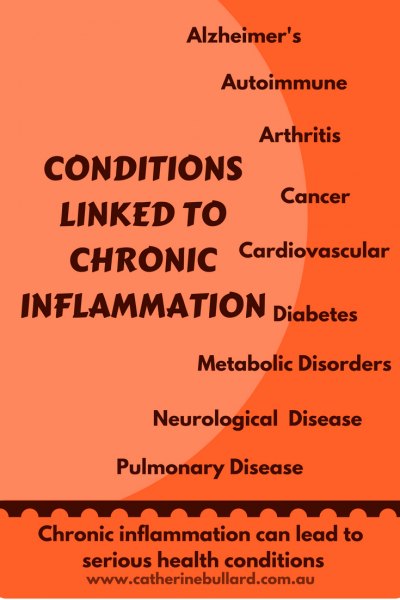
    Most of the common chronic illnesses today are thought to develop when the body is in a state of chronic (or systemic) inflammation. Osteoarthritis, autoimmune diseases, allergies, asthma, IBS, heart disease and even cancer are just some indicators of chronic inflammation.

    Many things in life both contribute to and maintain chronic inflammation. Excess weight, lack of exercise, poor diet, excess alcohol, poor oral health and ongoing stress are just some factors that lead to it. Others such as pollution and toxins in our environment can also contribute.

    Stress And Chronic Inflammation

    For many people stress can be the major problem. Cortisol is an important part of your body’s stress response to perceived threats. So levels of the hormone cortisol rise in response to any stressful situation.  However, when stress of any type is ongoing the cortisol release mechanism doesn’t turn off. This results in persistent low grade inflammation. In some cases it can go on forever.

    The first step to turn off the chronic inflammation response is to change your lifestyle. Simply switch to an anti-inflammatory diet for a significant impact.

    Conditions Caused By Chronic Inflammation

    • Heart disease – stroke, hypertension
    • Diabetes
    • Lung issues – asthma, hay fever, COPD, chronic bronchitis, emphysema, breathing difficulties
    • Bone and joint disease – all forms of arthritis, osteoporosis
    • Depression – including feeling down, sleep problems, appetite loss
    • Cancer
    • Anger disorders, aggressive behaviour
    • Autoimmune – Crohn’s, Lupus, Type 1 Diabetes, colitis, IBD,
    • Neurological disorders –  Parkinson’s, Alzheimer’s, depression, Multiple Schlerosis,

    Common Causes Of Inflammation

    Excess Weight

    Stacking on the kilos causes fat cells to grow. This leads to immune system distress and results in an inflammatory response within the fat cells.  Over time these cells become insulin-resistant which can lead to diabetes.

    Chronic stress

    Whether it’s a terrible job, unhappy marriage, sick parents, overfull diary or worry about your kids makes you anxious, they’re all chronic stressors. And chronic stress causes unchecked chronic inflammation.

    Poor Air Quality

    Chronic inflammation is one result of smog or any other form of pollution. Tobacco smoke is probably the worst form of air pollution.

    Gut Health

    The gut is integral to your immune system. Seventy percent of it is seated within the gut. Therefore bacteria balance is crucial to the regulation of inflammation. Beneficial bacteria suppress inflammation and harmful bacteria activate it. Boost the beneficial bacteria and reduce inflammation.

    Certain foods contain inulin, a prebiotic which feeds beneficial gut bacteria and keeps your gut healthy. These include onions, raw asparagus, raw dandelion greens, raw banana, yoghurt, sour cream, and raw leeks.

    Gut inflammation can initiate diseases like Crohn’s or rheumatoid arthritis.

    Discover how to fight inflammation in your body.

    Continue reading …

    Disclaimer

    All information and opinions presented here are for information purposes only. They are not intended as a substitute for professional advice offered during a consultation with your health care provider. Do not use this article to diagnose a health condition. Speak to your doctor if you think your condition may be serious or before discontinuing any prescribed medication. Please consult with your health care provider before following any of the treatment suggested on this site, particularly if you have an ongoing health issue.

    Natural Cures For Winter Coughs, Colds And Flu

    Winter’s here and with that comes coughs, colds, and flu. As the air crisps and the autumn leaves are almost finished what you need to consider right now is whether you’re well enough to get right through winter without falling victim to winter illnesses. And if you’ve already had a few sniffles you can be certain the answer is “no”. If you haven’t already prepared yourself to weather winter there are natural remedies to help you survive without getting too sick. But you need to act right now before winter takes hold. These natural remedies for coughs colds and flu will support you in best health.

    natural cures for coughs colds and flu

    Along with damp morning mists and cold air come winter illnesses, and many have already fallen victim to them. When you feel terrible it’s natural to think you’ve caught the flu. Although only about 20% of viruses that look and feel like flu actually are, it doesn’t stop the others from being downright unpleasant and highly contagious.


    PREVENT WINTER ILLNESS

    Preparing for winter should begin with a careful plan to strengthen your immune system back at the end of summer when the weather first cooled. But if you’re unprepared and have already had a taste of the illnesses that lie ahead this winter there are still various tactics you can use to help you get through with minimum damage.

    Over-the-counter cold and flu medications make you feel better because they suppress your symptoms for a while, but as well as having side effects they don’t actually make you well any faster. For that you need to look at other options.


    NATURAL REMEDIES TO PREVENT COLD AND FLU

    There are many awesome natural remedies to effectively treat winter illness but the first step to prevent falling ill is to fix bad habits.

    Sleep

    Sleep is the most important lifestyle factor for glowing health. Adults need between seven and nine hours of uninterrupted sleep every night. You can’t make up the deficit after nights of inadequate sleep, it needs to develop regular sleep habits. A healthy immune system is the direct result of sufficient quality sleep.

    Sleep environment is crucial. Most people know they shouldn’t use their blue light electronic device (phone, tablet, computer) before bed, but very few actually stop using it. Continuing to use this device less than an hour before trying to sleep is like having someone stand beside your bed shouting “stay awake”. They prevent good sleep. Watching TV in bed isn’t much better.

    Creating bedtime rituals contributes to undisturbed slumber. Unclutter your bedroom. Introduce some relaxation practices before bed. Don’t go to bed with a full stomach or hungry. Change some lifestyle habits.

    Hygeine

    You know to wash your hands often during flu season. Cold and flu viruses are spread onto surfaces when someone with them on their hands touches their keyboard, telephone, or glass. Hours later they can still linger and be transferred to you when you touch the same surface.

    Exercise

    If you normally exercise keep it up through winter. Slow gentle exercise and stretching helps move lymph fluid through your body to remove waste from the cells. Aerobic exercise increases your body’s natural virus-killing cells. But don’t begin exercising when you get sick.

    Foods

    Sugar and grain weaken the immune system. Your immune system is compromised by 50% for up to four hours after eating sugar.

    Supplements

    Some supplements are beneficial for the immune system and can help prevent colds and flu.

    Like this article? Want to know which homeopathic remedies, herbs or supplements will help?  Read more here…

    Save

    Natural Remedies For Hayfever Relief

    Spring Has Almost Sprung and that spells bad news for anyone who suffers from hay fever as it means it’s ‘Sneezing Season’ again. Unable to get out and enjoy the beautiful Spring sun, seasonal allergy sufferers following the conventional path can only look forward to being housebound for even longer or taking medications with side effects that really knock them about!

    Natural Cures For Hayfever Relief

    Hay fever results from exposure to pollens released from grasses and other plants, carried through the air, which cause inflammatory reactions on the mucous membranes and affect the immune system.

    With sneezing, itching, runny nose, coughing and congestion, hay fever (or seasonal allergic rhinitis) is enough to ruin anyone’s day. It can affect any of the mucous membranes of the eyes, nose, sinuses, throat and palate, or all of them at once.

    But it doesn’t have to be like this.

    There are many natural remedies including herbs, vitamins, kitchen cures and my favourite, homeopathy, that can effectively knock the symptoms of hay fever on the head by providing natural antihistamines.

    In addition to actual treatments some precautionary practices can minimize the effect of the allergen on your system. Gifting your liver a Spring clean can lessen the allergic effect. Here are tips to help you gently detox your liver without ‘doing a detox’.

    Dandelion seeds

    Some Natural Treatments

    Supplements can improve your response to allergens. Vitamin C and the bioflavonoid quercetin have an antihistamine effect, while vitamin A helps maintain healthy mucous membranes. Studies have shown a link between low zinc intake and higher allergy risk so a zinc supplement may help anyone who falls into this category,

    It’s important with any aggravation of the mucous membranes to reduce the amount of dairy food you eat as it increases the production of mucous and exacerbates congestion. Eat less milk, cheese, ice-cream, cream, yoghurt and butter during hay fever season to keep you better prepared. And watch for “milk solids” often added to processed foods.

    Refined starches also stimulate mucous production and limiting bread and other baked goods can reduce the severity of your symptoms.

    Increasing your intake of omega 3 fatty acids over the season can help decrease the incidence of hay fever as they help lower the amount of inflammatory chemicals produced when you are exposed to an allergen.

    While many alternative treatments, including nutrition and supplements, can alleviate hay fever by strengthening the immune system they don’t always give immediate relief in the moment when symptoms strike. Some can reduce symptoms when taken in mega dosage but often need to be taken in combination with others.

    Air filters can make a real difference by keeping the air inside your home pollen free especially when placed over windows and doors.

    Steaming is an age old practice for breaking up congestion. Add a few drops of eucalyptus essential oil to a bowl of steaming water and with a towel over your head breathe in the eucalyptus-rich vapour to loosen mucous and clear air passages. Tea tree is another suitable essential oil.

    Many herbs including chamomile, stinging nettle, ginger, and butterbur can block histamine and relieve symptoms, but often their effect is limited to just some of your symptoms or they can take time to have an effect.

    In someone already highly oversensitive to plant material herbs may not be a great choice, and may even exacerbate the symptoms. Stinging nettle is one herb commonly used for it’s antihistamine and anti-inflammatory effects. But when I take it internally it causes itching and swelling on my skin. The crude nature of herbs may actually be too harsh for these highly sensitive individuals.

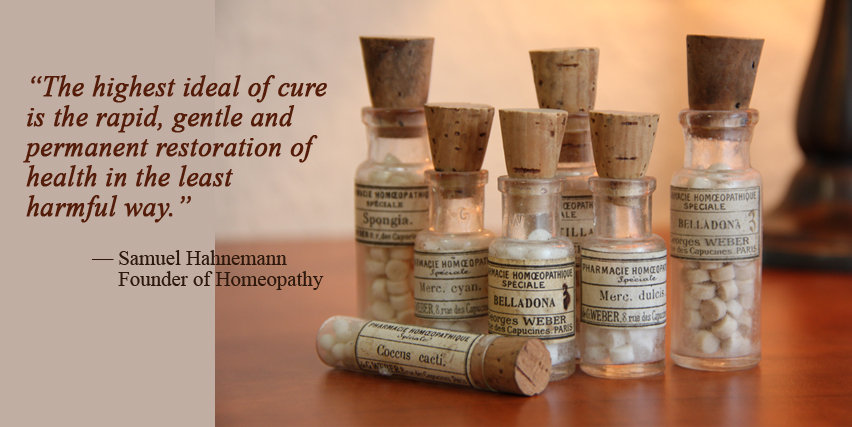
    Homeopathic Ideal Of Cure

    Homeopathy

    Homeopathy can be used for hay fever either preventatively or as a treatment. It has a great track record for the treatment of hay fever with symptoms being switched off almost immediately when the correctly matched remedy is used. I can personally vouch for this.

    In France the most commonly prescribed treatment for hay fever by medical doctors is a homeopathic remedy just because it can be so effective and fast.

    I’m going to introduce you to some of the more commonly used homeopathic remedies for symptomatic relief. These remedies activate the body’s own system of healing. They’re excellent for quickly relieving the symptoms of acute bouts of hay fever when they’re selected to closely match the individual symptoms being experienced.

    Use remedies in 6x, 6c, 30x or 30c potencies, taking one dose every few hours for up to 3 doses. With the right remedy symptoms should improve after the first or second dose. If symptoms haven’t improved after the third dose it means you’ve selected the wrong remedy, so go back and again match the remedy picture to your symptoms for a closer match.

    Pay particular attention to what makes your hayfever symptoms better or worse – these are important pointers to the right remedy.

    As always with Homeopathy the remedy picture must match your symptoms for it to work. If none of these remedies match visit a homeopath who can select the right remedy for you from the hundreds of possibilities.

    Allium cepa

    Perhaps the most commonly used remedy for hay fever is Allium cepa (red onion). Use this when sneezing is prominent along with watery eyes that burn and smart. The tears here are non-irritating but the copious watery discharge from the nose is acrid and irritates the skin between the nose and upper lip which becomes red and sore. The nose feels blocked and the sense of smell is gone. The voice may become hoarse. When Allium cepa is called for the symptoms improve outside in the fresh air or in cool air.

    Arsenicum album

    This remedy is very commonly used for hay fever with burning and itching in the throat, nose or eyes. The discharges burn and redden the skin. This person will feel cold and although they want to be rugged up their head clears in cool fresh air. They are sensitive to light.

    Euphrasia

    Euphrasia is needed when the eyes feel swollen and gritty. The copious watery tears are acrid, unlike Allium cepa, and they irritate and burn the skin around the eyes and even the cheeks. There is a watery discharge from the nose which is bland and non-irritating. There may be much sneezing. Symptoms are worse outside in the open air, and also worse from heat or wind. (Notice how the symptoms of Allium cepa and Euphrasia are opposite to help you distinguish which is a closer match)

    Nat mur

    Violent sneezing is a symptom that may call for Nat mur, particularly when it is accompanied by itching and tingling inside the nose. There may be a watery or egg-white like nasal discharge, although not usually at the time of hayfever onset. These symptoms get worse after being out in the sun. Taste and smell are lost. Cold sores may occur at the same time. The person needing Nat mur may feel sad or sorry for themselves and want to be alone, and they feel better outside.

    Nux vomica

    Sore, smarting eyes that are light sensitive call for Nux vomica. The nose feels stuffed up making breathing difficult. There may be a streaming discharge through the day even though the nose feels stuffy. At night the nose dries up. This person feels irritable, even nasty, and chilly. Other people can really annoy them. They may have a headache with the stuffy nose which is made worse from stooping. Their symptoms are worse in dry air and better when the air is damp. These people have a tendency to over work, and may crave coffee to keep them going.

    Pulsatilla

    Congestion is the hallmark of a Pulsatilla picture with thick discharges that are bland (non-irritating) and yellow or yellow green. While there is much nasal discharge in the morning the nose is dry at night. This person feels much better outside in the cold fresh air and considerably worse in a warm stuffy room. They also feel better when they keep moving about. They may be weepy, and children whiny or clingy.

    Sabadilla

    Eyes that water with red burning margins of the eyelids, and lots of watery nasal discharge indicate the need for Sabadilla. There is much sneezing which occurs in spasms, one sneeze after another, and is caused by a tickle in the nose. The sneezing causes the eyes to water. This person is very sensitive to the smell of flowers which may exacerbate the sneezing. The tickle in the throat may be relived by warm drinks. This person feels very chilly, and the symptoms are worse in the open air and better in a warm room.

    Wyethia

    Extreme, even intolerable itching in the nose and throat calls for Wyethia. This is the remedy for severe itching of the upper palate, where the person tries to “scratch” it with their tongue. Often the throat feels swollen, dry or burning, causing a constant need to swallow to moisten it.

    These are just a few of the hundreds of homeopathic remedies used for treating hayfever. If you can’t match one to your symptoms consult a professional for the remedy you need.

    Hay Fever Prevention

    Homeopathic treatment is very effective for preventing, as well as treating, hay fever attacks but it must begin well before the hay fever season. If you’d like to diminish your hay fever in the future begin by selecting the remedy that matches your current symptoms most closely and take it whenever you have an acute attack this season. In about six months visit a professional homeopath who will treat you to improve your resistance to allergens and prevent, or reduce, further attacks in the future.

    I experienced terrible hay fever when I was younger with red, burning, itching, watery eyes. But I haven’t had any for many years after taking preventative homeopathy one winter years ago.

    If you’d like to learn more about using Homeopathy to treat your family’s acute and first aid illnesses why not join my HOMEOPATHY @ HOME Course designed especially for the home prescriber. This fun and information-packed course is totally empowering, and enables you to be ready with the right homeopathic treatment for you and your children need whenever you need relief from an acute illness.

    How do you manage your hay fever? What are your favourite natural remedies for hayfever?

    I hate pollen brooke novak

    Disclaimer

    All information and opinions presented here are for information purposes only and are not intended as a substitute for professional advice offered during a consultation. Please consult with your health care provider before following any of the treatment suggested on this site, particularly if you have an ongoing health issue.

    Source articles

    http://www.naturalnews.com/035367_hay_fever_seasonal_allergies_remedies.html#
    http://homeopathyplus.com.au/hay-fever-help-homeopathic-treatment-and-other-self-help-tips/
    http://www.dailymail.co.uk/health/article-2157014/The-hayfever-treatments-really-work.html
    http://www.naturopathic.org/content.asp?contentid=117

    14 Awesome Books That Will Change Your Life

    Christmas and the summer holidays are the perfect time to dive into some great reads. And as most of us want the New Year to be a fresh start with new plans and goals, it makes sense to read at least one life-affirming, soul-sustaining book to support you on your life journey and life purpose.

    awesomw books 4

    This post marks a major milestone. As I hesitantly wrote my first article in July 2012 I never dreamed I would reach 100 posts. To honour this 100 post milestone I have collected a few of the books that offered me inspiration and guidance, and influenced my journey along the pathway to health, happiness and a fulfilled life.

    I am a total book addict. Curled up with a book, reading in my bedroom, is my go-to-happy-place. These are not my favourite books although some are certainly ones I do love. These are books with a purpose.

    Because I always want to know the answer ‘right now’ these are books that present a poal or a purpose and then tell me how to get there. Most importantly, they all definitely played an important part in signposting the pathway for me.

    This selection can give you the tools to make enormous life changes for yourself too. Take a look, and maybe find an inspiring book to add to your summer reading list, one that will open the doorway to allow big changes into your life in 2015.

    WARNING: Long but awesome post ahead! Feel free to skim

    library watermark-425730_640
    LIFE CHANGING SUMMER READS

    In no particular order (apart from which one I pulled off the bookshelf first)


    #1. Love The Life You Live: Ten Steps For Happier Living by Anne Hartley

    This book guided me to the Life Coaching course I chose. I‘d wanted to do it for over two years before I found a course that really resonated. During that time I stumbled across this book in which Hartley outlines her “Heart Process”, the essence of the Hartlife Coaching Course I studied.
    The Heart Process is basically a guideline to reclaiming your “happy.” Starting with her own story Anne takes you through a series of heart-based steps to find your joy in life again. This is solid stuff that has been around for generations, but it is presented in such a way that you don’t just get excited about the message you are also guided as to how to achieve it in your own life. The book is packed full of helpful hacks for mastering each of the ten steps.
    Anne has been a Life Coach for over twenty years during which time she has refined everything she has used in her work, and here you have her most successful techniques.


    #2. Walking Meditation by Nguyen Anh Huong & Thich Nhat Hanh

    The practice of mindfulness has recently taken the world by storm, but my introduction came a while ago from the Master of Mindfulness himself through this book. This is more a kit than a book and is a wonderful tool if you want to introduce mindfulness into your life. It contains an instructional DVD, a CD of 5 guided meditations to get you started, and a small book to guide you through so you get the most out of your practice.
    Someone once said to me that women gained most from active meditation and men gained the most from still meditation. I don’t know if it’s true or not but the concept of women engaging in the active, masculine Yang, and men in the passive, feminine Yin has a beautiful poetic balance to it.
    An excellent and simple meditation for all women (and men) to master.


    #3. Goddesses In Everywoman – Powerful Archetypes in Women’s Lives by Jean Shinoda Bolen

    This is the book that launched me into the healing work I do with women today. Exploring the goddesses from ancient Greek mythology Bolen opens up our understanding of the age-old psychological patterns that modern women still follow. This is one of those books that bring incredible ‘aha’ moments as you suddenly recognize yourself in one or another goddess. It places the patterns, whether actual or potential, that you fall into in your life right there in front of you, where you can’t help but see them for what they are.
    I love this book – it was such a solid foundation to understanding women’s archetypes and led to my ability to hold space for women’s healing groups, as well as to presenting their life patterns in a far more easily understood way to my Coaching clients. It’s easy to read, easy to understand and very insightful.


    #4. The Inner Goddess Makeover: A Step-By-Step Makeover by Tanishka

    This is the book that inspired me to go train as a Red Tent Facilitator and then later, a Women’s Rites Of Passage Facilitator. I came across “The Inner Goddess Makeover” after I read about women’s archetypes in ‘Goddesses In Everywoman’ and was left hungry to discover more about the feminine archetypes we all embody.
    Tanishka uses each of seven goddess archetypes to embody seven universal psychological feminine aspects. Each one also governs a chakra. As you work through the exercises for each, consciously exploring the issues raised, you experience energy shifts and clear old blocks that were limiting you and stopping you from experiencing your personal empowerment and potential.Copy of waterhouse_the_crystal_ball_skull
    I worked through this awesome and exciting journey, one chakra/goddess per month. Some of the goddesses were easy but with others I was really challenged. It was so empowering that after I finished I contacted Tanishka and went and trained with her.
    This book is challenging but F.U.N. Even more fun when you set up your own goddess circle to work through it with the support of your Besties. Tanishka pulls no punches! Totally down to earth, her vibrant personality shines through, and she speaks to the reader as if you were both hanging out and chatting over a coffee.


    #5. The Botany Of Desire by Michael Pollan

    This is an odd book to have here but it is the book that galvanized me into opting for organic produce whenever I could, especially potatoes, changing my eating habits forever. It is about the reciprocal relationship between people and four domesticated crops. Pollan links four desires – sweetness, beauty, intoxication and control – with four plants that we use to satisfy them. He uses the story of the potato to illustrate control.
    In his examination of how potato growing has evolved he visits commercial potato farms, an organic farm and Monsanto, the developers of genetically modified potatoes. Reading about the intense chemical spraying program and the permanent toxic state of the commercial farms was more than enough to turn me away from commercially grown potatoes forever. It also set me to investigate which other commercially farmed crops are highly toxic and which are relatively safe.
    My very first post on this blog, Telling Tales on ‘Taters’ was inspired by this book and is about organic vs commercially grown potatoes.
    The other stories about the apple, tulip and hemp are also fascinating.


    #6. Healthy Home, Healthy Family by Nicole Bijilsma

    Nicole is a Building Biologist and Sick Building Syndrome expert who is passionate about environmental medicine. Electromagnetic radiation (EMR), allergens, drinking water, and toxic chemicals pervade our living and working spaces and here Nicole shows you how to reverse their damage on your body, your mind, your emotions and your health.house-insurance-419058_640
    An accomplished Naturopath and Acupuncturist with a young family of her own, she has produced a book full of practical ways to determine and remedy the levels of toxins you are being exposed to everyday.
    This book contains lots of questionnaires and checklists to assess your own home. There is also advice on selecting cleaning products, air cleaners, plastics, and more. It even includes a guide for anyone about to buy, rent or build a house, with what you need to investigate or ask before you start.
    With resource lists, useful websites plus so much more this is a great book to have on hand.


    #7. The Complete Homeopathy Handbook by Miranda Castro

    I was a Mum who used homeopathy for my family long before I was a professional Homeopath. Back then I needed a book that was comprehensive enough for me to find the correct remedy for the symptoms that presented, but not too complicated for my purely amateur ability.
    Miranda Castro has written a book that nails it. It includes the homeopathic history, principles, myths, how to actually take a Homeopathic case and work out a remedy, then a comprehensive Materia Medica and Repertory to guide your remedy choice.
    This book has it all for the ‘Home Homeopath’ and clearly and simply presents everyday homeopathic prescribing as the individualized effective treatment system it can be, when it is done correctly and well.


    #8. Eating For The Seasons by Janella Purcell

    I rarely recommend diet or cookbooks. But this is so much more than just a set of recipes. This book is all about eating in tune with the seasons and the rhythms of nature. By so doing your body gets just what it needs for the time of year.
    This means more than simply eating light, raw food in summer and heavier, warming food during winter. Purcell’s eating recommendations are based on the principles of Traditional Asian Medicine.
    Recipes (with alternative suggestions) are grouped by season. Each section also contains advice about health objectives of the season, preferred seasonal cooking methods, what to avoid, and which body organs need support.
    A great book to remind you of seasonal eating patterns, even if you don’t use any of the recipes, it helps to keep you connected, by tuning in and aligning yourself with the rhythms of the Earth and life itself.


    #9. The Life You Were Born To Live by Dan Millman

    I love numerology and once studied it avidly, but it was so complicated. Not any more! Dan Millman changed all that. He has devised the “Life-Purpose System” from the ancient wisdom of Numbers, and it’s amazing, clear, and easy to follow. As Millman says “ the drive to understand our life purpose is as important to our psychological growth as eating is to our biological survival.” And he sets out all the information you need to help you in your quest.numbers pay-530339_640
    It’s a big book but you only need to read the sections that apply directly to you and can ignore the rest. Millman shows you the simple way to calculate what is relevant to you. As you work through your picture he breaks it down into detail that applies to you, along with specific issues in your life and guidelines for action.
    Millman’s book can help you sort out conflicts in your life and help you find your life purpose.


    #10. Excuses Be Gone by Wayne Dyer

    Wayne Dyer has been turning out awesome books for decades. But I love this one. After doing lots of work learning to recognise my inner critical judge, this book taught me about changing the lifelong self-defeating habitual thinking that the inner critic thrives on.
    It teaches about stepping up and recognizing that although we can’t control everything that happens around us, what we make of our situation, and how we deal with it, is completely up to us and the way we choose to think. Powerful stuff!
    It is easy to recognize the excuses we habitually use that Dyer places before us here. He takes us through the Seven Principles of Excuses Begone, with exercises at the end of each principle to help cement them in place. He then looks at seven questions surrounding the paradigm shift such as “What would my life look like if I couldn’t use these excuses?” and “What’s the payoff?”
    But what I really love and often go back to just to remind myself, are the Four Cardinal Virtues and how they manifest – reverence for all life, natural sincerity, gentleness and supportiveness.


    #11. 29 Gifts: How a Month Of Giving Can Change Your Life by Cami Walker

    There are so many “Challenges” around now – 5 day, 7 day, 30 day. But this 29 day story of the role that gift giving and the practice of generosity and gratitude played in Walker’s battle with Multiple Schlerosis is heart-warming and life-affirming.
    She shows that by placing our focus outside ourself and the problems of our own life we move the energy of our life away from our problems and illnesses and give ourslf the room to heal. gratitude Julie Jordan scott
    As she embraced the practice of Gratitude and Gift-giving on her month long journey Cami’s health and happiness turned around. Initially filled with thoughts of ending up in a wheelchair and in extreme pain her experience was transformative.
    From her own experience Cami began a movement that has spread across the globe – millions of people on a 29 Day Gifting Challenge.
    This is beautiful story of her journey that you can take on and apply to your life.


    #12. The Power Of Now by Eckhart Tolle

    We all talk about living in the moment, but not that many of us actually manage it. This is the basic message that we hear so often is the essence of Tolle’s book. But what makes it different is how he explains so clearly how our thoughts and emotions get in the way of achieving this, so we actually understand what is going on.
    Tolle likens the mind to a destructive disease, and as long as you allow your mind to stay bonded to the inherited collective mind-patterns it will continue in its diseased state and you will continue to suffer.
    He leads us to an understanding that enlightenment is found through consciousness, that through surrender we can find happiness and ultimately peace.
    It is resented as a dialogue with many questions you would ask yourself.
    This book really helped me get through some tough times in my life.


    #13. The Chemical Maze by Bill Statham

    This tiny little book revolutionized my shopping. It lists by their number all the additives found in foods, personal care and cosmetics. Beside each it grades the danger the additive poses for you, what the adverse effects are (such as asthma, dermatitis, cancer), why it is added, along with the types of products it is used in.
    Luckily for you it is now available as an app for iPhone or Android.


    #14. Creative Visualisation by Shakti Gawain

    One of the first books I read that turned me onto the path of creating the life I really want, this book was written over 35 years ago and still holds today. An anniversary edition has just been released and is a great book to start with if you are just beginning your manifestation pathway.


    So this is just a starter. It doesn’t include the writings of so many brilliant teachers. I hope you are drawn to one of the books on this list. Happy reading!

    Please add the name of any book that has guided you to make huge change in your life in the comments section under “LEAVE A REPLY” below. I’d love to know, and am always ready to open the cover of a new book and discover another new life lesson.

    awesome books 1


    Reduce Exam Stress To Stay Sane

    reduce exam stress with natural remedies

    With the run up to, and on through, the end-of-year exams it’s a very stressful time for VCE and Uni students and their families. For many students it’s the biggest challenge they’ve ever faced and many succumb to exam stress. But natural medicine offers much help to overcome study and exam stress and give you the edge in exam performance.

    Everyone reacts differently to challenges. While it’s normal to feel stressed at this time, for many the effects can spiral out of control. Read on for advice for managing study stress the easy way with the help of alternative medicine.

    With so many high expectations, and so much riding on results it’s quite normal for students under pressure to suffer for many months causing a stress response in their body. The hormones released as a result of being under stress have far-reaching effects on every system in your body both at the time and later on down the track.

    While some stress can aid performance, if stress continues over weeks and months it can take over and have detrimental effects. The immediate effects are often evident at the time but the long-term effects can continue after the exams are long over.

    In addition, anxious and grumpy students have a big impact on anyone around them particularly on their family. Homes become a bed of tension, concern and even reach friction and confrontation if stress spins out of control.


    EFFECTS OF STRESS

    During worrying times the stress hormones produced effect the neural connections of the prefrontal cortex. This is where your working memory is located, as well as functions vital for reasoning, planning and problem solving, and for regulating attention and emotions all essential for academic success.

    A sudent under great stress is therefore unable to function at their best in exams, no matter how much they study.

    In addition stormy emotions weaken the prefrontal cortex and this hampers thinking and learning ability.

    Students suffering study stress don’t learn effectively or remember well what they’ve learnt.

    In order to perform to their best and to present their ability and knowledge well in their exams, it’s essential for students NOT to be in a state of stress. By actively reducing stress you increase learning capacity, memory, reasoning powers, and academic performance. By reducing stress you’ll feel calm, clear-headed, motivated and in control.

    By stepping in early to reduce the effects of stress you support your health and it lays the groundwork for better performance. Reducing your stress can also reduce the tension in the home to restore peace.


    REDUCE EXAM STRESS

    While there are a number of exercises and lifestyle practices you can do to reduce stress the greatest impact is gained from using alternative medicine. Of these I see the best and fastest results with homeopathic medicines and flower and herb essences.


    13683204_s

    HOMEOPATHY

    Homeopathic treatment offers great benefit for all the problems associated with study and exam stress.

    Remedies that individually selected to each persons needs for anxiety, difficulty focusing or remembering what was learned, problems sleeping, fear of failing, trouble settling down to study, irritability, feeling like giving up, even mixing up information or getting it backwards.

    When the remedies are prescribed according to Homeopathic principles they are very fast acting and effective.

    There are some great Homeopathic remedies to calm exam nerves and reduce the anticipatory anxiety and shakiness students experience before the actual exam.

    Here are a few of my suggestions:
    Gelsemium is a great remedy to take for performance anxiety. It’s perfect before an exam where there is a shaky or jittery feeling and a frequent need to use the bathroom.

    Lycopodium is an excellent remedy during study break for someone who worries about being evaluated, who feels they know nothing and will look stupid in front of everyone, but who, once they get started performs wonderfully.

    Nux Vomica is useful for an irritable person using too much coffee and other stimulants in an effort to push on through.

    There are many other remedies for all those other consequences of study pressure and stress including:

    • feeling overwhelmed and out of control
    • self-criticism and negative thinking
    • irrational beliefs such as “nobody will respect me if I don’t score above 95”
    • feelings of catastrophe like “I’ll fail whatever so what’s the point”
    • inability to relax into sleep or waking up through the night and worrying
    • holding all the emotions inside until they explode
    • feelings of isolation and losing touch with friends
    • crankiness and irritability
    • problems getting motivated

    Speaking to a professional Homeopath can clarify all the issues you are facing. They will put together remedies individually suited to YOUR needs.


    FLOWER ESSENCES

    Flower essences are easy to take – just a few drops on the tongue a few times a day. A few drops can even be added to a water bottle to carry around with you to sip in the moment they are needed the most.

    Bach Rescue Remedy is a tried and true treatment for anxiety.

    I find the Australian Bushflower EssenceCalm & Clear’ excellent for building and sustaining a state of calm in anyone, including students.

    Australian Bush Flower Essence Cognis‘ is great for the student who can’t settle down and focus on their study. It balances daydreaming, confusion and a sense of overwhelm and gives clarity and focus to help with the assimilation of ideas. This is a great treatment for the next few weeks when you are trying to consolidate your study.

    Individual flower essences are also great for study – Bach’s Clematis helps focus, Gentian for self-belief, Larch for confidence and White Chestnut for clarity.

    I like to use and prescribe Herbal Essences as they can be combined in a mixture that specifically addresses the way each person individually experiences exam stress. This means it’s not a “one-size-fits-all” treatment but one that’s tailored to each person. Herbal essences are great as they combine the thousand year old knowledge of the healing power of herbs with the positive effects on the mind and emotions of flower essences

    ESSENTIAL OILS

    There are a number of studies that show burning essential oils can induce brain power. All the oils can be used in an oil burner but will be more beneficial in a diffuser which disperses the droplets as water vapour. Here are a few to try.

      • Basil is one of the best for clarity and encourages concentration. Mix it with rosemary to stimulate memory recall.
      • Peppermint stimulates the brain and promotes clear thinking.

    Lavender is soothing and relaxing and is useful if stress prevents sleep.


    FOODS

    While foods alone won’t turn your exam stress around (unless you’re bingeing) they do play an integral part in how you cope with exam stress.

    It’s essential to eliminate all those that hold you back such as sugar, caffeine, alcohol, simple carbohydrates, junk foods and nicotine. But it’s just as important to add those that boost brain power to enhance your study and performance. Right now is when you need lots of fresh fruit and vegetables, fish, meats and complex carbs.

    • Omega-3 enhances learning ability and boosts memory power. Itss found in many foods as well as fish oil or krill supplements, or sea buckthorn if you’re vegetarian. Some good sources are oily fish, walnuts, pumpkin seeds, chia seeds and flax seeds.
    • Avocadoes increase blood flow to the brain.
    • Chocolate increases endorphin production to improve focus and concentration, and dark chocolate helps cognitive skills by boosting blood supply to the brain. But don’t overdo the chocolate and opt for dark chocolate over the sweet, milky varieties for a much greater impact.
    • Nuts and seeds help memory and cognitive skills and are easy to munch while you study


    SUPPLEMEMTS

    Taking a multivitamin can help keep up vitamin levels reduced by stress. Vitamin B and magnesium are both depleted during stressful times. Take B vitamins in a complex rather than as single vitamins as they work synergistically.


    RELAX

    Deep breathing is a wonderful way to calm and relax your emotions very quickly in times of extreme stress. Focusing on the breath helps to exclude outside thoughts and stop panic before it escalates. For the correct technique click here. 

    Yoga is an excellent way to achieve relaxation quickly, and is perfect to introduce into your study routine. Alternatives are qi gong, tai chi or walking.

    While it’s important to take time to relax, to take breaks, to eat well and get plenty of sleep, all the time allocated to study revision is no use at all if you’re not clear-headed, can’t retain the crucial information or are so strung-out you can’t even settle down to study. This is where alternative medicine steps in.


    Here are a few things to take away with you.

    • Worrying about the study workload or exam outcome only increases stress hormones like cortisol, which impairs your concentration and ability to learn.
    • Food can be your friend. Reduce caffeine, sugar, junk foods and alcohol. Add foods that support study.
    • Steer clear of performance enhancers like Ritalin.
    • Don’t beat yourself up with guilt if you haven’t got everything exactly right.
    • Take time off as studying 24/7 doesn’t work. Exercise is a great way to get back focus.

    And crucially, now you know how, use Natural Medicine to gain the edge in your exam preparation and performance.


    manage study

    Disclaimer

    All information and opinions presented here are for information purposes only and are not intended as a substitute for professional advice offered during a consultation. Please consult with your health care provider before following any of the treatment suggested on this site, particularly if you have an ongoing health issue.
    Source articles

    http://www.evokelearning.ca/the-impact-of-stress-on-academic-success/
    http://www.schoolatoz.nsw.edu.au/homework-and-study/homework-tips/managing-exam-stress
    http://psychcentral.com/lib/the-impact-of-stress/000104