Tag Archives: antioxidants

Coffee: Good or Bad for You?

For most people the question of whether coffee is good or bad for you is entirely irrelevant. Whatever the answer, it makes no difference to their coffee habit.

Lots of us rely on our morning java to get us going and for some that first cup is followed by refills through the day. But caffeine is highly addictive and can lead to adrenal fatigue.  

So, in the balance, is coffee good or bad for you?

Coffee is often touted as having health benefits, but the simple truth is that coffee is not a health food. Like other drugs there are side effects to any benefit that it offers. There are better, less risky ways to achieve any of the professed benefits of coffee consumption.

Coffee serves different purposes for each individual. From simply being a taste indulgence to a pick-me-up, it can wake you up or get you through depression or anxiety. But the caffeine provides the adrenaline rush, the temporary jolt, also has a dark side. It puts stress on your adrenal glands, increases your stress hormones and leads to a vicious cycle of stress and anxiety. When you drink lots of coffee the adrenaline rush initially makes you alert. But as it wears off cortisol builds up. When this cycle is repeated frequently it creates the same effect on your body as chronic stress.

It’s interesting that the heaviest coffee consumption occurs in regions that are overcast, drizzly or lack sunshine for long periods and are generally dreary. Caffeine seems to help with depression initially by contributing to dopamine production, which in turn helps lift our mood. But increased coffee consumption can then create the vicious circle that actually leads to depression.

Caffeine is also present in some other foods like chocolate, cola and tea, but most caffeine in our diet comes from coffee. However, caffeine only makes up 1 – 2% of the coffee bean and it is the other constituents of the bean that are now being researched for their effect on our health.

Benefits Of Coffee

For some years coffee has been recognised as having benefits for you in addition to being harmful. As a result, the belief that you need to avoid coffee in order to be healthy has eased.

Caffeine can certainly benefit those suffering from Alzheimer’s or Parkinsons disease. Research from twenty to thirty years ago found there was a likely relationship between coffee and diabetes. Drinking more coffee lowered the risk of developing Type 2 Diabetes.

However, more recently it’s been found that the caffeine in coffee could be causing insulin spikes and contributing to hypoglycemia. Considering insulin imbalance plays a big role in the rapidly growing problem of ‘diabesity’ the alarm bells are now ringing.

Coffee Is Acidic

Coffee is a very acidifying food. Foods that cause an acidic reaction in the body contribute to a wide range of health problems, quite apart from digestive upsets. These include arthritis and gout.

Some symptoms of acidification in your body are:

  • General: Constant fatigue and low energy; heaviness in the limbs; feeling cold, low body temperature
  • Mind: Depression; nervousness; easy agitation; easily stressed
  • Headaches
  • Eyes: Easily tear, conjunctivitis, inflamed eyelids and corneas
  • Mouth: inflamed gums, ulcers, loose teeth, cracks in the mouth corners, frequent throat infections, teeth chip easily, teeth are sensitive to heat and cold, nerve pain in the teeth
  • Gut: Excess stomach acid; acid reflux; gastritis; ulcers
  • Hair and Skin: Nails split easily; dry skin; hives; hair is dull, split ends and falls out
  • Legs: Cramps

Health Problems from Coffee

Caffeine is a diuretic, causing the body to release more fluid. This also causes you to excrete high levels of minerals, including calcium, magnesium and potassium. This becomes particularly significant in Australia where the soil is already very mineral deficient. Foods grown in this type of soil is also low in minerals. Therefore, your levels of these vital minerals are likely to be low to begin with, even before drinking coffee.

So many people are now stressed, depressed, overworked, sick, nutritionally deficient, hormonally imbalanced and generally living with inflamed or toxic bodies. With the incidence of chronic illness also constantly increasing it seems that the time has arrived for many to kick their coffee habit.

Health effects of caffeine on the body include:

  • Contributes to fertility problems including increased miscarriage and infertility
  • Triggers the secretion of stomach acids and causes heartburn
  • Contributes to hypoglycemia, an imbalance of blood sugars
  • Increases weight gain over the long term linked to the production of stress hormones
  • Hastens osteoporosis because it interferes with mineral absorption in the bones
  • Affects the normal detoxifying process in the liver
  • Causes dehydration which then can lead to many other problems including wrinkles and stretch marks.
  • It can even contribute to gluten intolerance or Coeliac disease.

How to Quit Coffee

Caffeine is very addictive and when it’s combined with stress the coffee habit can get out of control. But some people don’t actually want to consider that they may have an addiction, let alone to kick it.

Quitting coffee can be very difficult. Apart from leaving you feeling weak and tired it can cause all sorts of side effects. Headache, fatigue, depression and difficulty concentrating are a few, as anyone who’s had to forgo their normal fix knows very well.

The answer is not to turn to de-caf coffee but to turn to healthier alternatives. Decaf coffee is often subjected to nasty toxins in the decaffeinating process such as solvents. It also still contains trace amounts of caffeine. Choose NO-CAF over DE-CAF.

Caffeine withdrawal doesn’t have to be overwhelming and there are natural remedies that can ease it. Homeopathic remedies can be extremely helpful to stop cravings for all manner of substances, including coffee. Hypnotherapy and EFT are other strategies that can successfully break addictive habits. Supplementing with the amino acids L-Tyrosine or Phenylalanine can also help. Some people do better on one and some on the other.

Healthy Alternatives to Coffee

When my clients need to cut back on their coffee, I encourage them to do it in small manageable steps. They start by drinking just one cup less each day. Gradually over time, they work down to one ‘high quality’ coffee treat on the weekend, or even better, no coffee. The easiest way to do this is to replace some of the coffees with healthier alternatives.

Begin to wean yourself off coffee by replacing one or some of your coffees with any drinks from this list. Then gradually decrease the coffees and increase the alternatives.

Dandelion Coffee

Dandelion coffee has a strong, slightly bitter flavour, very similar to coffee but it contains no caffeine. It has an astonishing range of health benefits. It is nutrient rich, supports the liver and kidneys to remove impurities, aids digestion and decreases inflammation, plus much more. The root is roasted and sometimes mixed with chicory root. You can drink it black, with milk, make a latte or take it any other way you prefer your coffee. It is frequently used to make a chai.

Chicory has many health benefits but is known for it’s ability to reduce the effects of stress and for liver support.  Try the pure dandelion root and the chicory/dandelion mix to discover which you prefer. You could also have an occasional dandelion / coffee mix.

Dandelion coffee is simple to make, and you’ll find instructions on google. If harvesting your own plants, make certain you’re using true dandelion and not the very similar Catsear.

Teechino

Teechino gives the energy feel of caffeine without the crash. It tastes like coffee but is made of carob, barley, chicory, dates, figs and almonds. However, this drink contains gluten so don’t use Teechino if you avoid eating gluten.

Yerba Mate

Yerba mate (pronounced yerba matay) is a herbal tea from South America. It doesn’t taste exactly like coffee but has a pleasant flavour of its own. It is rich in antioxidants and minerals. Like coffee it boosts energy and fights fatigue. It does contain caffeine, but the levels are lower than in coffee or even tea. You can also find Yerba Mate in some herbal tea blends.

Green Tea

Green tea has small amounts of caffeine, about 20 grams a serve, but these are substantially less than in coffee. It has high levels of antioxidants that fight free radical damage, improve cardiovascular health, reduce the risk of cancer and help with weight loss. By the way, your green tea needs to be green, if it is brown it has been oxidised.

White Tea

Even better than green tea is white tea which is less processed and retains a higher number of antioxidants than green. It also has less caffeine than green with only 15 grams a serve and is light and delicious.

Rooibos Tea

Rooibos is a pleasant full flavoured, slightly sweet and nutty tea from South Africa. Like coffee it can be mixed with milk. It contains no caffeine and very little tannin. It’s also rich in antioxidants and minerals. It reduces stress, irritability and headaches, the opposite of coffee. Plus, rooibos has many other health benefits as well as relieving many illnesses.

Reishi Mushroom Tea

Reishi Mushroom tea is the one to take when you’re determined to wipe the slate clean, although it is certainly an acquired taste. This tea has many qualities to recommend it. It’s loaded with antioxidants, a wonderful immune stimulant, lowers blood pressure and is purported to have cancer fighting qualities. It requires long brewing, and you may need to add ginger for flavour, or to sweeten it.

Healthier Coffee

If in spite of everything, you wish to continue drinking coffee then consider the coffee you drink and choose the best options around.

  • Firstly, opt for Organic fair-Trade varieties. Coffee is notorious for its dangerous growing practices.
  • If your coffee is milky you might want to think again. Lattes offered by Starbucks for example are high in kilojoules, sometimes as high as fattening desserts like ice-cream or chocolate cake. What’s more, those joules are all in the form of unhealthy fats.
  • The way coffee is prepared affects the caffeine levels. Espresso coffee contains less caffeine than drip coffee and also has the most antioxidants. But it is also the one linked to higher levels of Triglycerides and LDLs.
  • The amount of caffeine in light and dark roasts varies only slightly so choose whichever you like best as it makes little difference.

After all this bad news are you still reading?

If you’re still with me let me know in the comments below what your favourite coffee alternative is.


Disclaimer.

All information and opinions presented here are for information only and are not intended as a substitute for professional advice offered during a consultation. Please consult your health care provider before trying any of the treatment suggested on this site. 

Health Benefits Of Lemons

There are so many new and exotic superfoods around and it seems their numbers just keep growing. With all the hype surrounding the new it’s very easy to forget the simple traditional superfoods that have stood the test of time. These are the superfoods we’ve been using every day for generations without even thinking of the incredible health benefits they bestow. They are readily available and much less costly. One of the most valuable of the traditional superfoods is the humble lemon, peel and all, which certainly packs a powerful punch when it comes to turbo-charging your health.

health benefits of lemons

Lemons really are a wonder food loaded with nutrients. Well-known as an excellent source of vitamin C, they also contain a wide range of other nutrients including flavonoids, vitamin B-complex, calcium, magnesium, potassium, iron, copper and phosphorous, citric acid and fibre. You can’t help but love all the lemons health benefits.


LEMONS – ACIDIC OR ALKALINE?

Many people get confused about whether lemons are acidic or alkaline. They wonder how lemons can be an “alkaline food” when they’re so acidic to taste. In fact they’re both.

Outside the body lemon juice is acidic. But once the lemon juice has been fully metabolized within the body and its minerals have been dissociated into the bloodstream its effect is alkalizing..

This means it raises the pH of body tissues making them alkaline. In acidic environments the structure and function of the cell are damaged. Lemons help to return the body to a healthier alkaline state to fight off the wide range of dangerous and unpleasant illnesses including cancer associated with acidic body fluids.

Lemons are one of the most alkalizing foods around.


WARM LEMON WATER, THE NUMBER 1 HEALTH PRACTICE

I always recommend if someone can only do ONE thing to improve their health then it should be to drink the juice of half a lemon in a glass of warm water in the morning. The trick is to do it when they first rise in the morning, half an hour before they eat or drink anything else. The combination of lemon and warm water encourages the production of bile to support the liver, to prevent liver disease and help eliminate toxins. it stimulates gastric juices and acts well to cleanse the bowel.

Even just adding a few drops of lemon juice to water or food can aid digestion and cleanse the system.

Simply, here are some ways warm lemon water can boost your health:

Like this article?  Read more….

Lactose Intolerance –What Milk Should I Drink?

When you get diagnosed (or work out for yourself) that you have difficulty digesting milk and other dairy foods because you are lactose intolerant, you suddenly get confronted with the decision of what to use as a milk replacement. There are so many different kinds of non-dairy milk available now and the choice can be overwhelming.

milk types

Should you look for an alternative form of animal milk or one of the nut milks or perhaps a grain milk? Or should you simply just use ‘lactose-free’ cows milk? And what exactly is A2 milk?

Lactose intolerance is not the same as a milk allergy.

People who are lactose intolerant lack the enzyme needed to break down the sugar in milk, lactose, so it can be absorbed. Normally your body breaks down the lactose with an enzyme called lactase. When this is lacking or deficient your body cannot break down the lactose, which then passes through your gut in a completely undigested state. When it meets the bacteria in the lower intestinal tract gas is produced and you experience all the painful symptoms.


LACTOSE FREE MILK

For many people who are lactose intolerant, and not allergic to dairy foods, the simplest option is to switch to lactose-free cows milk, in which the lactose, or milk sugar, has been changed to a state that their gut is able to process.

In lactose free milk the enzyme your body lacks, lactase, is added to the milk to break down the lactose for you, into smaller molecules that you are able to absorb. You don’t experience the symptoms associated with digesting normal milk.

One difference to normal milk is that lactose-free milk tastes much sweeter because the sugar is already broken down.


SOY MILK

Soy milk is made from soy beans and water. It is low in saturated fat but rich in a range of essential nutrients including protein and potassium. It is also high in antioxidants which are a great benefit to your health.

Because so many soy crops are genetically modified it is vital that you only drink ones labeled as GMO free.

Select ONLY those brands that are made from whole soybeans, and they will be labeled as such, even if just in the ingredient list.

This point is really important with Soy Milk. If the milk is made from soy isolates, as more than half the soy milk in Australia is, AVOID IT. Also, check your soy milk is unsweetened as many brands add sugar.

Soy milk has quite a creamy consistency. There is a great difference in the quality and taste of various soy milks so you may need to test a few to find one you like.

There is evidence that soy can improve your blood profile and help prevent strokes and heart disease. The phytoestrogens in soy can help balance the hormone levels in postmenopausal women and reduce the risk of prostate cancer in men.


ALMOND MILK

Almond milk is made from ground almonds and water. Some brands on the market contain very little almonds, but the one I use has 10% content and it is just a case of seeking out a quality brand.

Although almonds are a good source of protein, the milk is low in protein. But it provides all the antioxidant benefit provided by almonds. It is cholesterol free and has been used to lower blood-sugar levels. Some brands are fortified with calcium and vitamin D and B12. Many brands are sweetened.

Almond milk has a nutty flavour and light, creamy texture. It can be used in everything, from cooking to smoothies or drinking. Almond milk however is not suitable for anyone with a fructose intolerance or nut allergy.

Almond milk is quite easy to make for yourself. It contains far more almonds than packaged varieties and can be made using organic almonds and pure water. Plus you know it won’t be loaded up with agave or other sweeteners.

HOW TO MAKE ALMOND MILK

  • Simply soak 1 cup of almonds I water for at least 6 hours or overnight to remove phytates and enzyme inhibitors.
  • Remove, and for a less gritty flavour and lighter colour milk remove the skins.
  • Rinse and drain, then blend the almonds with 4 cups of filtered water. For a thicker milk you can reduce the quantity of water.
  • Strain through cheesecloth or a nut milk bag, which you can buy or make simply yourself.
  • You can blend in cinnamon, honey or other flavourings.
  • It keeps in the fridge for up to a week.

You could also try this recipe with macadamia or hazelnuts. Milk made from any nut is always simple to make for yourself. If you drink milk rarely or only use it for cooking just make small quanitities as you need it. This great recipe for CHIA MACADEMIA NUT MILK contains lots of extra wholesome ingredients and is a great example of how creative you can be with your home-made milks.

homemade almond milk

COCONUT MILK

Coconut milk is a great alternative to cows milk for thickening or creating a creaminess in soups, stews, curries or for baking. It can even be whipped up and makes a great replacement in desserts for normal cream.

Coconut milk contains a special sort of fat called medium chain triglycerides, that are metabolized differently to other fats in your body. They boost metabolism and give a burst of energy, rather than get stored in the body as fat.

Coconut milk is made from the coconut flesh and is rich and thick. Don’t confuse it with coconut water which is the liquid from the centre of the nut.

Unlike most liquids coconut milk contains lots of fibre because it is made by grating the flesh. One cup contains over 5 grams of fibre, one sixth of your daily requirement.

If you want to make coconut milk yourself just add young coconut meat to the blender, cover with filtered water and blend. Add more water until you reach the consistency you desire.

Any leftover coconut milk from cans can be frozen in ice-cube trays.

If you choose to eat wholefoods in your diet you may prefer nut milk to other lactose-free options because they undergo less processing.


RICE MILK

One of the grain milks, rice milk typically contains about 14% rice. It is very low in fat but is much lower in protein than soy milk. In fact it falls low all round on the nutrition scale, although there are calcium enriched versions available.

Rice milk is thinner and milder in flavour than either soy or almond milk and is suitable for anyone with soy or nut allergies or gluten intolerance as well as lactose intolerance.


OAT MILK

Oat milk is another grain milk. It is not as rich as the nut milks and has a mild, slightly sweet taste.

It is very low in fat but high in vitamins and minerals. In fact it contains more calcium than cow’s milk, one cup containing over a third of the RDA. It also contains lots of Vitamin A. It is very low in fat, about a third of that in cow’s milk, and is cholesterol free. It is a good option for vegans as it contains 10 percent of the RDA of iron.

Oat milk can provide a great tonic for the nervous system, calming it down.

It is not suitable if you have a gluten intolerance.


A2 MILK

It is the protein component in A2 milk that makes it different to most cow’s milk available. In this respect it resembles the milk from other animals like goat, sheep, or buffalo.

While A2 may be better for those with an allergy to milk it does not help someone with a lactose intolerance, as the milk sugar is not changed. If A2 milk does improve symptoms then perhaps those symptoms were due to a milk allergy rather than lactose intolerance.


OTHER MILKS

More and more options are making their way into the market. I noticed there is now an ‘Ancient Grains Quinoa With Chia Milk’ available, bringing the health benefits of both these awesome Superfoods into a new lactose-free milk suitable for those with nut allergies.


LACTOSE IN FOODS

Milk is not the only food you need to avoid when you are lactose intolerant. Any food containing lactose also needs to be avoided. This includes cream, cheese, butter, ice-cream, crème frais, condensed milk, custard, plus the huge number of processed foods that have any form of milk in them. Packaged foods containing milk solids, skimmed milk, milk proteins, biscuits, cakes, bread, luncheon meat, soups, sauces, plus many more all should be avoided.

Goats and sheeps milk and cheese do contain lactose but in far lesser quantities than cows milk. You may find you can eat small quantities of goat cheese occasionally, and tolerate some butter. But many may find even this brings on their symptoms.

Quality yogurt is often tolerated with lactose intolerance because the live bacteria in the yogurt partially break down the lactose, making it easier to digest.

As more and more nuts, grains and seeds are used to make milk the choices will just become wider and more difficult. Why not try out a few different milks and find which you prefer. And remember to mix up the different types of milk you choose, sometimes soy, nut, oat or rice, for greater variety in your diet. I use soy milk for cooking some things and various nut milks for making others as some milks suit one type of food preparation better than others. For drinking it comes down to your own preference.

lactose free Soy_milk_FREE (2)

Disclaimer

All information and opinions presented here are for information purposes only and are not intended as a substitute for professional advice offered during a consultation. Please consult with your health care provider before following any of the treatment suggested on this site, particularly if you have an ongoing health issue.

Source articles
http://www.livestrong.com/article/337301-how-is-lactose-free-milk-made/
http://www.naturalnews.com/023752_milk_cows_lactose_intolerance.html
http://www.livestrong.com/article/267017-what-are-the-benefits-of-oat-milk/
http://fedup.com.au/factsheets/additive-and-natural-chemical-factsheets/a2-milk

6 Basic Supplements Everyone Needs

The question is always whether you should supplement your diet for good health or not? Generally it’s better if nutrients come from food. But most people don’t eat an optimum diet and so can’t get the nutrients they require from their food. Supplements can be useful as they can fill nutrient holes in your diet. On their own they will never be enough to reverse lousy eating habits. But well selected, high quality supplements certainly have benefits. Most people don’t need to take handfuls but there are some basic supplements that everyone in our society would benefit by taking.

natural supplements

MULTIVITAMIN & MINERAL

Even when they eat well, most Aussies don’t get the optimum 6-8 serves of vegetables each day, or even the 5-6 recommended serves. Nor do they always get the recommended 2 serves of fruit.

Unfortunately Australian produce is affected by the low levels of minerals in our soils with the result that much of the produce we grow is also lacking in minerals and vitamins. This problem is worsened by modern commercial farming practices which further deplete the already starved soil (and produce) of nutrients.

If you only eat organic produce you may be getting enough vitamins and minerals from your foods. You will certainly get than from commercially grown produce, as it has been shown that organic produce contains much higher levels of vitamins and minerals. But the reality is that most people don’t eat only organic foods.

When you combine the vitamin and mineral deficiency in produce with poor dietary practices it becomes obvious that many Australians are significantly deficient in basic vitamins and minerals.

To make certain you are getting enough a quality multivitamin and mineral daily is almost a necessity.

Be wary! There are many around that are just junk. The vitamins and minerals in them are in a form that is not bio-available, which means your body is not able to absorb them properly and they pass through and out of your gut without being taken up. Money down the toilet, so to speak.

Minerals come in many different forms and some forms are better for you than others. Many multivitamins include inferior forms of minerals that your body can’t really use.

You need a certain amount of vitamins and minerals for them to be effective. If there is not enough they simply don’t do what your body needs. It is important to have sufficient amounts of each nutrient in the multivitamin you take.

Don’t get sucked in by brands flaunting ‘A-Z Vitamins and Minerals’. Chances are you don’t need all of these, and the bigger the range of nutrients the less there will be of each one in the tablet – after all the tablet can only be so big!

Before you throw your money away do some research or talk to your natural health practitioner. Look for someone who is professionally trained in nutrition (taught in natural health courses) including vitamin and mineral therapy. Most mainstream Medicine courses do not include much nutrition.

There are some excellent multivitamins around with the optimum balance of quality nutrients but often these are the ones you can only get from your Health Practitioner.
Cheaper products on supermarket shelves are not worth your time and money.

OMEGA 3

Omega-3 essential fatty acids are wonderful anti-inflammatories and excellent for reducing the symptoms of chronic disease. They are essential for brain function and strongly support heart health.

As the name suggests, these oils are essential for good health. Your body cannot make them so you need to obtain them from food or supplements.

Omega-3 is found in a range of foods, and is particularly high in fish oils, including krill oil.

Vegans and vegetarians are particularly at risk for omega-3 deficiency. While there are a number of vegetarian sources for omega-3 flaxseed oil is usually used for plant-based supplements.

Research into the effects of fish oils has shown that in addition to its wide range of cardiovascular and cognitive benefits it is particularly helpful in the treatment of autoimmune disease. It has been shown to significantly reduce symptoms in Lupus, reduce joint pain and stiffness in Rheumatoid Arthritis, and assist in inflammatory bowel disease.

Omega-3 also plays a role in the prevention of many diseases and reduces the symptoms caused by inflammation in others.

Fish is an excellent source of omega-3 but many people don’t like it. Plus there are concerns about the presence of mercury and other heavy metals in fish. With a high quality omega-3 supplement you avoid these problems.

1 gram – 1000mg, of combined EPA/ DHA each day is recommended for maintenance. But to gain real benefits and boost your health, especially if your health is compromised, you need more, up to 5 grams a day.

Be wary about cheaper omega-3 supplements. In some the processing causes the oil to go rancid. This is actually harmful to you, creating free radicals and inflammation in your body. Omega-3 supplements are very much a case of you get what you pay for!

drugs capsules

VITAMIN D

Most of us are deficient in Vitamin D, even in ‘sunny Australia’. We live and work inside far more than we ever did in the past and when we head outside it is under a thick cover of sunscreen, which prevents the vitamin D in the sun’s rays from being absorbed by the cells in our skin.

Vitamin D is essential for a huge range of body processes. One of the most important is to work with calcium to build and maintain strong bones and teeth. It is also crucial for an effective immune system. Deficiency can increase your risk for asthma and cancer, cause daytime fatigue and affect thinking processes

The current recommendation for adults is 1000IU a day. But this is the bare minimum maintenance dose, great if your levels are at an optimum level but nowhere near enough if, like most, your levels of Vitamin D are lower.

Don’t DIY Vitamin D – it is possible to have too much. Most doctors will happily order a blood test to find out your levels. Good levels are up around 75 ng/ml.

Once you know what your level is, it’s important not to get complacent as your levels of Vitamin D vary greatly through the course of a year, being at their highest in late summer and their lowest in early to mid spring.

Discover how to optimize your time in the sun (without sunscreen) to get the most Vitamin D from the least exposure at Good Morning Sunshine: Just How Much Vitamin D Are You Really Getting?

To raise the levels in your body, rather than just maintain them, you need between 1000 and 5000 IU a day, depending on how low your levels are. Make sure you get the D3 form.

Again, there is quite a big difference between the quality of different brands and how well your body is able to utilize them. Be guided by your Natural Health Practitioner.

ALGAE

The two most commonly used forms of algae are spirulina and chlorella. These are some of the most nutrient dense foods on the planet. Spirulina is one of my favourite supplements and I recommend it to clients regularly as well as taking it myself.

Chlorella is an amazing detoxifier which cleanses heavy metals from your body.

Spirulina is a great detoxifier but is higher in protein, so excellent to boost your energy when you feel flat, or simply every day. It is an excellent punchy source of nutrients and can help you feel healthier very quickly. Read more about it at Spirulina, The Supergreen Solution

Dosage requirements vary and you need to adjust for your requirements. Because algae are food you can’t overdose on them, and you can increase how much you take in times of greater need. But you may need to go gently especially if your health is poor because too much algae may provide too much stimulation for the body to deal with.

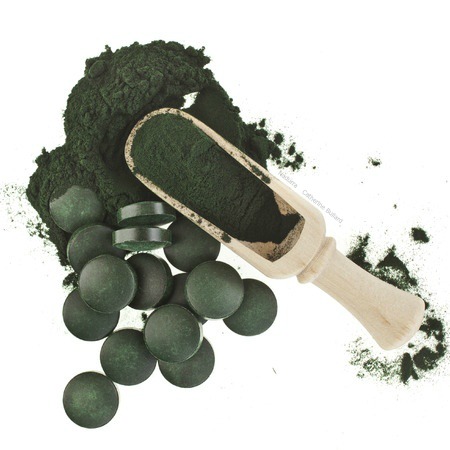
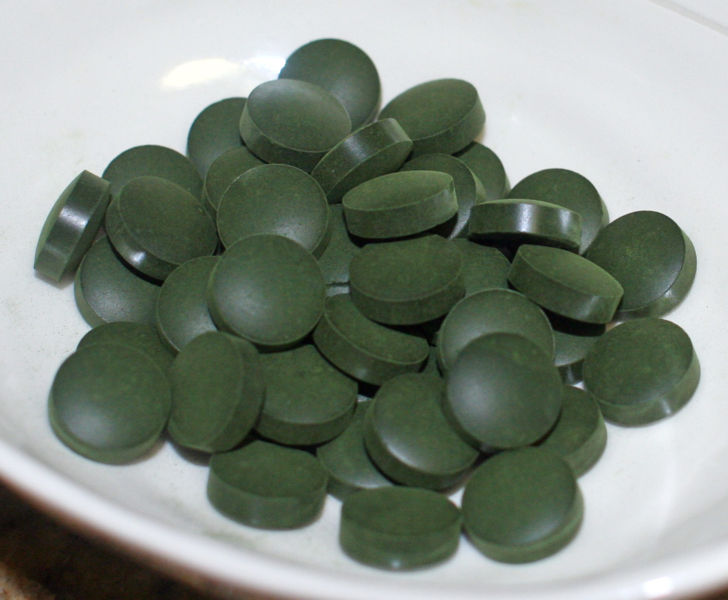
It is VITAL that your algae is well sourced. It MUST be organic or it will be loaded with heavy metals like mercury. Look for tablets or powder with an even dark green colour. Lighter specks indicate the presence of fillers.

Spirulina Bought Watermark29414713_s

PROBIOTIC

Probiotics occur naturally in your gut. They play an important role in your wellness, not only by improving your digestion, but also by boosting your immune system and keeping bad bacteria in check. They control yeast overgrowth and diarrhoea and inhibit lactose intolerance.

Our digestive system functions best with the aid of a quality probiotic. The trillions of good bacteria in your gut are essential for good health but can easily be destroyed or over-run by bad bacteria.

Numbers of these bacteria decrease as we age. Antibiotics are notorious for killing them. Poor diet or pollution can also destroy them. When numbers decline your system goes right out of balance and you can suffer many symptoms.

Probiotics come from two sources – fermented foods or a probiotic supplement.

Fermented foods include sauerkraut, kimchi, kombucha tea, yoghurt and need to be raw or the probiotics will be dead.

If you don’t eat fermented foods every day taking a good quality, broad spectrum probiotic daily will repopulate your gut with good bacteria to fortify your health and return your digestion to normal.

Lactobacillus and Bifidobacteria are the two most common and effective forms of probiotic. You need between 10 and 30 billion ‘live units’ each day.

COENZYME Q10 (CoQ10)

CoQ10 is a power packed antioxidant which delivers various substances including fat into your cells for a boost of energy. It is of great benefit in helping cells function properly and preventing cell damage.

CoQ10 provides great benefit for heart health, and offers anti-oxidant protection for a number of related cardiovascular conditions. It keeps your heart functioning efficiently.

As an anti-oxidant it protects cells against the stress of free radical damage and helps prevent chronic disease.

Once you reach the age of 25 the levels of CoQ10 in your body start to drop and you are likely to be deficient. When this happens DNA is damaged more quickly and you age prematurely. CoQ10 slows the process and may improve signs of aging like fine wrinkles.

CoQ10 seems to offer benefits for a wide range of diseases including chronic fatigue syndrome and fibromyalgia

When CoQ10 is used for specific diseases dosage varies wildly. But for general health and anti-oxidant protection between 60-150mg daily is sufficient.


I hope this short list helps you select supplements you need to include in your everyday health plan.

joy-401178_640

Disclaimer

All information and opinions presented here are for information purposes only and are not intended as a substitute for professional advice offered during a consultation. Please consult with your health care provider before following any of the treatment suggested on this site, particularly if you have an ongoing health issue.

Source articles

http://www.drfranklipman.com/the-4-key-supplements-to-take-every-day
http://madelinelemon.com/the-6-supplements-you-need-to-take-everyday
http://www.mindbodygreen.com/0-7234/4-supplements-everyone-should-be-taking.html
http://www.mayoclinic.org/drugs-supplements/coenzyme-q10/evidence/hrb-20059019

Spirulina, The Supergreen Solution

super spirulina

Spirulina is one of my favourite superfoods because it is one of the most nutritious plant-like organisms known to humans. I regard it as the ultimate superfood powerhouse. Although there are other super-greens such as chlorella, spirulina is almost like the supergreen equivalent of a “multi-vitamin”, a great all-rounder. Its nutritional benefits are both vast and impressive, making it an invaluable food especially for vegetarians, vegans, anaemics, diabetics and anyone who is nutritionally compromised.

Spirulina is one of the oldest life-forms on the earth and it helped produce our oxygen-rich atmosphere billions of years ago. Actually a blue green algae, it is a 100% natural and highly nutritious micro water plant. It is found in both the ocean and large warm alkaline fresh water lakes.

Spirulina is so nutrient dense you could survive on it and water alone.

Health Benefits

Spirulina earns its superfood powerhouse status because it has the highest concentration of digestible vegetable protein (60-70%) with a perfectly balanced combination of essential amino acids. This is more protein than you will find in beef, chicken or soybeans.

One of the most common vitamin deficiencies found in a vegan or vegetarian diet is vitamin B12. When you consider that Spirulina also contains large amounts of Vitamin B12, which is very difficult to find in other plant foods, it is easy to understand why it makes such a great choice for vegetarians.

Spirulina is loaded with other nutrients in addition to B12. It is very rich in iron, which is a mineral that is very commonly deficient. Spirulina also contains calcium, magnesium, and Vitamins A, B, C, D, E and K. There are also small amounts of a number of other minerals. There is no use in ingesting lots of minerals if they are not absorbed, but Spirulina actually improves mineral absorption and so the abundance of minerals it contains can be utilized properly by the body.

Spirulina is a wonderful plant source of the essential fatty acids linolenic acid (omega-3) and GLA (omega-6), offering a great source for anyone who cannot get their essential fatty acids from fish oil.

There is always some concern about the effect on processing and shelf storage on nutrients. But Spirulina only grows in extremely warm conditions and it has the ability to withstand the high temperatures that are always involved in processing, able to retain its nutritional value unlike many other plant foods which deteriorate at these temperatures.

It only contains 3.9 calories per gram and still has all of these great benefits. It is a low calorie, nutrient dense

The immune boosting qualities of spirulina can never be over stated. With its unique ability to fight infection, enhance cellular functioning, and even keep cancer at bay, it has a wide range of uses.

Here are some ways that Spirulina is beneficial:

  • Boosts energy – it is a source of life force or vitality
  • Protection against viruses including flu, herpes, mumps and measles
  • Promotes healthy nerve tissue
  • Increases antioxidant protection to fight free radicals
  • Improves digestion and gut health Improves age spots, eczema, acne, rashes
  • Fights the ageing process,
  • Curbs the appetite to help weight loss
  • Aids glaucoma, cataracts, poor vision
  • Improves allergies & respiratory function
  • Helps to detoxify radiation out of the body
  • Plus it fights heart disease, reduces arthritis, osteoporosis, diabetes and depression, and lowers bad cholesterol

Because it is so easily digested it packs a powerful punch when it comes to all these benefits.

What to look for

Good Spirulina has no side effects, and this is one product that you need to be absolutely certain of the quality. Contaminated blue-green algae is incredibly toxic to the system and can cause a range of fresh health problems such as liver damage. Because Spirulina easily absorbs nutrients from water, if the water contains pollution or heavy metals, these will be highly concentrated in the Spirulina cell. If this happens, then this kind of Spirulina is no longer suitable for human consumption. There are a number of Spirulina products on the market that are of questionable quality so select carefully. Either research well or buy from a qualified practitioner.


Spirulina Tablets
Spirulina Tablets

Spirulina comes in powder or tablet form and it is easy to tell if it is good quality or not. Quality tablets are made without sugar, starch fillers, animal parts, preservatives, stabilizers, and colours. They are a uniform dark green colour without any light coloured specks. You can take up to about twelve a day, and some people take even more. But start out with three and increase to six over a couple of days. You can take them all at once or spread over two doses. The recommended dose for adults is 5-10 per day.

When I am going on a long-haul flight I take lots of Spirulina on the day of the flight as well as the day before and the one after. It is part of my ‘flight regime’ to help overcome the bad effects of air travel.

Powder is a better choice if you want to add spirulina to smoothies, juice or other foods. 100% pure powder is also a uniformly dark green colour.  You feel the effects very quickly because the powder is easily digested. Because Spirulina is a natural food and NOT a supplement you can’t take too much. If you take more than you need it is like overeating. You can take two or more tablespoons a day but a good way to start is with one teaspoon (5 grams) added to drinks or other foods. The drink or smoothie colour will change to dark green but it doesn’t really affect the flavour. You can gradually increase the amount over time to two teaspoons (10gms) per drink.

I use the brand Hawaiian Pacifica made by Microorganics in my clinic as I know it to be high quality and free from toxic heavy metals. Just for the record, I have no affiliation with this company or product, and only recommend it to you to help your health. (I also like this one personally as it is easy to swallow)

If you are very run down or have a debilitating illness keep the amount you take low. You will get enormous benefit from the smaller amount and the smaller quantity will not push your body too fast or too hard.

Avoid alcohol, soft drinks or coffee for about 30 minutes after taking the spirulina as these will destroy some of the nutrients and enzymes.

People with hyperparathyroidism or phenylketonuria should not take spirulina.

Spirulina powder
Spirulina powder

Disclaimer.

All information and opinions presented here are for information purposes only and are not intended as a substitute for professional advice offered during a consultation. Please consult with your health care provider before following any of the treatment suggested on this site, particularly if you have an ongoing health issue. 

Natural Ways To Deal With This Galling Problem

Dandelion, a classic bitter herb stimulates bile production as well as bile action.

Gallstones are a common condition and gallbladder removal is one of the most commonly performed surgeries in Australia, where about 18,000 are performed using keyhole surgery each year.

The gallbladder is a small pear shaped pouch-like organ in the upper abdomen just under the liver, that works alongside the liver to digest foods and eliminate toxins. It is responsible for breaking down fats, mostly cholesterol, so that they can be absorbed through the walls of the small intestine.

Bile is made in your liver from recycled red blood cells, cholesterol and bile salts (minerals). The bile then passes from your liver into the bile duct and gallbladder which acts as a storage house. Here the bile is concentrated ready to be released when it is required. After a fatty meal more bile is needed to digest the extra fat and can be released quickly from the gallbladder into the intestine to help with digestion.

When your gallbladder is not functioning well it can affect your energy level, your weight, exacerbate thyroid conditions, cause bloating, gas and stomach pain and other miscellaneous pains. But many people nowadays have poorly functioning digestive systems and often regard many of these symptoms as being normal.

Many people have gallstones and are not even aware of them as they have no obvious symptoms. But for some the presence of gallstones can cause excruciating pain and other symptoms.

Bile is usually liquid, but when the different components are out of balance the bile hardens and over time forms gallstones. They can be the result of insufficient amounts of bile or an excess of cholesterol (fat) in the bile. At first the fat clumps to form a sludge. With time this sludge thickens to become first ‘sand’, then ‘gravel’ until eventually the ‘gravel’ becomes one or more gallstones, which can be as big as a golf ball. They form in the liver and most of them are carried through into the common bile duct on their way to the small intestine.

English: Opened gall bladder containing numero...
Opened gall bladder containing numerous gallstones resembling pebbles (Photo credit: Wikipedia)

Problems arise as the gallstones pass from the liver through the common bileduct. When a stone begins to make its way down this tube the result can be what is known as biliary colic. Pain suddenly starts under the ribs on the right side, sometimes radiating up into the back, getting steadily worse for a few hours until the stone passes out of the bile duct and into the intestines. It can be accompanied by sweating, vomiting and great restlessness. The attack passes, but will recur again later.

The next stage of gallbladder disease, cholecystitis, is similar to biliary colic but involves inflammation and fever and vomiting. The pain is often stronger and lasts longer and  jaundice occurs if the stone becomes stuck along the way. If the stone gets impacted in the neck of the gallbladder it impedes the flow of bile and the gallbladder eventually becomes infected. This is when a major attack occurs, often requiring surgery.

After the gallbladder is removed the bile drips steadily into your intestines. Because there is no longer anywhere to store it, there are no reserves for the body to draw on if it has to digest a greater amount of fat so it becomes vital not to eat large amounts of fat that will overwhelm the system.

There are a number of factors that make you more susceptible to gallstones.

  • They are twice as common in women than men.
  • It seems that oestrogen plays a role and having more children puts you more at risk.
  • So does pregnancy, obesity, liver disease, diabetes, high fat diets, the contraceptive pill, a sedentary lifestyle, family history of gallstones and some forms of anaemia.
  • Their incidence also increases with age particularly for those over sixty years old.

Some Natural Ways To Prevent Gallstones

The gallbladder works with the liver to digest food and eliminate toxins. When either of them is clogged up from poor nutrition or a buildup of toxins the cholesterol in the bile crystallizes to form gallstones. Gallstones are far more difficult to break down than to prevent, so it is worth taking steps to keep your liver and gallbladder happy.

Gallstones won’t form if you are digesting fats properly. However, removing fats totally from your diet, while it might seem like an easy option, is not the answer. Your body needs fats in order to function efficiently and therefore it is a matter of choosing better forms of fat and digesting those fats well. In fact eating fats helps to prevent the bile in the gallbladder from stagnating as it promotes the flow of bile.

HEALTHY FATS

The best approach lies with choosing healthy fats. Olive oil, coconut oil and saturated fats from grass-fed animals for instance, actually help assimilate nutrients from foods that help to maintain a clean liver and gallbladder. Select foods rich in omega-3 fatty acids such as oily fish or chia seeds, to reduce the toxic burden. One way to help break down the fat in your meal is to have lemon juice before you eat. Add it to warm water as a tea and drink thirty minutes before eating. It will cut through the fat making it easier to digest.

Avoid unhealthy fats and oils such as canola oil, soybean oil or other vegetable-based hydrogenated processed oils as they cause inflammation and chronic inflammation leads to chronic disease. In addition chronic inflammation causes high cholesterol. Don’t include foods high in unhealthy fats like burgers, fried foods, ice-cream, or cheese.

Raw, unfiltered apple juice is a useful way to support the gallbladder.

FOODS

Liver and gallbladder health is strongly affected by what you eat. Foods are perhaps the simplest way to make changes to your health. Here are a few that will support your gallbladder or even dissolve gallstones.

1.  Apples are a great friend for the gallbladder and eating apples is a particularly useful way to support the gallbladder. They contain pectin to soften and disintegrate existing gallstones and prevent new ones forming. Raw, unfiltered apple juice is very rich in pectin. Juicing reduces inflammation and enzymatically helps to detoxify your liver and gallbladder. Good selections to add to apples are lemons, celery, tomato and beets. Another wonderful apple juice variation is to add Apple Cider Vinegar mixed with malic acid to it, which makes a great gallbladder flush. The richest source of malic acid is apples.

2.  There are a number of foods that are perfect for offering support to the liver, and therefore the gallbladder. Green vegetables including artichokes, rhubarb, beets and cruciferous vegetables (cauliflower, broccoli etc) stimulate bile  production.  Other helpful foods include green leafy vegetables, fresh ginger, and foods rich in pectin. Add them to your meals wherever you can.

3.  Diets high in refined carbohydrates are a problem because they reduce the solubility of the bile, making it more likely to ‘sludge’

4.  Eat lots of soluble fibre (apples, celery, dark green leafy vegetables) which goes a long way to help prevent gallstones forming and can even reverse them once they have formed.

5.  Having sufficient bile is also essential and some foods that promote bile production and flow are artichokes, beets, dandelion root, and turmeric.

6.  Turmeric is certainly a powerful antioxidant and anti-inflammatory food. Adding it to your meals helps maintain a healthy gallbladder by improving the solubility of your bile, so that it is able to break down the minerals and cholesterol in it more efficiently. You can take also take curcumin (the active component of turmeric) as a supplement – 300mg of curcumin three times a day.

Support For Your Liver And Gallbladder

Because the liver and gallbladder work alongside each other, taking care of your liver also benefits your gallbladder. Reducing your toxic load greatly reduces the strain on your liver and how hard it has to work. You can do this by reducing your intake of caffeine, alcohol and unnecessary medications. In addition try to reduce any toxins you are exposed to, but don’t actually ingest. Hair care products, skin and body care products, toxic fumes, even the pesticide residue on  non-organic foods are some factors that put stress and strain on your liver. Don’t forget that you body may regard and respond to many seemingly harmless foods as toxins. Foods such as gluten and dairy foods are perfect examples.

There are a number of botanicals that you can treat your liver to. Milk thistle (Silybum marianum) protects liver cells. Dandelion root, a classic bitter herb can be taken as a tea or latte, and stimulates bile production as well as bile action. Rosemary is another herb that stimulates bile production. Both young milk thistle leaves and dandelion leaves (picked from your garden) can be steamed like spinach or added to salads.

There are many wonderful Homeopathic remedies such as Chelidonium, Dioscorea, Nux vomica and Lycopodium amongst many others, used to successfully relieve the symptoms of gallbladder attack as well as to redress a dysfunctioning liver and gallbladder and prevent more gallstones developing.

If you find you get mild pain after eating fatty foods you could take the digestive enzyme lipase to help digest the fat. But, if you provide extra enzymes as a supplement over a long period, and your body is no longer required to manufacture them at all, it may cease making them altogether. It is far better to improve the health of your body so that it is able to more easily make the enzymes it requires itself. In the long run it is the healthier outcome.

 Supplementing with lecithin is one easy way to dissolve gallstones. Make sure it comes from sunflower or non-GMO soy. The digestion of lecithin requires large amounts of bile, and in the process hardened gallstones are also dissolved. Taking even one gram of lecithin three times a day has been shown to increase the concentration of lecithin in the bile. Taking more (up to ten grams) produces even greater increases.

Lastly, increasing exercise and stretching can help prevent gallbladder disease.

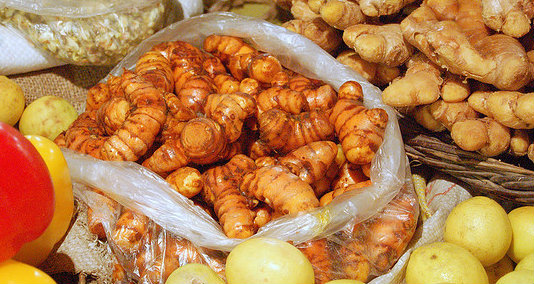
Raw turmeric - a powerful antioxidant and anti-inflammatory
Raw turmeric – a powerful antioxidant and anti-inflammatory

Disclaimer.

All information and opinions presented here are for information only and are not intended as a substitute for professional advice offered during a consultation. Please consult with your health care provider before trying any of the treatment suggested on this site. 

Source articles:

http://www.livestrong.com/article/535096-foods-that-increase-bile-flow/

http://foodmatters.tv/articles-1/how-to-prevent-gallstones-with-everyday-foods

http://www.naturalnews.com/038571_gallstones_prevention_foods.html#xzz2HHGadpLN

http://www.betternutrition.com/gallbladder-function-nutrition/columns/askthenaturopath/1016

http://www.detoxyourgallbladder.com/gallbladder-function/

http://www.bodyandsoul.com.au/health/health+advice/what+does+a+gall+bladder+dor,18591

ht

The Good Oil

Olive oil from Imperia in Liguria, Italy.

It has long been held that fat is bad for you, all fat that is. But in fact not only are there many fats that are not bad for you, many are very good for you, and you will actually be less healthy if you are not getting enough of the right kind of fat. Good fats promote a healthy and well-functioning cardiovascular system, a healthy nervous system and are useful for maintaining weight. They help to both protect and maintain good clear skin and healthy hair, support your immune system, can help regulate blood sugars, your thyroid,  and even protect against cancer.

Most people know that olive oil is regarded as a healthy oil but there are whole new breed of oils available that may be better choices, particularly when it comes to using oil for cooking.

There is a temperature reached during cooking with oil called the smoke point, which is the point at which the oil is compromised, both in taste and nutritionally. Bluish smoke starts to rise as the oil is close to burning. It is the temperature where the oil starts to break down chemically, and it varies from one oil to the next, depending on whether it has been refined or not and the extent of refining, as well as the origin of the oil. When the oil breaks down it creates trans fats. Oil that has been damaged by overheating is bad for you because it is chock full of free radicals, which we already know are the basis of disease . Any oil with a low smoke point should not be used for cooking at all.

Before we go on to which oils are best for which purpose it’s worth knowing that there are three different types of oils – monounsaturated, polyunsaturated and saturated. Some oils contain more of one type than another and it is important to know which is which. For a long time the advice has been that saturated fats are bad for you and polyunsaturated are good for you. But it is not as straight forward as that.

Many oils today are refined. Refined versions of the oils have a higher smoke point but they are REFINED, which means that chemicals and high heat were used in the processing to extract the oil, which drastically damages the nutrients, rendering them harmful. Hydrogenated vegetable and seed oils are man made and you need to avoid them. You may know these better by their other name – trans fats.

Extra-virgin oils traditionally came from the first pressing of the fruit, seed or nut, but now the term is more likely to mean the oil is ‘pure’. These days cold-pressed oils are unlikely to actually have been pressed, and cold-extracted is a more accurate description. The oil is extracted using centrifugal force and very low heat, about 28-30C, low enough not to damage the oil. The speed at which the oil is extracted helps to preserve the antioxidants.

The stability of the oil is the important factor when it comes to heating the oil during cooking, particularly extra high heat used to fry. Saturated oils are the most stable, mono-unsaturated are pretty stable, and polyunsaturated are the least stable. Polyunsaturated oils are the worst to cook with – including safflower, sunflower and canola. These polyunsaturated oils contain lots of omega 6 fats which when damaged, form artery clogging trans fats. They also cause many other serious health problems.

Oils 2

So how do you know which oils are best for what?

It all depends what you are going to use the oil for. If it for dressing a salad then you would look for one with a nice taste, but if you want to cook with it you would need to carefully consider whether the oil will stand up to the heat. If you will be frying food, then the oil needs to have a high smoke point.

It is better to select oils that are unrefined as they are going to have more nutrients and less additives so will be healthier for you. It’s not worth buying cheap oils as in the long run they will cost you with your health. Generally, the pricier the oil the more likely there was care taken in the manufacture.

Here is the lowdown on some of the better edible oils you can use in your cooking.

COCONUT OIL

Coconut oil is almost all saturated fat, and so has been the most maligned and misunderstood oil for a long time, but it is actually one of the healthiest oils, a nutrient packed superfood. The love affair with coconut keeps growing every day and you can read lots more about this wonderful oil right here.

It has a high smoke point, 180ْC (350ْ F) and is very shelf stable and is the very best choice when you want an oil that is stable even when it is heated. In addition coconut oil also promotes heart health, helps maintain stable cholesterol and even helps you to lose weight.

Coconut is almost entirely saturated fat, but unlike the saturated fats you find in animal products coconut oil is not absorbed the same way by your body and so does not pose the same problem to your health. It is rich in medium chain fatty acids (MCFAs). These are easier for your body to break down and digest, they put less stress on your digestive system and body organs, they are immediately converted into energy in your liver rather than being stored as fat, and they stimulate your metabolism to help you lose weight. Long chain fatty acids, LCFAs, do not have these benefits and are more difficult to digest. Coconut oil is converted to energy like a carb but without the insulin spike effect in your bloodstream of carbs. It doesn’t get stored in the body – your body either uses it or gets rid of it. One special feauture of coconut fat is that 50% of the fat is lauric acid which has wonderful health promoting qualities and is able to destroy virus and bacteria.

AVOCADO OIL

Avocado oil has a high smoke point – 200 degrees C, so you can use it to cook at very high temperatures without compromising the properties of the oil. It has been proven to fight heart disease and effectively lowers bad cholesterol (LDL), helps with diabetes, cancer, skin and hair problems. It contains a healthy beneficial balance of omega-6, omega-3, and omega-9 fats as well as the antioxidant vitamin E. The vitamin E level will be higher in cold-pressed versions as they will have undergone less oxidation. Avocado oil is also used frequently in skin creams as a moisturizer.

MACADAMIA OIL

I recently saw macadamia oil referred to as the ‘new olive oil’. But I actually think it is better. It is about 80% monosaturated (good) fat and is one of the healthiest oils available for cardiovascular health, much higher than olive oil. It has a high smoke point at 220ْ C (430ْF) which makes it a healthier oil to use for cooking. It is 85% monounsaturated fats and has a two year shelf life.

Here is why this All-Aussie nut is so good for you. It enhances heart health, helps to reduce the build up of plaque and prevents atheroschlerosis, reduces the risk of heart disease, helps with blood sugar regulation for diabetics, and helps your nervous system function well.

Unrefined avocado, macadamia or coconut oil are all healthy choices

WALNUT OIL

The smoke point of unrefined walnut oil is 180ْ C (350F), slightly lower than either coconut or macadamia oil, and easily damaged at high temperatures, so one to avoid for frying. It has a nutty flavour and is great in salads and smoothies. Unrefined walnut oil contains high levels of monounsaturated oils such as omega 9 which keeps your arteries supple and helps prevent atherosclerosis and heart disease. It is also high in omega-3 and omega-6 to reduce inflammation, and to lower the risk of blood clots and erratic heart rhythyms. Research from Penn State University showed that wanuts and walnut oil could maintain healthy blood pressure even during stressful times. It is an excellent source of vitamins B1, B2, B3 and vitamin E. It can help prevent eczema and alleviate other skin problems. It is one of the best sources of antioxidants of the tree nuts.

OLIVE OIL

Olive oil is indeed a healthy oil but not when it comes to cooking. It is a monounsaturated fat which makes it more stable than polyunsaturated fats, but on a cellular level it is not so stable and has been associated with increased risk of heart disease and breast cancer when it is heated. But, it is a great oil to include in an unheated state. The smoke point varies depending on how olive oil is made. Extra Virgin olive oil is 160ْ C (320F). Virgin is higher at 220ْ C (420F) and extra light 240ْ C (470ْ F). The rise in smoke point corresponds to how refined the oil is – the less refined the lower the smoke point. Extra virgin olive oil is a very perishable oil and can go rancid quickly, every time it is exposed to the air it oxidizes.

My choice for high heat cooking is avocado, macadamia or coconut oil. But as usual be careful of the quality. Most commercial oils are refined and contain chemicals from the processing so watch out for cold pressed and extra virgin oils. It’s especially good if it is in a dark jar as this helps protect the oil from light damage.

Remembering that the smoke point for each variety of oil is variable, and that it is always better to avoid refined oils, here is a rough guide for a few oils.

Unrefined Oil Type

Smoke Point Centigrade

Smoke Point Farenheit

Unrefined Canola, sunflower, safflower,

160

225

Unrefined peanut oil

160

320

Extra virgin olive oil

160

320

Walnut oil, unrefined

160

320

Coconut oil, unrefined

180

350

Macadamia

200

390

Avocado

190-200

375-390

Refined Oil Type

Canola, sunflower, safflower, refined

220

430

Virgin olive oil (refined)

220

430

Extra light olive oil (refined)

240

460

Walnut oil, semirefined

200

390

Coconut oil, refined

230

450

Rice bran oil

250

480

Peanut oil

225

440

Before I finish, just a quick word about RICE BRAN OIL which has appeared in Australian shops over the last few years. Promoted as a ‘Natural Oil’, it is not quite as natural as you would think, and is a good example of how advertising may be misleading. It has a very high smoke point, no additives listed, and the makeup of rice bran oil sold here in Oz is 47% monounsaturated, 33% polyunsaturated and 20% saturated, so it would seem a reasonably healthy choice.

However, rice bran oil is a refined oil that comes from Thailand. It is subjected to very high temperatures and chemicals during processing. It is not a cold pressed oil, like olive and some of the nut oils. On the bottle the oil it is labeled as extra-cold filtered, which is a manufacturing process that results in the removal of the saturated fats, and is not the same as cold-pressed or cold-extracted.

So go ahead and enjoy your oil, just make sure you are selecting The Good Oil.

good oils 2

Disclaimer.

All information and opinions presented here are for information purposes only and are not intended as a substitute for professional advice offered during a consultation. Please consult with your health care provider before following any of the treatment suggested on this site, particularly if you have an ongoing health issue. 

Source articles

http://articles.mercola.com/sites/articles/archive/2010/10/22/coconut-oil-and-saturated-fats-can-make-you-healthy.aspx

http://www.whfoods.com/genpage.php?tname=george&dbid=56

http://www.naturalnews.com/031801_avocado_oil_healthy_fats.html

http://www.livestrong.com/article/481198-is-walnut-oil-healthy/

http://www.medicaldaily.com/articles/870/20100804/seven-great-benefits-of-walnut-oil.htm

http://foodmatters.tv/articles-1/what-oil-is-best-to-cook-with-and-which-oils-should-never-be-heated

http://www.naturalnews.com/004653.html

http://www.naturalnews.com/010125.html

http://macadamias.org/pages/health-benefits

http://changinghabits.com.au/_blog/Changing_Habits/post/rice-bran-oil–the-healthy-alternative-or-so-you-think/

Sample Some Superfoods From This Southern Treasure Chest

I remember quite clearly when the catchphrase of all the campaigns to save the Amazon Rainforest from widespread clearing, was that we were destroying the World’s Pharmacy.

But now it appears this was only a part of the picture. As more and more fantastic Superfoods appear in the West it seems that the entire South American continent is a veritable treasure chest of foods as medicine. Perhaps we now need to say instead that the entire South American continent is the biggest room in the World’s Pharmacy.

So many of the wonderful new healthy foods we can add to our diet come out of the countries of South America.

So many of the wonderful new healthy foods we can add to our diet to either replace problem foods, or simply to send our health zinging, come out of the countries of South America. Foods such as quinoa, maca, raw cacao and chia all have their origins in that part of the world.

The superfood heartland, where chia, quinoa and other superfoods are cultivated in terraces around Cusco, Peru  Photo credit: Liana John
The superfood heartland, where chia, quinoa and other superfoods are cultivated in terraces around Cusco, Peru
Photo credit: Liana John

Following on from last weeks postabout free radicals, here are twelve wonderful Superfoods from the South and Central American treasure chest that would be fantastic additions to your menu.

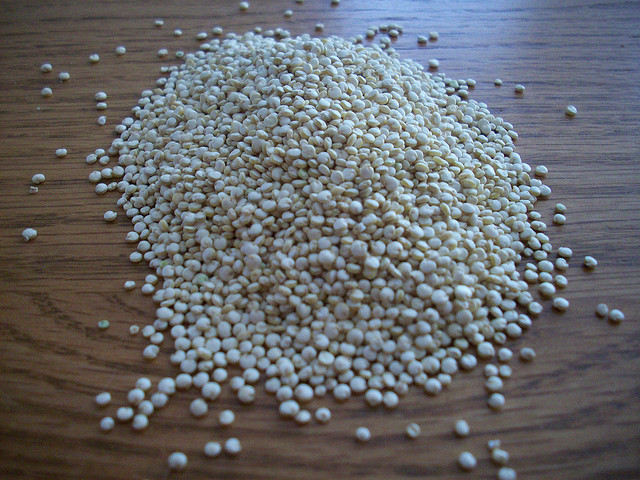
Quinoa  Credit: Alisha Vargas
Quinoa
Credit: Alisha Vargas

Quinoa (keen-wa) has swept into our diets as a fantastic replacement for gluten grains.  Only a few years ago it was quite difficult to find but it is available on every supermarket shelf now. It has been grown for at least 6,000 years in the Andes of Peru. It was sacred to the Incas and famous for giving the Inca warriors super-human strength. It is gluten free and a great source of magnesium, iron and phosphorous as well as rich in fibre and folate. Technically it is not a grain but a seed, but it can be used just as you would a grain in your cooking. It’s really easy to prepare and quick to cook so makes a great addition to the menus of busy working families.

Chia seeds
Chia seeds

Chia Seeds were originally grown by the ancient Aztecs, Incans and Mayans for health and strength. They are chock-full of omega 3 (the one you need more of), actually one of the highest sources around, as well they have lots of fibre (4 teaspoons provide 30% of the daily requirement) and calcium. They are the highest source of protein compared to other seeds and grains. They are easily absorbed and this enables you to take in lots of the nutrients. They help with tissue growth and regeneration and are great during pregnancy and lactation, as well as for athletes.   

Amaranth plants
Amaranth plants

Amaranth (Kiwicha) has been around for a long time, and was a staple food for the Incas.   I remember a fellow Community Garden member experimenting with it about ten years ago. The next season every single plot in the garden had amaranth growing in it, so there shouldn’t be any difficulty of you would like to try growing some yourself here in Melbourne. Like quinoa, amaranth is a pseudograin, not really a grain. It has been used in its puffed form in health snack bars for some time and the flour, which has a rich flavour, is also available. Nutritionally it is similar to quinoa – high in protein and all amino acids, but also amaranth is rich in iron with 29 percent of the RDI of iron in just one cup, making it a great addition to a vegetarian diet. It also contains the minerals manganese, magnesium, phosphorous and copper.

Lucuma
Lucuma

Lúcuma is another fairly new food to appear in our markets. It is a large, sweet fruit  with a creamy citrus flavour, from the highlands of Peru, Bolivia and Equador, where it has been harvested from ancient times. It is considered one of the lost crops of the Incas but is still very widely eaten today. Its fruit tastes a little like maple syrup and sweet potato and it makes a wonderful low-sugar sweetener. It is very nutritious, rich in beta-carotene and niacin (vitamin B3), iron and calcium. The fruit is dried and ground to a powder. I have to say it is YUM combined with raw chocolate!

Lepidium meyenii
Lepidium meyenii (Maca) (Photo credit: Wikipedia)

Maca Powder is another of the superfoods of the Incas and grows at 4,000m above sea level in the Andian highlands of Peru. It has been a medicinal food in that area for over 2,000 years. The harvested root is loaded up with protein, calcium, magnesium, potassium, iron and other minerals, vitamins and all the amino acids. Maca has some amazing health benefits as it is an adaptogen which supports and heals the adrenal glands. It is great for offsetting the effects of stress, gives an amazing energy boost, and can improve insomnia. But one of the most common uses is for balancing hormones when there is an overabundance of environmental oestrogens involved. It is also a powerful aphrodisiac.

Just note that there are certain contraindications for Maca. If you are pregnant, breastfeeding or being treated for a hormonal issue consult your practitioner before using it.

Acai berries Credit: Cametaora
Acai berries
Credit: Cametaora

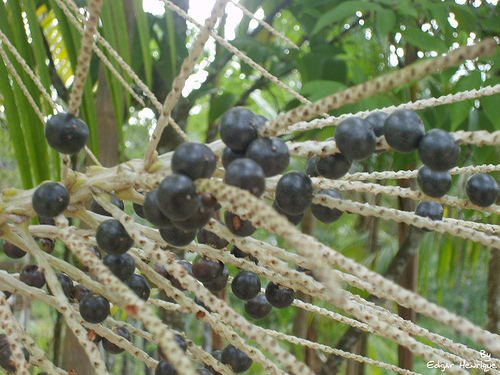
Acai (ah-sigh-ee) grows only in the Brazilian rainforest and coastal Colombia. This small purple berry is related to the blueberry and cranberry, and like them, is very rich in antioxidants which reduce oxidative stress. They stimulate the immune system and boost your energy. They can be helpful in preventing heart disease and cancer, and may help reduce cholesterol levels. They are associated with reduction of blood sugars, and assist with cognitive and mental function. It is frequently used in many healthy foods as well as smoothies and juices. Lots of beauty products now contain acai oil due to the high antioxidant content.

Ripe raw cacao pods
Ripe raw cacao pods

Raw Cacao can be considered a superfood, a healthy food, which was originally found in the Amazon Rainforest! It has been cultivated for over 3,000 years by the Incan, Mayan and Aztec peoples. Unlike the highly processed, fat-full, dairy-full, high sugar versions made by Cadbury etc, raw cacao is good for you. It comes as a powder or cacao nibs and can be used through your cooking as well as eaten raw. Keep milk away from it as many studies show that milk neutralizes the healthful properties.

Raw cacao really can be considered a true superfood. (woo hoo! Love my chocolate) It is very high in antioxidants as well as minerals which help with mental alertness, heart health and physical stamina. In addition it increases serotonin uptake in the brain which creates a sense of euphoria and counteracting stress.

I like to think of it as my favourite vegetable.

Dried camu camu seeds

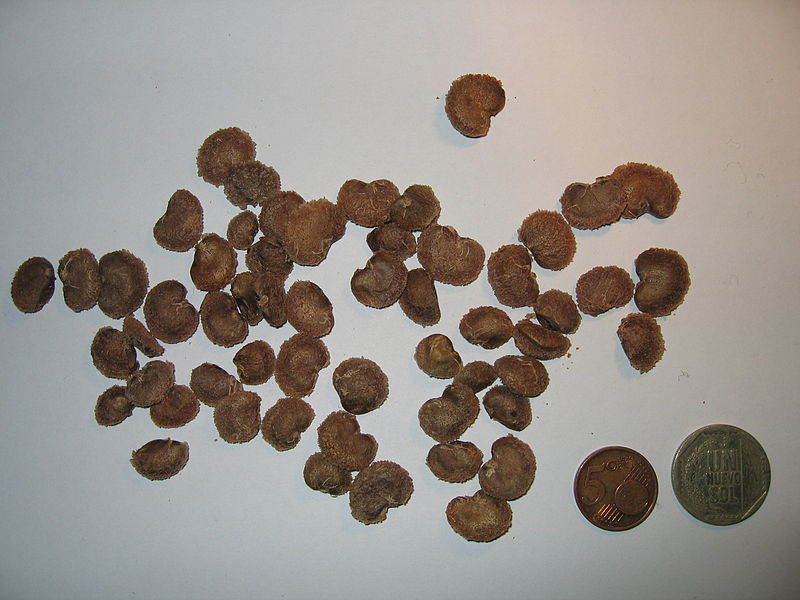
Camu Camu is another amazing food from Peru and like the acai, it is a berry. It provides  great support to the immune system and helps to ward off viral infections, especially when you are more stressed or anxious than normal. It contains bioflavonoids, amino acids, vitamin Bs (thiamin, niacin and riboflavin), plus it has sixty times more vitamin C than an orange. It will promote healthy gums, eyes, skin and supports the nervous system (brain) and the circulatory system (heart).

Macqui berries Credit: Mona Vie

Maqui (mock-ee), Chilean Wineberry, is yet another powerhouse berry and comes from the Patagonia region of Southern Chile. It is known for its detoxifying properties and the benefits bestowed by its  antioxidants. It was used by a tribe of warriors, the Mapuche Indians, who were attributed with great strength and  endurance. The deep purple berries are loaded with antioxidants, with more than three times those found in acai. Maqui berries are very powerful so you only need half as much maqui as you would other berries. They have the highest ORAC score of any berry in the world. The ORAC (Oxygen Radical Absorbance Capacity) unit, ORAC value, or “ORAC score” is a method of measuring the antioxidant capacity of different foods and supplements.

The Maqui berry protects your immune system, skin, cardiovascular system, bones and joints. It also detoxifies the digestive system and restores metabolism to maximum capacity. They renew cells and help improve many diseases as well as fighting the effects of ageing.

Purple corn Photo credit: Randen Pederson
Purple corn
Photo credit: Randen Pederson

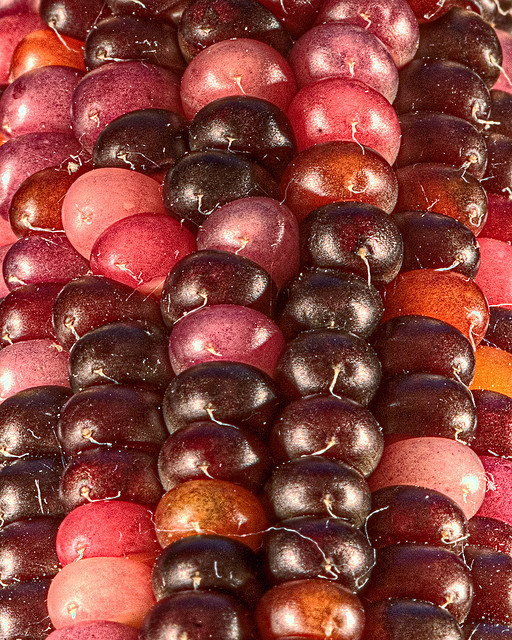
Purple Corn has been grown in Latin America for thousands of years. It is another food very rich in antioxidants, containing more than blueberries. Its gorgeous colour has been used as a naturalfood colouring, and it is often used in Peru to make chichi morada – purple corn drink.

Mesquite pods
Mesquite pods

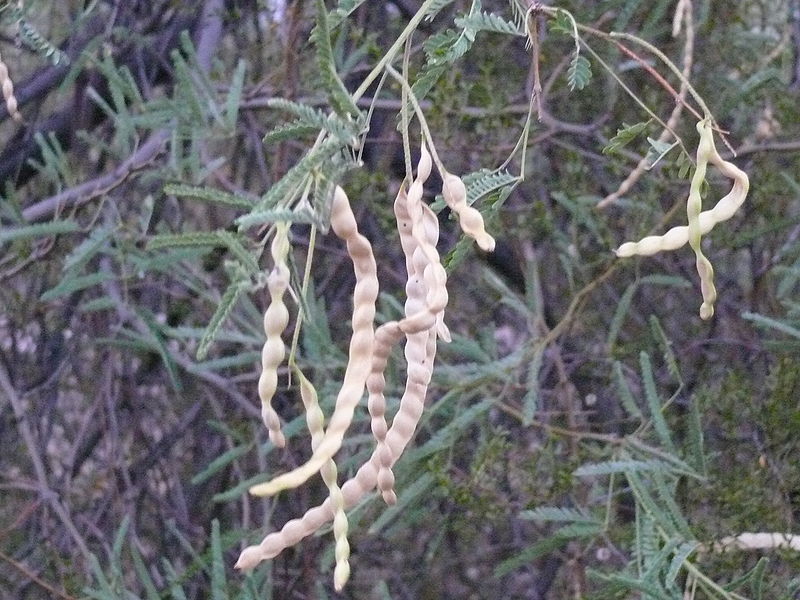
Mesquite is actually from Central America, Mexico. The long pods are ground up into a low-glycemic, gluten free flour with a sweet nutty taste, which bakes up just like wheat flour – use it instead of half the wheat flour in the recipe. It can be used in raw desserts as it doesn’t need to be cooked. You can even add a spoonful to smoothies for a sweeter flavour. It is rich in soluble fibres and a great source of calcium, iron, zinc, potassium, manganese and lysine. Because it is in fact a legume and not a grain it is higher in protein than grain flours. It sits low on the glycemic index and won’t cause blood sugar spikes.

Inca Berries, or goldenberries, are golden berries about cherry size, which resemble    a raisin when they are dried. They are high in phosphorous, vitamins A, C, B1, B6 and B12, and are very high in protein for a fruit (16%)

In order to get the most from your South American Superfoods buy only ones that are organically certified. If the foods have been commercially produced they will carry chemical residue and much of the benefits will be lost.

You now have lots of information about some magic foods you can try out. If you need some ideas about how to use them there are lots of recipes and ideas out on the web so do a search.

But, you also need to actually get your hands on some of these magic goodies. I don’t normally recommend specific products but this week I am making an exception. The Loving Earth  company stocks most of these brilliant superfoods from the South American Treasure Chest, as well as creating a range of wonderful products that make use of them. Plus, on their website they have some amazing, delicious recipes which use all these foods. They also sell many of them in their raw state, including Maca powder, Raw Cacao, Camu Camu Powder, Purple Corn Extract and Chia seeds.

They also operate from an ethical basis. From their website…”The company is based on the philosophy that the earth is a living organism, (and) eating foods in their pure, minimally processed states, foods that are grown organically in a sustainable way, is one of the most significant ways in which we can live this philosophy.”

They support Fair Trade 100% and most of their foods are Australian Certified Organic.

Just in case you are wondering, I don’t take any payment from Loving Earth, in fact they don’t even know that I have written this about their products. They are just some products that I’ve tried and loved and I believe they are a company well worth your support. You can find their products in Health Food shops or can buy online.

Superfoods are the way of the Health Future. However, taking superfood supplements on their own are never going to be enough to turn around ill health. But by including a range of them as some of the dietary changes that are part of wider changes you make to build your own great health, they are certainly a powerful and effective addition.

Do you have a favourite South American Superfood? How do you use it? Post it in the comments below…we’d love to hear.

South America is a treasure chest of wonderful superfoods

Disclaimer.

All information and opinions presented here are for information purposes only and are not intended as a substitute for professional advice offered during a consultation. Please consult with your health care provider before trying any of the treatment suggested on this site. 

Source articles

http://www.besthealthmag.ca/eat-well/nutrition/7-south-american-superfoods

http://www.maquiberrybenefits.com.au/maqui_berry_anti_aging.php

http://www.age-well.org/maqui-berry.html

http://www.amazonhub.com/Superfoods-of-the-Incas/superfoods-of-the-incas-medicine-natural-buy.html

http://foodsforlonglife.blogspot.com.au/2011/01/omega-3-power-seeds-chia-hemp-and-flax.html

http://www.amazonhub.com/Superfoods-of-the-Incas/superfoods-of-the-incas-medicine-natural-buy.html

http://www.desthealth.com/products/vitamins-supplements/maqui-berry-active-60-capsules

http://www.thewellnesswarrior.com.au/2012/09/superfood-profile-camu-camu

http://www.onegreenplanet.org/vegan-food/mesquite-powder-health-benefits-tips-and-recipes

http://en.wikipedia.org/wiki/Mesquite

http://www.naturalnews.com/029562_mesquite_flour_superfood.html

http://www.vegparadise.com/otherbirds1002.html

Free Radicals Are Bad, Right…But Why?

I often mention free radicals and antioxidants in my posts because they are such a fundamental part of the disease process. But there was a time when I was not exactly sure what free radicals were or why they were a problem, although I was aware they were not good.

So that you have an understanding about just why I mention them so often, this week I would like to offer you a brief explanation of what free radicals actually are and what they do, and the role antioxidants play in all this.

The major source of quality antioxidants is fresh, raw, highly coloured plants

Firstly it’s important to be aware that free radicals are a significant part of a process called oxidation, and that they are everywhere, not just in our bodies. They are responsible for the destruction of many objects in the world around us. They cause metals to rust, paint to fade, apples to brown, oils or meats to turn rancid, our skin to burn and coins to turn green, a process known as oxidation. Oxidation is a normal chemical process, and it happens right throughout nature. It is the interaction between oxygen molecules and the different things that they contact which damages cells and leads to the effects we can see.

Rusty metal
Metal rusted after oxidisation

An apple turning brown as it oxidises after being cut

Old copper turning green as it oxidises

HOW DO FREE RADICALS FORM?

To understand how free radicals come about we need to do a quick detour into the wonderful world of Chemistry 101.

All our cells are made up of lots of different molecules and molecules are made up of atoms. You might remember from school that atoms are made up of a nucleus, neutrons, protons and electrons. It is the electrons in the molecule that are involved in chemical reactions and they are the ones that bond atoms together to form molecules. They circle around the atom and form layers, or shells (forming a new layer as each one fills up) It is the number of electrons in the outermost shell that becomes important. If the shell is full up the molecule stays as it is, it is stable. But if the outer shell is not full then the molecule has to try to balance out that shell by either gathering or losing electrons to fill up or empty out the outer shell – it is better to lose the shell if it isn’t full. Another option is to share the electrons in its outer shell with another molecule that also needs extra electrons, by joining up, or bonding, so they both have full outer shells. Sometimes the bonds are weak and split which can leave an odd unpaired electron floating around, and this is a free radical.

Free radicals are unstable atoms or molecules that contain unpaired electrons. The ideal is to have all electrons paired so the free radical goes on an aggressive rampage to replace the missing electron by stealing an electron from another molecule.

The free radical is such a problem because it is unstable and highly reactive, and it goes on a rampage to capture other electrons so that it can become stable again. It will steal the electron from the closest stable neighbouring molecule. That molecule then becomes a free radical itself, because it is no longer stable, and so a chain reaction occurs. When this process starts in a cell it creates a cascade that damages the living cell. It would be simple if the cell was just killed off because the body would simply produce another one, that’s an ongoing process. But the problem here is that free radicals damage the DNA and injure the cell instead, and this provides the start of disease. The cell very quickly mutates, grows abnormally and reproduces abnormally.

QUICK SUMMARY

Just in case I lost you in that explanation here is a summary. Free radicals are toxic chemicals that damage body cells and lead to a cascade effect of damage in more and more cells, which then leads to disease. Unhealthy and damaged cells lead to an unhealthy and damaged body. Disease arises when there are damaged cells, damaged tissues and damaged organs.

“Scientists now believe that free radicals are causal factors in nearly every known disease, from heart disease to arthritis, to cancer and cataracts. In fact, free radicals are a major culprit in the aging process itself”

                                          Lester Packer, Ph.D., The Antioxidant Miracle

WHY FREE RADICALS ARE A PROBLEM

The real danger to you lies with the chain reaction that occurs, because it means that it is not just one cell that gets damaged but a whole horde of them. The free radical creates a snowball effect where each molecule steals from its neighbour to replace the electron stolen. And it all happens very quickly, so quickly that the body’s defense system cannot keep up. It gets overwhelmed and enters a state called oxidative stress.

When attacks from free radicals keep happening in your body the result is chronic disease. Free radicals adversely alter lipids, protein and DNA and trigger a number of human diseases.

Free radical damage is now thought to make a significant contribution to all inflammatory diseases like Alzheimer’s, Parkinson’s, cancer, heart disease, cataracts and arthritis.

Your body is constantly under attack from free radicals

Here are just a few more – arthritis, vasculitis, lupus, stroke, acquired immunodeficiency syndrome, emphysema, gastric ulcers, hypertension and pre-eclampsia, muscular dystrophy, alcoholism, smoking-related diseases, and many, many others.  Research suggests that free radical damage to cells leads to all the changes associated with ageing, and the associated diseases

It is quite normal for free radicals to occur within your body. In fact the body creates and uses free radicals to neutralize bacteria or virus cells. They are produced during normal metabolism. They are produced during excessive exercise, although wise exercising can help improve your capacity to deal with free radicals. They are also the result of inflammation, whether that is initiated to fight off infection or the result of long-term chronic problems.

But there are many things in our environment that can also produce free radicals when we are exposed to them – air pollution, radiation, pesticides, herbicides, X-rays, some drugs, industrial chemicals and particularly cigarette smoke. You can even trigger high free radical production by drinking excess alcohol.

ANTIOXIDANTS TO THE RESCUE

This is where antioxidants come into the picture. Normally the body is able to deal with free radicals but when their numbers increase significantly so that they outnumber the antioxidant defences, the body is unable to keep up and damage occurs. Antioxidants are very stable molecules and so are capable of donating an electron to the free radical to stabilize it without becoming a free radical themselves – they are electron donors. They are needed to maintain the critical balance with free radicals, to keep them to levels that your body can deal with. They are way your body fights rampant free radicals.

Your body can make some antioxidants, but not all, and importantly, this ability declines with age. Supplementing the body’s own production with external sources of antioxidants can make a huge difference to how it copes with oxidative stress.

Free radical damage increases with age.

There are many foods where you can get antioxidants to protect your body from free radical damage. Over the next few months I will talk about individual antioxidants but you can read about some of them here. Here is a list of the different types of antioxidants. The ORAC score assigned to a food is a measure of just how effective it is at neutralizing free radicals. The higher the score the more powerful an antioxidant it is.

Red raspberries are a powerful antioxidant

Being conscious of including lots of high quality, antioxidant rich foods in your diet is a way to make sure that you get a regular, steady supply. Fruit and vegetables are the key to this because they are high in antioxidant nutrients. Legumes, nuts, herbs, spices and whole grains are some other sources. Phytochemicals that act as antioxidants are more abundant in fresh foods, and raw foods.

‘Eating a rainbow’ is the way to bring a comprehensive range of antioxidants into your diet. That is, eating lots of a wide array of different brightly coloured produce.

Bearing in mind that pesticides and herbicides are a source of free radicals themselves, it makes sense to eat organic fruit and veges as often as is possible. If you can’t afford to buy organic produce then start growing your own. Good eating is intricately interwoven with good gardening. You can grow some produce on a balcony or in a courtyard, and even if you simply supplement the commercial component of your produce it is going to make some difference. In addition, you know the produce has not been sitting around in a store for some time, that it is fresh.

There are also a number of Superfoods that have wonderful antioxidant properties including spirulina, acai, mangosteen, raw dark chocolate, many berries, beans, apples, plus many others.

It is worth noting that there are lots of different types of antioxidants and each has a different role, able to work at a different level of defense. Some such as vitamin C, stop the reaction before it starts, preventing the formation of free radicals. Others including the most potent one for this, Vitamin E, scavenge free radicals to break the chain. Others promote the decomposition of the damaged cell. You need a variety of antioxidants as your cells are protected by the combined efforts of lots of different antioxidants.

Amongst the vitamins, vitamin E, vitamin C and beta-carotene are antioxidants. They must be found in your diet as your body can’t manufacture them. Although Vitamin C, E and A all have antioxidant properties remember that many vitamin supplements are made from synthetic forms of the vitamin, and the value of using these man made versions raises questions, as they have been found to be detrimental to your health, particularly vitamin E. Look for natural sources of antioxidants in preference.

So you can see if you want to keep away the many chronic diseases caused by free radical damage that plague us today you need a broad range of good-quality foods rich in antioxidants in your diet on a regular basis to do the job.

What are your have favourite sources of antioxidants?

 fruit smile free use

Disclaimer.

All information and opinions presented here are for information only and are not intended as a substitute for professional advice offered during a consultation. Please consult with your health care provider before trying any of the treatment suggested on this site. 

Source articles:

http://www.ncbi.nlm.nih.gov/pmc/articles/PMC3249911

http://www.healthchecksystems.com/antioxid.htm

http://www.webmd.com/food-recipes/features/how-antioxidants-work1

http://en.wikipedia.org/wiki/List_of_antioxidants_in_food

http://articles.mercola.com/sites/articles/archive/2011/05/16/all-about-antioxidants.aspx

Get Down To Earth By Grounding Yourself

This year I decided to ditch my footwear inside the house, ever since reading up on Barefoot Earthing or Grounding. This is a radical new health practice that is quickly gaining momentum as word about its benefits spreads. Its impact can be quite far-reaching and yet it is incredibly simple to do, costs nothing, is always available and feels great.

Have you ever noticed how good you feel when you take off your shoes to walk barefoot?  Photo credit: http://www.flickr.com/photos/hlkljgk/5760553436/
Have you ever noticed how good you feel when you take off your shoes to walk barefoot?
Photo credit: http://www.flickr.com/photos/hlkljgk/5760553436/

Have you ever noticed how good you feel when you take off your shoes to walk barefoot? Well it seems there is a scientific explanation, and research into the practice of Grounding has found that it can significantly improve all sorts of health problems. It can help your energy levels, reduce stress, improve your sleep, decrease muscular inflammation and stiffness as well as other chronic pain, reduce anxiety, improve circulation, prevent free-radical damage and associated premature ageing and even heal injuries faster. It brings you back into a state of equilibrium where your body is best able to heal itself. Those who use the practice on a regular basis report great results. I am certainly finding I have less aches and pains whenever I walk round without shoes than when I leave them on.

It all has to do with electrical fields.

These days we live completely immersed in electro-magnetic waves (EMFs) from a huge number of everyday items including our mobile phones, computers, wireless technology, huge numbers of electrical appliances, and even compact fluorescent lights. The air in our houses, our workplaces, our schools and in some outdoors places is full of electro-pollution, harmful positive ions produced by this multitude of electrical contraptions that surround us. These positive ions are contributing to ill health.

Electrical stress is now recognized as a significant contributor to many health problems and in fact a new chronic illness, “Diabetes Type 3”, has been coined to describe the effect of illness believed to be from electropollution. Surrounding yourself with sources of negative ions helps to rebalance this disharmony, as does being in places where negative ions are in abundance.

The surface of the earth is electically conductive and has a permanent supply of free electrons sitting just above the surface. The charge on the earth surface is negative and anything that is close to the surface will also carry that charge

Your body also has an electrical field, sometimes referred to as the biofield or the aura. When your bare feet are in contact with the earth negative electrons can easily pass into you. Grounding helps to prevent a build-up of harmful electrons in your body as well as promoting a discharge of the positive ions from your body into the earth. Simultaneously you receive a flood of free electrons from the earth. These neutralize the free radicals in your body which cause inflammation and are responsible for many health problems. The flood of electrons immediately ‘re-balances’ you, which is why you feel so good when you walk outside barefoot.

In case you got lost in that explanation, simply, standing on the earth rebalances the electromagnetic field of your body, helping to strengthen your immune system, and boosting both your health and your wellbeing.

For most of our existence humans have gone barefoot and often slept directly on the ground, things now are very different. As well as being surrounded by electromagnetic pollution we are cut off from receiving the rebalancing benefits from the earth because the shoes that we now wear have rubber and synthetic soles that insulate and block transmission of the natural beneficial energy of the earth. Think how rubber gloves can provide protection from electrical shock.

 HOW TO GROUND YOURSELF

  • Take your shoes off and go barefoot on grass, beach, bare earth, even concrete when it is laid directly on the earth (but not if it is painted or sealed) whenever you can
  • You need to walk around on the earth for about thirty minutes to gain the benefit
  • Swim in lakes, rivers, or the sea
  • Wear shoes with leather soles
  • Purchase and use one of the indoor grounding mats or an earthing bed sheet.

By the way, the reason I am able to benefit from earthing when walking barefoot indoors is because my floor is unglazed slate sitting on a concrete slab which is set directly onto a rock shelf on the side of a hill. You would not get earthing benefit in a home above the ground, or with glazed tiles, or a layer between the concrete and tile, or with other floor coverings.

If you would like to read up on Earthing also then get a copy of the book EARTHING – The Most Important Health Discovery Ever?  by Clint Ober, Dr Stephen T Sinatra and Martin Zucker.

Remember though, Grounding is not a substitute for medical treatment and if you have a medical condition you need to consult your healthcare provider.

Taking your shoes off and walking barefoot in the sea helps to rebalance your energetic field.

Disclaimer.

All information and opinions presented here are for information only and are not intended as a substitute for professional advice offered during a consultation. Please consult with your health care provider before trying any of the treatment suggested on this site. 

Source articles:

http://www.earthing.com/category_s/1823.htm

http://www.barefoothealing.com.au/

http://www.wellbeing.com.au/article/Features/Body-Health/Barefoot-earthing_1054

http://articles.mercola.com/sites/articles/archive/2012/11/04/why-does-walking-barefoot-on-the-earth-make-you-feel-better.aspx

http://www.naturalnews.com/028967_electropollution_diabetes.html

http://www.drfranklipman.com/what-is-biofield-therapy/