All posts by happyholistichealth

Join me to create a happier, healthier life.

Sample Some Superfoods From This Southern Treasure Chest

I remember quite clearly when the catchphrase of all the campaigns to save the Amazon Rainforest from widespread clearing, was that we were destroying the World’s Pharmacy.

But now it appears this was only a part of the picture. As more and more fantastic Superfoods appear in the West it seems that the entire South American continent is a veritable treasure chest of foods as medicine. Perhaps we now need to say instead that the entire South American continent is the biggest room in the World’s Pharmacy.

So many of the wonderful new healthy foods we can add to our diet come out of the countries of South America.

So many of the wonderful new healthy foods we can add to our diet to either replace problem foods, or simply to send our health zinging, come out of the countries of South America. Foods such as quinoa, maca, raw cacao and chia all have their origins in that part of the world.

The superfood heartland, where chia, quinoa and other superfoods are cultivated in terraces around Cusco, Peru  Photo credit: Liana John
The superfood heartland, where chia, quinoa and other superfoods are cultivated in terraces around Cusco, Peru
Photo credit: Liana John

Following on from last weeks postabout free radicals, here are twelve wonderful Superfoods from the South and Central American treasure chest that would be fantastic additions to your menu.

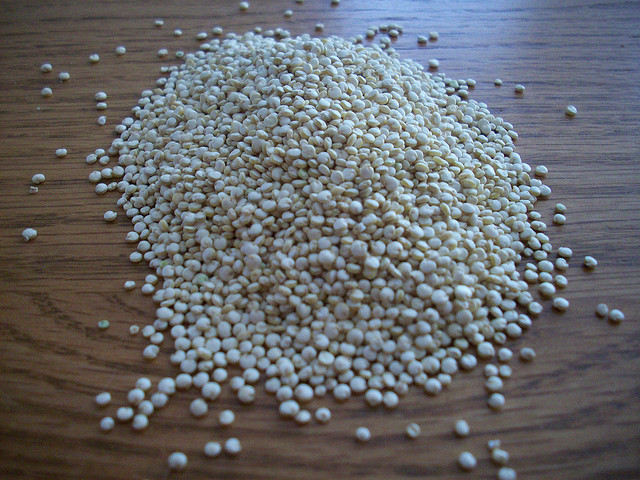
Quinoa  Credit: Alisha Vargas
Quinoa
Credit: Alisha Vargas

Quinoa (keen-wa) has swept into our diets as a fantastic replacement for gluten grains.  Only a few years ago it was quite difficult to find but it is available on every supermarket shelf now. It has been grown for at least 6,000 years in the Andes of Peru. It was sacred to the Incas and famous for giving the Inca warriors super-human strength. It is gluten free and a great source of magnesium, iron and phosphorous as well as rich in fibre and folate. Technically it is not a grain but a seed, but it can be used just as you would a grain in your cooking. It’s really easy to prepare and quick to cook so makes a great addition to the menus of busy working families.

Chia seeds
Chia seeds

Chia Seeds were originally grown by the ancient Aztecs, Incans and Mayans for health and strength. They are chock-full of omega 3 (the one you need more of), actually one of the highest sources around, as well they have lots of fibre (4 teaspoons provide 30% of the daily requirement) and calcium. They are the highest source of protein compared to other seeds and grains. They are easily absorbed and this enables you to take in lots of the nutrients. They help with tissue growth and regeneration and are great during pregnancy and lactation, as well as for athletes.   

Amaranth plants
Amaranth plants

Amaranth (Kiwicha) has been around for a long time, and was a staple food for the Incas.   I remember a fellow Community Garden member experimenting with it about ten years ago. The next season every single plot in the garden had amaranth growing in it, so there shouldn’t be any difficulty of you would like to try growing some yourself here in Melbourne. Like quinoa, amaranth is a pseudograin, not really a grain. It has been used in its puffed form in health snack bars for some time and the flour, which has a rich flavour, is also available. Nutritionally it is similar to quinoa – high in protein and all amino acids, but also amaranth is rich in iron with 29 percent of the RDI of iron in just one cup, making it a great addition to a vegetarian diet. It also contains the minerals manganese, magnesium, phosphorous and copper.

Lucuma
Lucuma

Lúcuma is another fairly new food to appear in our markets. It is a large, sweet fruit  with a creamy citrus flavour, from the highlands of Peru, Bolivia and Equador, where it has been harvested from ancient times. It is considered one of the lost crops of the Incas but is still very widely eaten today. Its fruit tastes a little like maple syrup and sweet potato and it makes a wonderful low-sugar sweetener. It is very nutritious, rich in beta-carotene and niacin (vitamin B3), iron and calcium. The fruit is dried and ground to a powder. I have to say it is YUM combined with raw chocolate!

Lepidium meyenii
Lepidium meyenii (Maca) (Photo credit: Wikipedia)

Maca Powder is another of the superfoods of the Incas and grows at 4,000m above sea level in the Andian highlands of Peru. It has been a medicinal food in that area for over 2,000 years. The harvested root is loaded up with protein, calcium, magnesium, potassium, iron and other minerals, vitamins and all the amino acids. Maca has some amazing health benefits as it is an adaptogen which supports and heals the adrenal glands. It is great for offsetting the effects of stress, gives an amazing energy boost, and can improve insomnia. But one of the most common uses is for balancing hormones when there is an overabundance of environmental oestrogens involved. It is also a powerful aphrodisiac.

Just note that there are certain contraindications for Maca. If you are pregnant, breastfeeding or being treated for a hormonal issue consult your practitioner before using it.

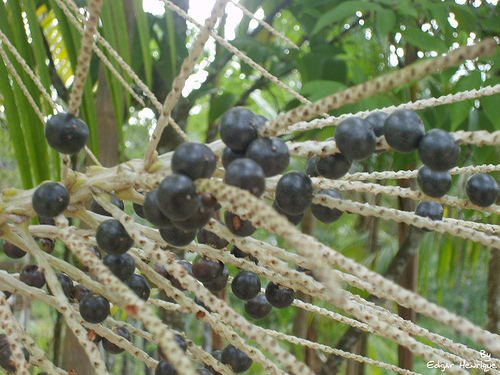
Acai berries Credit: Cametaora
Acai berries
Credit: Cametaora

Acai (ah-sigh-ee) grows only in the Brazilian rainforest and coastal Colombia. This small purple berry is related to the blueberry and cranberry, and like them, is very rich in antioxidants which reduce oxidative stress. They stimulate the immune system and boost your energy. They can be helpful in preventing heart disease and cancer, and may help reduce cholesterol levels. They are associated with reduction of blood sugars, and assist with cognitive and mental function. It is frequently used in many healthy foods as well as smoothies and juices. Lots of beauty products now contain acai oil due to the high antioxidant content.

Ripe raw cacao pods
Ripe raw cacao pods

Raw Cacao can be considered a superfood, a healthy food, which was originally found in the Amazon Rainforest! It has been cultivated for over 3,000 years by the Incan, Mayan and Aztec peoples. Unlike the highly processed, fat-full, dairy-full, high sugar versions made by Cadbury etc, raw cacao is good for you. It comes as a powder or cacao nibs and can be used through your cooking as well as eaten raw. Keep milk away from it as many studies show that milk neutralizes the healthful properties.

Raw cacao really can be considered a true superfood. (woo hoo! Love my chocolate) It is very high in antioxidants as well as minerals which help with mental alertness, heart health and physical stamina. In addition it increases serotonin uptake in the brain which creates a sense of euphoria and counteracting stress.

I like to think of it as my favourite vegetable.

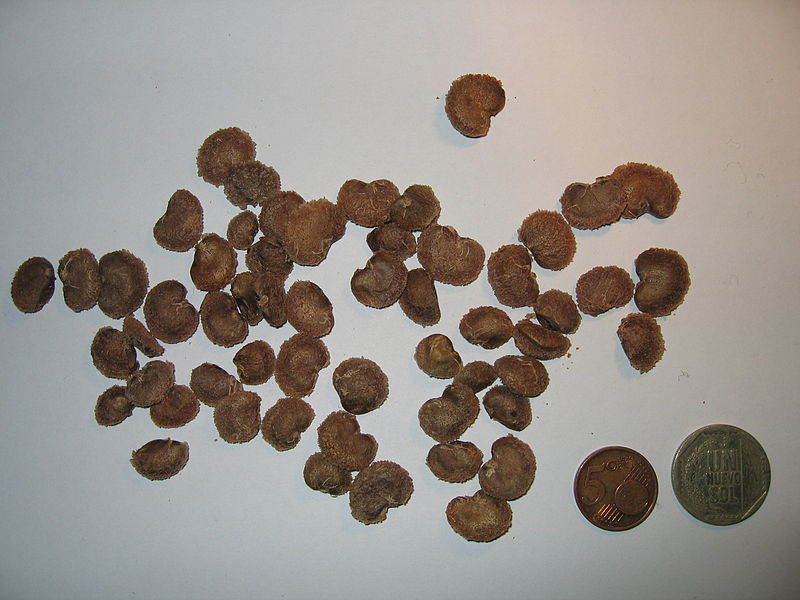
Dried camu camu seeds

Camu Camu is another amazing food from Peru and like the acai, it is a berry. It provides  great support to the immune system and helps to ward off viral infections, especially when you are more stressed or anxious than normal. It contains bioflavonoids, amino acids, vitamin Bs (thiamin, niacin and riboflavin), plus it has sixty times more vitamin C than an orange. It will promote healthy gums, eyes, skin and supports the nervous system (brain) and the circulatory system (heart).

Macqui berries Credit: Mona Vie

Maqui (mock-ee), Chilean Wineberry, is yet another powerhouse berry and comes from the Patagonia region of Southern Chile. It is known for its detoxifying properties and the benefits bestowed by its  antioxidants. It was used by a tribe of warriors, the Mapuche Indians, who were attributed with great strength and  endurance. The deep purple berries are loaded with antioxidants, with more than three times those found in acai. Maqui berries are very powerful so you only need half as much maqui as you would other berries. They have the highest ORAC score of any berry in the world. The ORAC (Oxygen Radical Absorbance Capacity) unit, ORAC value, or “ORAC score” is a method of measuring the antioxidant capacity of different foods and supplements.

The Maqui berry protects your immune system, skin, cardiovascular system, bones and joints. It also detoxifies the digestive system and restores metabolism to maximum capacity. They renew cells and help improve many diseases as well as fighting the effects of ageing.

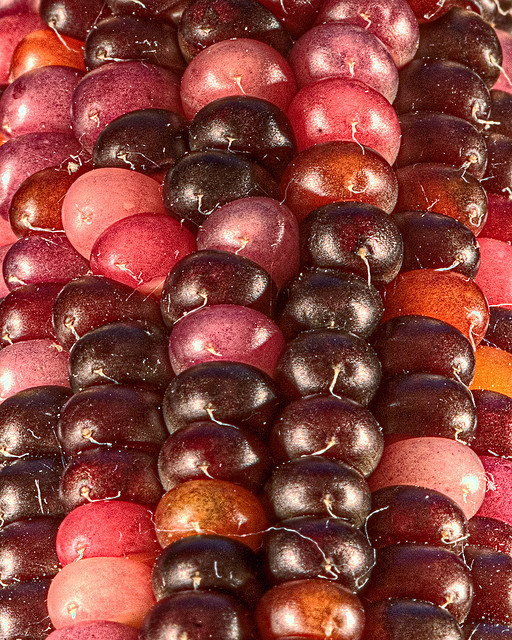
Purple corn Photo credit: Randen Pederson
Purple corn
Photo credit: Randen Pederson

Purple Corn has been grown in Latin America for thousands of years. It is another food very rich in antioxidants, containing more than blueberries. Its gorgeous colour has been used as a naturalfood colouring, and it is often used in Peru to make chichi morada – purple corn drink.

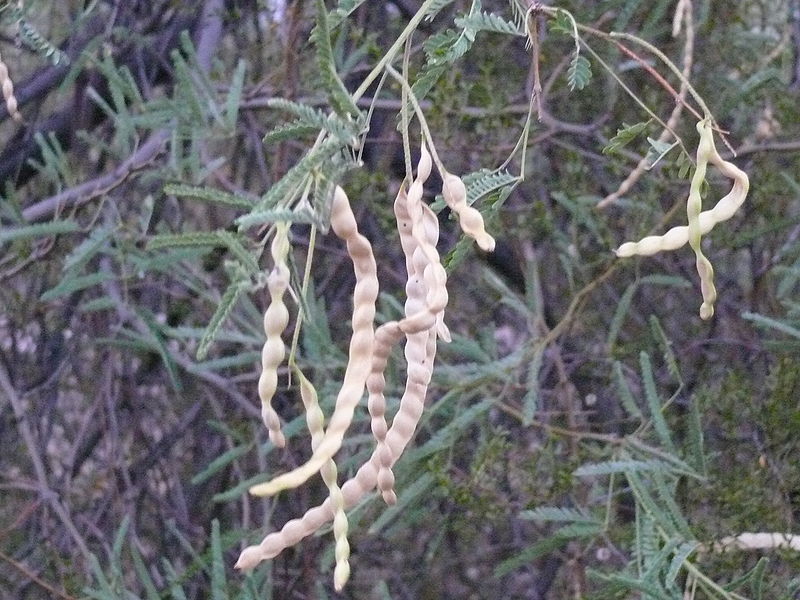
Mesquite pods
Mesquite pods

Mesquite is actually from Central America, Mexico. The long pods are ground up into a low-glycemic, gluten free flour with a sweet nutty taste, which bakes up just like wheat flour – use it instead of half the wheat flour in the recipe. It can be used in raw desserts as it doesn’t need to be cooked. You can even add a spoonful to smoothies for a sweeter flavour. It is rich in soluble fibres and a great source of calcium, iron, zinc, potassium, manganese and lysine. Because it is in fact a legume and not a grain it is higher in protein than grain flours. It sits low on the glycemic index and won’t cause blood sugar spikes.

Inca Berries, or goldenberries, are golden berries about cherry size, which resemble    a raisin when they are dried. They are high in phosphorous, vitamins A, C, B1, B6 and B12, and are very high in protein for a fruit (16%)

In order to get the most from your South American Superfoods buy only ones that are organically certified. If the foods have been commercially produced they will carry chemical residue and much of the benefits will be lost.

You now have lots of information about some magic foods you can try out. If you need some ideas about how to use them there are lots of recipes and ideas out on the web so do a search.

But, you also need to actually get your hands on some of these magic goodies. I don’t normally recommend specific products but this week I am making an exception. The Loving Earth  company stocks most of these brilliant superfoods from the South American Treasure Chest, as well as creating a range of wonderful products that make use of them. Plus, on their website they have some amazing, delicious recipes which use all these foods. They also sell many of them in their raw state, including Maca powder, Raw Cacao, Camu Camu Powder, Purple Corn Extract and Chia seeds.

They also operate from an ethical basis. From their website…”The company is based on the philosophy that the earth is a living organism, (and) eating foods in their pure, minimally processed states, foods that are grown organically in a sustainable way, is one of the most significant ways in which we can live this philosophy.”

They support Fair Trade 100% and most of their foods are Australian Certified Organic.

Just in case you are wondering, I don’t take any payment from Loving Earth, in fact they don’t even know that I have written this about their products. They are just some products that I’ve tried and loved and I believe they are a company well worth your support. You can find their products in Health Food shops or can buy online.

Superfoods are the way of the Health Future. However, taking superfood supplements on their own are never going to be enough to turn around ill health. But by including a range of them as some of the dietary changes that are part of wider changes you make to build your own great health, they are certainly a powerful and effective addition.

Do you have a favourite South American Superfood? How do you use it? Post it in the comments below…we’d love to hear.

South America is a treasure chest of wonderful superfoods

Disclaimer.

All information and opinions presented here are for information purposes only and are not intended as a substitute for professional advice offered during a consultation. Please consult with your health care provider before trying any of the treatment suggested on this site. 

Source articles

http://www.besthealthmag.ca/eat-well/nutrition/7-south-american-superfoods

http://www.maquiberrybenefits.com.au/maqui_berry_anti_aging.php

http://www.age-well.org/maqui-berry.html

http://www.amazonhub.com/Superfoods-of-the-Incas/superfoods-of-the-incas-medicine-natural-buy.html

http://foodsforlonglife.blogspot.com.au/2011/01/omega-3-power-seeds-chia-hemp-and-flax.html

http://www.amazonhub.com/Superfoods-of-the-Incas/superfoods-of-the-incas-medicine-natural-buy.html

http://www.desthealth.com/products/vitamins-supplements/maqui-berry-active-60-capsules

http://www.thewellnesswarrior.com.au/2012/09/superfood-profile-camu-camu

http://www.onegreenplanet.org/vegan-food/mesquite-powder-health-benefits-tips-and-recipes

http://en.wikipedia.org/wiki/Mesquite

http://www.naturalnews.com/029562_mesquite_flour_superfood.html

http://www.vegparadise.com/otherbirds1002.html

Free Radicals Are Bad, Right…But Why?

I often mention free radicals and antioxidants in my posts because they are such a fundamental part of the disease process. But there was a time when I was not exactly sure what free radicals were or why they were a problem, although I was aware they were not good.

So that you have an understanding about just why I mention them so often, this week I would like to offer you a brief explanation of what free radicals actually are and what they do, and the role antioxidants play in all this.

The major source of quality antioxidants is fresh, raw, highly coloured plants

Firstly it’s important to be aware that free radicals are a significant part of a process called oxidation, and that they are everywhere, not just in our bodies. They are responsible for the destruction of many objects in the world around us. They cause metals to rust, paint to fade, apples to brown, oils or meats to turn rancid, our skin to burn and coins to turn green, a process known as oxidation. Oxidation is a normal chemical process, and it happens right throughout nature. It is the interaction between oxygen molecules and the different things that they contact which damages cells and leads to the effects we can see.

Rusty metal
Metal rusted after oxidisation
An apple turning brown as it oxidises after being cut
Old copper turning green as it oxidises

HOW DO FREE RADICALS FORM?

To understand how free radicals come about we need to do a quick detour into the wonderful world of Chemistry 101.

All our cells are made up of lots of different molecules and molecules are made up of atoms. You might remember from school that atoms are made up of a nucleus, neutrons, protons and electrons. It is the electrons in the molecule that are involved in chemical reactions and they are the ones that bond atoms together to form molecules. They circle around the atom and form layers, or shells (forming a new layer as each one fills up) It is the number of electrons in the outermost shell that becomes important. If the shell is full up the molecule stays as it is, it is stable. But if the outer shell is not full then the molecule has to try to balance out that shell by either gathering or losing electrons to fill up or empty out the outer shell – it is better to lose the shell if it isn’t full. Another option is to share the electrons in its outer shell with another molecule that also needs extra electrons, by joining up, or bonding, so they both have full outer shells. Sometimes the bonds are weak and split which can leave an odd unpaired electron floating around, and this is a free radical.

Free radicals are unstable atoms or molecules that contain unpaired electrons. The ideal is to have all electrons paired so the free radical goes on an aggressive rampage to replace the missing electron by stealing an electron from another molecule.

The free radical is such a problem because it is unstable and highly reactive, and it goes on a rampage to capture other electrons so that it can become stable again. It will steal the electron from the closest stable neighbouring molecule. That molecule then becomes a free radical itself, because it is no longer stable, and so a chain reaction occurs. When this process starts in a cell it creates a cascade that damages the living cell. It would be simple if the cell was just killed off because the body would simply produce another one, that’s an ongoing process. But the problem here is that free radicals damage the DNA and injure the cell instead, and this provides the start of disease. The cell very quickly mutates, grows abnormally and reproduces abnormally.

QUICK SUMMARY

Just in case I lost you in that explanation here is a summary. Free radicals are toxic chemicals that damage body cells and lead to a cascade effect of damage in more and more cells, which then leads to disease. Unhealthy and damaged cells lead to an unhealthy and damaged body. Disease arises when there are damaged cells, damaged tissues and damaged organs.

“Scientists now believe that free radicals are causal factors in nearly every known disease, from heart disease to arthritis, to cancer and cataracts. In fact, free radicals are a major culprit in the aging process itself”

                                          Lester Packer, Ph.D., The Antioxidant Miracle

WHY FREE RADICALS ARE A PROBLEM

The real danger to you lies with the chain reaction that occurs, because it means that it is not just one cell that gets damaged but a whole horde of them. The free radical creates a snowball effect where each molecule steals from its neighbour to replace the electron stolen. And it all happens very quickly, so quickly that the body’s defense system cannot keep up. It gets overwhelmed and enters a state called oxidative stress.

When attacks from free radicals keep happening in your body the result is chronic disease. Free radicals adversely alter lipids, protein and DNA and trigger a number of human diseases.

Free radical damage is now thought to make a significant contribution to all inflammatory diseases like Alzheimer’s, Parkinson’s, cancer, heart disease, cataracts and arthritis.

Your body is constantly under attack from free radicals

Here are just a few more – arthritis, vasculitis, lupus, stroke, acquired immunodeficiency syndrome, emphysema, gastric ulcers, hypertension and pre-eclampsia, muscular dystrophy, alcoholism, smoking-related diseases, and many, many others.  Research suggests that free radical damage to cells leads to all the changes associated with ageing, and the associated diseases

It is quite normal for free radicals to occur within your body. In fact the body creates and uses free radicals to neutralize bacteria or virus cells. They are produced during normal metabolism. They are produced during excessive exercise, although wise exercising can help improve your capacity to deal with free radicals. They are also the result of inflammation, whether that is initiated to fight off infection or the result of long-term chronic problems.

But there are many things in our environment that can also produce free radicals when we are exposed to them – air pollution, radiation, pesticides, herbicides, X-rays, some drugs, industrial chemicals and particularly cigarette smoke. You can even trigger high free radical production by drinking excess alcohol.

ANTIOXIDANTS TO THE RESCUE

This is where antioxidants come into the picture. Normally the body is able to deal with free radicals but when their numbers increase significantly so that they outnumber the antioxidant defences, the body is unable to keep up and damage occurs. Antioxidants are very stable molecules and so are capable of donating an electron to the free radical to stabilize it without becoming a free radical themselves – they are electron donors. They are needed to maintain the critical balance with free radicals, to keep them to levels that your body can deal with. They are way your body fights rampant free radicals.

Your body can make some antioxidants, but not all, and importantly, this ability declines with age. Supplementing the body’s own production with external sources of antioxidants can make a huge difference to how it copes with oxidative stress.

Free radical damage increases with age.

There are many foods where you can get antioxidants to protect your body from free radical damage. Over the next few months I will talk about individual antioxidants but you can read about some of them here. Here is a list of the different types of antioxidants. The ORAC score assigned to a food is a measure of just how effective it is at neutralizing free radicals. The higher the score the more powerful an antioxidant it is.

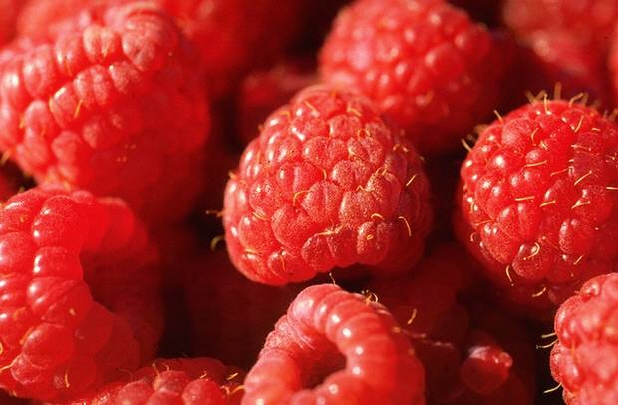
Red raspberries are a powerful antioxidant

Being conscious of including lots of high quality, antioxidant rich foods in your diet is a way to make sure that you get a regular, steady supply. Fruit and vegetables are the key to this because they are high in antioxidant nutrients. Legumes, nuts, herbs, spices and whole grains are some other sources. Phytochemicals that act as antioxidants are more abundant in fresh foods, and raw foods.

‘Eating a rainbow’ is the way to bring a comprehensive range of antioxidants into your diet. That is, eating lots of a wide array of different brightly coloured produce.

Bearing in mind that pesticides and herbicides are a source of free radicals themselves, it makes sense to eat organic fruit and veges as often as is possible. If you can’t afford to buy organic produce then start growing your own. Good eating is intricately interwoven with good gardening. You can grow some produce on a balcony or in a courtyard, and even if you simply supplement the commercial component of your produce it is going to make some difference. In addition, you know the produce has not been sitting around in a store for some time, that it is fresh.

There are also a number of Superfoods that have wonderful antioxidant properties including spirulina, acai, mangosteen, raw dark chocolate, many berries, beans, apples, plus many others.

It is worth noting that there are lots of different types of antioxidants and each has a different role, able to work at a different level of defense. Some such as vitamin C, stop the reaction before it starts, preventing the formation of free radicals. Others including the most potent one for this, Vitamin E, scavenge free radicals to break the chain. Others promote the decomposition of the damaged cell. You need a variety of antioxidants as your cells are protected by the combined efforts of lots of different antioxidants.

Amongst the vitamins, vitamin E, vitamin C and beta-carotene are antioxidants. They must be found in your diet as your body can’t manufacture them. Although Vitamin C, E and A all have antioxidant properties remember that many vitamin supplements are made from synthetic forms of the vitamin, and the value of using these man made versions raises questions, as they have been found to be detrimental to your health, particularly vitamin E. Look for natural sources of antioxidants in preference.

So you can see if you want to keep away the many chronic diseases caused by free radical damage that plague us today you need a broad range of good-quality foods rich in antioxidants in your diet on a regular basis to do the job.

What are your have favourite sources of antioxidants?

 fruit smile free use

Disclaimer.

All information and opinions presented here are for information only and are not intended as a substitute for professional advice offered during a consultation. Please consult with your health care provider before trying any of the treatment suggested on this site. 

Source articles:

http://www.ncbi.nlm.nih.gov/pmc/articles/PMC3249911

http://www.healthchecksystems.com/antioxid.htm

http://www.webmd.com/food-recipes/features/how-antioxidants-work1

http://en.wikipedia.org/wiki/List_of_antioxidants_in_food

http://articles.mercola.com/sites/articles/archive/2011/05/16/all-about-antioxidants.aspx

Why I Still Love Homeopathy…In Spite Of Everything

13683204_s

Although I write about many different things you can do to build your health on this blog, this week I want to share a purely anecdotal story about Homeopathy, because after all, it is the main method of treatment that I use for the people who come into my clinic, and it is the reason that I actually started  out on this gentle journey to better health myself.

Many people don’t even know that Homeopathy can be pretty darn useful for treating acute illnesses like flu, coughs and colds, diarrhea, vomiting, viral infections, hay fever, headaches, teething, nausea and so on, you get the idea. When people caome in to see me many say they “have tried everything else and so may as well try Homeopathy”, it is often only used when things have reached rock bottom.

But Homeopathy can be an excellent treatment for ‘new illnesses’when used according to homeopathic principles, and something to consider before starting a course of antibiotics. Once I discovered how good well-matched simplex Homeopathics (not the ‘complex remedies’ sold over the counter) were for treating acute illness it was all I ever used for my children. We headed out to the Homeopath, right past the doctor, whenever they got sick. In fact one, now 25, has not taken antibiotics, not once, since he was 3, which was when I first discovered Homeopathy. The youngest has grown up with only Homeopathics, and has only had antibiotics ONCE EVER, when he developed a terrible infection after swimming beside a sewage outlet at a beach in Thailand. The others are also healthy. Antibiotics didn’t get used in our house at all after we turned to Homeopathy. That’s a pretty awesome record!

So, here is what has been happening at my house this week, a perfect example of why I love Homeopathy so much.

I’m a pretty good prescriber of Homeopathic remedies for acute illnesses. There is a bit of a knack to this, and the way that my brain processes information happens to be well suited to this type of prescribing.

However, when I get sick myself it is another matter altogether, because, as any of my students that have completed the Homeopathy @ Home Short Course I run (where they learnt how to prescribe Homeopathics for first stage acute illnesses and first aid for themselves and their family) will agree, it takes a clear head to find a good match between a “Symptom Picture” in a patient and a “Homeopathic Remedy Picture”. Getting that match right is what gets the results – a really close match equals a great result, a so-so match equals some improvement, maybe.

Like most of you,when I am sick my brain just doesn’t work clearly and I often struggle to prescribe for myself in that state, which is what I want to tell you about.

Finding enough clarity to carefully select a Homeopathy Remedy can be an near-impossible task when your brain feels like it's made of cotton wool and is being squeezed between a tight vice
Finding enough clarity to carefully select a Homeopathy Remedy can be an near-impossible task when your brain feels like it’s made of cotton wool and is being squeezed between a tight vice

My husband came home last week and brought with him one of the nastiest, most violent coughs I have ever seen (not up there with the whooping cough we had once, but running a good race) which he promptly shared with me…violent cough, headache to knock you out, sore throat etc etc…winter illness at its worst! The pair of us sat hacking away in unison all weekend, each just as sick as the other. I endured it, my head too foggy to even think about what remedy to take. But every night when I lay down to get to sleep it was just getting worse and worse, getting to sleep was a nightmare.

Then came the night when I was coughing so badly I had to go and it the bathroom as I was certain I was going to throw up from it. I sat on the edge of the bath coughing it out and realized it was ‘do or die’, I needed to rally enough to find a remedy match fast. It was heading towards 1am, but I gathered my books, and really focused, in spite of the brain fog, and came up with a remedy very quickly, which I made up and took straight away.

Five minutes later, all my coughing, wheezing, headache and breathlessness had stopped and I dropped off to sleep.

The next morning instead of waking to a major coughing fit I was pretty good. I took another dose then (and a couple more in the days since). I am still a little bit hoarse and cough once in a while, but otherwise I am good, none of the severe symptoms have returned and I feel great, full of energy.

This is what happens when a really good Homeopathic prescription is made for an acute illness. Symptoms may be stopped in their tracks. But even better is that you feel great and full of energy even though to others you might still sound a bit sick. It is almost as if your body ‘knows’ that it has got on top of this virus and the battle is on its way to being won.  You feel it is ok to go about your life again because you don’t need to ‘conserve your strength’, to crawl into bed to recuperate.

My husband?

Well he has an on/off relationship with Homeopathy which it seems is turned to ‘off’ right now, and he is letting nature take its course. He didn’t go to work today (unheard of!) and spent the day lying in bed, unable to move, coughing his lungs out every time he woke up, feeling like death. I realize this is only a winter virus, although certainly a pretty nasty one, but this story is a perfect example of how Homeopathy can be so useful for treating acute illnesses.

I have been working as a Homeopath for thirteen years now and I repeatedly see how so many of the people who come through my clinic experience an improvment in their health quickly and effectively when they use Homeopathy to treat their sickness. Watching the amazing response in my son twenty two years ago was how I was first introduced to this treatment, that I had never even heard of, and you can read about that right here.

But, in spite of what I know and have seen over all those years, of what I expect to see happen, I sometimes still sit in my clinic, listening to clients tell of the changes they have experienced after taking their prescribed Homeopathic remedies, and in spite of what experience has taught me good Homeopathic prescribing is capable of, there are still times when I am just blown away by the response the person has experienced, and the extent of their improvement.

It doesn’t happen all the time by any means, but when it does it still amazes me, and that is the main reason why I love being a Homeopath and why I still love the amazing possibilities of Homeopathy.

When the symptoms of an illness that someone is experiencing are matched perfectly to the correct Homeopathic remedy, and that remedy is taken according to homeopathic principles, at the correct potency to match the strength of the illness, it is as if the body, or the immune system if you will, is suddenly jolted into action, and the rapid healing response that follows is an absolute joy to watch.

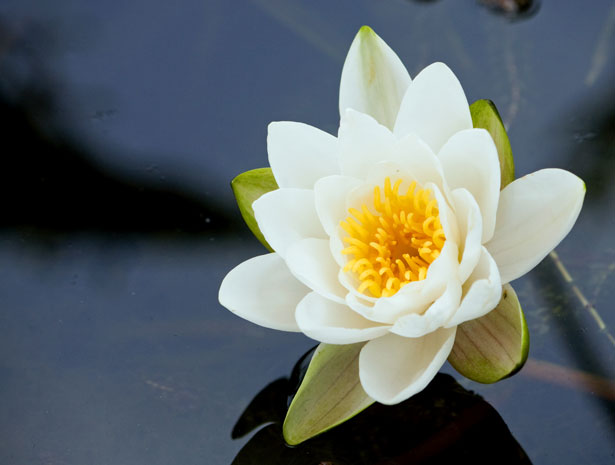
water-lily-flower

I realize that this is just one example and ‘does not a case for Homeopathy make’, but when you watch a response like this happen there is no doubt that there are powerful possibilities here…and the intellectual questions about how it can be happening get brushed to the side.

But, as with all things, everyone has their own path to follow. The Homepathic road was the one for my family but it may not be for you.

Have you ever experienced or observed one of these very rapid responses to treatment with a perfectly matched Homeopathic remedy? Tell us about it in the comments below.

You might also like to check out this Youtube playlist where lots of people  have posted about their personal experience of how “Homeopathy Works For Me”. http://www.youtube.com/playlist?list=PLF0F0329B561969C8

Disclaimer 2

Could It Be Your Thyroid Causing Your Poor Health?

For many people an underactive thyroid slows them down and leads to a host of other unpleasant symptoms.  Most of those people are never diagnosed with the disorder. Many are never treated. Many fail to make the changes in their diet and lifestyle that can really help ease their symptoms. Most go on living their life in a debilitated state.lust for life

The Thyroid is a butterfly shaped gland in the middle of the front of your throat. It’s purpose is to release hormones that help in the regulation of many body functions – metabolism, heart rate, maintaining your core temperature, healthy skin, your weight, fertility and more. It slows you down or revs you up to make you more energetic. It also activates your immune system. It plays a part in most of the body’s physiological processes, so when it is out of balance, so are you. In fact every cell in your body has receptors for thyroid hormones.

Sometimes the thyroid does not work as it should and, depending on whether it is pumping out too many hormones or too few, it becomes under- or over-active, what is known as either Hyperthyroidism (too many thyroid hormones in the blood) or Hypothyroidism (too few).

Thyroid conditions can be quite common and it is estimated that about thyroid20-25% of the female population may suffer from hypothyroidism. An estimated 30% more of people over the age of 35 may suffer from “subclinical” hypothyroidism, where they either have no obvious symptoms, or their test results are within the ‘normal’ range but they have mild symptoms of low thyroid function.

Many people live with the symptoms of low thyroid function often for years, where their thyroid gland works sluggishly without them even realizing it. With too few thyroid hormones in the blood the body processes start slowing down, and so do they.

However, there are some telltale signs to look out for. Here are some of them, although there are many more:

  • Fluid retention or swelling in the legs, feet, arms or face
  • Cold hands or feet, poor circulation and intolerance of cold
  • Dry skin, acne and eczema
  • Lethargy, fatigue, poor stamina and sleeepiness
  • Forgetfulness, slow cognitive function, brain fog
  • Depression
  • Constipation, indigestion
  • Weight gain, or difficulty losing weight
  • Poor brittle, slow-growing nails and hair, hair loss
  • Heavy periods, irregular cycle, PMS
  • Infertility, low libido
  • Insomnia
  • Muscle and joint aches and pains
  • Food cravings, food intolerances, hypoglycaemia
  • High cholesterol/ triglycerides, palpitations, high or very low blood pressure

Illnesses where symptoms seem vague or scattered could actually be providing warning signs that you have a problem with your thyroid. Diseases and syndromes such as chronic fatigue, fibromyalgia, menopausal symptoms, muscle and joint pains, IBS, PMS, heart disease or depression, which all have a wide variance in the symptoms they present with, may be improved when underlying thyroid issues are redressed. Sometimes an underactive thyroid can be due to an autoimmune disease, Hasimoto’s disease.

However, low thyroid function may actually not be the root of the problem. There is a strong relationship between your adrenal and thyroid glands and it is very common for adrenal fatigue to go hand-in-hand with hypothyroidism. In many cases the adrenal glands become weakened, leading to a malfunctioning thyroid gland. If treatment is only directed towards the thyroid gland and the adrenal issues are not addressed then the person’s health will simply not improve. It’s important to reduce stress in your life as both the adrenals and the thyroid are very sensitive to stress. Practicing meditation, yoga, qi gong, or relaxation techniques will go a long way to reducing the stress response and support the action of these glands.

Two hormones, T4 and T3 are produced by the thyroid. T3 is the active form of thyroid and is the one that does the vast majority of work in the body. When levels are low enough the traditional approach is to use synthetic hormone, but they only contain T4 and the problem with this is that most people have difficulty converting T4 into T3.

Thyroid hormone levels can be tested with a blood test. If symptoms are vague and do not point directly to a disorder, testing will probably be done alongside other blood tests.

The normal range for tests is 0.5 to 5.5 IU/ml.

The problem for many people is that they suffer symptoms of low thyroid function when their measured levels of the hormone are between 2.0 IU/ml and 5.5IU/ml – levels that are considered to show ‘normal’ thyroid function. They are told their levels are normal and left with no explanation or treatment for their symptoms. When it comes to thyroid hormones setting the boundaries of ‘normal’ for thyroid levels is very misleading as there really isn’t any ‘normal’ level…the levels change depending on factors such as age or health.

All the different hormones of the body work together in a delicate dance and when one is not working all the others are affected also.

All the different hormones of the body work together in a delicate dance and when one is not working all the others are affected also. Many reproductive hormone-related symptoms may be experienced when thyroid hormones are low. PMS, infertility, fibroids, ovarian cysts, endometriosis, heavy bleeding, menopause symptoms, fibrocystic breasts or even post-natal depression may all result.

Low thyroid function can easily be confused with the symptoms of menopause. While symptoms such as hot flushes, period irregularities, weight gain, night sweats and insomnia are often experienced during peri-menopause or menopause, night sweats and insomnia in particular, may also be key symptoms of low thyroid function. Using hormone replacement to deal with these symptoms simply makes the problem worse, as the oestrogen in the medications interferes with the thyroid hormones further, impairing the thyroid function even more. This in turn slows down metabolism and leads to weight gain. It is a vicious circle.

As usual it is easy to point the finger at poor diet and lifestyle as contributing factors to thyroid dysfunction and sugar, processed foods, stress, lack of exercise or toxic environments all play their part.

WHAT CAN YOU DO?

Low thyroid function can be addressed in a number of more natural ways.

I treat many people (mainly women) for low thyroid function with huge success using carefully selected Homeopathic remedies, reversing their debilitating symptoms and allowing them to live a normal life. But with this being a complicated chronic issue it is not one that can be self-treated and requires prescribing by a fully-trained professional Homeopath.

But luckily there are a number of things that you can do as a first-line defense for hypothyroidism, and using natural methods avoids the side effects of medications.

DIET

A well balanced diet that is made up of unprocessed, unrefined whole foods, with organic or biodynamic vegetables, fruits, meat and dairy, is the best way to combat hypothyroidism, if you also include the following guidelines.

It’s so important that you stay away from sugar and caffeine which simply cause thyroid burn-out. If going ‘cold-turkey’ is too hard then cut back more gradually. Cut out refined and processed carbohydrates as well as they behave just like sugar when they are metabolized in your body.

Make sure to eat protein as it transports thyroid hormone into your cells. Include nuts, nut butters, legumes, quinoa, and less frequently and in smaller quantities eggs, meats, fish and dairy.

Good fats help to create hormone balance (including thyroid hormones) – avocados (one of my favourite good fat sources), coconuts and coconut milk and oil, olives and olive oil, raw nuts and nut butters, organic butter and yoghurt, organic egg yolks, flax seeds. Avoid trans fats.

Make sure you are getting enough Vitamins and minerals, especially Vitamin A, Vitamin D, the Vitamin B’s, iodine, selenium, zinc, copper, iron and omega-3 essential fatty acids. Organic produce will be higher in vitamins and minerals as long as it isn’t old and wilting.

Thyroid hormone production is just another of the many functions of Vitamin D which is produced in the body from sunlight. This is yet another reason to have levels of this crucial vitamin tested and maintained, and you may actually need to supplement this.

Cut out gluten especially if you have Hashimoto’s as the gluten mimics thyroid tissue and aggravates the autoimmune response

Watch out for foods that interfere with thyroid function especially those containing goitrogens and don’t eat them unless they are cooked – cabbage, broccoli, cauliflower, Brussels sprouts, kale, turnips, spinach, strawberries, peanuts, millet

Get tested for food sensitivities, especially if you find there is a food or food group that you crave, as eating these foods sets up an autoimmune response in the body.

The thyroid gland requires iodine to make thyroid hormones so iodine deficiency may be a contributing factor to hypothyroidism. Many people are deficient in iodine so include more sources of iodine in your diet like seaweed (kelp, dulce, nori), shellfish, saltwater fish, eggs, yoghurt, mozzarella cheese

SUPPLEMENTS

Supplement with probiotics as good thyroid function depends on healthy gut flora

Add vitamins and minerals particularly if you are not getting adequate amounts in your diet.

Other supplements that help thyroid activity and the manufacture of thyroid hormones are Tyrosine, Pantothenic acid (vitamin B5), magnesium citrate and Potassium iodide. Look for these in a combined thyroid supplement.

HERBS

Ashwaganda is a herb that can help to improve the level of T4 hormone and guggal Commiphora wightii to convert the T4 into the active T3. Guggal has been used for centuries in Ayurvedic medicine and is now difficult to source due to its scarcity after overuse – you may want to reconsider using this herb for this reason.

Exercise lowers insulin levels and increases thyroid function

EXERCISE

Exercise lowers insulin levels and increases thyroid function. Work out or walk for 40 minutes three times a week, and make sure you get out of breath.

Disclaimer 2

Source articles:

http://www.thyroid.org/what-is-hypothyroidism/

http://www.drnorthrup.com/womenshealth/healthcenter/topic_details.php?topic_id=59

http://articles.mercola.com/sites/articles/archive/2010/01/02/Many-Symptoms-Suggest-Sluggish-Thyroid.aspx

http://www.mindbodygreen.com/0-3139/13-Ways-to-Treat-Hypothyroidism-Naturally.html

http://vistamaglive.com/the-low-thyroid-epidemic-in-canada

http://www.doctoroz.com/blog/lisa-lynn/3-ways-boost-thyroid-function

http://www.umm.edu/altmed/articles/hypothyroidism-000093.htm

http://www.elliotthealthcare.com/low_thyroid.htm

http://www.naturalendocrinesolutions.com/articles/truth-protein-carbs-fats-thyroid-health


Ah-Ah-Ah-Choooooo! Scratch, Scratch! Allergy Time

Allergies are the bane of so many people’s life these days making it difficult for them to function well in their everyday life.

Allergies occur when your immune system is hypersensitive. When an allergen comes into contact with any mucous membrane surface – the respiratory tract, digestive tract, the eyes – it sets up an inflammation which causes the symptoms. Food Intolerances are different to allergies and are the result of an inability to digest or absorb foods. But the symptoms of each can be very similar and often confused. Symptoms from allergy usually develop quickly.

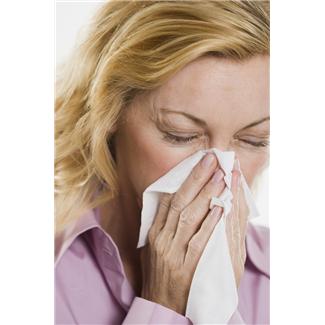
Allergies are the bane of so many people’s life these days Photo credit: Brooke Novak

The incidence of food allergy is growing. In 2011 an Australian study, the Health Nuts Study, found that 10% out of 5000 infants demonstrated food allergy. This is the highest rate in the world and we should be alarmed about why the incidence is rising so rapidly.

The most common allergic reactions usually fall into four groups.
  •       Anaphylaxis – a life-threatening reaction where the airways can swell
  •       Skin symptoms – eczema, dermatitis, welts and hives
  •       Eye reactions – conjunctivitis, redness, itching and watering
  •       Hay Fever or Rhinitis

Some asthmas are caused by allergies. Anaphylaxis is a more serious allergic response and is potentially life-threatening. One of my children experienced this on a number of occasions from milk and butter when he was young and beestings later, and it is a very scary situation. It usually occurs very quickly and affects multiple body systems. It needs an immediate dose of adrenalin to reverse it.

There is now evidence which suggests that the increased use of antibiotics may have something to do with the increase in allergies and asthma because it upsets the normal balance of gut flora and leads to confusion within the immune system so that it is unable to tell the difference between harmless substances and bacteria, viruses and parasites. It is also thought that our higher hygiene standards may have contributed, by exposing us to fewer pathogens, which leads to your body attacking harmless antigens instead.

You can develop an allergy to many common things including grasses and flower pollen

There are many common things to which people develop an allergy. Allergens might be any of the following:

  •      Foods such as gluten or wheat, milk and dairy foods, seafood and shellfish,alcohol, soy, eggs, peanuts, nuts, seeds, tomatoes, alcohol.
  •      Environmental factors such as dust, dust mites, pollen, mould, animal fur, grasses
  •      Man-made substances such as medications, pesticides, latex, nickel
  •      Insects including cockroaches, bees or wasps

While there are a number of over-the-counter and prescription medications that are regularly used for allergies, they all put lots of strain on your liver as it has to detox the medications. This may actually exacerbate the condition. Most people have used antihistamines to gain relief from the symptoms of hay fever at some time, but the ongoing prospect of having to take loads of pharmaceuticals, to say nothing of the debilitating side effects they cause, is not at all appealing. Western medicine stresses ongoing medications and avoidance of exposure but this is not always possible.

What else can you do to deal with this in more natural way?

The best way to get rid of the problem of allergies is with professional advice from a Natural Medicine Practitioner.

But there are many ways that you can get relief for your allergy symptoms using a host of ‘Kitchen Remedies’. Anaphylaxis must always be regarded as a medical emergency and treated accordingly. But the next time allergy strikes with other symptoms, before you reach for the antihistamine try out some of these tips, until you are ready to seek long-term relief from a Natural Health practitioner.


Please read my disclaimer below before reading on.

Allergies occur when your immune system is hypersensitive.

Kitchen Remedies

Respiratory passages:

For sinuses and nasal congestion put some olive oil in your palm and sprinkle some black pepper into it. Breathe the aroma in. It makes you sneeze and that removes the allergens in your nose.

Many people swear by Neti pots, although I haven’t tried them myself. You fill the Neti pot with a saline solution and use it to flush the allergens and irritation from your sinuses. Use a pre-made saline rinse or make one yourself by dissolving 1 teaspoon of Himalayan salt (or sea salt as a second choice) in 1 litre of boiled distilled water. Allow it to cool completely and put it in the Neti pot. Pour it through one nostril and allow it to drain out the other. Make sure you rinse the irrigation device after you use it with boiled distilled water and leave it to ‘air-dry’.

Herbal teas:    Peppermint tea is a great decongestant which can unclog sinuses and improve breathing. It is anti-inflammatory and antibacterial. Chamomile tea is a natural anti-inflammatory and may reduce the duration of hay fever attacks.

Eating food drenched in wasabi will clear out your sinuses in an instant, so head for the sushi bar if you need a quick clear when you are out and about.

Showering as soon as you come back inside after being outdoors can be an easy way to get quick allergy relief. It can help remove allergens from your skin and hair and the steam will help to clear nasal cavities, although it will usually be only temporarily.

Even just inhaling the steam over a bowl of hot water can flush out the mucous just as well as a shower. Add a few drops of Eucalyptus essential oil and carefully inhale the steam for an even better result.

Skin reactions:

A colloidal oatmeal mask for hives or eczema. You can either add  2 or 3 cups straight to the bathwater where it disperses and stays in suspension rather than settling to the bottom, or make a paste to spread over the affected area. To make the paste you need 1-2 tablespoons of Colloidal Oatmeal. You can make your own if you cannot buy it. Add warm water until you get the desired consistency. Spread on your skin and leave for a few minutes

Apple cider vinegar has long been recognized for its wonderful healing properties. Dilute a little in water and dab onto any itchy area. Great for dry eczema, hives or bed bug bites.

Mixing Bicarbonate of Soda (Baking Soda) with a little water to form a paste which you can spread on the skin will help stop the itching. You can also add it to a warm bath and soak in it for twenty minutes if the reaction area is more widespread.

Nettle is often used to relieve allergies as it is a natural antihistamine which targets the immune system. As well as drinking your nettle tea you can also use it topically. Allow it to cool and then use a cloth or gauze to dab it on the itchy spots where it will give relief. You could also take 300 to 500 mg of stinging nettle capsules each day.

A strong brew of dried anti-inflammatory chamomile flowers steeped for fifteen minutes or more then cooled and strained, can be applied to eczema for about 20 minutes with gauze or a cloth for itchiness relief. You can use it three times a day.

Basil is another herb that contains anti-allergenic components and it will give relief for hives. Boil a couple of leaves in water. Once the tea has cooled down apply it topically on the hives.

Organic cold pressed coconut oil can be applied topically and gives relief to many sufferers.

Aloe vera gel is useful, especially when it comes from freshly cut leaves.

Water that has had thin cucumber slices soaked in it for a few hours and then filtered can be applied to the area with a clean gauze or cloth.

Eye reactions:

For puffiness place slices of cold raw potato on your eyes

To relieve itchy, dry or watery eyes try making a compress from chamomile or black tea bags that have been steeped in boiling water and allowed to cool. Leave on for five minutes. Choose organic teabags as there are many chemicals used to bleach the material used for the bag that may aggravate already inflamed eyes. Even better if you refrigerate the teabags first.

A wonderful eyewash can be made to soothe itchy eyes by diluting non-alcoholic calendula liquid in water.

And last but not least, don’t forget to drink lots of water which helps with sinus drainage and congestion. It seems as though I say to do this in every post, but almost everybody drinks too little water and dehydration, even when it is mild, contributes to many health problems. With allergies, dehydration makes your mouth and throat dry and your mucous thickens.

Do you have a great “Kitchen Remedy” that you use for your allergies? Share it in the replies below.

Check back again soon as I will write lots more about allergies and food intolerances (lactose and gluten).

Photo credit: Sylvia McFadden

Source articles:

http://wellnessmama.com/8370/7-natural-remedies-for-allergy-relief/

http://www.wellbeing.com.au/article/Features/Body-Health/Allergy-alert_1260

http://www.naturalnews.com/036292_eczema_home_remedies_skin_disease.html

http://www.great-natural-home-remedies.org/home-remedies/allergies.html

http://www.detoxificationforthebody.com/2013/05/22/home-remedies-for-allergies/

http://www.care2.com/greenliving/herbal-remedies-for-spring-allergies.html

http://www.besthealthmag.ca/get-healthy/home-remedies/natural-home-remedies-hives

http://www.anniesremedy.com/chart_remedy.php?tag=allergies

Disclaimer.

All information and opinions presented here are for information only and are not intended as a substitute for professional advice offered during a consultation. Please consult with your health care provider before trying any of the treatment suggested on this site. 

Do You Dream Of Dreaming…If Only You Could Get To Sleep?

It seems that almost everyone I have spoken to over the last week has had problems sleeping, whether it is in getting to sleep, waking during the night or, for those that are sleeping, having vivid crazy dreams. Insomnia, or sleeplessness, can be either an inability to fall asleep or waking up through the night before the expected waking time. As anyone who has ever experienced a poor nights sleep knows, the impact of sleeplessness shows up the next day as a reduced ability to concentrate, lethargy, and fragile emotions.dream of dreaming

The body actually requires sleep just as it does water, food and oxygen in order to function. Without sleep we would literally go crazy. When insomnia is long term (more than 3-4 weeks) it can have a major impact on your health, leading to memory problems, depression, irritability, with an increased risk of heart disease.

Tossing and turning for hours on end, worrying about not being able to get to sleep, or being unable to switch off can be very frustrating, and can even worsen the insomnia. The more you try to sleep, the more frustrated you get and the harder sleep becomes

For many people insomnia is an ongoing issue that has some pretty big repercussions on their life. While it can be caused by many things for a large number it is often the result of poor sleep behaviour, sometimes resulting from patterns established during childhood.

SOME CAUSES

There are quite a number of poor lifestyle habits that can actually be the cause or sleeplessness, or else worsen it. Here are a few of them that you may need to address:

·         Going to bed at different times each night

·         Daytime napping

·         Poor sleeping environment, such as too much noise or light – your bedroom should be a ‘haven of calm’

·         Spending too much time in bed while you are still awake

·         Working evening or night shifts

·         Not getting enough exercise

·         Using the television, computer, or smartphone in bed 

The use of some medications and drugs may also affect sleep.

  • Alcohol for instance may help you fall asleep initially but generally leads to waking up through the night.
  • Too much caffeine is well known as a cause of insomnia, especially when it is drunk later in the day.
  • There are a number of medications, including cold medicines and diet pills that can cause poor sleep. Be very careful about self-prescribing unless you know exactly what the effects of what you are taking are, as some herbs and supplements can lead to insomnia.
  • Heavy smoking can be a problem.
  • If you take sleeping pills regularly it is easy to become used to them, so they stop working as well as they did initially.

In addition to lifestyle habits there are a number of other physical, social, and mental health issues that can affect sleep patterns, including: anxiety disorders, Bipolar Disorder, certain medical conditions such as thyroid disease, feeling sad or depressed, physical pain or discomfort, stress whether it is short-term or long-term.

CIRCADIAN RHYTHMS

However sometimes there is just no obvious reason for sleeplessness.

We have our own inbuilt body clock called the circadian rhythm, that regulates our sleep patterns. This is what makes us fall asleep at night and wake up again the next morning. The body clock is easily thrown out by overseas flying, rotating shift work, or even a few late nights. When your body clock gets disrupted you experience symptoms like jet lag.

Taking sleeping pills to help you sleep often leaves you with a ‘hangover’ effect which is something you will avoid by using natural cures instead.

For many the prospect of sleeping like a baby, anywhere, anytime seems like a remote daydream. There are some natural remedies with proven success that may offer relief.
For many the prospect of sleeping like a baby, anywhere, anytime seems like a remote daydream, but there are some natural remedies with proven success that may offer relief.

RESET YOUR BODY CLOCK NATURALLY

There are a number of very effective natural ways that you can reset the body clock so you can get back to good sleeping patterns. Here are a few that have proven success.

Melatonin: Melatonin is a hormone secreted by the pineal gland of the brain which helps to relax us so that we can fall asleep. It is quite well-known for its ability to rebalance your body clock and is often used to treat jet lag. It is usually released in the absence of light, but we need to have spent some time in daylight in order to make enough in the first place. This is why it is recommended that you spend time outside after you have flown a long-haul flight. Taking a melatonin supplement can help to reset the body clock. But if you prefer to use food as medicine you can address melatonin deficiency with foods that boost serotonin (melatonin is made from serotonin) such as raw cacao , magnesium, fish oils and herbal tea containing hops, chamomile, ashwaganda and lemon balm.

Homeopathy: Homeopathy has a marvelous history treating insomnia. There are many Homeopathic remedies that work to reset the body’s sleep patterns, calm your mind and get restful sleep. While there are a number of combination mixes available over the counter, the ones that have the deepest and most long lasting effect are those that are prescribed individually by a Homeopath to suit your individual insomnia symptoms.

Some that a Homeopathic practitioner may consider for insomnia are Arsenicum Album – useful when anxiety, fear, or worry prevents sleep; Coffea – when you are unable to sleep because your thoughts are too active or you are excited about a surprise, or good or bad news; Nux-vomica – when very irritable, waking between 2-4am with racing thoughts only to fall asleep again about daybreak, with much stress caused by overstudy or work; Ignatia –  sleepless after disappointment or grief; and Passiflora – for restless sleeplessness with exhaustion – the choice between these and many more would depend on these, and all the other symptoms you were experiencing. But check with your Homeopath as the remedies need to be selected and taken according to homeopathic principles

Herbs: There is a range of herbs that are very useful to induce sleep. Valerian root is one that is quite well known and often used. It is quite powerful and often used when changing time zones for fast results. Valerian is useful when you have difficulty staying asleep. Some people however get the opposite effect from valerian and can get hyped-up after taking it. It is good combined with Passionflower which helps to fall asleep initially. Some of the others that can be helpful are Kava which is again available after having been taken off the market for a while, can be used for short-term relief. It is good to relieve anxiety in the moment. Scullcap is great to use when you are very hyped-up and just can’t slow down, or are experiencing anxiety and are emotionally stressed, and you can use it for longer periods.

Aromatherapy: Using Essential Oils can help bring on sleep. While there are a number of oils that induce sleep, lavender has long been recognized as being the ‘Queen of Calm’, and lavender essential oil will effectively calm down overwrought nervous systems. A few drops added to a warm bath before bed or on a cotton ball under the pillow should bring on sleep.

SETTING A PERFECT SLEEP ENVIRONMENT

Make sure your sleeping environment is calm and serene. THE KEY IS TO SWITCH OFF. Leave your worries at the bedroom door. Switch off all gadgets – phones (put them in flight mode), iPad, laptop, TV etc. Take some time to settle down and relax. Set aside 30 minutes before bed as ‘unwind and de-stress time’ – read a good book, wite your journal, listen to soft music – anything that you find relaxes you and does not involve an electronic gadget. Remember, exposure to artificial light (electronics) before going to bed increases your alertness and suppresses melatonin and so will keep you awake.

So, here’s to a great sleep.

What are some of the ways you deal with sleeplessness?

Worrying about not being able to get to sleep can worsen the insomnia

Disclaimer.

All information and opinions presented here are for information only and are not intended as a substitute for professional advice offered during a consultation. Please consult with your health care provider before trying any of the treatment suggested on this site. 

Source articles:

http://www.movenourishbelieve.com/nourish/are-you-getting-enough-sleep-4-natural-ways-to-create-a-sleep-friendly-environment

http://www.naturaltherapypages.com.au/article/can_i_reset_my_body_clock

http://homeopathyplus.com.au/getting-a-good-nights-sleep

Magical Magnesium

My sister is lucky and has a beautiful bathroom with a big, deep bath in it, and so this week I ordered her a bulk order of Epsom Salts for her long, deep bath soaks. She knows, like most people, that they are a great way to relieve tired and aching muscles and bring on a great sleep. But what she doesn’t know is that Epsom salts are rich in magnesium, a mineral that can be poorly absorbed internally.

Epsom Salts are a great way to relieve tired and aching muscles and bring on a great sleep
Photo credit: Monica Arellano-Ongpin

Magnesium is often deficient in our diets but soaking in a bath containing Epsom salts can be a way to boost your magnesium levels, because it is absorbed very easily through the skin.

Most of the population does not get enough magnesium. In 2000 the National Health and Nutrition Examination Survey (in USA) found that the figure of deficiency was as high as 80% of adults, a figure most likely mirrored here in Australia. This figure is significant because the mineral magnesium plays a part in thousands of functions in your body, and it is also one that is easily depleted. Also, deficiency is often not detected because it manifests differently in each individual.

The mineral magnesium, plays a vital role in building and maintaining good health, working in conjunction with many other nutrients, particularly calcium and Vitamin D.

Most people know that they need calcium. And there is also growing awareness of the importance of Vitamin D. But the third side of this triangle is perhaps not so widely known about. Magnesium also plays a part in this picture, and while magnesium deficiency is quite widespread due to deficient intake, it is frequently not addressed with diet or supplementation in the way that calcium is. head-30160_640

Magnesium, calcium and vitamin D work in unison in the body. All three require the others to actually do their job, and it does not matter if you are getting adequate amounts of one of them, without all three it will not be able to do its job. Which means taking calcium supplements without adequate magnesium is not much use. Your body needs about twice as much calcium as magnesium, but many people actually have much, much more calcium and many times less magnesium.

Magnesium is the fourth most abundant element in your body. It helps to regulate over three hundred enzymes, it plays a vital role in muscle control, in sending electrical impulses along the nerves, in energy production and also it assists in the elimination of toxins.

Many common diseases of our modern life can be rooted in a magnesium deficiency, and it can lead to heart disease, stroke, osteoporosis, arthritis and joint pain, digestive disorders, chronic fatigue, or illnesses resulting from stress. Magnesium deficiency has also been shown to contribute to SIDS. Long term chronic magnesium deficiency damage can even be fatal.

When we talk of muscles everyone usually thinks of those in the legs or back, and most people have experienced muscle cramps at some time, often in the legs or feet. But how many think of their heart as also being a muscle? Low magnesium levels can affect the efficient working of your heart, in the same way that they can lead to cramping of your leg muscles.

Here are some early symptoms of a magnesium deficiency:

  • Restlessness
  • Muscle cramps, tremors & twitches
  • Restless or fidgety legs
  • Pain in the feet

Some other indicators of a possible magnesium deficiency:

  • Migraines, cluster headaches 
  • Anxiety, stress & panic attacks
  • Fatigue, sluggish
  • Poor sleep & waking up tired – difficulty falling asleep or waking with muscle stiffness
  • Low energy levels
  • High blood pressure & cholesterol levels
  • Period pain & PMS – deficiency can also lead to infertility and pregnancy problems
  • Nervousness – heightened sensitivity to external stimuli like lights and noise, with exaggerated emotions
  • Irritability of the nervous system – depression, restlessness, psychiatric conditions including bipolar and epilepsy.
  • Kidney stones
  • Poor memory & confusion
  • Calcium or potassium deficiency
  • Autism spectrum, ADD/ADHD, other neurological conditions


Magnesium Foods

Magnesium can be obtained from a number of foods. Good sources of magnesium are

Continue reading…

Disclaimer.

All information and opinions presented here are for information only and are not intended as a substitute for professional advice offered during a consultation. Please consult with your health care provider before trying any of the treatment suggested on this site. 

Source articles

http://truththeory.com/2013/04/02/16-signs-youre-magnesium-deficient-symptoms-of-low-magnesium-levels/

http://truththeory.com/2013/04/02/16-signs-youre-magnesium-deficient-symptoms-of-low-magnesium-levels/

http://www.ancient-minerals.com/magnesium-sources/dietary/

http://naturalsociety.com/16-magnesium-deficiency-symptoms-signs-low-levels/

http://unames.com/floating/epsom.htm

The Magnesium Factor, Seelig, Mildred. 2003

Stop And Take Stock – Before Life Whizzes Right On By You

It seems that people constantly speak of how fast the world is today, of how hurried they feel or make comments like “wow, can you believe the year is almost half over, already”! We talk constantly about our fast-paced world and many people feel overwhelmed by the demands of life in 2013. We all know that we should be taking time out to relax, to re-group, to re-new. But, there is no time!

Copy of Lake Reflections

Life races on.

Suddenly it is mid-year, the end of the year, ten years later, and that’s when we really feel confused about where did all that time go to.

In times past there was far more awareness about marking the important times of our lives. Families and communities lived a slower, more measured life and were able to recognize and acknowledge the passing of time more easily. They would gather for birthdays, religious celebrations, housewarmings, engagements and marriages. In many indigenous societies they would also mark the passing of the seasons and the lunar calendar. But today many of these occasions for celebration have disappeared, while other celebrations are done in a way that may not hold the same meaning or have a significant effect on the person. We have all stopped pausing to take stock of our life.

Making the effort to stop and mark points in our life forces us to take the time to look at where we have been and how far we have come since the last time we examined our life.

When clients I am working with are feeling despondent about their health I often read back some of their history notes taken months or years earlier, during their consultation, as it allows them the opportunity to actually recall how bad their health was in the past and how much better they are now. Frequently as they improved they stopped remembering how they had felt or how incapacitated they were when they first came to see me. When I remind them they are able to then appreciate their vast improvement and to go on with a renewed positive outlook.

I don’t see this as simply a time issue however. All too many of us are our own harshest critics. We set standards and expectations for ourselves at impossible levels, we fail to recognize our achievements, let alone acknowledge them.

If we stop and assess where we are in life, what we now do differently, what we have learnt, how we view the world around us, or engage with the people we encounter differently, we then have marking points that we can use to compare and notice changes within ourselves. It allows us to realize that although we feel that we are simply racing through our life we are in fact changing and growing also. When we take this time it affords us a chance to recognize ourselves as the wonderful person we are and perhaps to judge our faults less harshly.

We have just celebrated a 21st birthday in our family and I insisted (of course) that we hold a party for close friends and family. My son was very reluctant and in fact resistant. But partway through the night he told me how glad he was that I had forced him have the event. I have watched with joy as through the week since the party his reflections have allowed a wonderful self-appreciation to blossom, and he is bubbling with plans for the next few months. I am sure that without marking this significant occasion he would have drifted on through the year, and perhaps his life, without this exuberance about himself and the possibilities that life offers him.

Our lives go on now 24/7. Everything seems to be available all hours of the day or night. Stores don’t close up for the weekend any more; movies run non-stop; we can find what we want at any hour, day or night. The world is on permanent ‘GO’. Nobody seems to be making the space to ask ‘where have I come from, and where might I go from here’.

The lyrics of the opening verse of ‘Tapestry’ by Carole King have always resonated for me, and whenever I hear them I cannot help but pause and reflect on my own life tapestry.

My life has been a tapestry
Of rich and royal hue;
An everlasting vision
Of the ever-changing view;
A wond’rous woven magic
In bits of blue and gold;
A tapestry to feel and see;
Impossible to hold.

Instead of racing on with your life, never noticing or appreciating much of the intricate and beautiful pattern of the life-quilt you are weaving, take some time out for reflection.

Try to make a regular time each week to ‘take stock’ of what you have done, what you achieved, what you learnt, how you could change things. Perhaps even start a journal in which to record your thoughts. Then do the same monthly, then every year on your birthday. Find something you love to do, maybe a meal with friends, a facial or massage, walk a labyrinth, maybe see a show – whatever you love, just something you enjoy – and mark the important occasions in your life as an acknowledgement of your worth and of the contribution that you are making to those around you and the earth as a whole.

Take some time out to reflect on the rich and royal tapestry of your life.

Do you already have some practice that helps you to reflect and take stock? Leave a reply below and tell me what you do, or what you plan to do, to make ‘acknowledgement’ space in your life.

Hawaiian Tapestry by Jay Wilson Take some time out to reflect on the rich and royal tapestry of your life Photo credit: Daniel Ramirez
Take some time out to reflect on the rich and royal tapestry of your life
Hawaiian Tapestry by Jay Wilson
Photo credit: Daniel Ramirez


Disclaimer.

All information and opinions presented here are for information only and are not intended as a substitute for professional advice offered during a consultation. Please consult with your health care provider before trying any of the treatment suggested on this site. 


Homeopathy To The Rescue – Homeopathy Awareness Week

Homeopathy Awareness Week (13-19 May 2013)

May is an important month for Homeopaths here in Australia as it marks the celebration of Homeopathy Awareness Week (13th – 19th May). This year the theme is “Homeopathy To The Rescue” and the focus is on the ways Homeopathy can, and has been used in the treatment of trauma and disasters.

The purpose of this annual celebration is to get you all noticing the impact Homeopathy has on a global scale and to start you thinking about how Homeopathy could be useful in your life.

While there is a long history of Homeopathy being used with wonderful results during epidemics  and after disasters , using Homeopathic medicine to deal with the small traumas of your everyday life is where many people first encounter the healing benefits of the remedies.

Homeopathic Arnica is one remedy that I would have been lost without in raising my four sons, and in fact I cannot imagine how the Mums of active boys manage without it. When my boys were young they played a lot of sport, basketball, AFL football, baseball, hockey, netball, gymnastics, and rockclimbing, to say nothing of rough and rowdy games through the bushland around our home.

In addition to the kit of remedies I have at home, I always carried a Homeopathic First Aid kit in the boot of my car so we would have what we needed when we were out and about. In this kit was trusty Arnica.

Homeopaths often reach for Arnica as the first remedy to heal anyone affected by shock, trauma or injury, where it acts on the emotional or spiritual shock as well as on the physical shock.

Arnica has lots of uses but it is perhaps best known for its use when there is damage to soft tissue. It has amazing healing properties for muscle damage showing in symptoms such as bruising, swelling and aching. At sporting events, particularly football, I soon became known as the go-to-girl for help when the boys were hurt on the field, and would often have parents come to me asking for some arnica for their son.

I have to say that one year it actually saved one of my sons team from despair, because Arnica was the remedy that ensured the team a place in the Grand Final (which they then won!) How? At half time the star player, the full forward (the one who does most of the goal scoring) was taken off the field because his hand had been stomped on by a boot with ‘stops’ on the sole and there were four distinct dark bruises on his palm. I gave him one dose of Arnica at the start of half time, and by the time the second half started twenty minutes later, the bruising had almost disappeared so he was allowed to play, and to go on and kick the winning goal.

Over the course of many years of kids sport there were many, many other instances of parents being able to watch bruising or swellings, like ‘eggs’ on the head, actually go right down over a very short time, and so the Arnica was often sought out.

Arnica got these boys through the injuries with minimal fuss and allowed them to get back out to their game.

Arnica is a remedy that I give to many of my patients and not just the boys. Many people use it after they have had a big workout at the gym, or a hard day in the garden to relieve the aches and pains. Others use it after having dental work. It is a remedy that many now value in their home first aid kit, and the first remedy they think of for injuries and trauma.

What is Arnica?

A meadow of Arnica montana growing wild in Belgium
Photo credit: http://www.flickr.com/photos/42244964@N03/3939176462/sizes/z/in/photostream/

Homeopathic Arnica Montana is made from a small plant of the Compositae family. It grows in the mountain pastures of mainland Europe where for centuries it has a long history of use as a herbal to treat bruises, sprains, rheumatic pain, emotional shock, hematoma and oedema.

Today, Arnica creams are widely used in the sports industry, and in fact  a number of Olympic athletes have found them helpful in reaching the pinnacle of their chosen sport. Here is the testimony of one and here a long list of other sports stars using Homeopathic Arnica.

Arnica has an affinity with the blood vessels, repairing them so that bruising and stagnation is able to dissipate from the site of the wound.

The benefit of Arnica, as you read in the story of my son’s football team, is that it speeds up the healing process. The bruising passes quickly, aching muscles return to normal faster, swelling subsides quickly, allowing a faster return to training, the game, or everyday activity.

When could you use Arnica?

Although I make some suggestions here for when Arnica may be helpful, I do not advocate using it without consulting your Homeopath first. Whilst Homeopathic remedies are very gentle they need to be prescribed with an understanding of how they work in order to be used effectively and safely. In addition if you have a seious accident or injury it is essential to get checked out for concussions, broken bones or other serious damage. But, even when these do occur Arnica can be useful to speed the healing process.

  • After accidents where there is shock
  • After an injury that leaves bruising of muscles
  • After an injury that leaves soft tissue swollen and sore
  • After over-exerting yourself
  • After surgery or dental work

Because Homeopathy Awareness Week is about using Homeopathy to deal with trauma this year, I am once again running my very popular short course “HOMEOPATHY @ HOME – TREATING ACUTE & FIRST AID AILMENTS”   beginning during Homeopathy Awareness Week, where you learn when and how to use thirty Homeopathic remedies, including Arnica, that will completely change the way you deal with acute illnesses and accidents in your family.

If you have missed this course but would like to join one later, check back again for details of the next course as I run it once every year.

If you would like to read about the latest research and thoughts on how Homeopathy might work, you may like to read Dana Ullman’s summary in this article published last week in The Huffington Post

But for those who have used Homeopathic medicine with enormous success the question is NOT how it works, or even whether it works. They have seen many times, that it does work effectively and that is enough reason to continue to love and use this remarkable treatment.

I don’t know how it works, nobody does yet. No doubt as research delves deeper and our knowledge grows, just how Homeopathic medicines work will become clearer. After all, in medicine there are also many medications and anaesthetics that were used and seen to be effective, long before the mechanism of how they work was known.

If you have had a positive experience with using Homeopathic Arnica let us know about it in the comments below.

Homeopaths often reach for Arnica as the first remedy to heal anyone affected by shock, trauma or injury

Disclaimer.

All information and opinions presented here are for information only and are not intended as a substitute for professional advice offered during a consultation. Please consult with your health care provider before trying any of the treatment suggested on this site. 

Source articles:

http://www.arnica.com.au/arnica.php

http://www.fao.org/ag/AGp/agpc/doc/Gbase/data/pf000462.htm

http://www.anniesremedy.com/herb_detail182.php

http://drnancymalik.wordpress.com/2012/06/30/sports-medicine/

http://homeopathyforyou.com.au/trauma/arnica-to-the-rescue-for-injuries/

Get Down To Earth By Grounding Yourself

This year I decided to ditch my footwear inside the house, ever since reading up on Barefoot Earthing or Grounding. This is a radical new health practice that is quickly gaining momentum as word about its benefits spreads. Its impact can be quite far-reaching and yet it is incredibly simple to do, costs nothing, is always available and feels great.

Have you ever noticed how good you feel when you take off your shoes to walk barefoot?  Photo credit: http://www.flickr.com/photos/hlkljgk/5760553436/
Have you ever noticed how good you feel when you take off your shoes to walk barefoot?
Photo credit: http://www.flickr.com/photos/hlkljgk/5760553436/

Have you ever noticed how good you feel when you take off your shoes to walk barefoot? Well it seems there is a scientific explanation, and research into the practice of Grounding has found that it can significantly improve all sorts of health problems. It can help your energy levels, reduce stress, improve your sleep, decrease muscular inflammation and stiffness as well as other chronic pain, reduce anxiety, improve circulation, prevent free-radical damage and associated premature ageing and even heal injuries faster. It brings you back into a state of equilibrium where your body is best able to heal itself. Those who use the practice on a regular basis report great results. I am certainly finding I have less aches and pains whenever I walk round without shoes than when I leave them on.

It all has to do with electrical fields.

These days we live completely immersed in electro-magnetic waves (EMFs) from a huge number of everyday items including our mobile phones, computers, wireless technology, huge numbers of electrical appliances, and even compact fluorescent lights. The air in our houses, our workplaces, our schools and in some outdoors places is full of electro-pollution, harmful positive ions produced by this multitude of electrical contraptions that surround us. These positive ions are contributing to ill health.

Electrical stress is now recognized as a significant contributor to many health problems and in fact a new chronic illness, “Diabetes Type 3”, has been coined to describe the effect of illness believed to be from electropollution. Surrounding yourself with sources of negative ions helps to rebalance this disharmony, as does being in places where negative ions are in abundance.

The surface of the earth is electically conductive and has a permanent supply of free electrons sitting just above the surface. The charge on the earth surface is negative and anything that is close to the surface will also carry that charge

Your body also has an electrical field, sometimes referred to as the biofield or the aura. When your bare feet are in contact with the earth negative electrons can easily pass into you. Grounding helps to prevent a build-up of harmful electrons in your body as well as promoting a discharge of the positive ions from your body into the earth. Simultaneously you receive a flood of free electrons from the earth. These neutralize the free radicals in your body which cause inflammation and are responsible for many health problems. The flood of electrons immediately ‘re-balances’ you, which is why you feel so good when you walk outside barefoot.

In case you got lost in that explanation, simply, standing on the earth rebalances the electromagnetic field of your body, helping to strengthen your immune system, and boosting both your health and your wellbeing.

For most of our existence humans have gone barefoot and often slept directly on the ground, things now are very different. As well as being surrounded by electromagnetic pollution we are cut off from receiving the rebalancing benefits from the earth because the shoes that we now wear have rubber and synthetic soles that insulate and block transmission of the natural beneficial energy of the earth. Think how rubber gloves can provide protection from electrical shock.

 HOW TO GROUND YOURSELF

  • Take your shoes off and go barefoot on grass, beach, bare earth, even concrete when it is laid directly on the earth (but not if it is painted or sealed) whenever you can
  • You need to walk around on the earth for about thirty minutes to gain the benefit
  • Swim in lakes, rivers, or the sea
  • Wear shoes with leather soles
  • Purchase and use one of the indoor grounding mats or an earthing bed sheet.

By the way, the reason I am able to benefit from earthing when walking barefoot indoors is because my floor is unglazed slate sitting on a concrete slab which is set directly onto a rock shelf on the side of a hill. You would not get earthing benefit in a home above the ground, or with glazed tiles, or a layer between the concrete and tile, or with other floor coverings.

If you would like to read up on Earthing also then get a copy of the book EARTHING – The Most Important Health Discovery Ever?  by Clint Ober, Dr Stephen T Sinatra and Martin Zucker.

Remember though, Grounding is not a substitute for medical treatment and if you have a medical condition you need to consult your healthcare provider.

Taking your shoes off and walking barefoot in the sea helps to rebalance your energetic field.

Disclaimer.

All information and opinions presented here are for information only and are not intended as a substitute for professional advice offered during a consultation. Please consult with your health care provider before trying any of the treatment suggested on this site. 

Source articles:

http://www.earthing.com/category_s/1823.htm

http://www.barefoothealing.com.au/

http://www.wellbeing.com.au/article/Features/Body-Health/Barefoot-earthing_1054

http://articles.mercola.com/sites/articles/archive/2012/11/04/why-does-walking-barefoot-on-the-earth-make-you-feel-better.aspx

http://www.naturalnews.com/028967_electropollution_diabetes.html

http://www.drfranklipman.com/what-is-biofield-therapy/